Salt of the Earth

Salt has so many other uses around the home, other than a flavor enhancer!  It can be used for cleaning, fighting inflammation, and even keeping pests away.  So make sure to keep some on hand!!

These tips were found on The Frugal Navy Wife’s Blog:

Keep soot from building up

If you have a wood-burning fireplace, you can keep soot from building up in your chimney by tossing some salt on the logs.

Helps to Get Rid of Watermarks 

Remove watermarks from your tables and furniture by using a mixture of warm water and salt. Just allow it to sit for a few minutes and wipe clean.

Add a Shine to Your Coin Collection  

Get your copper shining again with a paste of salt and vinegar. Just rub gently on the bottom of your copper pans to remove stuck-on soot and tarnish. Works great on brass, pewter, and bronze as well. Do not use on silver, however.

Quickly Removes Soap Suds

Pour salt onto overflowing suds in the sink or washing machine.

Abrasive Cleaner

Make a great abrasive cleaner by making a paste of salt, borax, and water. Don’t use on finished wood or painted surfaces, though, as this will get your troublesome areas clean. Works great on rust rings in the tub.

Helps to Brighten Your Clothing  

Speaking of washing machines, add salt to your washing machine’s rinse cycle to brighten colors and sharpen them.

Water Your Plants

Mix a couple of teaspoons with a gallon of warm water. Water your plants with this mixture once a month or so. They need salt, too, just like we do, and will grow much stronger and healthier.

Removes the Buildup on Your Clothes Iron  

Clean your iron with salt. Just sprinkle some on your ironing board and it will take the buildup right off. Alternatively, you can make a paste from vinegar, baking soda, and salt. Just rub on when your iron is cool and wipe off with a warm, wet cloth.

Reinvigorates Your Sponges 

Make your sponges come back to life by soaking in a solution of ¼ cup salt per quart of warm water. Soak overnight and your grungy mops and sponges are almost as good as new!

Keep Frost Off Your Car Windows  

This winter, keep your mirrors and windows frost-free by wiping them with a sponge dipped in saltwater and allowing them to dry. It’s convenient when you need to head out in the morning and don’t want to worry about dealing with frost on the car windows.

Deters Ants and Other Pests  

Keep pests at bay. Ants hate salt and will be discouraged from crossing the line if you put a line of salt in the doorway. If you’re spotting them in your home, you know what to do! Salt is a safer alternative to toxic pest control products that can harm your pets.

Neutralizes Odor

Garbage disposal smelling less than nice? Just sprinkle ½ cup salt down the drain and run some cold water. The salt will neutralize any odors and help get rid of anything that is stuck and causing them to smell. Salt also works to remove odors from sneakers. Sprinkle salt in the shoes, and wait 24 hours for the salt to absorb the odors and then shake the salt out.

Aleve a Toothache 

Rinse with it when you have a toothache. If your tooth is bothering you and you can’t get to the dentist right away, rinse your mouth with a cup full of warm water and a teaspoon of salt. It works to naturally relieve discomfort while treating inflammation.

Soak Your Sore Feet

Use it in a foot soak when dealing with ingrown toenails or inflammation. You can fill a basin with warm water, add your favorite essential oils, and then toss two tablespoons of salt into the water. Soak your feet for at least 15 minutes per day to get relief.

Clears Up Irritated Skin Including Eczema

Treat eczema with salt. You can add it to a bathtub full of warm water and then soak in it for at least 15 minutes. Its natural healing properties allow it to work wonders at clearing up the irritation and inflammation on your skin.

Help Clean Your Cutting Board

Use it to clean your cutting board. If you have a stained cutting board, sprinkling salt over it and then scrubbing away at it with dish soap will help you get it as clean as possible with less effort.

Brings Relief to a Sore Throat

Gargle with warm water and salt to soothe an aching sore throat. When you need relief, but nothing is helping, this old-fashioned approach can work wonders. It helps to clear up the infection, ultimately allowing you to get relief from the pain.

Brings Some Relief to Poison Ivy 

Get rid of poison ivy with salt. If you have poison ivy on your skin, soak some cotton balls in warm water mixed with salt and then place them on the irritated areas of your skin. It provides soothing relief and speeds up the healing process.

Helps You Remove Mold Easier 

Get rid of mold using a combo of lemon juice and salt. Add a ½ cup of lemon juice to a bowl with a tablespoon of salt, mix well, and then pour it over any mold spots. Place cotton balls on top and leave them there for 30-60 minutes before removing and wiping away the mold.

Freshen Your Toothbrush
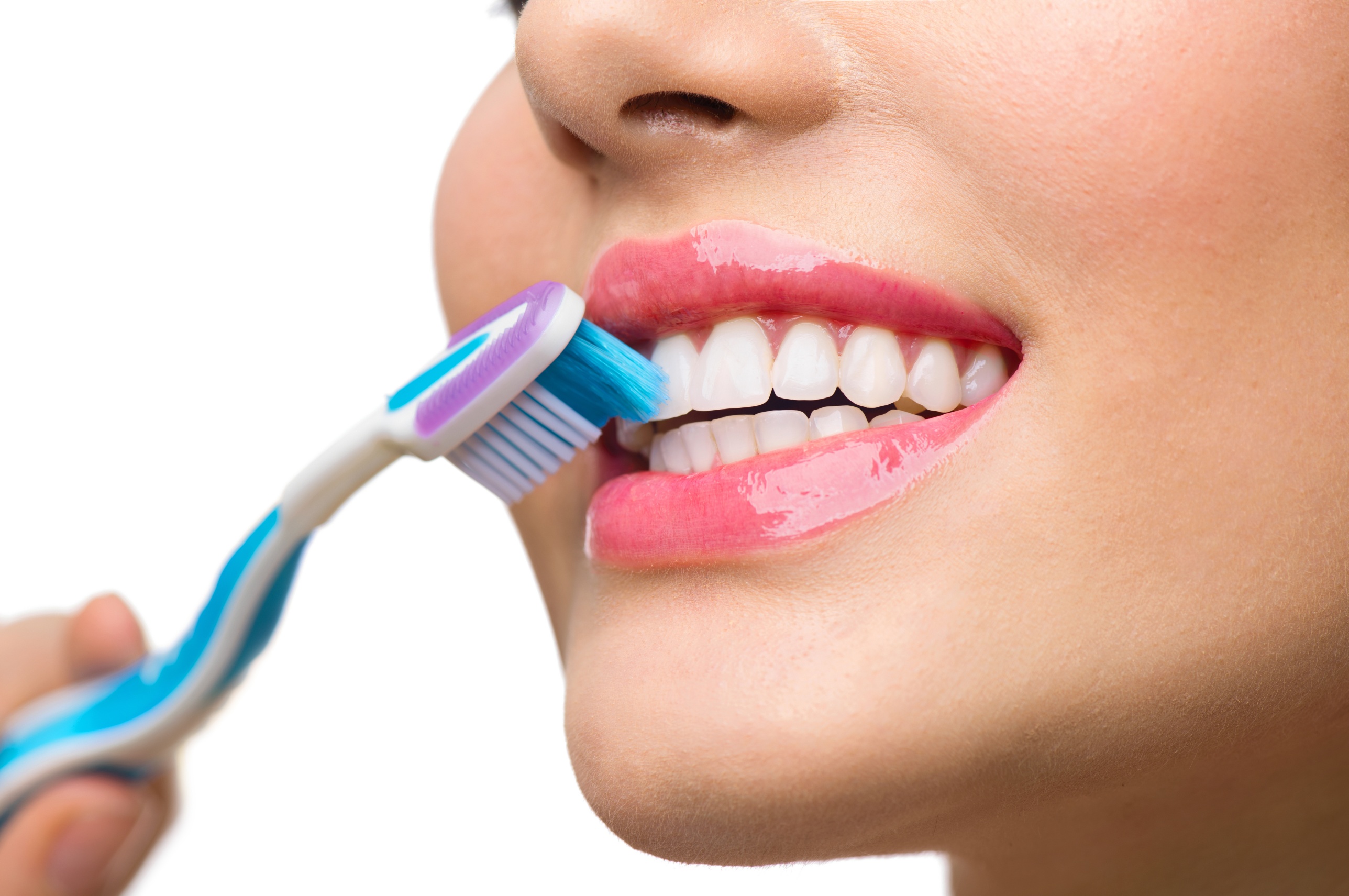
Add it to your toothbrush to get rid of stains. After putting the toothpaste on your toothbrush, sprinkle a pinch of salt on top and gently brush your teeth. It helps remove those unwanted surface stains that often develop from coffee, soda, and other beverages and foods consumed.

School Supplies

 When I was a child, no, not quite all the way back to the Flintstones era, but close, August was back-to-school month.  To me, that was an exciting time!  The promise of a new school year, seeing old friends again, wondering about my teacher.

As soon as I learned to sew, I was in charge of making my back-to-school clothes.  There was a man who came to the neighborhood driving a paneled van full of “dress-length” fabrics.  (How Little House, right?) He arrived early summer, so we had plenty of time to make some skirts, tops or dresses.

But in August, the entire family went to Kmart!  We all got new sneakers or shoes (whichever we needed).  But then it was off to the really exciting aisle—the stationery supplies!!  Oh my! Standing in that aisle, pencils and pens, erasers and markers on one side and all the notebooks, tablets and paper on the other!  I was in heaven!  The possibilities!! I picked up a spiral notebook, imagining all I could write in it!

While my mom helped my sister and I load up on what we’d need—3 ring binders, paper, spiral notebooks, pencils, pens, some report covers, a glue stick—my dad kept my younger brother busy.  We clutched our treasures and dutifully placed them on the cashier’s conveyor.  My brother struggled to put his new box of crayons on the belt too— no one was left out!  And the cashier gave us each our own bag!

As we got older, we would need to buy slide rules and calculators, and the accursed gym suits!  Boys were lucky, their gym period only required shorts and a T-shirt, but girls?  We were ruled by the whims of the gym teacher.  Since I had an older sister, I already saw the gym suit she had to wear.  It wasn’t bad: a navy-blue crisp cotton all in one suit that snapped up the front, and was slightly gathered at the waist.

I thought that was what I would have to wear…no such luck!  I got the new gym teacher—younger, definitely, but one who demanded comfort over style.  So off we went to the local sporting goods store to try on and purchase one.  Oh my goodness!  It was hideous!  It had navy-blue and white HORIZONTAL stripes, elastic waist and a stupid short back neckline zipper.  Not a single girl in my class liked the uniform.

Fast forward…a few years…(let’s leave it at that…lol)  …school shopping is completely different!  My granddaughter doesn’t have to wear a gym suit. A T-shirt and shorts are acceptable. She still needs a few pencils, but since cursive is no longer taught in school, she needs no pens or spiral notebooks.  She did need folders—to keep all her “handouts” together.  If she wanted to take extra notes, she would do it on the handouts or on the Chromebook she was “given” from the school district to take notes and do assignments.  She would be required to turn the Chromebook back into the school when she graduates.  She brings a water bottle with her every day and she is REQUIRED to have a backpack. 

*By the way, before I typed this into wordpress, I wrote it out longhand…in a spiral notebook! Grandma is still “old school”…LOL

HUMP DAY!!!!!!!!

Amazing Camel Facts:

Camels’ humps are not used to store water. Even though they come from hot climates, their humps store fat and also help the rest of their bodies to stay cooler. When needed, the fat will be converted to food or water.

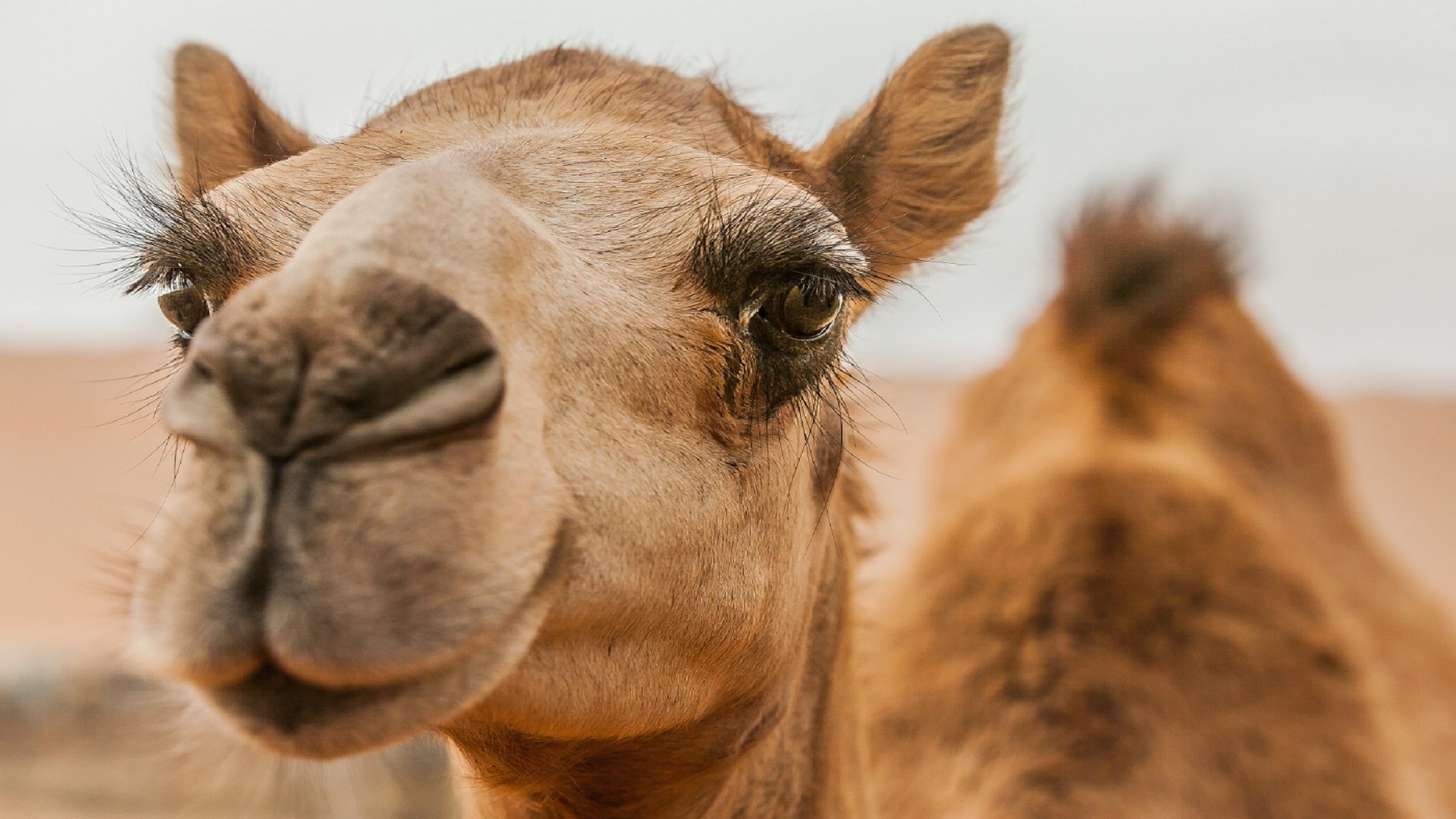
The word ‘camel’ comes from an Arabic word, when it’s literally translated, it means beauty. Don’t ever try and say that camels are ugly! (Look at that sweet face above…lol)

They need to stay hydrated in the desert, so it’s no surprise that camels can drink as much as 40 gallons of water at once. Considering it’s not being stored in their humps, that’s pretty amazing.

During the Second World War, German tank drivers would drive their vehicles over camel droppings, thinking it would bring them good luck.

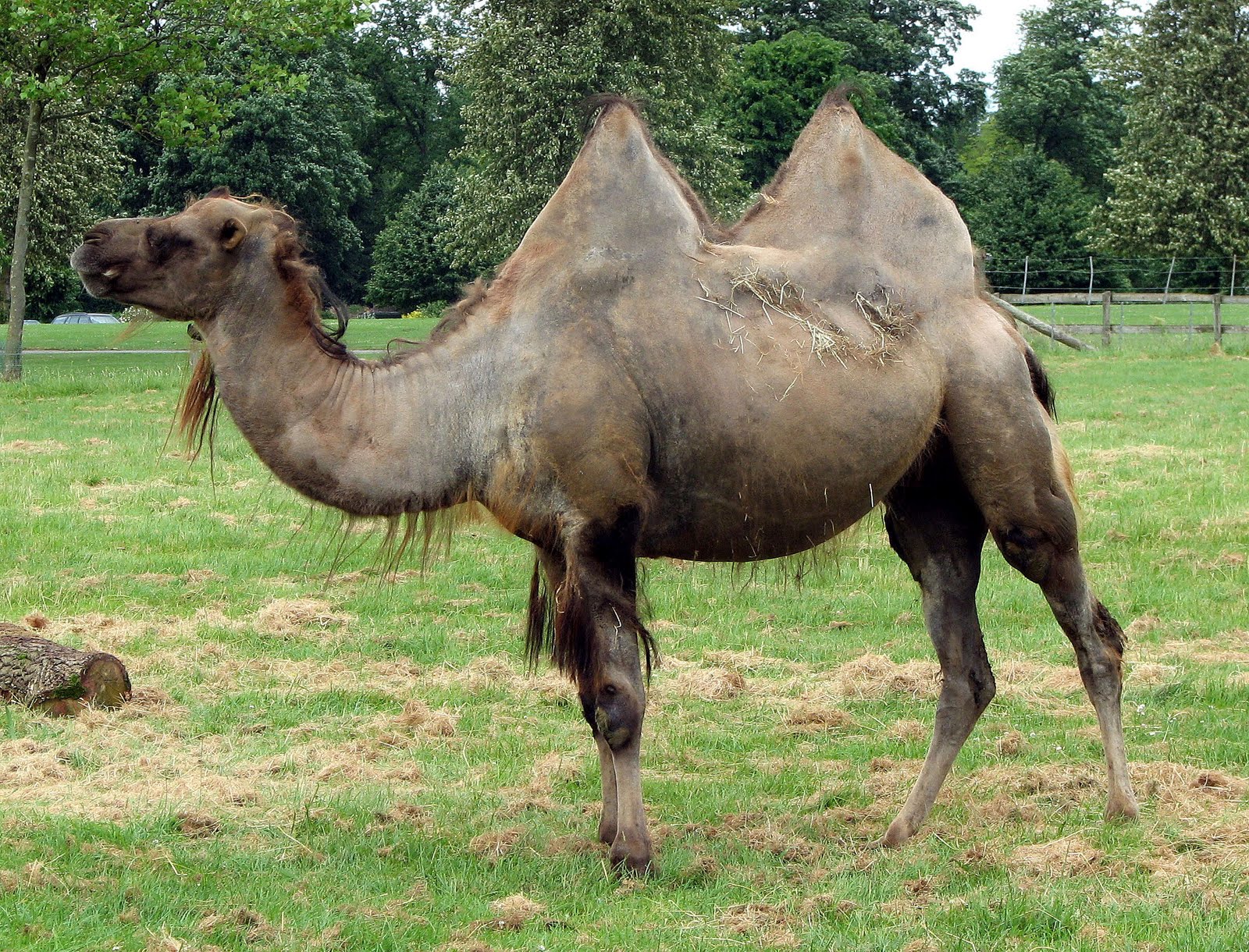
Arabian camels are the ones which only have one hump (Asian camels have two). In Arabian culture, they are so iconic that there are more than 160 words which mean ‘camel’. Camels are very social, even though they might seem extremely laid-back and slow. In the wild, they travel with around 30 others when looking for food.

Arabian camel
Asian camel

Camels are very social, even though they might seem extremely laid-back and slow. In the wild, they travel with around 30 others when looking for food.

There are more than 14 million camels in the world – most of them live in the Middle East, Asia and Australia.

In Turkey, a camel wrestling event takes place every January. Camel wrestling dates back to the ancient world, so even though animal rights groups aren’t very happy with the sport, there are no signs of it stopping in the near future.

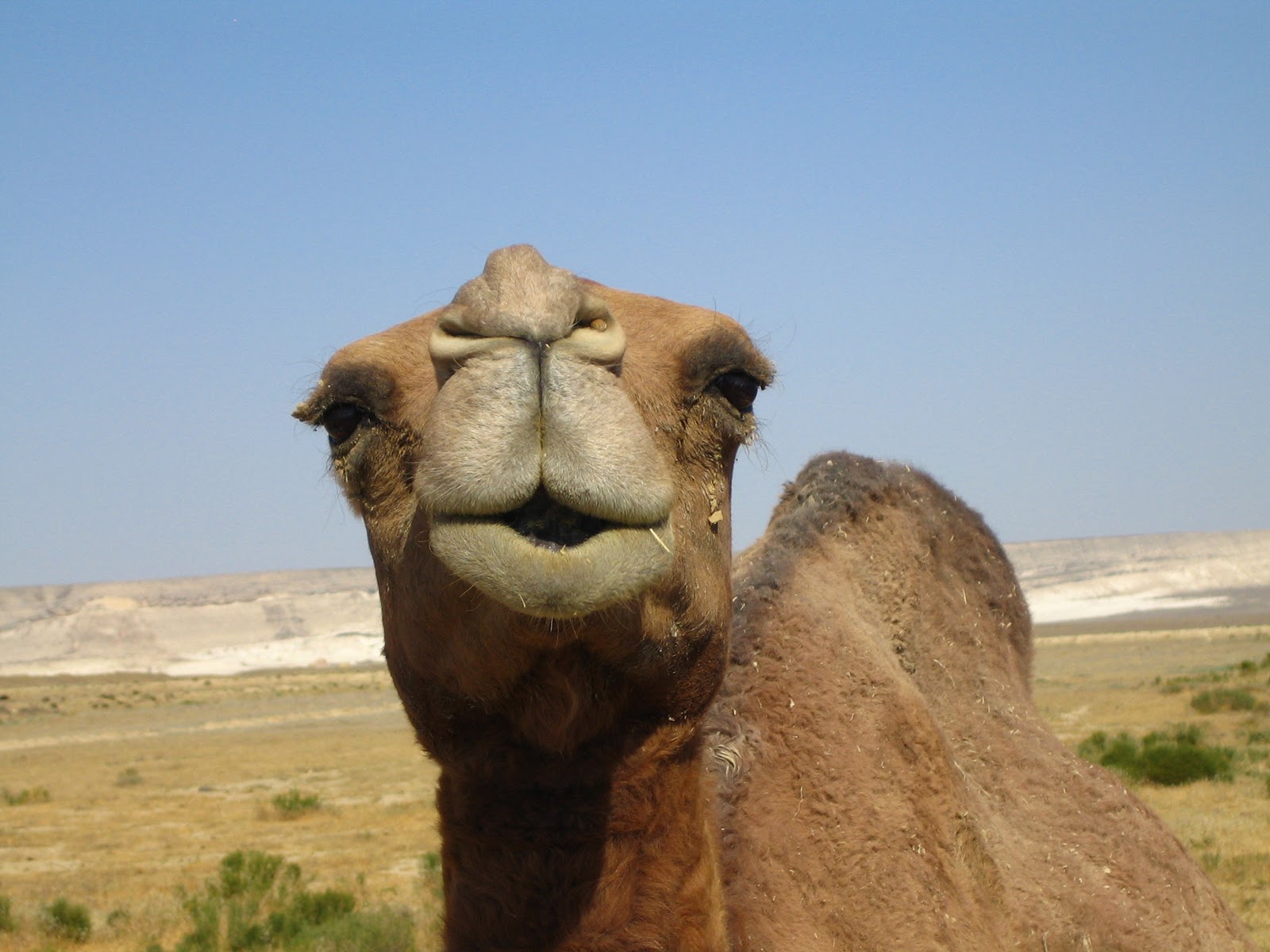
Camels will not damage their mouths if they eat thorny twigs and other items which might cause injury to other animals.  A camel’s mouth is split into two. This helps them to graze and eat their food more effectively.

The majority of mammals, including humans, only need to lose 15% of water before becoming dehydrated. However, camels are able to lose up to 25%, which means they can go much longer without water.

In Middle Eastern countries, many people eat camel and consider it a delicacy. The hump is apparently the best part, and younger camels are tastier than the older animals.

A camel’s nostrils are amazing. They retain water vapor which can be returned to the body when necessary, but they can also be closed if there is too much sand or wind blowing.

Camels don’t just spit for fun. If they feel threatened, they will use it as a defense mechanism. Be nice to camels and they’ll be nice to you!

They may not seem like fighters, but camels have been used during wars in the past. Ancient Greeks, Romans and Persians used to ride them, but they were used in the 20th Century too.

In 1855, the US Congress allowed the War Department to purchase camels using a $30,000 budget. They were used for several years, until the soldiers became tired of their bad tempers and smell.

Wild Bactrians are the only type of camels which have never been tamed or domesticated. They live in the wastelands of Eastern Asia and are incredibly tough creatures. However, they are less than a thousand of them left on the earth.

The world’s largest meal included a roasted camel. It was served at an Arabic wedding feast.

If you visit Abu Dhabi, you’ll be able to pick up a camel milkshake – made with real camel milk. The milk has loads more Vitamin C and iron than cows’ milk, and is very good for you. It is used in Kazakhstan to help treat illnesses, such as tuberculosis. The only reason it hasn’t made its way to the Western world is because the governments won’t pay for testing processes.

The Camel Mobile Library provides people in Kenya with literature. Camels are used to take books to areas which would not otherwise have access to a library.

A camel might appear to have thick fur, but its coat reflects the sun. This makes it ideal in the hot desert, and the camels don’t get too hot.

The Al-Dhafra Camel Festival takes place every year in the UAE. One of the most popular events is the beauty contest, which sees thousands of camels compete for the title.

Camels aren’t as slow as they look – they can run up to speeds of 40mph. However, they cannot maintain this for very long, but can comfortably move at up to 25mph.

The legend of the Red Ghost tells the story of a terrifying red camel wandering an Arizona desert and causing all kinds of atrocities, including killing people and trampling over tents.

The only time you will see a camel without a hump is when it is first born. Once the baby camel is old enough to eat solids, the hump (or humps) will start growing.

What’s the Buzz?

Are honey bees as busy as they say?  Do they really dance? How do they make honey?  Let’s find out!

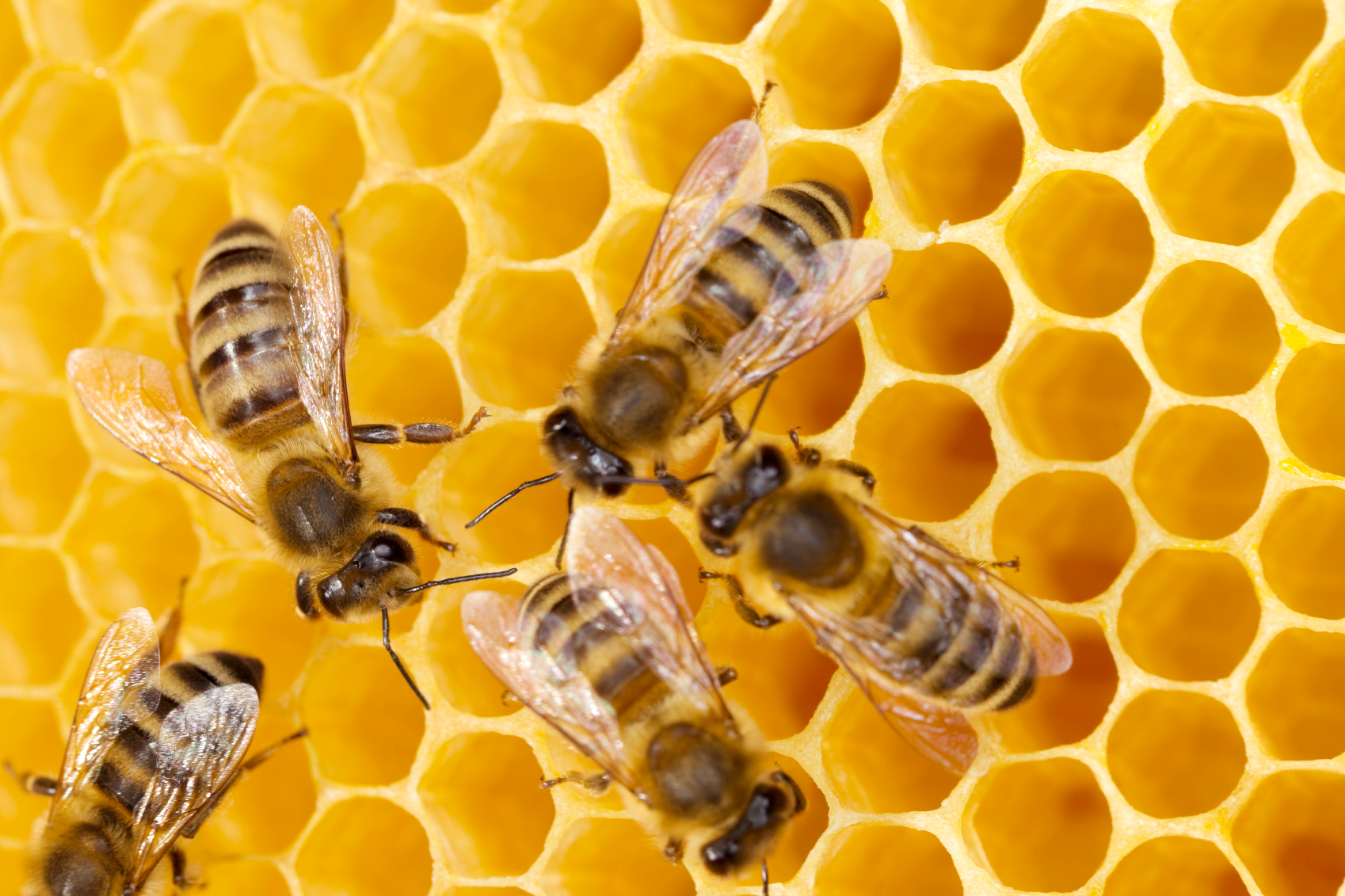
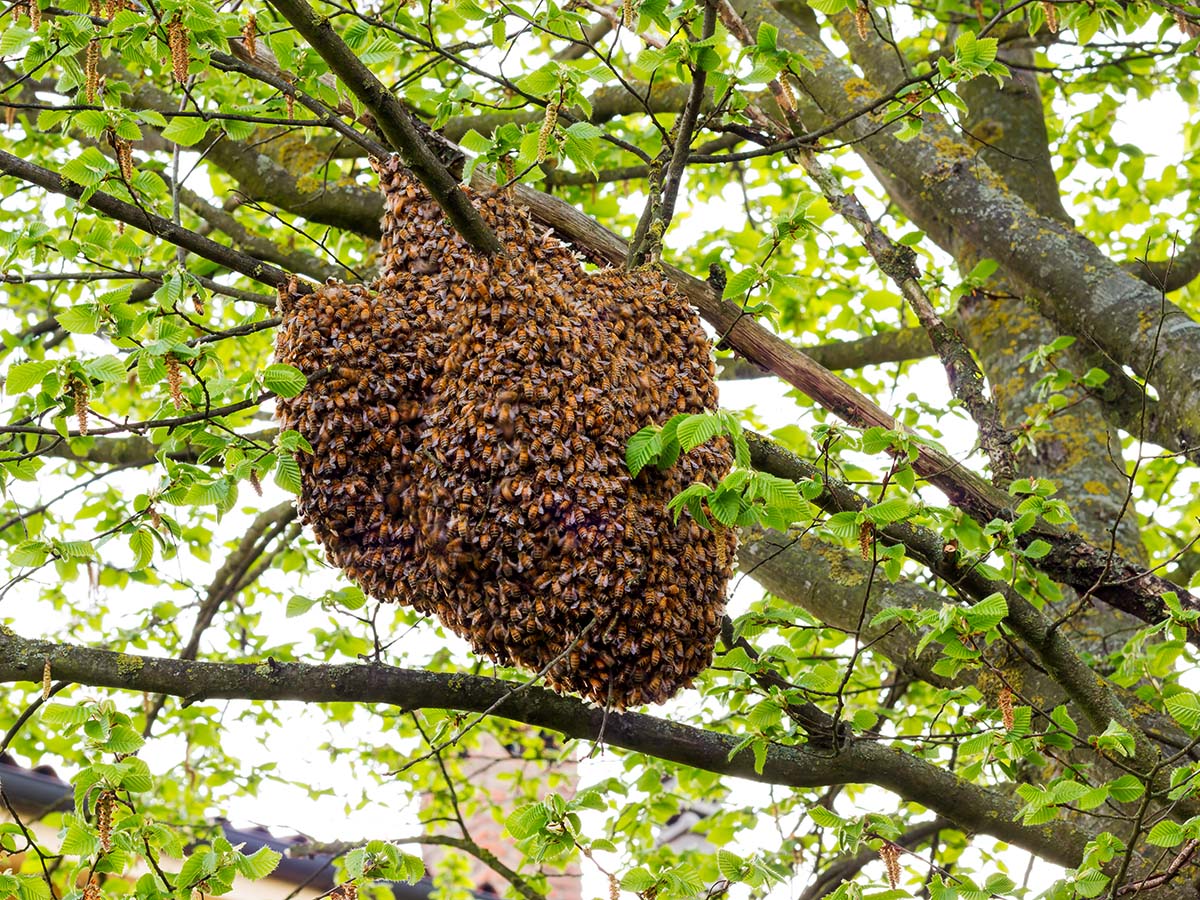
A colony is a group of bees that live and fly together. One colony can contain around 20,000 to 60,000 bees. The colony is divided into three groups; a queen, who will lay eggs to bring the next generation of bees to the hive; drones, male bees whose only function is to mate with the queen; workers, the female bees responsible for everything else…lol. They collect the pollen and nectar, circulate and clean the air in the hive, tend to the queen and build and protect that hive.

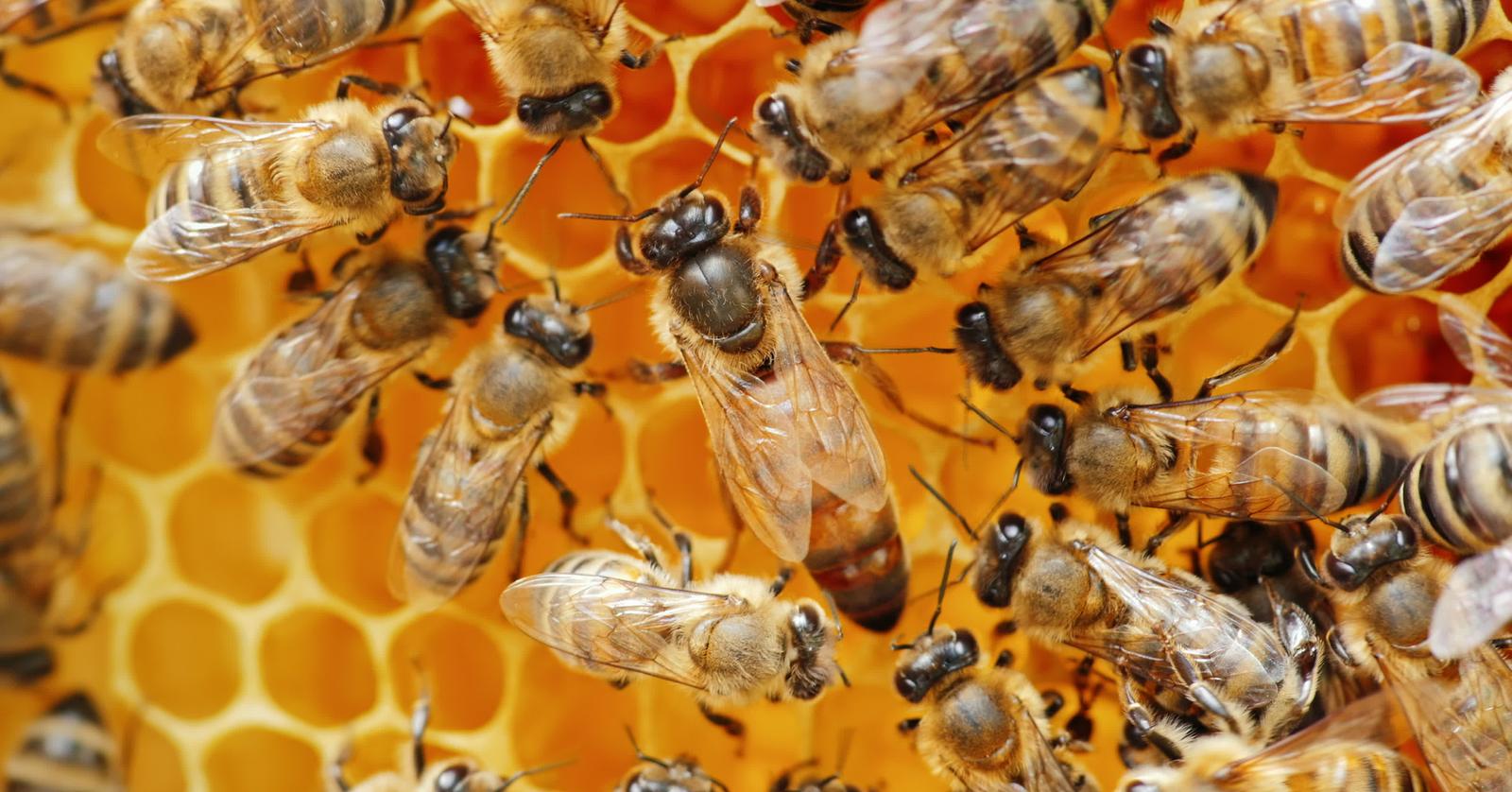
Queen

During the winter season, a productive queen will form a new colony by laying eggs within each cell inside a honeycomb. She lays one egg after every 45 seconds resulting in around 2500 eggs in a day.  Compared to other insects and other honey bees, the queen bee has a longer lifespan, because she is the one to bring the next generations of bees. In her 2-3 years of life, she may lay up to 2500 eggs per day, so in her lifetime, she will have produced over 1 million offspring. As she ages, her productivity declines though she can live up to 5 years. Mature queen bees have larger body sizes, because of their long abdomen containing several ovaries, enabling them to produce a lifetime’s supply of eggs. This length also enables her to cement an egg into the bottom of a honey comb cell.  If the queen is absent, honey bees will notice that absence within a span of one hour. After a few hours of agitation, emergency cells are constructed on existing worker larvae. The worker larvae is built for a new comb and fed royal jelly to enable its fast growth and development into a new queen.

Drone Bees

Male bees, called drones, exist to mate with the queen.  After that happens, they die. Tough life.

Worker Bees

Worker bees teach younger members how to make honey at an early age. They are first made to fly miles away from the hive, and then taught how to gather nectar and pollen from blooming flowers. Young honey bees then fly with the collected nectar back to the hive.  In the hive, worker bees make them chew up the nectar and then deposit that into honeycomb wax cells. They then fan their wings vigorously over the nectar to dehydrate the liquid inside in the cells. This will transform a slightly thin liquid into very thick honey. Once they have mastered this art, they officially start producing honey like other worker bees.

Honey Bees actually will perform a waggle dance to share information about the best food sources. They move in a figure-eight and waggle their body to indicate the direction of the food source, distance to patches of flowers and to new-site locations with other members of the colony. Nectar is carried by scooping it in a special sac behind the bee’s leg. In order to make one pound of honey, 556 worker bees must fly to around 2 million flowers to gather nectar and pollen. In their lifespan of 6-8 weeks, worker bees have to fly approximately 90,000 miles, equivalent to 1½ times the earth’s circumference in search of quality pollen and nectar, to produce that one pound of honey.  Amazingly, in one collection trip, 50-100 flowers are pollinated. And only 4 species of honey bees are kept for producing honey: the Apis melifera, meliponines, Apis lithohermaea and Apis nearctica.

Basic Honey Bee Facts

Your basic honey bee has 170 odorant receptors that enable it to recognize its relative’s signals, social communication within the hive and recognition of odor for finding food. Their sense of smell is so precise (and 50 times more powerful than a dog), that they can recognize different floral varieties when looking for pollen and nectar. Pheromones released by the honey bees together with compounds building up the nest wax, such as fatty acids and carbohydrates, make up the volatile mixture of odor. A honey bee’s odor helps it to determine its own colony, and distinguish between nest mates and foreign bees so they can identify intruders from other species. The sense of smell of a honey bee is so sensitive that carbon dioxide released from human breath may smell threatening to them, stimulating them to sting…so no heavy breathing around bees!

Honey bees rarely sleep; they work the whole day and night. When they want to sleep, they take shifts inside the hive. Their sleep pattern changes with their age. The younger bees will sleep a lot less while the older bees will sleep more than the younger bees. Older bees need more sleep because it helps their memory.  Honey bees will hardly work when the temperatures are below 57⁰F or above 100⁰F. When the temperature is below 55⁰F, they can’t fly. They can only fly when the temperatures are between 55⁰F and 60⁰F. On extremely hot days, they will cluster outside unshaded hives because too much shade makes them irritable, especially in the summer.

A honey bee has two barbed lancets on its stinger, that if it stings you with it, it is unable to pull it back. Due to this fact, not only the stinger is left behind, but part of his abdomen, digestive tract, muscles and nerves are also left. This results into a massive abdominal rupture that kills the bee. Honey bees have three simple eyes called ocelli and two large compound eyes. They use their ocelli eyes to detect light intensity. The other two large eyes are used for detecting movement.

Honey bees belong in the hymenopterans family, therefore have four wings. Their wings are arranged in two pairs, connected by a row of hooks called hamulus on the back wing. Although their wings help in flight, the fore wings are much larger than the hind wings. Apart from flight, the fore wings are also used as a cooling mechanism. The hind wings are used for flight and fanning away heat from the hive.  The sound of a honey bee is called a buzz. This is their trademark sound, which is created as a result of rapid beating of their wings. They flap their wings 200 times per second, creating vibrations in the air that result into the sound perception called buzzing.

Have you ever wondered why beekeepers wear white overalls? Honey bees dislike dark colors probably because they came to realize that most of the honey predators, bears and other animals, have dark colors. Dark colors make them defensive of their sweet honey. Therefore, beekeepers wear white colors to decrease their chances of being stung.  Studies have proven that honey bees have the ability to recognize human faces and remember them for at least two days. It is said that they have a better memory of remembering faces than some humans. Honey bees are lovers of caffeine and can get hooked on caffeine like people. Studies reveal that honey bees love caffeine because it boosts their long-term memory.

What Shall We Cook Today?

Today I am sharing my favorite lasagna recipe! I do not like ricotta cheese, so I use a combination of sour cream and cream cheese instead.  I have tried the lasagna noodles that do not require pre-cooking, but I was unsatisfied with the results, but you could always choose to substitute those if you wish.  And while I like mozzarella cheese, I am not in love with it, lol, so I do not add it between layers—some folks do.  Again, it’s what YOU like that counts.  This is a wonderful dish to assemble early in the day and put in the fridge till an hour or so before supper.  Then remove from the fridge while you preheat the oven.  Slide it in the oven for an hour and it’s done!

LASAGNA

1 pound ground beef, browned, rinsed, drained and seasoned to your taste

1 jar Spaghetti sauce (we like Prego)

9 Lasagna noodles cooked and drained*

1 8-ounce cream cheese slightly softened

1 16-ounce sour cream

Mozzarella cheese (I prefer finely shredded)

Preheat oven to 350*.  Combine the seasoned, browned ground beef with the spaghetti sauce.  In a bowl, beat the cream cheese and the sour cream.  Spray a 13 x 9 baking dish with non-stick cooking spray.  Assemble the lasagna in this manner: a layer of 3 noodles, then ladle 1/3 of the sauce/ground beef, then drop tablespoons of the sour cream/cream cheese mixture over that using approximately 1/3 of the mixture per layer.  You should be able to make 3 layers ending with the sour cream/cream cheese mixture.  Top with mozzarella cheese.  I top that with oregano, but any Italian seasonings you prefer would work also.  Cover the dish with aluminum foil and bake at 350* for 45 minutes.  Uncover and bake for an additional 15 minutes or until the mozzarella is melted. Enjoy!

*Lasagna noodles expand slightly when they are cooked, so you may want to trim them to fit your dish (I do, but I am admittedly anal about such things). 

National Lighthouse Day

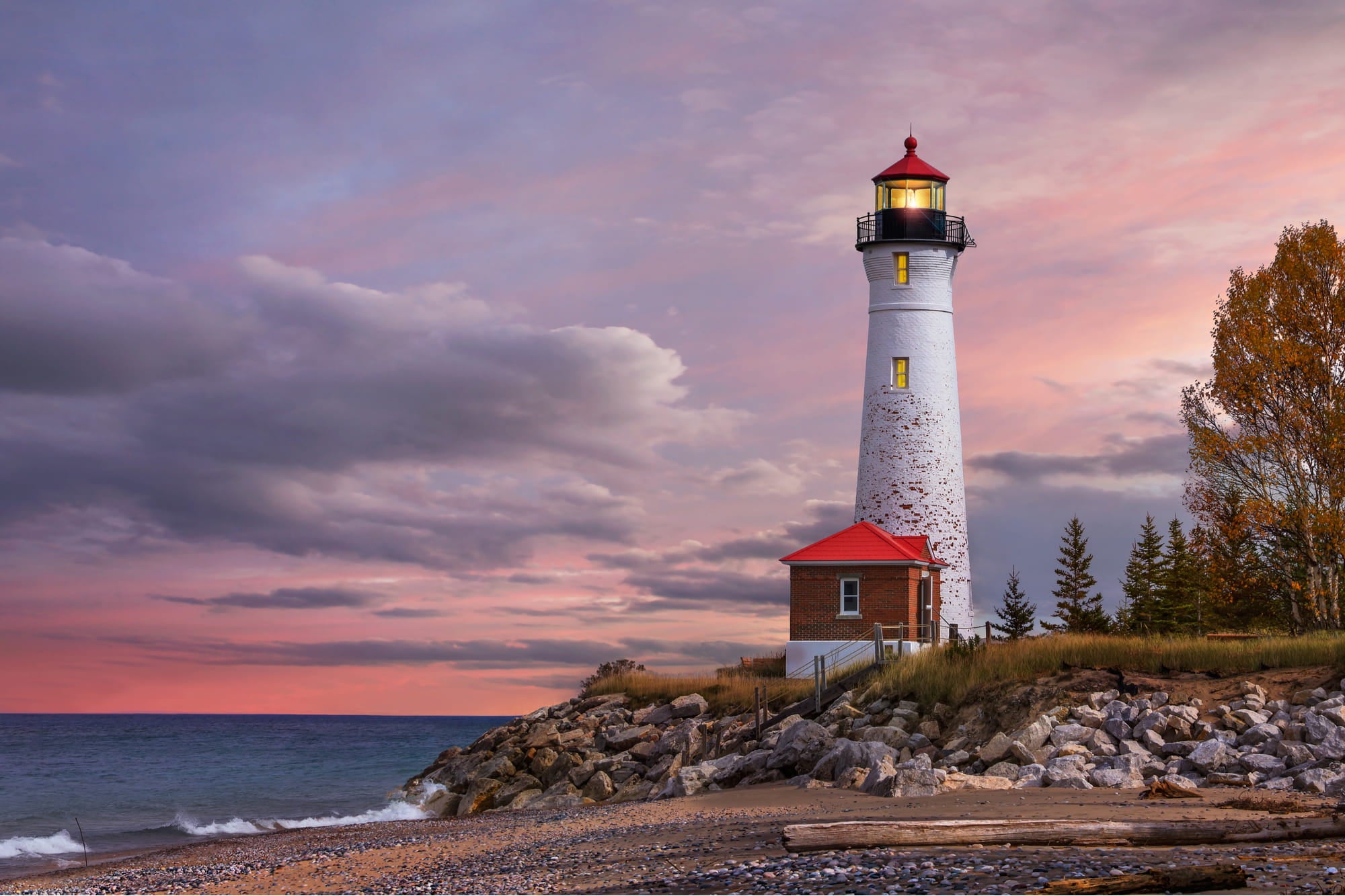
In honor of National Lighthouse Day, I present 10 amazing lighthouses from Michigan–the state with the most lighthouses in the whole country. With it’s 3,200 miles of shoreline, Michigan has about 115 lighthouses! Tall and elegant or short and utilitarian, beautifully restored or lying silently forgotten, they are worth a visit. Many of Michigan’s lighthouses are open for tours, if only seasonally. Others are home to bed and breakfast lodging or museums. Still, others are privately owned or otherwise inaccessible, inviting admiration from afar a few souvenir photographs. Here are some of my favorites…

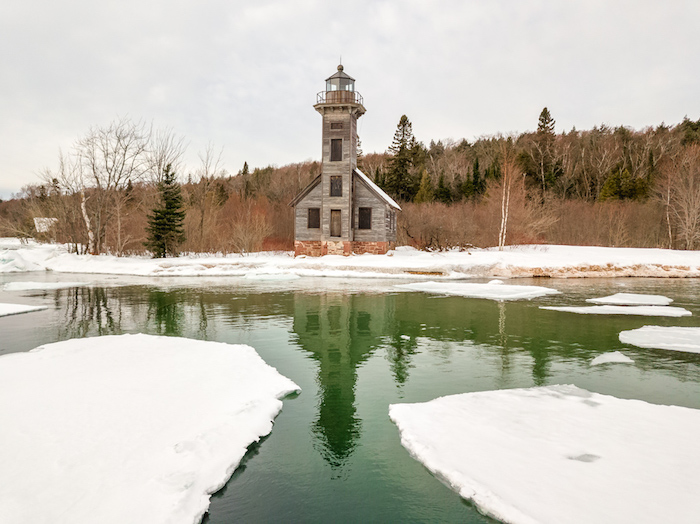
Grand Island East Channel Lighthouse | Photo Courtesy of Trevor Mahlmann

Built in 1870, Grand Island’s East Channel light sits surrounded by the wilderness of the Pictured Rocks National Lakeshore. Although the light is privately owned and inaccessible to travelers, its weathered wooden exterior is so attractive that shutterbugs are still drawn to photograph the light on boat cruises through the channel.

Granite Island Lighthouse in Marquette | Photo Courtesy of Instagram fan emmafink

Tiny Granite Island pokes up above the surface of Lake Superior north of the city of Marquette, its rocky promontory topped with the Granite Island Lighthouse. Originally built in 1869, the stone lighthouse fell into horrid repair after its decommissioning. But a complete renovation of the light was completed in 2011. The Granite Island Lighthouse is available to rent for special functions.

Port Austin Reef Lighthouse | Photo Courtesy of Instagram fan michiganskymedia

Built in 1878, the striking six-story Port Austin Reef Light sits in a shallow area of Saginaw Bay nearly 2 miles from the mainland. The six-story tower and its adjoining keeper’s house were crafted of a tough, buff-colored brick meant to withstand the most severe weather conditions. The lovely Queen Anne “Castle on the Lake” isn’t open to tours but can be viewed up close via boat.

Old Mackinac Point Lighthouse | Photo Courtesy of Trevor Mahlmann

In the 19th century, the narrow Straits of Mackinac were no tourist attraction. They ranked among the most treacherous stretches of water for mariners. Old Mackinac Point Lighthouse, the unusual Norman Revival “Castle of the Straits,” began illuminating the shipping lane in 1889. The light served an immensely important role until 1957 when the Mackinac Bridge and its superior navigational aids rendered the lighthouse obsolete. Costumed interpreters guide visitors through the lighthouse tower, a restored keeper’s quarters as well as the Straits Shipwreck Museum.

Bois Blanc Light | Photo Courtesy of Instagram fan katielx

Set on an island neighboring Mackinac Island, the Bois Blanc Lighthouse stands out from its wooded backdrop, its tower and keeper’s quarters of sand-colored brick, the lantern atop its 38-foot tower a vivid white. The light was constructed in 1867 and operated along the Lake Huron shoreline until the mid-1920s. Today the light is privately owned and can only be enjoyed from a distance, by boat.

Grand Traverse Lighthouse | Photo Courtesy of Trevor Mahlmann

Set at the end of the Leelanau Peninsula near Traverse City, the 1858 Grand Traverse Lighthouse stands vividly white and red against the deep green pine forests and turquoise waters of Lake Michigan. Visitors can climb to the top of the lighthouse tower and explore the keeper’s quarters, which have been restored to their 1920s and ‘30s appearance.

Ludington North Breakwater Light | Photo Courtesy of Mark Miller Photography

The white, bullet-shaped Ludington North Breakwater Lighthouse sits at the end of a pleasant pier in the heart of Ludington, surrounded by the beach and playground facility at Stearns Park. Built in 1924, the light is open to tower climbs all summer long.

Holland Harbor Lighthouse | Photo Courtesy of Brian Hammond

Referred to merely as Big Red by locals, the Holland Harbor Lighthouse dates from 1907. Fire-engine-red against the blue waters of Lake Michigan, the lighthouse sits at the end of the city’s southern pier, which in turn leads to Lake Macatawa and Holland’s working docks. Entrance to the lighthouse tower is rare, and to its grounds through a gated community. It is best to enjoy Big Red from the beach at Holland State Park, just across the channel.

St. Joseph North Pier Outer Lighthouse | Photo Courtesy of Pure Michigan

In 1907 St. Joseph extended its pier by 1,000 feet, rendering its 1859 lighthouse obsolete. In its place were built the North Pier Inner and Outer Lights that you see today. The white lights rank as a beloved landmark in St. Joseph, the lights are still joined by their original catwalk. Access to the lights themselves is prohibited, but visitors and locals enjoy walking the pier to see the lights up close. Good photo opportunities can be had at Tiscornia and Silver Beach Parks.

40 Mile Point Lighthouse (Rogers City) Photo Courtesy of Mike Fritcher

This lovely brick lighthouse in Rogers City sits tucked among greenery and trees, giving it an almost ethereal appearance. You’ll want to snap a few photos of the picturesque building, which was constructed in 1896. Depending on the time of year, it’s also possible to climb to the top and enjoy the breathtaking view of the Great Lake.

This map details a lighthouse road trip: driving time for this lighthouse road trip in Michigan is just over 18 hours, so if you want to stop and get out at each lighthouse you’ll probably want to plan on doing the trip over a long weekend.

Cramping Your Style

If you’re like me, you’ve experienced painful, sleep-disturbing leg cramps at some point. About 60% of people report experiencing nocturnal leg cramps. Nocturnal leg cramps — also commonly called charley horses — are painful, involuntary contractions of the leg muscles during the night. Although nocturnal leg cramps generally pass after a few minutes, they are unpleasant and can disrupt sleep enough to create problems. Usually, the calves and feet are most affected, and these cramps are more prevalent in women and older adults, but anyone can experience them.The exact causes of nocturnal leg cramps are unknown. However, there are some factors that may increase the chance of experiencing leg cramps during the night.

Medications: Some medications, like diuretics, steroids, and antidepressants, are associated with nocturnal leg cramping. Talk to your doctor about any medications you are taking if you experience leg cramps during the night.

Pregnancy: Leg cramps are a common experience in pregnant women, although some professionals consider pregnancy-related leg cramps different from nocturnal leg cramps. Researchers are unsure if this leg cramping occurs due to pregnancy itself, or because of a lack of blood flow in the veins as a result of pregnancy. Magnesium supplements have been shown to reduce leg cramping in pregnancy, but you should talk to your doctor before beginning any new supplements.

Dehydration: Not drinking enough water during the day can result in dehydration. Dehydration causes muscle weakness and cramping. Nocturnal leg cramps in particular are not associated with dehydration, but drinking water is still important. The exact amount of water you need to drink each day depends on your body weight, activity level, medications, and local climate.

Standing for Extended Periods: Being on your feet for long periods of time can increase the risk of experiencing these leg cramps, making them a problem for people who must stand while they work. Taking breaks from standing and setting aside time to elevate your feet may help.

Exercise: Exercising at the gym or through team sports may lead to muscle cramps. When muscles are fatigued or overworked, they can be more susceptible to cramping. Exercise-associated muscle cramps may be mistaken for nocturnal leg cramps when they occur at night. Stretching during an exercise-induced cramp has been shown to help relieve pain.

Alcohol:  Research of people over age 60 shows that those who drink alcohol are more likely to report nocturnal leg cramping. This cramping could be a result of alcohol’s ability to damage muscle fibers, but more research is needed.

So what can be done to reduce the likelihood of experiencing these awful cramps? Although the exact cause of nocturnal leg cramps is unknown, there are ways to reduce the chances that you will experience them. Typically, leg cramps do not indicate a serious health problem. However, if you are experiencing frequent leg cramping, you should reach out to your doctor, but here are some possible helpful precautions:

Hydration: Staying consistently hydrated throughout the day may help reduce the frequency of muscle cramps, since dehydration can cause cramps. Though some research suggests that nocturnal leg cramps are not caused by dehydration, it may help to drink water during long periods of outdoor activity or strenuous activity. There is also research to suggest that drinking pickle juice during a cramping episode helps inhibit the cramp quickly.

Stretching: Doing some stretching or yoga before bed may help you reduce both the frequency and intensity of nocturnal leg cramps. Research suggests that engaging in a stretching routine before bed helps reduce cramps and leg pain after about six weeks.

Baths: Some people claim that taking a bath helps relieve their nighttime cramps, though further research is needed. An epsom salt bath in particular could help reduce muscle pain mistaken for leg cramps. Epsom salt contains magnesium sulfate. An epsom salt bath could increase your magnesium levels, which may help relieve leg cramping.

Massage: Massaging your calves or feet before bed may help you reduce cramping during the night by relaxing the muscles in your legs. If you have limited mobility, consider asking a partner to help.

Heel Walking: Some people find that walking on their heels helps reduce nocturnal leg cramping. If you wake up in the middle of the night with a cramp in your calf, try getting up and walking on your heels. Although this type of walking helps release the tight calf muscle, research has found that it is not as effective as stretching during a leg cramp.

When to Talk to Your Doctor

If you are experiencing cramping in your feet and calves frequently during the night that does not go away with changes in lifestyle or diet, consult your doctor. In many cases, the cause of nocturnal leg cramps is unknown. Some leg cramps could indicate a more serious underlying disease, however, including:

Cardiovascular disease

Cirrhosis

Kidney disease

Osteoarthritis

Narrowing of the spinal canal

Nerve damage in legs

Circulation disorders

Reptiland

No, not Congress. Although Congress IS filled with snakes, I am referring to Clyde Peeling’s Reptiland in Allenwood, PA. We pass Reptiland every time we visit home and the parking lot is always FULL! I wondered what was the attraction with snakes, but I discovered Reptiland is much, much more than just snakes!

In many zoos around the country, reptiles are relegated to a single building in the back corner. True, many visitors take the time to see the snakes, gators, and lizards housed here, but it’s often an afterthought to the main attractions like the big cats, elephants, and other popular animals. However, at Clyde Peeling’s Reptiland in Allenwood, Pennsylvania, reptiles are the star attraction.

Begun in 1964, Reptiland has grown to over 75 species and 2,000 total animals. In Peelings’ own words, they are “his passion.” Reptiland is one of only 8 zoos in PA that are accredited by the Association of Zoos and Aquariums.

There are five main areas to Clyde Peeling’s Reptiland. Walking around the park clockwise, the first area you’ll come to is a small number of outdoor enclosures featuring several varieties of turtles and tortoises. The most popular enclosure houses three Galápagos tortoises. These are some of the largest tortoises in the world and are quite fascinating to see in person.

Next to the Galápagos tortoises is the Program Center. Here, shows are held five times a day and feature a zookeeper taking about the animals at the park, along with a few special friends. It’s a 30 minute show geared more for kids, but very informative–with the added bonus of getting to touch a small crocodile at the end!

The second area of the park surprised me the most– the Butterfly Garden. While it does seem a bit out of place, given the reptile theme, you can walk in this greenhouse and see butterflies all around you. They even hatch their own butterflies in the garden, giving visitors a great chance to see what they look like in different stages of their lives. (The Butterfly Garden is closed during the colder months of the year, so plan your trip accordingly.)

Next, the tour goes into the Reptile and Amphibian Gallery. In many ways, this is a typical reptile house you’d find at any other zoo. A variety of animals are contained within the building, including frogs, snakes, and even small crocodiles.

The snakes were interesting for their variety. In addition to having some of the most well-known snakes like the black mamba or the anaconda, the area also included snakes you might see while hiking in Pennsylvania, such as the timber rattlesnake and the copperhead.

Also inside the Reptile and Amphibian Gallery are the zoo’s alligators. The two alligators are housed in a nice enclosure that features a large viewing area, ensuring you’ll get a great view no matter how crowded Reptiland is. There are programs here that tell you a bit more about the alligators. While there is no set feeding schedule, you might be able to see the alligators fed if you are lucky.

The fourth area of the park, the Island Giants exhibit, is home to the Aldabra tortoises and Komodo dragons. These animals are unique in that they both are very large but confined to a very small natural habitat. The Aldabra tortoises are one of the world’s largest tortoise species and are primarily found on one island in the Indian Ocean. Komodo dragons are relatively uncommon in zoos, and there is only one other zoo in Pennsylvania that has them (the Pittsburgh Zoo).

The last section of Reptiland is the most curious. Here, animatronic dinosaurs move and roar as you walk along the paths of the Dinosaurs Come to Life exhibit. The goal here is to teach people about the reptiles that used to walk the earth, and it is well done with realistic dinosaurs but again, this display is only open during the warmer months, so plan accordingly.

Source: UncoveringPA

Ladies Love Country Boys

Trace Adkins

There’s a really good, older country song called “Ladies Love Country Boys” by Trace Adkins.  These are the lyrics:

“Ladies Love Country Boys”

She grew up in the city in a little subdivision
Her daddy wore a tie, mama never fried a chicken
Ballet, straight-As, most likely to succeed
They bought her a car after graduation
Sent her down South for some higher education
Put her on the fast track to a law degree

Now shes coming home to visit
Holding the hand of a wild-eyed boy
With a farmers tan

Shes riding in the middle of his pickup truck
Blaring Charlie Daniels, yelling, Turn it up!
They raised her up a lady but theres one thing
They couldnt avoid
Ladies love country boys

You know mamas and daddies want better for their daughters
Hope theyll settle down with a doctor or a lawyer
And their uptown, ball gown, hand-me-down royalty

They never understand why their princess falls
For some camouflage britches and a southern-boy-drawl

Or why shes riding in the middle of a pickup truck
Blaring Hank Jr., yelling, Turn it up!
They raised her up a lady but theres one thing
They couldnt avoid
Ladies love country boys

You can train em, you can try to teach em
Right from wrong but its still gonna turn em on

And they go riding in the middle of a pickup truck
Blaring Lynyrd Skynyrd, yelling, Turn it up!
You can raise her up a lady but theres one thing
You just cant avoid
Ladies love country boys
They love us country boys

Upon hearing this the other day, I realized instead of blindly accepting Mr Adkins’ lyrics, I would fact check them…it’s all the rage, right?  Will country boys have the STATS?  (STATS: Smile, Transportation, Attitude, Talent, and Sex Appeal.)

Let’s start with Smile…a city guy smiling…

versus a country boy smiling.

NO CONTEST! Am I right???

Let’s talk transportation…city guy transportation:

versus country boy transportation:

hmmmmm…little scooter versus a pick-up truck? Can two even ride those scooter things?

“A” is for attitude. Compare the attitude of a city guy…

with a country man’s attitude:

I don’t know about you, but i think the merman is creepy!

When it comes to talent, a lot of city guys are limited to destructive screaming and protesting…

but country boys have impressive, life affirming talents.

Which brings us to sex appeal.  This is a typical city man…

versus a typical country man…

Not even close!

I think I can rate the above song as TRUE! 

National Watermelon Day!

Watermelons are made up of 92% water, hence the name.

A watermelon is one of the only foods to be classified as both a fruit and a vegetable.

Wild watermelons are native to South Africa.

The novelty of a cubed watermelon began in Japan where they would grow them in glass boxed to hold their shape.

In Egypt and Israel it is common for watermelon to be served with feta cheese.

Watermelon is a relative of pumpkins and cucumbers.

Early explorers used watermelons similar to a drink bottle to hold fluids.

Watermelon is grown in 96 countries.

Watermelon has a greater concentrated source of lycopene in comparison to tomatoes.

In the United States amongst different melons, watermelon is the most consumed.

There are more than 1,200 varieties of different watermelons.

Although many people prefer not to, all of the watermelon including the rind can be eaten.

Globally, China is the leading producers of watermelons.

There is evidence showing that the first watermelon ever grown was in Egypt approximately 5,000 years ago.

United States are the fifth largest producers of watermelon globally.

The scientific name for a watermelon is ‘Citrullus Lanatus’.

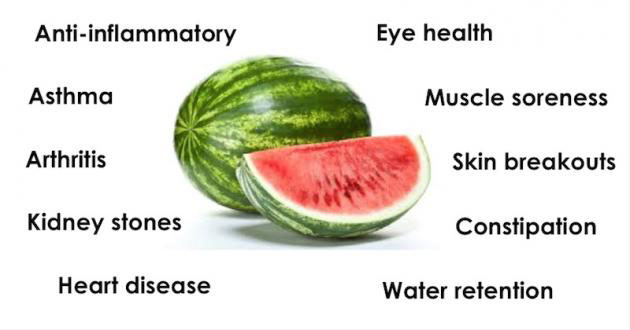
Watermelon juice may relieve muscle tension.

Watermelon is rich in many vitamins.

Watermelon contains 6% sugar.

The heaviest watermelon recorded weighed 350.5 lbs and was grown in 2013.

In the United States an entire month has been dedicated to watermelons.

Watermelon has been known as a natural Viagra due to its citrulline content.

Seedless watermelons are not genetically modified but are a hybrid species.

Going on weight, watermelons are the most consumed fruit in America.

Watermelon has only about 40 calories per cup.

Chinese offer watermelons as gifts to a hostess.

A watermelon’s flesh is not always red alternatively can be orange, green, yellow or white.

Some varieties of watermelon need 130 warm days to fully ripen.

In some cases watermelon can reduce inflammation in the body.

Watermelon does not contain any bad fat or cholesterol.

In ancient Egypt, watermelons were placed in burial tombs to nourish the soul after they had passed.

Watermelon only began growing in China in the 10th century and Europe in the 13th century.

But to me, the most amazing fact about watermelon is that the part most people discard–the rind–can be carved into the most beautiful designs!

okay, technically not the rind…but it’s gorgeous!
same comment…it’s gorgeous!

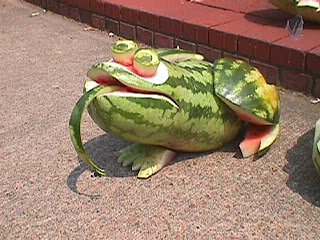
And then, of course, there are the whimsical carvings…

So, get them while they’re in season!!