We love pretzels at our house and this recipe takes store bought pretzels and turns them into a flavorful snack. I use 2 full bags of pretzels (I like Snyder’s) which sounds like a lot, but this recipe will keep if stored in an airtight container for a long time!
Baked Pretzels
2 1-lb bags of hard pretzels (broken into bite sized pieces)
1 cup oil (not olive!)
1 package Hidden Valley Ranch Dressing mix (original)
1/2 tsp lemon pepper
1/2 tsp dill weed
1/2 tsp garlic powder
Preheat oven to 350*. Mix all the ingredients (except the pretzels) in a small bowl. Put the broken pretzels in a large bowl and pour the seasonings/oil mixture over them. Stir to coat the pretzels. Pour the pretzels onto a baking tray and bake for 7 minutes. Remove from the oven and carefully stir the pretzels on the tray. Bake an additional 7 minutes. Remove from the oven. Continue to stir several times as the pretzels cool. Enjoy!
Although the Road Runner always got the best of Wile E Coyote, coyotes are pretty amazing animals. They can run up to 43 mph, control how many pups they have in a litter based on food availability, and use 11 different ways of communicating. There are 19 subspecies of coyotes that live in every state except for Hawaii, and they can even mate with wolves and dogs. And apparently, they have ACME on speed dial…LOL.
Coyotes are most active at dusk and dawn. Why? Their favorite prey—deer—are also most active at this time. Coyotes will hunt deer, but they will also be perfectly happy with roadkill as well. Coyotes are not picky eaters by any means—they’ll eat whatever is available—rabbits, rodents, berries, fruits and vegetables and grasses. They will even eat rattlesnakes if they wander too close to their den.
Coyotes go by many, many different names. Some pronounce the name KIGH-oh-tee and some say it KIGH-oat. They are also known as prairie wolves, brush wolves and American jackals. The original name for the coyote derived from the Aztec name ‘coyotl’ which was corrupted somewhat by the Spanish language and became ‘coyote.’ The character ‘Coyote’ is an important cultural phenomenon in many indigenous people’s cultures. This character is described as a trickster and is often portrayed as being greedy or dishonest. Still, in some Native American cultures, Coyote is revered as teaching children important life lessons about survival and life in general.
Physically, coyotes are also amazing! Coyotes are very comfortable in the dark. Their powerful night vision comes from the abundance of rod receptors in their eyes. These respond to low levels of light, as opposed to cones which respond to high levels of light. They also have a mirror beneath their retinas called a tapetum lucidum. It reflects the observed light twice, giving the eye a better chance of seeing even in low-light conditions.
And their hearing is tremendous! The shape of their ears is meant to capture even the smallest of movement. They can hear up to a quarter mile away! During the wintertime, a coyote can hear a mouse moving beneath 7 inches of snow!
To thrive as well as the coyotes have, they must be equipped with top-notch sight, hearing, and smell. Luckily for coyotes, they have all three. Coyotes have been known to be weirded out by even the subtlest of scents. Their natural instinct to avoid danger makes their sense of smell that much more important, especially when it comes to smelling people or hunters. Coyotes also use smell, more than sight, to identify pack members. While sight is only used to detect movement, coyotes depend more on hearing and smell to find their prey.
Which brings us to sound. Coyotes don’t just make noise to make noise. Each sound has a different purpose. The two most distinct sounds a coyote can make are barks and howls. Howls seem to be more for communicating information to other pack members, or to warn outsider coyotes not to enter a pack’s territory. Barks and yips seem to be more related to assessing how far away other pack members are or to attract the attention of other pack members.
The fur of a coyote can be gray, red or yellow-brown mixed with black. Many coyotes will even change fur colors throughout the seasons. Regional environments can also influence a coyote’s fur color. Typically, the color on the back is darker than the color on the stomach and legs.
A pack of coyotes is called a band even though coyotes rarely hunt in larger units unless they’re taking down a larger prey like a deer. They stay active during the winter too, forgoing a cozy den. And speaking of dens, when picking a den location, coyotes will often find a hollow between rocks or build a burrow in the soil. When they decide to go the burrow route, they’ll often find abandoned fox or badger burrows and expand on those instead of making their own. Coyotes, however, will create dens to raise their pups in. Once the rearing season is over, coyotes often move aboveground. They sleep in densely wooded areas where they won’t be observed by humans or bigger predators.
Coyotes can jump fences—as high as 3 feet, but cannot climb trees. While this may not sound impressive, coyotes have been known to scale fences as high as 14 feet and can jump just as far across if they have momentum built up. Not the cartoon characters we assume them to be at all.
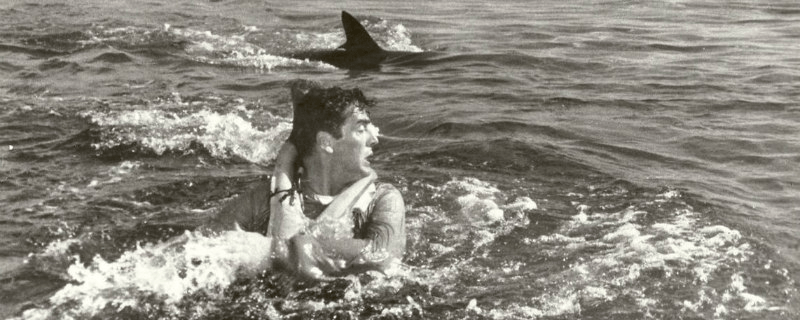
“The answer to the threat of man-eating sharks, the scavengers which infest all tropical waters of the world, was announced here today…” (quote from draft OSS/ERE Press Release on the development of a shark repellent; April 13, 1943)
It was the height of World War II and reports of shark attacks consumed the media. At least twenty US Naval officers had been attacked by sharks since the start of the war, raising alarm amongst sailors and airmen who increasingly found themselves conducting dangerous missions over shark-infested waters. To boost morale, the Joint Chiefs of Staff requested the Office of Strategic Services (OSS, CIA’s predecessor) to lead the hunt to find a shark repellent.
Julia McWilliams (better known by her married name, Julia Child) joined the newly-created OSS in 1942 in search of adventure. This was years before she became the culinary icon of French cuisine that she is known for today. In fact, at this time, Julia was self-admittedly a disaster in the kitchen. Perhaps all the more fitting that she soon found herself helping to develop a recipe that even a shark would refuse to eat.
Searching for Shark Repellent:
The search for a shark repellent began in July 1942, just a month after the OSS was formed. The Emergency Rescue Equipment (ERE) coordinating committee was created to keep the Armed Services and various government agencies from duplicating efforts when developing equipment to help rescue military members from dangerous situations.
Housed within the OSS until late 1943, the ERE Special Projects division was headed by Captain Harold J. Coolidge, a scientist from the Harvard Museum of Comparative Zoology, and Dr. Henry Field, Curator of the Field Museum of Natural History. Both men were avid explorers, having led expeditions into arctic, desert, and tropical regions. Coolidge had previously organized and accompanied the well-known Kelly-Roosevelt expedition to Indo-China and had a strong working-knowledge about the necessary equipment for survival in the arctic, while Field had led several anthropological expeditions into the deserts of the Middle East.
Coolidge and Field sent a memo to OSS Director General “Wild Bill” Donovan and the Joint Chiefs of Staff, proposing a plan for “unifying and coordinating the work of different agencies in the field of rescue.” Thus the ERE was born, and one of its several projects was the development of shark repellent.
Julia Child worked for Coolidge for a year in 1943 as an Executive Assistant.
“I must say we had lots of fun,” Julia told fellow OSS Officer, Betty McIntosh, during an interview for Betty’s book on OSS women, Sisterhood of Spies. “We designed rescue kits and other agent paraphernalia. I understand the shark repellent we developed is being used today for downed space equipment—strapped around it so the sharks won’t attack when it lands in the ocean.”
Shark Repellent Found:
After trying over 100 different substances—including common poisons—the researchers found several promising possibilities: extracts from decayed shark meat, organic acids, and several copper salts, including copper sulphate and copper acetate. After a year of field tests, the most effective repellent was copper acetate.
According to several memos from mid-to-late 1943, bait tests showed copper acetate to be over 60% effective in deterring shark bites. Other field tests showed even more promising results. Unfortunately, the copper acetate was deemed completely ineffective in deterring attacks from the other carnivorous fish of concern to the Armed Forces: barracudas and piranhas.
To create the repellent, copper acetate was mixed with black dye, which was then formed into a little disk-shaped “cake” that smelled like a dead shark when released into the water. These cakes could be stored in small 3-inch boxes with metal screens that allowed the repellent to be spread either manually or automatically when submerged in water. The box could be attached to a life jacket or belt, or strapped to a person’s leg or arm, and was said to keep sharks away for 6 to 7 hours.
Skepticism, Shark Chaser, and Shark-toons:
Despite the promising results of initial field tests, the Navy remained skeptical. In December 1943, Chief of the Bureau of Aeronautics Edward Howell sent a memo to the Navy Research Department stating that although “slight repellence was shown in bait tests” with small sharks, it was the Bureau’s opinion “that it is illogical to expect that such effect as was shown in normal feeding behavior would give any promise of affecting the voracious behavior of the few species known to have attacked man.” Even Coolidge himself noted in personal correspondence to one of the lead investigators/ scientists on the project, Douglas Burden, in May 1943 that “…none of us expected that the chemical would really function when the animals were stirred up in a mob behavior pattern.”
Nevertheless, the existence of the repellent was soon picked up by the media, and word spread among the various branches of the Armed Forces. Requests for the repellent came pouring in from the Army and Coast Guard. Even if the repellent wasn’t guaranteed to drive sharks away, it would at least provide possible deterrence against bites and have a huge effect on seamen and pilot morale.
The Navy did end up issuing the shark repellent based on the original OSS recipe—also known as “Shark Chaser”—until the 1970s, and it was rumored, as Julia told Betty, that the repellent was even used to protect NASA space equipment when it landed in the ocean. This part of the story, however, is difficult to confirm with documentary evidence.
NASA Version
The Navy didn’t stop with shark repellent. Shark attacks, although extremely frightening, were relatively rare occurrences. To help dispel the myths surrounding shark attacks, the Naval Aviation Training Division in March 1944 issued a training guide based on the ERE research into sharks. Called, “Shark Sense,” the guide was filled with facts about sharks, advice on how to handle yourself when stranded in shark infested waters, and of course, cartoons.
* The entire collection of records related to the OSS and ERE shark repellent program, as well as Julia Child’s OSS service, are available at the US National Archives and Records Administration.
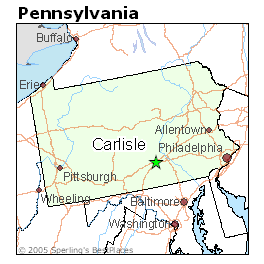
Do you have Corvettes at Carlisle on your bucket list? Corvettes at Carlisle will be held August 25-27 at the Carlisle PA Fairgrounds, and it’s the largest all-Corvette themed event in the world!
Fairgrounds Layout
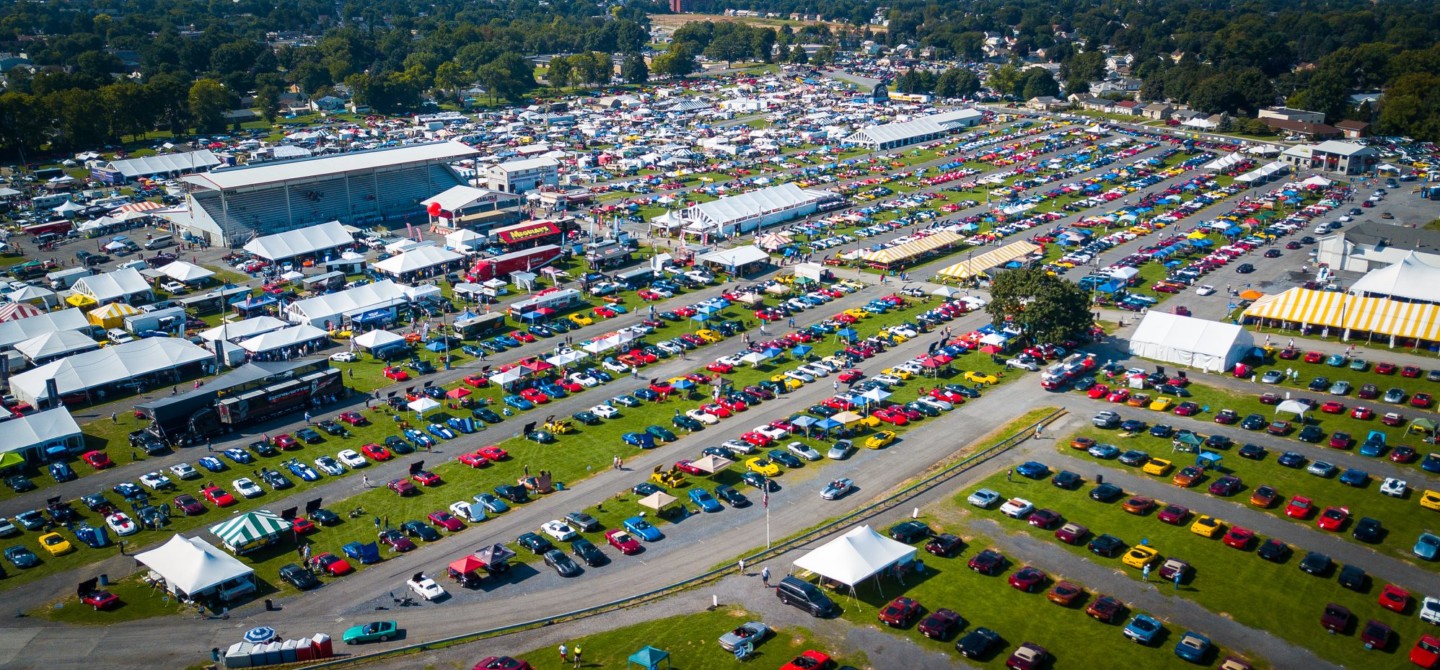
The Carlisle PA Fairgrounds have multiple entry gates at all points of the fence line. If you are showing a car, Gate 3 is THE gate to enter. If you’re a spectator, Gates 1, 2, 3, 4, 5 and 7 all provide access. The 82-acre facility has 8,100 spaces, many of which will include special guests, displays, vendors, and Corvettes, lots and lots of Corvettes.
Special Displays (in no particular order)
• 2023 Corvette Z06 Display • 50 Years of the 1972 Corvette • Callaway Sledgehammer and 35 Years of Callaway Corvettes • 2022 Chip’s Choice – Pratt & Miller/Factory Corvette Race Cars • The NCRS Gallery • TV & Movie Themed Corvettes • Solid Axle Corvette National Convention • The Fun Field (where the show cars park) • The Swap Meet and Midway (where you can find Corvette parts, collectibles, merchandise and more)
The fairgrounds will be packed and will offer a huge automotive flea market with a wide variety of vendors, an all-Corvette car corral, and more.
Rev up the action at the Corvette Show with autocross. Experienced drivers can test their driving skills while beginners can learn more about the sport. They can even compete to become the King of the X.
Corvettes at Carlisle also offers great shopping opportunities. Buy a car and everything to go with it from the variety of vendors filling the fairgrounds. The car corral offers notary services including temporary tags so you can shop, compare and make the deal directly with the owner.
This event is great for the whole family and features a kids’ section with crafts, contests, and a play area, and the Women’s Oasis Tent with massages, makeovers, shopping, and more. Don’t miss the Corvette Parade on Saturday night through Downtown Carlisle, which culminates into a giant street party with great music, food, and more than 400 Corvettes.
It seems we are bombarded daily with choices to make–cash or charge? fries or onion rings? red or white? And while most decisions might have minimal impact on the rest of our lives, some, of course, do. Nothing brings this home more than home itself–what state you live in.
States have different laws which totally makes sense to me. Citizens in southeastern coastal states have vastly different concerns than a northeastern or heartland state. If you’re deciding to visit or relocate to another state, it’s prudent to research that state’s laws–laws which will affect money, recreation, freedom and life.
In Pennsylvania, our state sales tax is 6%. So every time I buy groceries, I have to remember to take extra money for sales tax. However, in New York, a brief 15 minutes away, their state sales tax is 8%! So every shopping trip to New York will cost me more money. Something to consider if one contemplates moving to that state.
10% sales tax in Alambama
Recreational marijuana is another good example of different laws for different states. This is not something that is important to me, but if it’s important to you, the laws governing it should be researched before you visit or move there.
Hubby and I enjoy the freedom riding our Harley provides and we’ve traveled to many, many states on it. We always wear our helmets, even though our home state, PA, does not require it. It is a choice we make. Many choose to go without helmets here and that’s their choice; however, because the law varies from state to state, most riders keep their helmets stashed in their saddlebags or simply strapped to the back of the bike. It is ALWAYS the rider’s responsibility to know the laws regarding helmets in the states they travel through.
Which brings me to laws about life–or more appropriately the taking of a life. It seems to me that a lot of states that disallow the death penalty for heinous crimes committed by criminals, have no problem allowing life-ending procedures for innocents-via abortion. Admittedly, I cannot say for certain if every state that bans the death penalty also allow abortions, but hypocrisy is usually on full display in most liberal states. And if liberals stayed in “their lane” and left “our lanes” alone, I might respect that. Their state, their assinine laws. But when these people try to force those views nationwide, then we have a problem.
The Supreme Court stated that abortion is a state issue. If your state does not allow abortions, you are free to travel to a place that does. What you are not allowed to do, is demand those states change to suit you.
Born in 1799, Mary Anning — the dirt-poor woman said to have inspired the tongue-twister “She sells seashells by the seashore” — would spend her entire life uncovering and piecing together the fossils of one never-before-seen monster after another: organisms that had been hidden away for nearly 200 million years in the cliffs up and down England’s southern coastline.
In short, she provided raw material to the scientists — all male — that would be instrumental in forming their evolutionary theories. Stephen Jay Gould later remarked that Anning is “probably the most important unsung (or inadequately sung) collecting force in the history of paleontology” yet Anning’s place in history happened quite by accident.
By birth, Anning never should have become an influential fossil hunter and geologist. She was marginalized not only by her family’s poverty but also by her sex, her regional dialect, and her nearly complete lack of schooling. But she enjoyed one natural advantage: the very good fortune of having been born in exactly the right place at the right time, alongside some of the most geologically unstable coastline in the world; it was — and still is — a place permeated with fossils.
Beach where Anning searched for fossils
After her father died in 1810, young Mary’s family was in dire financial straits. In order to put food on her table, she was forced to run the shore’s gauntlet of high tides and landslides to hunt for curiosities that she could sell to seafaring tourists. If she hadn’t, her family very well could have starved.
Her first discovery, made in 1811 when she was only 12 years old, was of the fossil of an ichthyosaur, a marine reptile about four feet in length with flippers like a dolphin and a chest like a lizard. At first people thought it must be a crocodile. In time, though, the specimen attracted massive crowds to museums in London, where many soon realized the skeleton was of a creature never before seen.
Ichthyosaur Fossil
The strange fossils found along England’s southern shoreline had baffled the locals for as long as anyone could remember. They came in all forms and sizes — including what later were determined to be bivalves, ammonites, belemnites, and brachiopods — and sometimes even the fragments of giant critters never heard of before.
Her discovery of a nearly intact long-necked plesiosaur (Plesiosaurus dolichodeirus) in 1823 was so incredible that even the celebrated French anatomist Georges Cuvier did not believe it could be valid. It was only after British geologist William Conybeare defended Anning’s find — and verified that the neck did indeed boast at least 35 vertebrae — did Cuvier admit he was wrong. Eventually he pronounced Anning’s fossil a major discovery.
Plesiosaur Fossil
As Anning aged, and began working alongside Britain’s clique of male geologists — most of them Anglican clergymen — there were countless attempts to use biblical stories to explain the new knowledge about the natural world that resulted from her fossil discoveries. For example, Anning’s friend and associate William Buckland — the well-known English geologist and first professor of geology at Oxford — believed that the fossils found at high altitudes proved that a great flood had once covered the planet, just like the Flood described in the Bible.
Mary Anning
Anning’s views on the flood and the disparate theories of the male scientists of her era are not known. But in 1833, she was visited by a tourist, the Reverend Henry Rawlins, and his six–year-old son, Frank. Rawlins believed that God created the world within a week, but Anning described to young Frank how the fossils purchased by his father had been found by her at all different levels in the cliffs, explaining that this meant the creatures possibly had been created and had lived at different times. According to Frank’s journals, his father refused to discuss the issue after they left Anning’s home.
One can only imagine how frightening it must have been for Anning to find the fragments of these exotic creatures — with their bat-like wings, snake-like necks, and big, bulging eye sockets — and wonder if perhaps the live versions were not about to fly out of the sky or come up out of the sea to terrorize her.
Anning tried to reconcile what she was unearthing with her belief in God’s omnipotence, a belief she apparently held until her death from breast cancer at the age of 47. Some of her letters to friends suggest that she grew to accept that there had been a progression of living things. A few years before she died, she remarked that — from what she had seen of the fossil world — there is a “connection of analogy between the Creatures of the former and present World.” From most accounts, it seems she continued to believe in God throughout her life, but that she also came to accept that evolution was part of God’s plan. Toward the end of her life, she copied into her journals many poems and passages laced with religious overtones.
At the Natural History Museum in London, as well as a small museum in Lyme Regis, Anning is recognized as having laid the groundwork for the theory of evolution, not to mention nearly two centuries of discoveries in the still evolving worlds of paleontology and geology. Today thousands of people continue to go hunting for fossils along England’s so-called Jurassic coast — a 95-mile stretch of shoreline declared a Unesco World Heritage Site in 2001. And, to this day, real and startling discoveries are still being made, such as the skeleton of a 195-million–year-old Scelidosaurus, the earliest of the armored dinosaurs, in Anning’s hometown of Lyme Regis a few years ago.
Illustration
With over 700 species of dinosaurs already identified and named, reminders of the prehistoric past just keep on surfacing, thrilling paleontologists. But there are plenty of people who are still unsettled by the signs of the completely different world that must have existed on earth before humans arrived — even if they also are able to marvel at the possibilities. It is most likely a feeling that — nearly two centuries ago — Anning would have shared.
Three contractors are bidding to fix a broken fence at the White House. One is from Chicago, another is from Tennessee, and the third is from Minnesota. All three go with a White House official to examine the fence. The Minnesota contractor takes out a tape measure and does some measuring, then works some figures with a pencil. “Well,” he says, “I figure the job will run about $900. $400 for materials, $400 for my crew, and $100 profit for me.” The Tennessee contractor also does some measuring and figuring, then says, “I can do this job for $700. $300 for materials, $300 for my crew, and $100 profit for me.” The Chicago contractor doesn’t measure or figure, but leans over to theWhite House official and whispers, “$2,700.” The official, incredulous, says, “You didn’t even measure like the other guys! How did you come up with such a high figure?” The Chicago contractor whispers back, “$1000 for me, $1000 for you, and we hire the guy from Tennessee to fix the fence.” “Done!” replies the government official. And that, my friends, is how the new stimulus plan will work.
On his deathbed, a lifelong Republican supporter suddenly announced that he was switching to the Democrats. “I can’t believe you’re doing this.” said his friend. “For your entire life you’re been a staunch Republican. Why would you want to become a Democrat now?” “Because I’d rather it was one of them that dies than one of us.”
A thief stuck a pistol in a man’s ribs and said, “Give me your money.” The gentleman, shocked by the sudden attack, said “You cannot do this, I’m a United States congressman!” The thief said, “In that case, give me my money!”
A bus full of politicians was moving along the country road. Then it crashed into the tree and overturned. Blood and glass were everywhere. A middle-aged farmer working on the field nearby saw the accident and decided to help: he dug a huge hole and buried all the politicians who were still alive. He thought he did his country a good service.
Q: What do you call a lawyer with an IQ of 100? A: Your Honor.
Q: What do you call a lawyer with an IQ of 50? A: Senator.
The two U.S. cities with the highest alcohol consumption are Las Vegas and Washington, DC. The difference between the two is that in Washington the drunks are gambling with our money.
Terrorists have hijacked a plane filled with politicians…They say they will release one politician per hour if their demands aren’t met.
Three burglars break into a building and are confronted by a soldier, a cop, and a politician. The politician tells the soldier to kill Burglar #1, and the two stab each other to death. The politician then tells the cop to arrest Burglar #2, and the two beat each other unconscious. The politician then walks up to Burglar #3 and says “I just saved your life, your freedom, and tripled your share of the loot. I think 20% is a fair cut.”
“Politics” is derived from the words “poly” meaning “many”, and “tics” meaning “blood-sucking parasites.” – first said by Larry Hardiman.
This is one of my favorite recipes from my grandmother. When my dad was growing up, times were tough, and nothing got wasted. Whenever there was some leftover mashed potatoes, too much to throw away, but not enough for anyone to have with another meal, my Grandmother would make potato candy. Since it was a favorite of mine, when I got old enough, Grandma taught me how to make it. You can always make potato candy with a freshly cooked potato though never fear—you can cook a potato just for this! If you wish to go that route, peel and cook the potato, drain, and then mash with a little butter and milk—omit salt, pepper or anything else. Cool completely. (If you are using leftover mashed potatoes, allow them to come to room temperature.)
Potato Candy
Mashed potatoes at room temperature
Powdered sugar
Flour
Peanut butter
You’ll notice there are no specific amounts given for the ingredients, that’s because it all depends on the amount of mashed potatoes you start with. A few tablespoons are more than enough to begin with. You’ll need several cups of powdered sugar to start with. You’re going to mix that with the potatoes to form a stiff dough. I add a little sprinkling of flour to the dough to avoid adding more and more powdered sugar. It will be very sweet. Grab a piece of the potato “dough” and roll it out on a lightly floured board.* (Grandma taught me to use my hands to press it out rather than “dirty the rolling pin”.) Thick or thin is a personal choice—I leave mine a little thicker. Spread peanut butter on the dough (again, your preference as to how much peanut butter.) Roll up like a jelly roll and slice. Repeat with the rest of the dough. Chill. This freezes for a long, long time.
The picture above shows one long roll, but I use smaller pieces of dough to make several rolls. It’s much easier and less messy in my opinion, but the picture gives you an idea of what you’re shooting for. Enjoy!
*Some recipes call for the dough to be rolled out in powdered sugar, that would make it even sweeter, but that’s an option if you prefer.
Navajo Code Talkers Day, celebrated every year on August 14, is a day that holds great importance in the history of the U.S. This is because the day recognizes the contributions of Navajo marines during World War II. Yes, Navajo marines encoded and transmitted messages using a complex Navajo language-based code during a time when secret communication was essential to win a war. And guess what? The code was never broken by Japanese forces in the Pacific and proved to be of great assistance to the U.S. Marines. On this day, celebrate the great American heroes and their service to the nation!
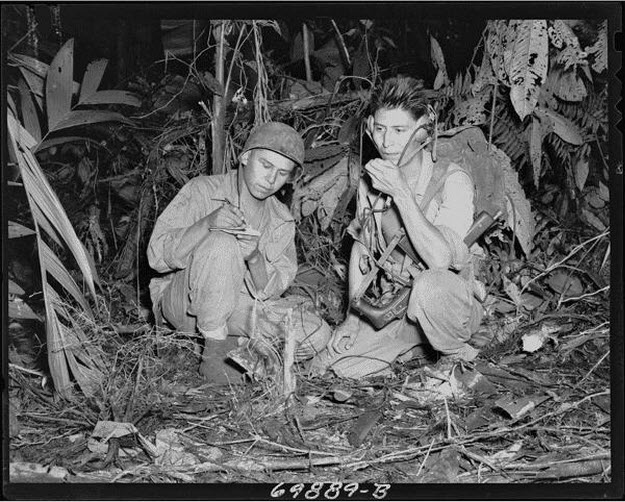
During both World Wars I and II, the U.S. military needed to encrypt communications from enemy intelligence. American Indians had their own languages and dialects that few outside their tribes understood; therefore, their languages were ideal encryption mechanisms. Over the course of both wars, the Army and the Marine Corps recruited hundreds of American Indians to become Code Talkers. Records at the National Archives document the origins of this program and the group’s wartime contributions.
World War I
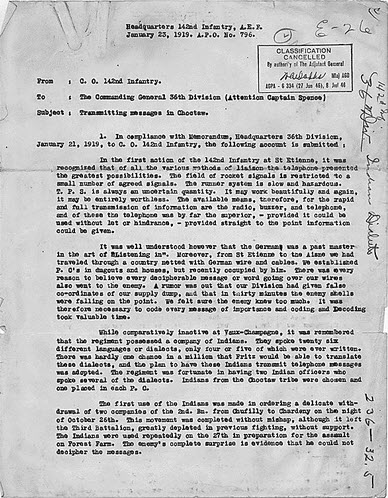
Stationed in France in 1918, Choctaw Indians from the 142nd Infantry Regiment, 36th Division, became the first Code Talkers. At the time, the enemy frequently intercepted Allied communications, inhibiting tactical plans and troop movements.
Leaders of the 142nd turned to American Indian soldiers in the regiment for help. They selected two Choctaw officers to supervise a communications system staffed by eighteen other tribal members. This team began transmitting battle messages in the Choctaw language. The enemy never broke their “code,” and Allied leaders deemed their efforts a success.
For the remainder of the war, the Army continued to enlist soldiers from other tribes as Code Talkers, including the Cheyenne, Comanche, Cherokee, Osage, and Yankton Sioux.
World War II
When the U.S. entered World War II, military leaders remembered the success of the Choctaw Code Talkers and enlisted new recruits from the Navajo, Kiowa, Hopi, Creek, Seminole, and other tribes to encrypt messages for the Army and Marine Corps. (Some sources say Philip Johnston, the son of a missionary who had grown up in the Navajo Nation, suggested using the Navajo language as a code.)
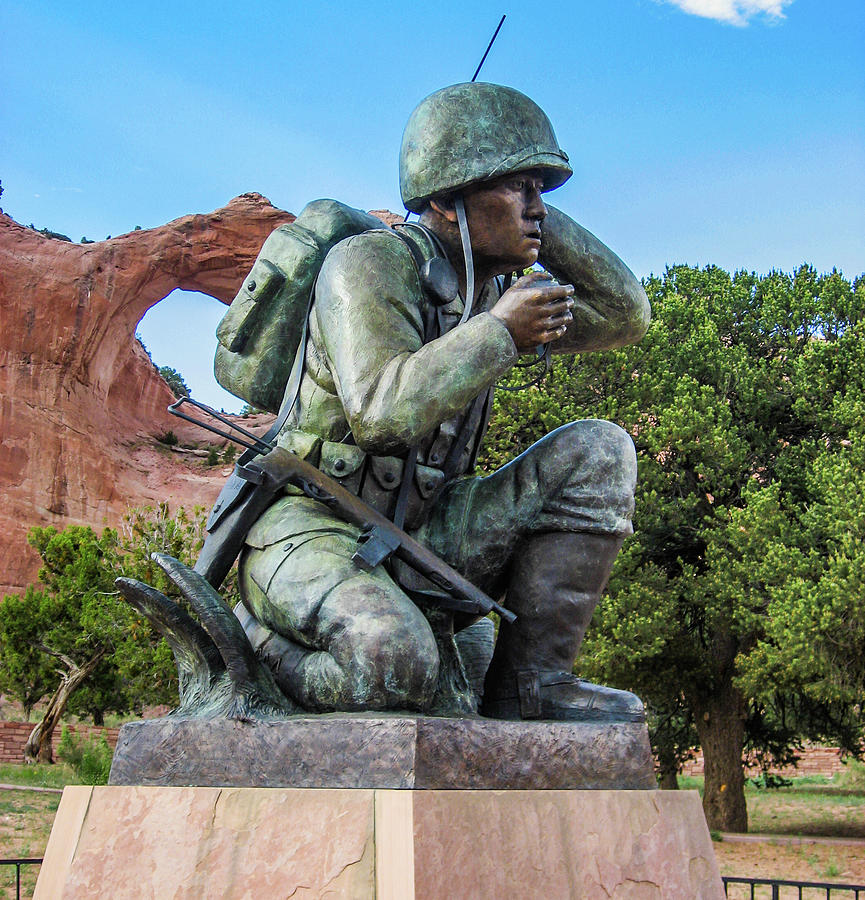
Working with Navajo leaders, the Marine Corps initially recruited 29 Navajo men to train as Code Talkers in specially designed courses. By the end of the war, the Marines had over 400 Navajo men trained as Code Talkers, many of them serving in the Pacific Theater. The Army had similar training programs for its Code Talkers, who generally served in Europe and North Africa.
Their special communication services were used in one of the most extensive military operations ever, the one that happened in Normandy in June of 1944, known as D-Day. They were also pivotal when it came to the battle of Iwo Jima when they secretly transferred more than 800 messages between the command centers and the battlefield.
However, it was not until the 1990s that the value of Navajo code talkers was publicly recognized. In 2001, the veterans that were still alive received the highest honor that can be awarded by the Congress – the Congressional Gold Medal. In the years that followed, their contributions were legally recognized by the Congress, as they passed the Code Talkers Recognition Act in 1982. In 2014, Arizona passed legislation declaring every August 14 Navajo Code Talkers Day in Arizona.
The Navajo Code
When the Navajo code was first developed, the original selection of 211 words was ascribed with different meanings. In World War II, that number went up to 411. The reason why this code was so difficult to crack is that the Navajo language did not contain any military terminology. To make this work, the Navajo code talkers created an alphabet system that used Navajo words, instead of standard spelling. Also, certain words got a particular meaning, and it looked like this:
The Navajo word for an eagle was atsa, which was a code for a transport plane. Paaki (Hopi language) stood for houses on water, which meant that they were talking about ships. Comanches used the word wakaree’e to name a turtle, and when transferred to code – this was a tank. The Choctaw tribe used the words tushka chipota, which translated to warrior soldier, or just soldier when it came to code. Besh-lo was an iron fish, which obviously meant that a submarine is spotted.
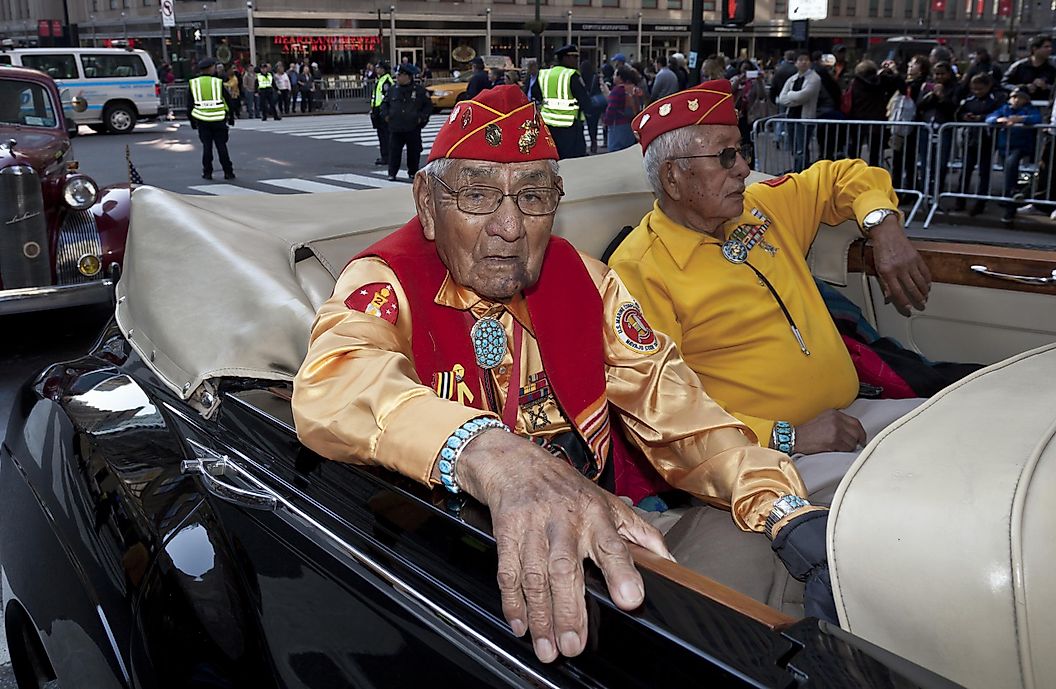
Members of Navajo Code Talkers ride at Veteran’s Day Parade along 5th Avenue on November 11, 2012 in New York City.
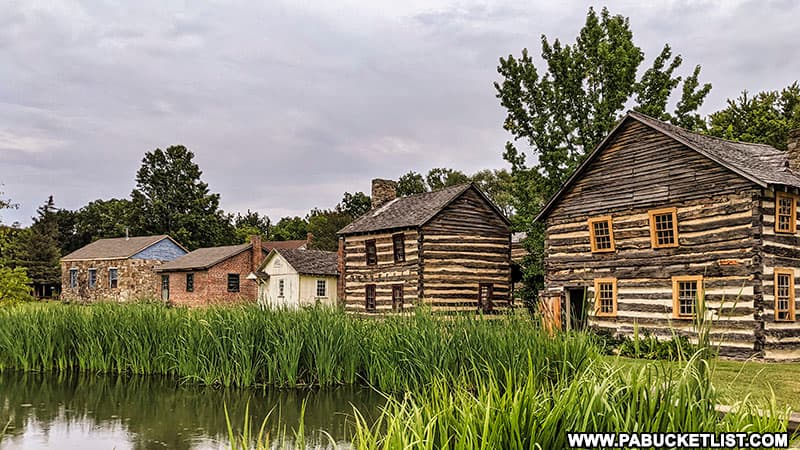
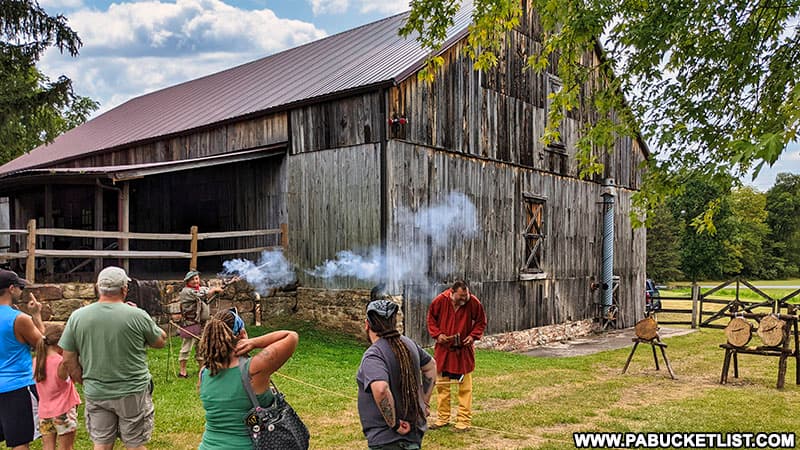
Old Bedford Village in Bedford County is a living history museum that gives you a glimpse into what life was like in western Pennsylvania from 1700 until 1899. Rather than viewing old photos and dusty relics, visitors learn by seeing reenactors demonstrating activities that would have been common in Bedford County from colonial times up through the Civil War. Like any good museum, there is a visitor center and a gift shop, but the bulk of your visit to Old Bedford Village will be spent touring the 40-plus buildings that make up this replica of a western PA frontier village.
The History of Old Bedford Village
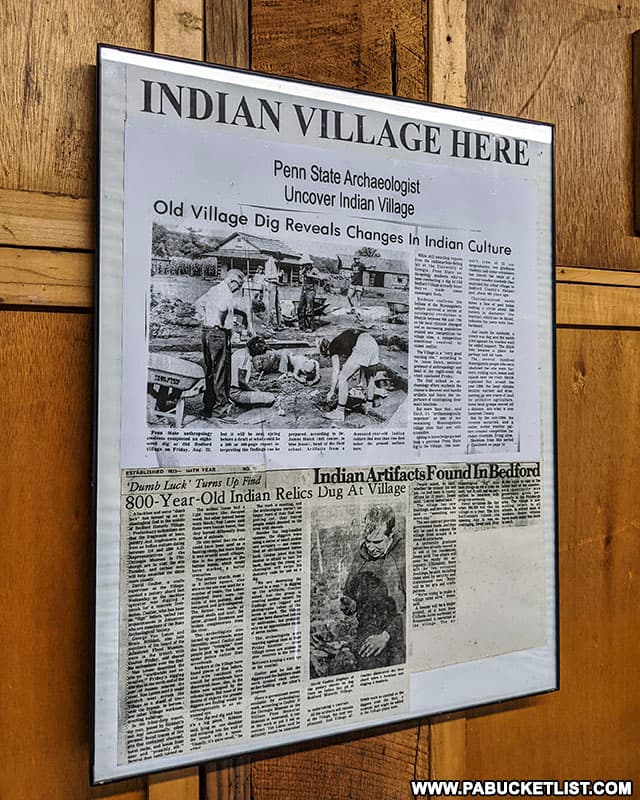
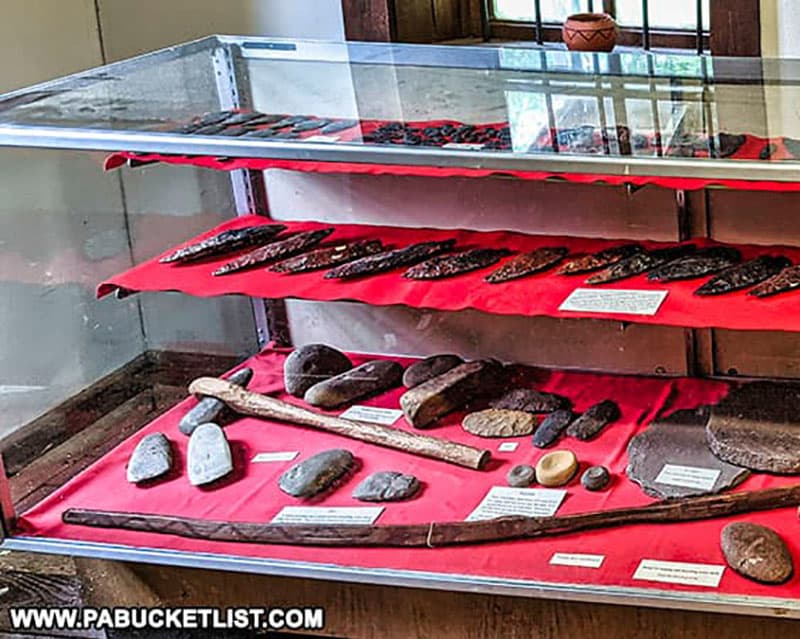
The land on which Old Bedford Village sits today was once occupied by a Monongahela village, sometime between 1250 and 1600 A.D. Today the Shoop House at Old Bedford Village houses an impressive collection of artifacts and exhibits related to those Native Americans who once called this land home.
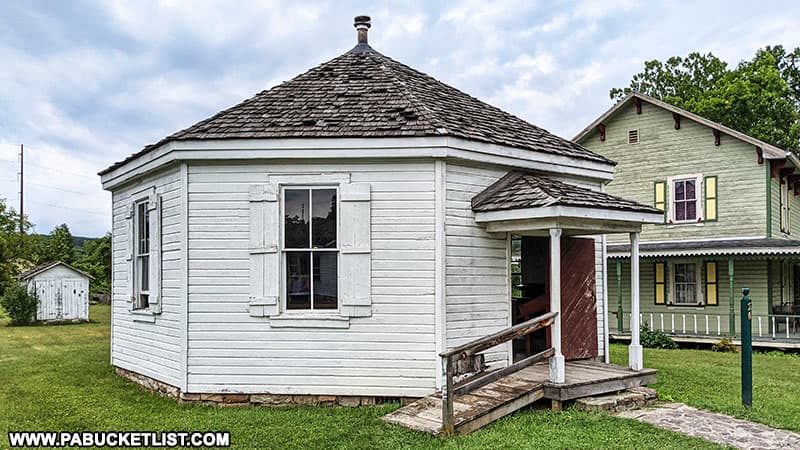
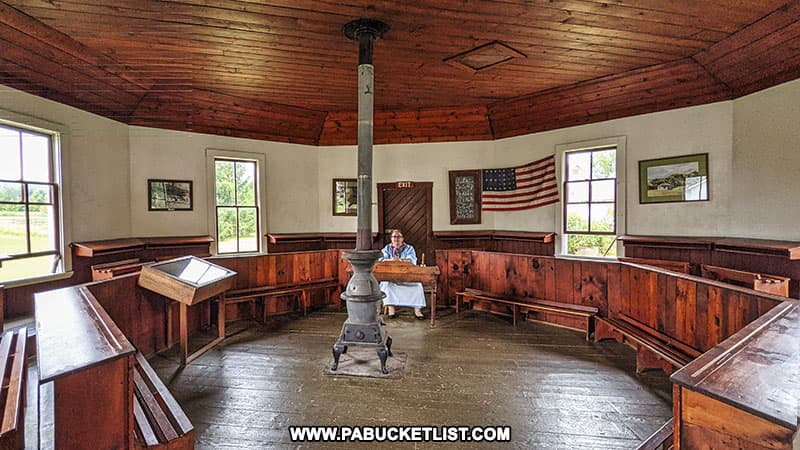
Construction of Old Bedford Village began in 1974, to promote the area’s rich historic heritage and in preparation for America’s Bicentennial in 1976. Many of the buildings at Old Bedford Village are in fact authentically old – they were disassembled elsewhere in the county are reassembled on new lots at the museum. The Eight-Square School, for example, was built in Bedford County in 1851, and utilized this unique shape to allow for equal distribution of light and heat.
exterior of Eight Square Schoolinterior of Eight Square School
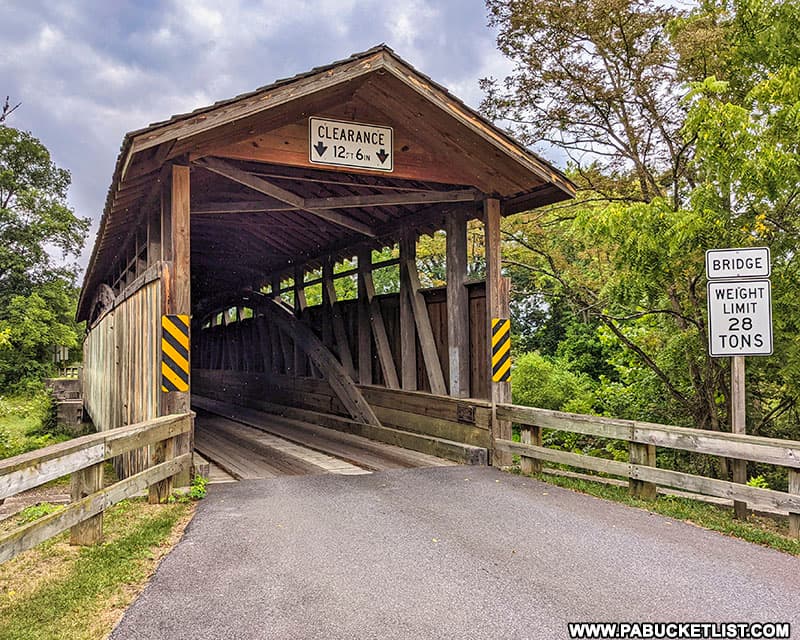
TheClaycomb Covered Bridge was built elsewhere in the county in 1844, and was later dismantled and relocated to Old Bedford Village, where it now serves as the entrance to the property.
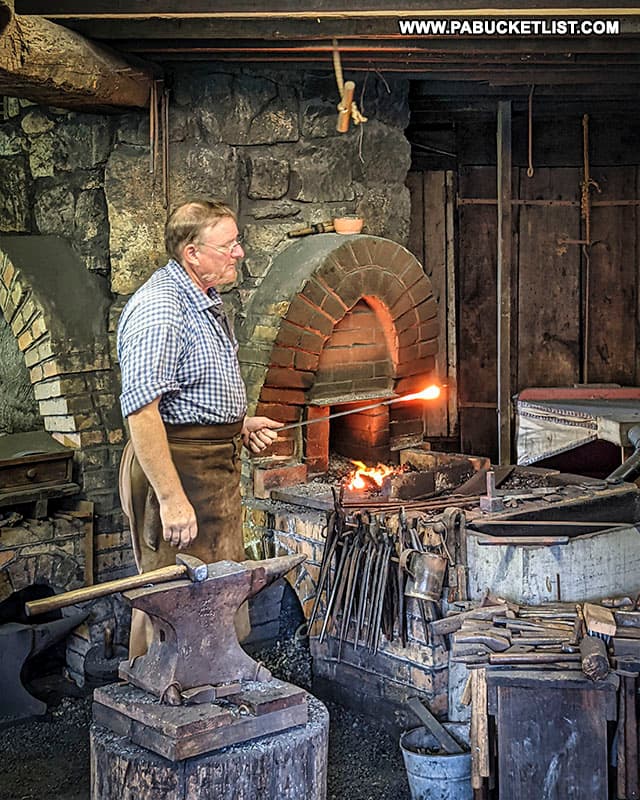
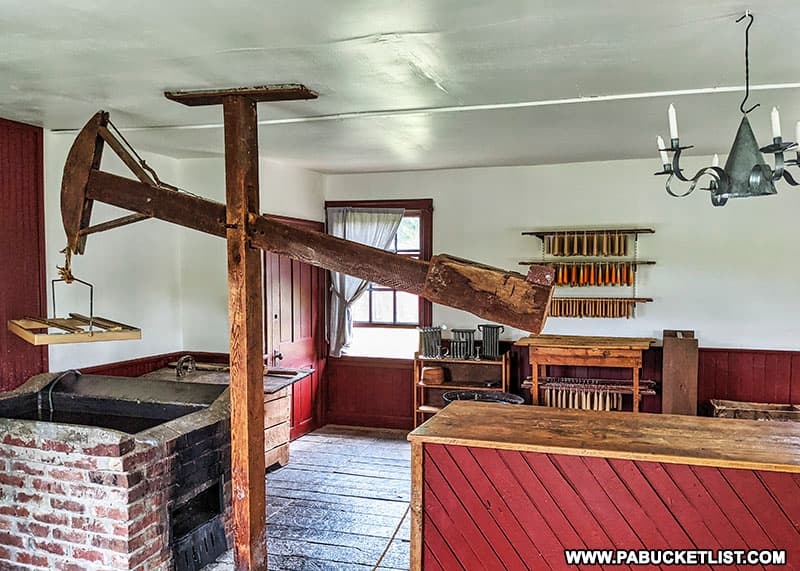
As a living history museum, many artisans occupy various shops around the village, demonstrating their trades and wares. Gunsmiths, blacksmiths, tinsmiths, and candlemakers are just a few of the artisans you can watch, and in some cases, buy their finished products. Some of the shops, like the tinsmith shop, allow you to try your own hand at these frontier skills.
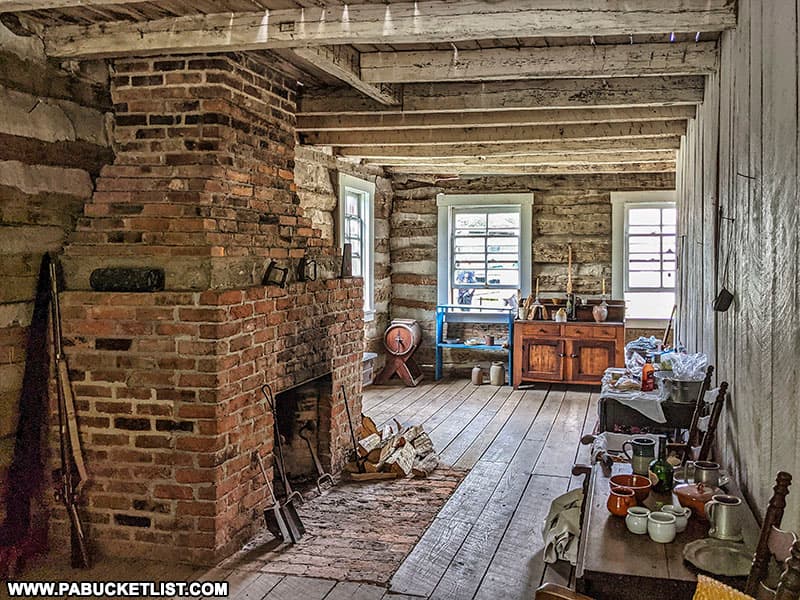
Aside from arts and crafts shops, you can also see what a typical frontier home looked like at Old Bedford Village.
Old Bedford Village is located at 220 Sawblade Rd, Bedford, PA 15522, just south of the I99/ PA Turnpike interchange. In addition to the permanent exhibits there, Old Bedford Village hosts many special events during the year.
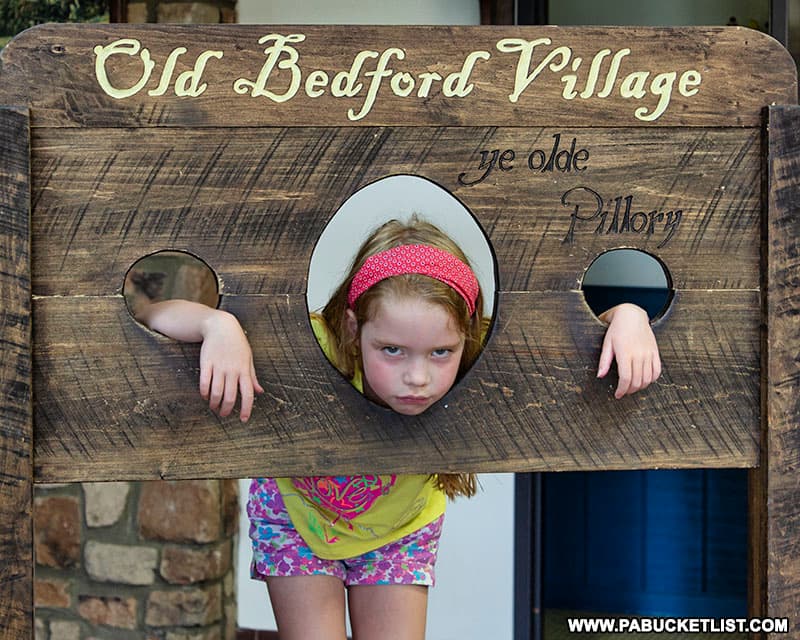
(Pat’s note: there is also a special spot reserved for unruly children and politicians…lol)


























 Sew Colorful