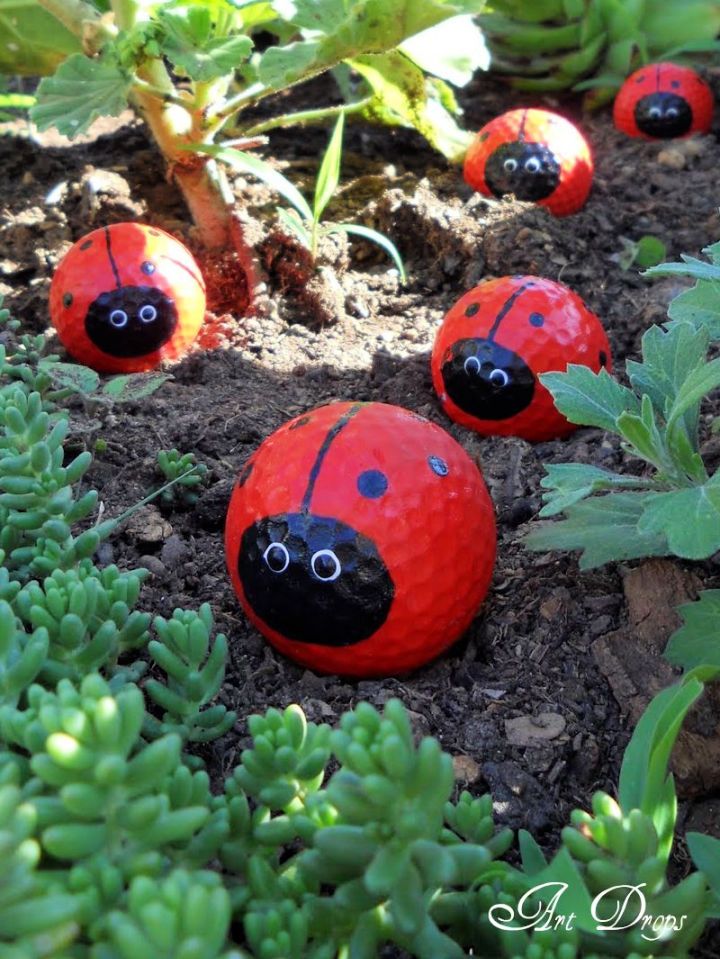
I thought these ladybugs were so cute and so easy to do!
You need golf balls…
spray paint Primer…
some acrylic paints…
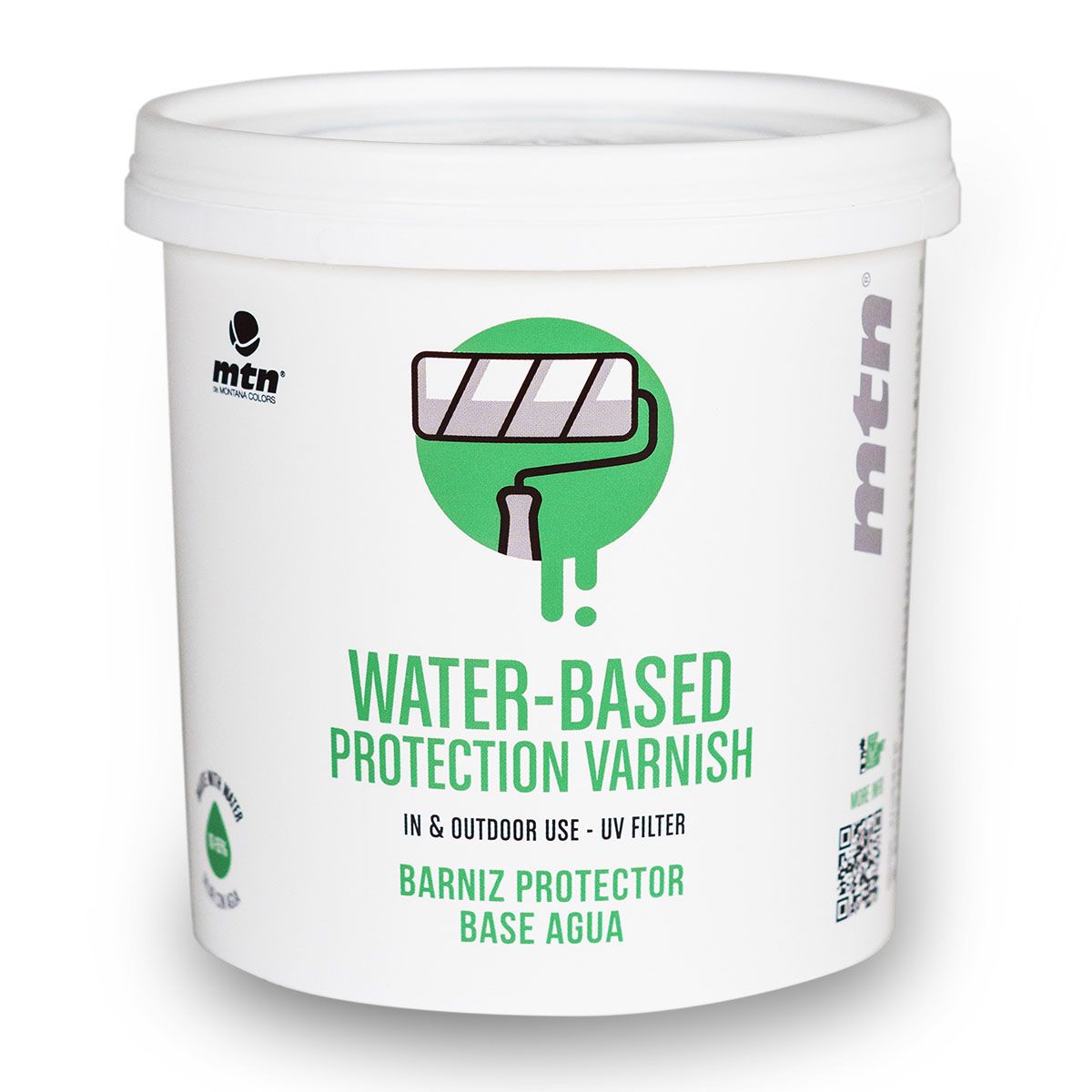
and water-based varnish.
The procedure is simple: Use some sandpaper to lightly smooth the surface of the balls. Spray the primer to help the paint adhere to the surface. When the primer is dry, use the acrylics to paint the ladybug.
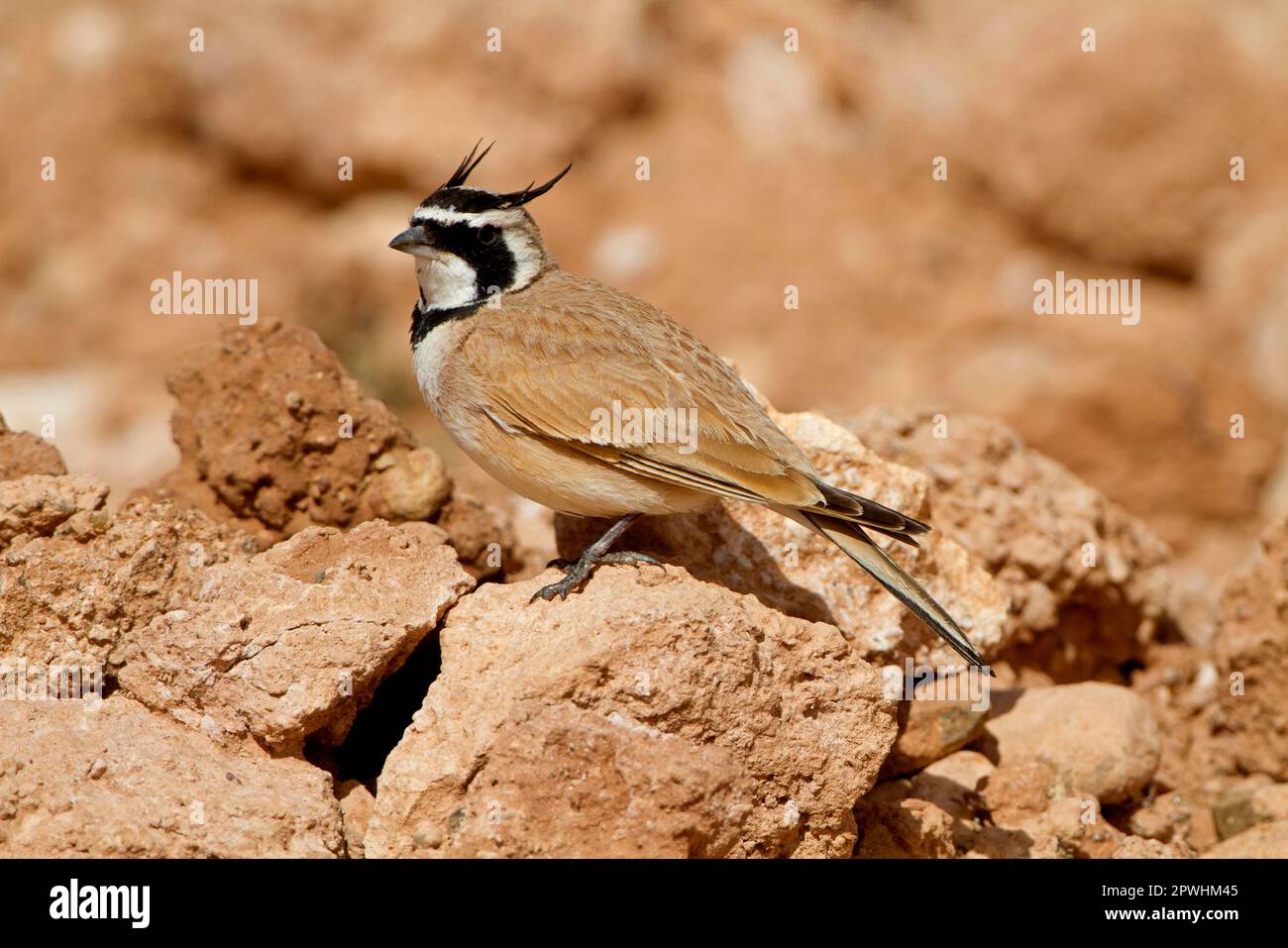
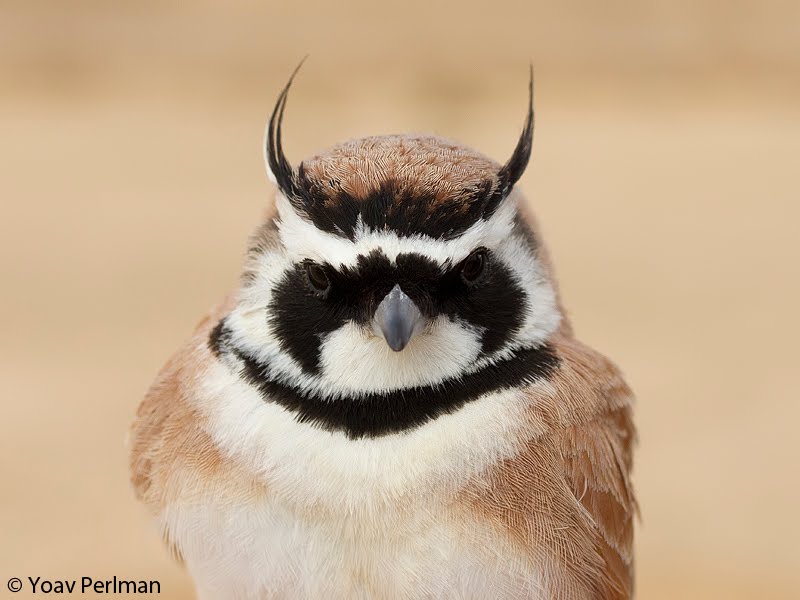
Thanks to Filly for bringing this unusual bird to my attention!
FROM: inaturalist.org:
Temminck’s lark (Eremophila bilopha) or Temminck’s horned lark is a bird species of the family Alaudidae. It breeds across much of north Africa, through northern Saudi Arabia to western Iraq. It is mainly resident, but some populations of this passerine bird are partially migratory, moving further south in winter. This bird’s common name commemorates the Dutch naturalist Coenraad Jacob Temminck. The population is declining in Israel and may also be declining elsewhere, probably as a result of habitat loss. Nevertheless, this is a common bird in many parts of its wide range and the International Union for Conservation of Nature has rated its conservation status as being of “least concern”.
Description
Unlike most other larks, Temminck’s lark is a distinctive looking species on the ground, similar to the other, larger, member of its genus, the horned lark. The 5.5 to 5.9 in adult is mainly reddish brown-grey above and pale below, and it has a striking black and white face pattern and a distinctive black patch on its breast. The summer male has black “horns”, which give this species its alternative name. The juvenile of this species is reddish above and pale below, quite unlike the juvenile horned lark. The adult Temminck’s lark differs from the horned lark in its reddish, rather than brown-grey plumage, and the lack of yellow in the face pattern. It has a similar but less harsh metallic call.
Distribution and habitat
Temminck’s lark is native to North Africa and the Middle East. Its range includes Algeria, Egypt, Iraq, Israel, Jordan, Kuwait, Libya, Mauritania, Morocco, Saudi Arabia, Syria, Tunisia and Western Sahara.
This lark is a bird of open stony semi-desert. Its nest is on the ground, with two to four eggs being laid. Its food is seeds supplemented with insects in the breeding season.
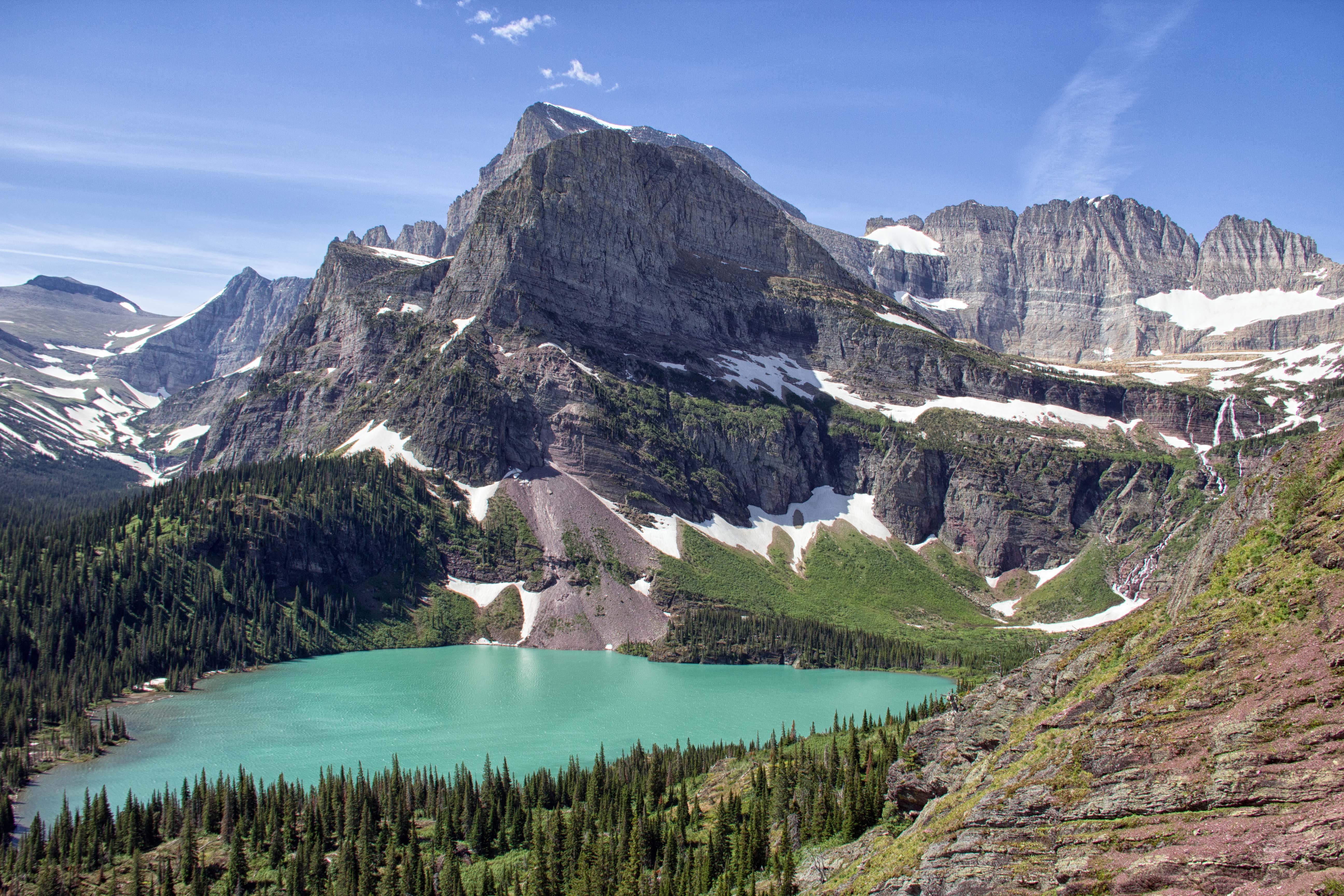
If you’re heading to Montana, Trip Advisor recommends these sites!
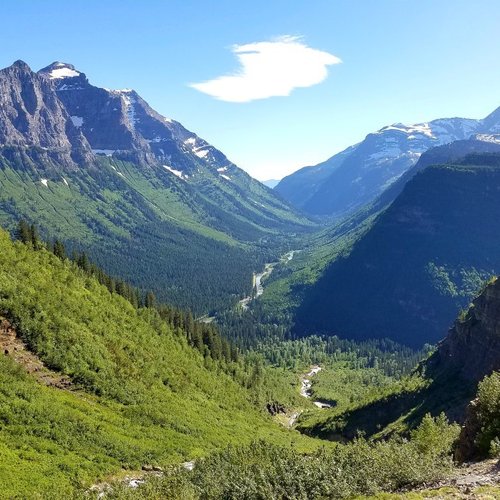
Going-to-the-Sun Road
A spectacular and scenic 52-mile highway through Glacier National Park, which crosses the Continental Divide at Logan Pass in Montana.
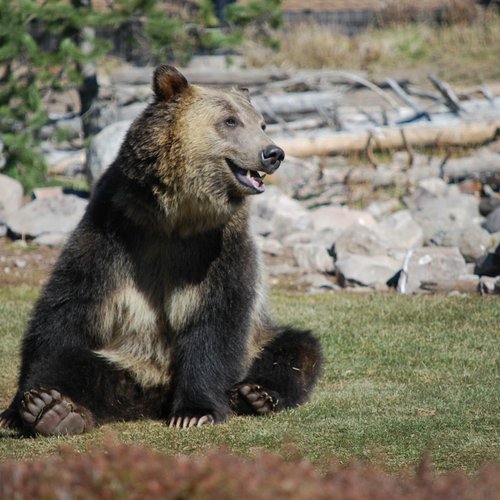
Grizzly and Wolf Discovery Center
Watch the bears forage for food, play in their ponds and with each other. Early morning and evening visitors may witness active wolf packs howling. Come nose to nose with otters while getting a complete understanding of the intricacies of the Yellowstone ecosystem in the River Otter Exhibit. Other activities include: Keeper Kid’s (hide food for the bears), Wolf Enrichment, Bird of Prey presentations, Safety in Bear Country Programs, Yellowstone Ranger talks, intriguing films and presentations.
Grinnell Glacier
A large glacier offering 300 acres of beauty.
Museum of the Rockies
Museum of the Rockies at Montana State University is a Smithsonian Affiliate, recognized as one of the world’s finest research and history museums. It is renowned for displaying an extensive collection of dinosaur fossils, including a T. rex skeleton! MOR delights visitors with changing exhibits from around the world, permanent indoor and outdoor regional history exhibits, planetarium shows, educational programs, insightful lectures, benefit events, cafe, and a museum store.
Flathead Lake Alpine Center
Experience Montana’s first and only Alpine Coaster, one of the best outdoor attractions in the state! Enjoy year-round fun activities in Flathead Valley, with windshields to block the elements. Just minutes from Somers and Lakeside beaches, across from Flathead Lake—perfect for a fun day in Whitefish or Lakeside.
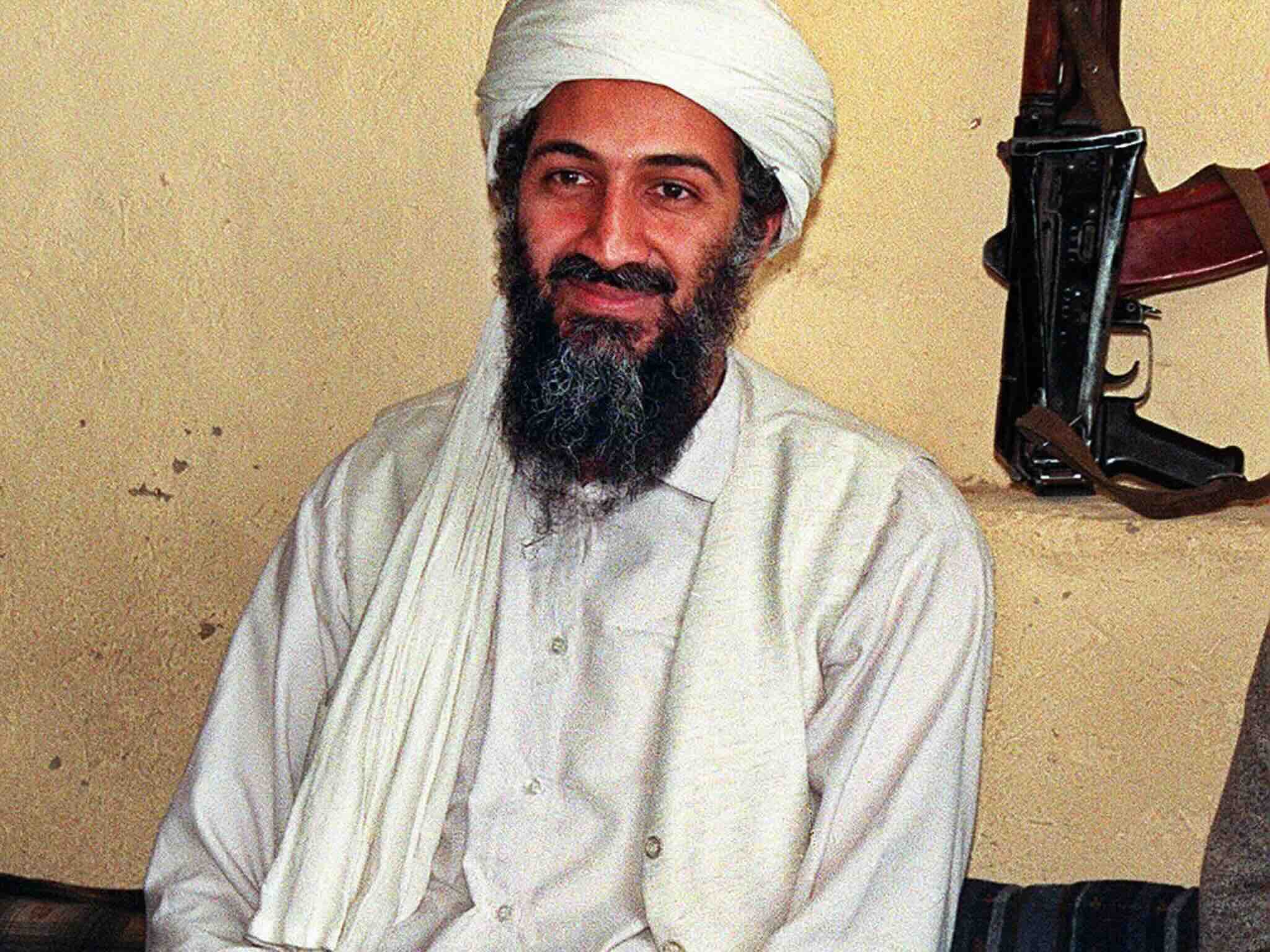
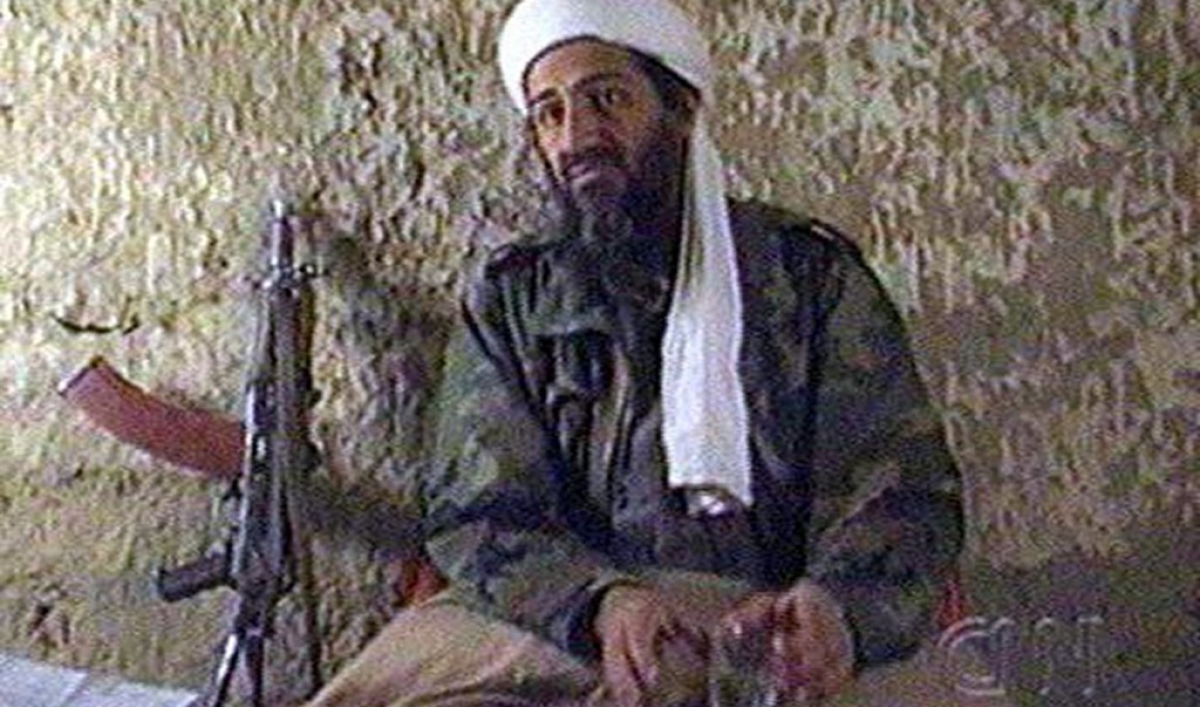
May 2, 2011, Operation Neptune Spear killed Osama Bin Laden. This article, found on Facts.net, details 28 facts about the operation.
The Operation That Ended It All
On May 2, 2011, the world witnessed the end of a chapter in the fight against terrorism. The death of Osama bin Laden marked a significant moment in history. Here are some intriguing facts about that fateful day.
Operation Neptune Spear: The mission to capture or kill Osama bin Laden was named Operation Neptune Spear. It was carried out by the United States Navy SEALs.
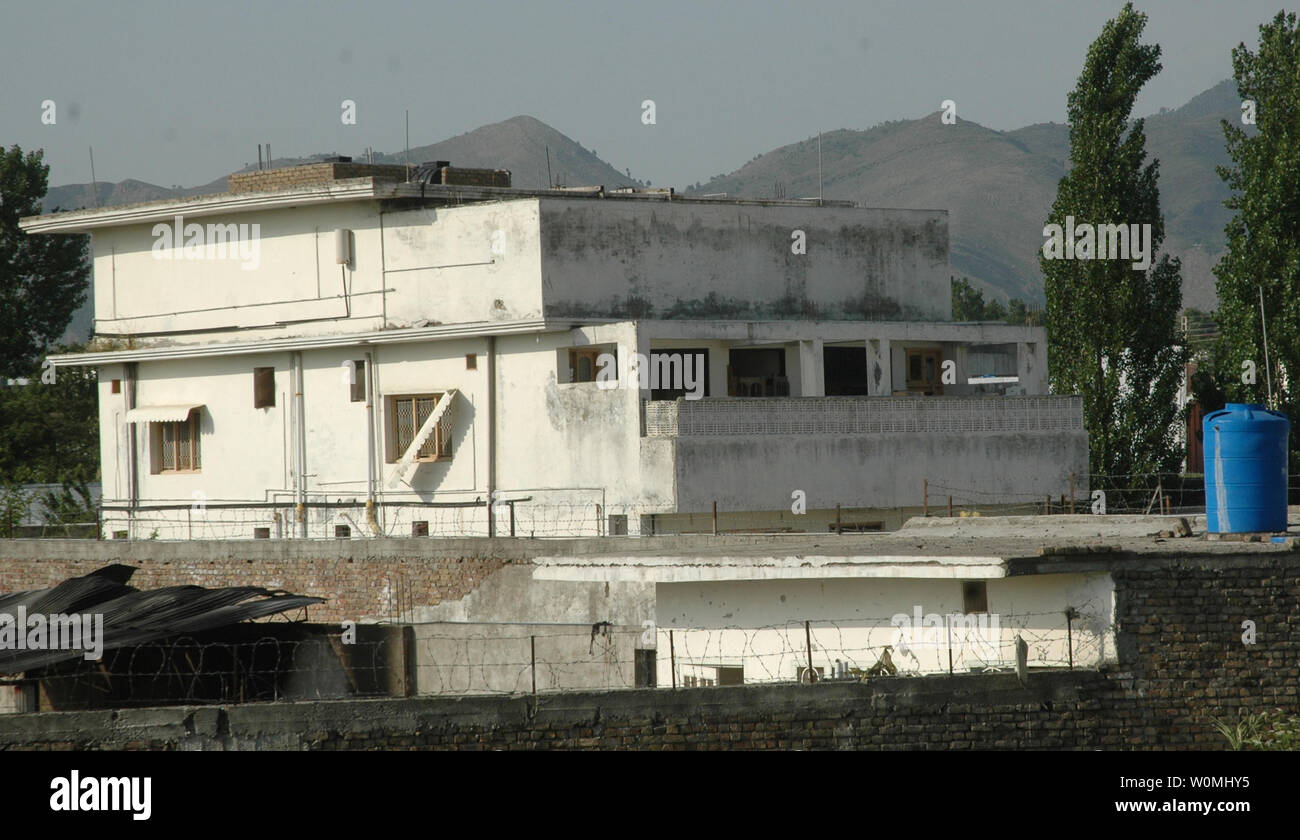
Location: Bin Laden was found in a compound in Abbottabad, Pakistan, a city known for its military academy.
SEAL Team 6: The elite SEAL Team 6, also known as DEVGRU, executed the mission.
Helicopter Crash: One of the helicopters used in the raid crashed due to a vortex created by the high walls of the compound. Fortunately, no one was injured.
Stealth Technology: The helicopters used in the raid were modified with stealth technology to avoid detection by Pakistani radar.
40 Minutes: The entire operation lasted approximately 40 minutes from start to finish.
Code Name: Bin Laden’s code name during the operation was “Geronimo.”
DNA Confirmation: Bin Laden’s identity was confirmed through DNA testing, comparing his DNA to that of his sister who had died in Boston.
The Aftermath and Global Reaction
The death of Osama bin Laden had a profound impact globally. Nations reacted, and the world watched closely as details emerged.
Immediate Burial: Bin Laden’s body was buried at sea within 24 hours of his death to adhere to Islamic traditions and prevent his grave from becoming a shrine.
Global Reactions: Countries around the world had mixed reactions. Some celebrated, while others condemned the operation as a violation of Pakistan’s sovereignty.
Security Alerts: Following the raid, the U.S. and other countries heightened security alerts, anticipating possible retaliatory attacks.
Al-Qaeda’s Response: Al-Qaeda confirmed bin Laden’s death and vowed to continue their fight against the West.
Impact on Terrorism: Bin Laden’s death was a significant blow to Al-Qaeda, but it did not mark the end of terrorism. New leaders emerged, and the fight continued.
The Compound and Its Secrets
The compound where bin Laden was hiding held many secrets and provided valuable intelligence.
High Walls: The compound had unusually high walls, some reaching up to 18 feet, topped with barbed wire.
No Internet or Phone: To avoid detection, the compound had no internet or phone connections.
Burning Trash: Residents of the compound burned their trash instead of putting it out for collection, a practice that raised suspicions.
Intelligence Cache: The raid yielded a treasure trove of intelligence, including computers, hard drives, and documents.
Family Presence: Bin Laden’s family, including his youngest wife and several children, were living with him in the compound.
The Planning and Execution
The planning and execution of the raid were meticulous and involved numerous agencies and months of preparation.
CIA’s Role: The CIA played a crucial role in tracking bin Laden’s courier, which eventually led them to the Abbottabad compound.
Mock Compound: A full-scale replica of the compound was built in the U.S. for SEAL Team 6 to practice the raid.
President’s Decision: President Barack Obama gave the final go-ahead for the operation after months of deliberation and intelligence gathering.
Night Vision Goggles: The SEALs used night vision goggles to navigate the compound in the dark.
Silent Entry: The SEALs used suppressed weapons to maintain the element of surprise.
The Legacy of the Raid
The raid left a lasting legacy, influencing future counter-terrorism operations and shaping public perception.
Hollywood Adaptation: The raid inspired the Hollywood movie “Zero Dark Thirty,” which depicted the hunt for bin Laden.
Public Opinion: The successful operation boosted President Obama’s approval ratings and was seen as a significant achievement of his administration.
Training and Tactics: The raid’s success influenced military training and tactics for future counter-terrorism missions.
Memorials and Tributes: Memorials and tributes were held across the U.S. to honor the victims of 9/11 and the soldiers who carried out the mission.
Ongoing Debate: The legality and ethics of the raid continue to be debated, with discussions about sovereignty, international law, and the use of force.
May reminds me of fresh fruit, sunshine and picnics. Let’s start the month off with Peach bars!
Ingredients
3 cups all-purpose flour
1-1/2 cups sugar, divided
1 teaspoon baking powder
1/2 teaspoon salt
Dash ground cinnamon
1 cup shortening
1 large egg
1 teaspoon vanilla extract
3 pounds peaches, peeled and chopped
1 teaspoon almond extract
4 teaspoons cornstarch
Directions
Preheat oven to 375°. Whisk flour, 1 cup sugar, baking powder, salt and cinnamon; cut in shortening until crumbly. In another bowl, whisk egg and vanilla until blended; add to flour mixture, stirring with a fork until crumbly.
Reserve 2-1/2 cups crumb mixture for topping. Press remaining mixture onto bottom of a greased 13×9-in. baking pan.
Toss peaches with almond extract. In another bowl, mix cornstarch and remaining sugar; add to peaches and toss to coat. Spread over crust; sprinkle with reserved topping.
Bake until lightly browned and filling is bubbly, 40-45 minutes. Cool completely in pan on a wire rack. Cut into bars.
I found this recipe for Blueberry Bundt Cake that I can’t wait to try come blueberry season!!
Ingredients
2 cups white sugar
1 cup butter, softened
2 large eggs
1 cup sour cream
1 teaspoon vanilla extract
1 ⅝ cups all-purpose flour
1 teaspoon baking powder
¼ teaspoon salt
1 cup fresh or frozen blueberries
½ cup brown sugar
½ cup chopped pecans
1 teaspoon ground cinnamon
1 tablespoon confectioners’ sugar for dusting
Directions
Preheat the oven to 350 degrees F. Grease and flour a 9-inch Bundt pan.
Beat sugar and butter together in a large bowl with an electric mixer until light and fluffy. Add eggs, one at a time, beating well after each addition. Beat in sour cream and vanilla extract. Combine flour, baking powder, and salt; stir into butter mixture until just blended. Fold in blueberries.
Spoon 1/2 of the batter into the prepared pan. Combine brown sugar, pecans, and cinnamon in a small bowl; sprinkle 1/2 of the mixture over batter in the pan.
Spoon remaining batter on top, then sprinkle over remaining pecan mixture. Use a knife or thin spatula to swirl the sugar layer into the cake.
Bake in the preheated oven until a toothpick inserted into the center comes out clean, about 1 hour to 1 hour 15 minutes. Let cake cool in the pan for 15 minutes before inverting. Invert carefully onto a serving plate; dust with confectioners’ sugar just before serving.
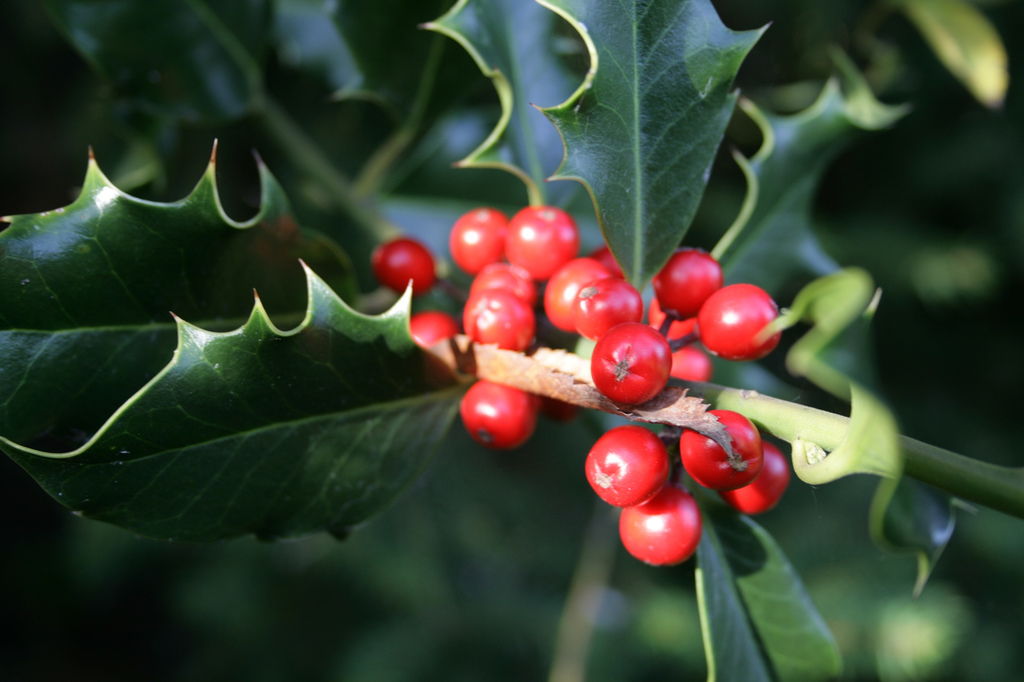
The American Holly is considered one of the most popular trees in the world. Due to extensive cultivation of the American Holly by nurseryman and gardeners alike, there are currently over 1000 different cultivars, with more being patented every year (Holly Society of America).
The tree is ridiculously tough. The American Holly is widely known as the hardiest broadleaf evergreen. Native specimens found throughout the Appalachian Mountains have been found to withstand temperatures of -10°F, while cultivated varieties have been naturalized in Ohio down to -20°F. The tree is also not picky in terms of soil requirements. American Holly will grow in nearly all soils. This fact is evident given that its native range extends from Massachusetts to Florida to Texas. American Hollies grow on mountain tops, in river valleys, on flood plains, and along coastlines. This range of habitats and conditions means the American Holly does not take great risks in its habit of growth. The tree has a slow to medium growth rate.
The tree also reproduces the “old fashioned way;” male and female flowers are produced on separate plants (dioecious reproduction). A male pollenizer must be nearby in order to produce the beautiful red berries we are all familiar with on female trees.
Throughout history, the appeal of bright red berries and lustrous evergreen leaves drove the popularity of the English Holly. From the Roman and Druid winter solstice traditions to the eventual European Christian traditions, the symbolism and colorful nature of the evergreen holly in the dead of winter was constant. It is little wonder that when the European colonists landed in the New World, they brought their love of holly among their many traditions.
Prior to their arrival, American Holly leaves had been used by Native Americans to make tea to treat cough, and berries had been used to make buttons. But Europeans brought demand for American Holly to a whole new level. They recognized American Holly as an obvious substitute for their English holly (Ilex aquifolium) holiday traditions, and decorative and landscape usage soon exploded. Today the popularity of the American Holly is as strong as ever.
When you’re planning what to grow each season in your garden, there’s an additional choice you may not have considered: whether to grow each plant from seeds or starter plants. Each gardening method has its benefits as well as its drawbacks, and they both perform best in certain situations. Most people choose to use a combination of growing plants from seed and starting with transplants in their gardens. Keep reading to find out when it makes sense to grow plants from seeds and when starter plants are the best option so that you can choose what’s best for your unique situation.
Benefits of Starting from Seeds
Wider Selection: It’s much easier to find exactly what you’re looking for when you’re shopping for seeds. There’s a much wider array of seeds to choose from compared to starter plants, when you can order from online seed companies or seed catalogs as well as checking the seed racks at stores near you. While you can order starter plants from some companies or individual sellers online, the possibilities aren’t nearly as numerous. Whether you’ve been recommended an heirloom variety of zucchini that you want to try growing or you just enjoy choosing what you’ll grow this year from the widest variety possible, seeds win out when it comes to the diversity of your options.
Lower Cost: Some seeds are more sought-after than others, so you can find seeds at a variety of prices—but most of the time, buying seeds will be less expensive than purchasing starter plants. The small, light seed packages are also much less complicated (and therefore less expensive) to ship than a live starter plant.
You’ll need to purchase additional supplies to be ready to plant either seeds or young live plants, so even considering the complete cost of both options, the lower initial cost of seeds makes them a more economical choice than starter plants. The exception is if you don’t have a spot indoors that offers enough light for your seedlings. In this case, the purchase of grow lights can tip the balance and make starter plants a less expensive option for you.
Some Varieties Don’t Transplant Well: For some of the plants in the garden, transplanting just doesn’t work. Some varieties have delicate roots that are best not disturbed, while other plants just grow so quickly that there’s no real chance to start them indoors. Here’s a list of plants that do best when direct seeded: baby salad greens, beans, corn, greens that grow quickly (like arugula and spinach), microgreens, nasturtiums, peas, poppies, and root vegetables.
The Miracle of Life: A lot of gardeners get so much joy from the process of growing plants from seeds that they couldn’t imagine doing things any other way. While starter plants offer lots of convenience, they can’t compare to the experience of watching a tiny seed come to life underground and grow into a full-sized blooming plant.
Benefits of Using Starter Plants
Convenience and Simplicity: Raising plants from seeds requires quite an investment of time and energy as you baby the seeds through their germination and sprouting. With starter plants, you simply tuck the plant into the spot you’ve chosen for it, provide it with some water, and you’re done.
Fewer Timing Restrictions: When you plant seeds, you have to do your research about the plant variety and make sure that you’re planting at the correct time for gardeners in your USDA Hardiness Zone. You have much more freedom with starter plants, which mature as the season progresses and are ready for purchase throughout their growing period. Nurseries online tend to hold off on delivering out-of-season plants (like spring vegetables, for example) until it’s time to plant them in your area. Brick and mortar stores will tailor their selection to offerings that make sense for gardeners in your area throughout the year.
If you just purchase seeds without doing some research into timing and hope to plant them all at once, you’ll be disappointed. We recommend, if you plan to grow plants from seeds, that you spend some time planning with a calendar. Take into account when each plant variety will need to be sown, when flowers will be in bloom, and when edible plants will be ready for harvest.
Higher Performance: While the time from sprouting to transplant can be a lot of fun to witness, it’s a dangerous time for plants, and gardeners tend to lose some of the seeds they plant to illness, insects, and other factors. Starter plants have been cared for by professionals, and they’ve already been through this risky stage in a plant’s life. The starter plants available at nurseries near you have also been especially selected for gardeners in your region, so you have a better chance for success with starter plants from the outset. Just follow the advice in this article on how to choose healthy plants at the nursery or garden center.
No waiting period: Starter plants are ready to go into your garden and start beautifying your home from the day you purchase them, with one exception. If you make a pre-order for an out-of-season plant, the seller will wait to send your purchase until it’s time for gardeners in your zone to put transplants into the outdoor garden. Unless you plan very carefully, you’ll usually need to wait to plant seeds you’ve purchased as well. Starter plants offer more variety and availability year-round.
As you can see, there’s no right answer for everyone, and there’s no right answer all of the time. Starter plants are better when it comes to performance, simplicity, and freedom from a waiting period or timing restrictions.
Seeds work better for gardeners who are seeking a diverse selection, want to grow varieties that don’t transplant well, those on a budget, and those who just want to enjoy witnessing the miracle of life. After learning more about each option, you’re ready to choose which one is right for you regardless of the situation.
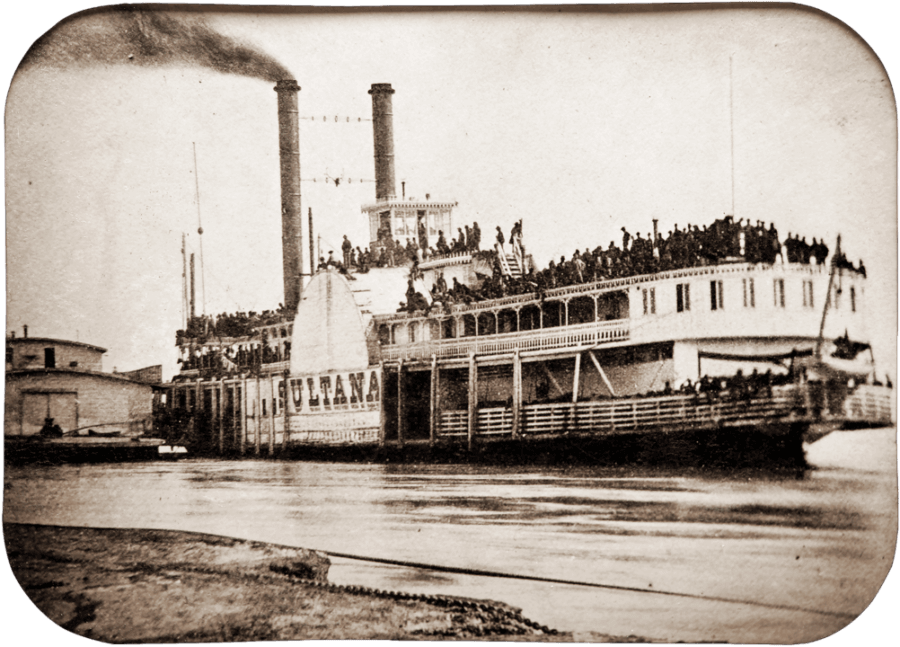
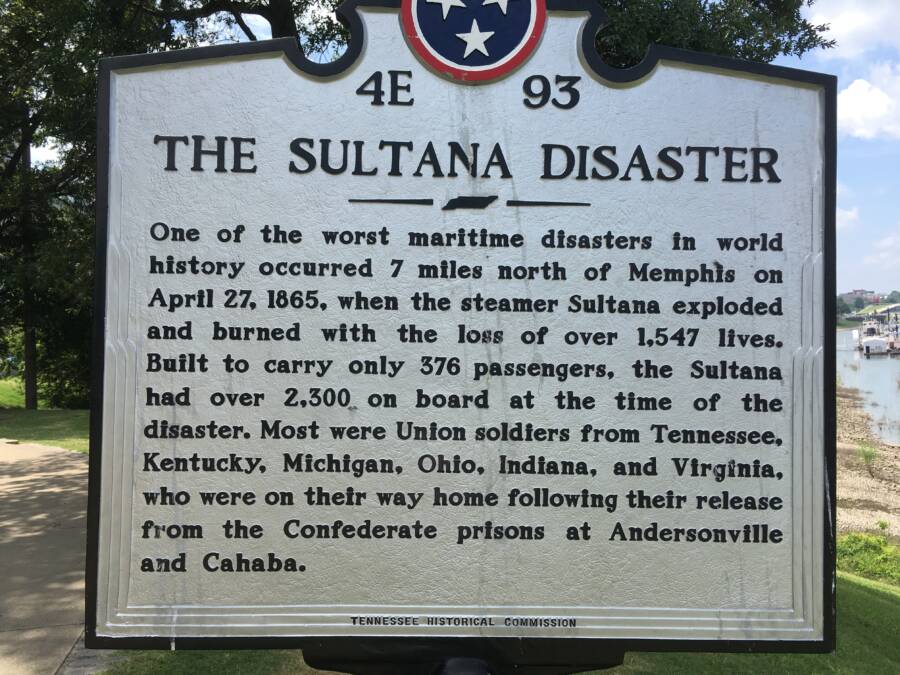
The ‘Sultana’ was carrying some 2,000 freed Union soldiers from Confederate prisons when three of its four boilers blew, sending the ship into flame and chaos. On April 27, 1865, the United States experiences its worst maritime disaster in history. Mere weeks after the Civil War came to an end, the steamboat, Sultana exploded and sank in the Mississippi River, killing an estimated 1,200 to 1,800 Union soldiers who were released from prison and on their way home.
The sinking of the Sultana claimed more victims than the Titanic, yet the tragedy remains largely forgotten in American history. But behind the devastation lurked conspiracy, foul-play, and negligence, that perhaps suggest the disaster could have been avoided.
Corruption Aboard The Sultana
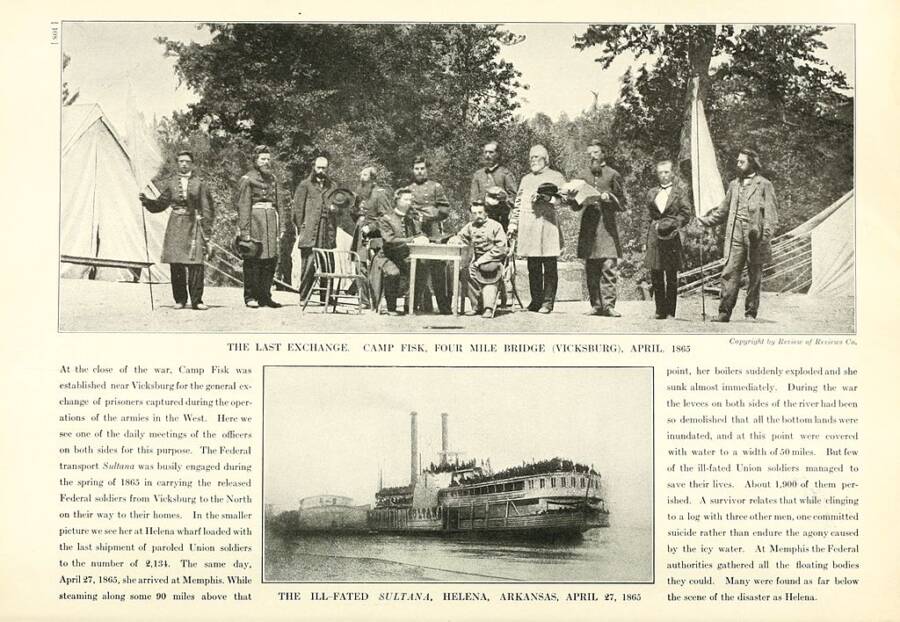
Following the end of the Civil War in 1865, both Confederates and Unionists scrambled to pick up the pieces left over by the bloody conflict. This included the release of war prisoners from both sides. Thousands of newly paroled Union soldiers who had been held in the Confederate prison camps of Cahaba near Selma, Alabama, and Andersonville, in southwest Georgia, had all been brought to a smaller camp outside of Vicksburg, Mississippi. They needed passage north.
Meanwhile, Captain James Cass Mason of St. Louis was in command of a paddle-wheeler called Sultana headed for Missouri. The small wooden steamboat typically carried a crew of 85 and was intended for cotton transport before it was commissioned to transport troops instead.
During a stop in Vicksburg to address a boiler issue, the steamboat skipper received word that the U.S. government was willing to pay a princely fee — $5 for each released soldier and $10 for each officer — for the transport of former Union prisoners back North.
Captain Mason, lured by the promise of a handsome payday, seized the opportunity and accepted a bribe from an officer to transport as many paroled Union prisoners as he could fit onto the Sultana. In his haste, Captain Mason chose not to repair the ship’s boiler as extensively as it required and chose instead to settle with a quick, temporary fix.
The captain worried had he waited to fix the boiler as it required, the Union soldiers would find alternative passage northbound.
According to Jerry Potter, a lawyer-turned-author who wrote The Sultana Tragedy: America’s Greatest Maritime Disaster, the captain loaded on more men than the boat was meant to carry.
“The boat had a legal carrying capacity of 376 passengers,” Potter explained. “On its up-river trip, it had over 2,500 aboard.”
The Sinking Of The Sultana
On April 24, 1865, the Sultana departed from Vicksburg northbound. Aboard her overcrowded decks were some 1,960 paroled prisoners, 22 guards from the 58th Ohio Volunteer Infantry, 70 paying cabin passengers, and 85 crew members. Many of the paroled soldiers were in poor condition having just left Confederate hospitals or prisons.
Additionally, it was a particularly bad day to be out on the water. The Mississippi River was experiencing high water levels as melting snow from up north flooded its banks. Fallen trees and other debris mixed into the fast-moving waterways. It was difficult to navigate these clogged and swirling waters come nightfall, but Captain Mason was determined to make his shipment of soldiers. They stopped briefly in Memphis and continued on their journey by nighttime.
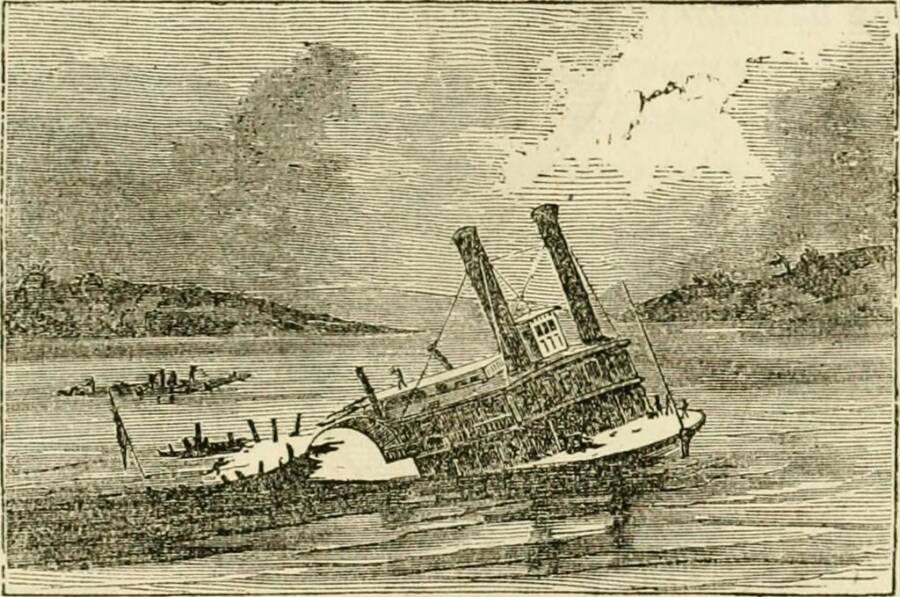
At approximately 2 a.m. on April 27, several miles from Memphis, Tennessee, one of the Sultana’s boilers exploded. Because the boat had been so packed, many of the passengers were crammed right by the boilers.
The explosion instantly killed hundreds, mostly soldiers from Kentucky and Tennessee who had been packed in right against the boilers. Many of them instantly died from shrapnel, steam, and the boiling water released from the explosion.
Then, another two boilers exploded.
“One minute they were sleeping and the next they found themselves struggling to swim in the very cold Mississippi River. Some passengers burned on the boat,” wrote Potter.
He wrote further that “the fortunate ones clung to debris in the river, or to horses and mules that had escaped the boat, hoping to make it to shore, which they could not see because it was dark and the flooded river was at that point almost five miles wide.”
The Sultana descended into chaos. Passengers aboard the 260-foot-long boat were torn between two choices: stay on the boat and possibly die from the fire or jump into the water to face the possibility of drowning. Either way, the odds of survival were slim. Soldiers having just left war now found themselves again fighting for their lives.
Accounts From Victims Of The Sultana Sinking
As the Sultana began to sink nearby the small town of Marion deep in southern Confederacy territory, passing boats and local residents began a chaotic rescue operation to save the soldiers on board.
Newspaper reports indicate that a local man, John Fogelman, and his sons were among these rescuers. Fogelman’s descendant, current Marion Mayor Frank Fogelman said that the boat’s direction had caused the wind to blow fire toward the rear of the ship.
The paddle wheel on one side fell off and caused the boat to turn sideways before the other paddle wheel succumbed as well.
“I understand that the Fogelmans were able to put together some logs to make a raft and go out and take people off the boat as it drifted back this way,” Mayor Frank Fogelman shared about his ancestor’s heroic action. “In order to save time, they would set the people off in treetops, and go back to the boat to take more off.”
The soldiers aboard the Sultana, having just survived a bloody Civil War and horrendous conditions during their imprisonment as prisoners, were now dealt with another traumatic blow as the boat continued to catch fire and disappear into the Mississippi River.
“When I came to my senses I found myself… surrounded by wreckage, and in the midst of smoke and fire,” wrote one Ohio soldier in a collection of survivor essays titled, Loss of the Sultana and Reminiscences of Survivors.
The same Union soldier continued, “The agonizing shrieks and groans of the injured and dying were heart-rending, and the stench of burning flesh was intolerable and beyond my power of description.”
Another survivor, also from Ohio, wrote “There were some killed in the explosion, lying in the bottom of the boat, being trampled upon, while some were crying and praying, many were cursing while others were singing… That sight I shall never forget; I often see it in my sleep, and wake with a start.”
It only took a few hours before the Sultana reached the bottom of the Mississippi.
Some of the rescuers had been Confederate soldiers who lived in the area by the river near where the Sultana had sunk. It is incredible to think that only a few weeks before the incident these men would have been at each other’s throats. But amid the wreckage of the Sultana disaster, they were on each other’s sides.
Bodies from the Sultana wreckage had horrifyingly continued to surface downriver even months after the accident. While some were recovered, many were never found. Captain Mason was among the dead.
Conspiracy And Corruption, Aboard The Disaster
Arguably many of the factors which contributed to the destruction of the Sultana could likely have been avoided. Most obvious is the extreme overcrowding on board made possible by a bribe to officials and the severe weather conditions that the boat then faced. Then, there was the improper handling of a damaged boiler. Apparently, Captain Mason and his chief engineer ordered one of their mechanics to do a quick (and likely faulty) repair in order to resume their voyage on the river. “He told the captain and the chief engineer the boiler was not safe, but the engineer said he would have a complete repair job done when the boat made it to St. Louis,” Potter said. But these explanations have not stopped internet sleuths and their imaginations from running amok. For example, many believe that the incident was not heard of because the government had intentionally downplayed the number of casualties. There were so many mistakes that could have been prevented by government oversight, it is possible that officials wanted to keep things quiet.
A more extreme conspiracy posits that the whole incident had been a part of a master plan concocted by the Confederacy to sabotage Unionists on board. By one account, a known Confederate saboteur named Robert Louden had claimed to have actually launched a coal torpedo at the ship in an attempt to kill the enemy Union soldiers aboard. This claim was, however, mostly disproved.
But a more reasonable explanation as to why the disaster was so easily forgotten is that it had been overshadowed by a bigger, more historically significant tragedy — the assassination of then-president Abraham Lincoln.
While Lincoln’s shocking murder occurred nearly two weeks prior to the Sultana’s demise, the ripples of his assassination lingered long after.
In a way, the public had also been desensitized to extreme suffering after having endured a bloody Civil War that lasted for four years. To some, the lost lives of another 2,000 or so men perhaps seemed incomparable at the time.
Ultimately, no one was charged for the deaths of those on board the Sultana, even after an investigation and military tribunal was held.
An estimated 1,800 men were lost by the Sultana. By comparison, the sinking of the Titanic took a little over 1,500 lives. The Sultana disaster remains an unresolved tragedy and the worst in American maritime history.
There is a silver lining to this tragedy, however. More than two decades later, survivors of the Sultana from across the country have met annually around the anniversary of the ship’s sinking to pay hommage.
After the last survivor died in 1936, the children and grandchildren of survivors who had grown up listening to the incredible survival stories of their forefathers picked up the tradition. These annual reunions are still held today.
For instance, Mary Beth Mason, the granddaughter of Sultana survivor William Carter Warner, remembers his bravery today. Warner had joined the Union Army’s 9th Indiana Cavalry as a teenager before he was imprisoned during the Civil War and eventually landed aboard the Sultana. When the tragedy struck, Warner managed to swim to the shore of the Mississippi River.
“My grandfather could have died in Cahaba prison when he was 16,” Mason said. “He could have died on the Sultana, but he didn’t…Of course, it’s important in my family. My father would have never been born. I would have never been born.”
To this day, Mason holds on to her late grandfather’s official survivor’s certificate that he received in September 1888 from the Sultana Survivors Association.
For the descendants of Sultana survivors like Mary Beth Mason, keeping the memory of what happened alive is an important way to honor their ancestors. Roughly 100 of the survivors’ grandchildren and great-grandchildren meet every year on their behalf.
“We’ve done a lot to keep the story and to spread the story,” said Norman Shaw, who founded the Association of Sultana Descendants and Friends.
“These fellows felt history forgot about them… We’re following the wishes of the original survivors to keep the story alive.”








:max_bytes(150000):strip_icc()/Cinco-de-mayo-memes9-f426af89d6b1440e92dc44962c35e431.jpeg)








 Sew Colorful