Wile E. Coyote

Although the Road Runner always got the best of Wile E Coyote, coyotes are pretty amazing animals. They can run up to 43 mph, control how many pups they have in a litter based on food availability, and use 11 different ways of communicating. There are 19 subspecies of coyotes that live in every state except for Hawaii, and they can even mate with wolves and dogs. And apparently, they have ACME on speed dial…LOL.

Coyotes are most active at dusk and dawn. Why?  Their favorite prey—deer—are also most active at this time. Coyotes will hunt deer, but they will also be perfectly happy with roadkill as well.  Coyotes are not picky eaters by any means—they’ll eat whatever is available—rabbits, rodents, berries, fruits and vegetables and grasses.  They will even eat rattlesnakes if they wander too close to their den.

Coyotes go by many, many different names. Some pronounce the name KIGH-oh-tee and some say it KIGH-oat.  They are also known as prairie wolves, brush wolves and American jackals.  The original name for the coyote derived from the Aztec name ‘coyotl’ which was corrupted somewhat by the Spanish language and became ‘coyote.’  The character ‘Coyote’ is an important cultural phenomenon in many indigenous people’s cultures. This character is described as a trickster and is often portrayed as being greedy or dishonest.   Still, in some Native American cultures, Coyote is revered as teaching children important life lessons about survival and life in general.

Physically, coyotes are also amazing!  Coyotes are very comfortable in the dark. Their powerful night vision comes from the abundance of rod receptors in their eyes. These respond to low levels of light, as opposed to cones which respond to high levels of light. They also have a mirror beneath their retinas called a tapetum lucidum. It reflects the observed light twice, giving the eye a better chance of seeing even in low-light conditions.

And their hearing is tremendous!  The shape of their ears is meant to capture even the smallest of movement.  They can hear up to a quarter mile away! During the wintertime, a coyote can hear a mouse moving beneath 7 inches of snow!

To thrive as well as the coyotes have, they must be equipped with top-notch sight, hearing, and smell. Luckily for coyotes, they have all three.  Coyotes have been known to be weirded out by even the subtlest of scents. Their natural instinct to avoid danger makes their sense of smell that much more important, especially when it comes to smelling people or hunters.  Coyotes also use smell, more than sight, to identify pack members.  While sight is only used to detect movement, coyotes depend more on hearing and smell to find their prey.

Which brings us to sound.  Coyotes don’t just make noise to make noise. Each sound has a different purpose. The two most distinct sounds a coyote can make are barks and howls. Howls seem to be more for communicating information to other pack members, or to warn outsider coyotes not to enter a pack’s territory. Barks and yips seem to be more related to assessing how far away other pack members are or to attract the attention of other pack members.

The fur of a coyote can be gray, red or yellow-brown mixed with black.  Many coyotes will even change fur colors throughout the seasons. Regional environments can also influence a coyote’s fur color. Typically, the color on the back is darker than the color on the stomach and legs.

A pack of coyotes is called a band even though coyotes rarely hunt in larger units unless they’re taking down a larger prey like a deer. They stay active during the winter too, forgoing a cozy den.  And speaking of dens, when picking a den location, coyotes will often find a hollow between rocks or build a burrow in the soil. When they decide to go the burrow route, they’ll often find abandoned fox or badger burrows and expand on those instead of making their own.  Coyotes, however, will create dens to raise their pups in. Once the rearing season is over, coyotes often move aboveground. They sleep in densely wooded areas where they won’t be observed by humans or bigger predators.

Coyotes can jump fences—as high as 3 feet, but cannot climb trees.  While this may not sound impressive, coyotes have been known to scale fences as high as 14 feet and can jump just as far across if they have momentum built up. Not the cartoon characters we assume them to be at all.


Corvettes at Carlisle

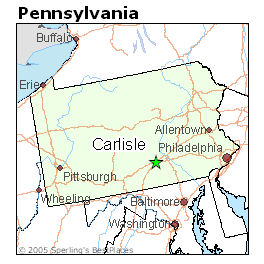
Do you have Corvettes at Carlisle on your bucket list? Corvettes at Carlisle will be held August 25-27 at the Carlisle PA Fairgrounds, and it’s the largest all-Corvette themed event in the world!

Fairgrounds Layout

The Carlisle PA Fairgrounds have multiple entry gates at all points of the fence line. If you are showing a car, Gate 3 is THE gate to enter. If you’re a spectator, Gates 1, 2, 3, 4, 5 and 7 all provide access. The 82-acre facility has 8,100 spaces, many of which will include special guests, displays, vendors, and Corvettes, lots and lots of Corvettes.

Special Displays (in no particular order)

• 2023 Corvette Z06 Display
• 50 Years of the 1972 Corvette
• Callaway Sledgehammer and 35 Years of Callaway Corvettes
• 2022 Chip’s Choice – Pratt & Miller/Factory Corvette Race Cars
• The NCRS Gallery
• TV & Movie Themed Corvettes
• Solid Axle Corvette National Convention
• The Fun Field (where the show cars park)
• The Swap Meet and Midway (where you can find Corvette parts, collectibles, merchandise and more)

The fairgrounds will be packed and will offer a huge automotive flea market with a wide variety of vendors, an all-Corvette car corral, and more. 

Rev up the action at the Corvette Show with autocross. Experienced drivers can test their driving skills while beginners can learn more about the sport. They can even compete to become the King of the X.

Corvettes at Carlisle also offers great shopping opportunities. Buy a car and everything to go with it from the variety of vendors filling the fairgrounds. The car corral offers notary services including temporary tags so you can shop, compare and make the deal directly with the owner.

This event is great for the whole family and features a kids’ section with crafts, contests, and a play area, and the Women’s Oasis Tent with massages, makeovers, shopping, and more. Don’t miss the Corvette Parade on Saturday night through Downtown Carlisle, which culminates into a giant street party with great music, food, and more than 400 Corvettes.

women’s oasis tent

Some of my favorites from years past:

The Responsibility of Choice

It seems we are bombarded daily with choices to make–cash or charge? fries or onion rings? red or white? And while most decisions might have minimal impact on the rest of our lives, some, of course, do. Nothing brings this home more than home itself–what state you live in.

States have different laws which totally makes sense to me. Citizens in southeastern coastal states have vastly different concerns than a northeastern or heartland state. If you’re deciding to visit or relocate to another state, it’s prudent to research that state’s laws–laws which will affect money, recreation, freedom and life.

In Pennsylvania, our state sales tax is 6%. So every time I buy groceries, I have to remember to take extra money for sales tax. However, in New York, a brief 15 minutes away, their state sales tax is 8%! So every shopping trip to New York will cost me more money. Something to consider if one contemplates moving to that state.

10% sales tax in Alambama

Recreational marijuana is another good example of different laws for different states. This is not something that is important to me, but if it’s important to you, the laws governing it should be researched before you visit or move there.

Hubby and I enjoy the freedom riding our Harley provides and we’ve traveled to many, many states on it. We always wear our helmets, even though our home state, PA, does not require it. It is a choice we make. Many choose to go without helmets here and that’s their choice; however, because the law varies from state to state, most riders keep their helmets stashed in their saddlebags or simply strapped to the back of the bike. It is ALWAYS the rider’s responsibility to know the laws regarding helmets in the states they travel through.

Which brings me to laws about life–or more appropriately the taking of a life. It seems to me that a lot of states that disallow the death penalty for heinous crimes committed by criminals, have no problem allowing life-ending procedures for innocents-via abortion. Admittedly, I cannot say for certain if every state that bans the death penalty also allow abortions, but hypocrisy is usually on full display in most liberal states. And if liberals stayed in “their lane” and left “our lanes” alone, I might respect that. Their state, their assinine laws. But when these people try to force those views nationwide, then we have a problem.

The Supreme Court stated that abortion is a state issue. If your state does not allow abortions, you are free to travel to a place that does. What you are not allowed to do, is demand those states change to suit you.

National Tell-A-Joke Day

Three contractors are bidding to fix a broken fence at the White House. One is from Chicago, another is from Tennessee, and the third is from Minnesota. All three go with a White House official to examine the fence. The Minnesota contractor takes out a tape measure and does some measuring, then works some figures with a pencil. “Well,” he says, “I figure the job will run about $900. $400 for materials, $400 for my crew, and $100 profit for me.” The Tennessee contractor also does some measuring and figuring, then says, “I can do this job for $700. $300 for materials, $300 for my crew, and $100 profit for me.” The Chicago contractor doesn’t measure or figure, but leans over to the White House official and whispers, “$2,700.” The official, incredulous, says, “You didn’t even measure like the other guys! How did you come up with such a high figure?” The Chicago contractor whispers back, “$1000 for me, $1000 for you, and we hire the guy from Tennessee to fix the fence.” “Done!” replies the government official. And that, my friends, is how the new stimulus plan will work.

On his deathbed, a lifelong Republican supporter suddenly announced that he was switching to the Democrats. “I can’t believe you’re doing this.” said his friend. “For your entire life you’re been a staunch Republican. Why would you want to become a Democrat now?” “Because I’d rather it was one of them that dies than one of us.”

A thief stuck a pistol in a man’s ribs and said, “Give me your money.” The gentleman, shocked by the sudden attack, said “You cannot do this, I’m a United States congressman!” The thief said, “In that case, give me my money!”

A bus full of politicians was moving along the country road. Then it crashed into the tree and overturned. Blood and glass were everywhere. A middle-aged farmer working on the field nearby saw the accident and decided to help: he dug a huge hole and buried all the politicians who were still alive. He thought he did his country a good service.

Q: What do you call a lawyer with an IQ of 100? A: Your Honor.

Q: What do you call a lawyer with an IQ of 50? A: Senator.

The two U.S. cities with the highest alcohol consumption are Las Vegas and Washington, DC. The difference between the two is that in Washington the drunks are gambling with our money.

Terrorists have hijacked a plane filled with politicians…They say they will release one politician per hour if their demands aren’t met.

Three burglars break into a building and are confronted by a soldier, a cop, and a politician. The politician tells the soldier to kill Burglar #1, and the two stab each other to death.
The politician then tells the cop to arrest Burglar #2, and the two beat each other unconscious.
The politician then walks up to Burglar #3 and says “I just saved your life, your freedom, and tripled your share of the loot. I think 20% is a fair cut.”

“Politics” is derived from the words “poly” meaning “many”, and “tics” meaning “blood-sucking parasites.” – first said by Larry Hardiman.

What Shall We Make Today?

This is one of my favorite recipes from my grandmother.  When my dad was growing up, times were tough, and nothing got wasted.  Whenever there was some leftover mashed potatoes, too much to throw away, but not enough for anyone to have with another meal, my Grandmother would make potato candy.  Since it was a favorite of mine, when I got old enough, Grandma taught me how to make it.  You can always make potato candy with a freshly cooked potato though never fear—you can cook a potato just for this!  If you wish to go that route, peel and cook the potato, drain, and then mash with a little butter and milk—omit salt, pepper or anything else.  Cool completely.  (If you are using leftover mashed potatoes, allow them to come to room temperature.)

Potato Candy

Mashed potatoes at room temperature

Powdered sugar

Flour

Peanut butter

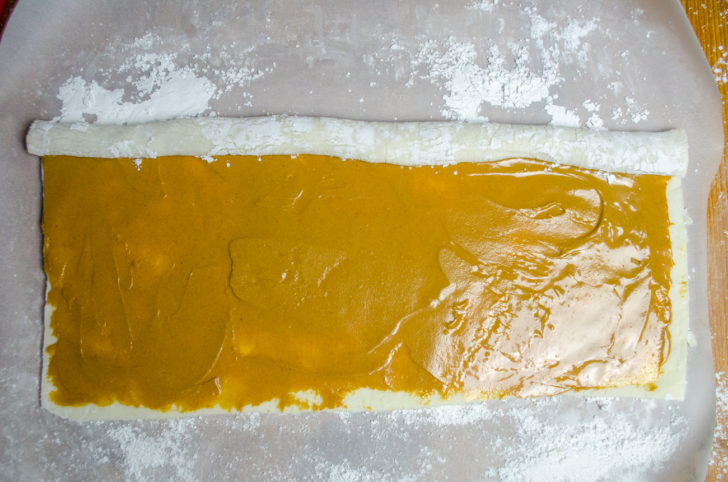
You’ll notice there are no specific amounts given for the ingredients, that’s because it all depends on the amount of mashed potatoes you start with.  A few tablespoons are more than enough to begin with.  You’ll need several cups of powdered sugar to start with.  You’re going to mix that with the potatoes to form a stiff dough.  I add a little sprinkling of flour to the dough to avoid adding more and more powdered sugar.  It will be very sweet.  Grab a piece of the potato “dough” and roll it out on a lightly floured board.* (Grandma taught me to use my hands to press it out rather than “dirty the rolling pin”.)  Thick or thin is a personal choice—I leave mine a little thicker.  Spread peanut butter on the dough (again, your preference as to how much peanut butter.) Roll up like a jelly roll and slice.  Repeat with the rest of the dough.  Chill.  This freezes for a long, long time.
The picture above shows one long roll, but I use smaller pieces of dough to make several rolls.  It’s much easier and less messy in my opinion, but the picture gives you an idea of what you’re shooting for. Enjoy!

*Some recipes call for the dough to be rolled out in powdered sugar, that would make it even sweeter, but that’s an option if you prefer.

The Navajo Code Talkers

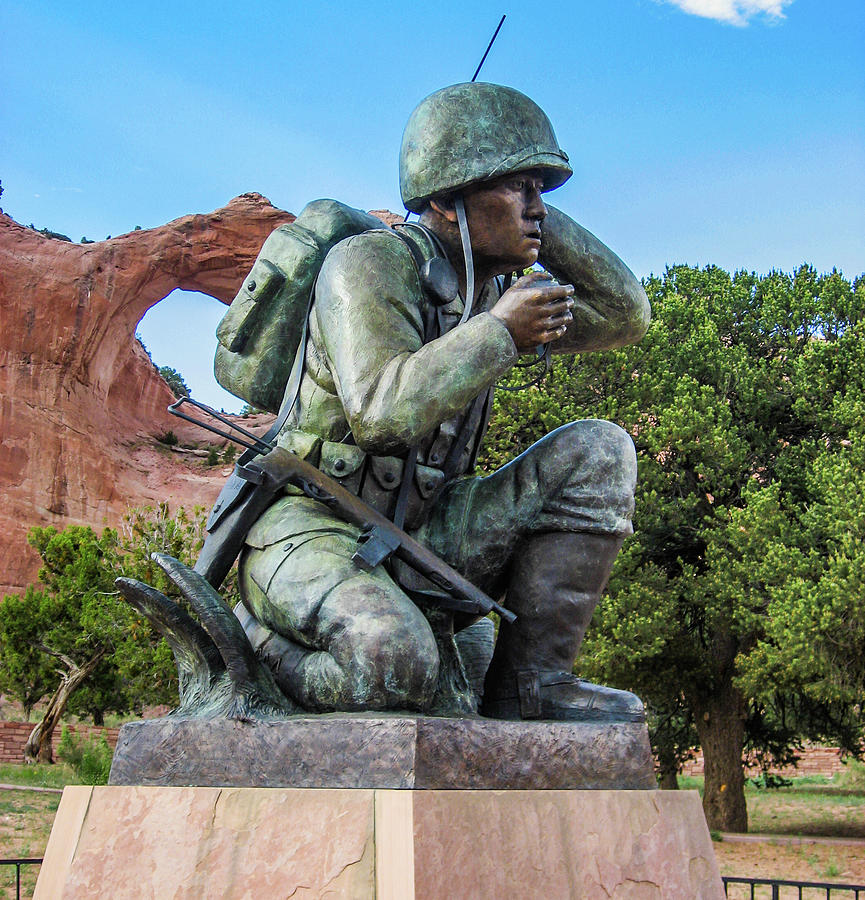
Navajo Code Talkers Day, celebrated every year on August 14, is a day that holds great importance in the history of the U.S. This is because the day recognizes the contributions of Navajo marines during World War II. Yes, Navajo marines encoded and transmitted messages using a complex Navajo language-based code during a time when secret communication was essential to win a war. And guess what? The code was never broken by Japanese forces in the Pacific and proved to be of great assistance to the U.S. Marines. On this day, celebrate the great American heroes and their service to the nation!

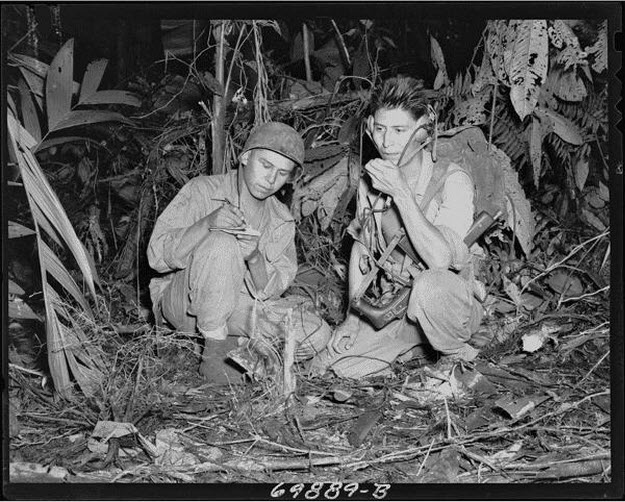
During both World Wars I and II, the U.S. military needed to encrypt communications from enemy intelligence. American Indians had their own languages and dialects that few outside their tribes understood; therefore, their languages were ideal encryption mechanisms. Over the course of both wars, the Army and the Marine Corps recruited hundreds of American Indians to become Code Talkers. Records at the National Archives document the origins of this program and the group’s wartime contributions.

World War I

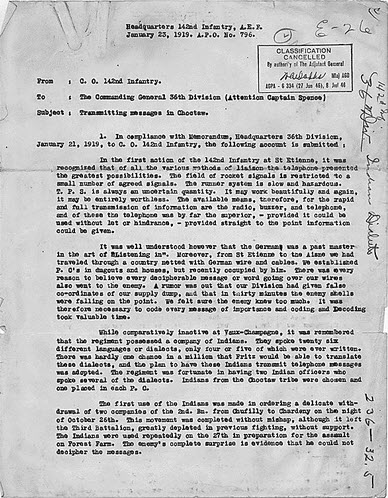
Stationed in France in 1918, Choctaw Indians from the 142nd Infantry Regiment, 36th Division, became the first Code Talkers. At the time, the enemy frequently intercepted Allied communications, inhibiting tactical plans and troop movements.

Leaders of the 142nd turned to American Indian soldiers in the regiment for help. They selected two Choctaw officers to supervise a communications system staffed by eighteen other tribal members. This team began transmitting battle messages in the Choctaw language. The enemy never broke their “code,” and Allied leaders deemed their efforts a success.

For the remainder of the war, the Army continued to enlist soldiers from other tribes as Code Talkers, including the Cheyenne, Comanche, Cherokee, Osage, and Yankton Sioux.

World War II

When the U.S. entered World War II, military leaders remembered the success of the Choctaw Code Talkers and enlisted new recruits from the Navajo, Kiowa, Hopi, Creek, Seminole, and other tribes to encrypt messages for the Army and Marine Corps. (Some sources say Philip Johnston, the son of a missionary who had grown up in the Navajo Nation, suggested using the Navajo language as a code.)

Working with Navajo leaders, the Marine Corps initially recruited 29 Navajo men to train as Code Talkers in specially designed courses. By the end of the war, the Marines had over 400 Navajo men trained as Code Talkers, many of them serving in the Pacific Theater. The Army had similar training programs for its Code Talkers, who generally served in Europe and North Africa.

Their special communication services were used in one of the most extensive military operations ever, the one that happened in Normandy in June of 1944, known as D-Day. They were also pivotal when it came to the battle of Iwo Jima when they secretly transferred more than 800 messages between the command centers and the battlefield.

However, it was not until the 1990s that the value of Navajo code talkers was publicly recognized. In 2001, the veterans that were still alive received the highest honor that can be awarded by the Congress – the Congressional Gold Medal. In the years that followed, their contributions were legally recognized by the Congress, as they passed the Code Talkers Recognition Act in 1982.  In 2014, Arizona passed legislation declaring every August 14 Navajo Code Talkers Day in Arizona.
The Navajo Code

When the Navajo code was first developed, the original selection of 211 words was ascribed with different meanings. In World War II, that number went up to 411. The reason why this code was so difficult to crack is that the Navajo language did not contain any military terminology. To make this work, the Navajo code talkers created an alphabet system that used Navajo words, instead of standard spelling. Also, certain words got a particular meaning, and it looked like this:

The Navajo word for an eagle was atsa, which was a code for a transport plane. Paaki (Hopi language) stood for houses on water, which meant that they were talking about ships. Comanches used the word wakaree’e to name a turtle, and when transferred to code – this was a tank. The Choctaw tribe used the words tushka chipota, which translated to warrior soldier, or just soldier when it came to code. Besh-lo was an iron fish, which obviously meant that a submarine is spotted.

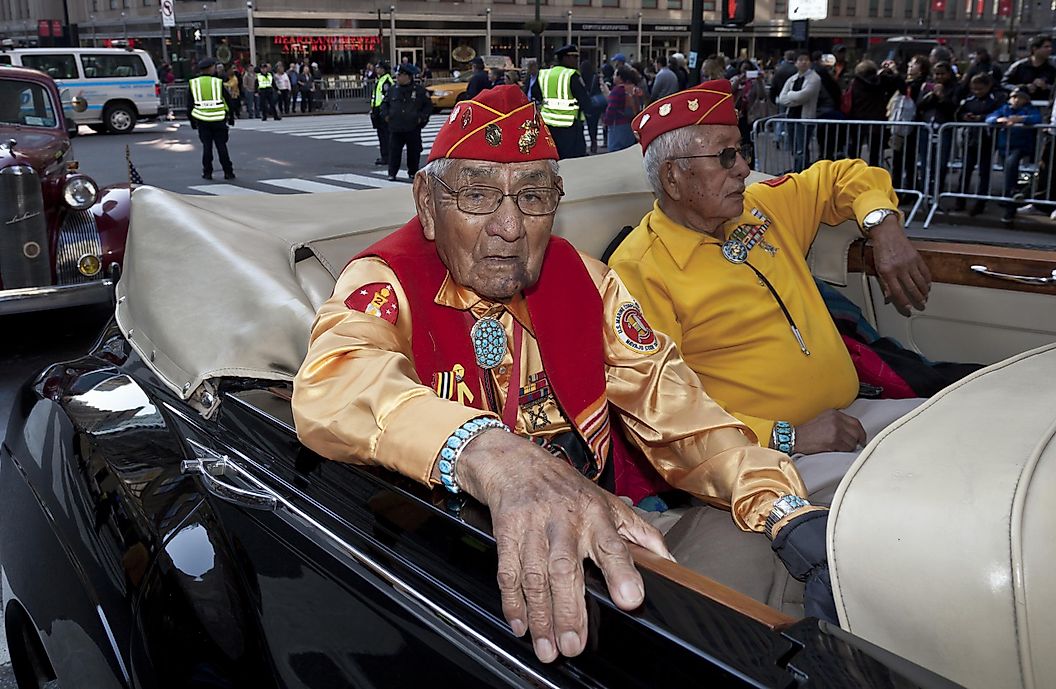
Members of Navajo Code Talkers ride at Veteran’s Day Parade along 5th Avenue on November 11, 2012 in New York City.

Old Bedford Village in PA

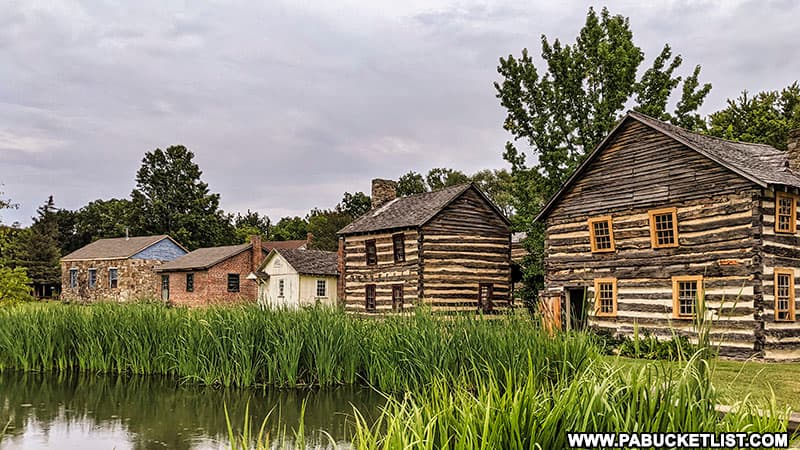
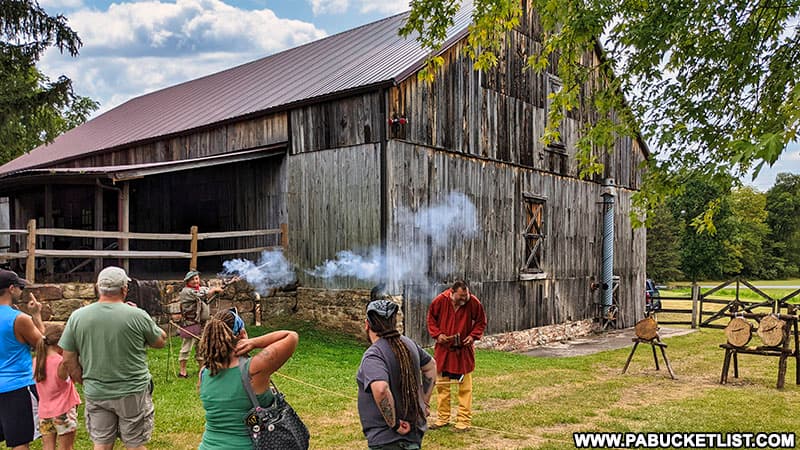
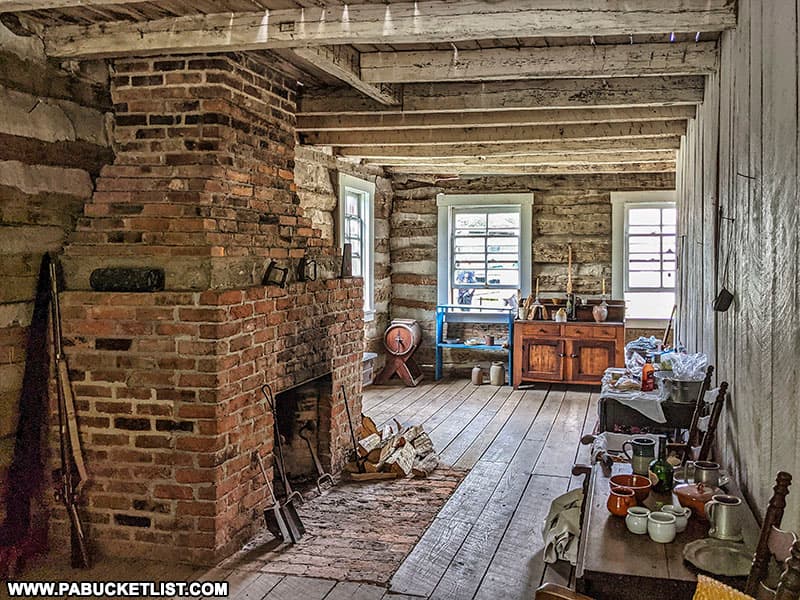
Old Bedford Village in Bedford County is a living history museum that gives you a glimpse into what life was like in western Pennsylvania from 1700 until 1899. Rather than viewing old photos and dusty relics, visitors learn by seeing reenactors demonstrating activities that would have been common in Bedford County from colonial times up through the Civil War.  Like any good museum, there is a visitor center and a gift shop, but the bulk of your visit to Old Bedford Village will be spent touring the 40-plus buildings that make up this replica of a western PA frontier village.

The History of Old Bedford Village

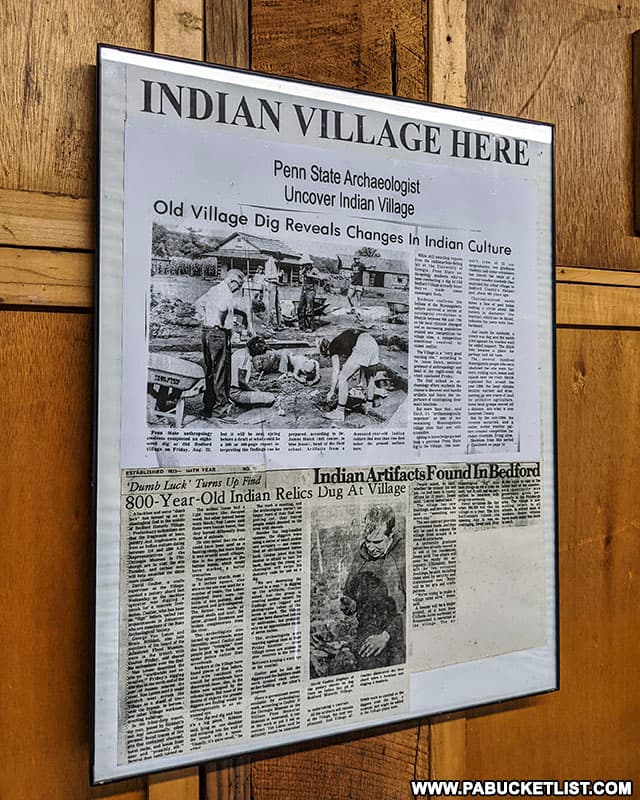
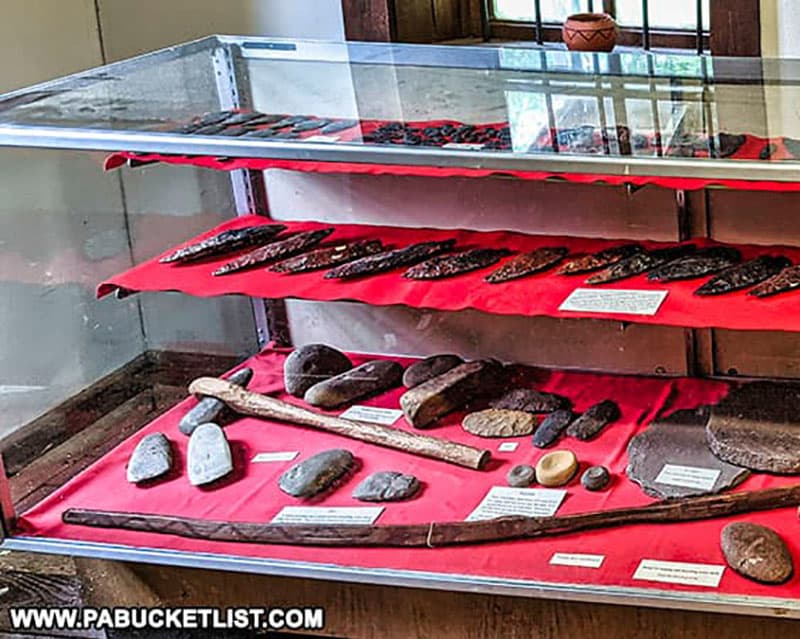
The land on which Old Bedford Village sits today was once occupied by a Monongahela village, sometime between 1250 and 1600 A.D. Today the Shoop House at Old Bedford Village houses an impressive collection of artifacts and exhibits related to those Native Americans who once called this land home.

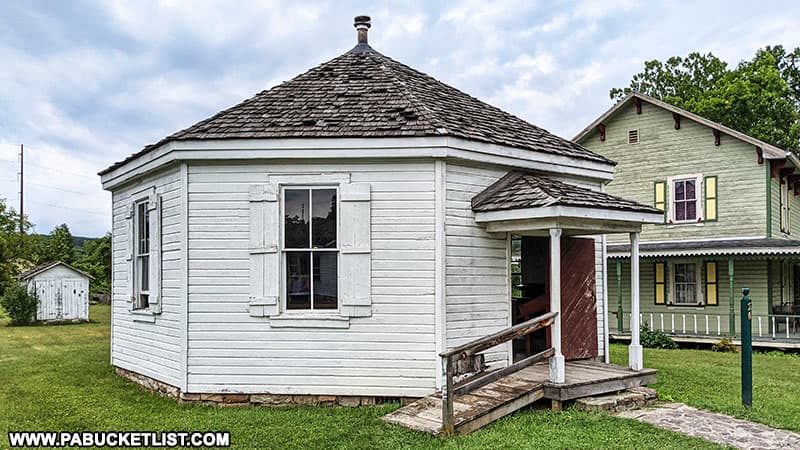
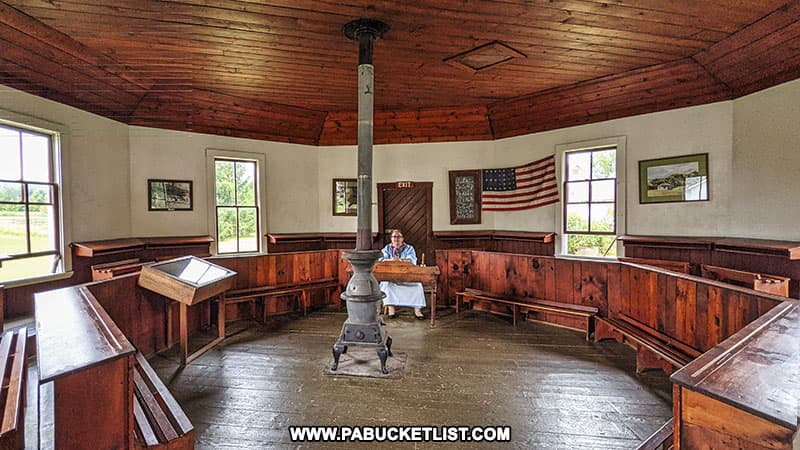
Construction of Old Bedford Village began in 1974, to promote the area’s rich historic heritage and in preparation for America’s Bicentennial in 1976.  Many of the buildings at Old Bedford Village are in fact authentically old – they were disassembled elsewhere in the county are reassembled on new lots at the museum.  The Eight-Square School, for example, was built in Bedford County in 1851, and utilized this unique shape to allow for equal distribution of light and heat.

exterior of Eight Square School
interior of Eight Square School

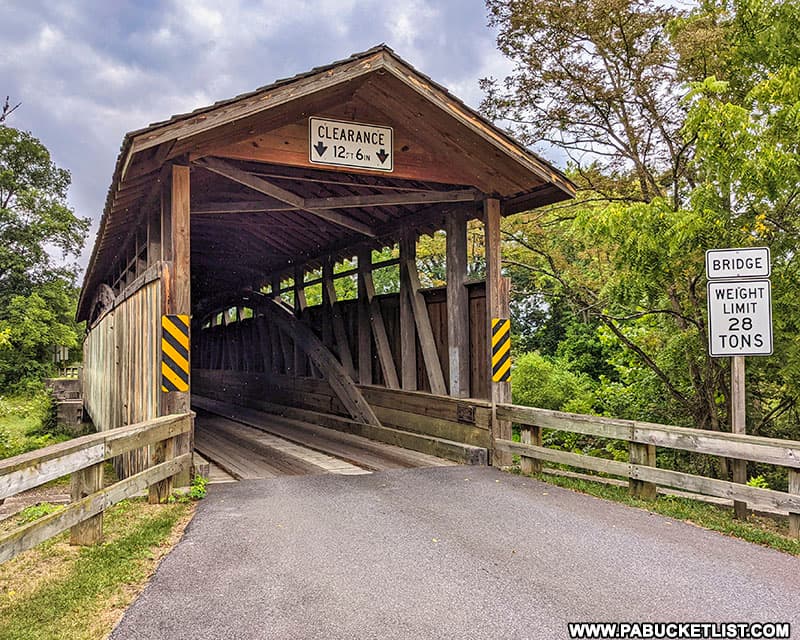
TheClaycomb Covered Bridge was built elsewhere in the county in 1844, and was later dismantled and relocated to Old Bedford Village, where it now serves as the entrance to the property.

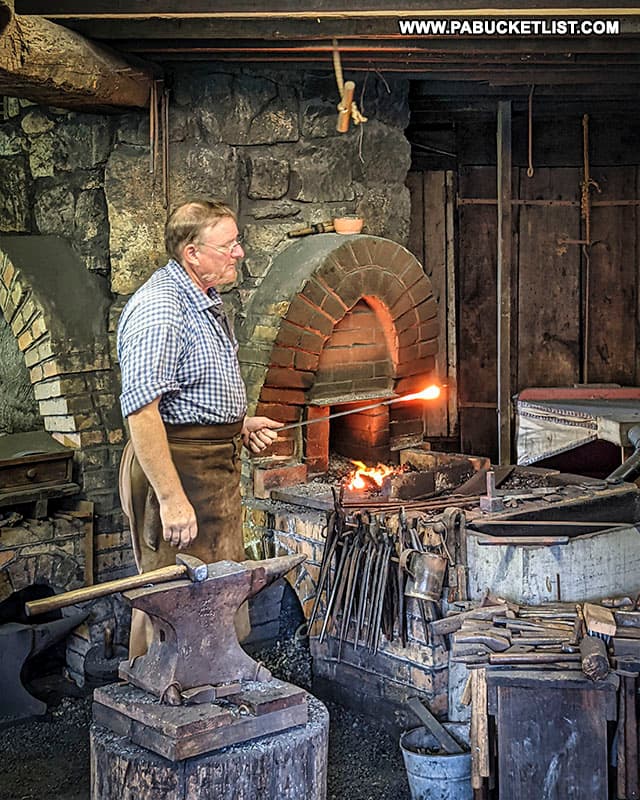
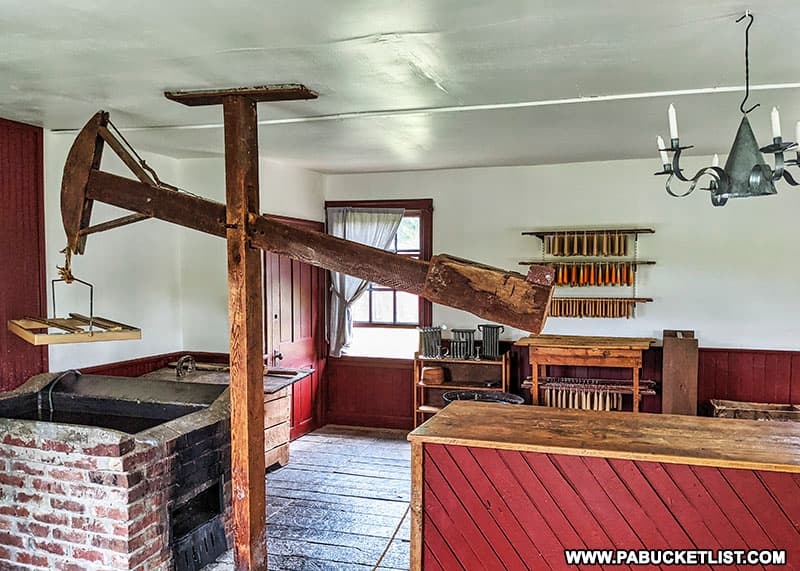
As a living history museum, many artisans occupy various shops around the village, demonstrating their trades and wares. Gunsmiths, blacksmiths, tinsmiths, and candlemakers are just a few of the artisans you can watch, and in some cases, buy their finished products.  Some of the shops, like the tinsmith shop, allow you to try your own hand at these frontier skills.

Aside from arts and crafts shops, you can also see what a typical frontier home looked like at Old Bedford Village.

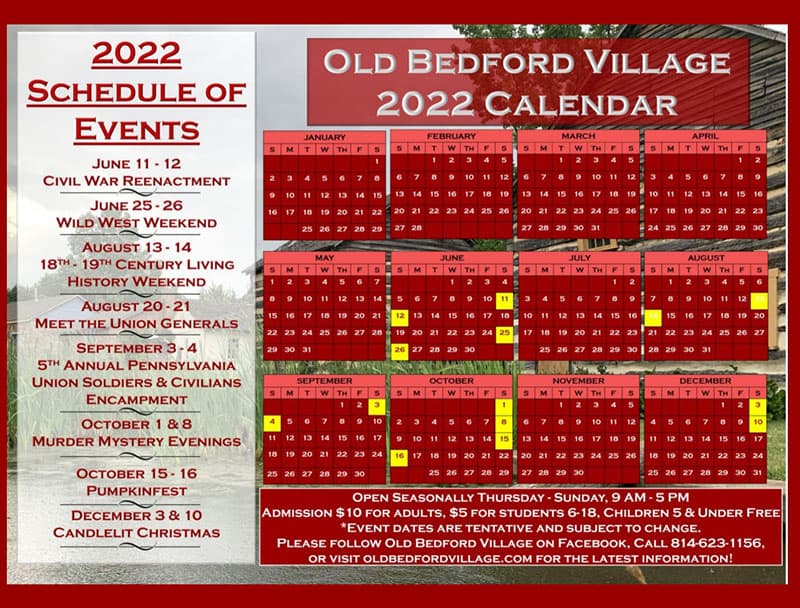
Old Bedford Village is located at 220 Sawblade Rd, Bedford, PA 15522, just south of the I99/ PA Turnpike interchange.  In addition to the permanent exhibits there, Old Bedford Village hosts many special events during the year.

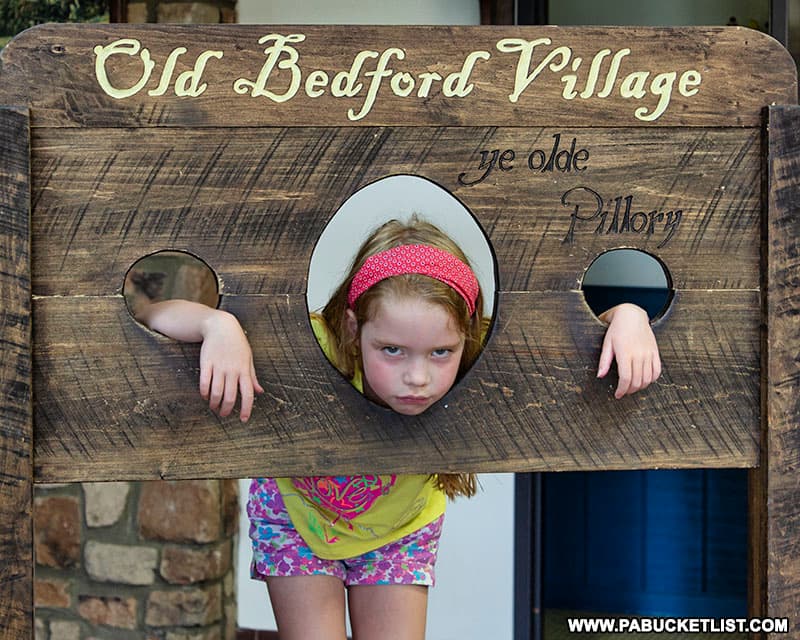
(Pat’s note: there is also a special spot reserved for unruly children and politicians…lol)

Source: PABucketlist.com

Salt of the Earth

Salt has so many other uses around the home, other than a flavor enhancer!  It can be used for cleaning, fighting inflammation, and even keeping pests away.  So make sure to keep some on hand!!

These tips were found on The Frugal Navy Wife’s Blog:

Keep soot from building up

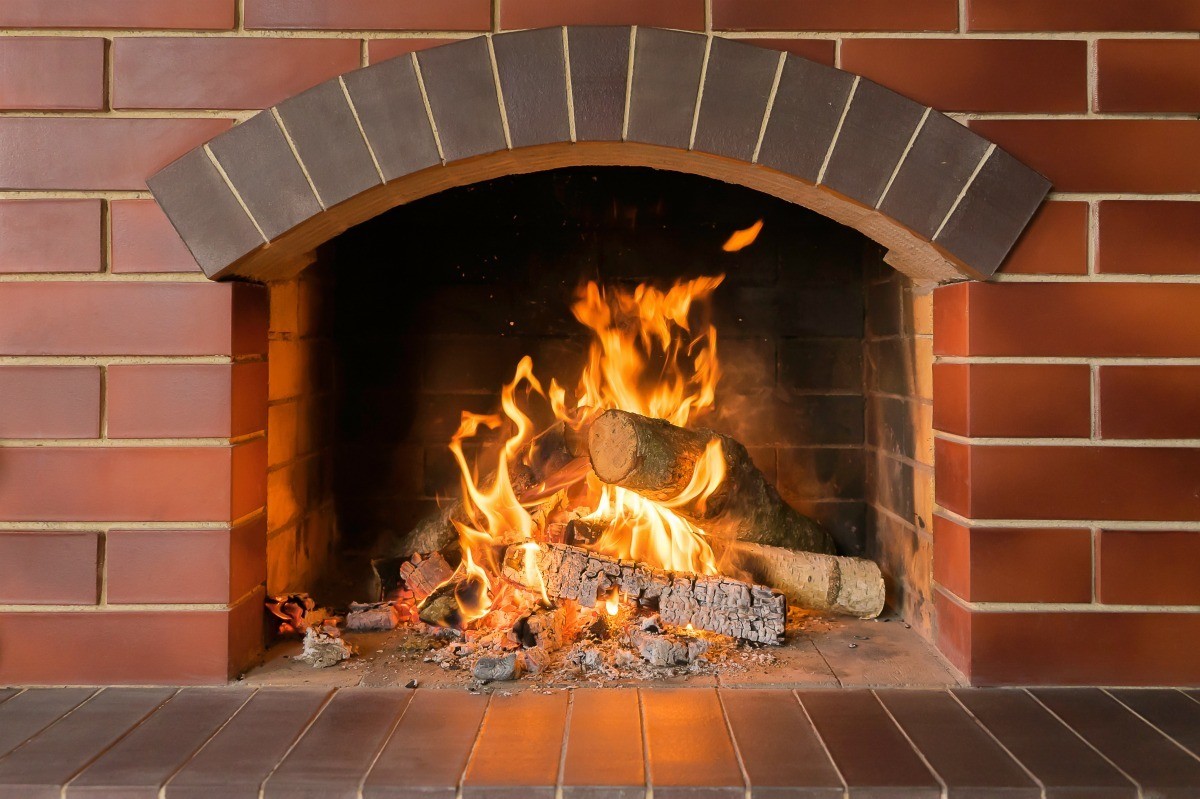
If you have a wood-burning fireplace, you can keep soot from building up in your chimney by tossing some salt on the logs.

Helps to Get Rid of Watermarks 

Remove watermarks from your tables and furniture by using a mixture of warm water and salt. Just allow it to sit for a few minutes and wipe clean.

Add a Shine to Your Coin Collection  

Get your copper shining again with a paste of salt and vinegar. Just rub gently on the bottom of your copper pans to remove stuck-on soot and tarnish. Works great on brass, pewter, and bronze as well. Do not use on silver, however.

Quickly Removes Soap Suds

Pour salt onto overflowing suds in the sink or washing machine.

Abrasive Cleaner

Make a great abrasive cleaner by making a paste of salt, borax, and water. Don’t use on finished wood or painted surfaces, though, as this will get your troublesome areas clean. Works great on rust rings in the tub.

Helps to Brighten Your Clothing  

Speaking of washing machines, add salt to your washing machine’s rinse cycle to brighten colors and sharpen them.

Water Your Plants

Mix a couple of teaspoons with a gallon of warm water. Water your plants with this mixture once a month or so. They need salt, too, just like we do, and will grow much stronger and healthier.

Removes the Buildup on Your Clothes Iron  

Clean your iron with salt. Just sprinkle some on your ironing board and it will take the buildup right off. Alternatively, you can make a paste from vinegar, baking soda, and salt. Just rub on when your iron is cool and wipe off with a warm, wet cloth.

Reinvigorates Your Sponges 

Make your sponges come back to life by soaking in a solution of ¼ cup salt per quart of warm water. Soak overnight and your grungy mops and sponges are almost as good as new!

Keep Frost Off Your Car Windows  

This winter, keep your mirrors and windows frost-free by wiping them with a sponge dipped in saltwater and allowing them to dry. It’s convenient when you need to head out in the morning and don’t want to worry about dealing with frost on the car windows.

Deters Ants and Other Pests  

Keep pests at bay. Ants hate salt and will be discouraged from crossing the line if you put a line of salt in the doorway. If you’re spotting them in your home, you know what to do! Salt is a safer alternative to toxic pest control products that can harm your pets.

Neutralizes Odor

Garbage disposal smelling less than nice? Just sprinkle ½ cup salt down the drain and run some cold water. The salt will neutralize any odors and help get rid of anything that is stuck and causing them to smell. Salt also works to remove odors from sneakers. Sprinkle salt in the shoes, and wait 24 hours for the salt to absorb the odors and then shake the salt out.

Aleve a Toothache 

Rinse with it when you have a toothache. If your tooth is bothering you and you can’t get to the dentist right away, rinse your mouth with a cup full of warm water and a teaspoon of salt. It works to naturally relieve discomfort while treating inflammation.

Soak Your Sore Feet

Use it in a foot soak when dealing with ingrown toenails or inflammation. You can fill a basin with warm water, add your favorite essential oils, and then toss two tablespoons of salt into the water. Soak your feet for at least 15 minutes per day to get relief.

Clears Up Irritated Skin Including Eczema

Treat eczema with salt. You can add it to a bathtub full of warm water and then soak in it for at least 15 minutes. Its natural healing properties allow it to work wonders at clearing up the irritation and inflammation on your skin.

Help Clean Your Cutting Board

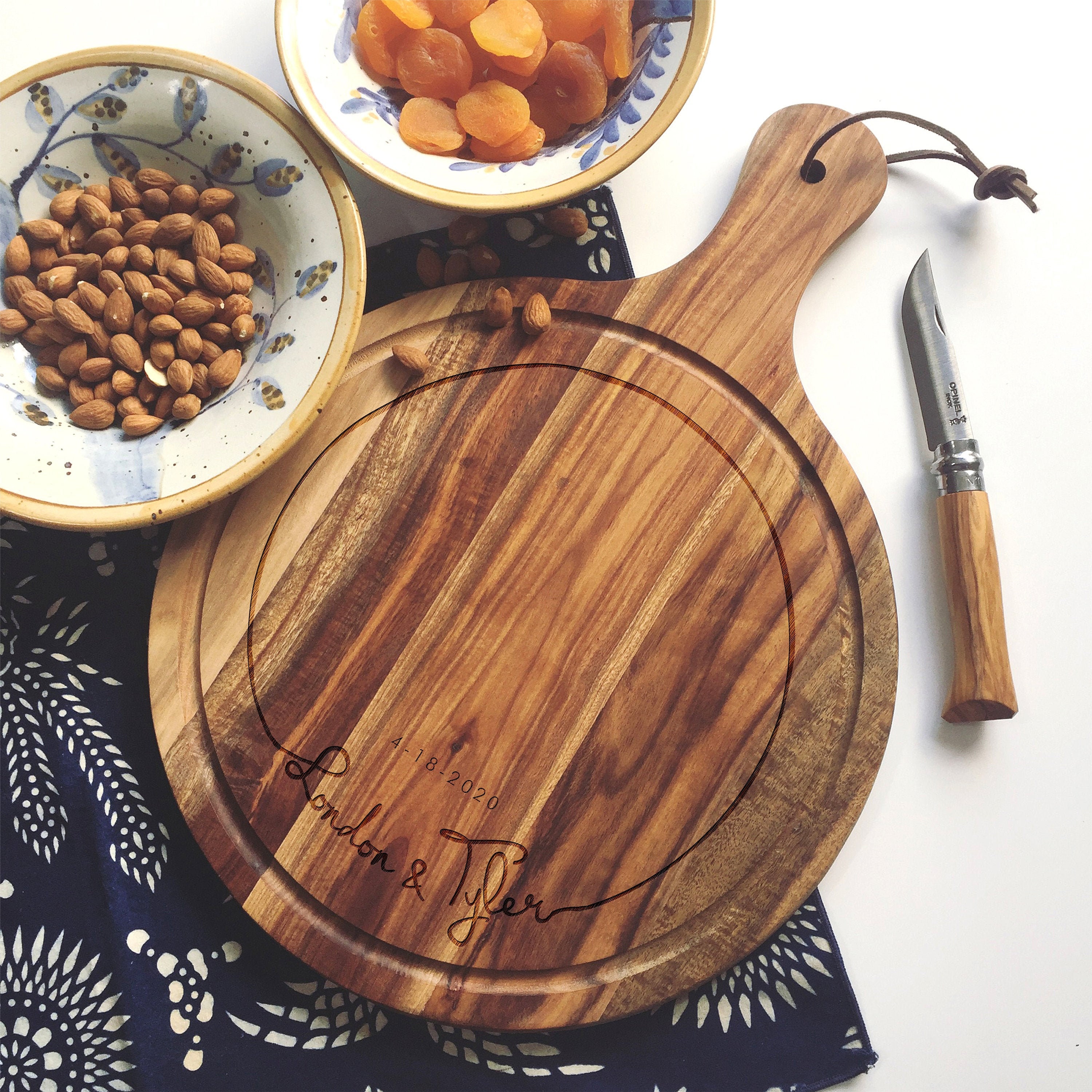
Use it to clean your cutting board. If you have a stained cutting board, sprinkling salt over it and then scrubbing away at it with dish soap will help you get it as clean as possible with less effort.

Brings Relief to a Sore Throat

Gargle with warm water and salt to soothe an aching sore throat. When you need relief, but nothing is helping, this old-fashioned approach can work wonders. It helps to clear up the infection, ultimately allowing you to get relief from the pain.

Brings Some Relief to Poison Ivy 

Get rid of poison ivy with salt. If you have poison ivy on your skin, soak some cotton balls in warm water mixed with salt and then place them on the irritated areas of your skin. It provides soothing relief and speeds up the healing process.

Helps You Remove Mold Easier 

Get rid of mold using a combo of lemon juice and salt. Add a ½ cup of lemon juice to a bowl with a tablespoon of salt, mix well, and then pour it over any mold spots. Place cotton balls on top and leave them there for 30-60 minutes before removing and wiping away the mold.

Freshen Your Toothbrush

Add it to your toothbrush to get rid of stains. After putting the toothpaste on your toothbrush, sprinkle a pinch of salt on top and gently brush your teeth. It helps remove those unwanted surface stains that often develop from coffee, soda, and other beverages and foods consumed.

School Supplies

 When I was a child, no, not quite all the way back to the Flintstones era, but close, August was back-to-school month.  To me, that was an exciting time!  The promise of a new school year, seeing old friends again, wondering about my teacher.

As soon as I learned to sew, I was in charge of making my back-to-school clothes.  There was a man who came to the neighborhood driving a paneled van full of “dress-length” fabrics.  (How Little House, right?) He arrived early summer, so we had plenty of time to make some skirts, tops or dresses.

But in August, the entire family went to Kmart!  We all got new sneakers or shoes (whichever we needed).  But then it was off to the really exciting aisle—the stationery supplies!!  Oh my! Standing in that aisle, pencils and pens, erasers and markers on one side and all the notebooks, tablets and paper on the other!  I was in heaven!  The possibilities!! I picked up a spiral notebook, imagining all I could write in it!

While my mom helped my sister and I load up on what we’d need—3 ring binders, paper, spiral notebooks, pencils, pens, some report covers, a glue stick—my dad kept my younger brother busy.  We clutched our treasures and dutifully placed them on the cashier’s conveyor.  My brother struggled to put his new box of crayons on the belt too— no one was left out!  And the cashier gave us each our own bag!

As we got older, we would need to buy slide rules and calculators, and the accursed gym suits!  Boys were lucky, their gym period only required shorts and a T-shirt, but girls?  We were ruled by the whims of the gym teacher.  Since I had an older sister, I already saw the gym suit she had to wear.  It wasn’t bad: a navy-blue crisp cotton all in one suit that snapped up the front, and was slightly gathered at the waist.

I thought that was what I would have to wear…no such luck!  I got the new gym teacher—younger, definitely, but one who demanded comfort over style.  So off we went to the local sporting goods store to try on and purchase one.  Oh my goodness!  It was hideous!  It had navy-blue and white HORIZONTAL stripes, elastic waist and a stupid short back neckline zipper.  Not a single girl in my class liked the uniform.

Fast forward…a few years…(let’s leave it at that…lol)  …school shopping is completely different!  My granddaughter doesn’t have to wear a gym suit. A T-shirt and shorts are acceptable. She still needs a few pencils, but since cursive is no longer taught in school, she needs no pens or spiral notebooks.  She did need folders—to keep all her “handouts” together.  If she wanted to take extra notes, she would do it on the handouts or on the Chromebook she was “given” from the school district to take notes and do assignments.  She would be required to turn the Chromebook back into the school when she graduates.  She brings a water bottle with her every day and she is REQUIRED to have a backpack. 

*By the way, before I typed this into wordpress, I wrote it out longhand…in a spiral notebook! Grandma is still “old school”…LOL

HUMP DAY!!!!!!!!

Amazing Camel Facts:

Camels’ humps are not used to store water. Even though they come from hot climates, their humps store fat and also help the rest of their bodies to stay cooler. When needed, the fat will be converted to food or water.

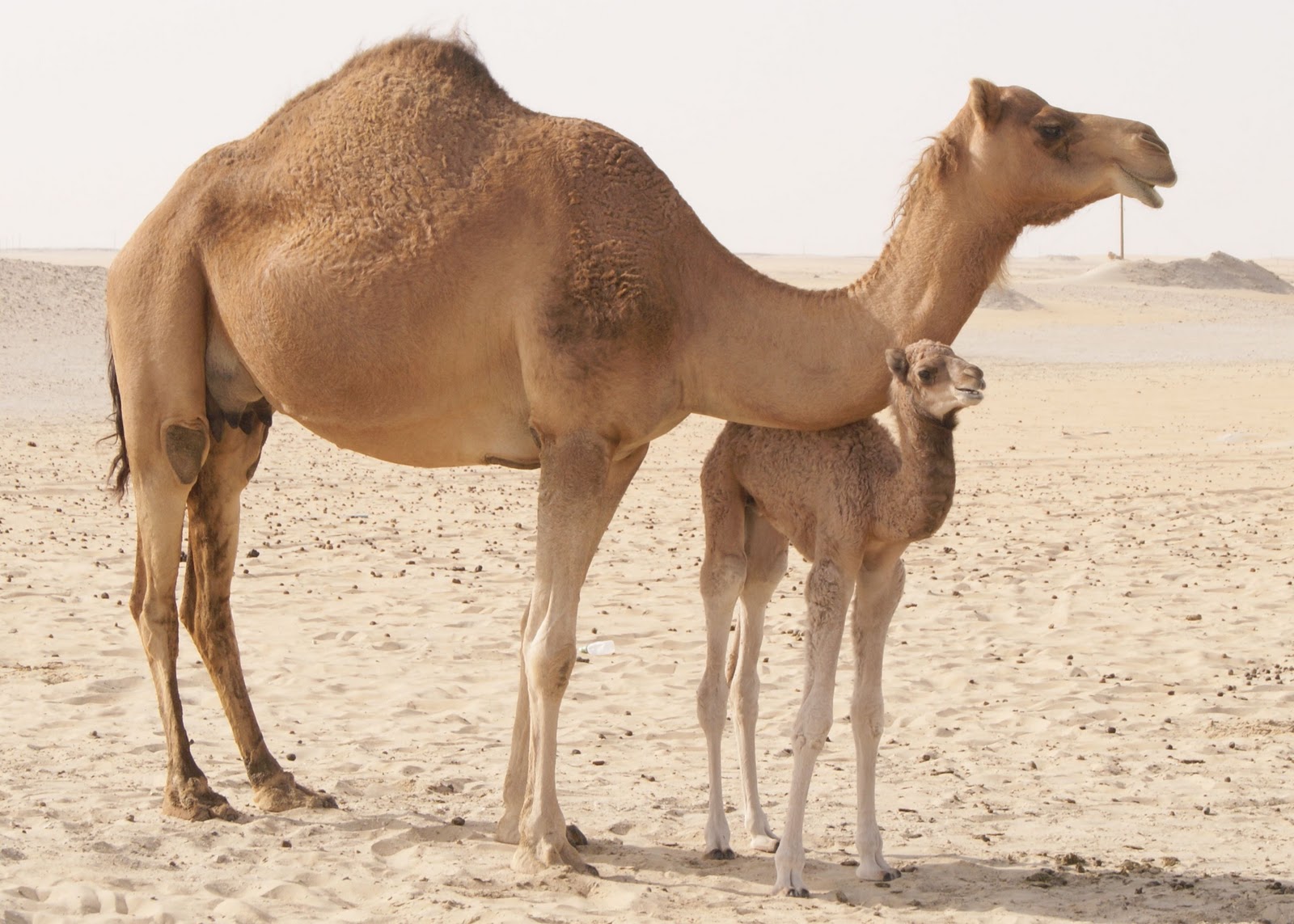
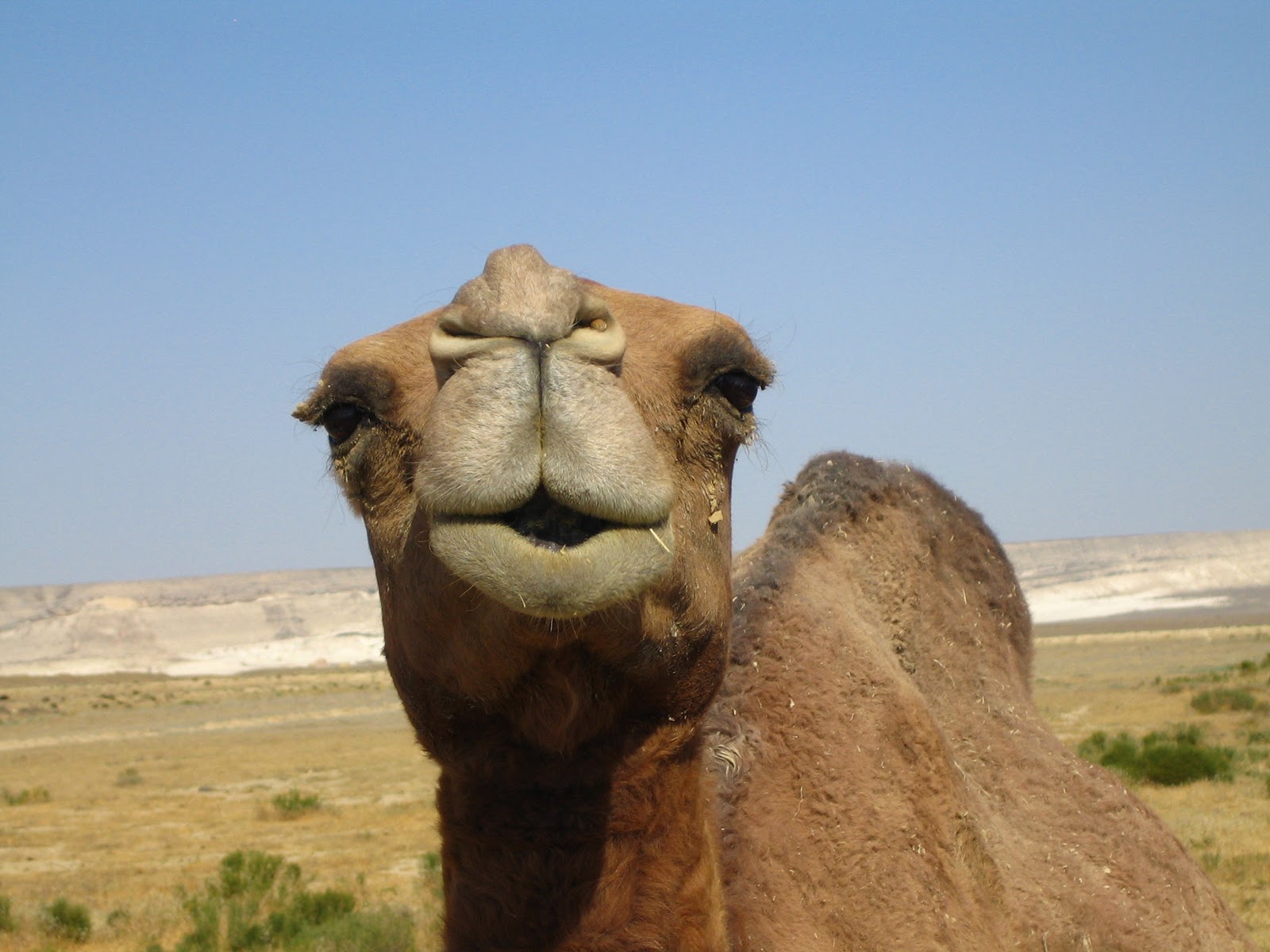
The word ‘camel’ comes from an Arabic word, when it’s literally translated, it means beauty. Don’t ever try and say that camels are ugly! (Look at that sweet face above…lol)

They need to stay hydrated in the desert, so it’s no surprise that camels can drink as much as 40 gallons of water at once. Considering it’s not being stored in their humps, that’s pretty amazing.

During the Second World War, German tank drivers would drive their vehicles over camel droppings, thinking it would bring them good luck.

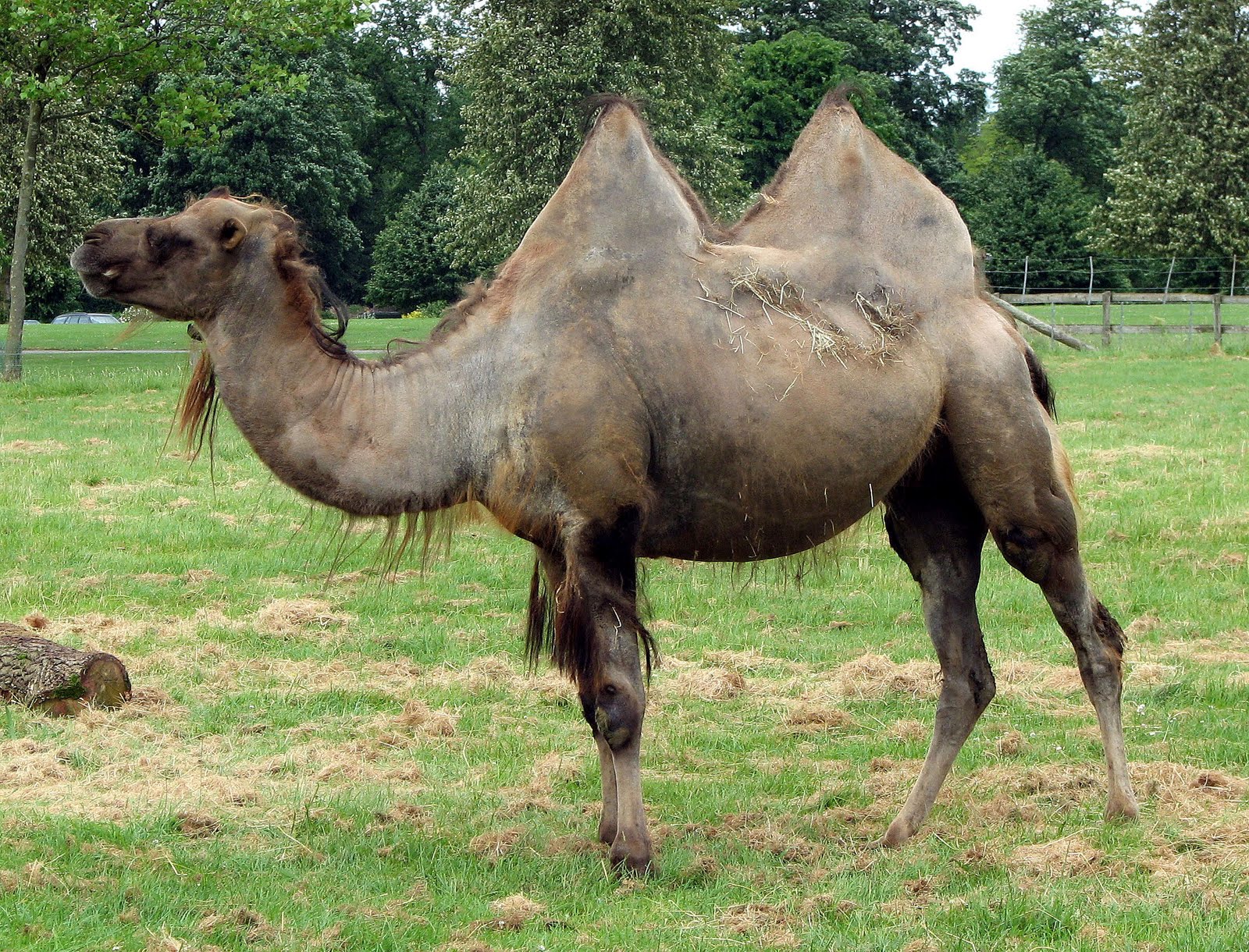
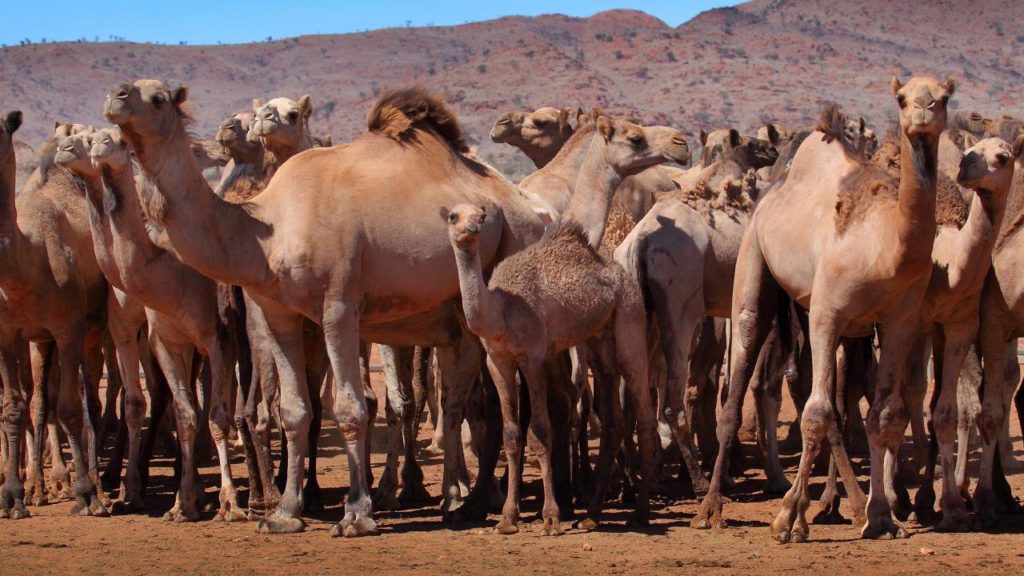
Arabian camels are the ones which only have one hump (Asian camels have two). In Arabian culture, they are so iconic that there are more than 160 words which mean ‘camel’. Camels are very social, even though they might seem extremely laid-back and slow. In the wild, they travel with around 30 others when looking for food.

Arabian camel
Asian camel

Camels are very social, even though they might seem extremely laid-back and slow. In the wild, they travel with around 30 others when looking for food.

There are more than 14 million camels in the world – most of them live in the Middle East, Asia and Australia.

In Turkey, a camel wrestling event takes place every January. Camel wrestling dates back to the ancient world, so even though animal rights groups aren’t very happy with the sport, there are no signs of it stopping in the near future.

Camels will not damage their mouths if they eat thorny twigs and other items which might cause injury to other animals.  A camel’s mouth is split into two. This helps them to graze and eat their food more effectively.

The majority of mammals, including humans, only need to lose 15% of water before becoming dehydrated. However, camels are able to lose up to 25%, which means they can go much longer without water.

In Middle Eastern countries, many people eat camel and consider it a delicacy. The hump is apparently the best part, and younger camels are tastier than the older animals.

A camel’s nostrils are amazing. They retain water vapor which can be returned to the body when necessary, but they can also be closed if there is too much sand or wind blowing.

Camels don’t just spit for fun. If they feel threatened, they will use it as a defense mechanism. Be nice to camels and they’ll be nice to you!

They may not seem like fighters, but camels have been used during wars in the past. Ancient Greeks, Romans and Persians used to ride them, but they were used in the 20th Century too.

In 1855, the US Congress allowed the War Department to purchase camels using a $30,000 budget. They were used for several years, until the soldiers became tired of their bad tempers and smell.

Wild Bactrians are the only type of camels which have never been tamed or domesticated. They live in the wastelands of Eastern Asia and are incredibly tough creatures. However, they are less than a thousand of them left on the earth.

The world’s largest meal included a roasted camel. It was served at an Arabic wedding feast.

If you visit Abu Dhabi, you’ll be able to pick up a camel milkshake – made with real camel milk. The milk has loads more Vitamin C and iron than cows’ milk, and is very good for you. It is used in Kazakhstan to help treat illnesses, such as tuberculosis. The only reason it hasn’t made its way to the Western world is because the governments won’t pay for testing processes.

The Camel Mobile Library provides people in Kenya with literature. Camels are used to take books to areas which would not otherwise have access to a library.

A camel might appear to have thick fur, but its coat reflects the sun. This makes it ideal in the hot desert, and the camels don’t get too hot.

The Al-Dhafra Camel Festival takes place every year in the UAE. One of the most popular events is the beauty contest, which sees thousands of camels compete for the title.

Camels aren’t as slow as they look – they can run up to speeds of 40mph. However, they cannot maintain this for very long, but can comfortably move at up to 25mph.

The legend of the Red Ghost tells the story of a terrifying red camel wandering an Arizona desert and causing all kinds of atrocities, including killing people and trampling over tents.

The only time you will see a camel without a hump is when it is first born. Once the baby camel is old enough to eat solids, the hump (or humps) will start growing.