Know-It-All Tuesdays: Animal Trivia Continued

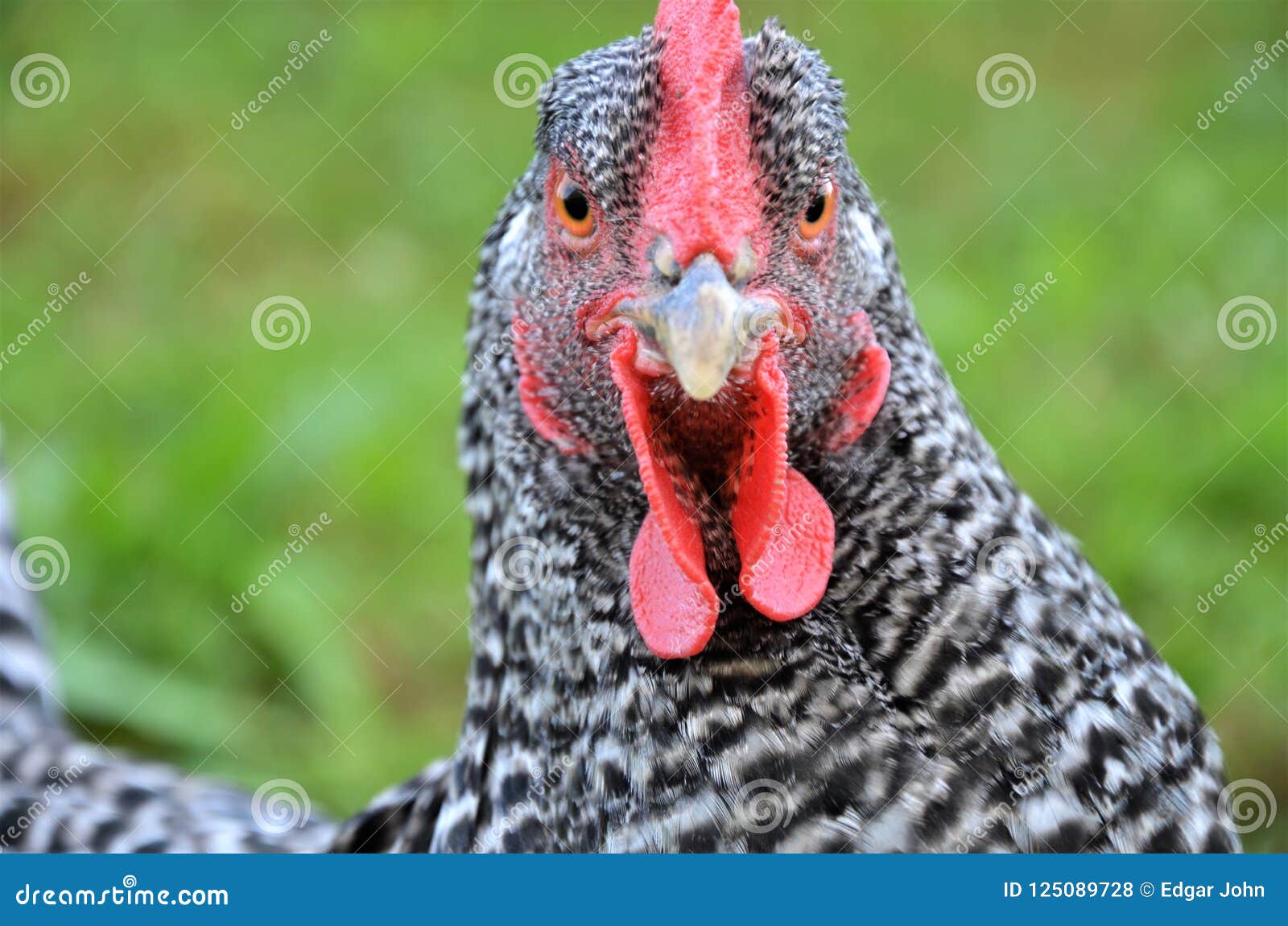
16. Question: What is a male duck called?

17. Question: What is the closest living relative to the T-rex?

18. Question: What male sea creature gives birth to its young?

19. Question: Which sea creature can change its gender?

20. Question: What is the deadliest creature in the world?

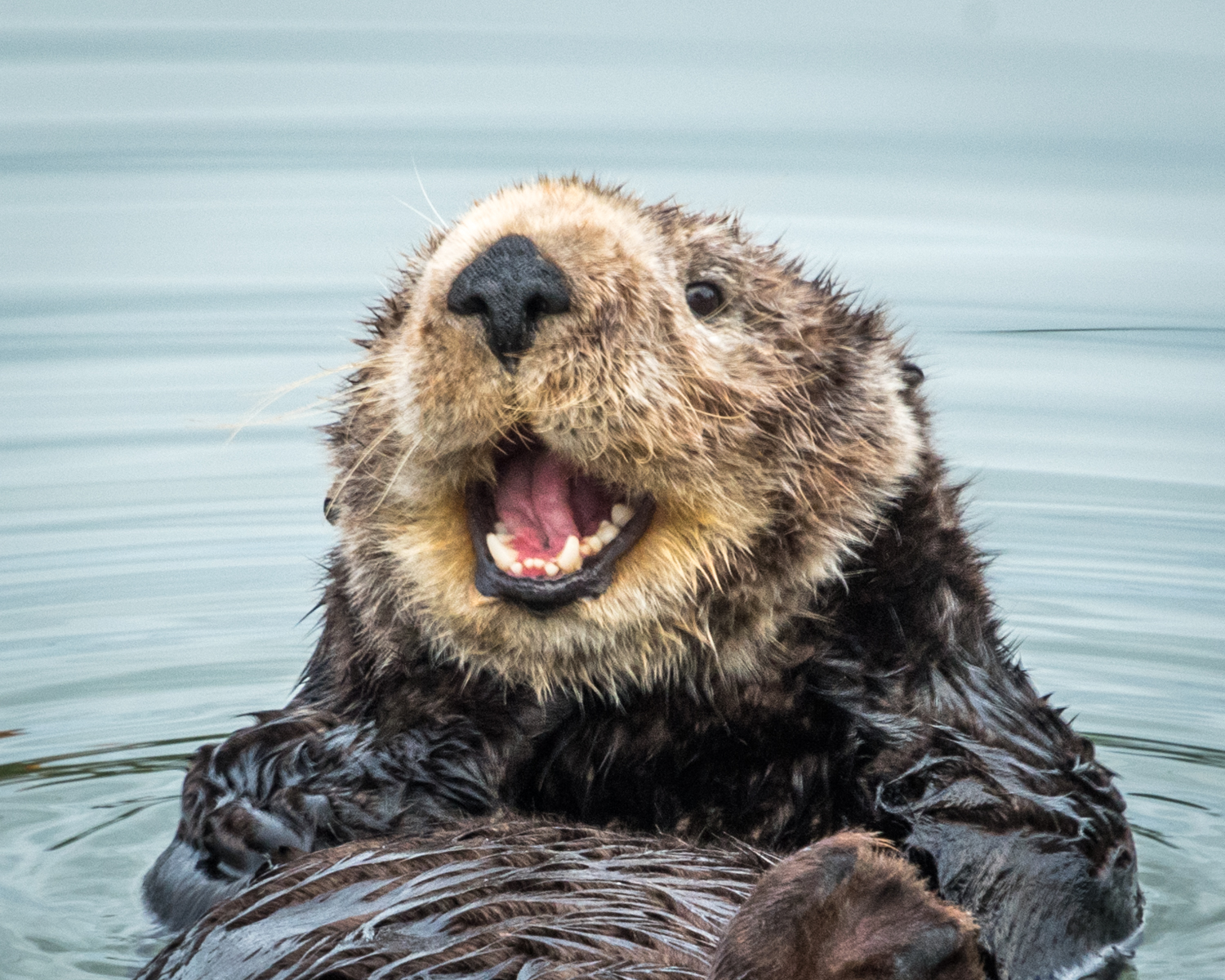
21. Question: Where do sea otters store extra food on their bodies?

22. Question: What four common species of animals die soon after giving birth?

23. Question: What type of fish mate for life?

24. Question: Where on the body are a crab’s taste buds?

25. Question: Which animal baby can gain up to 250 pounds per day?

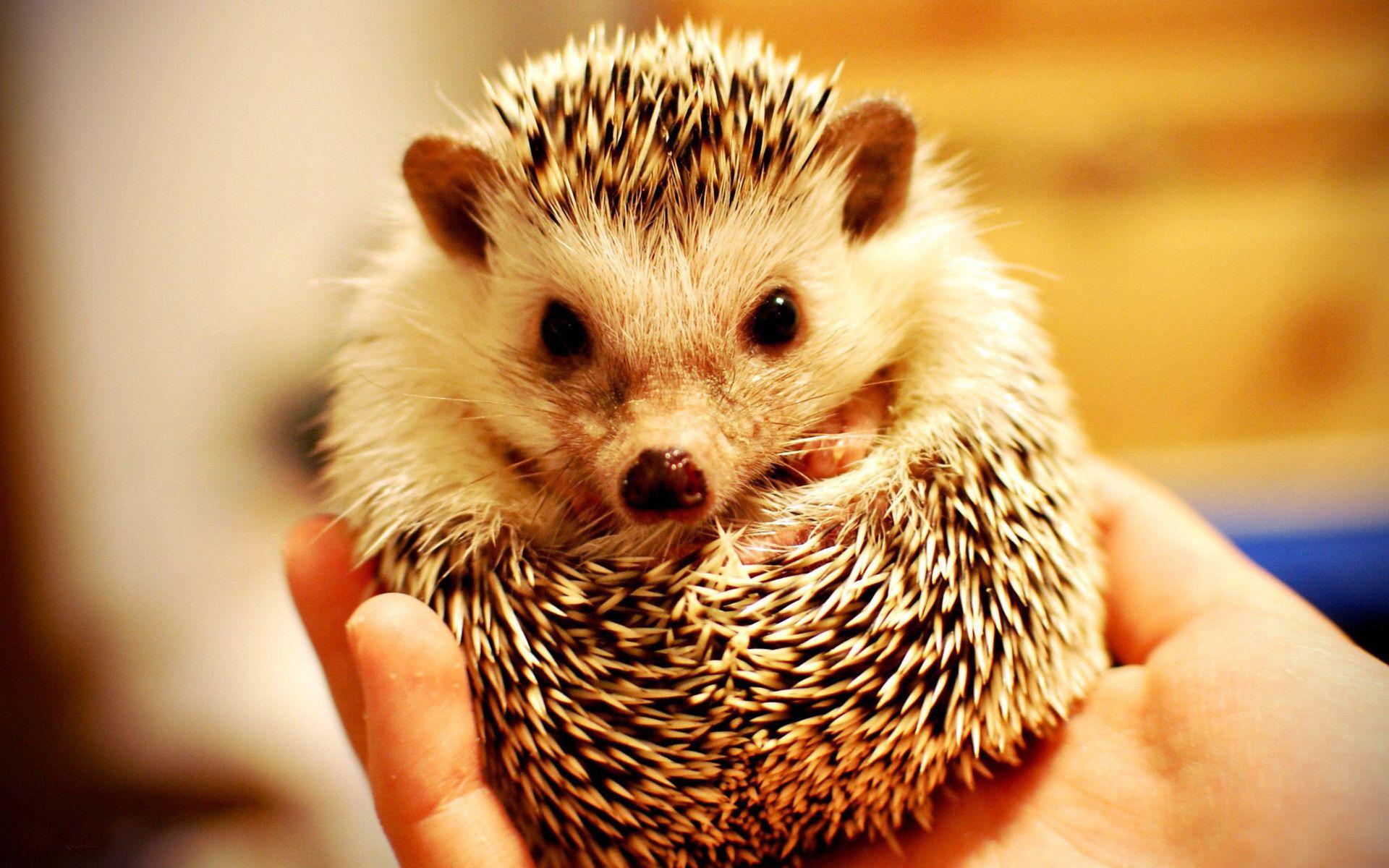
26. Question: What is a baby hedgehog called?

27. Question: What percentage of baby animals are raised by both parents?

28. Question: People from which country brought domestic cats to the United States?

29. Question: What are the only two mammals that lay eggs?

30. Question: How many legs does a lobster have?

How did you do?

ANSWERS

Drake

Chickens (and most other birds)

Seahorse

Oyster

Mosquito

A pocket of skin in their armpits

Octopus, squid, Pacific salmon and common mayfly

Angelfish

It’s toes

Blue whale

Hoglet

3%

England

Spiny anteater and duck-billed platypus

10

Till next time…stay sharp!

National Buffalo Soldiers Day

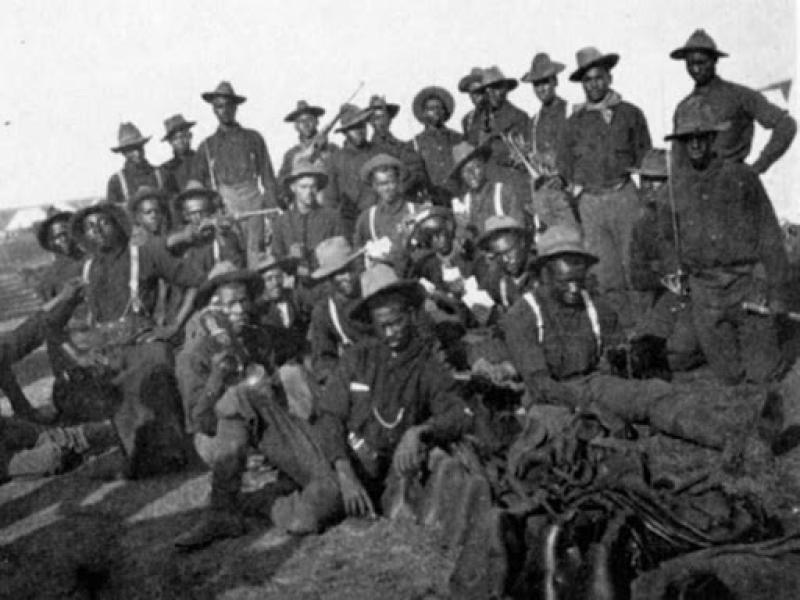
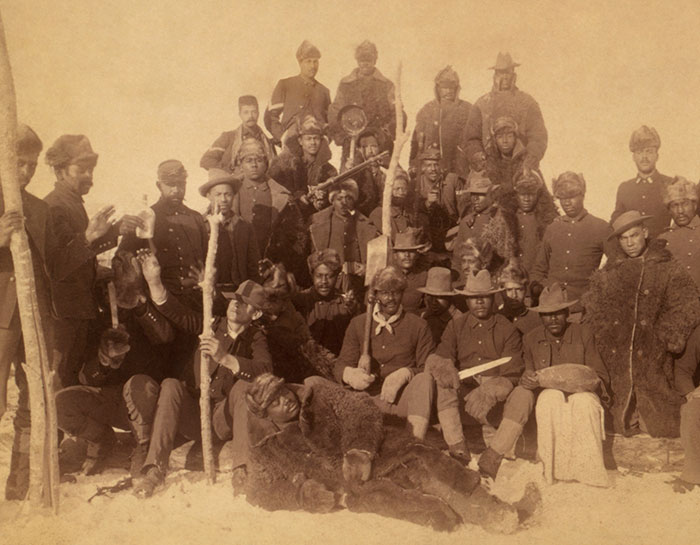
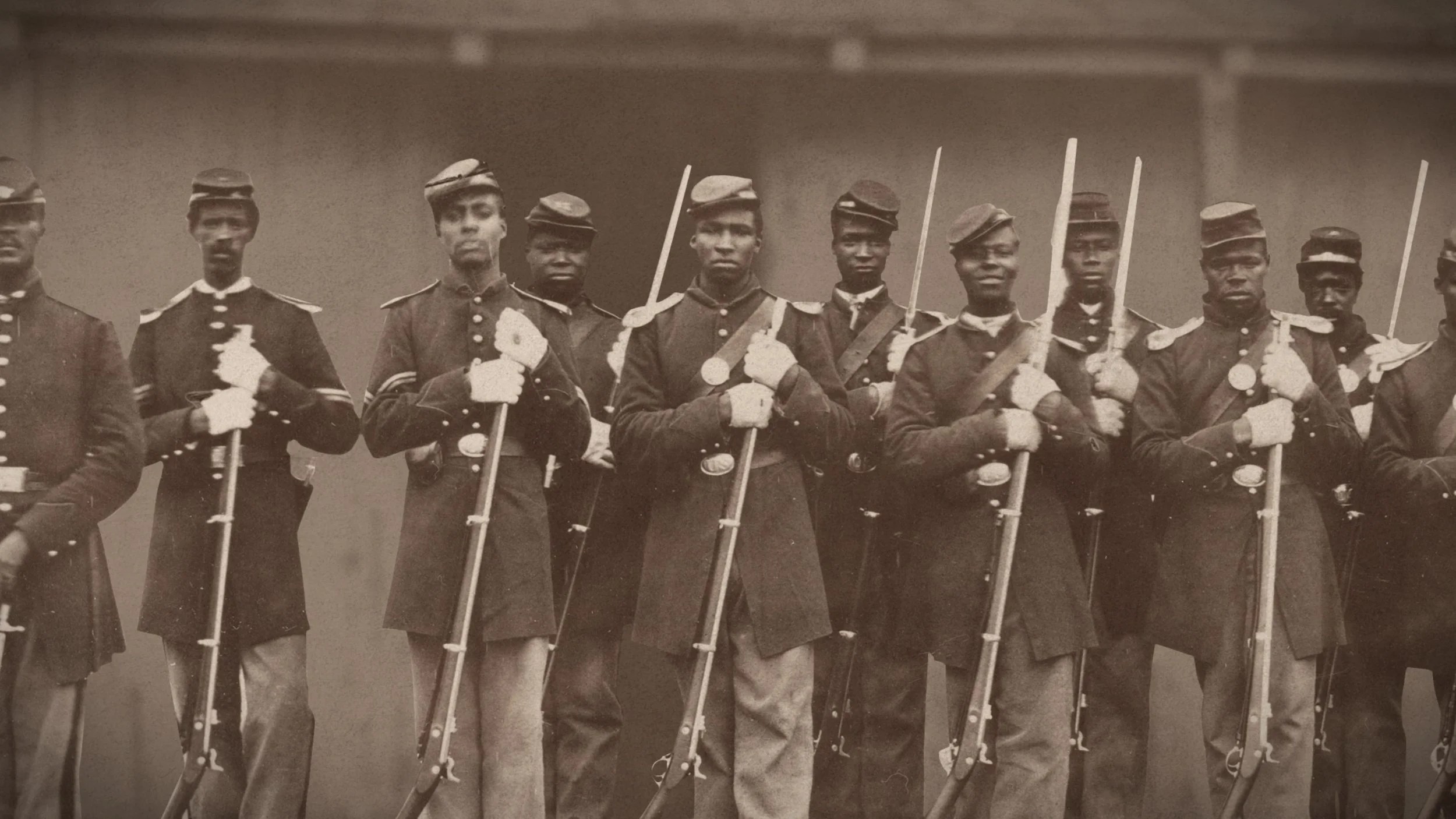
Buffalo soldiers were African American soldiers who mainly served on the Western frontier following the American Civil War. In 1866, six all-Black cavalry and infantry regiments were created after Congress passed the Army Organization Act. Their main tasks were to help control the Native Americans of the Plains, capture cattle rustlers and thieves and protect settlers, stagecoaches, wagon trains and railroad crews along the Western front.

Who Were the Buffalo Soldiers?

No one knows for certain why, but the soldiers of the all-Black 9th and 10th Cavalry Regiments were dubbed “buffalo soldiers” by the Native Americans they encountered.

One theory claims the nickname arose because the soldiers’ dark, curly hair resembled the fur of a buffalo. Another assumption is the soldiers fought so valiantly and fiercely that the Indians revered them as they did the mighty buffalo.

Whatever the reason, the name stuck, and African American regiments formed in 1866, including the 24th and 25th Infantry (which were consolidated from four regiments) became known as buffalo soldiers.

The 9th Cavalry Regiment

The mustering of the 9th Cavalry took place in New Orleans, Louisiana, in August and September of 1866. The soldiers spent the winter organizing and training until they were ordered to San Antonio, Texas, in April 1867. There they were joined by most of their officers and their commanding officer, Colonel Edward Hatch.

Training the inexperienced and mostly uneducated soldiers of the 9th Calvary was a challenging task. But the regiment was willing, able and mostly ready to face anything when they were ordered to the unsettled landscape of West Texas.

The soldiers’ main mission was to secure the road from San Antonio to El Paso and restore and maintain order in areas disrupted by Native Americans, many of whom were frustrated with life on Indian reservations and broken promises by the federal government. The Black soldiers, facing their own forms of discrimination from the U.S. government, were tasked with removing another minority group in that government’s name.

The 10th Cavalry Regiment

The 10th Cavalry was based in Fort Leavenworth, Kansas, and commanded by Colonel Benjamin Grierson. Mustering was slow, partly because the colonel wanted more educated men in the regiment and partly because of a cholera outbreak in the summer of 1867.

In August 1867, the regiment was ordered to Fort Riley, Kansas, with the task of protecting the Pacific Railroad, which was under construction at the time.

Before they left Fort Leavenworth, some troops fought hundreds of Cheyenne in two separate battles near the Saline River. With the support of the 38th Infantry Regiment—which was later consolidated into the 24th Infantry Regiment—the 10th Cavalry pushed back the hostile Indians.

The cavalry lost just one man and several horses despite having inferior equipment and being greatly outnumbered. It was just one of many battles to come.

Indian Wars

Both the 9th and 10th Cavalry Regiments participated in dozens upon dozens of skirmishes and larger battles of the Indian Wars as America became obsessed with westward expansion.

For instance, the 9th Cavalry was critical to the success of a three-month, unremitting campaign known as the Red River War against the Kiowas, the Comanches, the Cheyenne and the Arapahoe. It was after this battle that the 10th Cavalry was sent to join them in Texas.

Troops H and I of the 10th Cavalry were part of a team that rescued wounded Lieutenant-Colonel George Alexander Forsyth and what remained of his group of scouts trapped on a sand bar and surrounded by Native Americans in the Arikaree River. A couple of weeks later, the same troops engaged hundreds of Indians at Beaver Creek and fought so gallantly that they were thanked in a field order by General Philip Sheridan.

By 1880, the 9th and 10th Cavalry Regiments had minimized Indian resistance in Texas and the 9th Cavalry was ordered to Indian Territory in modern-day Oklahoma, ironically to prevent white settlers from illegally settling on Indian land. The 10th Cavalry continued to keep the Apache in check until the early 1890s when they relocated to Montana to round up the Cree.

About 20 percent of U.S. Cavalry troops that participated in the Indian Wars were buffalo soldiers, who participated in at least 177 conflicts.

Buffalo Soldiers Protect National Parks

Buffalo soldiers didn’t only battle Native Americans. They also fought wildfires and poachers in Yosemite and Sequoia National Parks and supported the parks’ infrastructure.

According to the National Park Service, buffalo soldiers billeted at the Presidio army post in San Francisco during the winter and served as park rangers in the Sierra Nevada in the summer.

Buffalo Soldiers in Other Conflicts

In the late 1890s, with the “Indian problem” mostly settled, the 9th and 10th Calvary and the 24th and 25th Infantry headed to Florida at the start of the Spanish-American War.

Even facing blatant racism and enduring brutal weather conditions, buffalo soldiers earned a reputation for serving courageously. They fought heroically in the Battle of San Juan Hill, the Battle of El Caney and the Battle of Las Guasimas.

The 9th and 10th Cavalry Regiments served in the Philippines in the early 1900s. Despite proving their military worth time and again, they continued to experience racial discrimination. During World War I, they were mostly relegated to defending the Mexican border.

Both regiments were integrated into the 2nd Cavalry Division in 1940. They trained for overseas deployment and combat during World War II. The 9th and 10th Cavalry Regiments were deactivated in May 1944.

SOURCE: HISTORY.COM

Underwater Pyramid

A sunken ‘pyramid’ near Taiwan may rewrite everything we thought we knew about the ancient world. Sitting just 82 feet below sea level near the Ryukyu Islands of Japan, a mysterious object called the Yonaguni monument continues to stump and astonish researchers since its discovery in 1986.

This giant structure with sharp-angled steps stands roughly 90 feet tall and appears to be made entirely of stone, leading many to believe it was man-made. However, tests of the stone show it to be over 10,000 years old, meaning that if a civilization built this pyramid by hand, it would have taken place before this region sank under water – more than 12,000 years ago. That would place it further back in history than most other ancient structures by several thousand years, including the Egyptian pyramids and Stonehenge.

Currently, scientists believe that the ability for ancient humans to construct large structures like temples and pyramids evolved alongside the development of agriculture 12,000 years ago. If an advanced society was already building giant step pyramids long before this time, however, it could change the history books forever and reveal another lost tribe of humans – just like the myths of Atlantis. In fact, Yonaguni monument is often called ‘Japan’s Atlantis,’ but skeptics continue to poke holes in the theory that this structure was actually built by human hands.

The site recently gained widespread attention after scientists sparred over its origins on the Joe Rogen Experience podcast. Graham Hancock, an author focused on lost civilizations and archaeologist Flint Dibble debated over the pictures of Yonaguni monument, with Dibble refusing to concede that any of the structures found by divers could have been made by humans.

‘I’ve seen a lot of crazy natural stuff and I see nothing here that to me reminds me of human architecture,’ Dibble said while a guest on Rogan’s podcast last April. ‘To me, Flint, it’s stunning that you see that as a totally natural thing, but I guess we’ve just got very different eyes,’ Hancock countered. Hancock added that photographs from dives at the site clearly show human-made arches, megaliths, steps, terraces, and what seem to be a carved rock ‘face.’

If Yonaguni monument really was built by a mysterious civilization over 10,000 years ago, it would add it to the growing list of puzzling structures that should have been impossible to construct that long ago. Built around the same time period, Yonaguni monument could potentially join the man-made ancient structure of Göbekli Tepe in Turkey as evidence of lost civilizations. This archaeological site in Upper Mesopotamia is believed to have been inhabited from around 9500 BC to at least 8000 BCE, during the Pre-Pottery Neolithic Era. That’s over 5,000 years before the Egyptian pyramids were built and roughly 6,000 before Stonehenge.

Meanwhile, another ancient structure in Indonesia could predate Göbekli Tepe and Japan’s Atlantis by a staggering amount of time. Gunung Padang, first re-discovered by Dutch explorers in 1890, is said to be the world’s oldest pyramid. Studies show that the 98-foot-deep ‘megalith’ submerged within a hill of lava rock dates back more than 16,000 years.

In 2023, scientists said the structure promises to upend the conventional wisdom on just how ‘primitive’ hunter-gather societies actually were – revealing the true ‘engineering capabilities of ancient civilizations.’  According to Dr Masaaki Kimura, the case surrounding Japan’s Atlantis is very much still open for debate. Kimura is the scientist who tested the sandstone’s age, finding that the rocks date back more than 10,000 years.

At this point in history, the structure would have still been on dry land, before the melting of massive ice sheets caused global sea levels to rise at the end of the last Ice Age. Studies show that at the peak of the Ice Age, roughly 20,000 years ago, sea levels were approximately 400 feet lower than they are today. In 1999, however, Dr Robert Schoch of Boston University tried to throw cold water on the theory of an Atlantis in the Pacific, arguing that geology could prove the pyramid and surrounding “city” was a natural rock formation. 

Schoch noted in his report that Yonaguni monument shares a number of features with other nearby geological formations. Moreover, it sits in an earthquake-prone region, 62 miles east of Taiwan, suggesting that the fractures and flat faces making up the ‘steps’ are just normal features of sandstone rocks breaking and splitting.

‘When viewing photographs of the Yonaguni Monument, many people immediately have the impression, due to the regularity of the stone faces of the steps and the sharp angles made by the rock, that this is an artificial structure,’ Dr Schoch admitted in his paper.  Schoch said that the rocks have also been coated with layers of marine life over the centuries, covering up much of the natural sandstone features and giving Yonaguni monument the appearance of being much more uniform than it really is. ‘I think it should be considered a primarily natural structure until more evidence is found to the contrary. However, by no means do I feel that this is an absolutely closed case,’ he added.

SOURCE: DAILYMAIL.COM

Pennsylvania State Animal: White-Tailed Deer

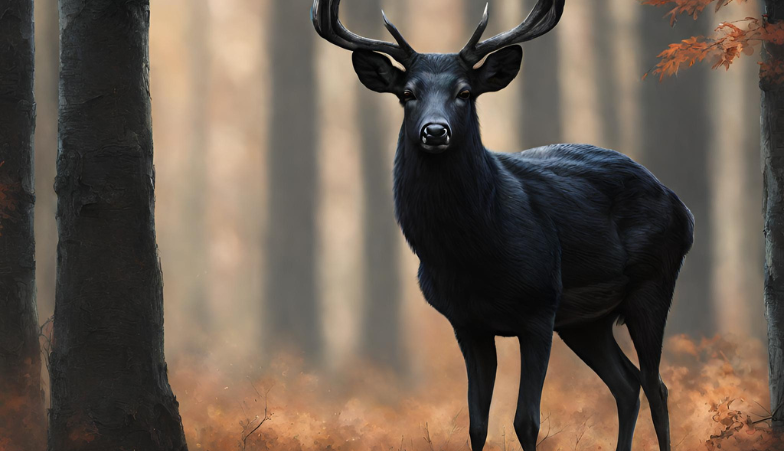
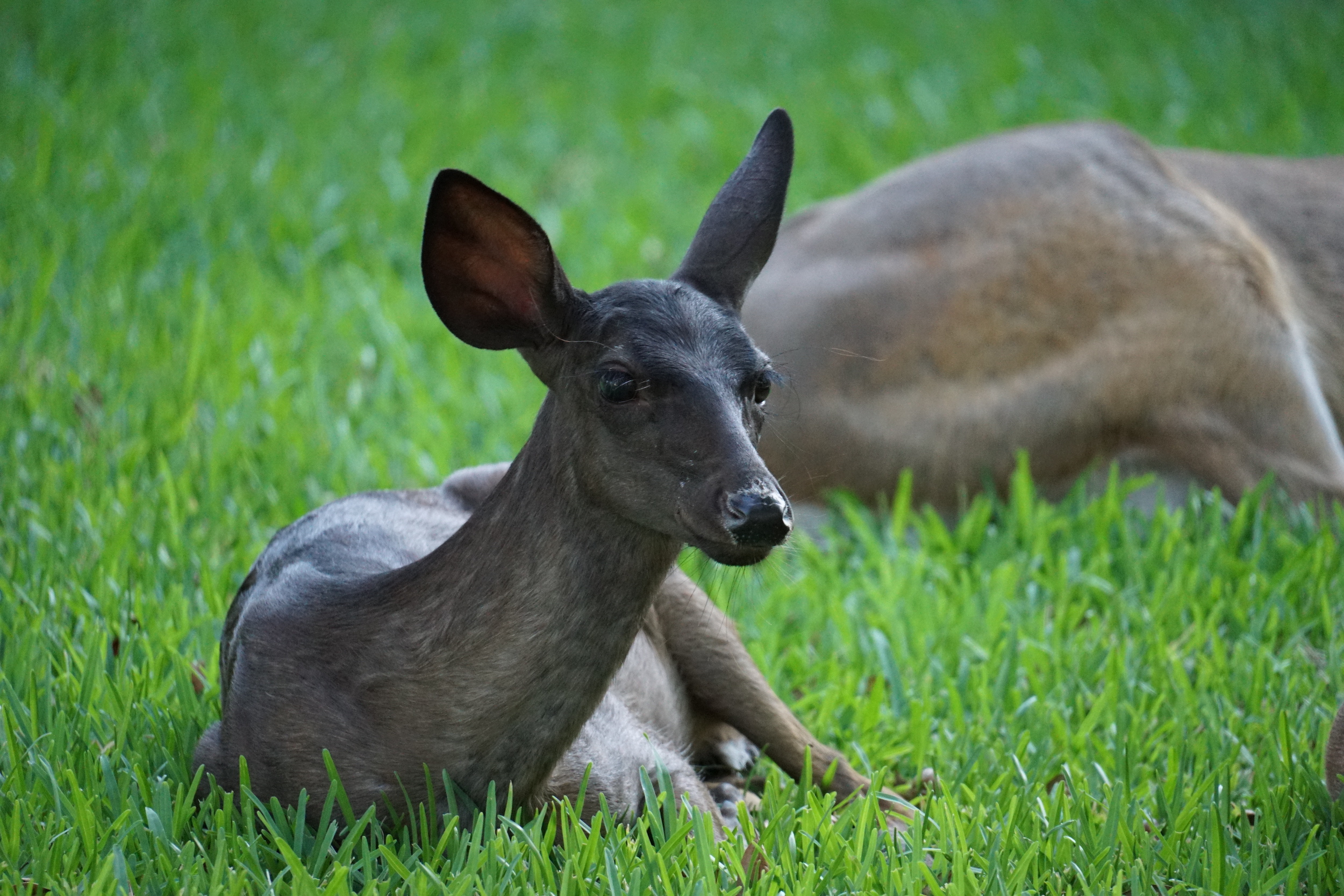
Yup, yet another state has the white-tailed deer as its state animal…lol.  Filly alerted me to a rare white-tailed deer I never heard of before—a black deer. I found this article on the blog:nature.org.  The author, Matthew L. Miller, details what a black deer and other animals that experience melanism are in the article.  (I only brought information about the deer, but you can read about other animals at https://blog.nature.org/2020/09/29/black-deer-have-you-seen-this-rare-color-of-a-common-animal/)

White-tailed deer are the most familiar large animal over much of North America. They live on farms, in suburbs, even in cities. In many regions, there are far too many of them, posing threats to conservation and even human health.

But deer are also a source of endless fascination for naturalists, hunters and backyard wildlife watchers, me most definitely included.

Despite also being one of the most studied wild animals in the world, whitetails can still surprise. Take their color variations. White deer – the subject of a blog I wrote previously – have long been the subject of lore and myth. White deer are not common, but they are conspicuous. People observe them regularly, many of them reporting them here.

But did you know there were also black deer? This coloration is even rarer than white. In fact, it is so unusual that this color variant remains little studied.

What is a Black Deer?

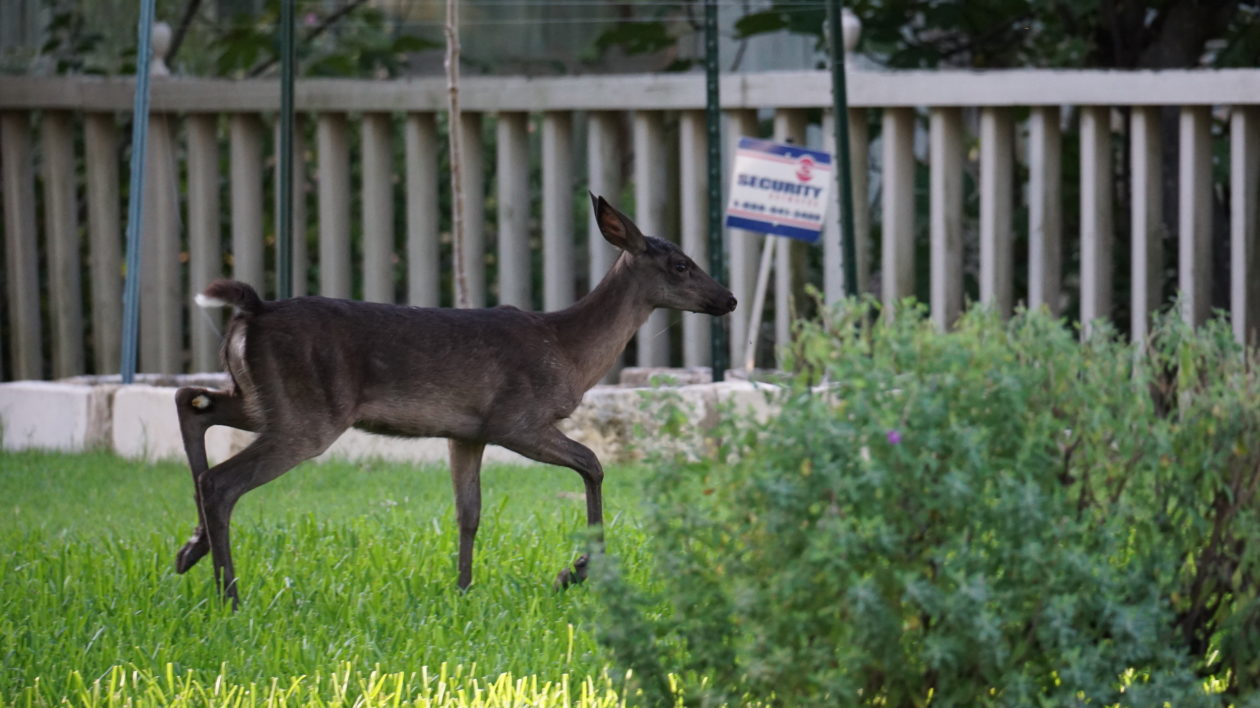
Many wild animals have variations in colors. In white-tailed deer, melanism – as the coloration is known – is a recessive genetic trait that can be inherited. It causes an excess of dark pigment, believed to be due to mutations in the melanicortin 1 receptor gene (MC1R). The deer appear a dark chocolate brown or black, and they have a fairly uniform coloration over their entire body.

Melanistic deer have been reported from 29 states, but they are never common. In one region of Texas, Texas Tech University found that melanistic deer make up about 8.5 percent of the population, by far the biggest concentration of these animals known.

Wildlife photographer and deer expert Leonard Lee Rue III, in his excellent reference book The Deer of North America, reported that in the mid-1900s, a concentration of melanistic deer was found in Union County, Pennsylvania. I have spent a fair amount if time in the woods in this area, always hopeful, but I have never seen a melanistic deer there, nor have I heard of others being spotted.

David Schroeder, who generously allowed me to use his photographs for this story, photographed a melanistic deer on his property that was the twin of a “normal” colored fawn. Neighbors alleged that this deer was sired by a melanistic buck, although Schroeder never saw this animal. However, this year another melanistic fawn has appeared on a neighboring property.

SOURCE: BLOG.NATURE.ORG

What Shall We Bake Today?

Continuing on with great picnic desserts, today’s offering is Peach bars!

Ingredients

3 cups all-purpose flour

1-1/2 cups sugar, divided

1 teaspoon baking powder

1/2 teaspoon salt

Dash ground cinnamon

1 cup shortening

1 large egg

1 teaspoon vanilla extract

3 pounds peaches, peeled and chopped

1 teaspoon almond extract

4 teaspoons cornstarch

Directions

Preheat oven to 375°. Whisk flour, 1 cup sugar, baking powder, salt and cinnamon; cut in shortening until crumbly. In another bowl, whisk egg and vanilla until blended; add to flour mixture, stirring with a fork until crumbly.

Reserve 2-1/2 cups crumb mixture for topping. Press remaining mixture onto bottom of a greased 13×9-in. baking pan.

Toss peaches with almond extract. In another bowl, mix cornstarch and remaining sugar; add to peaches and toss to coat. Spread over crust; sprinkle with reserved topping.

Bake until lightly browned and filling is bubbly, 40-45 minutes. Cool completely in pan on a wire rack. Cut into bars.

Enjoy!

DIY: Picnic Hacks

It’s picnic season again and I went in search of some new and clever picnic hacks.  I found these tips at The Cottage Market website.

Shower Curtain

Buy a cheap plastic shower curtain – this is about to be your favorite picnic hack. There’s nothing worse than picking a spot, laying your blanket down, and once you sit down…you realize it’s actually wet. You can skip experiencing ruined pants by putting the plastic shower curtain under the blanket. 

Hawaiian Roll Mini Sandwiches

Mini Sandwiches are a Picnic-Perfect Food!
If you don’t already know the delicious glory of Hawaiian rolls, I urge you to try some. They are perfect for any kind of slider or mini sandwich you can think of. They’re absolutely perfect to take camping with you. Take your entire flat of Hawaiian rolls out of the package – try to take it out in one solid piece. Using a bread knife, cut your sheet of rolls into 2 pieces – the tops and the bottoms. Just like you’d cut a cake into two layers. Set your tops aside. Add condiments to the rolls if you want any. Put on the fillings of your choosing. Put the top layer onto the bottom half and cut the sandwiches apart on their natural edges. Then slide the sheet of sandwiches back into the package the rolls came in. Once you get to your picnic, just pull out what you need.

Salads in a Cup

Don’t fuss with a whole bowl of salad and dressing on the side. That can take up so much room. Cut down on space by making individual salads in plastic cups with lids. If you want to add dressing before the picnic (rather than at the picnic), put the salad dressing in the bottom of each cup. Add all of your veggies next, and finally any toppings such as seeds or croutons. Cut the cover on, and it’s ready to go! 

Egg Carton Treats

A real tasty treat to bring on your picnic, are chocolate filled strawberries. Cut the top off the berry, cut out some of the middle, and fill with melted chocolate. The perfect place to set them while they’re setting up is in an egg carton. That egg carton will be perfect inside the cooler and will ensure your sweet berries stand up straight and nothing squishes them.

Muffin Tins
This is so useful if you’re sitting on the ground. Finding a level place to set down cups can be a real challenge. Thankfully, you won’t have to worry about that with this picnic hack! Use the muffin tin for a cup holder in the middle of the blanket, so everyone can use it.

Homemade Bee & Ant Spray

Homemade ant spray is so easy to make! It’s only two ingredients – water and peppermint essential oil. In a spray bottle, fill it 2/3 of the way full of water. Add 12 – 15 drops of the peppermint. Shake and viola! Once you’ve laid down your blanket, mist around the edges.
Also – back along some fabric softener sheets to keep the bees away. Stick one under each edge of your picnic blanket. You’ll be able to eat in peace without the fear of anyone getting stung.

More tips can be found at: thecottagemarket.com

Dirty Laundry

Today is Don Henley’s birthday (born in 1947) and this song is about getting dirt on people.  It seemed relevant today, giving the state of “journalism” in America.

“Dirty Laundry”

I make my living off the evening news
Just give me something
Something I can use
People love it when you lose
They love dirty laundry

Well, I coulda been an actor
But I wound up here
I just have to look good
I don’t have to be clear
Come and whisper in my ear
Give us dirty laundry

Kick ’em when they’re up
Kick ’em when they’re down
Kick ’em when they’re up
Kick ’em when they’re down

Kick ’em when they’re up
Kick ’em when they’re down
Kick ’em when they’re up
Kick ’em all around

We got the bubble headed
Bleached blonde
Comes on at five
She can tell you ’bout the plane crash
With a gleam in her eye
It’s interesting when people die
Give us dirty laundry

Can we film the operation
Is the head dead yet
You know the boys in the newsroom
Got a running bet
Get the widow on the set
We need dirty laundry

You don’t really need to find out
What’s going on
You don’t really want to know
Just how far it’s gone
Just leave well enough alone
Eat your dirty laundry

Kick ’em when they’re up
Kick ’em when they’re down
Kick ’em when they’re up
Kick ’em when they’re down

Kick ’em when they’re up
Kick ’em when they’re down
Kick ’em when they’re stiff
Kick ’em all around

Dirty little secrets
Dirty little lies
We got our dirty little fingers
In everybody’s pie
We love to cut you down to size
We love dirty laundry

We can do the innuendo
We can dance and sing
When it’s said and done
We haven’t told you a thing
We all know that crap is king
Give us dirty laundry

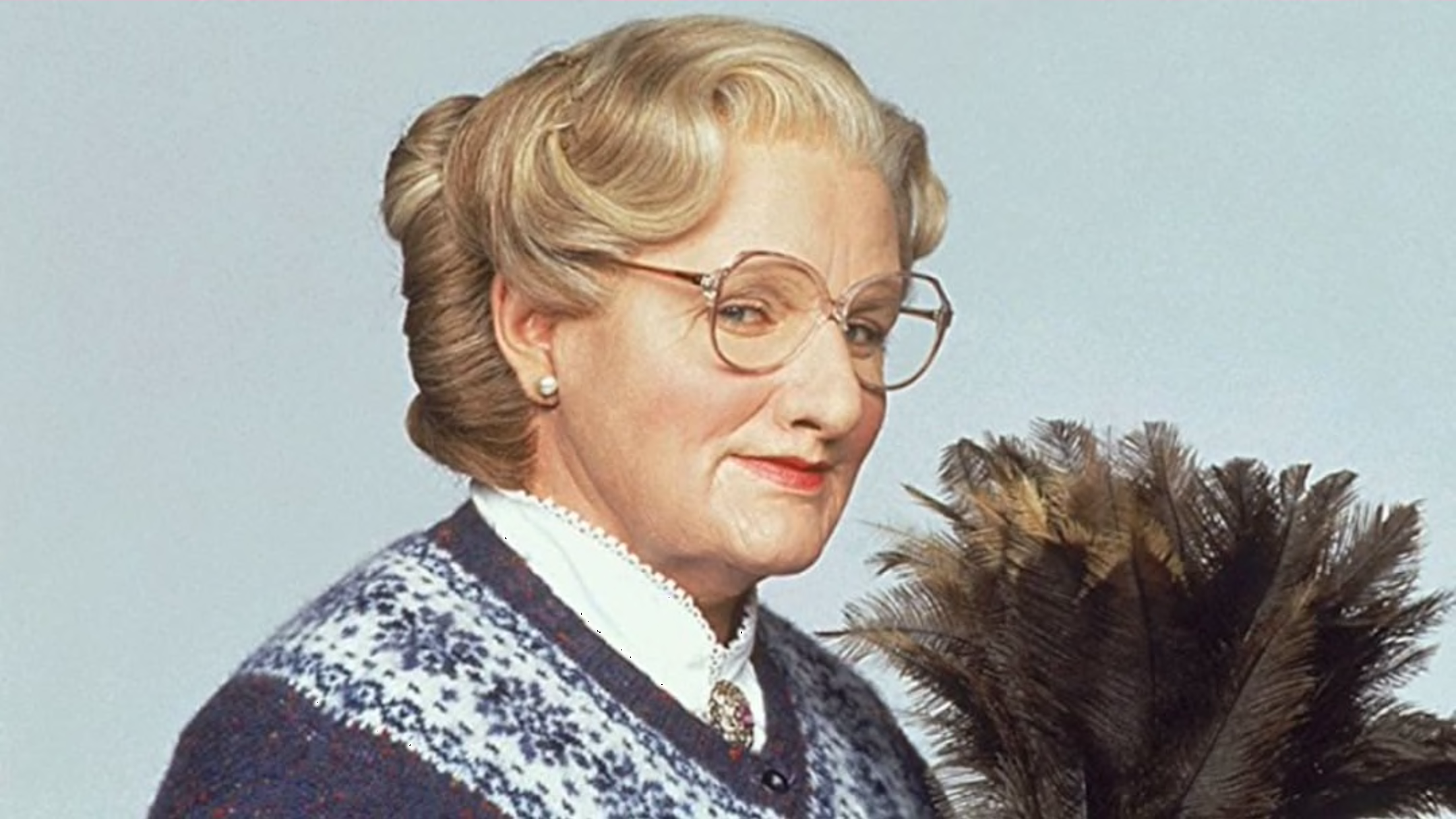
Mrs. Doubtfire

Today would have been Robin Williams’ birthday.  He was born in 1951 and passed away in 2014.  One of my favorite Robin Williams’ movies was Mrs. Doubtfire. This article is from Mental Floss:

From Mental Floss:

After voice-over actor Daniel Hillard (Robin Williams) gets divorced and loses custody of his three children, he resorts to dressing up and speaking like a matronly grandmother to get hired as his kids’ nanny. Here are some facts about Mrs. Doubtfire, which was released on this day in 1993.

1. IT’S BASED ON A BRITISH NOVEL.

During the mid-1970s, author Anne Fine walked by a “bric-a-brac” shop selling jewelry and old furs, never having the time to walk inside and meet the store’s proprietor, one Madame Doubtfire. Fine remembered the name in 1986 when she wrote her book Madame Doubtfire. Fine said her one request to the filmmakers was that they “not make the children bratty, and they did indulge me in that.”

2. BLAKE LIVELY BLEW HER AUDITION TO PLAY NATALIE.

It came down to the future Gossip Girl star and Mara Wilson. To calm his daughter, Lively’s father told the then five-year-old Blake that she would be reading with Robin Williams’s twin brother at her final audition, not the movie star himself. That plan failed when someone in the room introduced Williams as Robin. Lively described the experience as “horrible.”

3. THEY WENT THROUGH PHOTOGRAPHS OF OLD WOMEN.

Director Chris Columbus claimed that he and his fellow filmmakers looked through “hundreds and hundreds” of photographs until finding a 1940s-era English woman to base Mrs. Doubtfire’s look on.

4. IT TOOK FOUR AND A HALF HOURS TO APPLY MRS. DOUBTFIRE’S MAKEUP.

Makeup artist Ve Neill did the honors. Neill—alongside Greg Cannom and Yolanda Toussieng—won the Oscar for Best Makeup, just like she did for Beetlejuice and Ed Wood. The wig was created by Toussieng, the hairstylist who created Edward Scissorhands’s hair.

5. WILLIAMS WENT TO A SAN FRANCISCO SEX SHOP IN THE MRS. DOUBTFIRE COSTUME.

The shop employee was about to sell a sex toy to him when he realized the true identity of the customer.

6. IT WAS SHOT ENTIRELY IN SAN FRANCISCO.

That includes the five large sets built in a 100,000-square-foot building in the Richmond district. It used to be a candy warehouse. After Williams’s passing, fans of the actor left flowers, photographs, and letters at the Pacific Heights house that doubled as the Hillards’ home. The plastic surgeon who lives there didn’t mind. In the original script, Mrs. Doubtfire was set in Chicago.

7. CHUCK JONES SUPERVISED THE OPENING ANIMATION.

Jones was the iconic animator of Looney Tunes and Merrie Melodies cartoons for Warner Bros. The full five minutes of Pudgy Parakeet and Grunge the Cat was released as a DVD feature.

8. COLUMBUS USED MULTIPLE CAMERAS SIMULTANEOUSLY TO CAPTURE THE CAST WHEN WILLIAMS IMPROVISED.

The director mostly shot one or two takes of each scene as it was written in the script before shooting something Williams made up. Columbus said the resulting footage gave him the option of cutting a PG, PG-13, R, or NC-17 version of the movie. (He ended up going with the PG-13 version.)

9. WILLIAMS DIDN’T KNOW THE BARBRA STREISAND LYRICS.

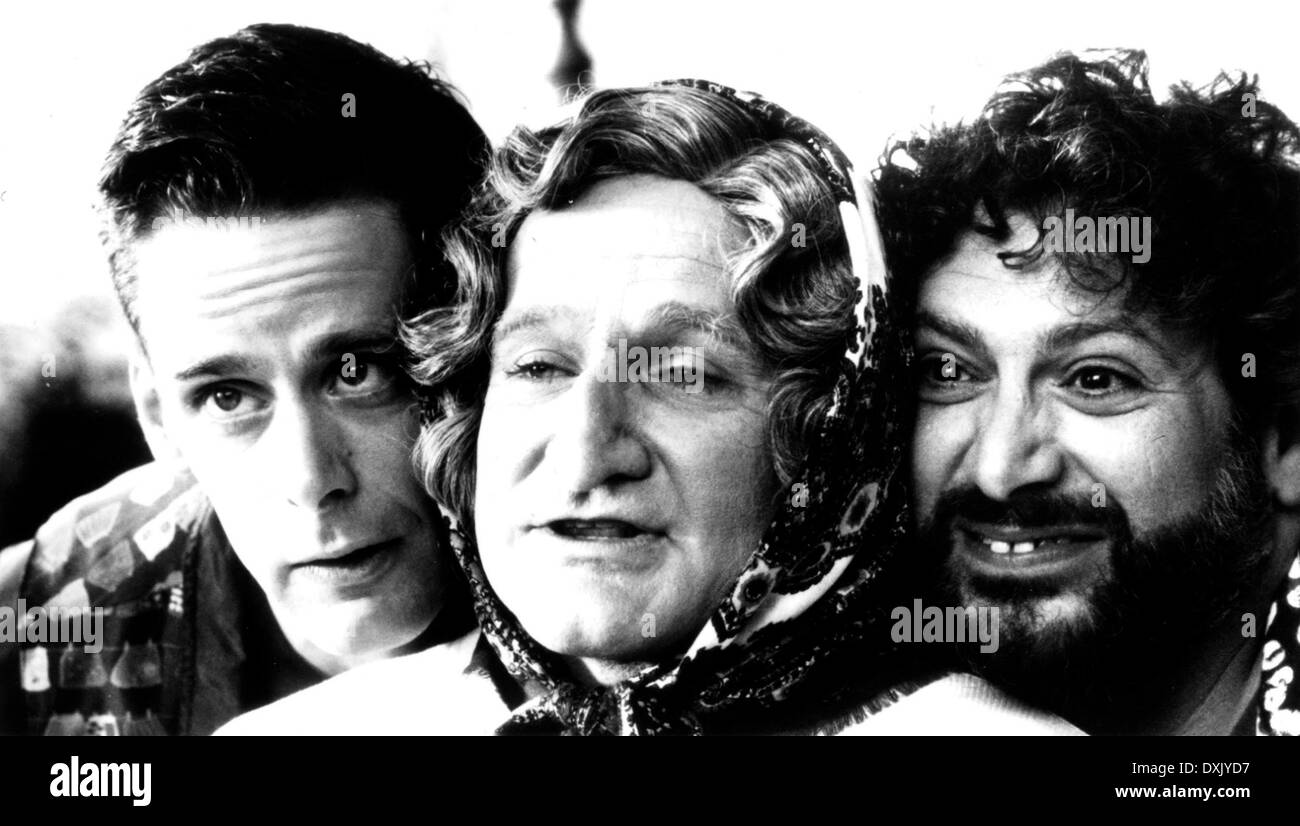
Harvey Fierstein (Frank) and Scott Capurro (Jack) taught Williams “Don’t Rain On My Parade.”

10. WILLIAMS TRIED TO BREAK PIERCE BROSNAN’S CONCENTRATION.

While Brosnan (Stu) was attempting to choke on the shrimp, Williams kept making suggestive comments to make his task much more difficult.

11. SALLY FIELD AND MARA WILSON ALSO WENT OFF SCRIPT.

When Field inadvertently gave herself a cappuccino mustache, it was added to the movie. Wilson ad-libbed her princess line.

12. LYDIA WAS EXPELLED FROM HER SCHOOL FOR WORKING ON THE MOVIE.

Lisa Jakub was kicked out of her Toronto school for taking the five-month-long gig. When Williams found out, he wrote a letter to the school asking them to reconsider. School officials framed his letter, but didn’t change their mind about Jakub.

13. A LENGTHY SUBPLOT INVOLVING THE NEIGHBOR GLORIA WAS CUT.

Scenes were filmed where Daniel got even with Gloria for telling Mrs. Doubtfire nasty rumors about him by telling her to use dog urine to make her garden beautiful, which ultimately kills her flowers. Gloria is only in two scenes in the final version.

14. THE HILLARDS ALMOST GOT BACK TOGETHER.

Screenwriter Randi Mayem Singer left the movie when 20th Century Fox wanted her to change the ending so that Daniel and Miranda get back together. After the studio and Columbus read the new, happier ending in Leslie Dixon’s revised script, they asked Singer to come back and change the ending back to the two remaining divorced.

15. TALK OF A SEQUEL BEGAN IN 2001.

In 2014, Williams had given Elf screenwriter David Berenbaum the go-ahead to work on a second draft of the sequel, which was cancelled following Williams’s passing.

16. BUT A MUSICAL MIGHT STILL BE COMING.

In early 2015, Alan Menken announced that he was in the early stages of working on a musical adaptation of the movie. In May 2016, however, he told Digital Spy that the project had stalled out a bit. “Mrs. Doubtfire went through a change of lyricist, and then also a dramaturgical evolution,” he said. “At the moment, the best thing I could say is that it’s on a creative hiatus.” At this point, only time will tell if and when it happens.

SOURCE: MENTAL FLOSS

National Pennsylvania Day!

I found an article on thefamilyvacationguide.com website detailing some fun facts about Pennsylvania.

Ketchup Fun Facts 

In 1876, ketchup was revamped in Pittsburgh by Henry Heinz. Heinz had a goal in mind, which included creating ketchup without preservatives, unlike his competitors. Therefore, he opted to use simply vinegar. The ketchup was made with tomatoes and spices while keeping a certain quality standard.

Chocolate Fun Facts 

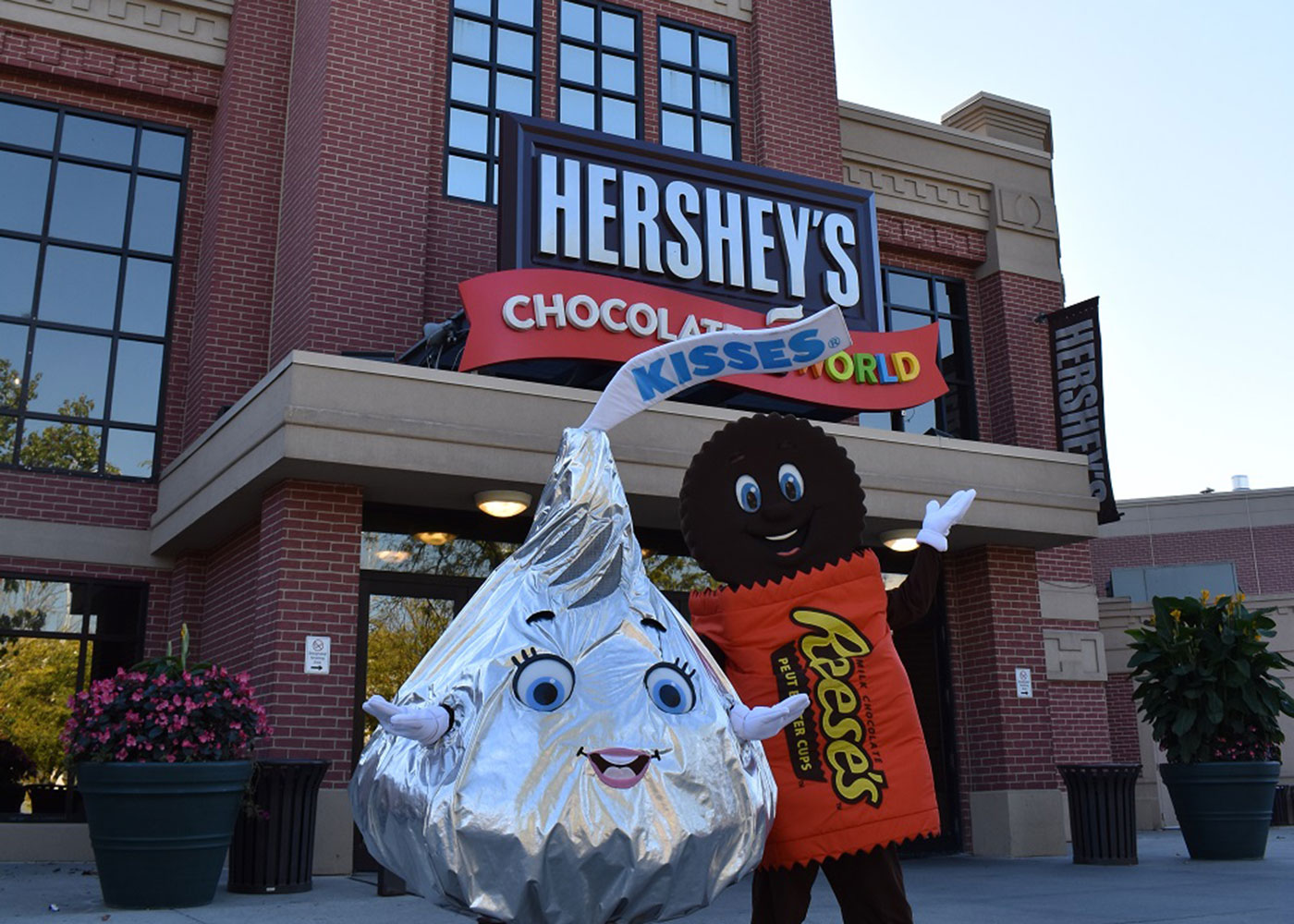
Another food favorite is chocolate. The town of Hershey in Pennsylvania is not surprisingly the chocolate capital of the United States. Based on the name alone, you can see why, but the man behind the famous chocolate bar formulated a new version of milk chocolate. 

By 1903, Milton Hershey started building the world’s largest chocolate manufacturing plant. A couple of years later, construction ended. From there on, chocolate became available to the masses through quick and efficient production.  

Hershey’s milk chocolate became a popular choice right away. With significant success, Hershey became nationally marketed. In addition, milk is also the state beverage. 

Aside from the classic staples, there are other famous Philadelphia food items, including:

Soft pretzels

Cheesesteak sandwiches

Hoagies

Strombolis 

Italian water ice, similar to snow cones 

Irish potato candy 

TastyKakes

Traditionally, there are also many Pennsylvania Dutch food items, including the following:

Chicken pot pie 

Ham pot pie

Bologna 

Raised doughnuts, also known as Fasnacht

Schnitz un knepp, which are dried apples, dumplings, and ham

Shoofly pie

Soda Fun Facts

A weird but fun fact belongs to a town in Pennsylvania, Hazelton. Drinking carbonated beverages is prohibited in school auditoriums. It’s a state law, and the rule applies to everyone, including teachers!

Fun Facts About the Crayola Experience

Speaking of exploring, you can also visit the Crayola Experience in Easton. The Crayola Experience has around 30 attractions, art, and activities. 

Aside from the Crayola Experience, the actual Crayola factory is in Lehigh Valley, Pennsylvania. The brand started in 1885, although the company’s name was Binney & Smith. In 1903, the name changed to Crayola and quickly started manufacturing high-quality crayons. 

The original box contained eight colors, and now more than a hundred years later, you can buy the original box and dozens more. So the classic company sure has evolved throughout the years!

The factory produces over three billion crayons each year, and over 90% of all Crayola crayons come from the Lehigh Valley factory.

Zoo Fun Facts

The Philadelphia Zoo was the first zoo in America which started in 1874. Benjamin Franklin founded the zoo, home to the first chimpanzee and orangutan births in the United States. It was also the first zoo to create an animal care center with formulated food specifically for zoo animals.

Now, the zoo is home to over 1,700 endangered zoo animals. In addition, the zoo includes award-winning programs, education, and animal exhibits. The zoo is complete with treetop trails and is a great place to explore with great views and scenery.

Fun Facts About Local Activities

For more adventure, the state has many fun-filled spots, such as Splash Lagoon, the largest indoor waterpark on the country’s eastern side. Other sites include:

Sandcastle Waterpark

Great Wolf Lodge 

Wildwater Kingdom 

Hershey Park

Camel Beach

Dutch Wonderland

There are dozens of amusement parks the whole family can enjoy. 

Fun Facts About Christmas Trees

Another fun fact is that Indiana, Pennsylvania is home to the Christmas tree capital in America and the world. The nickname started in 1956 due to 700,000 freshly cut trees. Four years later, the same town harvested around a million trees. 

As more people opted for artificial Christmas trees throughout the years, the numbers declined. However, the state is still one of the top Christmas tree farm states. 

Groundhog’s Day Fun Facts

Another holiday tradition in Pennsylvania is Groundhog’s Day. A day of celebration since 1880. People from all over the nation await Punxsutawney Phil’s forecast. The town is known as the world’s weather capital. Millions look forward to seeing the groundhog’s shadow due to the grueling winter months. 

SOURCE: THEFAMILYVACATIONGUIDE.COM