Today’s offering is called Wacky Cake! The instructions are a little different from what I’m used to. See what you think!
Wacky Cake
Ingredients
1 ½ cups all-purpose flour
¾ cup granulated sugar
⅓ cup unsweetened cocoa
1 teaspoon baking soda
½ teaspoon kosher salt
⅓ cup oil
1 tablespoon distilled white vinegar
2 teaspoons vanilla extract
1 cup water
Wacky Cake Frosting
¼ cup chopped toasted pecans
Directions
Preheat oven to 350°F. Sift flour, sugar, cocoa, baking soda, and salt into an ungreased 8- x 8-inch baking pan; spread mixture evenly in pan. Make 1 large well and 2 small wells in mixture in pan. Carefully pour oil into the large well, vinegar into 1 small well, and vanilla into remaining small well. Pour 1 cup water evenly over entire mixture in pan. Stir everything together using a fork until combined.
Bake in preheated oven until a wooden pick inserted in center comes out clean, 25 to 30 minutes. Transfer to a wire rack.
Pour Wacky Cake Frosting over warm cake. Sprinkle with chopped pecans. Cool completely, about 2 hours.
Wacky Cake Frosting
Ingredients
⅓ cup butter
¼ cup whole milk
3 tablespoons unsweetened cocoa
2 ¾ cups powdered sugar, sifted
1 teaspoon vanilla extract
Directions
Cook butter, milk, and cocoa in a small saucepan over medium-low, stirring often, until mixture comes to a simmer. Remove from heat; gradually whisk in powdered sugar and vanilla until completely smooth. Pour on your favorite cake.
In honor of National Taffy Day, I found an article on the Taffy Town website. Enjoy!
The History of Salt Water Taffy
Do you ever wonder, “Why is it called ‘saltwater taffy’?” Perhaps you’re asking yourself, “Where did salt water taffy originate from?” Like many favorite recipes, salt water taffy’s history isn’t always clear, but one thing is certain: this American-made candy has been around for over a century and enjoyed by millions. So who invented it, and how did salt water taffy get its name? Read on to learn more about the history of salt water taffy!
Where Was Salt Water Taffy Invented?
Though there are a few popular origin stories for where the term “salt water taffy” came from, the most popular salt water taffy history story claims Atlantic City as its birthplace.
When Was Salt Water Taffy Invented?
Most food historians believe salt water taffy was invented in the early 1880s. The story begins with a gentleman named John Ross Edmiston. The owner of a small boardwalk postcard shop in Atlantic City, Edmiston hired a man named David Bradley to sell taffy alongside his wares. While Edmiston eventually fired Bradley, he kept the popular candy in his shop. One night, an ocean swell flooded his boardwalk shop. In the morning, Edmiston discovered all the taffy had been soaked in salty sea foam.
During his cleanup, a young girl came into the store asking if he still had some taffy for sale. Jokingly, Bradley said that he had some “salt water taffy.” The little girl purchased the taffy and took it back to the beach to share with her friends. Her mother heard the name and instantly loved it, and thus the name “salt water taffy” was born.
Is Salt Water Taffy Really Made With Salt Water?
While the origin of salt water taffy tells us the taffy was soaked by the sea, Since then,salt water taffy hasn’t been caught at high tide., Recipes for salt water taffy vary; none contain actual salt water (and especially not ocean water!). Often, however, both water and salt are usually added at some point during the production process, so the name still fits.
Salt Water Taffy: No Longer Just a Beachside Treat
The word “taffy” was first used in the United States in the early 1800s. While much has changed since then, Americans’ love for taffy has only grown.
Now you know where the name “salt water taffy” comes from, let’s take a closer look at where it first was sold: Atlantic City. This beach side resort destination in New Jersey was a popular getaway for Northeasterners in the late 19th century (and still today). Catering to tourists and weekenders, Atlantic City was full of fine dining restaurants, upscale hotels and gambling halls, and boardwalk games and sweets; to stand out from the competition, a candy shop needed to create demand. Once Edmiston coined the curious term “salt water taffy” the sweet treat only grew in popularity.
Joseph Fralinger, a confectioner in Atlantic City, is given credit for being the first successful merchandiser of the candy. Originally, salt water taffy was something only purchased from an Atlantic City boardwalk stand. However, Fralinger came up with the idea of boxing up the taffy for people to take home. This was a smashing success, and his boxes of taffy sold out quickly. Even today, simple boxes stuffed with individually wrapped taffy remain one of the most popular ways to buy this all-American candy.
Salt water taffy history may have begun on boardwalks by the oceans, but it is now commonly enjoyed as a tasty treat all over the country. Thanks to the pioneers of salt water taffy, this wrapped candy comes in tons of flavors and can be enjoyed anywhere! At Taffy Town, we’re far from any coast, yet have become one of the most popular gourmet taffy producers in the country. Taffy is no longer just a beach side treat.
Taffy Town’s Unique Taffy-making Process
We’ve covered salt water taffy history, but what about how it’s being made today? When it comes to salt water taffy, there’s regular taffy, and then there’s Taffy Town taffy. Those who have tried our candy know that we stand out from the others. But what is the difference that sets our taffy apart?
Traditional salt water taffy production starts by boiling a variety of sugars in a large copper kettle to a high temperature. Then, the sugary mass goes through an aeration process to capture tiny bubbles in the candy. This makes it softer and less tacky. Typically, a pulling machine stretches, twists, and kneads the mixture into a chewy treat. After that, the taffy is cut into pieces and packaged for consumption.
Now for the most important part: our unique taffy-making process that makes Taffy Town taffy the best around! Unlike the traditional method, our process starts with whipping a meringue to create the fluffiest structure possible. We use evaporated milk and real salt in our recipe for a creamy, rich base for our flavors. Try our taffy and you’ll quickly realize that we aren’t your average taffy shop.
Our salt water taffy production process takes three days from start to finish, and our factory is always full of fresh treats! We currently have over 90 different flavors, and we’re always on the hunt for new ones. Each year, we take suggestions from our customers and consumer trend reports to develop our flavors. Our taffy flavors are thoroughly tested for tastiness before they hit the shelves. With our wide selection to choose from, you’re sure to find at least a few favorites!
We’re Keeping the History of Salt Water Taffy Alive at Taffy Town
We’re proud to carry on the history of salt water taffy — one of America’s favorite candies. Did you know that you don’t have to be on a boardwalk to enjoy our wide selection of Taffy Town flavors? You can shop from the comfort of your own home and savor the treats that come straight to your door. Take a look at our wide variety of salt water taffy flavors. We have the perfect gourmet candy selection for every palate. Stop by our Utah candy store or place your salt water taffy order today!
This month’s weird plant offering is rather unique to say the least…the monkey tail cactus.
Stem
The stems look greenish when young and greenish-yellow when they get older and covered on the entire surface by white, long & soft hair like spines cascading downward which resembles the appearance of Monkey’s tail. They are branched to three to five stems at the bottom. The stems start drooping and become pendant after reaching a certain height. Each stem can increase in size by nearly a foot every year and reach to 3- or 4-feet length. These long protruding stems on the hanging basket makes the garden look really attractive. Their soft harmless appearance lures people to touch them but it is to be noted that the flesh of this cactus is non-edible.
Flowers
The flowers of Monkey Tail Cactus produce bright red flowers that make the plant look particularly fascinating and eye-catching. After a few days, the flowers turn into fruits and disappear shortly. They are popular for blooming throughout the year with summer and winter being the main season. The contrasting features of these flowers bring peace to our soul. During winter and autumn, they undergo dormancy for some rest. This dormant period prepares the plant to bloom and grows beautiful red buds. The growth rate increases considerably during summer and spring.
Care of Monkey Tail Cactus
This cactus can thrive well in little care and doesn’t need special techniques to grow which make it popular among the people interested in house plants with busy schedules. Some caring tips for monkey tail cactus are discussed below:
Light
They do well in areas that receive plenty of bright, indirect sunlight. Indirect light is ideal, but this desert-native cactus can tolerate direct sunlight too. They must be kept in the area with bright indirect sunlight if grown indoors. This succulent thrives best outdoors in bright indirect sun and is used widely outdoors as a hanging basket. Their blooming frequency depends on the amount of sunlight they receive. They may not bloom as often as they do outdoors if kept indoors.
Temperature
They are popular due to their capacity to withstand a wide range of temperatures. They can even withstand the temperature below freezing point as low as 20 °F during dormancy to above 60 °F.
Soil
A well-draining organic soil mix or the sandy and loamy soils with the characteristics features like proper aeration, lightweight and quick drainage are considered ideal for this cactus. The stem suffers from water rot and many fungal infections in case of poor drainage, water stagnant and water lodging conditions. Salty soil can damage this plant. So, if Cocopeat is being used in potting mixture, they must be pre-washed in order to leach out its salt content. Perlite can be added on the soil mix to increase drainage.
Water
Frequent watering is required only during the fast and vigorous growing phase when water drains quickly exclusively during summer and spring. The intensity of watering depends on the dryness of the ground and air temperature. The frequency is directly proportional to the warmth present in air. The watering process is completely paused during their dormancy period. Watering it during dormancy, mostly during the winter period may result in frosting and can lead the plant to death. Not a single drop of water is given to the plant cuttings after propagation and light misting can be done only after 15 days of planting.
Fertilizers
Low nitrogen fertilizer is incorporated into the potting mixture during its active growing phase. It can be best applied by diluting the fertilizer solution with the water and spreading it as liquid fertilizer which can complete the whole year requirement at once. Since it doesn’t require any special care, application of nitrogen is enough to fulfill its nutrient requirement.
In spring 1607, a group of 104 English men and boys landed on the banks of a large river in present-day Virginia and built a fort on hunting land that belonged to the Powhatan Chiefdom. They formed a small settlement—the first permanent English colony in North America—and named it Jamestown after King James I of England. Over the next several decades, Jamestown nearly collapsed multiple times as the colonists succumbed to disease and famine.
The settlement’s history is pocked with dramatic events and historical figures. Here are 11 eye-opening facts about Jamestown.
The Virginia Company funded the colonizing expedition.
In April 1606, King James I chartered the Virginia Company, a joint stock venture in London, to colonize the eastern coast of North America between latitudes 34° and 41° North (roughly between Wilmington, North Carolina, and Long Island, New York). The company was made up of merchants and entrepreneurs and was named for James’s predecessor, Queen Elizabeth I, the “virgin queen.”
In December 1606, the Virginia Company sent about 100 of its members on three ships—the Susan Constant, the Godspeed, and the Discovery—to establish the new colony of Virginia, with Jamestown as its capital. The company’s investors expected to recoup their funds from the discovery of gold and silver and/or a river route to the Pacific Ocean, which they could use to establish trade with Asia. (Neither was discovered.)
Captain John Smith arrived in Virginia as a prisoner.
John Smith, a prominent English soldier and adventurer, arrived in Virginia aboard the Susan Constant in shackles. Expedition leader Christopher Newport had accused Smith of mutiny on the four-month journey across the Atlantic and held him below deck for the remainder of the trip.
When they reached shore, the group’s leaders opened a box containing their orders from the Virginia Company’s leaders and learned that Smith was among those named to the governing council. At least one report says that Smith was saved from being hanged only through the efforts of the colony’s minister, Reverend Robert Hunt. Smith eventually assumed his council position.
Life in Jamestown was precarious.
At first, colonists were awed by the apparent abundance of food and beauty of the Virginia landscape. The river teemed with mussels and oysters and the forests were full of game. But they were less than adept at hunting and soon ran low on food. They drank contaminated water, contracted diseases like the “bloody flux” (dysentery) and possibly plague; their fort burned down, and they suffered through an unusually cold winter with little shelter. By January 1608, just 38 of the original 104 colonists were still alive.
The legend of Pocahontas saving John Smith’s life is probably not quite true.
In September 1608, Smith was elected president of the colony and is credited with a dramatic drop in the death toll. Smith led efforts to rebuild the fort, plant crops, and dig a well—but he also annoyed the Powhatan leaders.
While on a trading mission to obtain food for the colonists, he met 11-year-old Pocahontas, a member of the Pamunkey tribe and the daughter of Powhatan, chief of more than 30 Algonquian-speaking tribes of the Powhatan Chiefdom in territory called Tsenacomoco. Pocahontas was her nickname (translating to “playful one” or even “naughty child”); her given name was Amonute and she was called Matoaka by her family.
According to legend arising from one of Smith’s accounts (there are several), Smith had been kidnapped by Pocahontas’s brother on his way to ask the chiefdom’s leaders for food. He was taken before Powhatan, who decided to execute him. Pocahontas supposedly saved Smith just before the ax fell.
Historians debate the circumstances of the story. One theory suggests that Smith was instead part of a ritual inducting him into the Powhatan tribe, but he didn’t understand what was happening and assumed they wanted to kill him. Either way, Smith returned to Jamestown several months later and Pocahontas became a sort of diplomat between the colonists and the chiefdom, though relations remained strained.
Jamestown’s first colonists resorted to cannibalism to survive.
A new group of colonists arrived in August 1609 without the expected provisions needed to survive the winter; their ships carrying supplies for the whole colony had run aground in Bermuda. Now, Jamestown had more mouths to feed and even less to eat.
Hostilities over food and other issues with the Powhatan Chiefdom escalated that fall and erupted into what the English viewed as the First Anglo-Powhatan War. Powhatan ordered a siege of Fort James, preventing the colonists from venturing out to hunt, fish, or steal the tribes’ food. The English ran out of provisions and fresh water. They resorted to slaughtering their horses for meat, then ate dogs, cats, rats, and snakes; archaeological and written evidence from the time also indicates cannibalism. Colonist George Percy wrote that some ate their comrades and others “Licked upp the Bloode wch hathe fallen from their weake fellowes.”
The brutal winter of 1609-1610 became known as “the starving time.” More than half of the colony died by the spring, at which time Powhatan’s forces lifted the siege so they could begin planting crops. In May 1610, the crew of the Sea Venture—a supply ship that had been wrecked in Bermuda the previous year—arrived with a group of carpenters, shipwrights, farmers, and other skilled laborers. Then another ship arrived with a years’ worth of provisions, saving the foundering colony.
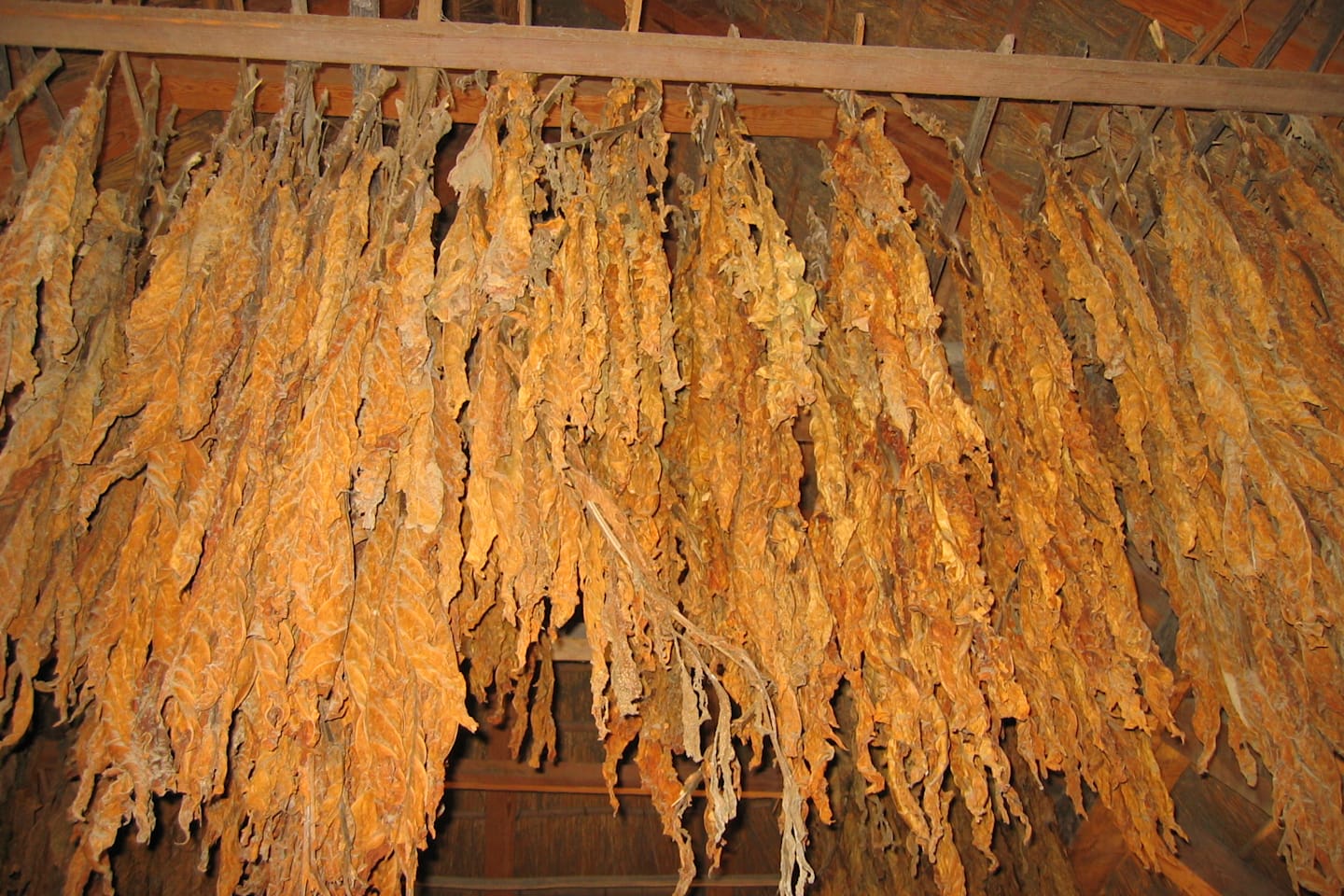
John Rolfe smuggled in seeds for Virginia’s first cash crop—tobacco.
Colonist John Rolfe—who later married Pocahontas—brought South American tobacco seeds to Jamestown, though it’s unknown where he got them. King James hated tobacco; Spain, which controlled Central and South America, threatened to punish anyone who sold their tobacco seeds to non-Spaniards with death. South American tobacco was considered sweeter and more desirable than the bitter tobacco typically smoked in North America.
Historians guess that Rolfe, a passenger on the Sea Venture, could have acquired the seeds while he was shipwrecked in Bermuda. Others speculate that Rolfe may have picked them up in Trinidad or another Caribbean location.
Rolfe’s successful cultivation of tobacco led to a commercial venture that saved Virginia financially. In 1617, tobacco exports to England totaled 20,000 pounds, then more than doubled the following year. Exports exceeded 1.5 million pounds by 1630.
Virginia’s House of Burgesses was the American colonies’ first democratically elected legislative body.
The House of Burgesses was the first English representative government in North America. It grew out of the General Assembly, established in 1619, which included a governor, council of legislators appointed by the Virginia Company, and two representatives (burgesses) from each of Virginia’s 11 communities. Only the burgesses were elected.
In 1643, the governor created a bicameral legislature by making the House of Burgesses its own law-making body. In the 18th century, George Washington, Thomas Jefferson, and Patrick Henry all served as elected burgesses.
The first enslaved Africans arrived in Jamestown in 1619.
On August 20, 1619, an English privateer named the White Lion landed at Point Comfort, Virginia, with about 20 enslaved Africans. The ship had attacked the San Juan Bautista, a Portuguese vessel transporting the enslaved people to Mexico, and had taken its captives to Jamestown. The White Lion’s captain traded them “for victualls,” according to John Rolfe.
The Africans had lived in the Ndongo Kingdom in Angola, where the Portuguese mercenaries and their allies had kidnapped them. Their arrival in Virginia is viewed as the beginning of slavery in English North America (slavery existed in Spanish-controlled Florida already). The site where they landed is now Fort Monroe National Monument in Hampton, Virginia.
Women went to Jamestown as “tobacco brides.”
By 1621, Jamestown’s population was faltering, and women of child-bearing age weren’t eager to travel to a rough-and-tumble settlement where disease and famine had taken their toll. To boost their numbers, the Virginia Company placed an ad in London seeking “young and uncorrupt” women to marry Jamestown’s well-off colonists. The women were promised their choice of husbands and free passage to the colony; the husbands agreed to reimburse the company’s expenses with up to 150 pounds of tobacco. The arrangement drew 90 “tobacco brides” in 1620 and another 56 in 1621 and 1622.
Jamestown served as Virginia’s capital until 1699.
Jamestown’s buildings, including the fort, state house, and church, burned down several times and were rebuilt. In 1676, a century before the American Revolution, a planter named Nathaniel Bacon led an armed uprising against England’s colonial government in Virginia. His beef with the governor arose when he was denied military help to violently expel Native Americans from their lands bordering the colony. Poor farmers who opposed the governor’s high taxes fell in with Bacon’s revolt. After Bacon battled the Native people on his own, his forces drove out the governor and set Jamestown on fire.The rebellion was short-lived, but the damage had been done. The seat of the colonial government moved to Williamsburg in 1699. (The capital moved to its present site in Richmond in 1780.)Jamestown is under threat from climate change.Remnants of Jamestown’s original structures and more than 3 million artifacts have been unearthed by archaeologists, and the site is still an active dig. But rising sea levels, intense storms, and frequent flooding threaten the site, which sits on a low-lying tidewater island between a swamp and the James River. Engineers are holding the damage at bay with sandbags, sump pumps, and tarps, and an effort is underway to shore up an existing sea wall. In 2022, the National Trust for Historic Preservationplaced Jamestown on its list of the country’s most endangered historic places.Source: Karin Crompton @ Mental Floss
Jamestown is under threat from climate change.Remnants of Jamestown’s original structures and more than 3 million artifacts have been unearthed by archaeologists, and the site is still an active dig. But rising sea levels, intense storms, and frequent flooding threaten the site, which sits on a low-lying tidewater island between a swamp and the James River. Engineers are holding the damage at bay with sandbags, sump pumps, and tarps, and an effort is underway to shore up an existing sea wall. In 2022, the National Trust for Historic Preservationplaced Jamestown on its list of the country’s most endangered historic places.
Moms — we’ve all got them, and we all need them. But some animals have a slightly different idea of what it means to be a good mother. From moms who turn their bodies into food to others who encourage their young to become cannibals, here are the weirdest mothering techniques in nature.
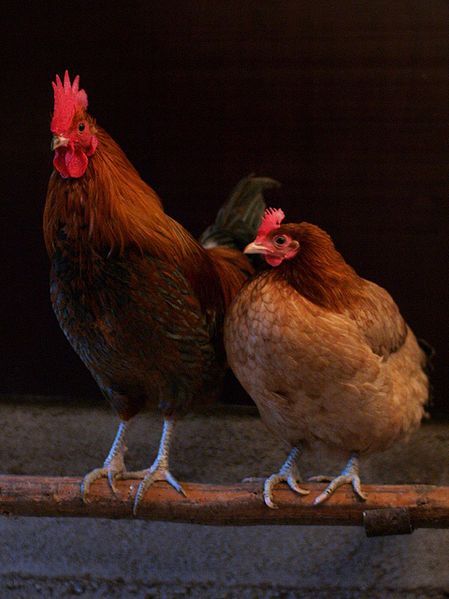
Chickens
Chicken moms take their duties very seriously. Creating an endless amount of calcium carbonate for eggshells is a difficult task, so if chickens don’t get enough calcium in their diets, they’ll actually dissolve their own bones to make baby-housing shells. That’s one way to lose baby weight!
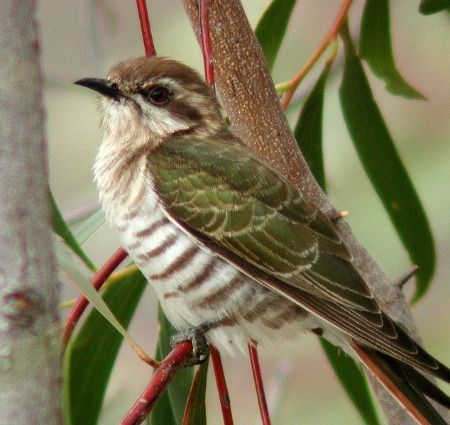
Cuckoos
Cuckoos have figured out a unique way to get the neighbors to do the difficult work of raising young. Momma cuckoos will sneakily lay their eggs in another bird’s nest. In doing so, the cuckoo tricks the other bird — often a different, smaller species — into taking on the expensive burden of raising the chick. The cuckoo chick usually hatches first, and grows faster, forcing the other chicks out of the nest, where they then die. It then gets the full attention of its adoptive parents, giving it much greater chances of survival.
Blood-Sucking Ants
The tiny endangered Madagascar-based Adetomyrmaant has a strange way to show love to its kiddos. The ants practice something known as “non-destructive cannibalism.” When the colony’s queen gives birth to ant larvae, she and her workers chew holes in the tiny babies to feed on their haemolymph – their circulatory system fluid (which would be blood in mammals). Scientists can’t say exactly why these ants do this — ants have a social behavior of transferring fluids to each other, so they may be practicing a rudimentary form of that behavior. The baby ants don’t die, but sucking blood from the young is a weird way to show vampire affection.
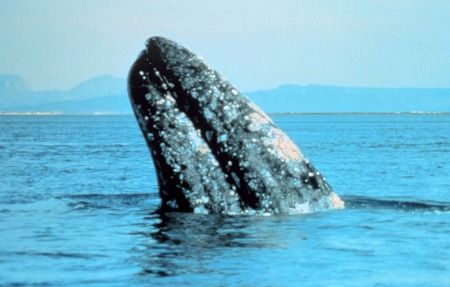
Gray Whales
Sometimes, mothers in the wild have to go to great lengths to protect their young.
Pacific gray whales migrate thousands of miles from cold, plankton-rich Arctic waters to relatively nutrient-poor tropical lagoons off of the coast of Mexico where they give birth. While the journey takes the gray whales away from a bountiful food supply, the southern neighborhood is free of the dangerous orcas (they stick to colder waters) that otherwise hunt the newborn whales. It also gives their newborns time to feed on their mothers’ incredibly rich milk (53 percent fat!) and build a layer of insulating blubber before the must head to the icy Arctic. Like bears, the mother whales go hungry for months while still needing to produce high-calorie milk for their babies. During this time they may lose as much as 8 tons of weight.
Spiders
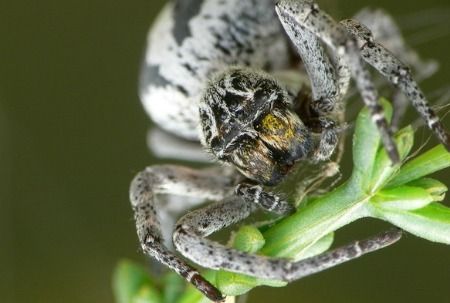
For many spiders, the act of mating signals that their lives are about to end — remember Charlotte’s Web? For several species of the Stegodyphus spiders, motherly love goes even further than watching over the nest. Females attach their egg cocoons to their webs and watch over them until the babies hatch. Once her children have hatched, the mother continues to eat, but regurgitates most of her meals as a nutrient soup for her offspring while the spiderlings stay in their mother’s web.
When the babies are around a month old, the mother spider rolls over on her back allowing the spiderlings to clamber over her, kill her by injecting their venom and digestive enzymes into her body, and eat her. After the young gobble her up, they turn on each other and cannibalize as many of their siblings as they can before leaving their mother’s web. Thanksgiving dinners are probably pretty awkward after that kind of upbringing.
Sea Louse
Talk about a painful pregnancy. The small fish-clinging female sea louse has to deal with males that impregnate up to 25 females at one time. The worst part? By the time she is ready to give birth to hundreds of baby lice, she sits back and the babies chew through her insides to emerge into the world.Poison Frog
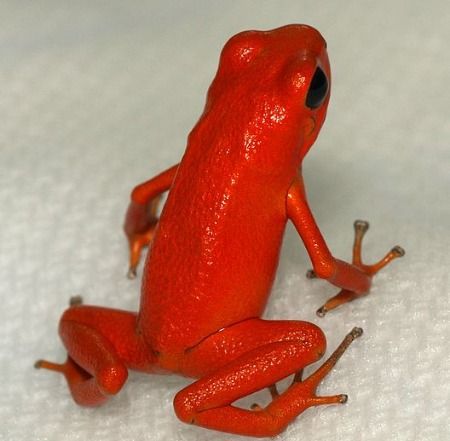
The teensy female poison arrow frog literally goes above and beyond when taking on the duties of motherhood. After laying as many as five eggs and watching them hatch, the strawberry poison arrow frog carries her tadpoles, one by one, on her back, from the rain forest floor up into trees as high as 100 feet. After hoisting her babes to the treetops, the frog then finds individual pools of water in leaves for each tadpole, setting up safe and individualized nurseries. That’s not the end of her super-mom duties. The mother strawberry poison arrow frog then feeds each of her young with her own unfertilized eggs over the course of six to eight weeks, thus allowing these tadpoles to grow into young frogs without having to eat each other. What, eggs again?
Suddenly my mom doesn’t seem so bad! Happy Mother’s Day to all the mothers who read here!
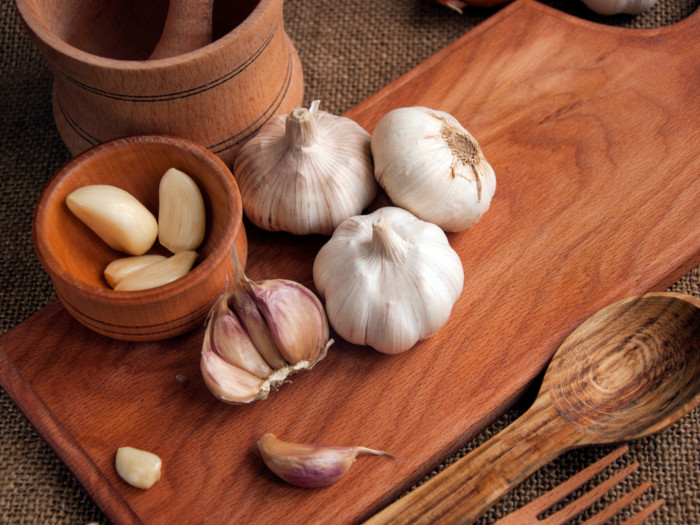
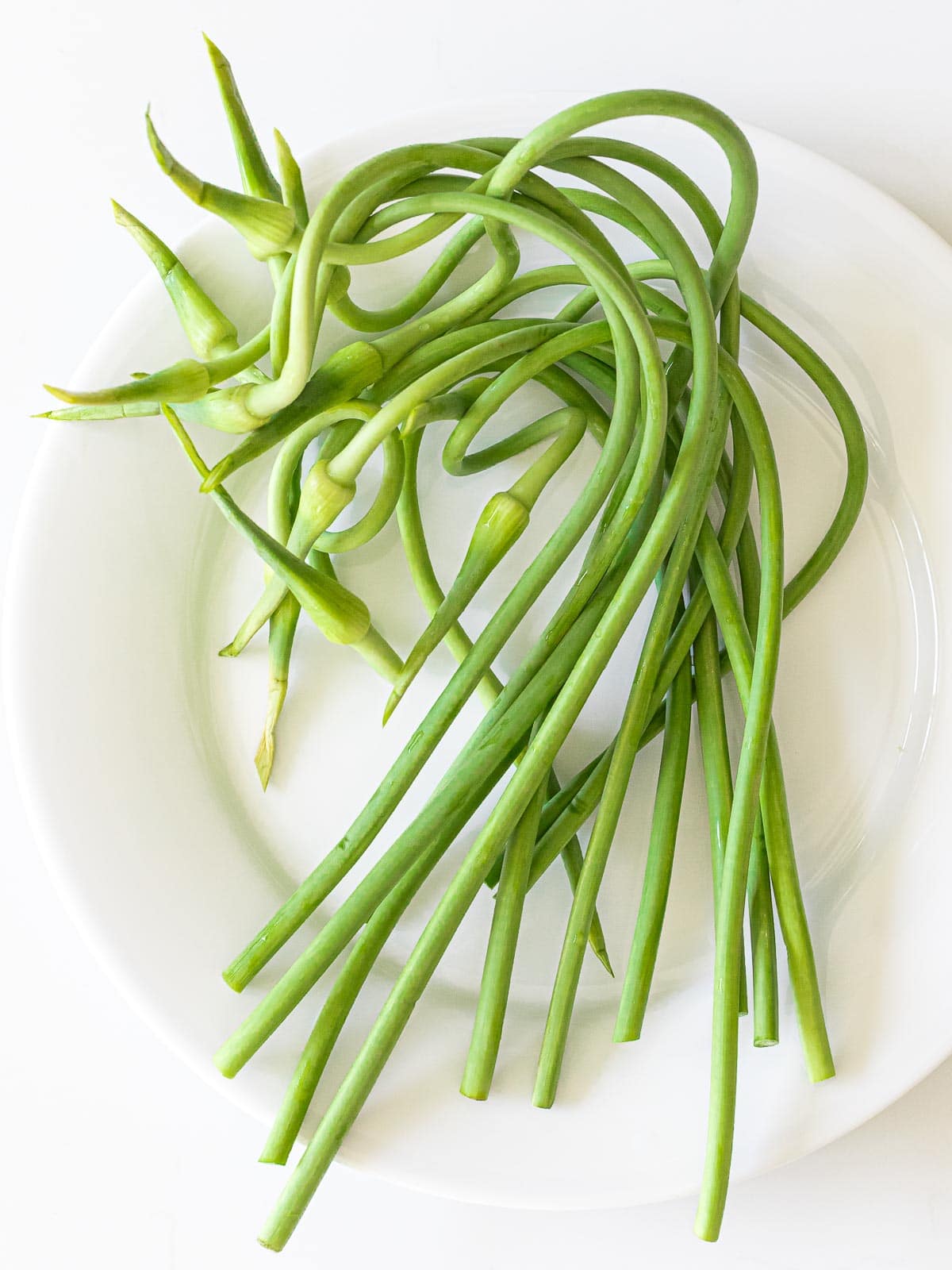
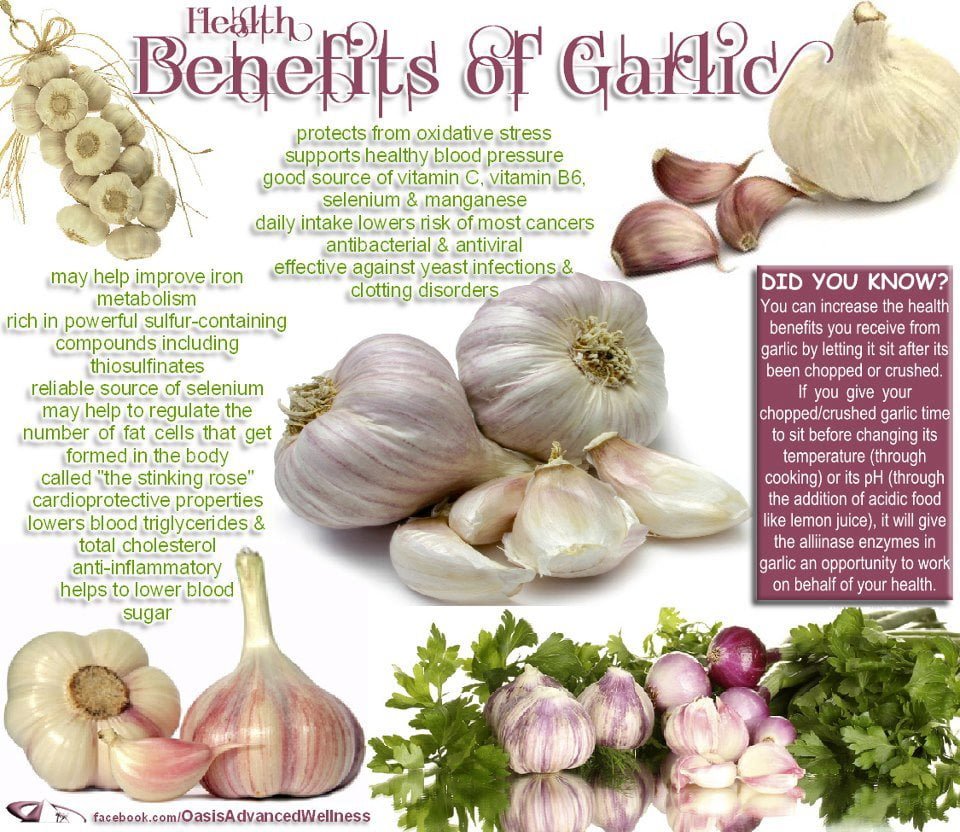
Garlic is a strong-smelling, flavoring herb noted for its many health benefits. It contains a powerful compound called allicin that can help to lower cholesterol. The health benefits of garlic may include easing the symptoms of the common cold, lowering blood pressure, and reducing the risk of heart ailments as well as neurodegenerative disorders.
The purpose of a garlic clove is aplenty. Right from cooking purposes to medicinal uses, it is truly an all-rounder when it comes to choosing to eat healthily. Moreover, it adds a delightful flavor to all your recipes. Also, you can consume garlic in a variety of forms – such as garlic bread, garlic aioli, garlic mashed potatoes, and so on. With so many different uses, let us explore the health benefits of garlic in detail.
What is Garlic?
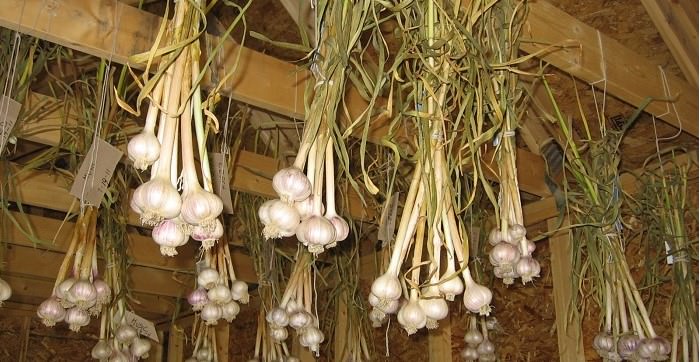
Garlic, scientifically known as Allium sativum, is a close relative of the onion and is native to Central Asia. The garlic bulb contains several cloves and each clove is covered with a soft translucent peel. Garlic has been used as a seasoning in food as well as a traditional remedy for over 3,000 years. Sir Louis Pasteur, the scientist who discovered pasteurization, used the anti-bacterial qualities of this herb as early as 1858. A report in the Journal of Pharmaceutical Research suggested that one clove per day may bring a vast improvement in your overall health, while two to three cloves daily could help keep the common cold at bay.
Nutrition
Garlic is very low in calories, saturated fats, and sodium. It has several useful minerals such as phosphorus, potassium, magnesium, zinc, calcium, and iron, and trace minerals like iodine, sulfur, and chlorine. According to the USDA National Nutrient Database, garlic is a rich source of B-vitamins (folate, thiamine, niacin, and B-6), and vitamins C, A, and K. Garlic is one of the rare dietary sources of organic compounds, allicin, allisatin 1, and allisatin 2.
Health Benefits of Raw Garlic
May Ease Cold and Cough
A 2014 paper published in the Cochrane Database of Systematic Reviews cited a study that assessed 146 participants over three months to find out the impact it had on patients suffering from cold and cough. As part of the study, researchers divided the total number of participants into two equal groups. One group took a placebo tablet while the other group took a garlic tablet. At the end of the study, researchers found that people who took garlic every day for three months instead of a placebo had fewer bouts of cold as compared with the placebo group.
Might Reduce Hypertension
According to a 2014 report in the Integrated Blood Pressure Control journal, aged garlic extract has the ability to lower blood pressure in hypertensive individuals. However, further studies are required to verify if they can be considered an alternative therapy for hypertension.
Might Help To Lower Cholesterol Levels
Raw garlic, rich in the allicin compound, can prevent LDL (bad) cholesterol from oxidizing. Research shows a reduction in cholesterol and triglycerides in rats consuming raw garlic. However, there is not enough research to verify this health benefit definitively.
May Boost Heart Health
Garlic has significant cardioprotective properties, which can help to prevent major heart diseases like atherosclerosis, hyperlipidemia, thrombosis, hypertension, and more. While most reviewed research supports the correlation between garlic intake and cardioprotection, per the Nutrition Journal study, further research is needed to decide proper form and dosage. One should keep a close tab on the proper use of this herb i.e. use of different preparations available, dose, duration, and its interaction with generic drugs.
May Help To Prevent Neurodegenerative Diseases
The antioxidant and anti-inflammatory properties of raw garlic may help prevent future neurodegenerative diseases. As per a study in the Libyan Journal of Medicine, garlic and its preparations can help in preventing the risk of cardiovascular ailments and stroke. However, further studies are required to identify particular garlic compounds responsible for its effects.
Can reduce the Risk of Dementia
Oxidative damage can play a huge role in cardiovascular diseases and dementia, as the risk of these diseases increases with age. Aged garlic extract (AGE) has antioxidant properties that may help reduce the risk of common brain diseases like dementia and Alzheimer’s disease. High doses of AGE have shown to increase antioxidant enzymes, as well as reduce oxidative stress to those with blood pressure problems.
May Help Prevent Heavy Metal Poisoning
High doses of garlic may prevent organ damage caused by heavy metals. The sulfur compounds in this herb can possibly reduce lead levels in the blood. They may also prevent the signs of toxicity, such as headaches and blood pressure, and also can aid in better absorption of iron and zinc in the blood. A 2012 report published in Basic and Clinical Pharmacology and Toxicology reveals that garlic can be effective in reducing blood and tissue lead concentrations among human beings and animals alike.
Can Heal Wounds
It can act as an effective herbal remedy for the infected wound. Place 2 crushed cloves on the infected area to get instant relief.
May Improves Bone Health
Herbs like garlic and onion may impact estrogen levels in menopausal women, reducing the risk of osteoarthritis. They may also minimize bone loss and improve overall bone health in both men and women. Also according to a study in the Electronic Physician journal, garlic consumption can reduce oxidative stress in the pathophysiology of many diseases such as osteoporosis.
Might Boost Digestion
Daily inclusion of raw garlic cloves in your diet can aid digestive problems. Even inflammation or irritation of the gastric canal may be reduced using this herb. Garlic might help to clear up most intestinal problems like dysentery, diarrhea, and colitis. Its role in dispelling worms is phenomenal. It does not affect the good bacteria in the intestine but destroys the harmful ones. It not only enhances digestion but can also help to relieve stomach gas. Can Regulate Blood SugarEating raw garlic cloves may reduce blood sugar levels, according to a study published in the Journal of Nutrition. May Boost ImmunityGarlic has phytonutrients that can help to reduce oxidative stress, strengthening your immunity. The herb may also reduce fatigue and boost energy. A 2012 report in the African Journal of Traditional, Complementary, and Alternative Medicines revealed a study conducted on rats to ascertain if garlic played a contributory role in enhancing immune function. Researchers discovered that the extracts significantly increased white blood cell counts and showed more immune-stimulating effects. May Aid in Eye CareIt is rich in nutrients like selenium, quercetin, and vitamin C, all of which can contribute to eye health and may also help with eye infections and inflammation.
May Help Prevent Acne
Garlic, along with other ingredients like honey, cream, and turmeric, can be used as a home remedy for acne scars and blocking the onset of acne. This herb may be effective in skin cleanser and an antibiotic substance that can help to resolve several skin conditions, including skin rashes, psoriasis, cold sores, and blisters. Additionally, it can also help in cell synthesis, protecting against UV rays, and delaying aging.
Other Benefits
Other benefits of this herb may include reducing the symptoms of asthma, increasing libido, and hair loss, among others.
Can Control Asthma
Eating boiled garlic cloves can be an effective homeopathic remedy to reduce the symptoms of asthma. Another suggested remedy is drinking a glass of milk with three boiled cloves each night before going to sleep. It can bring subsequent relief for patients with asthma. Asthma attacks may be brought under control by having crushed cloves with malt vinegar as well. However, it is advisable to check with an expert before trying these treatments at home.
May Promote Weight Loss
For years, garlic has been used as a remedy for weight loss. In animal models, it reduced the expression of genes that are involved in adipogenesis that leads to the formation of fat cells. The herb increased thermogenesis which can help to burn fat and reduce LDL (bad) cholesterol levels. This research has positive implications for reducing obesity in humans.
May Prevent Nonalcoholic Fatty Liver
Garlic is rich in S-ally-mercapto cysteine (SAMC) and antioxidants which can help prevent fatty liver, according to an animal study. These compounds may also reduce the risk of hepatic injury. Further research is needed to confirm these hepatic benefits.
Might Reduce UTI and Kidney Infections
Garlic may prevent the growth of Pseudomonas aeruginosa, a pathogen responsible for recurring urinary tract infections (UTI) and kidney infections. Fresh garlic extract can also be used to prevent the growth of candida vaginitis and E. coli infection.
May Prevent Hair Loss
The herb may help in preventing hair loss and promoting hair growth. Regular application of garlic gel or garlic-infused coconut oil may aid with conditions like alopecia. However, limited information and research on this connection exist, therefore more studies are needed to confirm the scientific association.
May Have Antibacterial and Antiparasitic Effects
Garlic extracts may help with Helicobacter pylori infection, tick bites, jock itch, and athlete’s foot due to its antibacterial effects.
Might Prevent Peptic Ulcer
The antibacterial compounds present in the herb can eliminate stomach parasites that cause peptic ulcers.
May Relieve Ear Aches
Due to the herb’s antiviral, antifungal, and antibiotic properties, it can be used for giving relief from earache and ear infections.
How to Use Garlic?
The herb may be consumed raw, but the taste is so potent that most people usually prefer cooking it or adding it to various dishes before eating.
You can chop, crush, slice, mince, or even juice garlic. Cutting it activates the alliinase enzyme that is highly beneficial to health.
Minced garlic gives a delicious, fragrant aroma when warmed in olive oil. This can form a base for soups, stews, and curries. It is one of the main ingredients in a good pasta sauce.
The herb is also an essential ingredient in various kinds of toothpaste and mouthwashes as it helps prevent tooth cavities and oral bacteria.
Word of Caution: Excessive intake may irritate the digestive system. Also, garlic can cause bad breath.
The color green isn’t for everyone, but emeralds are in a class of their own. The stone’s hue is unmatched, making it one of the most sought-after gemstones on the market. Emerald has consistently surpassed other green gems like peridot and tourmaline with its lush blueish-green tones. But what’s an emerald without some fanciful history and lore? These quick and to-the-point emerald facts will help enliven your passion for this rare specimen, regardless of what you think about its coloring.
Emerald Know-How
Emerald is one of the four recognized precious gemstones. The others are ruby, sapphire, and diamond.
Emerald is the birthstone of May and is the traditional gift for the 20th, 35th and 55th wedding anniversary in the US.
Emerald is made from beryl just like the gemstone aquamarine.
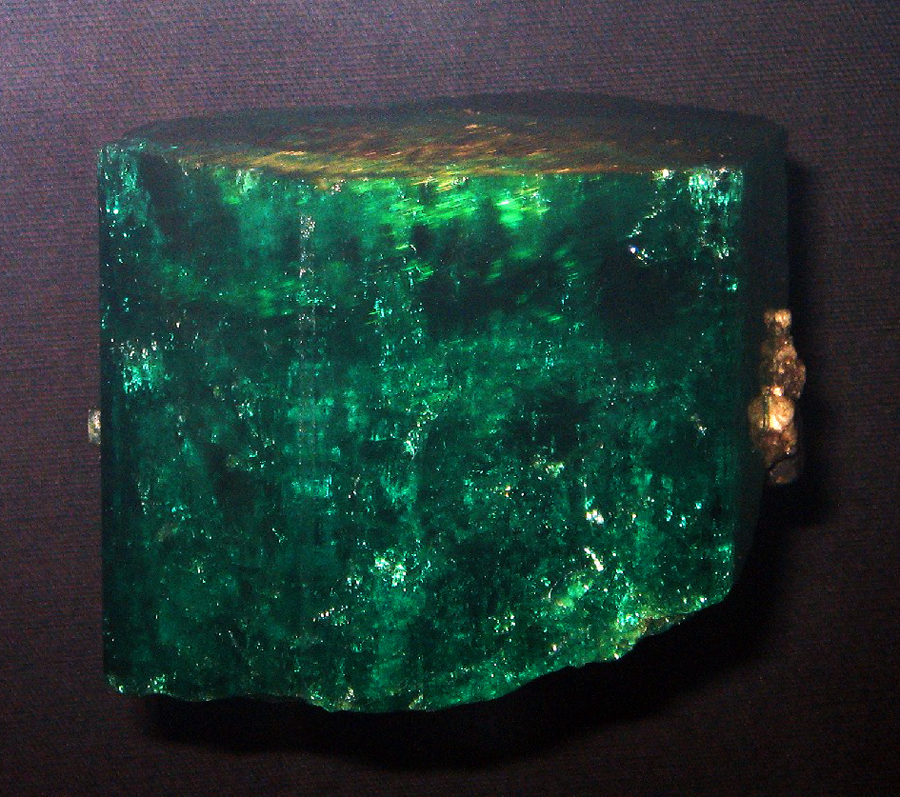
Emerald gets its green coloring from trace amounts of chromium and/or vanadium.
A 1-carat emerald appears larger than a 1-carat diamond because of its lower density.
Emerald measures between 7.5 to 8 on the Mohs Scale of Hardness. Though they are durable stones, emeralds are susceptible to chipping and cracking. This makes emeralds more expensive to set into jewelry due to the risk involved.
Colombia yields the largest amount of emeralds, contributing to more than 50 percent of all emerald production worldwide.
Emerald History
The oldest emeralds are about 2.97 billion years old.
The first known emeralds were mined in Egypt around 1500 BC.
One of Cleopatra’s favorite stones was emerald, and her passion for the stone was well documented.
Emeralds were discovered in South America in the 16th century by the Spanish. They were used by the Incas well before this discovery.
The Spanish traded emeralds across Europe and Asia for precious metals, which opened up the emerald trade to the rest of the world.
Emeralds were first discovered in North America in the Yukon Territory in 1997, though large emerald deposits in the United States and further north are very rare.
Synthetic sapphire and ruby were created in 1907, but synthetic emeralds were not created until 1935 when American chemist Carroll Chatham successfully grew his first 1-carat Chatham emerald. This stone is now on display at the Smithsonian Institute.
Emerald Symbolism and Lore
According to ancient folklore, putting an emerald under your tongue would help one see into the future.Emeralds were thought to guard against memory loss and enhance intuition. Want to be sure what your lover is saying is real? Emerald was believed to act as a type of truth potion, helping decipher whether the lover’s vows were true or false. The soft, calming color of the emerald helped early lapidaries rest their eyes after an extended period of concentration. Today, emerald is still thought to relax and relieve eye strain.
Emerald Value
Top-quality emeralds can be worth more than diamonds on a per-carat basis.
Most emeralds have some type of inclusion or imperfection, and emeralds without imperfections or inclusions are very rare. Instead of the term imperfection, dealers like to reference emerald inclusions as an internal jardin (“garden” in French).
Color, clarity, cut, and carat weight are four factors used to determine the value of an emerald. The most important of these four is color. The best color is vivid green or blueish-green with even saturation and no color zoning.
Valuable, high-quality emeralds are very transparent and aren’t too dark or too light. Green beryl that is too light in color may not even be considered emerald by some gemologists.
A gemologist judges a diamond’s clarity grade by using a 10x loupe. The clarity of an emerald is often assessed with the naked eye.
An emerald pendant necklace owned by Elizabeth Taylor sold for $6.5 million in 2011, breaking down to about $280,000 paid per carat.
The Duke of Devonshire Emerald is one of the largest uncut emeralds weighing 1,383.93 carats.
Tips
Due to the inclusions within an emerald, it is not wise to clean these gems in an ultrasonic cleaner. Instead, clean gently by hand using warm water.
Most emeralds are usually treated by filling the emerald with oil to fill in the cracks and help prevent unintentional chipping or cracking. You can coat emeralds with baby oil as an extra care precaution to help the stone from becoming overly brittle.
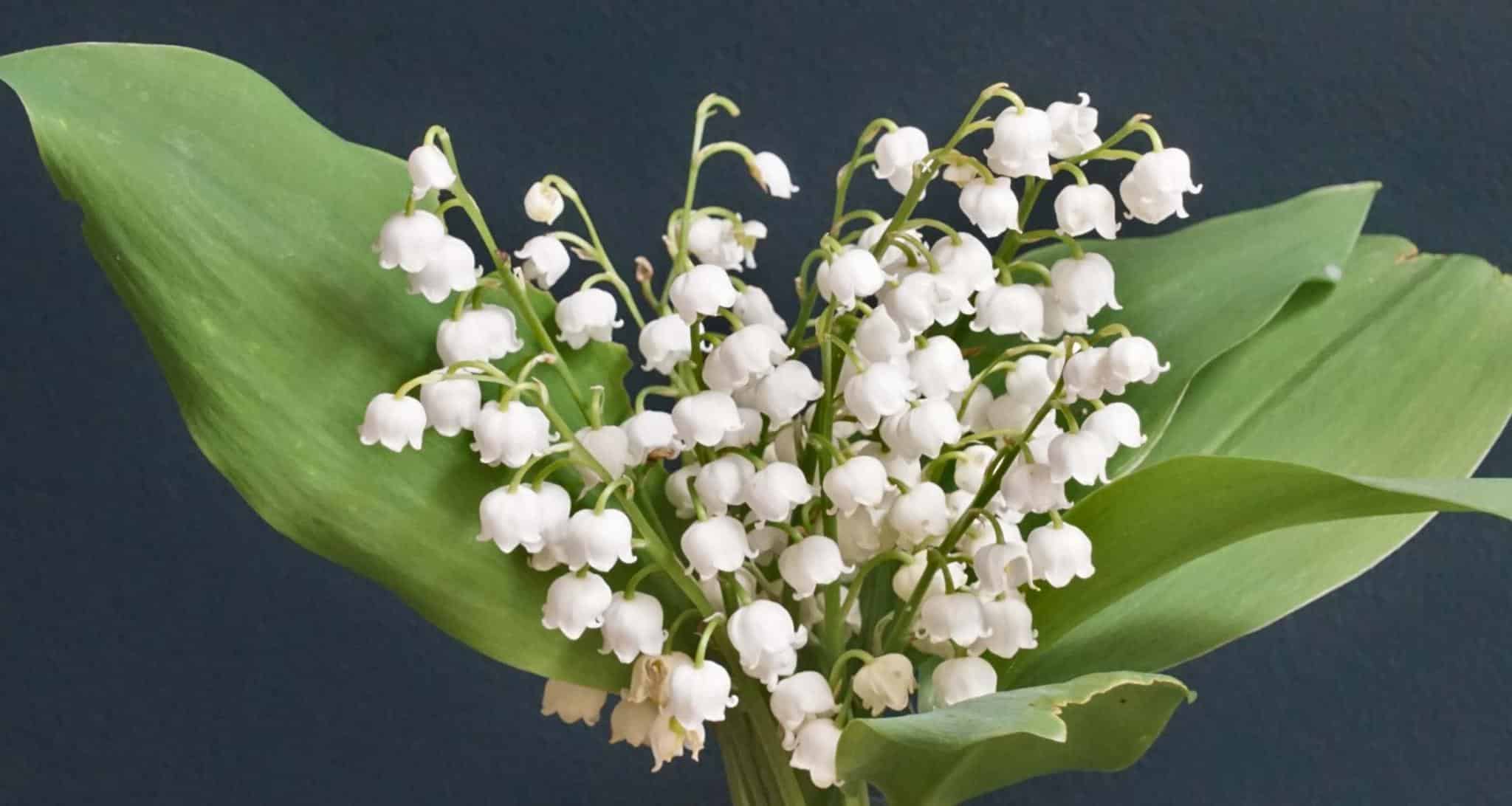
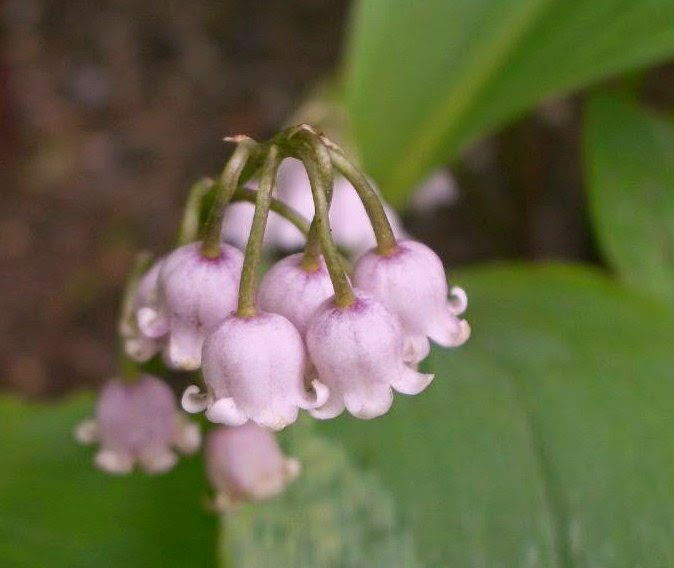
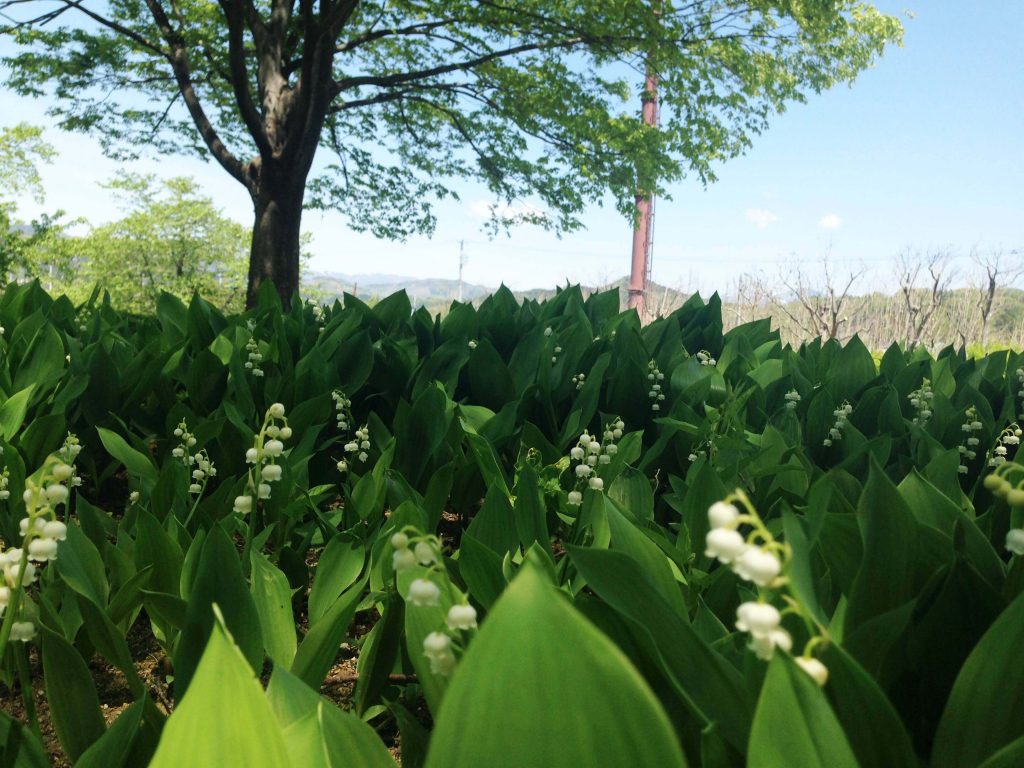
Lily of the valley (Convallaria majalis) is not a true lily; it’s actually part of the asparagus family, though its foliage is reminiscent of some lilies.Medium green leaves about 5 to 10 inches long and 1 to 3 inches wide arch from the center of a clump. Petite, fragrant, white flowers rise on long stems from the leaf clumps in spring, and orange-red berries appear later in the fall if different varieties are planted for cross-pollination. Don’t let the delicate appearance of lily of the valley’s bell-shaped flowers fool you. This is a hardy ground cover that spreads gradually but persistently to form dense colonies. Lily of the valley can be planted by root divisions, potted nursery plants, or seeds in the fall, though spring planting is also acceptable. It is considered invasive in much of the Midwest and Northeast, where planting it may be strongly discouraged or even outlawed. Be aware that lily of the valley is toxic to humans, as well as to dogs, cats, and horses.It contains glycosides and saponins that can cause cardiac symptoms as well as digestive upset if large quantities are eaten. Consumption of the berries by children is the most common cause of poisoning, and fatalities are possible.
Lily of the Valley Care Lily of the valley will grow vigorously in almost any spot with some shade. In fact, gardeners commonly use it under trees where many other plants won’t grow due to the shade. Plant the rhizomes about 6 inches apart with the growth buds buried about 1/2 inch deep. This plant needs little attention to thrive once it’s established. It is a long-lived plant that doesn’t have any serious issues with pests or diseases. Plan to water during dry spells. Also, if flowering has decreased on older plants, it’s beneficial to dig them up and divide them to refresh their growth.
Warning
Lily of the valley reproduces by spreading rhizomes and you must carefully supervise it so it doesn’t escape its boundaries. Lily of the valley can quickly spread and overtake a large area and may end up choking out other plants in its vicinity. The European native is considered an invasive plant in many parts of the Midwest and Northeast, and in some places is even designated a noxious weed.
Light
Plant lily of the valley in partial sun to full shade. Direct morning sun is all right, but the plant needs protection from the harsh afternoon sun. And if you live in a warmer part of its growing zones, full shade is best.
Soil
Lily of the valley prefers organically rich soil with good drainage. But it can grow in a range of soil types, including clay soil. It likes an acidic to neutral soil pH but can tolerate slightly alkaline soil, too.
Water
This plant prefers consistently moist but not soggy soil. Water whenever the soil begins to dry out due to a lack of rainfall and/or hot weather. Soil that is too dry will impede the plant’s growth and flowering.
Temperature and Humidity
Lily of the valley prefers mild conditions with average humidity. Temperatures between 60 and 70 degrees Fahrenheit are best. The plant doesn’t do well in dry, hot climates. And even in mild climates, it might die back during the hottest summer months. This usually won’t kill the plant; it generally returns the next spring.
Fertilizer
Lily of the valley typically doesn’t need any fertilizer unless you have poor soil. If your soil lacks nutrients, you can add a slow-release granular fertilizer in the spring. For the amount to use, follow the product label instructions.
Source: The Spruce
HAPPY BIRTHDAY CM!!!
Hope you, your lovely missus, and all the fur babies are doing well!
Aries, the first sign in the zodiac, belongs to those born between the dates of March 21st and April 19th. And I totally screwed up last month, posting Taurus ahead of myself….sorry!
Aries Zodiac Sign Traits
The first sign of the Zodiac, Aries are the trailblazers. Passionate and independent, Aries will never do something just because everyone else is doing it—a Ram needs to be 100 percent committed to the task at hand. Competitive to the max, the best way to motivate an Aries is to turn something into a contest. Aries will put everything they have (and then some) into winning. Loyal, smart, and impulsive, they always have multiple projects on their mind, and won’t be satisfied until their work, social life, and personal lives line up exactly with the dream life they’ve envisioned. Those who are drawn to magnetic Aries may have trouble keeping up—but if they can, they’ll have a friend for life.
An Aries sign will always tell you what they’re thinking, with a frankness that may occasionally border on rudeness. But even if an Aries seems overly blunt with their opinion, that’s only because Rams value honesty above all else. And it works both ways. While an Aries may be the first to say if they think that you just phoned in a project, they’ll also be the first to compliment you for a job well done. Rams may also have a short fuse. That fiery temper can be an asset. When an Aries is angry, they’ll never play the passive-aggressive card. But for people who don’t know them well, their temper can be a turn off. Learning how to work out their anger—whether by going to the gym every day, taking some deep breaths, or learning to chill before they Tweet their thoughts to the world—is a lifelong process for Rams.
When it comes to love, Aries signs are all about initial attraction. They can sense chemistry in the first sentence uttered by a potential partner. Forthright and unabashed, an Aries will do everything in their power to go after someone they want. Sometimes, they need to learn how to slow down and foster long-term connections. Fireworks are fun, but they don’t necessarily make a great match. Aries are amazing lovers: versatile, passionate, and always invested in the moment.
Aries’ Love Style
Like their ruling planet Mars, Aries are hot and stormy. They’re a combination of confidence and passion combined with temper and petulance. Everyone who ever loves an Aries tries—unsuccessfully but excitingly—to tame them.
Aries’ Friendship Style
“Activity” is the key word for this sign. When it comes to Aries’ friends, the more variety, the better. Easy to meet and get along with, an Aries makes an incredible amount of connections in a lifetime. Long-term friends are trickier.
Aries’ Career, Money & Success Traits
Aries’ greatest career strength: Leadership. Everyone naturally looks to Aries, and being responsible for others comes naturally.
Aries Motto
“When you know yourself, you’re empowered. When you accept yourself, you’re invincible.”
Aries’ Greatest Gifts
Whether it’s backpacking around the world, launching a business, or training for a marathon, once an Aries sets a goal, they will achieve it. They don’t care what anyone else thinks, and can tune into their intuition and dreams in a heartbeat. Rams never need a plus one—they love their own company, and consider going solo to the movies a rare treat.
Aries’ Greatest Challenges
The world according to an Aries makes so much sense that they have a hard time listening to, much less accepting, alternative viewpoints. Slowing down is also tough. A Ram’s mind goes a million miles a minute, and slowing down for others can be excruciating. But when it comes to maintaining relationships, Aries must learn to adapt and embrace other ways of doing, being, and seeing.
Aries’ Secret Weapon
Strong, adamant, and forged in fire, it’s fitting that Aries’ secret weapon is iron, one of the strongest elements. Weld, cast, machine, forge, temper, harden, or anneal it, iron can take on a seemingly limitless range of shapes and qualities. For an Aries, an iron-rich diet can boost confidence and performance.


:max_bytes(150000):strip_icc():format(webp)/WackyCake-Beauty-0821_3x2-001f89cdc9024194a7342e882a3a500a.jpg)







































 Sew Colorful