April Fools’ Day—celebrated on April 1 each year—has been celebrated for several centuries by different cultures, though the exact origins remain a mystery. April Fools’ Day traditions include playing hoaxes or practical jokes on others, often yelling “April Fools!” at the end to clue in the subject of the April Fools’ Day prank. The embrace of April Fools’ Day jokes by the media and major brands has ensured the unofficial holiday’s long life.
Some historians speculate that April Fools’ Day dates back to 1582, when France switched from the Julian calendar to the Gregorian calendar, as called for by the Council of Trent in 1563. In the Julian Calendar, as in the Hindu calendar, the new year began with the spring equinox around April 1.
Roman Julian Calendar
Gregorian Calendar
People who were slow to get the news or failed to recognize that the start of the new year had moved to January 1 and continued to celebrate it during the last week of March through April 1 became the butt of jokes and hoaxes and were called “April fools.” These pranks included having paper fish placed on their backs and being referred to as “poisson d’avril” (April fish), said to symbolize a young, easily caught fish and a gullible person.
Hilaria in Ancient Rome
Historians have also linked April Fools’ Day to festivals such as Hilaria (Latin for joyful), which was celebrated in ancient Rome at the end of March by followers of the cult of Cybele. It involved people dressing up in disguises and mocking fellow citizens and even magistrates and was said to be inspired by the Egyptian legend of Isis, Osiris and Seth.
Vernal Equinox and April Fools’
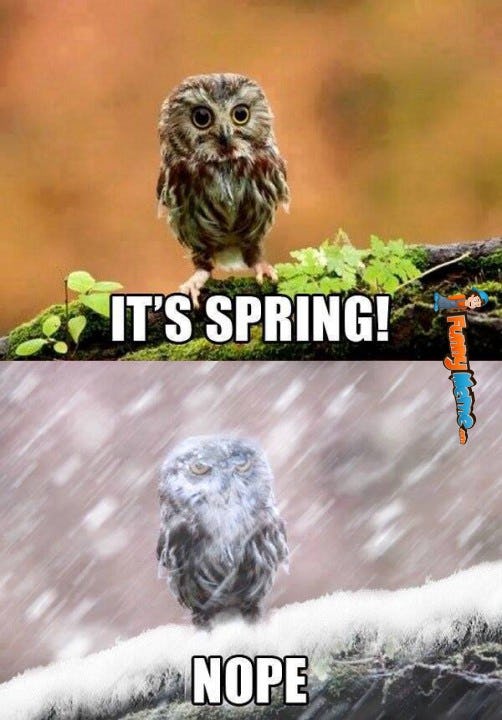
There’s also speculation that April Fools’ Day was tied to the vernal equinox, or first day of spring in the Northern Hemisphere, when Mother Nature fooled people with changing, unpredictable weather.
Gowk Day was a day of wild goose chases, pranks and set ups in Scotland for generations, starting with “hunting the gowk,” in which people were sent on phony errands (gowk is a word for cuckoo bird, a symbol for fool) and followed by Tailie Day, which involved pranks played on people’s derrieres, such as pinning fake tails or “kick me” signs on them.
The Gowk Day custom derives in part from young people being led from wood to wood to track the newly arrived Spring cuckoos, with the “hunt the gowk” always staged too early for the birds to be found. The traditional prank was to ask someone to deliver a sealed message requesting help of some sort.
When the note was opened on delivery, the nature of the errand was revealed. “Dinna laugh, dinna smile, hunt the gowk another mile,” was the message. The daft missions further evolved with reports of people being sent to the butcher for items such as a gill of pigeon milk. It is believed Gowk’s Day was marked in Scotland from at least 1700.
Accounts detail how it was usually the early milk boy or girl who would usher in Gowk month by falsely warning passers by that ‘yer lace is lowse’ or “ye’ve let something fa” More elaborate jokes were perpetrated by the older school children and apprentice boys. In the Western Isles, gowk cakes, made from milk, eggs and fruit, were eaten on April 1.
April Fools’ Day Pranks
In modern times, people have gone to great lengths to create elaborate April Fools’ Day hoaxes. Newspapers, radio and TV stations and websites have participated in the April 1 tradition of reporting outrageous fictional claims that have fooled their audiences.
1856: The Tower of London hosts a lion washing extravaganza
In the days leading up to April 1, 1856, London residents received an official-looking invitation printed on Tower of London stationery and bearing a crimson wax seal. Signed “Herbert de Grassen,” supposedly a “senior warden” at the popular tourist attraction and prison, the leaflet offered admission to “view the annual ceremony of washing the lions” on April 1.
Such an event could have indeed taken place two decades earlier, but the Tower’s famous menagerie—which for 600 years featured bears, leopards, lions and other dangerous beasts—had closed in 1835. Nevertheless, a certain number of would-be spectators showed up for the display, only to learn they’d fallen prey to an April Fools’ hoax.
1957: Spaghetti grows on trees
Leave it to the Brits to concoct one of history’s most memorable April Fools’ Day pranks. On April 1, 1957, the BBC aired a segment in which a Swiss farming family harvested long strands of pasta from their spaghetti trees. In England at that time, spaghetti was still an exotic delicacy with mysterious origins, so many viewers bought the report hook, line and sinker. Some even called in to ask how to grow spaghetti trees of their own. The BBC reportedly suggested, “Place a sprig of spaghetti in a tin of tomato sauce and hope for the best.”
1962: Swedish televisions don pantyhose
On April 1, 1962, a supposed technical expert for Sweden’s one and only television channel made an exciting announcement. By stretching out a pair of nylon stockings and taping it over their screens, he reported, viewers could watch the usual black-and-white broadcast in stunning color. Television owners rushed to implement the astonishingly simple hack, only to be disappointed when the hose did nothing but obscure the picture. Regular color programming would eventually debut in Sweden on April 1, 1970.
1972: The Loch Ness Monster surfaces
Very few April Fools’ Days go by without some Nessie-related hoax, but in 1972 a widely published photograph convinced many that Loch Ness’ elusive dweller had finally made an appearance—sadly, dead rather than alive. It turned out that a prankster from Yorkshire’s Flamingo Park Zoo had dumped the body of a bull elephant seal in the lake. He had only intended to play a joke on his coworkers, but the “news” quickly went viral.
1976: Gravity takes a hiatus
On April 1, 1976, the BBC pulled off yet another of its many April Fools’ Day pranks. Astronomer Sir Patrick Moore told listeners that at 9:47 a.m. that day, the temporary alignment of Pluto and Jupiter would cause a reduction in Earth’s gravity, allowing people to briefly levitate. Sure enough, at 9:48, hundreds of enthralled callers flooded the lines with reports that they had floated in the air.
1992: Richard Nixon makes a comeback
National Public Radio’s “Talk of the Nation” program reported that former-President Richard Nixon had declared his candidacy for the Republican presidential nomination. Accompanying the announcement were audio clips of Nixon delivering his candidacy speech and declaring “I never did anything wrong, and I won’t do it again.”
Harvard professor Laurence Tribe and Newsweek reporter Howard Fineman then came on the air to offer their analysis of Nixon’s decision and its possible impact on the 1992 presidential race. A clip from Torrie Clarke, press secretary of the Bush-Quayle campaign, was also played in which she said, “We are stunned and think it’s an obvious attempt by Nixon to upstage our foreign policy announcement today.”
Listeners reacted emotionally to the announcement, flooding NPR with calls expressing shock and outrage. Only during the second half of the program did host John Hockenberry reveal that the announcement had been an April Fool’s Day joke. Comedian Rich Little had impersonated Nixon’s voice.
1998: Lefties get their own burger
In a full-page advertisement in USA Today, Burger King unveiled a new menu item specifically engineered for southpaws: the Left-Handed Whopper. According to the fast food chain, the burger’s condiments were rotated 180 degrees to better suit the 1.4 million lefties who patronized its restaurants. Thousands of customers requested the new burger, swallowing an April Fools’ Day whopper as they ordered their Whopper.
2000: People Google with their minds
Now famous for its annual hoaxes, Google played its first April Fools’ Day prank in 2000. Visitors to the search engine’s website learned about a new “MentalPlex” technology that supposedly read people’s minds, thereby bypassing the need to type in a query. Google has orchestrated an increasing number of elaborate ruses in the years since, announcing such products and features as Google Nose, Gmail Motion and PigeonRank.
2013: Uncle Sam Wants Kitties
The U.S. Army jumped on the hoax bandwagon in 2013, when it sent out a seemingly official press release announcing the latest additions to the U.S. Armed Forces. Claiming that drafting cats to serve their country would cut down on military spending, officials went on to say that it was time these feckless felines got to work.
As Sgt. 1st Class Tyler Radmall wisely stated, “Not only will the Army have a more cost-effective working animal, but we will be doing our part in getting them off of the streets and finding them employment.” But while Army brass seemed bullish on the idea, they did note that the K-9 units weren’t taking too kindly to the new recruits, resulting in more than a little fighting like cats and dogs.
Of course, I can’t possibly let this day pass without acknowledging the birthday of my sweet girl! Happy Birthday, Heather Brianna!!!
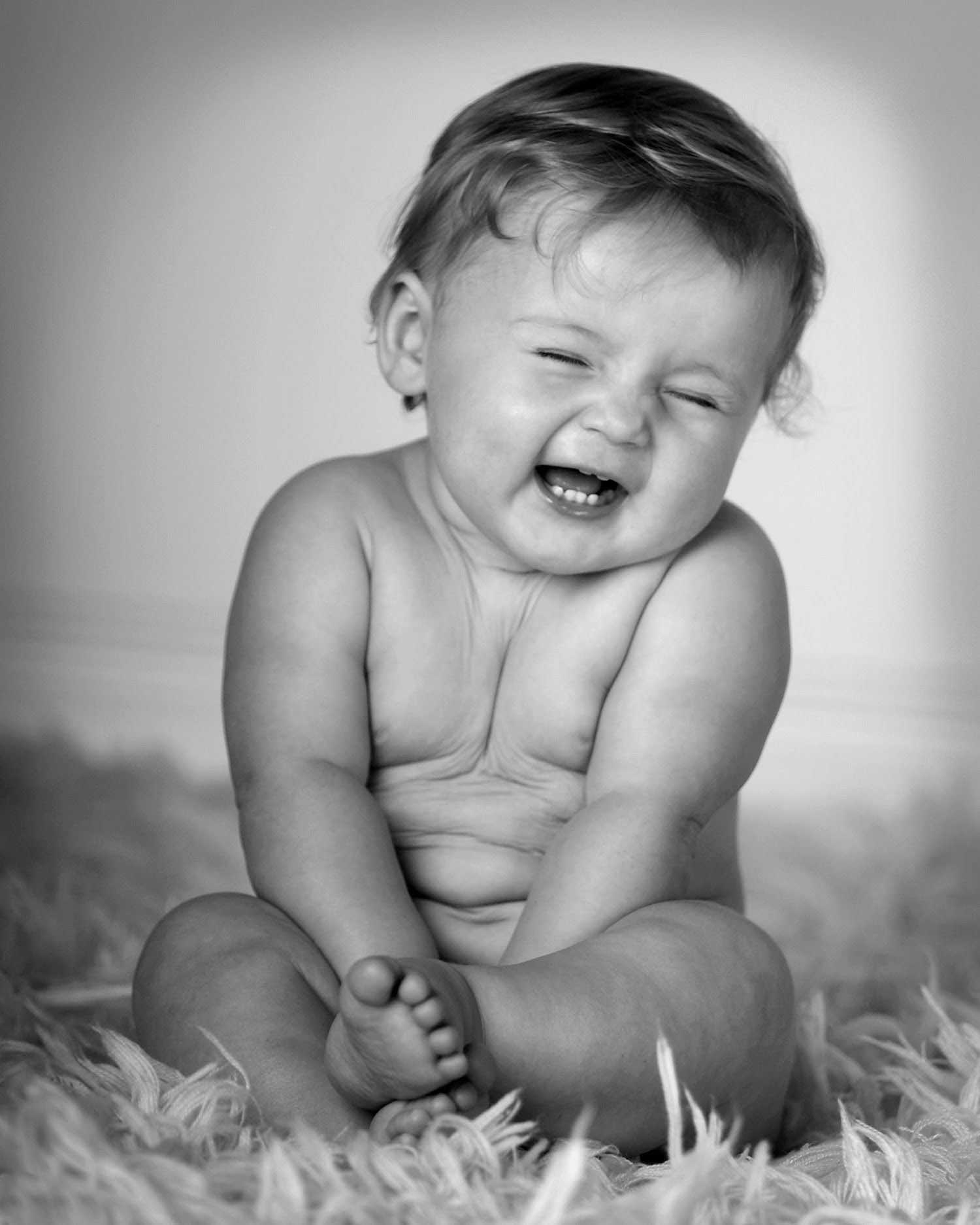
HB at 3 months
HB dearly loved hats of all kinds!
After a night of sleeping on the beach in VA Beach
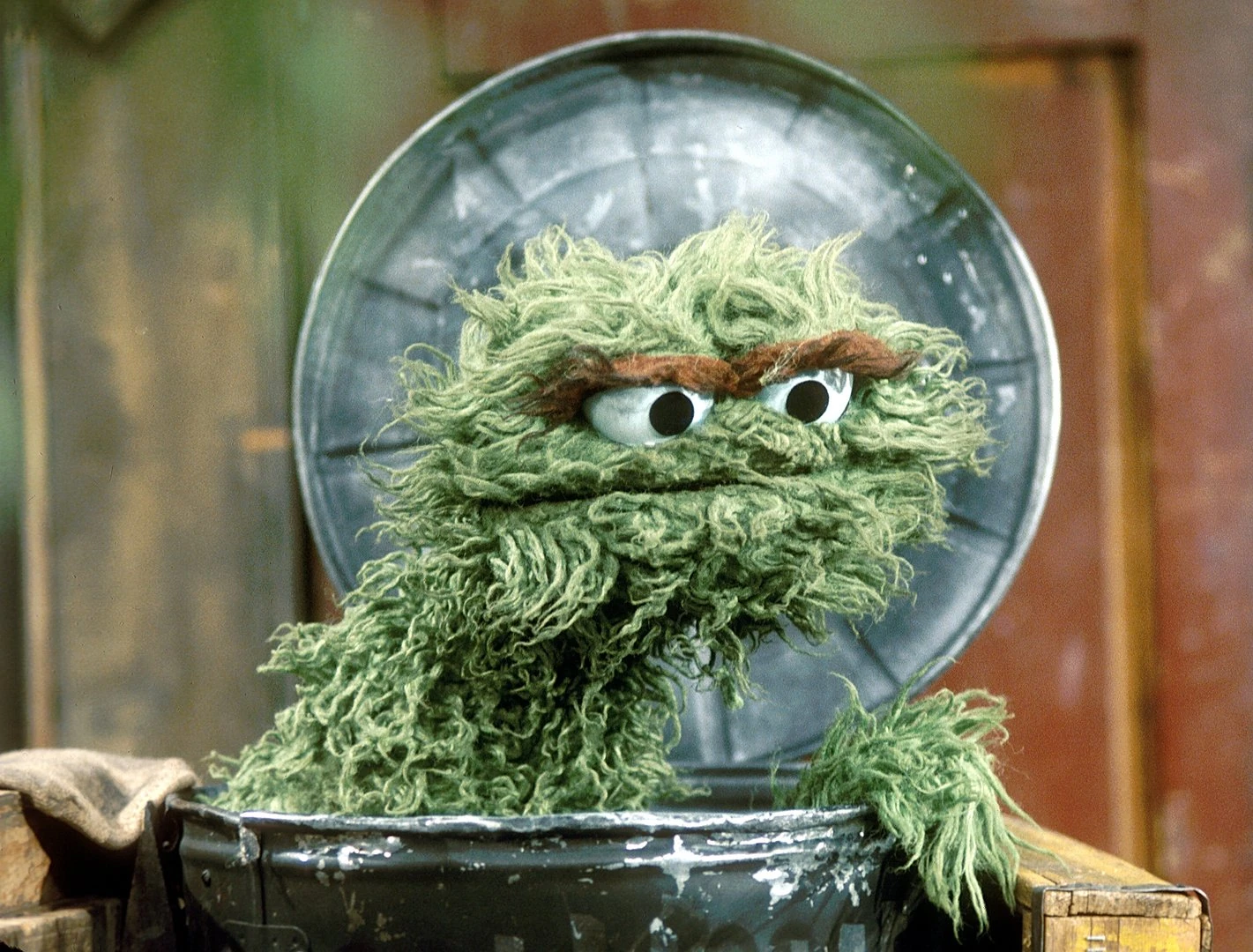
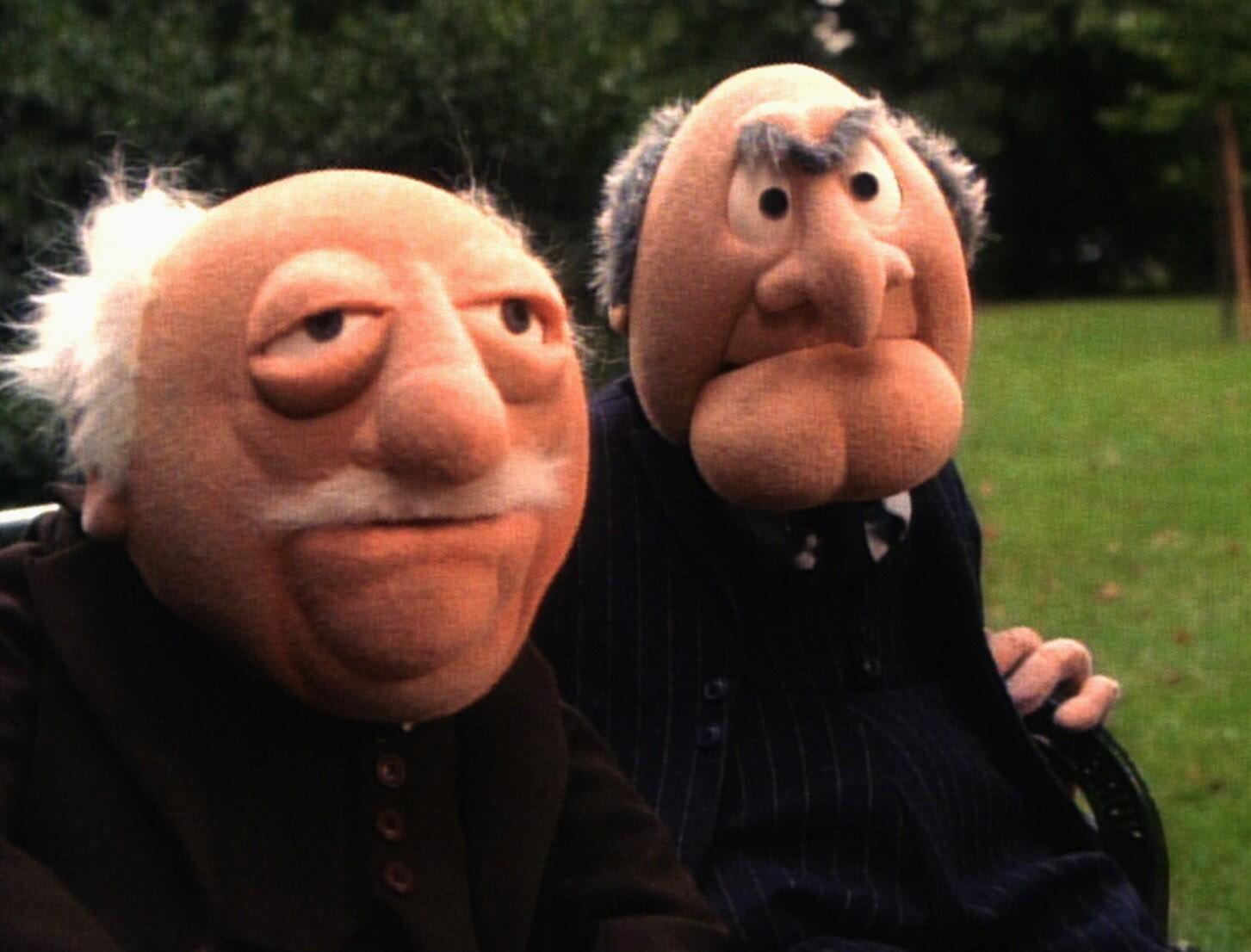
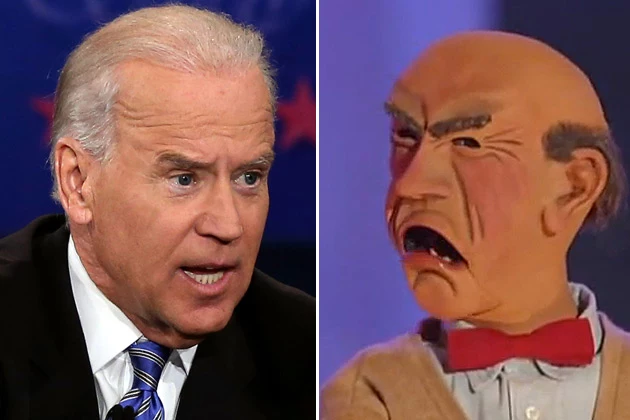
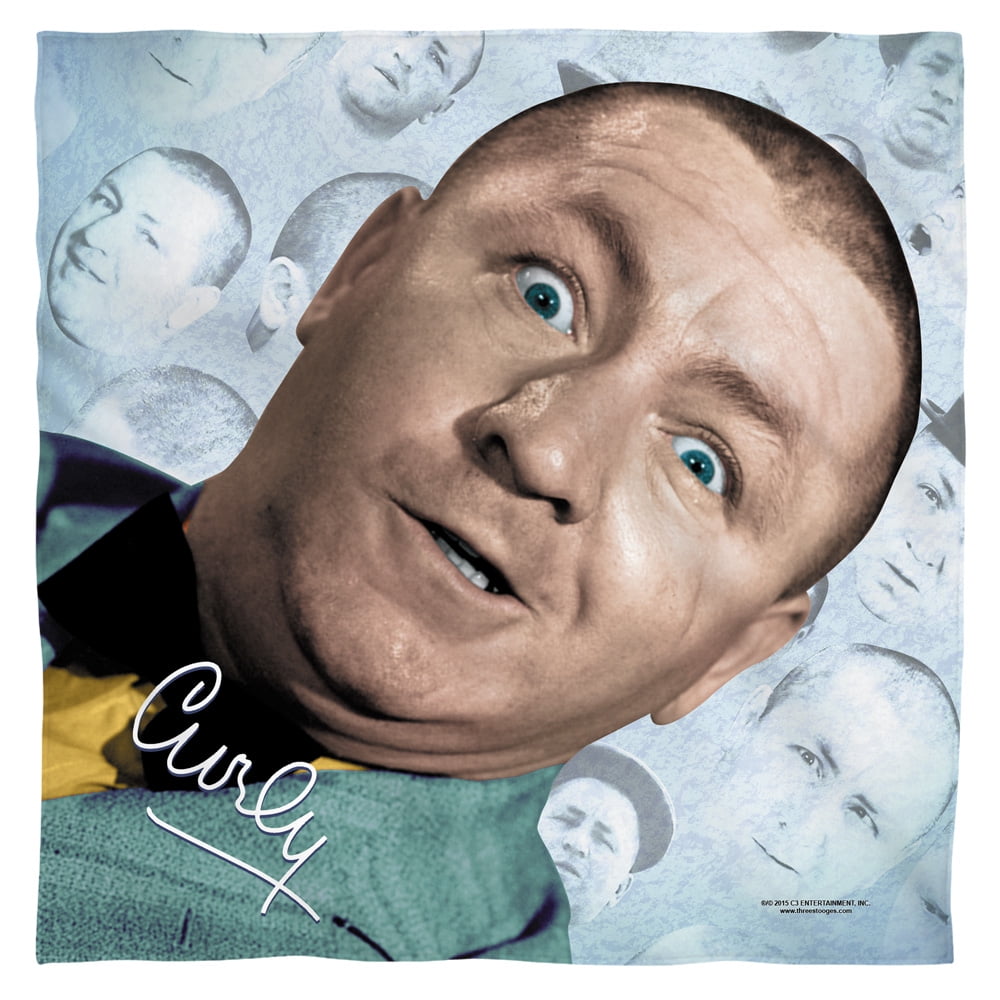
Oscar may have been the most famous grouch at one time, but he is certainly not the only one. Consider these two…okay technically their promoted as Grumpy, but it still counts in my book…LOL
NO…not THOSE two…THESE two…
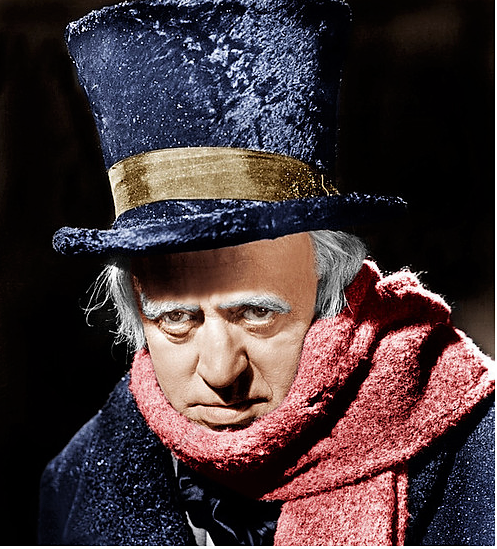
And who could forget Scrooge?
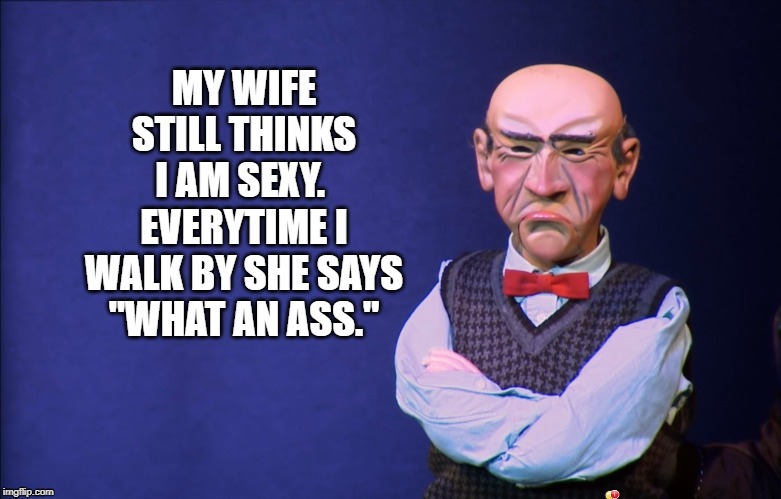
And then there’s Walter…who’s a Grouch, but a lovable one!
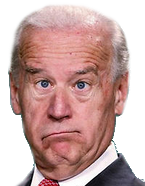
But the Grouch I’ve chosen to do a favor for today is THIS one (on the left).
“Be careful what you say as people may be eavesdropping.” The Louvre Palace in France was believed to have a network of listening tubes so that it would be possible to hear everything that was said in different rooms. People say that this is how the Queen Catherine de’Medici discovered political secrets and plots.
BIG WIG
Meaning an important person, especially in a particular sphere; in the 18th century, the most important political figures would wear the biggest wigs, hence today influential people are called big wigs.
CAUGHT RED-HANDED
It generally indicates that a person has been discovered in, or just after, the act of doing something wrong or illegal. However, there was an old law stating that if someone butchered an animal that didn’t belong to him, he would only be punished if he was caught with blood on his hands. If one was caught with the meat but his hands were clean, he would not be punished.
RAINING CATS AND DOGS
This idiom has two stories that try to explain its origin. The first explanation says that the origin of this phrase comes from Norse mythology, where cats would symbolise heavy rains and dogs were associated with the God of storms, Odin. The second version says that in 16th century England, houses had thatched roofs which were one of the few places where animals were able to get warm. Sometimes, when it would start to rain heavily, roofs would get slippery and cats and dogs would fall off, making it look like it’s raining cats and dogs!
BLOOD IS THICKER THAN WATER
Most people believe this means that family relationships and loyalties are the strongest and most important ones. Even though many might think this saying means that we should put family ahead of friends, it actually meant the complete opposite. The full phrase actually was “The blood of the covenant is thicker than the water of the womb,” and it referred to warriors who shared the blood they shed in battles together. These ‘blood brothers’ were said to have stronger bonds than biological brothers.
DON’T LOOK A GIFT HORSE IN THE MOUTH
While buying a horse, people would determine the horse’s age and condition based on its teeth, and then decide whether they want to buy it or not. This is the reason why people use this idiom to say it is rude to look for flaws in a thing that was given to you as a gift.
Mardi Gras Tokens
BY THE SAME TOKEN
Bus token? Game token? What kind of token is involved here? Token is a very old word, referring to something that’s a symbol or sign of something else. It could be a pat on the back as a token, or sign, of friendship, or a marked piece of lead that could be exchanged for money. It came to mean a fact or piece of evidence that could be used as proof. By the same token first meant, basically, “those things you used to prove that can also be used to prove this.” It was later weakened into the expression that just says “these two things are somehow associated.”
Irish Shebeen
THE WHOLE SHEBANG
The earliest uses of shebang were during the Civil War era, referring to a hut, shed, or cluster of bushes where you’re staying. Some officers wrote home about “running the shebang,” meaning the encampment. The origin of the word is obscure, but because it also applied to a tavern or drinking place, it may go back to the Irish word shebeen for a ramshackle drinking establishment.
CALLED ON THE CARPET
Carpet used to mean a thick cloth that could be placed in a range of places: on the floor, on the bed, on a table. The floor carpet is the one we use most now, so the image most people associate with this phrase is one where a servant or employee is called from plainer, carpetless room to the fancier, carpeted part of the house. But it actually goes back to the tablecloth meaning. When there was an issue up for discussion by some kind of official council it was on the carpet.
EAT HUMBLE PIE
This has come to mean making an apology and suffering humilitation along with it. However, during the Middle Ages, the Lord of a major would hold a feast after hunting. He would receive the finest cut of meat at the feast, but those of a lower standing were served a pie filled with the entrails and innards, known as “umbles.” Therefore, receiving “umble pie” was considered humiliating because it informed others in attendance of the guest’s lower status.
GIVE THE COLD SHOULDER
It has become a rude way of telling someone they aren’t welcome or to ignore someone. Although it is considered rude today, it was actually regarded as a polite gesture in medieval England. After a feast, the host would let his guests know it was time to leave by giving them a cold piece of meat from the shoulder of beef, mutton or pork.
RUB THE WRONG WAY
In colonial America, servants were required to wet-rub and dry-rub the oak board floors every week. Doing it against the grain caused streaks to form, making the wood look awful and irritating the homeowner.
WAKING UP ON THE WRONG SIDE OF THE BED
The left side of the body or anything having to do with the left was often associated with something sinister. To ward off evil, innkeepers made sure the left side of the bed was pushed against a wall so guests had no other option but to get up on the “right side of the bed.”
COME UP TRUMPS
This is a variant of “turn up trumps,” which has been used since the early 17th century. “Trump” is a corruption of Triumph, which was the name of a popular card game during that period.
This was posted at Wolf’s the other day and I loved it so much I brought it here! Thanks Barb Meier for bringing it in the first place!! (I added the pictures…)
Laughter is still the best Medicine! I used to be able to do cartwheels. Now I tip over putting on my underwear. Hate it when I see an old person and then realize we went to high school together.
I told my wife she should embrace her mistakes… so she hugged me. My wife says I only have 2 faults. I don’t listen and something else…. At my funeral, take the bouquet off my coffin and throw it into the crowd to see who is next. I thought growing old would take longer. I came, I saw, I forgot what I was doing. Retraced my steps, got lost on the way back, now I have no idea what’s going on. The officer said, “You drinking?” I said, “You buying?” We just laughed and laughed…. I need bail money.
Day 12 without chocolate. Lost hearing in my left eye. Scientists say the universe is made up of protons, neutrons and electrons. They forgot to mention morons.
The adult version of “head, shoulders, knees and toes” is “wallet, glasses, keys and phone.” A dog accepts you as the boss… a cat wants to see your resume. Oops…. did I roll my eyes out loud? Life is too short to waste time matching socks.
Wi-fi went down for five minutes, so I had to talk to my family. They seem like nice people. If you see me talking to myself, just move along. I’m self-employed; we’re having a staff meeting. I won’t be impressed with technology until I can download food. Some people call me crazy. I prefer ‘happy with a twist’. My doctor asked if anyone in my family suffers from mental illness. I said, “No, we all seem to enjoy it.”
I really don’t mind getting old, but my body is having a major fit. Camping: where you spend a small fortune to live like a homeless person. Project Manager. Because Miracle Worker isn’t an official job title. I told my wife I wanted to be cremated. She made me an appointment for Tuesday. The world’s best antidepressant has 4 legs, a wagging tail and comes with unconditional love.
Love is how excited your dog gets when you come home. I’ve reached the age where my train of thought often leaves the station without me. If you’re happy and you know it, it’s your meds. Hope this finds you in Good Health and Good Spirits.
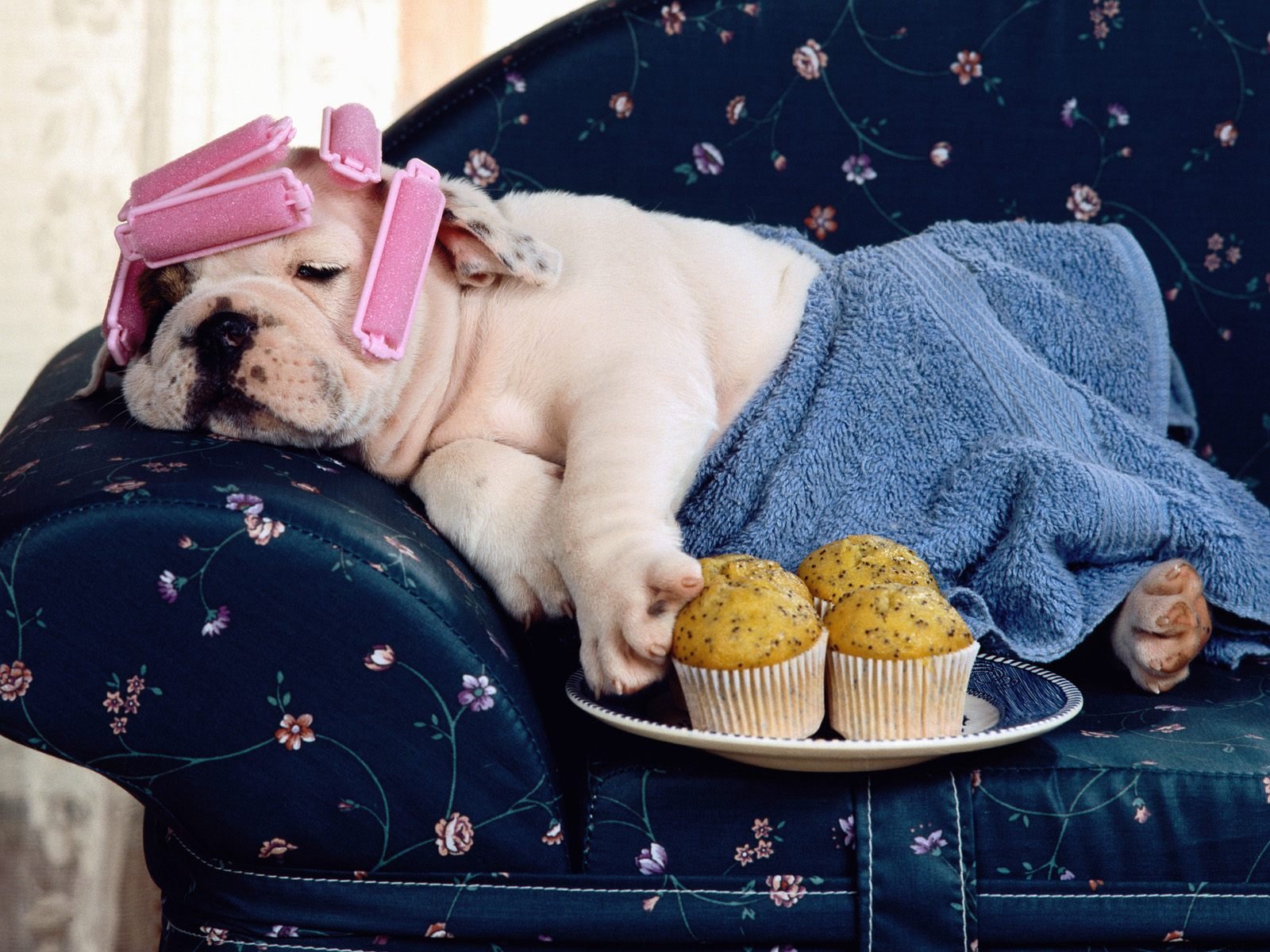
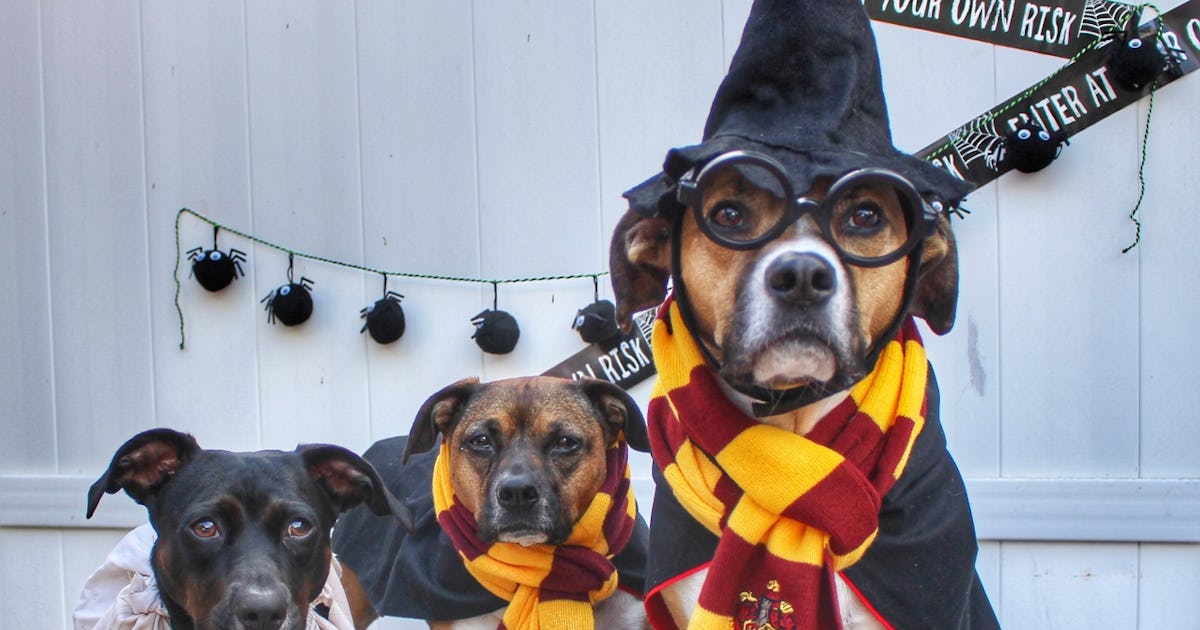
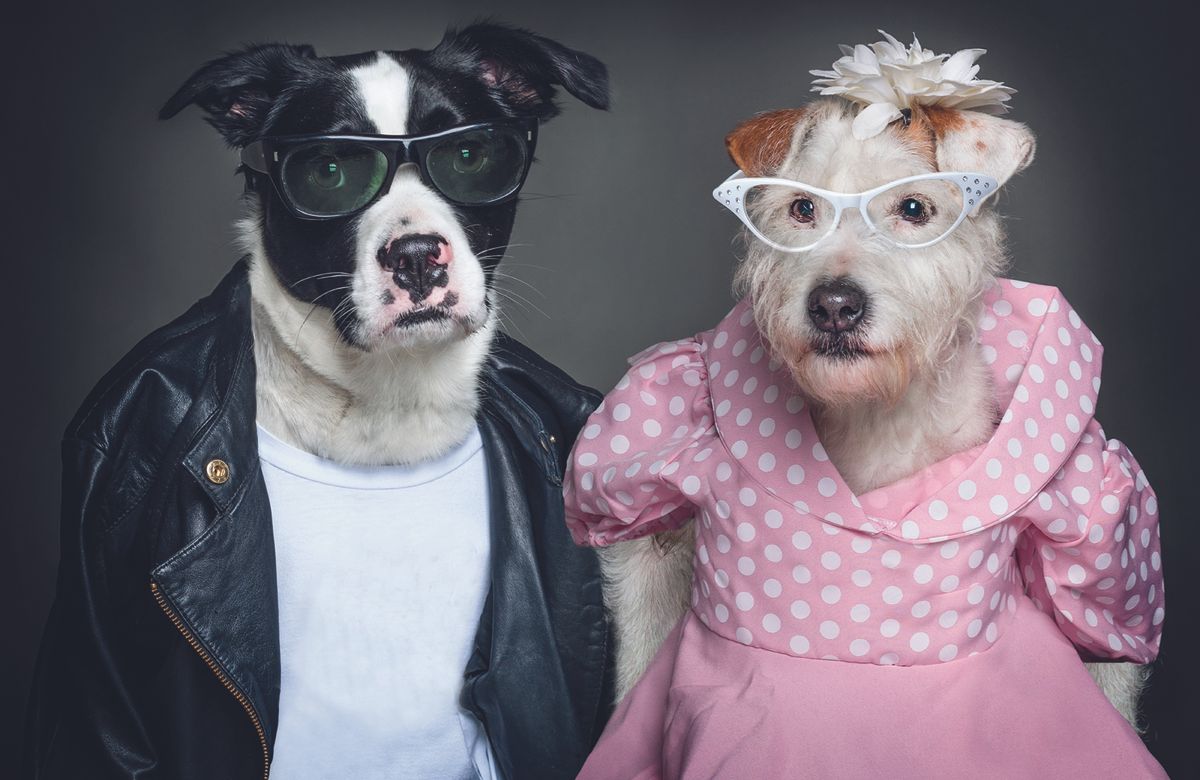
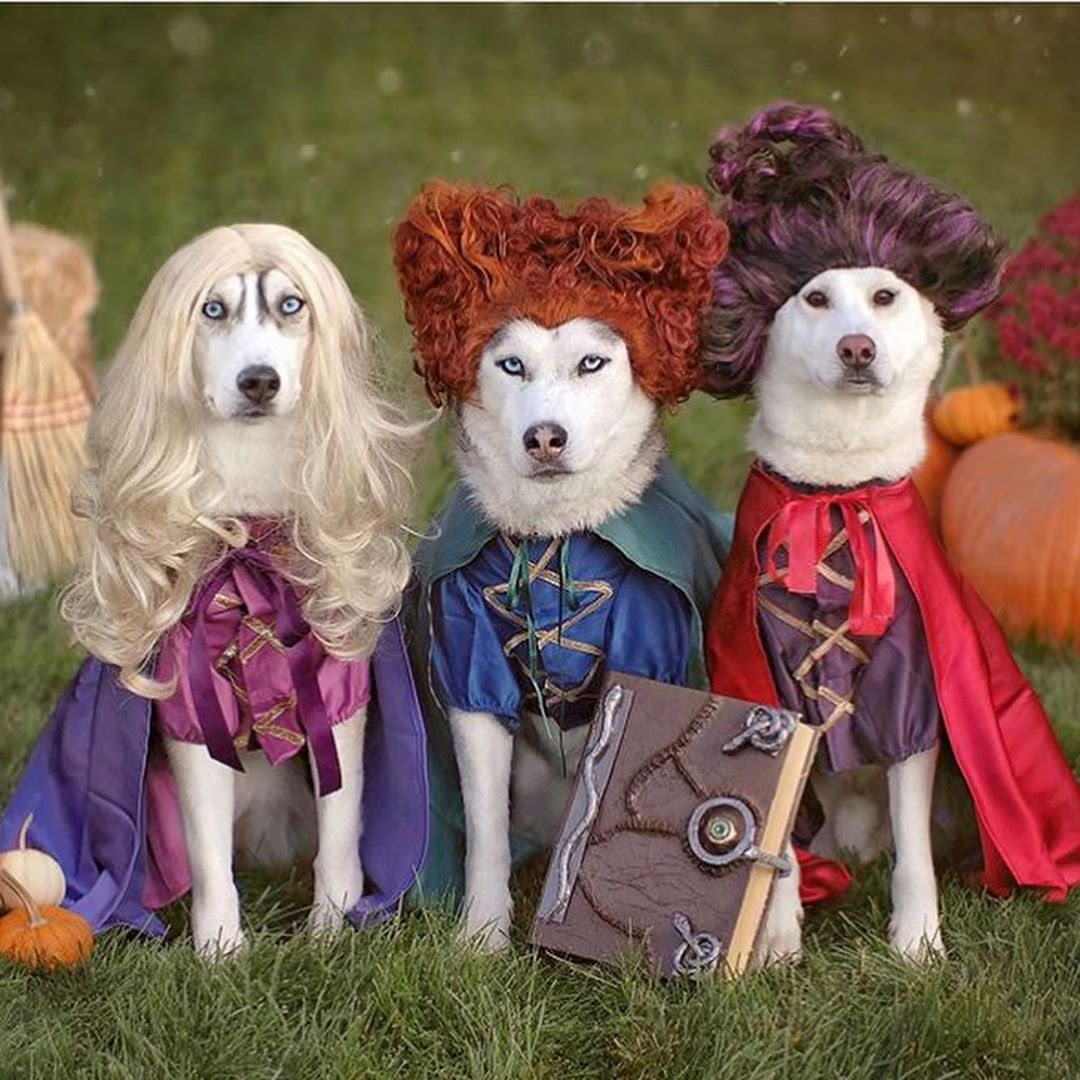
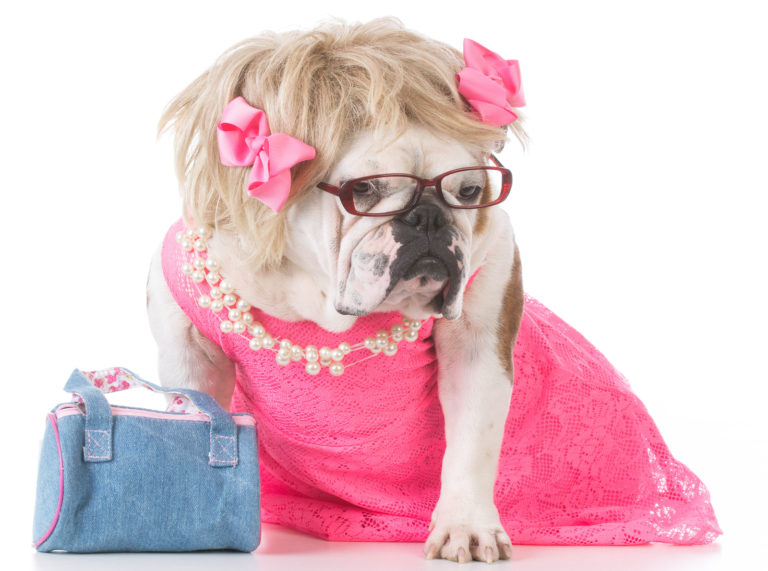
Today is National Dress Up Your Pet Day. In high school, one of my good friends had an Irish Setter.For every project Carol (my friend) had to do, she always managed to sneak in pictures of her Irish Setter in costumes—sunglasses, hats, ties—and our class LOVED them. And the teachers received them well too! (Of course, it didn’t hurt that Carol was the Superintendent’s daughter…LOL)So without further ado…some of my favorite pictures…please add you own!
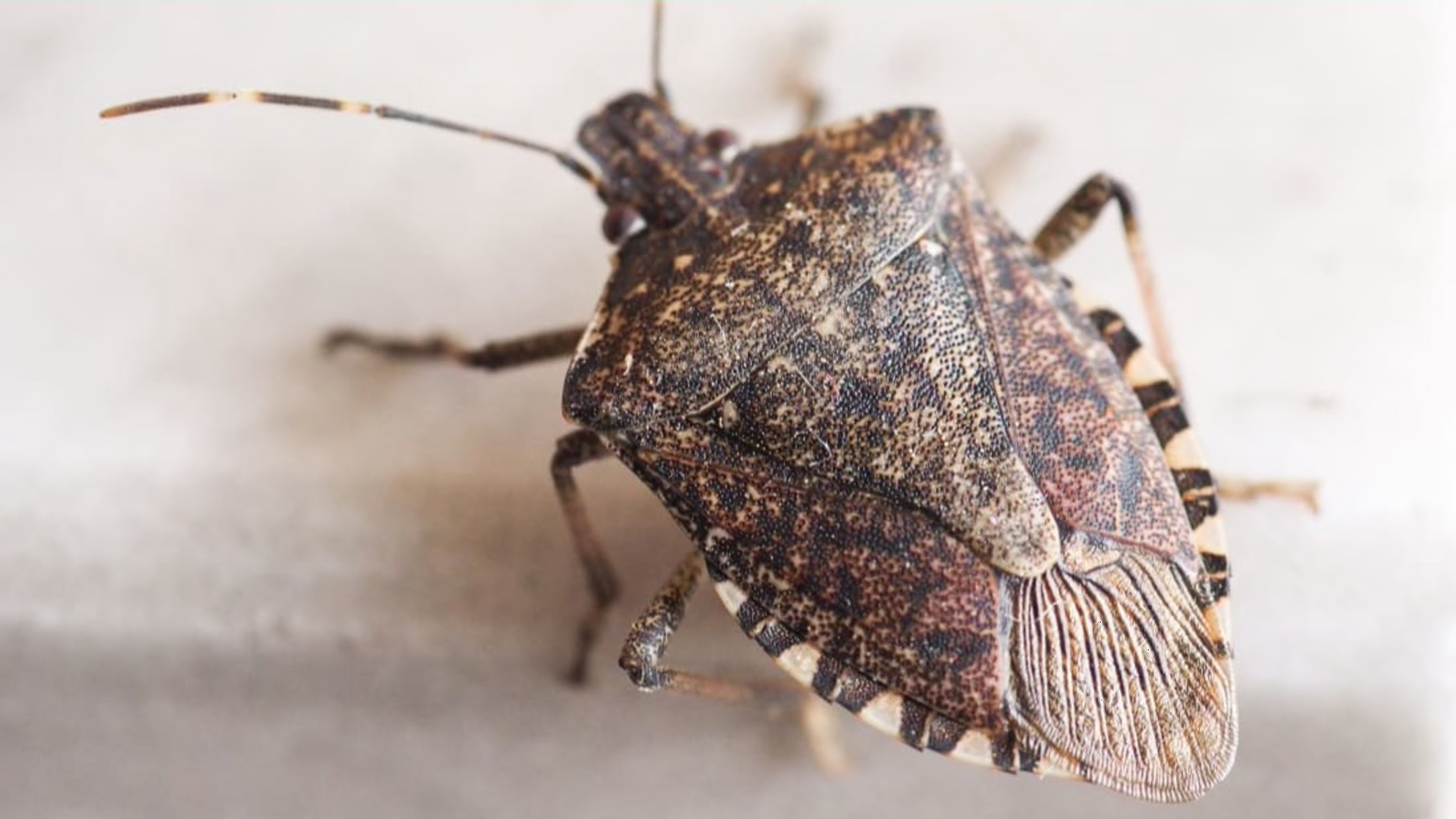
The other afternoon, I saw a stink bug in the house and of course, I flushed it down the toilet. (The process is a quick one: locating said bug, nabbing it quickly in a napkin and dashing to flush it before the smell permeates everything.) I found an article about stink bugs written by Erin McCarthy in 2019 and I as I read it, I couldn’t help but notice their similarity to Congress. Stay with me here…
In her article on Mental Floss, she noted that The New Yorker called marmorated stink bugs “the most destructive, the most annoying, and possibly the ugliest” of all the stink bugs, an invasive species that’s taking North America by storm … and not in a good way. Here are her 12 facts to know about these stink bugs (and Congress).
IT MADE ITS WESTERN HEMISPHERE DEBUT IN PENNSYLVANIA. Stink bugs were first discovered in Allentown, PA which is not far from Philadelphia, PA where freedom, legislature and liberty were born. (Okay, the first Congress was in NY…but that’s close enough.)
IT TOOK YEARS TO IDENTIFY IT. Just as the bugs were unknown, so were most of Congress. No one knew they were duplicitous dirtbags at first. Slowly, the mystery unfolded and we could see them for who they really are. And although there are many species (true of BOTH the bugs and Congress) there is one species most vile. With stink bugs it’s the marmorated stink bug and in Congress it’s the Uniparty.
IT’S NOT CUTE. This does not even require an argument.
THEIR SPRAY HAS SOMETHING IN COMMON WITH CILANTRO. Admittedly I’m at a loss here…not knowing what cilantro smells like, but the stink in Congress is unmistakable, so I’ll call this one a wash.
THEY EAT YOUR APPLES. The stink bugs tend to suck the fluid of out produce. To feed, the bugs pierce the skin of the plants with their mouthparts and drink the fluids, which renders the fruit unmarketable as a fresh product. Congress does the same with our economy.
THEY COULD INVADE YOUR HOME BY THE THOUSANDS. Once a stink bug has found a warm spot it likes, it will release an aggregation pheromone (which can linger for up to a year) that draws others to the same area, where they’ll gather in sometimes staggering numbers. Congress does the same—growing government by leaps and bounds—congregating in Washington DC—and then branching out to claim other areas.
ONCE INSIDE, THEY’RE HARD TO GET RID OF. Once a terrible Congressional candidate is elected, it is nearly impossible to vote them out of office!
THEY’RE PRETTY GREAT FLIERS. Congress loves to fly! They will take “fact-finding” trips all over the world on the taxpayer’s dime…the more the merrier!
THEY’RE GENERALLY NOT HARMFUL. This is a true difference. Congress is one of the most destructive forces on the planet. Curtailing freedoms, increasing spending, never solving any crises or issues…they push the problems down the road and somehow claim victory in the next election cycle.
THEY MIGHT BE MESSING WITH YOUR RED WINE. Researchers at Oregon State University placed live and dead stink bugs on wine grapes and measured the stress compounds the insects released as they and the grapes were squeezed during the winemaking process. The researchers found that more than three stink bugs per grape cluster resulted in contaminated wine. I hope Congress stays out of the wine, but they enjoy drinking it—heavily! But as a general rule, any time 3 or more congresspeople work on an issue, you can be guaranteed that the problem will get worse, they will get richer, and the American public will get screwed.
THEY LEAVE TRACES OF THEIR PRESENCE ON PLANTS. I’m going to say according to the recent Twitter File Releases, this is a no brainer. Not only did they leave traces (which were followed), they left their stink of censorship everywhere!
ONE OF ITS NATURAL PREDATORS IS A PARASITIC WASP THAT JUST MADE ITS WAY TO THE STATES. Samurai wasps are tiny, stinger-less parasites that lay their eggs in the stink bugs’ eggs, where its larvae eat the contents before emerging as wasps to continue the cycle. When I think of a parasitic predator, I think of China and our Congress has indeed been penetrated by them! Their souls are being eaten away in their attempts to become richer and richer and China emerges to reap the benefits.
Well, what do you think? Have I made my case? If we head to DC…I call shot gun!
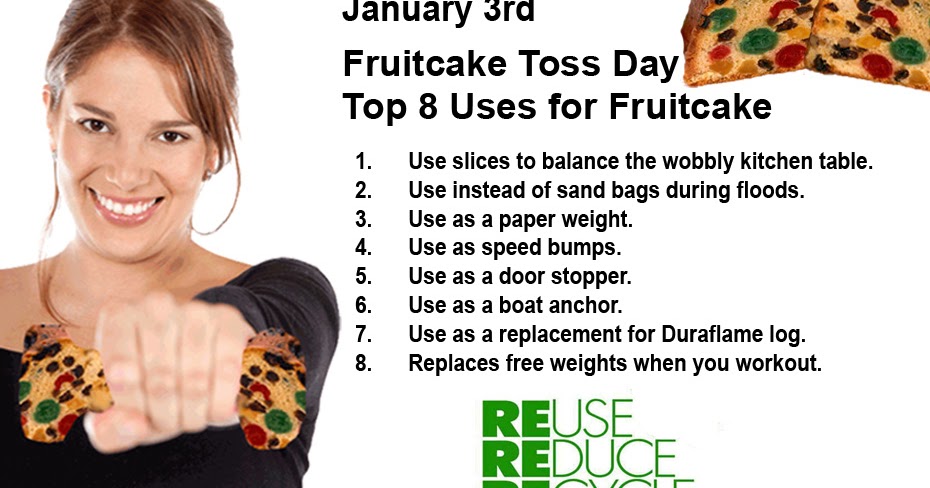
Fruitcake is one of those mysterious gifts that everybody receives, but nobody actually enjoys. It mysteriously lasts for a long time, and it does not taste good. If you received a fruitcake this holiday season, here are some ideas for using it.
1. A door stop
Do you have that pesky door that just won’t stay open? Throw the fruitcake down, and the door will stay open for as long as you want!
2. A booster seat for kids
Is your child not quite tall enough to sit at the dinner table? Simply place the fruitcake on a chair, and seat the child on top of the fruitcake. They will instantly be able to sit at the grown-up table!
3. A Christmas Tree stand
Is your Christmas Tree stand not festive enough? Use a fruitcake instead. (Bonus: the fruitcake will hold water, just like any other Christmas Tree stand)
4. A bird feeder (Will only work if birds are desperate)
You can try being a bird whisperer by feeding your local birds with the fruitcake! If the birds are hungry enough, this may just work!
5. A bookend
Are you tired of your books constantly falling over? Simply place the fruitcake at the end of your collection, and you have a festive bookend. For extra sturdiness, cut the cake in half and place one half at each end of your book collection.
6. Put it under your pesky neighbor’s tire
Do you have that one neighbor that you just can’t stand? Place the fruitcake under their tire, and they are almost guaranteed to never speak to you again.
7. A step stool
Do you have that one shelf that is just impossible to reach? Place the fruitcake on the ground and step on it. You are magically taller! (Note: Can also be used as a step platform for aerobics)
8. A beer koozie
Do you need somewhere festive to place your beer? Look no further than the fruitcake!
9. Use it to fix a wobbly table
Do you have to hold onto your drinks when you eat dinner? Place the fruitcake under the uneven leg, and your table is good as new! (Note: You may need to trim fruitcake according to table leg size)
10. A hockey puck
Did you lose all of your hockey pucks again? Simply use the fruitcake! You can even mold it into a hockey puck shape!
11. Save it for trick-or-treaters on Halloween
Would you like to see your fruitcake consumed, but you can’t do it yourself? Save it for Halloween! You can cut it into squares or use a cookie cutter for fun Halloween shapes!
12. A boat anchor*
*Will only work on smaller boats. Large boats and cruise ships will require several fruitcakes.
13. Throw it at a burglar
Someone break into your house? The weight of the fruitcake is sure to knock any burglar out!
14. Fire wood (most recommended)
If you just want the fruitcake to be gone, simply throw it in your bonfire during this chilly holiday season. It will be gone in no time!










:max_bytes(150000):strip_icc()/cat-spring-find-dog-56f154ab3df78ce5f83be20d.jpg)