DIY: Fabric (or Ribbon) Eggs

Save this one for your most ambitious crafters – because the results are absolutely extraordinary. Folded ribbon and fabric triangles pinned one by one onto a styrofoam egg creates a dazzling, almost jewel-like Easter decoration that genuinely looks like a professional display piece. It’s meditative, satisfying, and completely addictive once you get the rhythm going.

What You’ll Need:

Styrofoam egg shapes (available at craft stores in multiple sizes)

Ribbon and fabric scraps in two or three coordinating colors per egg

Straight pins (lots of them – get the glass-head kind for easier handling)

Scissors

Optional: a large decorative ribbon bow for the top of the finished egg

How to Make It:

Cut your ribbon and fabric into squares – roughly 2 inches square works well for a standard-sized styrofoam egg.

Fold one square in half diagonally to make a triangle. Fold it in half diagonally again to make a smaller triangle – you now have a folded “petal” shape with a pointed tip and a folded edge.

Hold the folded triangle with the pointed tip facing toward the bottom of the egg, and use a straight pin to pin it securely to the styrofoam egg, pushing the pin through the two folded layers at the base of the triangle.

Repeat this process with the next square, positioning it so it slightly overlaps the first triangle. Pin it in place.

Continue working in rows around the egg, overlapping each triangle to cover the pins of the previous row. The goal is to cover the entire styrofoam surface so no white egg is visible.

Alternate between your two or three fabric/ribbon colors in a regular pattern as you go – this creates the beautiful quilt-like visual effect.

Once the egg is fully covered, add a decorative bow at the top pinned in place as a finishing flourish.

Pro Tip: Start at the bottom point of the egg and work your way upward in rings – this makes it much easier to keep your rows even. Using ribbon with a slight sheen (like satin ribbon) alternated with a coordinating patterned fabric creates the most stunning color and texture contrast. These eggs look spectacular arranged in a bowl or Easter basket as a centerpiece!

(Pat’s Note: This technique can also be used to make Christmas balls!)

SOURCE: PLAYPARTYGAME.COM

Spring Cleaning Tips: Part 2

From: The Pioneer Woman:

Clean Your Dishwasher the Natural Way

“Did you know that you need to clean your dishwasher? You do!” says Becky Rapinchuk, the blogger behind Clean Mama and author of the new book Clean Mama’s Guide to a Peaceful Home. “Luckily, white vinegar is all you need.”

Becky recommends pouring one cup of vinegar and running your dishwasher on a quick wash, hot, sanitize cycle. That’s it!

Trade in Conventional Cleaners for All-Natural Products

Conventional cleaning products and products with chemicals that emit harmful VOCs (volatile organic compounds) are not good for you or your home. Making the switch to all-natural, plant-based cleaning products like Humble Suds will bring joy to cleaning and simplify your life with their multipurpose uses.

Three Ways to Dust Your Blinds

“Dusty, dirty blinds? Cleaning them isn’t as difficult as you think,” says Becky. “You can use a special tool, a vacuum cleaner, and/or a little elbow grease and a microfiber cleaning cloth.”

Freshen Up Your Mattress with Baking Soda

Need to freshen up your carpet or mattresses while you’re spring cleaning? Becky has a simple DIY with baking soda that you can make today. Not only does it work but it looks cute too, thanks to some lavender buds mixed in.

Clean Your Shower with a Dish Wand

Are you not exactly a neat freak until spring cleaning time rolls around? Dana K. White gets it. The blogger behind A Slob Comes Clean and author of the books How to Manage Your Home Without Losing Your Mind and Decluttering at the Speed of Life has the hacks for you. She recommends keeping a dish-soap filled, non-scratch dish wand in the bathtub and using it whenever you take a shower. Genius!

Clean Bathroom Exhaust Fan Vents with a Broom

When it comes to spring cleaning, leave no corner uncleaned. If it never occurred to you to clean the exhaust fan vents in your bathrooms, we can’t say we blame you. But Warren says it’s now or never, so remove the vents, shake them out, spray them, and wipe them down.

“If they’re not removable, use a whisk broom to clean them off,” he adds. “They get pretty dirty over the winter.”

Wash Your Kitchen Kitsch in the Dishwasher

Kitschy decor can brighten up even the most basic kitchens. Unfortunately those tchotchkes get the worst kind of dust: greasy dust. Instead of trying to clean them by hand, Dana recommends running them through the dishwasher. Talk about a time-saver!

Clean Grout Without Any Elbow Grease

Get the sparkling clean bathroom tiles of your dreams by cleaning grout without any scrubbing whatsoever. Dana discovered the most brilliant trick on Pinterest: Simply soak cotton balls in bleach and place them on grout overnight. You won’t believe your eyes when you remove them the next morning!

Declutter by Starting with the Trash

We get it: Decluttering can be overwhelming. Dana recommends breaking the ice with this simple step: Grab a trash bag and start removing trash from all around your home (think: food wrappers, empty packaging, or broken toys). You’ll be amazed what a difference it makes, and the results will motivate you to continue decluttering!

Clean Walls Quickly Using a Sock

Who needs microfiber cloths when you have old white socks? Katrina Springer of The Organized Housewife recommends wiping your walls clean with a multi-purpose wall cleaner and a sock on the hand. “This quickly and easily picks up all dirt on the walls and I find it easier to glide the hand flat over the wall,” she says.

Clean Your Showerhead with a Baggie of White Vinegar

As you may have surmised, a little vinegar can go a long way when it comes to cleaning. “It’s especially great for lazy cleaning,” says Kimberly Button, a certified green living expert and founder of GetGreenBeWell.com. “Just soak something in or with vinegar and let it dissolve the dirt and scum for a few minutes before you come back and quickly wipe it away.”

For instance, soak a showerhead or faucet nozzle in a baggie of white vinegar (using a rubber band to secure the bag) for 15 to 30 minutes. Then, easily wipe away the grime and mineral deposits that have accumulated over time.

Descale Your Coffee Maker

You may be cleaning your coffee maker semi-regularly, but when spring rolls around, it’s a good time to try descaling. This process tackles limescale buildup caused by hard water, which can affect the taste of your coffee. To keep your cups of joe tasting fresh and delicious, brew a pot with a mixture of water and white vinegar or use a professional descaler.

Clean Cast Iron Pans

There are a few household items you should never clean with vinegar. One of them is cast iron. Instead, scrub your cast iron pans with a paste of coarse kosher salt and water to remove any food bits, and then rinse or wipe them clean with a paper towel or clean cloth.

Clean Your Curtains with a Steam Cleaner

“A steam cleaner is one of the easiest ways to effectively clean with no chemicals,” says Kimberly. “High temperatures will kill germs and sanitize.”

Kimberly recommends using a hand held steamer for plush toys, curtains, and pillows. Just remember to do a test patch to make sure the fabric or item can withstand high heat!

Dust Off Your Houseplants

House plants need spring cleaning love too! In addition to doing your usual watering and pruning, you can actually dust off your house plants using a microfiber cloth. This will help your plants breathe better, which in turn will help you breathe better.

Buff Leather Furniture with Coconut Oil

Give your leather furniture a glow up with a little coconut oil and a clean, soft rag.

“You’ll need to apply a very thin layer, and be sure to gently buff it in over the entire piece,” says Kimberly. “You’ll notice dirt and oils on the cloth after cleaning. Let the oil absorb into the leather for at least an hour (if not longer) before using.”

Clean Your Cell Phone

Cell phones are notoriously germ infested, but most of us probably don’t clean them as often as we should. To keep your phone squeaky clean, wipe it down with a microfiber cloth, which is designed to pick up even the most microscopic particles, including bacteria and viruses. Don’t forget to power down first!

Trade in Your Broom for a Microfiber Mop

Kiss your broom goodbye! (Okay, don’t actually do that because, gross.) Jokes aside, you really should ditch your broom. “It actually moves harmful dust into the air and elsewhere,” says Jennifer Parnell, the co-founder of Humble Suds, a line of non-toxic mineral- and plant-based cleaning products. “Instead, choose a microfiber mop to collect dust and get your floor squeaky clean. I really like this version this version where you can collect dust on one side and mop with the other.”

Clean Your Baseboards with Used Dryer Sheets

Used dryer sheets can be repurposed to do a variety of household tasks, including wiping your baseboards clean and buffing water spots from any glass and mirrors around your home.

Cut Costs by Using 10% Vinegar

Holli Schaub, co-founder of Humble Suds, says her favorite vinegar hack is buying 10% vinegar and diluting it per the directions. “It’s much more cost-effective,” she explains. “Vinegar is an awesome all-natural cleaner but can get expensive when you use it for a rinse-aid in your dishwasher, fabric softener in your washing machine and so on.”

SOURCE: THE PIONEER WOMAN

What Shall We Bake Today?

It’s getting close to Easter, so let’s make a Coconut Bunny Cake!

From Kathrynskitchenblog:

Key Ingredients

Box cake mix: White or vanilla cake mix is my favorite to use but you can use any of your favorites such as chocolate, Funfetti, carrot cake, strawberry, or bake your own cake from scratch using your favorite recipe.

Frosting: We use canned frosting to make it easy but you can make your own from scratch. Make sure the frosting is softened at room temperature so it’s easy to spread onto the cake.

Shredded coconut: Used on the bunny’s face and green grass that surrounds the bunny.

Jelly beans: We use 2 black jelly beans for the eyes, 1 black jelly bean for the nose, 24 pink jelly beans for the bunny ears, and you can also use jelly beans to decorate the bunny’s bow-tie.

Bake according to the box cake mix using 2 8” round cake pans.  Cool.  Then freeze for about 30 minutes to make frosting easier.  Cut the 1 round cake as shown in the diagram below.  Then frost as desired!

If you’re not fond of coconut or just want a healthier version…you can use strawberries and blueberries!

ENJOY!

Weird Wednesdays: Falcon Nest, Arizona

Falcon Nest, Prescott, Arizona

Constructed at the the slope of Prescott, Arizona’s Thumb Butte, the house that Phoenix architect Sukumar Pal built for his own family soars to 124 feet and views stretching over 120 miles to mountain ranges in every direction; boasting 10 stories and a comfortable 6,200 square footage, including a 2,000-square foot solarium at its middle, it has set the record for being the World’s tallest single-family home, according to the WORLD RECORD ACADEMY.

“The Falcon’s Nest uses passive solar technologies and other alternative power, heating and cooling solutions to minimize its environmental impact,” the KTAR News reports. “Numerous Arizona mountains, such as Humphrey’s Peak and Four Peaks, are visible out of the home’s many windows. A hydraulic elevator takes occupants and visitors from floor to floor. “The three-bedroom, four-bathroom home was built on Thumb Butte in 1994 and sits on slightly more than an acre of land. It boasts 6,200 square feet of living space in its 10 stories.”

“The tallest residential house in North America isn’t in some big, metropolitan center. Rather, it is found at the base of Thumb Butte in Prescott, Arizona. If the looming, 6,000-foot tall volcanic plug isn’t weird enough for you, then maybe the Falcon Nest will be,” the Arizona Oddities reports.

“Towering above the Prescott National Forest at 124 feet, the Falcon Nest is a postmodern conglomeration of rectangular geometry, floor-to-ceiling windows and panoramic views of northern Arizona. Boasting 10 stories and a comfortable 6,200 square footage, this is far from average — especially in Prescott. Its name pays homage to the Peregrine falcons that nest on the slopes of Thumb Butte.


“Some of its notable features include a 2,000-square foot solarium at its middle, extending out above the tops of juniper and Ponderosa pine trees below. The solarium, completely enclosed in glass panels, contains two bedrooms, two baths, the kitchen, a living room and, of course, breathtaking views. From its windows on a clear day one could easily point out the San Francisco Peaks, Bill Williams mountain, and the surrounding Sierra Prieta mountain range. Furthermore, the Falcon Nest boasts some green features like passive heating and cooling capabilities, solar technology and a hydraulic elevator that provides transport from the ground level to the sixth. What it lacks in carbon footprint, it makes up for in innovation.

“Constructed at the the slope of Prescott, Arizona’s Thumb Butte, the house that Phoenix architect Sukumar Pal built for his own family soars to 124 feet and views stretching over 120 miles to mountain ranges in every direction. Also one of the most futuristic homes in the world, Pal built Falcon Crest in 1994 to be energy efficient while still maximizing views with glass walls and ceilings.

“Encompassing 10 floors at different levels and angles above a small 24’ by 24’ footprint, most of the living space is found in the home’s four wings that flare out near the upper level creating a residence of 6,200 square feet with three bedrooms, four full baths, 2,000-square-foot solarium, open kitchen and great room,” the Daily Advertiser reports.

“Having won multiple awards for his specialization in designing energy-efficient homes, the Pal residence has won four residential architecture world records including top honors for its unconventional heating and cooling systems that utilize passive solar for winter heat and micro climate and convective cooling in the summer.”

SOURCE: WORLDRECORDACADEMY.ORG

DIY: Butterfly Garden Markers

Easy DIY Butterfly Garden Markers Materials:

Plastic Butterflies
Wire Hangers
Wire Cutters
Black Outdoor Paint
Foam Paint Brush
White or Black Permanent Marker
Waterproof Glue

Easy DIY Butterfly Garden Markers Instructions:

Cut the straight part of a wire hanger for each butterfly marker. The length of a wire hanger is just about perfect for a garden marker, and these markers are an excellent way to use up wire hangers gathered from dry cleaning.

Use black outdoor paint to paint the wires black. You don’t have to do this step, but I liked how the black looked in the garden better than the white.

Once the paint dries, flip the butterflies over and add a line of glue across the butterfly bodies.

Stick a wire into the glue, then add another layer to seal the wire inside the glue.
Wait for 24 hours for the glue to completely dry.

Once the glue is dry, write the name of your plants on the wings of the butterflies using a permanent marker.

If you grow something else later, you can wipe away the marker with a rubbing alcohol wipe and write in a different name for the new plant.

SOURCE: ANNSENTITLEDLIFE.COM

Robins

The quintessential early bird, American Robins are common sights on lawns across North America, where you often see them tugging earthworms out of the ground. Robins are popular birds for their warm orange breast, cheery song, and early appearance at the end of winter. Though they’re familiar town and city birds, American Robins are at home in wilder areas, too, including mountain forests and Alaskan wilderness.

Look for American Robins running across lawns or stalking earthworms in your yard or a nearby park. Since robins sing frequently, you can find them by listening for their clear, lilting musical whistles. In winter they may disappear from your lawn but could still be around. Look for flocks of them in treetops and around fruiting trees, and listen for their low cuck notes.

Cool Facts

An American Robin can produce three successful broods in one year. On average, though, only 40 percent of nests successfully produce young. Only 25 percent of those fledged young survive to November. From that point on, about half of the robins alive in any year will make it to the next. Despite the fact that a lucky robin can live to be 14 years old, the entire population turns over on average every six years.

Although robins are considered harbingers of spring, many American Robins spend the whole winter in their breeding range. But because they spend more time roosting in trees and less time in your yard, you’re much less likely to see them. The number of robins present in the northern parts of the range varies each year with the local conditions.

Robins eat a lot of fruit in fall and winter. When they eat honeysuckle berries exclusively, they sometimes become intoxicated.

Robin roosts can be huge, sometimes including a quarter-million birds during winter. In summer, females sleep at their nests and males gather at roosts. As young robins become independent, they join the males. Female adults go to the roosts only after they have finished nesting.

Robins eat different types of food depending on the time of day: more earthworms in the morning and more fruit later in the day. Because the robin forages largely on lawns, it is vulnerable to pesticide poisoning and can be an important indicator of chemical pollution.

The oldest recorded American Robin was 13 years and 11 months old.

SOURCE: ALLABOUTBIRDS.ORG

Happy National West Virginia

Trip Advisor recommends these following site when you visit West Virginia!

Gravity New River Zip Lines

West Virginia is famous for its outdoor activities and this zipline adventure in Fayetteville is no exception. Join a small group and gear up for an adrenaline-pumping experience across the ridgeline of a mountain bowl. Soar above the New River Gorge on a series of ziplines at heights of up to 200 feet.

Harpers Ferry

Winding through trails, town, and time, this self-guided audio tour explores the powerful stories and landscapes of Harpers Ferry. Over the course of 3 miles, you’ll journey from quiet riverbanks to dramatic ridgelines, past weathered ruins and historic landmarks that shaped the course of American history. This is no ordinary walk—it’s a deep dive into a place where freedom was fought for, ideas were tested, and the nation’s future often hung in the balance. From John Brown’s bold raid to the legacy of Storer College, each stop brings to life a new chapter of ambition, conflict, and change.

New River Gorge National Park

Discover the heart of Appalachia with this self-guided tour of the stunning New River Gorge National Park! Check out the world-famous, record-smashing New River Gorge Bridge. Learn about the West Virginia mine wars. And get to know a few of the park’s most iconic critters, from the hellbender to the black bear! Each stop provides gorgeous views, unforgettable experiences, and narratives that will have you on the edge of your seat!

Trans Allegheny Lunatic Asylum

More European castle than American hospital, this former insane asylum offers historic and paranormal tours six days a week from April through October. Full Museum & Patient Art Gallery entry is included with your tour purchase. This Gothic National Historic Landmark holds 130 years of American history’s dark side.

West Virginia Penitentiary

Built in 1866 and in operation until 1995, this prison offers 90-minute guided tours of the facility from April 1, through November 30. Day tours, Paranormal tours, October’s haunted house, Event Center, are just a few of the events that take place at the facility on an annual basis.

SOURCE: TRIPADVISOR

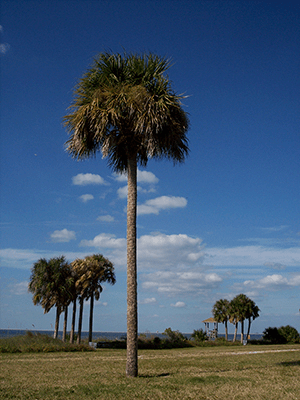
California State Tree: Giant Sequoia & Coast Redwood

There are two related native species of redwood trees, the Coast Redwood and giant Sequoia, which share the designation of State Tree. Both date back to the dinosaur era and are known for their impressive statistics.

The Coast Redwood is the tallest tree in the world. They are 400 feet high, 100 feet wide and grow 2-10 feet a year. Weighing 1.4 million pounds, they live 2,000 years. Needing plenty of winter rain and summer coastal fog, they live best within 50 miles of the Pacific Ocean, from Oregon to Monterey, California.

The giant Sequoia are the largest trees by volume (52,508 cubic feet) in the world. They grow 300 feet high, weigh 2.7 million pounds and have a 40 foot trunk diameter and 31 inch thick bark. Sequoias need fire for their seeds to grow and live 3,000 years. They are found along a 250-mile stretch of the central western Sierra Nevada at 4,000-8,000 feet elevation.

Why does a Giant Sequia need fire? Without fire, conditions did not favor growth and survival of young sequoias. Before the arrival of European settlers in the mid-1800s, successful establishment of mature sequoias depended on fires intense enough to kill the tree canopy in small areas, allowing enough light for young sequoias to grow and thrive. Giant sequoias are a pioneer species—they are among the first to take root after a disturbance occurs. Another consequence of the lack of periodic fire is that burnable material, or fuel, accumulates. When trees and shrubs become more dense and logs, sticks, and fallen leaves or needles build up on the ground, higher severity fire is more likely to occur. When fire burns more often, it thins out younger trees, and reduces fuel on the ground.

Happy Birthday Bruce!

I found an interesting site called 15FunFacts and this article is about Bruce Willis.  Today is Willis’s birthday (born in 1955) and it breaks my heart to read about his physical/mental decline.

Bruce Willis originally wanted to become a journalist before pursuing acting.

He worked as a security guard and private investigator while struggling to break into Hollywood.

Willis has perfect pitch, allowing him to identify musical notes without reference tones.

He speaks some German fluently, a skill developed during his childhood in West Germany.

In the 1980s, he appeared in commercials for products like Levi’s jeans and Honda motorcycles.

Willis nearly lost the role of John McClane in Die Hard due to his height—he’s just 5’9”.

He once scuba dived with sharks while filming a movie, demonstrating his adventurous spirit.

Bruce Willis founded a production company called Cheyenne Enterprises early in his career.

His first major TV role was as detective David Addison in the series Moonlighting.

Willis collects rare sports cars and has owned several Ferraris and Jaguars.

He co-starred with Matthew Perry in a stage play before achieving Hollywood fame.

Willis famously shaved his head for the Die Hard role, creating his signature look.

He has actively raised money for charities supporting children and veterans.

He sings and released several blues albums, showing a passion for music aside from acting.

Willis performed many of his own stunts in action films, including gripping rooftop scenes.

SOURCE: 15FUNFACTS