


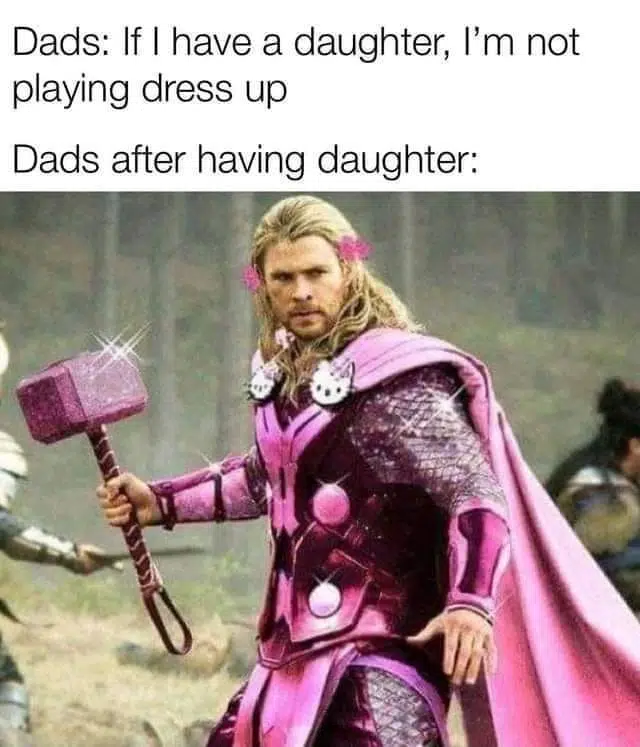
CHEERS to all the Dads out there!

CHEERS to all the Dads out there!
Happy Birthday President Trump!

NOTE: I didn’t make the President’s birthday the headline for this open because we tend to get trolls trying to post negative comments then. And I didn’t bring any biographical information either because of the leftist spin on most of the articles I found.
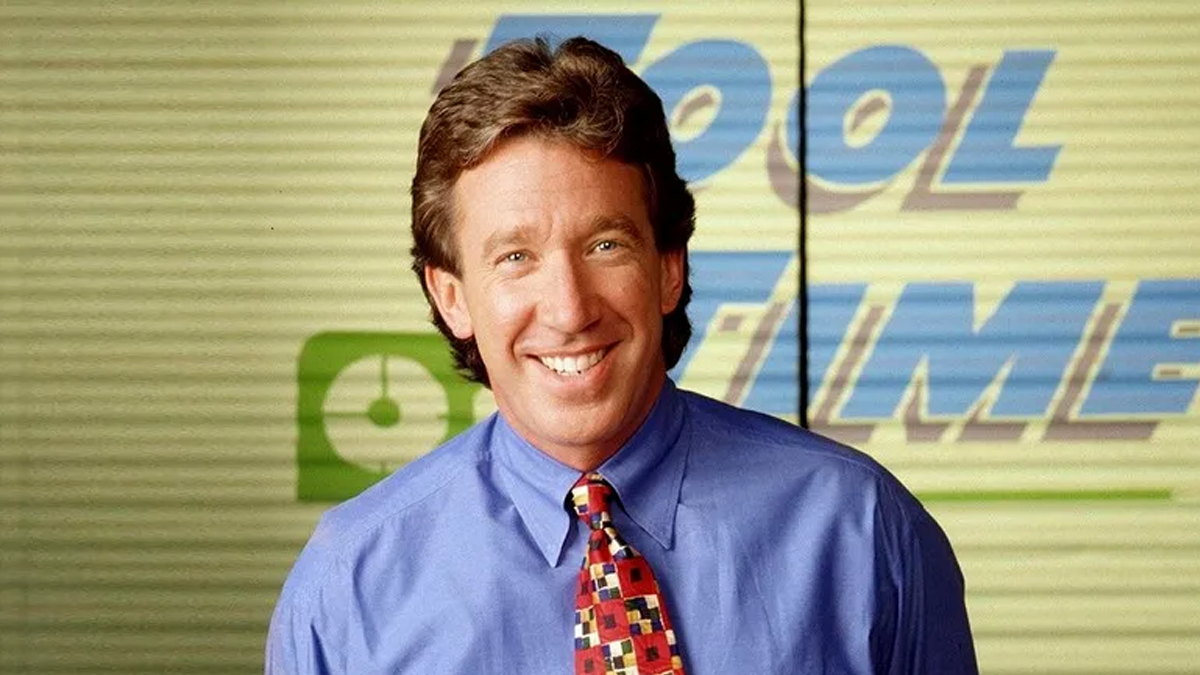
Today is Tim Allen’s birthday (born in 1953), so I brought this article from usmagazine.com detailing some interesting and perhaps unknown facts about The Toolman!
From usmagazine:
Whether you remember him as Tim “The Toolman” Taylor from Home Improvement or as the voice of Buzz Lightyear from the Toy Story franchise, Tim Allen has certainly left his mark in pop culture.
Now, as he’s gearing up to say goodbye to his Mike Baxter character on Last Man Standing after nine seasons, the 67-year-old actor exclusively opened up to Us Weekly with 25 things you might not know about him. Read on to learn more about Allen, including what his favorite Home Improvement episode is, his go-to hobbies and more.
1. The book Zen and the Art of Motorcycle Maintenance [by Robert M. Pirsig] changed my life. I love motorcycles.
2. Women were a strong influence in my life when I was growing up.
3. I am one of nine kids.
4. I worked at a sporting goods store when I was younger.
5. Matthew McConaughey used to be my neighbor. He [was] a great [one].
6. I have the original Tool Time set from Home Improvement in my garage.

7. I like Spam — there I said it.
8. I love reading about different religions.
9. One of my favorite Home Improvement scripts [took place] up in the International Space Station.
10. I talk a lot at the screen [while] watching movies and commercials on TV.
11. I like to make friends with spiders.
:max_bytes(150000):strip_icc()/GettyImages-120464542-56d4c9003df78cfb37d9371c.jpg)
12. When I appear on a talk show, I rearrange the furniture in my dressing room.
13. I’ve met the real Santa Claus. He was a consultant on my [Santa Clause] films.
14. I would eat the same meal every day.
15. I would wear the same clothes every day.
16. I think I have lived many lifetimes.
17. [The] best advice I’ve ever received was: “A grateful heart has no room for resentment.”
18. I like studying quantum physics.

23. I love the mountains in Colorado. I was born in Denver.
24. I always wanted to be a semi truck driver or a bulldozer operator.
25. The Sound of Music is one of my top 10 [favorite] movies.
SOURCE:USMAGAZINE.COM
Happy Birthday Tim!

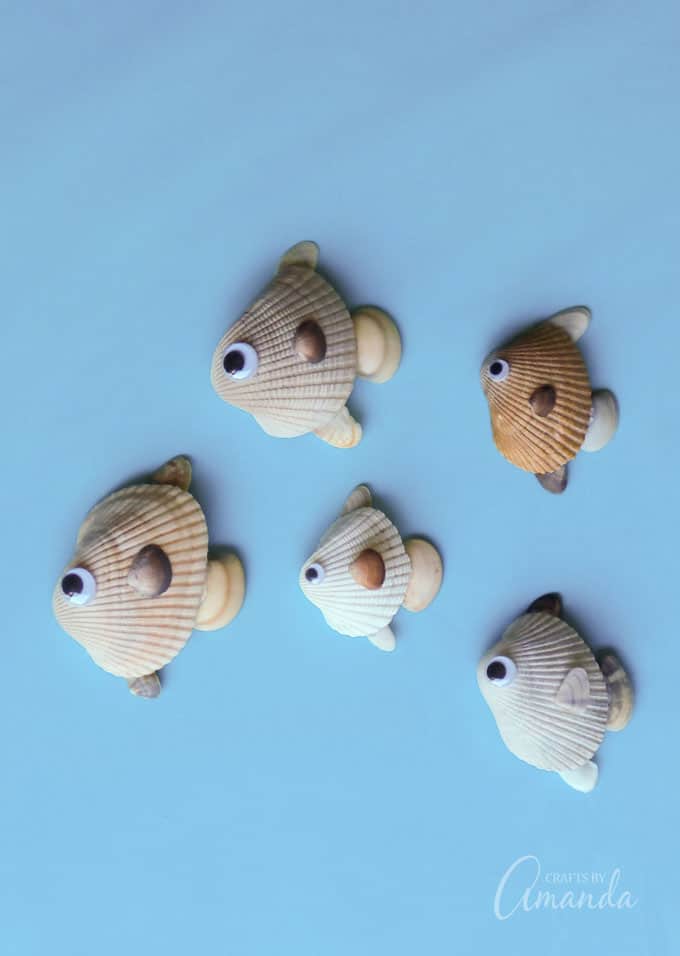
June is the start of beach vacation season! If you’re going to go anyway (I hate sand, so I would buy seashells to make these items) you could collect shells in anticipation of making some of these cute ideas!
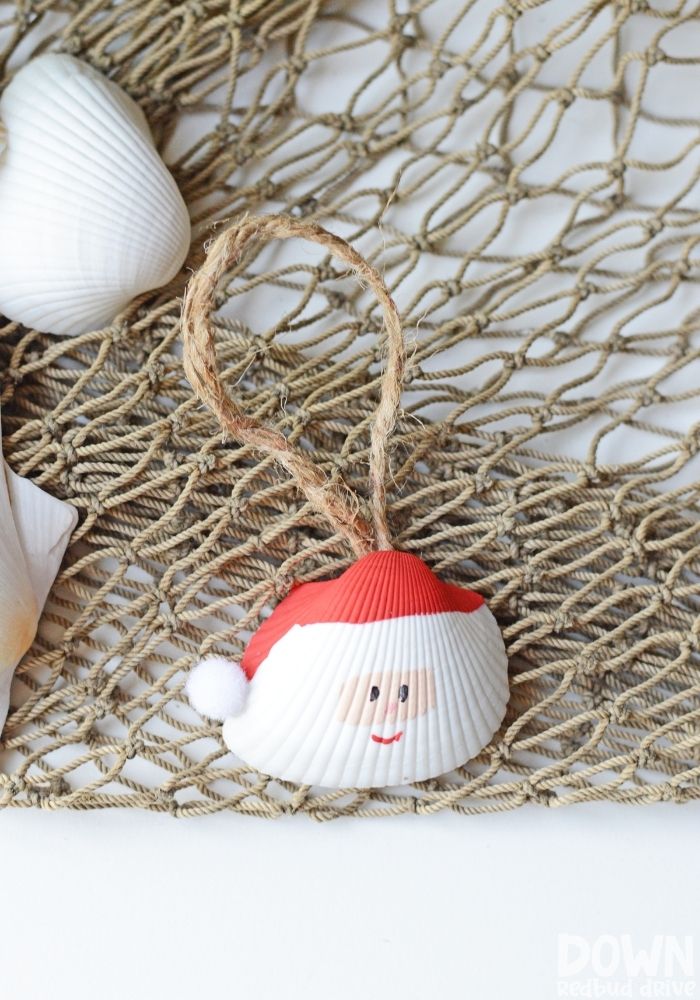
Santa Ornaments
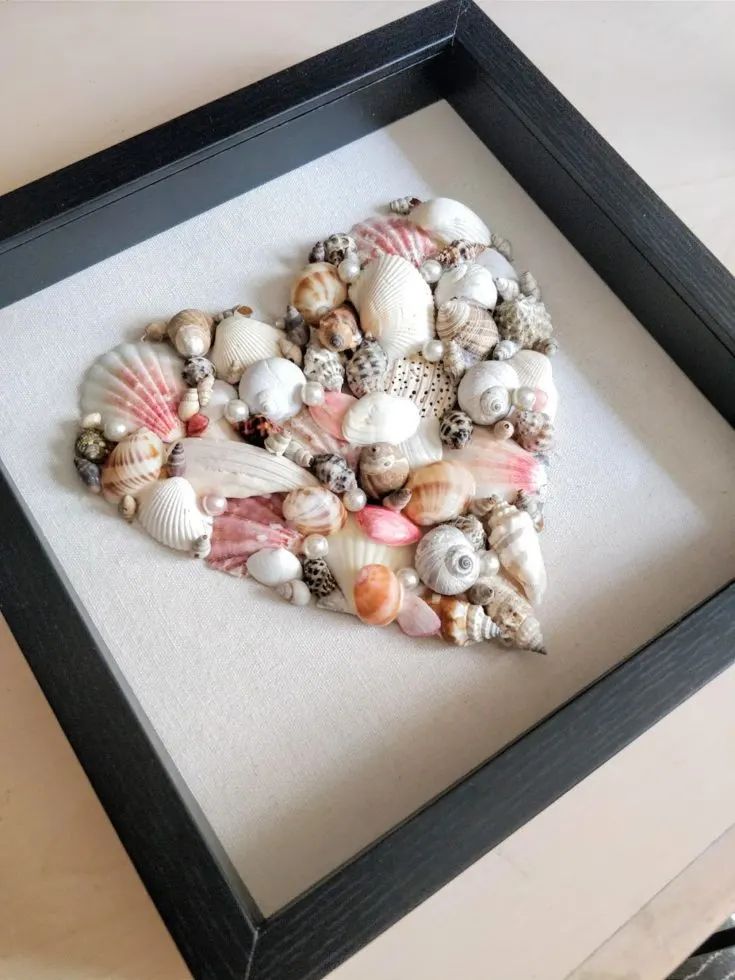
Seashell Art
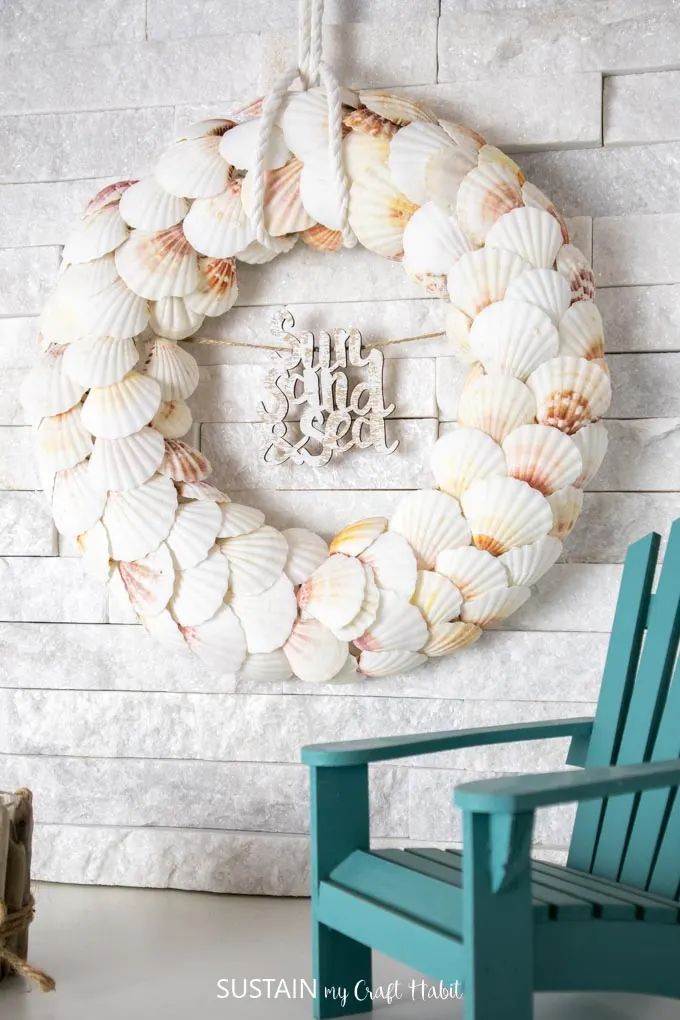
Seashell Wreath
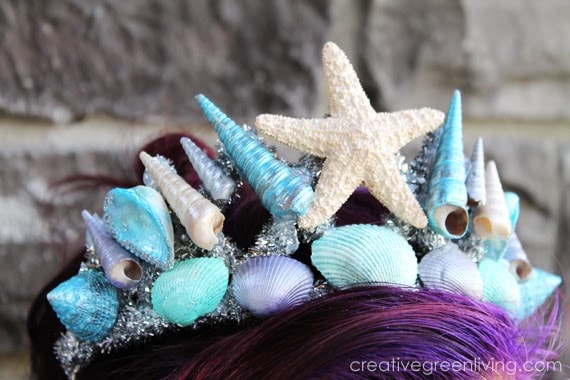
Mermaid Tiara (Get ready for Halloween!)
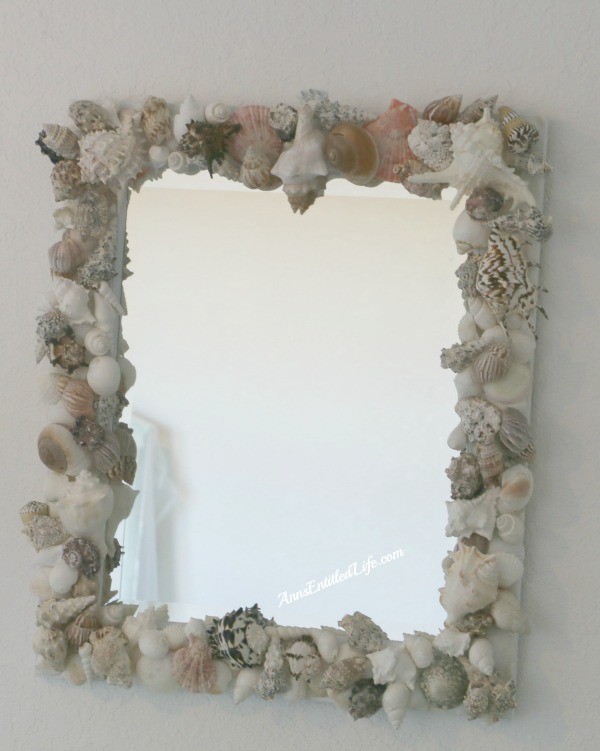
Seashell Mirror or Picture Frame
So, start collecting those shells! You can find the directions for all these crafts and more at https://craftsyhacks.com/seashell-crafts/

Today’s offering is Elda Castle in Ossining, NY. The castle has an interesting history and as of January may no longer be called abandoned.
From westchestermagazine.com:

Abercrombie Castle has lived on the market since 2017, with buyers turning a blind eye to its overgrown walls and unlivable rooms. Even so, realtor Christina DiMinno and her team worked hard to secure the right buyer for this historical property, which they achieved as of January 2025.
The castle was listed over a year ago for $2.9 million on 49.6 acres of land. The property has since been split into two plots, and the parcel housing the castle encompasses 22.75 acres. The decayed structure boasts four bedrooms and four full baths. “The buyer plans to restore the property to its original glory. They are optimistic buyers who are so excited to start on this fabulous project. They know the pitfalls and hurdles they will have to overcome to get this accomplished,” says DiMinno. While the buyer has decided to remain private for now, the purchase is an exciting step in the castle’s history nevertheless. Only time will tell what the future holds.

A History of Abercrombie Castle
To learn about why this special structure has remained lifeless for many years, we must first dive into the story of David Abercrombie and what landed him and his castle here in Westchester County.
As the clothes indicate, in 1892 David Abercrombie established a high-end rugged wear and outdoor equipment emporium near Wall Street. He soon began outfitting intrepid explorers Robert Peary and President Theodore Roosevelt.
His partnership with well-heeled lawyer Ezra Fitch in 1904 dissolved soon after. Abercrombie insisted on selling to affluent clients while the newcomer sought mainstream appeal. In 1907, Abercrombie sold his interest to Fitch, who preserved the name.

Abercrombie stayed true to his vision and achieved success. He joined the Army during World War I, helping to outfit troops overseas. After the war, he quasi-retired and built his dream home: a 25-room medieval Scottish-style castle embellished with arched windows and a spiral iron staircase leading to the top of the turret, which offers city and river views.
Appropriately, the singular structure occupies a rocky outcropping at the crest of a ridge in the Town of New Castle for zoning and land use purposes. The Town of Ossining provides services.
Abercrombie completed the house in 1927, according to local historian Miguel Hernandez, and named it Elda, an acronym created by the first letters of his four children’s names.
Even by Westchester standards, the property stunned in its heyday. When the family moved in, the house sat within a 300-acre idyll laced with horse trails and including a spring-fed pool and a fishing pond.
The Property’s Different Owners
After Abercrombie died in 1937, his family sold to a company that conducted research on paint. It sat abandoned through the 1950s, when vandals ignited several fires, wrote Hernandez.
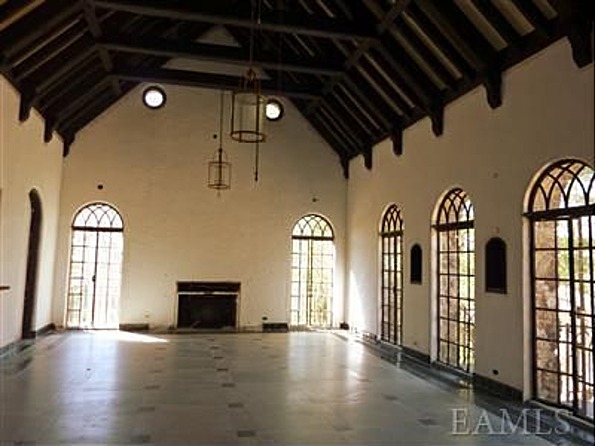
In 1964, James Harrick, founder of the local Harrick Scientific Company, bought it for $15,000 and lived there through the 1980s. Another couple paid $1.5 million in 2001, but their attempt to create a retreat and conference center failed, according to Hernandez.
In 2011, prior owners Morgan Immovable Property Corp. spent $3.75 million on the estate, which was on the market from 2017 to 2025.
After listing agent Christina DiMinno got in touch with Hernandez, “the family came out of the woodwork, from Idaho, Florida, all over,” she says, but the wealth never reached the next generation. “They’d love to restore it but they don’t have the money.”
Prior to the purchase by its new owner in January 2025, a sign in Spanish and English hanging on an open gate in the back of the lot read: “This Property Is Under 24 Hour Video Surveillance.” Were that true, the footage would feature a long loop of destruction and debauchery.
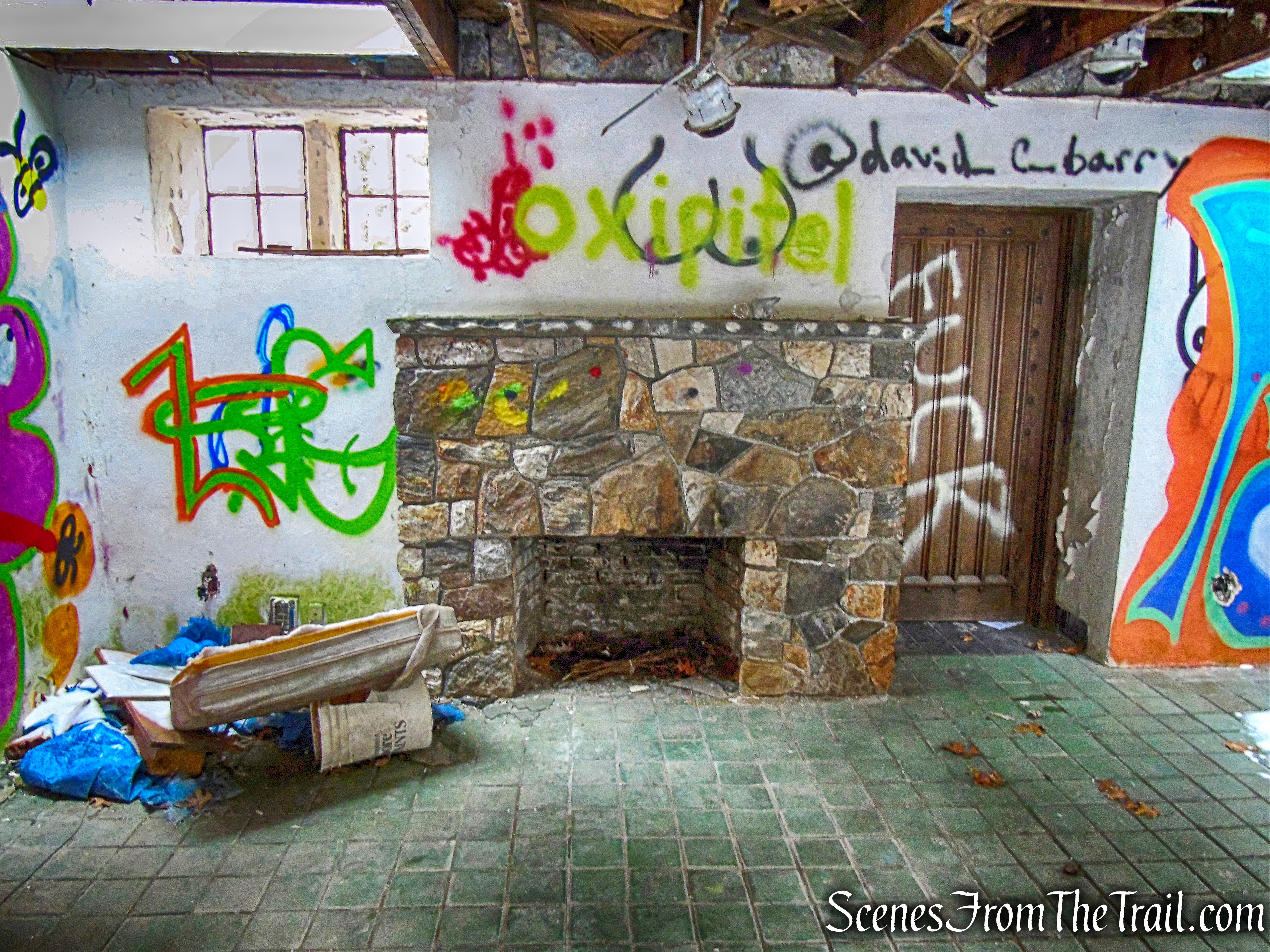
Every window was broken, and the entire interior of the 4,337-square-foot space experienced extensive damage. Artist/vandals even created a huge graffiti mural on an outside wall.

While the property dwindled to almost 50 acres, the bones of the damaged house remain intact due to its steel skeleton clad with fieldstone and granite cultivated from the grounds.
With a new buyer confirmed, the Abercrombie castle property’s centerpiece, the decaying grand mansion, may very well have an exciting future ahead of it in Westchester County.
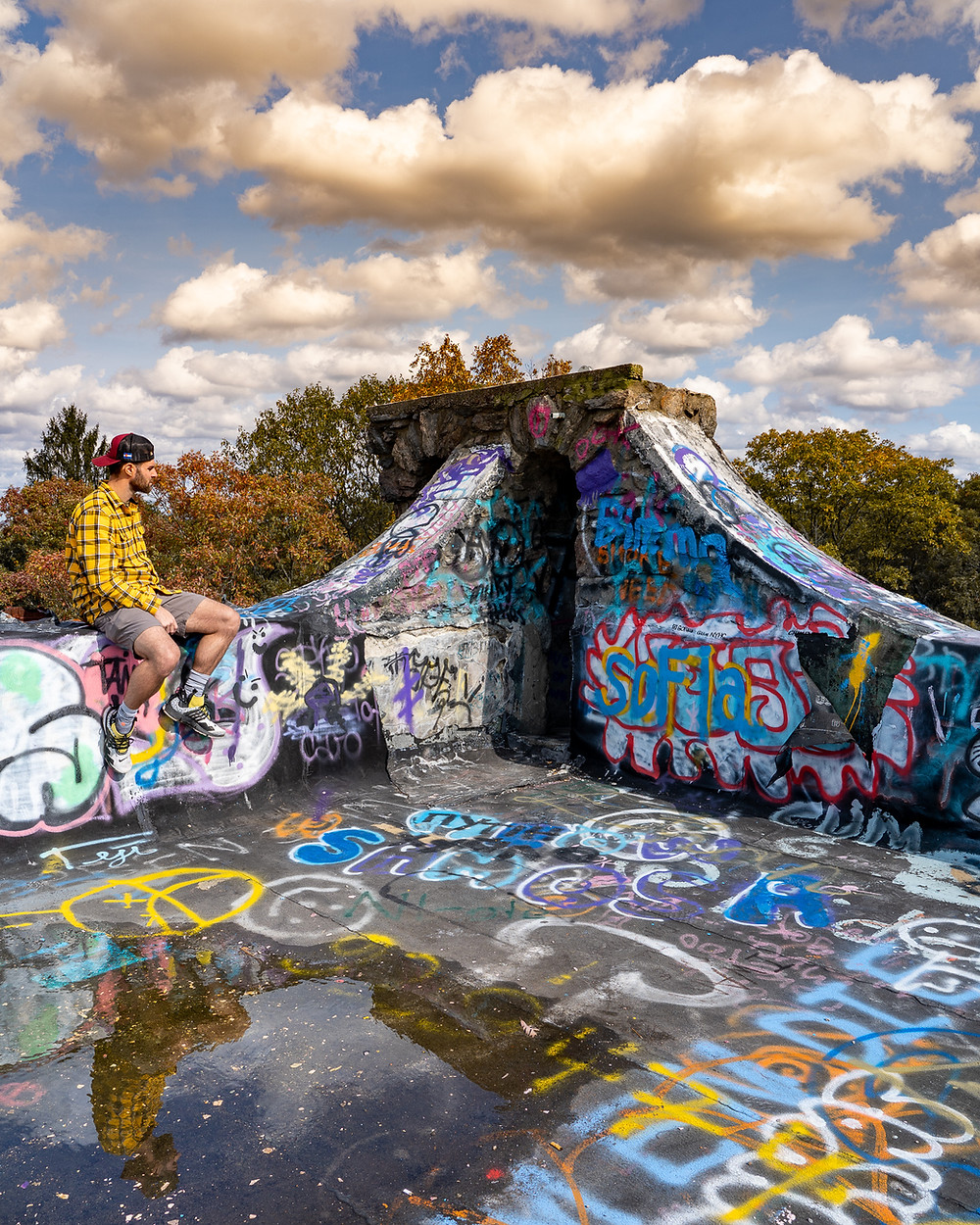
SOURCE: WESTCHESTERMAGAZINE.COM

1. Question: What is a group of cats called?
2. Question: Which has the thickest fur of any mammal?
3. Question: The age of a lion can be determined by its …?
4. Question: What is the only mammal capable of true flight?5. Question: A newborn kangaroo is about the size of a …?

6. Question: What is the smallest mammal in the world?
7. Question: What animal has the highest blood pressure?
8. Question: How far away can a wolf smell its prey?
9. Question: What land animal has the most powerful bite?10. Question: Where is the only place on their body dogs have sweat glands?

11. Question: What is a female fox called?
12. Question: How many teeth can alligator have over its lifetime?
13. Question: What creature has a tongue that is twice the length of its body?
14. Question: What is a group of parrots called?
15. Question: What type of farm animal can sunburn?

How did you do?

ANSWERS
A clowder
Sea otter
Nose
Bats
Grape
Bumblebee bat
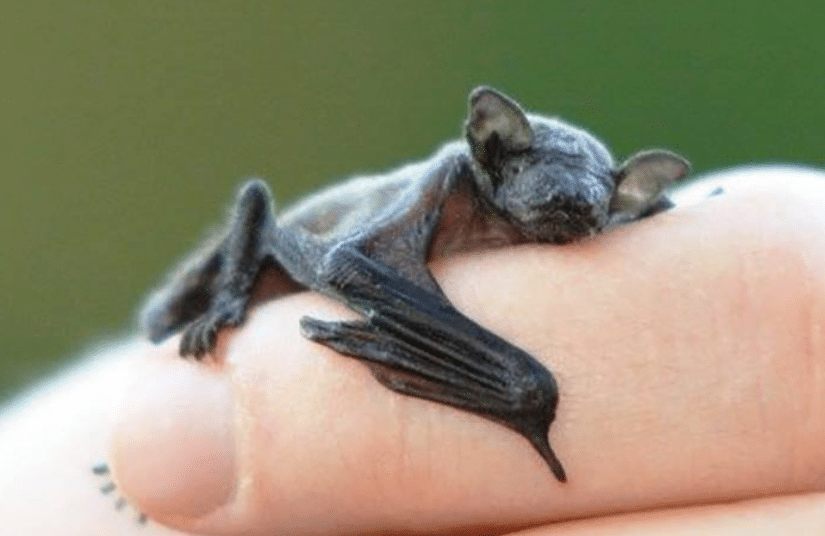
Giraffe
Almost two miles
Hippopotamus
The pads of their paws
Vixen
Up to 3,000

Chameleon
A pandemonium
Pig

Till next time…stay sharp!


I found this great article on cowboystatedaily.com about these amazinghorse sculptures in Montana and had to share it!
From cowboystatedaily.com:
Jim Dolan created one of his best-known public art sculptures as a thank you gift to Montanans, but the appreciation is as likely to come his way.
Even though it’s been 12 years since Dolan’s herd of 39 blue metal sculptures of horses, “Bleu Horses,” first appeared on a hillside along Highway 287 north of Three Forks in central Montana, he still receives about one thank you each week from motorists who were delighted by the unexpected art display.
And it’s not a lone horse in a field, he created an entire herd in natural positions that, from a distance, look just like a peaceful group of wild horses.
“Most people, when I talk to them, tell me that for the first 5 seconds they think it’s a herd of real horses,” Dolan said. “I got that ‘gotcha’ in sculpture.”
A Gift For Montanans
Art tricks aside, the sculpture comes from an earnest place. During the Great Recession, when commissioned work dried up, Dolan was inspired to create something for the people of Montana.
“I wanted to give them a big thank you for 40 years of making a living as an artist,” said Dolan, who came to Montana in the 1960s to attend college at Montana State University.
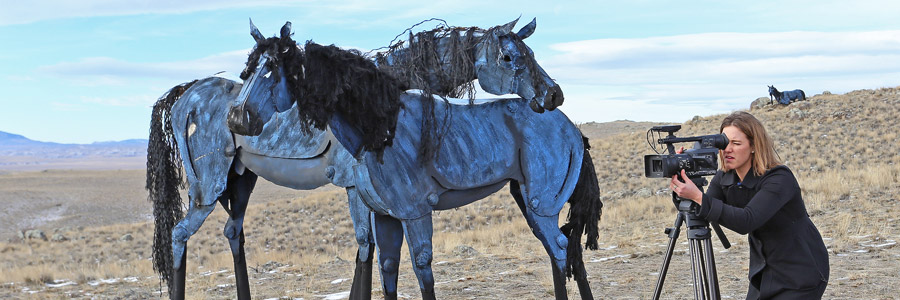
Though he didn’t have a home for his herd — that would come later — Dolan had plenty of space in his studio north of Bozeman to build his band of horses over the course of about 15 months. But as other work picked up, eventually the horses needed to move along.
Dolan had a hillside location in mind, but he would’ve had to deal with two different landowners and it was proving to be too much of a hassle. One morning while having coffee at the Wheat Montana headquarters outside Three Forks, Dolan lamented about his homeless herd to the bakery’s owner, Dean Folkvord.
The men were looking out at the land when Folkvord offered Kamp Hill, a slice of land that isn’t suitable for farming. That conversation was a stroke of good luck and is indicative of the gratitude Dolan wanted to express with this sculpture.
“Dean and I have a handshake agreement, and that’s good for us,” Dolan said. “I don’t see them ever leaving that spot.”
Horse Heist

But some of the horses did briefly leave that spot, albeit against their will.
Shortly after the multi-day ordeal of hauling the herd to the hill in 2013 and situating each horse into place with the help of a bunch of heavy equipment and jackhammers, three horses went missing.
Word quickly spread and thanks to the community’s vigilance, the horses turned up days later about 10 miles away. After some repairs, the horses were returned to their hillside home.
Even if the “real goofball” of a thief didn’t make it far, the story did — newspapers in Europe even reported on the horse heist — and that helped raise the profile of Bleu Horses. In the decade-plus that the horses have been hanging around that hillside, they’ve become so beloved that Dolan made smaller replicas to commemorate them and is currently making even more.
“It’s pretty well-known now, which is cool,” Dolan said.
A ‘Totally’ Different Beast
Whereas other sculptors have created horses that are galloping or leaping or otherwise in motion, Dolan set out to depict what a herd this size might really look like: Some horses are grazing, others are laying down and relaxing in the sun. “My horses are stationary because they’re supposed to be stationary.”
Dolan also wanted to reflect how horses interact. There’s a foursome toward the back of the sculpture set off from the others — the young teenagers, as he’s come to call them.
“I always had horses up until about 10 years ago and I know horses fairly well,” said Dolan, who recently turned 77. “There are horses that stick with others, and I try to play into that. This is how 39 horses would be together.”

If the color doesn’t give them away, the horses eventually reveal themselves to anyone who looks closely enough. Though he’s crafted horses in the past that were almost taxidermal, these horses are more abstract as they’re only about 60% covered. “The Bleu Horses were a big break for me because they’re totally different.”
Though he has no qualms about the home he found for the herd, Dolan does wish the horses were about 30 yards closer to the road so that it would be easier for people to get close to them. “Everybody’s welcome to walk up there, but you have to climb a hill to get there and you’re in Montana and there’s rattlesnakes there,” he said.
Why 39 And Bleu
Because Dolan wasn’t commissioned for this sculpture, he got to make every creative decision — even if the reasoning behind those decisions is a bit of a mystery now.
For example, why 39 horses?
“I think I got tired,” he said. “I wanted a herd and five or six horses? Well, that’s not very many, but 39 horses looks like it could be a real herd.”
And why the color blue? “I don’t know.”
Perhaps, Dolan said, he drew inspiration from the painting Blue Horses by Franz Marc which depicts three blue “abstract and pretty” horses. He recalled wanting an unexpected color to catch the eye of motorists and knew that other colors wouldn’t have the same effect.
No matter, Dolan’s color choice is particularly effective when the horses are set against snow. “They’re more impressive in wintertime,” he noted.
Unlike some of the other decisions, Dolan does have a ready explanation for the name: Because Blue Horses was already taken, he opted for the French spelling. “That stuck and it’s worked out really well.”
Critters Large and Small
On Dolan’s website, the sculptor has a map of where his public art can be found. Though most of these sculptures are in Montana, he’s been commissioned for sculptures as far away as Japan.
Wyomingites may also recognize Dolan’s work: He created the giant, stainless steel golden eagle on the campus of Laramie County Community College in Cheyenne and the elk near the front of St. John’s Health in Jackson.
Critters large and small have been a common theme of his work, including a lot of horses, birds and buffalo, and he recently finished a giant, 8-foot ant in-between commissions. “I have no idea why, I just wanted to make an ant.”
A Project With a Calling
While some sculptures come from places of inspiration unknown, there’s a very important meaning behind Dolan’s latest project. He’s completed six watermelon-red telephone booths of a total of about one dozen that will be placed alongside highways in eastern Montana. Each booth will bear messages for passing motorists — “Call Home” and “Keep in Touch” —- along with the 988 phone number for the suicide prevention helpline.
Like the Bleu Horses, these colorful sculptures will speak to the importance of community, albeit in a very different way. And there’s a personal connection: Dolan lost a family member to suicide and he said these sculptures, the can’t-miss color and the simple wording are intended to convey a powerful message about mental health.
By placing the sculptures in rural areas of the state, the goal is to reach people who may be depressed because they’re feeling isolated and have a hard time asking for help. “That’s going to be a neat project,” he said.
And no matter the project, the artist has maintained a simple goal in his 50-year career: “Hopefully the piece you’re working on right now is the best piece you’ve ever done.”
SOURCE: COWBOYSTATEDAILY.COM

The Oklahoma Rose, also known as Rosa ‘Oklahoma,’ is a breathtaking dark red hybrid tea rose known for its deep, velvety petals and sweet fragrance. This remarkable flower boasts an elegant flower structure with 45 to 50 petals and an average diameter of about 5 inches, making it a standout in any garden and is also recognized as Oklahoma state flower.
Its large, high-centered, pointed buds open into stunning red rose blooms with a graceful charm. Introduced to the world as a hybrid tea rose, this variety is admired for its beauty, long stems, and ability to thrive in warm weather. With proper care, the Oklahoma Rose produces multiple flushes throughout the season, adding a timeless elegance to any garden or flower bed.
History of the Oklahoma Rose
The Oklahoma Rose was bred by Swim & Weeks and introduced in 1964. It is a cross between the hybrid tea roses ‘Chrysler Imperial’ and ‘Charles Mallerin,’ resulting in its deep red color and rich fragrance. In April 2004, the Oklahoma Rose was officially designated as the Oklahoma state flower, replacing the mistletoe.
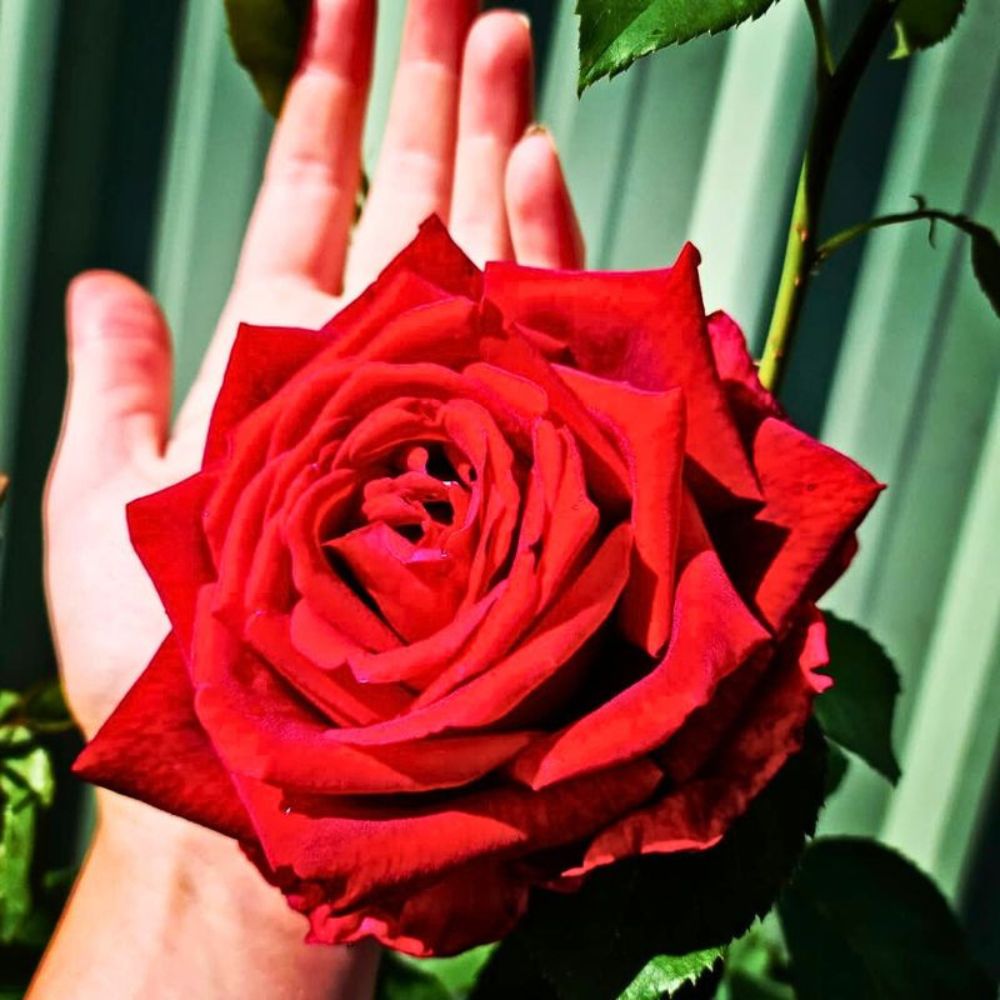
Its selection was based on its striking beauty, historical significance, and connection to the state’s identity. Today, the Oklahoma Rose is cherished by gardeners and florists for its lush flowers and undeniable fragrance, making it a popular choice for gardens and floral arrangements alike.
Choosing the Right Oklahoma Rose
Selecting the right Oklahoma Rose plant ensures its long-term success in your garden. Look for a healthy plant with dark green, matte foliage, and a robust, upright growth habit, which indicates good health and vigor. While the most popular variety of the Oklahoma Rose is its signature dark red hue, some variations exist, offering slight differences in petal formation and fragrance intensity.
Consider the mature size of the plant when choosing a location, ensuring there is enough space for it to grow and flourish. Additionally, opt for a disease-resistant variety that suits your local climate to reduce the risk of common rose ailments. Understanding your commitment level to maintenance will also help you decide whether this stunning hybrid tea rose is the right fit for your garden.
Planting and Soil Requirements for Rosa Oklahoma
Proper planting techniques and soil conditions play a crucial role in the health and vitality of the Oklahoma Rose. These roses thrive in well-draining soil with a slightly acidic pH level between 6.0 and 6.5. Choose a planting location that receives full sunlight for at least six hours a day, as this promotes strong growth and abundant blooms. Before planting, dig a hole that is twice as wide as the root ball to allow ample room for root expansion. Incorporate organic matter such as compost or well-rotted manure to enhance soil fertility and improve drainage.
Once planted, water the rose thoroughly to help establish strong roots. Keeping the soil consistently moist, especially during the first growing season, is vital for the plant’s successful adaptation to its new environment. If planting in pots, ensure they have proper drainage to prevent root rot.
Oklahoma Roses thrive best in USDA Hardiness Zones 7-10. If you live in a colder area, consider providing winter protection or growing the rose in a container that can be moved indoors during extreme weather conditions.
Watering and Irrigation Requirements of the Oklahoma Roses
Adequate watering is essential for the health and vibrancy of the Oklahoma Rose. During the first growing season, ensure the plant receives regular and deep watering to encourage strong root development. Watering once or twice a week, depending on weather conditions, will provide the necessary moisture while preventing over-saturation.


Today is Jessica Tandy’s birthday (born 1909 and died 1994), and southernliving.com had aninteresting article on facts we may not have known about Fried Green Tomatoes.
From southernliving.com:
One of the greatest friendships in Southern fictional history is that of Idgie and Ruth, the two women at the heart of the classic film Fried Green Tomatoes. Based on Fannie Flagg’s classic novel, the movie tells the intertwined stories of two friendships. Ninny Threadgoode (Jessica Tandy) keeps Evelyn Couch (Kathy Bates) entertained with stories of her colorful past. Ninny’s most engaging tales involved the exploits of her free-spirited sister-in-law Idgie (Mary Stuart Masterson), who owned a small Alabama café in the 1920s, along with her best friend Ruth (Mary-Louise Parker).
Now, Idgie would do absolutely anything to help her dearest friend Ruth, so when Ruth winds up married to a monster of a man, Idgie steps in. The two end up raising Ruth’s child together while running a small café in Whistle Stop, Alabama.
:max_bytes(150000):strip_icc()/MSDFRGO_UV007-2000-613e0da603e94a559527c6e52a8d28a2.jpg)
The movie has everything—love, friendship, mystery, laughs, and a lot of good food with good friends—as well as impeccable writing and a stellar, Oscar-winning cast. Since its release in 1991, Fried Green Tomatoes has become a staple of Southern cinema.
Yet no matter how many times you’ve watched it, there is always more to the story. Here are 11 things that even die-hard fans of the Fried Green Tomatoes movie may not know.
The U.S. And U.K. Versions Had Different Titles
Flagg’s 1987 novel is titled Fried Green Tomatoes at the Whistle Stop Cafe, which is what the film was called in the U.K. and some other countries. That was apparently too much of a mouthful for U.S. audiences, though, where the film’s title was abbreviated to just Fried Green Tomatoes.
It Was Originally Written As A Musical
When he first started the process of bringing Fried Green Tomatoes to the screen, executive producer and director Jon Avnet hired Carol Sobieski. She came up with the idea of doing the story as a musical. Sadly, Avnet was not on board with the idea of Idgie and Ruth singing their way through the story.
It Was A Surprise Box Office Smash
The film was made for $11 million, which makes it low-budget in Hollywood terms. While it wasn’t an overnight smash hit, the film eventually grossed a whopping $81,000,000, proving that Southern stories can be loved by all.
The Whistle Stop Was Based On A Real Café In Alabama

Fannie Flagg’s great-aunt Bess Fortenberry started running the Irondale Café during the 1930s in the small town of Irondale, which is just outside of Birmingham, Alabama.
There’s A Real Whistle Stop Café
While Flagg’s real-life inspiration came from Alabama, Hollywood chose the small town of Juliette, Georgia, to stand in for Whistle Stop, and the set was turned into a tourist district. Now, visitors can drive about 20 minutes from Macon, sit at the Whistle Stop Café, and enjoy a plate of fried green tomatoes all day long, just like Idgie and Ruth.
There’s Even A Cookbook
After the movie came out, so many people asked for recipes that Flagg ended up writing a cookbook to accompany the film. The Original Whistle Stop Café Cookbook was published in 1993.
The Stunt Double Quit Right Before The Bee Scene
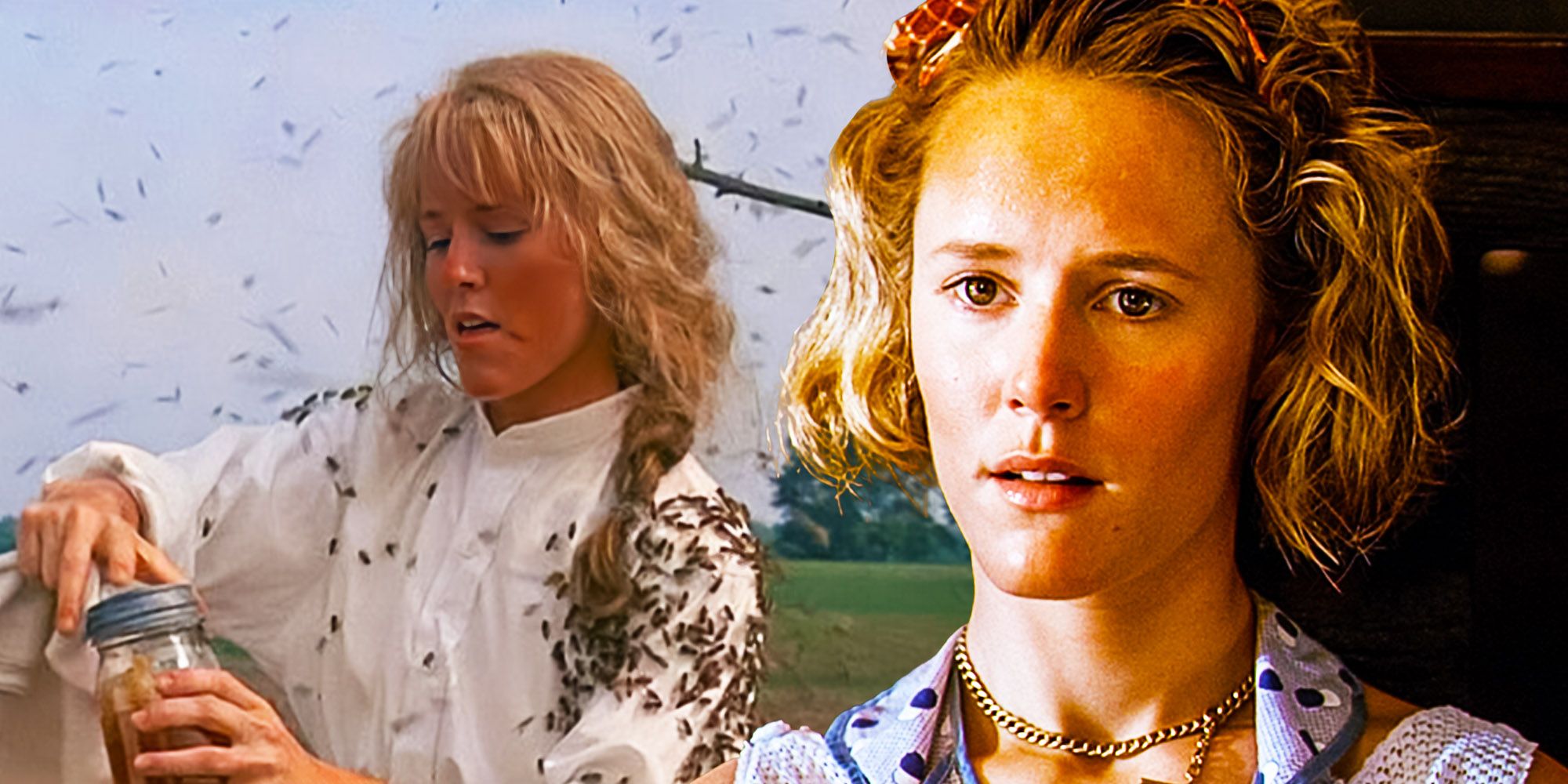
Remember when Idgie is momentarily covered in bees? Well, the stunt woman who was hired for the film was too afraid to actually do the stunt, and she backed out at the last minute. That left actress Mary Stuart Masterson with a tough choice—hold up the film or do the stunt herself. She jumped into the job, working with the buzzing bees, and making for a memorable cinematic moment.
Fannie Flagg Appeared In The Film
Flagg has a cameo in the movie, playing the leader of a self-help group, who tells the women in attendance: “You can get that spark back into your marriage!” This was not Flagg’s first time on camera. She appeared on Match Game throughout the ’70s and early ’80s and had a role in Grease and Five Easy Pieces.
Harper Lee Was A Big Fan
The reclusive To Kill A Mockingbird author reviewed the book, giving it a rave and saying, “Idgie Threadgoode is a true original: Huckleberry Finn would have tried to marry her!”
Fried Green Tomatoes Weren’t Very Popular In The South Before The Film
This may sound like sacrilege to some, but according to Robert Moss, food writer and expert in food history, fried green tomatoes weren’t really a Southern dish until the movie made them one. While gardeners across the U.S. would fry up unripe tomatoes instead of letting them wither on the vine, the dish itself was not all that common in the South at the end of the 20th century. Then came the movie and along with it a huge, revived interest in the dish. Soon fried green tomatoes started appearing on menus across the South. “Fried green tomatoes weren’t always a marker of Southern cooking,” Moss writes, “but they sure are now.”
The Movie Received Oscar Nominations
The movie was shot in 10 to 12 weeks, and it scored several Oscar nominations but did not win. Jessica Tandy was nominated for best supporting actress, and Fannie Flagg and Carol Sobieski were up for best adapted screenplay.
SOURCE: SOUTHERNLIVING.COM

Today is our Sect, of Defense’s birthday! This “biography” was found on Brittanica and some of the wording appears skewed—so take it with a grain of salt.
From Brittanica:
Pete Hegseth (born June 6, 1980, Minneapolis, Minnesota, U.S.) is the U.S. secretary of defense (2025– ) in the Republican administration of Pres. Donald Trump. Hegseth was confirmed on January 24, 2025, following a 50–50 vote in the U.S. Senate that required U.S. Vice Pres. J.D. Vance to cast the tie-breaking vote, resulting in a 51–50 final tally. Hegseth was sworn into office on January 25.
Prior to becoming defense secretary, Hegseth was a TV personality who cohosted Fox & Friends Weekend from 2017 to 2024. While on the show he became known for his conservative views and was an outspoken supporter of Trump. Hegseth also served in the U.S. Army National Guard.
Education and National Guard
Hegseth grew up in Minnesota, and in 1999 he enrolled at Princeton University. There he played basketball, studied politics, and became a frequent contributor to The Princeton Tory, the school’s conservative newspaper. For a time he served as publisher, and he was responsible for articles that, as he wrote, “strive to defend the pillars of Western civilization against the distractions of diversity.” Among these pieces, which stirred controversy at Princeton, was an editorial he cowrote that declared that “the homosexual lifestyle is abnormal and immoral.”
In 2003 Hegseth graduated from Princeton and the school’s Army ROTC program. He then became a member of the Minnesota National Guard and later joined the Army National Guard, rising to the rank of major. Hegseth was deployed three times. After serving at Guantánamo Bay, he was a platoon leader in Iraq and later taught counterinsurgency tactics in Afghanistan. His various military honors include two Bronze Stars.
Senate run and Fox & Friends Weekend
In 2012 Hegseth ran to represent Minnesota in the U.S. Senate as a Republican, but he dropped out before the party’s primary. Two years later he became a contributor to Fox News, and in 2017 he became cohost of Fox & Friends Weekend. In that post Hegseth frequently spoke of his support for President Trump. After Trump lost the 2020 presidential election, Hegseth promoted Trump’s unfounded claim of widespread voter fraud. In 2021 Hegseth was removed from the National Guard group that was to provide security for Joe Biden’s presidential inauguration. The reported issue was his Jerusalem cross tattoo, which he said was simply a Christian symbol, but officials noted that it is also used by Christian nationalists. His other tattoos include the words Deus Vult (Latin: “God wills it”), which was a battle cry during the Crusades and later appropriated by white supremacists. Hegseth left the National Guard later in 2021.

Defense secretary
Nomination and hearing
In 2024 Trump won a second presidential term, and he selected Hegseth as his nominee for defense secretary; the post requires Senate confirmation. The selection proved controversial, many citing Hegseth’s lack of experience managing large, complex organizations. The Department of Defense has some three million employees and has been called the biggest government bureaucracy in the world.
Hegseth’s confirmation hearing was held by the Senate Armed Services Committee in January 2025, and it was highly contentious at times. Democrats questioned him about accusations of personal misconduct, including excessive drinking and infidelity. While denying some allegations, Hegseth stated “I’m not a perfect person, but redemption is real. I have failed in things in my life, and thankfully I’m redeemed by my lord and savior Jesus.” Other topics included women serving in combat. While Hegseth had previously spoken out against the policy, he said that “women will have access to ground combat roles.” Republican committee members largely expressed support for his nomination, and Sen. Eric Schmitt from Missouri suggested that his lack of experience was an asset, stating that Hegseth is “a breath of fresh air.”
Confirmation
In the Senate confirmation vote on January 25, 2025, three Republicans voted not to approve him: Mitch McConnell, Susan Collins, and Lisa Murkowski. That resulted in a 50–50 tie, which was broken by Vice Pres. J.D. Vance. Hegseth took office several hours after the vote. In the following days he stated that he would end DEI initiatives in the department and that he was committed to stopping immigration at the southern border. In February 2025 Hegseth ordered the Pentagon to cut the defense budget by 8 percent for each of the next five years. The money was to be used for other initiatives, including a proposed Iron Dome, an air defense system. Later that month he fired a number of top military officers, including Admiral Lisa Franchetti, the first woman to serve as the navy’s chief of naval operations. According to Hegseth, the moves were to allow for “new leadership that will focus our military on its core mission of deterring, fighting and winning wars.”

SOURCE: BRITTANICA
Happy Birthday, Sir!


