




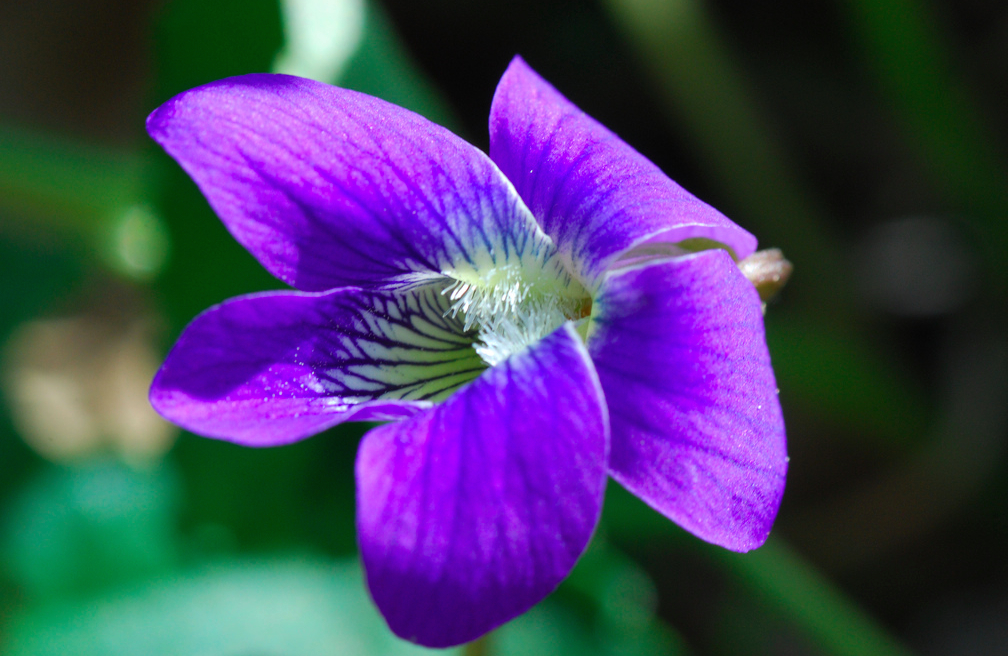
Wood Violet is a short-stemmed herbaceous perennial plant that is native to eastern North America. Wood violet flowers are irregular in shape and the flowers are deep blue/purple or violet, and sometimes almost white with blue markings. Wood violet flowers have side petals having beards or tuffs near the center of the flower. There are 5 petals in which lower one is longer and spurred, and the 2 petals having fine hairs. Other names include: common blue violet, common meadow violet, purple violet, woolly blue violet and hooded violet.
Wood Violet, also known as Viola papilionacea, is a charming wildflower commonly found in North America. With its distinctive purple petals and butterfly-like shape, this flower not only adds a vibrant touch to your garden but also brings a natural and serene atmosphere.
Wood Violet is celebrated for its charming and delicate flowers, which display a striking range of colors. The blooms are typically deep purple, lending a rich, royal hue to garden landscapes. However, variations in color are not uncommon, with some flowers showcasing light lavender tones that bring a soft, pastel touch. In rarer instances, Wood Violet produces pure white blossoms, which offer a stark and elegant contrast against its lush foliage.
The flowers consist of five petals arranged in a unique butterfly-like formation, a characteristic that gives the species its name “papilionacea,” derived from the Latin word for butterfly. The lower petal, known as the “lip,” is slightly larger and often marked with delicate, darker purple veins that act as nectar guides for pollinators. The two lateral petals sometimes bear tiny tufts of hair, adding subtle texture to the flower’s appearance.
Accompanying the vibrant blooms are the plant’s heart-shaped leaves, which are a rich, glossy green. These leaves grow in a basal rosette pattern, meaning they emerge from the base of the plant and spread outward, creating a dense, leafy ground cover. The scalloped edges and smooth surface of the leaves enhance their visual appeal, while their lush green color beautifully offsets the vividness of the flowers. Wood Violet naturally thrives in woodland habitats, where it enjoys the dappled sunlight filtering through tree canopies. It prefers partial shade, as direct sunlight can cause the delicate petals to fade or wilt. Ideal growing conditions include consistently moist, well-drained soils rich in organic matter, mimicking the humus-rich forest floors from which it originates. The plant is particularly well-suited to temperate climates, showing remarkable resilience to cold weather and even surviving light frosts
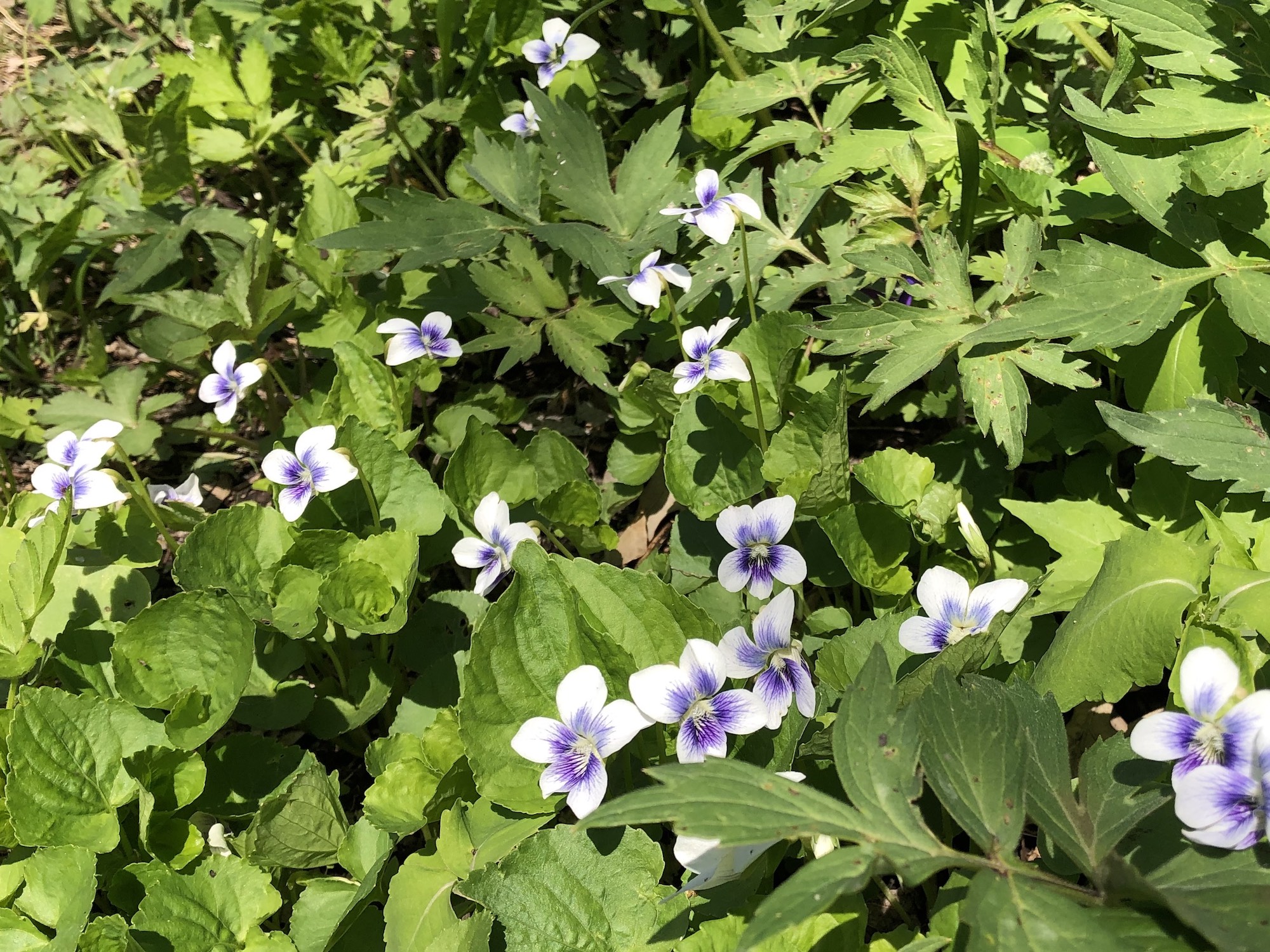
This species is highly adaptable and can flourish in a variety of soil types, although it prefers slightly acidic to neutral pH levels. It spreads easily by rhizomes, forming lush mats of greenery and vibrant flowers. Gardeners appreciate this characteristic for its usefulness as a ground cover in shaded garden corners, under deciduous trees, or along shaded pathways.
In addition to its ornamental value, Wood Violet plays an important ecological role. It provides nectar for early-season pollinators, including bees and butterflies, and serves as a host plant for the larvae of certain fritillary butterflies. Its ability to naturalize and spread effortlessly makes it a low-maintenance yet impactful addition to native plant gardens and woodland landscapes.

I found a website (homerungifts.com) detailing some humorous gifts to give this Christmas!
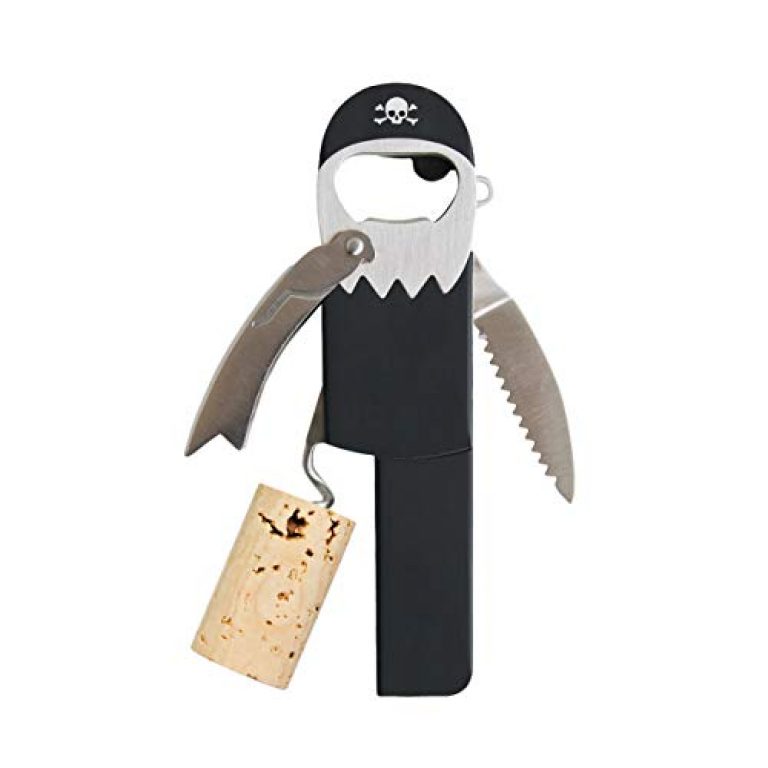
A pirate cork screw
Porn for Women Book

(Note: This gift is rated PG! It’s merely lots of pictures of men doing housework with smiles on their faces.)
Time Man of the Year Mirror

BS Button

Willy Warmer

Fake Stick-on Outlet Covers

Prank Gift Box (nothing included inside)

Funny Parking Notes

Motivational Profanity Pencils

Check out the entire list of gifts at the link. (Most gifts are available at amazon.com)

Every year I try and make one new cookie for Christmas—that way I have a lot of “testers” to let me know if it’s a keeper or not. This year I’m trying Oatmeal Coconut Cookies!

Ingredients
1 cup shortening
1 cup sugar
1 cup packed brown sugar
2 large eggs, room temperature
1 teaspoon vanilla extract
2 cups all-purpose flour
1 teaspoon baking powder
1 teaspoon baking soda
1/4 teaspoon salt
1 cup old-fashioned oats
1 cup sweetened shredded coconut
Directions
In a large bowl, beat shortening and sugars until blended. Beat in eggs and vanilla. In another bowl, whisk flour, baking powder, baking soda and salt; gradually beat into sugar mixture. Stir in oats and coconut.
Divide dough into 4 portions. On a lightly floured surface, shape each into a 6-in.-long log. Wrap in waxed paper; freeze 2 hours or until firm.
Preheat oven to 350°. Unwrap and cut dough crosswise into 1/2-in. slices, reshaping as needed. Place 2 in. apart on ungreased baking sheets. Bake until golden brown, 10-12 minutes. Cool on pans 5 minutes. Remove to wire racks to cool completely.
ENJOY!

Today would have been Georgia’s birthday. I miss her posts early in the morning. I am comforted that she passed peacefully in her sleep. Her absence is still felt and is still painful but hopefully the pain will fade and only the memories of this wonderful mother will remain.
Happy Birthday Georgia!

An important date for one of the best states in the country is here — and you might not even know about it.
National Illinois Day, on Dec. 7, commemorates the history, art and culture owed to the iconic Midwest state. Here’s some information – both vital to know and amusing to share – about the state so you can think about what Illinois means to you.
Here are some facts about Illinois history and iconic culture:
In 1818, Illinois was admitted as the 21st state in the Union.
An 1874 state law forbade segregation and the Illinois Civil Rights Act of 1885 banned discrimination in public areas.
Four former-U.S. presidents have roots in Illinois: Ronald Reagan was born in Illinois; Abraham Lincoln and Ulysses S. Grant both moved to Illinois; and Barack Obama lived in Chicago for most of his life and served as an Illinois senator.
/3163292_HighRes-resize-56a48d5c3df78cf77282f002.jpg)
The origin of the term of Chicago as the “Windy City” is disputed by scholars, but it has been used to describe bloviating politicians, in addition to the weather. Interestingly, Chicago does not even rank in the top 10 of The Weather Station Experts’ list of the windiest U.S. cities – Amarillo, Texas, comes in first.
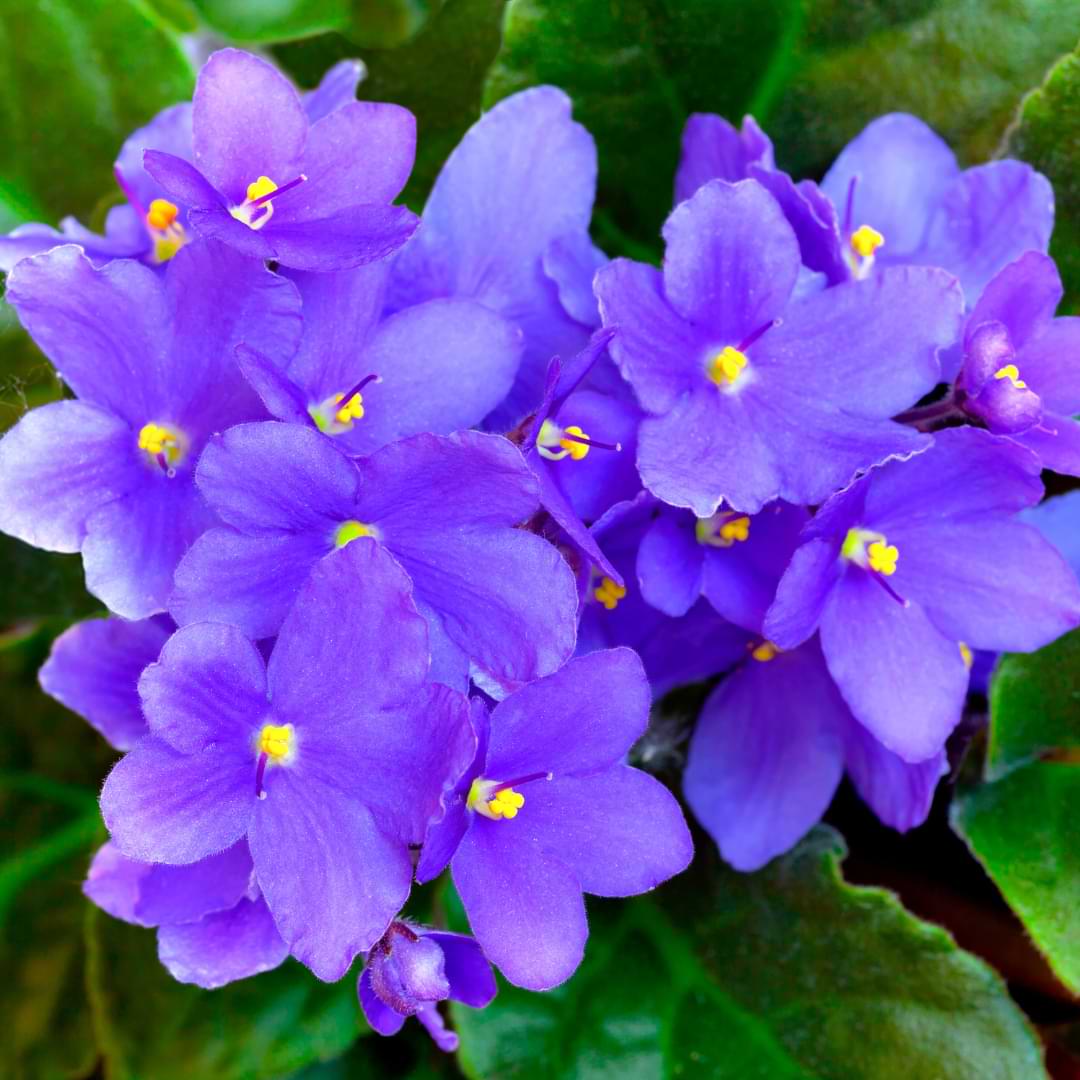
The Illinois state flower is a violet. The state bird is the cardinal. You probably didn’t know that the Illinois state snack is popcorn, and that the state pet is shelter dogs and shelter cats.
O’Hare International Airport consistently ranks in the top five, if not first, in lists of the busiest airports in the world.
Native American history
Hunter-gatherers from various nations first came to Illinois around 12,000 years ago, according to History.com. Illinois is named after the French settlers’ pronunciation of the Illiniwek Nation which was initially comprised of 12 smaller nations including the Cahokia, Peoria and Kaskaskia Nations.
The state of Illinois rests on the lands of the Peoria, Kaskaskia, Peankashaw, Wea, Miami, Mascoutin, Odawa, Sauk, Mesquaki, Kickapoo, Potawatomi, Ojibwe, and Chickasaw Nations. When Illinois became the 21st state in December of 1818, Native nations still legally owned a large portion of the state’s territory, according to the University of Illinois Urbana-Champaign.

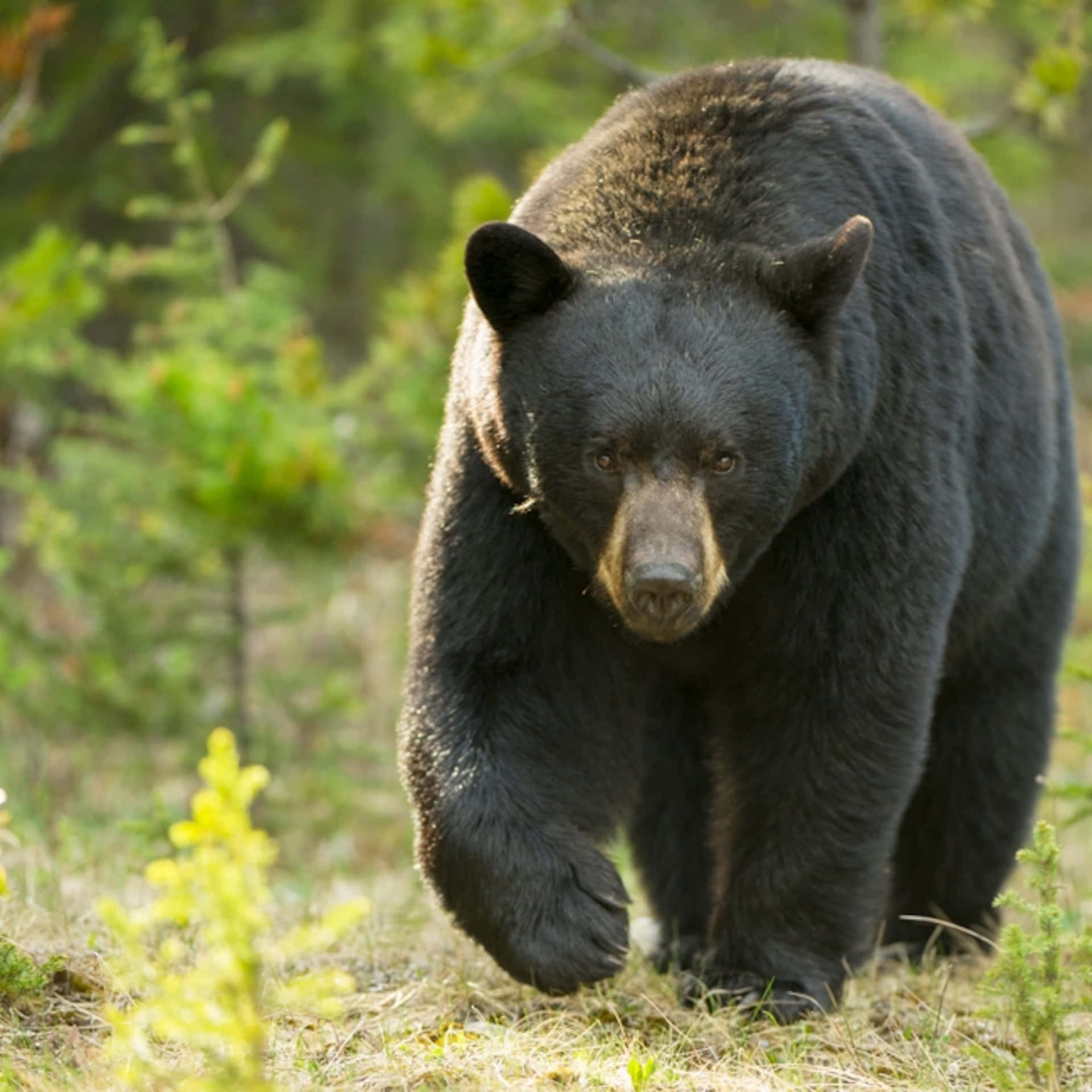
The American black bear, more commonly known simply as the black bear, is the smallest of the 3 bear species found in America. The brown or grizzly bear and the polar bear are larger in size; however, the black bear is still a huge mammal.
They can measure up to 2 meters in length and males can weigh over 400kg. When standing on their hind legs, they can reach a height of around 7 feet, although females are usually smaller and shorter than males.
Black bears can be distinguished from brown bears by their smaller size, longer ears and lack of a shoulder hump. Black bears also have shorter, more curved claws and are generally more timid animals. Typically they are black in color but depending on their location, their fur can be dark or light brown.
Black bears are found throughout North America but are more abundant in the northern states. Unlike brown bears, they prefer more densely forested habitats and rarely venture into open areas for long periods of time.
Interesting American Black Bear Facts
1. They are not always black in color
Some black bears can be a very light brown (or cinnamon) color and very rarely, completely white.
2. Black bears are shy and timid
Black bears will usually run away or climb up a tree rather than confront humans. This is mostly true but some individual black bears can be very aggressive, especially when threatened. They are however much less likely to attack compared to the brown or grizzly bears, which tend to be less weary and less approachable. Both these species, as well as the polar bear, will usually move on when left alone and black bears especially tend to flee when confronted by people.
3. They can eat over 10,000 berries in a day
When food is abundant, black bears will eat as much food as they possibly can, sometimes over 8kg of fruit and berries in a day. When berries and fruits are abundant, black bears will move to these areas and feed almost exclusively on these. They have an excellent sense of smell and this helps them locate ripping berries, nuts and fruits as well as bee hives, where they feed on the honey and bee larvae.
4. Black bears are skilled climbers

Black bears are excellent climbers and can easily access nuts and fruits before they fall to the ground. They have sharp, curved claws and this not only helps them when climbing but also makes ripping into trees logs or upturning boulders when searching for insects much easier. As well as being expert climbers, black bears are great swimmers and will cross fast flowing rivers to reach food on the other side.
5. They are incredibly strong animals
Black bears are up to 5 times stronger than the average human being.
6. American black bears are highly dexterous
They are capable of opening screw-top jars and manipulating door latches.
7. Their diet is predominantly vegetarian
Although they do eat meat, almost 70% of their diet is made up of plant matter.
8. Their sense of smell is 7 times more sensitive than a domestic dog
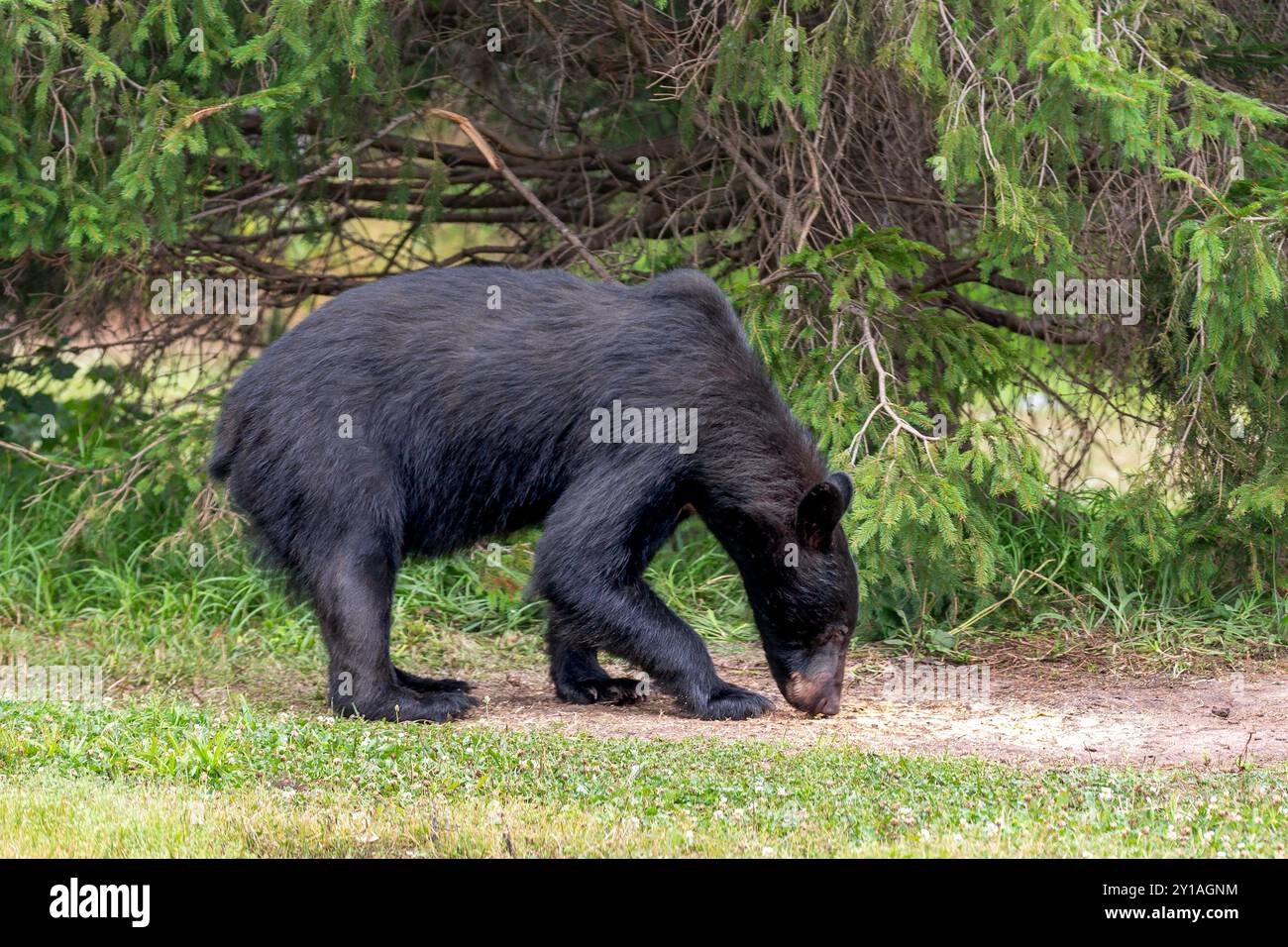
While American black bears have extremely sensitive noses, their eyesight and hearing is more comparable to that of a human.
9. Black bears are fast runners
Sprinting at around 40-50km/h, black bears can easily outrun humans.
10 They are mostly quiet animals
Although they tongue-click and grunt to communicate with one another, black bears do not growl or roar.
11. They den in spots that are well hidden
Black bear dens are usually made in caves, under tree roots or are dug into hillsides.
12. Females usually give birth during the hibernation period
During the breeding season, a male and female will remain together until just before the cubs are born. Females usually give birth in their den while in torpor; a similar state to hibernation. The cubs will then feed off their mother’s milk while she hibernates until spring arrives. Usually two cubs are born and they leave the den for the first time when their mother comes out of hibernation. Female black bears teach their cubs how to find food and survive in the wild until the cubs are around 17 months old and become fully independent. The father of the cubs does not actively help in raising his offspring but does protect the territory from other males, who may attack the cubs.
13. Black bear cubs are playful animals
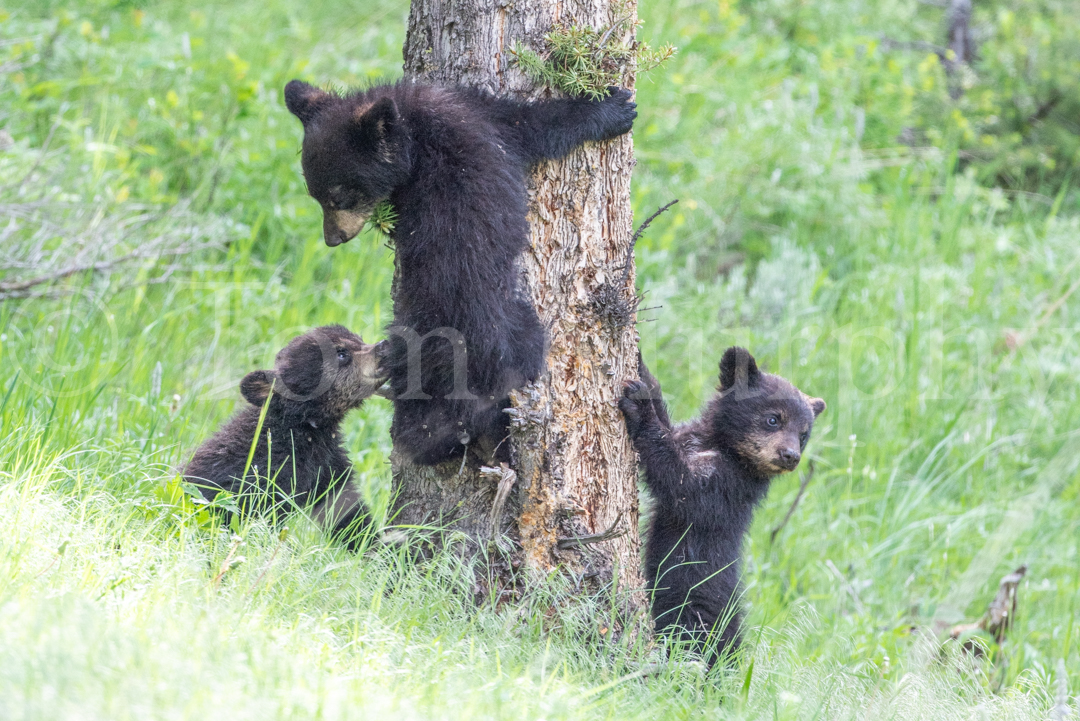
Cubs will regularly wrestle and play with each other as well as their mother. This helps them develop essential skills to survive in the wild.
14. Black bears are very intelligent
Black bears can memorize their whole territory, they can make scratching sticks out of twigs and can easily break into locked food storage containers.
15. There are black bear hybrids
American black bears can reproduce with other bear species and produce hybrid offspring. Black bear and grizzly bear hybrids have been reported in the wild.
16. They are a key contributor to the ecosystem
Black bears are important contributors to the ecosystems in which they inhabit. Due to their large size, they create micro-ecosystems where they leave deep footprints or break small trees and plants. They are also key in controlling insect populations as well as important seed disbursers, encouraging new plant growth wherever the seeds in their stools germinate. Black bears also have very large home ranges which means they can increase plant diversity by traveling long distances and disbursing seeds which otherwise may not have reached or germinated in that area.
SOURCE: FACTANIMAL.COM
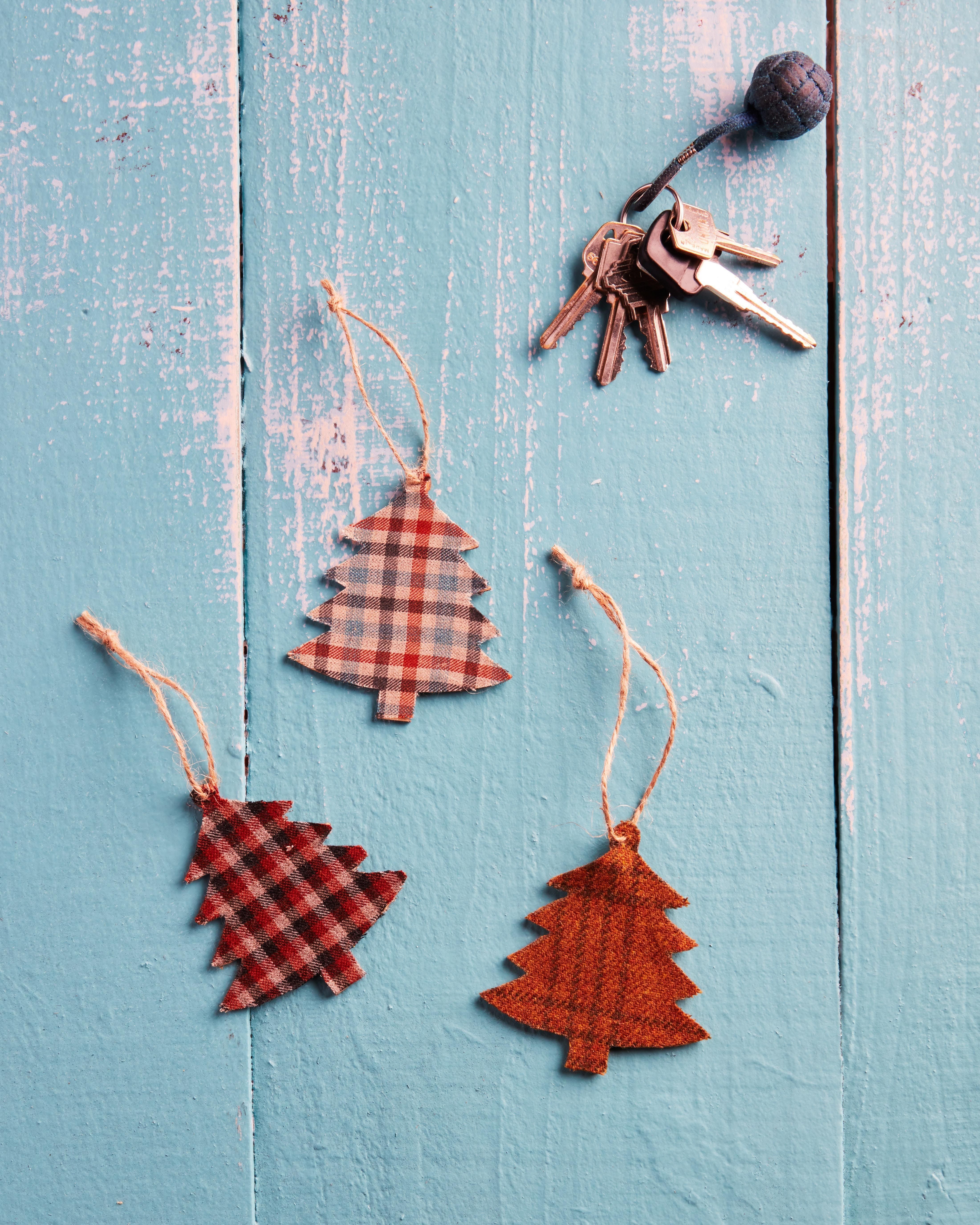
These sweet little air fresheners couldn’t be easier to make!
From Country Living:
One of these DIY Christmas tree-shaped air fresheners will keep a car, closet, or office smelling fresh. Added bonus—they are made with essential oils, so no nasty chemicals involved.
To make: Trace the shape of a wooden Christmas tree ornament on a scrap of fabric twice. Cut out and glue to the front and back of the ornament. Once dry, soak the fabric with an essential oil of your choice (we used cedar). Thread twine through the ornament loop for hanging.
Depending on which ornaments you can find at the dollar store, you can match your essential oil to the shape. For example, a gingerbread man ornament? Use ginger. Buy a candy cane? Use peppermint essential oil. And another nice oil for trees would be pine!
SOURCE: COUNTRYLIVING.COM
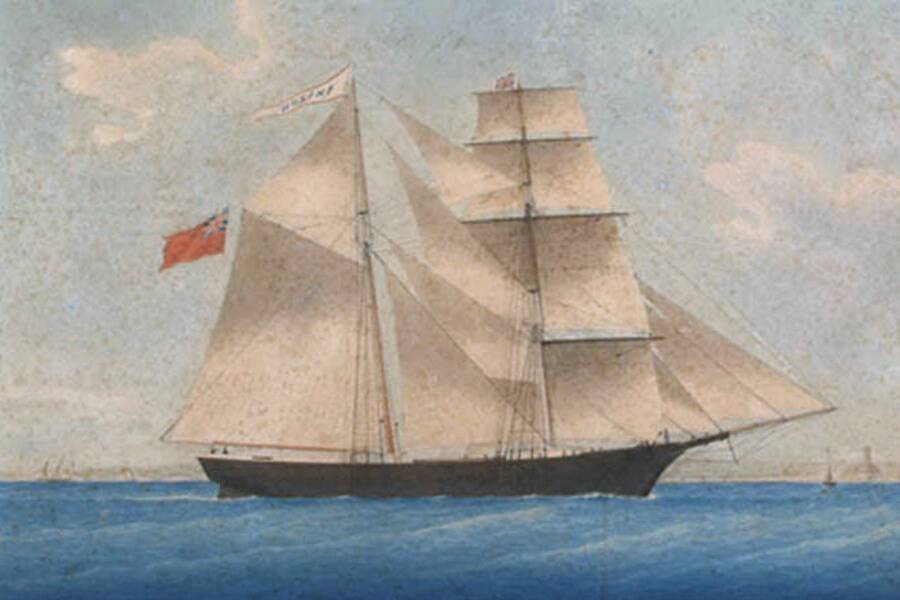
From: All That’s Interesting:
The Mary Celeste was discovered abandoned near the Azores Islands on December 5, 1872 — and to this day, experts are unsure about what happened to its crew.
On December 5, 1872, while sailing through rough weather, the Canadian brig Dei Gratia sighted a seemingly abandoned ship drifting through the Atlantic between Portugal and the Azores Islands. It was the Mary Celeste, an American brigantine that had left New York nearly a month prior.
When the crew of the Dei Gratia boarded the Mary Celeste, they found everything in perfect order. The crew’s clothes were even neatly packed away. Yet there was not a living soul to be found aboard the ship. The only possible clues that could explain the crew’s whereabouts were a disassembled pump in the hold and a missing lifeboat. And so began one of the most enduring mysteries of the sea.
The Crew Of The Dei Gratia Finds The Mary Celeste Abandoned At Sea
On Nov. 7, 1872, a merchant ship with a cargo of denatured alcohol left New York Harbor for Genoa, Italy. The Mary Celeste sailed forth, helmed by Captain Benjamin Briggs and his handpicked crew of seven men. Accompanying the sailors were Briggs’ wife and two-year-old daughter.

The ship and its crew spent two weeks at sea fighting against raging storms and treacherous seas before reaching the Azores. Captain Briggs chronicled the rough journey in his journal, but curiously, his log ended abruptly on Nov. 25, 1872, at 5 a.m.
The night prior, his log recalled, the ship and its crew had continued to face rough seas and winds of more than 35 knots, but by the morning they had come out on the other side unscathed with the island of Santa Maria in sight. All, it seemed, was well. But when the crew of the Dei Gratia came across the Mary Celeste just over one week later, on December 5th, they found it abandoned, drifting in the seas 400 miles east of the Azores.
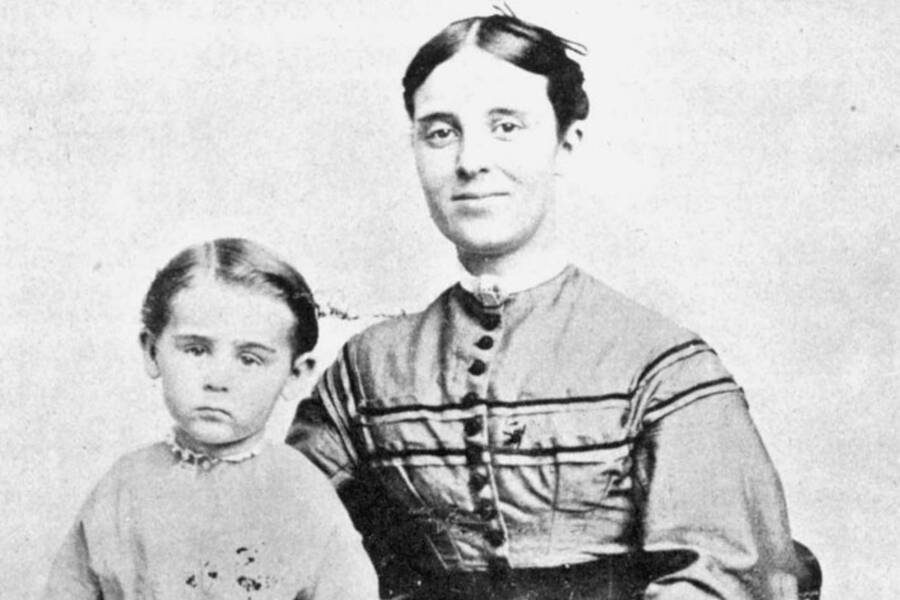
Celeste and found the ship in near-perfect condition. Aside from a few feet of water in the ship’s bilge — the lowest point of the ship, which rests beneath the waterline — things seemed to be mostly in order. A few charts had been tossed about below deck, but the crew’s belongings were neatly tucked away, and the ship was stocked with enough food and water to last six months. The only thing missing was its crew.
Theories About The Disappearance Of The Crew Of The Mary Celeste
It made no sense that Briggs, an experienced seaman, would abandon a perfectly seaworthy ship. In fact, Daily Nautica reports, Morehouse had dined with Briggs in New York just before each of the men and their respective crews set sail, and he considered the man to be a friend. He knew just how capable of a captain Briggs was.

Morehouse and his crew towed the merchant ship with them to Gibraltar, where authorities conducted an investigation that ultimately yielded no conclusive results. At this point, several theories began to surface. English inspector Frederick Flood was the first to hypothesize about the disappearance of the crew. With the knowledge that Morehouse and Briggs were friends, the inspector suspected that the two captains may have concocted a scheme to defraud the insurance company and split the profit earned from the eventual sale of the Mary Celeste. Per the laws of the sea, the abandoned ship did now belong to Morehouse, after all. The inspector then theorized that Briggs had killed his crew and hidden himself away in the cargo hold of the Dei Gratia.
Flood’s theory, however, was full of holes. Briggs had in fact held property shares in the ship, so he would have gained nothing from the scheme. The theory also failed to account for Briggs’ wife and daughter.
The crew of the Dei Gratia eventually received payment. However, it was only one-sixth of the total $46,000 value of the Mary Celeste. Apparently, the authorities weren’t totally convinced of their innocence. Additional theories suggested that the crew had gotten drunk off the ship’s alcohol cargo and mutinied — but there were no signs of violence. Others said the ship must have been raided by pirates, yet no valuables were missing.
The mystery may very well have been left alone had author Arthur Conan Doyle not written the 1884 short story “J. Habakuk Jephson’s Statement,” a fictitious account of an ex-slave who captures a ship called the Marie Celeste. The story reignited interest in the ship, but as a theory, the story is entirely baseless.
Naturally, stories of sea monsters became associated with the missing crew, as did explanations of water spouts and, much later, extraterrestrial abduction. Yet for all of these theories, none of the evidence ever matched. Perhaps the most plausible theory was that vapors from the alcohol had blown the hatch cover off. Then, fearing fire, the crew abandoned the ship. However, the hatch cover was securely fastened, once again leaving no feasible explanation.
How A Documentarian May Have Solved The Mystery Of The ‘Mary Celeste’
In 2002, documentarian Anne MacGregor sought to investigate the story of the now-infamous ghost ship. “There are obvious limitations for historic cases,” she said. “But using the latest technology, you can come to a different conclusion.”
Per Smithsonian magazine, MacGregor enlisted the help of a physical oceanographer at the Woods Hole Oceanographic Institution in Massachusetts named Phil Richardson, and together they reconstructed the drift of the ghost ship and deduced that Briggs’ chronometer — which helps determine a vessel’s position at sea — had been faulty.
The Mary Celeste was hopelessly off course — 120 miles west of where it should have been. The captain thus expected to spot land three days earlier than he did. MacGregor also analyzed Flood’s notes from the time to determine that all had indeed been going as planned with the course of the Mary Celeste — until about five days before Briggs’ final log.
Significantly, Briggs’ logs and Flood’s notes show that the ship had changed course the day before it reached the Azores — Briggs was now sailing directly north towards Santa Maria Island. It’s possible the crew was seeking haven from the foul weather.
But even all of this wouldn’t make a captain abandon ship.
However, MacGregor also discovered that the ship had carried a load of coal on a previous voyage. Coal dust and debris from a recent refitting had potentially clogged the ship’s pumps, meaning any water that made it onto the ship’s lower decks didn’t have a way back out.
It’s possible that Briggs then decided that, with the ship off course, the crew’s best bet was to cut their losses and simply try to save themselves by abandoning ship and heading for the nearest piece of land. In this case, it was Santa Maria Island. Their lifeboat may have then tipped over, causing all ten of them to drown.
MacGregor’s theory is by no means universally accepted or even provable, but it at least lines up with the evidence (the disassembled pump, for example) in a way that other theories do not. Finally, some 130 years after the crew eerily vanished, the mystery of the Mary Celeste may finally have an answer.
SOURCE: ALLTHATSINTERESTING.COM AUTHOR: AUSTIN HARVEY
:max_bytes(150000):strip_icc()/rhododendron-growing-guide-7109537_01b-34450d9a857047e5a2d0b2a99eb1fa1c.jpg)
Rhododendron is a genus of more than 1,000 deciduous or evergreen flowering shrub species, with more than 25,000 cultivars and hybrids. They come in a wide range of sizes, flower colors and shapes, and many are North American natives. The bloom time is usually spring into summer, but some cultivars bloom in late winter or late summer. The growth rate and preferred conditions of rhododendron species vary widely. However, most prefer moist, well-draining soils, partial shade, and conservative fertilization. All rhododendrons are toxic to people and pets.
Rhododendron Plant Care
While rhododendron species vary in their care preferences, and many grow in a wide range of conditions, the typical main rhododendron requirements are:
Plant in fertile, well-draining, acidic soil.
Position in partial or dappled shaded.
Water to maintain even moisture, but avoid soggy soils.
Fertilize with a rhododendron formula annually only when soils are poor.
:max_bytes(150000):strip_icc()/rhododendron-growing-guide-7109537_01-84c0118c7af14efd816625d51fa19650.jpg)
Light
In their native habitats, rhododendron grows in dappled woodland shade and under trees. Choose a location in partial shade where the plant isn’t exposed to the hot afternoon sun, which is especially important in a warmer climate.
Soil
Rhododendrons need moist, well-draining soils rich in organic matter. They’re sensitive to soggy, heavy clay, or compacted soil with poor drainage, which can lead to root rot. These shrubs prefer acidic soils with a pH between 4.5 and 6.0.
Water
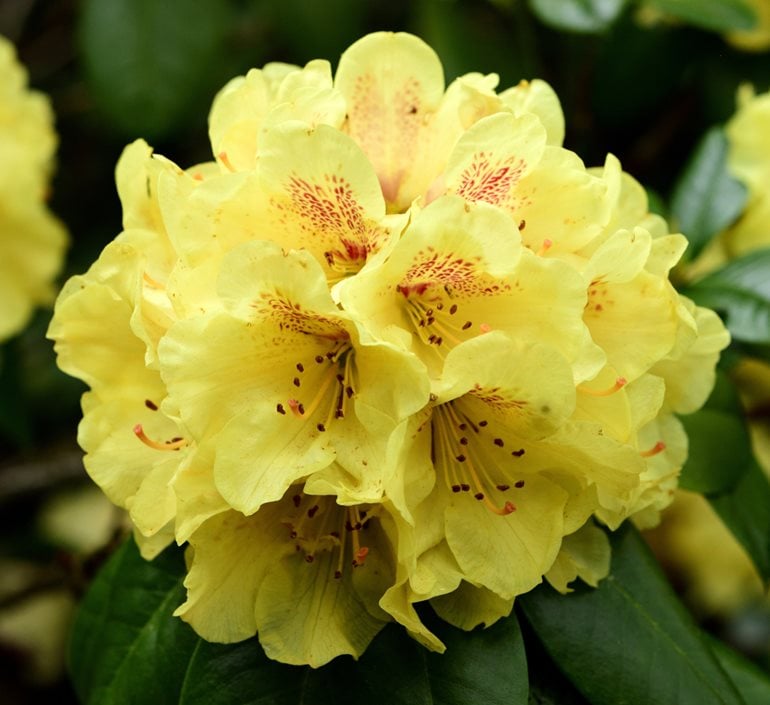
Rhododendrons have shallow roots and require even moisture to thrive, especially during the first year after planting. Water the plant slowly and deeply around twice a week during the first growing season, not leaving the roots in standing water.
Even if the plant doesn’t show signs of drought stress, water established rhododendron every two to three weeks during dry spells. Adding a layer of mulch helps with water retention.
Temperature and Humidity
Temperature ranges vary depending on the rhododendron variety. Some tolerate heat and humidity, and others are cold-hardy. Most varieties don’t like strong winds and are sensitive to temperature extremes.
Fertilizer
If you plant your rhododendron in rich soil with plenty of organic matter, there’s usually no need to fertilize. In less fertile soil, use a formula for acid-loving rhododendron in late winter or early spring, following the label instructions.

 Sew Colorful