The Lake Michigan Triangle

I’ve never heard of The Michigan Triangle before! I found this article on thevintagenews.com website, written by Clare Fitzgerald, discussing this abnormality.

From: thevintagenews.com:

Everyone is familiar in one way or another with the southern Atlantic’s Bermuda Triangle. Known for its shipwrecks, downed planes, and unexplained disappearances, it’s a staple of sea lore. However, there’s a stretch of water that easily rivals it: the Lake Michigan Triangle.

The Lake Michigan Triangle

The Lake Michigan Triangle is a section of Lake Michigan that’s considered especially treacherous to those venturing through it. It stretches from Manitowoc, Wisconsin, to Ludington, Michigan, before heading south to Benton Harbor, Michigan.

It was first proposed by Charles Berlitz. A proponent of the Bermuda Triangle, he felt Lake Michigan was governed by similar forces. This theory was presented to the public in aviator Jay Gourley’s book, The Great Lakes Triangle. In it, he stated: “The Great Lakes account for more unexplained disappearances per unit area than the Bermuda Triangle.”
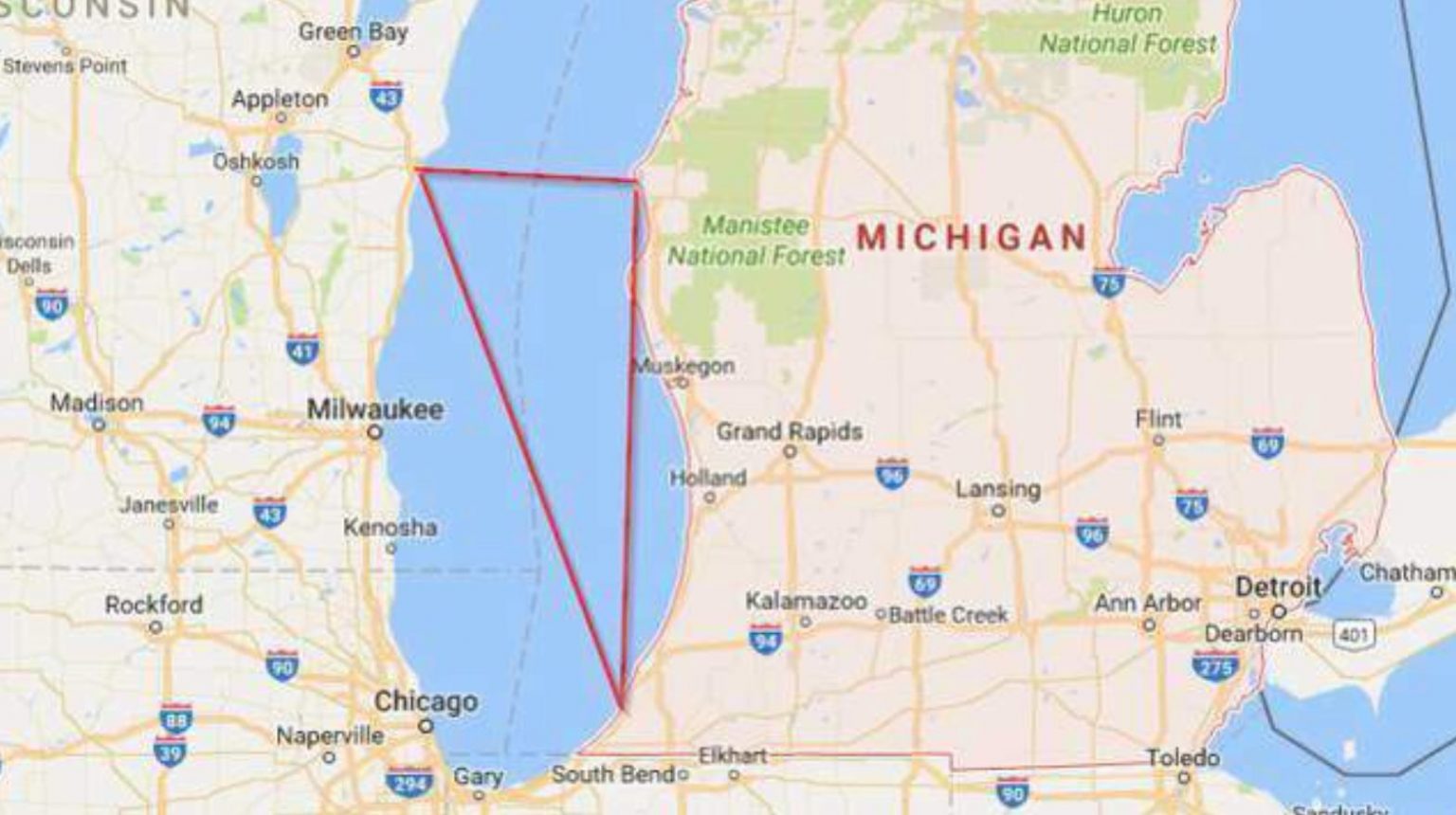
The Lake Michigan Triangle is believed to have caused numerous shipwrecks and aerial disappearances over the years. It’s also been the scene of unexplained phenomena, from mysterious ice blocks falling from the sky to balls of fire and strange, hovering lights. This has led many to believe extraterrestrials are drawn to the area, or that it’s home to a time portal.

Disasters on the water

Reports vary as to when strange occurrences started happening on the waters of Lake Michigan. Some trace it back to the 1679 disappearance of the Le Griffon, while others reference the 1891 disappearance of the Thomas Hume. The ship was transporting lumber when it mysteriously vanished. Despite attempts to locate it, it remained lost until an A&T recovery dive team came upon it in 2006.

Another mysterious incident believers in the Triangle reference is that of the Rose Belle. In 1921, the ship was transporting supplies when it was found overturned in the water. Despite appearing to have been involved in a collision, there were no other shipwrecks or reports of an accident. What’s more, the 11-person crew was nowhere to be found.

Eerie disappearances have continued to occur along the lake’s waters. On April 28, 1937, Captain George R. Donner of the freighter O.M. McFarland went to rest in his cabin after hours of navigating his crew through icy waters. As the ship approached its destination at Port Washington, Wisconsin, a crewmember went to wake him up, only to find him missing and the door locked from the inside. A search of the ship turned up no clues and Donner hasn’t been seen since.

The disappearance of Northwest Airlines flight 2501

Theories surrounding UFOs and extraterrestrials roaming the skies of the Lake Michigan Triangle are spurred on by the mysterious disappearance of Northwest Airlines flight 2501. The plane was traveling from New York to Seattle, with a stop in Minneapolis, on June 23, 1950, when it seemingly disappeared out of the sky.

At 11:37 p.m. that evening, its pilot requested a descent from 3,500 to 2,500 feet due to an electrical storm. The request was denied and minutes later, the plane disappeared from radar. Despite a massive search effort, only a blanket bearing the Northwest Airlines logo was located to indicate the plane had gone into the water.

As days passed, partial remains began to wash ashore across Michigan, but the plane never resurfaced. According to two police officers who were near the scene, there had been a strange red light hovering over the water just two hours after the plane disappeared. This has led some to theorize it was abducted by aliens. However, their reason for taking the aircraft remains a mystery.

The missing skier

Steven Kubacki was a 23-year-old student at Hope College in Holland, Michigan. On February 20, 1978, he was on a solo cross-country skiing trip near Saugatuck, Michigan, when he disappeared. The next day, snowmobilers found his equipment abandoned, and police located his footprints on the ice. The way they abruptly ended suggested Kubacki had fallen through the ice and died of either hypothermia or by drowning.

The mystery appeared all but solved until May 5, 1979, when Kubacki showed up in Pittsfield, Massachusetts. Fifteen months after seemingly disappearing into the icy depths of Lake Michigan, he found himself lying in the grass, some 700 miles away.

Kubacki told reporters he had no memory of the past year and a half. When he awoke, he was wearing weird clothes and his backpack contained random maps. This led him to believe he’d been traveling. He also had a T-shirt from a Wisconsin marathon, which he explained by saying, “I feel like I’ve done a lot of running.”

The location of Kubacki’s disappearance has led many to suggest he was yet another victim of the Lake Michigan Triangle. While there are those who believe him to be lying regarding his supposed amnesia, others feel an alien abduction is the reason behind his disappearance and lack of memory.

Lake Michigan’s own Stonehenge

Why is the Lake Michigan Triangle such a powerful force? A popular theory surrounds its very own underwater Stonehenge, discovered in 2007 by Northwestern Michigan College professor Mark Holley.

According to Holley, he and his team discovered the rock formation 40 feet below the waters of Lake Michigan while mapping shipwrecks. It features a similar alignment to the famous formation found in England, except it has one outlying boulder with what’s believed to be an ancient carving of a Mastodon.

Many experts are skeptical of the discovery, with Holley acknowledging that experts are needed to confirm its existence. Its exact location hasn’t been revealed, due to ongoing research and out of respect for the nearby Grand Traverse Bay Native American community.

Given the mythology and alleged paranormal aspects of England’s Stonehenge, it’s theorized the one beneath Lake Michigan contains similar properties. Could this be the explanation behind the strange happenings within the Triangle, or is the explanation more rational, like bad weather?

SOURCE: THEVINTAGENEWS.COM
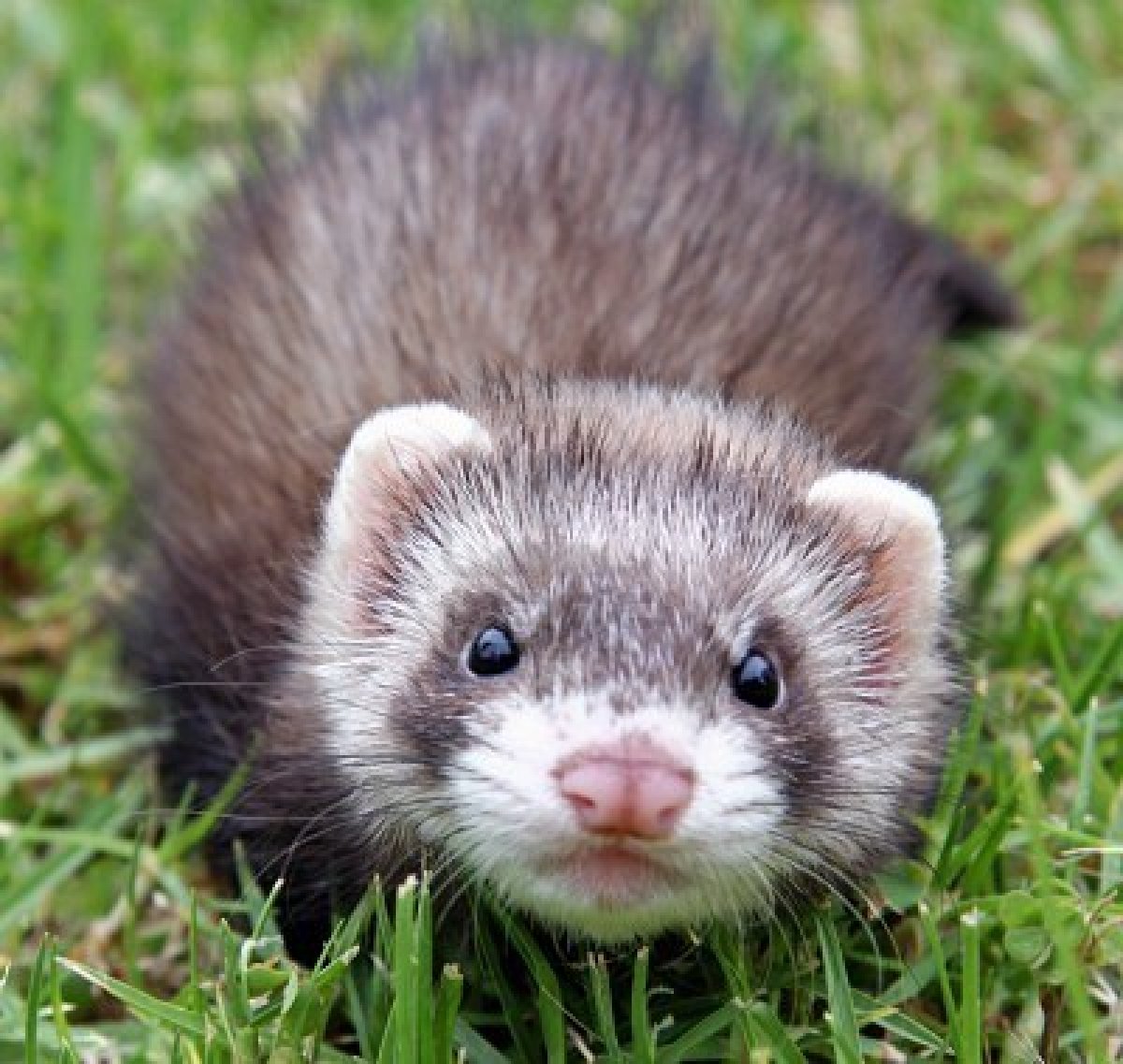
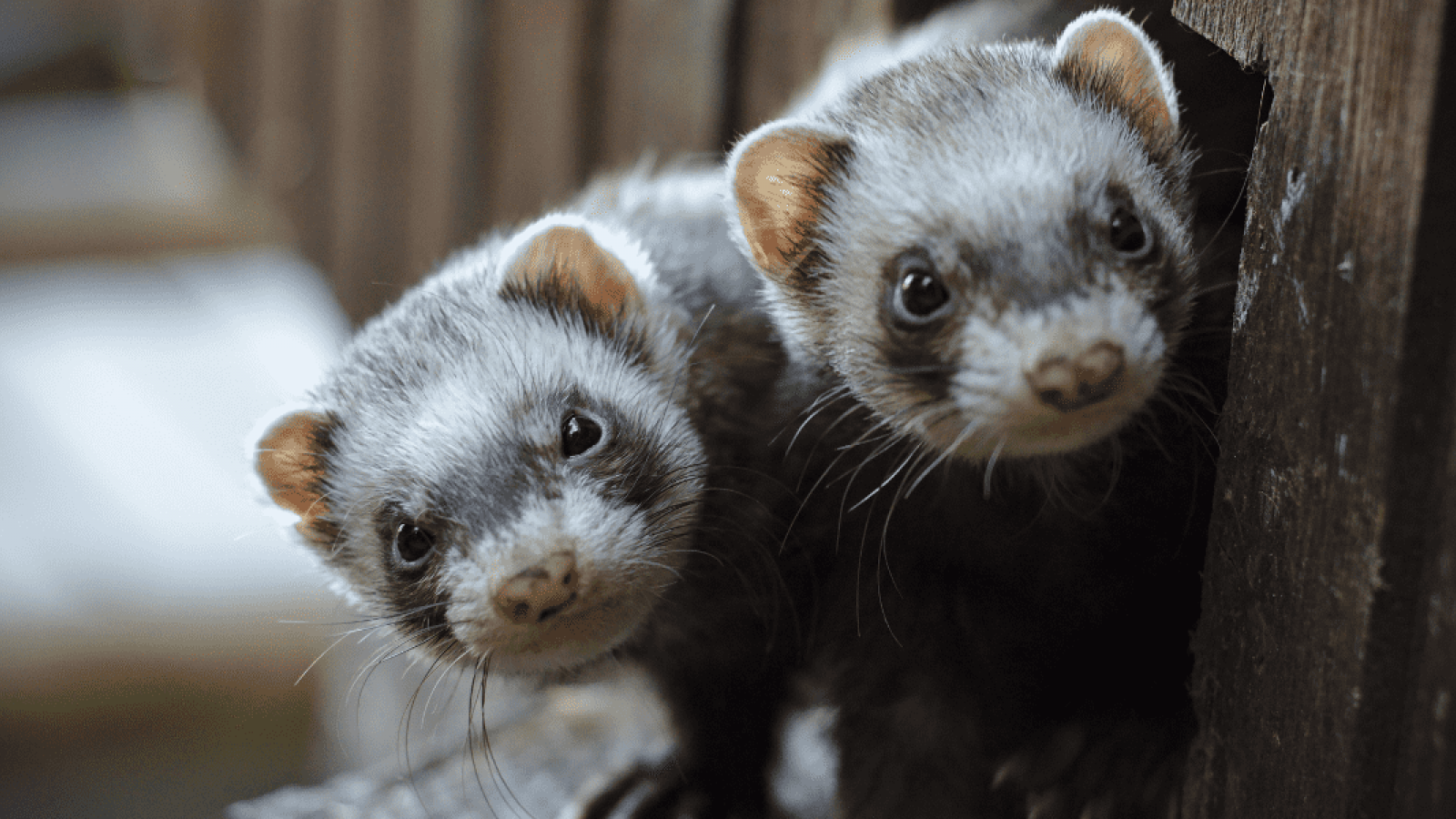
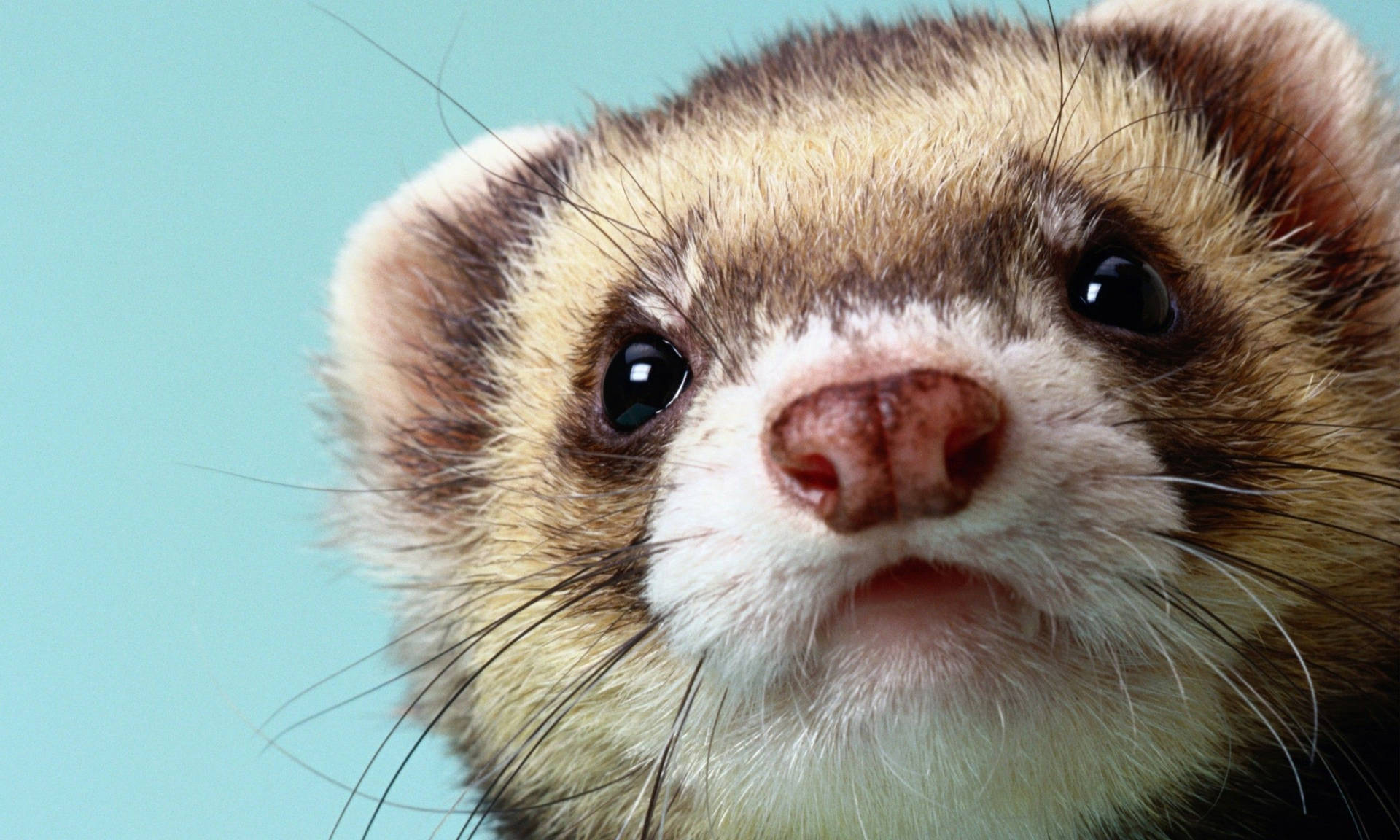
Ferret Facts

1. Ferrets are illegal in some areas of the United States.

Before you adopt or purchase a ferret, you should check out your local laws. Pet ferrets are prohibited in California, Hawaii, and New York City. While veterinarians in these locations will still treat sick ferrets, the adoption or purchase of new ferrets is not allowed. If you live in one of these areas, it’s best to consider getting another type of pet.

2. Ferrets have a strong, musky odor, even when they’re de-scented.

Ferrets have scent glands near the base of their tails that produce a potent, musky-smelling oil. For many pet ferrets, these glands are surgically removed during the process of “de-scenting” when the animals are very young—before they are sold. Ferrets that retain these glands smell so musky that most people would never want them as pets. However, even after they are de-scented, ferrets will still retain a milder musky odor that some people find unpleasant. So, if you are sensitive to odor, and you’re considering a ferret as a pet, you might want to spend some time around one to be sure you can tolerate the smell before you bring a ferret home.

3. Ferrets love company.

Ferrets are social creatures that typically live in groups or colonies in the wild. Because they love company, pet ferrets generally look for human family members or other ferrets to hang out with. It’s much more fun to play when you have friends to play with. Consequently, many ferret owners end up owning more than one ferret. On rare occasions, two ferrets might not get along. So, if you get more than one ferret, you’ll need to supervise their interactions for several days to ensure they get along before you can safely leave them alone together. To minimize competition between ferrets, each one should have equal access to food, toys, hiding spots, and sleeping areas so that they’re less likely to fight over resources.

4. Ferrets need to run!

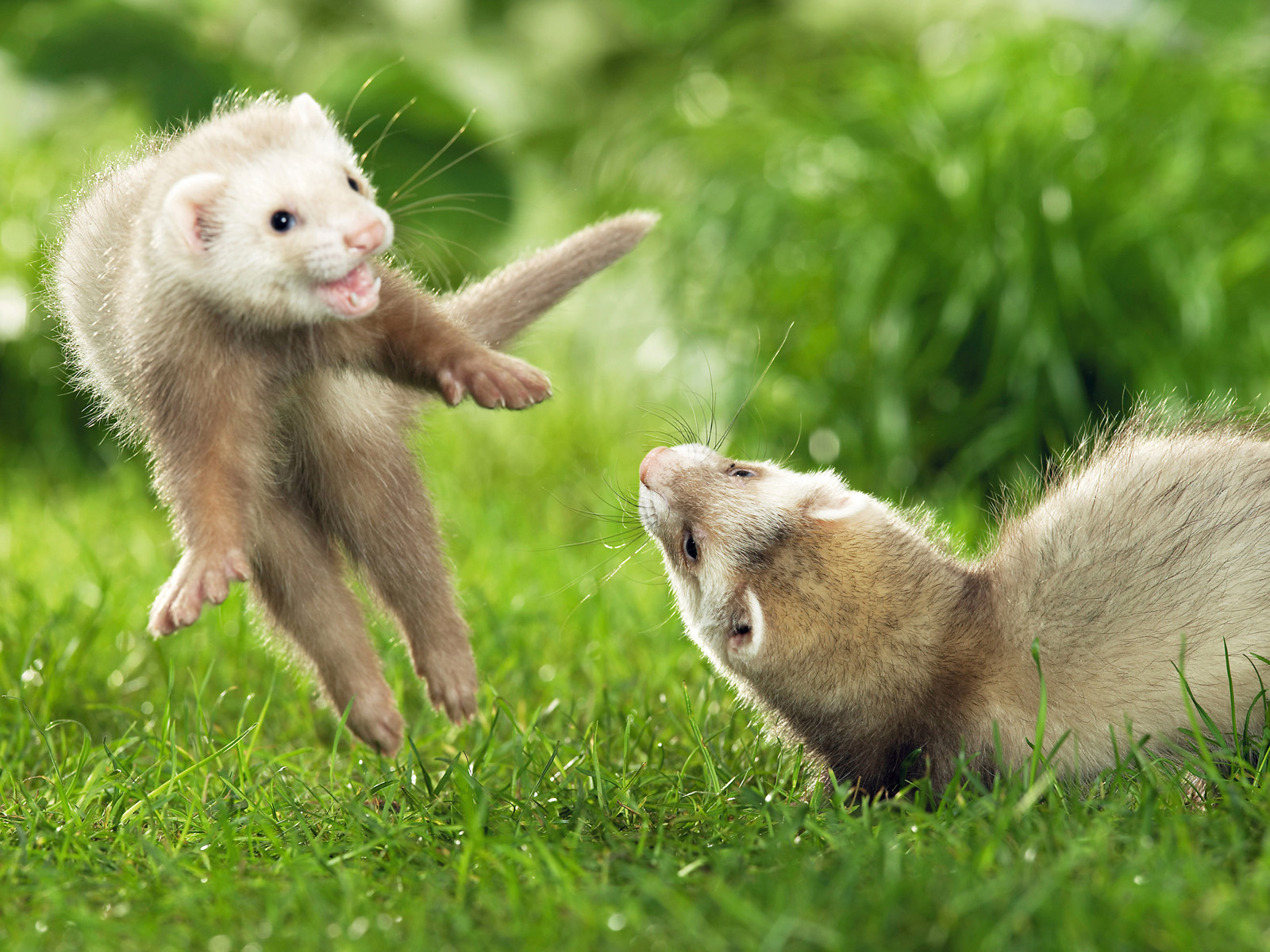
Ferrets love to curl up and sleep, particularly if they can find a warm place to nap, but when they’re not napping, they also love to run, jump, climb, and hide. Ferrets also love toys. Young ferrets, in particular, enjoying skittering across the floor and chasing toys. Exercise for ferrets is key, or they will overeat from boredom and become obese. So, if you’re going to own a ferret, plan on lots of out-of-cage time for them to run around.

5. Ferrets chew EVERYTHING.

Ferrets are called ferrets because they literally “ferret out” everything. They chew on, dig up, and pull out nearly every object they encounter—especially when they’re young and very curious. Objects made of foam, rubber, or cloth, including furniture and shoes, are special favorites. Ferrets notoriously steal everything they can get their mouths on and store their treasures in closets, under beds, or anywhere they can hide them. This mischievous behavior can lead to significant health problems, since foreign objects they inadvertently swallow can get stuck in their gastrointestinal (GI) tracts and cause life-threatening obstructions that require surgical treatment. So, if you decide to get a pet ferret, you’ll need to commit to ferret-proofing your home. That means picking up everything from the floor, creating a ferret-proofed area that’s free of tempting things to chew on, and supervising your new pet whenever he or she is out of the cage.

6. Ferrets eat meat.

Wild ferrets are carnivores that hunt for and consume rodents and rabbits. Their GI tracts have evolved to digest animal protein and not vegetable matter. While a pet ferret should also be eating meat, their intestinal tract is not adapted to consuming raw meat in the same way as their wild counterparts. In fact, pet ferrets can develop severe intestinal infection with toxic bacteria such as Salmonella. Pet ferrets should be fed commercially formulated, high-protein/moderate-fat/low-carbohydrate diets that contain all the nutrients that ferrets require. These diets have also been prepared to eliminate potentially harmful bacteria. Several kibble diets are available for pet ferrets, and they generally love them. Before diets were developed specifically for ferrets, many people fed their pet ferrets cat food. In general, it’s preferable to use commercially available ferret food over cat food because ferret-specific diets meet the nutritional needs of ferrets more closely.

7. Ferrets need annual veterinary checkups.

Ferrets can live to be 6-9 years old or more, so it’s important to provide consistent, preventative veterinary care. They should see their veterinarian annually and then semi-annually as they age. By examining ferrets every year, veterinarians may diagnose and treat conditions earlier and may help ferrets live longer, happier lives. After 3 years of age, ferrets also should have annual blood tests to help ensure that their blood sugar levels and kidney and liver functions are normal. After 5 years of age, ferrets should be checked every six months, since by this age, they have often developed more than one of the conditions they commonly encounter as they age. 

8. Ferrets often develop certain diseases as they age.

Ferrets sold in pet stores in the United States are typically from one of two very large breeding facilities, and consequently, they are extremely inbred. Inbreeding, unfortunately, increases the chances for developing certain diseases, including adrenal gland tumors and pancreatic tumors called insulinomas. These illnesses can occur in ferrets as young as a year of age. Older ferrets commonly develop heart disease and other types of cancer. If you’re planning on getting a ferret, you should expect that at some point, your ferret will develop one or more of these conditions and will require veterinary treatment.

9. Ferrets need shots.

Ferrets can contract and pass on rabies. Therefore, in many of the states in which they are legal as pets, ferrets are required by law to be vaccinated for rabies at 4-5 months of age and then annually after that. Ferrets are also very susceptible to the deadly canine distemper virus that commonly affects dogs, but it’s preventable through vaccination. There is a ferret-specific distemper virus vaccine that should be administered initially in a series of three shots (three weeks apart), starting at 2 months of age, and then annually after that. Very rarely, ferrets can develop diarrhea, vomiting, or collapse after receiving either the rabies or distemper vaccine. For this reason, ferrets that receive vaccines should wait at the veterinary hospital for 15 minutes after receiving their shots to ensure they’re not having a reaction. Ferrets that suffer from vaccine reactions should not be revaccinated in the future if their reaction is severe. Even if pet ferrets are kept indoors, they should receive annual booster vaccines against both rabies and distemper viruses for life. This is because their owners can track distemper virus inside their homes on their shoes, and pet ferrets might also have contact with wildlife, like bats, which can carry the deadly rabies virus.

10. Ferrets need flea and heartworm disease preventative.

Just like cats and dogs, ferrets are susceptible to flea infestation and deadly heartworm infection. This is true even for ferrets kept indoors, as fleas can come in from outside, especially if there are dogs and cats in the home. Mosquitos can also make their way indoors and transmit heartworm disease to indoor ferrets. Ferret-savvy veterinarians can prescribe flea and heartworm preventatives that are safe for use in ferrets, as not all flea and heartworm products are appropriate for ferrets.

11. Ferrets get hairballs.

Ferrets shed a lot of hair, particularly when the weather gets warm, and like cats, they may ingest this hair as they lick and groom themselves. This means that—like cats—ferrets can produce hairballs too. If they ingest a large amount of hair, it can stick together in their intestines and cause a potentially life-threatening obstruction. Ferrets with adrenal gland tumors commonly lose lots of hair as a result of hormones secreted by their tumors, and this often predisposes them to hairball development. To help prevent hairballs from forming, ferrets should be brushed at least once a week with a narrow-toothed hair comb meant for brushing either a ferret or a cat. If a ferret is shedding excessively, hairball laxatives made for either ferrets or cats can help hair pass through the GI tract more easily. These can be given by mouth once or twice a week. Talk with your veterinarian to find out more if you are worried about hairballs in your ferret.

SOURCE: PETMD.COM

Purple Betta Fish

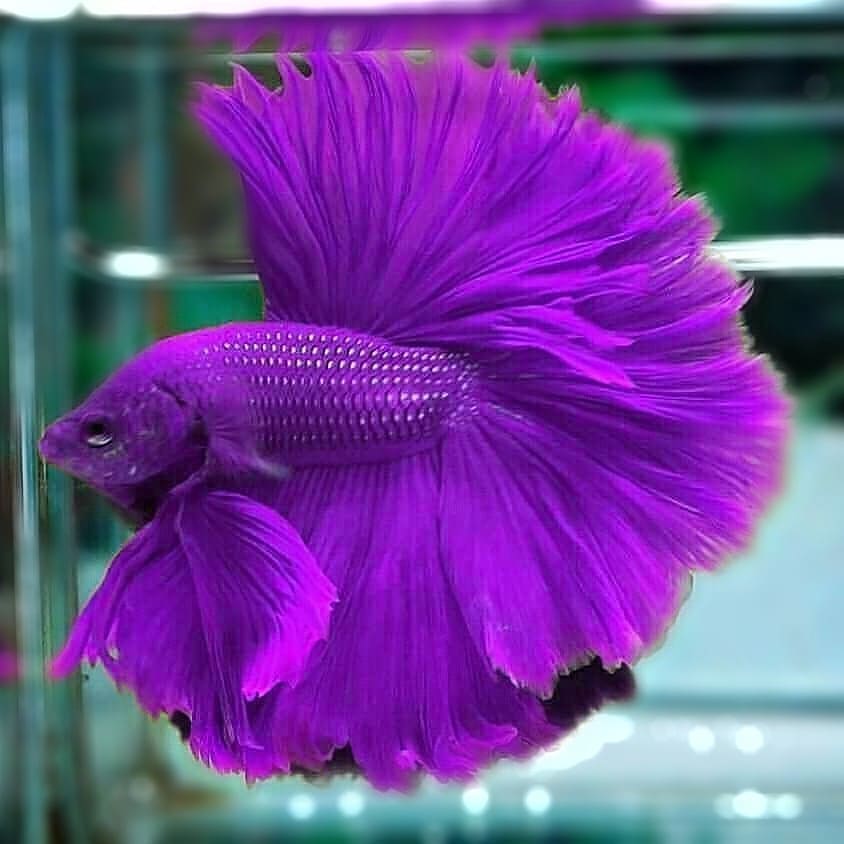
True purple bettas are a rare and coveted treasure in the fishkeeping world. Finding a betta with a genuine, deep purple coloration is almost unheard of, making them incredibly valuable.

Often, bettas marketed as “purple” will have shades of blue, red, or lavender. While these shaded purples are still quite rare and beautiful, they won’t command the same astronomical prices as a true, solid purple betta. Even these shaded varieties are considered prized and can be quite expensive to acquire.

Why Are Purple Bettas So Rare?

The allure of a pure purple betta lies not only in its stunning beauty but also in its rarity. This captivating color isn’t a natural occurrence in the betta world. It’s the result of a fascinating interplay of genetics and selective breeding.

The Genetic Puzzle

True purple bettas owe their unique coloration to a rare genetic mutation. This mutation doesn’t occur frequently, making it incredibly difficult to breed for. While breeders can increase their chances of producing purple bettas by focusing on lines with blue, pink, and red coloration, the final outcome remains a matter of chance.

A Matter of Luck

There’s no guaranteed formula for breeding a pure purple betta. It’s essentially a lottery, with the odds stacked against breeders. Even with careful selection and meticulous breeding practices, the appearance of a true purple betta is often a delightful surprise.

The Allure of Shaded Purples

While true purple bettas are a rare gem, their close relatives, the blue-purple bettas, are slightly more common but still quite elusive. These fish also carry the rare genetic mutation, resulting in a stunning blend of blue and purple hues. However, even these shaded purples remain prized possessions for betta enthusiasts, reflecting the challenges of breeding for this unique color.

The rarity of true purple and blue-purple bettas underscores the intricate world of betta genetics. These stunning colors are a testament to the artistry of nature and the dedication of breeders who strive to preserve and enhance these rare and captivating traits.

How To Take Care of Purple Betta Fish

In the vibrant world of betta fish, where colors burst forth in dazzling displays of reds, blues, oranges, and greens, a truly unique and captivating hue stands out: purple. But unlike the more common colors, true purple bettas are not a natural occurrence. They are the result of a captivating interplay between genetics and the careful hand of breeders.

Unveiling the Genetic Mystery

The secret behind the purple betta’s mesmerizing color lies in a rare genetic mutation. This mutation doesn’t occur frequently, making it a true treasure in the betta world. While breeders can increase their chances of producing purple bettas by focusing on lines with blue, pink, and red coloration, the final outcome remains a matter of chance. It’s like a genetic lottery, with the odds stacked against them.

The Quest for Purple Perfection

Imagine the dedication of breeders who meticulously select and pair bettas with the best possible genetics, hoping to coax out that elusive purple hue. They spend countless hours observing their fish, meticulously recording their lineage, and carefully analyzing their offspring. Their goal is to unlock the secrets of the purple gene, hoping to create a line of bettas that consistently produce this sought-after color.

The Allure of Shaded Purples

While true purple bettas are a rare gem, their close relatives, the blue-purple bettas, are slightly more common but still quite elusive. These fish also carry the rare genetic mutation, resulting in a stunning blend of blue and purple hues. They may not be a solid purple, but they possess a captivating charm that makes them highly sought-after by betta enthusiasts.

The Price of Rarity

The rarity of true purple and blue-purple bettas translates into a significant price tag. These fish are considered prized possessions, reflecting the dedication of breeders and the challenges of breeding for this unique color. Their value is a testament to the artistry of nature and the dedication of those who strive to preserve and enhance these rare and captivating traits.

How Much Does a Purple Betta Fish Cost?

The rarity of purple bettas, both true purple and blue-purple, naturally translates into a higher price tag compared to your average betta. The price you’ll pay will depend on the specific shade and the breeder’s expertise.

While still considered rare, blue-purple bettas are generally more readily available than their true purple counterparts. You can typically find these stunning fish for around twenty dollars from reputable breeders and online retailers. This price point makes them a bit more expensive than your average betta, but still a reasonable investment for those seeking a unique and beautiful fish.

Conclusion

As you’ve journeyed through the world of purple bettas, you’ve discovered the captivating story behind these rare and beautiful fish. From their unique genetics to the challenges of breeding them, you’ve gained a deeper appreciation for the allure of this captivating color.

SOURCE: BETTAFISHINFORMATION.COM
DIY: Garden Markers

I found this article on simplifylivelove.com that shows some clever and simple garden markers you can make now for your garden later!

From simplifylivelove.com:

Metal Spoons

Wooden Spoons

Painted Rocks

Old Can Lids

Popsicle Sticks

Stir Sticks

Mason Jar Lids

Wine Corks

You can find all the directions to make these garden markers at their website:

20 Cute & Easy DIY Garden Plant Markers To Make – Simplify, Live, Love

New York State Mammal: Beaver

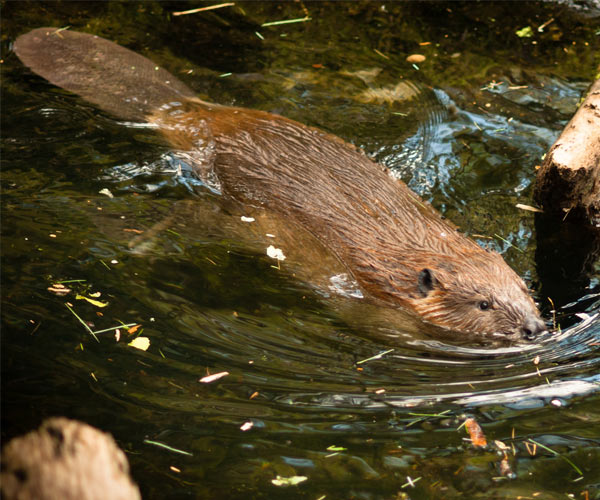
Beavers are the official mammal of New York State, and occur almost anywhere there is moving water and trees on the shoreline. They are also the largest rodent on the continent of North America.

Adult beavers average a length of 3-3.5 feet and a weight of 30-60 pounds. They are most easily identified by their broad, flat tails that help them swim, fell trees, and signal danger, among other functions. The lifespan of most beavers is less than 10 years, but some individuals far surpass that, and can even reach age 20.

The preferred foods of beavers are plant materials, including aquatic vegetation, and twigs and bark from trees. Their favorite species of trees to consume are poplar, aspen, birch, willow, and maple, and beavers make sure they stock up on these in the fall, so they’ll be set through the winter. To make it through the colder months, a beaver family may require a one- to two-ton food cache.

Beaver Dams and Lodges

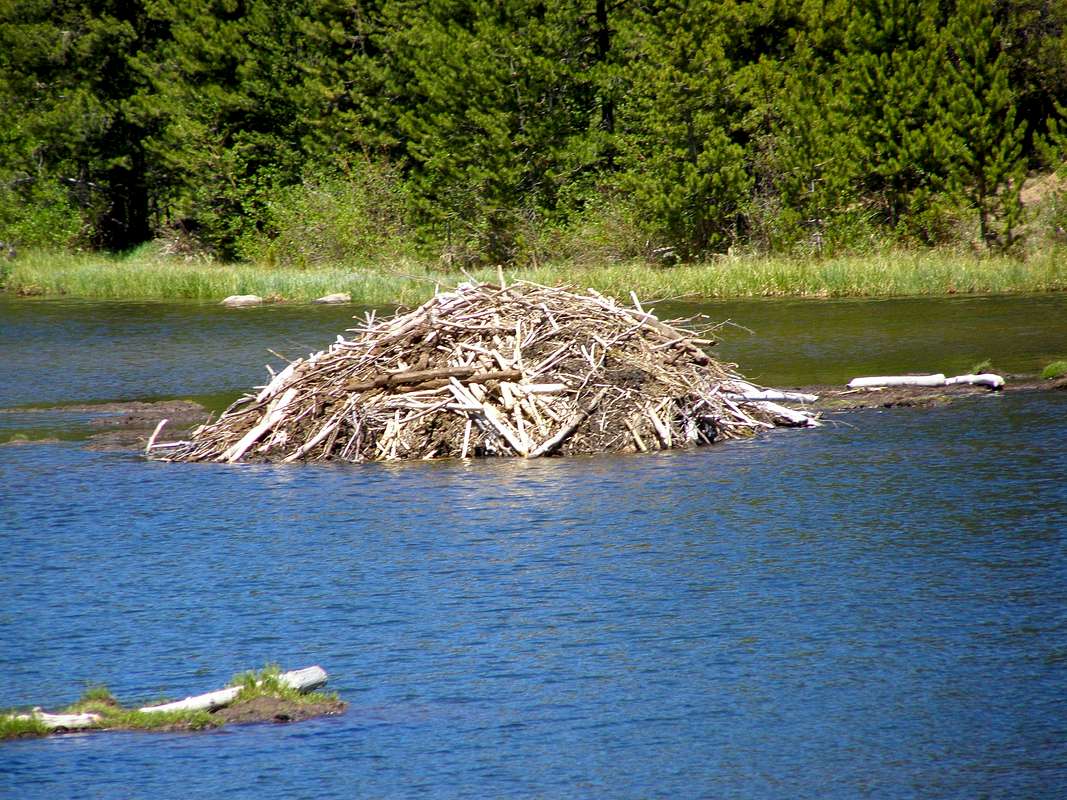
Aside from their flat, paddle-like tails, beavers are most well-known for the large dams they build in running bodies of water. While most of these dams average about 100-200 feet in length and 5-7 feet in height, some have measured as long as 2,000 feet and as high as 10 feet from the bottom of the stream.

To build these remarkable structures, beavers use their sharp front teeth to fell trees, which they drag into the water. They anchor the wood with mud and rocks, and pack mud, leaves, and other debris in between logs to hold back the water. Beavers build dams to stop the water from running, so a pocket of deep water is created. They choose to build their lodges in these areas of deep water, so they can dive down and be safe from predators.

Beaver lodges are typically 12-14 feet wide at the base, with 5 to 6 feet protruding above the water. Like dams, lodges are built from logs, sticks, rocks, and mud, and typically feature two underwater tunnel entrances. Beavers also build separate feeding and bedding areas. In the winter, lodges may hold the adult male and female, their young from the most recent breeding season and the one before that, and occasionally related non-breeding adults. As many as 12 individuals could lodge together.

Beavers in the Adirondacks

Beavers were abundant before European settlement, and could be found all over New York State, with the exception of Long Island. Unfortunately, the popular New World beaver pelt trade and deforestation resulted in only a few beavers being left in the Adirondacks by 1840.

Between 1901 and 1907, 34 adult beavers were released into the region by private landowners and legislators who wanted to help the species’ numbers increase. By 1924, the population had grown so significantly that a regulated trapping season was instituted to control nuisance and damage.

The Department of Environmental Conservation estimates that the current beaver population in the Adirondacks is between 50,000-70,000. Over time, it has been found that the regulated trapping has been the most effective means of reducing the negative impact of beavers on other species. While they are an important part of the ecosystem, beavers can unfortunately flood property, cut down rare trees, and can lead to water temperature increases that make bodies of water uninhabitable for other species, like trout.

Beaver Fun Facts

Beavers are second only to humans in their ability to modify their environment

The gestation period of a beaver is 3.5 months

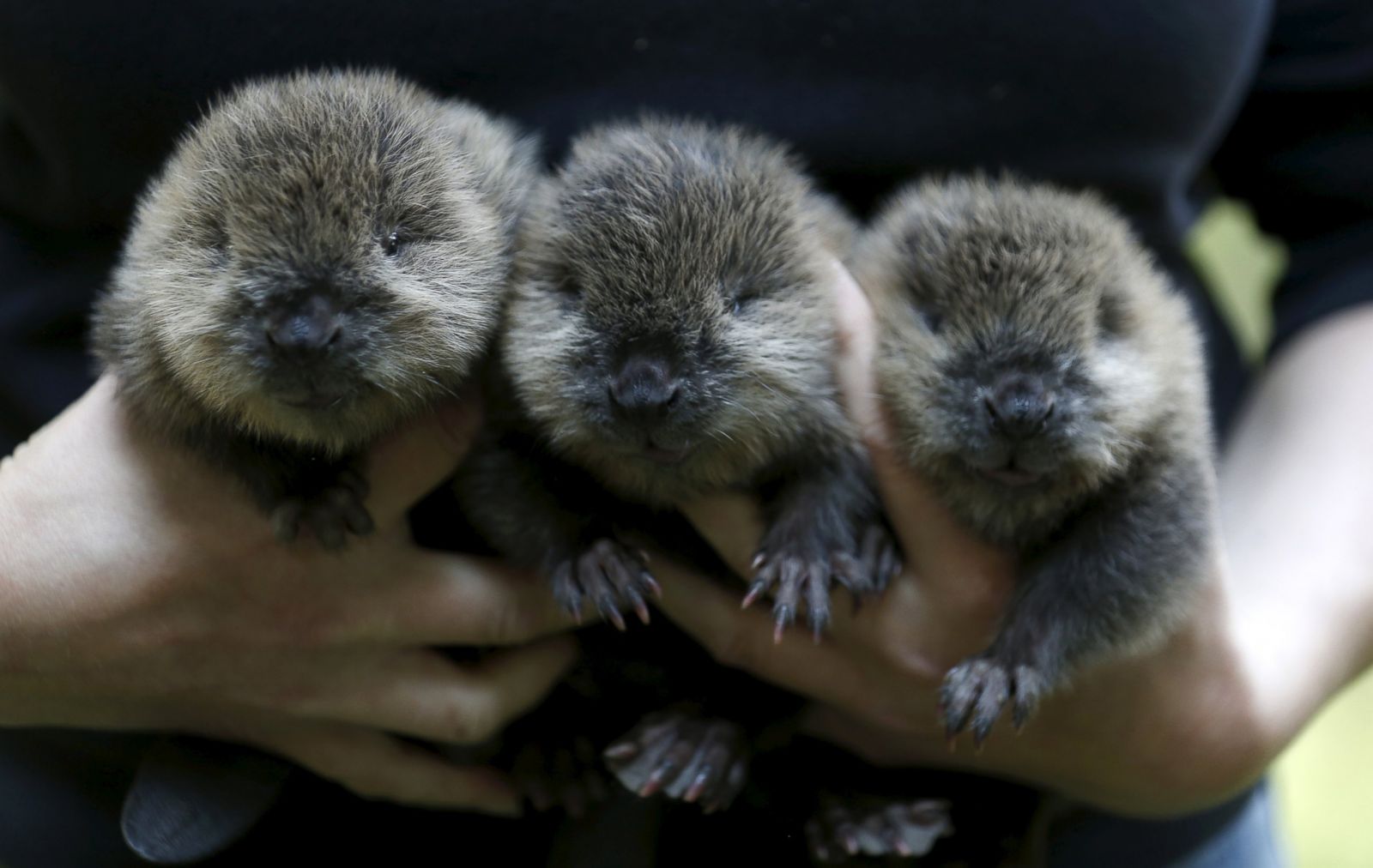
The average litter contains 2-4 kits

Kits can swim immediately after they’re born

Beavers are nocturnal

Beavers have transparent eyelids so they can see under water

The largest beaver dam in existence is in Wood Buffalo National Park and can be seen from space

Beavers’ large teeth never stop growing

SOURCE: ADIRONDACK.NET

Melania

Today is our lovely First Lady’s birthday.  I found the following on the White House website.

From WHITEHOUSE.GOV:

Melania Trump is the wife of the 45th and 47th President of the United States, Donald J. Trump, and the mother to their son, Barron Trump. 

She was born in Slovenia on April 26, 1970, and is the second First Lady born outside the United States. At a young age, she began what would soon become a highly successful modeling career, appearing in many high-profile ad campaigns and working with some of the best photographers in the fashion industry.

In 1996, Mrs. Trump moved to New York, and 10 years later, she proudly became a United States Citizen, making her the only First Lady to become a naturalized citizen. Mrs. Trump has always been an active member of her community. In 2005, she was the Honorary Chairwoman of the Martha Graham Dance Company. That same year, she was awarded Goodwill Ambassador by the American Red Cross—a role she served for 4 years. Mrs. Trump served 5 years as Honorary Chairwoman for the Boys’ Club of New York and was named Woman of the Year in 2006 by the Police Athletic League. In 2010, Mrs. Trump was the Chairwoman of the American Heart Association. In addition to her philanthropic work and modeling and fashion career, Mrs. Trump is an accomplished businesswoman. In 2010, she launched her own successful jewelry collection, Melania Trump Timepieces and Jewelry.

While Melania Trump became a household name, she is, first and foremost, a mother and wife, and in 2017, she made the White House and Washington home for her family.

In her role as First Lady from 2017 to 2021, Mrs. Trump focused on the many issues affecting children across the Nation. This passion led to the establishment of BE BEST in 2018; Mrs. Trump’s awareness campaign focused on the well-being of children and highlighted the people and programs dedicated to ensuring a better future for the next generation. Mrs. Trump promoted BE BEST throughout the country and internationally.

In addition to BE BEST, Mrs. Trump has a deep appreciation for the military and their families. She traveled to military bases domestically and overseas, including Iraq in 2018, and regularly incorporated military families in public engagements. 

In her time away from the White House, Mrs. Trump established Fostering the Future, a BE BEST initiative, which provides college-level scholarships to those aging out of the foster care system. The scholarship funds are provided by a portion of the revenue generated from her Web 2 and Web 3 platforms on melaniatrump.com and usamemorabilia.com. Her platforms utilize blockchain technology, marking her as a pioneer within the industry while empowering the next generation of young Americans with the resources needed to excel. Mrs. Trump consistently implements innovative approaches to advance her advocacy for children and the causes she supports, demonstrating a forward-thinking commitment to making a positive impact.

In 2024, Mrs. Trump released her memoir, MELANIA, which quickly became #1 on The New York Times best sellers list. 

SOURCE: WHITEHOUSE.GOV

What Shall We Bake Today?

Today is National Zucchini Bread Day and so I present my favorite zucchini bread recipe. This recipe makes 2 loaves and it freezes well.

Ingredients  

3 large eggs

2 cups granulated sugar

1 cup vegetable oil

1 tablespoon vanilla extract

2 cups grated zucchini about 2 small

2 cups all-purpose flour

1 teaspoon baking soda

1 teaspoon baking soda

1 tablespoon cinnamon

1 teaspoon salt

1 ½ cups chopped walnuts or pecans

Instructions 

Preheat the oven to 350˚F. Grease two 8×4-inch loaf pans or line with parchment paper.

In a large bowl, beat 3 eggs till frothy. Add sugar, oil and vanilla.  Beat till thick and lemon colored.

Stir in zucchini.

Mix flour, cinnamon, baking powder and baking soda.  Add to first mixture.

Add the chopped nuts if desired.

Divide the batter evenly over the prepared pans and bake for 50-60 minutes or until a toothpick comes out clean.

Cool in the pans for 5 minutes, remove from the pans, and cool on a wire rack.

Enjoy! 

G’Day Mate!

On this date in 1986, the movie Crocodile Dundee premiered in Australia.  This article from Moviefone.com details some interesting things about Crocodile Dundee that you might not have known.

From moviefone.com:

15 Things You Never Knew About ‘Crocodile Dundee’

For better or worse, when many Americans think of Australia, they think of Paul Hogan and “Crocodile Dundee.” After all, the Australian travel pitchman cleverly designed the movie as part travelogue, part send-up of popular stereotypes. The comedy’s plot — about a fabled Australian outdoorsman and a New York newswoman who survive the challenges of each other’s jungles — and Hogan’s winning performance made “Crocodile Dundee” the most successful imported film in U.S. box office history. Still, as many times as you’ve watched Hogan cheerfully flash that giant Bowie knife, there’s plenty you may not know about “Crocodile Dundee.” Here’s the behind-the-scenes story, and it’s no croc(k).


1. Hogan came late to show business. He was a 32-year-old rigger and painter on the Sydney Harbor Bridge when his mates dared him to try out for an Australian TV talent show. He won and was soon writing and starring in his own sketch comedy show.

2. After a decade of small-screen success, Hogan and his behind-the-camera team decided to make a movie, something none of them had ever done before.

3. The real-life Crocodile Dundee was an Aussie named Rod Ansell, a hunter who, in 1977, famously survived seven weeks in the wild while stranded in a remote corner of Northern Australia. When he came to Sydney to talk about his adventure, he appeared on a TV interview barefoot and stayed in a luxury hotel, where he slept on the floor and was mystified by the bidet.

4. Hogan and his co-screenwriters clearly drew much of Mick Dundee’s character and exploits from Ansell. The character was also a canny brand extension of the character Hogan had played in Australian tourism commercials, the ones that had made him moderately famous on this side of the Pacific for his offer to “slip an extra shrimp on the barbie for you.”


5.Linda Kozlowski, the lone Yank during the Australian portion of the shoot, was a Juilliard classmate of Val Kilmer’s who’d appeared on Broadway with Dustin Hoffman in “Death of a Salesman.” Nonetheless, the 26-year-old was largely unknown on either side of the ocean before she landed the role of reporter Sue Charlton.

6. The wilderness section of the movie was shot in Kakadu, a national park roughly the size of Germany. The only crocodile Hogan and Kozlowski ever tangled with was the mechanical croc built for the film (above). Nonetheless, the animatronic prop was realistic-looking enough that someone reported the crew to the authorities as suspected poachers.

7. Hogan got a lot of comic mileage out of the bidets in the Plaza Hotel during the Manhattan section of the film. In real life, however, there are no bidets at the Plaza.

8. There were two versions of “Crocodile Dundee”: an Australian version, and an international version. In the latter, the incomprehensible Australian slang dialogue was snipped out, resulting in a cut 10 minutes shorter.


9. In America, distributor Paramount advertised the film as “‘Crocodile’ Dundee,” with extra quotation marks to make clear that it was a movie about a man nicknamed “Crocodile,” not a movie about a crocodile named Dundee.

10. The film cost about $10 million to make. Not only did it become the biggest domestic hit in Australian history, but it was a smash all over the world. In the U.S., it earned $175 million, making it the second-highest grossing film of 1986, behind only “Top Gun.”

11. Hogan, Ken Shadie, and John Cornell were nominated for an Oscar for Best Original Screenplay. They lost to Woody Allen (for “Hannah and Her Sisters”), but Hogan did win a Golden Globe for Best Actor in a Comedy Motion Picture.

12. “Crocodile Dundee” made Kakadu into a popular tourist attraction. The film’s success prompted developers to build a hotel there shaped like a crocodile.

13. Hogan and Kozlowski fell in love for real on the set. She continued to play love interest Sue in sequels “Crocodile Dundee II” (1988) and “Crocodile Dundee in Los Angeles” (2001). Unfortunately for the couple, Hogan was already married, to Noelene Edwards, whom he first wed in 1958, the year Kozlowski was born. They had five children together, divorced in 1981, and remarried in 1982. Their second split was considered one of the ugliest celebrity divorces in Australian history. Shortly after their second divorce became official in 1990, the 50-year-old Hogan married the 32-year-old Kozlowski. They had a child of their own, son Chance. They divorced in 2014.

14. At one time in the early 1990s, Paramount was considering a crossover sequel with one of its other big 1980s franchises: “Crocodile Dundee Meets Beverly Hills Cop.” Fortunately, Eddie Murphy nixed the idea.

15. Now 76, Hogan is the subject of a forthcoming small-screen bio, an Australian mini-series starring Josh Lawson (known to American audiences from “Anchorman 2”) as Hogan. The mini-series will be called “Hoges,” which is the nickname Hogan is known by Down Under.

SOURCE: MOVIEFONE.COM

Sleeping in Cupbards

(Note: This article is courtesy of Filly!)

The strange reasons medieval people slept in cupboards

22 January 2024

By Zaria Gorvett

These cozy, wardrobe-like pieces of furniture could reportedly sleep up to five people. Why did they fall out of fashion?

At a museum in Wick, in the far north of Scotland, is what looks like a particularly large pine wardrobe. With a pair of full-length double doors at the front, and suitcases stacked above it, it wouldn’t look out of place in a modern bedroom. It’s even assembled like regular flat-pack furniture – with each piece slotting together, so it can be easily moved and rebuilt. But this cupboard is not for storing shirts or jackets; there are no hangers or shelves inside. This is a box bed – and it’s designed to hold sleeping people.  

Otherwise known as a closet bed or close bed, the box bed was surprisingly popular across Europe from the medieval era to the early 20th Century. These heavy pieces of furniture involved exactly what you would expect – a box made of wood that contained a bed. Some were plain and humble, no more than basic wooden containers. Others were elaborately decorated, with carved, panelled or painted sides. Often the cupboards had doors that closed to impound the sleeper within the blackness of their cramped interiors, or a little curtained window. The fanciest had a variety of uses – with bonus drawers and a seat at their base. 

For centuries, drowsy farm-workers, fish-gutters, and even members of the nobility would crawl inside these cozy wooden dens each night, presumably being careful not to bash their elbows as they did so, and shut themselves in.

Box beds were versatile pieces of furniture. Often, they were used almost as miniature bedrooms – spillover places for people to sleep where there otherwise wouldn’t be enough space. In one case from 1890, a family living in the Scottish Highlands was too large for their single-room house – so some members slumbered in a box bed in the barn, among dogs and horses, according to the Wick Society. It was also common to use them for migrant workers in some areas, such as the overflow of herring-gutters who descended on the region of Wick during the fishing season – with up to five or six people required to share a bed.

In fact, sharing a box bed with family members or co-workers was not unusual. In the 1825 melodrama The Factory Lad, workers slept in stacks of box beds, with two or three people in each one. Some had holes for ventilation, but cramming too many people in may have carried a risk of suffocation – one tale from 13th-Century France involves a woman hiding three secret guests inside a bed, who then perish in its stuffy interior.  

Box beds were particularly common in Britain and on the continent in Europe. According to one account from 1840, most cottages in Brittany, France, included these pieces of furniture, which were typically made from oak and piled up to 4ft (1.2m) high with bedding. There might be several to a room, and each one would have a long wooden chest placed at their base. “This is always the seat of honor, and serves also as a step to assist mine hostess in mounting to her exalted couch,” wrote the author Thomas Adolphus Trollope.

But there was a further benefit to these sleeping-coffins: warmth. Without modern heating or insulation, in the winter bedrooms could be literally freezing – so cold that it was standard practice to go to bed wearing a hat, so that only your face was exposed. And it was significantly colder then.

Roger Ekirch, a university distinguished professor of history at Virginia Tech, Virginia, and the author of At Day’s Close: A History of Nighttime, explains that from the 14th to the 19th Century, Europe and portions of North America were experiencing the Little Ice Age. In London, the Thames froze over on eighteen occasions – an event that hasn’t happened since 1963. “Diaries spoke of sap from burning logs in fireplaces freezing as soon as it seeped from the bare ends… inkwells would freeze overnight,” he says.

This not only made bedmates an appealing prospect, but also the sheltered environment of a box bed, where warm air became trapped.

The box bed eventually became associated with poverty and country life, and fell out of fashion. By the mid-20th Century they were rare. However, now similar pieces of furniture are making a quiet comeback. Today it’s possible to buy bed tents, which turn sleeping areas into snug little caves with the added benefit of extra privacy, while wooden sleeping “nooks” that look suspiciously similar to box beds are being sold for aspirational “cottage style” homes.

SOURCE: BBC.COM

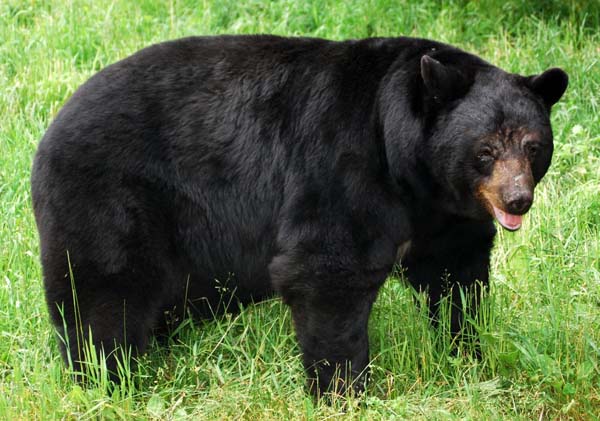
New Mexico State Mammal: Black Bear

The American black bear, more commonly known simply as the black bear, is the smallest of the 3 bear species found in America. The brown or grizzly bear and the polar bear are larger in size, however the black bear is still a huge mammal. They can measure up to 7 feet in length and males can weigh over 400kg. When standing on their hind legs, they can reach a height of around 7 feet, although females are usually smaller and shorter than males.

Black bears can be distinguished from brown bears by their smaller size, longer ears and lack of a shoulder hump. Black bears also have shorter, more curved claws and are generally more timid animals. Typically they are black in color but depending on their location, their fur can be dark or light brown. Black bears are found throughout North America but are more abundant in the northern states. Unlike brown bears, they prefer more densely forested habitats and rarely venture into open areas for long periods of time.

Interesting American Black Bear Facts

1. They are not always black in color

Some black bears can be a very light brown (or cinnamon) color and very rarely, completely white.

2. Black bears are shy and timid

Black bears will usually run away or climb up a tree rather than confront humans. This is mostly true but some individual black bears can be very aggressive, especially when threatened. They are however much less likely to attack compared to the brown or grizzly bears, which tend to be less weary and less approachable. Both these species, as well as the polar bear, will usually move on when left alone and black bears especially tend to flee when confronted by people.

3. They can eat over 10,000 berries in a day

When food is abundant, black bears will eat as much food as they possibly can, sometimes over 8kg of fruit and berries in a day. When berries and fruits are abundant, black bears will move to these areas and feed almost exclusively on these. They have an excellent sense of smell and this helps them locate ripening berries, nuts and fruits as well as bee hives, where they feed on the honey and bee larvae. 

4. Black bears are skilled climbers

Black bears are excellent climbers and can easily access nuts and fruits before they fall to the ground. They have sharp, curved claws and this not only helps them when climbing but also makes ripping into trees logs or upturning boulders when searching for insects much easier. As well as being expert climbers, black bears are great swimmers and will cross fast flowing rivers to reach food on the other side.

5. They are incredibly strong animals

Black bears are up to 5 times stronger than the average human being.

6. American black bears are highly dexterous

They are capable of opening screw-top jars and manipulating door latches.

7. Their diet is predominantly vegetarian

Although they do eat meat, almost 70% of their diet is made up of plant matter.

8. Their sense of smell is 7 times more sensitive than a domestic dog

While American black bears have extremely sensitive noses, their eyesight and hearing is more comparable to that of a human.

9. Black bears are fast runners

Sprinting at around 40-50km/h, black bears can easily outrun humans.

10 They are mostly quiet animals

Although they tongue-click and grunt to communicate with one another, black bears do not growl or roar. 

11. They den in spots that are well hidden

Black bear dens are usually made in caves, under tree roots or are dug into hillsides.

12. Females usually give birth during the hibernation period

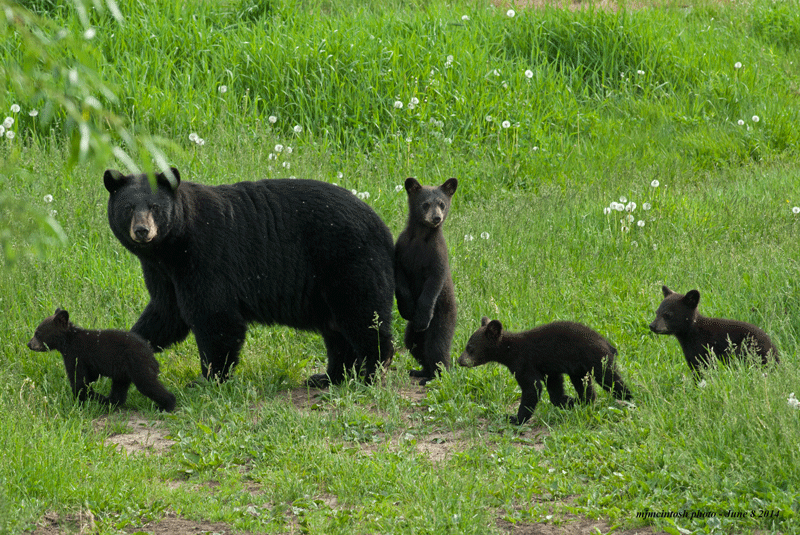
During the breeding season, a male and female will remain together until just before the cubs are born. Females usually give birth in their den while in torpor; a similar state to hibernation. The cubs will then feed off their mother’s milk while she hibernates until spring arrives.

Usually two cubs are born and they leave the den for the first time when their mother comes out of hibernation. Female black bears teach their cubs how to find food and survive in the wild until the cubs are around 17 months old and become fully independent. The father of the cubs does not actively help in raising his offspring but does protect the territory from other males, who may attack the cubs.

13. Black bear cubs are playful animals

Cubs will regularly wrestle and play with each other as well as their mother. This helps them develop essential skills to survive in the wild.

14. Black bears are very intelligent

Black bears can memorize their whole territory, they can make scratching sticks out of twigs and can easily break into locked food storage containers.

15. There are black bear hybrids

American black bears can reproduce with other bear species and produce hybrid offspring. Black bear and grizzly bear hybrids have been reported in the wild.

16. They are a key contributer to the ecosystem

Black bears are important contributors to the ecosystems in which they inhabit. Due to their large size they create micro-ecosystems where they leave deep footprints or break small trees and plants. They are also key in controlling insect populations as well as important seed disbursers, encouraging new plant growth wherever the seeds in their stools germinate. Black bears also have very large home ranges which means they can increase plant diversity by travelling long distances and disbursing seeds which otherwise may not have reached or germinated in that area.  

SOURCE: FACTANIMAL.COM