The leaves and stems of lamb’s ear, also known as betony, are covered with a dense layer of tiny white hairs that make them feel silky to the touch and give them a silvery appearance. This plant is a must for sensory garden settings and is sure to delight children who are encouraged to stroke the soft leaves. While lamb’s ear is most commonly grown for its foliage, it does bloom; some varieties are grown specifically for their prolific blooms.
In addition to lamb’s ear plants providing tactile joy, the silvery foliage also serves as the perfect backdrop for many other plants. The flower stalks are usually 12-24 inches tall, with small purple, white, red, or pink blooms.
Lamb’s ear is a vigorous grower. It isn’t on the USDA invasive plant list, but unless it is carefully contained, it can become troublesome. Lamb’s ear produces creeping stems that root along the soil, creating dense mats of foliage. The roots aren’t thick, so the plants can be pulled up where you don’t want them. This spreading habit makes lamb’s ear a good choice for a groundcover in full sun or poor soil situations. Lamb’s ear also readily reseeds itself, so removing the flower stalks before they go to seed reduces spreading.
Lamb’s Ear Care Tips
Light
This plant performs best in full-sun conditions, but it can withstand shade. The plant looks greener in the shade because it produces fewer dense hairs.
Soil and Water
Lamb’s ear varieties withstand poor soil conditions and drought. One thing it does not tolerate, however, is soggy soil.
Give the plant about 1 inch of water weekly if the soil is dry. Don’t water from the top of the plant. Keep the plant as dry as possible by watering it from the bottom.
Temperature and Humidity
The soft hairs on the leaves and stems help prevent plant moisture loss, making it exceptionally drought-tolerant. Heat is not a problem for lamb’s ear. However, in desert locations, it is best to select a planting location with at least some partial shade. Low humidity is best for this plant. In locations with high humidity, the plant is susceptible to leaf rot.
Fertilizer
Lamb’s ear doesn’t like rich soil. It is best to avoid giving the plant any fertilizer.
Pruning
Because the prolific seeds spread quickly, deadhead the flower stalks or cut them back to the ground to prevent unintended spread. Prune any dead or damaged leaves as they occur. Repeat the process whenever you see more dead leaves or about twice a year. The plant can stand a harsh pruning if needed. It’s difficult to kill.
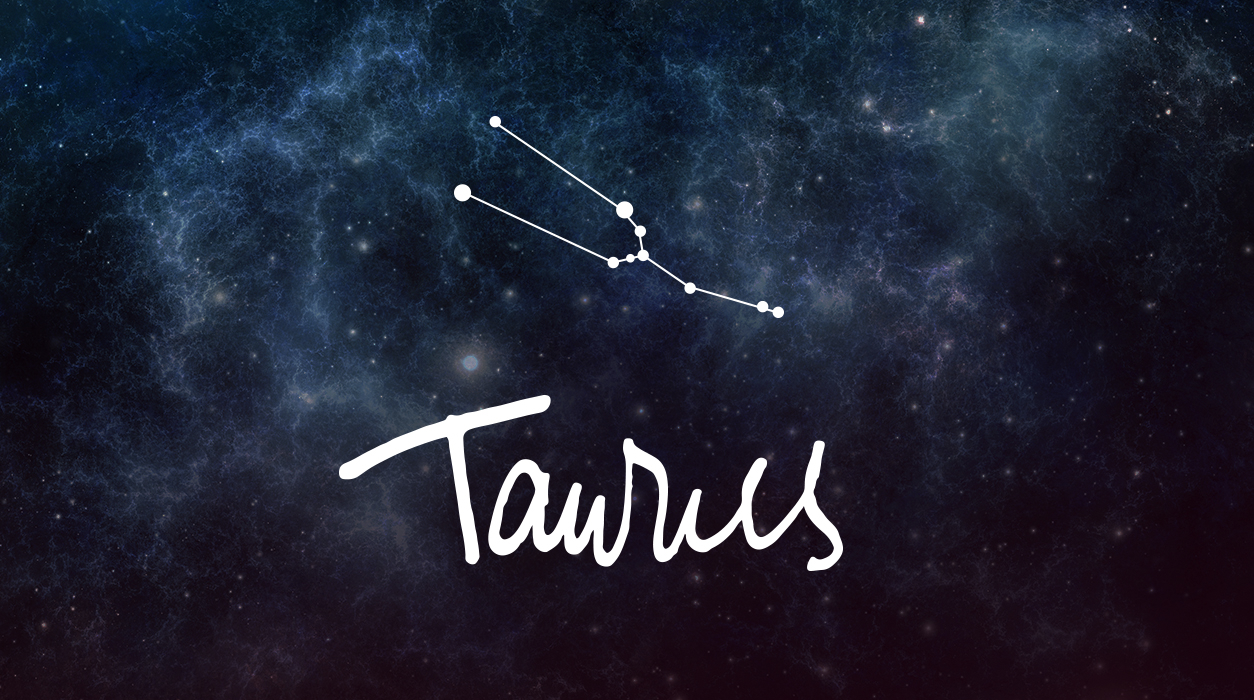
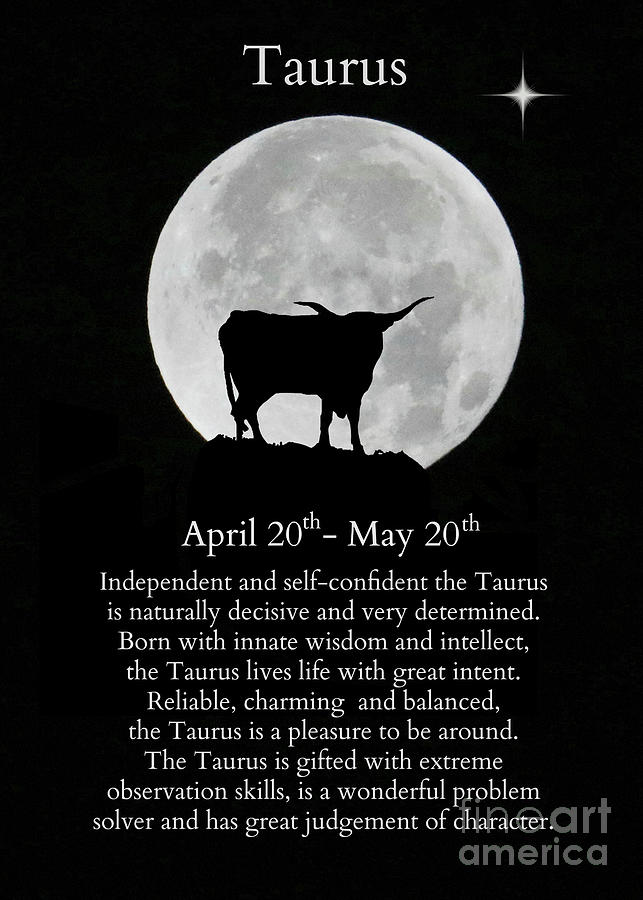
Smart, ambitious, and trustworthy, Taurus is the anchor of the Zodiac. Amazing friends, colleagues, and partners, Taureans value honesty above all else and are proud that their personal relationships tend to be drama free. Bulls get the reputation of being stubborn, but they’re not always stuck in their ways. This searching sign is willing to see another point of view, but they won’t flip-flop on an opinion just to make someone else happy. They will shift their thinking only if they truly have a change of heart.
With a rep as one of the hardest-working signs in the Zodiac, a Bull is never afraid to roll up those sleeves and get to work, and won’t blink an eye at pulling an all-nighter to get the job done. But it’s not all work for a Taurus sign. Anchored by the earth, this passionate sign is all about sensuality, and is always seeking out pleasure. Whether they’re indulging in luxurious massages, spending hours in bed with their lover, or going on a long run, Taureans love feeling present in their body and frequently need to get in touch with their physical self.
When it comes to love, Taureans are all about honesty, which is why a first date with a Bull may resemble a job interview. They’re not being rude—they’re built for partnerships and are simply trying to see if you’re a good fit at the start. And once you begin dating a Taurus, forget about white lies. A Taurus would much rather hear that an outfit is unflattering than endure hollow compliments. Taurus will hold a grudge against someone who lies, even if it’s a lie just to make them feel happy. Detail-oriented Taurus may seem nitpicky (even in the bedroom, a mid-romp critique may not be unusual), but that’s not because they want to offend. They simply demand the best, and they expect the people in their life to deliver.
While Taurus signs have an intense internal drive, they sometimes have trouble respecting authority, especially if asked to do something they think is pointless or should be done differently. Learning to be flexible and go with the flow can be an advantage to Taurus. And while Taureans have a rich internal life, they value external attributes and may overlook someone who doesn’t have the perfect outfit, car, or resume. Learning the benefits of getting to know someone before writing them off can be a lifelong lesson to a Taurean, especially in love, where they might be too hasty to write off a perfect match.
Taurus in Love
Ruled by Venus, a Taurus in love is sensual to the max and very connected to their physical bodies. A Taurus must feel physical attraction from the start if a romance is going to take off. But those who want to seduce Taurus first have to get past the formidable external barriers this sign places in front of them.
Taurus Friendship Style
“Friends forever” is a cliché probably dreamed up by a Taurus. When it comes to friendship, once you’re in with a Bull, you’re in for life. Bulls aren’t just loyal, they’re also fun, with a witty streak that always keeps you laughing. They don’t take friendship lightly, and remember birthdays, anniversaries, and other key events, often with a card or gifts.
Taurus Career, Money & Success Traits
Taurus greatest career strength: Persistence. A Taurus will look at a project, break it down into steps, and get things done, even if it means burning the midnight oil. Taurus never utters the words “too busy” and quickly becomes a cherished member of any work team.
Persistent and hardworking, once a Taurus sets a goal, it will get done—despite any obstacles that may come up. While becoming friends with a Taurus can be tough since they’re so particular about who they want in their social circle, once you’re in, you’re in for life. Taurus doesn’t get pulled down by gossip or petty drama. They’ll always see the best in their loved ones and buoy them up when they’re feeling down.
Taurus’ Greatest Challenges
Yes, they’re hardworking, but they’re also lazy. How is that even possible? Because Bulls are so driven by their own internal compass, they sometimes have trouble pivoting to fulfill someone else’s demands, which can lead to tough times at work or school. Learning to consider others’ viewpoints is a lifelong lesson for all Taureans.
Taurus’ Secret Weapon
Willpower. Think of its symbol, the bull (or even a bulldozer), and you’ve got an idea of how Taurus gets things done. They push, roll over, and dominate whatever challenges they’re facing until those challenges are history. They’re also a model for perseverance—when a Bull decides to do something, they get it done.
Puffins are cute, stocky birds, known for their black and white plumage and orange feet and bills. Their appearance has earned them numerous nicknames, including “sea parrots” and “clowns of the sea.” Puffins are often compared to penguins because of their plumage, waddling walk, and diving ability, but the two birds are not actually related.
Types of Puffins
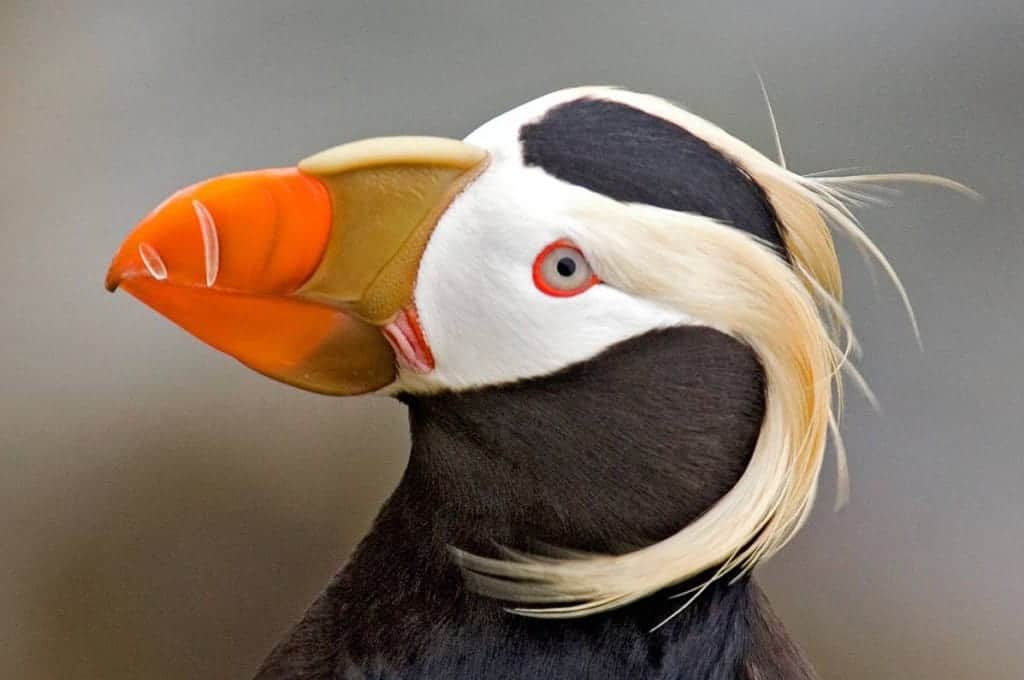
Depending on which expert you ask, there are three or four puffin species. All puffin species are types of auks or alcids. The Atlantic or common puffin (Fratercula arctica) is the only species native to the North Atlantic. The tufted or crested puffin (Fratercula cirrhata) and the horned puffin (Fratercula corniculata) live in the North Pacific. The rhinoceros auklet (Cerorhinca monocerata) is definitely an auk and only sometimes considered to be a type of puffin. Like the tufted and horned puffin, it ranges across the North Pacific.
Description
Puffin plumage depends on the species, but the birds are generally brownish-black or else black and white, with black caps and white faces. Puffins are stocky, with short tails and wings, orange webbed feet, and large beaks. During the breeding season, the outer portions of the beak are bright reddish orange. After breeding, the birds shed the outer part of their bills, leaving smaller and less-colorful beaks.
The Atlantic puffin is about 13 inches long, while the horned puffin and tufted puffin average 15 inches long. Male and female birds are visually indistinguishable, except that the male in a pair tends to be slightly larger than his mate.
Habitat and Distribution
The open sea of the North Atlantic and North Pacific is home to puffins. Most of the time, the birds live out at sea, far from any coast. During the breeding season, they seek islands and coastlines to form breeding colonies.
The Atlantic puffin ranges from Iceland, Greenland, and Norway as far south as New York and Morocco. The horned puffin may be found from the coasts of Alaska, British Columbia, and Siberia, wintering along the California and Baja California coast. The tufted puffin and rhinoceros auklet range largely overlaps that of the horned puffin, but these birds also overwinter off the coast of Japan.
Diet
Puffins are carnivores that feed on fish and zooplankton, preying primarily on herring, sand eels, and capelin. Puffin beaks feature a hinge mechanism that allows them to hold several small fish at a time, making it easier to transport small prey to feed a chick.
Behavior
Unlike penguins, puffins can fly. By rapidly beating their short wings (400 beats per minute), a puffin can fly between 48 to 55 mph. Like other auks, puffins also “fly” underwater. Despite their mobility in the air and sea, puffins appear clumsy when walking on land. Puffins are highly vocal at their breeding colonies, but silent when they are out at sea.
Reproduction and Offspring
In captivity, puffins reach sexual maturity at three years of age. In the wild, breeding usually occurs when the birds are around five years old. Like other auks, puffins are monogamous and tend to form lifelong pairs. Each year, the birds return to the same colonies. They build nests among rocks or burrows in the soil, depending on the colony geography and puffin species.
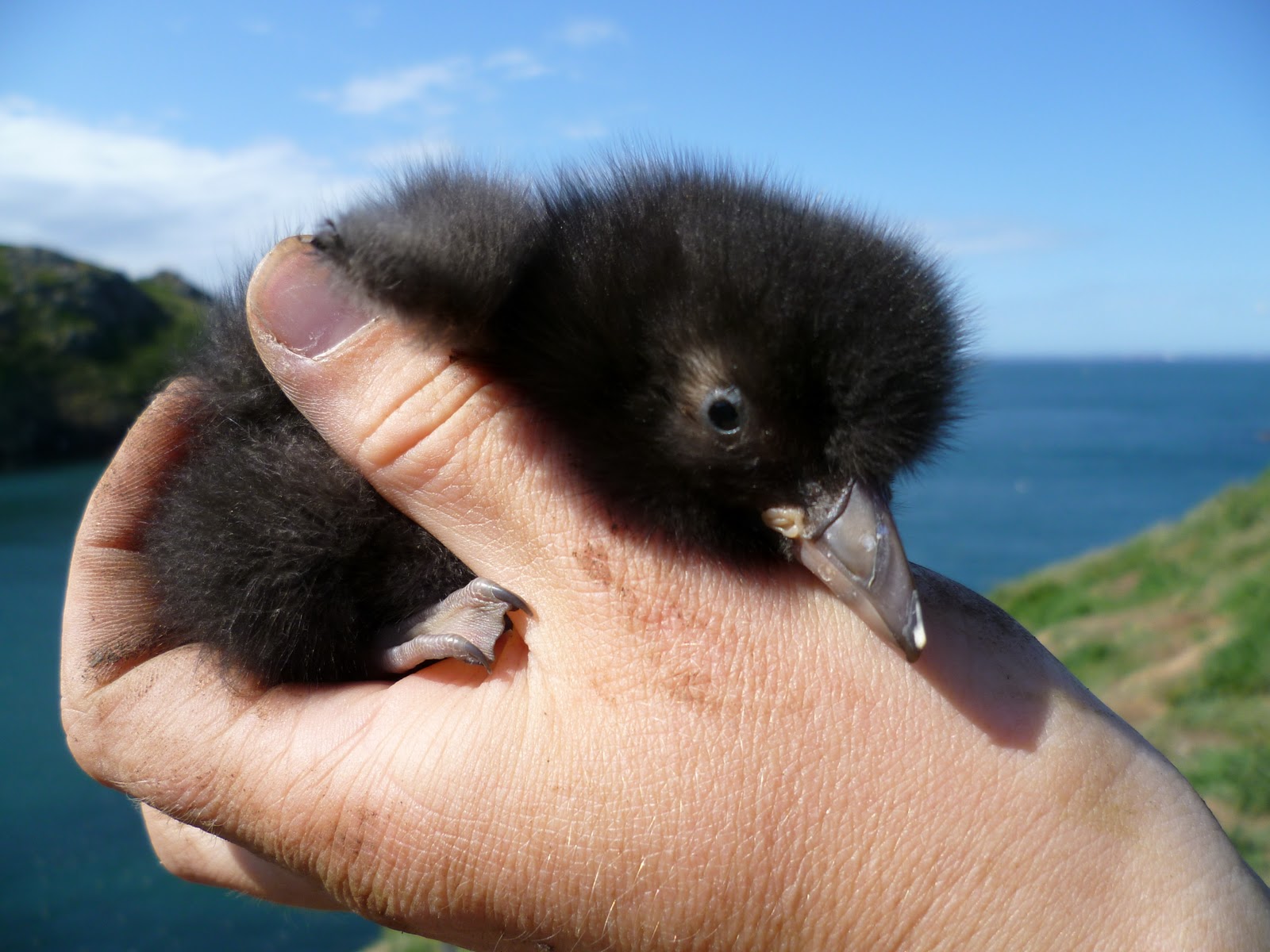
The female lays a single white or lilac-colored egg. Both parents incubate the egg and feed the chick, which is commonly called a “puffling.” Pufflings lack the well-defined plumage markings and colorful bills of their parents. Chicks fledge at night and head out to sea, where they will remain until they are ready to breed. The average lifespan of a puffin is about 20 years.
Conservation Status
The horned puffin and tufted puffin are classified as being of “least concern” on the IUCN Red List of Threatened Species. The IUCN lists the Atlantic puffin as “vulnerable” because populations are rapidly declining across the species’ European range. Researchers believe the decline is due to multiple factors, including food shortage caused by overfishing, predation, pollution, and mortality in fishing nets. Gulls are the principle natural predator of puffins, although they are also preyed upon by eagles, hawks, foxes, and (increasingly) domestic cats. Atlantic puffins are hunted for eggs, food, and feathers in the Faroe Islands and Iceland.
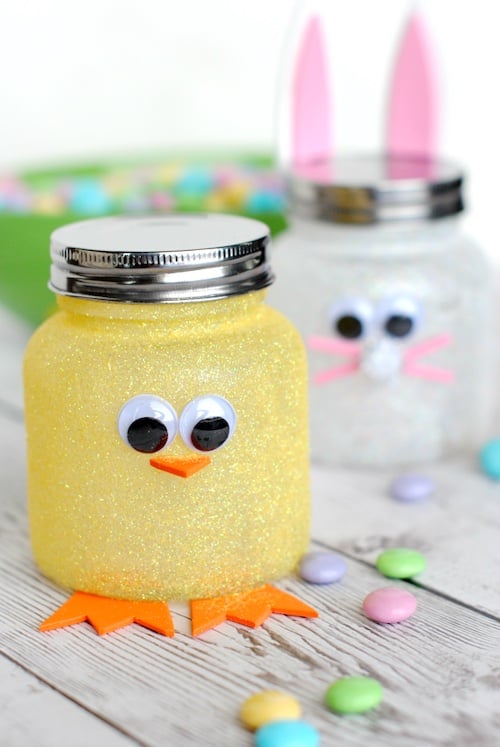
Several years ago, my granddaughter and I made these adorable (and EASY!) Easter jars. They require clean, empty jars, paint, googly eyes, pipe cleaners, a puff ball and some foam or felt scraps.
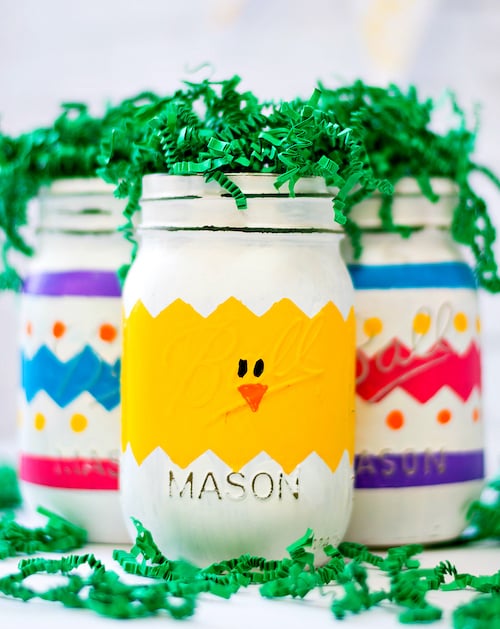
Of course, there’s ALWAYS Mason Jars to paint…LOL
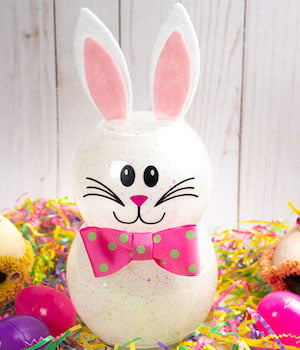
This bunny is basically the same idea only you use 2 small glass globes. I used rounded glass containers that I saved after I burned the candles in them. I microwaved the glasses to liquefy the remaining bits of wax and poured that out. Then I washed them and used them!
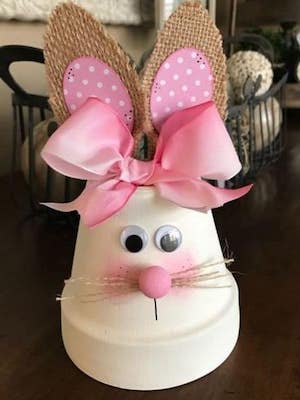
This idea uses a flowerpot, some burlap for the ears, googly eyes, a wooden ball (for the nose) and ribbon!
How about a super easy carrot? You’ll need a clay pot and saucer, some twine, felt, acrylic paint and glue.
Lastly, I offer these bunny sachets!!
You’ll need to draw a bunny shape (see picture below) on doubled fabric, and then, starting at the flat bottom part, sew around the edge. (If you want that exact size, add a ¼ to ½ inch around the edge for a seam.) Leave an opening so you can turn the bunny inside out. Turn the sewed bunny inside out and then tie a ribbon at the base of the ears to prevent the filling from going into the ears. Use a funnel to spoon a mixture of dry rice and dried lavender into the bunny head. Stitch the opening closed. Add a face with a fabric marker if desired.
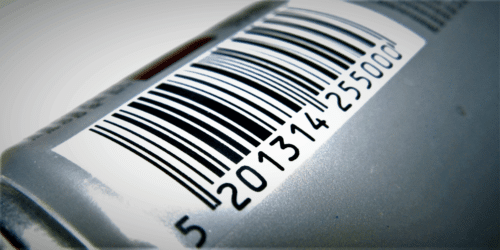
Every few years, the small town of Troy in Miami County, Ohio celebrates an historic occasion that for a few giddy weeks puts it on the world map of the grocery trade. At the time, National Cash Register, which provided the checkout equipment, was based in Ohio and Troy was also the headquarters of the Hobart Corporation, which developed the weighing and pricing machines for loose items such as meat. It was here, at just after 8 a.m. on June 26, 1974, that the first item marked with the Universal Product Code (UPC) was scanned at the checkout of Troy’s Marsh Supermarket.
It was treated as a ceremonial occasion and involved a little bit of ritual. The night before, a team of Marsh staff had moved in to put bar codes on hundreds of items in the store while National Cash Register installed their scanners and computers. The first “shopper” was Clyde Dawson, who was head of research and development for Marsh Supermarket; the pioneer cashier who “served” him, Sharon Buchanan. Legend has it that Dawson dipped into his shopping basket and pulled out a multi-pack of Wrigley’s Juicy Fruit chewing gum. Dawson explained later that this was not a lucky dip: he chose it because nobody had been sure that a bar code could be printed on something as small as a pack of chewing gum, and Wrigley had found a solution to the problem. Their ample reward was a place in American history.
The first item marked with the Universal Product Code (UPC) was scanned at the checkout of Troy’s Marsh Supermarket. Courtesy of Yale University Press
Joe Woodland said himself it sounded like a fairy tale: he had gotten the inspiration for what became the bar code while sitting on Miami Beach. He drew it with his fingers in the sand. What he was after was a code of some sort that could be printed on groceries and scanned so that supermarket checkout queues would move more quickly and stocktaking would be simplified.
That such a technology was needed was not his idea: it came from a distraught supermarket manager who had pleaded with a dean at Drexel Institute of Technology in Philadelphia to come up with some way of getting shoppers through his store more quickly. The delays and the regular stocktaking were costing him his profits. The dean shrugged him off, but a junior postgraduate, Bernard “Bob” Silver, overheard and was intrigued. He mentioned it to Woodland, who had graduated from Drexel in 1947. Woodland was already an inventor, and he decided to take on the challenge.
So confident was he that he would come up with a solution to the supermarket dilemma, Woodland left graduate school in the winter of 1948 to live in an apartment owned by his grandfather in Miami Beach. He had cashed in some stocks to tide him over. It was in January 1949 that Woodland had his epiphany, though the brilliance of its simplicity and its far-reaching consequences for modern existence were not recognized until many years later.
Joe Woodland (here) and Bernard Silver filed a patent in 1949, which was granted in 1952. Courtesy of Yale University Press
It was Morse Code that gave him the idea. Woodland had learned it when he was in the Boy Scouts. As he was sitting in a beach chair and pondering the checkout dilemma, Morse came into his head: “I remember I was thinking about dots and dashes when I poked my four fingers into the sand and, for whatever reason—I didn’t know—I pulled my hand toward me and I had four lines. I said ‘Golly! Now I have four lines and they could be wide lines and narrow lines, instead of dots and dashes. Now I have a better chance of finding the doggone thing.’ Then, only seconds later, I took my four fingers—they were still in the sand—and I swept them round into a circle.”
The patent illustrates the basic concept of a bull’s-eye-shaped bar code.
Back in Philadelphia, Woodland and Silver decided to see if they could get a working system going with the technology to hand. They first filed a patent in 1949, which was finally granted in 1952. Woodland and Silver had the right idea, but they lacked the minicomputer and, critically, a very bright light with which to “read” the black and white bar code. On July 16, 1960, Hughes Aircraft Company made one of the most sensational announcements in the history of science. One of their research scientists, Theodore Maiman, had made an “atomic radio light brighter than the center of the sun.” Maiman produced for the newsmen his “laser,” an acronym for Light Amplification by Stimulated Emission of Radiation.
Theodore Maiman looks at the ruby used to create the first laser beam. Bettmann/Corbis
A booklet produced in 1966 by the Kroger Company, which ran one of the largest supermarket chains in North America, signed off with a despairing wish for a better future: “Just dreaming a little . . . could an optical scanner read the price and total the sale. . . . Faster service, more productive service is needed desperately. We solicit your help.”
A small research team at the powerful Radio Corporation of America (RCA) was looking at a few new projects, including the possibility of an automatic bank cash machine, which they decided would not go because “the customer would not buy the concept.” Finally, they lighted on the bar code. They soon found the Woodland and Silver patent. Printing the bull’s-eye bar code proved to be one of the greatest difficulties, because any imperfections would make the whole system unworkable.
The first real-life test of RCA’s bull’s-eye bar code was at the Kroger Kenwood Plaza store in Cincinnati. Courtesy of the ID History Museum
On July 3, 1972, the first automated checkstands were installed. More checkstands were installed and a comparison with other Kroger stores told an undeniable and very promising story: the bull’s-eye bar code hit the target, with superior sales figures. But this was just one store in a nationwide grocery and supermarket business worth billions. If the laser and bar code were to revolutionize the checkout counter, they would have to be near universal.
The goal of the Ad Hoc Committee of the Universal Product Identification Code could be stated very simply. The representatives of the grocery trade were charged with finding a way to introduce a Universal Product Code, a bar code of some description that would be common to all goods sold in supermarkets and imprinted by the manufacturers and retailers. The code would carry information about the nature of the product, the company that made it, and so on. In-store computers would “read” this information with scanners and introduce their own variations, which might involve special offers and reductions.
In the end, seven companies, all of them based in the United States, submitted systems to the Symbol Committee, a technical offshoot of the Ad Hoc Committee. International Business Machines (IBM) made a surprise bid. IBM’s George Laurer was handed the specifications for a bar code that had been determined by the Symbol Selection Committee: it had to be small and neat, maximum 1.5 square inches; to save money it had to be printable with existing technology used for standard labels; it had been calculated that only ten digits were needed; the bar code had to be readable from any direction and at speed; there must be fewer than one in 20,000 undetected errors.
Like so many inventions, the UPC was not an immediate success. It was when the mass merchandisers adopted the UPC that it took off, Kmart being the first. In fact, bar code technology was almost made for companies like Walmart, which deal in thousands of goods that need to be catalogued and tracked. The bar code took off in the grocery and retail business in the 1980s, and at the same time began to transform manufacturing. In 2004, Fortune magazine estimated that the bar code was used by 80 to 90 percent of the top 500 companies in the United States.
Test tubes with blood samples are marked with bar codes. AB Still LTD/Science Photo Library/Corbis
Though the inspiration for the bar code was the plea by supermarkets for technology that would speed up the checkout, its greatest value to business and industry is that it has provided hard, statistical evidence for what sells and what does not. It has transformed market research, providing a rich picture of people’s tastes, and it has made production lines more efficient.
After many years of anonymity, the man whose knowledge of Morse Code inspired the familiar black and white stripes finally got some recognition. In February 1992, President George H.W. Bush was photographed at a national grocery convention looking intently at a supermarket scanner and having a go at swiping a can with a bar code over it. The New York Times correspondent wrote this up as evidence that it was the first time Bush had seen a supermarket checkout. In other words, he was out of touch with everyday American life.
His aides insisted that he was not struck by the novelty of the technology but by the fact that it could read a damaged bar code. Apocryphal or not, the story stuck and was regarded as damaging to Bush. However, as Woodland’s local newspaper put it: “George Bush isn’t one to hold a grudge. No Sir.” A few months after the checkout incident, Bush presented Woodland with a National Medal of Technology.
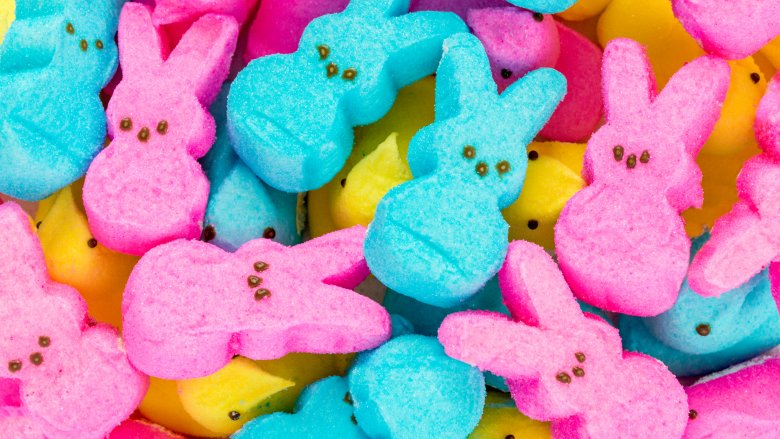
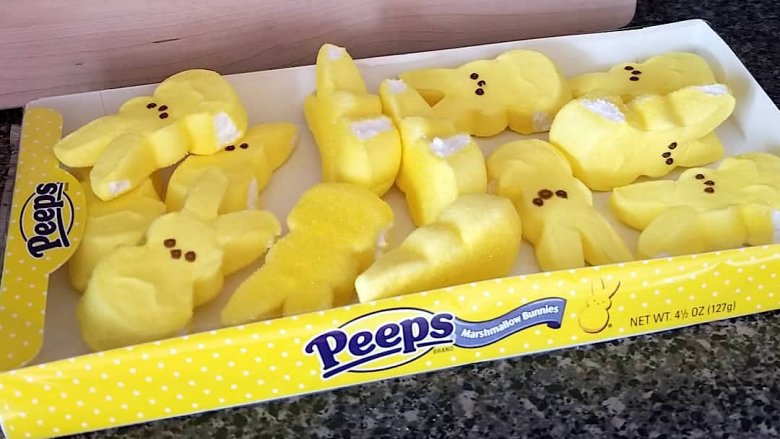
I love peeps! I like them stale and I prefer the flat bunnies to the rounded chicks. That’s probably more than you wanted to know…lol…but read on for more weird facts about peeps!
The first Peeps took a long time to make…
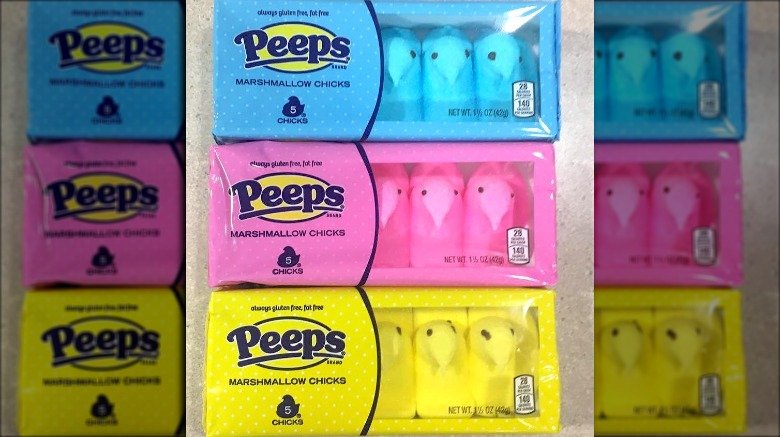
Today, Peeps chicks are produced at a breakneck speed of six minutes each. If six minutes for one marshmallow doesn’t sound all that impressive, it’s because you don’t know how long the process used to take.
In 1953, Just Born, the candy company who made Peeps a household name, was looking to acquire the Rodda Candy Company, mostly because of its jelly bean technology. But on a tour of that factory, the Born family noticed something that piqued their interest that had nothing to do with jelly beans. Just Born vice president Matt Pye told USA Today, “… while the family was touring the Rodda Candy Company, in the back part of the factory were these women with pastry tubes squirting these marshmallow chicks by hand.” But this was no quick process — it took 27 hours from start to finish to make these marshmallow chicks, thanks to the very lengthy cooling time required before the candy could be packaged.
Once Just Born acquired the company, they immediately set about automating the Peeps-making process, which included a faster dry time, and have managed to shave 21 hours off the operation. Now that you have all the facts, six minutes seems party darn fast, doesn’t it?
Is there really car wax in Peeps?
You may have heard a rumor that carnauba wax, an ingredient in some candy, is the very same ingredient used in car wax — and it is, indeed. However, it’s probably not as bad as it sounds.
Not only is carnauba wax approved by the FDA for human consumption, but according to Snopes, the amount used in candy is so minuscule that it simply cannot be likened to taking down a spoonful of Turtle Wax. And because of its high melting point, it’s actually not even absorbed by our bodies. Which leads us to one slightly creepy point…
Carnauba wax is typically used to give candy a sheen or a hard shiny surface, and in Peeps it’s what makes those brown eyes so shiny. When a pair of Emory scientists put the candy through a barrage of tests to determine its indestructibility, they stumbled onto something disconcerting about those eyes. After taking an hour-long bath in Phenol, a protein-dissolving solvent, the marshmallow was all but gone. The only thing that remained? A pair of wax eyes, bobbing in the Phenol, intact. The same eyes that will travel through your digestive system, intact. If that’s not nightmare fuel, we don’t know what is.
It would take this many Peeps to…
Have you ever laid in bed at night wondering how many Peeps it would take to span the Golden Gate Bridge? You’re in luck. The good folks at USA Today determined just how many marshmallow chicks and bunnies it would take to measure up against some of the world’s most famous landmarks, and the numbers will blow your mind.
Wrap your head around this one: Houston’s NRG Park (aka the Astrodome) can seat up to 70,000 fans in its 1 million square feet. But to fill that stadium with Peeps? It would take an astonishing 1.7 trillion (trillion!) chicks.
The Hoover Dam built out of marshmallow? Probably wouldn’t be too effective, but it would take 1.3 billion Peeps to do it.
Stack Peeps bunnies up on top of each other ears to tail, and it would take 1,464 to measure up to the Statue of Liberty, 8,300 to reach the top of Chicago’s Willis Tower (aka the Sears Tower), and 2,664 to line up with the Washington Monument.
And that piece of Golden Gate Bridge trivia you’ve been waiting for… It would take more than 43,000 bunnies lined up side to side to complete the span.
Some actually prefer them stale!
Believe it or not, fresh-from-the-package Peeps aren’t for everyone — and no, we don’t mean that in the obvious way.
There are more fans of stale Peeps out there than you might think, according to Just Born VP Matthew Pye, who told HuffPost, “Everyone thinks they’re the only ones who like [them],” but confirmed that about 25 to 30 percent of consumers actually prefer Peeps — as he so eloquently puts it — “aged, like a fine wine.” With those kinds of numbers, should we expect aged marshmallows to hit shelves soon? Nope, says Pye. They can’t afford to disappoint that 70 to 75 percent of customers who prefer them fresh. “If we were to produce a stale Peep, we couldn’t satisfy what the people want,” he explains. “We let the consumer do it themselves.” Let’s be honest, “making” stale Peeps at home is pretty easy.
Take this Instagrammer, for instance, who has perfected her aged Peeps process: “It’s crunchy bunny season!!!!! I only buy Peeps at Easter. I prefer the bunny shape, and I like them CRUNCHY on the outside. I usually open the package, split them apart and let them sit for a couple of days. Peep Perfection!!!” Crunchy bunny season does have a certain ring to it, doesn’t it?
What in the world is Peepza?
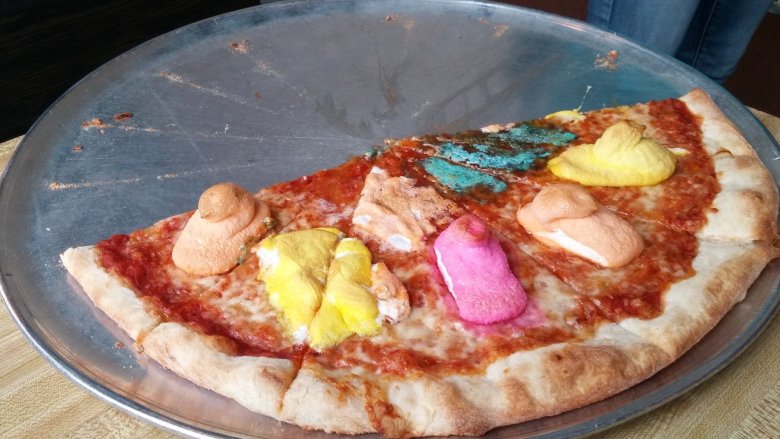
What do you get when you throw some Peeps onto an unsuspecting pizza? Peepza, otherwise known as the pizza absolutely nobody asked for ever.
It seems like every Easter someone on the internet “discovers” Peepza, but to properly lay the blame… er, give credit where credit is due, we have to go back to 2010, when Serious Eats columnist Adam Kuban debuted his springtime mashup (via Eater). The Peepza is exactly what it looks like: A plain cheese pizza, cooked almost completely, then topped with Peeps and cooked for another minute to get the marshmallows nice and melty. If we’re to believe Kuban, “it actually doesn’t taste as bad as you might think.” “You know that whole salty-sweet dynamic that we all tend to love so much? Peepza has it in spades,” he promised.
What’s good for the goose isn’t always good for the gander, though. In 2017, SBNation’s Charlotte Wilder decided to hop on the Peepza bandwagon, and her review was decidedly less enthusiastic than Kuban’s. “I took a bite of the Peepza, and let me tell you, this is the grossest s**t I’ve ever eaten. And I tried chocolate chip cookies made with cricket flour this week (don’t ask),” she said. “It tasted exactly like you think it would: A Peep on top of pizza, which is disgusting.”
Peeps Oreos came with a strange side effect…
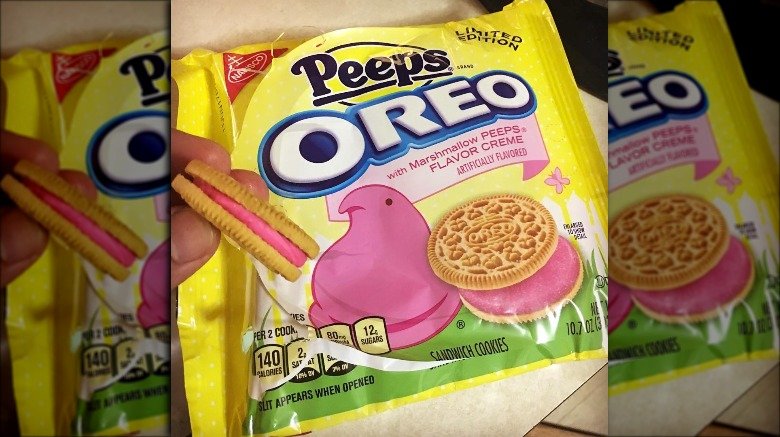
When limited edition Peeps Oreos, complete with neon pink marshmallow-flavored creme, hit the shelves the 2017, fans of the Easter candy were quick to gobble them up. But it didn’t take long before an unsettling trend was noticed.
Turns out the bright pink creme had a surprising side effect: Bright pink poop. Those experiencing this phenomenon took to Twitter to air their dirty laundry, along with others who didn’t have that particular issue, but experienced other side effects, like a stained pink tongue and Pepto-Bismol-hued spit.
Can hot pink Oreos really have this effect on our bodies?
According to LiveScience they can, thanks to the red #3 food dye used in the creme, which gastroenterologist Dr. Ian Lustbader says doesn’t get broken down in the body during digestion. While the colored poop indicates nothing serious health-wise, for someone to actually see this startling side effect, they’d have to eat a lot of cookies. “It’s certainly going to take more than one or two,” Lustbader explained. He further surmised that if you’re eating enough of these cookies to turn your poop pink, you should probably be more worried about the sugar’s and fat’s effect on your health. Touché, doc.
Peeps has infiltrated breakfast (and dessert)…
If having Peeps available anytime during the year and in a plethora of flavors isn’t enough for you Peep-le, then how about Peeps cereal? Yep, it’s a thing. This limited edition cereal is the tasty product of a Peeps and Kelloggs collaboration. This seasonal breakfast cereal (dessert) features rainbow rings and little marshmallows shaped like Peeps bunnies and chicks.
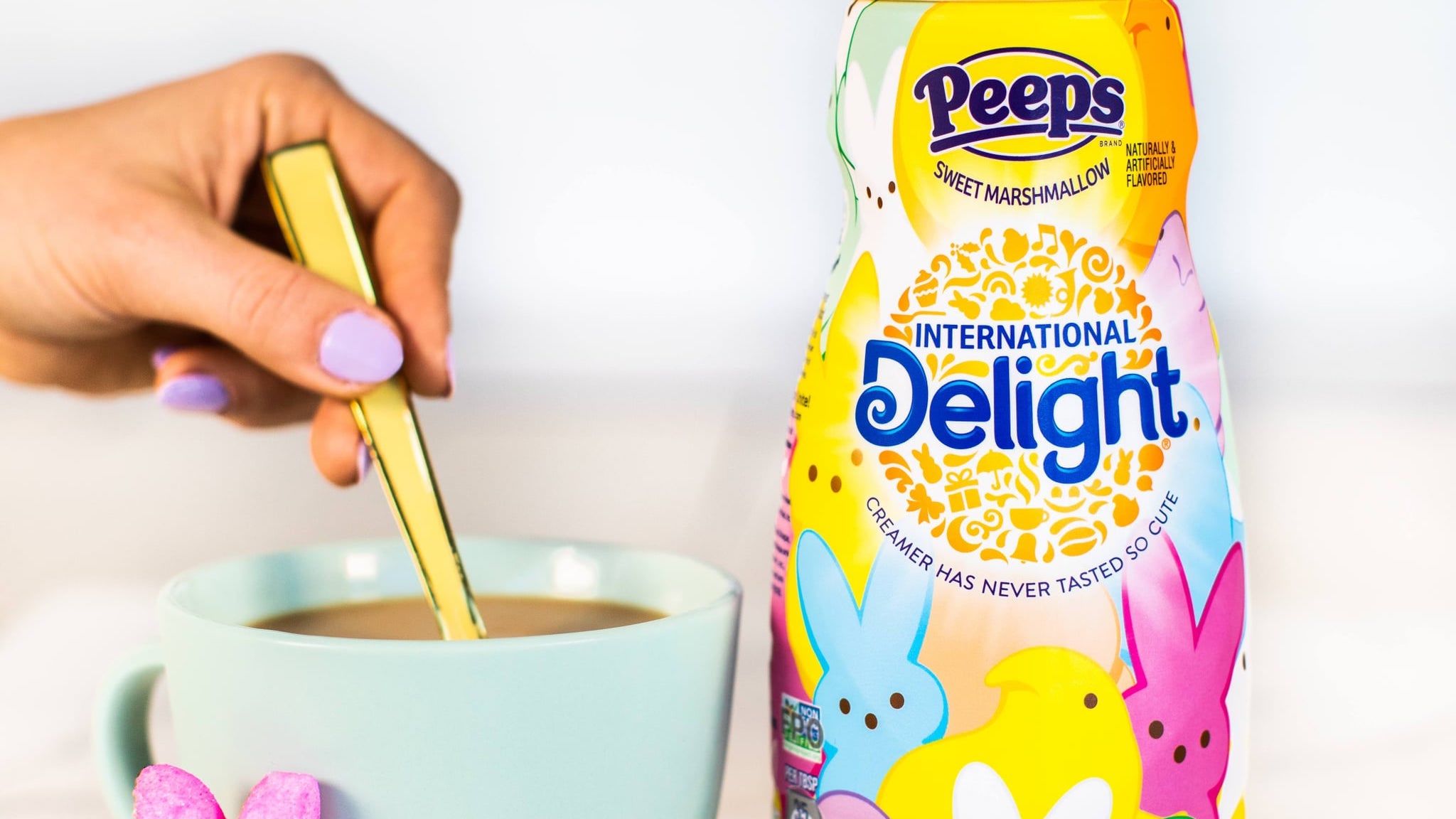
If cereal isn’t your M.O. and you’d prefer to start your day off with pure liquid energy (that’s coffee, by the way), then International Delight has you covered. If you’ve visited the refrigerated creamer section at your local grocery store recently, you might have noticed the plethora of different creamers that are readily available to you — M&M’s creamer anyone? What about Reese’s? International Delight offers seasonal flavors, too, and for spring they bring you Peeps Creamer. And if you want more dessert with your Peeps, Cold Stone Creamery recently introduced Peeps ice cream, which is for springtime only.
There was a Peeps Mobile and a Peeps Fun Bus!
What would you think if you were waiting at a red light and a bright yellow Volkswagen Bug with a Peep (of comparable size) riding on top of it rolled up beside you? Well, you’d initially want to take a photo (because who wouldn’t?), then you’d probably wonder if this car had been touring the states just as much as the Oscar Meyer Weinermobile.
Well, it happened back in 2003, in honor of Peeps 50th anniversary. And it wasn’t just a Volkswagen Bug. (Why stop with one vehicle when you can have two?) There was a Peeps bus that toured as well. Inside that revamped school bus was Peepsville: A life-sized diorama that showcased the different Peeps that were in production at that time. (They’ve most definitely expanded on their flavor offerings since then). The bus came complete with a sampling station, so everyone could try a Peep — but who hasn’t tried a Peep before?
Peeps is a Pepsi flavor.
Returning two years after a quick run as a promotional giveaway, Pepsi has reintroduced its Peeps flavor to beverage shelves across the U.S. Pepsi x Peeps merges the sugary cola sweetness of Pepsi with the marshmallow essence of Peeps to create a vanilla-ish cola combination, available in 7.5-ounce mini-cans and 20-ounce bottles. Customer reactions are as mixed as the candy-in-soda formula. Happy YouTube reviewers call out the balance of sweetness as surprising, noting the Peeps marshmallow essence as being present in the aroma as well as the flavor. Online critics mark the beverage down for the same reasons, hinting that this flavor may be better enjoyed by Peeps fans rather than regular Pepsi drinkers.
If the flavor sounds inspired, it certainly lit up the beverage industry. The original hype over this splash-up mash-up was followed by competitive cola colossus Coca-Cola offering their own marshmallow soda. The company recruited Grammy-winning musician Marshmello for their own marketing blitz. While the expanding line of Peeps flavors and merchandise may suggest the candy is on trend, Peeps-flavored Pepsi is a springtime flavor sensation that will only be available for a limited time.
1/8 teaspoon salt optional, add if your peanut butter isn’t already salty
For Dipping:
2 cups semi-sweet chocolate chips or melting wafers (12-ounce bag)
1 tablespoon shortening, coconut oil, or vegetable oil optional, to help chocolate chips melt thinner and make dipping easier
Instructions
In a medium-sized bowl, use an electric mixer to mix peanut butter, melted butter, vanilla extract, and salt (optional) until combined. Slowly add in powdered sugar and mix until incorporated.
The consistency should be a bit like a play-doh and shouldn’t be sticky. If it is sticky, add a bit more powdered sugar. If it’s dry and not holding together when pressed, add a bit more melted butter.
Roll into balls, flatten, then shape into eggs. You can also use a rolling pin to roll the dough 1/2″ thick, then use an egg cookie cutter or round plastic cup or lid (that “squishes” and is about 2″ in diameter) to cut out oval shapes.
Freeze shaped eggs for 20-30 minutes.
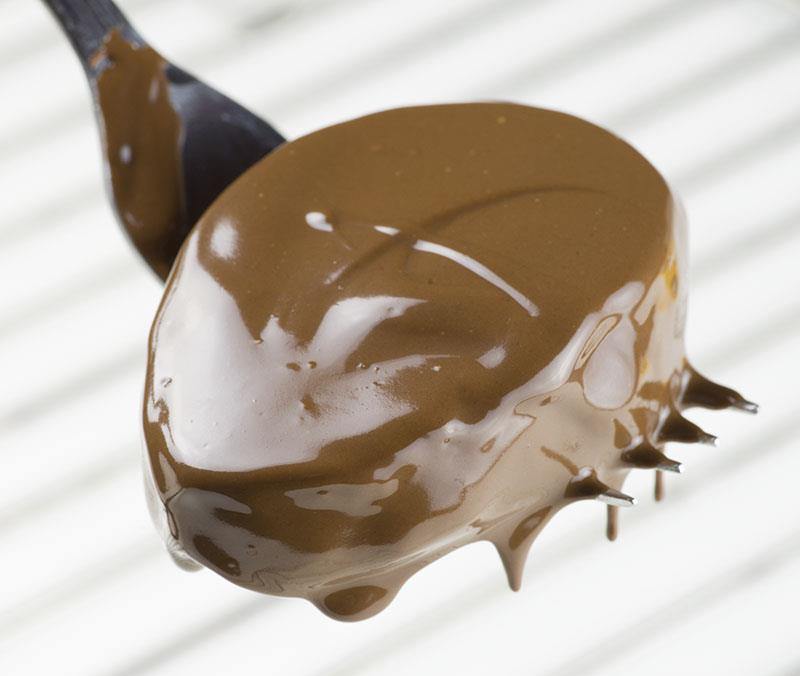
Melt chocolate chips and shortening (optional) in the microwave at 50% power in 30-second increments, stirring in between each increment. If using melting wafers, follow instructions on package.
Dip the frozen eggs in melted chocolate chips or melting wafers. It’s easiest to place them on a fork and then use another fork to scoop chocolate on top.
Tap off the excess chocolate, then place on a piece of parchment paper. Before they fully harden, it can be helpful to carefully move them to prevent the chocolate from “pooling” on the parchment (which will help you get crisp-edged eggs!).
If you have extra chocolate, use a fork to drizzle it on top of the eggs. While the eggs are still wet, you can also add fun sprinkles.
Let harden, then enjoy! You can place these in the fridge or freezer to help them harden quicker.
Recipe Notes
Storage: Store homemade peanut butter eggs in an airtight container for up to 1 week. Depending on the chocolate you used and how well it hardens, you may want to store these in the fridge so that the chocolate doesn’t get tacky and melt so quickly in your hands.
Freezing: I actually prefer these frozen, as you can grab one when a craving hits! After the chocolate is hardened, place in an airtight container (you can place a piece of wax paper or parchment in between each layer to prevent from smearing).
How do you get your chocolate chips smooth for dipping? Chocolate chips are naturally designed to hold their shape, so whenever I melt chocolate chips, I always add a heaping tablespoon of Crisco shortening before melting to smooth it out.
If you want to make these peanut butter eggs without shortening, you can instead use melting wafers (naturally designed to melt better) or just add coconut oil or vegetable oil to the chocolate chips instead (add before microwaving).
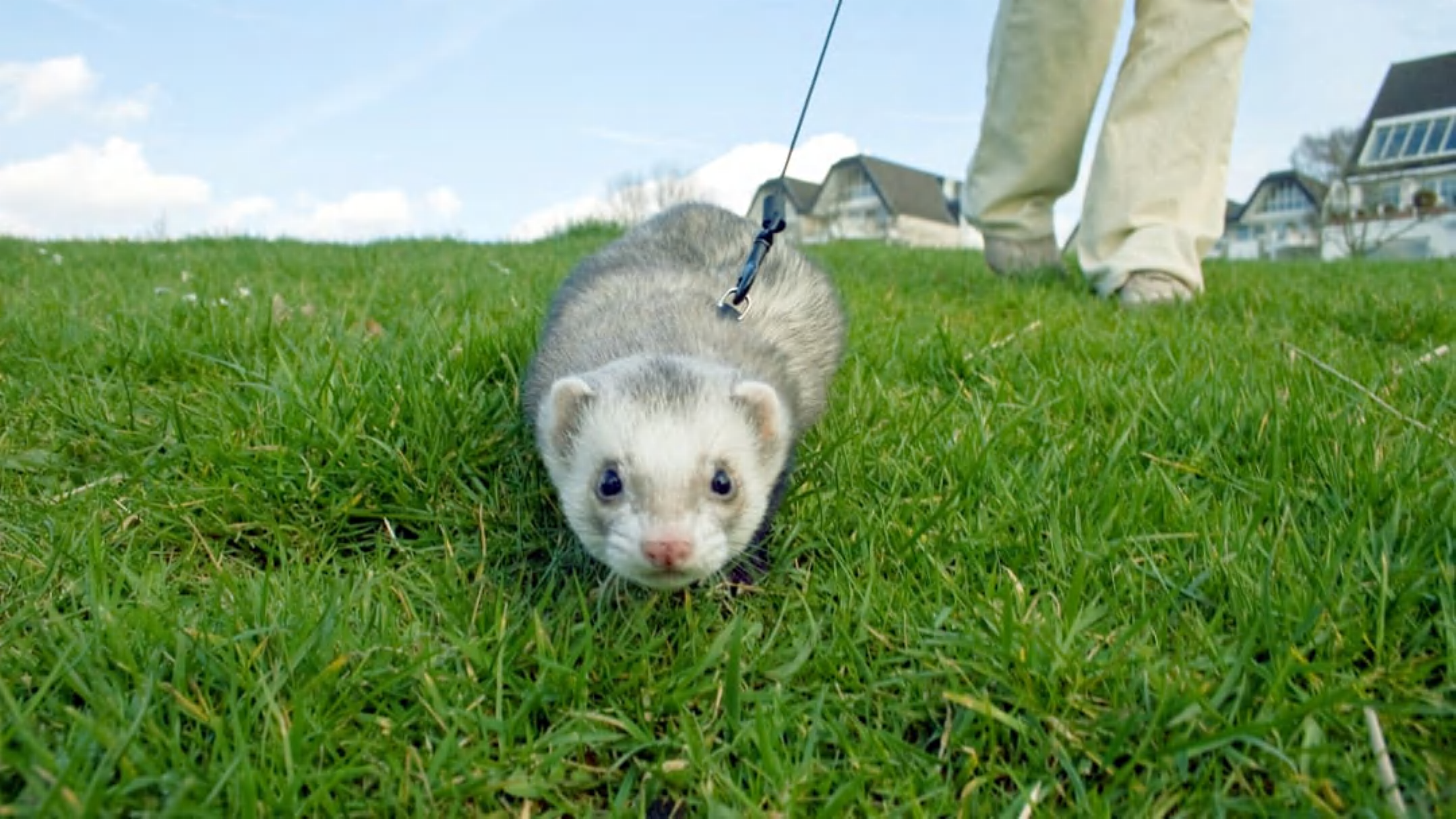
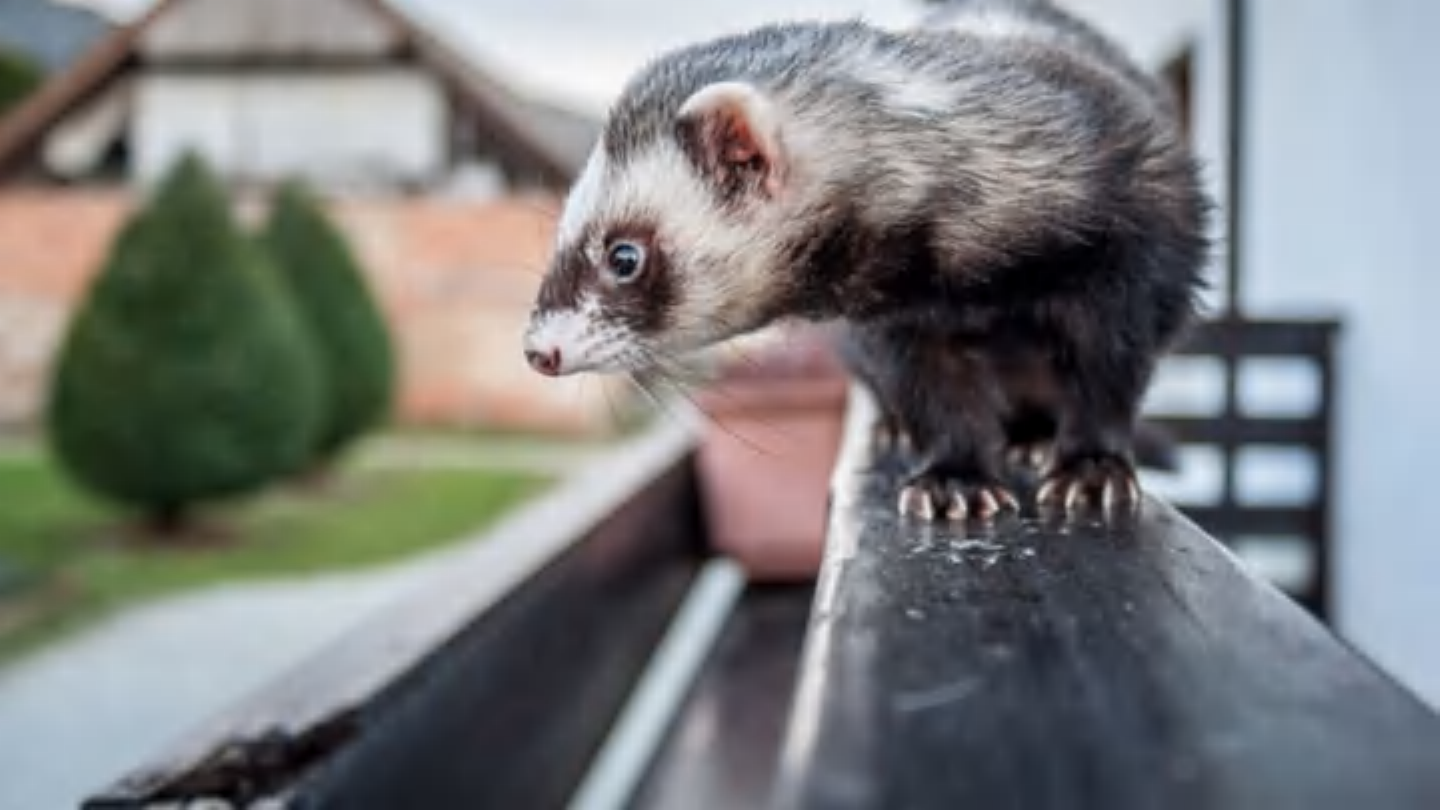
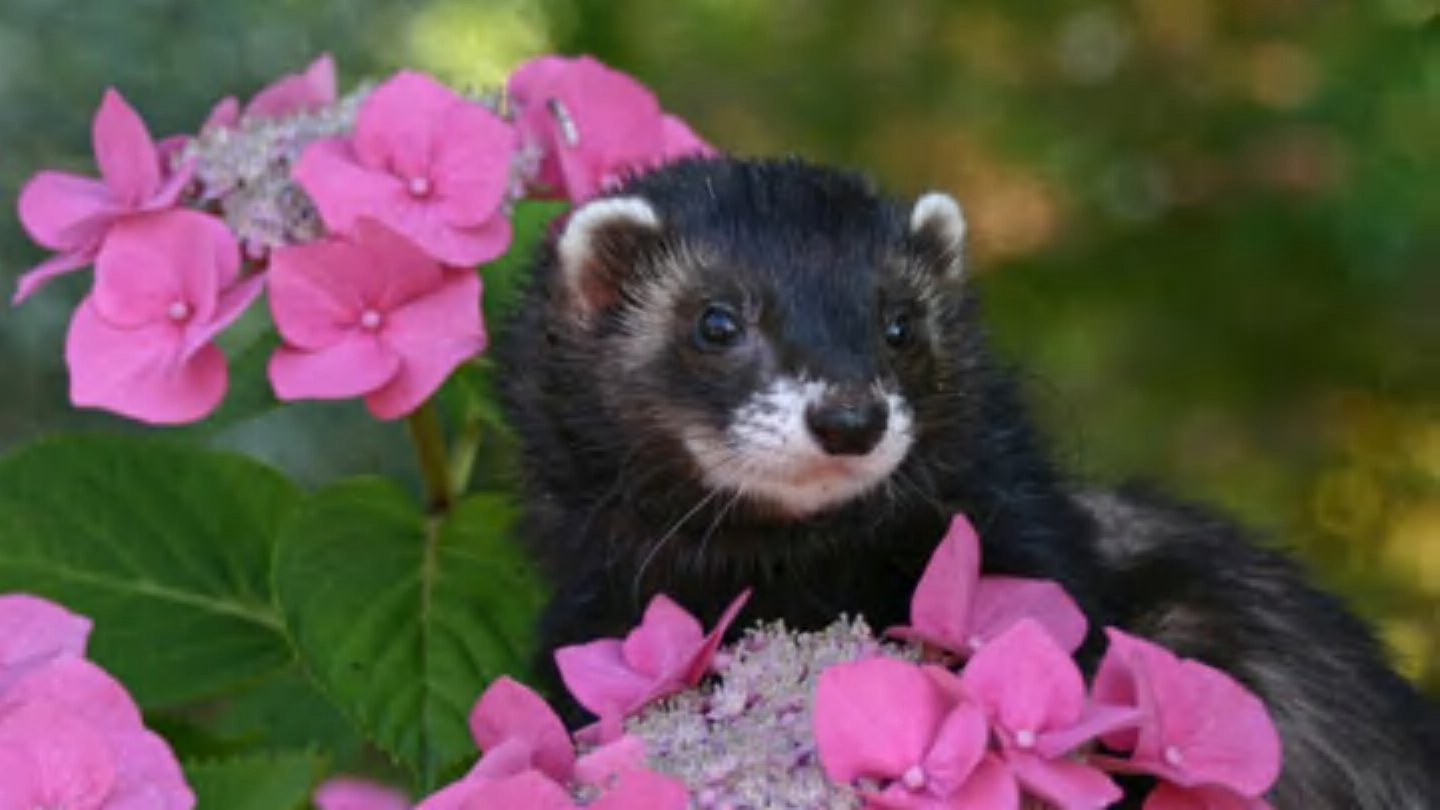
Happy National Ferret Day! In honor of the “holiday”, brush up on your knowledge about everyone’s favorite (and longest) polecat-like pet.
Ferrets have been domesticated for a quite a while.
It is unclear exactly when ferrets were first domesticated, but the critters have a long and storied history. Greek scholars—Aristophanes in 450 BCE and Aristotle in 350 BCE—wrote about a ferret-like animal. Some lore asserts that ancient Egyptians even kept them as pets, but the absence of ferret bones in explored tombs casts doubt on that claim. Remains have been found in a medieval castle in Belgium, but there is no mention of the pets in any contemporary writings. It’s also possible that the ferret was exclusively a lower-class pet, which would explain the lack of documentation.
In the late 15th century, Leonardo da Vinci painted Cecilia Gallerani holding a weasel-like creature. Although the animal has been dubbed an ermine, many scholars believe the animal is actually a ferret.
They are related to polecats.
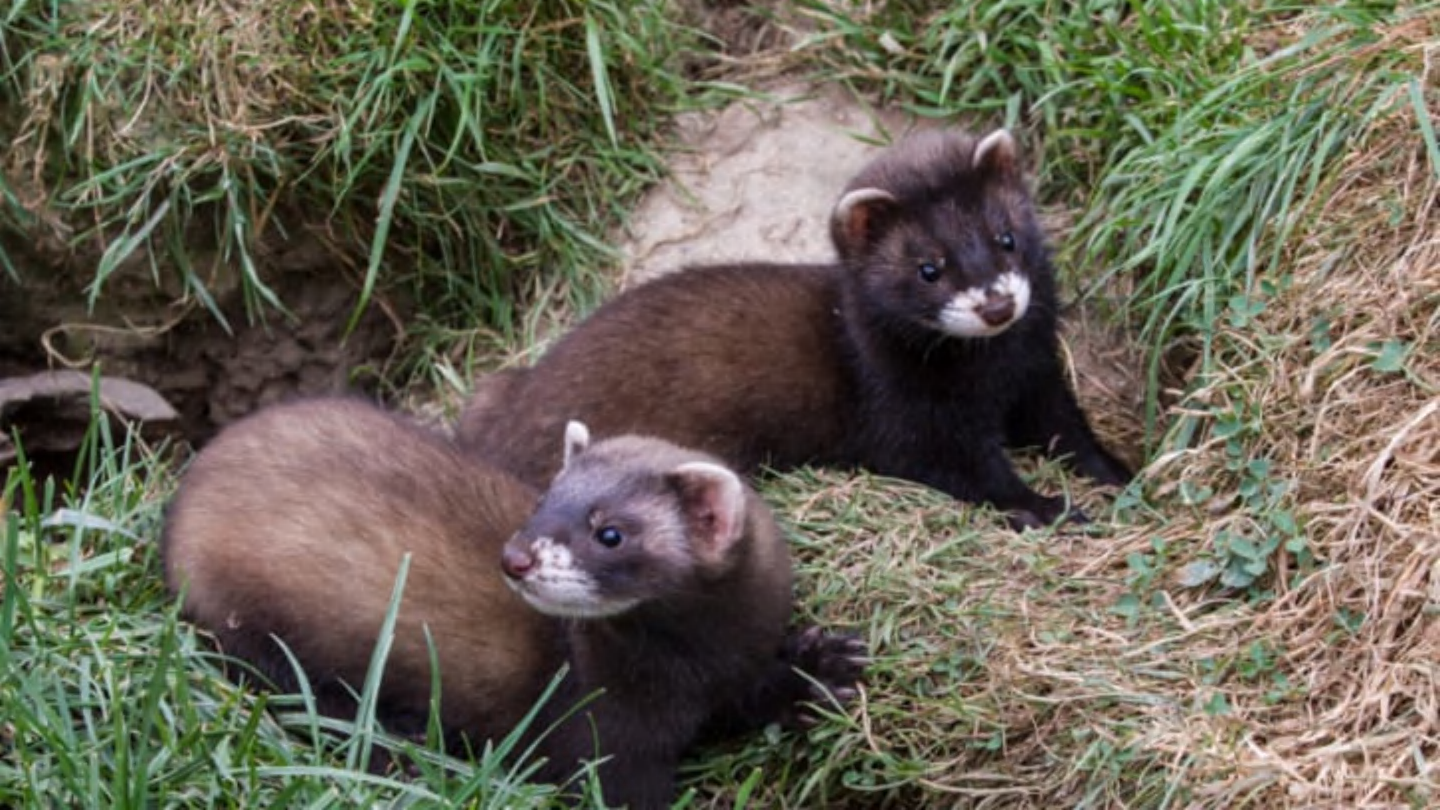
Ferrets are the domesticated subspecies of European polecats. They can easily interbreed to produce offspring that are very similar to domestic ferrets.
When threatened, ferrets will dance.
In the wild, ferrets and stoats perform a hypnotic dance that sends their prey into a trance. Domestic ferrets also perform this dance, but they use it for play instead of hunting. They arch their backs, puff their tails, and move from side to side. This rug-cutting is usually a sign that the ferret is happy and having fun.
Black-footed ferrets almost exclusively eat prairie dogs.
Wild black-footed ferrets, or American polecats, live in central North America and feast on unsuspecting prairie dogs. Scientists discovered that in South Dakota, 91 percent of the black-footed ferret’s diet consisted of prairie dogs.
Unfortunately, their main source of food has bigger problems than being eaten: The Black Death. The plague is no longer a worry for most humans, but it has a tendency to wipe out whole colonies of black-tailed prairie dogs. This threat is a real issue for the endangered black-footed ferrets, which perish without their favorite food. Luckily researchers have found a vaccine that could help keep the tiny rodents healthy. Testing is currently underway to see if the vaccine works in the wild.
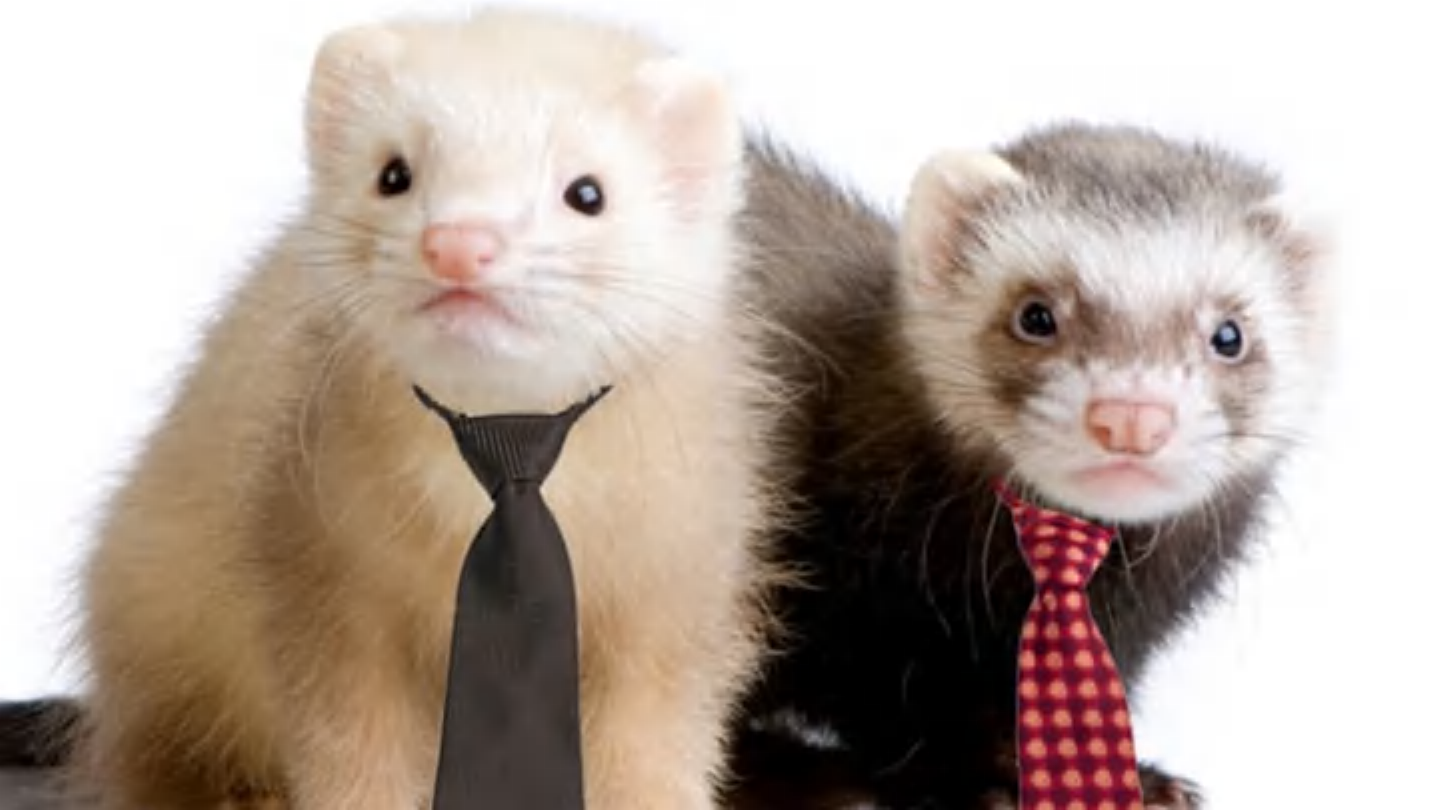
A group of ferrets is called a business.
Now that’s a professional pet!
Ferrets can be used to hunt rabbits.
Rabbit hunting with ferrets is a popular sport in England. The ferrets run into rabbit holes to run the prey out of hiding. When the rabbits dash from their homes, human hunters trap them in nets. The tiny hunters wear ferret finder collars so that if they corner a rabbit underground, their owners can come to their rescue with a shovel.
They can team up with falcons.
Falconers employ ferrets in a similar role; the only difference is that the ferrets are used to bring the prey to the falcons. The two animals make a great hunting team.
Some ferrets have jobs.
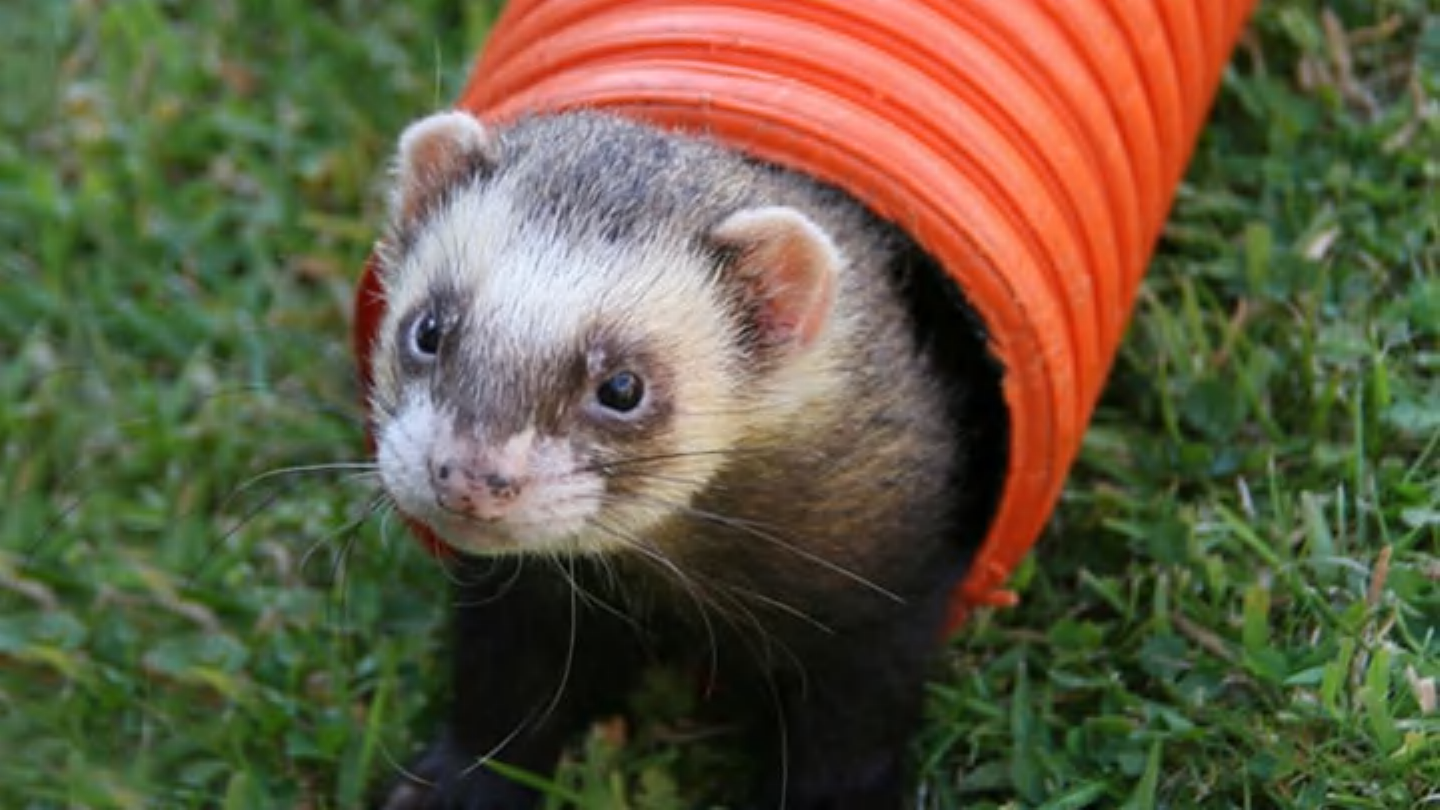
Known for their love of burrowing, ferrets can put their skill at running through pipes to a variety of professional uses. When wires cannot be pushed through tubes or tunnels with rods, the tiny critters can step in. They are known for pulling wire through underground tunnels, and even helped lay wire for London’s Party in the Park concert in 1999.
One famous ferret named Felicia helped clean pipes at Fermilab’s Meson Laboratory in 1971. A swab connected to her collar allowed her to clear away unwanted debris. Although Felicia only cost $35, she likely saved the lab thousands of dollars.
Ferret racing is a popular sport.
Ferret racing is a popular sport in London that involves competing ferrets racing through drainpipes. A small section of the pipe is removed and replaced with chicken wire so viewers can know when the pets are half-way through. Apparently, the animals thoroughly enjoy the games, and the company of their fellow ferrets.
Scammers have sold ferrets on steroids as fancy poodles.
If you are looking to get a tiny exotic dog, make sure you’re not actually buying a ferret. In 2013, some Argentineans were being tricked into buying fake miniature poodles. Ferrets were given steroids and new haircuts before being passed off as tiny purebred dogs. The owners often didn’t realize they had accidentally bought drugged ferrets until visiting the vet for shots.
Females can die if they go too long without mating.
Unspayed females need to mate or run the risk of producing too much estrogen. The overproduction can lead to estrogen toxicity, or hyperestrogenism. This condition can lead to anemia, clotting, and death.
Scientists fiddled with a ferret’s brain and made a startling discovery.
In the 1990s, neuroscientists at MIT reconfigured baby ferrets’ brains so that the critters’ retinas were connected to their auditory cortexes. They expected the ferrets to go blind, but miraculously, they readjusted so that the auditory cortex worked like the visual cortex; they could see using the part of the brain normally used for hearing. This discovery showed that the brain is adaptable and makes use of what’s available. ”It’s just waiting for signals from the environment and will wire itself according to the input it gets,” Dr. Jon Kaas, a professor of psychology at Vanderbilt University, told The New York Times in 2000.
They love to jump.
But sometimes they land in some unfortunate places.
April Fools’ Day—celebrated on April 1 each year—has been celebrated for several centuries by different cultures, though the exact origins remain a mystery. April Fools’ Day traditions include playing hoaxes or practical jokes on others, often yelling “April Fools!” at the end to clue in the subject of the April Fools’ Day prank. The embrace of April Fools’ Day jokes by the media and major brands has ensured the unofficial holiday’s long life.
Some historians speculate that April Fools’ Day dates back to 1582, when France switched from the Julian calendar to the Gregorian calendar, as called for by the Council of Trent in 1563. In the Julian Calendar, as in the Hindu calendar, the new year began with the spring equinox around April 1.
Roman Julian Calendar
Gregorian Calendar
People who were slow to get the news or failed to recognize that the start of the new year had moved to January 1 and continued to celebrate it during the last week of March through April 1 became the butt of jokes and hoaxes and were called “April fools.” These pranks included having paper fish placed on their backs and being referred to as “poisson d’avril” (April fish), said to symbolize a young, easily caught fish and a gullible person.
Hilaria in Ancient Rome
Historians have also linked April Fools’ Day to festivals such as Hilaria (Latin for joyful), which was celebrated in ancient Rome at the end of March by followers of the cult of Cybele. It involved people dressing up in disguises and mocking fellow citizens and even magistrates and was said to be inspired by the Egyptian legend of Isis, Osiris and Seth.
Vernal Equinox and April Fools’
There’s also speculation that April Fools’ Day was tied to the vernal equinox, or first day of spring in the Northern Hemisphere, when Mother Nature fooled people with changing, unpredictable weather.
Gowk Day was a day of wild goose chases, pranks and set ups in Scotland for generations, starting with “hunting the gowk,” in which people were sent on phony errands (gowk is a word for cuckoo bird, a symbol for fool) and followed by Tailie Day, which involved pranks played on people’s derrieres, such as pinning fake tails or “kick me” signs on them.
The Gowk Day custom derives in part from young people being led from wood to wood to track the newly arrived Spring cuckoos, with the “hunt the gowk” always staged too early for the birds to be found. The traditional prank was to ask someone to deliver a sealed message requesting help of some sort.
When the note was opened on delivery, the nature of the errand was revealed. “Dinna laugh, dinna smile, hunt the gowk another mile,” was the message. The daft missions further evolved with reports of people being sent to the butcher for items such as a gill of pigeon milk. It is believed Gowk’s Day was marked in Scotland from at least 1700.
Accounts detail how it was usually the early milk boy or girl who would usher in Gowk month by falsely warning passers by that ‘yer lace is lowse’ or “ye’ve let something fa” More elaborate jokes were perpetrated by the older school children and apprentice boys. In the Western Isles, gowk cakes, made from milk, eggs and fruit, were eaten on April 1.
April Fools’ Day Pranks
In modern times, people have gone to great lengths to create elaborate April Fools’ Day hoaxes. Newspapers, radio and TV stations and websites have participated in the April 1 tradition of reporting outrageous fictional claims that have fooled their audiences.
1856: The Tower of London hosts a lion washing extravaganza
In the days leading up to April 1, 1856, London residents received an official-looking invitation printed on Tower of London stationery and bearing a crimson wax seal. Signed “Herbert de Grassen,” supposedly a “senior warden” at the popular tourist attraction and prison, the leaflet offered admission to “view the annual ceremony of washing the lions” on April 1.
Such an event could have indeed taken place two decades earlier, but the Tower’s famous menagerie—which for 600 years featured bears, leopards, lions and other dangerous beasts—had closed in 1835. Nevertheless, a certain number of would-be spectators showed up for the display, only to learn they’d fallen prey to an April Fools’ hoax.
1957: Spaghetti grows on trees
Leave it to the Brits to concoct one of history’s most memorable April Fools’ Day pranks. On April 1, 1957, the BBC aired a segment in which a Swiss farming family harvested long strands of pasta from their spaghetti trees. In England at that time, spaghetti was still an exotic delicacy with mysterious origins, so many viewers bought the report hook, line and sinker. Some even called in to ask how to grow spaghetti trees of their own. The BBC reportedly suggested, “Place a sprig of spaghetti in a tin of tomato sauce and hope for the best.”
1962: Swedish televisions don pantyhose
On April 1, 1962, a supposed technical expert for Sweden’s one and only television channel made an exciting announcement. By stretching out a pair of nylon stockings and taping it over their screens, he reported, viewers could watch the usual black-and-white broadcast in stunning color. Television owners rushed to implement the astonishingly simple hack, only to be disappointed when the hose did nothing but obscure the picture. Regular color programming would eventually debut in Sweden on April 1, 1970.
1972: The Loch Ness Monster surfaces
Very few April Fools’ Days go by without some Nessie-related hoax, but in 1972 a widely published photograph convinced many that Loch Ness’ elusive dweller had finally made an appearance—sadly, dead rather than alive. It turned out that a prankster from Yorkshire’s Flamingo Park Zoo had dumped the body of a bull elephant seal in the lake. He had only intended to play a joke on his coworkers, but the “news” quickly went viral.
1976: Gravity takes a hiatus
On April 1, 1976, the BBC pulled off yet another of its many April Fools’ Day pranks. Astronomer Sir Patrick Moore told listeners that at 9:47 a.m. that day, the temporary alignment of Pluto and Jupiter would cause a reduction in Earth’s gravity, allowing people to briefly levitate. Sure enough, at 9:48, hundreds of enthralled callers flooded the lines with reports that they had floated in the air.
1992: Richard Nixon makes a comeback
National Public Radio’s “Talk of the Nation” program reported that former-President Richard Nixon had declared his candidacy for the Republican presidential nomination. Accompanying the announcement were audio clips of Nixon delivering his candidacy speech and declaring “I never did anything wrong, and I won’t do it again.”
Harvard professor Laurence Tribe and Newsweek reporter Howard Fineman then came on the air to offer their analysis of Nixon’s decision and its possible impact on the 1992 presidential race. A clip from Torrie Clarke, press secretary of the Bush-Quayle campaign, was also played in which she said, “We are stunned and think it’s an obvious attempt by Nixon to upstage our foreign policy announcement today.”
Listeners reacted emotionally to the announcement, flooding NPR with calls expressing shock and outrage. Only during the second half of the program did host John Hockenberry reveal that the announcement had been an April Fool’s Day joke. Comedian Rich Little had impersonated Nixon’s voice.
1998: Lefties get their own burger
In a full-page advertisement in USA Today, Burger King unveiled a new menu item specifically engineered for southpaws: the Left-Handed Whopper. According to the fast food chain, the burger’s condiments were rotated 180 degrees to better suit the 1.4 million lefties who patronized its restaurants. Thousands of customers requested the new burger, swallowing an April Fools’ Day whopper as they ordered their Whopper.
2000: People Google with their minds
Now famous for its annual hoaxes, Google played its first April Fools’ Day prank in 2000. Visitors to the search engine’s website learned about a new “MentalPlex” technology that supposedly read people’s minds, thereby bypassing the need to type in a query. Google has orchestrated an increasing number of elaborate ruses in the years since, announcing such products and features as Google Nose, Gmail Motion and PigeonRank.
2013: Uncle Sam Wants Kitties
The U.S. Army jumped on the hoax bandwagon in 2013, when it sent out a seemingly official press release announcing the latest additions to the U.S. Armed Forces. Claiming that drafting cats to serve their country would cut down on military spending, officials went on to say that it was time these feckless felines got to work.
As Sgt. 1st Class Tyler Radmall wisely stated, “Not only will the Army have a more cost-effective working animal, but we will be doing our part in getting them off of the streets and finding them employment.” But while Army brass seemed bullish on the idea, they did note that the K-9 units weren’t taking too kindly to the new recruits, resulting in more than a little fighting like cats and dogs.
Of course, I can’t possibly let this day pass without acknowledging the birthday of my sweet girl! Happy Birthday, Heather Brianna!!!
HB at 3 months
HB dearly loved hats of all kinds!
After a night of sleeping on the beach in VA Beach
We all want what’s “BEST” for our parents, but in our rush to protect and make things better, we sometimes overstep our good intentions. My mom has always had a problem with her knees. After being dared by her older brother (my uncle who owns the property next door to Mom) to jump the fence between their homes and landing awkwardly on one knee, it has been an on again/off again knee problem for many, many years. Damp weather or cold weather makes it worse, but for the most part she gets around just fine. In her recent years, she has taken to using a walker to keep herself steady because she doesn’t want to fall.
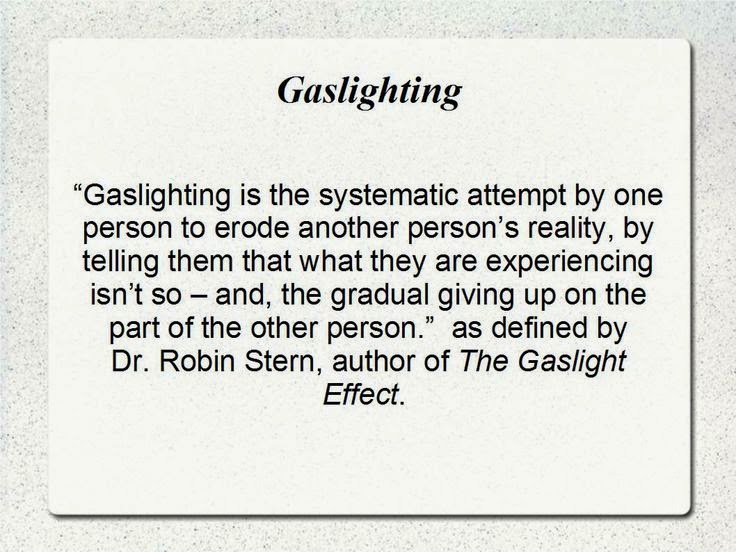
After Dad passed and before she started with the walker, she used to be active outside. She’d rake her leaves, clean her windows and even do some limited gardening. Then one afternoon, she discovered her good aluminum ladder was gone from the woodshed. Since my brother and his wife were the last visitors she’d had, she called them and confronted them about the ladder. Their first reaction was to deny it. When she persisted, they giggled. Then they confessed that they didn’t want her to climb ladders anymore. She was furious. First, they lied to her. Second, they treated her like a child. Despite their good intentions, mom felt, in a word, gaslighted.
Times have changed since then, and my brother and sister-in-law have problems of their own and have less time to do things for Mom. My cousin who lives next door with my aunt and uncle has stepped up and so has a younger neighbor of my mom’s. They will get groceries for her or take her along if she’s up to it; they run her to doctor’s appointments and do other odd errands and chores for her. She feels lucky to have them. She does, however, reward them financially for everything they do. (But there are times, she insists, they refuse any money.)
Mom comes from a family of 17 children, so she knows what it feels like to have very little of her own. To that end, after she married, she helped all the siblings who came behind her as much as she could. She saved things constantly, telling me so and so might be able to use this. But now, in her later years, she is tired of the clutter in her house and wants to get rid of things. So my visits have been trying to declutter her rooms and make it easier for her to move about more freely.
Mom has not been able to go into her upstairs or down into her basement since she started using the walker, so she has relied on others to get or take things from those places and it’s been her niece and neighbor friend. During the last 2 visits with Mom, she’s made comments about missing some things she’s sure she still had. Now, I know my mom—she freely gives things to anyone if they need it. But she doesn’t remember giving these items away. Could it be a memory issue? Sure, she’s not a young lady anymore. But that incident with the ladder is haunting her—she isn’t sure that one of the people who have keys to her home (for emergencies) isn’t taking things without permission. Out of sight, out of mind. Again, Mom insists, if someone asks, she’d surely give it to them. But this is making her feel unsafe in her home.
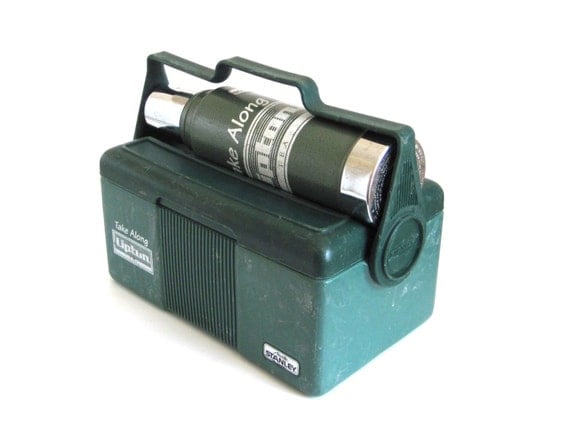
This last visit, I confirmed that this is not all in her imagination. The last trip we made in December, we discussed certain items I told her were still in one room upstairs. Four Lipton Tea cooler sets she sent box tops to get years and years ago. (The set was a cooler—one man lunch kind of thing—and a good thermos on the top in a space made just for it.) She had 4 of them with the thermoses on top. This visit, the thermoses were gone, except for one lid and cup laying on a dresser. The coolers were still there though. Both my cousin and her friend had been upstairs in the interim.
I didn’t have time to search the entire upstairs for these thermoses so I can’t positively accuse anyone. Our next visit will be a more concerted effort to find them. But we spent one whole day cleaning the other room. I started with taking pictures of each side of the room and showing her those. Then bringing down items and boxes and detailing their contents. Then I drew a “map” of where everything was placed. I will compare that list/map to what’s there next time. That will at least help Mom’s mind, I hope. And if something is moved or gone, we can discuss other options…nanny cams perhaps?


:max_bytes(150000):strip_icc():format(webp)/big-ears-lambs-ears-13182e70-25cf8bdeb02f4b8e8fd7b3c01372851c.jpg)
:max_bytes(150000):strip_icc():format(webp)/purple-stachys-officinalis-betony-c6a7303d-9e61df16ec654ed39159c7c49d6283a5.jpg)
:max_bytes(150000):strip_icc():format(webp)/big-betony-stachys-macrantha-59d6a28b-b5148f9f7eb64377a301f2f449ecb1fc.jpg)
:max_bytes(150000):strip_icc():format(webp)/saharan-pink-betony-13a544b8-3639f4d587804102a61d945d500e9ee7.jpg)


























 Sew Colorful