Texas State Flower: Blue Bonnets

The Texas Bluebonnet, also known as Lupinus texensis, is a species of lupine that is the state flower of Texas. It is a member of the pea family and is known for its distinctive blue-purple color. The Texas Bluebonnet is an annual plant that typically grows to be between 12 and 24 inches tall. It has a stem covered in small hairs and leaves that are divided into three to seven leaflets.

The flowers of the Texas Bluebonnet are what make it such a beloved plant. They are shaped like a pea flower, with a distinctive banner petal that is white with a dark spot. The other petals are a rich blue-purple color that is truly stunning. The flowers bloom in the spring, typically from March to May, and can be seen across the state of Texas.

The Texas Bluebonnet is a hardy plant that can survive in a range of soil types, but it prefers well-drained soil. It is also drought-tolerant, which makes it a popular choice for landscaping in Texas. The plant is relatively easy to grow from seed, and it can be sown in the fall or early spring for best results.

Overall, the Texas Bluebonnet is a beautiful and iconic plant that is a source of pride for Texans. Its striking color and hardy nature make it a popular choice for landscaping, and it is a symbol of the state’s natural beauty.

How to grow Texas Bluebonnets (Lupinus texensis)

If you’re looking for a stunning addition to your garden or landscape, the Texas Bluebonnet (Lupinus texensis) is an excellent choice. Texas Bluebonnet is the state flower of Texas, and it’s easy to see why. With its iconic blue-purple petals and white tips, the Texas Bluebonnet is a sight to behold.

Here are some tips on how to grow Texas Bluebonnet:

Choose the right location: Texas Bluebonnets thrive in full sun, so look for a spot in your garden that gets at least six hours of direct sunlight each day. Also, make sure the soil is well-draining and not too rich in nutrients.

Plant at the right time: Texas Bluebonnets are annuals, meaning they grow for one year and then die. The best time to plant them is in the fall, around September or October. This gives the seeds time to establish before winter.

Prepare the soil: Before planting, loosen the soil to a depth of six inches and mix in a small amount of compost or other organic matter. This will help improve soil drainage and provide some nutrients for the plants.

Plant the seeds: Scatter the seeds over the prepared soil and lightly rake them in. You can also plant them in rows if you prefer. Make sure the seeds are not planted too deeply; they should be just below the soil surface.

Water regularly: Keep the soil moist but not waterlogged, especially during the first few weeks after planting. After the plants are established, they are drought-tolerant and don’t need much water.

Enjoy the blooms: Texas Bluebonnets typically bloom in the spring, from March to May. They will grow to be about one to two feet tall and will produce beautiful blue-purple flowers.

By following these tips, you can enjoy the beauty of Texas Bluebonnets in your own garden. Happy planting!

Fun facts about Texas Bluebonnets!

This beautiful flower is not only the state flower of Texas but also a symbol of the state’s pride and heritage. Here are some of the most interesting facts about the Texas Bluebonnet:

The Texas Bluebonnet is a member of the pea family (Fabaceae). It is an annual plant that can grow up to 1-2 feet tall. The plant produces beautiful blue flowers that have a distinct shape that resembles that of a bonnet.

The Texas Bluebonnet is an important part of Texas culture. It was adopted as the state flower of Texas in 1901. The flower is also the subject of many songs, poems, and paintings that celebrate the state’s natural beauty.

The Texas Bluebonnet is not just blue. Although the blue variety is the most common, Texas Bluebonnets can also be found in shades of pink, white, and lavender.

The Texas Bluebonnet is a tough plant that can survive in adverse conditions. It is drought-tolerant and can grow in poor soil. This makes it a popular choice for gardeners who want to add a touch of Texas to their gardens.

The Texas Bluebonnet is more than just a pretty flower. It is also used as a cover crop to improve soil quality. The plant’s roots fix nitrogen in the soil, which helps to enrich it for other plants to grow.

The Texas Bluebonnet has a fascinating history. Legend has it that the flower was named after a group of pioneer women who wore blue bonnets during the Texas Revolution. The blue bonnets were a symbol of their bravery and determination.

In conclusion, the Texas Bluebonnet is more than just a beautiful flower. It is a symbol of Texas pride and heritage, a tough and versatile plant, and a fascinating part of Texas history. It is no wonder that this stunning wildflower is beloved by Texans and admired by people from all over the world.

SOURCE: THEGARDENMAGAZINE.COM

What Shall We Bake Today?

Today’s entry is Caramel Apple Bites!

Ingredients

FILLING:

1/3 cup finely chopped unpeeled apple

1/3 cup evaporated milk

1/3 cup sugar

1/3 cup chopped walnuts

DOUGH:

1/2 cup butter, softened

1/4 cup confectioners’ sugar

1/4 cup packed brown sugar

1 large egg

1 teaspoon vanilla extract

2 cups all-purpose flour

1/4 teaspoon salt

TOPPING:

1 package (14 ounces) caramels

2/3 cup evaporated milk

Green toothpicks:

1 cup chopped walnuts

Directions

In a small saucepan, combine filling ingredients. Cook and stir over medium heat until thickened; set aside to cool.

In a large bowl, cream butter and sugars until light and fluffy. Beat in egg. Beat in vanilla. Combine flour and salt. Gradually add to creamed mixture and mix well.

Shape dough into 1-in. balls. Flatten and place 1/4 teaspoon filling in center of each. Fold dough over filling and reshape into balls. Place 1 in. apart on greased baking sheets.

Bake at 350° for 12-15 minutes or until lightly browned. Remove to wire racks to cool.

In a small saucepan over low heat, heat caramels and evaporated milk until caramels are melted; stir until smooth. Insert a toothpick into each cookie and dip into caramel until completely coated; allow excess to drip off. Dip bottoms into nuts. Place on wire racks to set.

ENJOY!

Telescope Fish

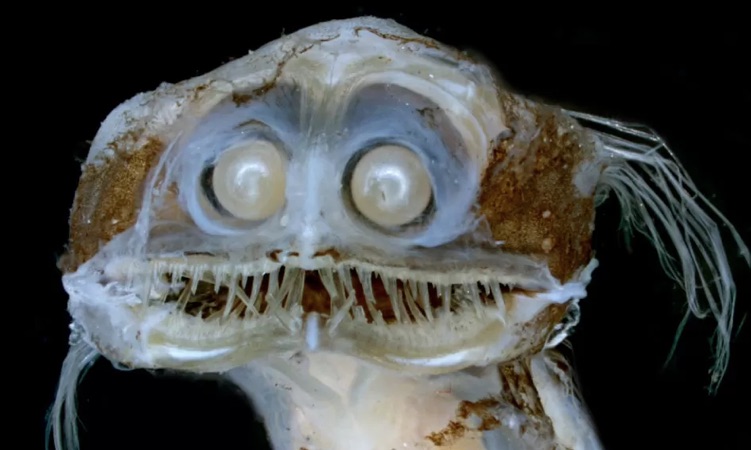
The telescope fish is a unique, brightly colored fish that can be found in deep-sea tropical and subtropical waters. It lives three-quarter miles to 1.3 miles beneath the surface. These fish dwell in the deep, far from natural light and away from the surface. To make up for it, Mother Nature endowed the telescope fish with tubular eyes that protrude from the head like binoculars.

The fish has adapted its eyes to see and seek prey in the most mesopelagic twilight zones of the ocean. The fish employs its distinct eyes to find food. They swim, directing the attention upward to surfaces. They may discern silhouettes of their prey this way. The fish move vertically in the water column to observe both food and predator.

Size

The typical length of a telescope fish is between two and four inches. However, it can grow up to half a foot long in rare cases. A single case has been documented where a specimen reached 16 inches in length.

Nomenclature

The telescope fish is a deep-sea aulopiform species of fish named Gigantura chuni. There are only two species in the world. Outside of that, little is known about the creatures. The genus name (Gigantura) is taken from Greek mythology’s Gigantes, a legendary group of giants.

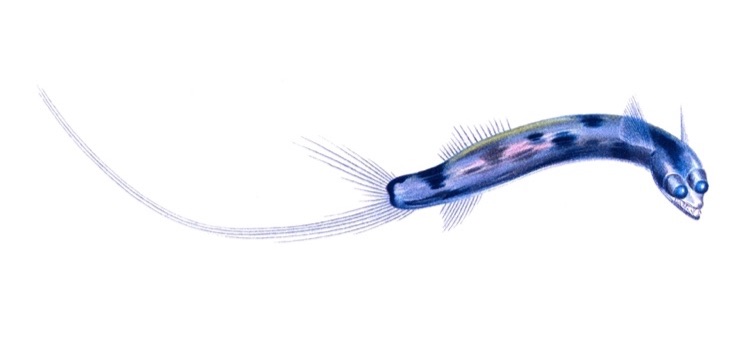
The “oura” suffix means “end” or “tail,” and the word is a reference to the ribbon-like, elongated lower tailfin that makes up half of the fish’s total length.

Species of Telescope Fish

We do not know much about the telescope fish, but we do know that there are two species.

Gigantura Chuni

The Gigantura chuni, is a deep-sea creature that may be found in the Indian, Atlantic, and Pacific oceans. It also inhabits the Gulf of Mexico. In recent years, there have been sightings in South Africa as well. It has been observed in the seas of New Zealand, Chile, Saint Paul, Tasmania, and Gough Island.

Gigantura Indica

The Gigantura indica is a deep-sea creature with a silvery, scaleless body and tubular, forward-pointing eyes with large lenses and a ribbon-like tail. The animal’s eyes are similar to those of its cousin, the Gigantura chuni, which have tubular, ahead-directed eyes with big lenses.

Both species are adapted to specific water depths and environments. This is why experts do not believe the species suitable for captivity. This fish is superior in temperate seas, thus making difficult to adapt to tanks.

The overall cost of maintaining and protecting an environment for the telescope fish, as well as the expense of the animal itself, is prohibitively high.

Telescope Fish Appearance

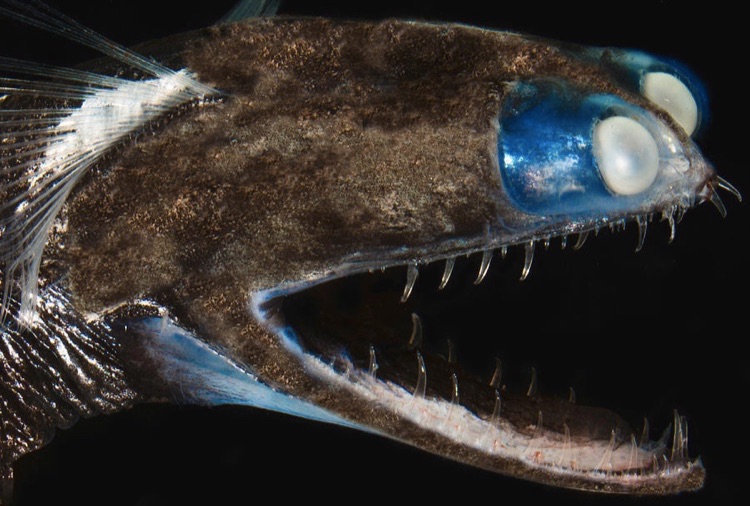
The eyes of aequidens are extremely large, protruding, and have delicate glass screens. The bubbles lenses include around two dozen dorsal spines. From the correct perspective, they appear to be binoculars or more precisely, a pair of telescopes.

Telescope fish have big heads and a greenish-blue color with a silvery underside. The fish have blue dotting and tiny brown lines that form stripes along the sides and back. The fish have gritty, slimy scales and a pointy nose. The tail accounts for almost half of the fish’s total length.

Habitat

The telescope fish is found in tropical and subtropical waters all over world. Some countries territorial waters where they are most prevalent include New Zealand, Tasmania and Chile.

The population, which is not closely watched, is considered robust and of “Least Concern” by conservation organizations.

In several situations, such as the IUCN, the fish are not evaluated at all. There isn’t enough information about the numbers to generate trustworthy statistics because there aren’t enough records on them.

The fish’s range includes sub-Antarctic bodies of temperate cool seas with a habitat that ranges across the world’s oceans.

The telescopic scope is positioned more than 66 feet underwater in the water columns and up to 2,000 miles beneath the ocean floors. They may also be found in surge channels and vast low tide pools.

The telescope fish is a solitary by nature, but it will travel in groups. You’ll never see one its own. Grouping together makes for simpler hunting. It’s also a great way for the animals to keep an eye out for predators while everyone else is sleeping.

Predators and Prey

The telescope fish, like all other living animals, has its enemies and favorite foods. Let’s look at both of them now.

Predators

Due to their diminutive size, telescope fish are prey for larger carnivorous fish and sharks that dwell in these habitats.

Prey

This species is an active predator that can’t wait to get its teeth on bristlemouths, lanternfish, and barbed dragonfish. Like the sucker fish, they’ll also go after plankton.

The telescope fish engulfs its prey whole. Sea creatures that are frequently larger than it are among the victims. However, such a technique of consuming is typical for animals at those depths.

It has a long, flexible jaw with razor-sharp teeth. They capture food quickly, usually from below, whilst constantly looking upwards from the ocean floor.

SOURCE: SURFSUPMAGAZINE.COM

Utah State Animal: Elk

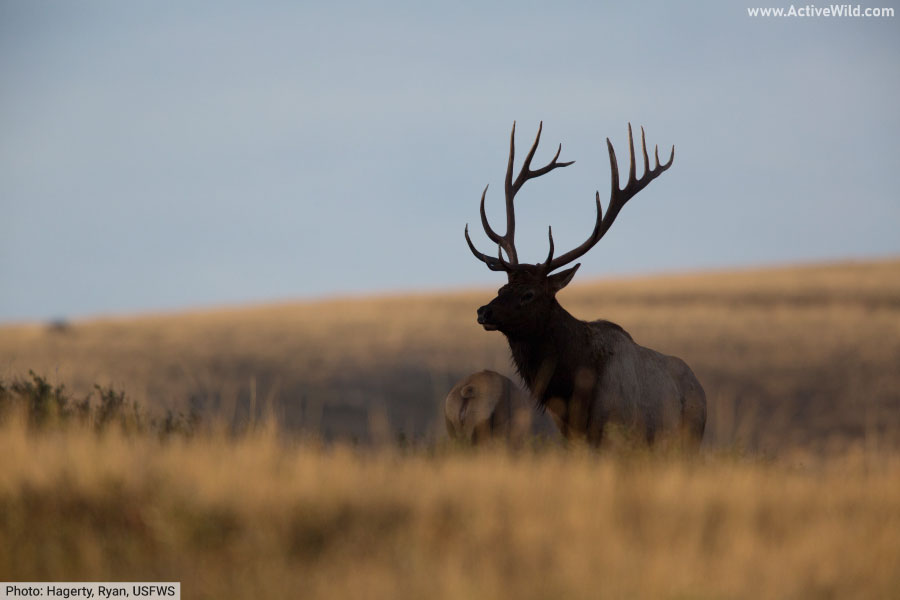
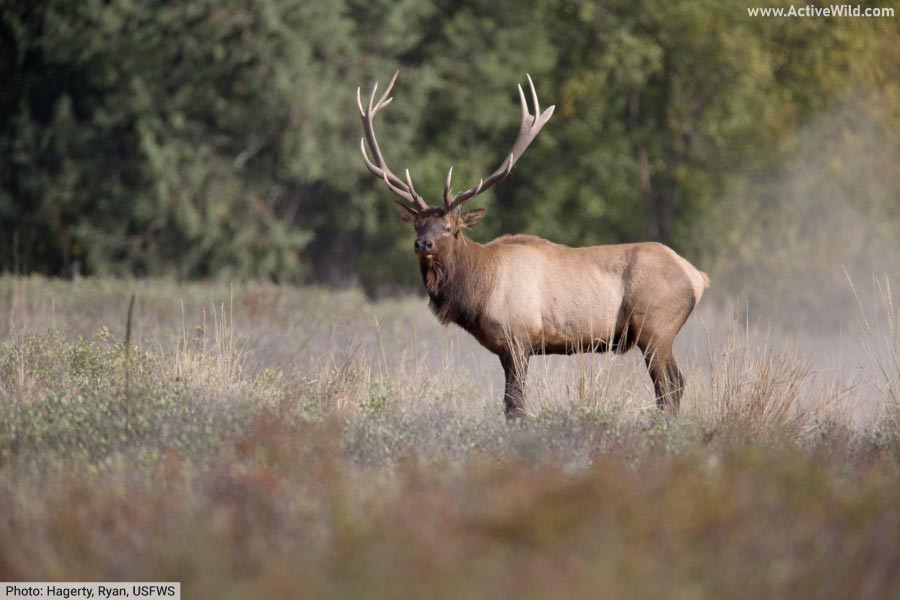
The elk is the second-largest species of deer in the world (only the moose is larger). It is found in forest, shrubland and grassland habitats in North America and eastern Asia. Bull elk are characterized by their impressive, branched antlers and loud “bugling” cries, which can be heard during the fall mating season.

Elk are thought to have evolved about 20 million years ago in the steppe regions of Beringia, a mass of land that once stretched between Siberia in northeastern Asia and Alaska in northwestern North America.

Today, the total elk population numbers around two million individuals, and is thought to be increasing. The species’ conservation rating is “Least Concern”.

Elk are large ungulates (hoofed mammals) with dark reddish-brown coats and pale patches on their rumps.

The color and thickness of an elk’s coat changes with the season; in winter it becomes thick and greyish, whereas in summer it is thinner, shorter and darker in color.

In winter both male and female elk develop a mane of dark hair around their necks.

Elk or Wapiti?

The elk is also known as the wapiti. The name wapiti comes from Shawnee and Cree word “wapiti”, which refers to the elk’s white rump.

Elk Antlers

Male elk develop large, branched antlers during the spring. When the antlers are fully developed, they may weigh as much as 40 lb. As is the case with most deer species, female elk do not grow antlers.  The bull elk’s antlers are used to attract females and to fight off rival males and predators. The antlers have a central core of bone and, while growing, are covered with a layer of skin known as velvet, which is richly supplied with blood vessels.

The velvet is rubbed off once the antlers are fully developed. When the mating season is over, the antlers are shed; a new pair will begin to grow at the start of the next spring.

Elk Bugling

During the rut (mating season), bull elk emit characteristic, high-pitched screaming calls. This behavior is known as “bugling”. These extremely loud and penetrating calls can be heard from several miles away.

SOURCE: ACTIVEWILD.COM

National Vermont Day

The background of National Vermont Day

National Vermont Day originated in 1791, the year Vermont formally commenced its annexation to the United States as the fourteenth state. Additionally, it was the first state to ratify the Union following the initial thirteen states. This event marked a zenith in the chronicles of the Green Mountain State, which had been ruled for decades by the British and the French.

Since its incorporation into the Union, Vermont has made consistent progress. It was among the initial republics to formally outlaw slavery. The Act to Secure Freedom For All Persons Within the State was signed into law on November 25, 1858, which was thirty-five years prior to the American Civil War. Amid the Underground Railroad, fugitive slaves were provided sanctuary and sustenance by Vermonters. Additionally, Vermonters have a reputation for resiliency. Notwithstanding its recent establishment, the state dispatched troops to engage in the Civil War and maintained an unwavering opposition to slavery.

National Vermont Day provides Vermonters with an opportunity to commemorate the state’s historical significance while also engaging in a celebration of their state’s independence. Preeminent is the observance of the valiant men and women who helped shape Vermont into the state it is today. Present-day Vermont is situated amidst a verdant and picturesque mountain backdrop. Although the state itself is beyond picturesque, its rich history provides the backdrop for its splendor. National Vermont Day is observed during this time of year.

Participation in National Vermont Day Activities

Explore the verdant mountains and picturesque vistas

Vermont, being the “Green Mountain State,” lives up to its moniker. Experiencing the state’s captivating natural beauty and picturesque vistas is highly recommended. National Vermont Day is a time when camping, trekking, and hiking are popular ways to commune with nature.

Pay homage to historical locations and museums

For an engaging and enlightening National Vermont Day experience, historical sites and museums are essential destinations. Visit Hildene, The Lincoln Family Home, the Shelburne Museum, and the Fairbanks Museum & Planetarium to gain a deeper understanding of the state’s history.

Prepare confections using regional maple syrup.

Vermont is renowned for producing its own maple syrup. Prepare a delectable spread of delights for your loved ones by simply rolling up your sleeves and preparing your baking equipment.

5 Interesting Vermont Facts

Vermont is where notable films such as “What Lies Beneath,” “Me, Myself, & Irene,” and “The Cider House Rules” were produced.

Vermont has one of the greatest human-to-cow ratios in the United States, at 0.41.

Vermont is the second least populous state in the United States as of 2022, trailing only Wyoming.

In 1981, the renowned Ben & Jerry’s ice cream was first produced at a service station along Route 7 in Shelburne, Vermont.

Vermont, along with Alaska, Hawaii, and Maine, is one of four jurisdictions in the United jurisdictions that prohibits billboard advertising.

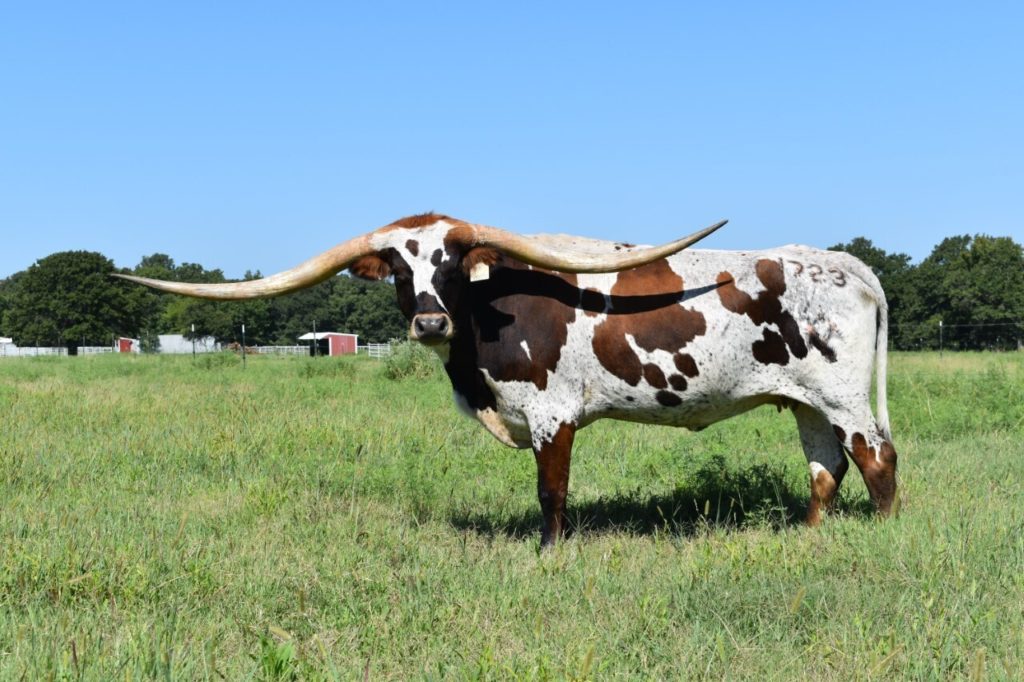
Texas State Animal: Texas Longhorn

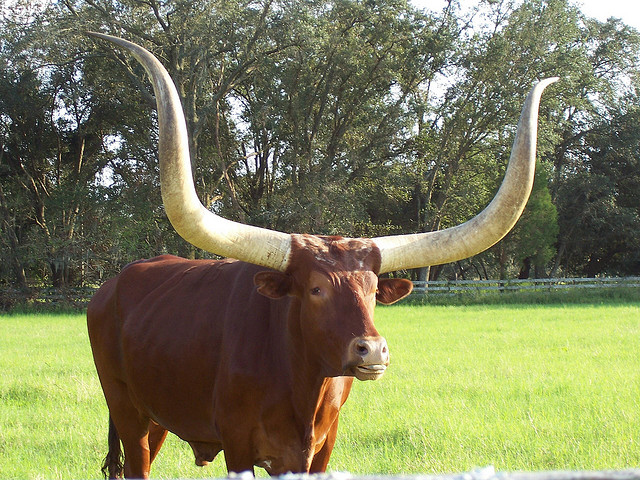
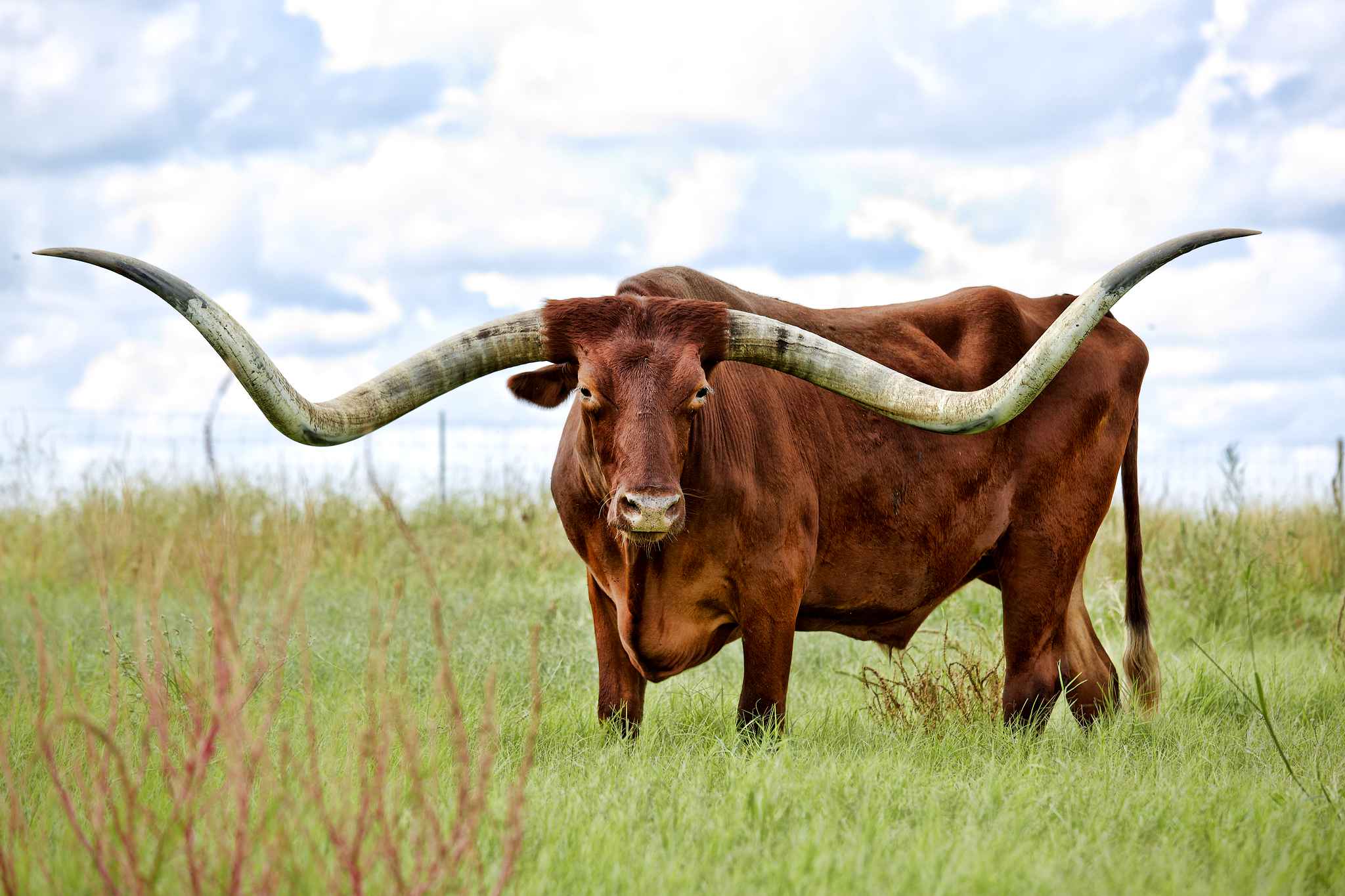
Like all awesome stories, the history of the Texas Longhorn Cattle Breed has many twists and turns. A quick computer search will reveal tons of information. However, here are 17 astonishingly interesting facts that are fun and that stand out.

Fact 1.

Texas Longhorn Cattle did not originate in Texas
LOL!! None-the-less longhorn cattle are synonymous with the state. READ ON if this makes no sense ….

Fact 2.

Texas Longhorn Cattle have a link with Christopher Columbus.
On his second voyage to the New World (1493), Columbus brought cattle with him from the Canary Islands. A study conducted in 2013 by the University of Texas in Austin, connected the cattle genetically as progenitors of Texas Longhorn cattle. Over Centuries, Spanish settlers and missionaries drove these ancestral Longhorn cattle herds north, over Mexican lands towards what we now call Texas.

Fact 3.

There was a time when Texas Longhorn Cattle were feral.
The Spaniards believed in open range feeding. As a result, many of their cattle escaped, were left behind on their travels or just wandered off. In the days predating barbed wire fences, these cattle also intermingled with other bovine breeds brought to the continent. Cattle interbred, became wild and left to their own devices underwent a process of Natural Selection. Only the strongest survived.

Fact 4.

It is estimated that around the 1860’s, 5 to 6 million cattle roamed wild in Texas.
Wild Texas cattle were predominantly unbranded and self-sufficient.

Fact 5.

“Maverick“- originally was in reference to unbranded cattle.
The word Maverick means an independently minded person. Samuel A. Maverick (1803-1870) was a Texas land baron and cattle owner who refused to brand his cattle. In the mid 1800’s, a calf or yearling without a brand became known as a Maverick.

Fact 6.

In the early 1800’s Texas Longhorn Cattle were trailed to New Orleans and California for their hides and tallow.
During these drives, Texas Longhorn Cattle developed an immunity to Tick Fever, which they in turn passed on to other breeds of cattle they came into contact with. Many states placed restrictions against their passage and it became more difficult to get the wild Texas cattle to market. The era of the great cattle trails began in earnest after cow towns were established at rail heads outside of Texas, as a point of departure to ship cattle to markets outside of Texas.

Fact 7.

Many Civil War soldiers who returned to a war impoverished Texas State turned to Texas Longhorn Cattle to earn a living.
These war veterans rounded up unmarked cattle, branded them and claimed them as their own. The longhorn cattle drives that ensued help revive the State’s economy and became the fuel for the legendary cowboy and the trails that they pursued.

Fact 8.

Charles Goodnight was a trail blazer, literally!
Sometimes known as the ‘father of the panhandle’, Charles Goodnight was one of the best known ranchers in Texas. He created a path together with Oliver Loving along the Pecos River, to Colorado. The Goodnight/Loving trail was heavily used even though it was a long way round but it was the safest route in that direction.

Fact 9.

The Chisholm Trail was another major route for livestock out of Texas.
Between 1867-1884 (less than twenty years), over 5 million and up to 10 million longhorn cattle are estimated to have been driven to the rail heads in Abilene, Kansas, on their way East.

Fact 10.

The Texas Longhorn cattle drives spawned the cowboy culture.
Cattlemen in Texas worked closely with Vaquero’s.  They were accustomed to trailing large groups of cattle. As a result, their influence is woven into the cowboy culture regarding the techniques of handling cattle, their equipment as well as their clothing.

Fact 11.

By the 1920’s, Texas Longhorn Cattle faced extinction.
As the Cattle industry grew, so did the demand for more beefy cattle. In addition, fencing made it easier to control cattle and control a practice of interbreeding Texas Longhorn Cattle with more beefy bovine breeds. Subsequently, the number of Texas Longhorn Cattle in their pure form, began to dwindle.

Fact 12.

The Federal government commissioned the establishment of a foundation herd of Texas Longhorn cattle in order to preserve the breed.
J. Hatton and W. C. Barns, two US Forest Service employees rounded up 19 cows and a bull over a seven-year period. Consequently, this longhorn herd, known as the Wichita Mountains Wildlife Refuge herd, became the foundation for the government maintained WR herd, as we know it today. From 1927, records of each animal were kept and since 1934 to the present day, an annual auction sale of these historic longhorn cattle is held.

Fact 13.

Six additional families are recognized for contributing to the maintenance of the Longhorn Breed.
These ranchers bred Longhorn cattle in their purest form when other farmers did not. Moreover, they perpetuated bloodlines that have influenced and provided the foundation for the Longhorn breed as we know it today.

Fact 14.

Fort Griffin State Park is the permanent home of the Official State of Texas Longhorn herd.
The herd is comprised of around 250 Texas Longhorn Cattle.  They reside mainly at Fort Griffin State Park. Furthermore, they have been there since 1948.

Fact 15.

Charlie Schreiner III established The Texas Longhorn Breeders Association of America (TLBAA) in 1964 
Specifically, the mission of the TLBAA as stated on the website is “To record, promote, and protect the legacy and distinct characteristics of the Texas Longhorn while ensuring its purity and posterity.”

Fact 16.

The Cattlemen’s Texas Longhorn Registry (CTLR)
The CTLR is a small group of Breeders who believe that modern day improvements to Texas Longhorn Cattle are compromising the integrity of the Texas Longhorn cattle breed.

Fact 17.
The Texas Longhorn Cattle has changed considerably over the last 100 years. So much so, we recently wrote an article highlighting those changes.

SOURCE: GVRLONGHORNS.COM

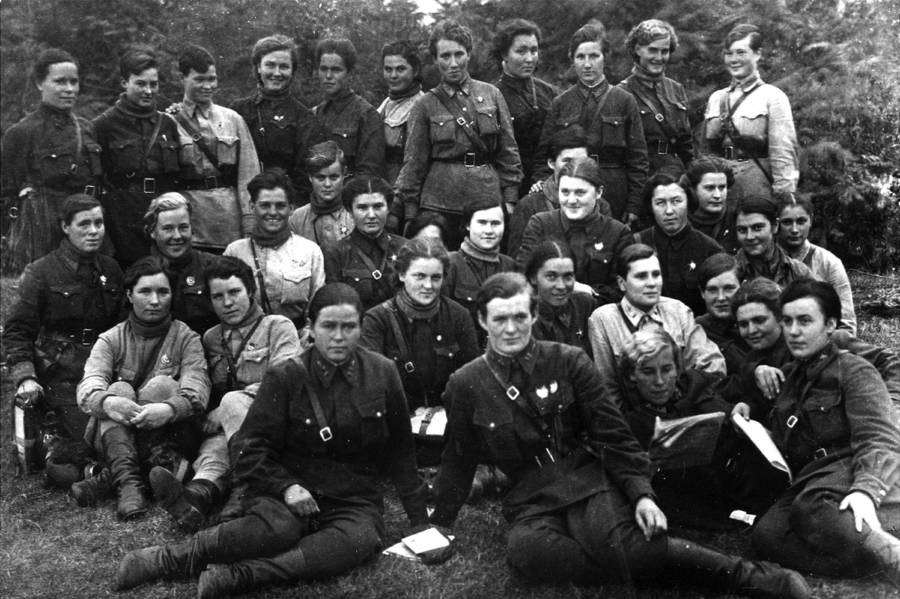
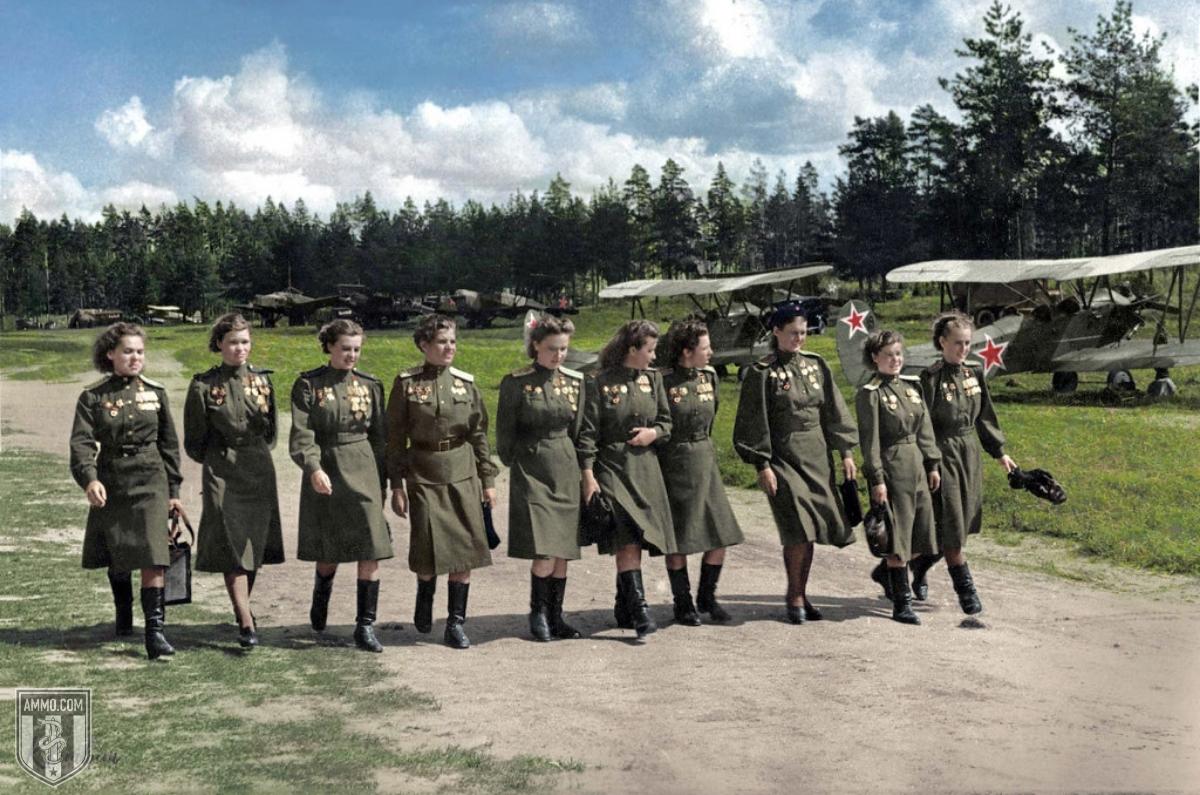
Night Witches

This story is another great one brought to my attention by Filly!

From History.com:

They flew under the cover of darkness in bare-bones plywood biplanes. They braved bullets and frostbite in the air, while battling skepticism and sexual harassment on the ground. They were feared and hated so much by the Nazis that any German airman who downed one was automatically awarded the prestigious Iron Cross medal.

All told, the pioneering all-female 588th Night Bomber Regiment dropped more than 23,000 tons of bombs on Nazi targets. And in doing so, they became a crucial Soviet asset in winning World War II.

The Germans nicknamed them the Nachthexen, or “night witches,” because the whooshing noise their wooden planes made resembled that of a sweeping broom. “This sound was the only warning the Germans had. The planes were too small to show up on radar… [or] on infrared locators,” said Steve Prowse, author of the screenplay The Night Witches, a nonfiction account of the little-known female squadron. “They never used radios, so radio locators couldn’t pick them up either. They were basically ghosts.”

Using female bombardiers wasn’t a first choice. While women had been previously barred from combat, the pressure of an encroaching enemy gave Soviet leaders a reason to rethink the policy. Adolf Hitler had launched Operation Barbarossa, his massive invasion of the Soviet Union, in June 1941. By the fall the Germans were pressing on Moscow, Leningrad was under siege and the Red Army was struggling. The Soviets were desperate.

The 588th’s first mission, on June 28, 1942, took aim—successfully—at the headquarters of the invading Nazi forces.

A Woman Leads the Charge

The squadron was the brainchild of Marina Raskova, known as the “Soviet Amelia Earhart”—famous not only as the first female navigator in the Soviet Air Force but also for her many long-distance flight records. She had been receiving letters from women all across the Soviet Union wanting to join the World War II war effort. While they had been allowed to participate in support roles, there were many who wanted to be gunners and pilots, flying on their own. Many had lost brothers or sweethearts, or had seen their homes and villages ravaged. Seeing an opportunity, Raskova petitioned Soviet dictator Joseph Stalin to let her form an all-female fighting squadron.

On October 8, 1941, Stalin gave orders to deploy three all-female air force units. The women would not only fly missions and drop bombs, they would return fire—making the Soviet Union the first nation to officially allow women to engage in combat. Previously, women could help transfer planes and ammunition, after which the men took over.

Raskova quickly started to fill out her teams. From more than 2,000 applications, she selected around 400 women for each of the three units. Most were students, ranging in age from 17 to 26. Those selected moved to Engels, a small town north of Stalingrad, to begin training at the Engels School of Aviation. They underwent a highly compressed education—expected to learn in a few months what it took most soldiers several years to grasp. Each recruit had to train and perform as pilots, navigators, maintenance and ground crew.

Beyond their steep learning curve, the women faced skepticism from some of the male military personnel who believed they added no value to the combat effort. Raskova did her best to prepare her women for these attitudes, but they still faced sexual harassment, long nights and grueling conditions. “The men didn’t like the ‘little girls’ going to the front line. It was a man’s thing.” Prowse told HISTORY.

Making Do With Hand-Me-Downs and Relics

The military, unprepared for women pilots, offered them meager resources. Flyers received hand-me-down uniforms (from male soldiers), including oversized boots. “They had to tear up their bedding and stuff them in their boots to get them to fit,” said Prowse.

Their equipment wasn’t much better. The military provided them with outdated Polikarpov Po-2 biplanes, 1920s crop-dusters that had been used as training vehicles. These light two-seater, open-cockpit planes were never meant for combat. “It was like a coffin with wings,” said Prowse. Made out of plywood with canvas pulled over, the aircraft offered virtually no protection from the elements. Flying at night, pilots endured freezing temperatures, wind and frostbite. In the harsh Soviet winters, the planes became so cold, just touching them would rip off bare skin.

Due to both the planes’ limited weight capacity and the military’s limited funds, the pilots also lacked other “luxury” items their male counterparts enjoyed. Instead of parachutes (which were too heavy to carry), radar, guns and radios, they were forced to use more rudimentary tools such as rulers, stopwatches, flashlights, pencils, maps and compasses.

There was some upside to the older aircraft. Their maximum speed was slower than the stall speed of the Nazi planes, which meant these wooden planes, ironically, could maneuver faster than the enemy, making them hard to target. They also could easily take off and land from most locations. The downside? When coming under enemy fire, pilots had to duck by sending their planes into dives (almost none of the planes carried defense ammunition). If they happened to be hit by tracer bullets, which carry a pyrotechnic charge, their wooden planes would burst into flames.

Long Nights, Stealth Tactics

The Polikarpovs could only carry two bombs at a time, one under each wing. In order to make meaningful dents in the German front lines, the regiment sent out up to 40 two-person crews a night. Each would execute between eight and 18 missions a night, flying back to re-arm between runs. The weight of the bombs forced them to fly at lower altitudes, making them a much easier target—hence their night-only missions.

The planes, each with a pilot upfront and a navigator in back, traveled in packs: The first planes would go in as bait, attracting German spotlights, which provided much needed illumination. These planes, which rarely had ammunition to defend themselves, would release a flare to light up the intended target. The last plane would idle its engines and glide in darkness to the bombing area. It was this “stealth mode” that created their signature witch’s broom sound.

There were 12 commandments the Night Witches followed. The first was “be proud you are a woman.” Killing Germans was their job, but in their downtime the heroic flyers still did needlework, patchwork, decorated their planes and danced. They even put the pencils they used for navigation into double duty as eyeliner.

Disbanded and Overlooked

Their last flight took place on May 4, 1945—when the Night Witches flew within 60 kilometers (approximately 37 miles) of Berlin. Three days later, Germany officially surrendered.

According to Prowse, the Germans had two theories about why these women were so successful: They were all criminals who were masters at stealing and had been sent to the front line as punishment—or they had been given special injections that allowed them to see in the night.

Altogether these daredevil heroines flew more than 30,000 missions in total, or about 800 per pilot and navigator. They lost a total of 30 pilots, and 24 of the flyers were awarded the title Hero of the Soviet Union. Raskova, the mother of the movement, died on January 4, 1943, when she was finally sent to the front line—her plane never made it. She was given the very first state funeral of World War II and her ashes were buried in the Kremlin.

Despite being the most highly decorated unit in the Soviet Air Force during the war, the Night Witches regiment was disbanded six months after the end of World War II. And when it came to the big victory-day parade in Moscow, they weren’t included—because, it was decided, their planes were too slow.

SOURCE: HISTORY.COM

What Shall We Bake Today?

Today’s Halloween entry is Spider Cookies!

Ingredients

1 cup creamy peanut butter

1 cup sugar

1 large egg, room temperature

24 Reese’s mini peanut butter cups

1/2 cup milk chocolate chips

1 teaspoon shortening

48 candy eyes

Directions

Preheat oven to 350°. Cream peanut butter and sugar until light and fluffy, 5-7 minutes. Beat in egg.

Roll into 1-in. balls. Place 2 in. apart on ungreased baking sheets. Flatten slightly with the bottom of a glass. Bake until tops are slightly cracked, 15-17 minutes. Cool for 3 minutes before removing from pans to wire racks. Immediately press 1 mini peanut butter cup into center of each cookie. Let stand until set.

In a microwave, melt chocolate chips and shortening; stir until smooth. Transfer melted chocolate mixture to a pastry bag fitted with a small round tip. Use mixture to adhere candy eyes to peanut butter cups with melted chocolate mixture. Pipe 8 lines alongside each peanut butter cup to resemble spider legs. Let stand until set.

ENJOY!

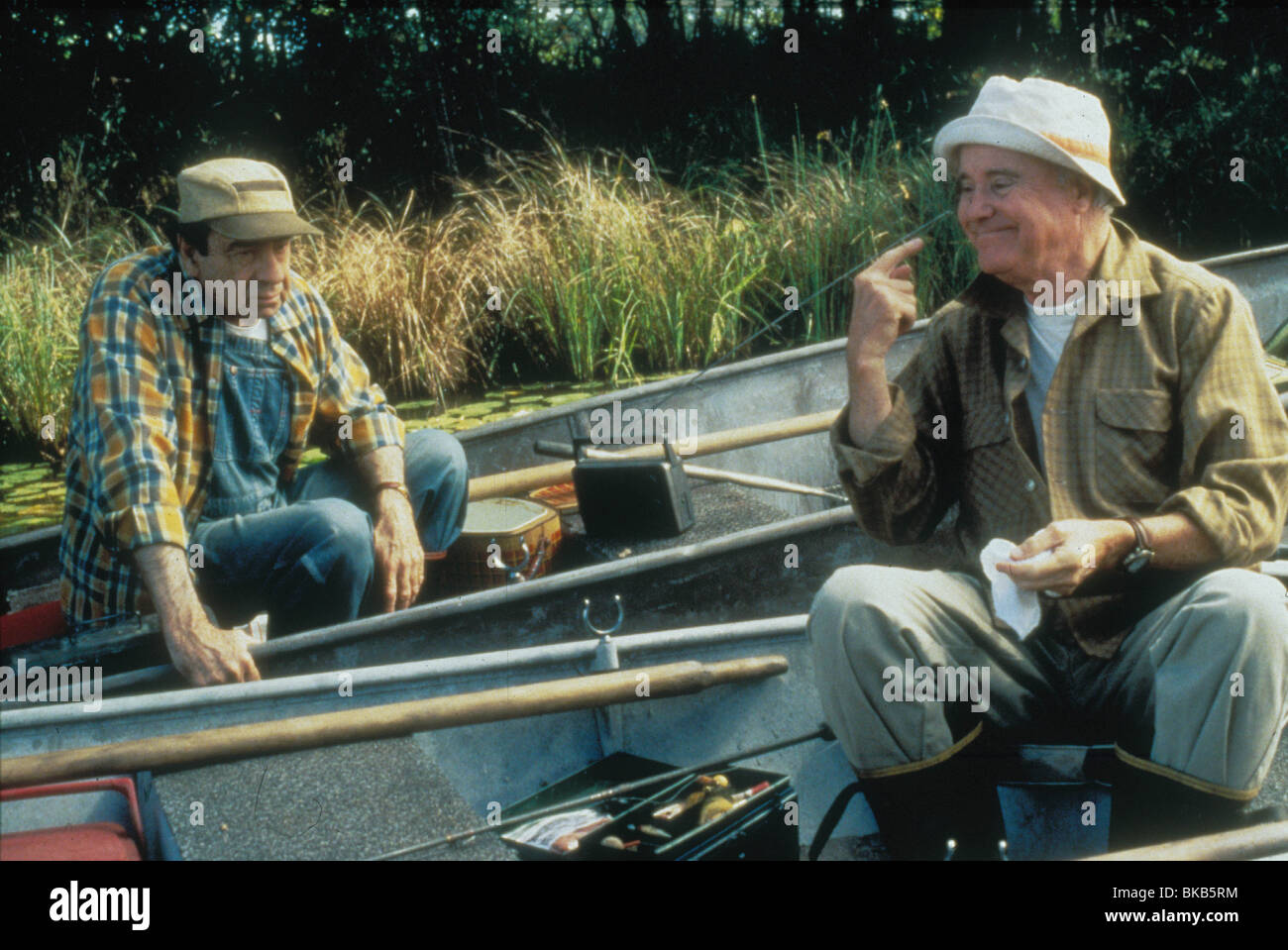
Know-It-Al Tuesdays: Grumpy Old Men

Walter Matthau’s birthday is this month (born October 7, 1920 and died July 1, 2000), so I thought we’d make Grumpy Old Men are trivia focus this month.

What kind of fish are Max and John trying to catch throughout the film?

What town and state was the movie based in?

Who buys Chuck’s bait shop?

What is Mama Ragetti’s first name?

When Jacob and Melanie discuss wedding plans, where does Jacob suggest as a location for the wedding reception?

What is the name of Allie’s guinea pig?

What does John find under the cushion when he tries to go to sleep on Max’s couch?

What is Max’s son’s name?

What does Max do to John while John is playing the lottery?

Who played the role of Jacob?

What does Max call his fishing pole?

What was John’s profession before he retired?

What is John’s cat’s name?

What does Max feed his dog?

What is the name of the fish that both John and Max want to catch?

How did you do?

ANSWERS:

Catfish

Wabasha, MN

Maria Ragetti

Francesca

Slippery’s Tavern

Sparky

A sandwich

Jacob

He keeps changing the channel

Kevin Pollak

The Green Hornet

History teacher

Slick

Hormel Chili

Catfish Hunter

Till next time…stay sharp!