Kent State Shooting

Today is the anniversary of the Kent State shooting that killed 4 students and injured 9 more.  History.com provides a detailed account of why it happened:

Four Kent State University students were killed and nine were injured on May 4, 1970, when members of the Ohio National Guard opened fire on a crowd gathered to protest the Vietnam War. The tragedy was a watershed moment for a nation divided by the conflict in Southeast Asia. In its immediate aftermath, a student-led strike forced the temporary closure of colleges and universities across the country. Some political observers believe the events of that day in northeast Ohio tilted public opinion against the war and may have contributed to the downfall of President Richard Nixon.

The Vietnam War

American involvement in the civil war in Vietnam—which pitted the communists of the northern part of the country against the more democratic south—had been controversial from its beginnings, and a significant segment of the general public in the United States was against the presence of U.S. armed forces in the region.

Protests across the country in the latter half of the 1960s were part of organized opposition against U.S. military activities in Southeast Asia, as well as the military draft.

In fact, President Richard M. Nixon had been elected in 1968 due in large part to his promise to end the Vietnam War. And, until April 1970, it appeared he was on the way to fulfilling that campaign promise, as military operations were seemingly winding down.

Invasion of Cambodia

However, on April 30, 1970, President Nixon authorized U.S. troops to invade Cambodia, a neutral nation located west of Vietnam. North Vietnamese troops were using safe havens in Cambodia to launch attacks on the U.S.-backed South Vietnamese, and parts of the Ho Chi Minh Trail—a supply route used by the North Vietnamese—passed through Cambodia.

Controversially, the president made his decision without notifying his Secretary of State William Rogers or Defense Secretary Melvin Laird.

They, along with the rest of the American public, found out about the invasion when President Nixon addressed the nation on television two days later. Members of Congress accused the president of illegally widening the scope of U.S. involvement in the war by not receiving their consent through a vote.

However, it was public reaction to the decision that ultimately led to the events at Kent State University, a public university in northeast Ohio.

Vietnam War Protests

Even before Nixon’s formal announcement of the invasion, rumors of the U.S. military incursion into Cambodia resulted in protests at colleges and universities across the country. At Kent State, these protests actually began on May 1, the day after the invasion.

That day, hundreds of students gathered on the Commons, a park-like space at the center of campus that had been the site of large demonstrations and other events in the past. Several speakers spoke out against the war in general, and President Nixon specifically.

That night, in downtown Kent, there were reports of violent clashes between students and local police. Police alleged that their cars were hit with bottles, and that students stopped traffic and lit bonfires in the streets.

Reinforcements were called in from neighboring communities, and Kent Mayor Leroy Satrom declared a state of emergency, before ordering all the bars in the town closed. Satrom also contacted Ohio Governor James Rhodes seeking assistance.

Satrom’s decision to close the bars actually angered the protesters more, and increased the size of the crowds on the streets of town. Police were eventually able to move the protesters back toward campus, using tear gas to disperse the crowd. However, the stage was set for trouble.

Ohio National Guard Arrives

The following day, Saturday, May 2, there were rumors that radicals were making threats against the town of Kent and the university. The threats reportedly were primarily made against businesses in the town and certain buildings on campus.

After speaking with other city officials, Satrom asked Governor Rhodes to send the Ohio National Guard to Kent in an attempt to calm tensions in the area.

At the time, members of the National Guard were already on duty in the region, and thus were mobilized fairly quickly. By the time they arrived at the Kent State campus on the night of May 2nd, however, protesters had already set fire to the school’s ROTC building, and scores were watching and cheering as it burned.

Some protesters also reportedly clashed with firefighters attempting to put out the blaze, and Guardsmen were asked to intervene. Clashes between the Guard and the protesters continued well into the night, and dozens of arrests were made.

Interestingly, the next day, Sunday, May 3, was a fairly calm day on campus. The weather was sunny and warm, and students were lounging on the Commons and even engaging with the Guardsmen on duty.

Still, with nearly 1,000 National Guards at the school, the scene was more like that of a war zone than a college campus.

Protesters and Guardsmen Gather

With a major protest already scheduled for noon on Monday, May 4, once again on the Commons, university officials attempted to diffuse the situation by prohibiting the event. Still, crowds began to gather at about 11:00 that morning, and an estimated 3,000 protesters and spectators were there by the scheduled start time.

Stationed at the now-destroyed ROTC building were roughly 100 Ohio National Guardsmen carrying M-1 military rifles.

Historians have never reached consensus as to who exactly organized and participated in the Kent State protests—or how many of them were students at the university or anti-war activists from elsewhere. But the protest on May 4th, during which activists spoke out against the presence of the National Guard on campus as well as the Vietnam War, was initially peaceful.

Still, Ohio National Guard General Robert Canterbury ordered the protesters to disperse, with the announcement being made by a Kent State police officer riding in a military jeep across the Commons and using a bullhorn to be heard over the crowd. The protesters refused to disperse and began shouting and throwing rocks at the Guardsmen.

Four Dead in Ohio

General Canterbury ordered his men to lock and load their weapons, and to fire tear gas into the crowd. The Guardsmen then marched across the Commons, forcing protesters to move up a nearby hill called Blanket Hill, and then down the other side of the hill toward a football practice field.

As the football field was enclosed with fencing, the Guardsmen were caught amongst the angry mob, and were the targets of shouting and thrown rocks yet again.

The Guardsmen soon retreated back up Blanket Hill. When they reached the top of the hill, witnesses say 28 of them suddenly turned and fired their M-1 rifles, some into the air, some directly into the crowd of protesters.

Over just a 13-second period, nearly 70 shots were fired in total. In all, four Kent State students—Jeffrey Miller, Allison Krause, William Schroeder and Sandra Scheuer—were killed, and nine others were injured. Schroeder was shot in the back, as were two of the injured, Robert Stamps and Dean Kahler.

Aftermath of the Kent State Shooting

Following the shooting, the university was immediately ordered closed, and the campus remained shut down for some six weeks following the shootings.

Numerous investigatory commissions and court trials followed, during which members of the Ohio National Guard testified that they felt the need to discharge their weapons because they feared for their lives.

However, disagreements remain as to whether they were, in fact, under sufficient threat to use force.

In a civil suit filed by the injured Kent State students and their families, a settlement was reached in 1979 in which the Ohio National Guard agreed to pay those injured in the events of May 4, 1970 a total of $675,000.

Kent State Shooting Legacy

A signed statement by the Guard, drafted as part of the settlement, read, in part: “In retrospect, the tragedy… should not have occurred. The students may have believed that they were right in continuing their mass protest in response to the Cambodian invasion, even though this protest followed the posting and reading by the university of an order to ban rallies and an order to disperse… Some of the Guardsmen on Blanket Hill, fearful and anxious from prior events, may have believed in their own minds that their lives were in danger. Hindsight suggests that another method would have resolved the confrontation…”

Photographer John Filo won a Pulitzer Prize for his famous image of 14-year-old Mary Vecchio crying over Miller’s fallen body, just after the last shot was fired on the Kent State campus that day. However, this image is hardly the only lasting legacy of the events of May 4.

Indeed, the Kent State shooting remains symbolic of the division in public opinion about war in general, and the Vietnam War specifically. Many believe it permanently changed the protest movement across the American political spectrum, fostering a sense of disillusionment regarding what, exactly, these demonstrations accomplish—as well as fears over the potential for confrontation between protesters and law enforcement.

SOURCE: HISTORY.com

Sources

Personal Remembrances of the Kent State Shootings, 43 Years Later. Slate.
Kent State Shootings. Ohio History Central.
The May 4 Shootings at Kent State University: The Search for Historical Accuracy. Kent State University.
Nixon authorizes invasion of Cambodia, April 28, 1970. Politico.
Was It Legal for the U.S. to Bomb Cambodia? The New York Times.
Photographer John Filo discusses his famous Kent State photograph and the events of May 4, 1970. CNN.
Kent State at 25: A Troubling Legacy. Christian Science Monitor.

What Shall We Bake Today?

Georgia and I were discussing muffins a little while ago and I thought I’d post this recipe for Good Morning Sunshine Muffins!

Good Morning Sunshine Muffins

Ingredients

1 cup all-purpose flour

1 cup whole-wheat flour (or substitute another cup of all-purpose flour)

1 cup rolled oats

2 teaspoons baking powder

½ teaspoon baking soda

½ teaspoon salt

1/2 teaspoon ground cinnamon

1/4 teaspoon ground ginger

1 cup whole milk (can sub unsweetened almond milk or soy milk)

3/4 cup applesauce

3/4 cup packed brown sugar (use 1/2 cup if you prefer a less-sweet muffin)

1/3 cup vegetable oil (can sub melted coconut oil)

1 egg

2 teaspoons pure vanilla extract

1 1/2 cups carrot (grated (about 3 medium carrots))

1/2 cup + 2 tablespoons sweetened flaked coconut

1 cup fresh pineapple (cut into 1/4-inch dice or “tidbit” size -or- use canned pineapple tidbits, drained -or- 1 cup frozen pineapple tidbits)

Instructions

Preheat oven to 375 degrees Fahrenheit. Grease or place cupcake wrappers in a standard-size, 12-cup muffin pan.

In a large bowl, whisk together the flours, oats, baking powder, baking soda, salt, cinnamon, and ginger.

In a medium bowl, whisk together the milk, applesauce, brown sugar, vegetable oil, egg, and vanilla extract.

Pour the wet ingredients over the dry and whisk just until all ingredients are incorporated. Gently stir in the carrots, 1/2 cup coconut, and pineapple.

Use a cookie scoop to divide the mixture between the muffin cups. Cups should be filled to the top.

Sprinkle tops evenly with remaining 2 tablespoons coconut.

Bake for 20 – 25 minutes or until muffin tops spring back when poked and a toothpick inserted into the center comes out clean.

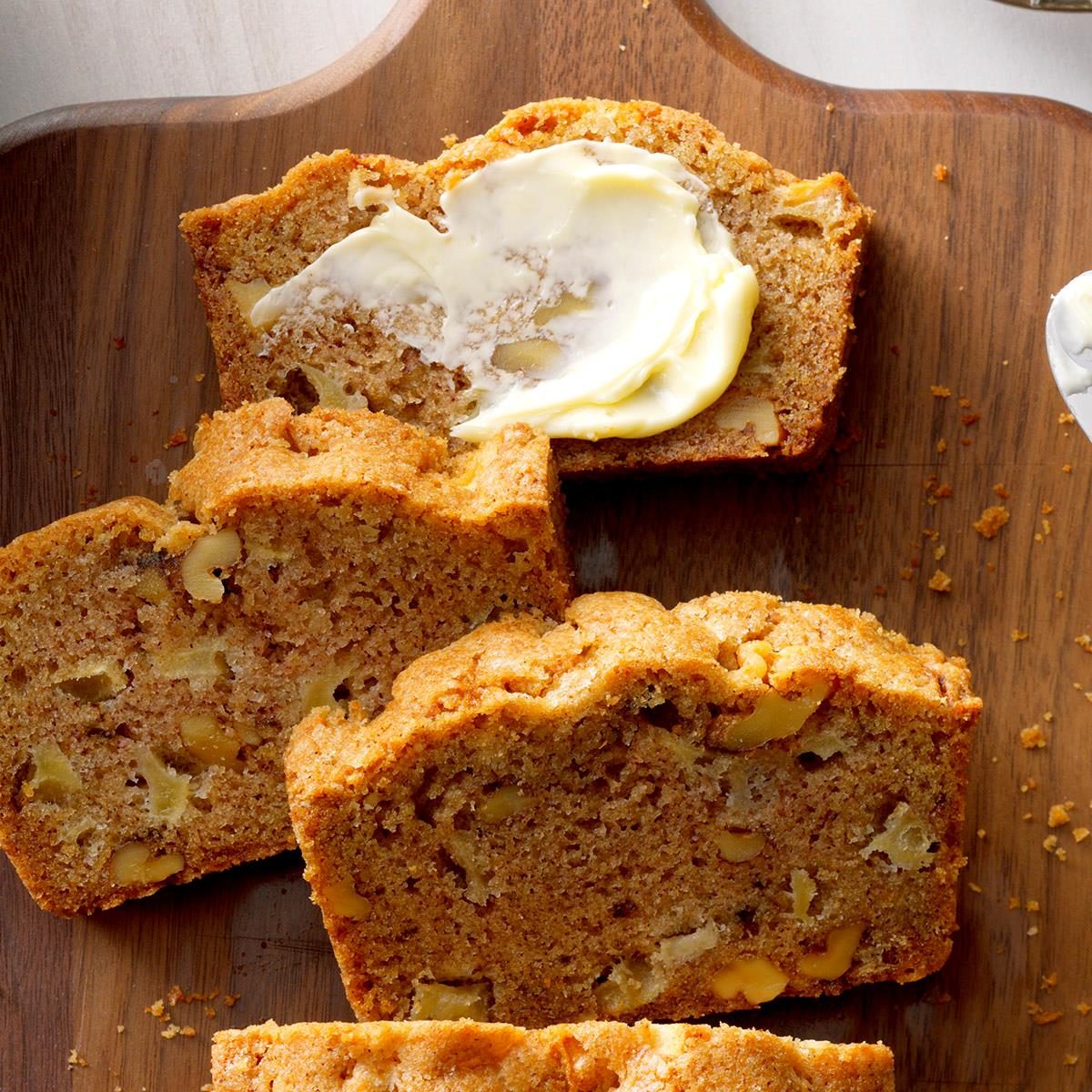
Allow to cool for 5 – 10 minutes before removing from the muffin tin. Serve plain or with butter, if desired.

Store in an airtight container at room temperature for 2 – 3 days, or freeze.

ENJOY!

Painted Lady Butterfly

The painted lady is one of the most familiar butterflies in the world, found on nearly all continents and climates. They are a favorite subject of study in elementary school classrooms and are a familiar visitor to most landscape gardens. As common as they are, though, painted ladies have some interesting attributes, as these 10 facts demonstrate.

They Are the World’s Most Widely Distributed Butterfly

Painted lady butterflies inhabit every continent except Australia and Antarctica. You can find painted ladies everywhere from meadows to vacant lots. Although they live only in warmer climates, painted ladies often migrate to colder regions in spring and fall, making them the butterflies with the widest distribution of any species. 

They Are Also Called Thistle or Cosmopolitan Butterflies

The painted lady is called the thistle butterfly because thistle plants are its favorite nectar plant for food. It is called the cosmopolitan butterfly because of its global distribution.

They Have Unusual Migration Patterns

The painted lady is an irruptive migrant, meaning that it migrates independently of any seasonal or geographic patterns. Some evidence suggests that painted lady migrations may be linked to the El Niño climate pattern.1 In Mexico and some other regions, it appears that migration is sometimes related to overpopulation.

The migrating populations that move from North Africa to Europe may include millions of butterflies. In spring, painted ladies fly low when migrating, usually only 6 to 12 feet above the ground. This makes them highly visible to butterfly watchers but also makes them susceptible to colliding with cars. At other times, painted ladies migrate at such high altitudes that they are not observed at all, simply appearing in a new region unexpectedly. 

They Can Fly Fast and Far

These medium-sized butterflies can cover a lot of ground, up to 100 miles per day during their migrations.2 A painted lady is capable of reaching a speed of nearly 30 miles per hour. Painted ladies reach northern areas well ahead of some of their more famous migrating cousins, like monarch butterflies. And because they get such an early start to their spring travel, migrating painted ladies are able to feed on spring annuals, like fiddlenecks (Amsinckia).

They Do Not Overwinter in Cold Regions

Unlike many other species of butterflies that migrate to warm climates in winter, painted ladies die once winter hits in colder regions. They are present in cold regions only because of their impressive ability to migrate long distances from their warm-weather breeding areas. 

Their Caterpillars Eat Thistle

Thistle, which can be an invasive weed, is one of the painted lady caterpillar’s favorite food plants. The painted lady probably owes its global abundance to the fact that its larvae feed on such common plants. The painted lady also goes by the name thistle butterfly, and its scientific name—Vanessa cardui—means “butterfly of thistle.” 

They Can Damage Soybean Crops

When the butterflies are found in large numbers, they can do serious damage to soybean crops. The damage occurs during the larval stages when the caterpillars eat soybean foliage after hatching from eggs.

Males Use the Perch-and-Patrol Method to Find Mates

Male painted ladies actively patrol their territory for receptive females in the afternoon. Should a male butterfly find a mate, it will usually retreat with its partner to a treetop, where they will mate overnight.

Their Caterpillars Weave Silk Tents

Unlike other caterpillars in the genus Vanessa, painted lady larvae construct their tents from silk. You’ll usually find their fluffy shelters on thistle plants. Similar species, such as the American lady caterpillar, make their tents by stitching leaves together instead.

On Overcast Days, They Go to Ground

You can find them huddling in small depressions on such days. On sunny days, these butterflies prefer open areas filled with colorful flowers.

Run for the Roses

On May 17, 1875, the first Kentucky Derby horse race took place at Churchill Down in Louisville, Kentucky.  In honor of the first running, I found 15 Kentucky Derby facts at the horseyhooves.com website.

Here are 15 Kentucky Derby facts.

1. The Kentucky Derby Got its Start Thanks to Meriwether Lewis Clark Jr.- Grandson of Famed Explorer William Clark

The origin of the Kentucky Derby traces back to 1872, when Meriwether Lewis Clark Jr., the grandson of famous explorer William Clark, traveled to England. While in England, Clark attended the historic Epsom Derby.

After England, Clark traveled to France where he met with members of the French Jockey Club in Paris. Upon returning home to America, he was inspired to start a horse racing spectacle in the states. Clark’s uncles, John and Henry Churchill, gifted him land to create a racetrack. He developed a group of local racing enthusiasts, forming the Louisville Jockey Club.

After raising funds with the help of the club, the racetrack opened on May 17th, 1875, and hosted the very first Kentucky Derby. Fifteen horses raced that year in front of a crowd of 10,000, with Aristides taking home the first win.

Since its beginning, the Kentucky Derby has never been canceled or postponed for bad weather. Only twice has the race been postponed, in 1945 due to WWII and 2020 due to COVID. The derby has occurred every year since its origin.

2. Originally the Race Was 1 ½ Miles

Originally, the Kentucky Derby was 1 ½ miles long, which is the same distance as the Epsom Derby, which helped inspire the race. The race was 1 ½ miles until 1896, when officials changed the distance to 1 ¼ miles. Ever since then, the race has always been 1 ¼ miles.

3. There Have Only Been Four Winners Bred Outside the United States

Out of the 146 Kentucky Derby winners, only four horses were born outside the United States. Those four horses are Tomy Lee, Omar Khayyam, Sunny’s Halo, and Northern Dancer.

Omar Khayyam became the first foreign-bred horse to win the Kentucky Derby in 1917. The British-born colt was sold as a yearling to an American racing partnership.

Born in England, Tomy Lee took home the Kentucky Derby win in 1959. Texas millionaire Fred Turner, Jr. purchased Tomy Lee as a weanling from a sale in England and another Thoroughbred, Tuleg. Turner purchased Tomy Lee to be a companion of Tuleg when he traveled. However, Tomy Lee proved to be a stellar racehorse, while Tuleg’s career fell flat.

Born in Canada, Northern Dancer took home the Kentucky Derby in 1964. Northern Dancer also won the Preakness Stakes, but fell short of the Triple Crown by coming in third in the Belmont Stakes. He went on to become one of the most influential Thoroughbred stallions in the 20th century.

Another Canadian-born horse, Sunny’s Halo, won the Kentucky Derby in 1983. He raced in both America and Canada throughout his career.

4. Kentucky is Home to the Most Winners

Not only is the Bluegrass State home to the Kentucky Derby, but it is also home to the most Kentucky Derby winners. A whopping 107 Kentucky Derby winners were born in Kentucky. The state with the second most winners is Florida, with seven winners born in the Sunshine State.

5. Secretariat Holds the Record for the Fastest Kentucky Derby

The legendary Secretariat holds the record for the fastest Kentucky Derby time at 1:59.40. He set the record in 1973 after beating Northern Dancer’s time of 2:00:00.

Secretariat went on to not only win the Triple Crown, but also set record times in the Preakness Stakes and Belmont Stakes as well. His incredible 1973 Triple Crown win was one for the ages.

6. Kingman Holds the Record for the Slowest Kentucky Derby

Kingman holds the record for the slowest Kentucky Derby win at 2:52.25 in 1891, when the race was still 1 ½ miles. In 1908, Stone Street became the slowest winner at 1 ¼ miles, with a time of 2:15.20, about 16 seconds slower than Secretariat’s record win.

7. Only One Person Has Won as a Jockey and Later as a Trainer

Johnny Longden is the only person to win the Kentucky Derby as a jockey and then later as a trainer. In 1943, Longden took the title home aboard Count Fleet, with who he went on to win the Triple Crown.

After retiring as a jockey in 1959, Longden became a trainer. In 1969, he trained the Kentucky Derby winner Majestic Prince. Majestic Prince went on to win the Preakness Stakes and came in second in the Belmont Stakes, just missing out on the Triple Crown.

8. Only Three Fillies Have Won

In the history of the Kentucky Derby’s 146 winners, only three horses have been fillies. Those three fillies are Regret, Genuine Risk, and Winning Colors.

Regret took home the Kentucky Derby in 1915, the first filly to do so. She is the first of four horses ever to win all three Saratoga Race Course events for two-year-olds. In addition, she also became the first horse to win the Kentucky Derby undefeated in her career.

Sixty-five years later, Genuine Risk became the second filly to win the Kentucky Derby in 1980. After a controversial Preakness Stakes where she got bumped, the filly came in second place. In addition, she came in second in the Belmont Stakes as well.

Winning Colors won the Kentucky Derby in 1988. She also raced in the Preakness and Belmont Stakes, coming in third place and sixth place, respectively.

9. The Youngest Jockey to Ever Win Was Just 15

At just 15 years old, Alonzo Clayton is the youngest jockey ever to win the Kentucky Derby. Clayton won the 1892 Kentucky Derby aboard Azra.

At the age of 12, Clayton left home to follow in his brother’s footsteps and began a career as an exercise rider. His talent quickly shined through, and at the age of 14, he became a professional jockey. In addition to winning the Derby, Clayton and Azra also won the Clark Handicap and the Travers Stakes.

10. The Oldest Jockey to Ever Win Was 54

As one of the most successful jockeys ever, Bill Shoemaker won the Kentucky Derby four times. Shoemaker is also the oldest jockey to win the Kentucky Derby at age 54 in 1986 aboard Ferdinand.

Shoemaker’s career as a jockey began when he was just a teenager. He quickly skyrocketed to success and, for 29 years held the record for the most wins by a jockey. Though he never won the Triple Crown, he won 11 Triple Crown races over a span of four decades.

11. A Large Amount of Mint Juleps and Food Are Consumed Each Year

Every year, thousands of people gather to watch the Kentucky Derby, with a record crowd of 170,513 in 2015. Year after year, spectators consume large amounts of food and drinks as they gather to watch the best of Thoroughbred racing.

Every year, guests consume approximately 120,000 Mint Juleps at Churchill Downs during “The Run for the Roses.” This requires 1,000 pounds of mint plants, 60,000 pounds of ice, and 10,000 bottles of bourbon.

A normal Mint Julep at the Kentucky Derby will cost you just $6.99. However, the most expensive Mint Julep at the race cost $2,500 and is served in a gold cup.

In addition to drinking Mint Juleps, the crowd consumes a lot of food. On average, 142,000 hot dogs, 18,000 BBQ sandwiches, 30,000 cookies, 300,000 strawberries, and 1,892 sheets of Derby Pie are eaten every year.

12. It Costs $25,000 to Enter a Horse

To enter a horse in the Kentucky Derby costs a small fortune. A $25,000 entry fee and a $25,000 starting fee are required to compete.

In addition to the $50,000 entry and starting fees, there are also nomination fees. The nomination fee is $600 and late nominations cost $6,000. For those who wait till April, the nomination fee is a whopping $200,000.

The current purse for the Kentucky Derby is $3 million and no more than 20 horses can be entered. The winner takes home $1.86 million, second place gets $600,000, third place gets $300,000, fourth place gets $150,000 and fifth place gets $90,000. Owners can make a lot of money off of the Kentucky Derby, but they must already have a large sum to begin with.

13. Thirteen Horses Have Gone on to Win the Triple Crown

Just 13 of the 146 Kentucky Derby winners went on to win the Triple Crown. The Triple Crown winners are Sir Barton (1919), Gallant Fox (1930), Omaha (1935), War Admiral (1937), Whirlaway (1941), Count Fleet (1943), Assault (1946), Citation (1948), Secretariat (1973), Seattle Slew (1977), Affirmed (1978), American Pharoah (2015) and Justify (2018).

14. Bob Baffert Has the Most Kentucky Derby Wins Out of All Trainers

Bob Baffert holds the record for the most Kentucky Derby wins by a trainer with seven. After being tied with trainer Ben Jones at six races, Baffert took the title in 2021 after training winner Medina Spirit.

Baffert’s Kentucky Derby winners are Silver Charm (1997), Real Quiet (1998), War Emblem (2002), American Pharoah (2015), Justify (2018), Authentic (2020), and Medina Spirit (2021). Baffert is also the trainer of the two most recent Triple Crown winners, American Pharoah and Justify.

15. Jockeys Eddie Acaro and Bill Hartack Have the Most Kentucky Derby Wins

Eddie Acaro and Bill Hartack are tied with the most Kentucky Derby wins by a jockey, with five apiece. Acaro also has the most Preakness Stakes and Belmont Stakes wins at six each.

Included in our list of the Triple Crown winning jockeys, Eddie Acaro won the Kentucky Derby in 1938 with Lawrin, in 1941 with Whirlaway, in 1945 with Hoop Jr., in 1948 with Citation, and in 1952 with Hill Gail. He is also the only jockey to win the Triple Crown twice, with Whirlaway and Citation.

Hartack won the Kentucky Derby in 1957 with Iron Liege, in 1960 with Venetian Way, in 1962 with Decidedly, in 1964 with Northern Dancer, and in 1969 with Majestic Prince. Though he never won the Triple Crown, Hartack won the Preakness Stakes three times and the Belmont Stakes once.

SOURCE: HORSEYHOOVES.COM

Alternate Uses for Salt

While searching for something entirely different, I came across this article on How Stuff Works about some alternate uses for salt. 

From How Stuff Works:

In the Garden

Kill poison ivy. A strong solution of saltwater can kill an infestation of poison ivy plants. Apply a mixture of 1 cup (236 milliliters) of salt with 1 gallon (3.7 liters) of soapy water to the leaves and stems with a garden sprayer.

Deter ants. Keep ants from congregating in your garden by sprinkling ordinary table salt in areas where ants tend to gather. This also works to keep ants from coming into your house. Sprinkle salt across the path where they’re coming in and they’ll be deterred from crossing.

Slug those slugs. Sprinkle slugs with a heavy dose of salt to kill them. Wait five minutes, then sprinkle them again.

Control cabbage worms. Cabbage worms eat garden cabbages, broccoli and cauliflower. To control them, dust their leaves with a mixture of 1 cup (239 milliliters) of flour and 1/2 cup (120 milliliters) of salt in in the morning or evening when they’re damp with dew.

Outdoor Gear

Deodorize canvas. Sprinkle salt inside musty-smelling canvas bags (or inside canvas shoes); zip up the bags and let them sit overnight. Dump out the salt the next day and let the bags air out.

Remove rust. Make a paste with 6 tablespoons of salt and 2 tablespoons of lemon or lime juice. Use a dry cloth to rub the paste on rusted bike handlebars, tire rims or other outdoor gear. Rinse and dry the areas thoroughly.

Health and Beauty

Exfoliate your skin. Salt makes a wonderful skin and/or face scrub. After you shower and while your skin is still moist, sprinkle salt onto your hands and rub it gently over your skin. The salt will remove dead skin and promote circulation. Sea salt is best.

Soothe itchy skin. Soaking in a tub of saltwater can be a great itchy skin reliever. Just add 1 cup (236 milliliters) table salt or sea salt to your bathwater to help soften your skin.

Cleanse and tone. Sea salt face toners are all the rage, but you can make your own by mixing 1 teaspoon salt and 1 teaspoon olive oil in a small bowl. Massage the mixture on your face and throat, being careful to avoid contact with your eyes. Follow by washing with your usual face soap.

Whiten your teeth. Don’t pay for expensive tooth whitener. Make your own with sea salt. It’s a natural abrasive, so it’s gentle at removing stains on your teeth. Just brush with it once a week.

Household Cleanup

Clear coffee stains. Add a mixture of 1 cup (236 milliliters) crushed ice, 1 tablespoon water and 4 teaspoons salt to your coffee pot and swirl the mixture. Rinse and wash as usual. Use the same method to get the stains out of your favorite coffee cups, too.

Deep clean oven and stove. Sticky spills are tough to remove from your oven and stovetop. Make it easier by sprinkling the spill with salt. Let it sit until the spill gets crisp and you can lift it with a spatula. You also can soak up liquid spills on the stovetop by sprinkling them with a mixture of salt and cinnamon. Leave it on the spill for about five minutes and then wipe away.

Sanitize the fridge. Just sprinkle equal amounts salt and baking soda on a damp sponge and wipe down the interior of your fridge.

Remove wine stains. Sprinkle kosher salt on the stain and let it sit for two or three minutes, then rinse with cold water.

Brighten your brass. Restore the shine to your brass and copper items by combining 1 teaspoon of salt and 1 tablespoon of flour with enough vinegar to form a paste. Rub the paste on any brass or copper piece and let it dry. Wash off with soapy water and buff to a shine with a microfiber cloth.

Erase watermarks. Make watermarks on wood disappear with a paste of 1 teaspoon salt and a few drops of water. Gently rub the paste onto the ring with a soft cloth until it’s gone. Follow up with a good furniture polish.

SOURCE: How Stuff Works.com By: Sarah Gleim

Octopus Stinkhorn: AKA Devil’s Fingers

From the first-nature.com website:

In Britain this remarkable fungus is commonly known as Devil’s Fingers, and in parts of the USA it is referred to as the Octopus Fungus. As global warming advances this species may become more common in Britain, and it will be interesting to see which (if any) of these common names is most generally adopted. One thing is for sure: its appearance and its awful smell guarantee that it will not go unnoticed for long!

Egg stage

Before rupturing the ball or egg of Clathrus archeri is typically 2 to 3cm in diameter.

Emerging arms

A large, starfish-like fruitbody whose 4 to 6 (exceptionally 8) arched red arms are coated with a smelly gleba on the upper surface, the mature fruitbody is typically 20cm across with arms arching to 10cm in height. The bright red colour makes this remarkable species very easy to identify; however, it is a relatively rare find in Britain and mainly found in the south of England and in the Channel Islands.

Strong, unpleasant odour reminescent of rotting meat; no distinctive taste at the young egg stage – I can find no reports about the taste of mature fruitbodies.

Clathrus archeri is saprobic and mainly found in leaf litter under trees and shrubs; also increasingly on bark mulch in parks and gardens.

Culinary Notes

In common with other kinds of stinkhorns, Clathrus archeri is not proven to be toxic, but it should be treated as suspect. Even if you can tolerate the stench it’s a risky snack. After you! No, no… after you, I insist!

In fact the eggs of various stinkhorns are edible, but there are no records of fights having taken place over these delicacies as there certainly are over truffles, morels and some kinds of edible boletes.

What Shall We Make Today?

Today’s entry is a snack recipe I never heard of before!  Butterfinger Puppy Chow!

Ingredients

4 cups Rice or Corn Chex Cereal

4 oz baking chocolate, semi-sweet or milk chocolate,

1/2 cup peanut butter

6 BUTTERFINGER® Fun-Size Bars

1 cup BUTTERFINGER® Peanut Butter Cup Minis

1 cup powdered sugar

Instructions

Over a double broiler or in the microwave (in 20-second increments), melt chocolate on low heat, stirring frequently to avoid the chocolate burning or seizing. Once melted, pull off of heat.

In a separate bowl, melt peanut butter in the microwave for 20-30 seconds, or until liquid-y.

Chop the six candy bars into small pieces, set aside.

Mix 2 cups of cereal with chocolate, stirring the cereal gently in order to coat all pieces evenly. Add half of the chopped candy bars to the mix, stirring gently.

Mix 2 cups of cereal with the peanut butter, stirring gently in order to coat all pieces evenly. Add the last of the chopped candy bars, stirring gently.

In 1 large gallon ziplock bag, mix 1/2 cup of powdered sugar and chocolate cereal together. Zip the bag up (with air inside) and shake the cereal until all pieces are coated with powdered sugar (some will be more coated than others, which is fine).

In a second large gallon ziplock bag, mix 1/2 cup of powdered sugar and peanut butter cereal together. Zip the bag up (with air inside) and shake the cereal until all pieces are coated with powdered sugar (some will be more coated than others, which is fine).

Once coated, mix both cereals in a large bowl, adding in the Butterfinger Peanut Butter Cup Minis.

Enjoy!

Happy Birthday Carol!

Today is Carol Burnett’s birthday (born April 26, 1933) and I found an article on Glamour.com detailing 10 things we may not know about this famous comedienne. 

From Glamour:

10 Things You Didn’t Know About Carol Burnett

Jim Carrey wrote Carol a fan letter when he was 10 years old. Kristin Chenoweth wrote her one as well, but she didn’t send it!

Carol admitted to not watching much network television but being obsessed with cable TV. In fact, what is Carol watching right now? “Orange Is the New Black and House of Cards on Netflix. The Newsroom also.”

One of Bob Mackie’s most memorable designs from The Carol Burnett Show—the Scarlett O’Hara curtain dress—is in the Smithsonian. As for the other costumes? Carol has some of the sequined jackets in her closet. Oh, and how’s this for size? Mackie designed upwards of 60 to 70 costumes a week!

      Carol wanted her star on the Hollywood Walk of Fame to be in front of the theater she used to be an usher at.

      She hates to shop! When Kristin Chenoweth asked her where she got her outfit, Carol replied, “Oh, I don’t know! I think it’s like 40 years old!”

      Carol’s signature send-off is tugging her ear at the end of every performance. So how did that get started? “It was for my grandmother, who always wanted me to say hi to her [on TV].”

      Carol was not the typical show-off kid. “I was very shy and didn’t really get started until I got to UCLA.”

      In fact, guess what Carol wanted to be. “I wanted to be a cartoonist, actually, and have my own comic strip!” I don’t doubt that would have been funny, but I’m sure glad she ended up on the path she did!

      Carol keeps her incredible shape (at 80 years old, no less!) by doing Pilates twice a week, swimming, and “not eating a lot. But what I eat is good.” Whatever she does, it works. Her legs are incredible!

      Her own mother didn’t think Carol had a future in the business. According to Carol, “I think I knew I was funny when I was playing with my best friends. Then I would make all these faces in the mirror all the time. My mother would say, ‘I don’t know why you’re doing that. Nothing is going to ever come of it.'” Sorry, Mom.

      SOURCE: GLAMOUR.COM By Jessica Radloff

      Buckeye Butterfly

      Description and Identification

      Caterpillar

      The larval stage of the Common Buckeye can last between two and four weeks, during which the caterpillar can grow up to 1.5 inches in length. Its body is adorned with orange spots on a black base, highlighted by spine-like structures that protrude significantly. These spines have a striking blue hue at their bases, adding to the caterpillar’s distinctive appearance. Unlike many butterfly species, Common Buckeye caterpillars are solitary and do not engage in group behaviors.

      Pupa

      Transitioning into the pupal stage, the chrysalis of the Common Buckeye takes on a dark brown color, seamlessly blending into its surroundings like twigs and dry leaves for camouflage. This stage, lasting 1 to 2 weeks, features lighter brown patches and subtle dotted marks that enhance its mimicry of the natural environment.

      Adult Butterfly

      Sexual Dimorphism:
      Adult Common Buckeyes exhibit sexual dimorphism, meaning that males and females can be distinguished by differences in their appearance.

      Color and Appearance:
      When their wings are open, the base color of both sexes is brown, with the forewings displaying two bright orange cell bars and two eyespots. The largest eyespot is found on the lower forewing. The hindwings feature two more eyespots, with the uppermost showing a magenta crescent. The underside of the hindwings varies seasonally in color from brown to tan in summer and to rose-red in autumn, with males sporting distinctive blue-to-black eye markings not present in females.

      Average Wingspan:
      The wingspan of the Common Buckeye ranges from 1.65 to 2.8 inches (4.2 to 7 cm), allowing for a swift and agile flight.

      Flight Pattern:
      These butterflies have a fast and periodic flight pattern, typically hovering around the low branches.

      Eggs

      The eggs of the Common Buckeye are tiny, green, and round, laid singly on the tender buds or upper sides of leaves, ensuring the next generation’s survival.

      Identifying the Buckeye

      Identifying the Common Buckeye Butterfly is a rewarding experience for any nature enthusiast. Look for the characteristic eye-like markings on the wings, which are the butterfly’s most distinctive features. The combination of brown base coloration with bright orange bars and eyespots on the wings, especially the large lower eyespot on the forewings, makes identification straightforward. Seasonal changes in the coloration of the hindwing undersides also provide clues to their identification. Observing these traits, along with the butterfly’s unique flight pattern, can help differentiate the Common Buckeye from other species.

      Did You Know?

      The striking eyespots on the Common Buckeye’s wings are not just for show; they play a crucial role in predator deterrence, mimicking the eyes of larger animals.

      Migration is a behavior observed mainly in the southern populations of the Common Buckeye. During late spring and summer, these butterflies migrate northward in search of optimal breeding conditions.

      Common Buckeye caterpillars have a diet rich in iridoid glycoside, a chemical compound that makes them less palatable to predators such as wasps, birds, and ants. This adaptation allows them to deter predators effectively, ensuring a higher survival rate.

      SOURCE: BUTTERFLYIDENTIFICATION.COM