

What’s the hidden message?

Find the hidden objects.

Spot 12 differences.

Have fun!
What’s the hidden message?
Find the hidden objects.
Spot 12 differences.
Have fun!
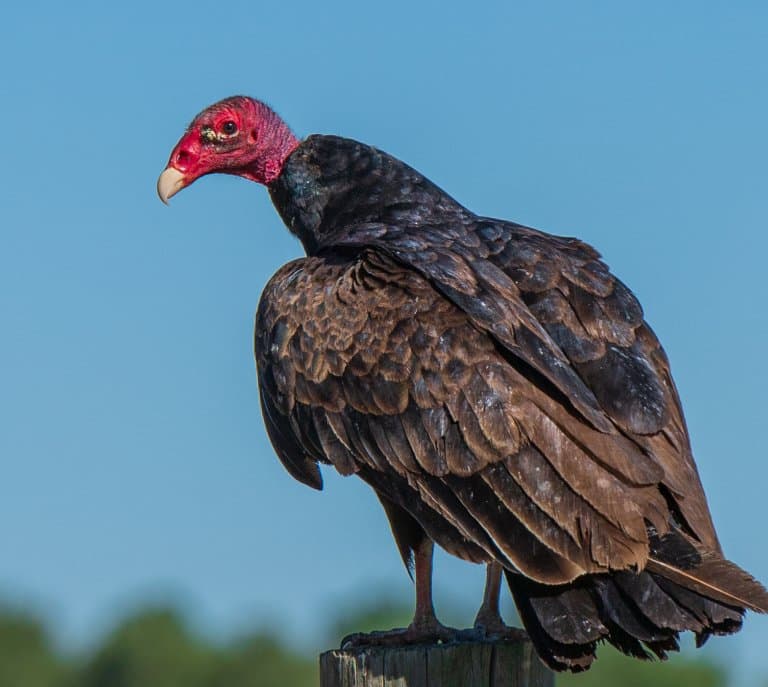
Interesting Turkey Vulture Facts
1 They aren’t turkeys
There are over 20 species of birds known as vultures, and their taxonomy is a bit muddled. The Old-World vultures are relatively straightforward, but there is a group of American birds whose relationship with them is still under assessment. Turkey vultures are part of this group, and so named because they have red, featherless heads, sort of like a turkey. This is the only reason, though, and not because they’re remotely related to turkeys, or even that they really eat turkeys, although they probably would if they showed up at Thanksgiving and everyone had left it just sitting there at the table.
2 They’re New-World Vultures
Old World vultures are the ones related to eagles and buzzards and other raptors, whose prey drive has mostly worn off and who are happy to scavenge carrion from animals with more energy to hunt, and then there are the ones in the Americas, whose origin is a bit hard to determine. Turkey vultures are vultures, but they’re New World vultures, and these were once thought to be a branch of storks that have picked up a taste for rotting meat.
However, recent DNA research suggests they might be more related to the first group than we thought, and that New World vultures may indeed be a sister group to the Accipitriformes, or raptor order. Regardless, turkey vultures are one of about seven species of New World vultures, so named for their distribution across the Americas.
3 They’re very adaptable
As far as the distribution of this species goes, it’s the most widespread vulture in the Americas. They range from Southern Canada, all the way down into South America, and most places in between. They achieve this incredible range by being highly adaptable as a species and can be comfortable in anything from arid, open areas to thicker woodlands and forests.
Its habitat preference is a mix of these two extremes, and it will happily scavenge meat from various sources within it. They’ll also thrive amid human refuse and can eat what gets thrown away in the cities. But they’ll also kill things on occasion, such as young birds or sick mammals. They’ll even eat plant matter like pumpkins and coconuts, increasing their option across a range of circumstances.
4 They forage by smell
This is uncommon in the bird world, where sight is typically used. Turkey vultures will hover low to the ground to detect the odor of ethyl mercaptan, a gas created by the start of decay in dead animals. Due to this, other birds such as black vultures and condors will follow the turkey vulture to find carcasses.
5 They’re the most migratory of the NW vultures
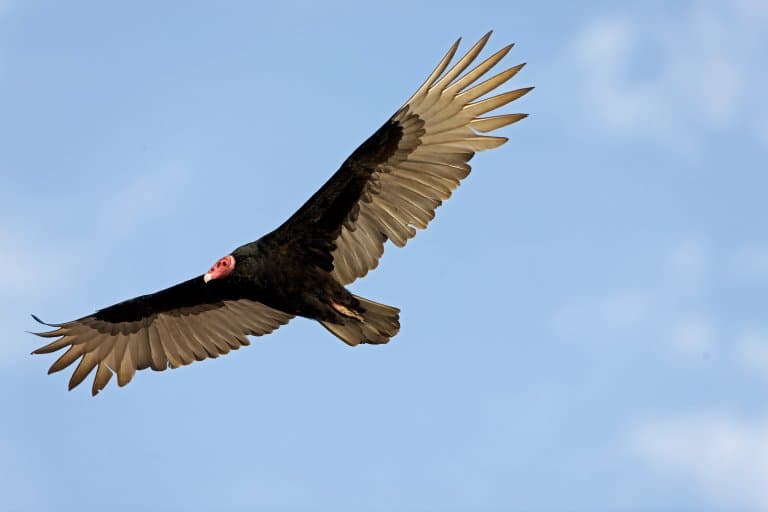
Not only do these vultures thrive across the continents, they move through them, too. They’re considered partial migrants because some populations move more than others. Populations in the North migrate more, coming down from the cold during Winter and heading back up when it’s more temperate. The longest trips are from the Western US down to Mexico and South America, and some of these trips can include thousands of birds.
6 They’re posers
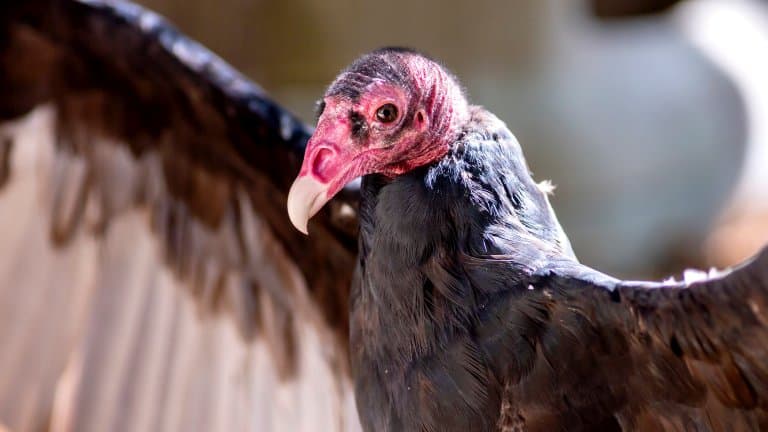
Turkey vultures display a behavior that’s known as Horaltic pose. This is basically a power stance with the wings spread wide, and researchers can’t agree on exactly why it’s happening. Some suggest it’s a way of drying the bird’s wings, warming the body, or getting UV treatment for parasites they might have. It’s much more common after damp nights, so it could have a thermoregulating component to it, but whatever it is, it looks really cool!
7 They pee on their own legs
Speaking of cool, these birds engage in urohidrosis, which is a fun way to say they pee on themselves. Since they can’t sweat, wet bird excreter functions as a medium for evaporative cooling, and is released onto the bald skin of the legs, which they do in public and even at social gatherings, suggesting they’re just no shame in it in their community.
8 They feed chicks by regurgitating
Turkey vultures will typically lay two eggs on cliffs, caves or rock crevices. Chicks will hatch 30-40 days later and be cared for by both parents for 10-11 weeks. During this time, adults will regurgitate food for them until they leave the nest between 8-11 weeks.
9 They’ve had a bad time
Wetting your legs with your own waste is enough to ruin a relationship but the image issues these vultures have faced among the human populations don’t stem from their pooping habits. Many used to believe these carrion feeders brought disease with them, and some thought it would kill livestock, so they have been persecuted historically, despite the fact that neither is true.
In fact, this species is complicit in the reduction of disease by way of removing waste and rotting meat from the system. In the United States, turkey vultures are protected by the Migratory Bird Treaty Act of 1918, which makes killing them illegal.
10 They’re doing fine
And despite their troubles, this species is doing great. It’s estimated that there are over 18 million individuals left, covering an incredible range of over 28 million square kilometers. This is one of the most abundant raptorial birds in the world.
SOURCE: FACTANIMAL

From All That’s Interesting:
5 Pittock Mansion

Most haunted houses in the United States bear the spiritual scar of past horrors. But the Pittock Mansion in Portland, Oregon, is a different story. The ghosts there are said to be fairly friendly. Pittock Mansion was first constructed in 1909 by Henry and Georgiana Pittock. Already elderly, the wealthy Pittocks wanted a home for their retirement. Architect Edward T. Foulke designed them a beauty — a 46-room French Renaissance mansion overlooking the city below.
But by the time Pittock Mansion was completed in 1914, the Pittocks didn’t have much time left to enjoy it. Georgiana died in 1918, and Henry died a year later. In death, however, the Pittocks seemed determined to stay at their mansion. After all, they’d hardly been able to enjoy it in life.

Today, the mansion is a historic site and open to the public. Visitors and workers alike have reported odd experiences that suggest the Pittocks stuck around in the afterlife. Most of these encounters happen in the upper stories of the house, where their bedrooms were located.
There, many people claim to have smelled rose perfume — as if Georgiana is passing through the room. Visitors have also heard footsteps throughout the house and insist that portraits of Henry Pittock sometimes move. One visitor says that she saw a woman in a long dress. And a staff member recalled that one night after she had turned off all the lights and locked the mansion, every light in the house suddenly flared back on.
Visitors have even reported hearing the sound of shoveling and heavy footsteps outside. Some speculate that this is the groundskeeper doing his rounds. Like Henry and Georgiana, he lived and died in Pittock Mansion. All in all, though, Henry and Georgiana Pittock seem like friendly ghosts. Though they make their presence known, they seem perfectly content to share their beautiful mansion with the public.
6 Franklin Castle

Considered the most haunted house in Ohio, Franklin Castle is a strong contender for the most haunted house in America, too. And for years, its grand turrets and stone façade masked terrible tragedies.
In 1881, German immigrant Hannes Tiedemann built Franklin Castle in Cleveland for himself and his family. However, not long after they moved in, Tiedemann’s teenage daughter died of diabetes. Then his mother died. Soon, three more children died. And finally, Tiedemann’s wife, Louise, died in 1895. Shortly after that, Tiedemann himself left the house.
But this series of tragedies led some to speculate that Tiedemann had more than bad luck. Before long, rumors spread about what had really happened behind Franklin Castle’s ornate walls. The darkest of the rumors claims that Tiedemann hanged his teenage daughter and killed the others. Human bones were even found in the house in 1975, but most believe that the current owner planted them to drum up publicity for ghost tours.

Today, Franklin Castle is home to many purported ghost sightings. People have claimed to see a “girl in white” wandering the halls, allegedly the ghost of Tiedemann’s daughter. Others say they’ve seen Louise Tiedemann staring down at the street from a window. The room where she died is known as the “cold room.”
Franklin Castle is allegedly so haunted that several paranormal teams have visited it to investigate. “Franklin Castle is unlike any other,” explained Travel Channel’s Ghost Adventures investigator Zak Bagans. “You can come here, open the door, walk inside and begin having experiences like that.” He and his team claimed that something pushed them, and they recorded a ghostly voice that muttered: “Feels like… kill you.”
Certainly one of Ohio’s most haunted places, the Franklin Castle may also be one of the most haunted houses in America. Though visitors can only see it from the street, you may still catch a glimpse of Louise Tiedemann from the window.
SOURCE: ALLTHATSINTERESTING.COM

What are the names of the three Sanderson sisters in the movie “Hocus Pocus”?
According to the Sheb Wooley song lyric, this creature is a one-eyed, one-horned, flyin’ what?
How many bones are in the average human skeleton?

Are pumpkins technically a fruit or vegetable?
Which U.S. state produces the most pumpkins?
Who wrote “The Legend of Sleepy Hollow”?

What’s the most popular kids’ Halloween candy?
How much candy does the average American consume each year?
Before pumpkins, which root vegetable did the Irish and Scottish carve on Halloween?
Why do we trick or treat?

What historic weather event occurred on Halloween in 1991?
What is the only mammal that can fly?
What is having a fear of Halloween called?
How did you do?

Answers
Winifred, Mary and Sarah
Purple People Eater
206
Fruit
Illinois
Washington Irving
Reese’s Peanut Butter Cups
8 pounds
Turnips
Trick-or-treating is thought to have begun as a way for homeowners to reward pranksters for not vandalizing their home on Halloween
The “Halloween Blizzard” of 1991, which dumped three feet of snow and two inches of ice across parts of the Midwest
Bat
Samhainophobia
Till next month…stay sharp!


In honor of the day, I found an article on HISTORY.COM detailing 10 things we may not know about Columbus.
From HISTORY.COM:
1 Columbus didn’t set out to prove the earth was round.
Forget those myths perpetuated by everyone from Washington Irving to Bugs Bunny. There was no need for Christopher Columbus to debunk the flat-earthers—the ancient Greeks had already done so. As early as the sixth century B.C., the Greek mathematician Pythagoras surmised the world was round, and two centuries later Aristotle backed him up with astronomical observations. By 1492, most educated people knew the planet was not shaped like a pancake.
2 Columbus was likely not the first European to cross the Atlantic Ocean.
That distinction is generally given to the Norse Viking Leif Eriksson, who is believed to have landed in present-day Newfoundland around 1000 A.D., almost five centuries before Columbus set sail. Some historians even claim that Ireland’s Saint Brendan or other Celtic people crossed the Atlantic before Eriksson. While the United States commemorates Columbus—even though he never set foot on the North American mainland—with parades and a federal holiday, Leif Eriksson Day on October 9 receives little fanfare.
3 Three countries refused to back Columbus’ voyage.
For nearly a decade, Columbus lobbied European monarchies to bankroll his quest to discover a western sea route to Asia. In Portugal, England and France, the response was the same: no. The experts told Columbus his calculations were wrong and that the voyage would take much longer than he thought. Royal advisors in Spain raised similar concerns to King Ferdinand and Queen Isabella. Turns out the naysayers were right. Columbus dramatically underestimated the earth’s circumference and the size of the oceans. Luckily for him, he ran into the uncharted Americas.
4 Nina and Pinta were not the actual names of two of Columbus’ three ships.
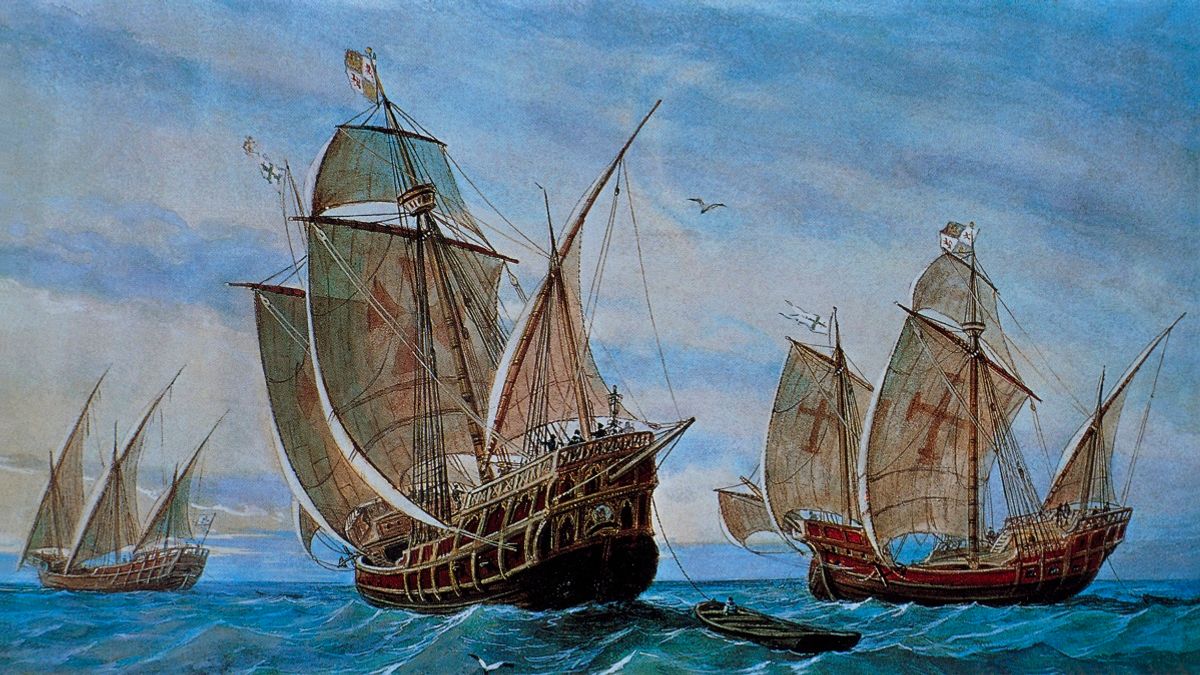
In 15th-century Spain, ships were traditionally named after saints. Salty sailors, however, bestowed less-than-sacred nicknames upon their vessels. Mariners dubbed one of the three ships on Columbus’s 1492 voyage the Pinta, Spanish for “the painted one” or “prostitute.” The Santa Clara, meanwhile, was nicknamed the Nina in honor of its owner, Juan Nino. Although the Santa Maria is called by its official name, its nickname was La Gallega, after the province of Galicia in which it was built.
5 The Santa Maria wrecked on Columbus’ historic voyage.
On Christmas Eve of 1492, a cabin boy ran Columbus’s flagship into a coral reef on the northern coast of Hispaniola, near present-day Cap Haitien, Haiti. Its crew spent a very un-merry Christmas salvaging the Santa Maria’s cargo. Columbus returned to Spain aboard the Nina, but he had to leave nearly 40 crew members behind to start the first European settlement in the Americas—La Navidad. When Columbus returned to the settlement in the fall of 1493, none of the crew were found alive.
6 Columbus made four voyages to the New World.
Although best known for his historic 1492 expedition, Columbus returned to the Americas three more times in the following decade. His voyages took him to the Caribbean islands, South America and Central America.

7 Columbus returned to Spain in chains in 1500.
Columbus’s governance of Hispaniola could be brutal and tyrannical. Colonists complained to the monarchy about mismanagement, and a royal commissioner dispatched to Hispaniola arrested Columbus in August 1500 and brought him back to Spain in chains. Although Columbus was stripped of his governorship, King Ferdinand not only granted the explorer his freedom but subsidized a fourth voyage.
8 A lunar eclipse may have saved Columbus.

In February 1504, a desperate Columbus was stranded in Jamaica, abandoned by half his crew and denied food by the islanders. The heavens that he relied on for navigation, however, would guide him safely once again. Knowing from his almanac that a lunar eclipse was coming on February 29, 1504, Columbus warned the islanders that his god was upset with their refusal of food and that the moon would “rise inflamed with wrath” as an expression of divine displeasure. On the appointed night, the eclipse darkened the moon and turned it red, and the terrified islanders offered provisions and beseeched Columbus to ask his god for mercy.
9 Even in death, Columbus continued to cross the Atlantic.
Following his death in 1506, Columbus was buried in Valladolid, Spain, and then moved to Seville. At the request of his daughter-in-law, the bodies of Columbus and his son Diego were shipped across the Atlantic to Hispaniola and interred in a Santo Domingo cathedral. When the French captured the island in 1795, the Spanish dug up remains thought to be those of the explorer and moved them to Cuba before returning them to Seville after the Spanish-American War in 1898.
However, a box with human remains and the explorer’s name was discovered inside the Santo Domingo cathedral in 1877. Did the Spaniards exhume the wrong body? DNA testing in 2006 found evidence that at least some of the remains in Seville are those of Columbus. The Dominican Republic has refused to let the other remains be tested. It could be possible that, aptly, pieces of Columbus are both in the New World and the Old World.
10 Heirs of Columbus and the Spanish monarchy were in litigation until 1790.
After the death of Columbus, his heirs waged a lengthy legal battle with the Spanish crown, claiming that the monarchy short-changed them on money and profits due the explorer. Most of the Columbian lawsuits were settled by 1536, but the legal proceedings nearly dragged on until the 300th anniversary of Columbus’ famous voyage.
SOURCE: HISTORY.COM; CHRISTOPHER KLEIN

Today continues the pumpkin theme with Pumpkin Dessert Cake!

Ingredients
2-1/2 cups finely crushed gingersnaps (about 40 cookies)
1/2 cup butter, melted
1 package (8 ounces) cream cheese, softened
1/2 cup confectioners’ sugar
2 tablespoons milk
TOPPING:
3 cups cold milk
2 packages (3.4 ounces each) instant vanilla pudding mix
1 can (15 ounces) solid-pack pumpkin
2-1/2 teaspoons pumpkin pie spice
2 cups whipped topping
Additional whipped topping, optional
Directions
In a large bowl, combine gingersnap crumbs and butter; press into an ungreased 13-in. x 9-in. baking dish. Bake at 325° for 10 minutes. Cool.
In a large bowl, beat the cream cheese, confectioners’ sugar and milk until smooth. Spread over the crust. In another large bowl, whisk milk and pudding mix for 1 minute. Add pumpkin and pie spice; whisk until well blended.
Fold in whipped topping. Spread over the cream cheese layer. Refrigerate for at least 3 hours. Cut into squares; garnish with whipped topping if desired.
ENJOY!
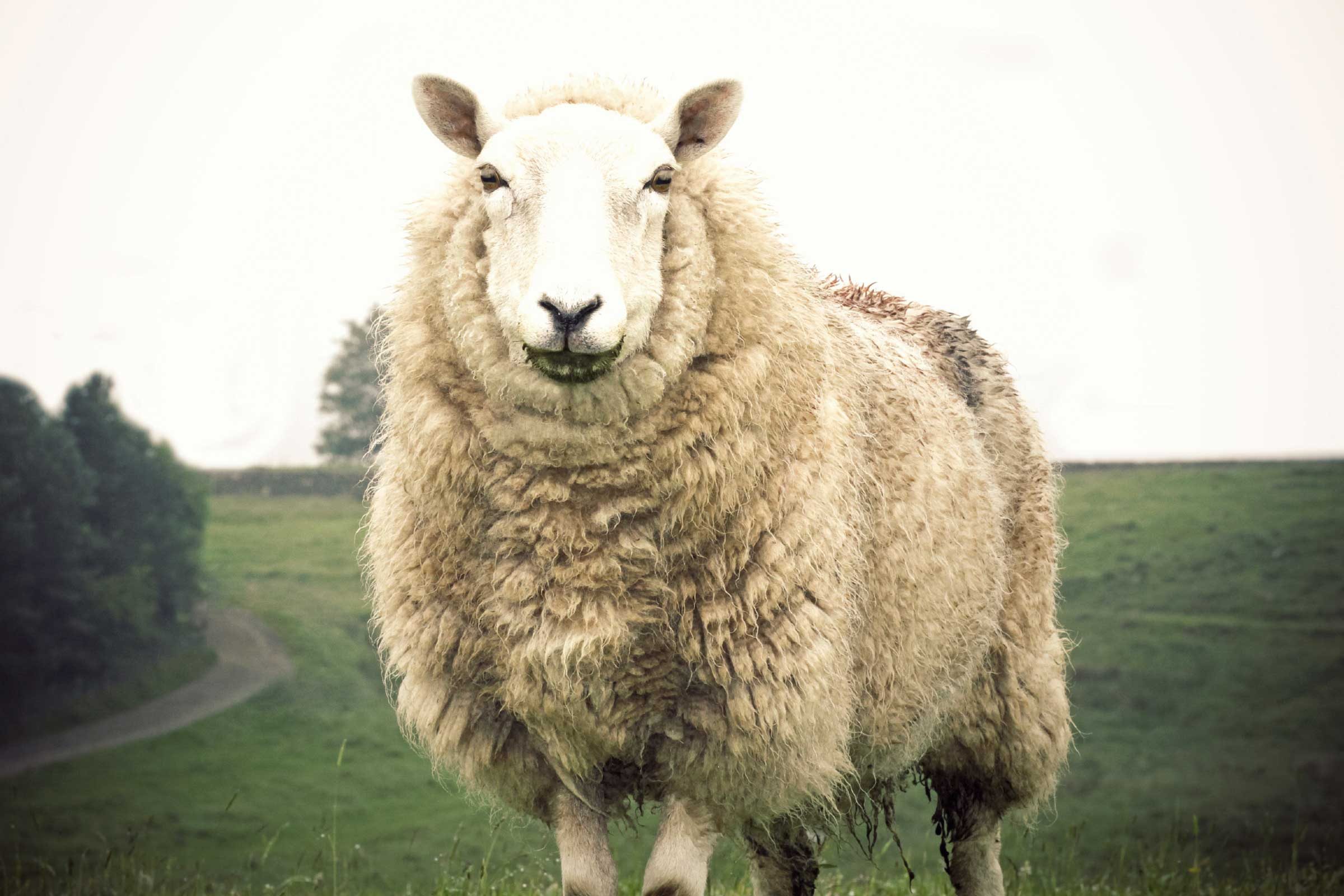
I found this article on Reader’s Digest and wanted to share!
From Reader’s Digest:
Dolly the sheep proved cloning was possible
On July 5, 1996, this fuzzy little bundle of joy emerged from the belly of one of her three mothers, the first mammal cloned from an adult cell. Dolly’s birth proved that a technique called somatic cell nuclear transfer, a technique in which the cell nucleus from an adult cell is transferred into an unfertilized egg, blasted with electricity, then implanted into a surrogate, could work. Dolly died of a lung disease at age six, but the cloning technique used to produce her was later employed on other larger mammals, including pigs, deer, horses, and bulls.
Cher Ami the pigeon saved hundreds of American troops

During World War I, this homing pigeon lived up to her name and was a “dear friend” to the American troops. Cher Ami delivered 12 messages during her service to the U.S. Army Signal Corps in France, but none was more important than the missive she delivered in early October 1918. On that day, Major Charles White Whittlesey and more than 500 men were trapped behind enemy lines without food or ammunition. Afraid that his battalion would be killed by friendly fire, Whittlesey attempted to send messages to his compatriots via pigeon. The first two birds were shot down, but Cher Ami successfully navigated a barrage of fire to deliver this message: “We are along the road parallel to 276.4. Our own artillery is dropping a barrage directly on us. For heaven’s sake, stop it.” The shelling stopped and the troops were saved. Cher Ami received the Croix de Guerre medal for bravery. Upon her death in 1919, her body was preserved and placed on display at the Smithsonian Institute.
David Greybeard revealed chimpanzees’ true intelligence

Until 1960, scientists believed that humans alone possessed the ability to make and use tools. But on November 4 of that year, Jane Goodall observed a chimpanzee she had named David Greybeard using a grass stalk to extract termites from a termite hill. Later, Goodall observed David Greybeard and another chimp constructing fishing tools by stripping the leaves off twigs. “[David] was the first chimpanzee who let me come close, who lost his fear,” Goodall told Bill Moyers in 2011. “He helped introduce me to this magic world out in the forest.”
Elsa the lioness inspired wildlife conservation
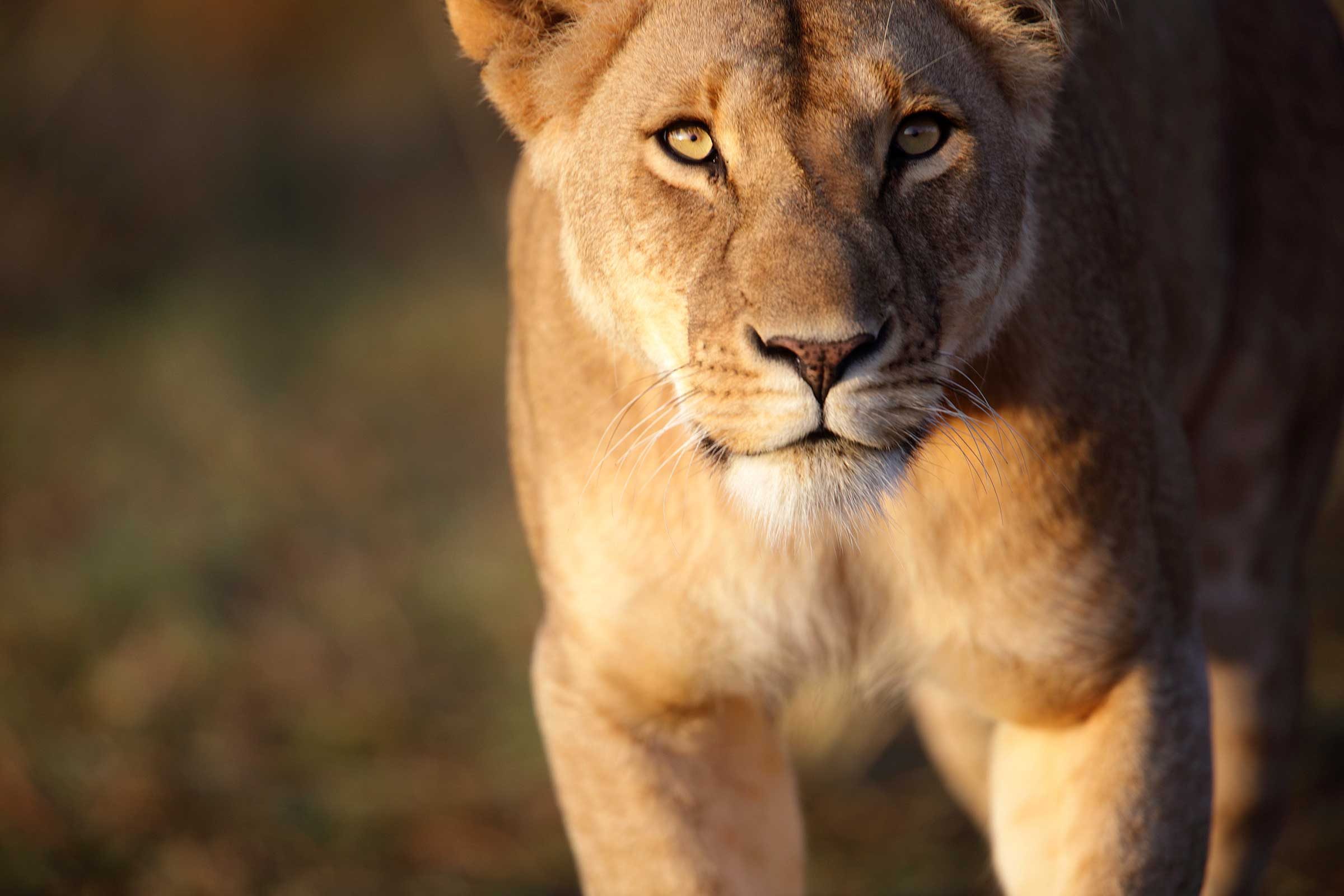
In 1956, George Adamson, a game warden in Kenya, and his wife Joy adopted a small lion cub they named Elsa. For years, the Adamsons raised and cared for Elsa at their home in Africa, teaching her to hunt on her own and develop the abilities to survive in the wild. Eventually, the couple released Elsa and, surprisingly, she survived. In 1960, Joy wrote a non-fiction book, Born Free, about the experience of raising Elsa. Six years later, a movie based on the book was released to wide acclaim and is credited with promoting wildlife conservation to the general public.
Balto the dog delivered life-saving serum

In 1925, doctors in Alaska faced a deadly dilemma. A diphtheria epidemic was poised to sweep through Nome, Alaska, a city on the state’s far west coast, and the only serum that could save them was in Seattle. Unable to deliver the medicine by plane, officials devised a long-shot alternative: They would use multiple dog sled teams to transport the antitoxin to the village. The team assigned the final leg was led by Balto, a black and white Siberian husky, who ran through a blizzard in the dead of night to deliver the serum. Upon reaching the town in the early morning of February 2, 1925, Balto’s owner Gunter Kaasen uttered a mere three words: “Damn fine dog.”
Jim the horse impressed a president

In the late 19th and early 20th century, the variety show performed by Beautiful Jim Key and his trainer/owner Dr. William Key, was seen by an estimated ten million Americans and written about in every major newspaper. Not bad for a sickly quarter horse and a former slave. Through Bill’s humane training techniques, Beautiful Jim Key “learned” to read, write, spell, add, tell time, sort mail, and use a cash register and telephone—skills he performed in front of delighted audiences across the country. At a time when African-Americans and whites rarely interacted, Beautiful Jim Key’s shows brought them together. When President William McKinley saw one of the Keys’ performances at an exposition in Tennessee, he declared, “This is the most astonishing and entertaining exhibition I have ever witnessed.”
Smoky the dog became a war hero

There’s no shortage of stories of dogs performing heroic acts during wartime. But Smoky wasn’t a husky, or a Newfoundland, or a big, bulky dog saving the day. She was a Yorkie! During World War II, American soldiers were under attack on an airfield in the Philippines. The only way they could communicate from the airfield was by running telephone lines through an underground pipe. Getting humans to place the lines would’ve been challenging and dangerous, so it was Smoky to the rescue! She belonged to a corporal, who called her and helped her find the way through the pipe with the wires attached to her collar. In addition to saving as many as 250 people’s lives by allowing the construction of the communication line, Smoky was also just a morale booster and a calming, happy presence to have around for the soldiers and for hospital patients. She is remembered as one of the earliest-ever therapy dogs.
Pickles the collie thwarted a robbery

And a high-profile robbery, no less. In 1966, the Jules Rimet trophy (the precursor to the FIFA World Cup trophy) was stolen from its supposedly-secure location in London’s Central Hall shortly before the start of the World Cup. The British detectives on the case all came up empty. High-profile companies offered rewards to anyone who found the trophy. And then, a week after the cup disappeared, a man named David Corbett was walking his dog in a South London neighborhood when the pup, Pickles, started sniffing around underneath a bush. Corbett came over to investigate, and, sure enough, the Jules Rimet trophy was tucked underneath, wrapped in newspaper. For his find, Pickles received a silver medal from the National Canine Defense League and even appeared in a spy film called The Spy with a Cold Nose. It’s especially incredible considering that Pickles wasn’t a police dog, or specially trained in any way—he was a regular pet!
Snowball the cat helped solve a murder

In 1994, a murder case rocked the small Prince Edward Island, located off the coast of Canada. A 32-year-old woman named Shirley Duaguay went missing, and her body was found months later. Most people believed that her estranged husband, who was known to be abusive, was to blame. However, there was no evidence to convict him. That is until someone found a bag in the woods containing a blood-stained jacket, sneakers, and some white cat hairs. The victim’s husband, Douglas Beamish, owned a white cat named Snowball. A geneticist at the United Cancer Institute ran a DNA test and matched the cat hairs from the bag with Snowball’s DNA. Paired with some evidence from the victim’s body, Snowball’s “testimony” was enough to convict Beamish. It was the first time non-human DNA was used in a murder case. Since then, pet DNA has helped solve many violent crimes.
Montauciel the sheep was one of the world’s first aeronauts

Long before Sputnik, Laika the Soviet space dog, and even the Wright brothers, there was Montauciel the sheep and his fowl companions. In the 1700s, people wanted to test to see if humans could withstand time spent at high altitudes. There had already been several unmanned hot air balloon flights, and in 1783, the first flight containing a land animal took off. Montauciel the sheep went up in the balloon, accompanied by a duck (a bird already used to high altitudes) and a rooster (a flightless bird). The scientists believed that if a sheep could survive the trip, so could a human. The animals all returned unharmed…mostly. Montauciel apparently kicked the rooster before the balloon took off, the big bully. (Fun fact: his name means “ascend into the sky” in French.)
SOURCE: RD.COM; BETH DREHER and MEGHAN JONES
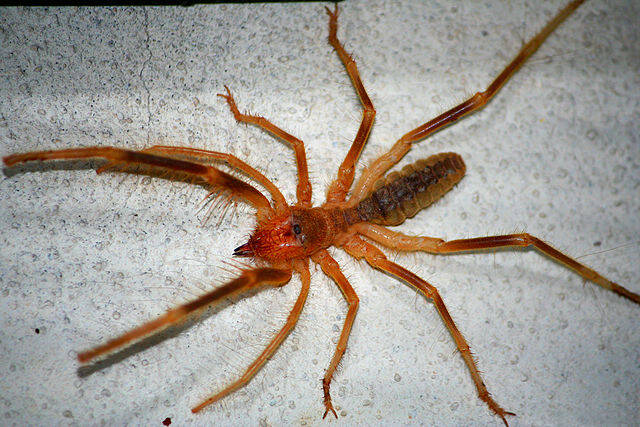
It’s October again…time for all things creepy. This giant camel spider fits the bill!
From All That’s Interesting:
The camel spider is everything that arachnophobes fear. It’s ugly, huge, and the subject of many a tall tale. The myths surrounding this creature were popularized in 2003, at the height of the Iraq war, when American soldiers began spotting its spindly body in the unforgiving Middle Eastern desert.
Prior to terrorizing the troops, though, the critter was the subject of many a fable told by the Persians who first laid eyes on it. But despite its fearsome appearance, the camel spider (which actually isn’t really a spider) is harmless to humans. What’s more, it only lives for one year in the wild — and spends most of its time in hiding from the blistering sun.
The Camel Spider Isn’t Really a Spider
The camel spider actually belongs to the class Arachnida and is correctly known as the solifugae. And despite its catch-all name, the solifugae is actually comprised of more than 1,000 species in more than 150 described genera. Though frequently confused for both scorpions and spiders, they’re technically not either one. They’re cousins with pseudoscorpions and mites.
According to National Geographic, the Persians would often tell tales of this fearsome-looking creature standing impossibly tall, running through the desert like a whirlwind, and feasting on the corpses of humans and camels that dared to cross its path. While invariably cool-sounding, it’s actually not true. Camel spiders don’t feast on humans, camels, or any other large mammal. Instead, the solifugae — which is sometimes also known as the wind scorpion or the sun spider — only stands about six inches in length at full maturity. And despite further tales of its “fast and furious” speed, its top speed is 10 miles per hour — just slightly faster than the average human.
The Camel Spider Has a Voracious Appetite
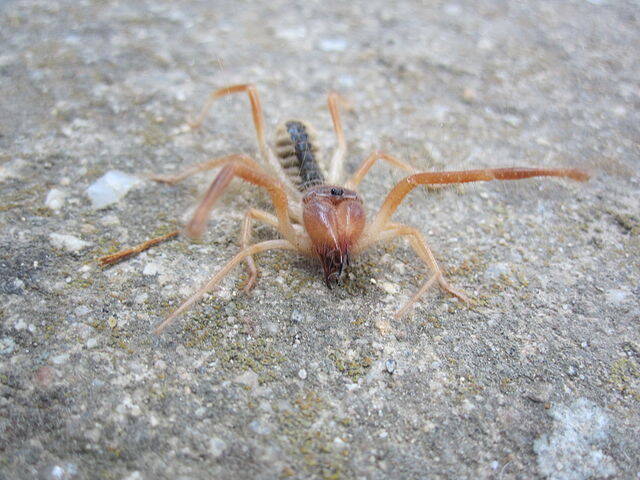
While the camel spider is harmless to humans, bugs don’t stand a chance against it. A review of the solifugae diet by the Denver Museum of Nature and Science reveals that it loves to feast on wasps, termites, beetles, and silverfish.
And it’s not just critters that solifugae love to feast on: it also loves other insects, small birds, and even small snakes. If given a chance, it will gorge itself — often becoming so big that it will be unable to move, especially if it eats too fast. As a general rule, though, the wind scorpion won’t eat prey that’s bigger than itself.
That said, though, it’s far from a timid creature. Despite claims that it will scream while it’s running toward its prey, it actually moves in relative silence. And it’s actually quite aggressive — especially if it feels cornered or otherwise threatened. Though it has no venom glands, the camel spider does have sharp pincers called chelicerae that will hurt if it makes contact with human skin.
And while the bite won’t require medical attention, it’s always a good idea to clean the bite with alcohol or hydrogen peroxide to avoid infection, in the rare instance that it does bite you. But, as a general rule: if you leave it alone, it will leave you alone.
Urban Legends About the Camel Spider Are Greatly Exaggerated
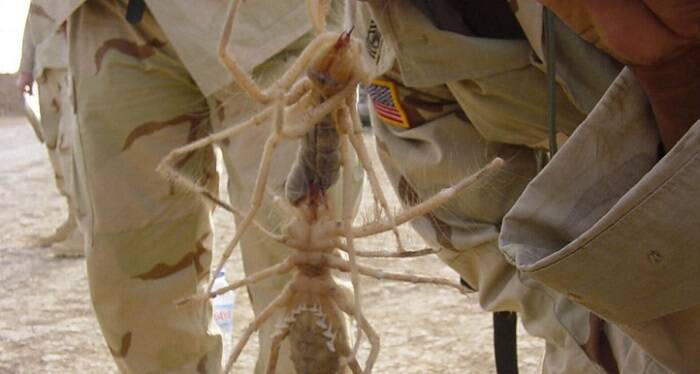
It seems the origins of the “larger-than-life” camel spider first started getting legs in 2004, when a mass e-mail purporting to show gigantic solifugae threatening the lives of the American soldiers in Iraq began making the rounds. Long before Facebook became a hub of misinformation, spam e-mails featuring the photo above began circulating through gullible people’s inboxes.
“From someone stationed in Baghdad … It’ll give you a better idea of what our troops are dealing with,” read the e-mail that accompanied the photo above. But, according to the sergeant who took the photo, the actual size of the camel spider in the photo above was no more than 4 centimeters (about 1.6 inches), and the creature’s oversized appearance is due to forced perspective.
“Photos that purport to show creatures six times that size have misleading perspective—the spider is invariably placed in the foreground where the lens makes it appear much bigger than its actual size,” reports National Geographic.
The misinformation was so widespread, in fact, that when Rod Crawford, of the Burke Museum, attempted to clear up the camel spider’s bad name, he was met with abusive e-mails accusing him of disrespecting the troops.
“One person offered to have his brother in Iraq send me a 30-cm specimen, but backed down when the brother claimed he couldn’t get an export permit,” he wrote. “No one has ever explained how they measured speed or jumping height, and of course no one has ever produced a specimen found eating human or camel flesh.”
In reality, though, the camel spider is so afraid of humans that if you see one running toward you, it’s not because it wants to devour you alive. It’s because you offer something that they’re desperate for in the extreme heat of the Iraqi desert: a huge shadow.
SOURCE: allthatsinteresting.com
:max_bytes(150000):strip_icc():format(webp)/choosing-and-growing-black-eyed-susan-1402860-07-5d8ffb3f6ccd44bd83b2c64ace8dd1f8-4dd1446c23ee47f4a7a5af4a288af858.jpg)
Dependable and easy-care black-eyed Susans (Rudbeckia hirta) have become a garden staple. Daisy-like rays of bright yellow petals and dark center disks rise over broad ovate green leaves with a rough texture. This wildflower is native to the central United States and can be seen growing in natural areas and along roadsides in the Midwest.
Black-eyed Susan produces an abundance of nectar and pollen and draws the attention of bumblebees, butterflies, and moths. The plant’s ability to self-seed makes it a great choice for abundant wildflower gardens. Most black-eyed Susans are perennials and can be planted after the last frost in spring. It will flower in its first summer although it can take two to three years to reach full height.
Black-eyed Susan Care
Here are the main care requirements for growing black-eyed Susan:
Plant in full sun in a well-draining soil.
Water well during the first season. After they are established, black-eyed Susan will become drought-resistant.
Prefers warmer temperatures.
Does not require a lot of fertilizer.
Light

You will get the best flowering from your black-eyed Susans in full sun, but they can handle partial shade.
Soil
Black-eyed Susans are not particular about soil. They do best in soil that is not too rich and is well-drained, with a pH around 6.8.
Water
Keep the plants well-watered during their first season to get them established—an inch per week through rainfall or irrigation is sufficient. Once established, they will be drought-resistant.
Temperature and Humidity
As a tough summer performer, this plant likes warmer temperatures of 60 degrees Fahrenheit and more. It handles both drought and humidity well, but it does need good air circulation to avoid powdery mildew.
Fertilizer
Go easy on the fertilizer. Black-eyed Susans grow even in poor, infertile soil. A side dressing of compost should be all they will need.

Pruning
Black-eyed Susans are easy to establish, they naturalize well and require little maintenance other than deadheading. Regular deadheading of the faded flowers keeps the plants in bloom longer. You can let the last flowers of the season remain on the plants to form seed heads that will feed the birds through the winter. You will also get a good deal of self-seeding, which might not be a bad thing.
Black-eyed Susans make great cut flowers. The seed heads hold up well, too, and look attractive in arrangements. Fast-growing black-eyed Susan is easily the most commonly known Rudbeckia, with its daisy-like flowers with large seed heads. It also has scratchy, hairy leaves that are characteristic of its genus (this may not be one of its best features, but it does help keep pests away).
SOURCE: THESPRUCE.COM
From All That’s Interesting:
3 The Amityville House
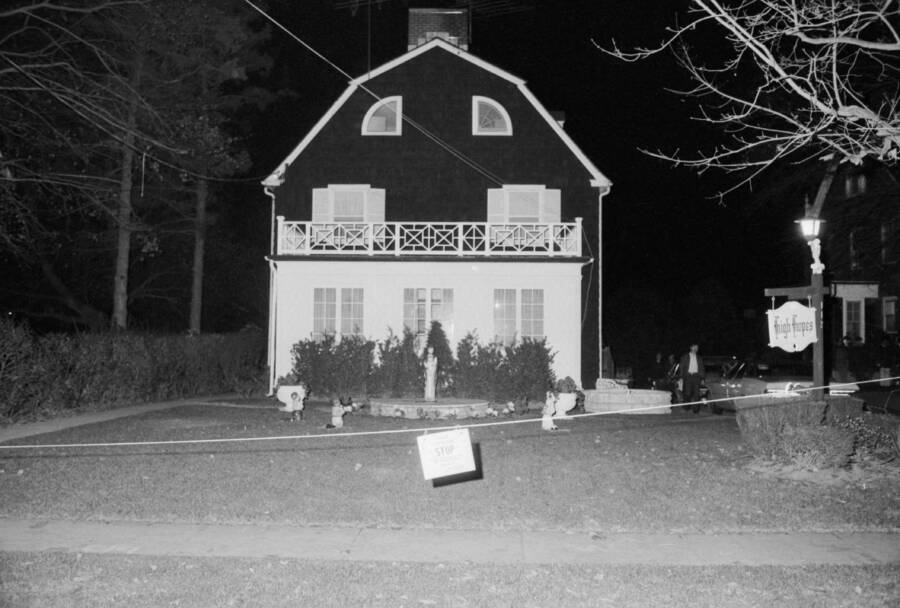
Like the house from The Conjuring, the house from the film The Amityville Horror is based on a real place. And this one has an even more violent backstory. In the early morning hours of Nov. 13, 1974, a young man named Ronald DeFeo Jr. padded quietly along the halls of his family home. Armed with a rifle, he went methodically from room to room and murdered everyone inside.
Later, DeFeo gave conflicting reasons for killing his parents and four siblings. At one point, he claimed he’d heard voices. Later on, he shifted the blame, saying that his sister and mother had actually been involved in the murders. Regardless of why DeFeo killed his family, his murderous act left a stain on the house itself. The next owners, the Lutz family, said that they felt strange, cold drafts, smelled disgusting odors and heard odd noises.

They even called in a priest to bless the home. But as he started his ritual, an invisible hand slapped him and ordered him to “get out.” Though George Lutz, the family patriarch, was later accused of embellishing the story, he has stuck stubbornly by it.
“I’m tired of being called a liar,” he said.
In 2013, Lutz’s son, Danny, came out with a documentary of his own to back up his family’s claim that the Amityville Horror house is haunted. “It’s not easy to tell someone how you got thrown up a staircase,” Danny said. “It’s not easy telling somebody that your bed was bouncing off the ceiling.”
He added, “There was an element [there] of whatever you want to put on it. Evil demonic spirits or whatever the f— you want to call it. It exists, and that’s the hardest thing for me to deal with. Because I know it’s true.” If George and Danny Lutz are to be believed, then the Amityville Horror house is undoubtedly one of the most haunted houses in America.
4 The Myrtles Plantation

Some American haunted houses are scary because of stories and rumors. But the Myrtles Plantation, some claim, has physical evidence that ghosts haunt it.
This St. Francisville, Louisiana, plantation, which dates back to the 18th-century, has a gory history of slavery, murder, and more. Two people, in particular, are alleged to have died bloody deaths here. The first is an enslaved girl named Chloe. As the legend goes, she was forced into a sexual relationship with the plantation owner, Clarke Woodruff. Worried that his wife would find out and punish her, Chloe began eavesdropping on the family’s conversation. When they caught her, the Woodruffs cut off her ear.
Chloe started wearing a turban to cover her mutilated ear — and began to plot her revenge. According to the story, she killed Woodruff’s wife and children with poison. Other enslaved people on the plantation panicked because they thought Woodruff would punish everyone — so they killed Chloe themselves. But although they threw Chloe’s body in the river, her spirit stayed at Myrtles Plantation. And in 1992, a photo taken for insurance reasons purportedly caught her on film.
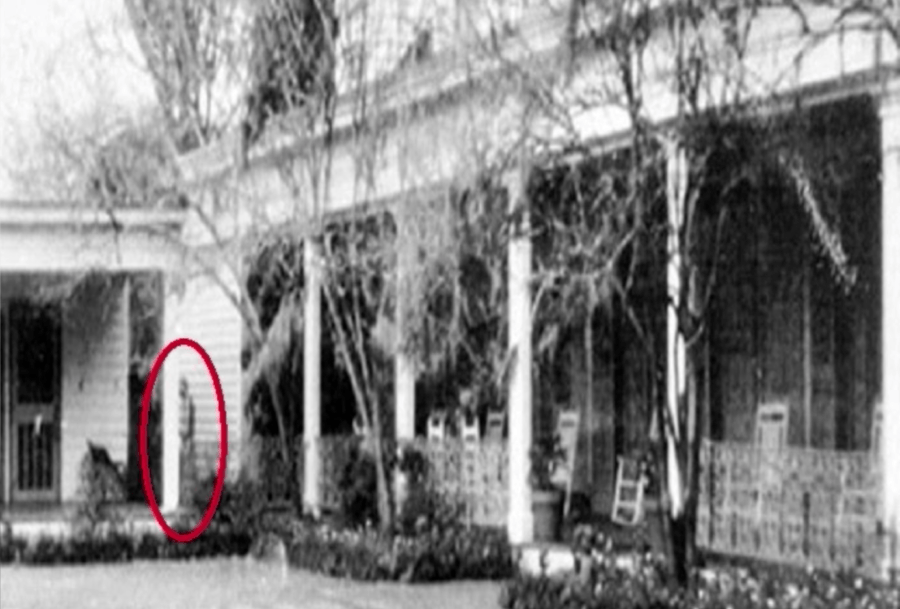
This story does have a few holes, however. For starters, there is no documentation that the Woodruffs held someone in slavery named Chloe. And Clarke Woodruff’s family died of yellow fever, not poison. That is if you believe their version of history. The second person who died at Myrtles Plantation has a better-recorded death. William Winter, who inherited the plantation in 1871 after marrying one of the family’s daughters, died on its grounds. A mysterious man shot him in the chest, giving Winter just enough time to stumble up the stairs before he died in his wife’s arms. Today, some claim to have seen William run indoors, only to collapse on the 17th step of the house — where he died in real life.
SOURCE: ALLTHATSINTERESTING.COM

