

Today is Carey Elwes’s birthday. He’s an actor that co-starred in Princess Bride—a star studded movie about young love…and an evil prince who comes between the young lovers. It’s a very funny movie in my opinion that has spawned numerous memes.
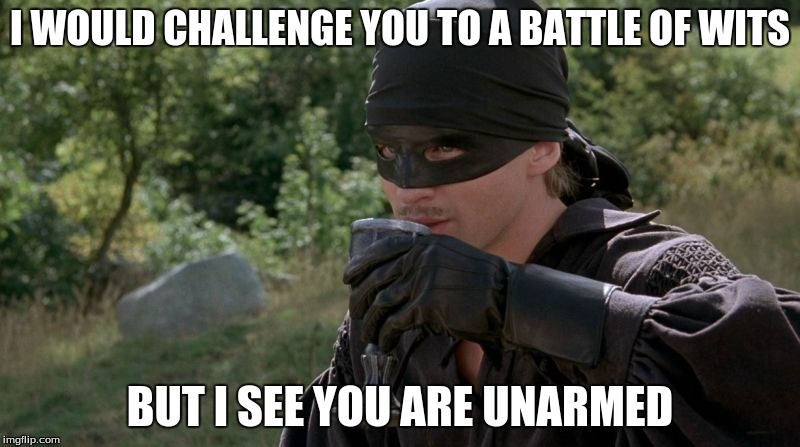


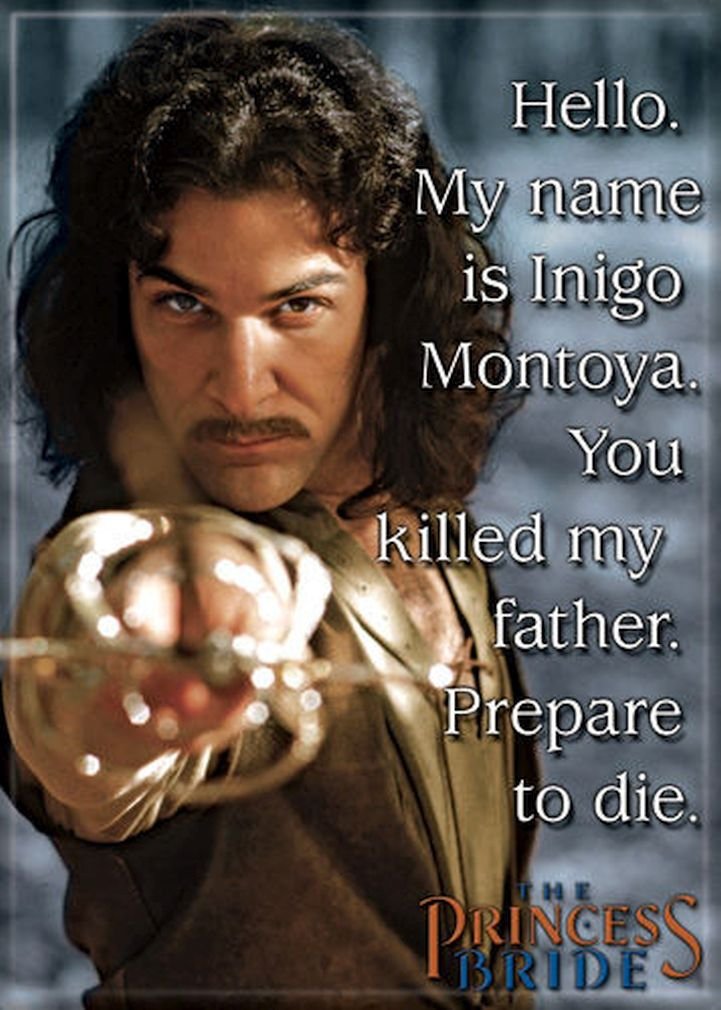



Today is Carey Elwes’s birthday. He’s an actor that co-starred in Princess Bride—a star studded movie about young love…and an evil prince who comes between the young lovers. It’s a very funny movie in my opinion that has spawned numerous memes.
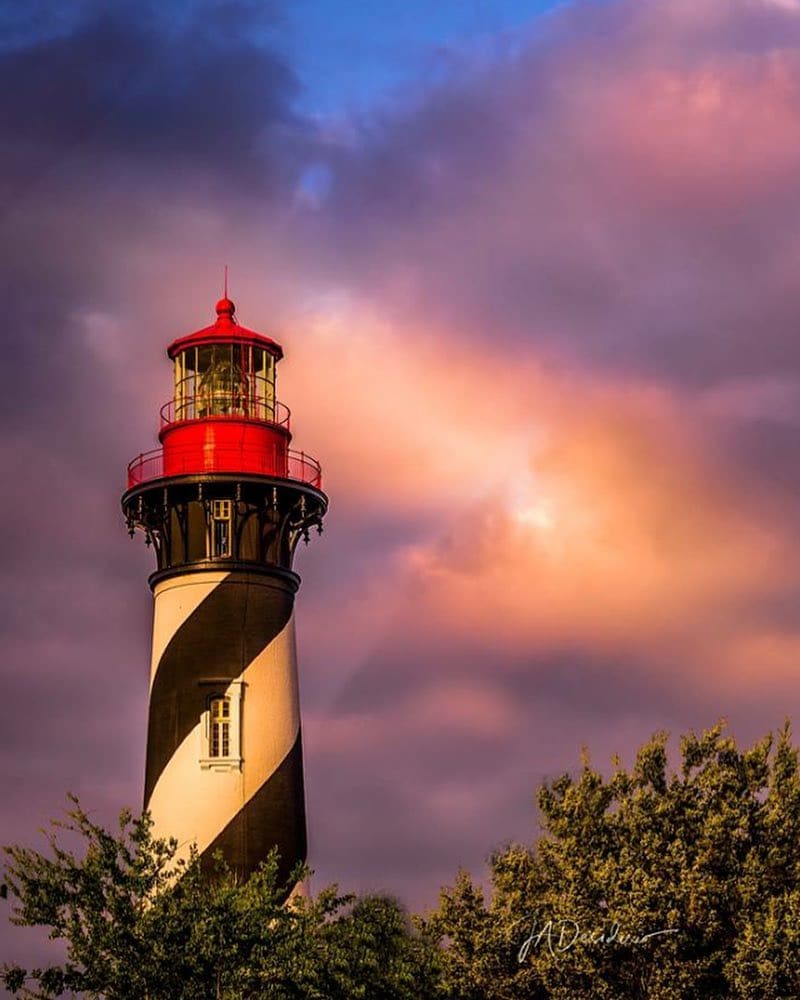
I found an interesting ghost story about a lighthouse in Florida—and what better month to share than October!
From GHOSTCITYTOURS.COM:
On the coast of Florida, where the Tolomato and Matanzas Rivers spill out into the unforgiving waters of the Atlantic, stands one of America’s oldest and most haunted structures: the St. Augustine Lighthouse.
Standing 164 feet tall, nestled on the northern edge of Anastasia Island since the mid 1500s, this lone sentry has seen its fair share of history—for better or for worse. From the colonization of the Americas, to the Hundred Years’ War, to the birth of a nation and its subsequent divide, the St. Augustine Lighthouse has stood watch, year after year, through plagues and power struggles, as a beacon of hope in the darkness.
And it has left a mark.
You may not see it at first, but it’s there. Looking up at its twisted, black and white striped base, capped with a blood-red crown, you can almost sense it. That something is off. But it isn’t until you’ve run your fingers along its coquina walls, a mixture of limestone and broken shells, that you can really feel it—what the centuries and the salt have carved out like ancient runes.
It holds memories.

On the ground floor living quarters, where so many lighthouse keepers have laid their heads over the years, the raw, almost sickly-sweet smell of a freshly-lit cigar can be detected, subtle beneath the ocean air. Remnants of a different time, when men huddled around wood-burning stoves and waited out the storms, praying that no lives would be lost on their watch.
Inside the lighthouse proper, climbing the tall, spiraling staircase, the sound of crashing waves and screeching gulls is dampened by the thick walls. The sudden quiet is almost welcome, until a new sound emerges: the bell-like ringing of a little girl’s laughter. It starts at the top of the stairs, high above your head, and works its way down, down, down until it is silenced, abruptly.
In the red room at the very top, the beacon itself sits staring like a giant glass eye, seeing through time to the world that was before. You step out onto the catwalk, taking in Anastasia Island and the enormity of the sea beyond. It feels like you could be one of those lone lighthouse keepers, on duty, eyes on the horizon. That is until you see her, a shadow of a woman in the corner of your eye, holding onto the railing and leaning out into the open air—until she isn’t.
You too grip the railing, white-knuckled, looking out over the trees to the water beyond. You can’t help but wonder what it would feel like if you stepped out too? To be nothing more than another memory left behind at the St. Augustine Lighthouse, standing watch and waiting as the centuries slipped by and history rewrote itself.

The Caretakers
Like all hauntings, the spirits that roam the grounds of the St. Augustine Lighthouse didn’t just appear from nothing. Over the hundreds of years that the structure has stood, many people have come and gone, lived and died, and a few have even remained. The sightings that have been recorded on Anastasia Island have roots that go deep into the history of the lighthouse, much of which is now known to us.
For instance, it may be tempting to disregard the lingering odor of cigars, even despite the site being smoke-free. But for anyone who has ever smelled it, or has even seen the too-tall, shadowy figure that often accompanies it, they will tell you that the sense of fear and foreboding in the air lingers long after the cigar has faded away.
Locals and lighthouse employees refer to this spectre as “The Man,” and he is often seen dressed in a blue jacket and mariner’s cap, walking his route up and down the spiral staircase or looking down from the catwalk above. Because of his tall, thin frame, some believe he is the ghost of William Russel, a protective and dutiful lighthouse keeper from the 1850s. While others point to Joseph Andreu, who fell from the top of a scaffolding in 1859 while putting on a fresh coat of paint.
Regardless of who “The Man” is, it’s clear that his shift has never ended.
And who can forget the children’s laughter that bubbles up from thin air and moves across the grounds, from the caretaker’s home to the top of the lighthouse itself, as if it has a life of its own. While children weren’t uncommon on Anastasia Island, especially in more recent years, there are only so many children who have had a reason to stay.
In 1872, the lighthouse was under construction, overseen by a man named Hezekiah Pittee, who stayed on the island with his wife and two daughters while the project was underway. One afternoon, while Pittee’s daughters and a few of their friends were playing near the lighthouse, tragedy struck, and the island was changed forever.

There was a rail cart that the construction crew used to transport supplies from the nearby pier to the lighthouse, and it had become a part of the girls’ favorite game: pretending they were Spanish pirates moving their hoarded treasure to a secret location. Only one day, while rolling near the cliff’s edge, the rail cart came off its tracks, sending the young girls down into the water below. Some of them were rescued in time, but, unfortunately, both of Mr. Pittee’s daughters were lost to the sea.
If anything can be said, it’s that the children now get to play long after dark. We know because employees of the St. Augustine lighthouse still hear their giggles ringing out in the night, and have been known to find the dirty, child-sized footprints on the floors the next morning.
Which leaves us with one last vestige of the lighthouse’s history, and perhaps one of the most unnerving: the woman on the catwalk.
Maria Mestre de los Dolores stands out for more reasons than just her recent, ghostly sightings. In 1859, she became not only the first woman to serve in the U.S. Coast Guard, but she also became the first Hispanic-American woman to command a federal shore installation: the St. Augustine Lighthouse.
Her appointment came after her husband, the formerly mentioned caretaker Joseph Andreu, met his fateful end. Maria was heartbroken, left on Anastasia Island to follow in the very same footsteps her husband had once walked, and even was known to stand at the edge of the catwalk, looking down to where her husband’s body had once laid, broken.
She can still be found there, on occasion, leaning over the railing and imagining what those last few seconds of Joseph’s life had been like.
There is little doubt that, when it comes to hauntings, there are few places that will leave a mark on its visitors like the St. Augustine Lighthouse. With its rich history, infamous legends, and well-documented sightings, it is clear that what happens on Anastasia Island, stays on Anastasia Island.
SOURCE: GHOSTCITYTOURS.COM

I love to see what new recipes or treats are out there for Halloween parties. Not that I have them anymore, but I do love to eat!
Acorn Treats

This is a super simple recipe that’s adorable too! There’s only three ingredients: miniature chocolate chips, Hershey Kisses and Nutter Butter Bites! You need one Hershey Kiss, one Nutter Butter Cookie and one miniature chocolate chip per treat. Simply melt chocolate chips to use as the “glue” between the pieces!
Meringue Bones

This is another simple to make recipe with minimal ingredients! You need 2 large egg whites at room temperature, 1/8 teaspoon cream of tartar and ½ cup sugar. In a small bowl, beat the egg whites with the cream of tartar on medium speed till soft peaks form. Gradually add the sugar, 1 tablespoon at a time until stiff peaks form. Place in a heavy-duty resealable plastic bag and cut a small hole in the corner of the bag. On parchment lined cookies, pipe a 3-inch log. Pipe 2 balls on each end to create the bone shape. Bake at 225* for 1 ½ hours or until firm.
Brownie Spiders
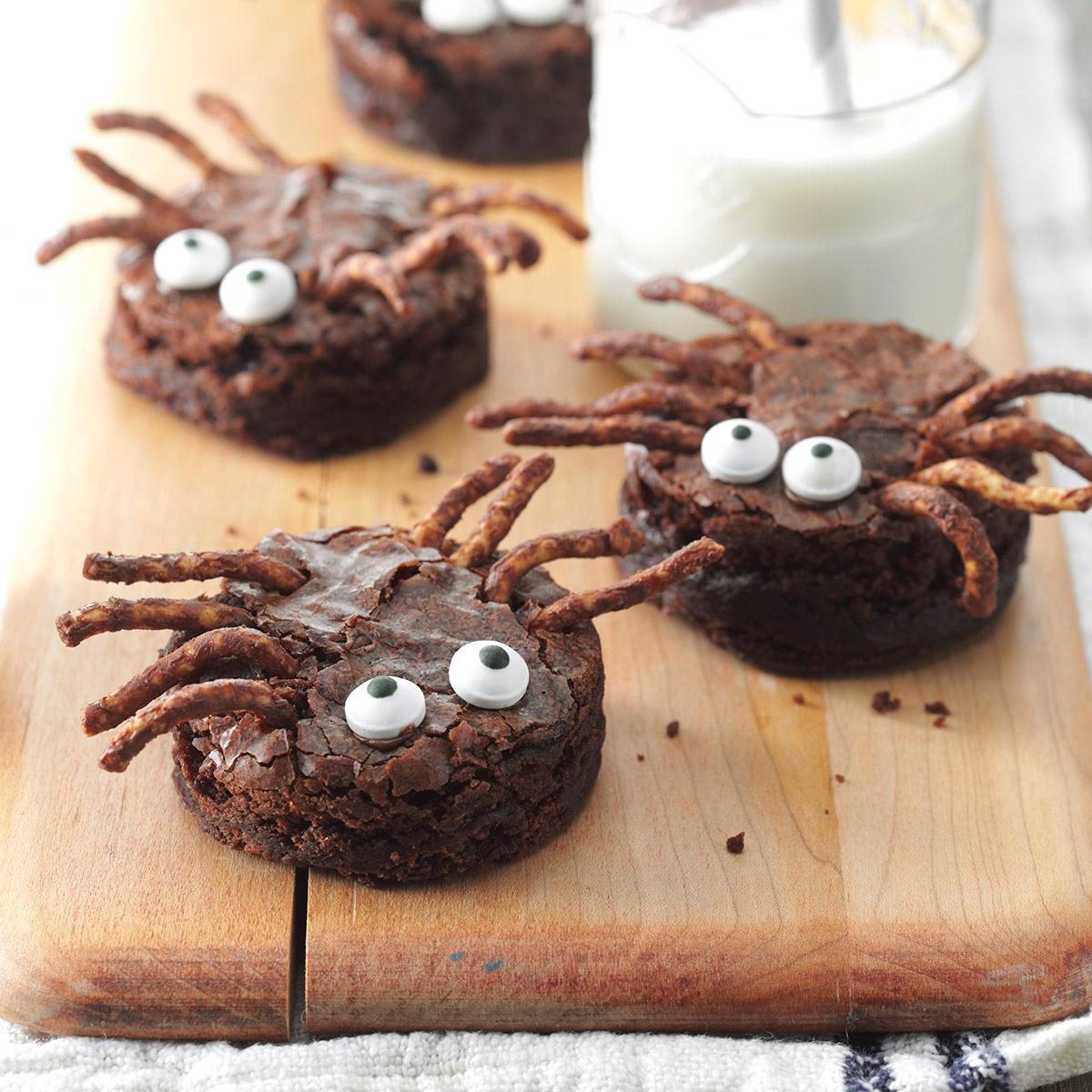
These brownies are cute and so easy to make. Bake up your favorite brownies (from a mix if you like) and after they bake and cool, turn the brownies out onto a cutting board. Using a glass, “cut” circles from the brownies. (The leftover scraps are fair game to munch on!) Use pretzel pieces for legs and purchased eyes from the baking aisle.
ENJOY!

When I was a kid, if you wanted to carve a pumpkin, you got Mom’s sharpest knife (and then she took it from you cuz you might cut yourself) and then you got the knife Mom thought was safe and you cut out your pumpkin face. If you were lucky, you didn’t cut yourself and the jack-o-lantern was passable.

But these days? There are stencils and cutters to make carving pumpkins easy!


Then there are the pumpkin works of art!
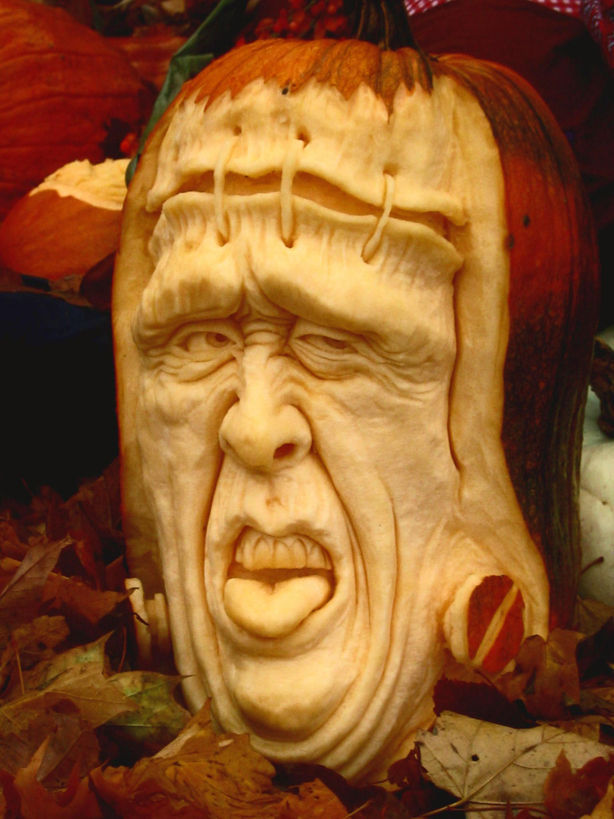
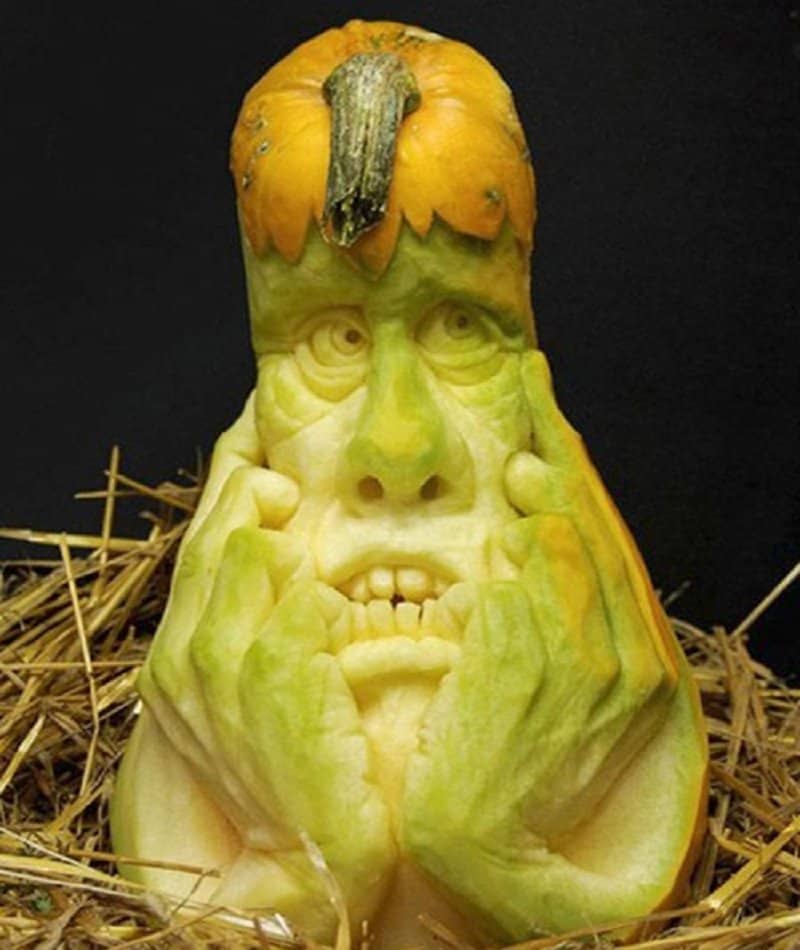

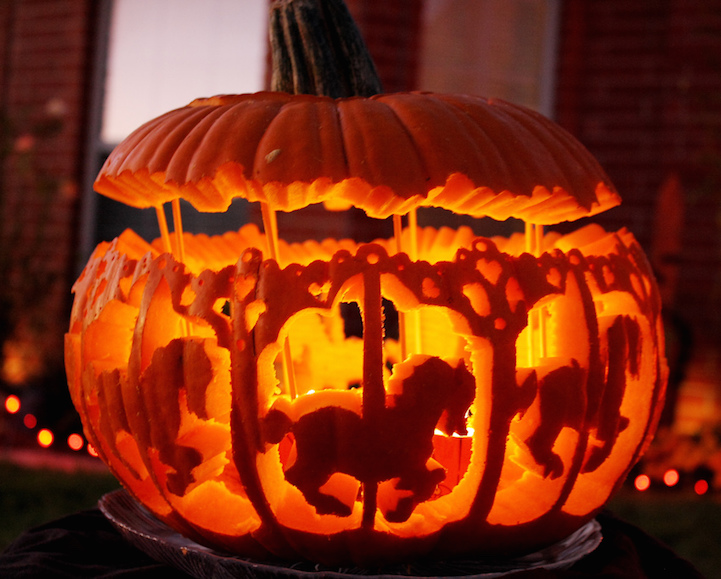



Happy carving!


The physical appearance of this fish ispowerful as it has a robust and laterally compressedbody. Their fins are short but have strong muscles which allow them to swim very quickly if their prey undertakes the escape. However, the payara fish’ (as they are known in Spanish) most striking trait is undoubtedly itsspectacular mouth, considered a powerful machine to tear their prey apart. The lower jaw is longer than the upper jaw, and both are armed withpointed sharp teeth from those used to crush their victims.
The attacking method and physical appearance is quite similar between the Payaras and the Goliath Tigers fish, since their heads are very similar. In addition, these two species can naturally replace their teeth and their four-part jaws allow them to open the mouth very broadly in both cases. The vampire fish, thanks to their good eyesight, hide deep in the fast and murky waters by launching ambush attacks on their prey, which makes of them a deadly and perfect machine, and they do so with lethal and diabolical precision.
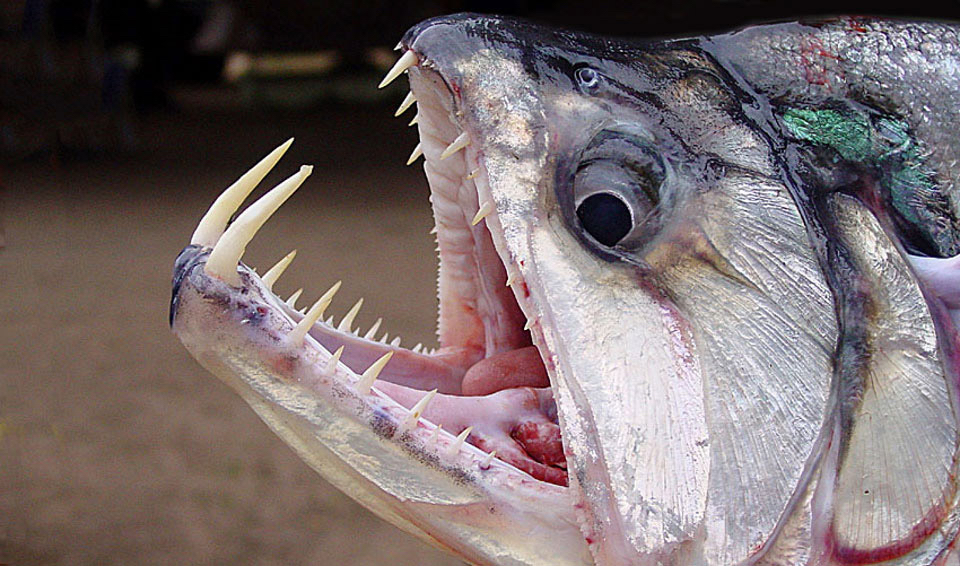
In nature, vampire fish can become quite large. They measure anywhere from 2 – 3 feet long, and their weight is around 10 – 35 pounds. The largest recorded came in at 40 pounds. Captivity is another story. When bred in aquariums, vampires rarely exceed 12 inches and 5 – 10 pounds.
In the wild, vampire fish are ferocious hunters that are constantly looking for their next prey. They’ve been known to chase off medium- and large-sized fish that they don’t want to eat just so the water will be clear for the fish that they do want to consume.
In terms of compatibility, they may tolerate others payaras in small groups, but they’re mostly lonely creatures. It’s assumed that they only come together for mating and migrating. Captive payaras take these antisocial tends up to 11. They don’t like to be housed with other fish at all, and they’ll fight, threaten, charge and kill speciesthat are put in the same aquarium. They hate being crowded.
They’re moody and temperamental fish on a good day, but when you force to defend their territory, they become aggressive as well. It’s recommended that only experienced fish owners try their luck with vampire. They definitely aren’t first-time fish.
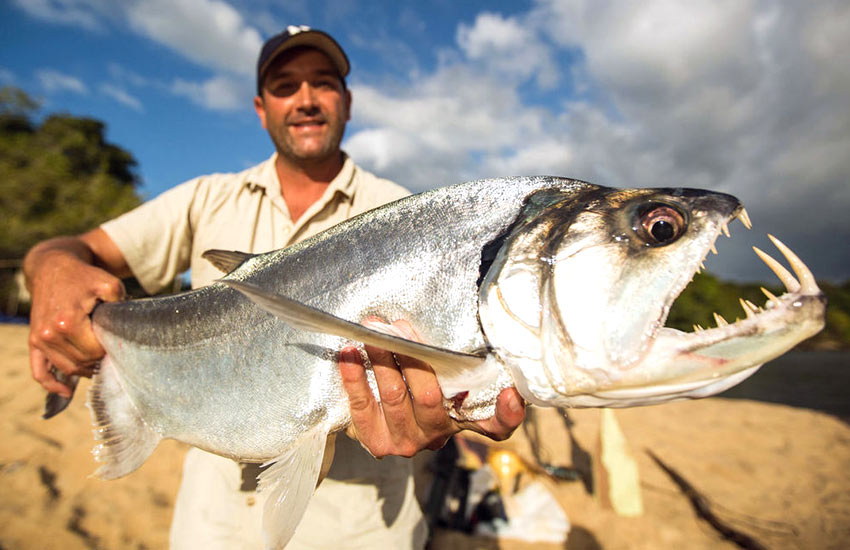
The vampire fish are characterized by being extremely aggressive, voracious, and very fast fish,which makes them true hunting machines. They usually swallow their entire prey, although sometimes they only bite their prey with their powerful tusks, tearing large pieces and then swallowing them. Vampire fish usually eat all kinds of food, although they prefer a carnivorous diet. So, they devour smaller fish found in their territory. Yet the vampire fish’ favorite food, are the fearsome piranhas, which they fully swallow in a single bite.
SOURCE: OURMARINESPECIES.COM

This month’s house in the spotlight is The Ennis House in Los Angeles, California. This house has been featured in several horror movies (none of which I’ve seen to be honest). The house is angles and blocks but no curved features at all. The pictures I’ve seen of the house show some interesting elements, but there is no warmth in them. It gives me the impression of living in a mausoleum.

From Architectural Digest:
If you’ve ever seen Buffy the Vampire Slayer, Day of the Locust, or Blade Runner, then you’ve also seen the Ennis House. In the films, the property is used to depict a vampire mansion, a private residence, and an apartment building respectively. Designed by Frank Lloyd Wright in 1923 and constructed in 1924, the home has made more than 80 onscreen appearances throughout its near century-long existence, according to the Frank Lloyd Wright Foundation. However, it was the home’s feature in House on Haunted Hill in 1959 that brought it into ghoulish acclaim.
“In just a minute, I’ll show you the only really haunted house in the world,” Watson Pritchard, played by Elisha Cook Jr., says in the movie. “Since it was built a century ago, seven people—including my brother—have been murdered in it.” The film’s plot follows five people who are promised $10,000 each if they can spend the whole night in the eerie property, which is “played” by the Ennis House.
“It’s a really modern house, yet it uses ancient forms,” said Michael Wyetzner, architect at Michielli + Wyetzner Architects, in the newest episode of Blueprints, a YouTube series for AD. In the video, Wyetzner breaks down the Ennis House’s role in House on Haunted Hill, as well as the role of five other properties featured in horror films. “It doesn’t have a very domestic scale, it almost looks like it could be a museum or other type of religious building,” he said.
Of course, though large, it was designed as a residential property. Located in the Los Feliz neighborhood of Los Angeles, Wright designed the home in the early ’20s for Charles and Mabel Ennis, owners of a local men’s clothing store. The home is one of four that makes use of Wright’s textile block system, which is constructed from precast, interlocked concrete blocks. Designed in a trabeated style, the home lacks curves, arches, vaults, and domes and is heavily inspired by Mayan architecture. As such, many have classified the home as a Mayan Revival.

Drawing from the Mayan-design vernacular, the home looks older than it is—in the 1959 film Pritchard says the home was built “a century ago,” despite only being 35 years old at the time. Aside from its deceptive age, the house has two other important qualities that make it the perfect horror home: It sits on a hill (which is not just a nod to the film’s title) and features a deep, high roof. These two qualities have become commonplace in homes used in horror films and were made famous in what Wyetzner calls “the iconic house of horrors”: the Bates’s home in Psycho.



SOURCE: ARCHITECTURALDIGEST.COM
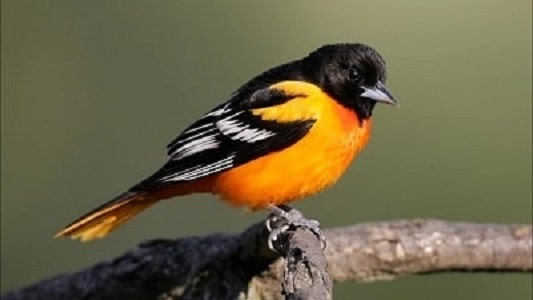
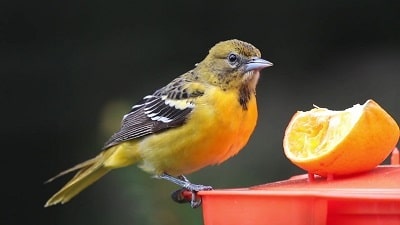
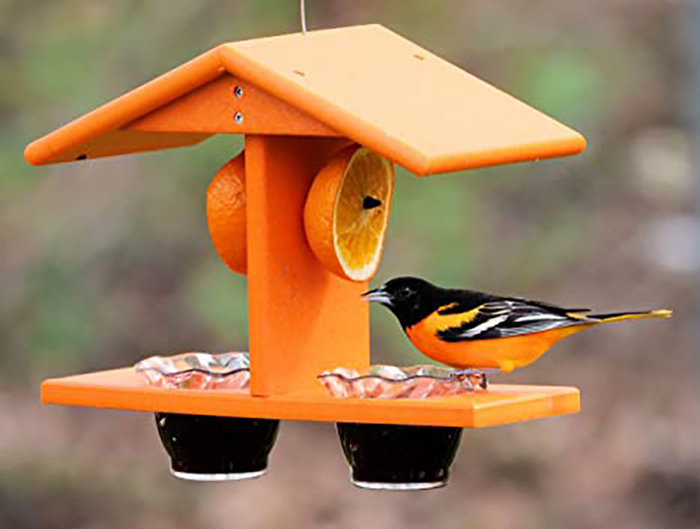
Baltimore Orioles measure 7 – 8 1/2 inches long. The male bird is black with orange underparts, rump, shoulders, and sides of the tail. His wings have 2 white wing bars. The female Baltimore Oriole looks quite different than the male. She is olive above, and yellowish below with 2 white wing bars. This particular Oriole bird is found east of the Rockies.
The breeding season begins in late April to early May. The males arrive 2 or 3 days before the females and begin claiming their territories. You’re likely to hear them singing from treetops in their effort to attract a mate. Their singing is almost constant until they mate with a female. Unlike the Northern Mockingbird though, these birds do not sing at night. Generally, any singing late in the season is from unmated or immature birds. Once the birds have found a mate they defend their territory and begin nesting.
The female selects a site for the nest, usually in a deciduous tree, often a tall one. Orioles prefer trees such as Elm, Cottonwood, or Maples to build their nest. The nest is typically located at the end of a branch, which provides some protection against predators. The female gathers materials for the nest, which can include plant, animal, and even human-made materials. This often includes grass, bark, hair, and twine. She may also use spider silk as a binding agent. The female weaves the nest, creating a small cup shape. She starts by weaving a loop around a twig. Then she weaves additional material, including long grasses and strips of bark, in and out of the loop. The weaving process can take as long as a week.
Once the basic structure is complete, the female lines the inside of the nest with soft materials, such as plant down, fur, or feathers, to provide a comfortable and warm environment for the eggs and chicks. The outside of the nest is often decorated with gray and white lichen, which helps to camouflage it against the tree. Nest can be anywhere from 6 to 90 feet above the ground.
While it’s quite common for them to return each year to the same territory, they will not use the same nest. They often take parts of the old nest to build a new one, so you may see them at the old nest site. Bird watchers will find the best viewing of the Baltimore Oriole’s nest when the leaves are off the trees. You’ll see them at the end of branches high in shade trees.
The preferred habitat of Orioles is in open woodlands of deciduous trees near parks, gardens, and suburban settings. In this tightly woven hanging nest, the female lays 3 to 6 pale blue with dark marks eggs. Incubation of the eggs is done by the female with the male always close by and watching. Incubation will last 12 to 14 days and the young birds will leave the nest in 12 to 14 days after hatching.
Baltimore Orioles nest only once each season and do not use birdhouses. Cowbirds have a difficult time laying eggs in the Oriole’s nest but still do. Orioles can tell the difference between their eggs and Cowbird’s eggs. Either the Oriole will eat the Cowbird’s eggs, or eject them from the nest.
The main diet of the Baltimore Oriole consists of insects, fruits, and flower nectar. At the feeding station orange halves or grape jelly placed in a shallow bowl will draw them in. Another option is by providing a sugar-water mixture. 1 part sugar to 4 parts water. No need to boil the sugar-water mixture. Replace often during hot weather.
Often we’re asked “What happened to our Oriole birds”? “They were here every day eating our oranges and grape jelly and now they’re gone”. The simple answer is that Orioles often disappear from feeders because they switch to a protein-rich diet while nesting and feeding their young to ensure healthy growth. This means they are hunting insects instead of visiting your feeders. They also may have started migrating south. Don’t worry, sometimes the adults will bring their young to the feeders once they’ve left the nest. So be prepared for a return after a 4-week absence.
Spring migration begins in April when male Baltimore Orioles begin to arrive at their breeding grounds roughly East of the Rockies. The winter migration to the South can begin as early as July, which is much earlier than most species. Still, you may see some Orioles well into September or a little later in their Southern range.
SOURCE: WILD-BIRD-WATCHING.COM

Continuing our pumpkin theme, today’s offering is Crunchy Ranch Pumpkin Seeds!

Ingredients
3 cups fresh pumpkin or squash seeds, washed and drained
1/4 cup vegetable oil
1/4 to 1/3 cup ranch salad dressing mix
Directions
In a large skillet, saute seeds in oil for 5 minutes or until lightly browned. Using a slotted spoon, transfer seeds to an ungreased 15x10x1-in. baking pan. Sprinkle with salad dressing mix; stir to coat. Spread in a single layer. Bake at 325° for 10-15 minutes or until crisp. Store in an airtight container for up to 3 weeks.
ENJOY!
From All That’s Interesting:
7 The Villisca Axe Murders House
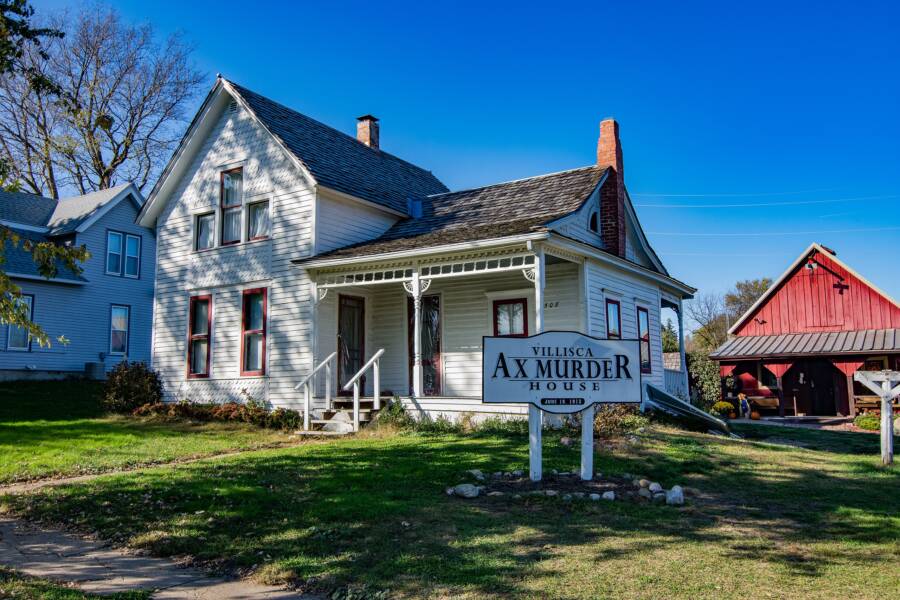
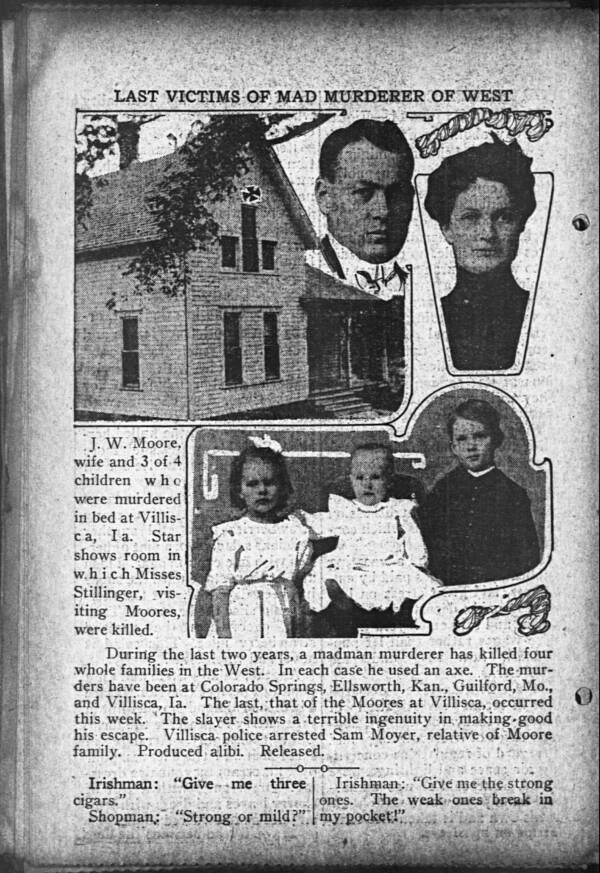
On June 9, 1912, in the small town of Villisca, Iowa, someone snuck into the Moore family house with an axe. The murderer killed all eight people inside that night, including six children.
A coroner’s report the following day determined that the killer had snuck in through the unlocked back door and went straight to the bedroom of Josiah and Sarah Moore, aged 43 and 39 respectively. Based on gouges in the ceiling, the coroner determined that the killer raised the axe high and then brought it down on Josiah’s head at least 60 times.
After killing Josiah and Sarah, the killer also bludgeoned their four children plus two more children who had been staying at the house as guests — before disappearing into the night.
“Don’t go in there, boys,” one doctor warned the next day after seeing the scene. “You’ll regret it until the last day of your life.”
The grisly murder remains unsolved to this day. Though a messy investigation ensued, no one was ever convicted of the homicides. Today, the so-called Villisca Axe Murder House is considered by some to be one of the most haunted houses in America. Visitors claim to have heard children’s voices and mysterious footsteps, as well as objects moving on their own.
The very curious — and very brave — can even spend a night at the house. Its current owners have restored it so that it looks just like it did in 1912. They’ve even added details from the night of the murder, like covering all the mirrors with sheets.
“An overnight visit to this house will make most skeptics believers come sunrise the next morning!” the Villisca Axe Murder House website exclaims. But be warned. One paranormal investigator who spent the night at the Villisca Axe Murder House stabbed himself in the chest during the night and had to be evacuated to a nearby hospital.
8 LaLaurie Mansion
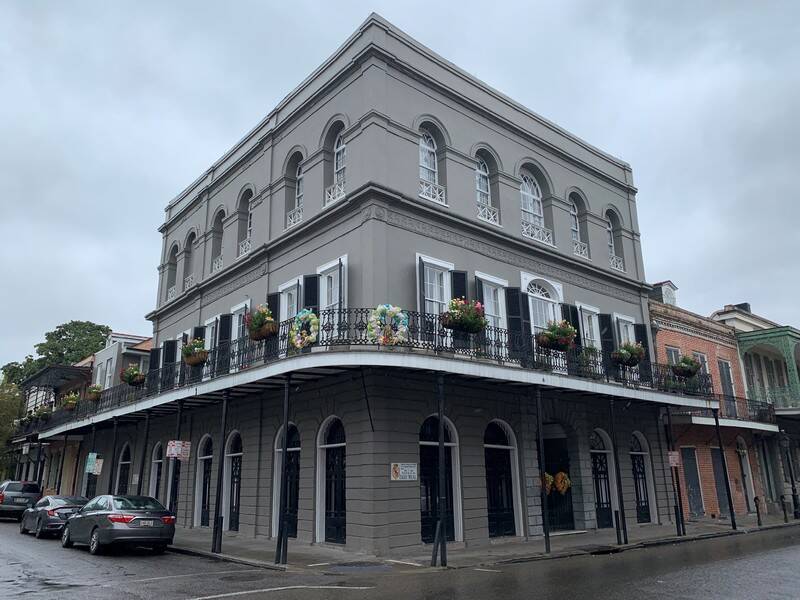
To some, the LaLaurie Mansion at 1140 Royal Street in New Orleans’ French Quarter is simply known as the “Haunted House.” Between 1831 and 1834, it was a veritable house of horrors — where a cruel woman tortured the people she enslaved.
New Orleans socialite Marie Delphine LaLaurie bought the house in 1831. Though LaLaurie appeared outwardly warm and polite, rumors swiftly spread that she was cruel toward those she held enslaved at her home. However, no one could have guessed the depth of depravity that went on behind the handsome walls of her house — at least not until a fire forced LaLaurie’s wickedness to the light. As police and firefighters battled the blaze, which broke out suddenly on April 10, 1834, they came across a shocking sight in the attic. There, the horrified responders found enslaved people who had been viciously tortured, mutilated, and murdered.
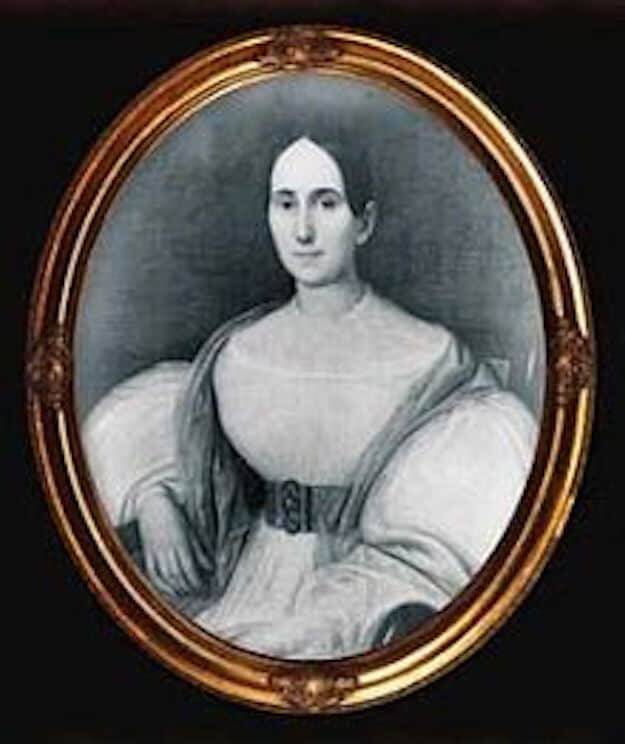
“Upon entering one of the apartments, the most appalling spectacle met their eyes,” The New Orleans Bee reported the next day. “Seven slaves more or less horribly mutilated were seen suspended by the neck, with their limbs apparently stretched and torn from one extremity to the other…“These slaves were the property of the demon, in the shape of a woman…”
Though LaLaurie skipped town, the spirits of the people she tortured allegedly remained in the mansion. Today, visitors have reported hearing footsteps and moaning from the attic, as well as seeing doors slam closed without explanation. Other hauntings are more severe. When the mansion was briefly a school, terrified young girls reported seeing a “woman” who grabbed and scratched their arm. And one boarder in the house died mysteriously after worrying to a friend about vengeful ghosts. The LaLaurie Mansion was most recently featured in American Horror Story and was briefly owned by actor Nicholas Cage.
SOURCE: ALLTHATSINTERESTING.COM

The ereferencedesk.com has these 30 interesting facts about Moose:
Moose are the official state animal of Maine.
Male moose are called Bull Moose.
Only Bull Moose has antlers.
Bulls’ antlers can span up to 6 feet wide and weigh up to 90 lbs.

Bull Moose shed their antlers every winter and grows them back every spring.
Each year a moose grows bigger antlers than the year before.
Bull Moose grow antlers to impress cows during mating season and to express dominance in the pack.
Moose have the highest rate of bone formation growth; growing up to 1 inch a day.
During mating season Bull Moose are more aggressive.
Moose live for an average of 25 years and can weigh up to 1500 lbs.
Moose on average are 7 feet tall at the shoulders and 8.5 feet in length.
Moose are great swimmers and can swim up to 6 mph.

Moose can run up to 35 mph.
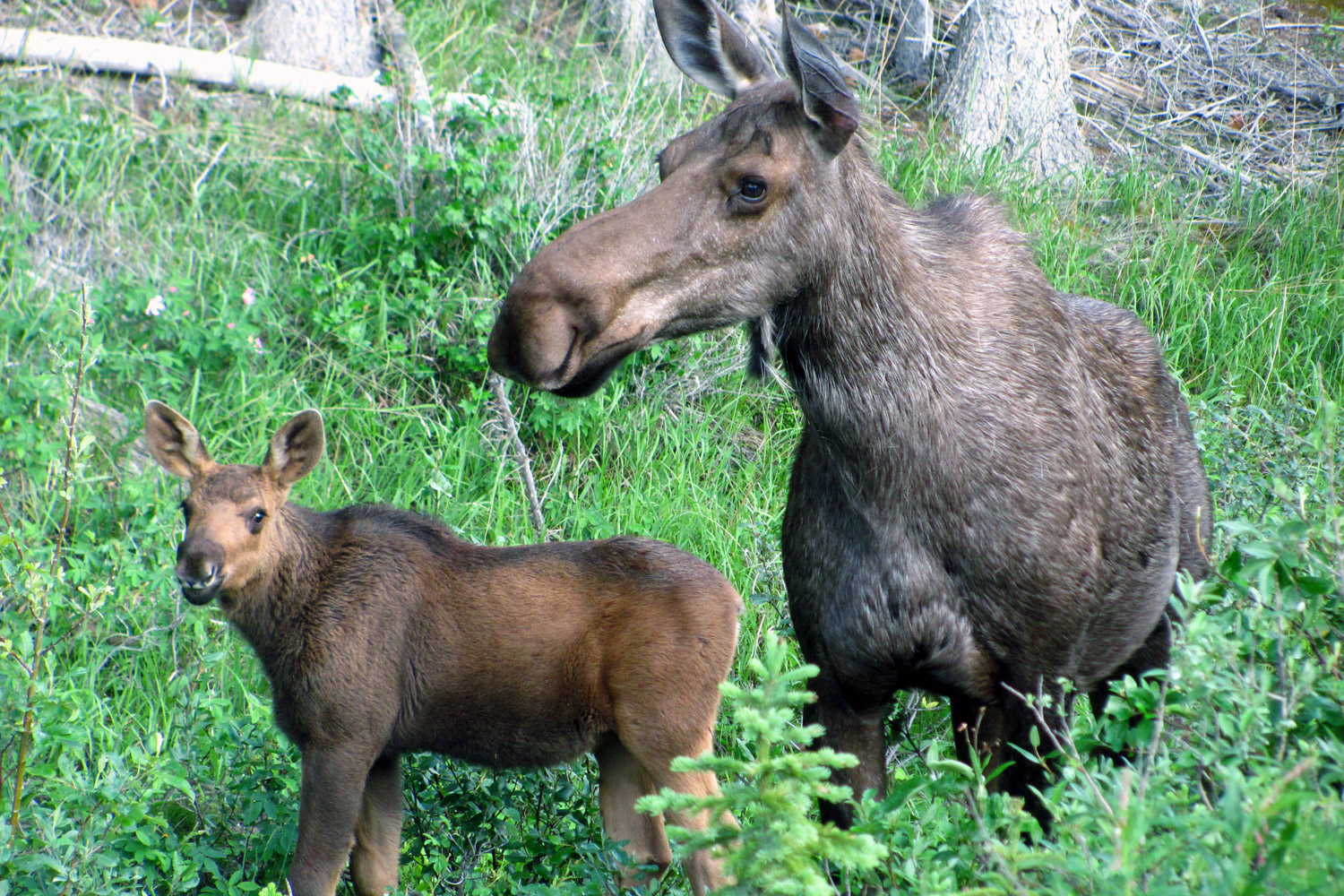
Female moose are called “cows”.
Female moose (cows) are pregnant for 8 months.
Infant moose are called “calves”.
Baby moose are an average of 25 – 33 lbs when born.
Calves will stay with their mom until they are 1 year old.
Moose have bad eyesight.
Moose have 32 teeth.
Moose have no upper front teeth.
Moose have front legs that are longer than their back legs.
Moose have 27 chromosomes. Humans have 23.
The flap that hangs under the moose’s throat is called a “Bell”.

Moose are the largest member of the deer family.
There is such thing as a white moose, however it’s extremely rare, and is not considered an albino.

Like a dog, when moose are agitated the hairs on their backs stand up straight.
Maine has the second highest population (30,000) of moose in the U.S., next to Alaska.
May, June, September, October and December are the best moose watching seasons in Maine.
You are more likely to see a fully antlered Bull Moose in September and October. (This is right before they shed them for the winter)
SOURCE: EREFERENCEDESK.COM

