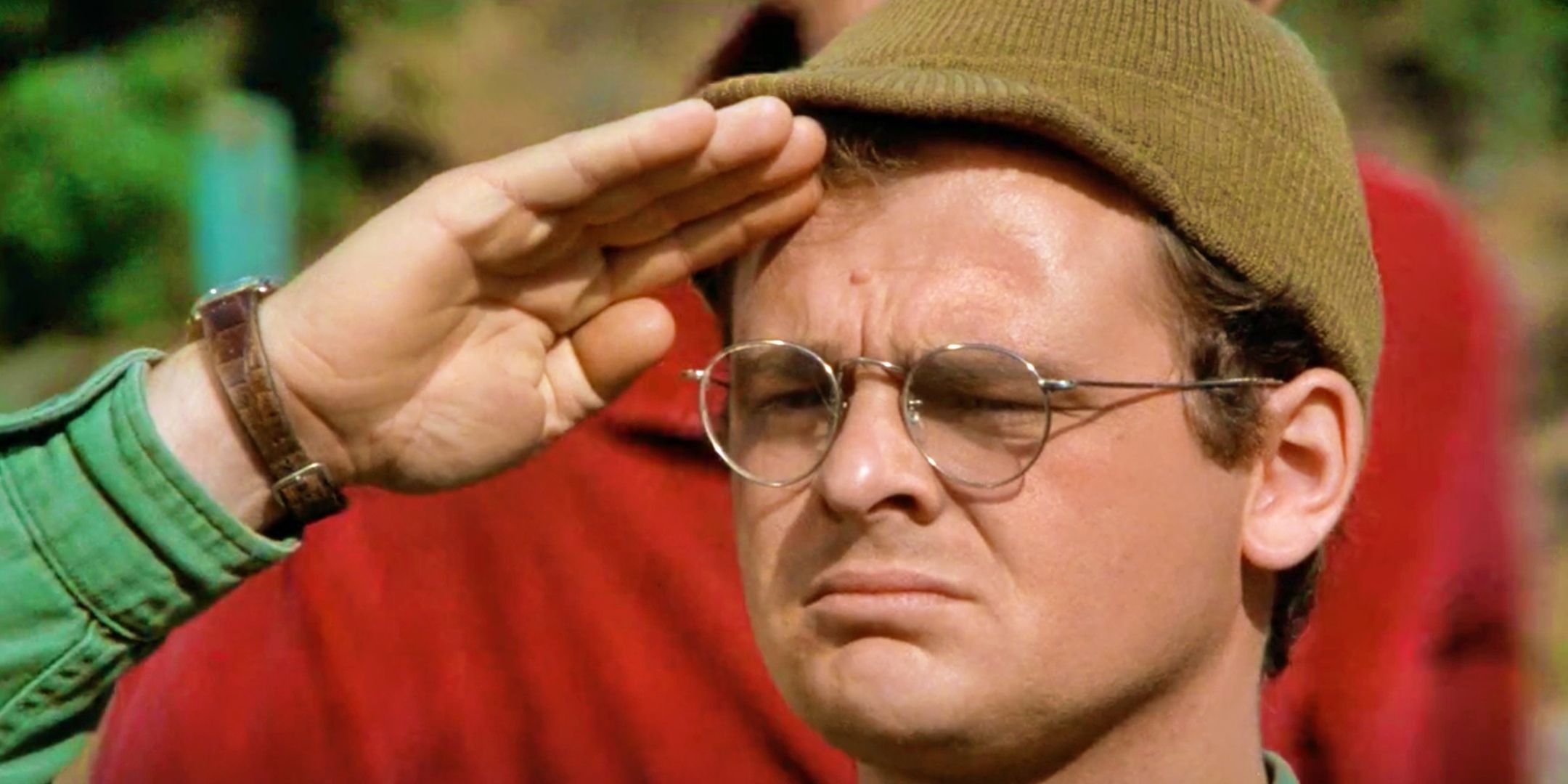
RADAR

Today is Gary Burghoff’s birthday (he was born in 1943), and I found this article on Facts.net detailing some interesting things about RADAR.

From Facts.net:

Gary Burghoff, best known for his iconic portrayal of Radar O’Reilly on the hit TV series M*A*S*H, is a celebrated actor who has left an indelible mark on the entertainment industry. With his endearing personality and exceptional acting skills, Burghoff captivated audiences around the world. But there’s more to this talented performer than meets the eye.

In this article, we will delve into the fascinating world of Gary Burghoff and uncover 10 astonishing facts that you may not have known about him. From his early life and career to his unique talents and personal achievements, we will explore the intriguing details that have shaped this beloved celebrity. So, grab a cup of coffee and prepare to be amazed by these remarkable insights into the life of Gary Burghoff!

Key Takeaways:

Gary Burghoff, known for playing Radar O’Reilly on M*A*S*H, overcame physical differences and won an Emmy for his iconic role. He’s also a talented drummer and wildlife advocate.

After M*A*S*H, Gary Burghoff pursued a successful stage career, invented fishing tackle, and appeared on “Survivor: All-Stars.” His passion for wildlife and the environment shines through his activism.

Gary Burghoff played the iconic character of Radar O’Reilly on the hit TV series M*A*S*H.

You may remember him as the lovable and quirky character Radar O’Reilly from the beloved TV show M*A*S*H. Burghoff’s portrayal of the company clerk won the hearts of millions of viewers around the world.

He was the only actor from the movie version of M*A*S*H to reprise his role in the TV series.

Not only did Gary Burghoff play Radar O’Reilly in the original M*A*S*H film, but he also went on to portray the character in the highly successful TV series, making him the only actor to reprise his role.

Gary Burghoff was born with a partially deformed hand.

One of the most astonishing facts about Gary Burghoff is that he was born with a partial left hand, with three fingers on that hand. However, this physical difference did not hinder his acting career, and he found great success in the industry.

He has a keen interest in collecting and playing rare drums.

Aside from his acting talent, Burghoff is also known for his passion for playing drums. He collects and indulges in playing rare drums, making it another interesting aspect of his life outside of his acting career.

Gary Burghoff appeared on the reality TV show “Survivor: All-Stars.”

In 2003, Gary Burghoff made a surprising appearance on the hit reality TV show “Survivor: All-Stars.” This unexpected cameo delighted fans, who were excited to see him in a completely different role.

His performance as Radar O’Reilly earned him an Emmy Award.

Thanks to his outstanding portrayal of Radar O’Reilly on M*A*S*H, Gary Burghoff received critical acclaim and won the Primetime Emmy Award for Outstanding Supporting Actor in a Comedy Series in 1977.

He had a successful stage career after leaving the show M*A*S*H.

After his time on M*A*S*H came to an end, Gary Burghoff transitioned to the stage and flourished in the world of theater. He took on various roles and showcased his versatility as an actor.

Gary Burghoff designed and patented a fishing tackle invention.

Outside of the entertainment industry, Burghoff is also a talented inventor. He designed and patented an innovative fishing tackle invention, demonstrating his creativity and practicality beyond acting.

He is an avid wildlife advocate and has participated in environmental activism.

One of the lesser-known facts about Gary Burghoff is his passion for wildlife and the environment. He has actively participated in various environmental activism initiatives, using his platform to raise awareness and make a difference.

Gary Burghoff has made frequent guest appearances on TV shows over the years.

Throughout his career, Gary Burghoff has made numerous guest appearances on various television shows, showcasing his versatility and continuing to captivate audiences with his talent.

Conclusion

In conclusion, Gary Burghoff is a truly remarkable celebrity with a wealth of astonishing facts surrounding his life and career. From his iconic portrayal of Radar O’Reilly in M*A*S*H to his passion for wildlife conservation, Burghoff’s contributions to the entertainment industry and beyond have left an indelible mark. From his unique physical attribute to his talent as a musician, Burghoff’s versatility and dedication deserve recognition. As we uncover even more intriguing facts about him, it’s clear that Gary Burghoff’s impact extends far beyond his iconic TV role. Whether you’re a long-time fan or discovering his legacy for the first time, these astonishing facts about Gary Burghoff will undoubtedly deepen your admiration for this multi-talented celebrity.

SOURCE: FACTS.NET
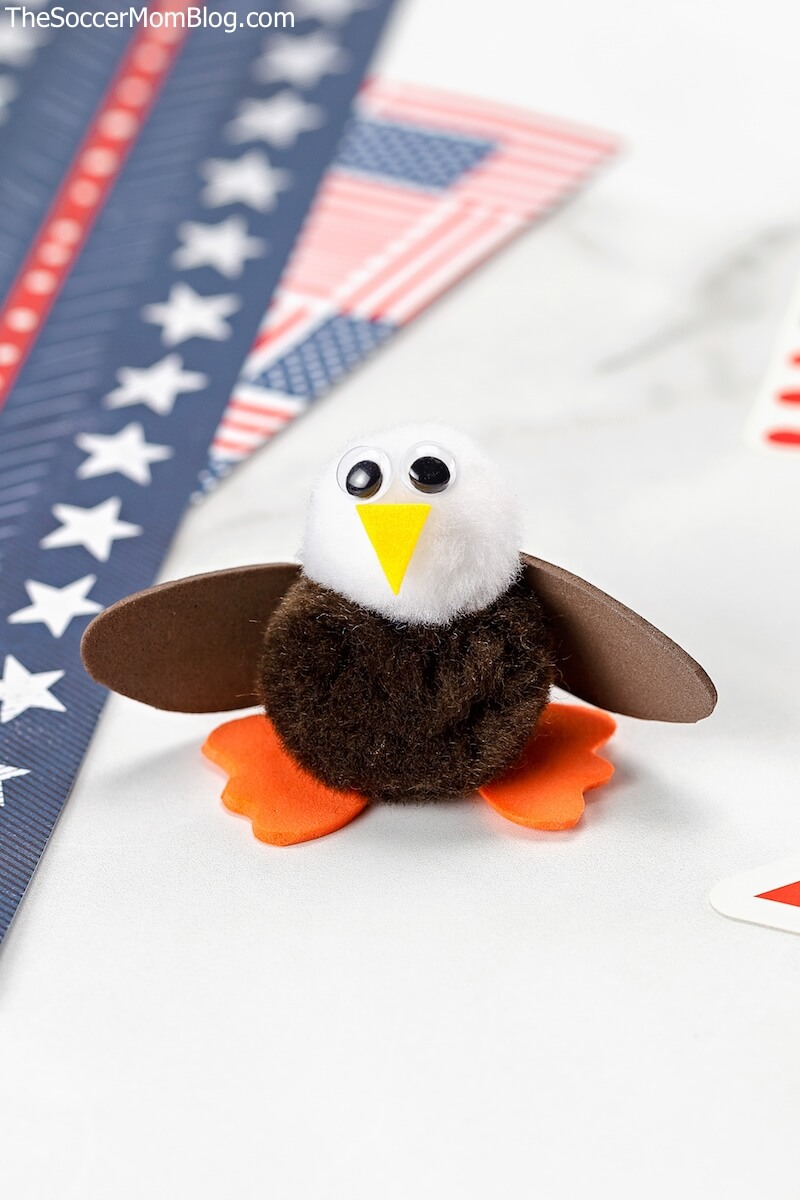
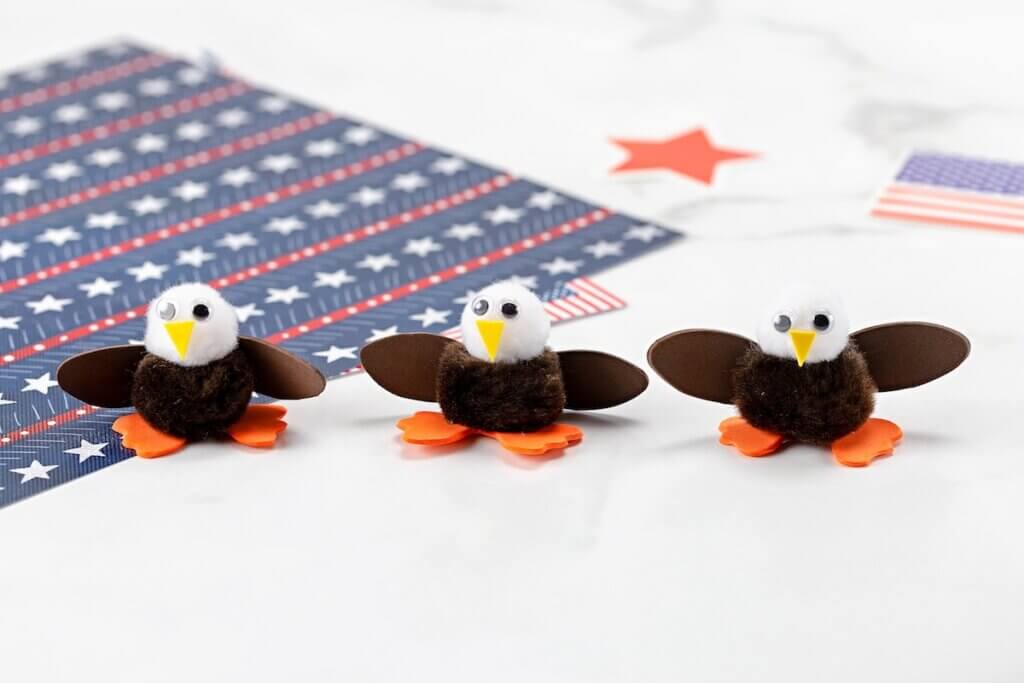
DIY Memorial Day Pom Pom Eagles

I found these eagles on SOCCERBLOG.COM website and they are so cute and so easy to make!

Materials Needed:

Craft foam sheets (brown, yellow & orange)

Large brown pom-poms

Large white pom-poms (slightly smaller than the brown pom poms if possible)

Hot glue gun & glue sticks

Google eyes

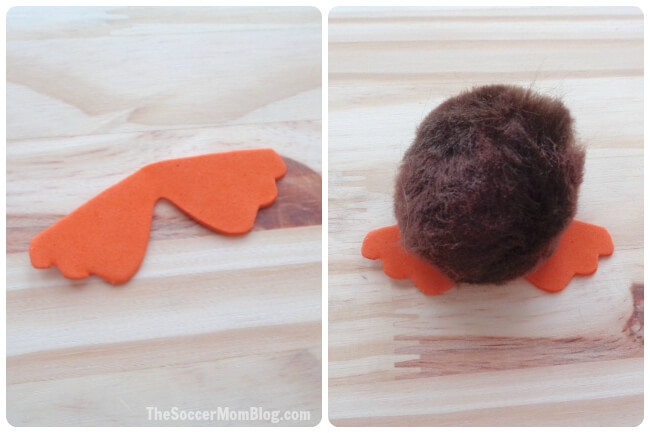
Begin by folding the orange craft foam sheet in half. Cut out feet for your eagle on the bend. They don’t have to be perfect, but you are welcome to use the photo below as a guideline.

Using the hot glue gun, glue the large brown pom pom onto your orange foam feet.

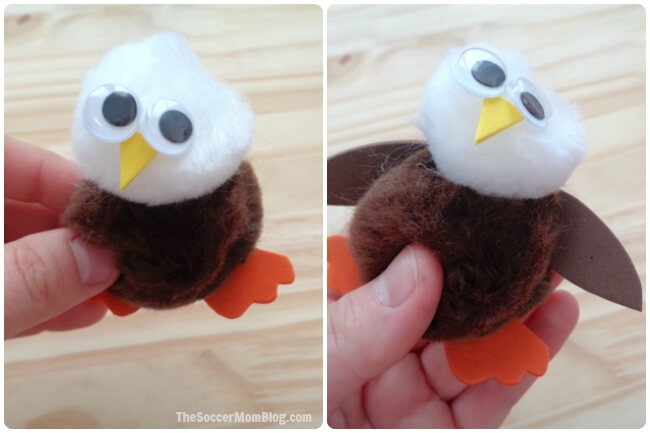
Glue the white pom pom onto the top of your brown pom pom.

Cut a small triangle from your yellow craft foam and glue to the center of the white pom pom. This will be the beak.

Glue two google eyes above the yellow triangle beak.

Cut two eagle wings from brown craft foam. Glue wings onto both sides of your brown pom pom. Your eagle is finished!

SOURCE: SOCCERMOMBLOG.COM

Weird Wednesdays: Abandoned Mansions (Continued)

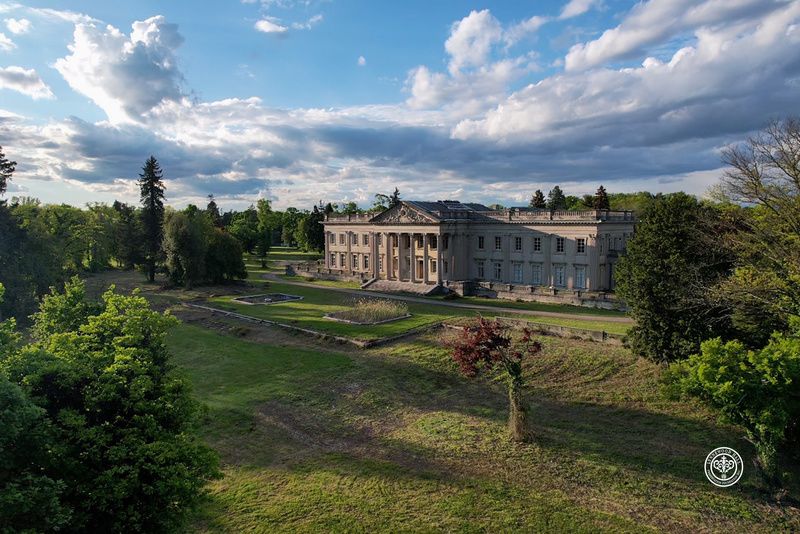
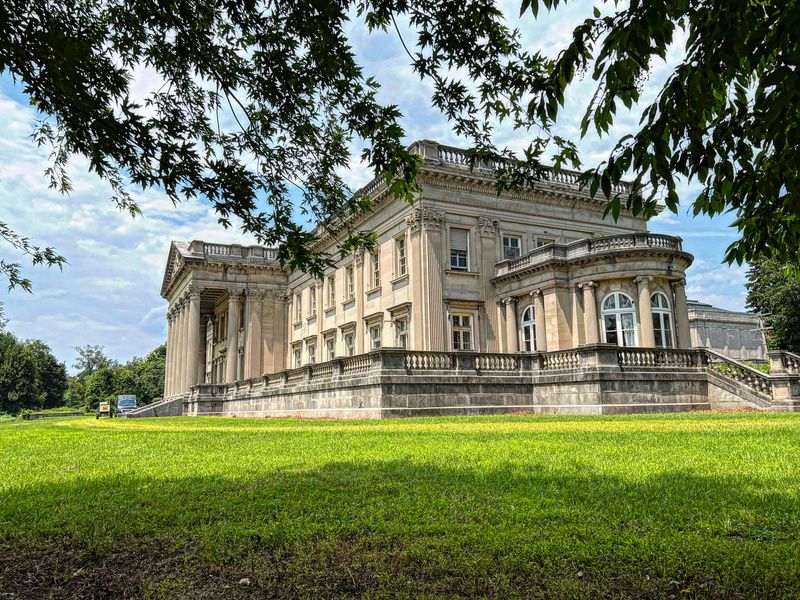
Today’s abandoned mansion is in Pennsylvania, Elkins Park to be exact—Lynnewood Hall. I found this article about this mansion on the Untapped Cities website. (I am presenting the article in two parts. This is part 2)

6. The Ballroom Used to Be a Library

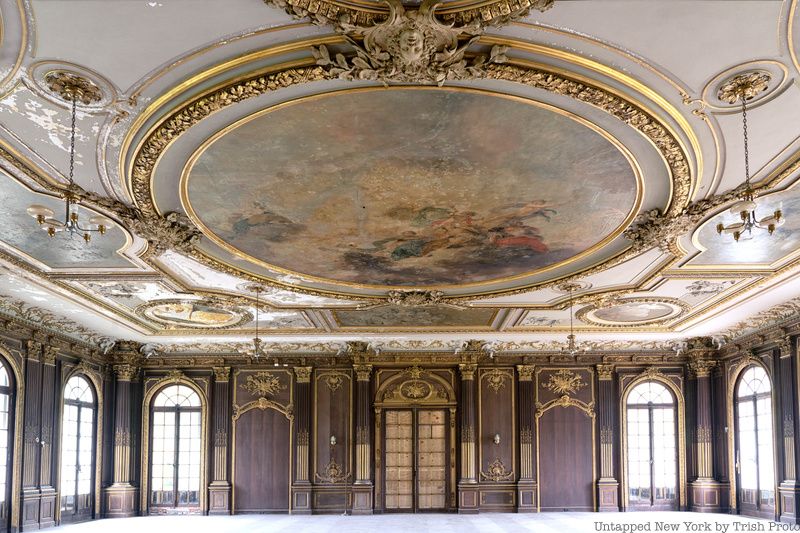
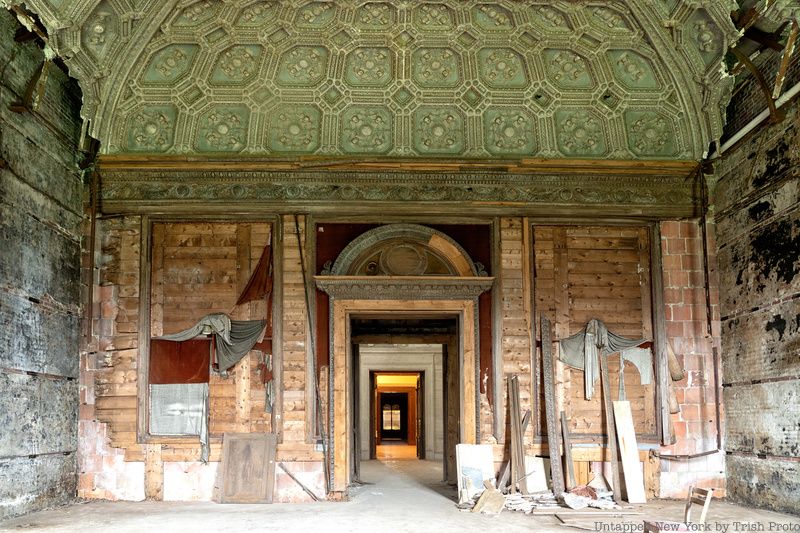
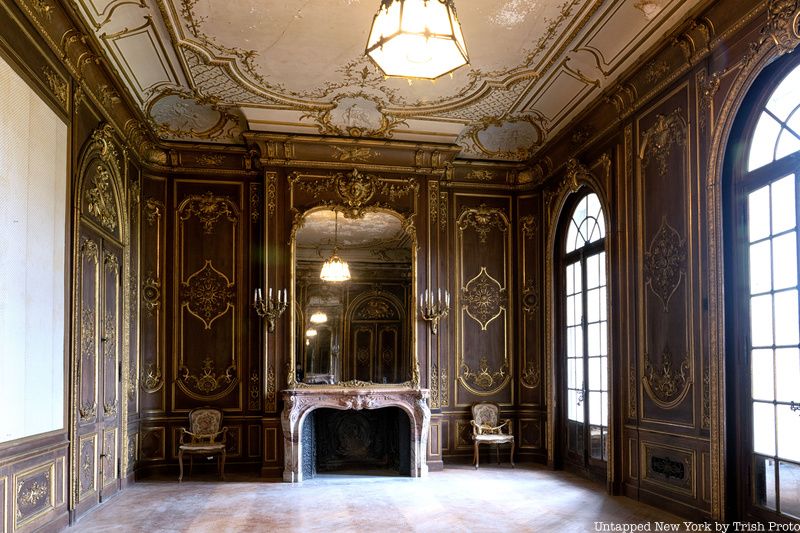
The ballroom of Lynnewood Hall is perhaps the grandest space in the home. Decorated in a Louis XIV style, it’s covered with walnut paneling that is adorned with ornate gold leaf details. And just look at that ceiling! The central mural that hangs above is believed to be from the 17th century and comes from an Italian villa. This room hosted extravagant balls in the time of both Peter’s and his son Joseph’s residency. However, before the raucous costume balls and performances by the Philadelphia Philharmonic Orchestra, this room was much quieter.

It was originally a library. The walls were covered in velvet and there were built-in bookshelves at the four corners of the room. It was converted into a ballroom around 1912. The blocked-off entryway you see in the photo above used to lead out into the conservatory. If you were to walk from there to the second conservatory on the opposite end of the home, you would cover 268 feet, one of the longest residential enfilades in the country.

7. The Lost Bowling Alley & Basement Billiards Room

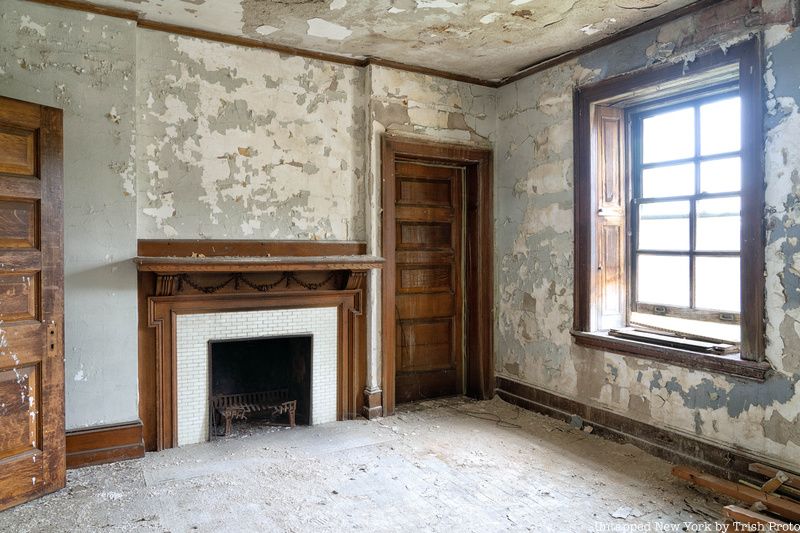
There were roughly 40 live-in staff members at Lynnewood during the Widener’s time. They slept on the upper floors of the home above the galleries where there were more than 20 bedrooms. They worked down in the basement where you would find the kitchen, bakeries (one for pastries and one for bread), wine cellar, carpentry shop, upholstery shop, coal storage, and more workspaces. Among these spaces though there was once an area reserved for the family, a private bowling alley. When more staff came on and additional housing was needed, the bowling alley was converted into bedrooms, workspaces, and a billiards room for the staff. In the basement today visitors will notice a fireplace mantelpiece that seems quite ornate for servants’ quarters. This was once part of the bowling alley room.

8. The Final Remaining Piece of Original Free Standing Furniture

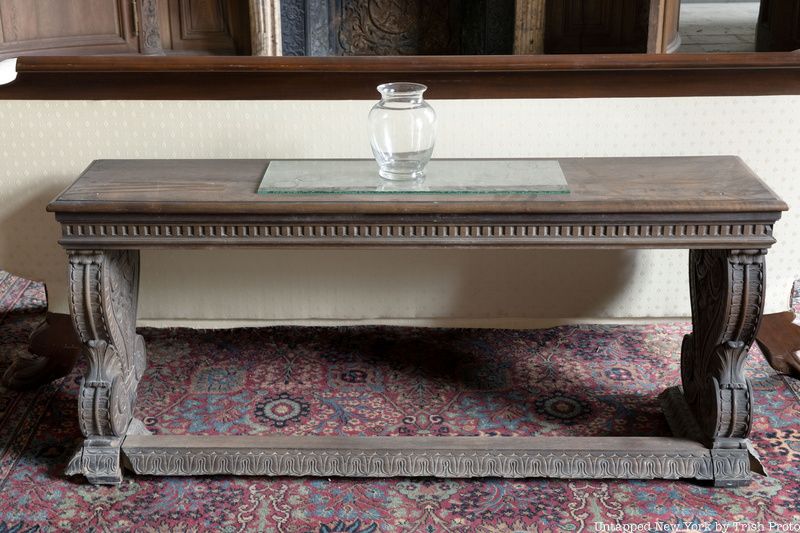
The only freestanding piece of furniture that is original to the home and still in the home is the organ bench pictured above. After Peter Widener died, the estate went to his only surviving son Joseph. Joseph lived there until his own death in 1943. At that time, the estate was liquidated in an auction covered by outlets like the New York Times and Life magazine. Everything that hadn’t already been donated to the National Gallery in D.C. went to the auction block. The auction drew hundreds of eager bidders and lasted five days. According to Life, the most expensive item purchased was a “tapestry-covered sofa and eight matching chairs that had once belonged to Louis XV.” It sold for $30,000.

It took a while for the hall to find a new owner after the Wideners. “It was a completely different time,” Thome notes, echoing the writings of Widener’s grandson, “People couldn’t keep up these types of homes anymore.” In 1952, a buyer finally came through. The estate was purchased by Faith Theological Seminary, a Christian school led by Carl McIntire. When the Seminary needed funds, it would sell off parts of the mansion, like wood paneling or mantelpieces. This trend would sadly continue with the next owner who came in 1996, Dr. Richard Yoon, leader of the First Korean Church of New York. Over the ensuing decades, Lynnewood Hall started to come apart piece by piece. Now, the Preservatin Society is working to restore the home to its former glory.

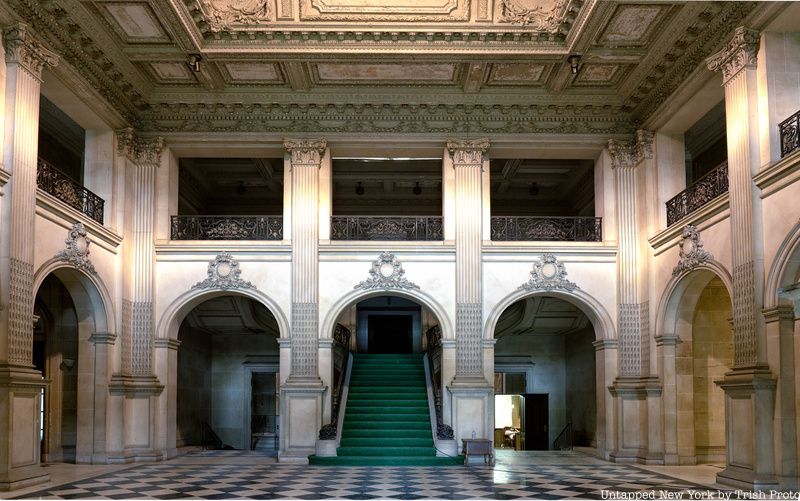
9. The Grand Hall is Based on the Entryway of a Vanderbilt Mansion

The Grand Hall at Lynnewood makes a statement. With soaring ceilings over 40 feet high, intricate carvings, and a wide central staircase, it was an entrance befitting the grandeur of the exterior. While the classical exterior design of the home was inspired by Prior Park in Bath, England, this room was inspired by the entryway at The Breakers, the Newport Estate of Cornelius Vanderbilt II. Comparing photos of the two entryways, you can see the similarities. They are both ringed with arched entryways topped by marble accents. There is a central staircase emerging from one of these arched portals in both homes. The Corinthian pilasters are nearly identical and details on the coffered ceiling and moldings are strikingly similar.

What sets these two spaces apart is the floor. Lynnewood Hall has a checkered black and white floor while the floor at The Breakers is all white, but Lynnewood’s floor was also originally all white as well. When Joseph Widener made renovations to the home around 1915, he added the checkered pattern. It was a popular element in French chateaus. Joseph sprinkled many elements of French influence throughout the mansion.

10. You Can Visit Lynnewood Hall

There is a very long road ahead before Lynnewood Hall can be open to the public. However, there is a way you can get inside while simultaneously supporting the Foundation’s preservation efforts. You can do this by joining a Pre-Restoration Hard Hat Tour. Money from these tours will go toward covering the $1,250,000 cost of asbestos remediation. The tours will be scheduled for after remediation is complete in approximately 4 to 5 months.

The Lynnewood Hall Preservation Foundation was formed in 2019 and officially took ownership of the estate on June 30, 2023. In the years leading up to the purchase, board members worked closely with the previous owner to install security cameras on the property, make essential repairs like fixing broken windows and stopping leaks, and start clean-up efforts. The Foundation is currently waiting on the final report from a conditions assessment which will lay out the roadmap for the estate’s restoration journey. “It’s a daunting project,” VanScyoc admitted, “but from our perspective, we always had the faith that it could be.”

SOURCE: UNTAPPEDCITIES.COM

(Many more photos can be seen at this link: https://www.untappedcities.com/lynnewood-hall-abandoned/)

Weird Wednesdays: Abandoned Mansions (Continued)

Today’s abandoned mansion is in Pennsylvania, Elkins Park to be exact—Lynnewood Hall. I found this article about this mansion on the Untapped Cities website. (I am presenting the article in two parts. This is part 1.)

From untappedcities.com:

Untapped New York made a visit to Lynnewood Hall to explore its many rooms and uncover a few of its secrets. We spoke extensively with VanScyoc and the Foundation’s Executive Director Edward Thome about the building’s history, its hidden gems, and the ambitious plans for its future. “There is such a rich history here, not just of the era of the Gilded Age and the family that lived here, but also of tradesmen, craftsmen, architecture…Think of all the stories that could be told,” VanScyoc mused. “It has an uncanny way of drawing you in and not letting you go,” said Thome, who has been mesmerized by the building since he was just 11 years old. While there are fascinating stories to be found around every corner of the massive building, we’ve picked out a few of our favorites to expand upon here. Read on to learn more about this stunning estate (and see photos from inside), from its tragic ties to the Titanic to its hidden room full of safes, mysterious tunnel system, and how you can visit!

1. The Art Galleries Had a Museum-Worthy Lighting System

The original owner of Lynnewood Hall, Peter A.B. Widener, died with a personal fortune that would have been worth tens of billions of dollars today and a museum-worthy art collection, but he came from humble beginnings. Born to a butcher in West Philadelphia, Widener also went into the meat business. His first big break in business was winning a contract to supply mutton to Union troops during the Civil War. He used his earnings to invest in street car lines and moved his way up the political ladder in Philadelphia until he became City Treasurer. He had holdings in foundational American companies such as U.S. Steel, American Tobacco Company, and Standard Oil. Though Widener was one of the wealthiest Americans to ever live, his money couldn’t insulate him from tragedy.

After his wife, Hannah Josephine Dunton, died in 1896, Widener realized he wanted to keep his family close. He commissioned architect Horace Trumbauer to build a home large enough to house the families of Widener’s two sons, George and Joseph, and his own expensive art collection. “Lynnewood is the home that art built,” VanScyoc said, noting how important the art collection was to the family. Widener began collecting art around 1885 and by the time Lynnewood was complete in 1899, he had amassed a collection of priceless masterpieces that included paintings by Raphael, Rembrandt, Vermeer, Gainsborough, and more. The collecting bug was passed on to his son, Joseph, who expanded on his father’s collection.

Widener arranged his works of art in five different galleries throughout his home, one on the first floor and four on the second floor. Each gallery was designed to display specific works based on the artist and style. To ensure the safety of his prized collection and to show the pieces in the best (literal) light, Widener had his home built with the latest technology. “Even though the building is a classical piece of architecture, it’s very technologically advanced,” VanScyoc said.

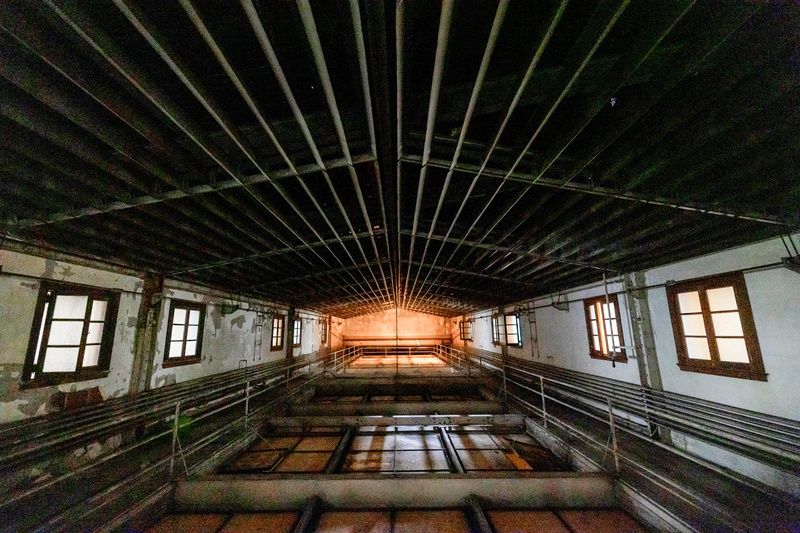
The main gallery, for instance, is surrounded by walls of concrete 2 feet thick as a fire precaution. The galleries on the second floor were lit by diffused skylights. Above the skylights, there is a mechanical system of long fins that can be adjusted to direct sunlight as the sun changes position in the sky throughout the day. The gallery skylight is also rigged to a ventilation system that allows a person to turn one wheel and simultaneously open a series of glass panels to let air flow.

The art galleries were named after Widener’s favorite artists, including Rembrandt, Raphael, Cellini, and van Dyck. Within each, paintings were displayed on red velvet walls, the remnants of which you can see hanging throughout the galleries today. In the Cellini room, niches in the walls housed precious jewelry items crafted by the Italian goldsmith Benvenuto Cellini. The Rembrandt Room held all Rembrandts. The van Dyck room, which is VanScyoc’s favorite, was also Widener’s favorite. It once held a portrait of Widener by John Singer Sargent. “Restoration would make these galleries the preeminent galleries in the country,” said Thome.

During the Depression, the Wideners opened their art galleries to the public so that anyone who wanted to could see the treasures inside. The philanthropically minded Joseph Widener bequeathed the family’s art collection, over 2,000 items, to the National Gallery in D.C. where you can see many of the items on display today. That creative and philanthropic spirit will be carried on in the estate’s future.

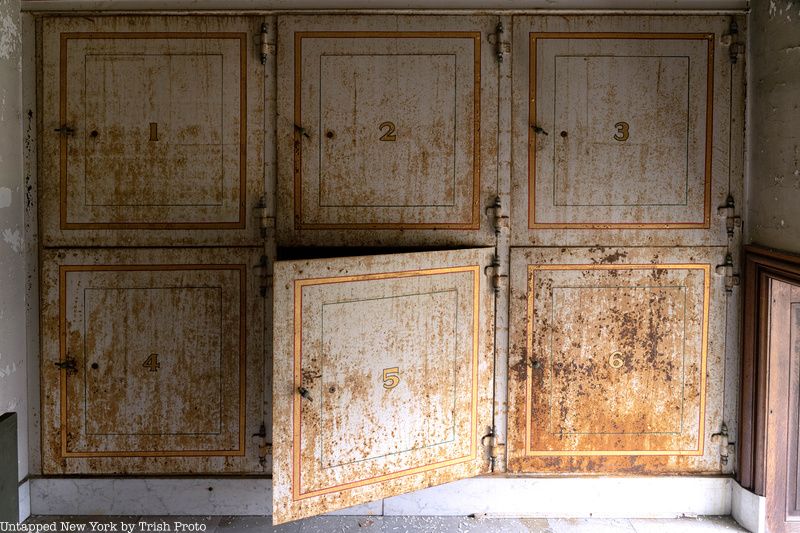
2. A Hidden Room Full of Safes Doesn’t Appear on Floorplans

While working to clean up the mansion and learn more about it, the Preservation Foundation has made many surprising discoveries. One such hidden gem they’ve found is a room full of individually locked safes. It is tucked away behind the Butler’s Pantry and squeezed between the first and second floors and is the only room in the mansion that doesn’t appear on floor plans. There are fourteen safes in total, each lined with a dark blue velvet.  These safes likely held the finest pieces of silver from the Widener’s dinner service. Unfortunately, no long-forgotten treasures were found inside when they were opened.

3. Underground Tunnels and Buried Gardens

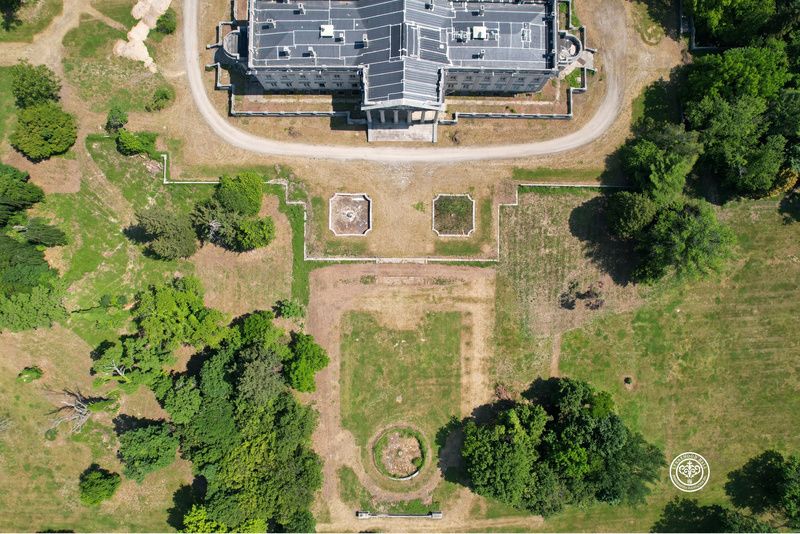
The Lynnewood Hall Estate didn’t just include the 100,000-square-foot mansion and the nearly 35 acres of land it sits on today. It originally covered 300 acres. On that land were two structures that still exist – Lynnewood Lodge (the former stables) and the Gatehouse – as well as a lost farm, a Normandy-style village for the staff, a powerplant, greenhouses, a polo field, and more. Snaking below the property is a large system of underground tunnels. VanScyoc told Untapped New York that the tunnel system may be even larger than they know. One branch of the tunnel system definitely goes from the basement of the main house to the central fountain in the front yard. A few manhole covers have been found around the property, but there may be more to uncover.

Another fun fact about the land is that the original gardens were buried. Upon the death of Peter Widener, his son Joseph inherited the property. Joseph and his father had slightly different tastes when it came to architecture and landscape design. Peter’s original landscaping for Lynnewood Hall was of an Italianate style with sunken gardens lined by balustrades. After Peter died, the sunken gardens were filled in and topped with a formal French garden.

4. Secret Doors and the Abraham Lincoln Couch

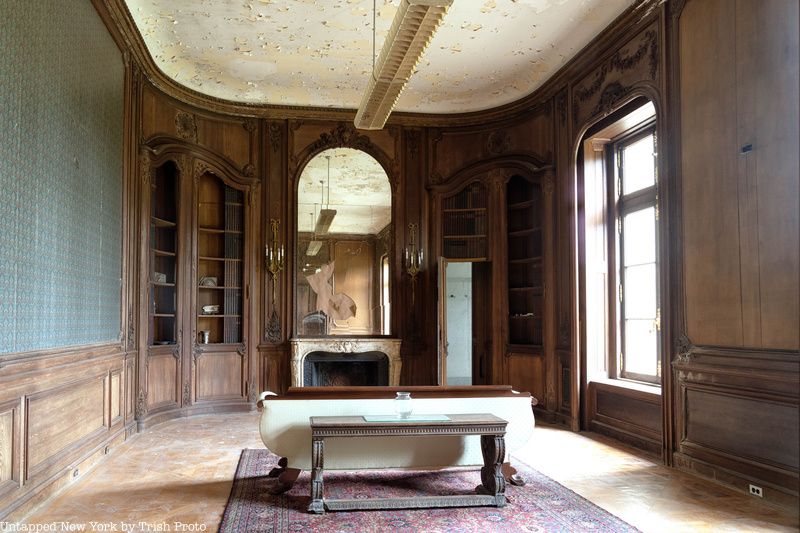
The smoking room is full of secrets! Take a peek at the right-hand side of the photo above. In the bookcase to the right of the mirror, you can see a hidden door. The door leads to a marble-clad bathroom for the gentlemen who would have enjoyed lounging in this space. The right side of that bookcase actually hides more shelves behind it, complete with false book spines. Throughout Lynnewood Hall there are many hidden doors, usually disguised as mirrors. Some doors are also fake. Rather than opening, they are simply built against a wall and give the illusion of an entryway.

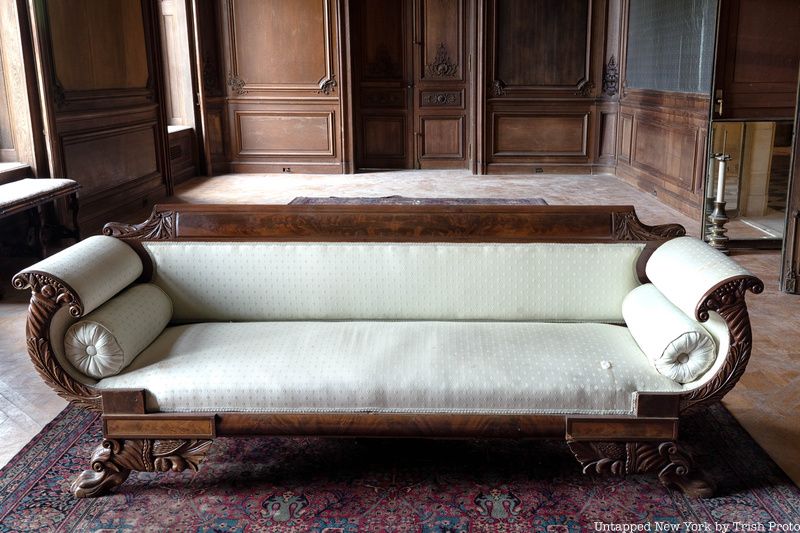
The couch in the smoking room is called the Abraham Lincoln couch because, so the story goes, Lincoln once sat in it. The couch, which is not original to the home, is allegedly from the New York Governor’s mansion and was graced by Lincoln’s rear end when he came to visit.

5. Tragic Ties to the Titanic

Many wealthy 19th-century families, the Wideners were touched by the tragedy of the Titanic. The family of Peter’s eldest son, George, booked tickets on the Titanic for their return trip from Paris. George and his wife Eleanor owned the Philadelphia Ritz-Carlton, so they were traveling to Europe to find a new chef for the hotel. They also needed to pick up a wedding trousseau for their daughter Josephine and some rare books for their son Harry. Harry, George’s valet Edwin Keeping, and Eleanor’s ladies maid Amalia Geigerhey went along for the trip. When the Titanic sank, George, Harry, and Edwin sadly lost their lives. Eleanor and Amalia made it safely to New York. This tragedy has long been one of the things that Lynnewood is most known for, but there is much more to the story of the Wideners and their opulent home.

SOURCE: UNTAPPEDCITIES.COM

What Shall We Bake Today?

Today’s offering is Hummingbird Cake!

Ingredients

For the Cake

2 cups all-purpose flour

1 1/3 cups granulated sugar

1 tsp. ground cinnamon

3/4 tsp. salt

3/4 tsp. baking soda

1/4 tsp. baking powder

1 cup canola oil

2 large eggs, beaten

1 1/2 tsp. vanilla extract

2 8-oz. cans crushed pineapple in juice, undrained

2 ripe bananas, chopped

1 cup chopped pecans

Nonstick baking spray with flour

For the Frosting

3/4 cup unsalted butter, softened

8 oz. cream cheese, softened

4 cups powdered sugar

1 tsp. vanilla extract

Pinch of salt 

For Decorating

1 cup toasted pecan halves

Directions

For the cake: Preheat the oven to 350°. 

Whisk together the flour, sugar, cinnamon, salt, baking soda, and baking powder in a large bowl. Stir in the oil, eggs, vanilla, and pineapple until evenly combined. Mash the bananas then add to the bowl with the pecans. Stir to combine. 

Spray 2 (8-inch) round baking pans with nonstick baking spray (or, butter and flour the pans). Divide the batter evenly between the prepared pans. Bake in the preheated oven until a wooden pick inserted in the center comes out with just a few small crumbs, 33 to 37 minutes. Cool the cakes in the pans on a wire rack for 10 minutes. Invert the cakes onto the wire rack and cool completely, about 1 hour.

For the frosting: Beat the butter and cream cheese in a stand mixer fitted with the paddle attachment on medium until smooth and creamy, 2 to 3 minutes. Add the powdered sugar then mix at low speed just until combined. Scrape the sides and bottom of the bowl. Add the vanilla and salt. Beat frosting on medium-high speed until light and fluffy, about 2 minutes.

Place one of the cake layers on a serving plate and top with about 1 cup of the frosting, spreading evenly to the edge. Top with the second cake layer. Spread the remaining frosting on the top and sides of the cake. 

To decorate the cake: Press the pecan halves along the base of the cake and around the top of the cake to create a ring. Slice and serve. 

Enjoy!

North Carolina State Mammal: Squirrel

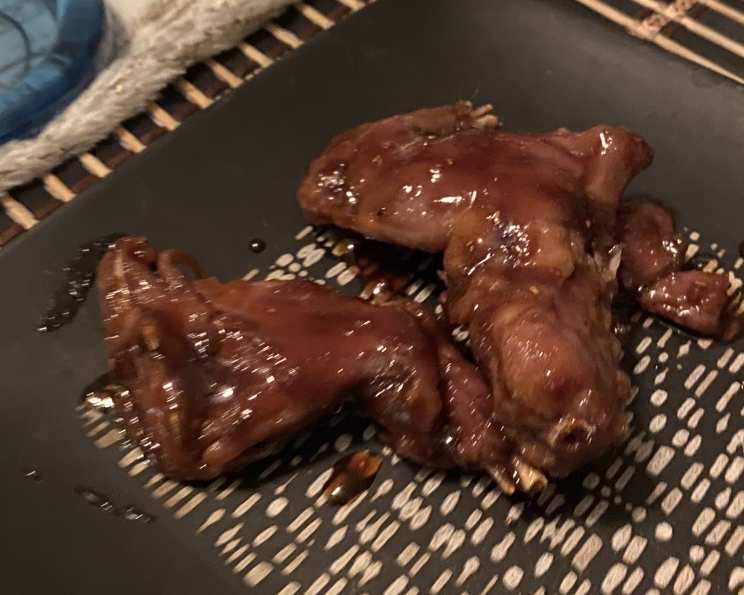
North Carolina shares the squirrel as their state mammal with Kentucky, so we’ve already covered this interesting but annoying little creature.  And we also covered National Squirrel Appreciation Day in January (along with the saga of Peanut), so this month, we’re going in a completely different direction.  On the georgiawildlifeblog, I found this article listing 5 recipes using squirrels.  I am only presenting names and pictures of the dishes.  If you’d like the actually recipes, please click on the link listed.

From: georgiawildlifeblog:

Squirrels are everywhere! In fact, they’re the most common species in Georgia. They also happen to be pretty dang tasty. No seriously, don’t knock it til you try it. With the longest season of any species in Georgia (Aug. 15 thru Feb. 28) and a bag limit of 12 per day, you can quickly bring home enough tree rat meat to try all of these delicious recipes.

Need your hunting license before you hit your local Wildlife Management Area (WMA) grocery store? You can grab that here.

Buttermilk Fried Squirrel with Southern Gravy

Barbecued Squirrel

Slow Cooker Squirrel and Veggies

Squirrel Casserole

Squirrel Alfredo

The Kryptos Cipher

Filly brought an interesting article about this Cipher outside the CIA building in Langley, Virginia.  I found this article, on the Popular Mechanics website describing the creation, the author and the puzzle.

From Popular Mechanics:

The creator of a well-known CIA cryptographic puzzle has just released a new clue to finally solve it. While the sculpture containing all of the scrambled letters is public, no one has cracked the complete code in the three decades it’s been standing. Part of the reason why this thing hasn’t been solved yet is because the guy who created the Kryptos sculpture, as it’s called, is an artist—not a cryptographer by trade.

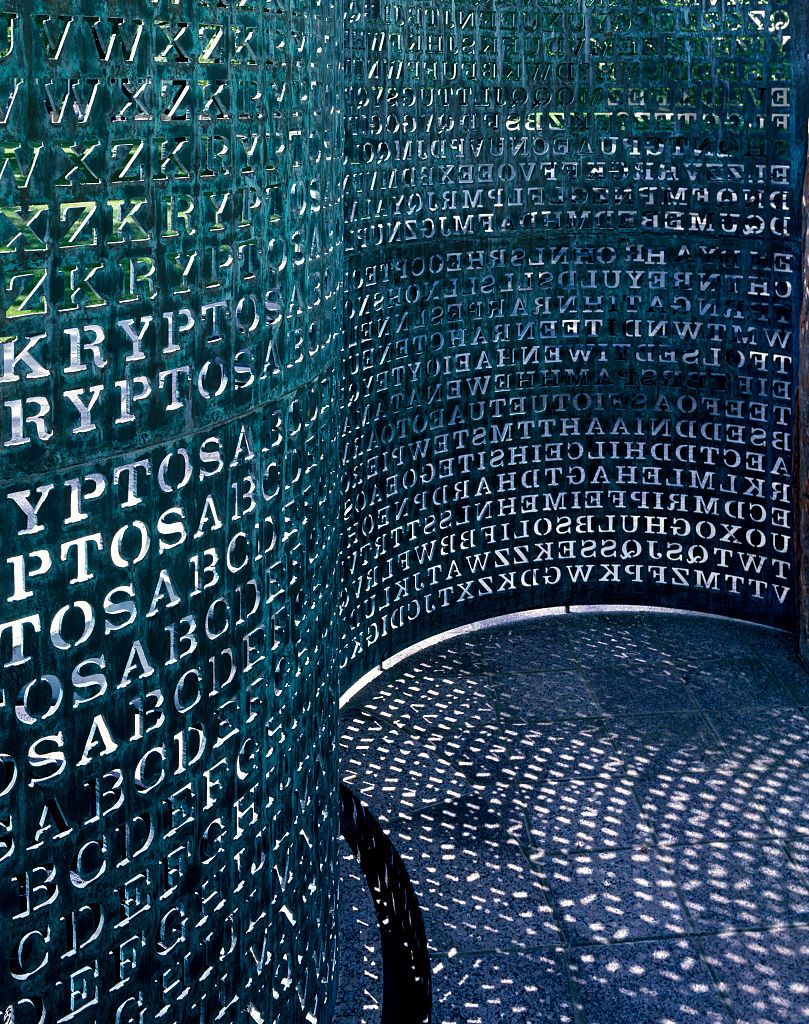
Imagine walking past a 12-foot-tall scroll covered in seemingly nonsensical letters every day for 30 years and wondering just what the hell it actually means. That’s probably how it feels to be the Central Intelligence Agency (CIA) employees who regularly pass by the infamous Kryptos sculpture in the courtyard of the bureau’s headquarters in Langley, Virginia.

Kryptos, devised by artist Jim Sanborn, has been around for nearly three decades, and yet no one has figured out what the full message says, let alone cracked the underlying riddle. Even the National Security Agency (NSA) could only decrypt part of the code.

Now, just months before a dedication ceremony in November to celebrate the copper scroll’s 30 years of stumping experts, Sanborn has released a third and final clue to help hobbyists—who easily number in the thousands, based on activity in code-cracking forums—figure out what the remaining, unsolved 97-character passage says. 

But Sanborn says unscrambling that phrase won’t exactly lead you to a quick victory. It’s really just the end of step one. “It’s a 97-character phrase,” he told NPR. “And that phrase is in itself a riddle. It’s mysterious. It’s going to lead to something else. It’s not going to be finished when it’s decoded.

A Brief History of Kryptos

In 1990, sculptors first erected Kryptos. At about 12 feet tall and 20 feet long, the now-greenish copper structure offers up some 240 square feet of frustration to all of the CIA employees and codebreakers—like video game developer and cryptologist Elonka Dunin—who set eyes on it.

Dunin is a master cryptographer and runs a helpful and in-depth website all about Kryptos. (She’s cracked so many codes that Dan Brown, author of The Da Vinci Code, even named a character in that book after her.) According to her site, Kryptos contains a series of punched-out letters in a metal structure, is made up of thousands of characters, and shows four total messages.

There are actually several various parts to Kryptos, all scattered around the CIA headquarters. There’s the ultra-famous copper scroll, which contains nearly 1,800 encrypted characters. It’s next to a petrified tree and a circular pool. Then there are several sheets of copper, embossed with Morse Code, and sandwiched between granite slabs. A nearby landscaped area includes more granite slabs and a duck pond. Finally, there’s an engraved compass with a needle pointing at a lodestone, a naturally magnetized form of magnetite rock.

Sanborn received a bit of help from Edward Scheidt, a retired chairman of the CIA’s cryptographic center, to come up with the codes for each passage. The Kryptos message contains a partial guide to the code’s solution inside the panels of the sculpture.

Thanks to two prior clues from Sanborn in 2010 and 2014, the first three passages have been solved by the likes of NSA employees and James Gillogly, a computer scientist, but the final 97-character portion still eludes experts.

“It is considered to be one of the most famous unsolved codes of the world,” Dunin said in a documentary interview. “Here we are going on 30 years, and it still hasn’t been cracked.”

The Transcript

The first portion of the Kryptos puzzle is a poetic phrase, written by Sanborn, himself:

BETWEEN SUBTLE SHADING AND THE ABSENCE OF LIGHT LIES THE NUANCE OF IQLUSION.

Sanborn says that the misspelling of “illusion” as “iqlusion” was intentional, to make it tougher for cryptographers to decode.

In the second phrase, the exact latitude and longitude of the CIA headquarters is pointed out, and something buried is hinted at:

DOES LANGLEY KNOW ABOUT THIS? THEY SHOULD: IT’S BURIED OUT THERE SOMEWHERE. X WHO KNOWS THE EXACT LOCATION? ONLY WW.

Apparently “W.W.” is a reference to William Webster, who headed the CIA when the sculpture was first unveiled in 1990. Sanborn allegedly gave him a key to decipher the code.

In the third section, there are lines from archaeologist Howard Carter’s diary, describing a door opening into King Tut’s tomb. Note that there are more misspellings:

SLOWLY, DESPARATLY SLOWLY, THE REMAINS OF PASSAGE DEBRIS THAT ENCUMBERED THE LOWER PART OF THE DOORWAY WAS REMOVED. WITH TREMBLING HANDS I MADE A TINY BREACH IN THE UPPER LEFT-HAND CORNER. AND THEN, WIDENING THE HOLE A LITTLE, I INSERTED THE CANDLE AND PEERED IN. THE HOT AIR ESCAPING FROM THE CHAMBER CAUSED THE FLAME TO FLICKER, BUT PRESENTLY DETAILS OF THE ROOM WITHIN EMERGED FROM THE MIST. X CAN YOU SEE ANYTHING? Q

Karl Wang, a student at the University of California San Diego who created a page with the solutions, says the third passage is much more difficult to crack than the prior two.

“The first two parts are straight-forward enough that nearly anybody with a simple education in cryptography can solve them,” he said on his page. “The third part is much more advanced, and the fourth part is borderline impossible.”

Karl Wang

Gillogly was the first to publicly announce a solution for the first three parts, which he completed with a computer attack in 1999, according to Dunin’s website. Afterward, the CIA said its own analyst, David Stein, had also solved those first three parts, but had done so a year prior with paper and pencil.

Two years after Stein’s solution was announced, the NSA claimed it had a team that solved parts one through three all the way back in 1992, but kept mum. Still, no one has cracked part four.

To solve the first two passages, codebreakers used vigenere, which is what cryptologists call a polyalphabetic substitution cipher system. It means multiple alphabets are used to encrypt one message. Created in the 16th century by cryptographer Giovan Battista Bellaso, the scheme was easy to create, but excruciatingly hard to crack. It wasn’t until nearly 300 years later that a vigenere cipher was first solved, leading the French to call it “le chiffre indéchiffrable,” or “the indecipherable cipher.” Today, people mostly use computers to crack these codes.

How to Solve the Code

To solve part four, Dunin and other cryptologists have tried every method at their disposal, from polyalphabetic substitution to transposition. No such luck. Now, with three clues in hand, “BERLIN,” CLOCK,” and “NORTHEAST,” it’s your turn.

When you think you have the answer right, head to Sanborn’s website, where you can find the best way to contact him to see if your solution is correct. Right now, it’s an email process that costs $50 per entry.

If all else fails, don’t get too hard on yourself. “Kryptos” is Greek for “hidden,” and it looks like the answers to this puzzle might well be tucked away for another 30 years—or at least until Sanborn dies and eventually auctions off the solution to the code. He told The New York Times that any of the money raised through an auction will go to climate science.

SOURCE: POPULARMECHANICS.COM

Pat’s Note: This seems like a waste of time.  Deliberately misspelling a word to make it harder is unthinkable and charging $50 to submit a guess/answer seems like a cheap money-making scheme. 

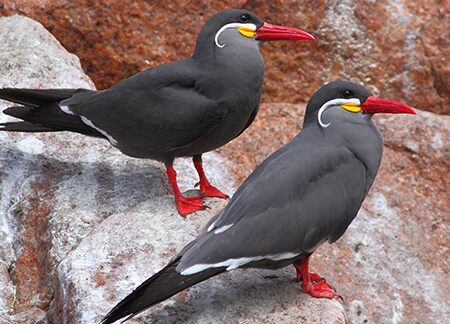
Inca Tern

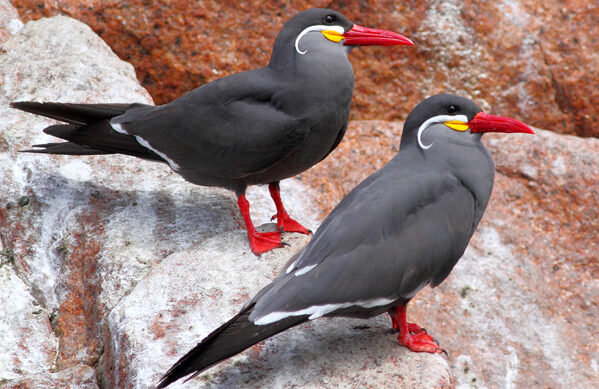
This striking bird occupies part of the same habitat ruled by the ancient Inca Empire in South America. Inca Terns are best known by their dashing white mustaches, which are found on both male and female birds.

The species is found only near the cold waters of the Humboldt Current, where the birds feed on anchovies and other small fish. Like Least Terns, Inca Terns feed by plunge diving and surface dipping. The birds also scavenge scraps from sea lions, dolphins, and fishing boats. Declining fish stocks are one of the reasons for this species’ population decline.

Nesting by the Thousands

It’s a gregarious species, nesting in colonies of several thousand birds. The recording on this page, from Pantanos de Villa Wildlife Refuge outside of Lima, Peru, gives an idea of what these noisy colonies are like.

The Inca Tern’s elaborate courtship includes a “high flight,” with the male quickly ascending to several hundred feet, pursued by the female. Pairs choose a nest site in cliff hollows or fissures—sometimes even in the old nest burrow of a Humboldt Penguin. They often return to the same nest site for several years in a row, and both parents incubate and care for the chicks.

“Coastal Peru is a spectacular place to see vast numbers of Inca Terns and other seabirds such as Peruvian Boobies and Guanay Cormorants,” said ABC Vice President Mike Parr.

“It’s hard to imagine that there were once even more seabirds using these waters. The double-whammy of over-fishing and excessive guano harvest—which eliminates nest sites—has been compounded by the effects of the El Niño cycle, which affects fish stocks.”

From Threats to Protection

Rats, cats, and other introduced predators on some islands also affect nesting and breeding success. Islands are particularly susceptible to the effects of invasive species; for example, free-roaming cats have contributed to the extinction of 33 species on islands.

Following years of lobbying by in-country NGOs, the Peruvian government created the Guano Islands and Capes National Reserve in 2009, protecting Inca Tern as well as sea lion breeding colonies on 28 guano islands and cliffs along the coastline.

SOURCE: ABCBIRDS.ORG