Who’s Your Daddy?

Father’s Day is coming up this month, and I wanted to look at some pretty involved animal dads.

From: WILDLIFEINFORMER.COM:

In the animal kingdom, the level of parental care varies greatly from species to species. Some animals, like many egg laying (scientifically known as oviparous) animals do not invest any energy into caring for their young. Some mothers will nurse and look after their offspring for months after giving birth. And some offspring are looked after by both their mother and father! In this article we will introduce some of the best animal dads.

Producing offspring increases an animal’s fitness through passing on one’s genes. In the animal world, passing on your genes is crucial and is of the utmost importance! Most animals that produce only a few offspring at a time, like mammals, typically invest more energy into caring for their young in hopes that this will result in their young growing up to be healthy and strong.

But there are a few other types of animals that provide a great deal of care when raising young!

11 Best animal dads:

In most cases the parenting duties fall on the female, while the father goes on to mate with other females in an attempt to spread his genes as often and as widely as he can. But reproduction and parental care is a costly affair, which is why some animals take a shared approach to caring for their young.

Human dads aren’t the only great fathers, and this list proves just that!

1. Common marmoset (Callithrix jacchus)
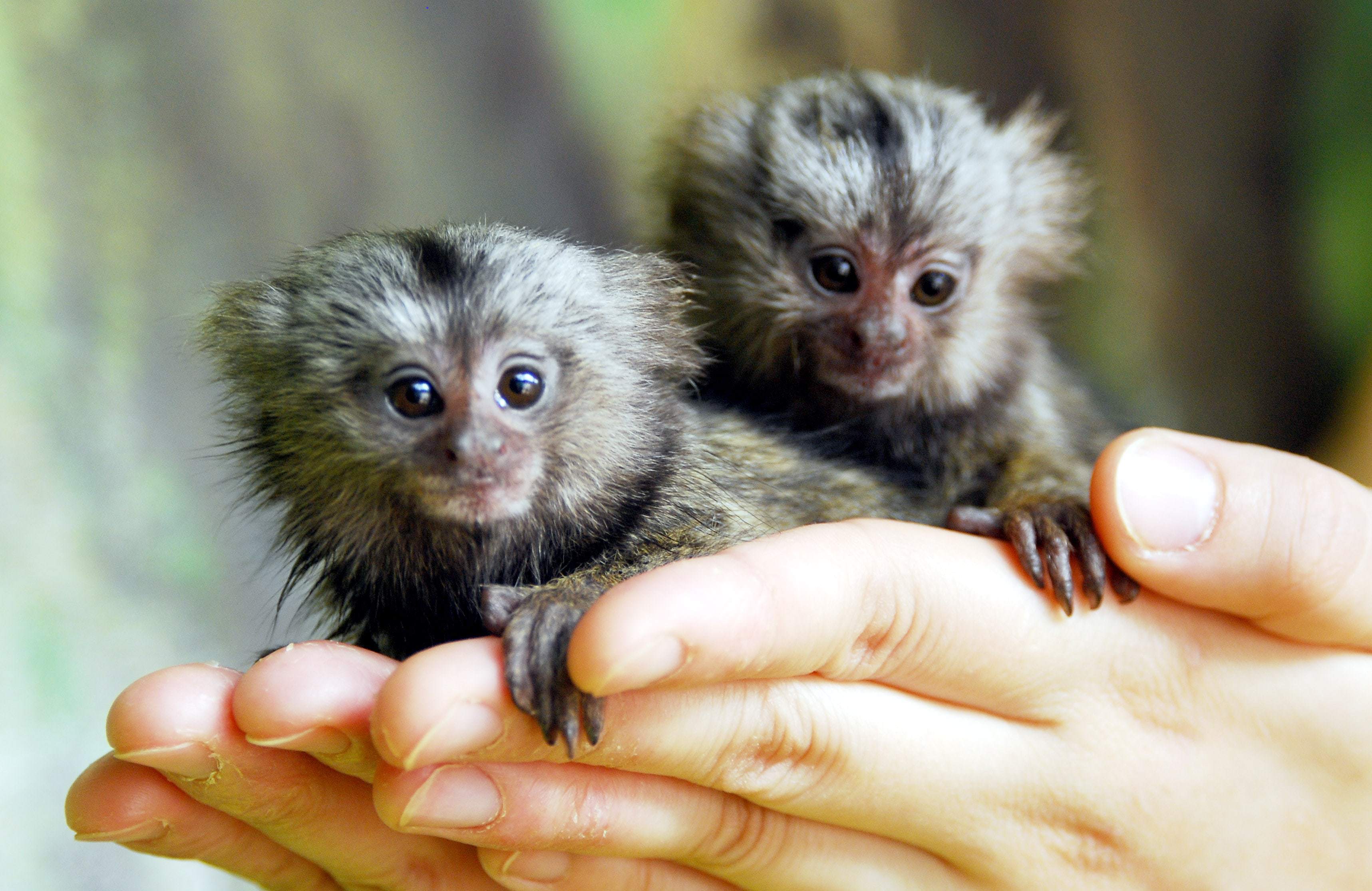
The Common marmoset is a small primate native to East-Central Brazil. These monkeys form small, but tight knit family groups. Interestingly enough, Common marmoset fathers almost act as a midwife during the birth of their offspring and help to clean up the afterbirth. Following the birth, the fathers will help to feed and carry their young and help raise them up.

2. Seahorses (Hippocampus spp.)
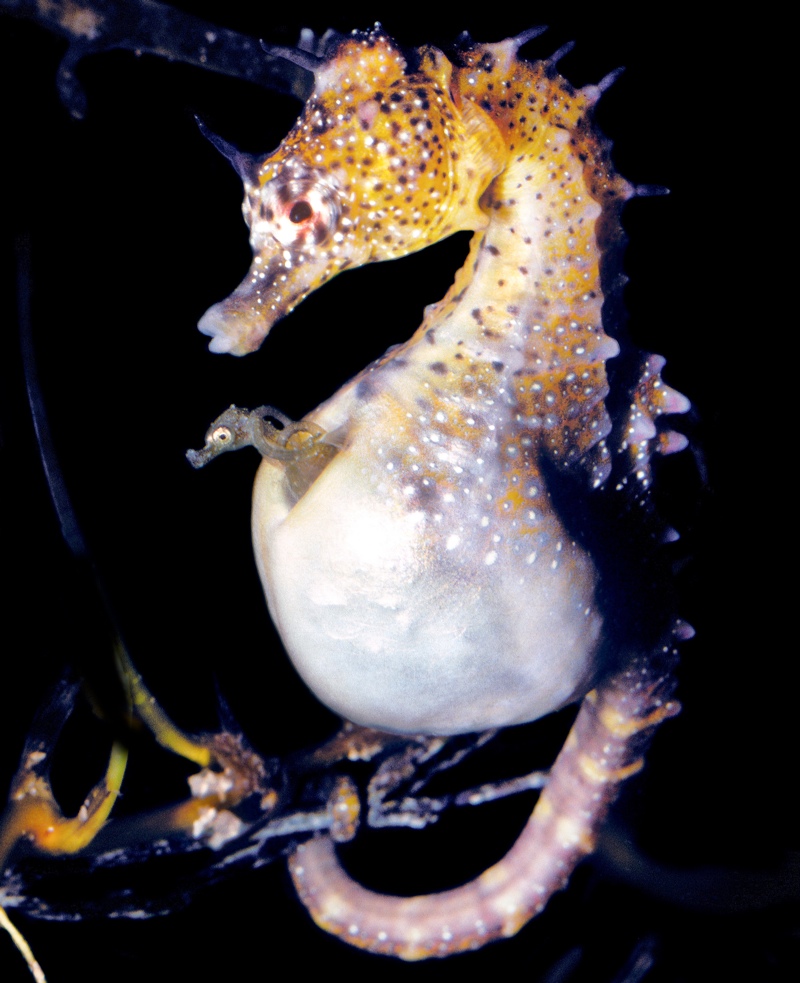
Male Seahorses take fatherhood to the next level. While nearly all female animals are responsible for giving birth, it is actually the male Seahorses that carry and then birth their babies. Following mating, females will transfer eggs to the male where he will fertilize them and carry them until they are developed enough to be born.

3. Emperor penguin (Aptenodytes forsteri)

Emperor penguins, the largest species of penguin make incredible fathers! The female only lays a single egg in a breeding season, making it extra important that the egg is well taken care of. The male will incubate the egg for the entire duration, about two months while the mother heads to the ocean to forage for food. Following hatching, the parents split their parenting duties.

4. Gorilla (Gorilla gorilla)
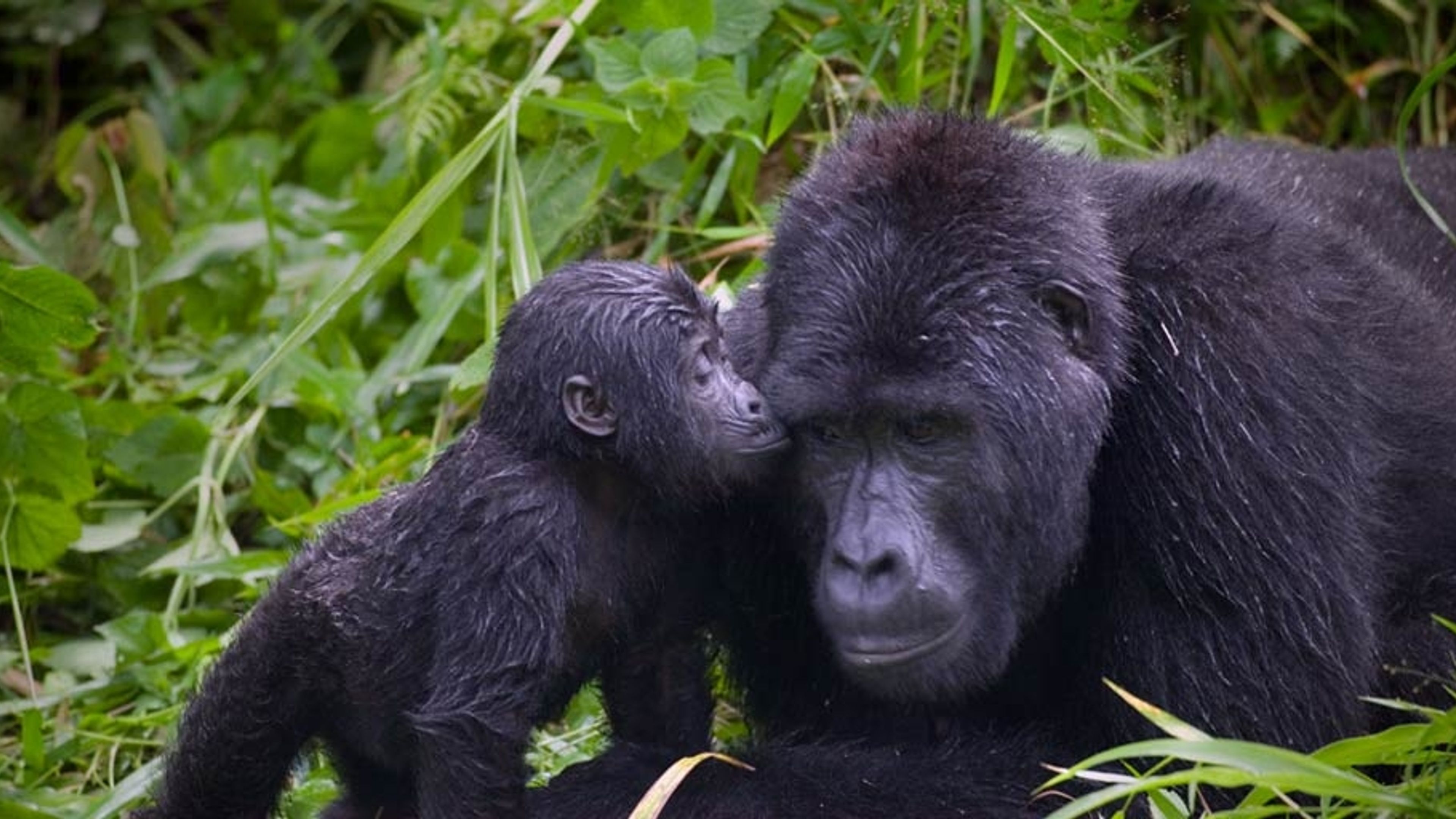
The king of the jungle, the gorilla is an excellent father figure for young gorillas. Male gorillas tend to lead social groups of up to 30 other gorillas, however there is typically only one adult male per troop. This alpha male is in charge of protecting their troop as well as teaching the young how to socialize with other gorillas.

5. Piping plover (Charadrius melodus)

Piping plovers are small, endangered shorebirds that split their parenting duties nearly 50/50. Both parents will take turns sitting on the eggs during incubation while the other parent goes to feed. Males will even create a distraction by acting like they are injured, called a broken wing display to distract potential predators away from their nest or chicks. Male killdeer, a similar species, will also take turns sitting on the eggs and participating in helping to raise the young.

6. Red fox (Vulpes vulpes)

Red fox fathers are both loving and strict. They will bring food to the den after the mother gives birth so that the mother can stay in the den with their kits. Once the kits get to be a bit older, the father will play and run with them. He will also stop bringing food to the den and will instead hide it nearby to teach his young how to find their own food!

7. Golden lion tamarin (Leontopithecus rosalia)

The bond between a baby Golden lion tamarin and father is a tight one! After just a couple of weeks, the babies will be clung to their father’s backs nearly 24/7, only being passed back to their mother every few hours to nurse. One they are weaned, the father helps to find food for their babies and will even hand-feed them.

8. Greater flamingo (Phoenicopterus roseus)

Greater flamingos have co-parenting down to a science. Both parents are involved in building the nest by pushing up mounds in the mud. The female lays a single egg and then they both take turns incubating the egg. The father also helps to feed it’s chick with it’s crop milk, which is a nutrient-rich fluid excreted from the esophagus.

9. Pouched frog (Assa darlingtoni)

While amphibians don’t get much recognition for being good fathers, the pouched frog is the exception! These frogs, like many other animals found in Australia have a pouch that they use to carry their young in. The mother lays her eggs, and both parents will guard the eggs. Once the eggs hatch and morph into tadpoles, the father will carry them in his pouch while they continue to develop.

10. Gray wolves (Canis lupus)

Wolves are apex predators that form packs that are headed by one male that pairs up with one of the females in the pack. This male will watch over his mate and pups by standing guard outside of their den. Gray wolf fathers will also bring back food to their young and even regurgitate it for the young pups. Alpha males are very territorial and will protect their territory to ward off any other unwelcome males or potential threats.

11. Lions (Panthera leo)
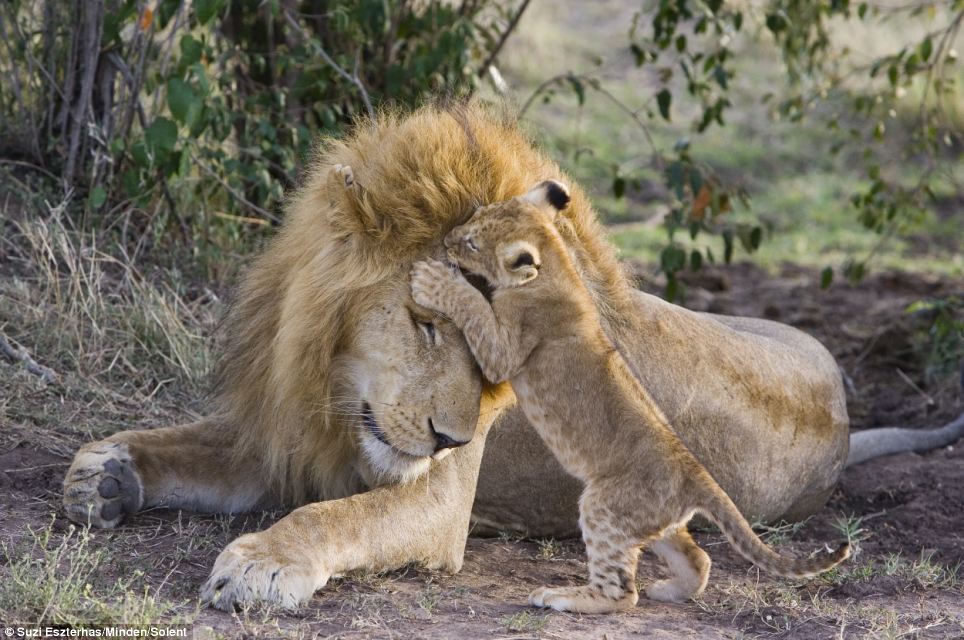
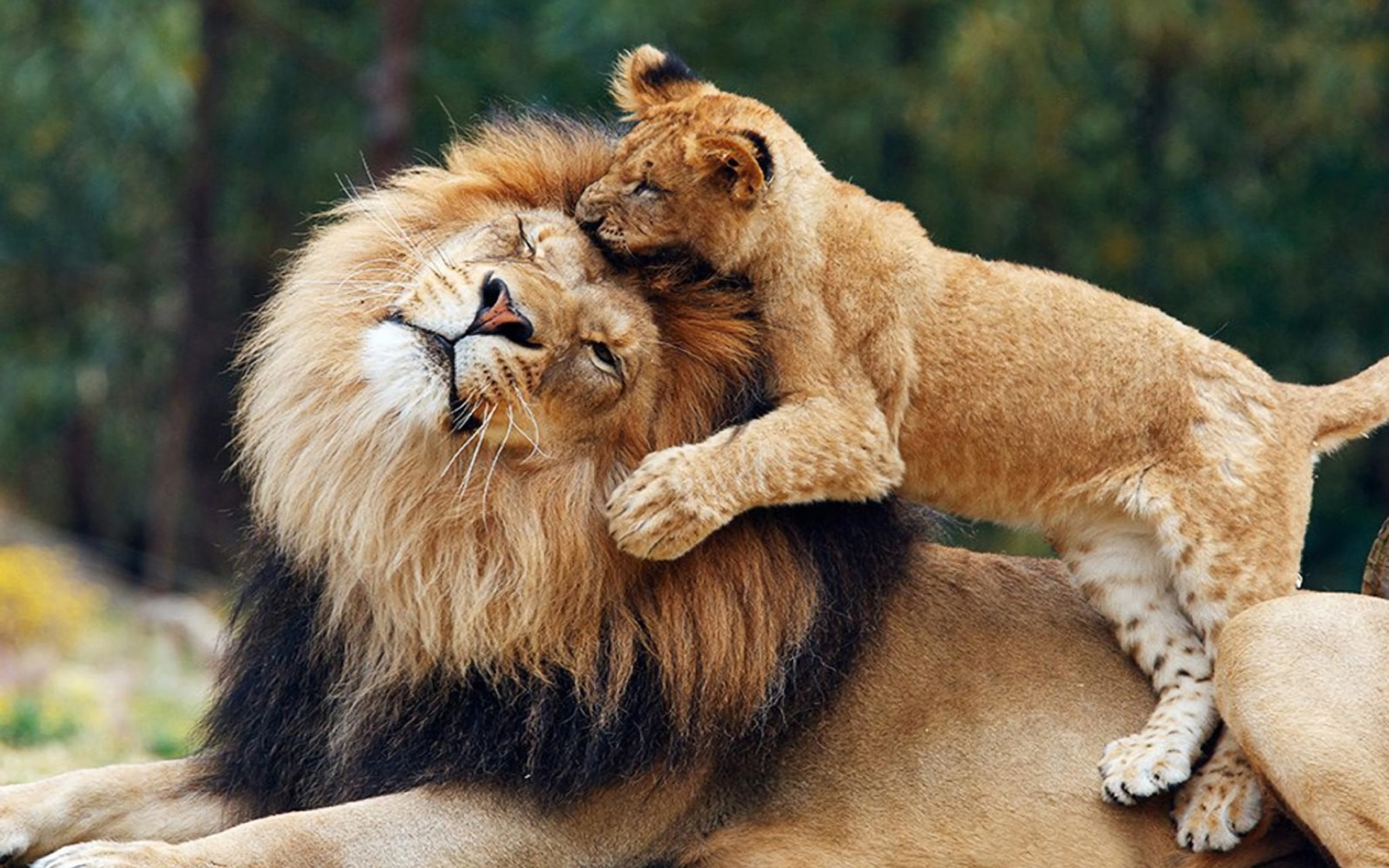
While male lions have a reputation of being lazy, which can be true in some cases, they are actually quite dedicated fathers when it comes to protecting their cubs. Lions form groups called a pride that tend to only have one adult male, the alpha male and several females and his many offspring. Father lions will go to great lengths to not only protect his cubs, but the entire pride from other male lions or any threats.

SOURCE: WILDLIFEINFORMER.COM
Camp Century

All the latest chatter about acquiring Greenland just became much more relevant to me.  I found this article on the allthatsinteresting.com website detailing a hidden American base UNDER the ice in Greenland.

From: allthatsinteresting.com:

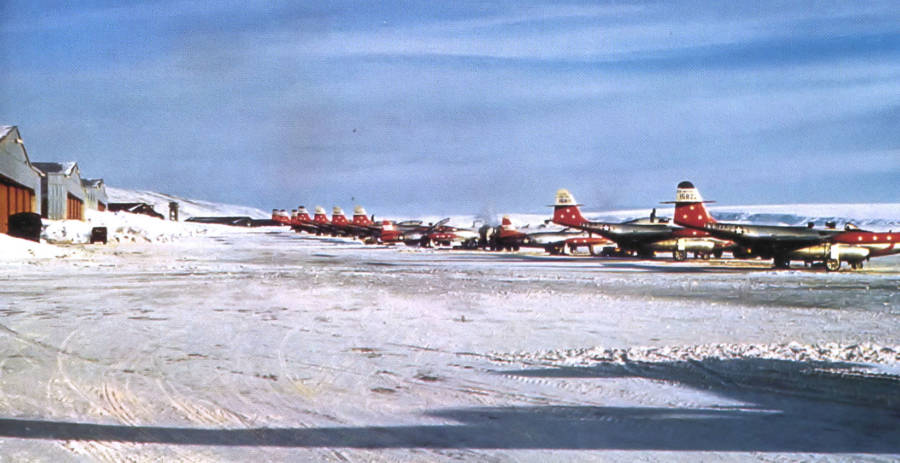
Constructed by the United States during the Cold War, Camp Century was built so the Soviets never had any hope of finding it.

Buried underneath the frozen wonderland of Greenland’s vast ice sheet is a remnant of the Cold War. It’s not a plane wreck site or some classified piece of fantastic military hardware, but something far more interesting: Camp Century.

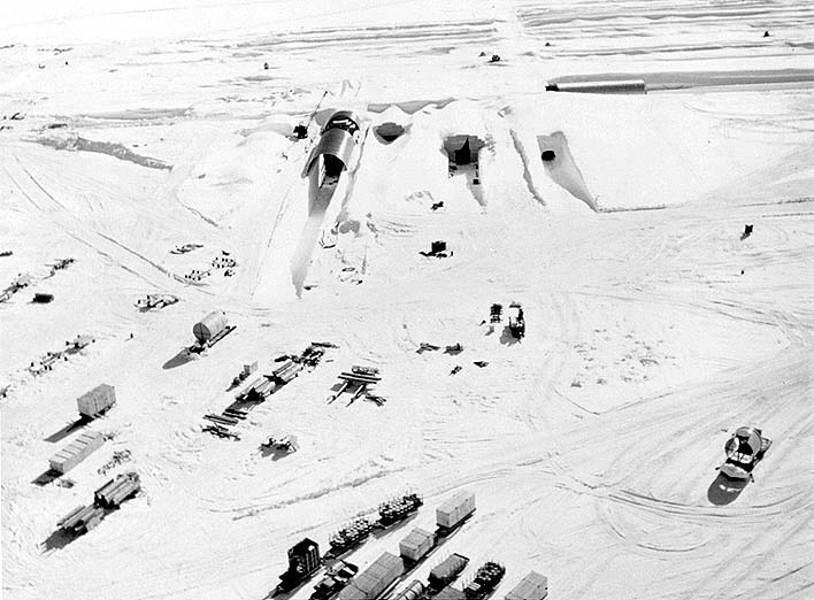
Camp Century, the result of Project Iceworm, was a small, full-fledged city less than 800 miles from the North Pole. Even more impressive, it was powered by a mobile nuclear reactor. The outpost started as a scientific operation around 150 miles inland from Thule Air Base. Eventually, the U.S. military thought it would be an ideal place to expand its operation into something much more sinister than a mere science outpost.

The idea behind a frozen base in a barren wasteland was that no one would think to bomb or invade the area. Even if Soviet planes knew the general location (as shown in this documentary film on the base), the blinding snow conditions would make the installation impossible to see, and because it’s buried beneath the ice, radar from planes would be useless as a detection method.

Think of Camp Century as the ice planet of Hoth in The Empire Strikes Back and you get the idea. No one in the Empire believed a base would exist there, which made it the perfect place to hide rebels.

A Construction Nightmare

The U.S. Army Corps of Engineers had to import everything to construct the base in 1959. Massive machines from Switzerland tunneled out the ice and snow at 1,200 cubic yards per hour. The longest tunnel, called Main Street, measured 1,100 feet long, 26 feet wide and 28 feet tall. These tunnels were covered with corrugated steel sheets for a solid structure, and then the sheets were buried in the snow.

Once the tunnels were hollowed out, special infrastructure had to be constructed. Wooden buildings provided places for men to sleep, eat and work. Special air tunnels, dug up to 40 feet deep into the floor, surrounded each building to keep cold air circulating into Camp Century. Without them, the snow would melt and destroy everything.

Even with the cold air tunnels, melting was a ubiquitous worry. Men had to constantly monitor tunnels for deformations and changes. People had to trim tunnel walls and roofs all of the time to combat melting.

The existence of the base wasn’t a secret – Walter Cronkite profiled it in 1961 when he visited – but the military chose to mask the true purpose of Camp Century.

The U.S. military originally wanted to store hundreds of ICBMs underneath Greenland’s ice sheet. While the engineers stationed there conducted climate research (the first core sample ever taken to study climate change came from Camp Century), Project Iceworm sought to weaponize the base.

The blueprint was to make this a storage facility for nuclear missiles. The military planned to dig 2,500 miles worth of tunnels and store up to 600 ICBMs that could hit the Soviet Union. Because the base was so remote and the Soviets wouldn’t think to launch nukes into Greenland, the belief was that the base could survive, launch its own missiles, and strike back even if the mainland United States suffered horrendous losses.

Abandonment Of Camp Century

Eventually, military commanders abandoned the idea of storing launch-ready nukes underneath a frozen glacier. The engineering feats were too hard and not cost-effective. The military abandoned the base in 1967, just eight years after commanders first mapped out Camp Century.

The vacant facility still poses a threat even though it was decommissioned more than 50 years ago. The army thought snow and ice would continue to accumulate and keep the base buried forever. Then climate change happened.

Experts estimate that 53,000 gallons of diesel fuel, several carcinogenic compounds, and small amounts of nuclear waste may seep into the surrounding environment by 2090. That’s after the 115 feet of snow covering the base melts away due to a five-degree rise in global temperatures.

The lesson here is that even secrets that you think lay hidden beneath a permanent layer of ice and snow may come back to bite you eventually.

Luckily, there aren’t 600 nukes just waiting to be found by rogue elements.

SOURCE: ALLTHATSINTERESTING.COM

Ohio State Flower: Scarlet Carnation

The scarlet carnation, Ohio’s state flower, holds a special place in the hearts of Ohioans. Its vibrant red hue symbolizes the energy and determination of the state’s people. The history and significance of the scarlet carnation are deeply rooted in Ohio’s culture and heritage. In this article, we’ll delve into 10 fascinating facts about the Ohio state flower, shedding light on its symbolism, cultivation, and impact on the state’s identity. From its historical connections to its role in local traditions, the scarlet carnation embodies the spirit of Ohio in a truly unique way. Join us as we explore the captivating world of Ohio’s beloved state flower and uncover the stories and secrets hidden within its delicate petals.

Key Takeaways:

The Scarlet Carnation, Ohio’s state flower, symbolizes luck, admiration, and unity. Its spicy fragrance and vibrant petals inspire artists and poets, adding elegance to floral arrangements and embodying Ohio’s natural beauty.

Designated in 1904, the Scarlet Carnation represents Ohio’s resilience and pride. Associated with President William McKinley, it continues to bloom as a timeless emblem, captivating hearts with its enduring symbolism and cultural significance.

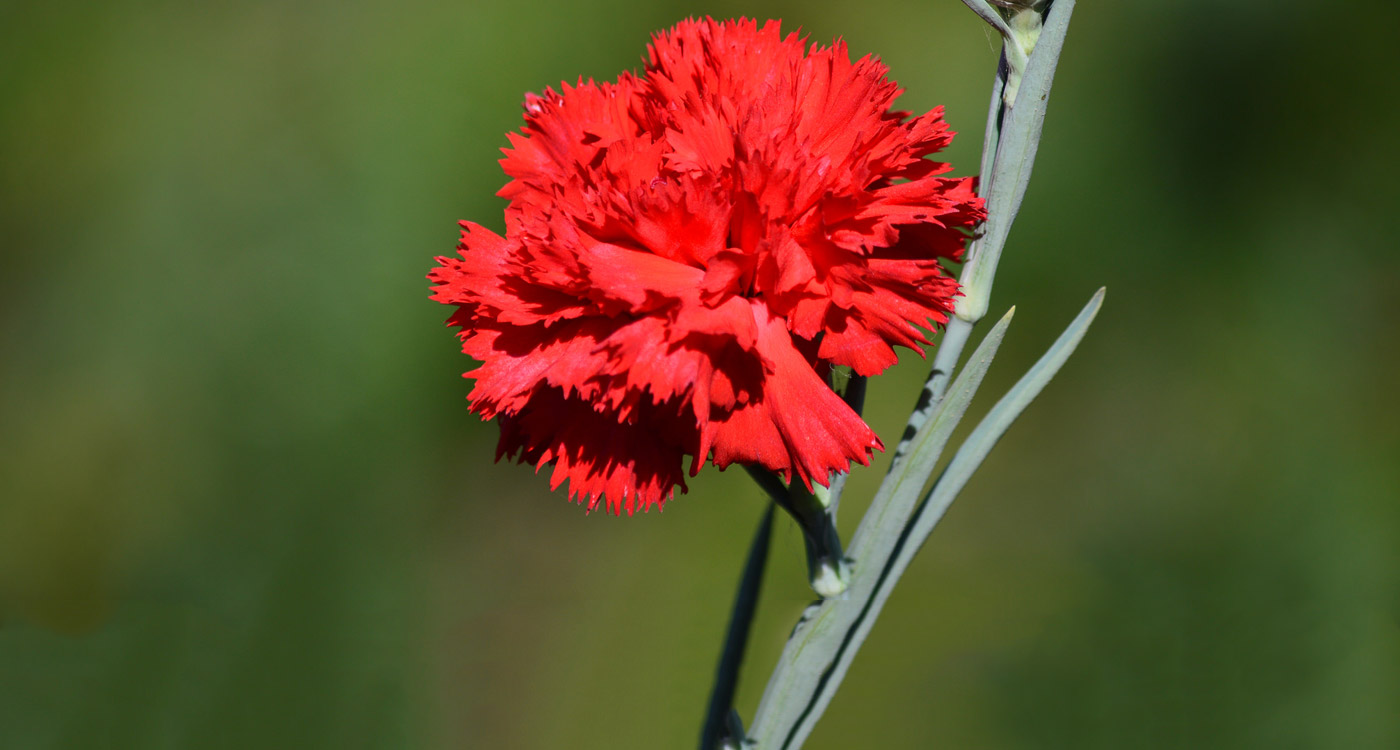
The Scarlet Carnation is the Ohio State Flower.

The Scarlet Carnation, also known as Dianthus caryophyllus, holds the esteemed title of being Ohio’s state flower. This vibrant bloom boasts a rich history and cultural significance, making it a beloved symbol of the state. The Scarlet Carnation’s striking appearance and captivating fragrance have solidified its place in the hearts of Ohioans and flower enthusiasts alike.

The Scarlet Carnation was designated as the state flower in 1904.

In 1904, the Ohio General Assembly officially declared the Scarlet Carnation as the state flower, honoring its deep-rooted connection to the state’s history and its widespread popularity among the people. This prestigious designation further elevated the flower’s status, cementing its position as a cherished emblem of Ohio’s natural beauty.

The Scarlet Carnation is deeply associated with President William McKinley.

The Scarlet Carnation holds a special significance in Ohio due to its association with President William McKinley, who was known for adorning his lapel with the vibrant bloom. This enduring tradition has contributed to the flower’s iconic status within the state, symbolizing honor, resilience, and the spirit of Ohio.

The Scarlet Carnation is a symbol of good luck and admiration.

Throughout history, the Scarlet Carnation has been revered as a symbol of good fortune and admiration. Its vivid red hue exudes a sense of passion and admiration, making it a popular choice for gifts and special occasions. The flower’s enduring symbolism has woven it into the fabric of Ohio’s cultural tapestry, where it continues to be cherished for its timeless beauty and significance.

The Scarlet Carnation is known for its spicy fragrance.

One of the most enchanting qualities of the Scarlet Carnation is its distinct spicy fragrance, which sets it apart from other floral varieties. The captivating scent of the Scarlet Carnation adds an extra layer of allure to its visual appeal, making it a sensory delight for all who encounter it.

The Scarlet Carnation is a perennial flowering plant.

As a perennial flowering plant, the Scarlet Carnation graces Ohio’s landscapes with its vibrant blooms year after year. Its enduring presence symbolizes resilience and longevity, mirroring the spirit of the state and its people. This perennial nature further cements the Scarlet Carnation’s status as a timeless emblem of Ohio’s natural beauty.

The Scarlet Carnation is a popular choice for floral arrangements and bouquets.

Due to its striking appearance and symbolic significance, the Scarlet Carnation is a favored choice for floral arrangements and bouquets. Whether adorning special events, weddings, or everyday occasions, the Scarlet Carnation’s vibrant petals add a touch of elegance and meaning to any setting, further solidifying its place in Ohio’s floral heritage.

The Scarlet Carnation is a source of inspiration for artists and poets.

The Scarlet Carnation’s captivating beauty and rich symbolism have inspired artists and poets throughout history. Its vibrant red petals and cultural significance have been immortalized in various artistic expressions, showcasing the enduring impact of this beloved state flower on Ohio’s creative landscape.

The Scarlet Carnation represents unity and pride in Ohio’s floral emblem.

As the Ohio State Flower, the Scarlet Carnation serves as a unifying symbol, fostering a sense of pride and connection among the state’s residents. Its enduring presence in Ohio’s cultural traditions and its representation of unity further solidify its status as a cherished emblem of the state’s natural heritage.

The Scarlet Carnation continues to bloom as a timeless symbol of Ohio’s natural beauty.

With its rich history, cultural significance, and enduring allure, the Scarlet Carnation stands as a timeless symbol of Ohio’s natural beauty. Its vibrant petals and deep-rooted symbolism continue to captivate hearts and minds, ensuring that the Scarlet Carnation remains an integral part of Ohio’s floral legacy for generations to come.

Conclusion

In conclusion, the Ohio state flower, the scarlet carnation, holds a special place in the hearts of Ohioans and symbolizes their pride and resilience. Its vibrant red hue and delicate petals make it a beloved emblem of the state’s natural beauty and rich history. The scarlet carnation’s journey from being a cherished symbol of good luck to its official designation as the state flower is a testament to its enduring significance. As Ohio continues to flourish, the scarlet carnation stands as a timeless representation of the state’s strength, determination, and unwavering spirit.

SOURCE: FACTS.NET

Alcatraz

Today is Clint Eastwood’s birthday (born 1930) and one of his movies—Escape from Alcatraz—still intrigues me.  I found this article, written by Natasha Frost, on the History.com website.

From Natasha Frost:

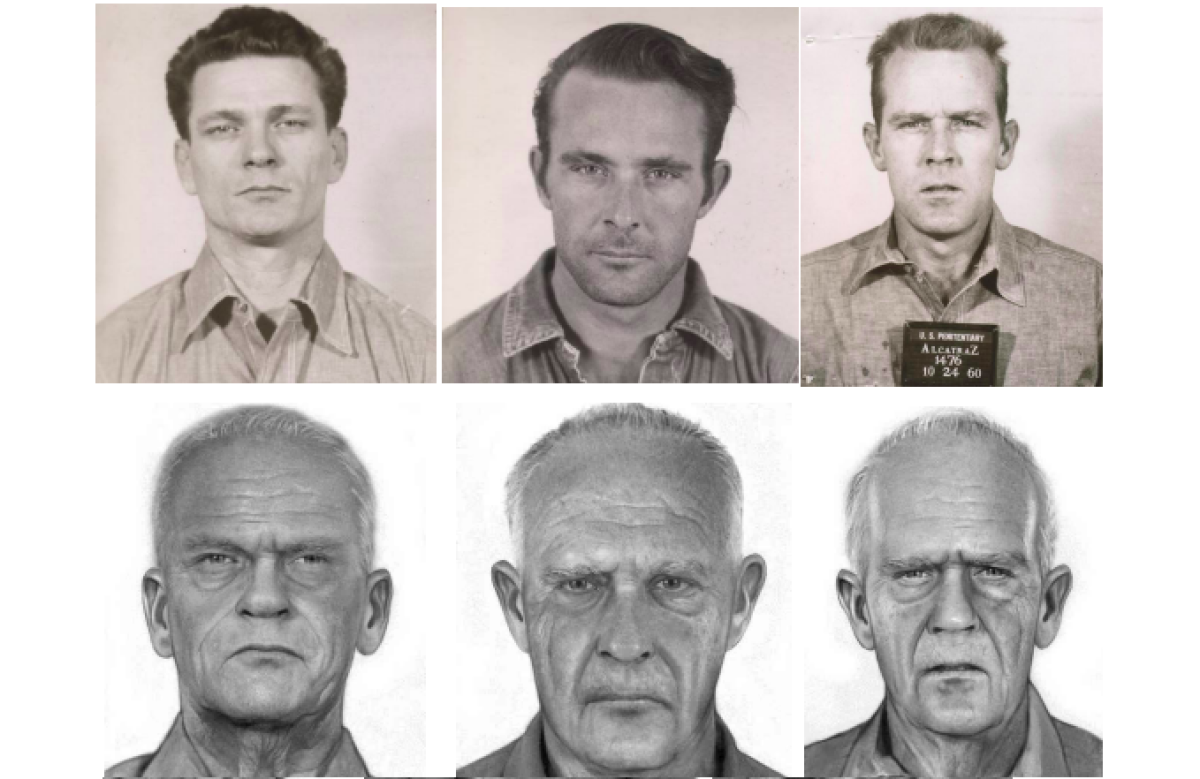
A 2013 letter to the FBI, if real, suggests the Anglin brothers and Frank Morris survived one of the most daring—and dangerous—prison breaks of all time.

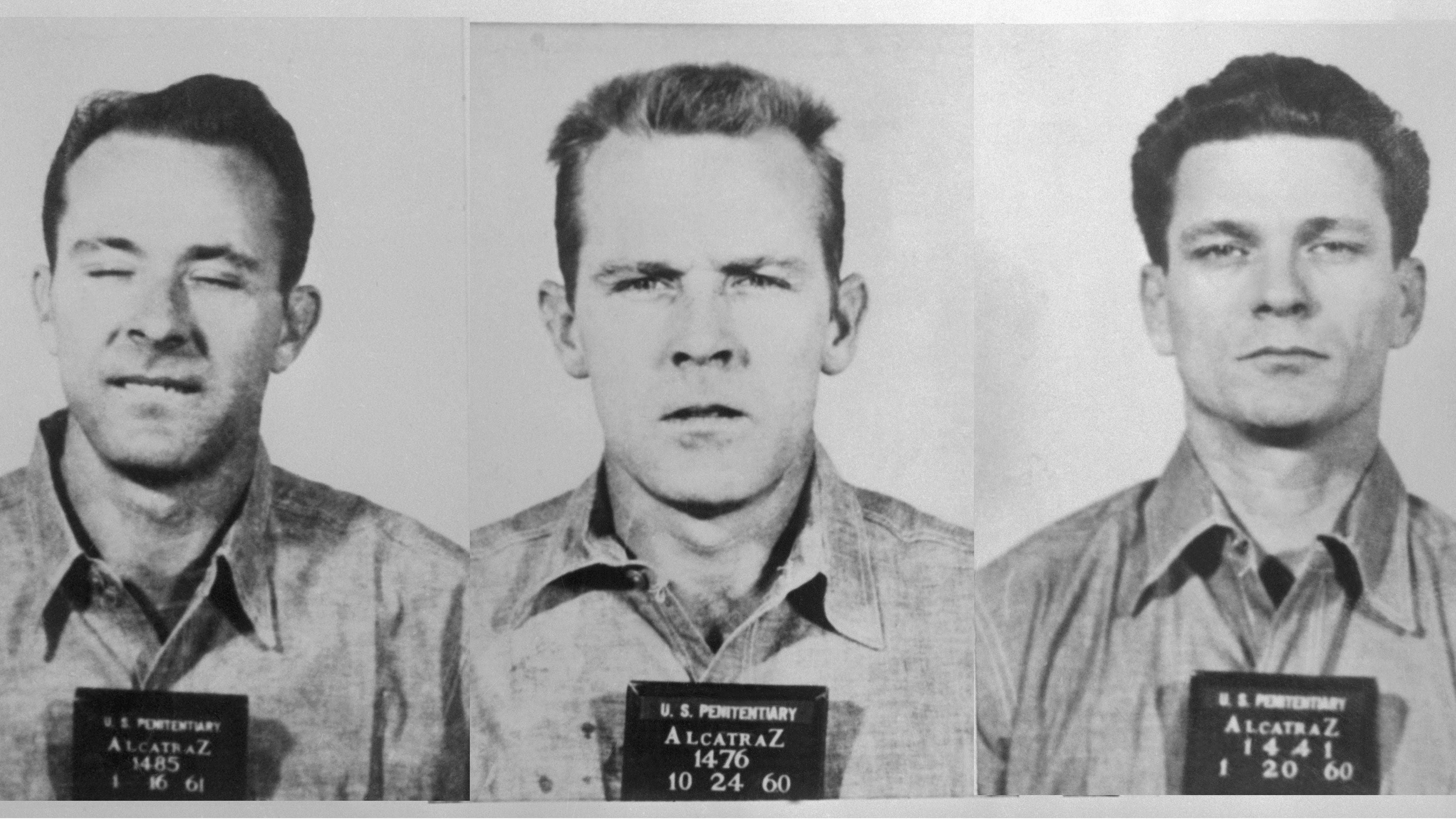
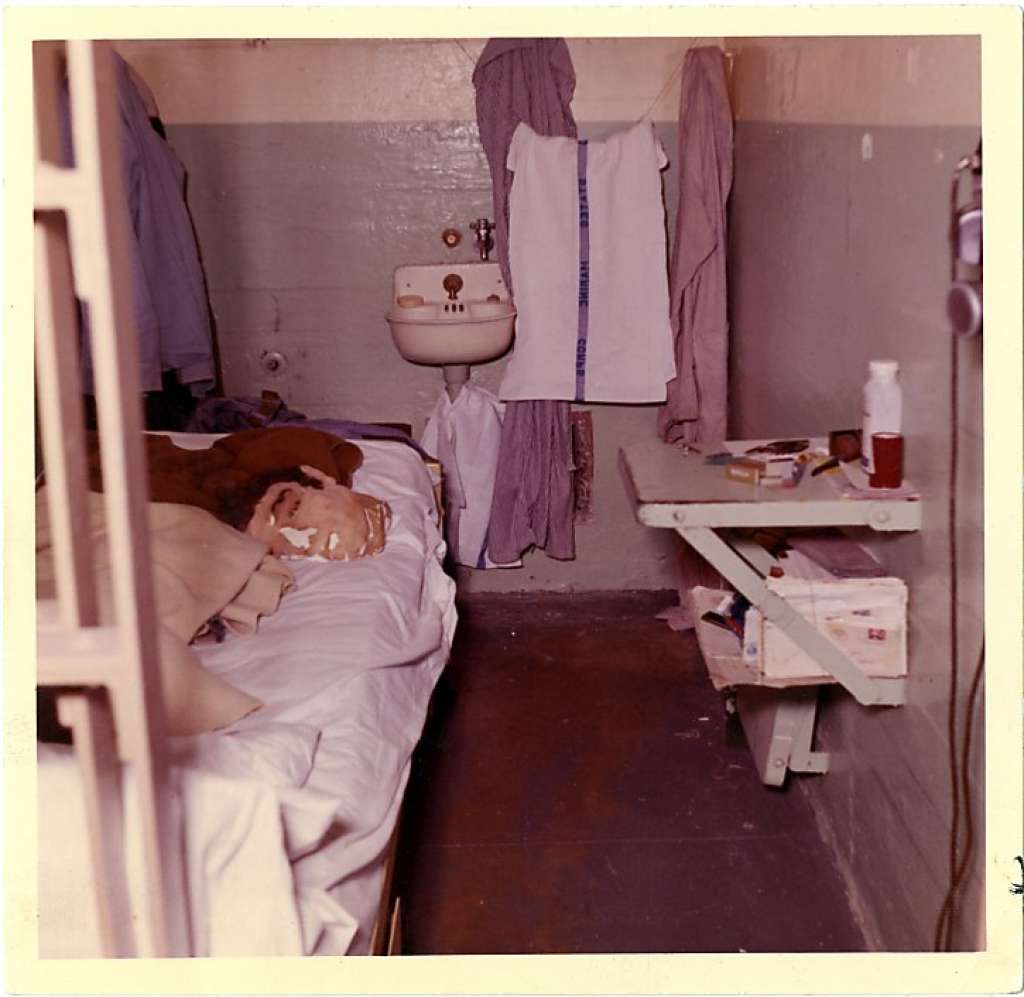
It was one of the most ingenious prison breaks of all time—if it worked. In 1962, inmates and bank robbers Frank Morris and John and Clarence Anglin vanished from Alcatraz, the federal island penitentiary off the coast of San Francisco. They had used sharpened spoons to bore through the prison walls, left papier-maché dummies in their beds and floated away on a raft made from 50 raincoats.

But what happened next has stumped historians for decades. Their bodies were never recovered, leaving many wondering whether they perished in the choppy San Francisco Bay or made it to shore—and freedom.

Alcatraz

In the years since nearly six decades of silence from the men led many to conclude that the escape had met a watery end. The FBI closed its case in 1979, concluding that the escapees were unlikely to have survived a treacherous swim of more than a mile of frigid waters to the mainland.

The Letter from John Anglin

In January of 2018, CBS San Francisco published an extract of a letter addressed to the FBI that told an altogether different story—and claimed that the criminals had been at large since the 1960s. “My name is John Anglin,” it read. “I escape[d] from Alcatraz in June 1962 with my brother Clarence and Frank Morris. I’m 83 years old and in bad shape. I have cancer. Yes, we all made it that night but barely!”

The letter was sent to the San Francisco Police Department’s Richmond station in 2013, the broadcaster reported but had been kept under wraps during a long investigation. An FBI laboratory examined the letter for fingerprints and DNA and analyzed the handwriting within, but the results were inconclusive. “So that means yes, and it means no, so this leaves everything in limbo,” security analyst Jeff Harp told CBS.

In the letter, the writer explained that he was the last living member of the trio, with his co-conspirators dying in 2005 and 2008. He offered a deal: If authorities announced on television that he would receive a single one-year jail sentence, in which he could have the medical treatment he needed, “I will write back to let you know exactly where I am. This is no joke…” The FBI did no such thing and instead repressed the letter.

Clues and Sightings of the Escape

Though this is the first time anyone purporting to be one of the men has contacted authorities, it isn’t the first piece of evidence that suggests they might have made it out in one piece. Robert Checchi, an officer with the San Francisco police, reported seeing what he described as a “pristine white boat” out in the Bay on the night of the men’s disappearance. It had no lights on, but appeared to have someone on board shining a flashlight into the water. Police followed up on the sighting, but couldn’t find the owner of this strange boat—or where it went next.

More recently, a 2015 HISTORY special showed an alleged photograph of the brothers, taken in Brazil some 13 years after their disappearance. Family members of the men have also reported strange experiences that suggest there may be more to the story than many believe. “It’s always been talked about through the family,” David Widner, a nephew of John and Clarence Anglin, told CBS. “My grandmother received roses for several years after the escape.” If Anglin is still alive today, he would be nearly 90. He has not been heard from since.

Widner expressed dismay that authorities had not contacted the family about his relative’s alleged illness. “For him to say he had cancer and was dying, I feel like they should have at least reached out to the family and let them know [the letter] existed,” he said.

Skepticism and Controversy Surrounding Alcatraz Escape

Federal authorities have been quick to quash any rumors of a successful great escape. In an interview with CBS San Francisco, the U.S. Marshals investigating the case told the broadcaster they considered the lead closed with no merit and a simple hoax from someone hoping to scam and embarrass federal and local authorities. “The Federal Bureau of Prisons say that they drowned once they got off of Alcatraz and their bodies were swept out to the Pacific Ocean—end of story,” National Park Service Ranger John Cantwell said.

The prison was closed permanently in 1963, a year after the men vanished. Today, it plays host to more than a million tourists each year, often drawn to the site by the story of the Anglin brothers, which was adapted for the screen in the 1979 film Escape From Alcatraz. John Anglin’s cell, where the men made their exit, is a popular attraction. It’s preserved almost perfectly, with the same gaping hole in its teal-painted wall—but even the scene of the crime offers few answers as to where these great escapees wound up.

SOURCE: HISTORY.COM NATASHA FROST

HAPPY BIRTHDAY CLINT!

DIY: Ways to Repurpose Used Tea Bags

Don’t throw away those used tea bags!  The How Stuff Works website has loads of uses for them!

From: HOWSTUFFWORKS.COM:

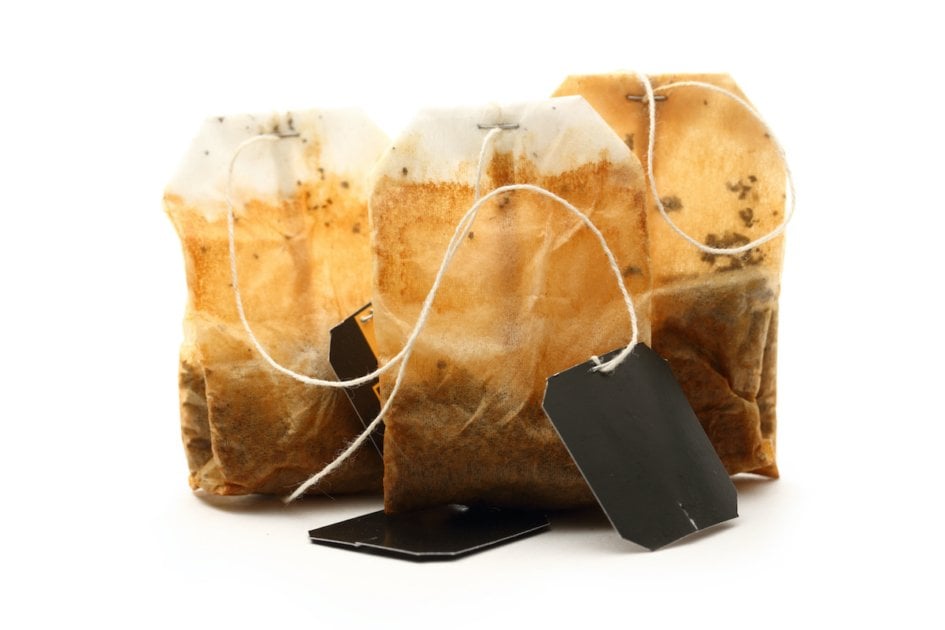
There are lots of things you can do with a used tea bag.

Key Takeaways

You can repurpose used tea bags in a variety of ways, including deodorizing carpets, rejuvenating your face, reducing puffiness around eyes, easing sunburns and adding flavor to rice. They can also enhance bath time, clean hair, act as DIY sachets, fertilize plants, deep-clean hands, deodorize smelly areas, help clean pots and pans, make glass shine, marinate meats and even patch up lawn spots. The organic matter within tea bags is rich in potential for upcycling, offering environmentally friendly solutions for common household tasks.

The next time you brew yourself a steaming cup of tea, resist the natural instinct to chuck that soggy bag in the trash. As it turns out, the organic matter within tea bags is chock full of potential for upcycling! Also, the tea bags themselves are no friend of the environment, either, so the more use you can get out of them before they hit the landfill, the better.

Check out these 15 amazing and creative ways to reuse tea bags to their fullest potential. Unless otherwise specified, these are for use with black tea.

1. Deodorize Stinky Carpets and Rugs

Feet and pets wreak havoc on carpets and rugs. Dry out tea bags after use, then rip ’em open and sprinkle the organic matter within on your carpets and rugs. Follow up with a thorough vacuuming. This is an easy, chemical-free way to deodorize floor coverings that won’t cost you a dime extra.

2. Rejuvenate Your Face

Make a DIY face scrub using the contents of used tea bags. All you have to do is put the used tea leaves into a bowl. Then, add a teaspoon (at least) of honey and mix well. Lightly work the mixture into your facial skin, using circular motions. Allow it to sit for five minutes, then rinse and enjoy a revitalized, glowing complexion!

3. Make Eyes Less Puffy

Along the same lines, used tea bags are fabulous at bringing puffy eyes back to normal. Simply soak two tea bags in warm water. Next, place them in the refrigerator and let them cool down for a few minutes. Then, kick back and relax with a tea bag on each eye for about five minutes.

4. Ease Sunburns

Much like with the eye treatment, soak two tea bags in warm water, then put them in the refrigerator. Once cooled off, place the tea bags directly on the site of the sunburn and hold for a few minutes. You can also soak a cloth in the tea liquid and apply that instead. Bonus: This treatment can reduce the pain of insect bites.

5. Add Flavor to Rice

Add a little extra pep to rice (or any grain, really) thanks to a tea bag. Simply place the bag in the pot of boiling water for a minute or two to let the flavor infuse. Then, use that tea-infused water to cook the grain of your choice as normal. Use, for example, jasmine tea to infuse jasmine rice.

6. Class up Bath Time

Who needs pricy bath salts for scent when tea bags work just as well? Pop a couple in your next bath and enjoy a delightfully relaxing aroma. Chamomile, peppermint or jasmine teas would be particularly good for this.

7. Clean Your Hair

Hair products will build up over time, no matter how often you shampoo. To get hair squeaky-clean, simply soak three or four tea bags in a cup of warm water. Shampoo and condition as normal, then finish off by pouring the tea-water over your head. Do not rinse!

8. DIY Sachets

Air fresheners can get expensive. Plus, they don’t really smell all that “fresh.” Stop the endless spraying and turn used tea bags into DIY sachets. To accomplish, dry out some used tea bags. Then, add a few drops of essential oil in your favorite scent. Place them anywhere sachets are typically used, like in dresser drawers, closets or the laundry room.

9. Fertilize the Plants

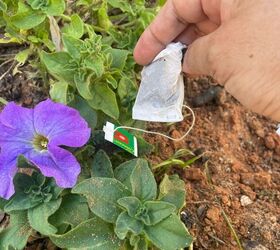
Tea leaves are nothing more than organic matter, so it only makes sense to use them for gardening! There are a couple of ways to use them for this purpose. Either tear open the used bag and mix the leaves in with the soil, or add them to your composting pile. Note: It’s best to add tea to soil around acid-loving plants, like rosebushes or ferns. That’s because the tannic acid in tea tends to make lower the soil’s pH and increases its acidity, which could pose a problem for plants that do well in neutral to alkaline soils.

Tea leaves can be added to soil as extra fertilizer. Just be sure to remove the tea bag, which is usually not biodegradable.

10. Deep-clean Hands

Some stinky scents really stick to the hands. The next time you can’t seem to scrub away the smell of onions, cigarettes, seafood, etc., turn instead to tea bags. Just use them the same way you would a bar of soap. The organic tea leaves will banish those unfortunate smells in no time!

11. Deodorize Smelly Areas

Some places, like the garbage can or the litter box, are just extra stinky. Cut their “ick” factor way down by tearing open a tea bag and spreading the dried leaves in the can and/or litter box. Another spot that often needs deodorizing is the refrigerator. To do this, put a couple of bags in a bowl in an inconspicuous area of the refrigerator, where they can effectively absorb odors. Replace the bags every few days and enjoy a much nicer-smelling appliance.

12. De-crustify Pots and Pans

If all the scrubbing in the world just isn’t cutting it, leave a used tea bag to soak in that stubborn pot or pan. Tea contains tannic acid, which can break down grease. With a little time and patience, it should make cleaning the dish much easier.

13. Ditch the Glass Cleaner

To make windows and mirrors really shine, simply dampen a used tea bag. Use it to rub the glass surface, then follow up with a paper towel. You can also pour some leftover brewed tea into an empty spray bottle and use it as a glass cleaner.

14. Marinate Meats

Easily marinate pork, chicken or turkey with the help of a couple of tea bags. Simply put a cup of water, two used tea bags and the meat into a zip-close bag. Allow to marinate overnight, then cook and enjoy a flavorful cut of meat.

15. Patch up the Lawn

To beautify those bald lawn spots, place used tea bags where needed, then add grass seed. The bag will keep the seeds in place, unlike regular old dirt. Do this only using biodegradable, non-plastic tea bags, of course. Or open the tea bags and use just the tea leaves.

Tea has been enjoyed for centuries, but the tea bag wasn’t invented until 1908-ish when a New York-based merchant named Thomas Sullivan decided to send tea samples in silk bags to his customers. They incorrectly assumed that the entire bag should be placed in the pot. Thus, the tea bag was born!

Frequently Asked Questions

How long should I dry the used tea bags before using them as DIY sachets?

To prevent mold growth, dry used tea bags completely until there’s no moisture left before adding essential oils for DIY sachets.

Are all used tea bags safe for composting or use in gardens?

Most tea bags are safe for composting or gardening, but ensure the bags are a biodegradable material and free from plastic fibers to avoid environmental harm.

SOURCE: HOWSTUFFWORKS.COM

Patrick Henry

Since today is Patrick Henry’s birthday, I’m bringing an article from the Have Fun With History website.

13 Facts About Patrick Henry

by The Historian

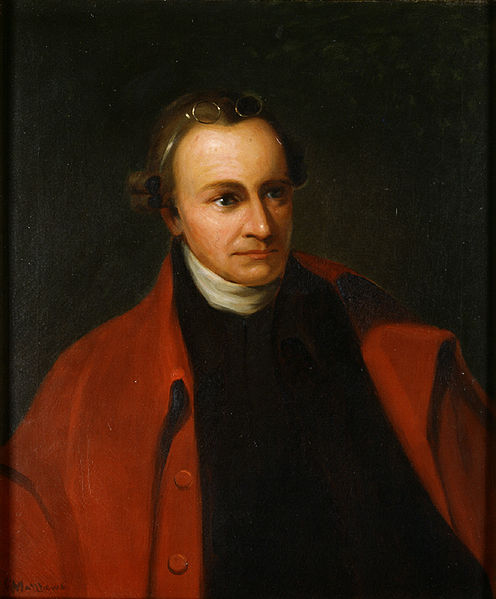
Patrick Henry (1736-1799) was an American attorney, planter, and politician who played a vital role in the American Revolution and the early years of the United States. Known for his powerful oratory skills, Henry’s passionate speeches and unwavering commitment to liberty made him one of the most influential figures of his time.

Serving as the first and sixth Governor of Virginia, he mobilized support for the Revolutionary cause and played a significant role in shaping the course of the war.

Henry’s famous “Give me liberty or give me death!” speech and his advocacy for individual rights and religious freedom left a lasting impact on American history.

Despite his reservations about the U.S. Constitution, he continued to advocate for the protection of individual liberties, contributing to the subsequent adoption of the Bill of Rights. Patrick Henry’s legacy as a statesman, Founding Father, and defender of individual freedoms continues to inspire and resonate today.

Patrick Henry Facts

1. Patrick Henry was an American attorney, planter, and politician

Patrick Henry was an American attorney, planter, and politician who is best known for his oratory skills and his role in the American Revolution.

2. He was born on May 29, 1736, in Hanover County, Virginia

Born in Hanover County, Virginia, on May 29, 1736, Henry was a charismatic and persuasive speaker whose speeches had a profound impact on the events leading up to the Revolutionary War. His ability to inspire and galvanize audiences with his words made him one of the most influential figures of his time.

3. Henry served as the first and sixth Governor of Virginia

Henry served as the first and sixth Governor of Virginia, holding the position from 1776 to 1779 and again from 1784 to 1786. As governor, he played a crucial role in mobilizing Virginia for the Revolutionary War.  He implemented measures to strengthen the state’s defenses, organized militias, and supported the training and equipping of soldiers.  During his tenure, Henry faced numerous challenges, including British invasions, supply shortages, and political rivalries. Despite these difficulties, he worked tirelessly to lead Virginia through the war and its aftermath.

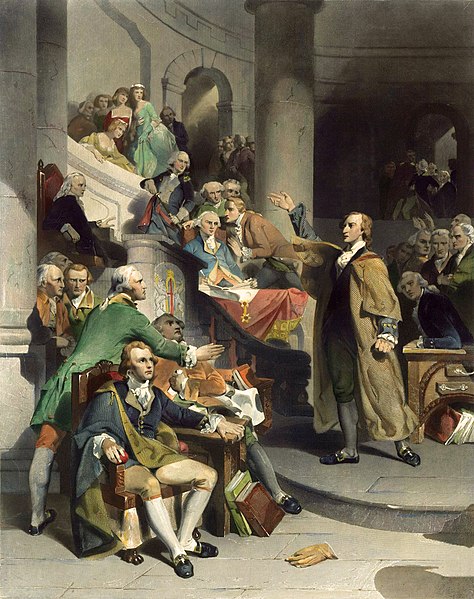
4. He is famous for his speech at the Virginia Convention in 1775, where he passionately declared, “Give me liberty or give me death!”

One of Patrick Henry’s most iconic moments came during the Virginia Convention in 1775. With tensions escalating between the American colonies and Britain, delegates gathered to discuss Virginia’s response to the growing crisis. It was during this convention that Henry delivered his famous speech, passionately declaring, “Give me liberty or give me death!”

These powerful words expressed his unwavering commitment to the cause of American independence and became a rallying cry for those who sought freedom from British rule. Henry’s speech electrified the audience and solidified his reputation as a fiery patriot and staunch advocate for revolution.

5. Henry was a staunch supporter of American independence from Britain

Patrick Henry’s speech at the Virginia Convention in 1775 is considered one of the most influential speeches in American history. His words were a call to action, urging the colonists to resist British oppression and fight for their freedom. The speech emphasized the importance of individual liberty and the willingness to sacrifice everything for the cause. It helped galvanize support for the Revolutionary War and inspired countless individuals to join the fight for independence.

6. He was a leading figure in the movement for religious freedom in Virginia

Henry was not only a passionate advocate for American independence but also a staunch supporter of religious freedom. He believed in the separation of church and state and fought for the rights of individuals to practice their own religion without interference from the government. His efforts culminated in the passage of the Virginia Statute for Religious Freedom in 1786, which became a model for religious freedom protections and influenced the First Amendment to the United States Constitution.

7. Henry was one of the Founding Fathers of the United States and was a delegate to the First Continental Congress in 1774

As one of the Founding Fathers of the United States, Patrick Henry played a significant role in shaping the early years of the nation. He was a delegate to the First Continental Congress in 1774, where he joined other colonial leaders in discussing grievances with the British government and laying the groundwork for a united colonial response. Henry’s strong convictions and forceful rhetoric made him a prominent figure in the Congress and a voice for colonial rights and self-governance.

8. He opposed the ratification of the U.S. Constitution and argued for the inclusion of a Bill of Rights to protect individual liberties

While Patrick Henry was a prominent figure in the American Revolution, he held reservations about the newly proposed U.S. Constitution. He was concerned about the potential concentration of power in the federal government and the lack of explicit protections for individual rights. Henry opposed the ratification of the Constitution and argued for the inclusion of a Bill of Rights, which would explicitly safeguard fundamental freedoms. His advocacy for the inclusion of a Bill of Rights helped shape the subsequent debate and led to the adoption of the first ten amendments to the Constitution.

9. Despite his opposition to the Constitution, Henry was elected to the Virginia Ratifying Convention in 1788

Patrick Henry’s opposition to the ratification of the U.S. Constitution stemmed from his concerns about the centralization of power and the potential for tyranny. He believed that the Constitution granted too much authority to the federal government at the expense of individual liberties and state sovereignty. Henry argued that without explicit protections for individual rights, the federal government could potentially infringe upon the freedoms of the people. His stance reflected a broader debate between the Federalists, who supported the Constitution, and the Anti-Federalists, who sought to limit federal power and protect individual rights.

10. Henry was not chosen as a delegate to the Constitutional Convention of 1787

Although Patrick Henry was not chosen as a delegate to the Constitutional Convention of 1787, his absence did not diminish his impact on the shaping of the Constitution. From the sidelines, Henry voiced his concerns about the proposed Constitution and its potential implications. His absence at the convention was largely due to his position as an outspoken critic of the centralization of power, which made his selection as a delegate less likely. Nonetheless, his influence on the subsequent debates and discussions surrounding the Constitution cannot be understated.

11. He retired from politics in 1791 but continued to be involved in public affairs

After retiring from active politics in 1791, Patrick Henry remained engaged in public affairs and continued to advocate for the protection of individual rights and limitations on the power of the federal government. He believed that eternal vigilance was necessary to prevent the erosion of individual liberties and constantly spoke out against perceived encroachments on the rights of the people. Henry’s dedication to the principles of limited government and individual freedom remained steadfast even after his formal political career ended.

12. Henry died on June 6, 1799, at the age of 63, in Charlotte County, Virginia

Patrick Henry passed away on June 6, 1799, at the age of 63, in Charlotte County, Virginia. Throughout his life, he had made significant contributions to the American Revolution, the formation of the United States, and the protection of individual liberties. His death marked the end of an era and the loss of a powerful voice in American politics. However, Henry’s ideas and principles continued to resonate and shape the course of American history long after his passing.

13. He left a lasting legacy as an orator, statesman, and advocate for individual liberties

Patrick Henry left a lasting legacy as an orator, statesman, and advocate for individual liberties. His speeches, particularly his “Give me liberty or give me death!” speech, continue to be studied and celebrated for their powerful rhetoric and their ability to inspire people to action.

Henry’s unwavering commitment to freedom, his opposition to tyranny, and his emphasis on the protection of individual rights continue to influence political discourse and shape the understanding of American values. His contributions to the American Revolution, his role as a Founding Father, and his defense of individual liberties solidify his place in history as one of the most influential figures of his time.

Source: HAVEFUNWITHHSTORY.COM

What Shall We Make Today?

Today’s offering is a Boiled Cookie–no baking involved!

Ingredients

1/2 cup butter, cubed

1/2 cup 2% milk

2 cups sugar

3 cups quick-cooking oats or old-fashioned oats

5 tablespoons baking cocoa

1/2 cup raisins, chopped nuts or sweetened shredded coconut

Directions

In a large saucepan, heat butter, milk and sugar. Bring to a boil, stirring occasionally. Boil for 1 minute.

Remove from the heat. Stir in the oats, cocoa, and raisins, nuts or coconut. Drop by tablespoonfuls onto waxed paper. Cool.

ENJOY!

North Dakota State Mammal: Western Meadowlark

Juli Bosmoe, senior range ecologist for Audubon Great Falls in Fargo, North Dakota, points out that the easiest feature to spot on the western meadowlark is the yellow breast with a v-shaped black bib. She also says to look for the white outer tail feathers that flash when the bird flushes from a perch. These features are shared by two other species that are almost identical, the eastern meadowlark and Chihuahuan meadowlark.

Around the size of a robin, Juli says, “They’re big for a songbird, for sure.” They also have long, slender bills.

Adult males and females look similar. Immature birds are paler in color.

“They prefer grasslands without trees that are encroaching because these provide a perch for predator birds,” says Juli. Throughout the year, they inhabit a large portion of the western U.S., from southern Nebraska to the West Coast, and south into Mexico. In summer, their reach extends into Canada, Montana, the Dakotas, Minnesota and Wisconsin. These birds are early spring and late fall migrants.

What Do Western Meadowlarks Eat?

“During the breeding season they like insects the most. It’s a lot of good energy in a small package,” explains Juli. “Outside of the breeding season they’re more likely to be eating seeds, which is why it’s important to have these diverse grasslands.” Even though they do consume seeds as part of their diet, she notes, “They’re not going to be your backyard feeder bird.” Juli says of one of their favorite ways to find their seeds is by sticking their beaks in a cow pie to get out the seeds.

The ideal habit for western meadowlarks is an expansive grassland with diverse grassland species, but there are many instances where development or agricultural practices reduce these food options for the birds. “If the grassland is stagnant, it’s just going to turn into a lot of older grasses,” she says. “It is typically invaded by smooth brome and Kentucky bluegrass.” One of the best ways we can support these grassland birds is to keep our own backyards as diverse as possible with native grasses.

Nesting Habits

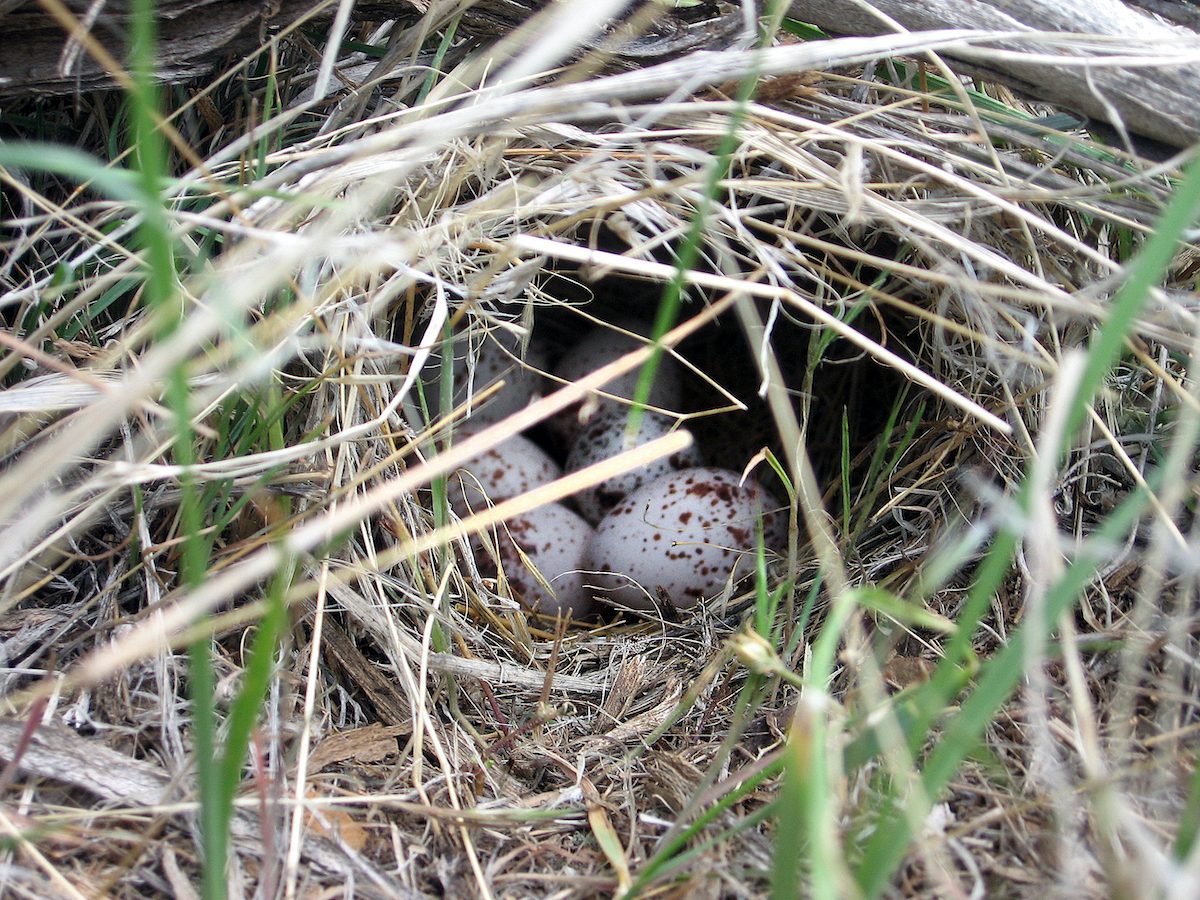
“The male mates with more than one female, but it may be only two,” notes Juli. They are very territorial during the breeding season, using their songs to woo a female, as well as ward off intruders. “They have great, hidden nests,” she explains. The female gathers all of the materials and builds the nest, which is positioned on the ground, often near a bunch of grasses or placed within a depression. Built of grasses and dried forbs, the six to seven-inch diameter nest blends perfectly with the surrounding vegetation.

“The female will tuck grasses over the top,” she says, and camouflage roof makes them nearly impossible to see, even when you’re looking for them. “(Western) meadowlarks usually have two breeds year, and the female takes care of the young,” says Juli. The five to six white eggs per clutch are heavily spotted with lavender, brown or rust markings, which adds to their concealment qualities. It requires 13 to 16 days for them to hatch, and the young leave the nest after 10 to 18 days.

Western Meadowlark Song

Their distinctive, remarkably loud song makes western meadowlarks unmistakable. “To me, that’s one of the key features, of how loud they are. You could be driving down the gravel road with the windows up, and you can still hear them,” Juli says.

“(Males) really like a post to sit on, such as fences or barbed wired, to sing for the ladies,” says Juli. “They have a whole repertoire of songs because the males are trying to attract the females. They can have 100 different variations. The females judge them on their songs.”

Sometimes described as “flute-like,” their songs vary with whistles, gurgles and warbling sounds. But once you hear it, you recognize it immediately.

SOURCE: BIRDS&BLOOMS

Profile in Courage

I found this inspirational article on the all that’s interesting website about Erik Weihenmayer—who climbed Mount Everest despite being blind.

From: allthatsinteresting.com:

“I was afraid that I wasn’t going to be able to participate in life,” Erik Weihenmayer remembered thinking after he first went blind at 14. But that’s not how things turned out.

Ever since Sir Edmund Hillary and Tenzing Norgay made the first documented summit of Mount Everest in 1953, climbers have been competing for other “firsts” on the mountain. And in 2001, American mountaineer Erik Weihenmayer accomplished one of the most astounding Everest firsts of all when he reached the treacherous peak despite the fact that he was blind.

Erik Weihenmayer: Blind Mountaineer

Erik Weihenmayer, born in New Jersey in 1968, was just four years old when he was diagnosed with retinoschisis, a rare disease (sometimes hereditary, sometimes of unknown origin) resulting in the progressive loss of sight. By the time he was just 14, Weihenmayer was completely blind.  As he himself put it, “I was afraid that I wasn’t going to be able to participate in life.” But thanks to his parents’ insistence and encouragement, Weihenmayer actually became more physically active after he became blind, taking up both wrestling and rock climbing.

“Shortly after going blind, I received a newsletter in Braille about a group taking blind kids rock climbing,” Weihenmayer recalled. “I thought to myself, who would be crazy enough to take a blind kid rock climbing? So I signed up!”

After graduating from college, Weihenmayer became a teacher and also joined the Arizona Mountaineering Club, spending his free time rock climbing. Soon it was much more than just a hobby and in 1995 he reached the top of Mount Denali, the highest peak in North America.

“After this exhilarating feat,” he said, “I then decided that I wanted to commit to a life as a full-time adventurer.” And he did. Weihenmayer went on to scale three more of the seven highest mountains in the world (the “Seven Summits,” or highest mountains on each continent) before finally setting his sights on Mount Everest in 2001.

Preparing For Everest

Mount Everest has long been a lure for adventurers — though it also serves as a graveyard for many of them. What’s more, the mountain’s low oxygen levels and frigid temperatures mean that many of the climbers who perished on their ascents remain stunningly well-preserved corpses on the slopes, serving as gruesome reminders of the dangers of the mountain.

And in 2001, Erik Weihenmayer was preparing to attempt this same perilous climb — despite having a handicap that none of them had.

It wasn’t just physical obstacles that Weihenmayer and his team would face in the quest to summit Everest. They had difficulties recruiting Sherpa guides (who are so often the difference between life and death on the mountain), due to the perceived risk of working with a blind climber.

But once Weihenmayer arrived in Kathmandu, Nepal, the locals were so surprised at the ease with which he got around that they thought he was actually lying about being blind. After convincing them that he was indeed both blind and physically capable, the Sherpas agreed to the expedition.

However, it wasn’t just the Sherpas who had doubts. Weihenmayer also faced backlash from other climbers who doubted his ability and expressed serious concerns about his attempt. In an interview with Men’s Journal, American climber and Everest veteran Ed Viesturs said, “I support [Weihenmayer’s] going. But I wouldn’t want to take him up there myself.”

Although Weihenmayer was hurt by all the doubt, he was well aware that he would be facing challenges that other mountaineers would never have to worry about. As Viesturs went on to explain, “He can’t assess the weather, or the ice-fall, or the ladders you have to crawl across” — and one misjudged step could send him careening down the slopes to his death.

But Weihenmayer was no mountaineering novice who was simply determined to reach the world’s highest peak at great risk to his other team members. He had been climbing for 16 years at this point and, far from being a hindrance to his climbing teammates, he had often been the one to offer them assistance. In response to Viesturs comments, Weihenmayer simply replied, “He hadn’t seen any part of my life except for the fact that I was blind.”

A 2017 interview with Erik Weihenmayer from TODAY.

The Ascent and Beyond

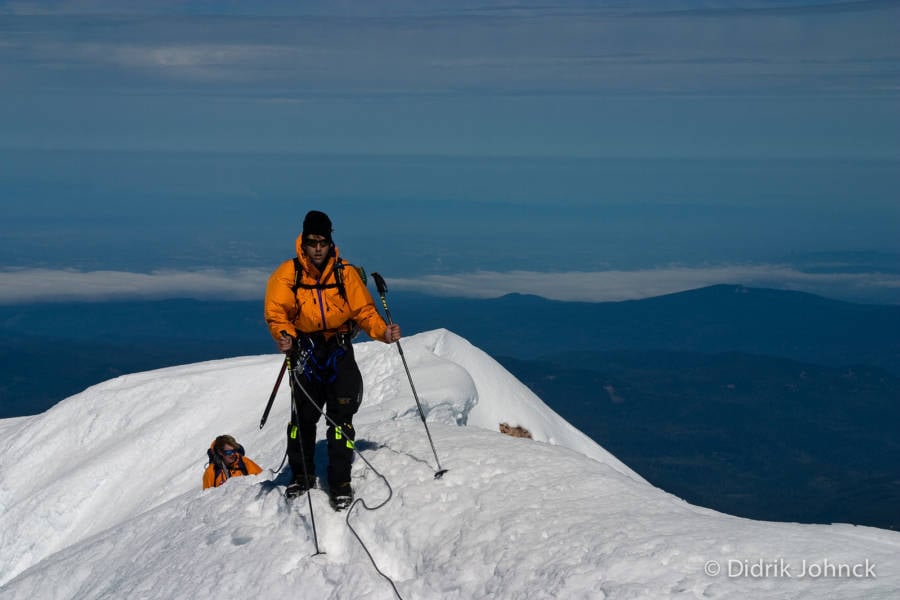
The journey to the top was certainly harrowing. Members of the group would take turns guiding Weihenmayer through the gaps and crevasses, shouting out instructions, “Slot coming up, two steps!” or “Clear traveling for the next ten steps.” But it was Weihenmayer’s own endurance and mountaineering skills that ensured he made it to the peak, which he did on May 25.

It was then that Erik Weihenmayer became the first blind person in history to stand on the summit of Mount Everest. He had not only joined the ranks of the few who have been to the highest spot on the planet, but he had also effectively silenced all of his critics.

And by 2008, he had climbed the rest of the Seven Summits, becoming one of only 150 people to have ever accomplished this, yet another incredible feat in an incredible career.

SOURCE: ALLTHATSINTERESTING.COM By Gina Dimuro | Edited By John Kuroski