Aquarius to the Rescue!

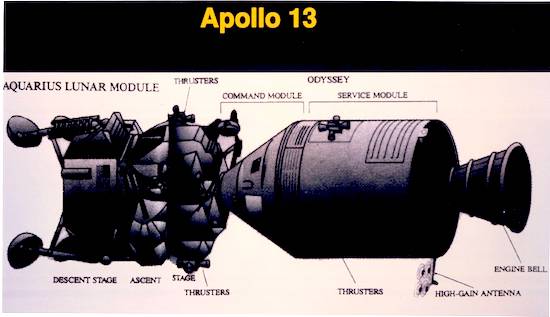
Apollo 13 was NASA’s third moon-landing mission but didn’t reach the lunar surface. A series of problems plagued the Odyssey spacecraft which was designed to bring them home, causing the crew to abandon all thoughts of reaching the moon.


A fire ripped through one of Odyssey’s oxygen tanks and damaged another. Oxygen fed the fuel cells in the spacecraft, so power was also reduced. Fortunately, the spacecraft Aquarius — designed to land on the moon — was still in working order. But Aquarius didn’t have a heat shield so it would not survive the reentry back to Earth. So, the crew crammed themselves into Aquarius — which was designed for two people, not three — and began the long cold journey home. Without a source of heat, cabin temperatures quickly dropped close to freezing. Some food became inedible. The crew also rationed water to make sure Aquarius — operating for longer than it was designed — would have enough liquid to cool its hardware down.
In the hours before splashdown, the exhausted crew scrambled back over to the Odyssey and powered it up.
Thanks to a monumental effort from the crew, mission control and spacecraft manufacturers helping with the mission, Lovell, Haise and Swigert safely splashed down in the Pacific Ocean near Samoa, on April 17, 1970.


How did Apollo 13 get back to Earth safely?

The Apollo 13 crew used their lunar lander — Aquarius — as a makeshift ‘lifeboat’ to survive the long cold journey back to Earth. It was a rough journey home. The entire spaceflight crew lost weight, and Fred Haise developed a kidney infection. But the small vessel protected and carried the crew long enough to reach Earth’s atmosphere. The crew only returned to Odyssey in the hours before splashdown to power it up and begin their reentry to Earth.
Apollo 13: “Houston, we’ve had a problem”
Apollo 13 launched on April 11, 1970. The Apollo spacecraft was made up of two independent spacecraft joined by a tunnel: orbiter Odyssey, and lander Aquarius. The crew lived in Odyssey on the journey to the moon.

On the evening of April 13, when the crew was nearly 322,000 kilometers (200,000 miles) from Earth and closing in on the moon, mission controller Sy Liebergot saw a low-pressure warning signal on a hydrogen tank in Odyssey.

The signal could have shown a problem, or could have indicated the hydrogen just needed to be resettled by heating and fanning the gas inside the tank. That procedure was called a “cryo stir”, and was supposed to stop the supercold gas from settling into layers.

Swigert flipped the switch for the routine procedure. A moment later, the entire spacecraft shook. Alarm lights lit up in Odyssey and in Mission Control as oxygen pressure fell and power disappeared. The crew notified Mission Control, with Swigert famously saying, “Houston, we’ve had a problem.” (Note that the 1995 movie “Apollo 13” took some creative license with the phrase, changing it to “Houston, we have a problem” and having the words come out of Apollo 13 commander James Lovell’s mouth).

Much later, a NASA accident investigation board determined wires were exposed in the oxygen tank because of a combination of manufacturing and testing errors before flight. That fateful night, a spark from an exposed wire in the oxygen tank caused a fire, ripping apart one oxygen tank and damaging another inside the spacecraft.

Since oxygen fed Odyssey’s fuel cells, power was reduced as well. The spacecraft’s attitude control thrusters, sensing the venting oxygen, tried to stabilize the spacecraft by firing small jets. The system wasn’t very successful given several of the jets were slammed shut by the explosion.

Fortunately for Apollo 13, the damaged Odyssey had a healthy backup: Aquarius, which wasn’t supposed to be turned on until the crew was close to landing on the moon. Haise and Lovell frantically worked to boot Aquarius up in less time than designed. Aquarius didn’t have a heat shield to survive the drop back to Earth, so as Lovell and Haise got the lunar module up and running, Swigert remained in Odyssey to shut down its systems to conserve power for splashdown. 

Apollo 13’s cold, miserable trip home

The crew had to balance the challenge of getting home with the challenge of preserving power on Aquarius. After they performed a crucial burn to point the spacecraft back toward Earth, the crew powered down every nonessential system in the spacecraft.

Without a source of heat, cabin temperatures quickly dropped down close to freezing. Some food became inedible. The crew also rationed water to make sure Aquarius — operating for longer than it was designed — would have enough liquid to cool its hardware down. And Aquarius was pretty cramped as it was designed to hold two people, not three.

On Earth, flight director Gene Kranz pulled his shift of controllers off regular rotation to focus on managing consumables like water and power. Other mission control teams helped the crew with its daily activities. Spacecraft manufacturers worked around the clock to support NASA and the crew.

It was a rough journey home. The entire spaceflight crew lost weight, and Haise developed a kidney infection. But the small vessel protected and carried the crew long enough to reach Earth’s atmosphere.

In the hours before splashdown, the exhausted crew scrambled back over to the Odyssey and powered it up. The craft had essentially been in a cold water soak for days and could have shorted out, but thanks to safeguards put in place after the Apollo 1 disaster, there were no issues. 

Lovell, Haise and Swigert safely splashed down in the Pacific Ocean near Samoa, on April 17.

What Shall We Make Today?

Today’s offering is another coconut cookie—but it’s no-bake and oh so pretty!  Raspberry Coconut Balls!

Ingredients

1 package (12 ounces) vanilla wafers, crushed

3-1/3 cups sweetened shredded coconut, divided

1 can (14 ounces) sweetened condensed milk

3 teaspoons raspberry extract

1 teaspoon rum extract

1/4 cup pink sanding sugar

Directions

Mix wafer crumbs and 1-1/3 cups coconut. Stir in milk and extracts. In a shallow bowl, combine sugar and remaining 2 cups coconut. Shape dough into 1-in. balls; roll in coconut mixture. Refrigerate in airtight containers.

ENJOY!

Happy Tax Day

I found funny tax jokes to soothe the irritation of this day…I hope!

Trying to date women is a lot like paying taxes in the U.S.
They both know what needs to be done and could tell you but instead you’re the one who needs to figure it out.

Do you know how you can tell Monopoly’s an old game?
It has a luxury tax, and rich people can actually go to jail.

Why are Sherlock Holmes’ taxes so low?
He’s a master of deduction.

Did you hear that the government denied tax exemption for a church that believes Jesus spoke with a lisp?
It was a real slap in the faith.

Has anyone realized “The IRS”.
Spells “theirs”?!

A gambler gets a notice from the IRS that he’s being audited.
The gambler calls his tax attorney and they go to see the IRS agent. As they are waiting in the office, the agent looks over his paperwork and says:
“The reason for your audit is that you live such a lavish lifestyle, yet not much income to justify it. Can you tell me what you do for a living?”
The gambler says, “I’m a professional gambler.”
“A gambler?” asks the agent.
“Yes, I make money from bets. Let me demonstrate. I bet you $1,000 that I can bite my eye.”
“You have a bet!” the agent has a smug smile on his face. But it vanishes when the gambler takes out his glass eye and bites it. The agent did not see that coming, but he did agree to $1,000 in front of the gambler’s attorney.
“Fine, that wasn’t fair,” says the gambler. “I’ll give you a chance to win your money back by betting another $1,000 that I can bite my other eye.”
The agent looks through the guy’s paperwork and sees he’s not legally blind, so he takes the bet. To his horror, the gambler takes out his dentures and bites his other eye. Now he’s on the hook for $2,000.
“You know what,” says the gambler, “Double or nothing; I’ll stand on the edge of your desk, close my eyes, piss into the garbage can on the other side of the room without spilling a drop. What do you say?”
Perplexed but desperate, the agent agrees. The gambler stands on the desk, unzips his pants, closes his eyes, then pisses all over the agent’s desk.
“YES!!!” exclaims the agent, glad he won’t owe the gambler anything.
“Ah, shit.” sighs the attorney.
“What’s the matter?” asks the agent.
“Well… He bet me $20,000 that he’d come into your office today, piss all over your desk, and you’d be happy about it.”

Did you hear that the atheists are trying to get tax-exempt status now?
They are a non-prophet organization.

How do stoner couples file their taxes?
Jointly!

At the end of the tax year, the Taxation Office sent an inspector to audit the books of a local hospital. While the agent was checking the books, he turned to the executive of the hospital and said, “I notice you buy a lot of bandages. What do you do with the end of the roll when there’s too little left to be of any use?”
“Good question,” noted the executive. “We save them up and send them back to the bandage company, and every once in a while, they send us a free roll.”
“Oh,” replied the auditor, somewhat disappointed that his unusual question had a practical answer.
But on he went, in his obnoxious way. ”What about all these plaster purchases? What do you do with what’s left over after setting a cast on a patient?”
“Ah, yes,” replied the executive, realizing that the inspector was trying to trap him with an unanswerable question. “We save it and send it back to the manufacturer and every so often they send us a free bag of plaster.”
“I see,” replied the auditor, thinking hard about how he could fluster the know-it-all executive. “Well, what do you do with all the remains from the circumcision surgeries?”
“Here, too, we do not waste,” answered the executive. “What we do is save all the little foreskins and send them to the tax office, and about once a year they send us a complete prick.”

A teen boy is buying a pack of condoms for the first time…
He sees the price is $10, but when he goes to pay it the register rings it up as $10.65.
“What’s this 65 cents about?” He asks. The cashier says, “It’s for the tax.”
“Ah. I was wondering how you keep these things on.”

Don’t get in line behind Lucifer at the tax office!
The devil takes many forms.

A woman walks into an accountant’s office and tells him that she needs to file her taxes.
The accountant says, “Before we begin, I’ll need to ask you a few questions.”
He gets her name, address, social security number, etc. and then asks, “What’s your occupation?”
“I’m a prostitute,” she says.
The accountant is somewhat taken aback and says, ” Let’s try to rephrase that.”
The woman says, “OK, I’m a high-end call girl”.
“No, that still won’t work. Try again.”
They both think for a minute; then the woman says, “I’m an elite chicken farmer.”
The accountant asks, “What does chicken farming have to do with being a prostitute?”
“Well, I raised a thousand cocks last year.”
“Chicken Farmer it is.”

Sure hope these helped!

Know-It-All Tuesdays: Animal Edition 66-75

What is the main reason frogs croak?

Where are a cricket’s ears located

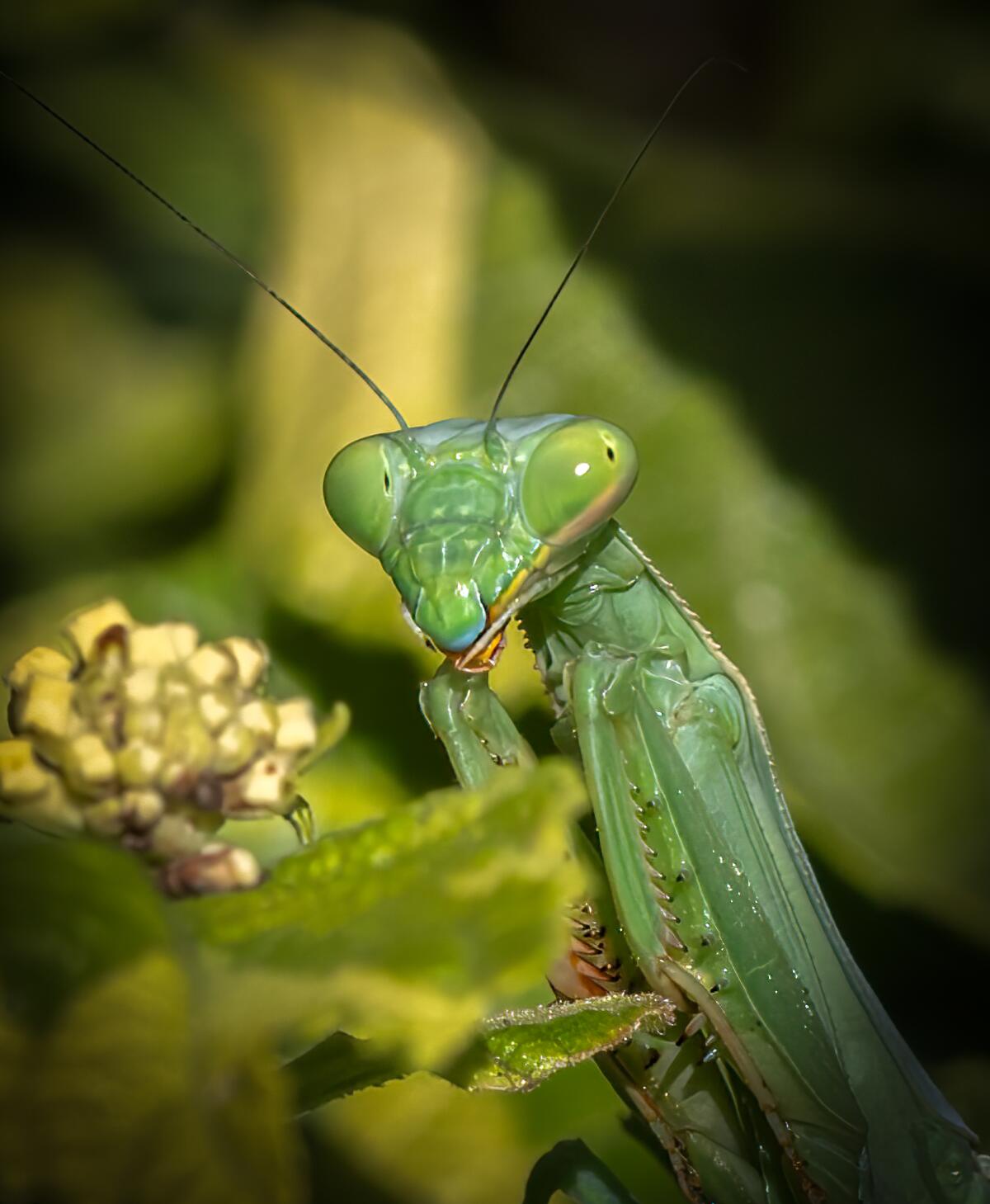
What is the only insect that can turn its head 180 degrees?

What’s the loudest insect in the world?

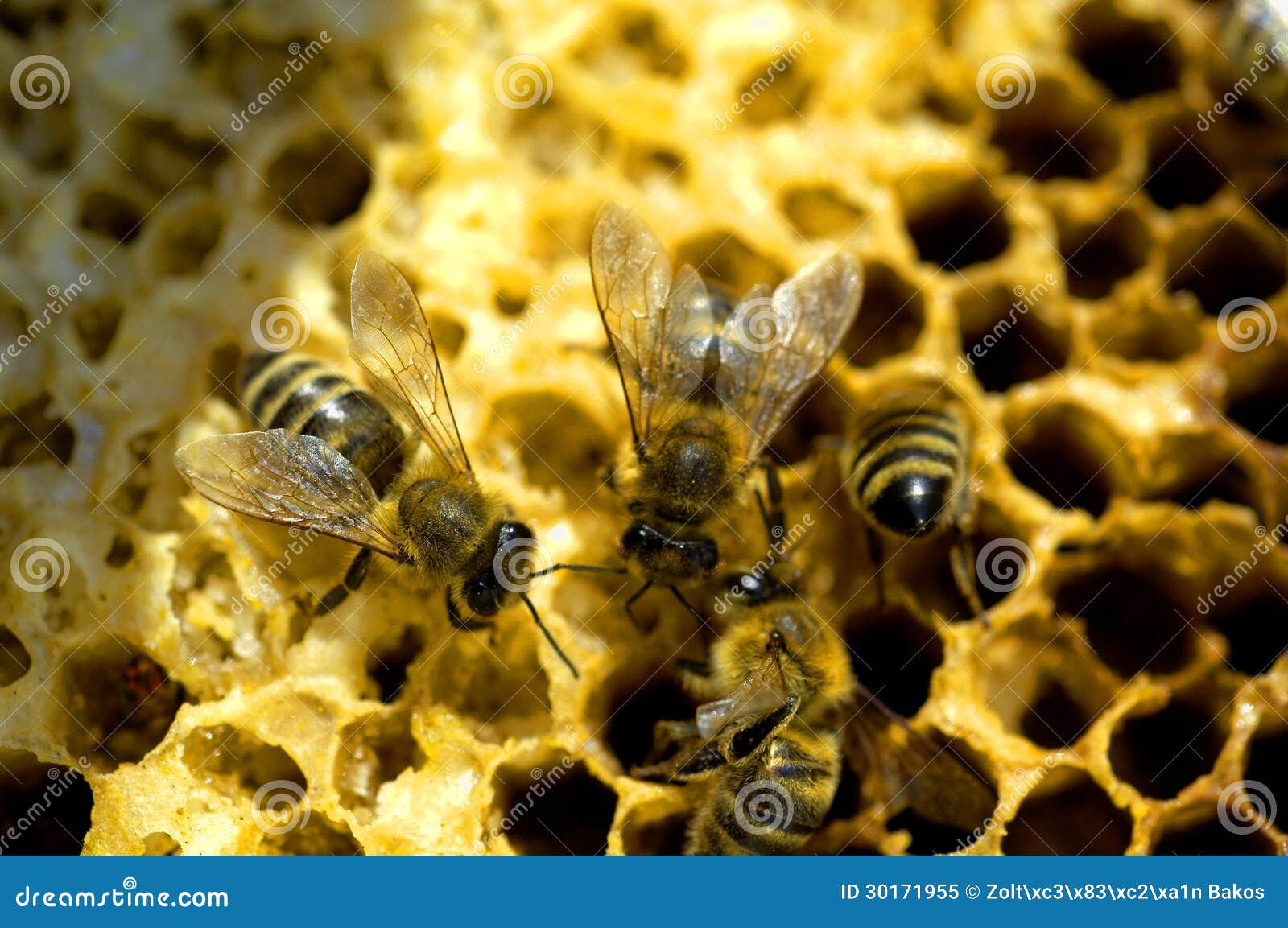
How many flowers do honey bees have to visit to produce one pound of honey?

What animals have teeth that never stop growing?

What sea creatures have the ability to clone themselves?

What color is a hippo’s sweat?

Which crustacean can growl when intimidating its enemies?

Which animal in a pride does the majority of the hunting?

Which animal is known to plant thousands of trees across the world?

Which animal is known for spending 80% of its day sleeping?

What shape do the tails of mating dragonflies make?

How many facial expressions can a horse make?

What animal squirts blood from its eyes as a defensive mechanism?

So, how did you do?

ANSWERS

To attract a mate

On the tibia of its forelegs

Praying mantis

The African cicada

Two million

Rabbits and rodents (mice, voles, squirrels, chipmunks, hamsters, guinea pigs, gophers, muskrats, beavers and porcupines)

Jellyfish

Red-orange

Ghost crab

The lioness

Squirrel

Koala bear

A heart

17

Horned lizard

Until next month…stay sharp!

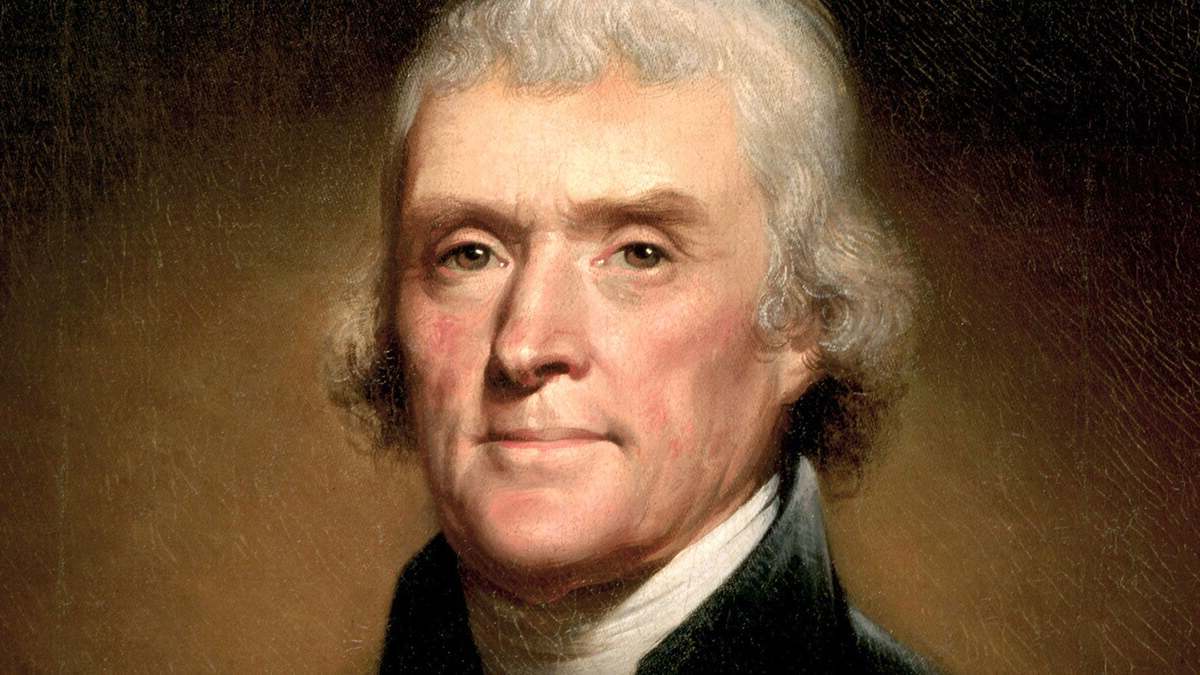
Thomas Jefferson

I found this great site—15 facts—that lists 15 facts on a variety of subjects. Today’s 15 facts are about Thomas Jefferson (in honor of his birthday—born in 1743 and died July 4, 1826).

From 15funfacts.com:

He popularized macaroni and cheese in the United States. He famously brought a pasta machine back from France to satisfy his craving for the dish.

Thomas Jefferson died on July 4, 1826. Remarkably, this was the exact same day that his friend and rival John Adams passed away.

He kept pet mockingbirds in the White House. He loved the birds so much that he often let them fly freely around his office.

He sold his personal collection of 6,487 books to the government. This massive sale effectively restarted the Library of Congress after the British burned the original one.

Surprisingly, he was obsessed with finding living mastodons. He laid out giant fossil bones in the East Room of the White House for guests to see.
He invented the swivel chair. He modified a regular chair with an iron spindle so he could rotate while he worked at his desk.
Thomas Jefferson stood at a height of 6 feet 2 inches (1.89 meters). Therefore, he towered over most other men of his era.
He wrote his own epitaph but left off his presidency. He wanted to be remembered as the author of the Declaration of Independence instead.
He recorded the weather every single day of his adult life. Thus, historians have a perfect record of the temperature in Virginia for decades.
He spent a fortune on wine. In fact, he once ordered 20,000 bottles from France for his personal cellar.

Thomas Jefferson reportedly broke his wrist while trying to impress a woman. He attempted to jump over a fence in Paris but fell awkwardly.

He wrote down the first known recipe for ice cream in America. Specifically, he created a vanilla custard version that became a favorite at his dinner parties.

He designed a “Great Clock” for his home at Monticello. The weights are so long they have to drop through holes in the floor.

Thomas Jefferson could read and write in six different languages. He mastered Greek, Latin, French, Italian, Spanish, and English.

Finally, he introduced the French fry to America. He served “potatoes fried in the raw” at a White House dinner in 1802.

SOURCE: 15FUNFACTS.COM

Happy National Colorado Day!

Trip Advisor recommends the following sites in Colorado if you’re traveling there!

Garden of the Gods

Jam-packed with dramatic rock formations, the Garden of the Gods is a prime spot for hiking amid beautiful scenery. Stop for a photo by the Steamboat Rock, then set out to trek the 21 miles of trails within the park. The 1.5-mile-long Perkins Central Garden Trail is wheelchair accessible and runs between all the major sights like the Kissing Camels. On your way back, grab a snack and shop for souvenirs at the gift shop. Located on the outskirts of Colorado Springs, the Garden of the Gods can be visited for free—parking included.

Durango and Silverton Narrow Gauge Railroad and Museum

Hop aboard a coal-fired, steam-powered locomotive that travels along the same railroad tracks that miners, cowboys and the early settlers of the Old West used over a hundred years ago. The route winds in and out of canyons and past open wilderness affording great views. The price of a ticket also includes admission to the D&SNGRR Museum and the Silverton Freight Yard Museum.

Red Rocks Park & Amphitheatre

Naturally formed, open air Amphitheatre consists of two, three-hundred-foot monoliths serving as a “stage” for musical performances.

Denver Botanic Gardens

Spanning more than 24 acres, Denver Botanic Gardens at York Street presents a wide range of gardens and collections that illustrate an ever-widening diversity of plants from all corners of the world. Distinctive gardens define and celebrate our Western identity and a unique high altitude climate and geography. We are passionate about connecting people to plants through botanical beauty, education, art, events, conservation and sustainable living.

Pikes Peak

Welcome to Pikes Peak – America’s Mountain! The Pikes Peak Highway entrance is conveniently located 15 minutes west of Colorado Springs on Highway 24. The beauty of being so close to the city is that you can spend your time enjoying the mountain instead of getting to the mountains. Plan for your round trip journey to the summit to take 2-3 hours. The safe, scenic highway provides you the opportunity to enjoy Pikes Peak at your leisure. From the gateway at an elevation of 7,400 feet, you’ll encounter some of the most breathtaking scenery in the world as you wind your way through an alpine wonderland of scenic beauty, mountain reservoirs, beyond timberline, overtaking the clouds…All along the way to the 14,115 foot summit of America’s most famous mountain. Along the way, you’ll discover the North Slope Recreation Area, Crystal Reservoir Gift Shop, Historic Glen Cove Inn, and the Summit House. There are three lakes for fishing, picnic areas, hiking trails, and breathtaking views. Stop and watch one of our “Meet the Ranger” Interpretive Programs and learn about the history, myths, flora and fauna on the mountain. All offer visitor services and basic necessities to make your day both enjoyable and memorable.

SOURCE: TRIPADVISOR.COM

What Shall We Bake Today?

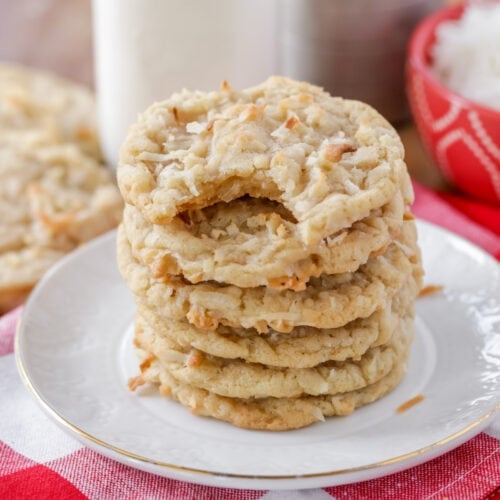
I found several interesting cookie recipes in my search for this month’s offerings and this one uses coconut!!

Coconut Cookies

Ingredients

1 ¼ cups all purpose flour

½ teaspoon baking soda

¼ teaspoon salt

½ cup butter – room temperature

½ cup brown sugar packed

½ cup sugar

1 egg – room temperature

½ teaspoon vanilla extract

1 ⅓ cups coconut flakes

Directions

Preheat the oven to 350 degrees.

 In a small mixing bowl add the flour, baking soda and salt. Mix and set aside.

In a separate medium bowl add the butter, brown sugar, and white sugar. Cream them together until smooth. Add the egg and vanilla. Beat until light and fluffy.

Add the flour mixture, a little at a time, until incorporated. Stir in the coconut.

Drop, 3 inches apart, onto ungreased cookie sheet. You can also line the cookie sheet with parchment paper.

Place the cookie sheet into the preheated oven and bake until lightly toasted, about 8-12 minutes. Move to a wire rack and cool.

ENJOY!

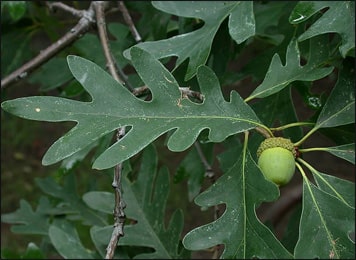
Connecticut State Tree: White Oak

The white oak tree (Quercus alba) is one of the continent’s predominant native hardwood tree species appearing throughout Eastern North America’s forests.

While it will not disappoint as a design feature, oaks are among the most valuable native trees we can plant. The white oak provides a habitat and food for countless species of wildlife. The white oak is the best tree to plant to attract butterflies and it supports hundreds of species of caterpillars. If you want to support pollinators and attract birds, planting white oaks will ensure that will happen. Besides being important for the environment, the tree makes barrels and ages various spirits such as bourbon, whiskey, and wines.

If you have the room and the time to commit—it can live 500 years—the white oak tree is a beautiful and invaluable addition to a landscape for its aesthetic value and role in the local ecosystem.

How to Identify White Oak Trees

White oaks are easy year-round by their height, rounded canopy, and big trunk. They are large trees that grow to 50 to 75 feet tall with rounded canopies. It has a large trunk, often 3 to 5 feet around. The tree’s bark is a light, scaley gray that flakes off in small pieces if picked.

The foliage of the white oak is very recognizable; it has simple, alternating, lobed leaves that are 5 to 9 inches long with rounded tips. In spring and summer, the leaves are dark green on the top with a white or pale green underside. In the fall, the leaves turn reddish brown and linger on the branches late into winter.

White Oak Tree Care

White oaks grow slowly while often living for centuries if planted in conditions that allow them to remain healthy. If you follow these few steps, you should have no issues starting your white oak’s long life in the right direction:

Plant your white oak tree in a location where it will receive full sun.

Provide your tree with soil that is acidic to neutral and well-draining.

Do not over-fertilize your white oak.

Water your newly planted oak often to establish a strong root system.

Weird Wednesdays: Randyland

This month’s weird house is Randyland, the happiest place in PA (Pittsburgh, specifically).

From: Uncoveringpa.com:

Stand outside of Randyland and you might think that it’s a quirky art project and a great way to fix up a once-dilapidated house. However, when I asked owner and creator Randy Gilson what Randyland was, he responded with a very simple answer: “Randyland is a giant heart of love.”

I pulled up to Randyland on a sunny September day. Even without my GPS telling me, I was able to instantly see Randyland from several blocks away.

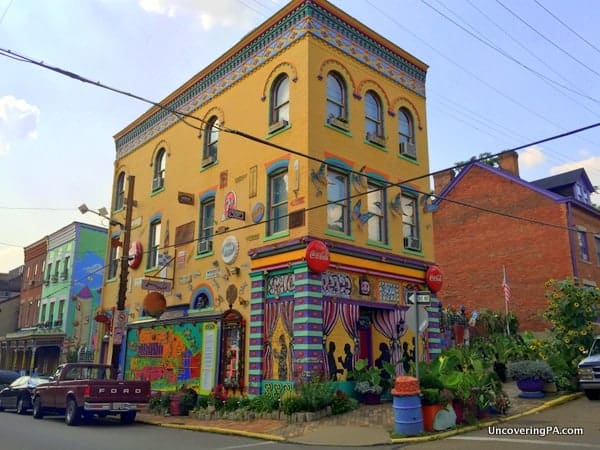
Sitting on a street corner in a once-dilapidated area of Pittsburgh’s Northshore, Randyland looks like a cross between Sesame Street and the Beatles’ “Magical Mystery Tour.”

Gilson purchased the home now known as Randyland in 1995.

Dipping into his savings as a waiter, he purchased the home and began to clean it up. He had been working on cleaning up the neighborhood for almost 10 years at that point. Removing trash, setting up community gardens, and putting flowers in front of abandoned buildings got him in trouble with the police more than once, but his goal was always to make the neighborhood a better place to live.

Using his knack for recycling goods in unusual ways, Randy set to work creating the colorful Randyland.

Much of the decoration at Randyland is visible from the streets. The large three-story home at the corner of Arch and Jacksonia Streets is painted a bright yellow, with a variety of scenes painted around the home. 

Behind the home, another home is painted a pastel green with several window scenes painted on the outside.

The two entrances are covered with a variety of recycled items that have been repurposed to create a beautiful art piece. When the gates are opened, a slightly-less-than-lifesize cutout of Gilson greets visitors to Randyland.

Walking into the back gardens of Randyland feels like walking into someone’s home. Chairs and tables sit around the yard, and Gilson himself can often be found tending to his kingdom.

When I visited, Randy was high on a ladder painting the pergola in the center of Randyland.

Joining him was another painter who had the appearance of a serious French artist. I would only later find out that this assistant was a homeless man that Randy had hired even though he had never painted before. Despite this, Randy trained him and on several occasions called him, “The best painter I’ve ever had.”

Introducing myself, I made the pleasant mistake of asking Randy a simple question, “So, when did you start Randyland?” Forty-five minutes later, Randy finished answering my question, after telling me about Randyland, his life story, and his philosophy.

It took me just a few seconds, however, to realize that Randy was the embodiment of Randyland. Gilson had a tough life growing up but has turned his life into an expression of happiness and joy, just like the recycled items that he has made colorful.

Randy told me on several occasions that he isn’t a smart man, but the wisdom that he exudes makes it worth visiting. To separate Randyland from Randy really is quite impossible, and that’s what makes Randyland Pennsylvania’s happiest destination. There’s no doubt that after spending a few minutes talking to Randy and walking through his elaborately created domain, you too will experience the beauty and happiness that is Randyland.

SOURCE: UNCOVERINGPA.COM