






Question: Before “X” stood for a kiss, what did it represent at the end of a letter?
Answer: The cross
Question: Cupid has what name in Greek mythology?
Answer: Eros
Question: In Roman mythology, Cupid is the son of whom?
Answer: Venus
Question: In Roman mythology, with whom does Cupid fall in love?
Answer: Psyche
Question: What Valentine’s Day candy was first created on equipment made for lozenges?
Answer: Sweethearts

Question: When did Sweethearts first get their shape?
Answer: 1901
Question: “Wearing your heart on your sleeve” has origins from honoring which Roman goddess?
Answer: Juno
Question: In the Victorian era, mean-spirited Valentine’s Day cards were called “___ Valentines.”
Answer: Vinegar
Question: Another Victorian-era term for a mean and comically mocking Valentine’s Day card shares a name with what TV show?
Answer: Penny Dreadful
Question: Who wrote the oldest-known Valentine’s Day message?
Answer: The Duke of Orleans
Question: From where was the oldest-known Valentine’s Day message sent?
Answer: Prison

Question: When was the oldest-known Valentine’s Day message written?
Answer: 1415
Question: Sweethearts production was temporarily suspended in which year?
Answer: 2019
Question: About how many roses are sent for Valentine’s Day each year?
Answer: 50 million
Question: Who invented the first Valentine’s Day candy box?
Answer: Richard Cadbury
Question: On average, how many marriage proposals are there on every Valentine’s Day?
Answer: 220,000

Question: A single red rose surrounded by baby’s breath is called what by florists?
Answer: A signature rose
Question: Letters to Juliet are sent to what city every year?
Answer: Verona, Italy
Question: What do yellow roses symbolize?
Answer: Friendship
Question: How many heart-shaped boxes of chocolates are typically sold each Valentine’s Day?
Answer: 35 million
Question: What brain chemical is known as the “cuddle” or “love hormone?”
Answer: Oxytocin
Question: What insanely popular website debuted on Valentine’s Day in 2005?
Answer: YouTube
Question: Saint Valentine was said to be martyred in what year?
Answer: 269
Question: The love goddess Aphrodite was said to be born from what?
Answer: Sea foam
Question: When was February 14 first declared to be Valentine’s Day?
Answer: 1537
Question: Besides Valentine’s Day, for which holiday are the most flowers sent?
Answer: Mother’s Day
Question: How many people typically buy Valentines for their pets?
Answer: 9 million

Question: Why did women and girls eat bizarre foods on Valentine’s Day in medieval times?
Answer: To dream about their future spouses
Question: What state produces most of America’s red roses?
Answer: California
Question: What notorious gangster orchestrated the St. Valentine’s Day massacre?
Answer: Al Capone
Question: How much money do Americans spend on chocolate for Valentine’s Day each year?
Answer: $1 billion
Question: Women purchase what percentage of all Valentines sold?
Answer: 85%
Question: What major invention was patented on Valentine’s Day?
Answer: The telephone
Question: About how many Valentine’s Day cards are exchanged every year?
Answer: 1 billion

Question: How many stems of roses are sold on Valentine’s Day every year?
Answer: 189 million
Question: What fruit was once known as a “love apple” for its alleged aphrodisiac properties?
Answer: Tomato
Question: The first recorded speed dating event was held in what year?
Answer: 1998
Question: What is the Guinness World Record for the longest marriage ever recorded?
Answer: 86 years, 290 days

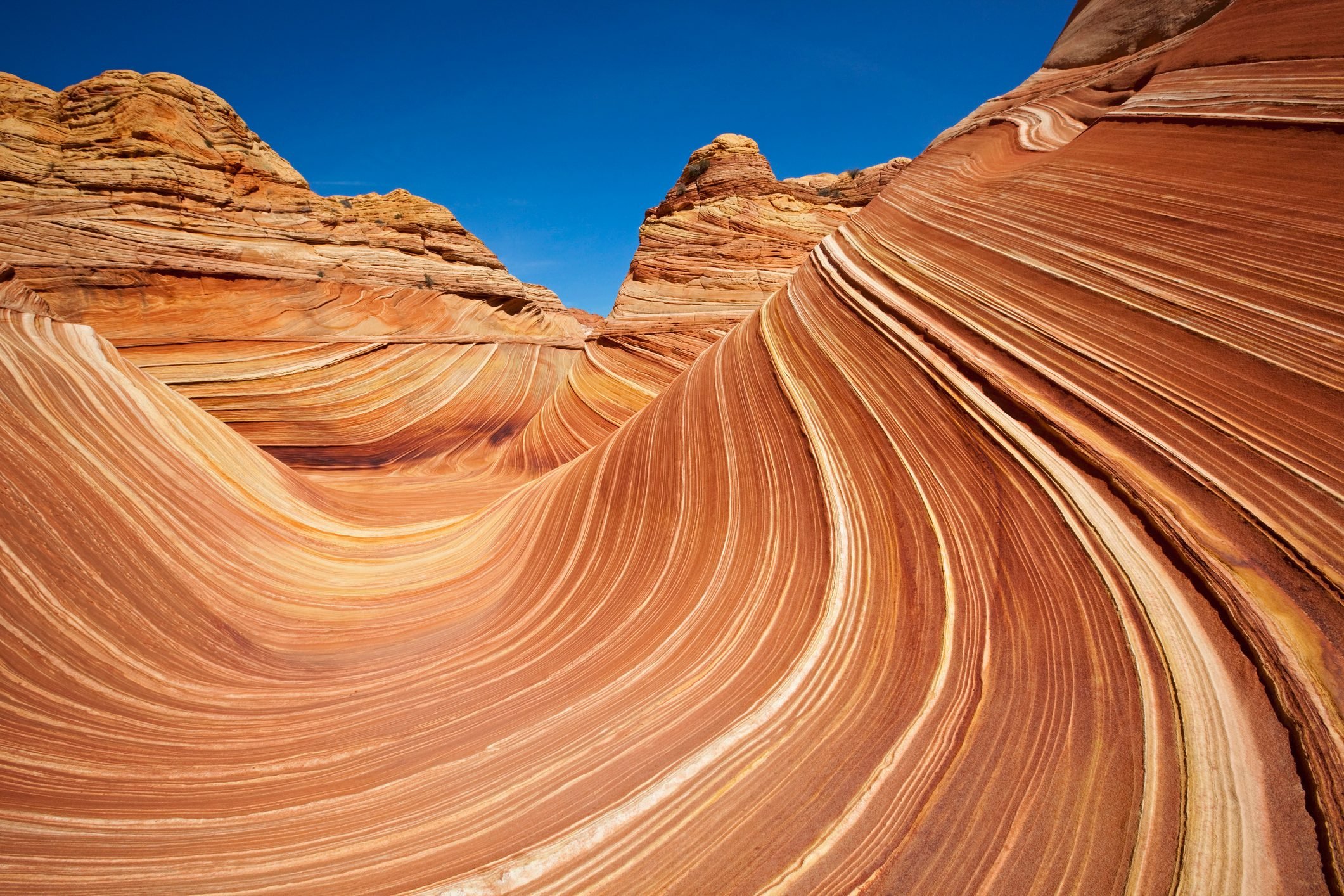
The Paria Canyon-Vermillion Cliffs Wilderness is one of the country’s last great wild refuges, a 112,500-acre maze of backcountry canyons, cliffs, deserts, and plateaus untouched by man. You’ve probably seen pictures of The Wave—it’s so popular, there’s a lottery to obtain access—or even Buckskin Gulch, one of the world’s longest slot canyons. Avid hikers, campers, and photographers know this area is a goldmine for off-grid adventures. Don’t expect any facilities here!
You’ll need a permit for day-hiking or overnight trips in Paria Canyon or Buckskin Gulch. Only 20 permits are administered per day, and they need to be reserved four months in advance. When you’re here, often there will be no trail—you just hike, and hike, and hike to your heart’s content.

The 112,500-acre Paria Canyon-Vermilion Cliffs Wilderness lies approximately 10 miles west of Page, Arizona in Coconino County, Arizona and Kane County, Utah.
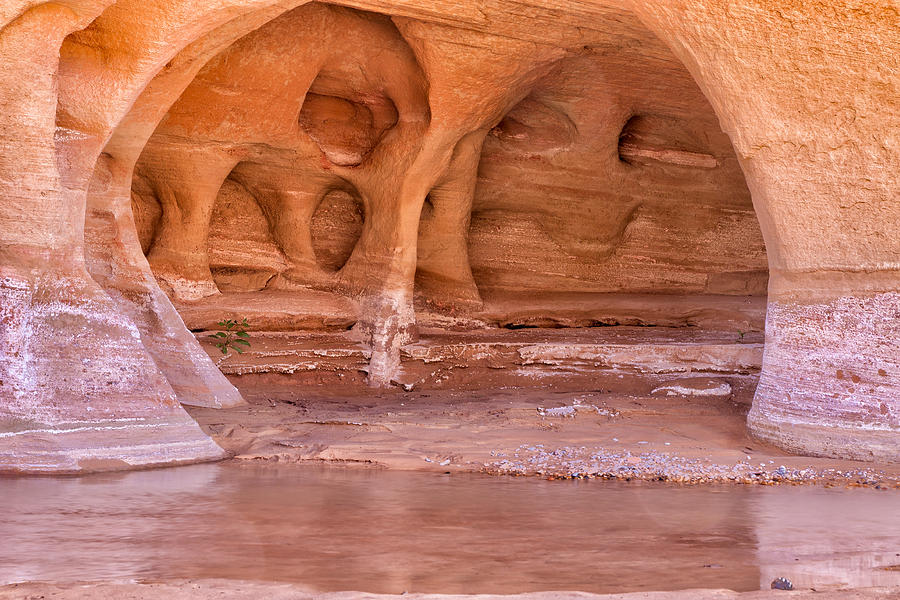
Nationally known for its beauty, the Paria Canyon has towering walls streaked with desert varnish, huge red rock amphitheaters, sandstone arches, wooded terraces, and hanging gardens. The 3,000-foot escarpment known as the Vermilion Cliffs dominates the remainder of the wilderness with its thick Navajo sandstone face, steep, boulder-strewn slopes, rugged arroyos and stark overall appearance. Some of the best slot canyon hiking opportunities on the Colorado Plateau are found here. Deer and desert bighorn sheep inhabit the area.

The wilderness also provides opportunities for backpacking, photography, and solitude. In the northwest portion of the wilderness lies Coyote Buttes, an area of spectacular scenery displaying domes, aprons, fins, corridors, and a variety of small fragile rock sculptures carved in colorful swirling cross bedded sandstone. The variety of colors and textures in the rock formations within the wilderness constantly change with variations in light and weather. This colorful sandstone area creates a feeling of wonder and amazement.
History
The Apple Blossom faced some opposition in its selection as the state flower due to its biblical role in Adam and Eve’s expulsion from the Garden of Eden.
Fun Fact
Apples and crabapples are members of the rose family.
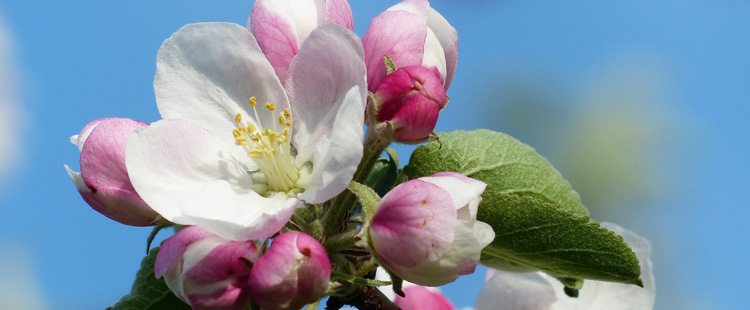
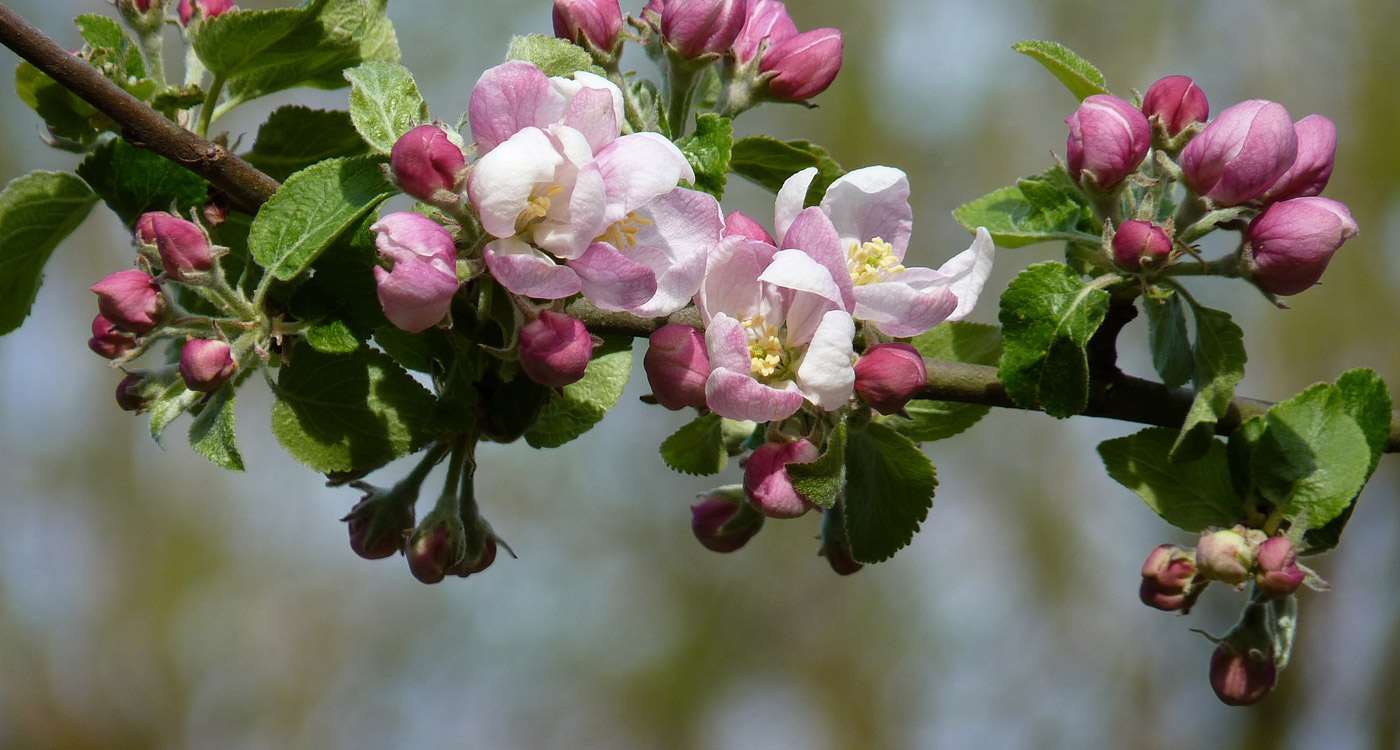
The Apple Blossom was chosen as the state flower of Arkansas during a time when the state was one of the largest apple producers in the U.S. For more than a quarter century after the designation as the Arkansas state flower, the flowering Apple Blossom dominated the state’s landscape and agriculture.
The industry brought the state so much notoriety that the small, northwestern town of Rogers organized an Apple Blossom Festival to promote the region. The celebratory event includes colorful floats, the coronation of an Apple Queen, and draws thousands of visitors from across the country. A newspaper in nearby Fort Smith boldly predicted that Arkansas would soon be competing with California and Florida as a “playground for the nation.”
But such aspirations would never materialize. In 1927, the state’s top crop were damaged by disease and severe frost. Apple production plummeted, and Arkansas’ days as a top apple-producing state were finished.
Even though apples no longer dominate the state’s agriculture today, the state flower continues to have a presence when the flowers bloom each April and May. The Arkansas state flowers are clusters of pink or white petals. These delicate blooms give off a honeysuckle scent that attracts bees to the trees where they carry out the important work of pollinating them.
Once Apple Blossom flowers bloom and are pollinated, they develop into fruit and grow to their mature yet small size by late summer. While apples from many trees can be eaten, the fruit that grows after the Arkansas state flower has fallen is largely ornamental. It is sometimes used to make jams and jellies.


This clever gift is perfect for Valentine’s Day—chocolate and champagne or wine if you prefer—a housewarming gift or even a baby shower gift, and is super simple to make!

The basic components are:
orange or gold tissue paper
about 48 ferrero rocher candies
greenery for the top (or you can use green tissue paper)
raffia for the tie
glue gun
bottle of champagne or wine
You begin by cutting the tissue paper into squares-large enough to envelope the ferrero rocher candies. Then you glue the candies in the center of the squares and then glue those around the bottle in rows beginning at the bottom and working up. When you are nearing the top, you glue the greenery (or the green tissue paper cut into leaves) to the neck of the bottle, low enough that the last row of candies will cover the edges. Then glue on the final row of candies and tie the raffia in a bow.
EASY PEASY!
Alternate Method
I have seen this done using mini cupcake papers instead of tissue paper and covering the bottle itself with tissue paper for easier removal of the candies.
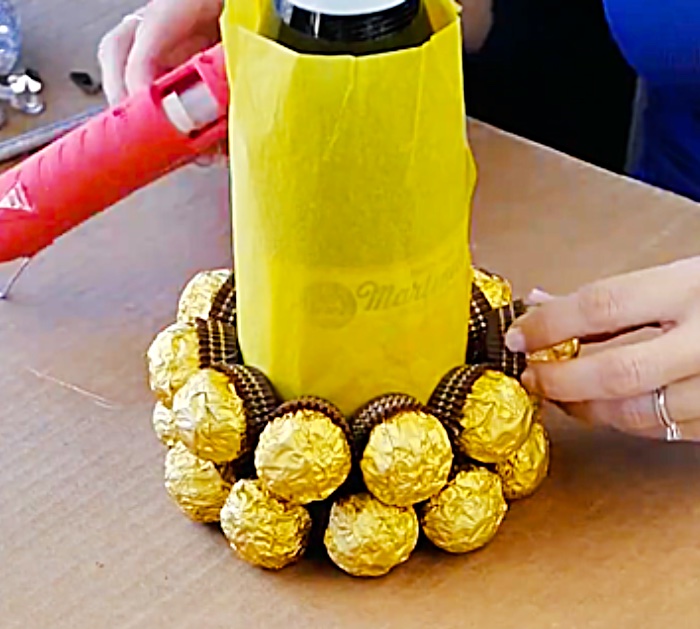
I didn’t include the source for this craft because i have seen many varieties and many websites with the same idea. Some websites use plastic or silk greenery and some sites even used gold wrapped chocolate chunks.
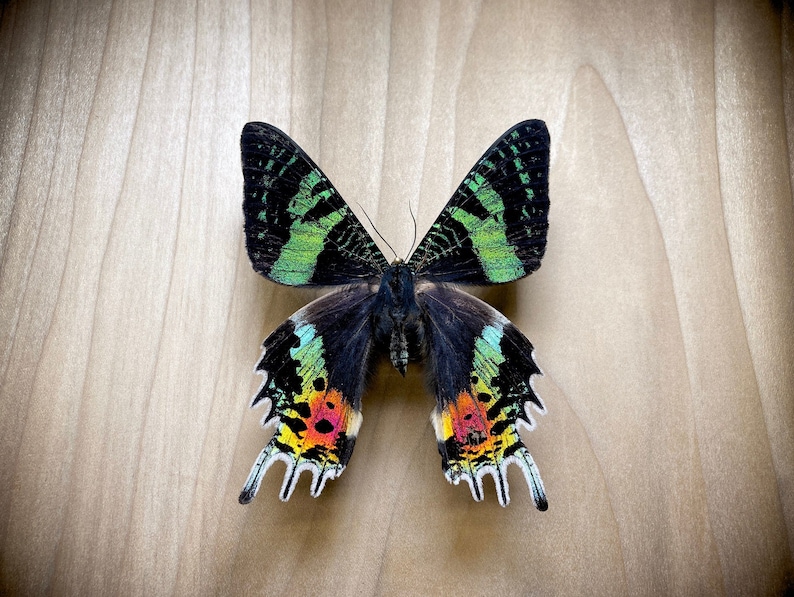
Madagascar sunset moths (Chrysiridia rhipheus) are brightly colored moths native only to the island of Madagascar. Their unique beauty makes them a favorite of traditional jewelry makers and artists who use the moths’ iridescent wings to create works of art. In addition to their beauty, there are several aspects that set Madagascar sunset moths apart from other moths.
Behavior
Madagascar sunset moths are diurnal, meaning, unlike most moths, they are active during the day. This habit, as well as the bright colors and shape of their wings, causes them to frequently be mistaken for swallowtail butterflies. During the daylight hours they can be seen flitting from one flower to another feeding on nectar. As adults, they show a strong preference for white flowers, although not for specific plants.
Larvae
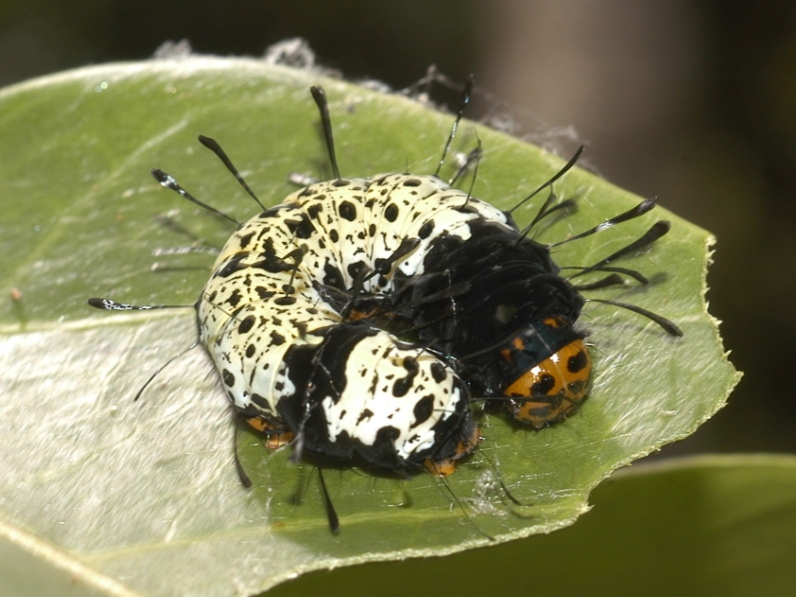
They caterpillars, or larvae, of Madagascar sunset moths are much more picky in their feeding habits. They will only eat plants from the family Omphalea, which are toxic to most animals. They hatch from eggs laid only on the underside of the leaves of these plants. Upon hatching they consume the entire plant — leaves, flowers and stems. Once that plant is decimated they move on to another of the same family. These caterpillars are easy to distinguish, as their bodies are white or shades of light yellow with black spots, and they have bright red feet.
Defense
Madagascar sunset moths have only one means of defense — they are poisonous. The toxins contained in the Omphalea plants are eaten by the caterpillars but not digested. Instead these toxins remain in their bodies through pupation and into adulthood. The result is a moth that is toxic to most predators. Their brightly colored wings may serve as a warning predators to leave them alone or suffer the consequences.
Description
By far the most noticeable distinguishing characteristic of Madagascar sunset moths is their appearance. They are large moths, boasting a wingspan of 3 to 3 1/2 inches. It’s their wings that really get them noticed. They are iridescent and appear to be in shades of black, red, green and blue. Every time the moths move their wings, the colors and patterns shift, creating a kaleidoscope effect. It’s really just an optical illusion, though. Most of the of the moths’ wings contain no pigment at all, and in subdued light they appear bland and unremarkable. The flashy colors are created by the curvature of the scales on their wings that reflect light in different angles, giving the appearance of color.

SOURCE: PETS on MOM

The rich history of Kern Studios dates back to 1932, when the first mule-drawn float was built on the back of a garbage wagon.
The Early Days
The early days of what has grown into Kern Studios started with Roy Kern, a local artist-turned-sign-painter who worked his way through the Depression by painting names and signs on the bows of freighters and barges.
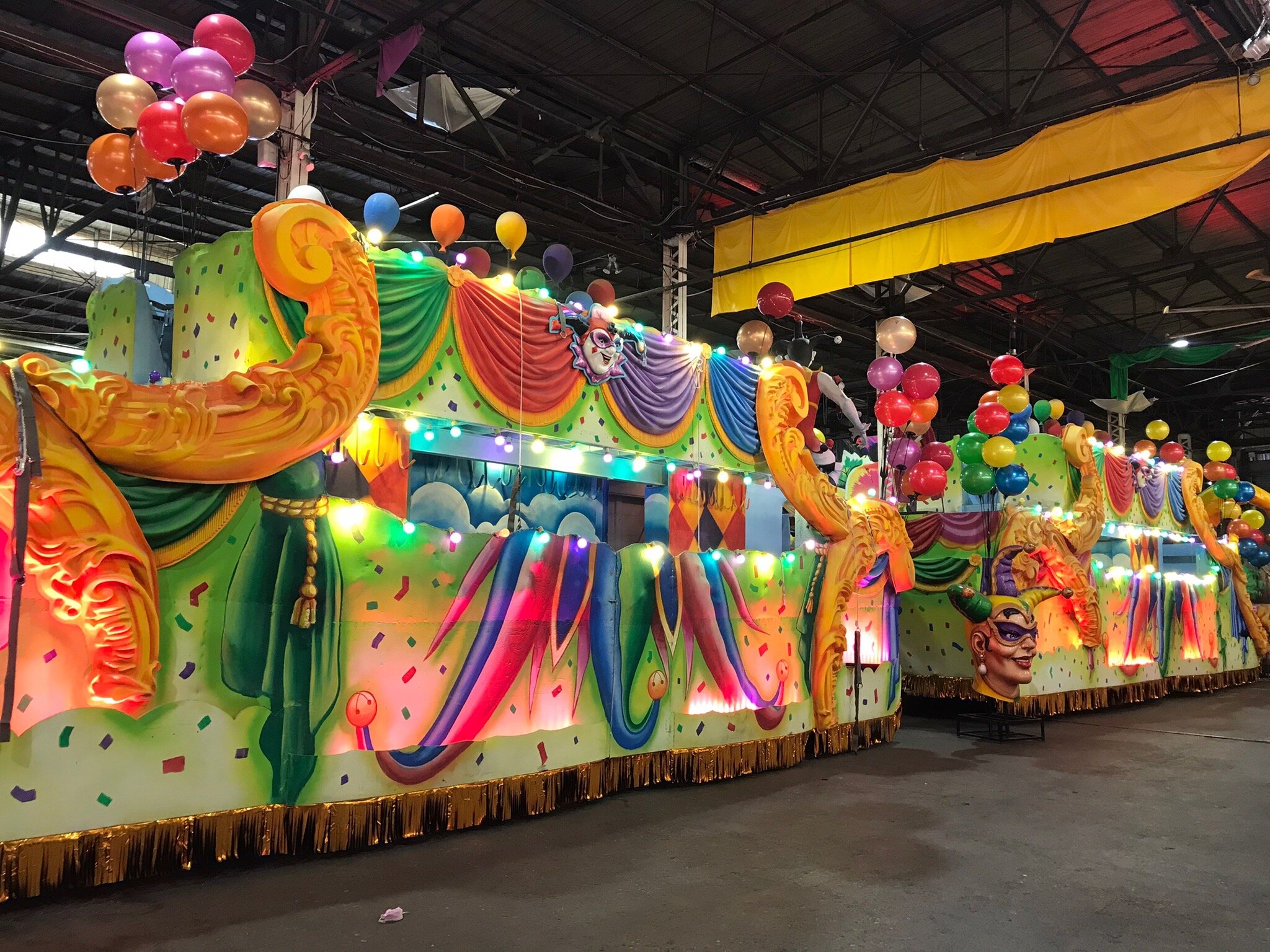
Roy and his son Blaine built their first Mardi Gras float together on the back on a mule-drawn wagon in 1932. Unable to pay his mother’s medical bills, Blaine offered to paint a mural in the hospital, which caught the eye of a surgeon who was also the captain of a Mardi Gras Krewe. This captain invited Blaine to design and build floats for his Krewe, and Kern Studios was officially founded in its current form in 1947. One float led to another, and before long Blaine became the city’s leading parade designer and builder, working with Rex, Zulu and other legendary krewes.

Mr. Mardi Gras
Blaine Kern traveled throughout Europe to apprentice under the world’s leading float and costume makers. During several trips to Italy, France, and Spain, Blaine became inspired by the extravagant concepts and animation that marked the European style of float building.
He brought these ideas to New Orleans and developed the monumental scale and lavish ornamentation of today’s spectacular Mardi Gras floats. Blaine Kern was instrumental in the formative years of some of New Orleans’ biggest parades and “Super Krewes” and is still known as “Mr. Mardi Gras.”

THE CREATION OF MARDI GRAS WORLD
After many requests for private tours of Kern Studios from people wanting a sneak-peak of Mardi Gras, the Kerns decided to open up the working studio to the public. In 1984, Mardi Gras World was created as a tourist attraction to provide visitors a behind-the-scenes look of our work. Widely successful, the attraction draws hundreds of thousands of visitors from all over the world each year.
SOURCE: MARDI GRAS WORLD.COM

Identifying Features
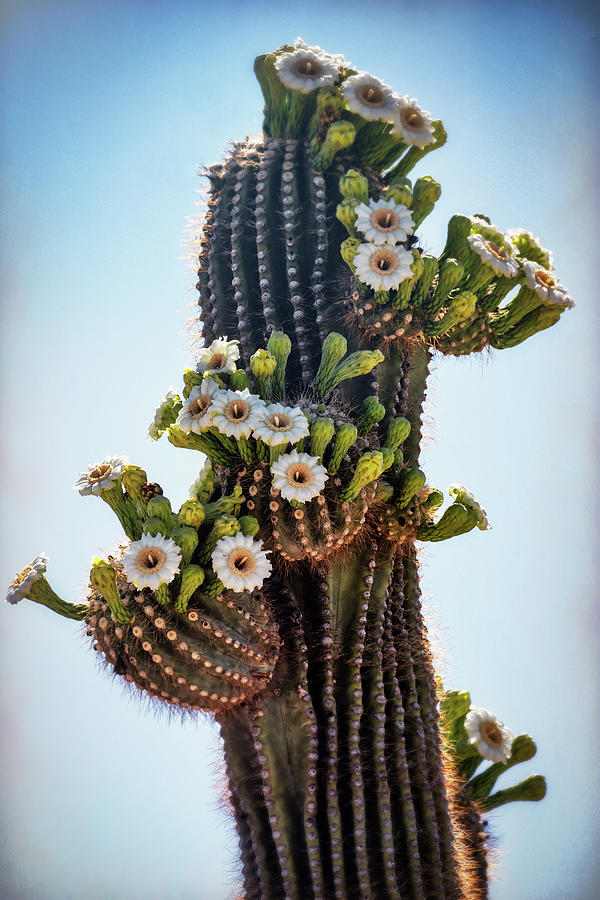
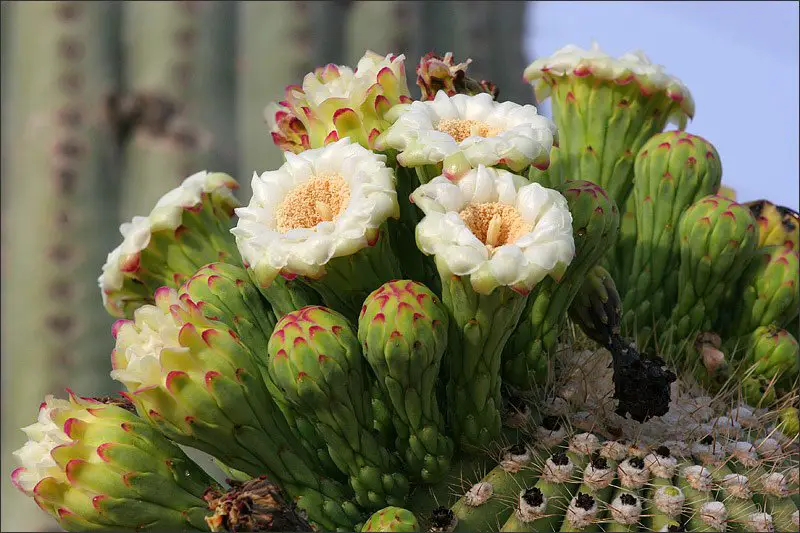
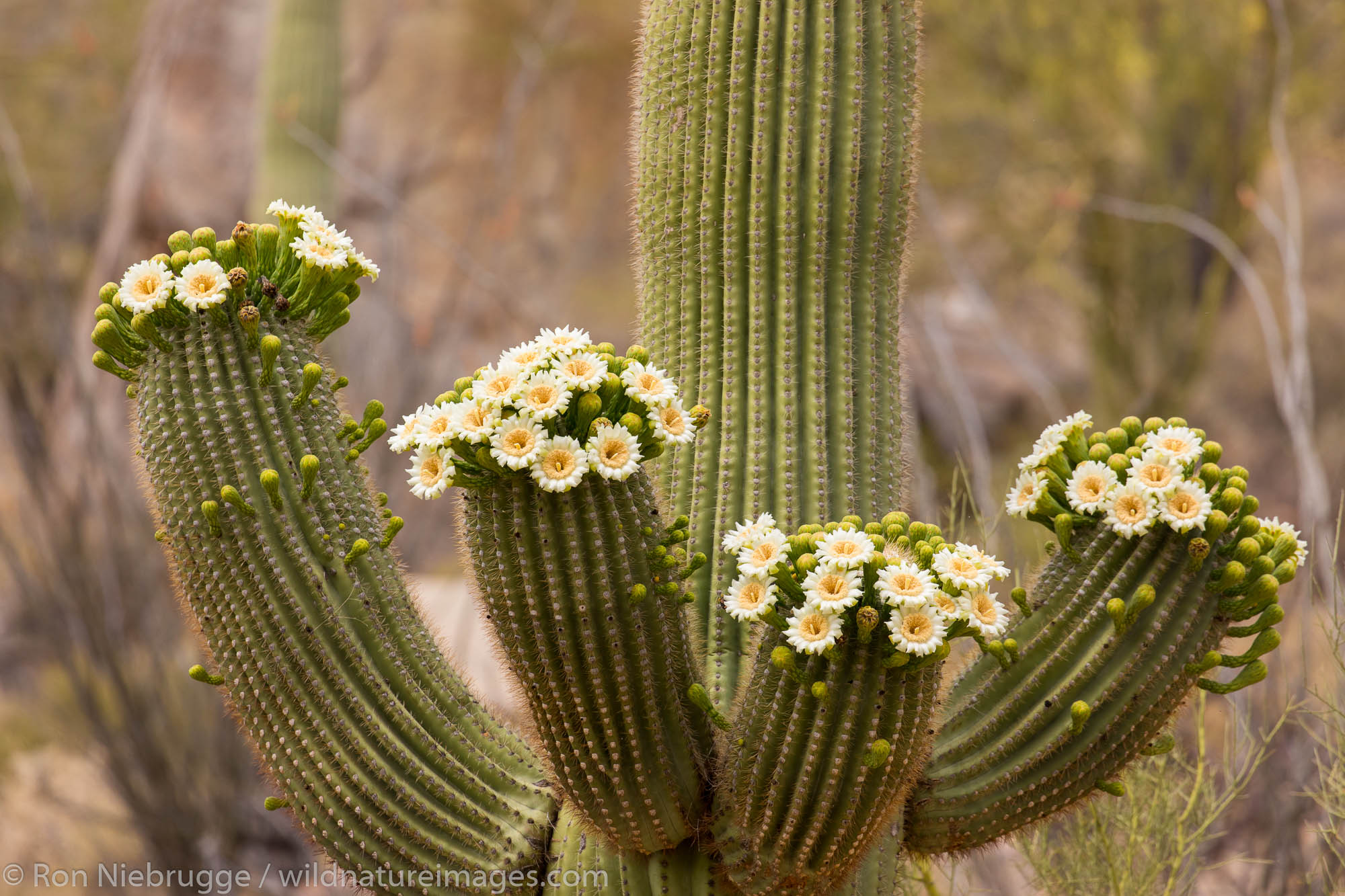
The saguaro cactus (Carnegiea gigantea) is one of the defining plants of the Sonoran Desert. These plants are large, tree-like columnar cacti that develop branches (or arms) as they age, although some never grow arms. These arms generally bend upward and can number over 25. Saguaros are covered with protective spines, white flowers in the late spring, and red fruit in summer.
Habitat
Saguaros are found exclusively in the Sonoran Desert. The most important factors for growth are water and temperature. If the elevation is too high, the cold weather and frost can kill the saguaro. Although the Sonoran Desert experiences both winter and summer rains, it is thought that the Saguaro obtains most of its moisture during the summer rainy season.
Range
You find this cactus in southern Arizona and western Sonora, Mexico. At the northern portion of their range they are more plentiful on the warmer south facing slopes. A few stray plants can also be found in southeast California.
Wild Status
The saguaro is not currently listed as threatened or endangered. Arizona has strict regulations about the harvesting, collection or destruction of this species.
Life Span
With the right growing conditions, it is estimated that saguaros can live to be as much as 150-200 years old.
Size
Saguaro are very slow growing cactus. A 10-year-old plant might only be 1.5 inches tall. Saguaro can grow to be between 40-60 feet tall. When rain is plentiful and the saguaro is fully hydrated it can weigh between 3200-4800 pounds.
Quick Facts
The saguaro is the largest cactus in the United States.
Most of the saguaro’s roots are only 4-6 inches deep and radiate out as far from the plant as it is tall. There is one deep root, or tap root that extends down into the ground more than 2 feet.
After the saguaro dies its woody ribs can be used to build roofs, fences, and parts of furniture. The holes that birds nested in or “saguaro boots” can be found among the dead saguaros. Native Americans used these as water containers long before the canteen was available.

The Peppermint Angelfish is a captivating species that brings beauty and elegance to the coral reefs it calls home. With its vibrant colors and unique characteristics, this fish has captured the imagination of marine enthusiasts around the world. In this guide, we will dive deep into the world of the Peppermint Angelfish, exploring its various aspects including its habitat, life cycle, care in aquariums, conservation status, and frequently asked questions. So let’s embark on this fascinating journey and discover the secrets of the Peppermint Angelfish together!
Understanding the Peppermint Angelfish
The Peppermint Angelfish (Paracentropyge boylei) is a small-sized marine fish that belongs to the family Pomacanthidae. Native to the waters of the Marshall Islands in the Pacific Ocean, this beautiful creature has become a highly sought-after species in the aquarium trade.
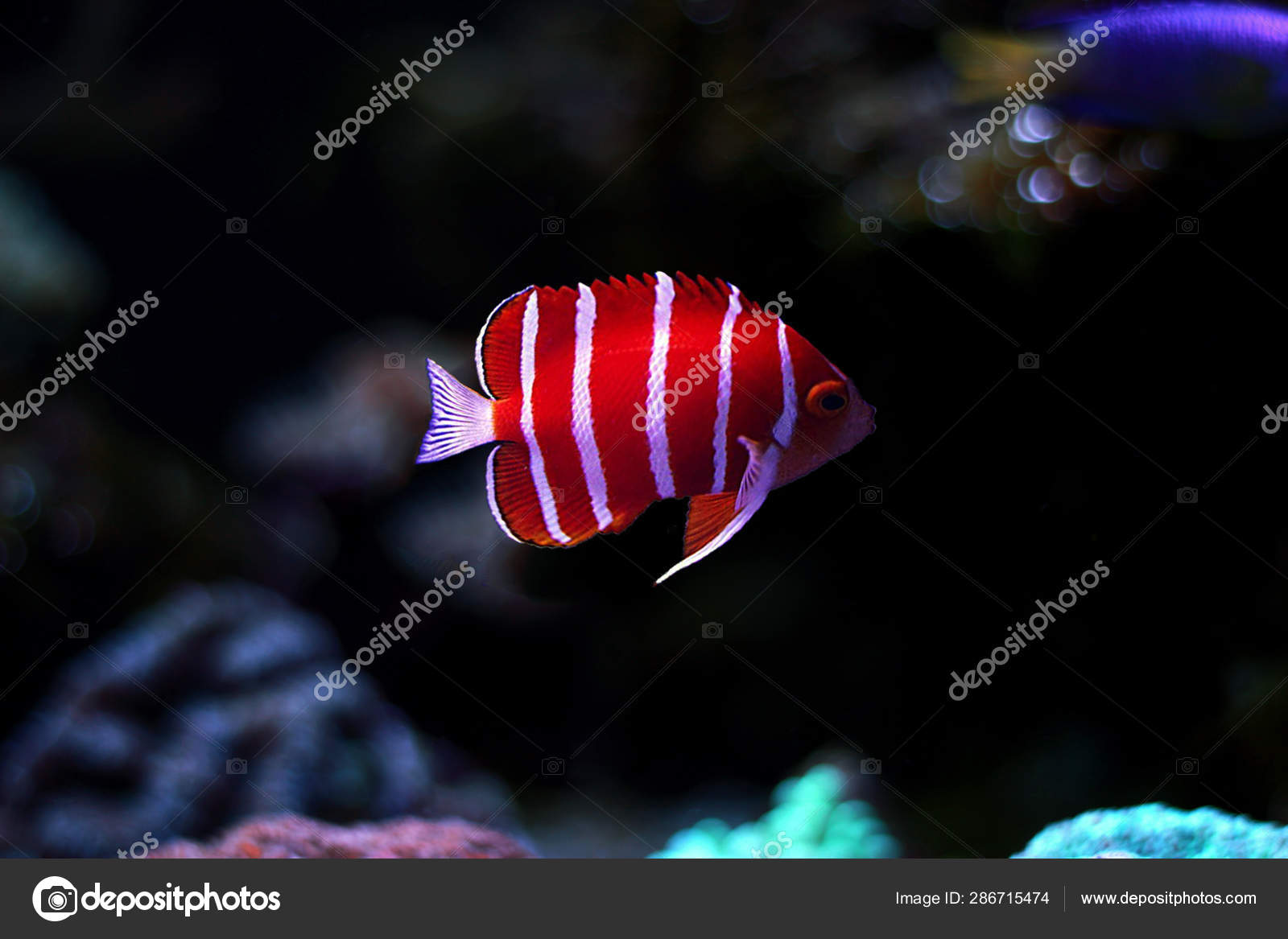
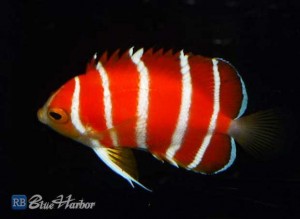
The Peppermint Angelfish is characterized by its strikingly vibrant coloration. Its body is primarily adorned with a gradient of red and white stripes, resembling a peppermint candy, from which it derives its name. The species is relatively small, typically reaching a maximum length of around 4 inches.
Interestingly, the vibrant coloration of the Peppermint Angelfish serves a purpose beyond aesthetics. The bold red and white stripes act as a form of camouflage, allowing the fish to blend seamlessly with the colorful coral reefs it calls home. This adaptation helps the angelfish evade potential predators and increases its chances of survival in its natural habitat.
Characteristics of the Peppermint Angelfish
Aside from its mesmerizing coloration, the Peppermint Angelfish boasts other distinguishing features. It has a laterally compressed body, a pair of long, flowing fins, and a prominent mouth with sharp teeth. These physical attributes enable the fish to maneuver through coral reefs with precision and grace.
It is worth noting that the Peppermint Angelfish possesses a unique ability to change its coloration. This remarkable trait allows the fish to adapt to different environments and blend in with its surroundings. When the angelfish feels threatened or encounters a change in its environment, it can alter its coloration to better suit its needs, providing an additional layer of defense against potential predators.
As with other angelfish species, the Peppermint Angelfish exhibits sexual dimorphism. Males tend to have a more intense coloration and elongated dorsal and anal fins, while females are slightly duller in appearance. This distinction becomes more apparent as the fish matures.
Habitat and Distribution
The Peppermint Angelfish is endemic to the waters surrounding the Marshall Islands in the western Pacific Ocean. It primarily inhabits coral reefs, preferring areas with abundant coral growth and strong water currents. These reefs provide essential shelter and sources of food for the fish.
Due to its limited geographic range, the Peppermint Angelfish is considered a rare and elusive species. It is mainly found at depths ranging from 120 to 180 feet, which adds to its mystique and makes it difficult for divers and researchers to study in its natural habitat.

Within the coral reefs, the Peppermint Angelfish forms symbiotic relationships with various organisms. It often seeks refuge within the intricate branches of coral colonies, benefiting from the shelter they provide. In return, the angelfish helps to control the population of harmful organisms, such as algae, by feeding on them. This mutually beneficial interaction highlights the important role the Peppermint Angelfish plays in maintaining the delicate balance of the coral reef ecosystem.
Furthermore, the Peppermint Angelfish has adapted to thrive in the warm tropical waters of the Marshall Islands. It has developed a specialized respiratory system that allows it to extract oxygen efficiently from the water. This adaptation enables the angelfish to navigate the strong water currents commonly found in its habitat, ensuring its survival in challenging conditions.
In conclusion, the Peppermint Angelfish is a fascinating species that captivates both marine enthusiasts and researchers alike. Its vibrant coloration, unique physical characteristics, and specialized adaptations make it a truly remarkable creature. However, due to its limited distribution and elusive nature, there is still much to be discovered and understood about this captivating fish.
The Life Cycle of the Peppermint Angelfish
The life cycle of the Peppermint Angelfish encompasses various stages, from reproduction to growth and development. Understanding these processes is crucial for those interested in breeding and caring for this species in captivity.
Breeding Habits
The Peppermint Angelfish is known to exhibit monogamous breeding behavior, in which a male and female form a pair bond and engage in courtship rituals. The pair defends a territory and spawns in the early morning hours, releasing their eggs and sperm into the water column.
After fertilization, the eggs are left to float freely in the water. The Peppermint Angelfish, like other angelfish species, engages in pelagic spawning. This means that the eggs drift with the currents, offering them protection from predators until they hatch.
Growth and Development
Upon hatching, the larvae of the Peppermint Angelfish are extremely small and transparent. They undergo a period of rapid growth, feeding primarily on planktonic organisms that are abundant in their natural habitat.
As the juvenile fish develop, their coloration gradually transforms, displaying the iconic red and white stripes that are characteristic of the adult Peppermint Angelfish. The transition from juvenile to adult typically occurs within the first few months of their lives.
SOURCE: ANIMAL ENCYCLOPEDIA John Brooks

Today’s recipe is Red Velvet Bundt Cake in honor of Valentine’s Day!

Ingredients
Cake:
Baking spray with flour
2 3/4 cups all-purpose flour
3 Tbsp. unsweetened cocoa powder
3/4 tsp. baking soda
3/4 tsp. table salt
1 cup (8 oz.) unsalted butter, softened
1 2/3 cups granulated sugar
1/3 cup vegetable oil
4 large eggs, at room temperature
3/4 cup whole buttermilk
2 tsp. vanilla extract
2 tsp. white vinegar
2 tsp. to 2 Tbsp. red food coloring
Cream Cheese Glaze:
4 oz. (1/2 package) cream cheese, at room temperature
1 1/3 cups powdered sugar
1 Tbsp. half and half or whole milk
1/2 tsp. vanilla extract
Directions
Prepare oven and Bundt pan:
Preheat oven to 325°F. Generously spray a 12 cup Bundt pan with baking spray with flour.
Prepare Cake:
In a medium bowl, whisk together flour, cocoa powder, baking soda, and salt.
In a large bowl, beat butter and sugar together with an electric mixer until fluffy, about 3 minutes. Add vegetable oil and beat 1 minute longer, until combined.
Add eggs, one at a time, beating well after each addition. Stop and scrape down the bottom and sides of the mixing bowl as needed.
Add flour mixture alternately with buttermilk, starting and ending with flour.
Beat in vanilla, vinegar, and food coloring (tint to desired shade) just until combined.
Pour batter into prepared pan and tap lightly on the counter to release any bubbles. Smooth the top of the batter with a spatula.
Bake cake:
Bake 55-65 minutes or until a wooden pick inserted into the center of the cake comes out clean and the top of cake springs back when touched.
Let cool in pan on cooling rack 10 minutes, then turn out onto cooling rack to cool completely.
Prepare the Cream Cheese Glaze:
Beat cream cheese, powdered sugar, and salt together with an electric mixture on medium speed until smooth. Add half and half and vanilla; beat until smooth. If glaze is too thick to pour, add additional half and half, 1 teaspoon at a time, until desired consistency is reached.
Decorate Cake:
Pour glaze over cooled cake.

ENJOY!

