Today’s category is Business, Advertising and Inventions.
What do the initials SOS stand for in the steel wool soap pads?
What was IBM known as before its name changed in 1924?
Prior to 1953. What product was advertised with the slogan “Just what the doctor ordered?”
What did a horse named Nita beat in a famous race in 1830?
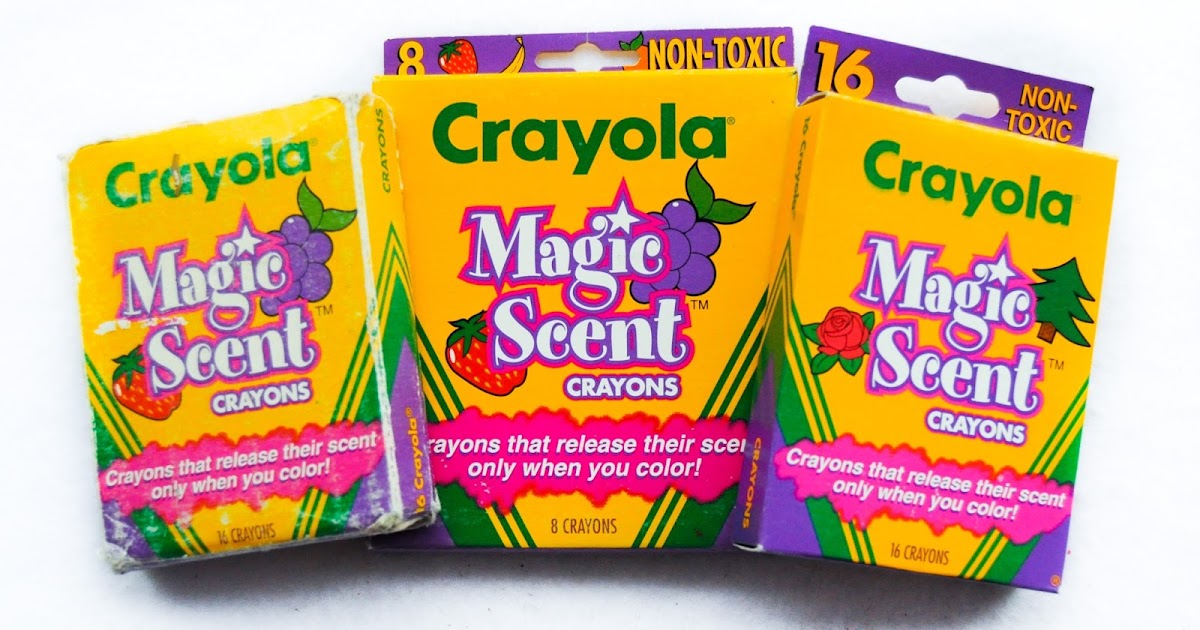
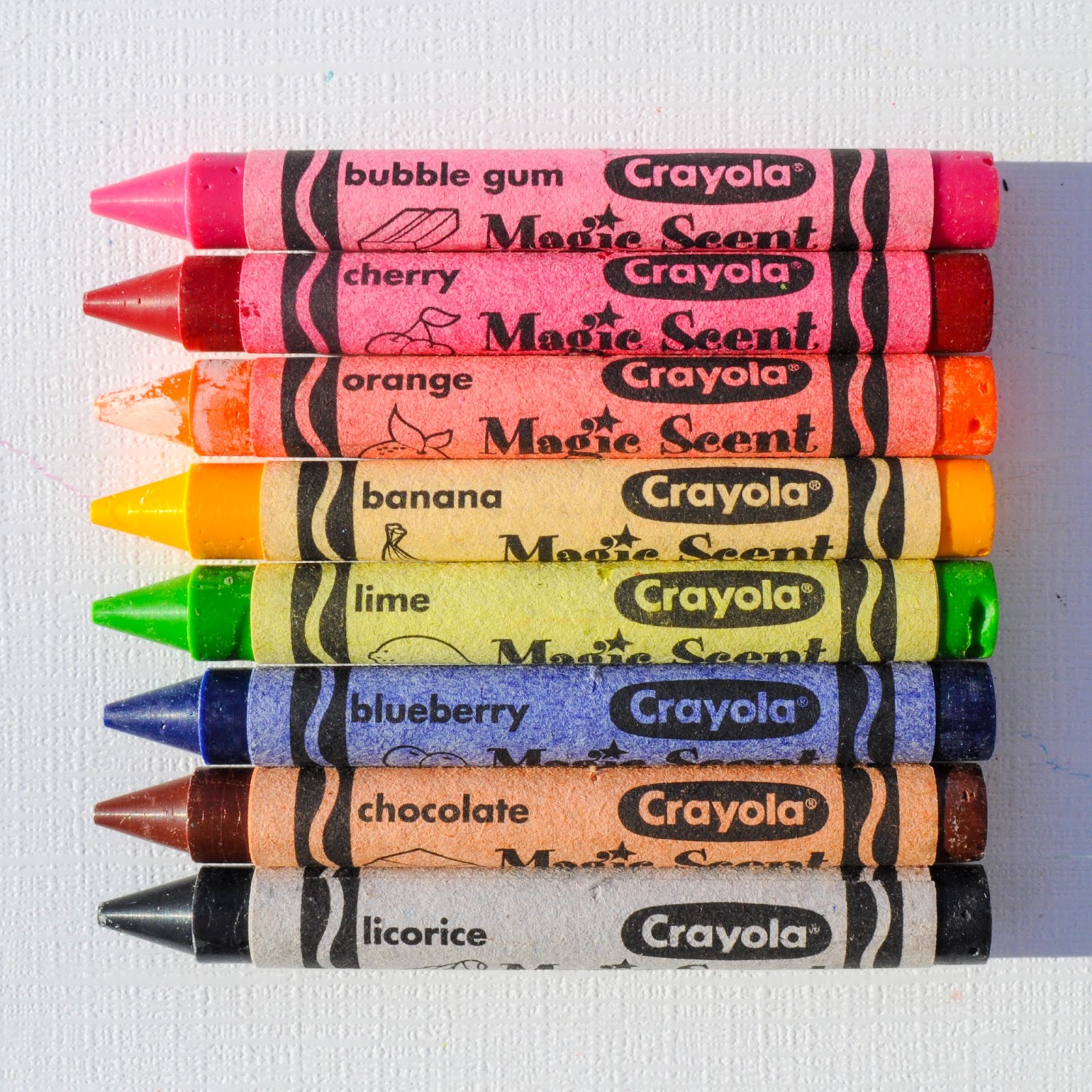
What is the blue crayon in Crayola’s Magic Scents Crayon box designed to smell like?
What fast food chain founded in 1964 was named for brothers Forrest and Leroy Raffel?
What was the only product ever promoted by Elvis Presley in a tv commercial?
What product was first introduced in 1906 as Blibber-Blubber?
How many exposures were there on a roll of film sold with Kodak’s first box camera in 1888?
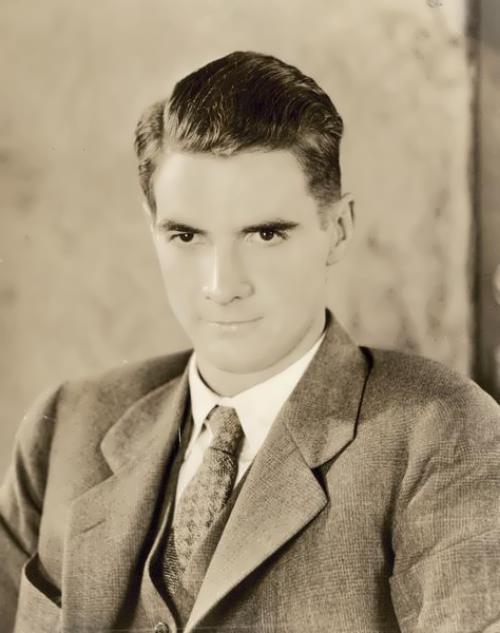
What was the source of billionaire recluse Howard Hughes’ original fortune?
In 1851, how much money did newspaper publisher Horace Greeley recommend that the average workingman set aside weekly for rent to support a family of five?
What enduring advertising symbol was created by a Virginia schoolboy as part of a drawing competition in 1916?
What was the name of the first deodorant company in the United States?
What was sold in the Burpee mail order catalog when it was first introduced in 1876?
What is Barbie’s full name?
What is the name of the camel on the Camel cigarettes pack?
What colonial American devised the first wet suit for divers as well as a primitive version of today’s flippers?
Why did Proctor & Gamble drop it’s century-old moon and stars trademark from its packaging in 1985?
Who invented wax paper, an electric pen and a process that turned goldenrod into synthetic rubber?
What American used to shoplift from his own stores to check the alertness of his employees?
Ready for the answers?
ANSWERS
Save Our Saucepans
C-T-R. for Computer-Tabulating-Recording Company
L & M Cigarettes
Tom Thumb, the first locomotive built in America. Nita, a part Mustang gray mare, outran the iron horse after its engine broke down.
A new car. It was initially given a blueberry aroma, but Crayola changed all its scents after parents suggested that kids would be less likely to eat crayons that were not food scented.
Arby’s. The name stands for RB—Raffel Brothers.
Donuts—the commercial, for Southern Made Donuts, was aired in 1954.
Bubblegum.
100. The price of the camera and film together was $25.
His father’s invention of an oil drill bit capable of boring through subterranean rock
$3
Mr. Peanut. Antonio Gentile of Suffolk VA won $5.
Odorono—its magazine ad mentioning underarm odor in 1919 led to hundreds of offended women to cancel their subscriptions to Ladies Home Journal.
Chickens. Burpee soon added chicken feed and then vegetable and flower seeds.
Barbara Millicent Roberts.
Old Joe.
Benjamin Franklin
There was a rumor circulating nationwide that the logo-showing a man in the moon and 13 stars—was the mark of the devil.
I will never forget where I was when I heard about the Twin Towers. My mother and I were in the local bank. They had just installed 2 large televisions for those people waiting in lines. Normally the news played in the background as we stood waiting for the next teller. But that morning, we all stood in disbelief watching the horror unfold—tellers and customers alike. Mom and I had planned to go grocery shopping after the bank, but we decided to go home and watch the tv for more information.
Where we you when you heard? Do you remember? Will you ever forget?
(if I got the correct link, the second video is the updated version of the first one.)
There is a house in Rockport, Massachusetts built of paper and it has survived since the 20’s! The following interview appeared in the Cape Ann Sun, 1996.
Mr. Elis F. Stenman, a mechanical engineer who designed the machines that make paper clips, began building his Rockport summer home out of paper as a hobby. That was in 1922. The paper was meant to be good insulation.
Now Stenman’s grandniece, Edna Beaudoin runs the Paper House as her mother did for many years. The following interview is from a conversation with Beaudoin.
How do you make a paper house?
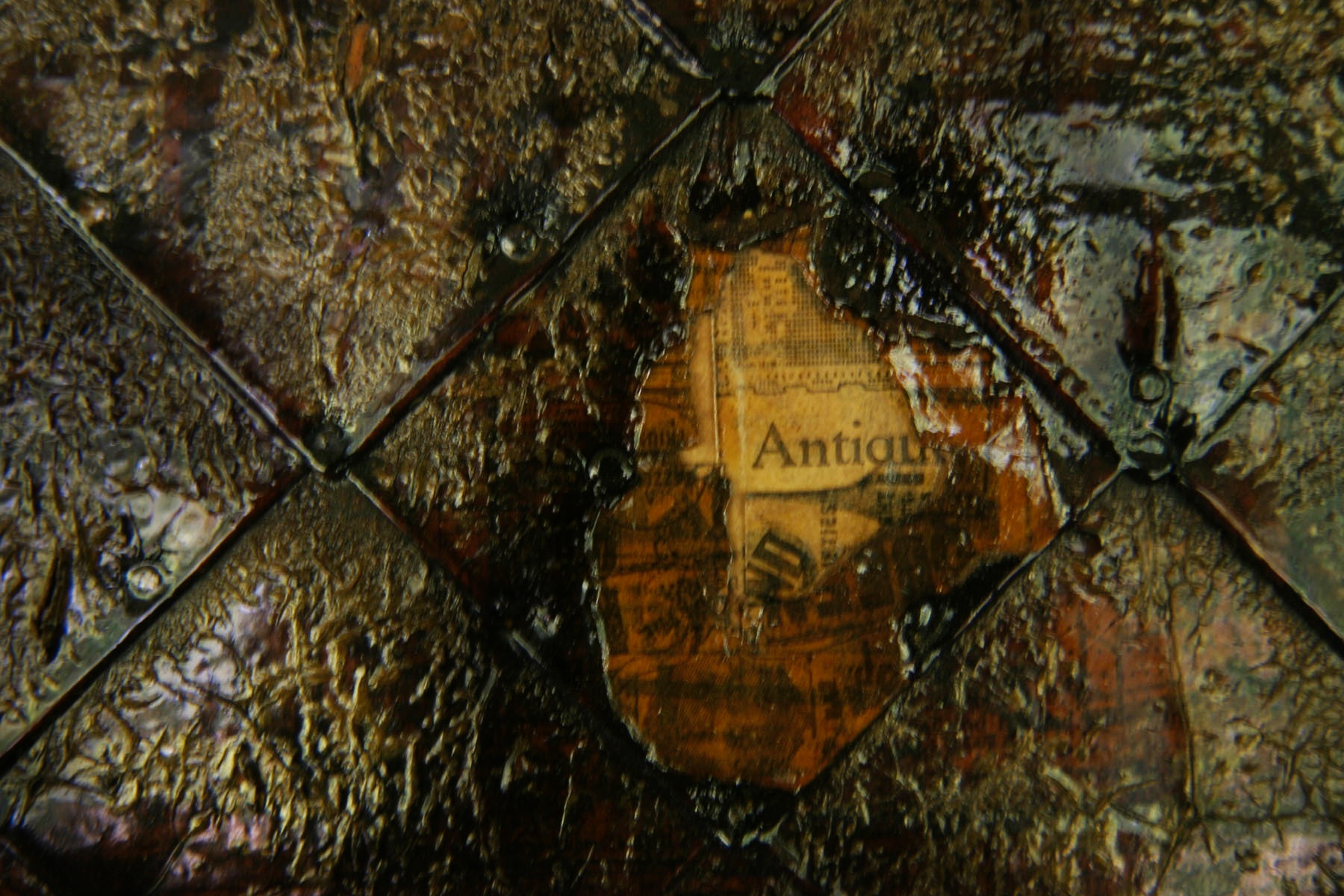
Well, let me see. (Elis Stemnan) started out making a house for the summer. The framework to the house is wood-just like any other house-it has a regular wooden floor and wooden roof. The wall material, which was supposed to be insulation really, is pressed paper about an inch thick. It’s just layers and layers of newspaper, glue, and varnish on the outside That keeps it pretty water-proof actually. This was done in 1924 and he lived here in the summertime up until 1930. Actually, I guess he was supposed to cover the outside with clapboards, but he just didn’t. You know, he was curious. He wanted to see what would happen to the paper, and, well, here it is, some 70 years later.
Have you re varnished it?
Oh yes, lots of extra varnish on the Paper House walls. When the house was built, of course, the porch wasn’t here. That was built sometime in the early ’30s. So the porch roof really protects the bottom part of the Paper House walls. The top section up there on the peaks of the roof that has shingles on it. Roofing shingles, so there really isn’t any paper exposed to the weather. Rain blows in, sometimes snow, but it’s held up pretty well considering how old it is. We really don’t varnish the inside of the house because the more you put on, the darker it gets and we really just like to leave it so you can still read the papers.
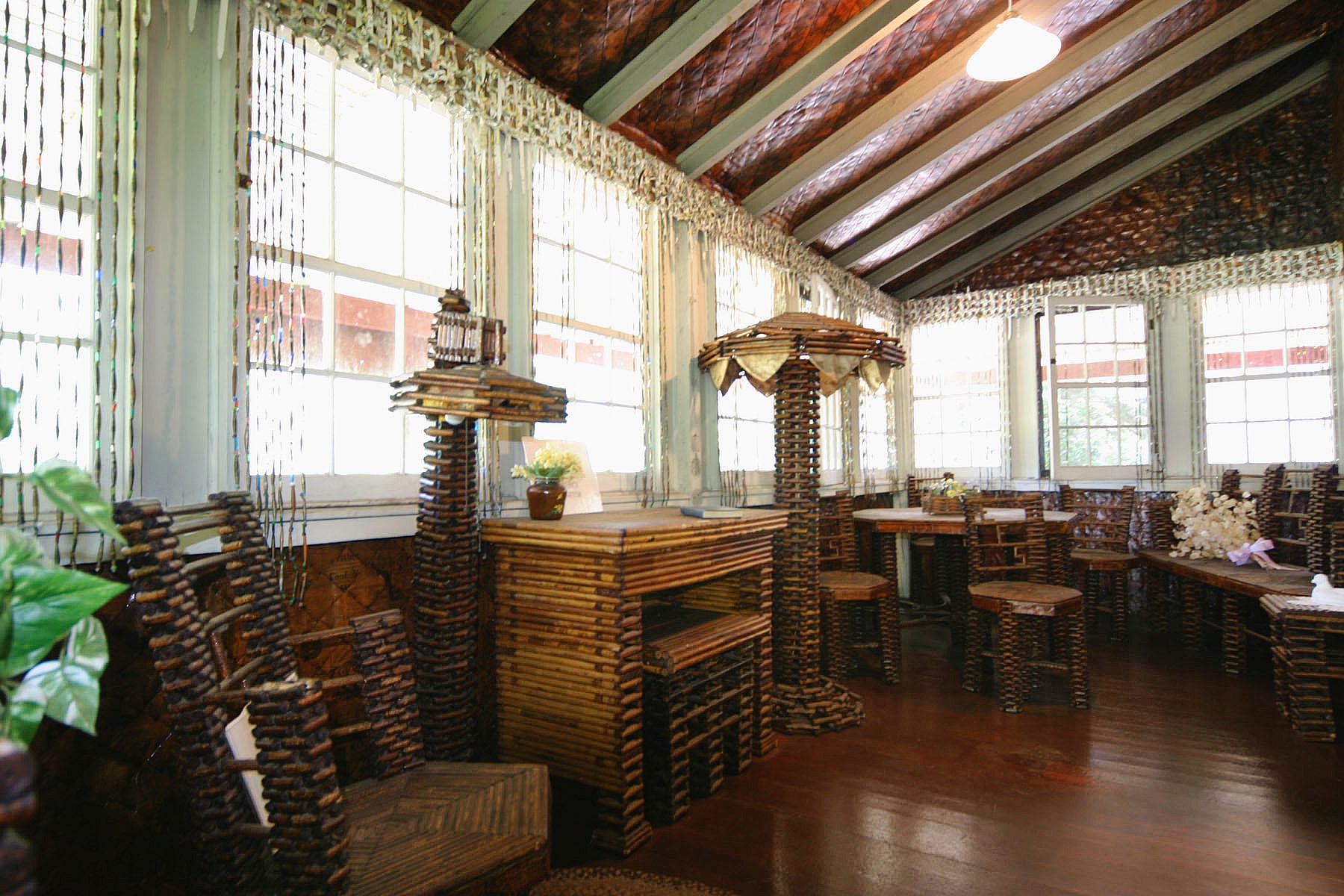
After the wall material was made, and he was living in it, he made the furniture. The furniture is made out of little paper logs. The little rolls of paper are maybe a half inch thick and they’re all cut to different sizes-cut with a knife. Then they’re glued together or nailed together.
Who was Elis Stenman?
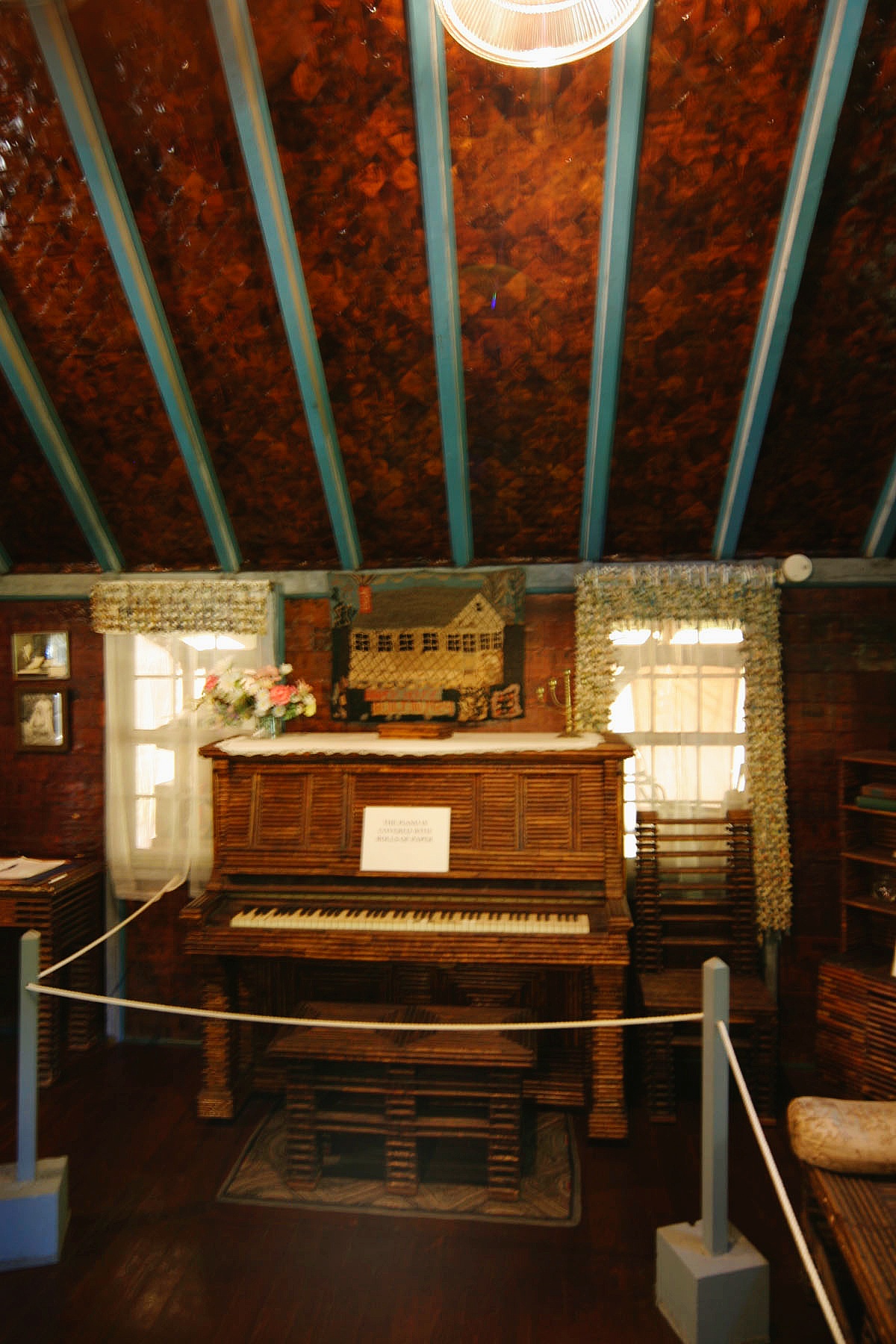
He’s my- I guess you could say he’s a grand uncle. He’s my mother’s uncle. He and Mrs. Stenman lived in Cambridge when they started this and he was an engineer. He designed machinery and we just really don’t know where he got the idea to build a house out of paper. He was just that sort of a guy. He was curious – an amateur inventor. He started dabbling with trying to make a steam iron and that was back in the ’20s. I don’t believe that he ever patented it, but he was always doing little experimental things. When he was making the house here, he just mixed up his own glue to put the paper together. It was basically flour and water, you know, but he would add little sticky substances like apple peels. But it real1y has lasted. The furniture is usable-it’s quite heavy. Basically the furniture is all paper except for the piano which he covered.
He covered the piano with paper?
Yes, it’s a real piano and he just put the paper outside. And then there’s the mantle on the fireplace. The fireplace actually is usable because it’s really a brick fireplace.
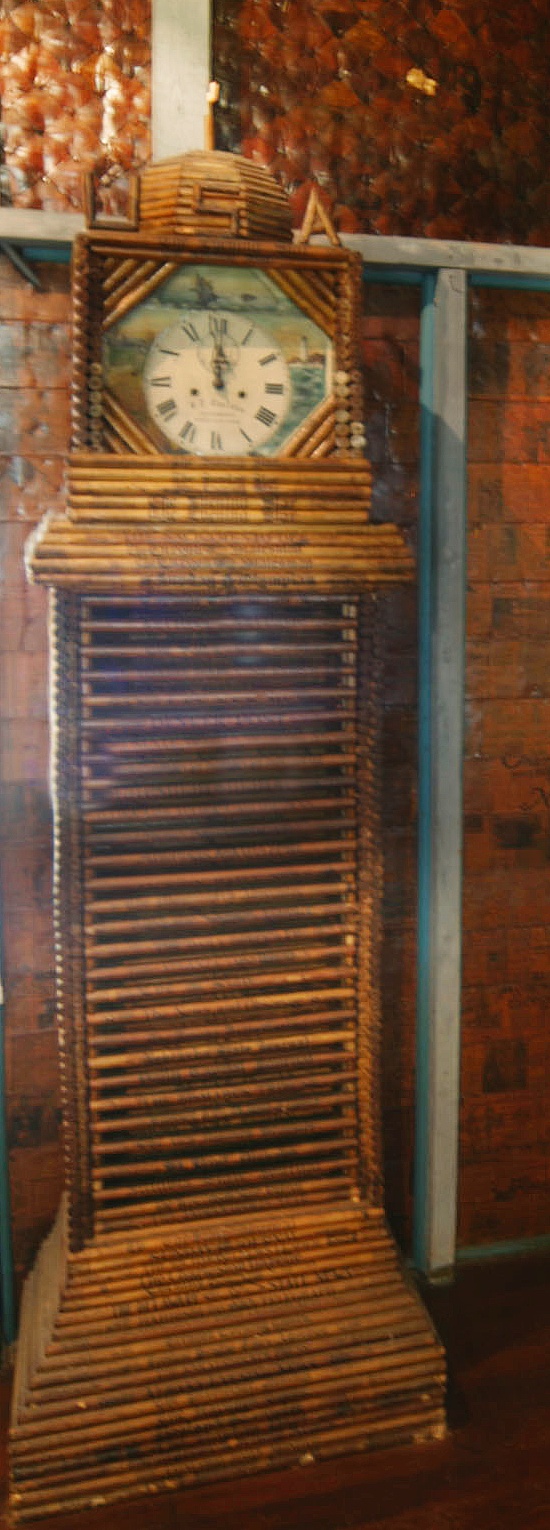
There’s a clock in there. It’s actually very interesting. It’s a grandfather clock and there’s a paper from each one of the 48 states in it, so there are all the state capitols and you can read them all the way down the front of the clock. It was made in the ’30s, so there’s no Alaska and no Hawaii.
Do you know when the electricity was put in?
The house was built with electricity. Yup, electricity, and they even had running water in it when they lived here. It was summer water; the pipe came right up over the ground, but there was water in there. But there were no bathrooms. They were over there in the woods-over yonder. And, no, the outhouse wasn’t paper.
What’s the lineage? How did the house get passed down to you?
Well it was the Stenman’s who actually raised my mother. Her parents dies when she was very young and they were her parents basically. I never knew him- he dies when I was just a baby, but Mrs. Stenman -and it was she who made all the little drapery things in there, which are also made of paper-was really like my grandmother. So, it’s really like the family heirloom.
When did the house get opened up as a museum?
Probably in the ’30s. When they were living in here in the summertime, people used to come up to the house. You know, word got around. This is a small town. Word got around that there was this man making a house of paper. People were curious as early as the late ’20s. But I don’t think they started to charge admission until after Mrs. Stenman died in 1942. I suppose that’s when it really became a museum. It used to be 10 cents to get in.
How much is it now?
A dollar and a half. Inflation. lt is $1.50 for adults and a dollar for children six to 14.
Do you feel a great responsibility to keep it intact?
Yeah, I do. I feel responsible for it, but I don’t worry about it. It’s been here since 1924, so I guess that if a storm was going to blow it over, then so be it. Here it sits and you can’t spend your life worrying that something is going to happen to it. You just take care of it and that’s it.
What’s the most commonly asked question about the Paper House?
I think probably the most common question is just, “why?”
Do you know the answer?
No. I don’t really know the answer. I don’t really know why unless he was just really thrifty or something. Newspapers were pretty inexpensive; everybody gave him their papers.
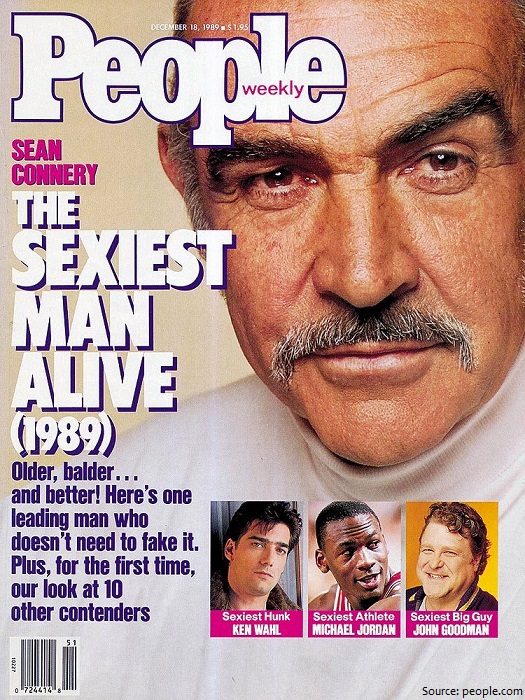
I found this article from 2017 about Sean Connery on the JustFunFacts website and since his birthday is this month, I thought you’d enjoy knowing a little more about him.
Sean Connery is a retired Scottish actor and producer.
His full name is Thomas Sean Connery.
He was born on August 25, 1930, in Fountainbridge, Scotland.
His mother, Euphemia McBain “Effie” (née McLean), was a cleaning woman, and his father,Joseph Connery, was a factory worker and truck driver.
He has a younger brother Neil Connery, born in 1938.
Sean Connery is of Irish and Scottish descent.
Connery started working to help support the family at age nine, delivering milk and assisting a butcher.
He left school at age thirteen.
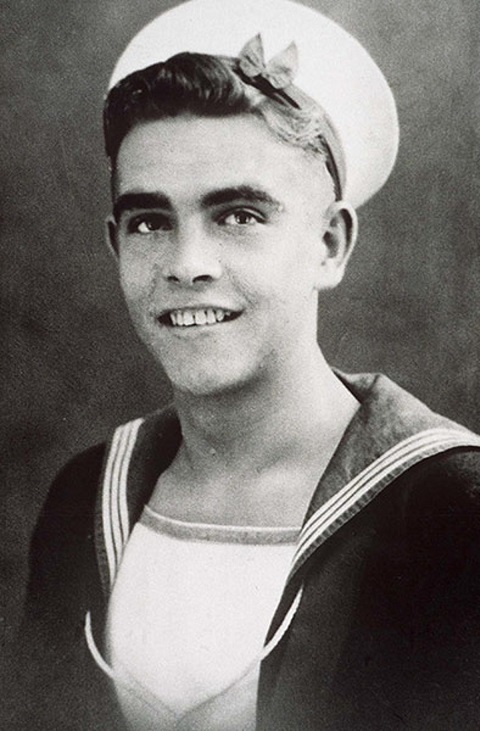
Connery joined the British Royal Navy in 1946. Though he signed up for a seven-year stint, he was released from service after three years due to stomach ulcers.
Connery began bodybuilding at the age of 18, and from 1951 trained heavily with Ellington, a former gym instructor in the British army.
In 1953 Connery won third place in the Mr. Universe competition.
At the age of 23, he had a choice between becoming a professional footballer or an actor, and even though he showed much promise in the sport, he chose acting and said it was one of his more intelligent moves.
No Road Back (1957) was Sean’s first major movie role, and it followed by several Tv-movies such as Anna Christie (1957), Macbeth (1961) and Anna Karenina (1961) and guest appearances on TV-series.
In 1962 Connery was cast in the role of James Bond, Agent 007 of the British Secret Intelligence Service, in the screen adaptation of Ian Fleming’s spy thriller Dr. No.
The immense success of the film and its immediate sequels, From Russia with Love(1963)and Goldfinger(1964),established the James Bond films as a worldwide phenomenon and Connery as an international celebrity.
After completing the next two James Bond films, Thunderball (1965) and You Only Live Twice (1967), Connery renounced the role of Bond.
Four years later, however, he was persuaded to return to the role for Diamonds Are Forever (1971), which he declared was his last movie as Bond.
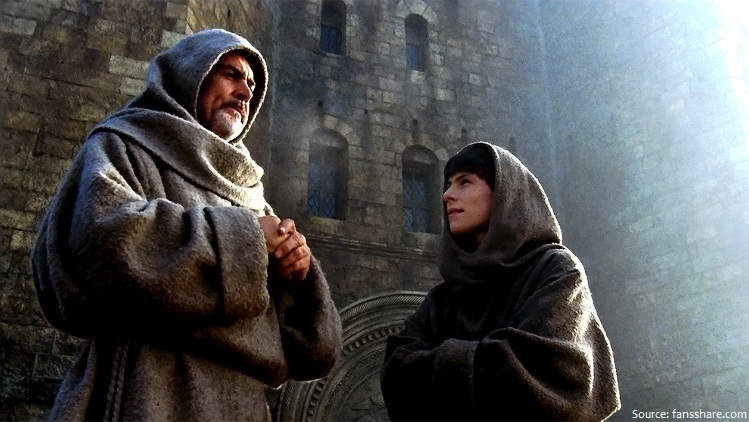
After Bond, Connery continued to work regularly—Murder on the Orient Express (1974), The Man Who Would Be King (1975), Robin and Marian (1976), with Audrey Hepburn, The Great Train Robbery (1979), Time Bandits (1981), Highlander (1986) and The Name of the Rose (1986), winning a British Film Academy award for the latter project, which was based on the book by Umberto Eco.
Connery finally won an Academy Award (best supporting actor), for his role as a Chicago cop on the trail of Al Capone in 1987’s The Untouchables, co-starring Kevin Costner, Andy Garcia and Robert De Niro.
In Steven Spielberg’s Indiana Jones and the Last Crusade (1989) Connery played the title figure’s father, and in The Hunt for Red October (1990) he played a defecting Soviet submarine captain.
Connery’s memorable films of the 1990s include Robin Hood: Prince of Thieves (1991), First Knight (1995), The Rock (1996), Dragonheart (1996), The Avengers(1998), and Entrapment (1999).
In 2000, Connery had a starring role in the drama Finding Forrester, followed by 2003’s The League of Extraordinary Gentlemen, a comic book adaptation in which he depicted fictional explorer Allan Quatermain.
When Connery received the American Film Institute’s Lifetime Achievement Award on 8 June 2006, he confirmed his retirement from acting. But he went on to perform various voice roles.
Sean Connery has won an Academy Award, two BAFTA Awards (one of them being a BAFTA Academy Fellowship Award) and three Golden Globes (including the Cecil B. DeMille Award and a Henrietta Award).
He was knighted by Elizabeth II in July 2000 after receiving Kennedy Center Honors in the US in 1999.
Sean Connery has an estimated net worth of $120 million.
Sean married actress Diane Cilento in 1962 and they had a son, Jason Connery, born on January 11, 1963, he followed in his father’s footsteps and also became an actor. The marriage ended in divorce in 1973. In 1975 he married Micheline Roquebrune and they have stayed married, they have no children together. He is also a grandfather. His son, Jason and his ex-wife, actress Mia Sara had a son, Dashiell Quinn Connery, in 1997.
Connery is a member of the Scottish National Party (SNP), a centre-left political party campaigning for Scottish independence from the United Kingdom, and has supported the party financially and through personal appearances.
Connery stated in interviews that he was offered a role in The Lord of the Rings series, declining it due to “not understanding the script.” CNN reported that the actor was offered up to 15% of the worldwide box office receipts to play Gandalf, which had he accepted, could have earned him as much as $400 million for the trilogy.
Connery has been called “the rogue with the brogue,” and in 1989, at almost 60 years of age, he was named People magazine’s “Sexiest Man Alive.”
He has two small tattoos on his right arm. One says “Scotland forever”, the other “Mum and Dad.” He got them when he enlisted in the Royal Navy at the age of 16.
Connery used to live in Marbella, Spain, near a golf course where he played daily when not filming. He left following disagreements with the local press, and now resides in the Bahamas where he plays golf much less frequently.
His film production company, Fountainbridge Films, is named after the area of Edinburgh where he was born and grew up.
His favorite Bond film is From Russia with Love, as confirmed to ABC News in 2002.
He wore a toupee in all the James Bond movies. He started losing his hair at the age of 17, and began wearing a hairpiece in films in 1958. Privately and in most of his post-Bond movies he did not wear a toupee.
He was almost killed filming the helicopter chase scene in From Russia with Love (1963) when the inexperienced helicopter pilot flew in too close and almost decapitated him.
Connery said in an interview that during the filming of Never Say Never Again (1983), he was taking martial arts lessons and in the process angered the instructor who in turn broke his wrist. Connery stayed with the wrist broken for a number of years thinking it was only a minor pain… the instructor was Steven Seagal.
He donated his salary from Robin Hood: Prince of Thieves (1991) to charity.
According to a poll, conducted by British film magazine Empire, he created the worst accent in the history of cinema in the movie The Untouchables (1987).
Connery attended dancing lessons for 11 years under the tutelage of Swedish dance Yat Malmgren.
He was once stopped for speeding by an officer named Sergeant James Bond.
He attained his full height of 188 centimeters (6 ft 2 in) at the age of 18. He was called as “Big Tam” in his teens.
He was a very good football player and played for Bunnyrigg Rose in his younger days. Manchester United’s manger, Matt Busby was impressed by Connery’s play that he offered him a contract for 25 pounds a week.
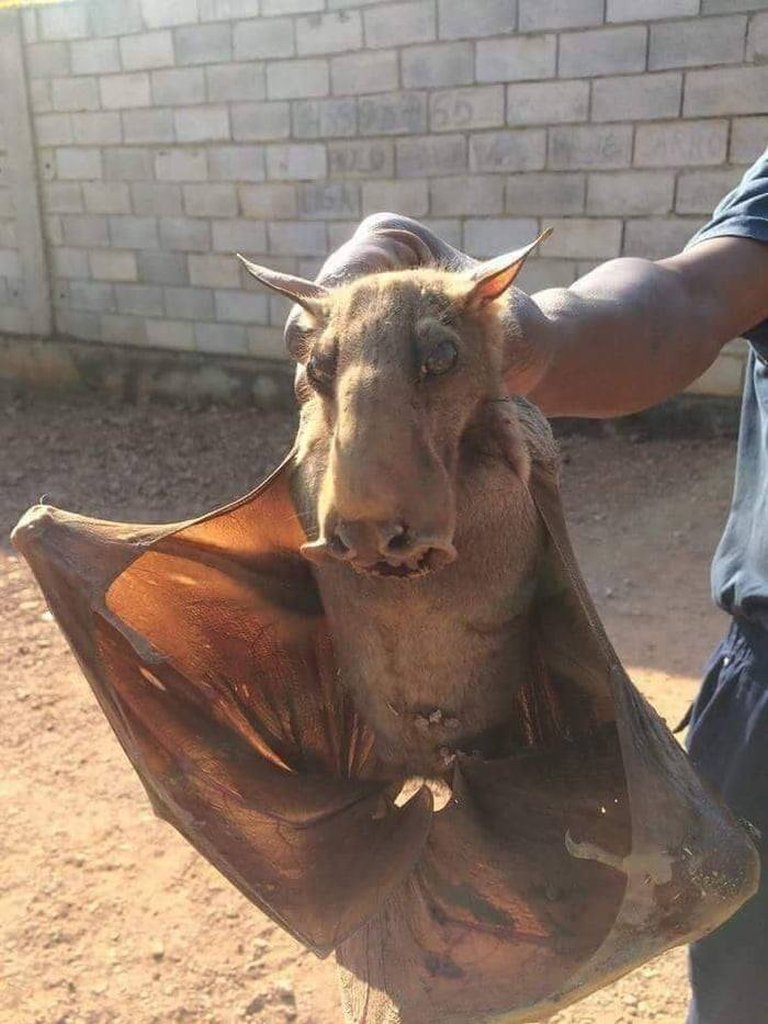
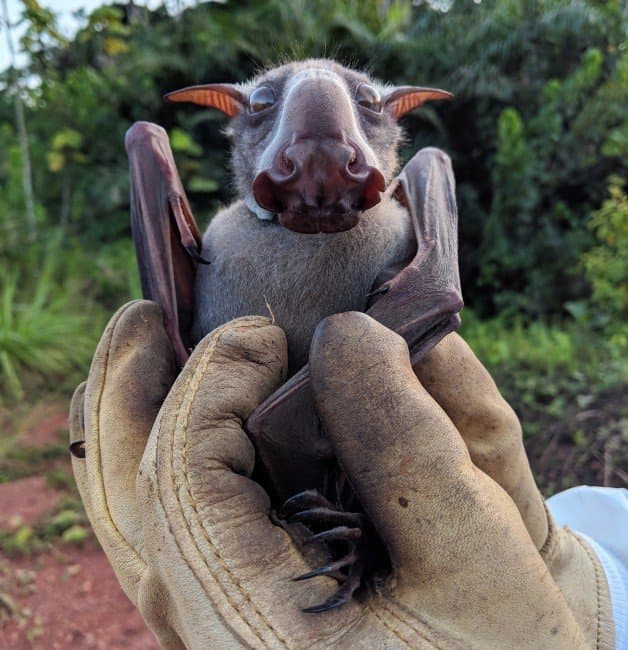
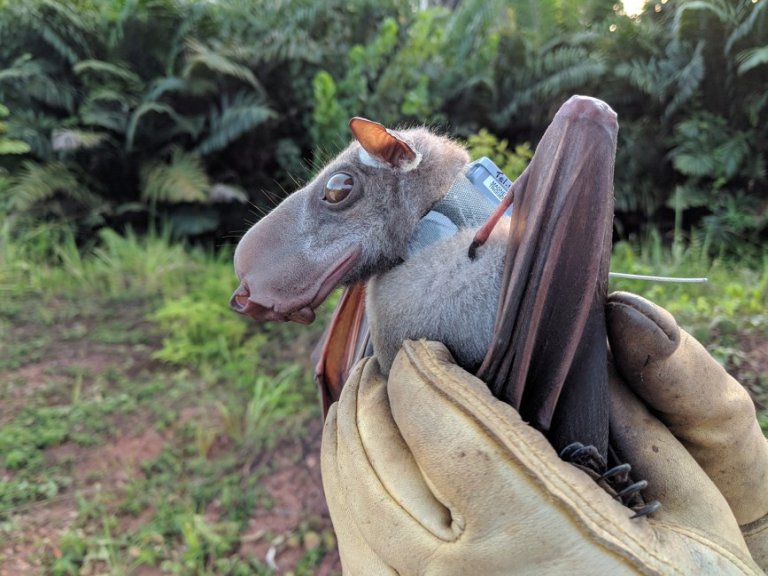
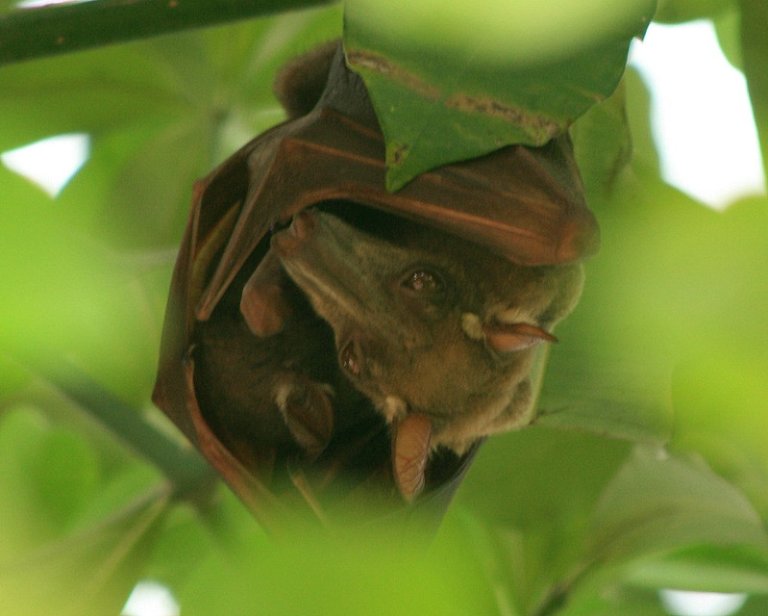
The hammer-headed bat, also known as the hammer head fruit bat and big-lipped bat, is one of the most unique species of bats around. They’re a type of megabat, just like flying foxes.
They’re considered frugivorous, which means their diet mainly consists of fruits. This, paired with the loud honking sound they make, has caused many people to consider them pests.
While they’re considered pests in much of Africa, they are also an important part of day-to-day life in the countries the species is found. This is because they are considered bushmeat. As a result, they help contribute to the daily protein needs of the people there.
Although they are hunted for a variety of different reasons, the hammer-headed fruit bat isn’t considered to be endangered or threatened. This is because they have a wide habitat distribution with estimated high populations.
Males gather together in groups to attract females and impress them with courtship rituals, which involves ‘calling‘ to entice females to mate. They sound a little like croaking frogs! Like many other mammals, baby bats are known as pups.
Hammer-headed bats will sleep during the day in tree roosts individually or in small groups of 4-5, and forage for food at night.
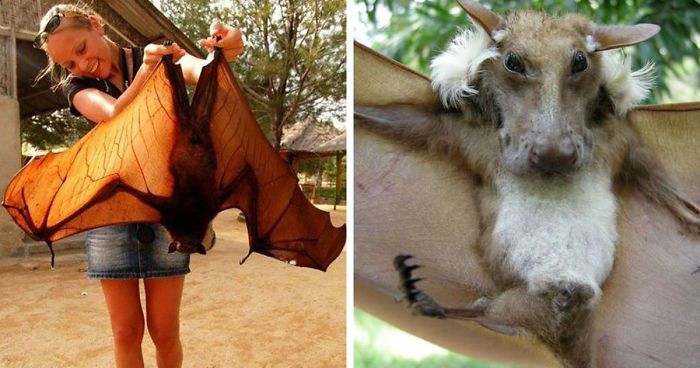
They’re one of the largest bats in the world
As a species of megabat, the hammer-headed bat is one of the largest species of bat in the entire world.
In fact, they rank at about number three, right after different species of flying fox. They have wingspans rivaling those of small birds of prey – around 3.3 feet, and their forearms are more than half the size of human forearms.
Hammer-headed bats are known to have different personalities
Believe it or not but hammer-headed bats actually have highly noticeable personalities that can differ from individual to individual. This is best observed when trying to further research and tag individuals to track their activity and behavior.
In order to track hammer-headed bats, scientists have to place GPS collars on them. This means that they’d have to hold the hammer-headed bat. Some individuals have been recorded to be docile and wait patiently to be released. Others were much more rebellious and would often bite, causing the scientists to need thick leather gloves.
They can have twins
While they’re not so uncommon in certain animals, hammer-headed bats, like humans, don’t often have twins. Instead, they usually only have one baby per pregnancy, which can happen up to twice a year. However, while this is the norm, twins have been reported!
The hammer-headed bat’s tongue acts as a straw
Because hammer-headed bats eat mainly fruit, their anatomy is designed in a way to help them get the most out of their diet. Their tongue is no exception.
The hammer-headed bat’s papillae are for more than just tasting – they also act as a straw! These little bumps on their tongue face backward, which allows for the hammer-headed bat to easily suck out the juices from their favorite fruit.
Their large face is a part of their mating rituals
The hammer-headed bat is named for its large head. However, this is actually only most notable in males, with females having an appearance more like other megabats.
Remember how earlier in this article we mentioned that hammer-headed bats are viewed as pests because of the loud ‘honking’ noise they make?
That noise can actually be traced back to the shape and size of their head. The male hammer-headed bat’s head is designed in such a way to echo, and thus amplify their calls. They have large resonating chambers on their faces, which help them find a mate.
Male’s vocal chords are also three times the size of females, and their larynx is so large, it displaces other organs, such as their heart, lungs, and gastrointestinal tract.
6% of males are involved in 80% of matings
Females visiting the lek (group of males) select a male to mate with, and interestingly a study found that it’s often a relatively small number of males that are chosen by many of the females for mating!
It’s difficult to keep a hammer-headed bat in captivity
Although some zoos can be beneficial to both animals and humans, not all animals will thrive in captivity. Take the great white shark, for instance. The hammer-headed bat falls somewhere in the middle, able to live in captivity but has certain needs that have to be attained in order to survive.
Hammer-headed bats can become easily stressed, especially if they’re being moved often. As a result, they require long-lasting residencies in zoos. They also need access to a variety of food and care.
Some people eat hammer-headed bats
Hammer-headed bats are considered bushmeat in certain countries in Africa. This is seen most commonly in Nigeria and the Democratic Republic of the Congo.
It is hunted and eaten year-round in Nigeria. However, in the Democratic Republic of the Congo, it is typically only eaten seasonally.
They are being investigated as a reservoir of the Ebola virus
Ebola is a severe and often fatal hemorrhagic fever, which can be caught and passed from animals to humans.
Some hammer-headed bats have been tested positive for having antibodies for the virus, although Ebola itself has not been detected in the bat itself.
The reserviors for the Ebola are still unknown, although the natural reservoir is thought to be bats.
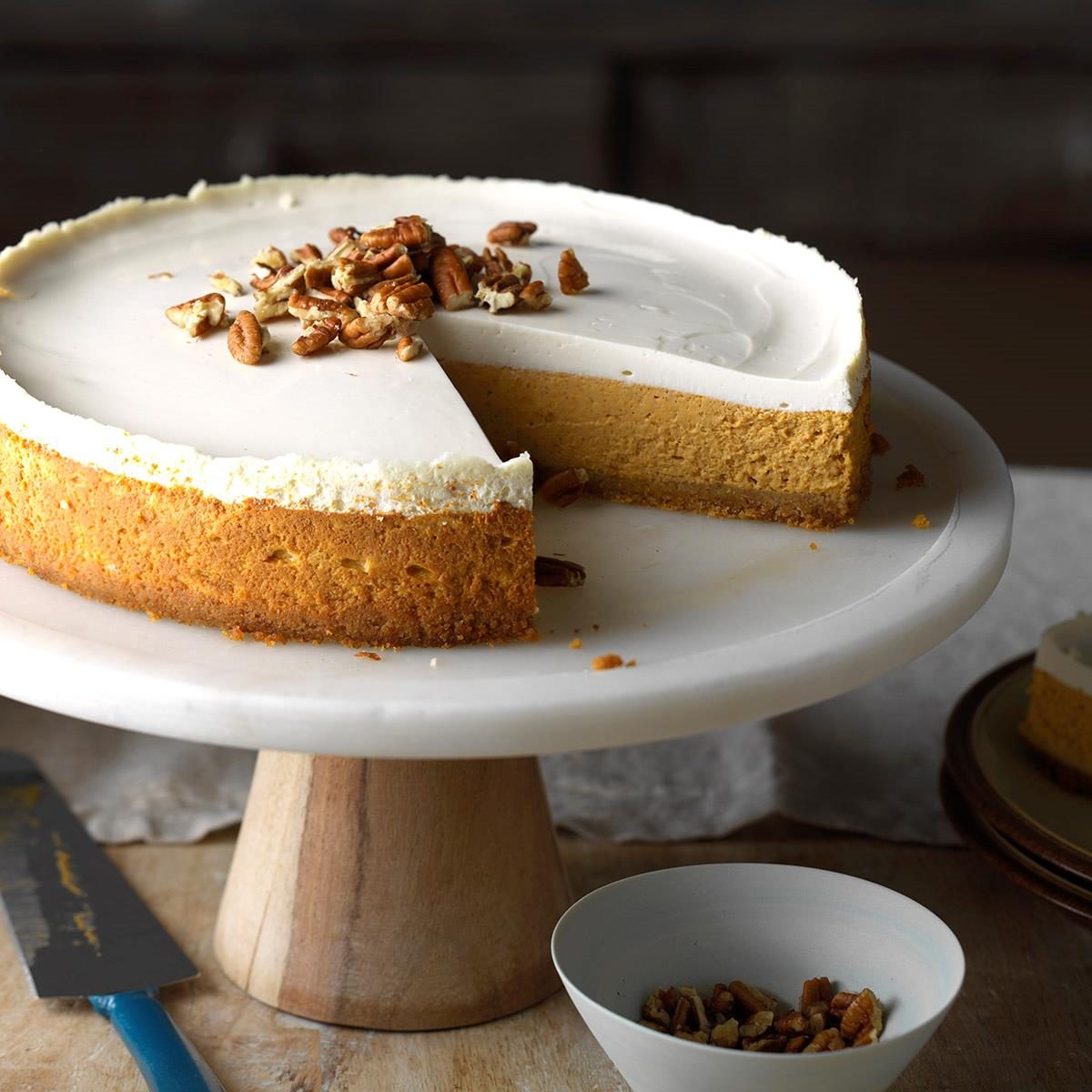
September rings in Fall and Fall makes me think of…pumpkins! Today’s recipe is Pumpkin Cheesecake!
Ingredients
CRUST:
1 cup graham cracker crumbs
1 tablespoon sugar
1/4 cup butter, melted
FILLING:
2 packages (8 ounces each) cream cheese, softened
3/4 cup sugar
2 large eggs, room temperature, lightly beaten
1 can (15 ounces) pumpkin
1-1/4 teaspoons ground cinnamon
1/2 teaspoon ground ginger
1/2 teaspoon ground nutmeg
1/4 teaspoon salt
TOPPING:
2 cups sour cream
2 tablespoons sugar
1 teaspoon vanilla extract
12 to 16 pecan halves, chopped
Directions
In a small bowl, combine the graham cracker crumbs and sugar; stir in butter. Press into the bottom of a 9-in. springform pan; chill.
For filling, in a large bowl, beat cream cheese and sugar until smooth. Add eggs; beat on low speed just until blended. Stir in the pumpkin, spices and salt.
Pour into crust. Place pan on a baking sheet. Bake at 350° for 50 minutes.
Meanwhile, for topping, combine the sour cream, sugar and vanilla until smooth. Spread over filling; return to the oven for 5 minutes. Cool on rack for 10 minutes. Carefully run a knife around the edge of pan to loosen; cool 1 hour longer.
Refrigerate overnight. Remove ring from pan. Top with chopped pecans. Refrigerate leftovers.
Imagine driving down the highway and seeing what looks like a baby’s butt on a pedestal? LOL. This article from NPR details The Peachoid, a water tower in South Carolina.
You can’t miss it as you drive down I-85. The Peachoid, as it’s called, is a massive peach-shape water tower near the North Carolina border.
When maintenance crews sandblasted the paint off the water tower recently, people were furious.
Just ask Claire Huminski, with the city of Gaffney.
“We have actually had a lot of people call and via social media complain to us that we are taking down the Peachoid and that we do not need to do that because it is a landmark,” Huminski says, “and they were really upset, tweeting angry tweets at me, I’m like, ‘We’re not taking it down, I promise!’ “
In Gaffney, the Peachoid is more than a water tower.
The city’s tourism director says she’s talked to people from Canada, Germany and Japan, who stopped through this city of almost 13,000 people just to see it.
Some of them first saw it on the Netflix hit House of Cards.
In real life, the tower has never had a thorough repainting since the original job was finished in 1981. So, Eric Henn climbs into a construction lift with a heavy steel door.
Henn rises more than 100 feet with paint rollers and a few shades of orange and yellow.
The longtime publisher of the local paper, Cody Sossamon, says the idea was to create a landmark for an area with a large peach farming community.
“I loved it and still do even though it’s, to use the term loosely, the butt of a lot of jokes,” he says.
For one, the tower has the colors — and curves — of an actual peach. Looking up at it, Gaffney native Leonard Wyatt says the crease is hard to miss.
“When you see the crack right here,” Wyatt says, “going down the interstate, you’ll see that’s one of the first things you’ll see, and people say it’s a baby’s butt with a rash.”
House of Cards played up that idea. Kevin Spacey’s character, Frank Underwood, is the subject of an attack ad about the Peachoid: “It’s vulgar. It’s an embarrassment to the county. But time and time again Frank Underwood has fought to keep it standing.”
That episode is the reason James Burroughs pulled over on his way from Atlanta to Raleigh.
“I decided to take a picture today so I can show some of my friends that yeah, see, the big peach does exist,” he says.
Burroughs says his friends in Georgia — the Peach State — wonder why it’s here. South Carolina actually produces almost twice as many peaches as Georgia, according to the U.S. Department of Agriculture.
Some have asked if the renovation will make the Peachoid look less like a human backside.
The answer is no, says Kim Fortner of the Gaffney Board of Public Works.
“You know it’s kind of like, I’m sure you’ve heard the phrase, ‘I don’t care what you call me as long as you call me?’ ” Fortner says. A lot of people know where Gaffney is by this tank.”
Kea brought this adorable little bird to my attention last month and I wanted to share this article I found about them. It’s written by “Kelly” at Tail and Fur.
Zebra Finches are a popular bird found all over the Australian continent, except for the cool, moist south and the tropical far north. Aside from Central Australia, these attractive birds are native to Indonesia and East Timor. They are mainly grass seed eaters. And because they are soothing singers, they are fun to have in your home too.
If you are interested in different bird species and beautiful birds always attract your attention, then go through this article. Many interesting facts about these beautiful Zebra Finches are waiting for you. Go through them all, and you may end up bringing a pair home too.
Most Interesting Facts About Zebra Finches
For more than a century, these birds have been among the most popular caged birds across many countries. They are mainly grass seed eaters, but what else do we know about them? Here are 25 interesting facts about Zebra Finches:
They have stripes like zebras.
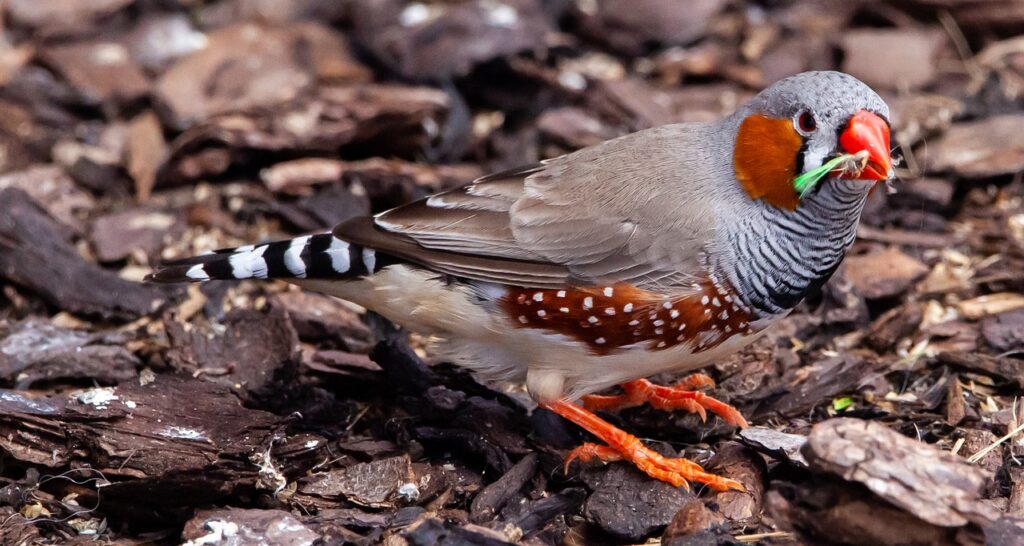
You may wonder why a bird is named “zebra.” There is obviously a reason for that. The small chest of this cute bird features black and white stripes like zebras. Its barred tail is often colored black and white too.
As with other birds in the animal kingdom, the males also feature a burst of colors. Often, you will find them in a mix of brown, white, black, gray, and orange. The females, on the other hand, are uniformly gray.
Males and females have different beak colors.
Adult males have brightly colored crimson-red beaks. In comparison, you will notice that female Zebra Finches have lighter-shaded, more muted orange beaks.
They are the fastest maturing birds in the world.
Oh! This tiny bird has one big record against its name. They are the fastest maturing bird. They are able to breed from the age of only 70 to 80 days. After the breeding season, a baby bird will have grown and is ready to leave the nest in just about two months.
They are wonderful pets.
Zebra Finches are great company to the human beings and should be kept in pairs. They are well known for their cool temperament and often make such a good connection with their human host that they eat food directly from their master’s hand.
They are monogamous.
Finches are monogamous breeding pairs, which means they stay with one partner for their lifetime. They generally breed after ample rainfall, as there is abundance of water and food available afterward. Adult birds aged 70 to 80 days are ready to breed.
They dance wonderfully.
Before the mating and breeding season, you will find male birds dancing on the branches of trees to impress the female finches. They push their plumage outward to make their dance even more attractive.
They are small and tiny appearance.
Zebra Finches are one of the tiniest Finch species, but they are not the smallest. They only grow up to four inches long. Males and females are practically the same size, but you can easily distinguish them by looking at the color of their beaks.
They have a long lifespan.
These attractive birds can live around five to seven years when they are free and out in the wild. However, a captive Zebra finch will live longer, often surviving up to 10 to 15 years.
To increase their survival rate and prolong their life, you will want to give your Zebra Finch a companion. This way, you can be sure they remain emotionally and mentally stable.
Both the male and female birds can sing.
Like other birds in the Finch species, these birds are singers too. All male birds sing differently, having their own song features that distinguish them from the rest.
Adult males sing to impress a potential mate so that they can continue their line. Pay attention to males, and you’ll notice that they are the ones that tend to be loud and noisy. While the female finches can sing, they are bad singers.
They live together.
In the wild, big flocks of Zebra finch birds stay together. They enjoy plenty of social interactions so that they can be happy and healthy. Even a male and his female only separate when they have eggs in their nest.
While they like their human companions, they prefer spending most of their time interacting with fellow birds. They also don’t enjoy being held, which can frighten and stress them out. As such, do your best to touch them as little as possible.
Their beaks change colors as they mature.
The young birds have black beaks, which change into bright red or orange after one month. Before they mature, all male Zebra finches look like the females, save for their black beaks.
They are protective.
When they breed and have eggs in their nest, the male Finches become very protective. The males also produce a hissing noise to let others know they are ready to protect their mates and their territory.
They are untidy while eating.
Though they are very beautiful to look at, they can get very messy when they eat. If you ask us, that’s understandable, as they need to dehusk seeds to get to their food. Even so, you will often find them dropping seeds here and there.
They have a good sense of smell.
Birds are known for their poor smelling capability. However, Zebra Finches are different. Although the brain of Zebra finches has smaller olfactory bulbs compared to other bird species, they actually use their sense of smell to locate and recognize their relatives.
They have a huge contribution to the world of science.
This may be hard to believe, but, yes, this small bird has helped a lot when it comes to understanding how birds behave, how they sing and talk, and how they evolve. They even lent a hand in figuring out how the human brain works.
You will find Zebra Finches used in neurobehavioral studies where the focus is on auditory processing and song development.
Their diet consists mostly of seeds.
Wild Zebra Finches enjoy eating seeds from different plants and a diet with insects. They also regularly eat pine cones, weeds, and even berries. However, when they do, they almost always chew up the fruit only to get to its seed.
Though they love grass seeds, if you are planning to make them your pet, give them a balanced diet of calcium (boiled eggshell) and seeds. It will also help if you put their food on the cage’s floor so that they can still use their foraging skills.
A premium daily diet is especially important during the breeding season. Make sure you supplement their diet with insects, such as water fleas and moths.
They love water.
This bird is a frequent water drinker, so make sure water is always available to them. They also enjoy a good bath once in a while. Hence, leave a couple of small bowls filled with water in their cage.
Because they have a small body, they can get dehydrated really fast. If you pay attention, they can drink up to 28% of their weight in water per day. Dehydrated birds can die if not given water for hours.
Never house them alone.
This bird does not like to live alone, so always house them in pairs even when they breed. If you find an uneven number of birds in the cage, make it even.
When we say pairs, we don’t necessarily mean that you get a male and female Zebra finch. They can both be males or females. However, a male and female pair get along much better than a same-sex pair.
If you decide to keep two Zebra Finches of the same sex, do not put a nest or nests in their cage. This is to avoid fights, as these birds can be territorial.
They require occasional trimming of their nails.
If your pet finch has overgrown nails, bring it to an experienced bird groomer to have them trimmed. If you’re confident enough, you can try cutting them yourself using human nail clippers.
You will know your Zebra Finches need their nails trimmed when their feet don’t touch the ground when they are standing. Overgrown nails could curl around and cause them pain.
They are sociable in nature.
As they are social in nature, they create cacophony while they sing together. And since you’ll be keeping them in pairs, make sure you put them in a big enough cage for flight.
They are a common subject of genetic research.
This bird species is a common subject of genetic research. Also, studies of their brain structures have led to discoveries in song production.
They love to fly.
Finches are flight-loving birds and need a minimum of 20 inches of horizontal space to be accommodated. Putting them in a big enough flight cage allows them to exercise, play, and stay healthy overall.
You can also keep your Zebra Finches entertained by making sure they have plenty of perches on which they can hop. Since they are small birds, you will want to use natural wood or ropes.
They are an adaptive species.
This bird is very adaptive to new surroundings. However, they are mostly found in open areas with grasses and bushes. In fact, they are such an adaptive species that you will find them building their nests in urban cities and commercial establishments.
They learn to sing from their surroundings.
As they are adaptive in nature, they learn singing from nature itself so they are very popular as songbirds. A young male often learns singing by copying the song features of an older male Zebra Finch.
They can learn as many as two complex songs when still in the learning stage. However, they are often only able to produce a single song when they reach full maturity.
They are the second bird genome to be sequenced.
After chicken, Zebra Finches are the second bird species whose genome has been sequenced in the year 2008. Through this, researchers were able to gain insight into the evolutionary processes of birds in general.
For years, scientists all over the world have been interested in learning about this bird species. In particular, they wanted to study its brain function and how it can learn, memorize, and vocalize songs.
Conclusion
Zebra Finches are one of the loveliest creations of Mother Nature, with their serene beauty, soothing singing voice, and composed temperament. For this reason, it is not surprising why they are also among the most popular pet birds across many countries. They also require a minimal time commitment, so newbie bird owners will find them easy to care for.
To keep them happy and healthy, make sure you provide them with a premium daily diet, a water source where they can drink, and collections of water so that they can bathe a couple of times every week.
The long red tapers you used at last night’s candlelit dinner were a beautiful sight until you saw the candle wax drippings left in the candle holders. Luckily, fixing this issue is one of many Vaseline uses. Next time, apply petroleum jelly to the insides of the holders before you put the candles in. The wax will pop out for easy cleaning.
Lift Lipstick Stains
You set the table at that lovely dinner party with your favorite cloth napkins, but your girlfriends left their mark all over them. Now dotted with lipstick stains, those napkins may be headed for the trash. But try this first. Before you wash them, blot petroleum jelly on the stain. Launder as usual and hopefully you will kiss the stains goodbye.
Remove Chewing Gum From Wood
Did you discover bubble gum stuck under the dining room table or behind the headboard of Junior’s bed? Thanks to these genius Vaseline uses, you can trouble yourself about it no further. Squeeze some petroleum jelly on the offending wad, rub it in until the gum starts to disintegrate, then remove.
Clean Watermarks From Wood
Your most recent party left lots of watermark rings on your wood furniture. To remove water stains from wood, apply petroleum jelly and let it sit overnight. In the morning, wipe the watermark away with the jelly.
Shine Patent-Leather Goods
You’ve got a great pair of patent-leather shoes and a dynamite bag to match. The luster stays longer if you polish the items with petroleum jelly.
Make Leather Jackets Look New Again
You don’t need fancy leather moisturizer to take care of your favorite leather jacket. Petroleum jelly does the job just as well. Apply, rub it in, wipe off the excess, and you’re ready to go.
Stop Battery Terminal Corrosion
It’s no coincidence that your car battery always dies on the coldest winter day. Low temperatures increase electrical resistance and thicken engine oil, making the battery work harder. Corrosion on the battery terminals also increases resistance and might just be the last straw that makes the battery give up. Before winter starts, disconnect the terminals and clean them with a wire brush. Reconnect, then smear with petroleum jelly. The jelly will prevent corrosion and help keep the battery cranking all winter long.
Grease a Baseball Mitt
Got a new baseball mitt, but it’s as stiff as a dugout bench? Soften it up with petroleum jelly. Apply liberal amounts. Work it into the glove, then tie it up with a baseball inside. Do this in the winter, and by the spring you’ll be ready to take the field.
Mask Doorknobs While Painting
You’re about to undertake painting the family room. But do you really want to fiddle with removing all the metal fixtures, including doorknobs? Petroleum jelly rubbed on the metal will prevent paint from sticking. When you’re done painting, just wipe off the jelly and the unwanted paint is gone.
Keep an Outdoor Lightbulb From Sticking
Have you ever unscrewed a lightbulb and found yourself holding the glass while the metal base remains in the socket? It won’t happen again if you remember to apply petroleum jelly to the base of the bulb before screwing it into the fixture. This is an especially good idea for lightbulbs used outdoors.
Stop Squeaking Door Hinges
It’s so annoying when a squeaky door makes an ill-timed noise when you’re trying to keep quiet. Put petroleum jelly on the hinge pins of the door. No more squeaks.
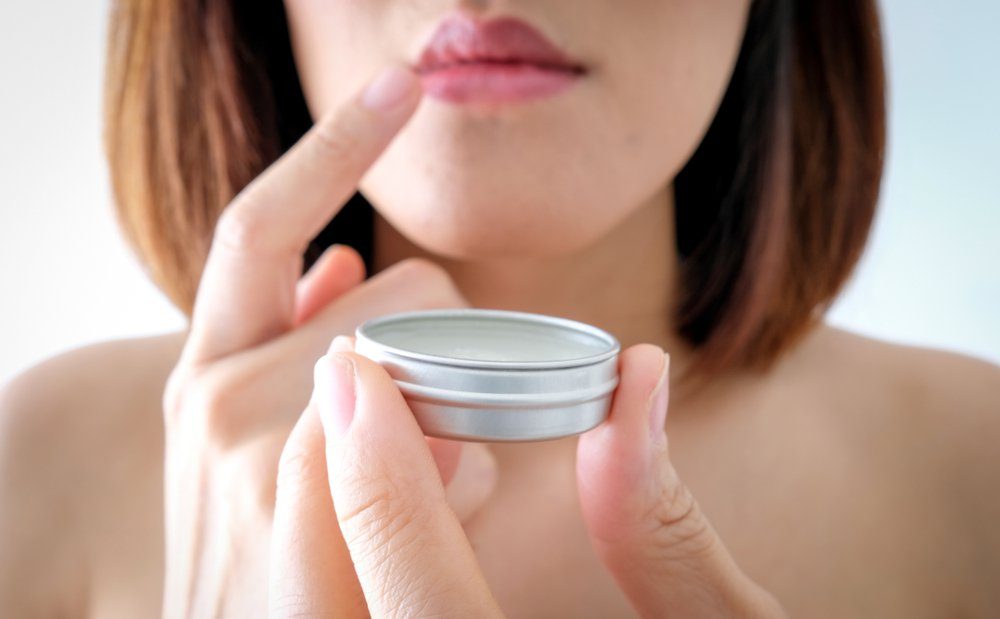
Moisturize Your Lips and More
If you don’t want to pay a lot for expensive lip balm, makeup remover, or even facial moisturizer, then your answer is a tube of petroleum jelly. Some of the best Vaseline uses include soothing lips, plus taking off foundation, eye shadow, mascara, and more. It will even act as a moisturizer on your face.
Remove a Stuck Ring
Wedding ring won’t budge? Trying to get it off can take a lot of tug and pull. Apply some petroleum jelly and it will glide right off.
No More Shampoo Tears
Thinking of buying special no-tears shampoo for your child? Forget about it. If you have some petroleum jelly, you have the solution. Rub a fair amount into your baby’s eyebrows. It acts as a protective shield against shampoo running down into his eyes.






















 Sew Colorful