The Limping Lady

A short while ago, Filly (THANK YOU!!) mentioned this story about a courageous, but quite unknown spy who helped the Allies win WWII.  The spy was a woman, Virginia Hall, but not just a woman, but a woman with a prosthetic leg—a woman of great courage and determination!

I found this article about the “Limping Lady” in the Smithsonian Magazine. It was written by Brigit Katz and I knew I had to share it.

From Smithsonian Magazine:

How a Spy Known as the ‘Limping Lady’ Helped the Allies Win WW

In early September 1941, a young American woman arrived in Vichy France on a clandestine and perilous mission. She had been tasked with organizing local resistance networks against France’s German occupiers and communicating intelligence to the Special Operations Executive (SOE), the fledgling British secret service that had recruited her. In reality, however, Virginia Hall’s supervisors were not particularly hopeful about her prospects; they didn’t expect her to survive more than a few days in a region teeming with Gestapo agents.

At the time, Hall admittedly made for an unlikely spy. British Prime Minister Winston Churchill’s war cabinet had forbidden women from the frontlines, and some within the SOE questioned whether Hall was fit to be operating in the midst of a resistance operation. It wasn’t just her gender that was an issue: Hall was also an amputee, having lost her left leg several years earlier following a hunting accident. She relied on a prosthetic, which she dubbed “Cuthbert,” and walked with a limp, making her dangerously conspicuous. Indeed, Hall quickly became known as the “Limping Lady” of Lyon, the French city where she set up base.

Hall, however, had no intention of letting Cuthbert stop her from playing her part in the Allied war effort, as journalist and author Sonia Purnell reveals in an electrifying new biography, A Woman of No Importance: The Untold Story of the American Spy Who Helped Win World War II. Born to a wealthy Maryland family, Hall was clever, charismatic and ambitious—traits that were not always appreciated by her contemporaries. Before the outbreak of the war, she had travelled to Europe with dreams of becoming a diplomat, but was consistently assigned to desk jobs that failed to satisfy her. Following the amputation of her leg in 1933, when she was just 27 years old, Hall’s application to a diplomatic position with the U.S. State Department was explicitly rejected due to her disability. Spying for the SOE offered a way out of what Hall considered a “dead-end life,” Purnell writes. She was not going to squander the opportunity.

Hall didn’t just survive the wartime years under constant threat of capture, torture and death; she also played a crucial role in recruiting large networks of resistance fighters and directing their assistance to the Allied invasion. Among the secret operatives who adored her and the Nazis who hounded her, Hall was legendary for her gutsy, cinematic feats. She broke 12 of her fellow agents out of an internment camp, evaded the treachery of a double-crossing priest and, once her pursuers began to close in, made an arduous trek over the Pyrenees into Spain—only to return to France to resume the fight for its freedom.

And yet, in spite of these accomplishments, Hall is not widely remembered as a hero of the Second World War. Smithsonian.com spoke to Purnell about Hall’s remarkable but little-known legacy, and the author’s own efforts to shine a light on the woman once known to her enemies as the Allies’ “most dangerous spy.”

In the prologue to A Woman of No Importance, you write that you often felt as though you and Hall were playing a game of “cat and mouse.” Can you describe some of the obstacles you encountered while trying to research her life?

First of all, I had to start with about 20 different code names. A lot of the times that she is written about, whether it’s in contemporary accounts or official documents, it will be using one of those code names. The other thing was that a lot of files [pertaining to Hall] were destroyed—some in France in a fire in the 1970s with a lot of other wartime records. That made things pretty difficult. Then the SOE files, some 85 percent of those had been lost, or are still not opened, or are classified or just can’t be found.
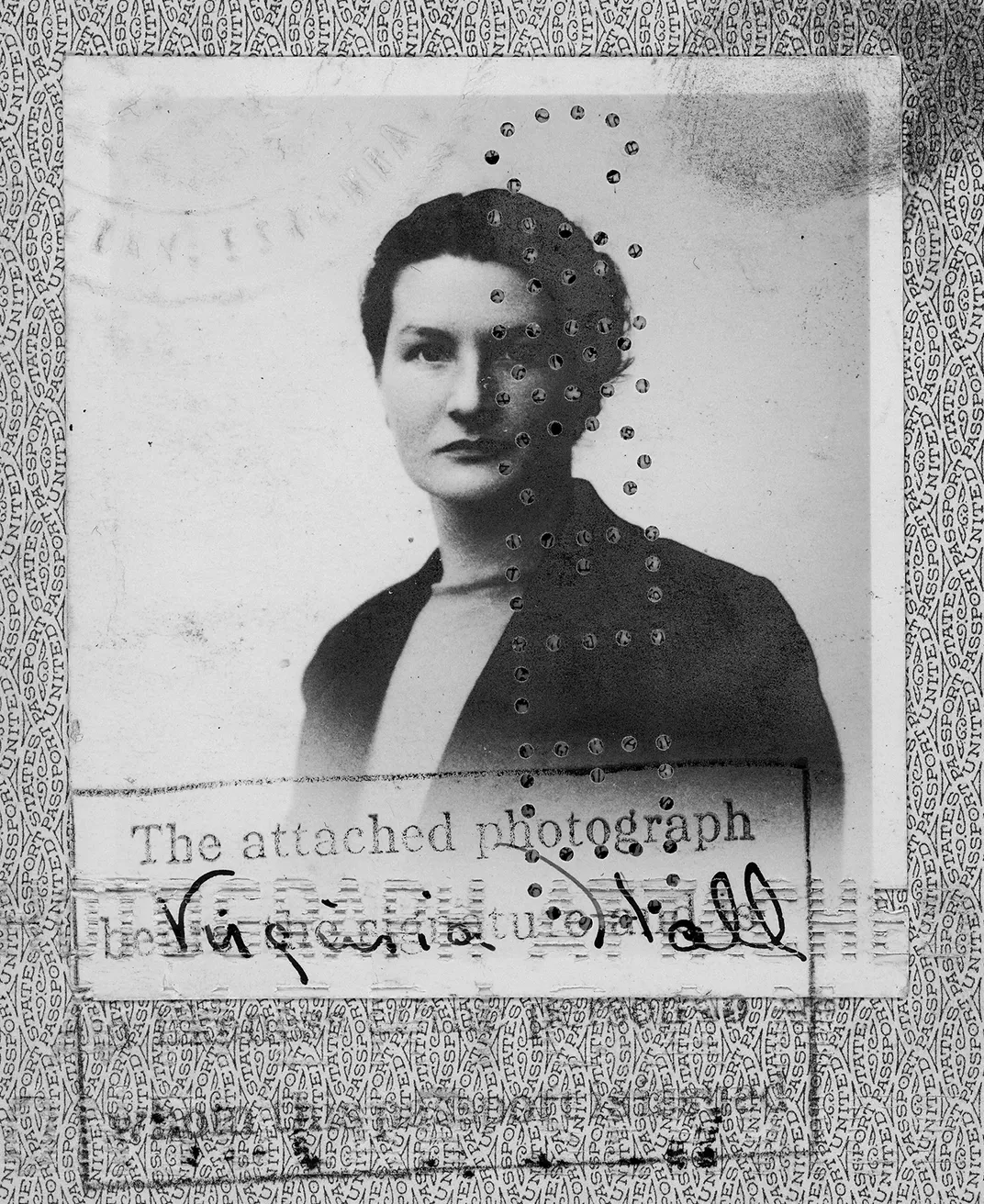
Virginia was posted to Tallinn in the late 1930s and loved hunting in the huge forests of Estonia, but otherwise her life was a series of cruel rejections. Her lifelong ambition to become a diplomat was repeatedly thwarted, and she was frustrated by the limits of her role as a State Department clerk. 

There were a lot of dead-end alleys. But there was enough to pull this all together, and I was particularly fortunate to find this archive in Lyon, put together by one of the guys that Hall fought with in the Haute-Loire [region of France]. He was able to look at a lot of these files before they disappeared, and he had contemporary accounts of a lot of the people that she fought alongside. So, I was extremely lucky to find that, because it was an absolute treasure trove.

You quote Hall as saying that everything she did during the war, she did for the love of France. Why did the country hold such a special place in her heart?

She came [to Paris] at such a young age, she was only 20. Her home life had been quite restrictive … and there she was in Paris, the great literary, artistic and cultural flowering during that time. The jazz clubs, the society, the intellectuals, the freedoms, the emancipation of women—this is quite heady, quite intoxicating. It really opened her eyes, made her feel thrilled, and stretched and inspired. That sort of thing in your 20s, when you’re very impressionable, I don’t think you ever forget it.
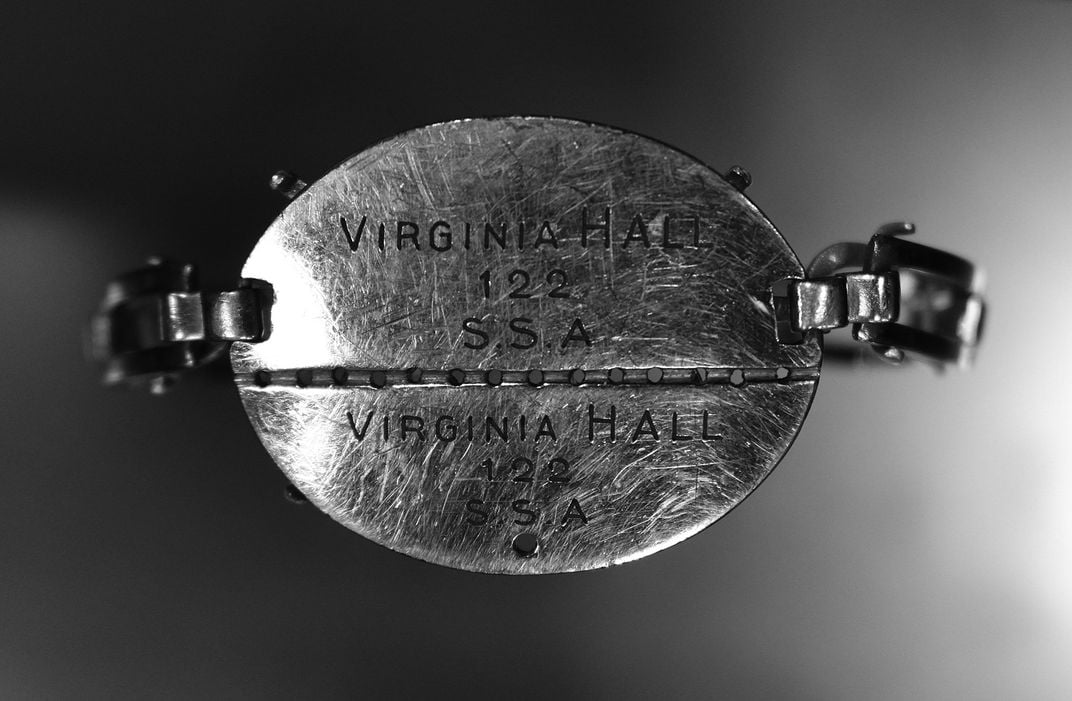
Virginia proved her exceptional courage under fire in 1940 by volunteering to drive ambulances on the front line for the French army’s SAA, or Service de Santé des Armées.

Operating in a war zone with a mid-20th century prosthetic could not have been easy for Virginia. What was life like with “Cuthbert” on a daily basis?

I managed to find a prosthetics historian at one of the museums here in London who was incredibly helpful. He explained to me exactly how her leg would have worked, what the problems were, what it could do and what it couldn’t do. One of the problems was the way it was attached to her, with these leather straps. Well, that might be OK if you’re just walking a short distance in mild weather, but when it’s really hot and you’re climbing up or down steps, the leather would chafe your skin until it was raw and the stump would blister and bleed.

It would have been very difficult in particular going down steps because the ankle doesn’t work in the way that our ankles do, and it would be quite difficult to lock. So she would always feel very vulnerable to falling forward. That would have been a very big danger for her at all times, but then magnify that for crossing the Pyrenees: the grinding, relentless climb and then the grinding, relentless descent. She herself said to her niece that this was the worst part of the war, and I can believe that. It was just phenomenal that she made that crossing.

Hall pulled off so many incredible feats during the war. What, in your opinion, was her most important accomplishment?

That’s a difficult one, it’s a competitive field. I suppose the one that you can grab as being standalone, understandable and also spectacular was how she managed to break those 12 men out of a prison camp: the Mauzac escape. The cunning, and the organization and the courage—just the sheer chutzpah that she had in springing them out … It is quite an extraordinary tale of daring-do. And it was successful! Those guys made it back to Britain. We hear about a lot of other wartime escapes that ultimately ended in a failure. Hers succeeded.
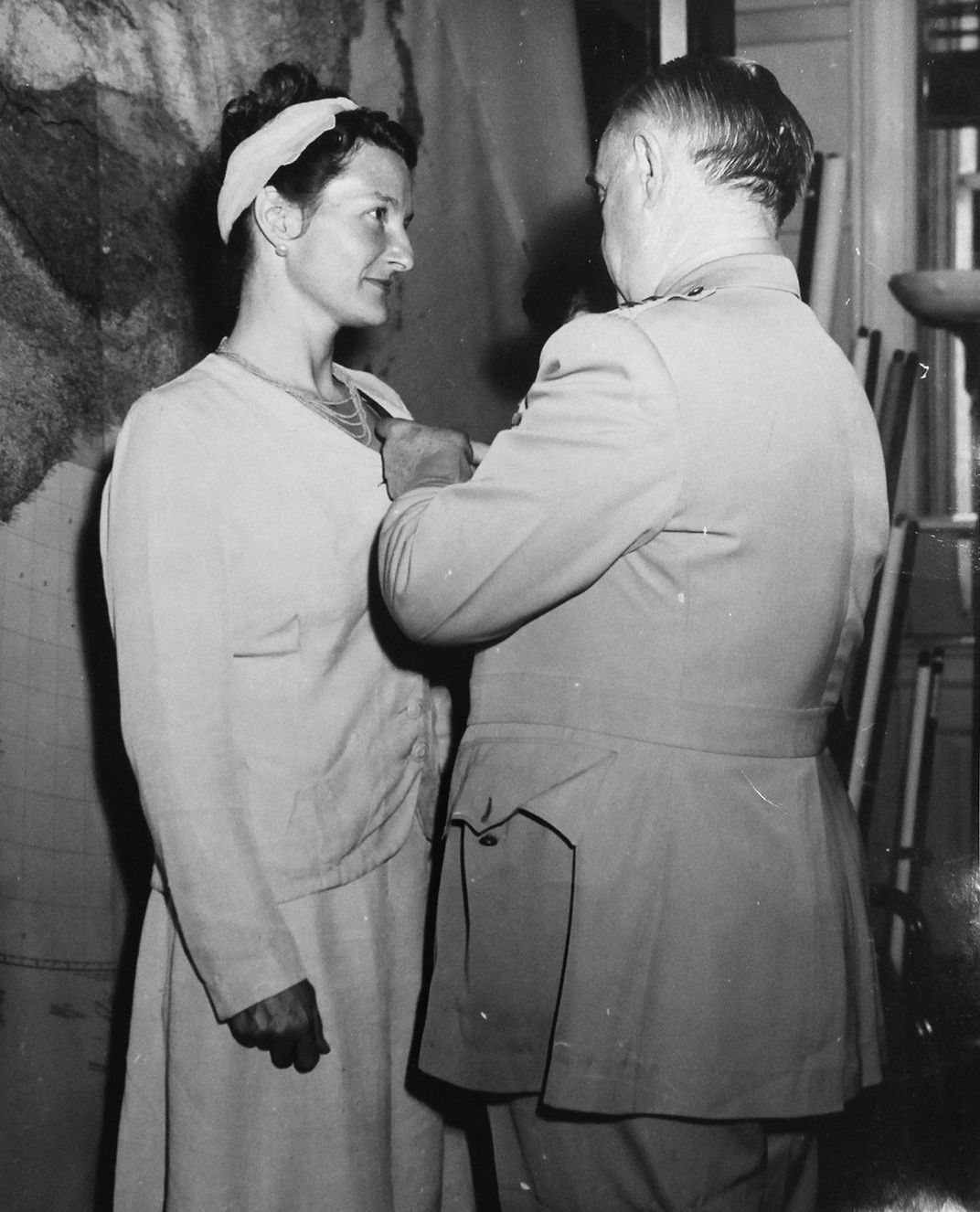
Virginia was the only civilian woman in the Second World War to be awarded the Distinguished Service Cross, for extraordinary heroism against the enemy. She received the medal in Washington, D.C., from “Wild Bill” Donovan in a low-key ceremony on September 27, 1945.

Another of Hall’s feats was pioneering a new style of espionage and guerilla warfare. Does her influence continue to be felt in that realm today?

I spent a day at [CIA headquarters at] Langley, which was really fascinating. Talking to people there, they pointed to Operation Jawbreaker in Afghanistan, and how they drew on the processes that really she pioneered: How do you set up networks in a foreign country, bringing in locals and perhaps preparing them for some big military event later on? They took Hall’s example. I’ve heard from other people involved in the CIA who said she still is mentioned in lectures and training there today. Not that long ago they named one of their training buildings after her. Clearly, she has an influence to this day. I’d love to think she knows that somehow, because that’s pretty cool.

Today, Hall is not particularly well known as a war hero, in spite of her influence. Why do you think that is?

Partly because she didn’t like blowing her own trumpet. She didn’t like the whole obsession with medals and decorations; it was about doing your duty, and being good at your job and earning the respect of your colleagues. She didn’t go out of her way to tell people.

But also, a lot of other SOE female agents who came in after her died, and they became these quite well-known tragic heroines. Films were made about them. But they achieved nothing like what Hall did … It was difficult to pigeonhole her. She didn’t fit into that conventional norm of female behavior. In a way she wasn’t a story that anyone really wanted to tell, and the fact that she was disabled as well made it even more complicated.

When I was thinking of doing this book, I took my sons to see Mad Max: Fury Road with Charlize Theron, and I noticed that her [character’s] forearm was missing, and yet she still was the great hero of the film. And I thought, “Actually, maybe now that Hollywood is doing a film with a hero like that, finally we’re grown up enough to understand and cherish Virginia’s story and celebrate it.” It was that night really that [made me think], “I’m going to write this book. I really want to tell the world about her, because everyone should know.”

SOURCE: SMITHSONIAN MAGAZINE; BRIGIT KATZ

Real Haunted Houses in America: Part 1

I found an All That’s Interesting article on real haunted houses in America, nine in total, and I’ve broken the list in several parts. 

From All That’s Interesting:

There are many haunted houses in the United States, but there are only a few genuine contenders for the title of the most haunted house in America. Some of them were the site of a gruesome crime scene. Others seem to draw spirits for different reasons.

Paranormal investigators say that homes hold on to the accumulated energy of everyone who has previously lived there or that tragedy and sadness can cause a spirit to linger, hoping to correct the pains of the past before they move on.

Some ghost hunters even say that a house can be haunted by a spirit that is happy to live amongst their former home’s new inhabitants, like the case of the Pittock Mansion’s “friendly” ghosts. Other ghosts, however, not so much. They don’t pull any punches when it comes to making it known that they’d prefer to have the place all to themselves.

But one way or another, the ghosts in these houses make themselves known. Read about the nine hauntings in homes below, and decide for yourself what is the most haunted house in America.

1 ‘The Conjuring’ House

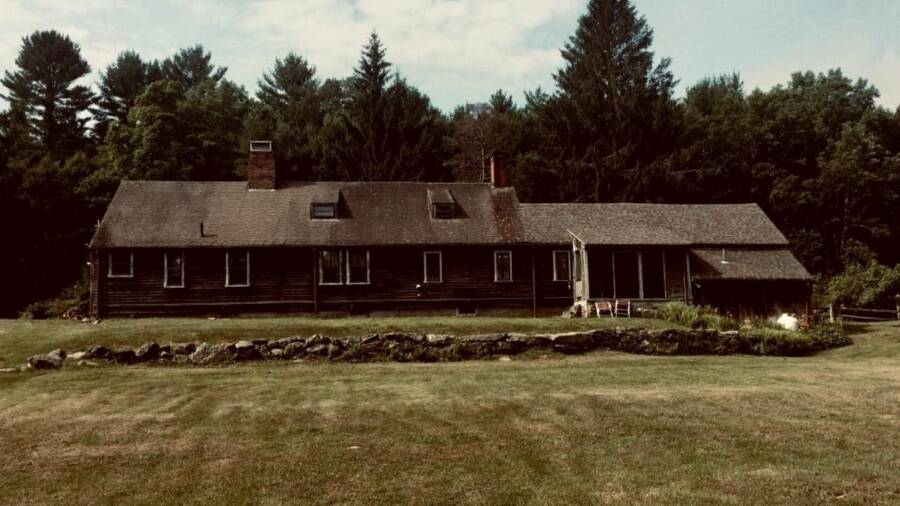
In the 2013 film The Conjuring, a character declares: “There’s something horrible happening in my house.” Though the film is fiction, it’s based on a real story — and a real American haunted house in Rhode Island. The house, a 14-room farmhouse in Harrisville, belonged to the same family for eight generations. They suffered numerous strange tragedies during that time, including the deaths of children by suicides, drownings, and murder.

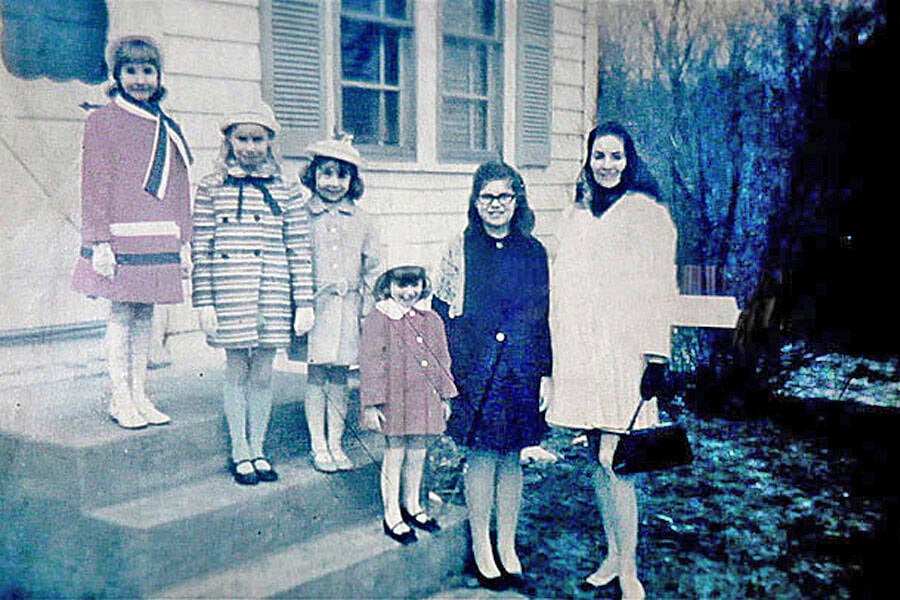
But the most infamous murder on the property was committed by a woman named Bathsheba Sherman. Local lore claimed that Sherman was a witch and killed a baby by sticking a sewing needle into his brain. After her death, she — and other spirits — were thought to have stuck around the house.  As depicted in The Conjuring, the Perron family moved to the house in 1971 and immediately began experiencing strange things. Carolyn Perron, the matriarch, first noticed objects missing and piles of dirt that appeared on the floor after she’d cleaned. Things only escalated from there.

The family’s beds shook every morning at 5:15 a.m., they smelled rotting flesh, and unexplainable noises kept everyone on edge. Once, Carolyn Perron felt a sharp pain in her leg and discovered a puncture wound — just like a needle would make.  As in The Conjuring, the family eventually enlist the help of Ed and Lorraine Warren, a demonologist and a clairvoyant. The real-life Warrens confirmed that there were spirits in the house, but said they failed to entirely exorcise them.

“We have a respect for the spirits. We lived with them. It was their house first,” said Andrea Perron, one of the family’s daughters. She claims that almost everything in the movie really happened — and, in fact, the movie didn’t even tell the whole story.  Although the Perron family left the house in 1980, another family soon moved in to the Conjuring House. They, too, have had a few brushes with the supernatural, admitting: “We’ve had a few moments in here that have made us jump a bit.”

2 The Winchester House

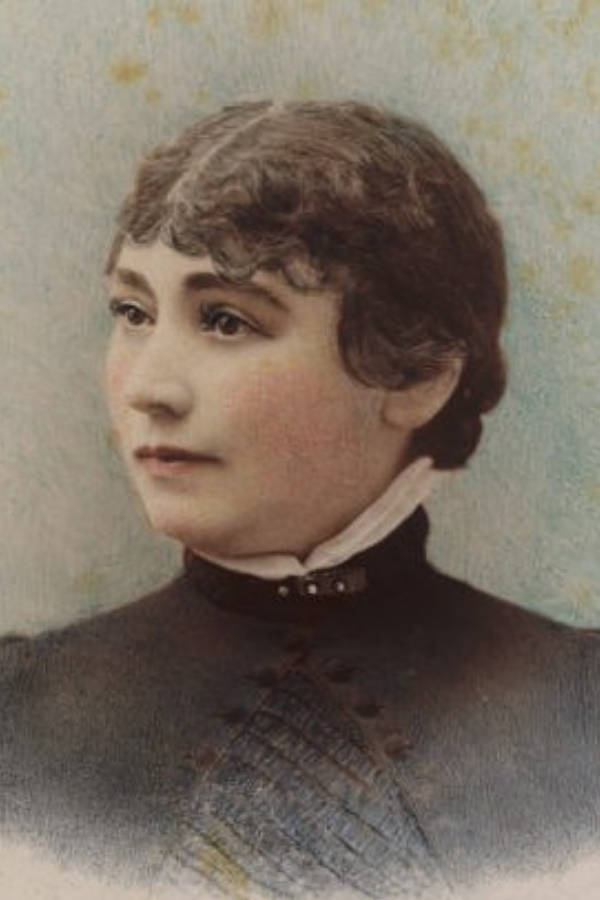
Normally, haunted houses are regular homes that become haunted. But the Winchester Mystery House in San Jose, California, is an American haunted house built specifically as a haven from — and for — spirits.  The idea for the house came from a New England woman named Sarah Winchester. A wealthy widow, she’d once been married to William Winchester, whose family produced Winchester rifles. When William died a premature death from tuberculosis in 1881, Sarah sought the help of a spiritual medium.

The medium told her the family was cursed, haunted by the spirits of people killed by the company’s guns. The only way to appease these ghosts and avoid becoming their next victim, the medium said, was to build a great house for them out west. And as long as construction never stopped, she would be safe. So, Sarah got to work. For her, money was no object. She’d inherited hundreds of millions of dollars from her husband, and thousands more poured in every day from Winchester Arms. Indeed, she couldn’t spend it fast enough — but not for lack of trying.

Sarah Winchester threw money at the house she wanted to build. As a result, the Winchester House began to grow and grow. However, her house didn’t make much objective sense. Without a concrete plan, construction advanced haphazardly — this way, then that, a staircase here, a door to nowhere there. And as the house grew, so did its legend.

A February 1895 article in The San Francisco Chronicle claimed that Sarah kept building the house to avoid death. Others say the confusing layout was meant to confound the spirits that haunted her. “The sound of the hammer is never hushed,” the article said. “The reason for it is in Mrs. Winchester’s belief that when the house is entirely finished, she will die.”

Sarah Winchester did die in 1922, after working on the house for 38 years. Today, it’s a maze of abruptly ending hallways, floors with windows, and stairways that ascend into the ceiling.  Many claim the place to be extremely haunted. Guests and employees of the Winchester Mystery House — now a popular tourist attraction — claim to have seen strange shadows, felt a mysterious tug, and heard unexplainable footsteps.

SOURCE: ALLTHATSINTERESTING.COM

Supreme Court Justice Thurgood Marshall

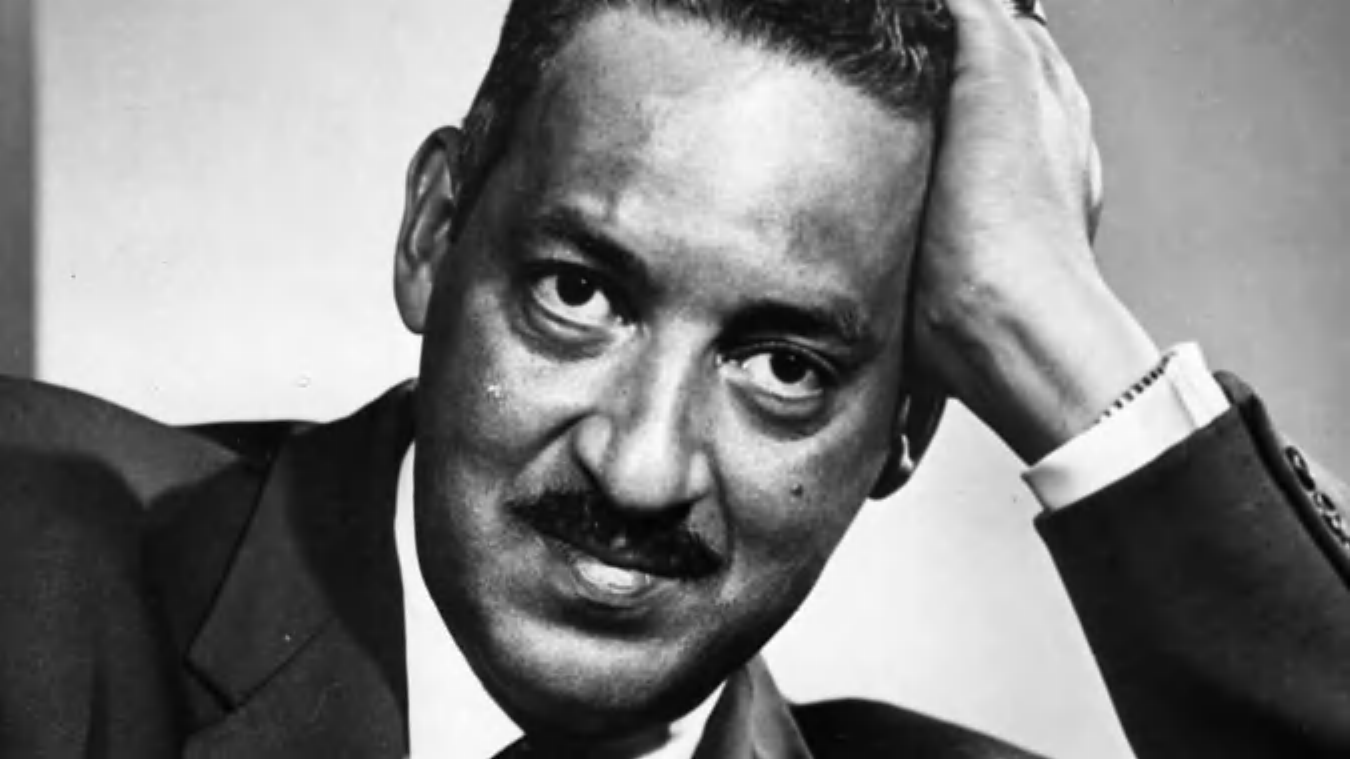
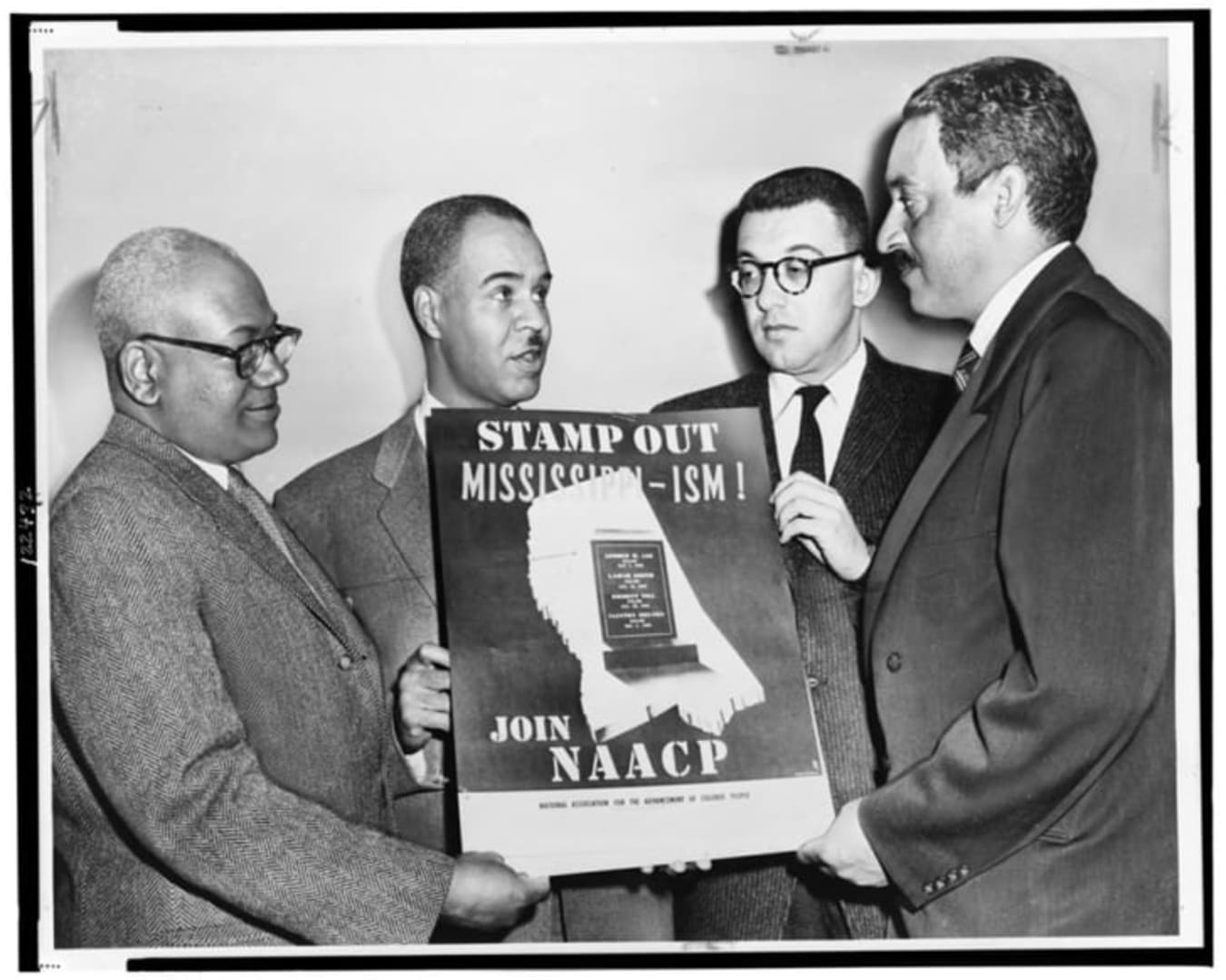
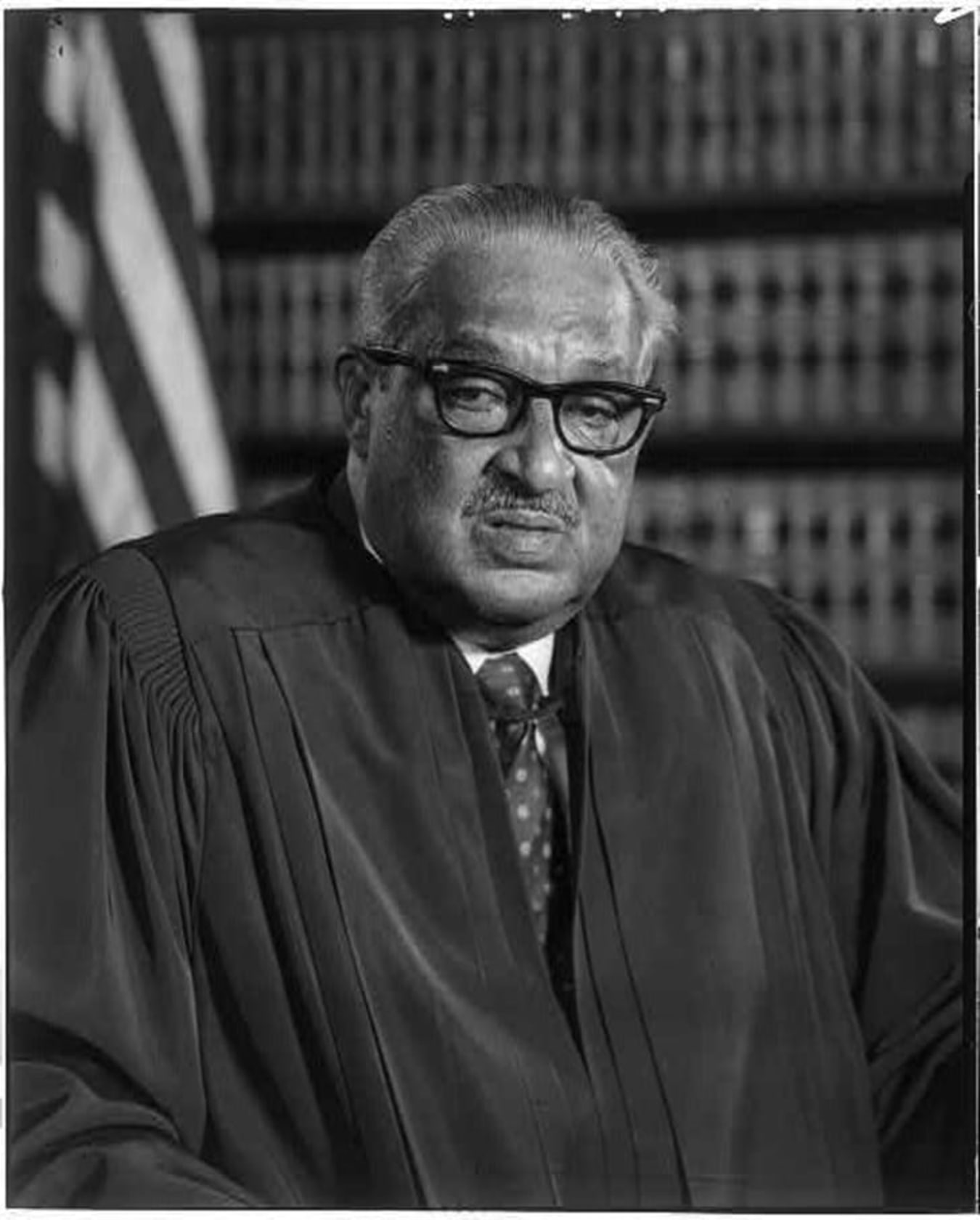
Thurgood Marshall was sworn in as the first African-American on October 2, 1967 and I wanted to look at his life, and I found this article at Mental Floss.

From Mental Floss:

Before he became the first African-American justice on the Supreme Court, Thurgood Marshall was already a powerful civil rights pioneer: He argued 32 cases in front of the Supreme Court in his work as a lawyer for the National Association for the Advancement of Colored People (NAACP) in the ’40s and ’50s. He won 29 of those cases, including landmark decisions about school segregation and voting rights. And although his name is synonymous with the civil rights battles of the 1950s, Marshall was also at the forefront of debates about police brutality, women’s rights, and the death penalty.

Over 50 years after his historic appointment to the nation’s highest court, Marshall is remembered both for his trailblazing work and for his big personality. (Justice Marshall was a devoted fan of Days of Our Lives and as solicitor general was known to “drink bourbon and tell stories full of lies” with President Lyndon Johnson.) Here are a few things to know about this civil rights hero and legal pioneer, who was born on this day 110 years ago.

1 HE WASN’T ALWAYS THURGOOD.

Thoroughgood Marshall was born in Maryland in 1908. Young Thoroughgood would eventually change his name to Thurgood. He once admitted, “By the time I reached the second grade, I got tired of spelling all that out and had shortened it to Thurgood.”

2 HE LEARNED ABOUT LAW FROM HIS FATHER.

As a child in Baltimore, Marshall developed an interest in the law when his father William, a country club steward, took him to observe legal arguments at local courts. Thurgood and his father then had lengthy discussions around the dinner table during which Thurgood’s father fought every statement his son made. Justice Marshall said of his father in 1965, “He never told me to be a lawyer, but he turned me into one.”

3 AS A YOUNG LAWYER, MARSHALL FOUGHT FOR AFRICAN-AMERICAN TEACHERS TO BE PAID FAIRLY.

During his time at Lincoln University (where he graduated with honors in 1930), Marshall’s family struggled to afford the tuition. His mother, Norma, who worked as a teacher, pleaded each term with the university’s registrar to accept late payments, whenever she could scrape together enough money to pay the cost of attendance.

Marshall tackled equal pay for African-American teachers after he graduated from Howard University’s law school in 1933. Six years later, Marshall won a big victory for teachers like his mother, when a federal court struck down pay discrimination against African-American teachers in Maryland. Marshall went on to fight for teacher pay equality in 10 states across the South. And many of his most well-known legal battles were fought against discrimination in public education, like Brown v. Board of Education (1954).

4 HE WORKED A NIGHT JOB AT A BALTIMORE HEALTH CLINIC DURING SOME OF THE BIGGEST LEGAL BATTLES OF HIS EARLY CAREER.

Marshall fought to make ends meet as a young lawyer. In 1934, he took a second job at a clinic that treated sexually transmitted diseases. Marshall worked at the clinic even as he prepared for the landmark case to integrate the University of Maryland. When he moved to New York in 1936, Marshall did not officially quit his night job—he merely requested a 6-month leave of absence from the clinic, according to biographer Larry S. Gibson. But Marshall never returned to his night job. By 1940, he had become the Director-Counsel of the NAACP Legal Defense Fund.

5 MARSHALL RISKED HIS LIFE WHILE FIGHTING CIVIL RIGHTS BATTLES.

While working for the NAACP in 1946, Marshall traveled to Columbia, Tennessee to defend a group of African-American men. Marshall and his colleagues feared for their safety after the trial and tried to leave town fast. But, according to biographer Wil Haygood, they were ambushed by locals on the road to Nashville. Marshall was arrested on false charges, placed in a sheriff’s car, and driven quickly off the main road. His colleagues—who were told to keep driving to Nashville—followed the car, which then returned to the main road. Marshall said that he would have been lynched if not for the arrival of his colleagues.

6 HE WAS BOTH AN INFORMANT AND A SUBJECT OF AN FBI INVESTIGATION DURING THE RED SCARE.

In the 1950s, Marshall tipped off the FBI about communist attempts to infiltrate the NAACP. But he was also the subject of FBI investigation, under the direction of J. Edgar Hoover. According to FBI files, critics tried to connect Marshall to communism through his membership in the National Lawyers Guild, a group that was called “the legal bulwark of the Communist Party” by the notorious House Un-American Activities Committee. Later, after he was nominated to the Supreme Court, Marshall’s opponents tried again to tie him to communism, but the FBI couldn’t find any communist ties.

7 AFTER A ROCKY START, PRESIDENT KENNEDY APPOINTED MARSHALL TO HIS FIRST JUDICIAL ROLE.

President John F. Kennedy sent his brother Bobby to meet with Marshall about civil rights in 1961. But Marshall did not hit it off with the Kennedys and felt his experience on the topic was being discounted. According to Marshall, Bobby “spent all his time telling us what we should do.” Still, a few months later, Kennedy nominated Marshall to serve on the U.S. Court of Appeals. It took a year for the Senate to confirm his nomination, over the objection of several southern Senators.

8 PRESIDENT LYNDON JOHNSON NOMINATED MARSHALL TO THE SUPREME COURT IN 1967, AFTER HE CREATIVELY ENGINEERED AN OPENING ON THE COURT.

In 1967, President Johnson wanted to put Marshall on the Supreme Court—but there wasn’t a vacancy, so Johnson decided to do a little political maneuvering. According to the most common version of what happened, Johnson appointed Justice Tom Clark’s son, Ramsey, as the Attorney General, which made the elder Clark—who feared a conflict of interest—retire on June 12, 1967. Johnson officially nominated Marshall as his replacement the next day.

9 MARSHALL HAD TO UNDERGO AN INTENSE SENATE CONFIRMATION HEARING BEFORE TAKING HIS SEAT ON THE SUPREME COURT.

Marshall was sworn in to the Supreme Court on October 2, 1967. But before he took the oath of office, he had to survive a grueling wait, as several senators from southern states worked to derail his nomination. For four days in July 1967, those senators questioned Marshall about his legal philosophy and imposed a quiz about political history, reminiscent of a Jim Crow-era literacy test. Marshall was subjected to more hours of questioning than any Supreme Court nominee before him. Finally, on August 30, the Senate voted to send him to the Supreme Court.

10. HIS LEGACY IS STILL DEBATED.

Marshall had a perfect record of supporting affirmative action and opposing capital punishment during his tenure on the Supreme Court. But he grew frustrated with the Court in the 1980s and announced his retirement in 1991. Then, in 2010, President Barack Obama nominated one of Marshall’s former clerks to the Supreme Court. During Elena Kagan’s confirmation hearing, senators questioned her connection to Marshall and criticized his record. But Kagan speaks fondly about Marshall: “This was a man who created opportunities for so many people in this country and improved their lives. I would call him a hero. I would call him the greatest lawyer of the twentieth century.”

SOURCE: Mental Floss: Amy Moreland

Happy Birthday Walter!

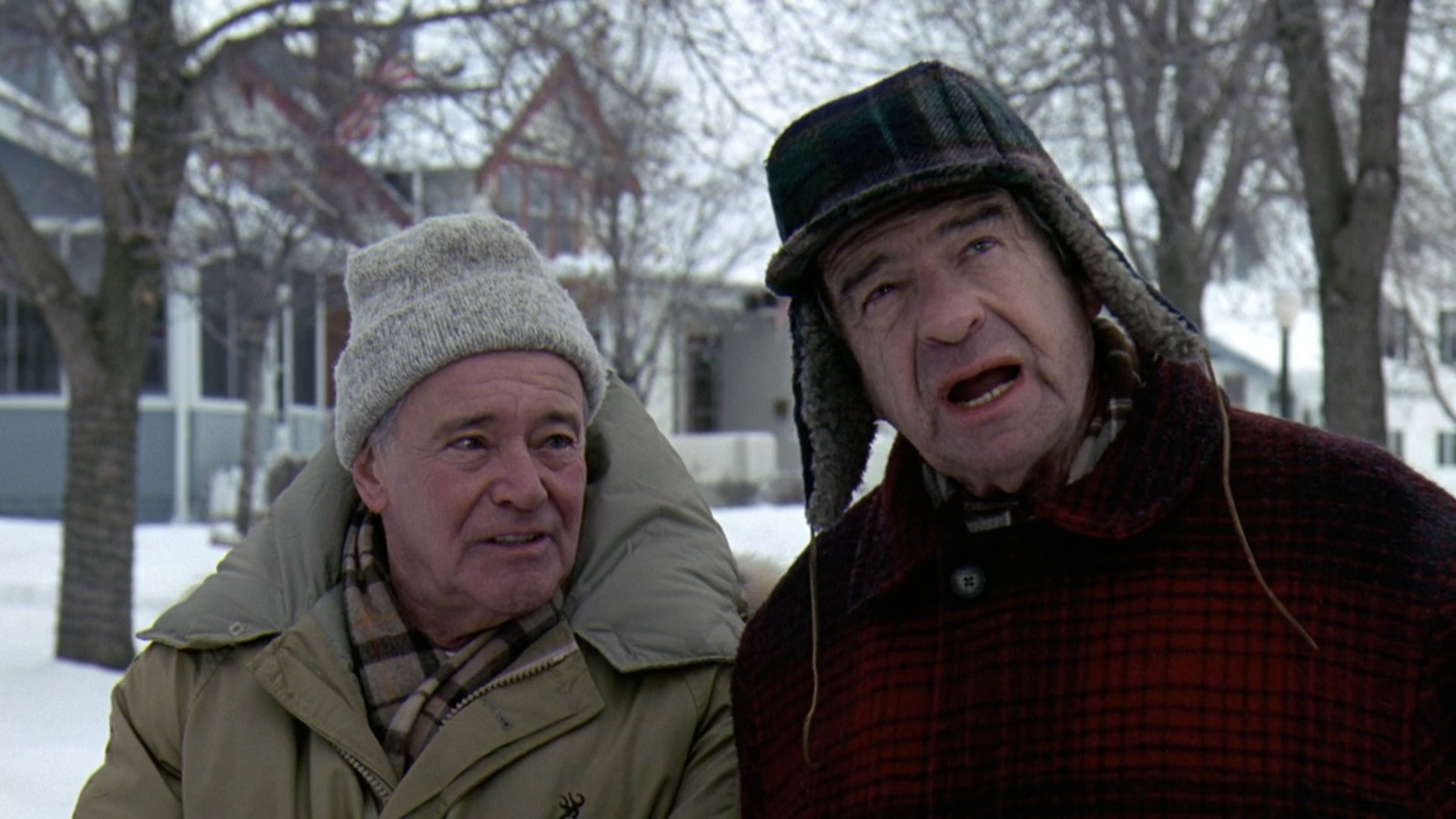
Today is Walter Matthau’s birthday (born October 1, 1920, and died July 1, 2000) and starred in one of my favorite movies, Grumpy Old Men.  I found an article on Facts.net and wanted to share it.

From Facts.net:

Walter Matthau, a name synonymous with talent, charisma, and timeless performances, left an indelible mark on the world of entertainment. From his iconic roles in classic films like “The Odd Couple” and “Grumpy Old Men” to his versatility in both comedy and drama, Matthau captivated audiences with his unique and captivating style. In this article, we will delve into the extraordinary life and career of this Hollywood legend. Prepare to be amazed as we uncover 15 mind-blowing facts about Walter Matthau that showcase his incredible talent, off-screen charisma, and enduring legacy. So, sit back, relax, and get ready to discover the fascinating world of one of the most brilliant actors of our time.

The Odd Couple became a classic comedy duo.

Starring alongside Jack Lemmon, Walter Matthau brought the characters of Oscar Madison and Felix Ungar to life in Neil Simon’s hit play and subsequent film adaptation. Their chemistry and comedic timing made them an unforgettable duo in Hollywood history.

Walter Matthau was born on October 1, 1920.

The talented actor, known for his distinctive gravelly voice, was born as Walter John Matthow in New York City. He would go on to become one of the most beloved and accomplished actors of his time.

Matthau served in World War II.

During his early adulthood, Matthau served in the U.S. Army Air Forces as a B-24 Liberator radioman-gunner in the Pacific theater. His military service greatly influenced his portrayal of tough, no-nonsense characters later in his career.

The Fortune Cookie earned Matthau an Academy Award nomination.

In 1966, Matthau received his first Academy Award nomination for Best Supporting Actor for his role as Whiplash Willie Gingrich in Billy Wilder’s The Fortune Cookie. This marked the beginning of a successful awards career for the talented actor.

Matthau and Jack Lemmon were close friends on and off the screen.

The dynamic duo of Matthau and Lemmon not only shared a successful on-screen partnership but also formed a strong friendship in real life. They went on to star in numerous films together, showcasing their incredible chemistry and friendship.

Walter Matthau won an Academy Award for The Sunshine Boys.

In 1972, Matthau won the Academy Award for Best Actor for his portrayal of Willie Clark in The Sunshine Boys. This recognition solidified his status as one of the top actors of his generation.

Matthau played a variety of roles throughout his career.

From grumpy but lovable old men to quirky and eccentric characters, Matthau’s versatility as an actor allowed him to take on a wide range of roles. He showcased his talent in both comedic and dramatic performances, captivating audiences with his unique charm.

Matthau starred in several successful films with director Billy Wilder.

Matthau collaborated with renowned director Billy Wilder on multiple occasions, resulting in critically acclaimed films such as The Fortune Cookie, The Front Page, and The Private Life of Sherlock Holmes. Their collaboration was a match made in Hollywood heaven.

Matthau received a star on the Hollywood Walk of Fame.

In 1980, Walter Matthau was honored with a star on the Hollywood Walk of Fame. This recognition celebrated his contributions to the world of entertainment and solidified his status as a Hollywood legend.

Matthau appeared in the hit film Grumpy Old Men.

In 1993, Matthau starred alongside Jack Lemmon again in the comedy film Grumpy Old Men. Their reunion was met with great excitement from fans, and the film became a box office success.

Matthau had a successful stage career.

Prior to his success in film, Matthau made a name for himself on the stage. He performed in various productions, showcasing his acting prowess and captivating audiences with his performances.

Matthau had a passion for playing poker.

Off-screen, Matthau had a love for the game of poker. He was known to engage in friendly poker games with his friends and fellow actors, adding an extra element of excitement to his already vibrant life.

Walter Matthau was married twice.

Matthau was first married to Grace Geraldine Johnson, with whom he had two children. After their divorce, he later married Carol Saroyan, with whom he had his third child. Family was important to Matthau, and he cherished his role as a husband and father.

Matthau continued to act until his final years.

Even in his later years, Matthau remained dedicated to his craft. He starred in films such as Grumpier Old Men and The Odd Couple II, showcasing his enduring passion for acting and his commitment to entertaining audiences.

Walter Matthau’s legacy lives on.

Walter Matthau left an indelible mark on the world of entertainment with his incredible talent and unforgettable performances. His iconic roles and his contributions to the industry will always be remembered, ensuring that his legacy continues to inspire future generations of actors and entertainers.

Conclusion

Walter Matthau was more than just a talented actor. He was a legend in the entertainment industry and left an indelible mark on Hollywood. From his iconic performances to his unique personality, Matthau captivated audiences for decades. These 15 mind-blowing facts about Walter Matthau shed light on the man behind the characters, showcasing his incredible talent, his humorous nature, and his enduring legacy. Whether it was his comedic genius in films like “The Odd Couple” or his dramatic depth in movies like “Charley Varrick,” Matthau truly had a range that few actors could match. His wit, charm, and ability to bring characters to life made him a beloved figure both on and off the screen. As we reflect on Matthau’s life and career, it becomes clear that he was not just a celebrity, but an artist who made a lasting impact on the world of entertainment. His talent, passion, and enduring appeal will continue to inspire and entertain generations to come.

SOURCE: FACTS.NET; GINGER HOCH

15 Animals Who Are Probably Smarter Than You: Part 2

Continuing from Reader’s Digest:

Chickens know shapes and colors

Although chickens can sometimes have an unintelligent rap, they are actually very smart. In fact, they can even differentiate certain shapes and colors. According to Melissa Caughey, author of How to Speak Chicken and A Kid’s Guide to Keeping Chickens, “Clicker trained to peck at one of four different shapes, such as a circle, square, triangle, and rectangle, chickens in one study could always pick their shape out of the grouping, no mat­ter how the shapes were arranged. When their particular shape was removed, the chickens looked quizzically for it and wouldn’t peck at the other shapes. When the correct shape was reintro­duced, they pecked at it as taught.”

 Rats solve puzzles

You might not think of rats as the smartest animals, since humans are continually using them for experiments. But did you consider that the reason we use them is because they’re smart, and can handle the puzzles we throw at them? They can memorize routes (hence, the mazes), even though their eyesight is far, far less acute than ours is. And their problem-solving skills are on par with those of dogs, despite their brains being much smaller. Equally impressive, a Harvard Business Review study found that “even though the rat brain is smaller and less complex than the human brain, research has shown that the two are remarkably similar in structure and function.”

Pigeons can memorize images

Here’s another of the smartest animals that you probably have the exact opposite impression of. Pigeons, despite their comically “clumsy” walking style and seemingly vacant stares, are not as “bird-brained” as you might think! In a complex German study, pigeons were shown 725 random black-and-white images one at a time. They were able to differentiate between the images in an identification game that, according to Psychology Today, would give most humans trouble. We’re not saying that the next time you shoo a pigeon, it’ll remember your face for all eternity, but you might want to be careful just in case!

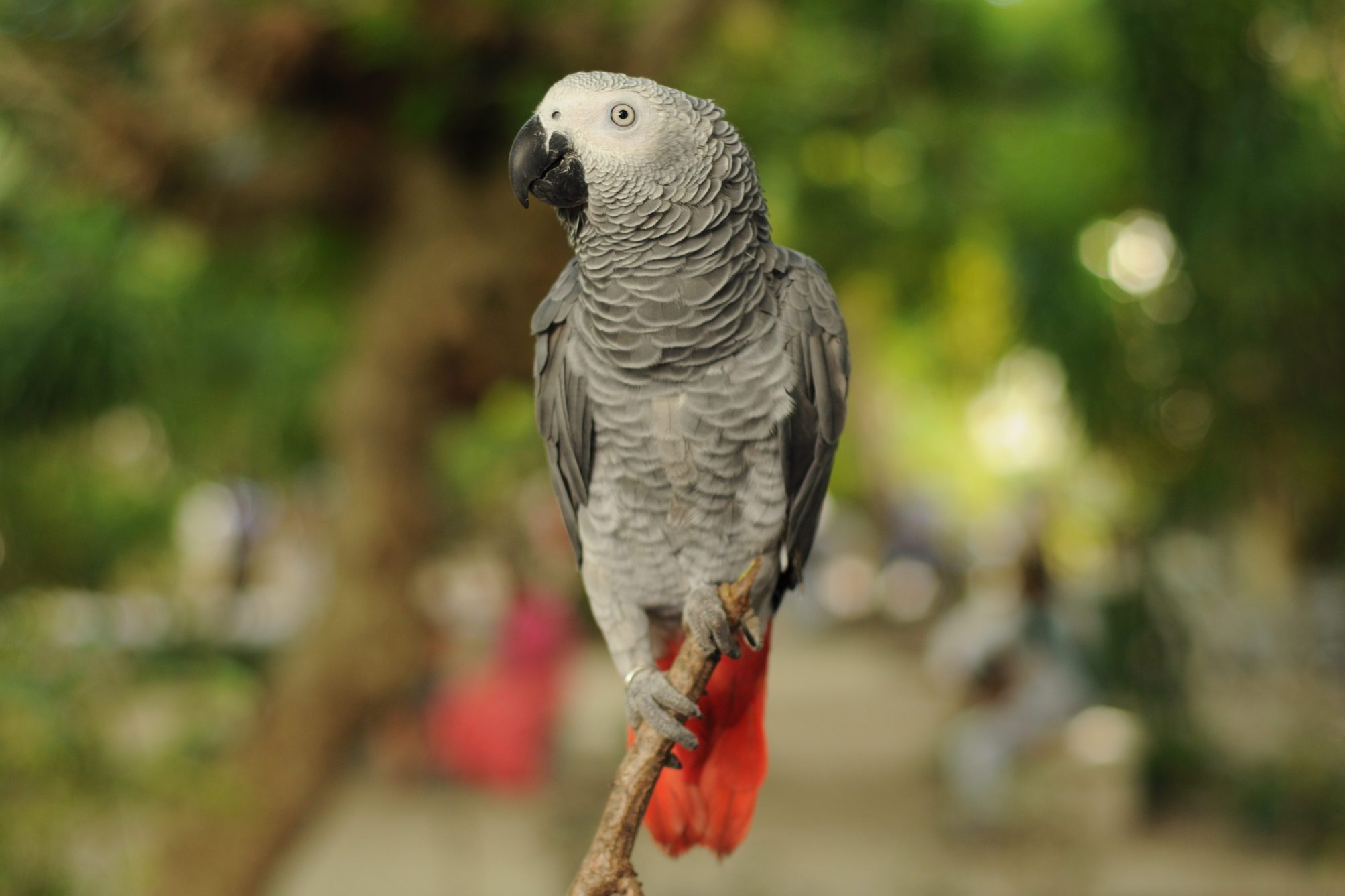
African Greys are as smart as a three-year-old

Besides being able to mimic humans, parrots can solve puzzles based on logical reasoning. According to Live Science, these parrots are as smart as a three-year-old child. “Parrots can draw conclusions about where to find a food reward not only from clues as to its location, but also from the absence of clues—an ability previously only seen in humans and other apes . . . ‘It suggests that Grey parrots have some understanding of causality and that they can use this to reason about the world,’ study scientist Christian Schloegl, a researcher at the University of Vienna, told LiveScience.”

Portia spiders use trial-and-error

What the heck is this thing?! Well, it’s a genus of spider whose undeniable intelligence is about to turn up the dial on your arachnophobia. (Luckily, they pose no danger to humans!) There are multiple species of Portia, native to Southeast Asia, parts of Africa, and northeastern Australia. And their hunting tactics show clear evidence of problem-solving abilities—if one technique doesn’t work, they’ll give something else a try, altering their method if something works on one species of prey spider and not another. They’ve earned the nickname “eight-legged cats” because of their skillful, intelligence-driven hunting. Sometimes they’ll take hours upon hours to stalk a single prey spider, perching on its web and moving so slowly that they don’t cause any reverberations that might clue their prey in.

Dogs are as smart as toddlers

There’s a reason dogs are man’s best friend. Not only are they adorable, they’re also crazy smart. They have emotions, they learn tricks, they recognize their owners, they can sense others’ feelings—and that’s not even all of the clever things dogs can do. According to Live Science, they’re as smart as a two-year-old child. “The finding is based on a language development test, revealing average dogs can learn 165 words (similar to a two-year-old child), including signals and gestures, and dogs in the top 20 percent in intelligence can learn 250 words,” says the Live Science article. “While dogs ranked with the two-year-olds in language, they would trump a three- or four-year-old in basic arithmetic, [Stanley Coren, a canine expert and professor emeritus at the University of British Columbia] found. In terms of social smarts, our drooling furballs fare even better.”

Chimpanzees are very similar to humans

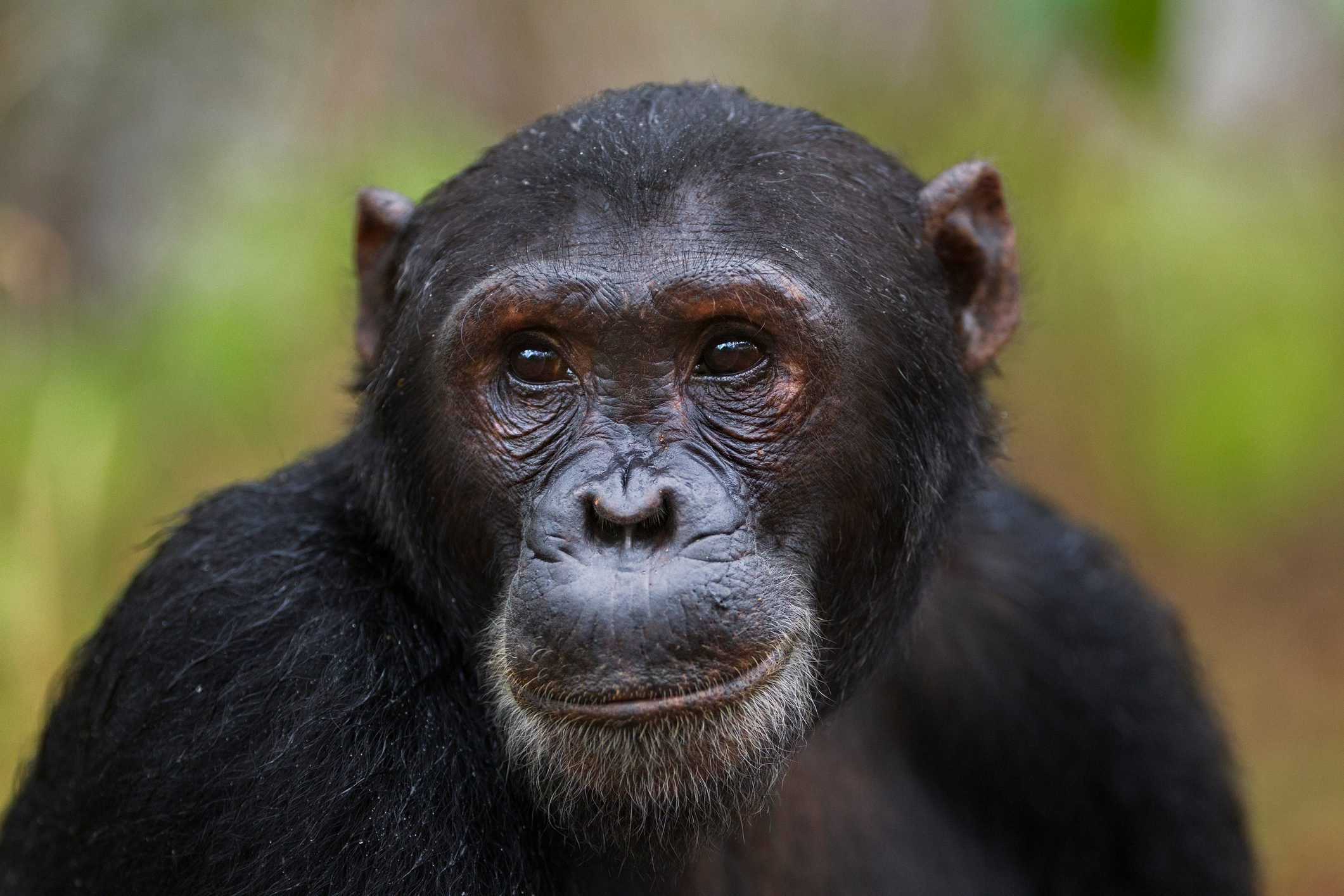
Unsurprisingly, chimpanzees are one of the most intelligent animals on this planet—next to humans, of course. Similar to how humans inherit their intelligence from their mother, a chimpanzee’s intelligence also greatly relies on their genes. “They can learn words, play with objects, and even seem to mourn the deaths of their friends,” says National Geographic. “Genes determine about half of the variability in chimp intelligence and environmental factors the other half, according to primatologist William Hopkins, of the Yerkes National Primate Research Center in Atlanta, Georgia, and colleagues.” Chimps also have their own way of making life a little easier. “Chimps are known to make and use tools for simple tasks like opening fruits and nuts. In fact, studies have shown some of these primates to fashion spears to hunt smaller prey and long branches to dig for termites,” according to Caleb Backe, health and wellness expert for Maple Holistics.

SOURCE: READERS DIGEST: By Brandon Specktor and Brittany Gibson

Chuck

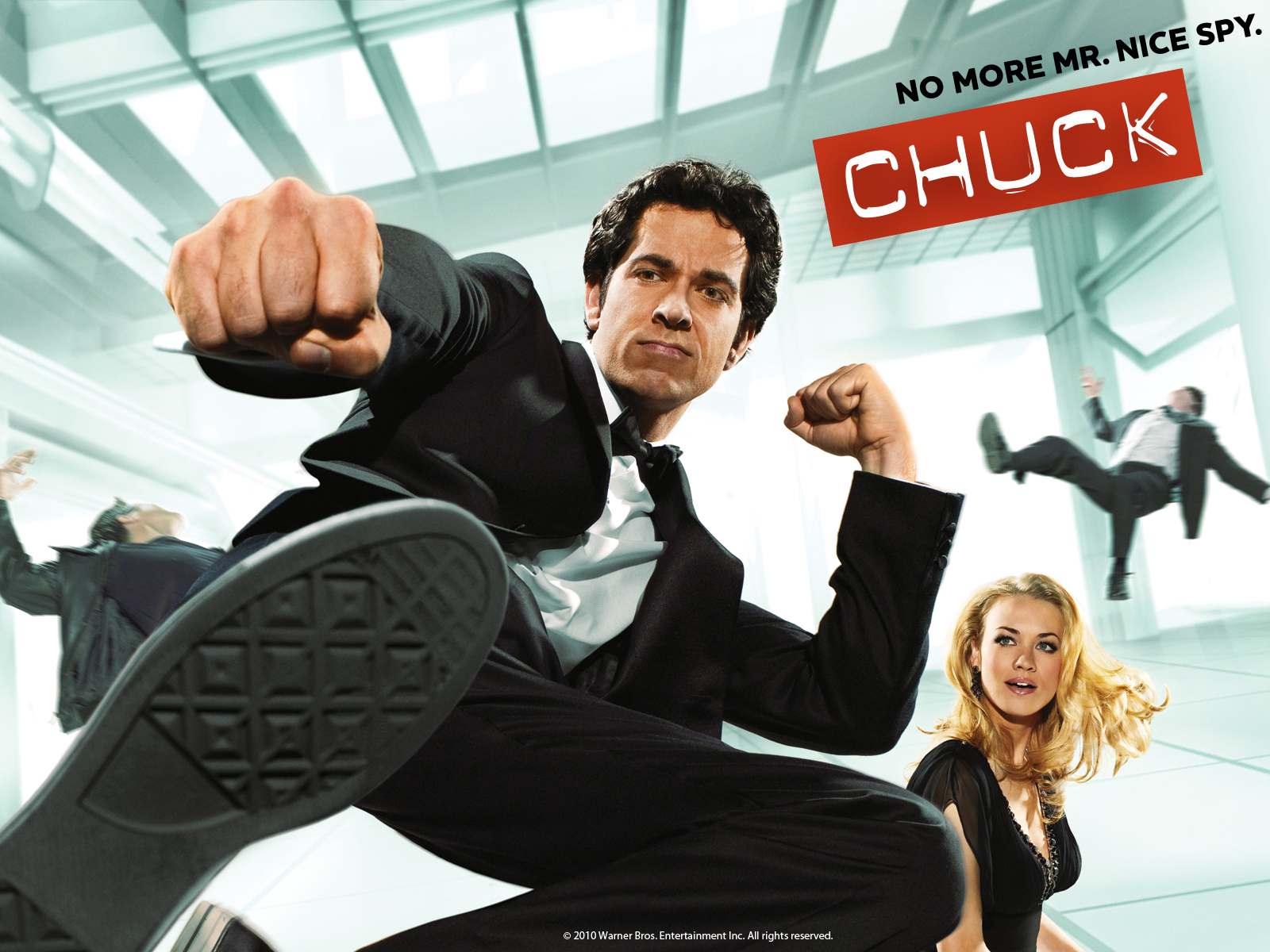
Today is the birthday of one of my favorite actors—Zachary Levi.  Zach was born in 1980 and starred in my one of favorite tv shows—Chuck. One of the reasons I loved this series so much was the plausibility of the story plus the added bonus of watching the characters evolve and grow and it’s hysterical at parts.

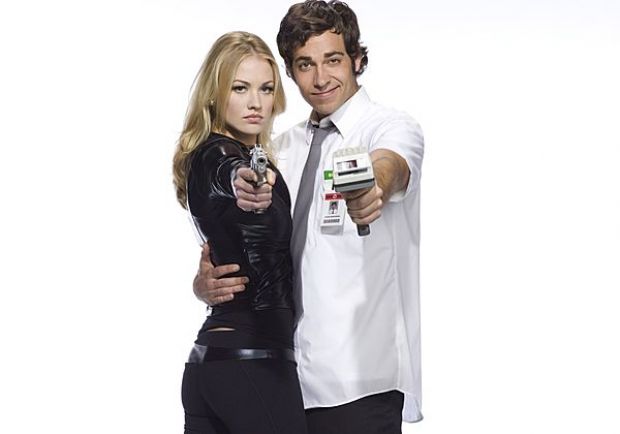
The above picture is Chuck, season one.  He is a nerdy employee at an electronics store, not living up to his potential.  He was one semester from graduating from Standford when he was unceremoniously thrown out of college for cheating (he did not).  He college roommate turned him in.  That same roommate sent him an email which upon opening, “downloaded” government secrets into his brain.  An NSA agent and a CIA agent tracked the email to him and they want to throw him in a padded cell and squeeze information out of him.  He falls for the female CIA agent and proves he can be an asset. 

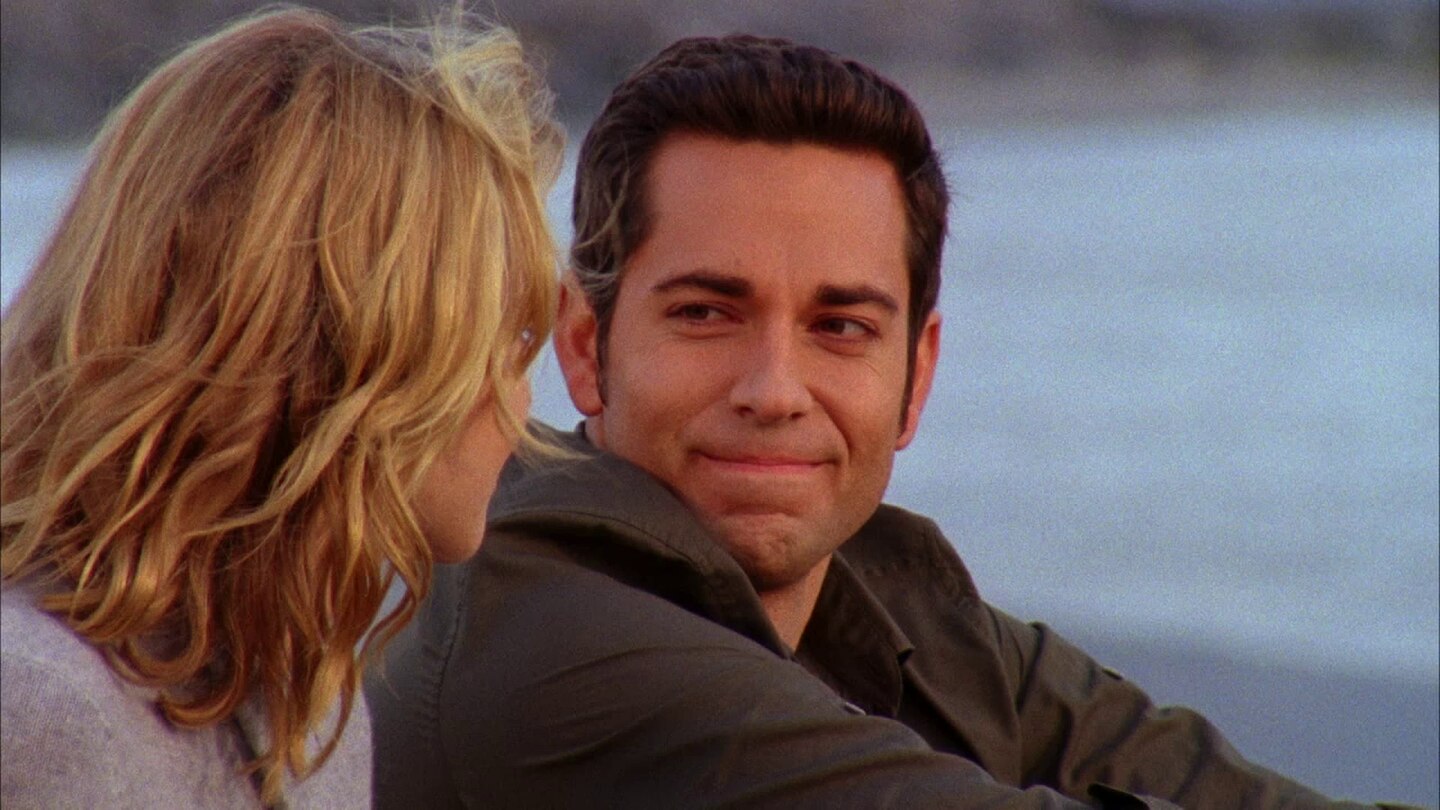
In season two, Chuck matures somewhat revealing his feelings for his CIA handler.  The team spends the season fighting and eventually defeating, a rouge group of agents known as Fulcrum who think the government has gone soft. He discovers his father invented the Intersect (computer) program and actually designs a program to remove it allowing Chuck to lead a normal life.  But in the finale, Chuck’s best friend is killed in front of him and this time he purposely downloads the program into his brain to save those he loves.

Season three sees Chuck progress as a spy even more, developing incredible skills.  His look reflects that as well, but, of course, conflict in his romance is inevitable. Chuck does not believe in killing anyone—even bad guys—and it leads to his CIA girlfriend falling for a macho fellow agent.  He tries to brush it off, but eventually admits his feelings and fights for (and wins) her back.

The fourth season reveals that Chuck’s mom, whom everyone thought had abandoned them, was actually alive.  The season is a search and rescue season and it’s revealed that she is an agent too.  This season also sees Chuck and his girlfriend engaged and eventually married.  (Comic genius in this season revolves around feminizing Sarah—the CIA’s top agent—with wedding details.)

Season five, the final season, sees the couple trying to create a life outside the spy world.  A cyber security type business—his computer savvy combined with her badass bad guy knowledge. The problem is, the same type of Intersect program steals all of Sarah’s memories and she doesn’t recognize Chuck or the life they were building.  He has to fight for her all over again.  (But our hero is up to the task.)

Happy Birthday Zach!

15 Animals That Are Probably Smarter Than You: Part 1

I found this article on Reader’s Digest—I was intrigued by the title—and wanted to share it!

From Reader’s Digest:

Think humans are the smartest animals? Raccoons pick locks, crows know physics, and bees hold democratic dance-offs.

Smart species

We humans take a lot of pride in our brains and our supposed “dominance” over the other creatures of the earth. But the animal kingdom is full of brainy creatures who would surely blow even the smartest humans away with their intelligence and skills if we gave them the chance. Case in point: Think things like dancing, cheating, and even sleight-of-hand are human inventions, exclusive to Homo sapiens? Think again. Get ready to marvel at some of the smartest animals on the planet—some of which will surprise you!

Raccoons pick locks

If you’re planning a whimsical animal burglary, you’ll definitely want a raccoon anchoring your squad. In a bizarre 1908 study by ethologist H.B. David, raccoons were able to pick complex locks in fewer than ten attempts, even after the locks were rearranged or flipped upside-down. Various studies conducted from the ’60s to the ’90s found that raccoons boast an impeccable memory, able to recall solutions to tasks for up to three years. Bonus fact: Thanks to their broad hearing range, raccoons literally hear earthworms moving underground. (How this will benefit you in your heist is for you to determine.)

Crows know physics

Not only can crows recognize faces to differentiate between predatory and benign species, they also understand basic physics (like this lab crow who mastered water displacement to maneuver a treat within reach), have been known to change entire migration patterns to avoid farms where crows have been killed in the past, and may even memorize city garbage routes so they can snag the inevitable food droppings on trash day. Talk about some of the smartest animals! Cool, calculating, and known to harbor a grudge, crows shouldn’t be compared to gangsters, per se, but we do feel obligated to remind you that a group of them is called a murder.

Pigs use mirrors

Pigs may as well be man’s best friend, according to a 2015 paper from the International Journal of Comparative Psychology. Like dogs, pigs have been shown to understand emotions, demonstrate empathy, solve mazes, learn simple symbolic languages and, most adorably, make best friends. As some of the smartest animals in the world, the youngest pigs even put our youngest humans to shame. In an experiment where wee British piglets had to use mirrors to divine the path to a hidden bowl of food, piggies as young as six weeks old learned the concept of reflection within a few hours—a milestone that takes baby humans several months to grasp.

Octopi are master escape artists

True prison-breakers of the sea, these tentacled creatures have proven time and again their talents for popping lids off screw-top jars, compressing their bulky bodies through slit-small holes, and climbing impossibly out of aquarium tanks to their freedom. Otto, a German aquarium octopus, was even known to throw rocks at the glass and spray water at overhead lamps to short-circuit the annoyingly bright lights (on more than one occasion). Add to their rap sheet the innovation of assembling shelters from coconut shells, and there’s no denying cephalopods will one day be our overlords.

Squirrels use sleight of hand

If you’ve ever second-guessed yourself while trying to remember an online account password, know that you have stooped to sub-squirrel intelligence. According to a Princeton University study, grey squirrels are capable of remembering where thousands of nuts are buried—for months at a time. They’ll even use subterfuge to trick would-be nut takers; in a 2010 study, squirrels who knew they were being watched dug fake caches for their nuts, making a show of digging holes and patting them over with dirt while hiding their precious nuts under their armpits or in their mouth until they could find a more suitable hiding spot elsewhere.

Dolphins cheat

Dolphins are often cited as the second smartest animals on Earth due to their relatively high brain-to-body size ratio, the capacity to show emotion, and impressive mimicry of the dumb apes who research them. Now, findings from the Institute for Marine Mammal Studies in Mississippi suggest dolphins may also be the second-sneakiest animals on Earth. When dolphins at the Institute were trained to pick up litter in their tanks and exchange them with trainers for fish, one dolphin named Kelly discovered a way to game the system. By hiding scraps of litter under a rock in her tank, Kelly discretely tore single sheets of discarded paper into multiple pieces, then turned them in one at a time to maximize her fishy reward. Kelly’s clever deception, it seems, was no accident; researchers say she did it all on purpose.

Bees hold dance-offs

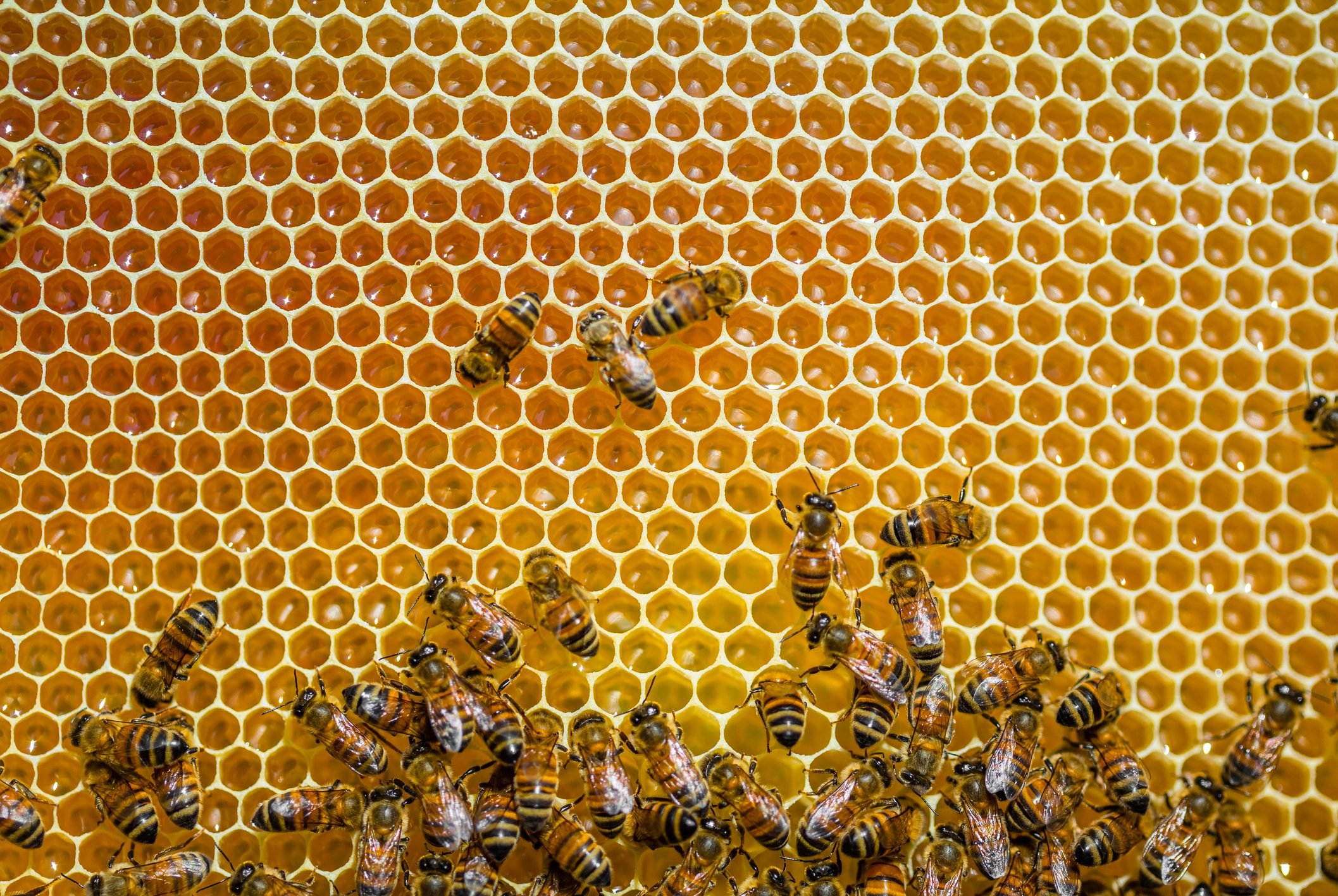
Honeybees have evolved what we call “swarm intelligence,” with up to 50,000 workers in a single colony coming together to make democratic decisions. When a hive gets too crowded in springtime, colonies deploy scouts to look for a new home. If any scouts disagree on where the colony should build its next hive, they argue their case the civilized way: through a dance-off. Each scout performs a “waggle dance” for other scouts in an attempt to convince them of their spot’s merit; the more enthusiastic the dance, the happier the scout was with his spot. The remainder of the colony votes with their bodies, flying to the spot they prefer and joining in the dance until one potential hive reigns #1 bee disco of the neighborhood. Alas, if only Congress settled their disagreements the same way. Also, you shouldn’t be afraid of bees. (Unless you’re allergic, of course.)

Elephants don’t need Facebook

In case you’ve forgotten, elephants have incredible memories. They’re able to recall specific routes to watering holes over incredible stretches of terrain and over the span of many years—and they never forget a friend, either. In 1999, an elephant named Shirley arrived at The Elephant Sanctuary in Tennessee. Immediately, a resident elephant named Jenny became animated and playful. It wasn’t love at first sight; Jenny remembered Shirley from when they performed briefly in a circus together—22 years earlier.

SOURCE: READERS DIGEST: By Brandon Specktor and Brittany Gibson

What Shall We Bake Today?

Continuing with “apple month”, today’s offering is a simple Apple Bread!

Apple Bread

Ingredients

3 cups all-purpose flour

2 cups sugar

2 teaspoons ground cinnamon

1 teaspoon baking soda

1/2 teaspoon baking powder

1/2 teaspoon salt

4 large eggs, room temperature

1 cup canola oil

1/2 teaspoon vanilla extract

2 cups chopped peeled apples (about 2 medium)

1 cup coarsely chopped walnuts

Directions

Preheat oven to 350°. Line 2 greased 8×4-in. loaf pans with parchment; grease paper.

Whisk together first 6 ingredients. In another bowl, whisk together eggs, oil and vanilla; add to flour mixture, stirring just until moistened (batter will be thick). Fold in apples and walnuts.

Transfer to prepared pans. Bake until a toothpick inserted in each center comes out clean, 50-55 minutes. Cool in pans 10 minutes before removing to wire racks to cool.

Apple Bread Variations

Add dried fruits: Ingredients like regular or golden raisins, dried apricots, or dried dates would be wonderful additions to any apple bread recipes. Just know, you may want to cut back on the sugar to compensate for the extra sweetness.

Use a different kind of sugar: Different types of sugar provide distinct flavors and textures that you may enjoy. For example, you can substitute brown sugar for the granulated cane sugar, using a 1-to-1 ratio.

ENJOY!

Louisiana State Mammal: Black Bears

Since, we’ve already had a post about black bears, I brought this article from treehugger.com detailing 8 fun facts about black bears.

From treehugger.com:

The American black bear (Ursus americanus) is native to North America and is found primarily in Canada and the U.S., with a small population in Mexico. There are 16 subspecies which differ slightly in appearance. An estimated 600,000 to 700,000 adult black bears exist throughout their range, and they are not considered endangered.

Black bears vary in size: males weigh from 100 to 900 pounds and females from 85 and 500 pounds. They measure between four and six and a half feet long from nose to tail. From their ability to pack away pounds for a long winter’s nap to their keen sense of smell, here are a few things you may not know about the American black bear.

1 Black Bears Are Impressive Climbers

Black bears are expert tree climbers. Their strong claws are built for climbing, and they can run up a tree with incredible speed. Female bears teach their cubs to climb at a young age, and often send them up a tree to escape from danger. Adult black bears continue to climb throughout their lives. They latch on with their front paws and use their back legs to walk up a tree. Black bears don’t turn around to go down a tree. They come down the same way they go up: back legs first.  When it comes to climbing, black bears have a distinct advantage. It’s not a good idea to try to climb a tree to escape a bear, as it can provoke them to chase and possibly attack. 

2 They Are Fast Runners 

Don’t be fooled by their waddling walk. While they are notoriously slow, black bears can move quickly when necessary. Black bears can execute short and powerful bursts on flat land, uphill, or downhill in search of prey or to outrun danger. Though only for short distances, they can reach speeds of 25 to 30 miles per hour, faster than most humans, so do not attempt to outrun a bear. 

3 They Are Skilled Swimmers

Black bears aren’t just swift on land — they’re also proficient swimmers. They have no trouble swimming across rivers or lakes, and thanks to their powerful legs, they move through the water with ease and seem to enjoy it.  Depending on habitat, the water is also a source of food for black bears, and they teach their baby cubs to swim early.

4 They’re Not Always Black 

Black bears have a bit of a misleading name. The species most often has a shaggy black coat, particularly in the eastern portion of its range, but not always. Black bears can also be brown, cinnamon, red, grey, tan, or blond. The individuals in the western portions of the range tend to be lighter in color. A small subspecies of black bears found only in coastal British Columbia known as Kermode bears or spirit bears are white. 

5 They Have Great Senses

Black bears have a keen sense of hearing and good vision, but their best sense by far is their sense of smell. With their oversized noses, bears have the ability to sniff out even the tiniest morsels of food. Because their sense of smell is so sharp, they easily find food discarded by humans and can detect the smell of food over a mile away. Their sense of smell also helps them identify danger and find a mate.

The hearing frequency of black bears is also superior to humans, and while their distance vision is not great, they have excellent eyesight at close range. Between their superior senses of smell and hearing, black bears usually notice humans before we see them.

6 They Usually Hibernate

In October or November, black bears begin looking for a place to hibernate. Most often they select places like tree cavities, spaces under logs or rocks, deep caves, or dens they dig out themselves. Their hibernation period is genetically predetermined based on their habitat and the availability of food. In the northernmost portions of their range, black bears hibernate seven months or longer. In southern areas, where temperatures are warmer and the food supply is available year-round, the bears hibernate for shorter periods, or not at all.

The hibernation of black bears is different from other animals. Their temperature and heart rate drop, but not dramatically, and they don’t need to leave their dens to eat or defecate. Females often give birth to their cubs during hibernation. The bears’ hibernation process is of interest to researchers who hope to discover how they are able to maintain bone mass and manage their cholesterol levels during their long period of rest.

7 They Like to Eat

Black bears are omnivores, and their diet is dependent on habitat and time of year. They primarily feed on a number of plants, grasses, fruits, and nuts. Those in the north also feed on spawning salmon. Their diet is composed of primarily carbohydrates, with a small amount of protein and fat. Black bears are not predatory. Most of the protein they ingest is from insects like termites and beetles; a small amount of their diet may also consist of carrion. 

For those that have a long hibernation season, fall is the time that bears pile on the pounds. In order to have sufficient fat stores, bears eat four times their normal calorie intake — around 20,000 calories per day — during the fall. Bears need to consume enough to last after hibernation too, as the food supply may be scarce when they emerge.

8 They Only Socialize During Mating Season

During the majority of their lives, black bears are solitary animals. For breeding purposes, adult bears come together during the summer for a brief mating season before parting ways. Females give birth to an average of two to three cubs every other year. They keep their cubs close for about 18 months, teaching them how to find food, avoid predators, and move about their habitat, before sending them on their way before the next mating cycle begins. 

SOURCE: TREEHUGGER.COM

Malachite Butterfly

The looks of malachite butterflies, Siproeta stelenes, are absolutely unique, at least in the wilds of South Florida. Nothing really comes close to matching it, making it one of the easiest butterflies to identify. You see it; you know it.

Malachites are dark brown to black with large green patches, the inspiration for its name. The combination is striking; some argue malachites are the most beautiful butterflies fluttering about our region.

Malachites are large butterflies, measuring roughly between three and four inches across. The forewings as noted have large green patches on a brown/black background; the rear wings have a series of green spots. The undersides are orange-brown with green patches. Males and females are similar in size and in looks, but there can be some variation by season.

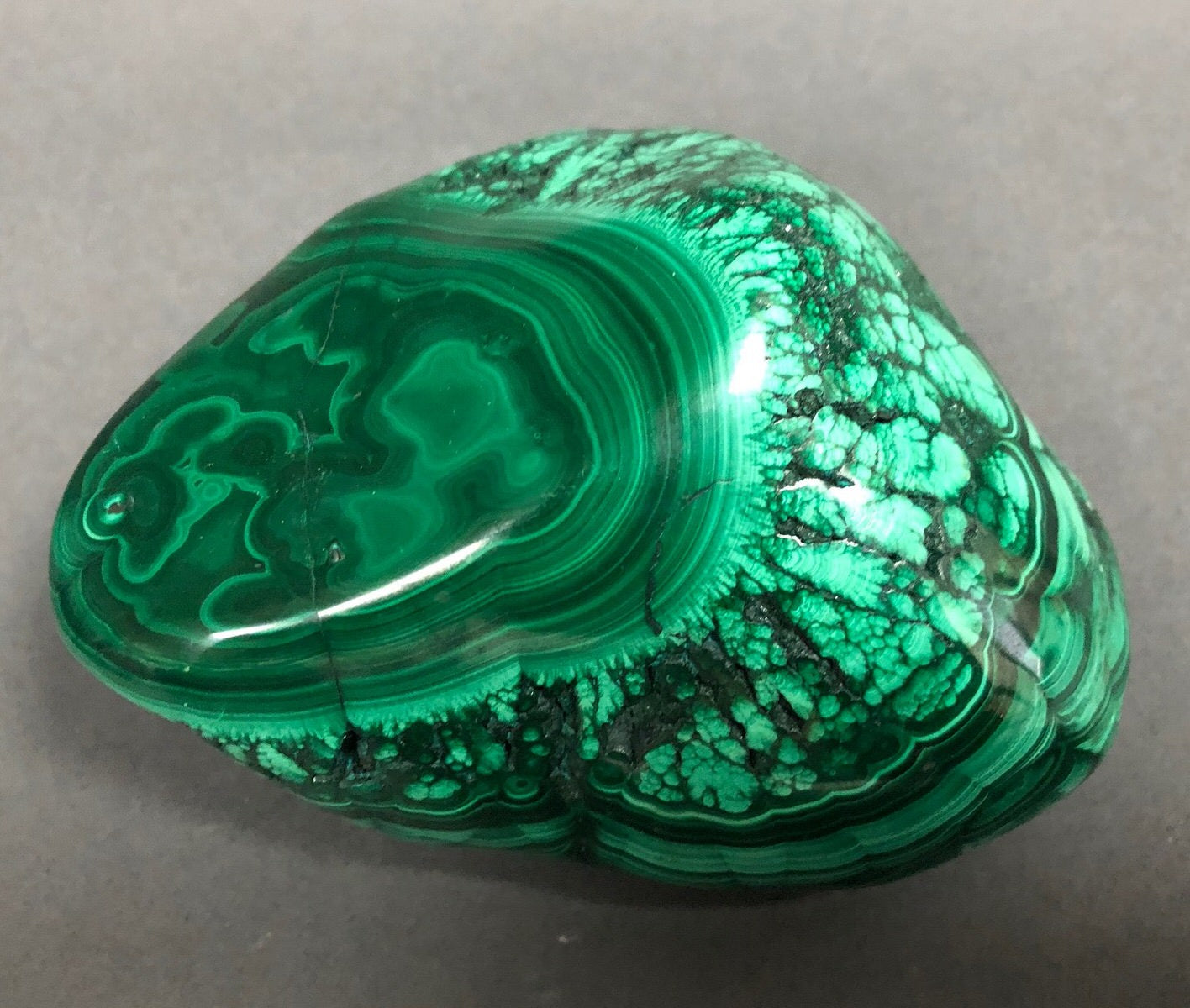
A quick note before we precede: malachite is borrowed from a copper-based green mineral of the same name. The stone is beautiful enough to be used in jewelry and carved into works of art.

Malachite butterflies are considered uncommon in South Florida. We’ve only seen them a few times, all in central Broward County. The population here is believed to have come over from Cuba in the 1960s, and is slowly moving north toward Central Florida. They’re mostly found from Martin and Collier counties south and in the Tampa Bay region.

They do stray farther northwards, but rarely. According to the Alabama Butterfly Atlas, there has only been a single confirmed sighting of a malachite in the state and that was in 2006.

Malachites are also found in south Texas and in Arizona and New Mexico along the border with Mexico. Malachites’ natural range includes the Caribbean, Mexico, Central America and South America into Brazil.

Favorite foods include rotten fruit, bird and bat droppings (yum!) as well as nectar from several flowers. Host plants include Browne’s blechum and maravilla, both of which are members of the same genus, Ruellia, neither of which are native to Florida. Maravilla isn’t found in the wild here, but Browne’s blechum is a wide spread weed here. Mangos, avocados and citrus are among malachite favorite fruits.

Malachites produce three generations a year and are in flight, or active, year-round in South Florida.

Females lay their eggs singly on the leaves of the hosts. Malachite larvae are black with multi-branched orange and black spines and two prominent horns on the head.

Preferred habitat for malachites include the edges of forests and clearings. They’ve also been found in orchards.

Malachites are members of Nymphalidae, the brush-foot butterfly family.

SOURCE: WILDSOUTHFLORIDA.COM