
17 Bubble tea is around 40 years old
Cheerful-sounding bubble tea—also called pearl milk tea, boba milk tea, or just boba—is tea mixed with milk or fruit and topped with tapioca pearls. According to the tea gurus at Kung Fu Tea, a franchise chain with more than 250 locations around the United States, boba was invented in Taiwan during the decade of big hair, neon leg warmers, and a dozen John Hughes movies: the ’80s. By the early ’90s, boba made its way to North America.
18 The spices in chai tea vary, but sweet, spicy cinnamon is a must
Pronounced correctly, chai is a single-syllable word that rhymes with pie, high, and sky. Strongly brewed tea provides the basis for this robust drink, which also contains cream or milk and spices (aka masala). The chosen tea is typically Assam or Darjeeling, and the sweetener of choice is usually white or brown sugar or honey. The exact spices vary from culture to culture, but they’re typically a warming mix of cinnamon, ginger, cardamom, cloves, and pepper. According to chai aficionados, the element of sweetness (even for non-sugar types) is essential for bringing out the spices’ full flavors.
19 Eggplant is always perfect for a parmesan situation, but whether it’s a fruit is up for debate

People into food facts trivia have long gone back and forth about whether a tomato is a fruit or a vegetable. Classifying eggplant is just as hotly debated. Unbeknownst to many, eggplants are technically classified as fruits—specifically, berries—because they grow from a single flower. (So, by that standard, cucumbers and melons are berries, too.) But the confusion is understandable, especially since chefs tend to roast, fry, grill, and mash eggplant, like they do other vegetables.
20 Rice and vinegar make all the difference between sushi and sashimi
Sushi and sashimi may sound interchangeable, but they aren’t. The pros at Benihana, a global chain of 70-plus authentic Japanese restaurants, explain this food fact: Sushi always includes short-grain rice mixed with rice wine vinegar, and it often—but not always—contains fish and is served in bite-size portions. Sashimi refers to thinly sliced ribbons of fish or meats, without rice. Popular types of sashimi include salmon, squid, and fatty tuna. Sushi newbies who aren’t sure about raw fish might want to start by trying options with vegetables, egg, or avocado.
21 In order for wasabi to be the real thing, it needs to be served very, very fresh
For sushi and sashimi fans, wasabi is just as much a part of the culinary experience as fish and rice. It comes from grating wasabi japonica, a plant native to Japan. Wasabi takes a minute or two after being grated to fully develop its pungent flavor, but then loses it altogether after about 20 minutes. For this reason, some authentic Japanese restaurants wait to grate wasabi until a dish is actually ordered. According to experts at the Japan Store, fake or imitation wasabi is made with a blend of Western horseradish, mustard, and green food coloring.
22 Peanut butter and jelly sandwiches hit their stride after World War II
Personal preference for jam versus jelly or smooth versus crunchy peanut butter aside, peanut butter and jelly sandwiches became the go-to sandwiches for kids in the United States in the mid-1940s. The humble PB&J was on military menus during the Second World War, thanks to its overall portability, ease of preparation, and high protein content, as well as the shelf-stableness of peanut butter. After the war ended, soldiers introduced the sandwich to their families, and iconic status was achieved.
23 According to science, the main ingredient in marinara actually belongs in the fruit bowl
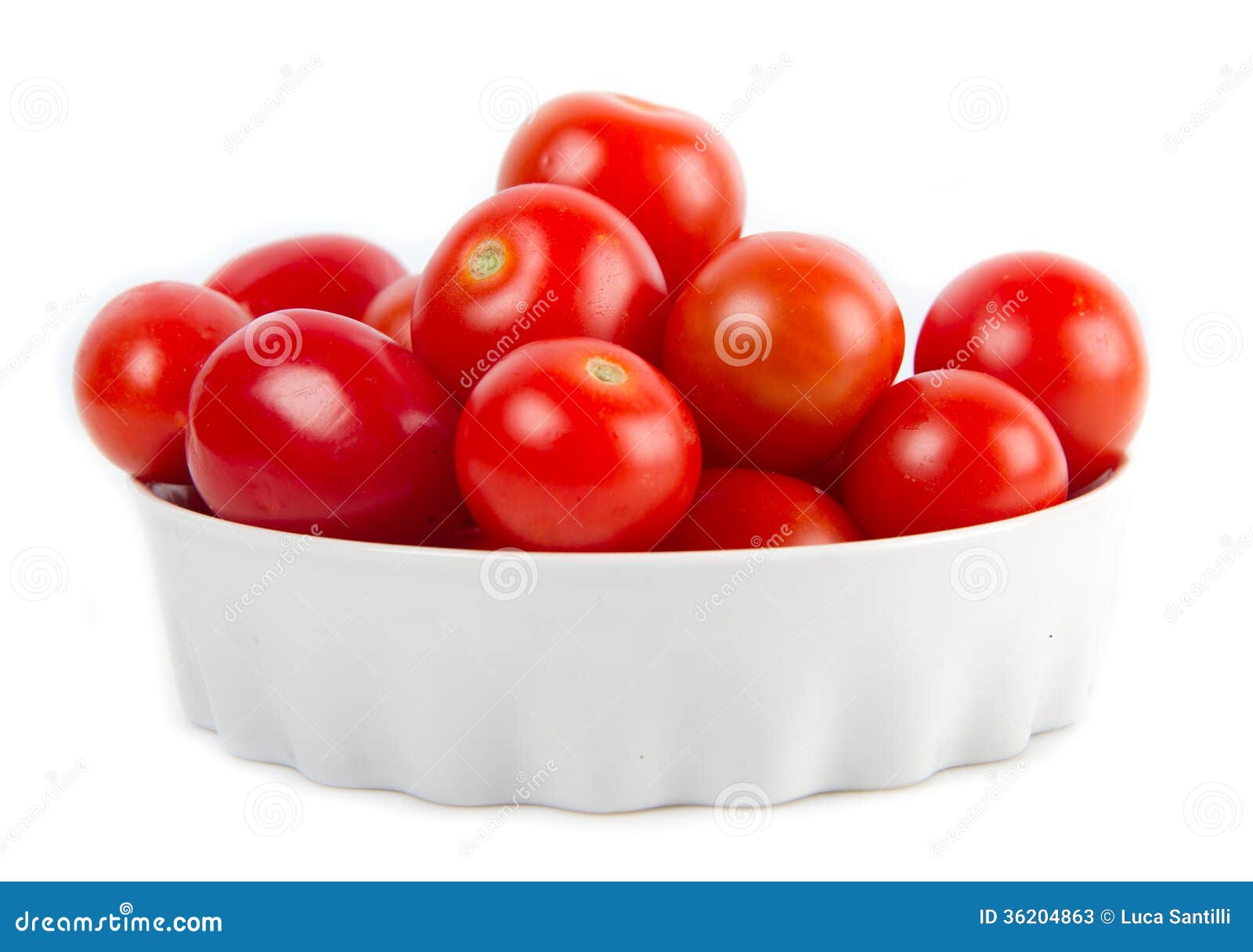
There are legal definitions of fruits and vegetables, as well as scientific ones. A tomato fits the scientific definition of fruit because it forms from a flower and contains seeds. So botanically, tomatoes are fruits. However, the way we eat them and treat them in cooking means that they also fall into the legal category of vegetables.
24 Almost two-thirds of Americans prefer their pizza topped with pepperoni
When more than 6,000 Americans were asked to name their favorite pizza topping, pepperoni topped the list. In fact, nearly two-thirds of respondents to the 2021 survey (64 percent) shared this preference. Rounding out the top five popular toppings were sausage (56 percent), mushrooms (54 percent), extra cheese (52 percent), and onions (48 percent).
25 But almost two-thirds of Americans say a big “thanks but no thanks” to pizza topped with anchovies
A pie topped with anchovies has no place at a pizza party, according to 61 percent of respondents to a 2021 survey. Other toppings that get a hard pass? Eggplant (52 percent), artichokes (44 percent), broccoli (39 percent), and pineapple (35 percent)—even though 26 percent of respondents said they do like pineapple. To each their own pie!
26 When chocolate is the only thing that will hit the spot, milk chocolate reigns supreme
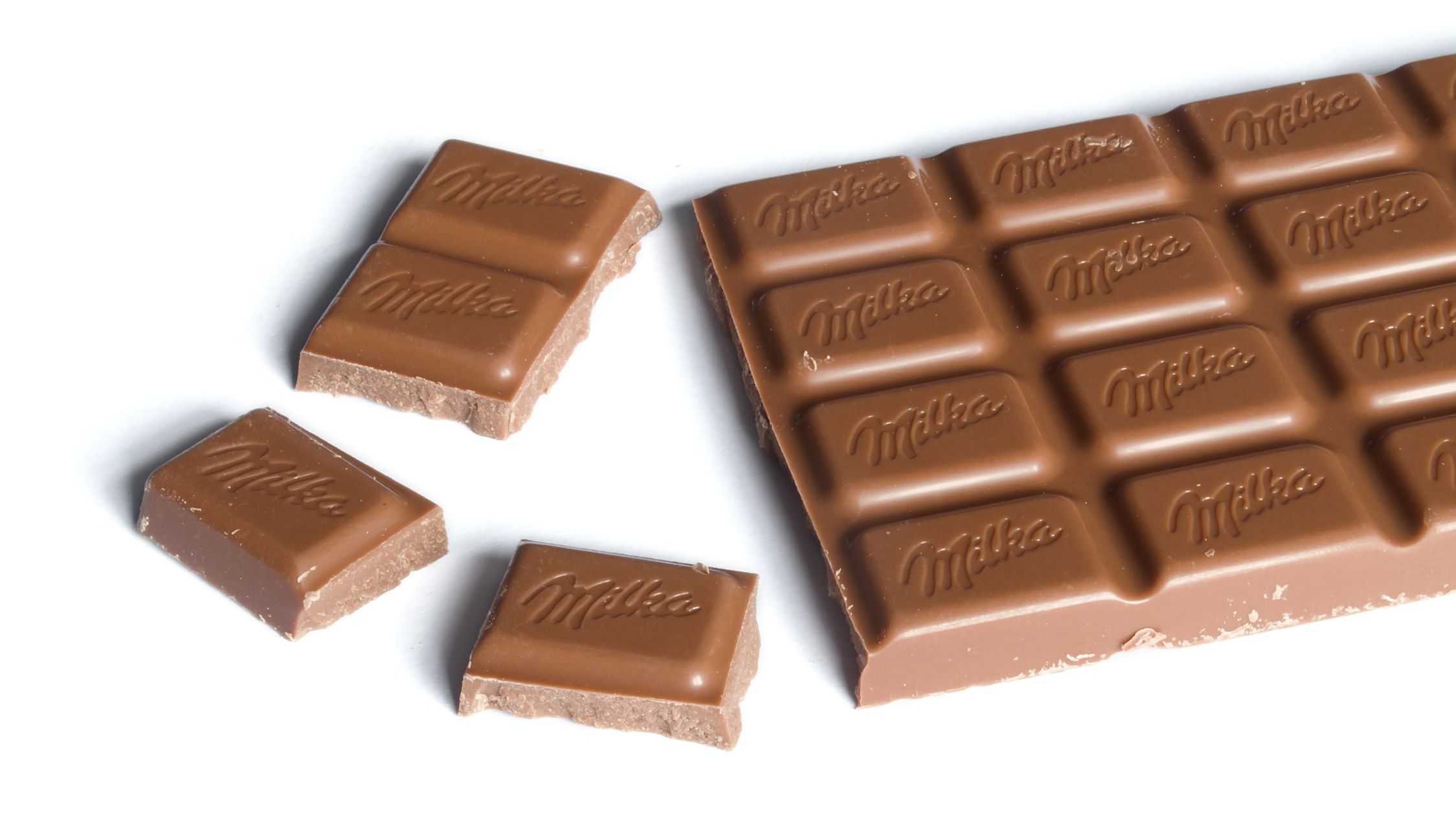
Milk chocolate is most people’s chocolate of choice, but dark chocolate starting to close the gap. For one thing, overall consumer awareness of the health benefits of dark chocolate is rising. According to CandyIndustry.com, it has seen 20 percent global growth since 2016. Dark chocolate contains anywhere from 50 to 90 percent cocoa solids, while milk chocolate contains fewer cocoa solids—from 10 to 50 percent, plus some form of milk. White chocolate, on the other hand, is made from cocoa butter, rather than cocoa solids.
27 Most grapes end up as wine
Grapes are popular all around the world, and they’re ripe for transformation—in fact, the vast majority grown are destined to become wine. While only 12 percent of grapes are intended to be eaten fresh, annual U.S. per capita consumption is about eight pounds per person. All grapes offer a great variety of vitamins and minerals, but red and Concord grapes are higher in polyphenols called flavonoids, which act as antioxidants. Resveratrol, a polyphenol especially lauded for its antioxidant efforts, is especially concentrated in red grapes.
28 Orange peppers are the best choice to protect your peepers
No matter the color, the nutrient profile of peppers generally doesn’t vary that much, since red, yellow, and orange bell peppers are just green peppers that stayed on the vine longer. For instance, all peppers offer well more than the recommended daily allowance for vitamin C. However, orange peppers have about 10 times the amount of two carotenoids that support eye health, so you might want to focus on that.
29 Faced with an array of chip flavors, Americans still prefer plain
Despite racks stuffed with colorful bags of potato chips in an ever-growing list of flavors, plain potato chips still win the day with consumers. When Statista crunched numbers from the U.S. Census and a national consumer survey, preference for plain potato chips far eclipsed the desire for the next most popular flavor—barbecue.
30 Honey Nut Cheerios is the most popular cereal
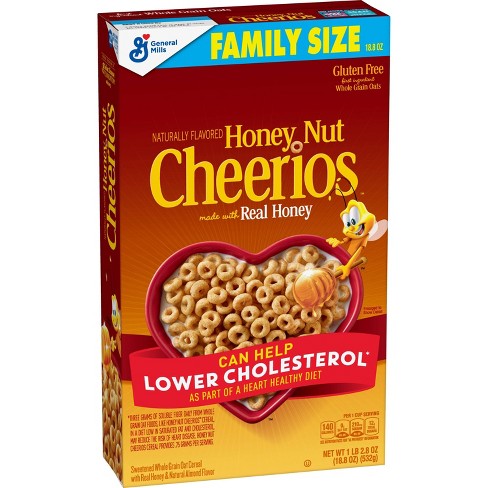
Three words: Honey. Nut. Cheerios. Sold by behemoth food packager General Mills, Honey Nut Cheerios is the top-selling cereal in the United States. In fact, sales of Honey Nut Cheerios beat out sales of all store brands combined. In second place: Cinnamon Toast Crunch, also from General Mills. Tony the Tiger’s favorite, Frosted Flakes, rounds out the top three.
31 These fast-food favorites were created with input from a chef who once served British royalty
Here’s a hint: A little tub of dipping sauce—barbecue, honey mustard, or possibly sweet and sour?—often comes into play. Yes, McDonald’s chicken nuggets were originally created in the 1980s with input from chef René Arend, who cooked for Queen Elizabeth II and the king of Belgium, among others.
SOURCE: READER’S DIGEST

/85231035-56a7befc5f9b58b7d0ed74cd.jpg)




















 Sew Colorful