Weird Wednesdays: Alabama Lighthouse

Lighthouses are pretty cool in my opinion, but I’m not sure I’d want to live in one.  This “lighthouse” estate is in Alabama and is unique. Inland Alabama doesn’t seem like a great place for a lighthouse, but the improbable location didn’t faze the sea-obsessed builder of this six-bedroom, 18,000-square-foot home on Lake Guntersville. The lighthouse itself is six stories high, made of marble and concrete, and topped with a catwalk so the owners can survey their kingdom.

From AL.COM:

GUNTERSVILLE, Alabama – The lighthouse on Lake Guntersville attracts the curious. They drift by in their boats, their voices carrying over the water as they try to guess why the structure is there. Some don’t realize the lighthouse fronts what is an 18,000-square-foot home. What many don’t know is the eight-story structure is the culmination of one man’s life work.

The lighthouse house Jim Kennamer built on four acres of lake-front property is for sale now, on the market for $3.25 million. The property has been appraised for $6 million, but with a soft economy and the desire to sell, Realtor Ernie Tidmore has set a lower price.

Know-It-All Tuesdays: Saint Patty’s Day Trivia

Why is St. Patrick’s Day celebrated on March 17?

Where and when was the first St. Patrick’s Day parade ever recorded?

What’s the oldest and largest St. Patrick’s Day Parade in the world?

What do the three leaves of a shamrock symbolize on St. Patrick’s Day?

What does the circle at the very center of a Celtic cross represent?

What is a boxty?

Which coastal Southern city has had a huge St. Patrick’s Day parade and celebration since 1813?

What does “Erin go bragh” mean?

How do leprechauns earn their gold?

What is the traditional main dish served at many St. Patrick’s Day celebrations in America?

So, how did you do?

It’s the day Saint Patrick died in 461 CE.

St. Augustine, Florida, in 1601. The area was then a Spanish colony, but it had an Irish vicar.

The New York City Saint Patrick’s Day Parade, first held in 1762.

The Holy Trinity (Father, Son, and Holy Ghost), according to the legend that Saint Patrick used the shamrock to illustrate the concept to potential converts. It can also symbolize love, hope, and faith.

The sun.

An Irish potato cake.

Savannah, Georgia.

Ireland forever.

Making and mending shoes.

Corned beef and cabbage.

Until next month…stay sharp!

Green Phantom Pleco

The Green Phantom Pleco (Hemiancistrus subviridis) is a captivating freshwater fish that hails from the fast-flowing rivers of Venezuela and Colombia in South America. Renowned for its vibrant green coloration and peaceful demeanor, this species can grow up to 8 inches in length, making it a standout addition to larger aquariums. 

What sets the Green Phantom Pleco apart is not just its striking appearance but also its ecological role as an algae eater, helping to keep aquariums clean by grazing on algae growths on glass and decorations.

Unlike many other fish species, the Green Phantom Pleco prefers cooler water temperatures ranging from 72 to 86°F, and requires a well-oxygenated environment with plenty of hiding spots to mimic its natural habitat. This species’ unique color and beneficial cleaning habits make it highly sought after by aquarium enthusiasts, despite its somewhat more demanding care requirements.

Green Phantom Plecos are relatively hardy, making them suitable for a variety of aquarium settings, but they do require specific care to thrive. They are best kept in tanks with a minimum size of 30 gallons to accommodate their potential growth up to 8 inches in length. The water should be well-oxygenated with a moderate to strong flow, mimicking their natural river habitat, and maintained with a pH between 6.5 and 7.5. 

Green Phantom Plecos are peaceful and can be housed with many other species, but they do need hiding spots and a diet rich in vegetables and high-quality sinking pellets or wafers. While they can tolerate a range of conditions, attention to water quality and diet is essential for their well-being. This species demonstrates that with proper care, they can be both a hardy and rewarding addition to the aquarium.

Food & Diet

Caring for Green Phantom Pleco includes providing them with a diet that meets their nutritional needs. Here’s an overview of the food and diet recommendations for Green Phantom Plecos:

Primary Diet

Green Phantom Plecos are omnivores with a strong preference for algae and biofilm in their natural habitat. In captivity, their diet should include a variety of foods to ensure they receive all the necessary nutrients:

Algae Wafers: These are a staple for most plecos and should be included in their diet. They mimic the pleco’s natural food source and are rich in essential vitamins and minerals.

Vegetables: Offering blanched vegetables like zucchini, cucumber, spinach, and peas can provide additional nutrients. These should be offered on a regular basis but removed after 24 hours to prevent decay.

Driftwood: While not a food source per se, having driftwood in the tank is important for Green Phantom Plecos. They graze on the biofilm that grows on the wood and may also ingest small amounts of wood fiber, which aids in digestion.

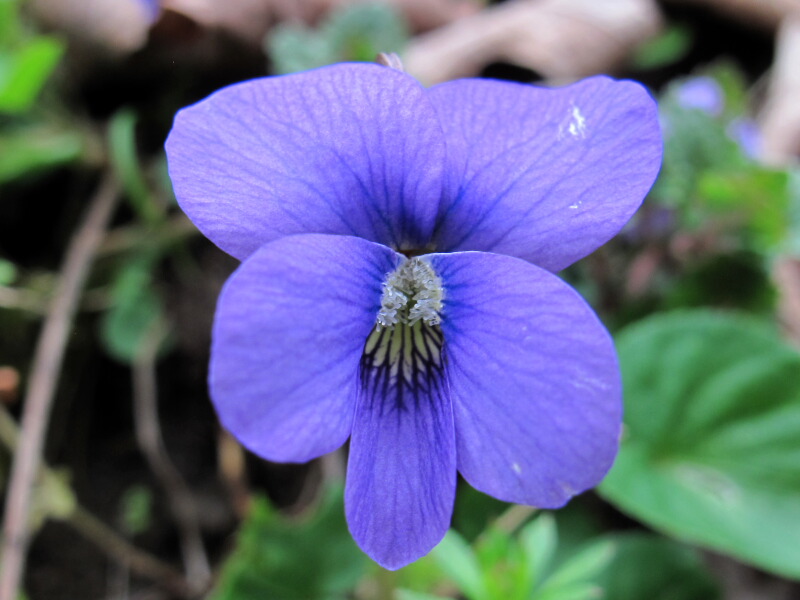
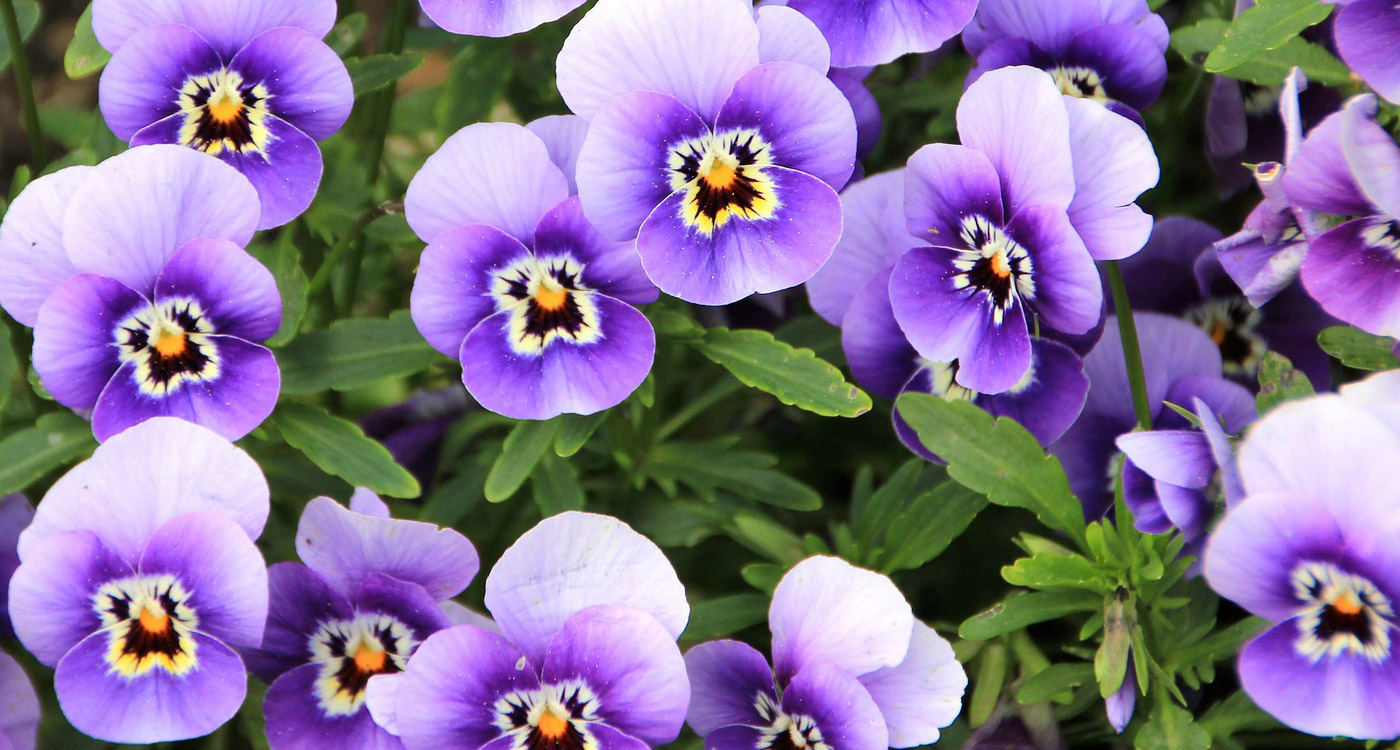
New Jersey State Flower: Meadow Violet

Common blue violet is a rhizomatous clumping annual in the Violaceae (violet) family native to eastern and central North America. It grows 6 to 10 inches in height and width, and is found in woods, thickets, and along streambeds, especially in shadier areas.  

The common blue violet prefers moist, rich soils and dappled sunlight. However, it will grow in many light conditions and tolerate wet soil, clay soil, and being planted near black walnut trees. It also freely self-seeds and may become invasive in fertile, moist locations. During hot summer months, the foliage tends to depreciate. During the summer months, it produces flower buds that never open (called cleistogamous flowers) but which develop into fruits with fertile seeds.

Nectar from the flowers attract butterflies and bees. Members of the genus Viola support specialized bees: Andrena (Gonandrena) fragilis, Andrena (Gonandrena) integra, and Andrena (Gonandrena) platyparia. Birds and small mammals use the seed fruits as a food source.

Use the blue violet as a wildflower in lawns, rock gardens, edging, and borders. This plant can also be used as a groundcover along walls and path edges as mowing can limit its spread. It is best in open woodland gardens where it can be left to spread naturally. It is deer resistant, but much loved by rabbits.

Quick ID

Leaves are basal, heart-shaped, crenate, and subpeltate

Many solitary, 2 cm flowers on slender, peltate stalks

Acaulescent herbaceous plant with purple to white spring flowers

Lateral petals with basal tufts of hairs

Insects, Diseases, and Other Plant Problems: May have some issues with slugs, snails, aphids, red spider mite, and violet gall midge. Powdery mildew and pansy leaf spot are occasional disease problems. 

The Mummy

Today is Rachel Weisz’s birthday (born in 1970) and I know her best from the movie The Mummy. The movie combines horror and humor with costar Brendan Frasier.  There are some very interesting things from the movie that I didn’t know and wanted to share. 

This iconic scene from the movie, shows Evy (Rachel) destroying the library.  The amazing thing is the stunt double did it all in ONE TAKE!

Beni (the stereotypical lackey) isn’t exactly loved by anyone in The Mummy, as he forms an alliance with Imhotep to save his own skin, willing to throw everyone else into the fire for his own benefit. Beni isn’t even loved by the camels. There’s a scene that demonstrates just that, when Beni is loading a significant amount of gold onto a camel and it refuses to budge when he instructs it to go. Apparently, the camels just didn’t care for Kevin J. O’Conner, and made it plainly obvious. Even if it wasn’t in the script, it made for more laughs, and suited Beni’s character in all his glory.

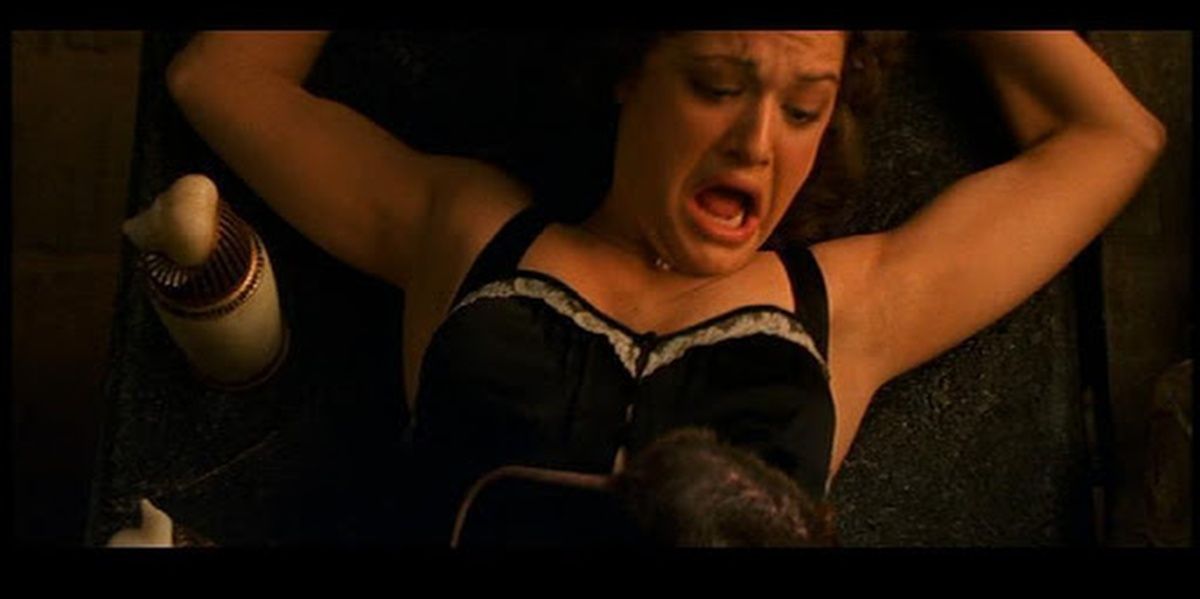
While The Mummy utilized its fair share of special effects, not everything was up to technological expertise. Sometimes brave actors have to be commended, like Rachel Weisz, for experiencing things in reality. Poor Weisz was faced with rats crawling all over her in one of the final scenes in The Mummy, and audiences assume her horrified reaction is less to do with acting and more to do with her genuine reaction. Audiences are still creeped out by this scene to this day; in regards to authenticity, the film nailed this scene.

Happy Birthday Rachel!

DIY: Spring Cleaning for Your Garden & Lawn: Part 2

10 Scrub those clay pots.

Clay pots get very dirty if they are left out over the winter. Now is the time to soak them so that they will be ready for the plants when the weather is warm enough for them to be planted.  

11 Cut back perennials

 Sometimes I do this in the fall, but more often, I leave this chore for the early spring, to keep some seed pods for winter birds. Perennials can be cut back almost to the ground level in most cases without hurting them at all.

12 Prune your roses

 In most cases, you will be pruning your roses just as the plant will be breaking the winter dormancy.  In warm climates, like NC, this will be fairly early in the year, just after the last frost.  Roses bear flowers on last year’s wood.  Trim off any old, dead canes. Be sure to prune so that the center of the bush is open for best air circulation.  

13 Remove dead wood

This goes for roses but also for other trees and shrubs too. Nothing will grow from dead wood, so get rid of it.  This goes for most suckers too. They sap the life from your plant and should be removed.

TIP:  If it is too early for you to prune shrubs, you can still inspect the plants. Take some ribbon with you and tie it where you want to prune once the weather warms up. So get out those garden gloves and your pruning shears and get rid of the dead wood. You’ll be glad you did come summer time.

14 Spring weeding

Even though I have it listed as #14, weeding is at the top of my list for early spring garden project. Weeding can the bane of my gardening life, if I let it be. Each year, I say that I am going to pull up weeds during the winter on warm days, and each year, I neglect this. But early spring is a good time to weed as long as the ground is not too wet, AND it’s the best time to do this job. The roots of the weeds are shallow and they will come out easily this time of the year.   This border that I planted late last summer looks as though it needs some TLC l right now, but those weeds will be out in less than a half hour and the bed will be beautiful.

15 Early spring Vegetables

Many vegetables thrive when planted in the early spring because they love the cooler weather. Some popular ones are English peas, broccoli, cabbage and Brussels sprouts. Here in NC, these plants don’t do well in the summer at all, so early spring is when I have to plant them if I want to grow them.  See my list of cold hardy vegetables here.

16 Check your lawn edges

 Inspect plastic lawn edging to see if it needs replacing.  If you edge manually with trenches, now is a good time to tidy these up so the edges will be ready when the lawns start to grow. Doing it early means that the edges will only need cutting into soil, not into lawn that is encroaching into the borders.

17 Start seeds indoors

Get a head start on spring but planting seeds for flowers and vegetables indoors.  I have a large plant stand that sits outside during the spring and summer. During the winter, it sits in front of my glass sliders and gets southern sunlight. It is the perfect spot for my plant cuttings and seed starting efforts.

18 Divide perennials

One of my favorite early spring garden projects is to divide my perennials.  Early spring is the perfect time to divide perennials. Many of them really benefit from being divided for best growth. Either plant the divisions in another part of your garden, or share them with some of your plant loving friends.  

SOURCE: THEGARDENINGCOOK.COM

Boston Massacre

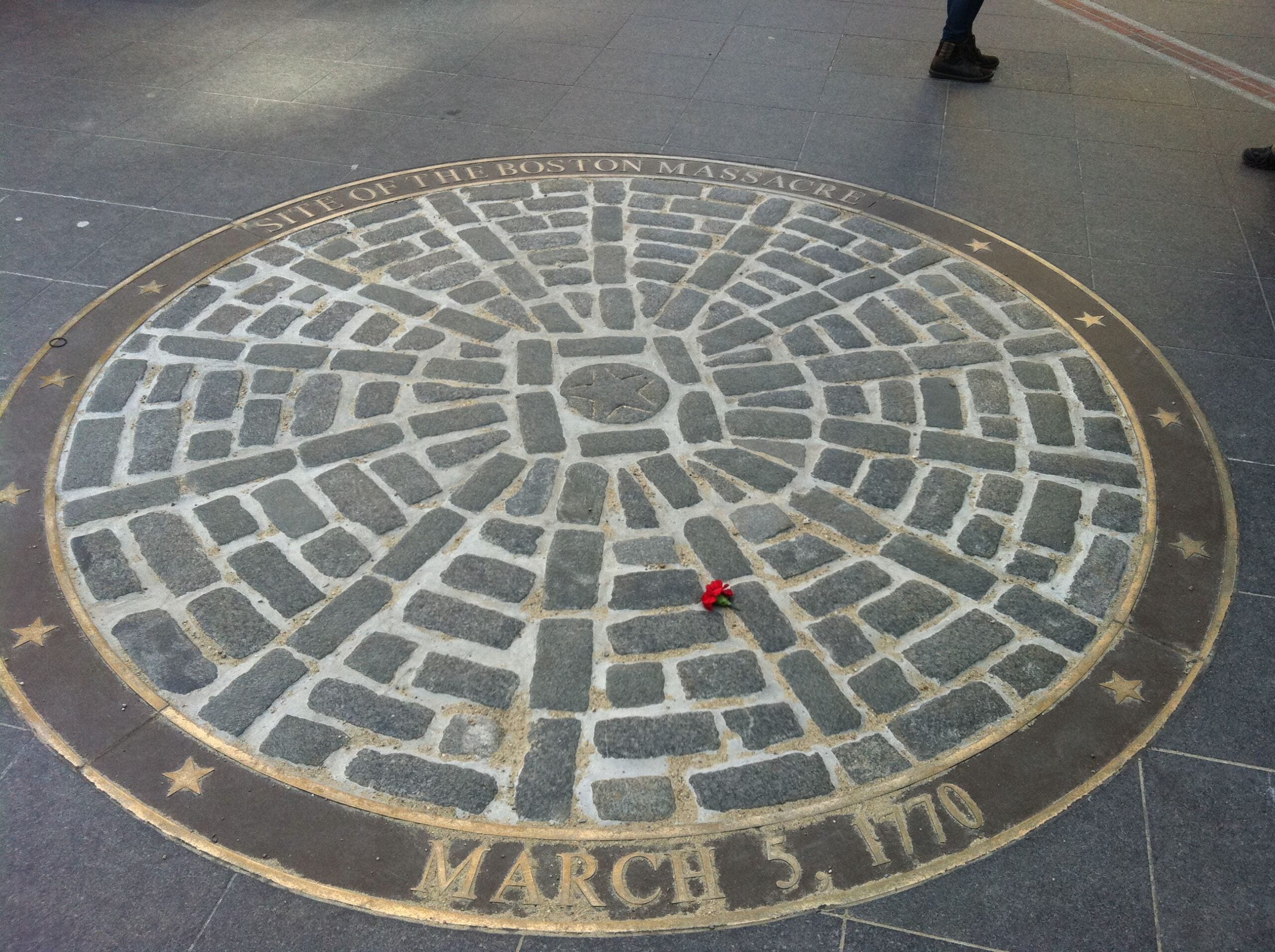
Today marks the anniversary of the infamous Boston Massacre.  This article from History.com details the events and the aftermath.

From History.com:

The Boston Massacre was a deadly riot that occurred on March 5, 1770, on King Street in Boston. It began as a street brawl between American colonists and a lone British soldier, but quickly escalated to a chaotic, bloody slaughter. The conflict energized anti-British sentiment and paved the way for the American Revolution.

Tensions ran high in Boston in early 1770. More than 2,000 British soldiers occupied the city of 16,000 colonists and tried to enforce Britain’s tax laws, like the Stamp Act and Townshend Acts. American colonists rebelled against the taxes they found repressive, rallying around the cry, “no taxation without representation.” Skirmishes between colonists and soldiers—and between patriot colonists and colonists loyal to Britain (loyalists)—were increasingly common. To protest taxes, patriots often vandalized stores selling British goods and intimidated store merchants and their customers.

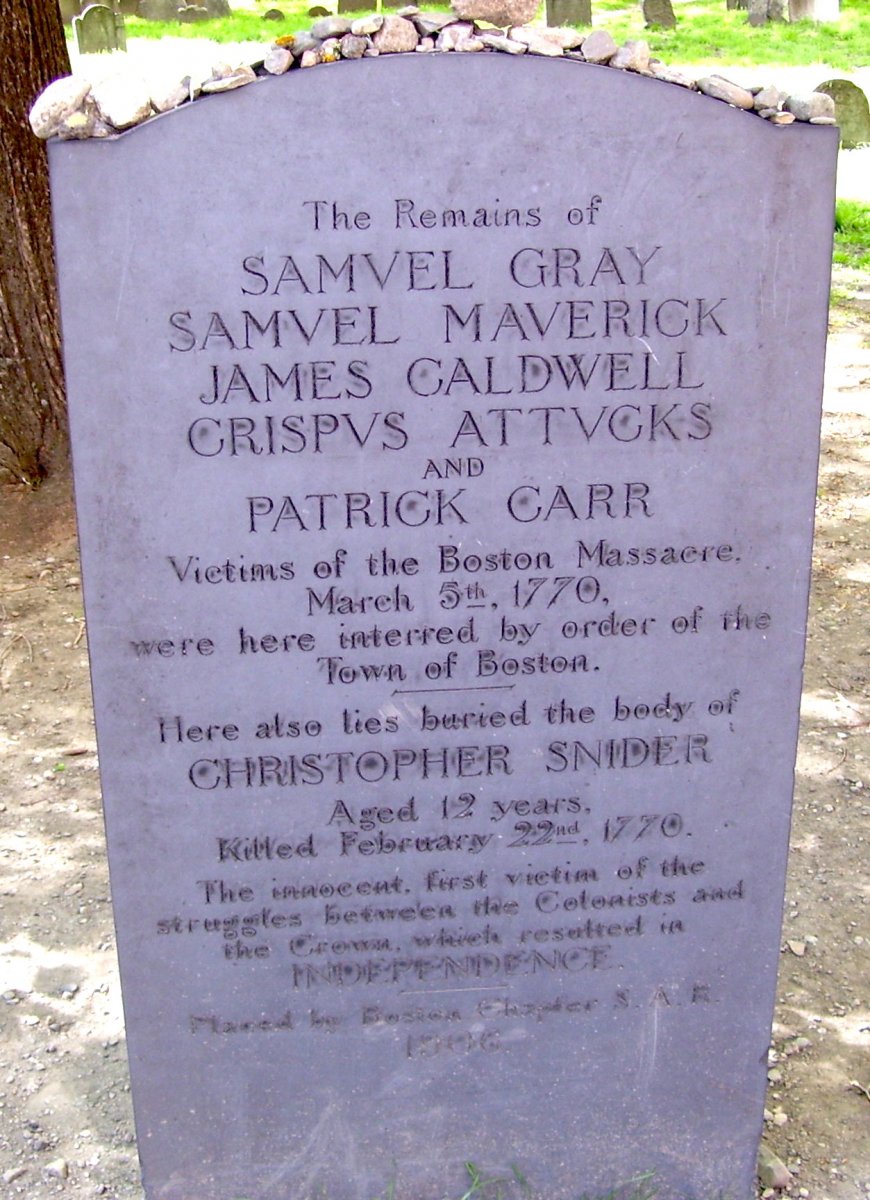
On February 22, a mob of patriots attacked a known loyalist’s store. Customs officer Ebenezer Richardson lived near the store and tried to break up the rock-pelting crowd by firing his gun through the window of his home. His gunfire struck and killed an 11-year-old boy named Christopher Seider and further enraged the patriots. Several days later, a fight broke out between local workers and British soldiers. It ended without serious bloodshed but helped set the stage for the bloody incident yet to come.

On the frigid, snowy evening of March 5, 1770, Private Hugh White was the only soldier guarding the King’s money stored inside the Custom House on King Street. It wasn’t long before angry colonists joined him and insulted him and threatened violence.

At some point, White fought back and struck a colonist with his bayonet. In retaliation, the colonists pelted him with snowballs, ice and stones. Bells started ringing throughout the town—usually a warning of fire—sending a mass of male colonists into the streets. As the assault on White continued, he eventually fell and called for reinforcements.

In response to White’s plea and fearing mass riots and the loss of the King’s money, Captain Thomas Preston arrived on the scene with several soldiers and took up a defensive position in front of the Custom House. Worried that bloodshed was inevitable, some colonists reportedly pleaded with the soldiers to hold their fire as others dared them to shoot. Preston later reported a colonist told him the protestors planned to “carry off [White] from his post and probably murder him.”

The violence escalated, and the colonists struck the soldiers with clubs and sticks. Reports differ of exactly what happened next, but after someone supposedly said the word “fire,” a soldier fired his gun, although it’s unclear if the discharge was intentional. Once the first shot rang out, other soldiers opened fire, killing five colonists–including Crispus Attucks, a local dockworker of mixed racial heritage–and wounding six. Among the other casualties of the Boston Massacre was Samuel Gray, a rope maker who was left with a hole the size of a fist in his head. Sailor James Caldwell was hit twice before dying, and Samuel Maverick and Patrick Carr were mortally wounded. Within hours, Preston and his soldiers were arrested and jailed and the propaganda machine was in full force on both sides of the conflict.

Preston wrote his version of the events from his jail cell for publication, while Sons of Liberty leaders such as John Hancock and Samuel Adams incited colonists to keep fighting the British. As tensions rose, British troops retreated from Boston to Fort William.

Paul Revere encouraged anti-British attitudes by etching a now-famous engraving depicting British soldiers callously murdering American colonists. It showed the British as the instigators though the colonists had started the fight. It also portrayed the soldiers as vicious men and the colonists as gentlemen. It was later determined that Revere had copied his engraving from one made by Boston artist Henry Pelham.

It took seven months to arraign Preston and the other soldiers involved in the Boston Massacre and bring them to trial. Ironically, it was American colonist, lawyer and future President of the United States John Adams who defended them.

Adams was no fan of the British but wanted Preston and his men to receive a fair trial. After all, the death penalty was at stake and the colonists didn’t want the British to have an excuse to even the score. Certain that impartial jurors were nonexistent in Boston, Adams convinced the judge to seat a jury of non-Bostonians.

During Preston’s trial, Adams argued that confusion that night was rampant. Eyewitnesses presented contradictory evidence on whether Preston had ordered his men to fire on the colonists. But after witness Richard Palmes testified that, “…After the Gun went off I heard the word ‘fire!’ The Captain and I stood in front about half between the breech and muzzle of the Guns. I don’t know who gave the word to fire,” Adams argued that reasonable doubt existed; Preston was found not guilty.

The remaining soldiers claimed self-defense and were all found not guilty of murder. Two of them—Hugh Montgomery and Matthew Kilroy—were found guilty of manslaughter and were branded on the thumbs as first offenders per English law. To Adams’ and the jury’s credit, the British soldiers received a fair trial despite the vitriol felt towards them and their country.

The Boston Massacre had a major impact on relations between Britain and the American colonists. It further incensed colonists already weary of British rule and unfair taxation and roused them to fight for independence.

Yet perhaps Preston said it best when he wrote about the conflict and said, “None of them was a hero. The victims were troublemakers who got more than they deserved. The soldiers were professionals…who shouldn’t have panicked. The whole thing shouldn’t have happened.”

Over the next five years, the colonists continued their rebellion and staged the Boston Tea Party, formed the First Continental Congress and defended their militia arsenal at Concord against the redcoats, effectively launching the American Revolution. Today, the city of Boston has a Boston Massacre site marker at the intersection of Congress Street and State Street, a few yards from where the first shots were fired.

SOURCE: HISTORY.COM

What Shall We Bake Today?

Today’s offering is in keeping with Spring and St. Patty’s Day–Pistachio Cookies!

Ingredients

1/2 cup butter, softened

1/2 cup vegetable oil

1/2 cup confectioners’ sugar

2 large eggs, room temperature

1 teaspoon almond extract

1 to 3 drops green food coloring

2 cups all-purpose flour

1 package (3.4 ounces) instant pistachio pudding mix

1/2 teaspoon baking soda

1/2 teaspoon cream of tartar

1/8 teaspoon salt

1/2 cup chopped pistachios or pecans

1/2 cup green colored sugar

Directions

In a large bowl, beat the butter, oil and confectioners’ sugar until blended (mixture will clump together). Add eggs, 1 at a time, beating well after each addition. Beat in extract and food coloring.

Combine the flour, pudding mix, baking soda, cream of tartar and salt; gradually add to creamed mixture. Stir in nuts. Cover and refrigerate for 1 hour. Preheat oven to 375°.

Shape into 1-in. balls; roll in colored sugar. Place 2 in. apart on ungreased baking sheets. Bake for 7-9 minutes or until cookies are set. Cool for 1 minute before removing to wire racks. Store in an airtight container.

ENJOY!

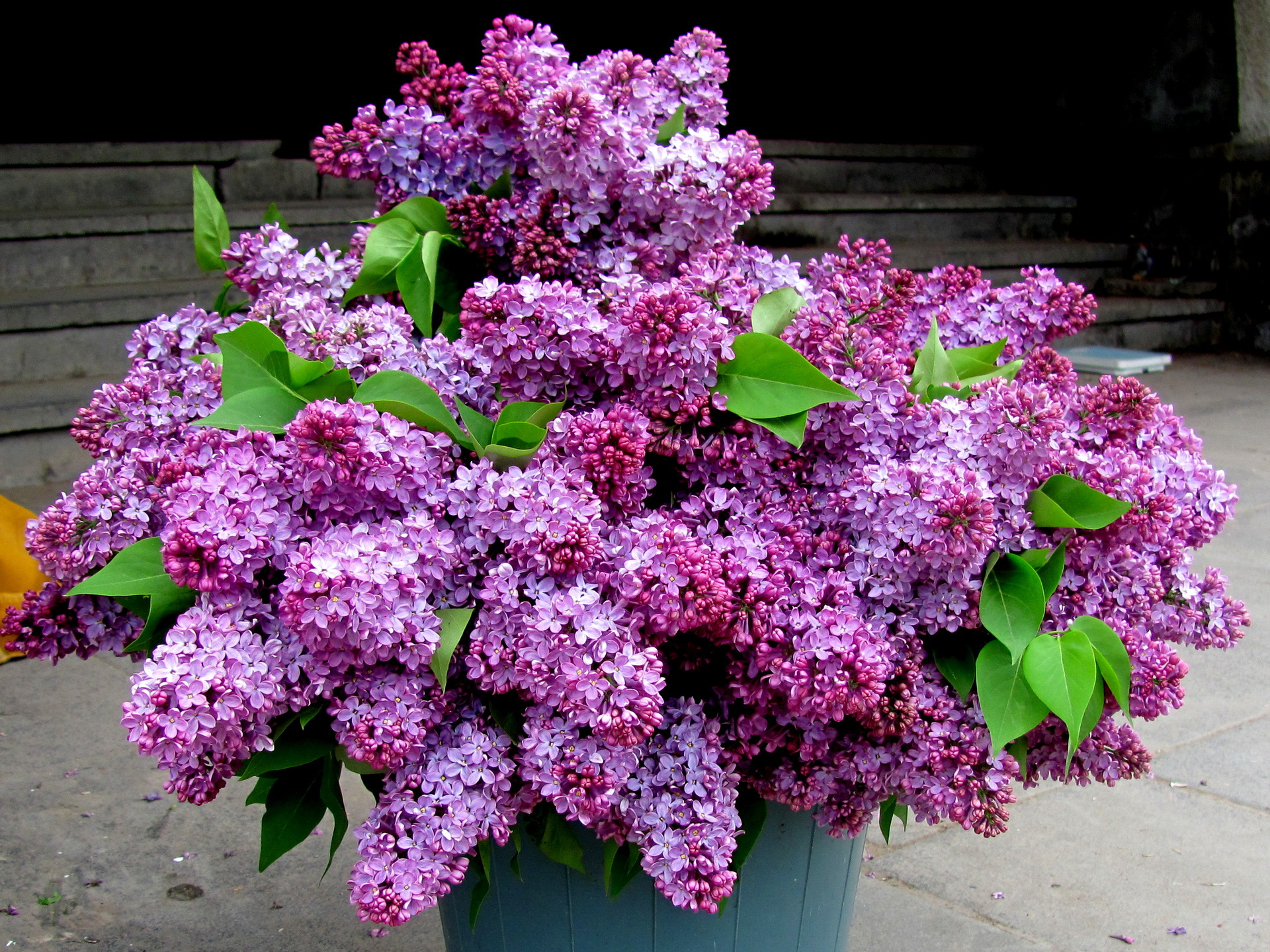
New Hampshire State Flower: Purple Lilac

The common lilac (Syringa vulgaris)—also known as the French lilac or simply the lilac—is a member of the olive (Oleaceae) family. Its relatives include ash trees, jasmine shrubs and vines, forsythia bushes, and privets. The common lilac is a popular ornamental landscaping plant that’s fairly low-maintenance under the right conditions. Native to the Balkan Peninsula, lilacs have long been revered for the heady scent of their abundant flower clusters. In the 1500s, the flowering shrub found its way to northern Europe, and settlers brought it to North America in the 1700s. New Hampshire even made the lilac its state flower.

They are very low-maintenance plants and require little care beyond annual pruning and fertilization. They are great plants for landscaping, including border plants and hedges, and are quite beautiful on their own.

Common Lilac Care

Here are the main care requirements for growing common lilacs:

Plant in full sun in a loamy, somewhat moist soil.

Can tolerate periods of drought, but prefers good watering during hot, dry weather.

Can handle frigid weather but prefers a cool, moderate temperature.

Benefits from a good pruning.

Light

Plant your lilac in an area that receives at least six hours of full sun each day. Lilacs will grow in some shade but likely won’t produce as many of the prized blooms.

Soil

Common lilacs like loamy, somewhat moist, neutral to slightly alkaline soil. Lilacs must have good drainage to avoid root rot and other diseases.

Water

Lilacs can tolerate the occasional drought but likely would benefit from supplemental watering during excessively hot, dry stretches.