The Perfect Table

FROM: DIYJOY.COM:

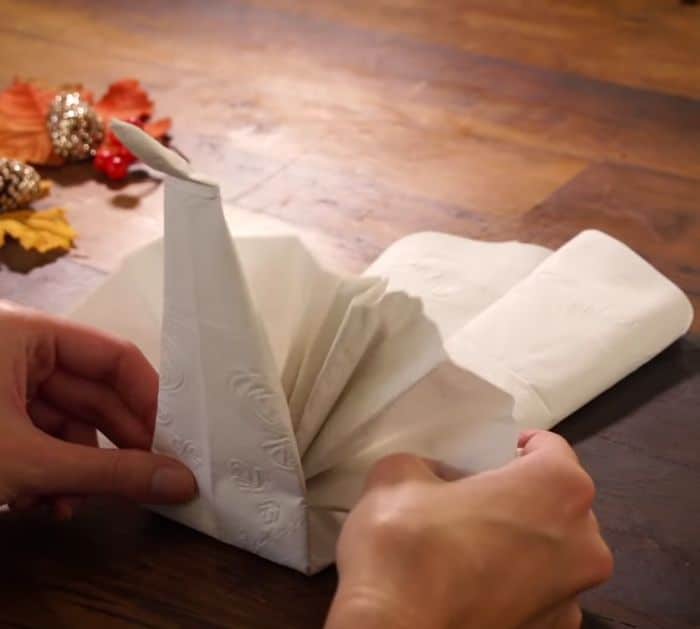
This Thanksgiving, go all out and be extra by folding your table napkins into turkeys before placing them on top of the plates. Your family and guests will love this for sure, they might even ask you how you did it. It’s super easy and quick to make and you can fold as many table napkins as you like. If you want to learn how then simply proceed to read the instructions down below and watch the video tutorial as well so that you can see how it is exactly done. I am so glad that I saw this video tutorial by Chinet on YouTube and I will surely try this at my Thanksgiving party.

Materials:

Table napkins

Directions:

Step 1

Unfold the table napkin, then lay it on your work surface, and fold the top corners down until the edges are nicely matching in the middle. Fold over both sides to meet in the middle, then fold both sides once more until nicely matching in the middle, and fold it down in half. Fold the tip up, then lift the half up so it resembles a turkey’s head, and set it aside.

Step 2

Grab another table napkin, then leave it folded lengthwise, and start folding it crosswise into an accordion. Leave about 3 inches at the end of the table napkin unfolded, then turn it over, and fold it over in half. Tuck the unfolded portion into the center accordion, then open it up, and it should resemble a fan. Place this on top of the turkey napkin and behind the head.

Now if all of that sounds a little complicated, there’s a video that might be easier to follow!

SOURCE:DIYJOY.COM

What Shall We Make Today?

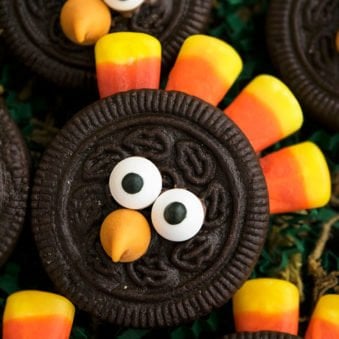
This turkey cookie uses Oreos!

Ingredients

10 Oreo cookies

½ cup Chocolate Melted

2 cups Candy corn

20 Eyeball candies

10 Pumpkin chocolate chips

Instructions

Separate an Oreo cookie so that you have one cookie with filling and one without filling.

Pour some melted chocolate on the side with filling.

Arrange the candy corns in the shape of feathers.

Place the other cookie on top and press gently to stick everything together.

Use melted chocolate to stick eyes and chocolate chip beak on top of the Oreo and you are done. 

ENJOY!

Let’s Talk Turkey!

From Williamsonsource.com website:

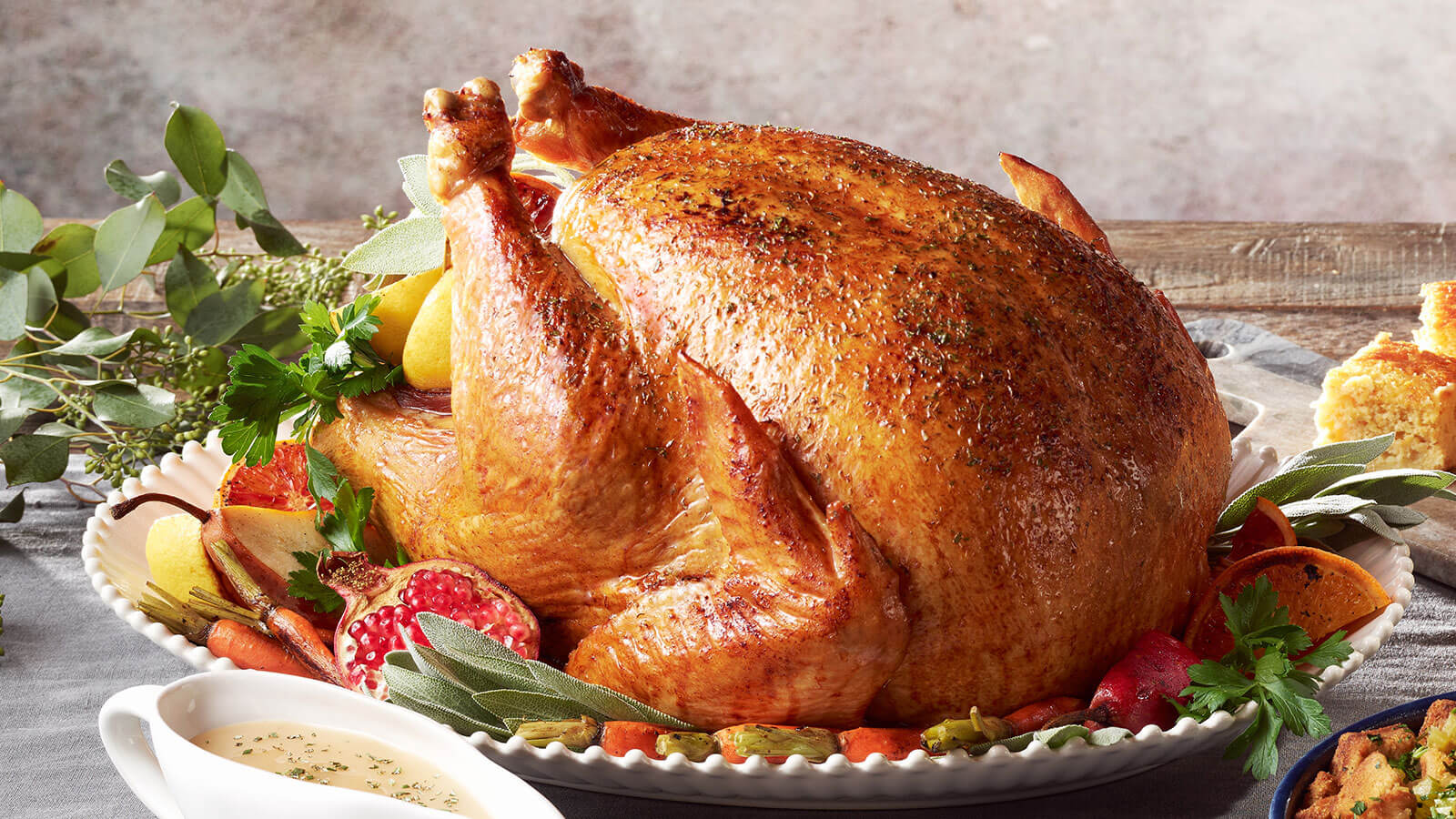
Cooking a turkey for the Thanksgiving meal can be overwhelming. Butterball Turkey hotline has been assisting home chefs for over 30 years. And in that time, you can imagine that they have had some pretty interesting questions.  Here is a list of the most interesting questions they have been asked over the years.  If you need that hotline, it’s open on Thanksgiving, call 1-800-288-8372 from 7am-7pm and normal hours are from 9am-7pm daily. This year, Butterball has also added the option of texting.  Now through Thanksgiving, you can text the Butterball Turkey Talk-Line experts 24/7 at 844-877-3456.

1. So I’m looking at a turkey from 1969 sitting here in my father’s freezer … any tips on the best way to cook a 30-year-old bird?
A man found a turkey in his dad’s freezer from 1969. The Talk-Line suggested the man throw out the old turkey and purchase a new one. Then, the Talk-Line suggested to cook the turkey in the open roasting pan method.

2. How do I roast my turkey so it gets golden brown tan lines — in the shape of a turkey bikini?
A strange request in deed, but the Talk-Line can help in any turkey situation! The experts helped to create a “bikini look” by using aluminum foil in certain places on the turkey.

3. How to carve a turkey when all of its bones have been broken?
A proud gentleman called to tell the staff how he wrapped his turkey in a towel and stomped on it several times, breaking the bones so it would fit in his pan. The experts wouldn’t recommend this approach — if you have several folks coming to your holiday meal but a small pan, the Talk-Line would recommend trying a different method, maybe deep frying the turkey. Or, buy two smaller turkeys in place of a large one.

4. I carved my turkey with a chainsaw … is the chain grease going to adversely affect my turkey?
A gentleman called to tell the operator he cut his turkey in half with a chain saw and wanted to know if the oil from the chain would adversely affect the turkey. The Talk-Line wouldn’t recommend serving a turkey with chainsaw grease! Instead, let your turkey rest at least 20 mins after cooking to make carving easier. Then, using a carving knife you would find in your kitchen.

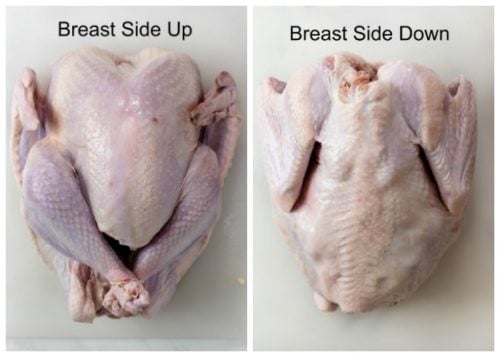
5. Why does my turkey have no breast meat?
A disappointed woman called wondering why her turkey had no breast meat. After a conversation with a Talk-Line operator, it became apparent that the woman’s turkey was lying on the table upside down. The Talk-Line experts recommend cooking your turkey breast side up in the open roasting pan method. This will give you a flavorful turkey and make it easier when transferring your turkey to a plate so you don’t have to flip it over.

6. It’s my first Thanksgiving and I have a tiny apartment-sized oven … how much will my turkey expand when cooking?
A new bride cooking Thanksgiving dinner for the first time in a small, apartment-sized oven, wanted to make sure her turkey wouldn’t expand during cooking (as baked goods do) and get stuck in the oven. Rest assured, your turkey will not expand in the oven. But be sure to use a pan with at least 2″ sides so your turkey juices don’t spill over during the cooking process … you want to save the juices for turkey gravy.

7. How do I get my turkey to stop sudsing? Is a soapy turkey recoverable?
A first-time Thanksgiving chef called after she had washed her turkey with dish soap. You don’t have to clean your turkey, simply pat the extra juices dry with paper towels before stuffing or roasting the turkey – quite a bit easier than washing with soap!

8. For the sake of delicious smells, can I cook my turkey over the course of four days?
The Talk-Line doesn’t recommend slow-cooking your turkey over the course of multiple days. You are able to use a slow cooker if needed, but experts would recommend 6-8 hours in the slow cooker. If cooking in the oven, it should only take a few hours to cook

9. How do I baste a pre-basted turkey?
Some folks love to baste the turkey while it’s cooking. If you’re one of them, the Talk-Line suggests basting only a few times during the cooking process so you don’t continuously let out the heat of the oven.

10. My turkey thawed on my lap … can I eat it?
A gentleman won a turkey at the casino, and brought it home on the bus where it had thawed. The safest way to thaw your turkey is in the refrigerator — it takes one day for every four pounds of turkey. The Talk-Line experts wouldn’t recommend eating a turkey that has been thawed in warmer temperatures.

Weird Wednesdays: Abandoned Mansions: The John List House

History of the John List House

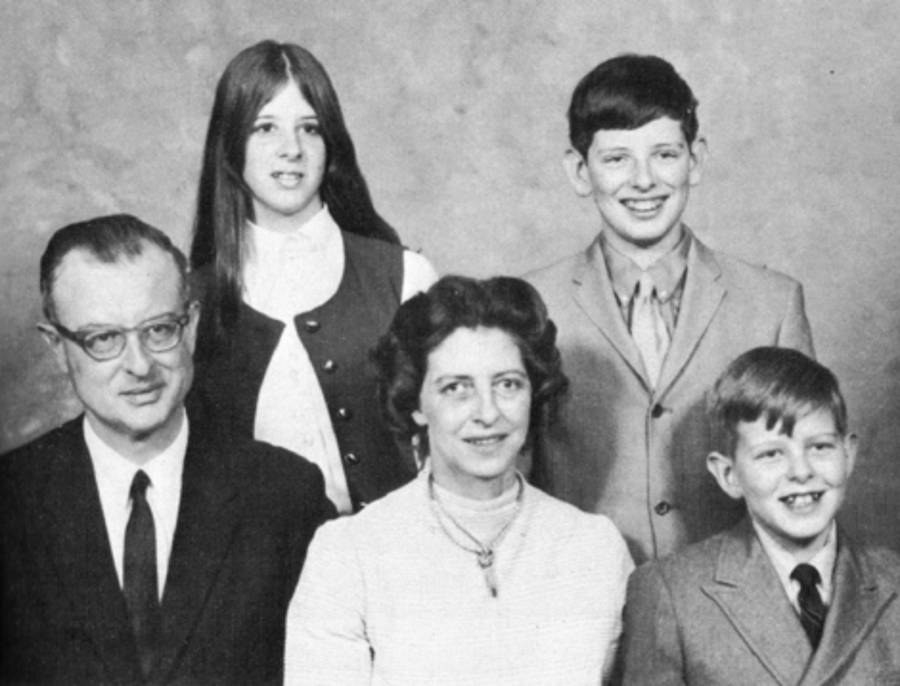
The John List House became famous for a terrible family murder on November 9, 1971. Here, John List, an accountant and Sunday school teacher, killed his family. This included his wife Helen and their three kids – Patricia, John, and Frederick. After the crime, List carefully hid the bodies, turned all the lights on, and ran away.

The crime stayed hidden for a month until neighbors saw the lights always on at the John List House. This was in Westfield, New Jersey. When police arrived, they found the dead bodies. This started a big search for List that only ended in 1989. He got caught, and not long after that, he passed away in prison.

John Emil List was a character John Graff in the family massacre. He was seen as an accountant and a faithful Lutheran. He faced money problems and a lot of personal disappointment. Even though people thought he was a great family man, List killed his family at their Breeze Knoll home. His crime shook the country, leaving a deep mark on the community, still haunted by the memories of the 1971 family tragedy perpetrated by John List.

John List House

The John List House was a 19-room mansion on Hillside Avenue in Westfield, New Jersey. It belonged to John List, his wife, and their three kids. List, a stern Lutheran, and Sunday school teacher, lived there until something shocking happened in 1971. On November 9, 1971, John List did something terrible. He carefully planned and killed his whole family.

John List was a man who followed a detailed plan. After the awful events in 1971, he ran away. For 18 years List hid his real identity before the law caught up with him in 1989. The old List home burned down in 1996. Some believed it was set on fire on purpose. List’s story was covered by ABC News. People were captivated by his escape for nearly two decades.

List faced the public’s fury and was given five life sentences in prison. He died in 2008 at 82. The tragedy at the John List House still deeply affects its community and fans of true crime. Today, the mansion’s Tiffany glass skylight is a sad symbol of what happened there.

Architectural Importance of the List Residence

The John List House was designed in the Prairie School architectural style. This style was inspired by the famous architect Frank Lloyd Wright. Its key features include a low-pitched roof, wide eaves, and horizontal lines. These make it a prime example of early 20th-century residential design. A year after the tragic events in the house, it became a National Historic Landmark in 1972.

Frank Lloyd Wright and his peers led the Prairie School design movement. This was an American style that stood out from traditional European designs. The prestige of the John List House, in Oak Park Illinois attractions and famous architectural residences, reveals its modern approach to architecture. It welcomes visitors exploring architectural tours and those interested in prairie-style house museum experiences.

The John List House earned a title as a national historic landmark. This recognition highlights its role in early 20th-century residential design and its connection to Frank Lloyd Wright’s architecture. The designation protects the house as a special architectural legacy. This is true even after the terrible events that took place there.

Manhunt for John List

After the murders on November 9, 1971, a nationwide manhunt began for John List. He had started a new life and run away from his home in Westfield, New Jersey. This case caught everyone’s eye across the US. List managed to hide for 18 years until his arrest in Colorado, in 1989. There, he was living as “Robert Clark”.

John List was searched for far and wide after he killed his wife and three kids in their 19-room mansion, called “Breeze Knoll.” He executed his plan with precision and then vanished. The mysteriously burned Victorian mansion was left behind, still holding its Tiffany glass.

Finally, in 1989, after avoiding capture for 19 years, a viewer of “America’s Most Wanted” recognized List. He was found guilty of the terrible murders. At 82, List passed away in prison in 2008.

Exploring the Crime Scene

When the police found the bodies at John List House, it was horrifying. List killed his wife Helen, daughter Patricia, and sons John and Frederick in the home’s ballroom. He then hid the bodies, turned on all lights, and ran away. He assumed a new identity and fled to Colorado.

Before the bodies were found, neighbors saw the lights on for a long time. This tells us List planned everything carefully. He even killed his mother before running. The fire that later destroyed the mansion is still a mystery. This event made the house even more frightening.

The John List House became a reminder of a gruesome act. The list ended the lives of his family in the ballroom. This room, usually for joy, witnessed something horrible.

Neighbors were deeply shocked. A neighbor spotted List on TV news after the murders. This added to the feeling of betrayal and shock in the community. The fire, which burned the house, made the place even scarier. It made people wonder if the house was forever cursed by this sad event.

Rumors and Legends Surrounding the House

After the brutal murders at the John List House, it became a center of ghost story myths and tales. Locals said they saw ghostly figures in the windows and heard strange noises. The mystery deepened when the house burned in 1996 in an unsolved arson case.

Those interested in true crime and the supernatural are often intrigued by this place, especially knowing it was once the residence of family killer John List. Some say they felt the presence of a hidden “watcher” or experienced odd events in the attic closet. The John List House has earned a reputation as a major “murder house” in the U.S.

The Associated Press and Connie Chung have covered the ongoing rumors and myths about the house, making it a landmark in true-crime show history. Even years after the murders and the arson, the List House remains a subject of interest.

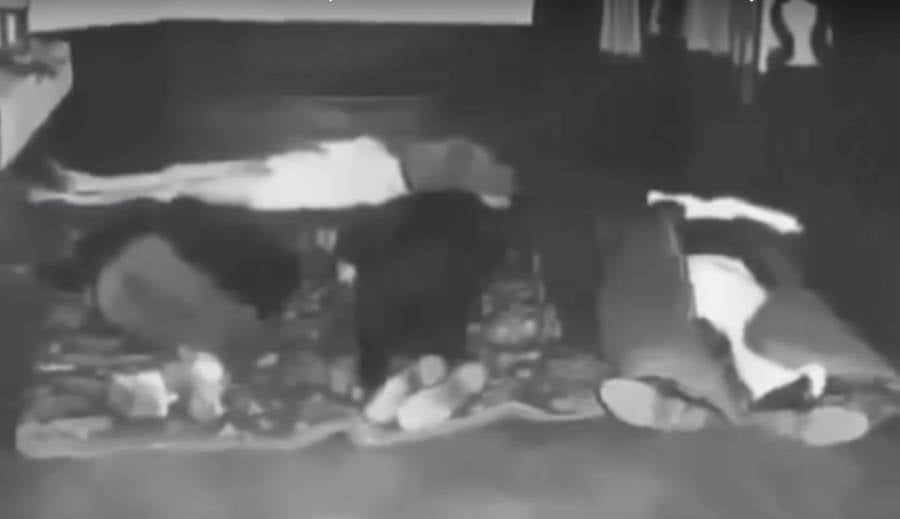
Local tales from N.J. speak of odd noises and sightings at night under the glass skylight. Some claim to have seen a “watcher” on the property. This has led to the belief that the ghosts of the List family remain among sleeping bags in the house.

The mystery surrounding the John List House is a mix of reality and legend, all tied to its dark past. It remains a place of fascination for fans of the macabre and the mysterious. Even a month later, after the neighbor recognized List and authorities were called, the mansion still captures people’s interest.

Preservation Efforts and Future Plans

The John List House has a tragic past, but people aim to honor it. The Antieau Gallery in Westfield, New Jersey organized shows about its history. These included the 1971 murders. Sadly, a fire in 1996 destroyed the house. Now, only the foundations and a Tiffany glass skylight remain.

The future of the site is unclear. The property, once home to the 19-room mansion called “Breeze Knoll”, attracts many. Historians, true-crime lovers, and people interested in the dark tale of murderer John List. New Jersey’s history is eager to see what comes next.

Conclusion

The John List House in Westfield, New Jersey, is a haunting reminder of the tragic events that unfolded on November 9, 1971. What was once a beautiful 19-room mansion, designed in the Prairie School style and influenced by Frank Lloyd Wright, became a symbol of horror and tragedy. The brutal murder of John List’s family, including his wife and three children, sent shockwaves across the nation, and the house became a focal point of the crime. Despite efforts to preserve the site, the house was destroyed by a mysterious fire in 1996, leaving only the foundations and a Tiffany glass skylight as remnants of this dark piece of history.

The story of John List and the murder of his family is a chilling tale of betrayal, deception, and horror. List’s careful planning and execution of the crime, followed by his escape and 18-year evasion of the law, captivated the nation and earned him a reputation as one of the most infamous family killers in American history. The John List House, with its eerie legacy and dark past, continues to fascinate true-crime enthusiasts and architectural buffs alike, serving as a haunting reminder of the horrors that can unfold in the most unexpected places.

SOURCE: ROBERT NIGHT; ARTERIORSHOME.CO.UK

Know-It-All Tuesdays: Thanksgiving Edition

  1. How many turkeys do Americans eat on Thanksgiving?
  2. What animal was President Coolidge gifted with to enjoy for Thanksgiving?
  3. How many pumpkin pies are consumed at the feast?
  1. From 2005 to 2009, pardoned turkeys went where?
  2. What is turkducken?
  3. How many calls does the Butterball Hotline answer a year typically?
  4. Where was the first Turkey Trot held?
  1. How long was the first Thanksgiving?
  2. Which Thanksgiving staple was invented by a soup company?
  3. Which state raises the most turkeys?
  4. Originally what happened to the Macy’s Day Parade balloons?

     12. What is the most popular Thanksgiving destination?

    How did you do?

    ANSWERS:

    1. 46 million
    2. Vinnie Joyce from Nitta Yuma, Mississippi, sent President Coolidge a live raccoon to serve for Thanksgiving dinner. But instead of putting it on the menu, Coolidge adopted the raccoon as a family pet and named it Rebecca!
    1. 50 million (estimated).
    2. They were sent to Walt Disney World or Disneyland. Why, you ask? To serve as the honorary grand marshals of Disney’s Thanksgiving Day Parade, of course.
    3. A turducken is a deboned chicken placed inside a deboned duck, placed inside a deboned turkey. It’s a lot of poultry! Chef Paul Prudhomme is believed to have invented the dish and served it at his New Orleans restaurant, K-Paul’s Louisiana Kitchen.
    1. Each year, Butterball’s experts take over 100,000 calls about turkey preparation during November and December.
    2. The first Turkey Trot was established in 1896 in Buffalo, New York. A mere six runners showed up to participate. Since then, the race has become decidedly more popular, with more than a million participants showing up for Turkey Trots across the nation.
    3. The first Thanksgiving feast took place in 1621, and it was more than just a single meal. It was a celebration that lasted three days.
    4. Green bean casserole.
    1. Minnesota
    2. They were released. In 1927, after Felix the Cat floated down the streets of New York as the first-ever parade balloon, there wasn’t any protocol in place for deflating them. So once the parade was over, the balloons were simply let go. This strategy proved to be ineffective, as most of the balloons popped right after being released.
    3. Orlando, Florida

    Till next time…stay sharp!

    Virginia State Animal: American Foxhound

    (Virginia does not have a state animal per se.  They have a state bird, state bat and various other animals they recognize though.)

    History of the American Foxhound

    The American Foxhound, originally bred in the colonial era for hunting foxes, reflects a rich history intertwined with the development of early American society. As settlers moved into the New World, they brought with them various hound breeds, which they selectively bred to adapt to the diverse terrains and hunting needs of America. These breeding practices emphasized endurance, speed, and a keen sense of smell, essential traits for tracking and chasing foxes across vast landscapes.

    The historical significance of the American Foxhound goes beyond its role in hunting; it symbolizes the melding of European traditions with American innovation. The breed became popular among early American gentry, who valued the hound for its loyalty and performance during hunts. As the nation expanded westward, the American Foxhound adapted to new challenges, further solidifying its status as an iconic American breed.

    Understanding this history not only highlights the importance of the American Foxhound in the context of hunting but also reflects broader themes of adaptability and cultural exchange in early American life. You can appreciate the breed’s legacy as a reflection of ingenuity and resilience in the face of new frontiers.

    Physical Characteristics

    Characterized by a sleek, athletic build, the American Foxhound showcases a blend of strength and agility that’s essential for its hunting prowess. You’ll notice that these dogs typically stand between 21 to 25 inches tall at the shoulder, with weight ranging from 40 to 65 pounds, reflecting size variations that can accommodate different hunting needs.

    Their long legs and powerful bodies enable them to cover extensive ground quickly, making them ideal for tracking. The American Foxhound has a distinctive head with a long, narrow muzzle and large, drooping ears that contribute to its keen sense of smell.

    When it comes to coat colors, you’ll find a range of options, including tri-color patterns of black, white, and tan, as well as solid colors like red or lemon. Their short, dense coat provides protection against the elements while requiring minimal grooming, making it easy for you to maintain.

    Temperament and Behavior

    When you encounter an American Foxhound, you’ll notice their friendly and sociable nature right away. These dogs aren’t only energetic and playful but also possess a strong hunting instinct that drives their behavior. Understanding these traits will help you appreciate the unique personality of this breed.

    Friendly and Sociable Nature

    American Foxhounds are known for their friendly and sociable nature, making them excellent companions for families and individuals alike. Their warm demeanor encourages positive social interactions, which can enhance your lifestyle.

    You’ll find that engaging in bonding activities with your Foxhound not only strengthens your relationship but also promotes their overall well-being.

    Here are four ways to deepen your connection with your Foxhound:

    1. Regular Walks: Taking your Foxhound on daily walks helps you bond while allowing them to explore their surroundings.
    2. Playdates: Organizing playdates with other dogs fosters social skills and keeps your Foxhound happy and engaged.
    3. Training Sessions: Interactive training can enhance your communication and build trust between you and your pet.
    4. Family Activities: Including your Foxhound in family gatherings or outdoor activities provides them a sense of belonging while reinforcing their friendly nature.

    SOURCE: DOGACADEMIC.COM

    Pheasant

    From: Animals.net:

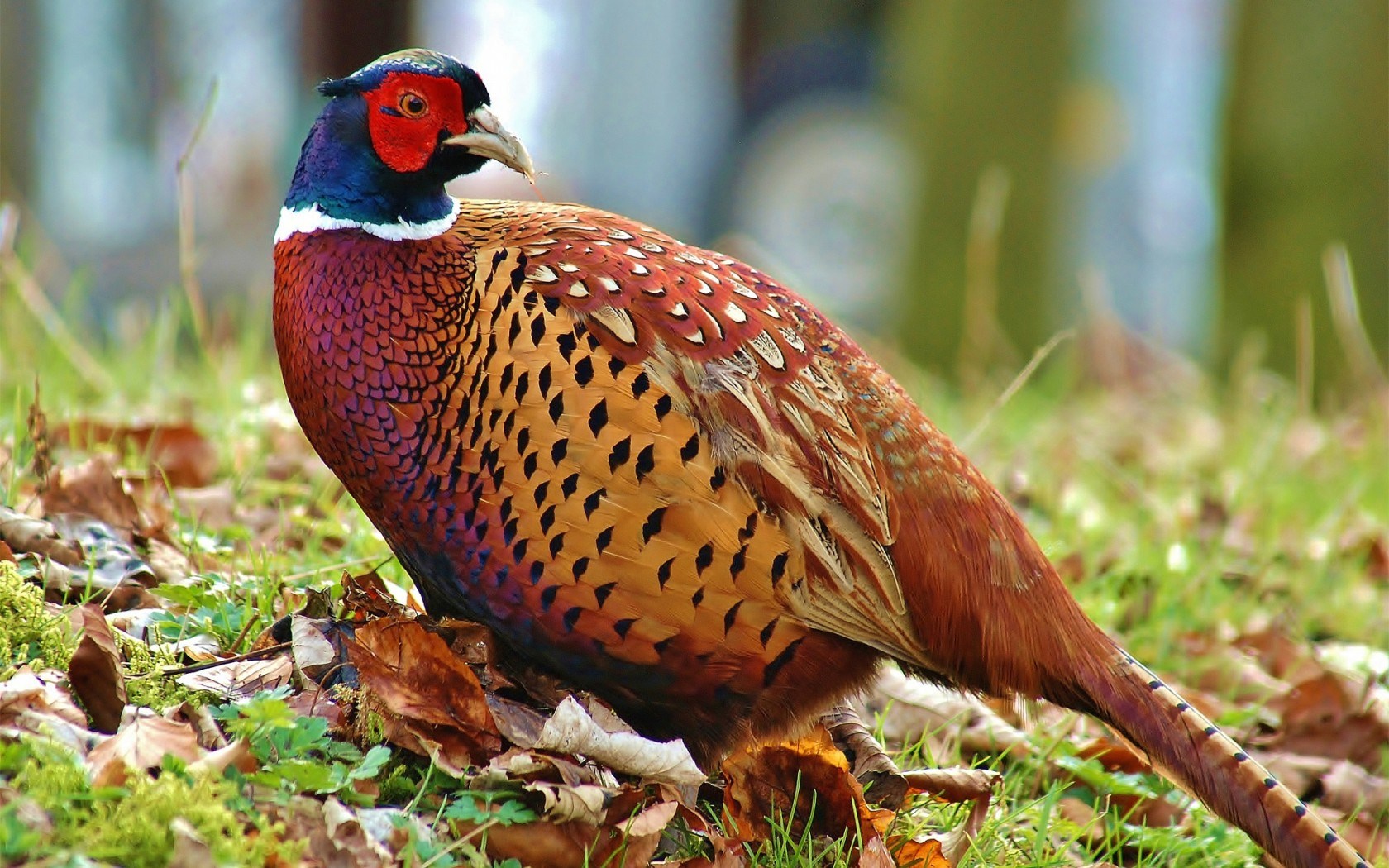
    The Pheasant comprises a large group of birds in the Phasianidae family. Their closest relatives are the partridge, quail, grouse, turkey, and more. Within the family, these birds make up the entire subfamily Phasianinae. Researchers recognize at least 39 different species of these birds, including the Common Pheasant, Golden Pheasant, Argus, and more.

    Description of the Pheasant

    Many species of these birds are brightly colored, with iridescent plumage, or feathers. Their coloration varies from grey, brown, tan, white, and black, to red, yellow, green, blue, and more. The males are usually more brightly colored than the females. Most of these birds are relatively large and have long tails. They usually measure between one and three feet long, including their tails, and weigh between one and five pounds.

    Interesting Facts About the Pheasant

    There are so many different species of these birds that it’s difficult to pick just a few unique traits. Learn more about some specific species and what makes them unique below.

    Common Pheasant – The Common Pheasant is, well, common. They live throughout much of the northern hemisphere, including North America and Eurasia. However, their natural range is much smaller. Commons actually hail from several regions in Asia. Humans introduced them into North America and Europe so that they could hunt them.

    Green Pheasant – This species is a close relative of the Common. They are so named because males have iridescent green feathers on their bodies. This flashy bird has a bright red face and is easily recognizable. The Green is Japan’s national bird.

    Lady Amherst’s Pheasant – As these birds go, Lady Amherst’s is uniquely colored. Males have black and white striped feathers running off their heads and down their tails. They also have shiny blue-green feathers on their bodies and wings, a yellow “saddle patch” above their tails, and splashes of red thrown in here and there.

    Crested Fireback – The crested fireback has a plume of dark feathers that grow from the top of its bright blue head. The feathers on its back, directly above its tail, are dark red. Combined with its yellow tail, this coloration gives this species the appearance that its back is on fire.

    Habitat of the Pheasant

    This group of birds lives in a variety of different habitats. Different species have different habitat preferences, and some Pheasants inhabit just a few types of habitats while others live in nearly any. Some of the different ecosystems that they occupy include rainforests, scrubland, meadows, mountainous regions, forest edges, woodlands, and more. Depending on the species, some also live in more urban areas, like farms, pastures, and agricultural areas.

    Distribution of the Pheasant

    Each Pheasant has its own unique distribution. Some live across an incredibly wide range, while others only inhabit a small region. Still others originally lived in a smaller area, but humans introduced them to different places. Most of these birds naturally range through various parts of Asia, but humans have spread different species to North America, Europe, Australia, and more. Some people also keep certain species on farms or in zoos.

    Diet of the Pheasant

    Most Pheasants are omnivores, which means that they eat both plants and animals. However, each species’ diet varies slightly. Some species eat mostly seeds and fruits while others feed more heavily on insects and invertebrates. A few of the different plant parts that they eat include berries, seeds, nuts, fruits, roots, bulbs, grains, shoots, and more. They also hunt for many different types of insects and invertebrates, like grasshoppers, spiders, worms, insect larvae, snails, caterpillars, and more.

    Pheasant and Human Interaction

    Though human impact and interaction varies from species to species, many of these birds are popular gamebirds. This means that people like to hunt them for their meat and feathers. In fact, this is why people introduced several species across the world. In their natural ranges, people have driven some Pheasants towards potential extinction. The threats that people pose typically include habitat destruction, hunting, and egg collection.

    Domestication

    You can consider some species of these birds to be semi-domesticated. People do farm and breed several species, and the Common species is particularly popular for this purpose. Farm-bred birds come in a variety of different colors.

    Does the Pheasant Make a Good Pet

    Some Pheasants do make good pets, but only for the right type of home. If you live on a farm, you could own one as a pet if you’d like. However, it is important to know that only some species are legal to own as pets, and it is only legal to keep gamebirds in certain areas.

    Pheasant Care

    In zoos and on farms, these birds need large enclosures with secure fencing to protect them from predators. They primarily walk on the ground, but they can fly, so their enclosures should provide space for them to fly safely if frightened. Pheasants do particularly well in aviary-style enclosures with plenty of space and shrubbery for them to hide in. Zookeepers and farmers vary their diet based on the species, but most of these birds eat a combination of seeds, insects, and pelleted insectivore feed.

    SOURCE: ANIMALS.NET

    Virginia State Flower: Dogwood

    Virginia’s history dates back to 1492 when Christopher Columbus made his first voyage to America. The name Virginia was given to the original Colony of Virginia and was derived from the Latin word “virga” meaning “rod”, or “staff”. Virginia’s historical background is rich in architecture, music, dance and cuisine. Virginia is also known for its beautiful wildflowers. In spring and summer, the fields and woodland hillsides are filled with beautiful wild azalea, dogwood, and bluebells. Out of all the flowers of Virginia, dogwood is the most important.

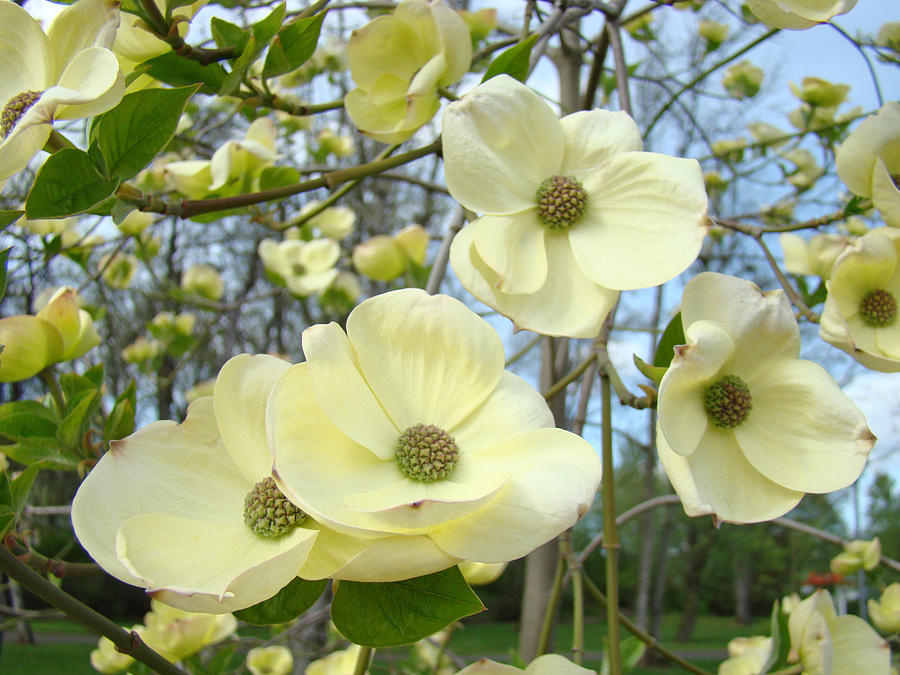
    Virginia State Flower – Dogwood Flower

    The dogwood flower tree has been the symbol of Virginia since 1903. The flowering dogwood is a native shrub that grows in all the states, but it is most commonly found in the South. The state flower of Virginia is the dogwood and can be seen growing along highways and in yards across the state.

    Dogwoods are native to North America, with an estimated 15 species growing throughout the U.S and Canada. The flowering dogwood of Virginia is a small deciduous tree that typically grows 15 to 20 feet tall. The dogwood blooms in early to mid-spring, and again in late spring or early summer when the leaves are fully expanded.

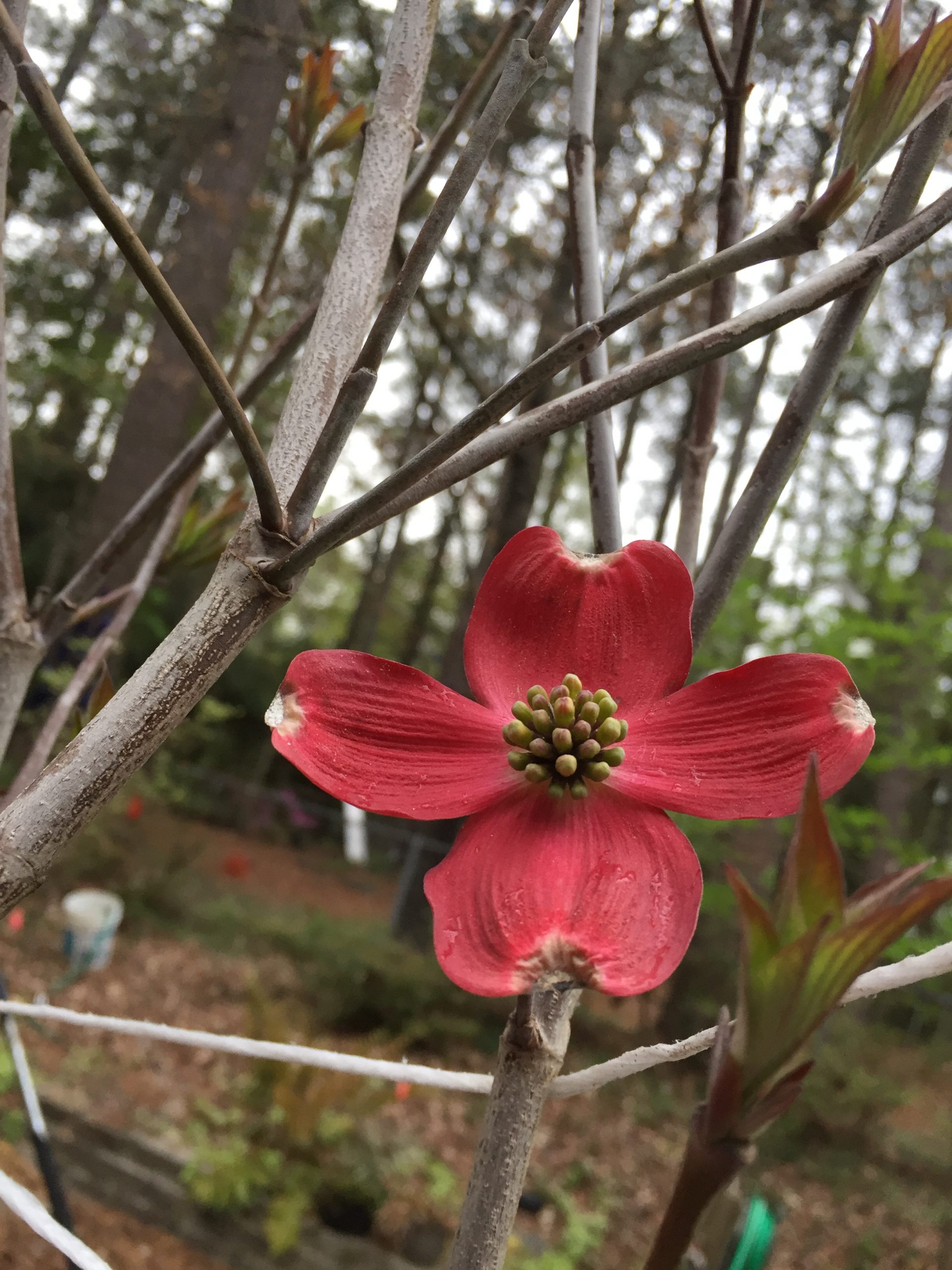
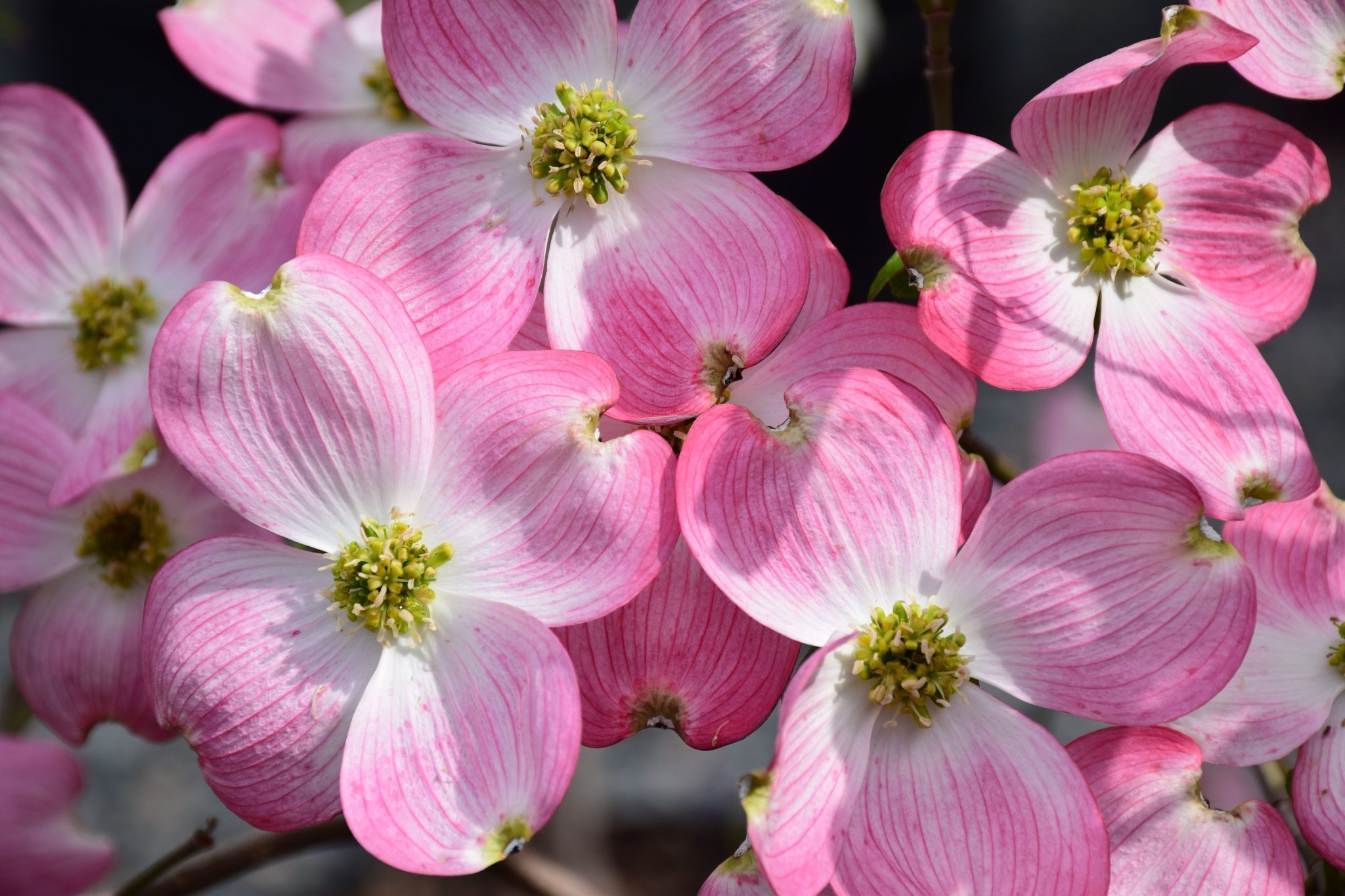
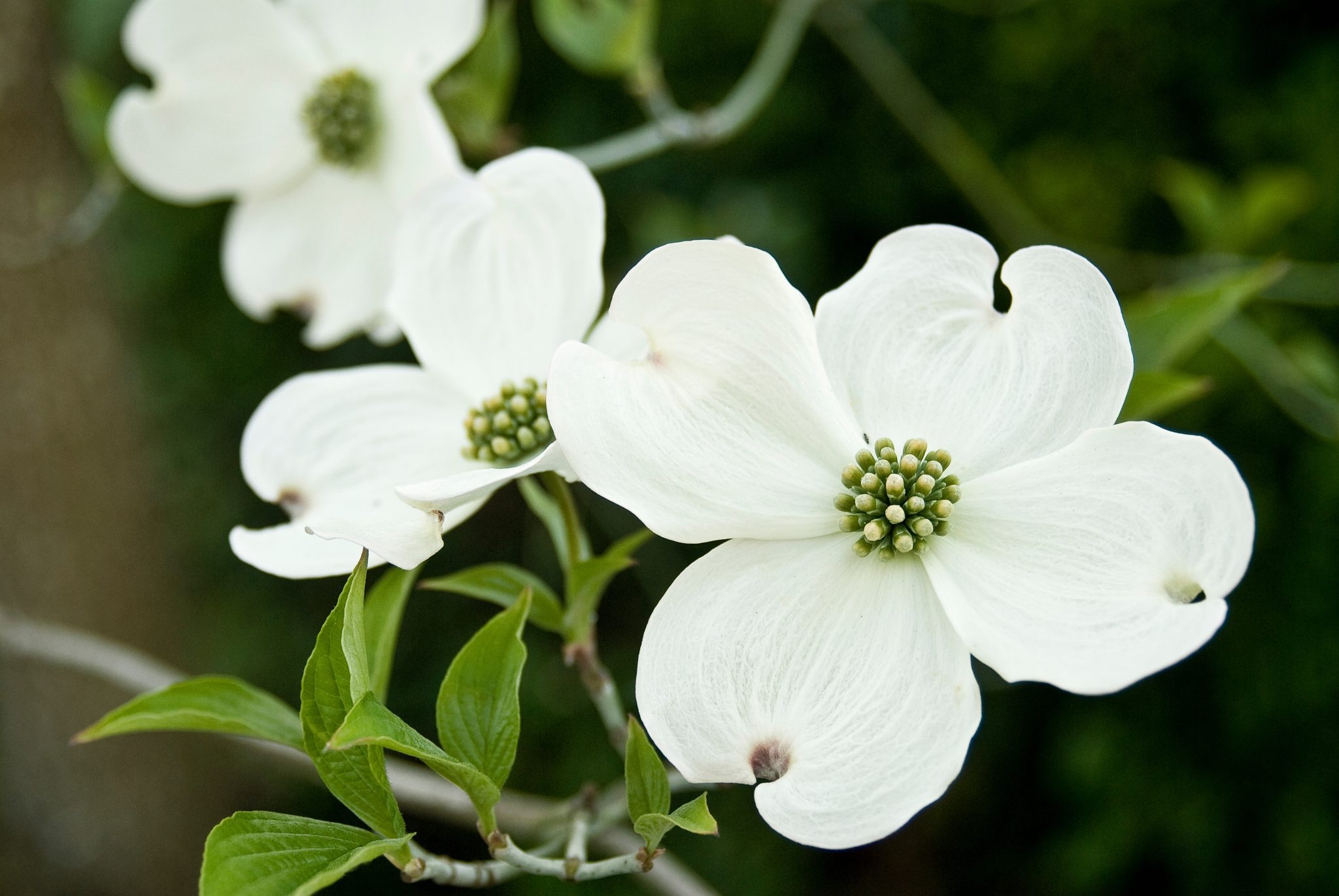
    The dogwood is also known as Cornus Florida or C. alba. Its name comes from its resemblance to a small dachshund because of the long white bracts surrounding each petal which resemble legs. The colorful bracts may be white, red, pink, or yellow. The tiny flowers are a prominent part of the display and have a “clustered cross” shape that is especially notable in the red variety. The four petals commemorate the cross of the crucifixion, and the inner ring of large white and smaller yellow petals represents a crown of thorns. Each flower has up to five petals, which are each 1 to 2 inches long. Its leaves are a glossy green and grow to 5 inches long.

    Dogwood Flower Meaning and Symbolism

    The flowering dogwood symbolizes spring in the state of Virginia when the trees begin to blossom. As the blooms fall away and leaves emerge, white berries turn red and then fall to the ground. They are also a symbol of patriotism, courage, and victory.

    Dogwood flowers come in a wide range of colors, but the three most common are white, pink, and red. These beautiful trees can be planted anywhere, even in a dark corner where they can make an impact with their vibrant colors.

    According to tradition, the meaning of various colors of dogwood differs depending on what they represent.

    1.Red dogwoods represent love.

    2.Pink dogwood flowers mean friendship.

    3.White dogwood blossoms symbolize heaven.

    4.Yellow dogwood flowers mean purity.