Bleu Steel Horses

I found this great article on cowboystatedaily.com about these amazinghorse sculptures in Montana and had to share it!

From cowboystatedaily.com:

Jim Dolan created one of his best-known public art sculptures as a thank you gift to Montanans, but the appreciation is as likely to come his way.

Even though it’s been 12 years since Dolan’s herd of 39 blue metal sculptures of horses, “Bleu Horses,” first appeared on a hillside along Highway 287 north of Three Forks in central Montana, he still receives about one thank you each week from motorists who were delighted by the unexpected art display.

And it’s not a lone horse in a field, he created an entire herd in natural positions that, from a distance, look just like a peaceful group of wild horses.

“Most people, when I talk to them, tell me that for the first 5 seconds they think it’s a herd of real horses,” Dolan said. “I got that ‘gotcha’ in sculpture.”

A Gift For Montanans

Art tricks aside, the sculpture comes from an earnest place. During the Great Recession, when commissioned work dried up, Dolan was inspired to create something for the people of Montana.

“I wanted to give them a big thank you for 40 years of making a living as an artist,” said Dolan, who came to Montana in the 1960s to attend college at Montana State University. 
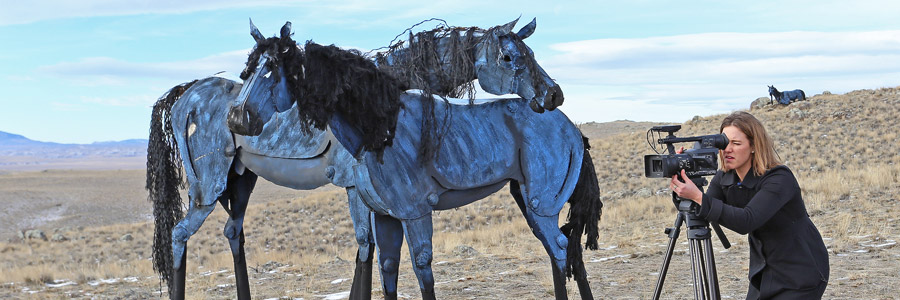
Though he didn’t have a home for his herd — that would come later — Dolan had plenty of space in his studio north of Bozeman to build his band of horses over the course of about 15 months. But as other work picked up, eventually the horses needed to move along.

Dolan had a hillside location in mind, but he would’ve had to deal with two different landowners and it was proving to be too much of a hassle. One morning while having coffee at the Wheat Montana headquarters outside Three Forks, Dolan lamented about his homeless herd to the bakery’s owner, Dean Folkvord.

The men were looking out at the land when Folkvord offered Kamp Hill, a slice of land that isn’t suitable for farming. That conversation was a stroke of good luck and is indicative of the gratitude Dolan wanted to express with this sculpture.

“Dean and I have a handshake agreement, and that’s good for us,” Dolan said. “I don’t see them ever leaving that spot.”

Horse Heist

But some of the horses did briefly leave that spot, albeit against their will. 

Shortly after the multi-day ordeal of hauling the herd to the hill in 2013 and situating each horse into place with the help of a bunch of heavy equipment and jackhammers, three horses went missing.

Word quickly spread and thanks to the community’s vigilance, the horses turned up days later about 10 miles away. After some repairs, the horses were returned to their hillside home. 

Even if the “real goofball” of a thief didn’t make it far, the story did — newspapers in Europe even reported on the horse heist — and that helped raise the profile of Bleu Horses. In the decade-plus that the horses have been hanging around that hillside, they’ve become so beloved that Dolan made smaller replicas to commemorate them and is currently making even more.

“It’s pretty well-known now, which is cool,” Dolan said.

A ‘Totally’ Different Beast

Whereas other sculptors have created horses that are galloping or leaping or otherwise in motion, Dolan set out to depict what a herd this size might really look like: Some horses are grazing, others are laying down and relaxing in the sun. “My horses are stationary because they’re supposed to be stationary.” 

Dolan also wanted to reflect how horses interact. There’s a foursome toward the back of the sculpture set off from the others — the young teenagers, as he’s come to call them.

“I always had horses up until about 10 years ago and I know horses fairly well,” said Dolan, who recently turned 77. “There are horses that stick with others, and I try to play into that. This is how 39 horses would be together.”

If the color doesn’t give them away, the horses eventually reveal themselves to anyone who looks closely enough. Though he’s crafted horses in the past that were almost taxidermal, these horses are more abstract as they’re only about 60% covered. “The Bleu Horses were a big break for me because they’re totally different.” 

Though he has no qualms about the home he found for the herd, Dolan does wish the horses were about 30 yards closer to the road so that it would be easier for people to get close to them. “Everybody’s welcome to walk up there, but you have to climb a hill to get there and you’re in Montana and there’s rattlesnakes there,” he said.

Why 39 And Bleu

Because Dolan wasn’t commissioned for this sculpture, he got to make every creative decision — even if the reasoning behind those decisions is a bit of a mystery now. 

For example, why 39 horses? 

“I think I got tired,” he said. “I wanted a herd and five or six horses? Well, that’s not very many, but 39 horses looks like it could be a real herd.”

And why the color blue? “I don’t know.”

Perhaps, Dolan said, he drew inspiration from the painting Blue Horses by Franz Marc which depicts three blue “abstract and pretty” horses. He recalled wanting an unexpected color to catch the eye of motorists and knew that other colors wouldn’t have the same effect.

No matter, Dolan’s color choice is particularly effective when the horses are set against snow. “They’re more impressive in wintertime,” he noted.

Unlike some of the other decisions, Dolan does have a ready explanation for the name: Because Blue Horses was already taken, he opted for the French spelling. “That stuck and it’s worked out really well.”

Critters Large and Small

On Dolan’s website, the sculptor has a map of where his public art can be found. Though most of these sculptures are in Montana, he’s been commissioned for sculptures as far away as Japan. 

Wyomingites may also recognize Dolan’s work: He created the giant, stainless steel golden eagle on the campus of Laramie County Community College in Cheyenne and the elk near the front of St. John’s Health in Jackson.

Critters large and small have been a common theme of his work, including a lot of horses, birds and buffalo, and he recently finished a giant, 8-foot ant in-between commissions. “I have no idea why, I just wanted to make an ant.”

A Project With a Calling

While some sculptures come from places of inspiration unknown, there’s a very important meaning behind Dolan’s latest project. He’s completed six watermelon-red telephone booths of a total of about one dozen that will be placed alongside highways in eastern Montana. Each booth will bear messages for passing motorists — “Call Home” and “Keep in Touch” —- along with the 988 phone number for the suicide prevention helpline.

Like the Bleu Horses, these colorful sculptures will speak to the importance of community, albeit in a very different way. And there’s a personal connection: Dolan lost a family member to suicide and he said these sculptures, the can’t-miss color and the simple wording are intended to convey a powerful message about mental health. 

By placing the sculptures in rural areas of the state, the goal is to reach people who may be depressed because they’re feeling isolated and have a hard time asking for help. “That’s going to be a neat project,” he said.

And no matter the project, the artist has maintained a simple goal in his 50-year career: “Hopefully the piece you’re working on right now is the best piece you’ve ever done.”

SOURCE: COWBOYSTATEDAILY.COM

Oklahoma State Flower: Oklahoma Rose

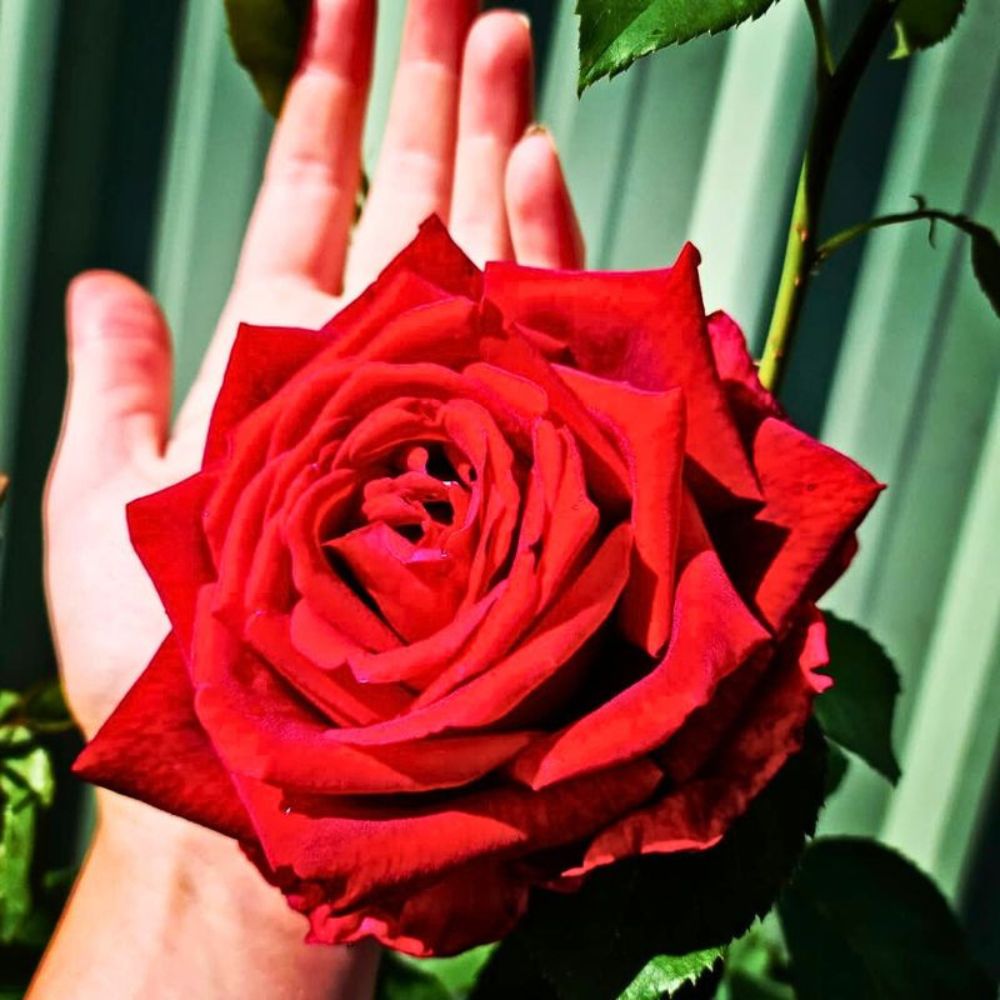
The Oklahoma Rose, also known as Rosa ‘Oklahoma,’ is a breathtaking dark red hybrid tea rose known for its deep, velvety petals and sweet fragrance. This remarkable flower boasts an elegant flower structure with 45 to 50 petals and an average diameter of about 5 inches, making it a standout in any garden and is also recognized as Oklahoma state flower.

Its large, high-centered, pointed buds open into stunning red rose blooms with a graceful charm. Introduced to the world as a hybrid tea rose, this variety is admired for its beauty, long stems, and ability to thrive in warm weather. With proper care, the Oklahoma Rose produces multiple flushes throughout the season, adding a timeless elegance to any garden or flower bed.

History of the Oklahoma Rose

The Oklahoma Rose was bred by Swim & Weeks and introduced in 1964. It is a cross between the hybrid tea roses ‘Chrysler Imperial’ and ‘Charles Mallerin,’ resulting in its deep red color and rich fragrance. In April 2004, the Oklahoma Rose was officially designated as the Oklahoma state flower, replacing the mistletoe.

Its selection was based on its striking beauty, historical significance, and connection to the state’s identity. Today, the Oklahoma Rose is cherished by gardeners and florists for its lush flowers and undeniable fragrance, making it a popular choice for gardens and floral arrangements alike.

Choosing the Right Oklahoma Rose

Selecting the right Oklahoma Rose plant ensures its long-term success in your garden. Look for a healthy plant with dark green, matte foliage, and a robust, upright growth habit, which indicates good health and vigor. While the most popular variety of the Oklahoma Rose is its signature dark red hue, some variations exist, offering slight differences in petal formation and fragrance intensity.

Consider the mature size of the plant when choosing a location, ensuring there is enough space for it to grow and flourish. Additionally, opt for a disease-resistant variety that suits your local climate to reduce the risk of common rose ailments. Understanding your commitment level to maintenance will also help you decide whether this stunning hybrid tea rose is the right fit for your garden.

Planting and Soil Requirements for Rosa Oklahoma

Proper planting techniques and soil conditions play a crucial role in the health and vitality of the Oklahoma Rose. These roses thrive in well-draining soil with a slightly acidic pH level between 6.0 and 6.5. Choose a planting location that receives full sunlight for at least six hours a day, as this promotes strong growth and abundant blooms. Before planting, dig a hole that is twice as wide as the root ball to allow ample room for root expansion. Incorporate organic matter such as compost or well-rotted manure to enhance soil fertility and improve drainage.

Once planted, water the rose thoroughly to help establish strong roots. Keeping the soil consistently moist, especially during the first growing season, is vital for the plant’s successful adaptation to its new environment. If planting in pots, ensure they have proper drainage to prevent root rot.

Oklahoma Roses thrive best in USDA Hardiness Zones 7-10. If you live in a colder area, consider providing winter protection or growing the rose in a container that can be moved indoors during extreme weather conditions.

Watering and Irrigation Requirements of the Oklahoma Roses

Adequate watering is essential for the health and vibrancy of the Oklahoma Rose. During the first growing season, ensure the plant receives regular and deep watering to encourage strong root development. Watering once or twice a week, depending on weather conditions, will provide the necessary moisture while preventing over-saturation. 

Fried Green Tomatoes

Today is Jessica Tandy’s birthday (born 1909 and died 1994), and southernliving.com had aninteresting article on facts we may not have known about Fried Green Tomatoes. 

From southernliving.com:

One of the greatest friendships in Southern fictional history is that of Idgie and Ruth, the two women at the heart of the classic film Fried Green Tomatoes. Based on Fannie Flagg’s classic novel, the movie tells the intertwined stories of two friendships. Ninny Threadgoode (Jessica Tandy) keeps Evelyn Couch (Kathy Bates) entertained with stories of her colorful past. Ninny’s most engaging tales involved the exploits of her free-spirited sister-in-law Idgie (Mary Stuart Masterson), who owned a small Alabama café in the 1920s, along with her best friend Ruth (Mary-Louise Parker).

Now, Idgie would do absolutely anything to help her dearest friend Ruth, so when Ruth winds up married to a monster of a man, Idgie steps in. The two end up raising Ruth’s child together while running a small café in Whistle Stop, Alabama.

The movie has everything—love, friendship, mystery, laughs, and a lot of good food with good friends—as well as impeccable writing and a stellar, Oscar-winning cast. Since its release in 1991, Fried Green Tomatoes has become a staple of Southern cinema.

Yet no matter how many times you’ve watched it, there is always more to the story. Here are 11 things that even die-hard fans of the Fried Green Tomatoes movie may not know.

The U.S. And U.K. Versions Had Different Titles

Flagg’s 1987 novel is titled Fried Green Tomatoes at the Whistle Stop Cafe, which is what the film was called in the U.K. and some other countries. That was apparently too much of a mouthful for U.S. audiences, though, where the film’s title was abbreviated to just Fried Green Tomatoes.

It Was Originally Written As A Musical

When he first started the process of bringing Fried Green Tomatoes to the screen, executive producer and director Jon Avnet hired Carol Sobieski. She came up with the idea of doing the story as a musical. Sadly, Avnet was not on board with the idea of Idgie and Ruth singing their way through the story.

It Was A Surprise Box Office Smash

The film was made for $11 million, which makes it low-budget in Hollywood terms. While it wasn’t an overnight smash hit, the film eventually grossed a whopping $81,000,000, proving that Southern stories can be loved by all.

The Whistle Stop Was Based On A Real Café In Alabama

Fannie Flagg’s great-aunt Bess Fortenberry started running the Irondale Café during the 1930s in the small town of Irondale, which is just outside of Birmingham, Alabama.

There’s A Real Whistle Stop Café

While Flagg’s real-life inspiration came from Alabama, Hollywood chose the small town of Juliette, Georgia, to stand in for Whistle Stop, and the set was turned into a tourist district. Now, visitors can drive about 20 minutes from Macon, sit at the Whistle Stop Café, and enjoy a plate of fried green tomatoes all day long, just like Idgie and Ruth.

There’s Even A Cookbook

After the movie came out, so many people asked for recipes that Flagg ended up writing a cookbook to accompany the film. The Original Whistle Stop Café Cookbook was published in 1993.

The Stunt Double Quit Right Before The Bee Scene

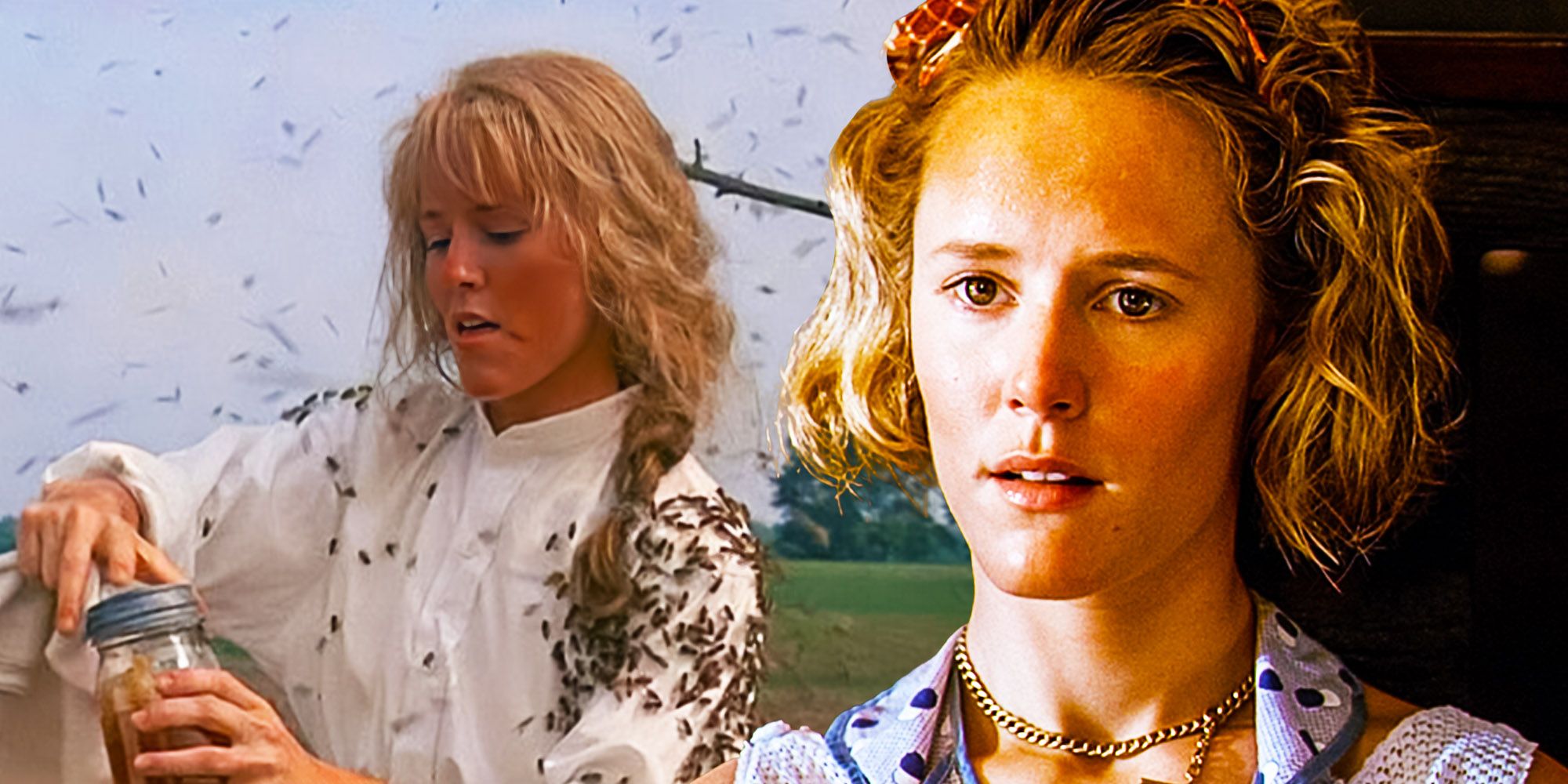
Remember when Idgie is momentarily covered in bees? Well, the stunt woman who was hired for the film was too afraid to actually do the stunt, and she backed out at the last minute. That left actress Mary Stuart Masterson with a tough choice—hold up the film or do the stunt herself. She jumped into the job, working with the buzzing bees, and making for a memorable cinematic moment.

Fannie Flagg Appeared In The Film

Flagg has a cameo in the movie, playing the leader of a self-help group, who tells the women in attendance: “You can get that spark back into your marriage!” This was not Flagg’s first time on camera. She appeared on Match Game throughout the ’70s and early ’80s and had a role in Grease and Five Easy Pieces.

Harper Lee Was A Big Fan

The reclusive To Kill A Mockingbird author reviewed the book, giving it a rave and saying, “Idgie Threadgoode is a true original: Huckleberry Finn would have tried to marry her!”

Fried Green Tomatoes Weren’t Very Popular In The South Before The Film

This may sound like sacrilege to some, but according to Robert Moss, food writer and expert in food history, fried green tomatoes weren’t really a Southern dish until the movie made them one. While gardeners across the U.S. would fry up unripe tomatoes instead of letting them wither on the vine, the dish itself was not all that common in the South at the end of the 20th century. Then came the movie and along with it a huge, revived interest in the dish. Soon fried green tomatoes started appearing on menus across the South. “Fried green tomatoes weren’t always a marker of Southern cooking,” Moss writes, “but they sure are now.”

The Movie Received Oscar Nominations

The movie was shot in 10 to 12 weeks, and it scored several Oscar nominations but did not win. Jessica Tandy was nominated for best supporting actress, and Fannie Flagg and Carol Sobieski were up for best adapted screenplay.

SOURCE: SOUTHERNLIVING.COM

Pete Hegseth

Today is our Sect, of Defense’s birthday!  This “biography” was found on Brittanica and some of the wording appears skewed—so take it with a grain of salt.

From Brittanica:

Pete Hegseth (born June 6, 1980, Minneapolis, Minnesota, U.S.) is the U.S. secretary of defense (2025– ) in the Republican administration of Pres. Donald Trump. Hegseth was confirmed on January 24, 2025, following a 50–50 vote in the U.S. Senate that required U.S. Vice Pres. J.D. Vance to cast the tie-breaking vote, resulting in a 51–50 final tally. Hegseth was sworn into office on January 25.

Prior to becoming defense secretary, Hegseth was a TV personality who cohosted Fox & Friends Weekend from 2017 to 2024. While on the show he became known for his conservative views and was an outspoken supporter of Trump. Hegseth also served in the U.S. Army National Guard.

Education and National Guard

Hegseth grew up in Minnesota, and in 1999 he enrolled at Princeton University. There he played basketball, studied politics, and became a frequent contributor to The Princeton Tory, the school’s conservative newspaper. For a time he served as publisher, and he was responsible for articles that, as he wrote, “strive to defend the pillars of Western civilization against the distractions of diversity.” Among these pieces, which stirred controversy at Princeton, was an editorial he cowrote that declared that “the homosexual lifestyle is abnormal and immoral.”

In 2003 Hegseth graduated from Princeton and the school’s Army ROTC program. He then became a member of the Minnesota National Guard and later joined the Army National Guard, rising to the rank of major. Hegseth was deployed three times. After serving at Guantánamo Bay, he was a platoon leader in Iraq and later taught counterinsurgency tactics in Afghanistan. His various military honors include two Bronze Stars.

Senate run and Fox & Friends Weekend

In 2012 Hegseth ran to represent Minnesota in the U.S. Senate as a Republican, but he dropped out before the party’s primary. Two years later he became a contributor to Fox News, and in 2017 he became cohost of Fox & Friends Weekend. In that post Hegseth frequently spoke of his support for President Trump. After Trump lost the 2020 presidential election, Hegseth promoted Trump’s unfounded claim of widespread voter fraud. In 2021 Hegseth was removed from the National Guard group that was to provide security for Joe Biden’s presidential inauguration. The reported issue was his Jerusalem cross tattoo, which he said was simply a Christian symbol, but officials noted that it is also used by Christian nationalists. His other tattoos include the words Deus Vult (Latin: “God wills it”), which was a battle cry during the Crusades and later appropriated by white supremacists. Hegseth left the National Guard later in 2021.

Defense secretary

Nomination and hearing

In 2024 Trump won a second presidential term, and he selected Hegseth as his nominee for defense secretary; the post requires Senate confirmation. The selection proved controversial, many citing Hegseth’s lack of experience managing large, complex organizations. The Department of Defense has some three million employees and has been called the biggest government bureaucracy in the world.

Hegseth’s confirmation hearing was held by the Senate Armed Services Committee in January 2025, and it was highly contentious at times. Democrats questioned him about accusations of personal misconduct, including excessive drinking and infidelity. While denying some allegations, Hegseth stated “I’m not a perfect person, but redemption is real. I have failed in things in my life, and thankfully I’m redeemed by my lord and savior Jesus.” Other topics included women serving in combat. While Hegseth had previously spoken out against the policy, he said that “women will have access to ground combat roles.” Republican committee members largely expressed support for his nomination, and Sen. Eric Schmitt from Missouri suggested that his lack of experience was an asset, stating that Hegseth is “a breath of fresh air.”

Confirmation

In the Senate confirmation vote on January 25, 2025, three Republicans voted not to approve him: Mitch McConnell, Susan Collins, and Lisa Murkowski. That resulted in a 50–50 tie, which was broken by Vice Pres. J.D. Vance. Hegseth took office several hours after the vote. In the following days he stated that he would end DEI initiatives in the department and that he was committed to stopping immigration at the southern border. In February 2025 Hegseth ordered the Pentagon to cut the defense budget by 8 percent for each of the next five years. The money was to be used for other initiatives, including a proposed Iron Dome, an air defense system. Later that month he fired a number of top military officers, including Admiral Lisa Franchetti, the first woman to serve as the navy’s chief of naval operations. According to Hegseth, the moves were to allow for “new leadership that will focus our military on its core mission of deterring, fighting and winning wars.”

SOURCE: BRITTANICA

Happy Birthday, Sir!

Robert Kennedy Assassination

Today is the 57th anniversary of the assassination of RFK.  This article, from History.com., details the information available at the time.

From: History.com:

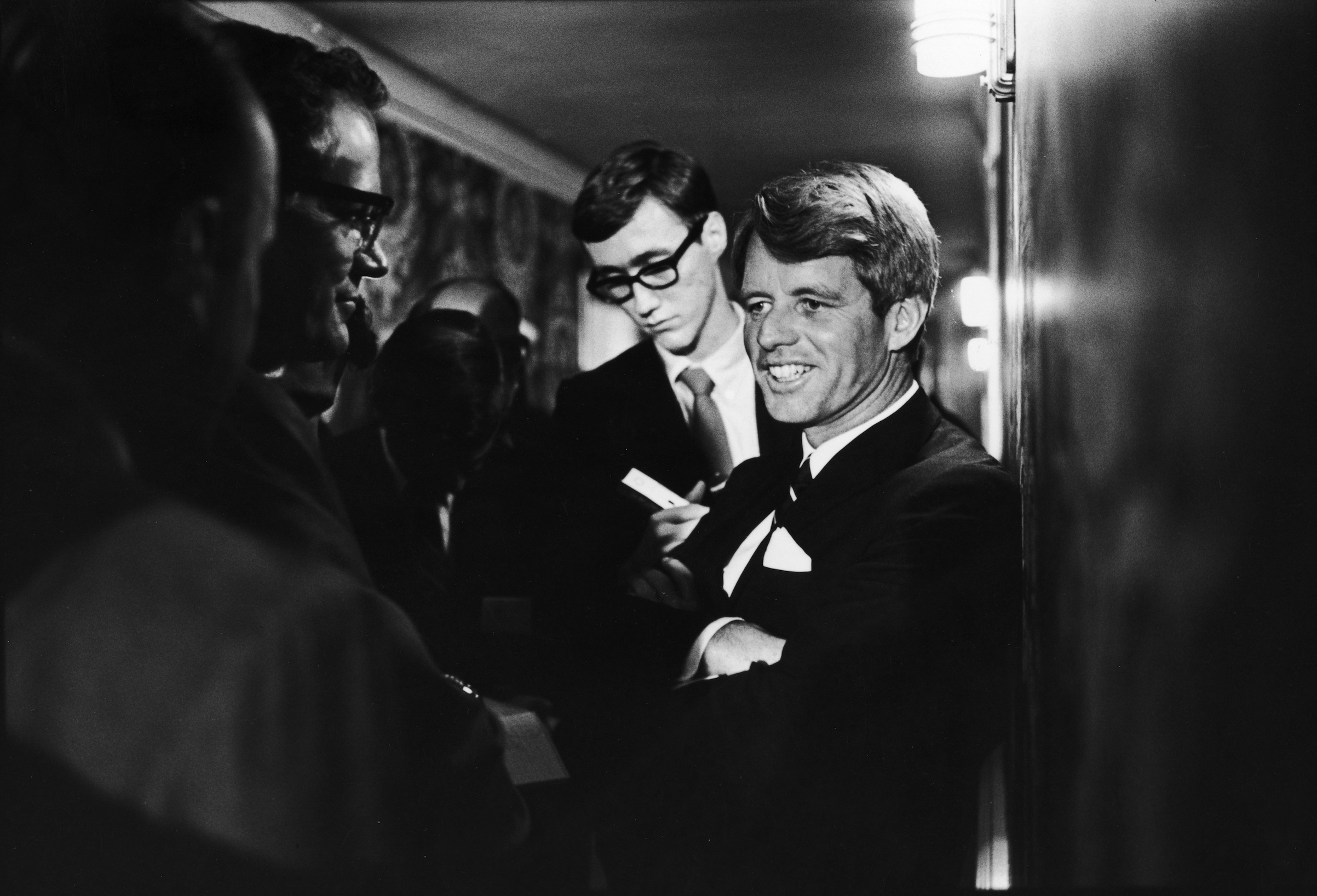
Shortly after midnight on June 5, 1968, Senator Robert Kennedy is shot at the Ambassador Hotel in Los Angeles after winning the California presidential primary. Immediately after he announced to his cheering supporters that the country was ready to end its fractious divisions, Kennedy was shot several times by 24-year-old Palestinian Sirhan Sirhan. He was pronounced dead a day later, on June 6, 1968.

The summer of 1968 was a tempestuous time in American history. Both the Vietnam War and the anti-war movement were peaking. Martin Luther King Jr. had been assassinated in the spring, igniting riots across the country. In the face of this unrest, President Lyndon B. Johnson decided not to seek a second term in the upcoming presidential election. Robert Kennedy, John’s younger brother and former U.S. Attorney General, stepped into this breach and experienced a groundswell of support.

The Assassination of RFK

The assassination of Robert Kennedy was another tragic incident in a year marked with unrest.

Kennedy was perceived by many to be the only person in American politics capable of uniting the people. He was beloved by the minority community for his integrity and devotion to the civil rights cause. After winning California’s primary, Kennedy was in the position to receive the Democratic nomination and face off against Richard Nixon in the general election.

As star athletes Rafer Johnson and Roosevelt Grier accompanied Kennedy out a rear exit of the Ambassador Hotel, Sirhan Sirhan stepped forward with a rolled-up campaign poster, hiding his .22 revolver. He was only a foot away when he fired several shots at Kennedy. Grier and Johnson wrestled Sirhan to the ground, but not before five bystanders were wounded. Grier was distraught afterward and blamed himself for allowing Kennedy to be shot.

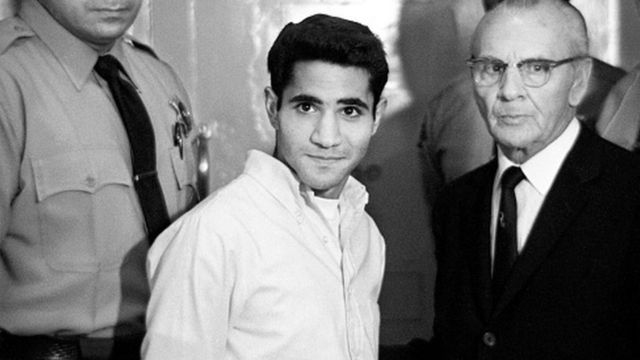
Sirhan, who was born in Palestine, confessed to the crime at his trial and received a death sentence on March 3, 1969. However, since the California State Supreme Court invalidated all death penalty sentences in 1972, Sirhan has spent the rest of his life in prison. According to the New York Times, he has since said that he believed Kennedy was “instrumental” in the oppression of Palestinians. Hubert Humphrey ended up running for the Democrats in 1968, but lost to Nixon.

SOURCE: HISTORY.COM

RFK JR. however, does not believe Sirhan is his father’s murderer.  This is a recent article in the NY Post:

Robert Kennedy Jr. has long maintained that Sirhan Sirhan, who has spent nearly 60 years in prison for killing his father, is innocent of the crime — and that a second gunman was involved in the assassination of Sen. Robert Kennedy in 1968.

That belief has fueled division between him and the majority of his siblings as well as their mother, Ethel, when she was alive. And it’s sure to heat up again as Sirhan, 81, could be eligible for parole again next year.

“I believe Cesar killed my father,” Kennedy Jr. wrote in a 2021 San Francisco Chronicle op-ed of security guard Thane Eugene Cesar, who died in 2019 and was never charged. “Sirhan,” Kennedy Jr. wrote, “is not my father’s killer.”

It was revealed Wednesday that Kennedy Jr., the current US health and human services secretary, sent a letter to then-US Attorney General Eric Holder in 2012 requesting a new investigation into his father’s death and the two-gunmen theory. The letter to Holder, who served under President Barack Obama, came to light in documents on the assassination declassified by the Trump administration.

When Kennedy Jr., 71, recommended to the California Board of Parole Hearings that Sirhan be given parole in 2021 — the 16th time he faced the board — six of his siblings, led by their mother, slammed the move.

“Our family and our country suffered an unspeakable loss due to the inhumanity of one man,” said Ethel in a Sept. 7, 2021, post on her daughter Kerry Kennedy’s X account — adding: “He should not have the opportunity to terrorize again.”

Ethel passed away on Oct. 10, 2024, at age 96.

Her children Joe, Courtney, Kerry, Chris, Max and Rory have opposed Sirhan’s parole. Son Douglas, like Kennedy Jr., is in favor.

Daughter Kathleen Kennedy Townsend told the Washington Post in 2018 that Kennedy Jr. “makes a compelling case” about Sirhan not acting alone, but has not commented on the matter since.

Kennedy Jr.’s 2012 letter to Holder included a three-page “Summary of Evidence for the New Investigation” compiled by Paul Schrade. A former labor leader and confidant of RFK, Schrade was among five people wounded in the fusillade of bullets that resulted in Kennedy’s death at Los Angeles’ Ambassador Hotel following his Democratic presidential primary victory in California.

Schrade, who was shot in the head by Sirhan during the melee, spent years trying to prove his theory that there were two gunmen involved in the assassination.

“Paul and his team of nationally prominent attorneys including former US Attorney Rob Bonner strongly believe this new evidence is conclusive and requires a new investigation,” Kennedy Jr. wrote in his letter to Holder. “I agree and support his request for a new investigation.”

The request was based on “new forensic tests on a journalist’s audiotape recorded during this crime and found in the FBI’s files,” said Schrade in his own letter to Holder dated July 29, 2012.

An acoustics expert who examined the recording maintained that 13 shots were fired. Sirhan fired all eight shots from his .22-caliber Ivar Johnson revolver and did not reload, said Schrade in his letter to Holder.

Schrade, who died in 2022 at age 97, also pointed to the autopsy report that showed that RFK was shot from behind. Eyewitnesses said Sirhan had stood in front of the candidate.

“I have been a strong advocate for the release of Mr. Sirhan B. Sirhan since I learned of evidence that was not presented to the court during his trial,” said Kennedy Jr. in an August 27, 2021, letter to the Board of Parole Hearings. “After years of careful investigation, I arrived at the conviction that the story of my father’s murder was not as cut and dried as portrayed at trial.

“While Sirhan clearly fired shots at my father, overwhelming evidence suggests that these were not the shots that took his life.”

Cesar, hired as a security guard for the night, “was in the exact position to fire the shots as described in the autopsy. Three witnesses saw him draw his gun — which he later admitted — and one said she saw him fire it,” Kennedy Jr. wrote in 2021. “The Los Angeles police never bothered to examine the gun. Cesar, who was moonlighting that night from his high-security clearance job at the Lockheed plant, acknowledged a loathing for the Kennedys and their race-mixing sympathizers.”

Sirhan has consistently maintained that he does not recall the events that took place on the day of the assassination.

Other recently released files on the assassination released by Director of National Intelligence Tulsi Gabbard revealed numerous menacing handwritten notes in Sirhan’s bedroom in the Pasadena, Calif., home he shared with his mother and three siblings.

“My determination to remove RFK is becoming more the more of an unshakeable obsession,” read one of the scribbled notes included in the file.

When Sirhan was up for parole in 2021, the Kennedy family fight over his impending release led to one side “double-crossing” the other, inside sources told The Post at the time.

The family members against Sirhan’s release had promised that they would not make a statement to the parole board, sources told The Post.

“The night before the hearing I got a letter from the parole board via the LAPD,” Sirhan’s lawyer Angela Berry told The Post in 2021. “It read, ‘On behalf of the Kennedy family, we oppose the release of Sirhan.’  [Kennedy Jr.] had been staying out of it specifically on the assumption that his family was going to stay out of it … I got ahold of him right away letting him know what happened.”

In response, Kennedy Jr. stayed up late writing a letter in favor of Sirhan’s release that barely made it into the hearing, sources said.

“The parole hearing started at 8:30 a.m. and Robert’s letter streamed in at 10:30 a.m.,” Berry said. “It read in part, ‘I have to assure you that the letter you got is not on behalf of the whole Kennedy family.’ That was the very last thing the hearing officer read into the record.”

SOURCE: NYPOST.COM

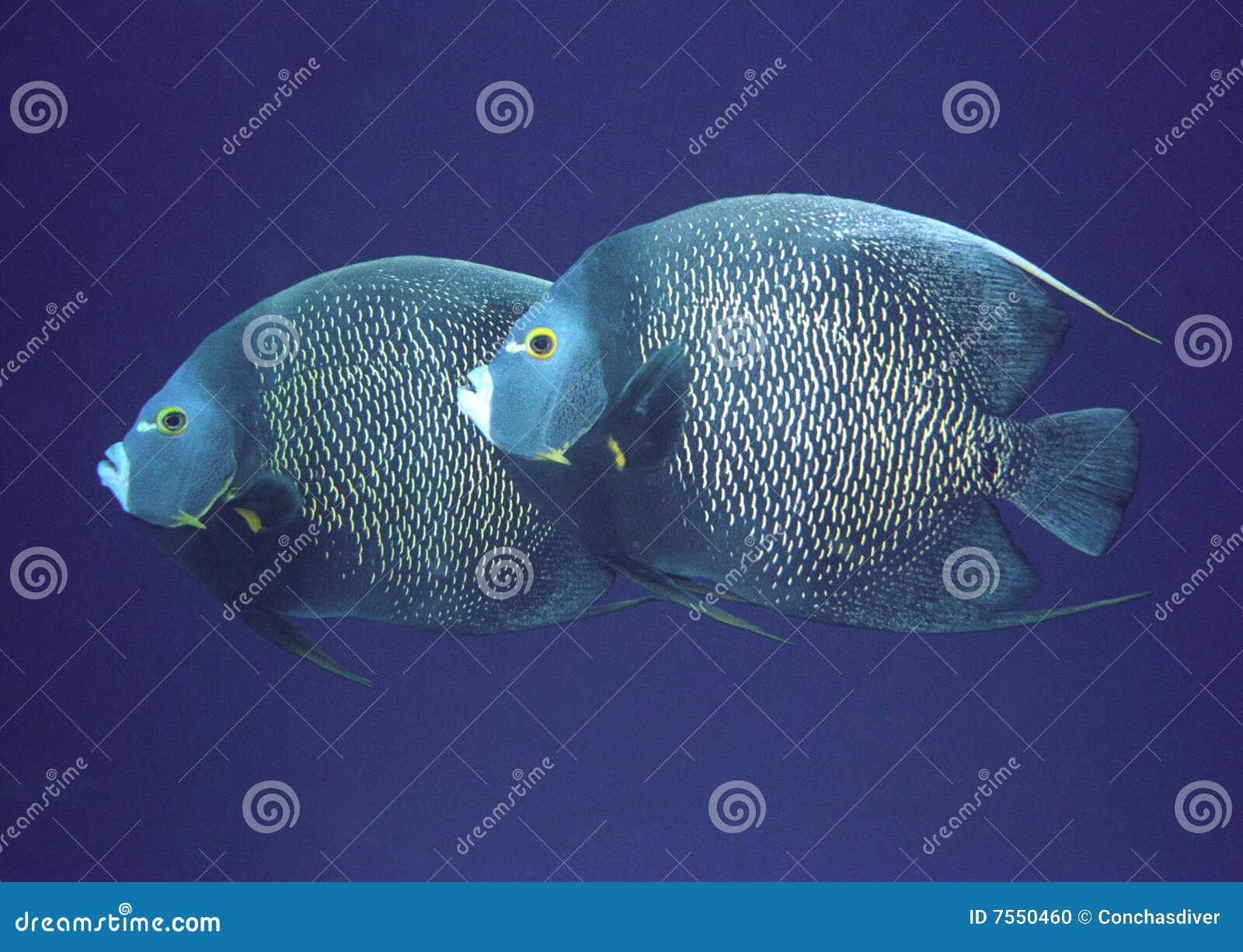
French Angelfish

June is the month of couples and weddings (in my mind, at least) so I looked for a fish that is frequently found in pairs…viola…the French Angelfish!

From thoughtco.com:

French angelfish are part of class Osteichthyes and live in coral reefs in the Western Atlantic, from the Bahamas to Brazil and the Gulf of Mexico. Their scientific name, Pomacanthus paru, comes from the Greek words for cover (poma) and spine (akantha) due to their protruding spines. French angelfish are very curious, territorial, and often travel in pairs.

Description

French angelfish have thin bodies with protruding lower jaws, small mouths, and comb-like teeth. They have black scales with a bright yellow rim, and their eyes have yellow at the outer portion of the iris. Juveniles have a dark brown or black body with vertical yellow bands. As they mature, the scales begin to develop yellow rims, while the rest of the body remains black.

These fish commonly swim at depths of 15 feet, traveling in pairs in coral reefs near sponges. They are strongly territorial and will fight with neighboring pairs over areas. Due to their small bodies, French angelfish are able to swim into narrow cracks between corals to hunt and hide from predators. They swim by rowing their pectoral fins, and their long tail fins allow them to turn quickly.

Habitat and Distribution

French angelfish occur in coral reefs, rocky bottoms, grassy flats, and other places that provide coverage in tropical coastal waters. They have been found in the Atlantic Ocean off the coasts of Florida down to Brazil. They also appear in the Gulf of Mexico, the Caribbean Sea, and occasionally off the coast of New York. French angelfish can survive a wide variety of environments due to their salinity tolerance.

Adult angelfish’s diet mostly consists of sponges and algae. Many sponges have a V-shaped pattern due to French angelfish bites. They also eat cnidarians including zoantharians and gorgonians, as well as other aquatic invertebrate animals such as bryozoans and tunicates. Young angelfish eat algae, detritus, and ectoparasites cleaned off other fish. In reef ecosystems, young French angelfish set up “cleaning stations” for a variety of fish clients as a way for them to control parasites. They do so by touching the body of fish clients with their pelvic fins to remove parasites. This specialized function rivals other cleaners like gobies and shrimp. Client fish include jacks, morays, surgeonfish, and snappers, among many others.

Adults form pairs, staying with their mate for life. These pairs search the corals for food during the day and hide from predators at night in cracks in the reefs. Despite being very territorial, adult French angelfish have been known to be very curious towards divers.

Reproduction and Offspring

French angelfish reach sexual maturity when they are around 3 years of age and about 10 inches long. Spawning occurs from April to September. They are nest non-guarders and reproduce in pairs via external fertilization. Unlike other fish that spawn in the open, French angelfish mate exclusively with their partner. The male and female will travel to the surface where they release both eggs and sperm into the water. The eggs are only 0.04 inches in diameter and hatch 15 to 20 hours after fertilization. These eggs develop in plankton beds until they can travel down to the coral reef.

SOURCE: THOUGHTCO.COM

Who’s Your Daddy?

Father’s Day is coming up this month, and I wanted to look at some pretty involved animal dads.

From: WILDLIFEINFORMER.COM:

In the animal kingdom, the level of parental care varies greatly from species to species. Some animals, like many egg laying (scientifically known as oviparous) animals do not invest any energy into caring for their young. Some mothers will nurse and look after their offspring for months after giving birth. And some offspring are looked after by both their mother and father! In this article we will introduce some of the best animal dads.

Producing offspring increases an animal’s fitness through passing on one’s genes. In the animal world, passing on your genes is crucial and is of the utmost importance! Most animals that produce only a few offspring at a time, like mammals, typically invest more energy into caring for their young in hopes that this will result in their young growing up to be healthy and strong.

But there are a few other types of animals that provide a great deal of care when raising young!

11 Best animal dads:

In most cases the parenting duties fall on the female, while the father goes on to mate with other females in an attempt to spread his genes as often and as widely as he can. But reproduction and parental care is a costly affair, which is why some animals take a shared approach to caring for their young.

Human dads aren’t the only great fathers, and this list proves just that!

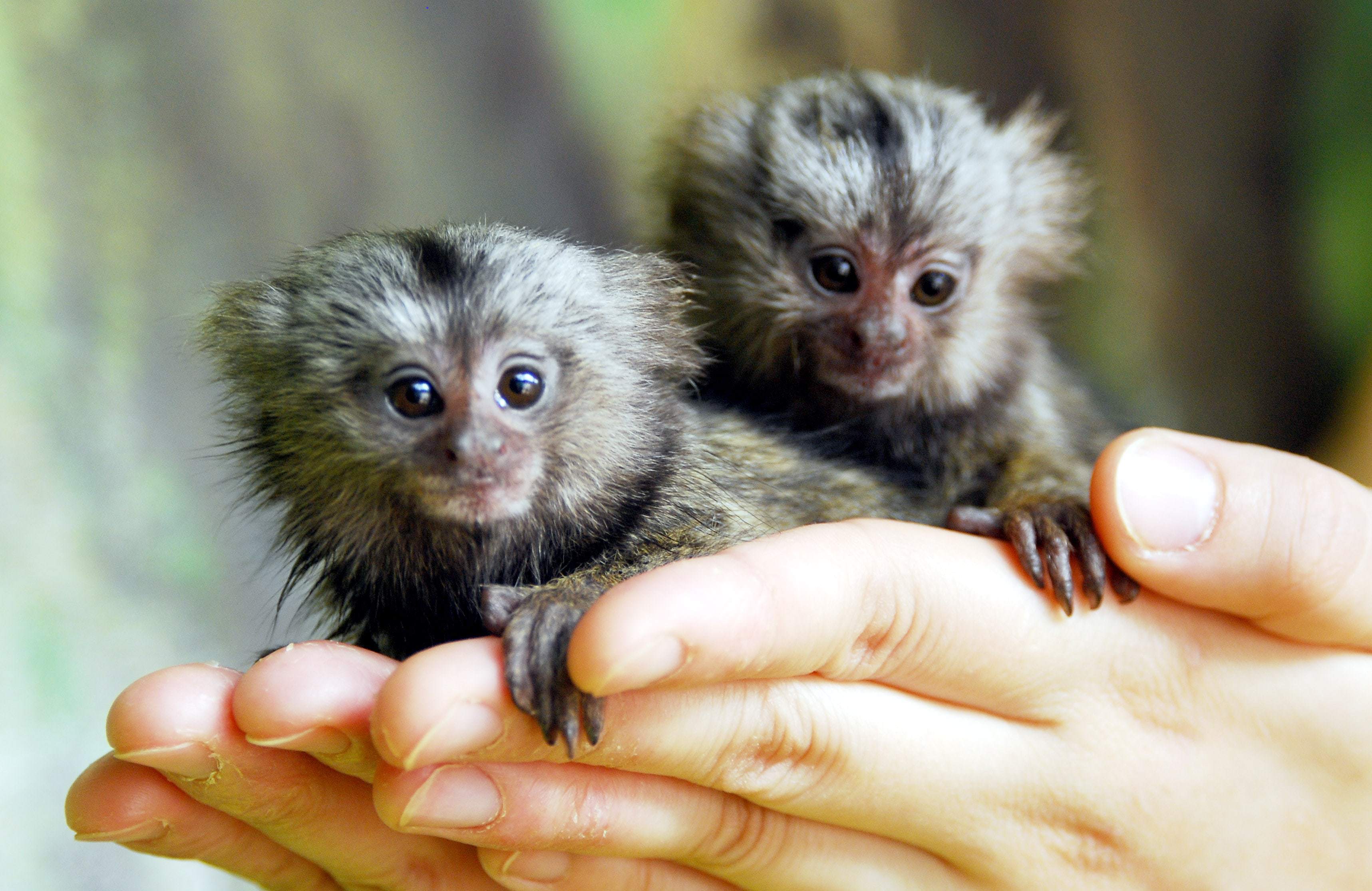
1. Common marmoset (Callithrix jacchus)

The Common marmoset is a small primate native to East-Central Brazil. These monkeys form small, but tight knit family groups. Interestingly enough, Common marmoset fathers almost act as a midwife during the birth of their offspring and help to clean up the afterbirth. Following the birth, the fathers will help to feed and carry their young and help raise them up.

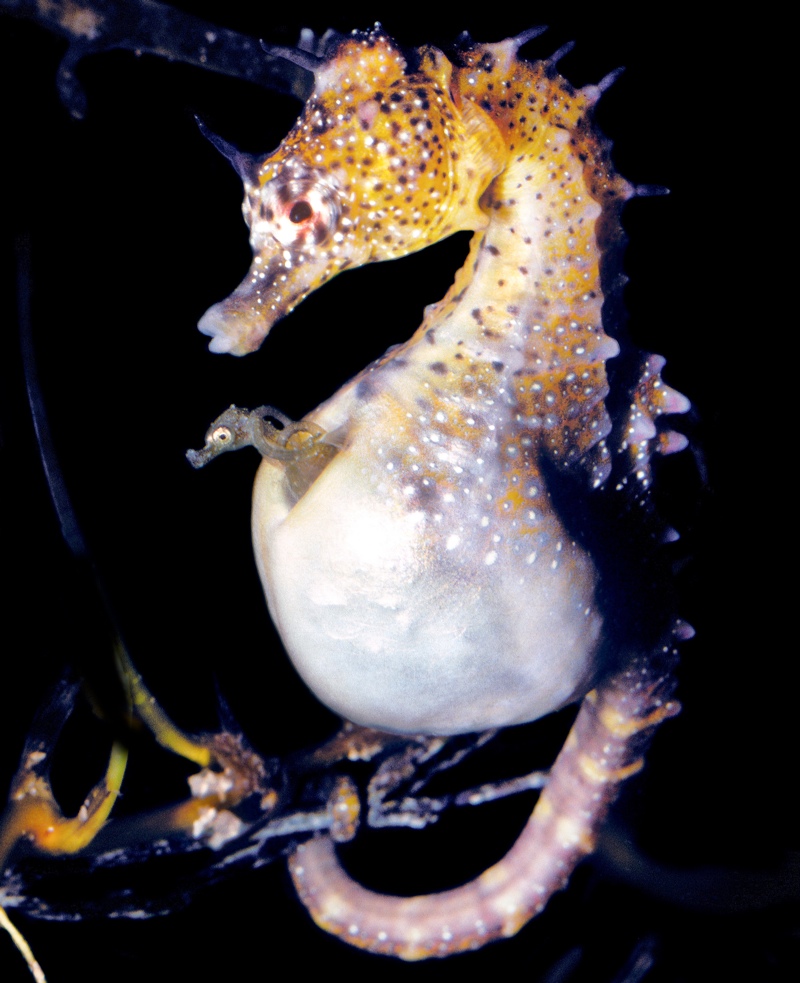
2. Seahorses (Hippocampus spp.)

Male Seahorses take fatherhood to the next level. While nearly all female animals are responsible for giving birth, it is actually the male Seahorses that carry and then birth their babies. Following mating, females will transfer eggs to the male where he will fertilize them and carry them until they are developed enough to be born.

3. Emperor penguin (Aptenodytes forsteri)

Emperor penguins, the largest species of penguin make incredible fathers! The female only lays a single egg in a breeding season, making it extra important that the egg is well taken care of. The male will incubate the egg for the entire duration, about two months while the mother heads to the ocean to forage for food. Following hatching, the parents split their parenting duties.

4. Gorilla (Gorilla gorilla)

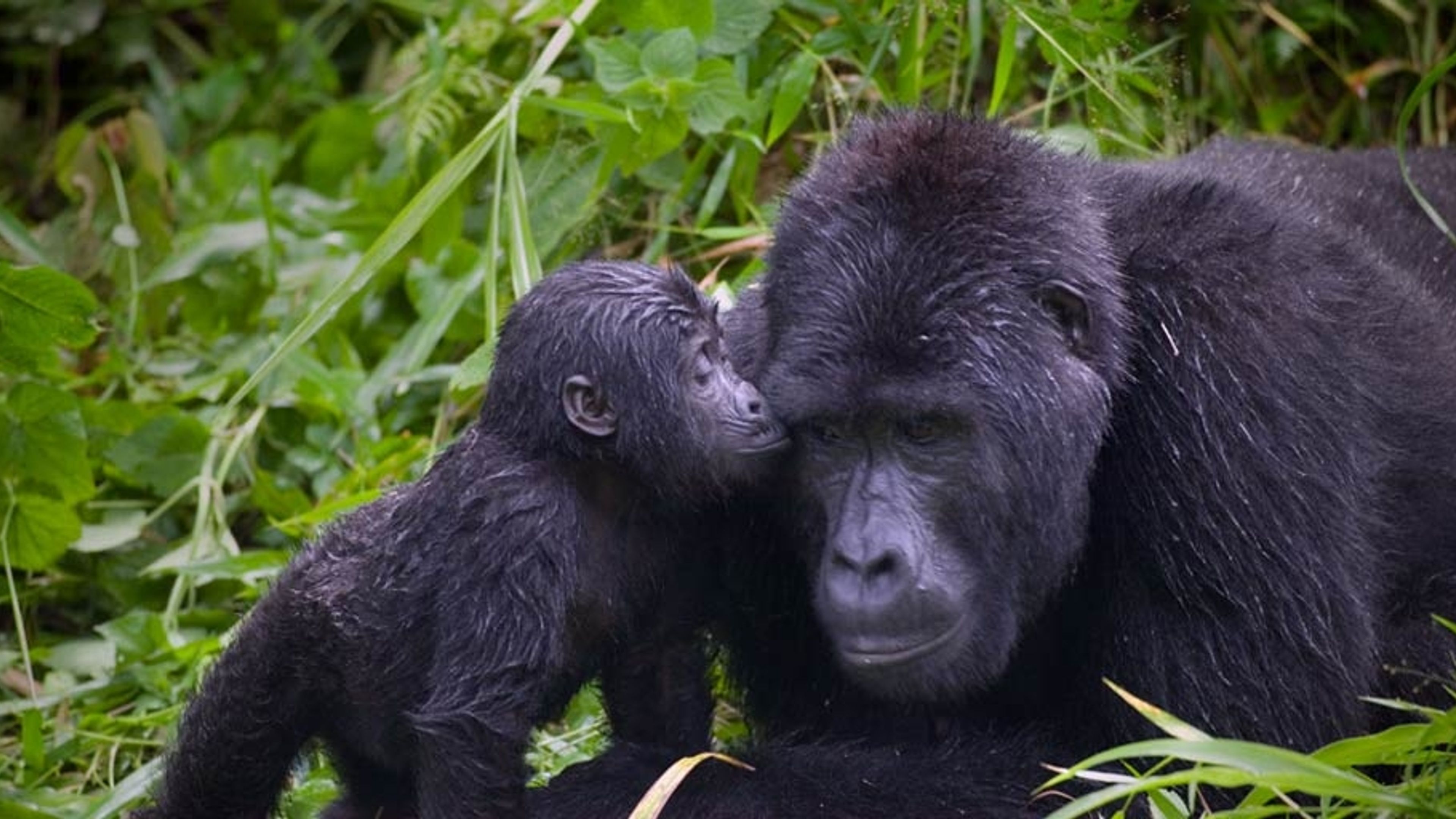
The king of the jungle, the gorilla is an excellent father figure for young gorillas. Male gorillas tend to lead social groups of up to 30 other gorillas, however there is typically only one adult male per troop. This alpha male is in charge of protecting their troop as well as teaching the young how to socialize with other gorillas.

5. Piping plover (Charadrius melodus)

Piping plovers are small, endangered shorebirds that split their parenting duties nearly 50/50. Both parents will take turns sitting on the eggs during incubation while the other parent goes to feed. Males will even create a distraction by acting like they are injured, called a broken wing display to distract potential predators away from their nest or chicks. Male killdeer, a similar species, will also take turns sitting on the eggs and participating in helping to raise the young.

6. Red fox (Vulpes vulpes)

Red fox fathers are both loving and strict. They will bring food to the den after the mother gives birth so that the mother can stay in the den with their kits. Once the kits get to be a bit older, the father will play and run with them. He will also stop bringing food to the den and will instead hide it nearby to teach his young how to find their own food!

7. Golden lion tamarin (Leontopithecus rosalia)

The bond between a baby Golden lion tamarin and father is a tight one! After just a couple of weeks, the babies will be clung to their father’s backs nearly 24/7, only being passed back to their mother every few hours to nurse. One they are weaned, the father helps to find food for their babies and will even hand-feed them.

8. Greater flamingo (Phoenicopterus roseus)

Greater flamingos have co-parenting down to a science. Both parents are involved in building the nest by pushing up mounds in the mud. The female lays a single egg and then they both take turns incubating the egg. The father also helps to feed it’s chick with it’s crop milk, which is a nutrient-rich fluid excreted from the esophagus.

9. Pouched frog (Assa darlingtoni)

While amphibians don’t get much recognition for being good fathers, the pouched frog is the exception! These frogs, like many other animals found in Australia have a pouch that they use to carry their young in. The mother lays her eggs, and both parents will guard the eggs. Once the eggs hatch and morph into tadpoles, the father will carry them in his pouch while they continue to develop.

10. Gray wolves (Canis lupus)

Wolves are apex predators that form packs that are headed by one male that pairs up with one of the females in the pack. This male will watch over his mate and pups by standing guard outside of their den. Gray wolf fathers will also bring back food to their young and even regurgitate it for the young pups. Alpha males are very territorial and will protect their territory to ward off any other unwelcome males or potential threats.

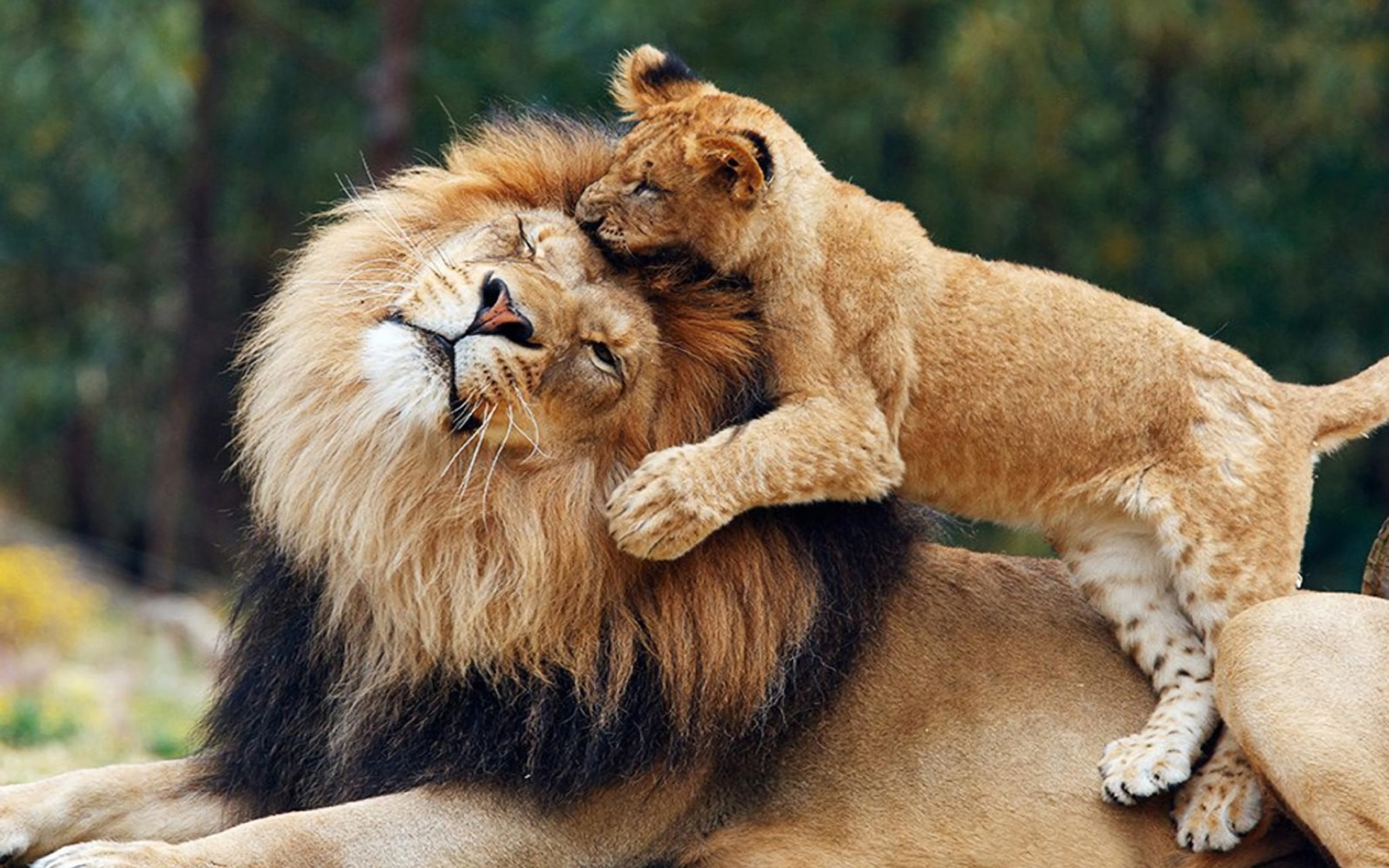
11. Lions (Panthera leo)

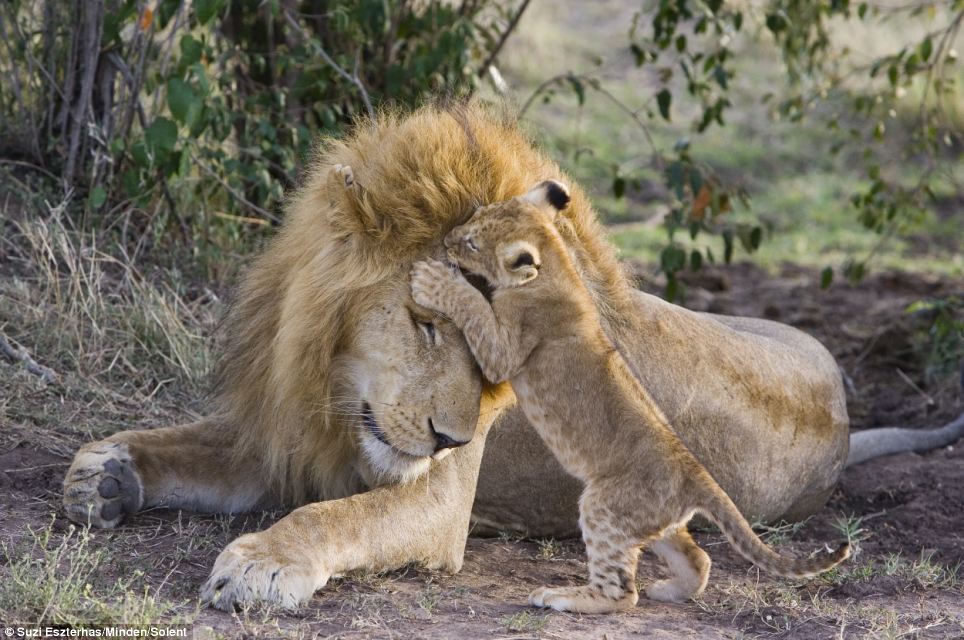
While male lions have a reputation of being lazy, which can be true in some cases, they are actually quite dedicated fathers when it comes to protecting their cubs. Lions form groups called a pride that tend to only have one adult male, the alpha male and several females and his many offspring. Father lions will go to great lengths to not only protect his cubs, but the entire pride from other male lions or any threats.

SOURCE: WILDLIFEINFORMER.COM

Camp Century

All the latest chatter about acquiring Greenland just became much more relevant to me.  I found this article on the allthatsinteresting.com website detailing a hidden American base UNDER the ice in Greenland.

From: allthatsinteresting.com:

Constructed by the United States during the Cold War, Camp Century was built so the Soviets never had any hope of finding it.

Buried underneath the frozen wonderland of Greenland’s vast ice sheet is a remnant of the Cold War. It’s not a plane wreck site or some classified piece of fantastic military hardware, but something far more interesting: Camp Century.

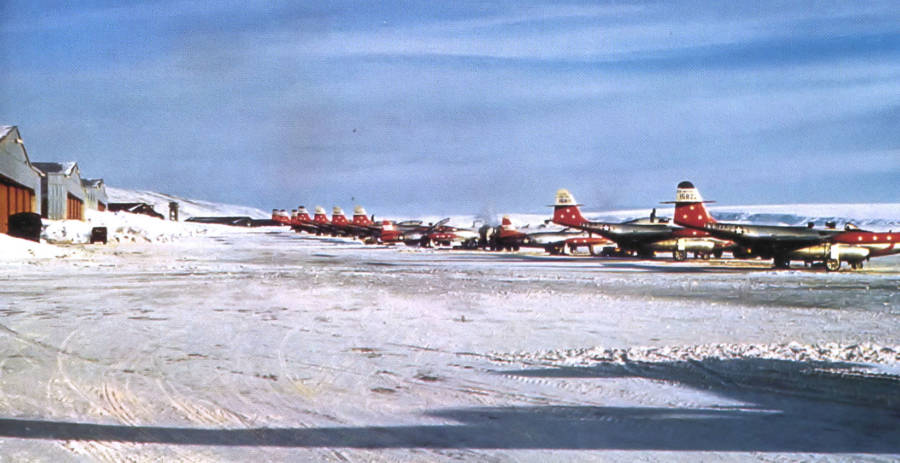
Camp Century, the result of Project Iceworm, was a small, full-fledged city less than 800 miles from the North Pole. Even more impressive, it was powered by a mobile nuclear reactor. The outpost started as a scientific operation around 150 miles inland from Thule Air Base. Eventually, the U.S. military thought it would be an ideal place to expand its operation into something much more sinister than a mere science outpost.

The idea behind a frozen base in a barren wasteland was that no one would think to bomb or invade the area. Even if Soviet planes knew the general location (as shown in this documentary film on the base), the blinding snow conditions would make the installation impossible to see, and because it’s buried beneath the ice, radar from planes would be useless as a detection method.

Think of Camp Century as the ice planet of Hoth in The Empire Strikes Back and you get the idea. No one in the Empire believed a base would exist there, which made it the perfect place to hide rebels.

A Construction Nightmare

The U.S. Army Corps of Engineers had to import everything to construct the base in 1959. Massive machines from Switzerland tunneled out the ice and snow at 1,200 cubic yards per hour. The longest tunnel, called Main Street, measured 1,100 feet long, 26 feet wide and 28 feet tall. These tunnels were covered with corrugated steel sheets for a solid structure, and then the sheets were buried in the snow.

Once the tunnels were hollowed out, special infrastructure had to be constructed. Wooden buildings provided places for men to sleep, eat and work. Special air tunnels, dug up to 40 feet deep into the floor, surrounded each building to keep cold air circulating into Camp Century. Without them, the snow would melt and destroy everything.

Even with the cold air tunnels, melting was a ubiquitous worry. Men had to constantly monitor tunnels for deformations and changes. People had to trim tunnel walls and roofs all of the time to combat melting.

The existence of the base wasn’t a secret – Walter Cronkite profiled it in 1961 when he visited – but the military chose to mask the true purpose of Camp Century.

The U.S. military originally wanted to store hundreds of ICBMs underneath Greenland’s ice sheet. While the engineers stationed there conducted climate research (the first core sample ever taken to study climate change came from Camp Century), Project Iceworm sought to weaponize the base.

The blueprint was to make this a storage facility for nuclear missiles. The military planned to dig 2,500 miles worth of tunnels and store up to 600 ICBMs that could hit the Soviet Union. Because the base was so remote and the Soviets wouldn’t think to launch nukes into Greenland, the belief was that the base could survive, launch its own missiles, and strike back even if the mainland United States suffered horrendous losses.

Abandonment Of Camp Century

Eventually, military commanders abandoned the idea of storing launch-ready nukes underneath a frozen glacier. The engineering feats were too hard and not cost-effective. The military abandoned the base in 1967, just eight years after commanders first mapped out Camp Century.

The vacant facility still poses a threat even though it was decommissioned more than 50 years ago. The army thought snow and ice would continue to accumulate and keep the base buried forever. Then climate change happened.

Experts estimate that 53,000 gallons of diesel fuel, several carcinogenic compounds, and small amounts of nuclear waste may seep into the surrounding environment by 2090. That’s after the 115 feet of snow covering the base melts away due to a five-degree rise in global temperatures.

The lesson here is that even secrets that you think lay hidden beneath a permanent layer of ice and snow may come back to bite you eventually.

Luckily, there aren’t 600 nukes just waiting to be found by rogue elements.

SOURCE: ALLTHATSINTERESTING.COM

Ohio State Flower: Scarlet Carnation

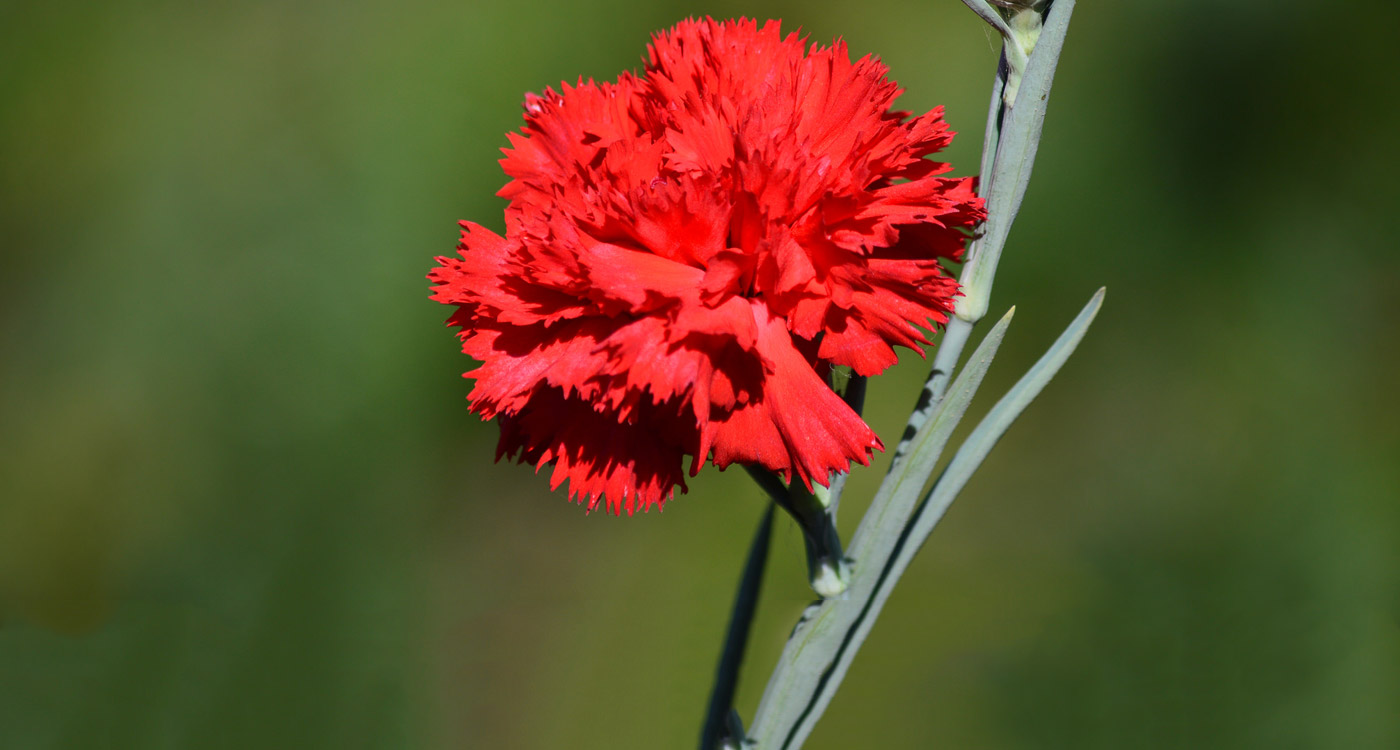
The scarlet carnation, Ohio’s state flower, holds a special place in the hearts of Ohioans. Its vibrant red hue symbolizes the energy and determination of the state’s people. The history and significance of the scarlet carnation are deeply rooted in Ohio’s culture and heritage. In this article, we’ll delve into 10 fascinating facts about the Ohio state flower, shedding light on its symbolism, cultivation, and impact on the state’s identity. From its historical connections to its role in local traditions, the scarlet carnation embodies the spirit of Ohio in a truly unique way. Join us as we explore the captivating world of Ohio’s beloved state flower and uncover the stories and secrets hidden within its delicate petals.

Key Takeaways:

The Scarlet Carnation, Ohio’s state flower, symbolizes luck, admiration, and unity. Its spicy fragrance and vibrant petals inspire artists and poets, adding elegance to floral arrangements and embodying Ohio’s natural beauty.

Designated in 1904, the Scarlet Carnation represents Ohio’s resilience and pride. Associated with President William McKinley, it continues to bloom as a timeless emblem, captivating hearts with its enduring symbolism and cultural significance.

The Scarlet Carnation is the Ohio State Flower.

The Scarlet Carnation, also known as Dianthus caryophyllus, holds the esteemed title of being Ohio’s state flower. This vibrant bloom boasts a rich history and cultural significance, making it a beloved symbol of the state. The Scarlet Carnation’s striking appearance and captivating fragrance have solidified its place in the hearts of Ohioans and flower enthusiasts alike.

The Scarlet Carnation was designated as the state flower in 1904.

In 1904, the Ohio General Assembly officially declared the Scarlet Carnation as the state flower, honoring its deep-rooted connection to the state’s history and its widespread popularity among the people. This prestigious designation further elevated the flower’s status, cementing its position as a cherished emblem of Ohio’s natural beauty.

The Scarlet Carnation is deeply associated with President William McKinley.

The Scarlet Carnation holds a special significance in Ohio due to its association with President William McKinley, who was known for adorning his lapel with the vibrant bloom. This enduring tradition has contributed to the flower’s iconic status within the state, symbolizing honor, resilience, and the spirit of Ohio.

The Scarlet Carnation is a symbol of good luck and admiration.

Throughout history, the Scarlet Carnation has been revered as a symbol of good fortune and admiration. Its vivid red hue exudes a sense of passion and admiration, making it a popular choice for gifts and special occasions. The flower’s enduring symbolism has woven it into the fabric of Ohio’s cultural tapestry, where it continues to be cherished for its timeless beauty and significance.

The Scarlet Carnation is known for its spicy fragrance.

One of the most enchanting qualities of the Scarlet Carnation is its distinct spicy fragrance, which sets it apart from other floral varieties. The captivating scent of the Scarlet Carnation adds an extra layer of allure to its visual appeal, making it a sensory delight for all who encounter it.

The Scarlet Carnation is a perennial flowering plant.

As a perennial flowering plant, the Scarlet Carnation graces Ohio’s landscapes with its vibrant blooms year after year. Its enduring presence symbolizes resilience and longevity, mirroring the spirit of the state and its people. This perennial nature further cements the Scarlet Carnation’s status as a timeless emblem of Ohio’s natural beauty.

The Scarlet Carnation is a popular choice for floral arrangements and bouquets.

Due to its striking appearance and symbolic significance, the Scarlet Carnation is a favored choice for floral arrangements and bouquets. Whether adorning special events, weddings, or everyday occasions, the Scarlet Carnation’s vibrant petals add a touch of elegance and meaning to any setting, further solidifying its place in Ohio’s floral heritage.

The Scarlet Carnation is a source of inspiration for artists and poets.

The Scarlet Carnation’s captivating beauty and rich symbolism have inspired artists and poets throughout history. Its vibrant red petals and cultural significance have been immortalized in various artistic expressions, showcasing the enduring impact of this beloved state flower on Ohio’s creative landscape.

The Scarlet Carnation represents unity and pride in Ohio’s floral emblem.

As the Ohio State Flower, the Scarlet Carnation serves as a unifying symbol, fostering a sense of pride and connection among the state’s residents. Its enduring presence in Ohio’s cultural traditions and its representation of unity further solidify its status as a cherished emblem of the state’s natural heritage.

The Scarlet Carnation continues to bloom as a timeless symbol of Ohio’s natural beauty.

With its rich history, cultural significance, and enduring allure, the Scarlet Carnation stands as a timeless symbol of Ohio’s natural beauty. Its vibrant petals and deep-rooted symbolism continue to captivate hearts and minds, ensuring that the Scarlet Carnation remains an integral part of Ohio’s floral legacy for generations to come.

Conclusion

In conclusion, the Ohio state flower, the scarlet carnation, holds a special place in the hearts of Ohioans and symbolizes their pride and resilience. Its vibrant red hue and delicate petals make it a beloved emblem of the state’s natural beauty and rich history. The scarlet carnation’s journey from being a cherished symbol of good luck to its official designation as the state flower is a testament to its enduring significance. As Ohio continues to flourish, the scarlet carnation stands as a timeless representation of the state’s strength, determination, and unwavering spirit.

SOURCE: FACTS.NET

Alcatraz

Today is Clint Eastwood’s birthday (born 1930) and one of his movies—Escape from Alcatraz—still intrigues me.  I found this article, written by Natasha Frost, on the History.com website.

From Natasha Frost:

A 2013 letter to the FBI, if real, suggests the Anglin brothers and Frank Morris survived one of the most daring—and dangerous—prison breaks of all time.

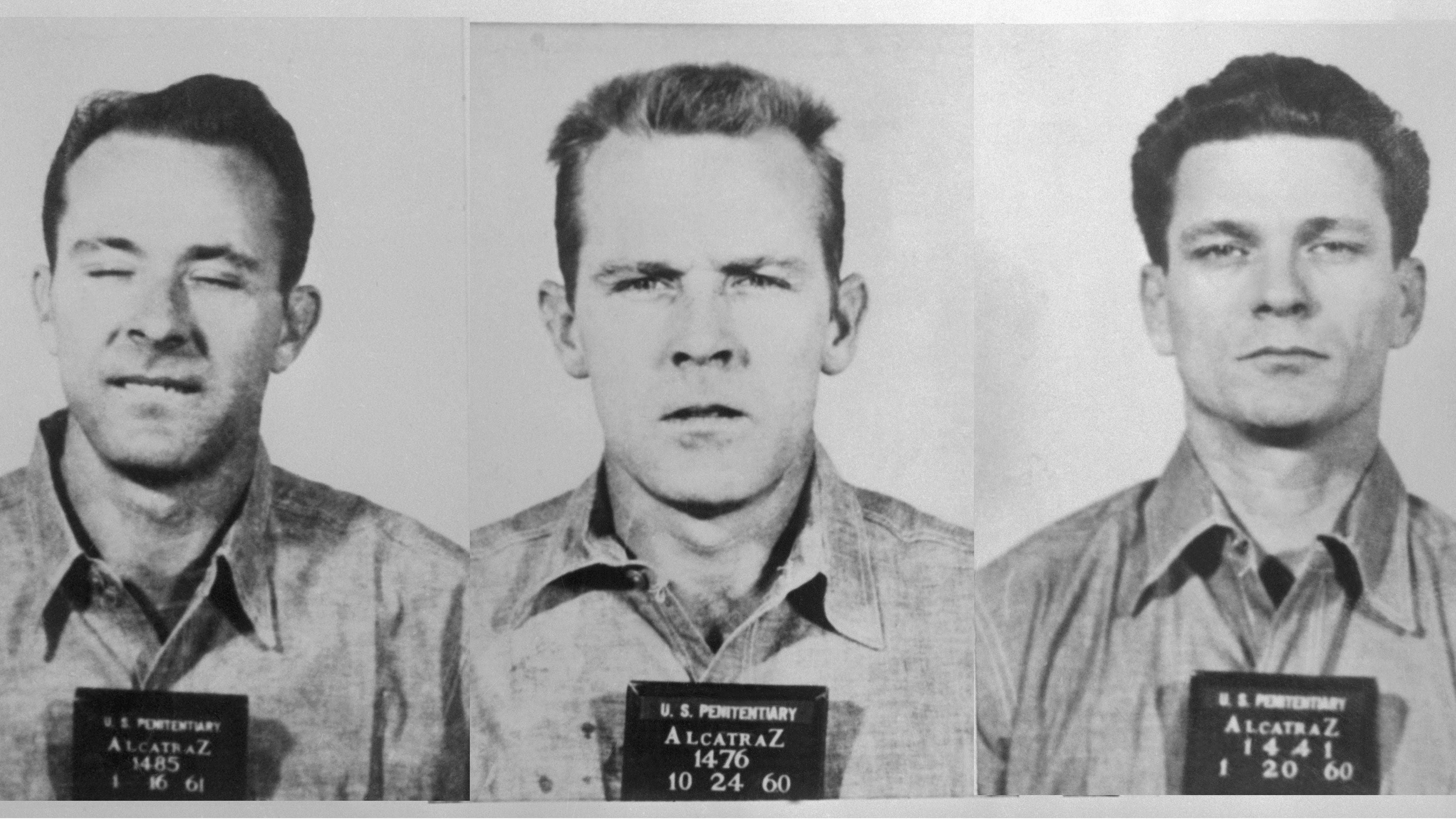
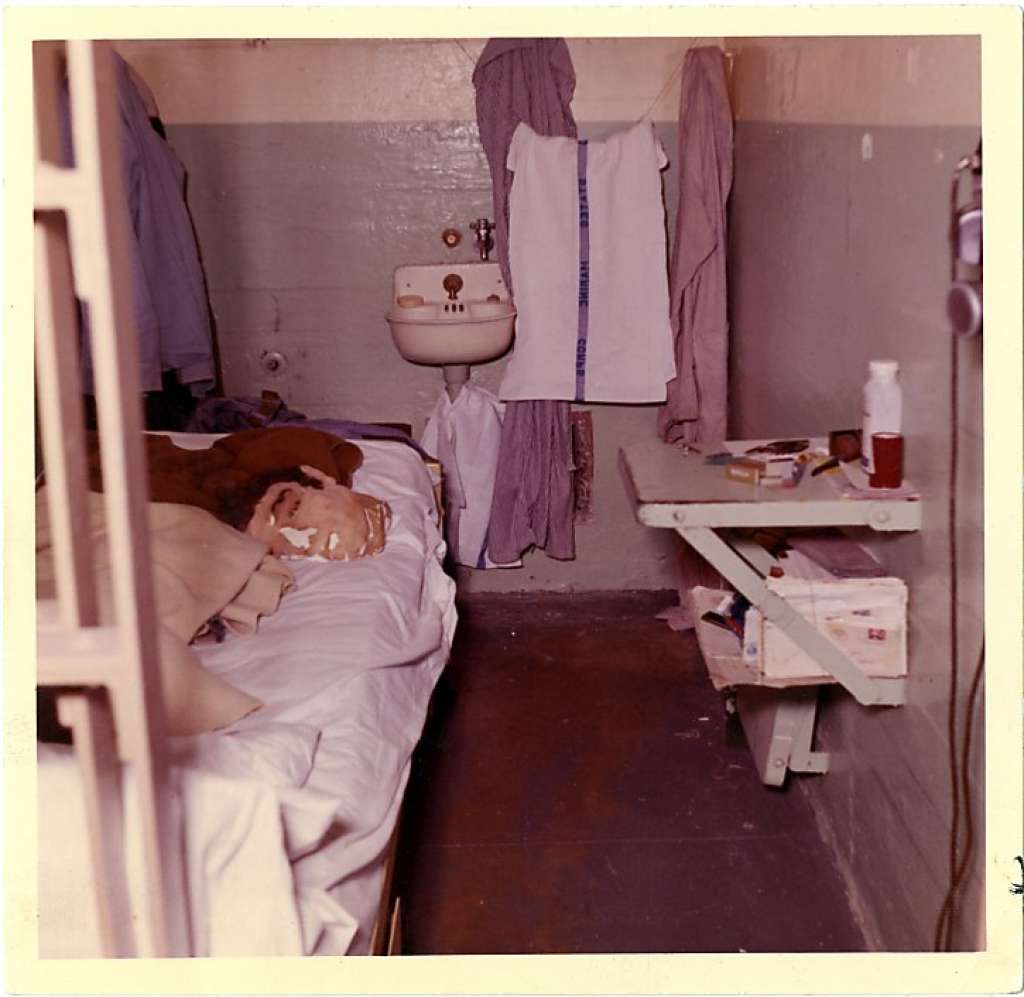
It was one of the most ingenious prison breaks of all time—if it worked. In 1962, inmates and bank robbers Frank Morris and John and Clarence Anglin vanished from Alcatraz, the federal island penitentiary off the coast of San Francisco. They had used sharpened spoons to bore through the prison walls, left papier-maché dummies in their beds and floated away on a raft made from 50 raincoats.

But what happened next has stumped historians for decades. Their bodies were never recovered, leaving many wondering whether they perished in the choppy San Francisco Bay or made it to shore—and freedom.

Alcatraz

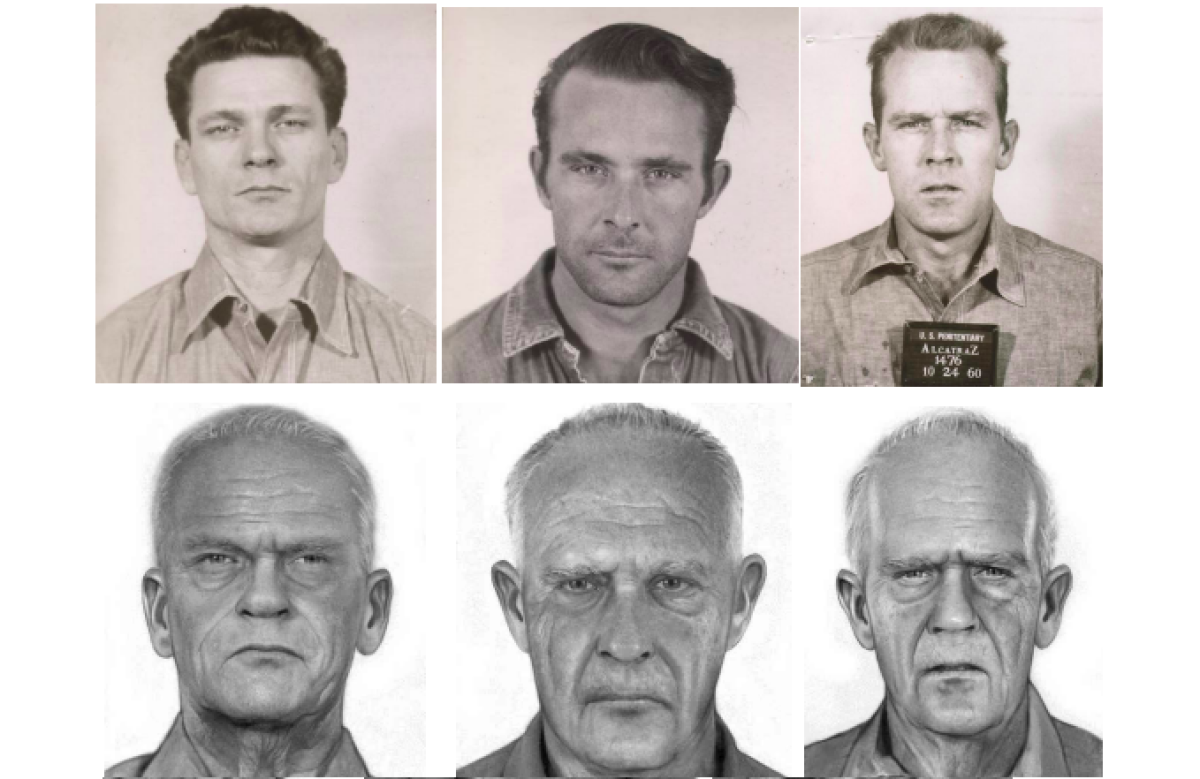
In the years since nearly six decades of silence from the men led many to conclude that the escape had met a watery end. The FBI closed its case in 1979, concluding that the escapees were unlikely to have survived a treacherous swim of more than a mile of frigid waters to the mainland.

The Letter from John Anglin

In January of 2018, CBS San Francisco published an extract of a letter addressed to the FBI that told an altogether different story—and claimed that the criminals had been at large since the 1960s. “My name is John Anglin,” it read. “I escape[d] from Alcatraz in June 1962 with my brother Clarence and Frank Morris. I’m 83 years old and in bad shape. I have cancer. Yes, we all made it that night but barely!”

The letter was sent to the San Francisco Police Department’s Richmond station in 2013, the broadcaster reported but had been kept under wraps during a long investigation. An FBI laboratory examined the letter for fingerprints and DNA and analyzed the handwriting within, but the results were inconclusive. “So that means yes, and it means no, so this leaves everything in limbo,” security analyst Jeff Harp told CBS.

In the letter, the writer explained that he was the last living member of the trio, with his co-conspirators dying in 2005 and 2008. He offered a deal: If authorities announced on television that he would receive a single one-year jail sentence, in which he could have the medical treatment he needed, “I will write back to let you know exactly where I am. This is no joke…” The FBI did no such thing and instead repressed the letter.

Clues and Sightings of the Escape

Though this is the first time anyone purporting to be one of the men has contacted authorities, it isn’t the first piece of evidence that suggests they might have made it out in one piece. Robert Checchi, an officer with the San Francisco police, reported seeing what he described as a “pristine white boat” out in the Bay on the night of the men’s disappearance. It had no lights on, but appeared to have someone on board shining a flashlight into the water. Police followed up on the sighting, but couldn’t find the owner of this strange boat—or where it went next.

More recently, a 2015 HISTORY special showed an alleged photograph of the brothers, taken in Brazil some 13 years after their disappearance. Family members of the men have also reported strange experiences that suggest there may be more to the story than many believe. “It’s always been talked about through the family,” David Widner, a nephew of John and Clarence Anglin, told CBS. “My grandmother received roses for several years after the escape.” If Anglin is still alive today, he would be nearly 90. He has not been heard from since.

Widner expressed dismay that authorities had not contacted the family about his relative’s alleged illness. “For him to say he had cancer and was dying, I feel like they should have at least reached out to the family and let them know [the letter] existed,” he said.

Skepticism and Controversy Surrounding Alcatraz Escape

Federal authorities have been quick to quash any rumors of a successful great escape. In an interview with CBS San Francisco, the U.S. Marshals investigating the case told the broadcaster they considered the lead closed with no merit and a simple hoax from someone hoping to scam and embarrass federal and local authorities. “The Federal Bureau of Prisons say that they drowned once they got off of Alcatraz and their bodies were swept out to the Pacific Ocean—end of story,” National Park Service Ranger John Cantwell said.

The prison was closed permanently in 1963, a year after the men vanished. Today, it plays host to more than a million tourists each year, often drawn to the site by the story of the Anglin brothers, which was adapted for the screen in the 1979 film Escape From Alcatraz. John Anglin’s cell, where the men made their exit, is a popular attraction. It’s preserved almost perfectly, with the same gaping hole in its teal-painted wall—but even the scene of the crime offers few answers as to where these great escapees wound up.

SOURCE: HISTORY.COM NATASHA FROST

HAPPY BIRTHDAY CLINT!