100 Interesting Facts: Part 1

A mix between a Chihuahua and a dachshund is called a “chiweenie.”

There are no seagulls in Hawaii.

Even though dragonflies have six legs, they cannot walk.

Gummy bears were originally called “dancing bears.”

Sea otters have the thickest fur of any mammal, at 1 million hairs per square inch.

The bird on the Twitter logo is named “Larry.” He was named after the basketball player Larry Bird, who played for the Boston Celtics.

The term “coccyx” (also known as your tailbone) is derived from the Greek word “cuckoo” (“kokkux”) because the curved shape of the tailbone resembles the bird’s beak.

A baby has around 30,000 taste buds. They are not just on the tongue but also on the sides, back, and roof of the mouth. Adults have about 10,000.

In one survey, three out of four people admitted to sharing an ice cream cone with their pet.

When humans take a breath, they replace only 15% of the air in their lungs with fresh air. When dolphins take a breath, they replace 90% of the air in their lungs with fresh air.

Feral pigs ate and completely destroyed $22,000 worth of cocaine that had been hidden in an Italian forest.

Pablo Picaso would often carry around a pistol loaded with blanks. He would fire it at people he found boring or anyone who insulted the painter, Paul Cézanne.

Monarch caterpillars breathe through holes in the sides of their bodies.

Male lobster’s bladders are in their heads, and when they fight, they squirt each other in the face with urine.

The word “oysterhood” means “reclusiveness” or “an overwhelming desire to stay at home.

Ancient pagan cultures, such as the Celts, believed that benevolent and helpful spirits lived in trees. Knocking on tree trunks roused a spirit for protection, which led to the saying “knock on wood.

Laughter synchronizes the brains of both speaker and listener so that they become emotionally attuned.

Isaac Newton believed he was potentially part of a line of great men to receive great and ancient wisdom. He even created a special name for himself “Jehovah Sanctus Unus,” or “to Jehovah, the Holy One.”

Hugging your cat has been shown to reduce stress and anxiety, especially for people who are dealing with illness, depression, PTSD, and other ailments.

A group of monkeys in Delhi, India reportedly attacked a laboratory assistant and escaped with several coronavirus blood samples. The monkeys were later spotted in a tree chewing one of the sample collection kits.

Bart Simpson’s name is an anagram of BRAT. His full name is Bartholomew Jojo Simpson.

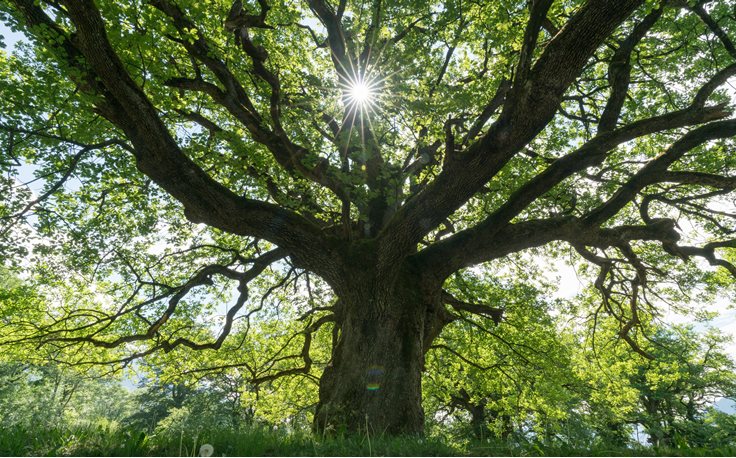
An oak tree produces about 10 million acorns during its lifetime.
There’s enough concrete in the Hoover Dam to build a two-lane highway from San Francisco to New York City.

The Muppet vampire, Count von Count from Sesame Street, is based on actual vampire myth. One way to supposedly deter a vampire is to throw seeds outside a door. Vampires are compelled to count the seeds, delaying them until morning.

The “O” before an Irish name, such as “O’Reilly,” means “descendant of.”

Gossip and complaining make up approximately 80% of most people’s conversations.

Developing a larger vocabulary may help protect you against depression. It allows you to precisely label–and confront–subtle emotions.

Riding or sitting on a sea turtle in the United States is a 3rd degree felony.

Humans shed about 600,000 particles of skin every hour. By age 70, humans lose an average of 105 pounds of skin.

Listening to your favorite music for just 15 minutes a day lowers stress levels, anxiety, sadness, and a depressed mood.

To make one pound of honey, honey bees must gather nectar from nearly 2 million flowers.

Bluetooth” technology is named after a 10th century king, King Harald Bluetooth. Bluetooth united the tribes of Denmark, just like the wireless technology united cell phones and computers.

A duel between three people is called a “truel.”

There is a Statue of Liberty in Paris that faces the Statue of Liberty in America, showing friendship between the two countries.

Research shows that people who laugh at dark jokes have higher IQs and report less aggressive tendencies.

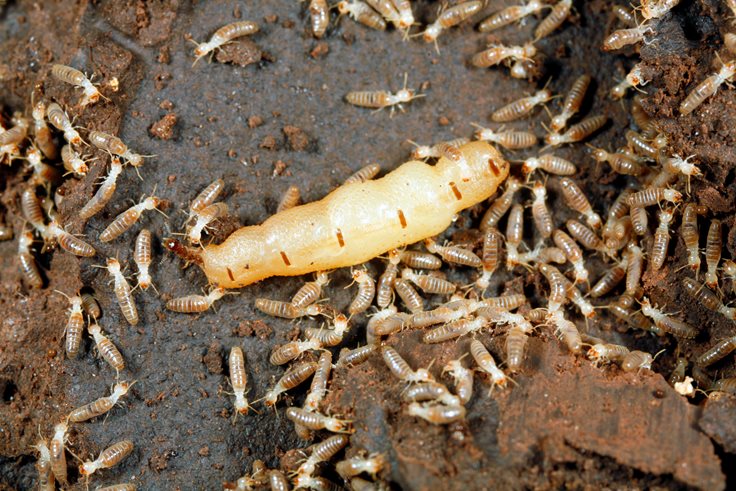
Termite queens live longer than any other insect. Some scientists estimate that they can live as long as 100 years.
Ancient Romans left graffiti on Egyptian pyramids that says, “I didn’t like anything but the sarcophagus,” and “I can’t read the hieroglyphs.”

The kererū (New Zealand Wood Pigeon) is well-known for getting drunk off fermented fruit and falling out of trees.  Consequently, it has earned the reputation for being “clumsy, drunk, gluttonous, and glamorous.”

Sweden has a rabbit show jumping competition called Kaninhoppning. The world record for the highest rabbit jump is 42 inches (106 cm).

A female chicken will mate with many different males. If she decides later that she doesn’t want a particular rooster’s offspring, she can eject his sperm. This happens most often when the male is lower in the pecking order.

Scientists believe that early human ancestors used to have three eyelids. One of the eyelids eventually became the small fold in the corner of human eyes today.

The space between the eyebrows is called the “glabella,” which is derived from the Latin word “glabellus,” meaning “smooth.”

The seagulls in the Alfred Hitchcock movie “The Birds” (1963) were fed a mixture of wheat and whisky so they would stand around and not fly too much.

A pangram is a sentence that contains every letter in the language. For example, “The quick brown fox jumps over the lazy dog.”

Isaac Newton was a member of the British parliament for one year. He spoke only once, and that was to tell someone to please close the window.

The word “porcupine” means “spiny pig” in French.

In the 2004 movie “Mean Girls,” the “nice girl,” Cady, is named after Elizabeth Cady Stanton, a 19th-century pioneer in the American women’s rights movement.

In 1962, a laughter epidemic broke out in Tanzania. The outbreak began in a girls’ school and spread to other communities, ultimately affecting 1,000 people and causing the temporary closure of 14 schools.

Gelotophobia is the fear of laughter. Those who suffer from gelotophobia respond to all laughter as if it is at their expense. Up to 13% of the population could be afraid of laughter.

The Wizard of Oz’s Full Name is Oscar Zoroaster Phadrig Isaac Norman Henkel Emmannuel Ambroise Diggs. In the book, he explains that he called “myself O.Z., because the other initials were P-I-N-H-E-A-D.”

Source: Factretriever.com
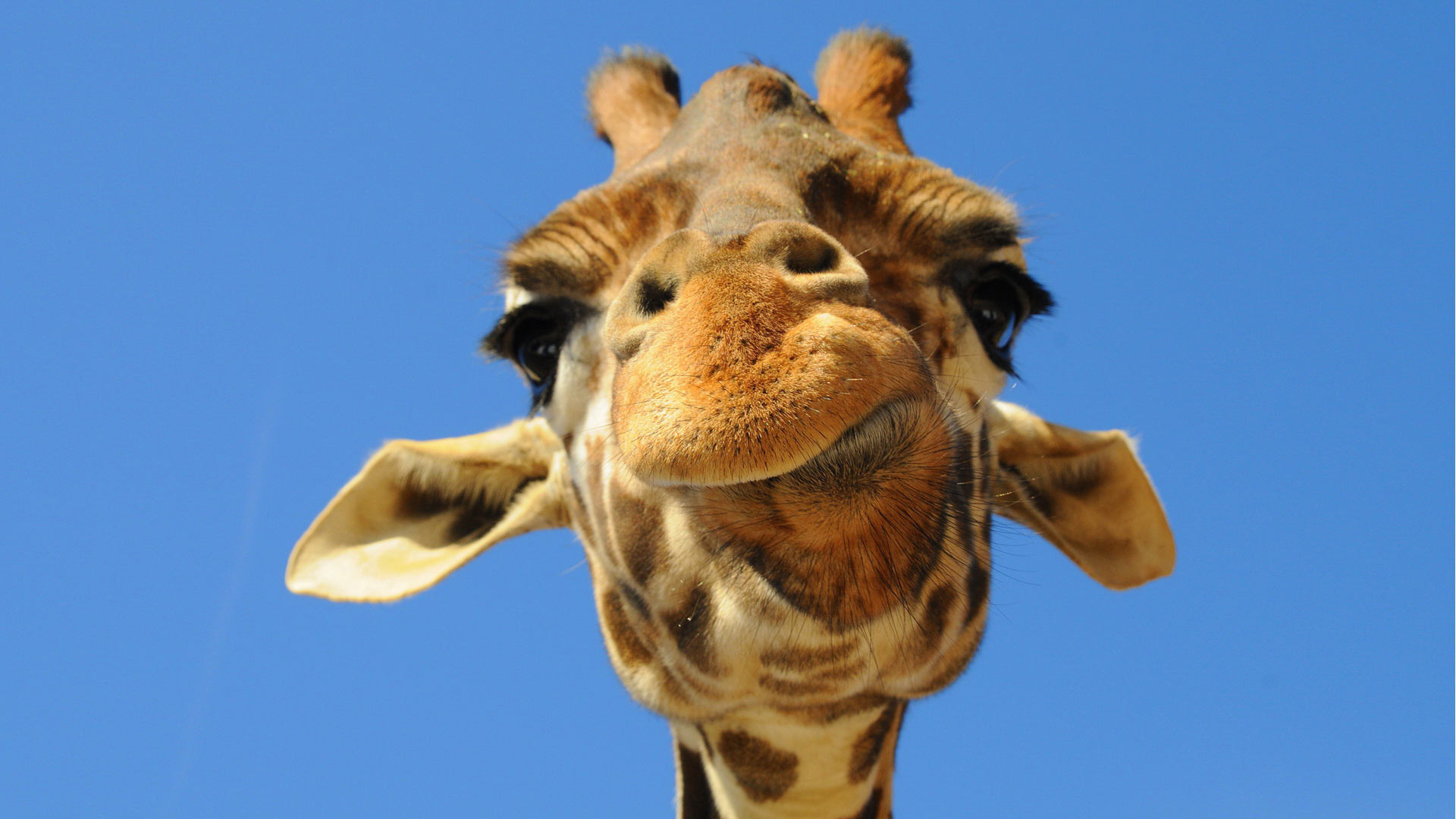
Camelopardalis

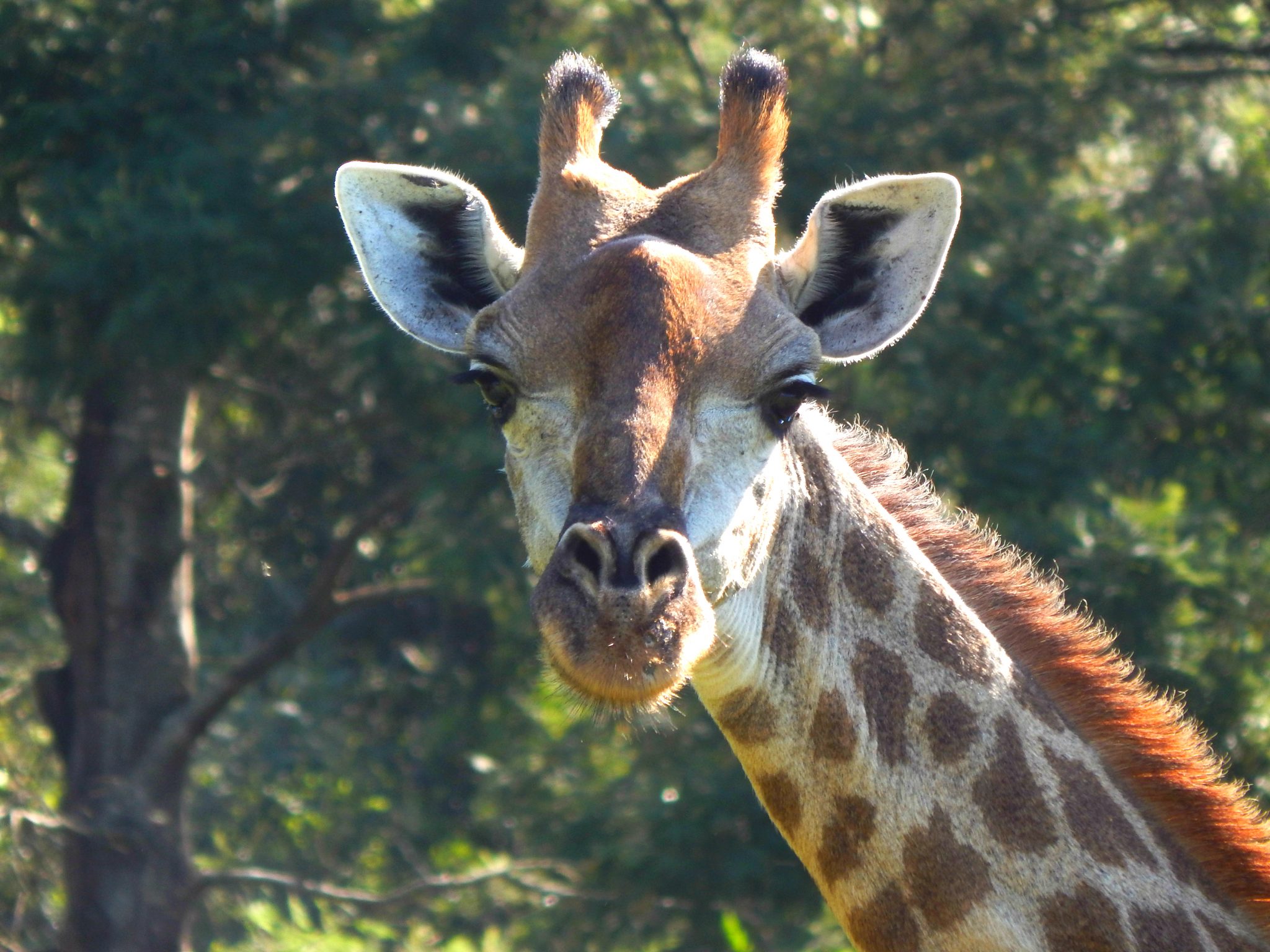
Giraffes are amazing creatures! They used to be known as ‘camel leopards’, due to their tall structure and leopard-like pattern, and their scientific name today has not changed – Camelopardalis. The name was given to these creatures by Julius Caesar, who received a giraffe as a gift and was thrilled with it! After showing it off to the people of Rome, he ended up feeding it to the lions…ooops!

The patterns on a giraffe are totally unique – no two giraffes are ever the same! And even though a giraffe has a longer neck than all other mammals, it still only has seven vertebrae in its neck, which is the same amount as other animals. They can run up to speeds of 35 miles per hour, outrunning most horses, and their long legs mean that they can cover plenty of space in a short amount of time, making their average walking speed around 10 miles per hour. But a giraffe’s sharp 12-inch hooves can cause a lot of damage, and could even kill a lion if necessary.

A giraffe’s tongue is blue-back to protect it from sunburn in hot climates. They also have the same amount of teeth as humans; however, one of the most interesting things about giraffes is that all 32 teeth lay on the bottom of its mouth and are mostly molars positioned right at the back. Giraffes use their bottom teeth to grab a branch and then comb the leaves off. So when you see a giraffe without upper front teeth it’s not because of a giraffe brawl – that’s what evolution intended. Giraffes live in savannas throughout Africa. The tall creatures are native to Kenya, Cameroon, Chad, Niger, Uganda, Namibia, Botswana, Zimbabwe, Zambia, Tanzania, Angola and South Africa. They like semi-arid, open woodlands that have scattered trees and bushes, making the savannas perfect for these animals. 

Giraffes seldom sleep. Most of them get around 10 minutes to two hours of sleep per day. Even when they get the little amount of sleep required each day, they don’t lie down. Giraffes go to sleep standing up most of the time. They are also able to give birth while standing up, meaning that these creatures rarely have an excuse to lie down! And giraffes conserve water very well, mainly because they don’t sweat or pant when hot. But adult giraffes only need to find water once a day. They are able to drink up to 10 gallons of water each day, and also get water from the plants they eat, including acacias.

When giraffes are seen rubbing their necks against one another, they are competing to see who is stronger. Known as ‘necking’, it is a practice between male giraffes. (Not at all what I envision when i hear the term necking.) Both male and female giraffes have horns from birth. These actually lie flat on their heads and are not attached to the skull to avoid injury during birth. These horns, called ossicones, can be used to defend themselves. Later in life, the ossicones will fuse with the skull and become formidable weapons, particularly in adult males.

The birds pictured below are oxpeckers which feed off parasites on giraffes’ bodies. This win-win situation for both creatures ensures that the birds find food and that the giraffes get rid of unwanted parasites.

Unfortunately giraffe populations are challenged because of poaching and their shrinking habitat. The animals’ tails are made into good-luck bracelets, fly whisks and thread for stringing beads. As agricultural settlement expands, the giraffe’s main source of food, the acacia tree, is being cut down. Fewer than 100,000 giraffes remain in the wild, down from an estimated 150,000 that roamed the savannas 30 years ago.

Brain Teasers

Do you have your thinking caps on this morning?

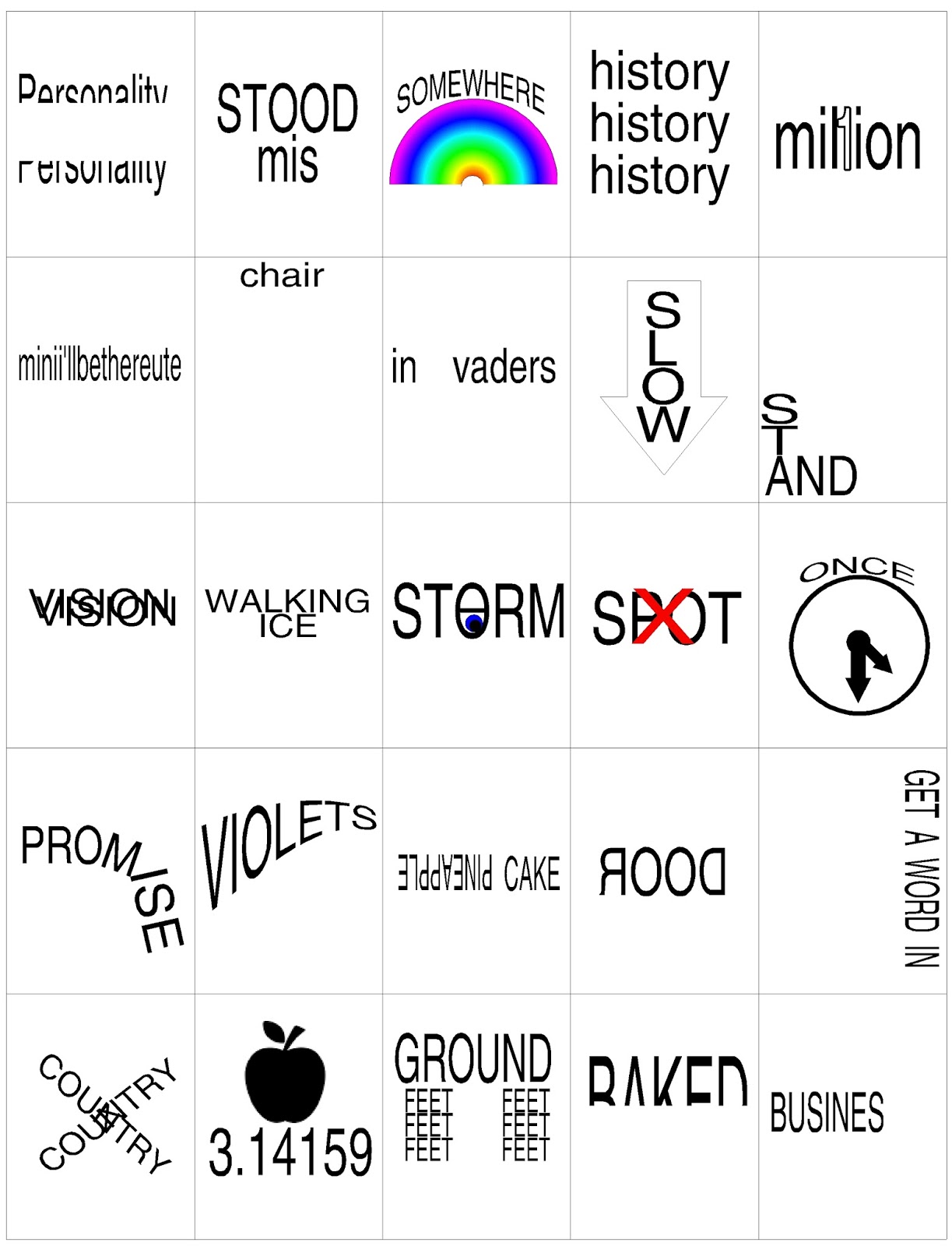
I said CAPS…not cat! The game today is brain teasers! The pictures below represent a word or phrase. For example, the uppermost left square answer would be SPLIT PERSONALITY. See how many you can puzzle out!

SO…how did you do??

Christmas in July? Invention of Christmas Tree Lights

Shall we harken back to 1879, the year of Edison’s light bulb patent? He liked to demonstrate the magic of his new creation and entice investors with it every chance that he got. His bulbs always garnered widespread excitement with plenty of “Oohs” and “Ahhs.” That Christmas was no different, when he decorated his Menlo Park lab with his new lights, bringing spectators from near and far to see the winter magic. Inside or out, nothing adds more of a magical accent to the Holidays than bright, colorful and soothing lights.

Before electric Christmas lights, families would use candles to light up their Christmas trees. This practice was often dangerous and led to many home fires. Edward H. Johnson put the very first string of electric Christmas tree lights together in 1882. Johnson, Edison’s friend and partner in the Edison’s Illumination Company, hand-wired 80 red, white and blue light bulbs and wound them around his Christmas tree. Not only was the tree illuminated with electricity, it also revolved on a base!

The Johnson’s illuminated and revolving tree of the future
Vintage string of Christmas tree lights on display at the Thomas Edison National Historical Park in West Orange, JN

Christmas lights were not mass-produced until 1902, when General Electric, a company founded by Edison in the 1880’s, brought the holiday lights to select consumers. The lights were quite expensive and not available to the mass market until a few decades later. Advertisements that boasted a safer and odorless way to decorate for the holidays stimulated sales for the lights.

Vintage advertisement for Thomas Edison’s Christmas Lights

To this day, a large Christmas tree shines bright in the Thomas Edison’s Glenmont mansion in New Jersey every Holiday Season, which is now decorated by park rangers.

Thomas Edison’s Christmas tree in 2018 vs. circa 1920

Mrs. Edison’s touch was everywhere during the Holidays, with her special Christmas trees set up in the conservatory for her house workers to enjoy. A favorite was the Swedish candle box tree. Many decorations were lovingly placed around the house…and of course a formal printed menu for the big dinner she held every year for family and friends, usually totaling 30 people! That and her husband’s Christmas lights made it all the more memorable.

Birthstones and Their Meanings

According to the The Almanac, the birthstones we associate with certain months now are not necessarily the same ones as those used centuries ago. Originally, they related to the 12 gemstones appearing on the breastplate of the High Priest of the Isrealites described in the Book of Exodus.

Color was once the most important feature of a stone, which meant that there was no significant difference in meaning between a ruby and a garnet, for example. And the names used in the past may not relate to the stone we think of with that name today either. For example, a sapphire was probably what we know today a lapis and diamonds were most likely white sapphires or white topaz. The wearing of birthstones is thought to bring good luck, good health, and protection and astrologers long ago attributed supernatural powers to certain gemstones.

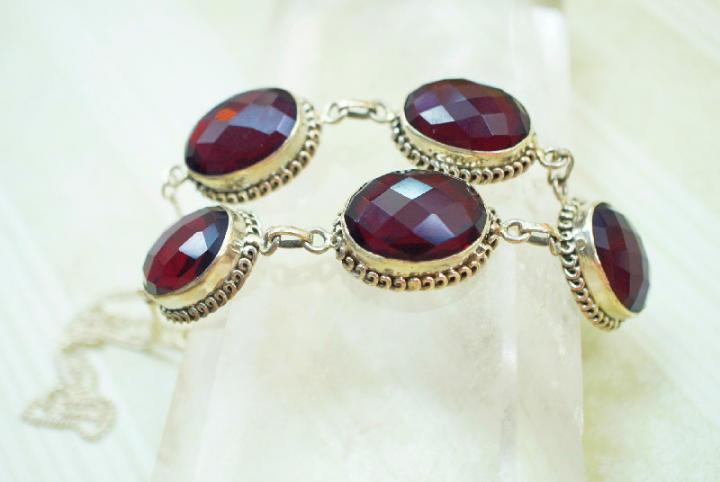
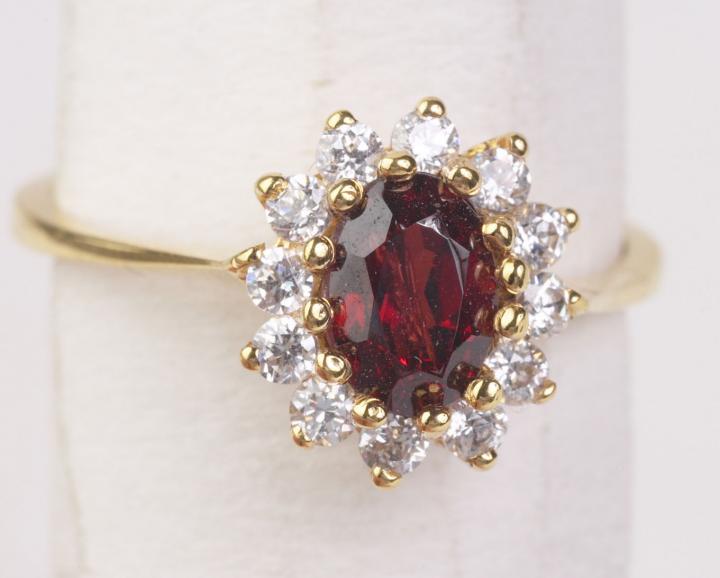
JANUARY: GARNET

The garnet is thought to keep the wearer safe during travel. The word “garnet” is derived from a term that means “seed,” because the gem resembles the color and shape of a pomegranate seed.

FEBRUARY: AMETHYST

Amethysts are said to strengthen relationships and give their wearers courage. At one time, only royalty could wear the gem. Ancient Greeks thought that the amethyst guarded against intoxication. In fact, “amethyst” comes from amethystos, a Greek word meaning “sober.”

MARCH: AQUAMARINE

The aquamarine was thought to cure heart, liver, and stomach diseases—all one had to do was drink the water in which the gem had been soaking. Early sailors believed that aquamarine talismans, etched with the likeness of the sea god Neptune, protected them against ocean dangers.

APRIL: DIAMOND

The April birthstone, the diamond, in addition to being a symbol of everlasting love, was once thought to bring courage. In Sanskrit, the diamond is called vajra, which also means lightning; in Hindu mythology, vajra was the weapon of Indra, the king of gods.

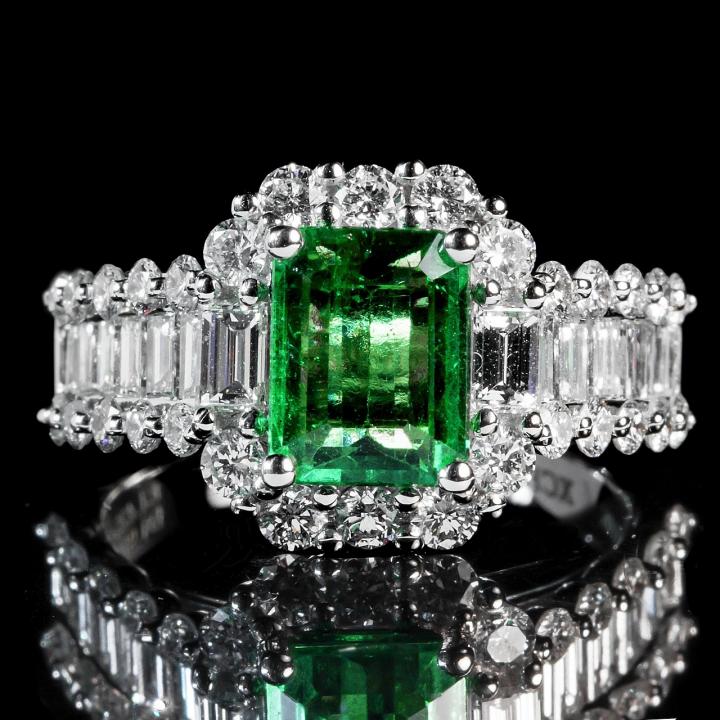
MAY: EMERALD

The emerald, was one of Cleopatra’s favorite gems. It has long been associated with fertility, rebirth, and love. Ancient Romans went so far as to dedicate this stone to Venus, the goddess of love and beauty. Today, it is thought that emeralds signify wisdom, growth, and patience.

JUNE: PEARL

The June birthstone,the pearl, has long been a symbol of purity. The ancient Greeks believed that pearls were the hardened tears of joy from Aphrodite, the goddess of love.

JULY: RUBY

The ruby, was regarded by ancient Hindus as the “king of gems.” It was believed to protect its wearer from evil. Today, the ruby’s deep-red color signifies love and passion.

AUGUST: PERIDOT

The August birthstone, the peridot, symbolizes strength. It is sometimes called the “evening emerald” for its light green color. It was once believed that the green peridot crystals found in volcanic ashes were the tears of the volcano goddess, Pele. When set in gold, this gem was said to protect the wearer from nightmares.

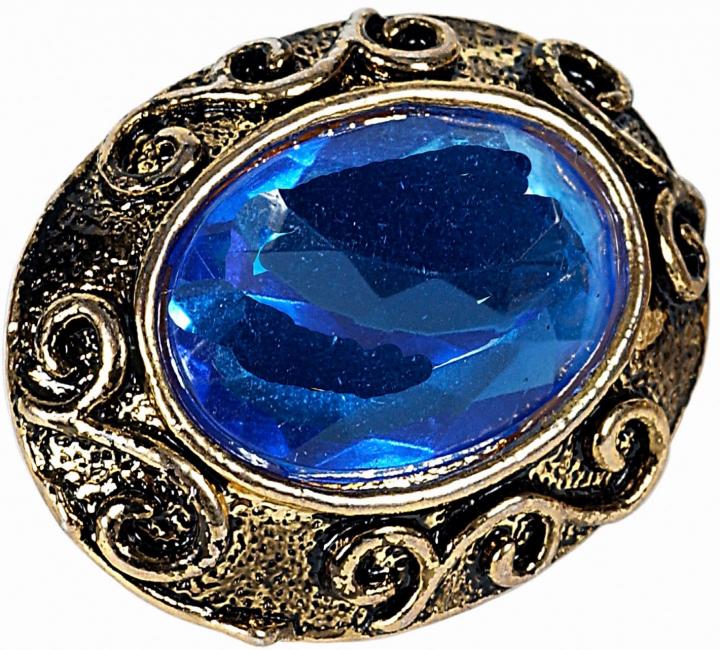
SEPTEMBER: SAPPHIRE

The sapphire was once thought to guard against evil and poisoning. It was believed that a venomous snake would die if placed in a vessel made of sapphire. Traditionally a favorite stone of priests and kings, the sapphire symbolizes purity and wisdom.

OCTOBER: OPAL

The October birthstone, the opal, symbolizes faithfulness and confidence. The word comes from the Latin opalus, meaning “precious jewel.” Necklaces with opals set in them were worn to repel evil and to protect eyesight.

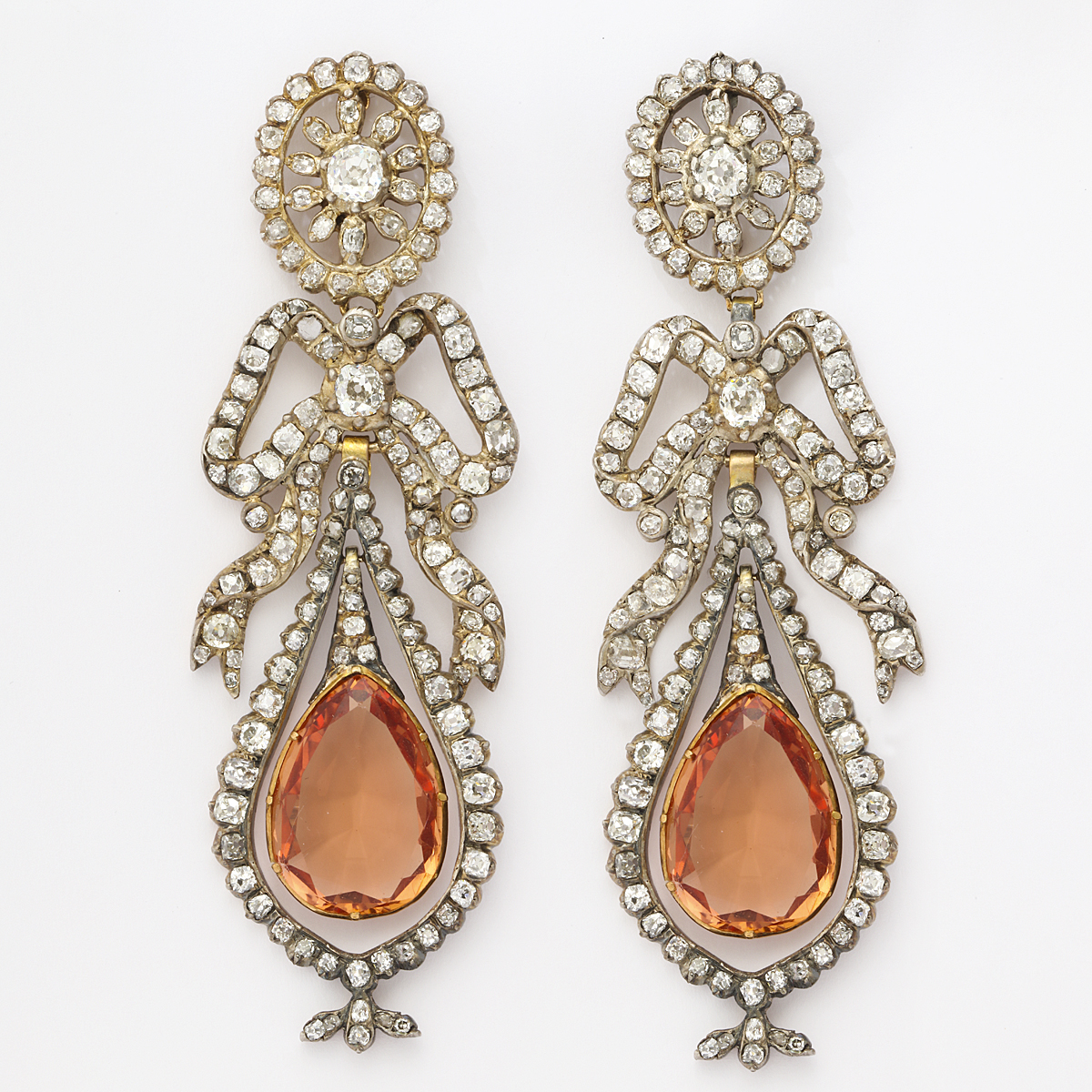
NOVEMBER: TOPAZ

The November birthstone, topaz, symbolizes love and affection. It is believed to give the wearer increased strength and intellect.

DECEMBER: TURQUOISE

The December birthstone, turquoise, is regarded as a love charm. It is also a symbol of good fortune and success, and it is believed to relax the mind and to protect its wearer from harm. Turquoise rings, in particular, are thought to keep away evil spirits.

Source: almanac.com

What Shall We Bake Today?

Today we’re going to make carrot cake! I like this recipe because it uses a cake mix, genuine carrots and chopped nuts!

Carrot Cake

1 package yellow cake mix (I like Duncan Hines Moist Deluxe)

4 eggs

1/2 cup crisco oil

3 cups grated carrots

1 cup finely chopped walnuts (pecans also work in this recipe)

2 tsp ground cinnamon

Preheat oven to 350*. Grease and flour 2 8-inch cake pans. Combine cake mix, eggs, oil, carrots, nuts and cinnamon in a large bowl. Beat at low speed until moistened, then for 2 minutes beat on medium speed. Pour into pans. Bake at 350* for 35-40 minutes. Cool in pans for 10 minutes, then turn out onto wax paper lined plates. When completely cooled, frost. I have included a recipe for cream cheese frosting which I do not use because I don’t like cream cheese frosting…LOL

Cream Cheese Frosting

1 8-ounce package cream cheese, softened

1/4 cup butter, softened

2 tsp vanilla

4 cups confectioners sugar

Place cream cheese, butter and vanilla in a large bowl. Beat at low speed until smooth and creamy. Add confectioners sugar gradually, beating until smooth. (If the frosting needs to be thickened, add more confectoners sugar. If it needs to be thinned, add a little milk. ) Fill and frost the cooled cake. Garnish with additional chopped nuts if desired. Enjoy!

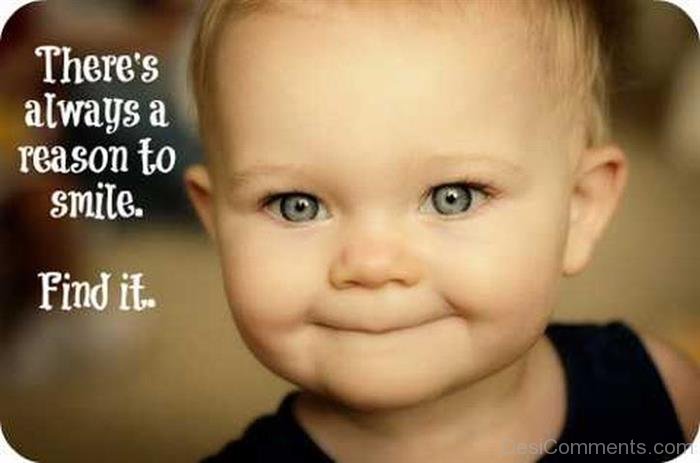
SMILE

In today’s ever depressing world, finding a reason to smile might seem futile, but smiling provides a lot of great benefits for the body and soul!

Smiling Helps You Live Longer

Perhaps the most compelling reason to smile is that it may lengthen your overall lifespan. One 2010 study found that genuine, intense smiling is associated with longer life. Overall, happy people seem to enjoy better health and longevity, though more research is needed to understand why that is. Research does suggest that happiness could increase lifespan by years—suggesting maintaining a happy, positive mood may be an important part of living a healthy lifestyle.

Smiling Relieves Stress

Stress can permeate our entire being, and it can really show up in our faces. Smiling not only helps to prevent us from looking tired, worn down, and overwhelmed but it can actually help decrease stress. Believe it or not, smiling can reduce stress even if you don’t feel like smiling or even if you fake it with a smile that isn’t genuine. When you are stressed, take the time to put on a smile. You and those around you will reap the benefits.

Smiling Elevates Mood

Next time you are feeling down, try putting on a smile. There’s a good chance your mood will change for the better. The physical act of smiling actually activates pathways in your brain that influence your emotional state—meaning that by adopting a happy facial expression, you can “trick” your mind into entering a state of happiness. This holds true whether or not your smile is real. A simple smile can trigger the release of neuropeptides that improve your neural communication, as well as neurotransmitters like dopamine and serotonin, which can boost your mood. Think of smiling like a natural antidepressant.

Smiling Is Contagious

How many times have you heard that a smile has the power to light up the room? While it is certainly a beautiful sentiment, it carries a hint of truth. Smiling not only has the ability to elevate your mood, but it can also change the moods of others for the better. Your brain automatically notices and interprets other people’s facial expressions—and sometimes, you may even mimic them. That means that you might spot someone else’s smile and unconsciously smile yourself. Yes, it is scientifically proven that smiles are contagious.

Smiling Boosts the Immune System

Smiling can also boost your overall health by helping your immune system to function more effectively. It is thought that when you smile, immune function improves because you are more relaxed (thanks to the release of certain neurotransmitters). Whether you’re trying to maintain your overall health or strengthen your immune system ahead of cold and flu season, smiling may help.

Smiling May Lower Blood Pressure

Smiling could have a beneficial impact on your blood pressure. Laughter specifically seems to lower blood pressure, after causing an initial increase in heart rate and breathing. While smiling has been shown to lower your heart rate in the face of stress, more research is needed to determine exactly how it reduces blood pressure. You can try testing this idea for yourself if you have a blood pressure monitor at home. Sit for a few minutes and take a reading. Then smile for a minute and take another reading while still smiling. Do you notice a difference?

Smiling Reduces Pain

Studies have shown that smiling releases endorphins, other natural painkillers, and serotonin. Together, these brain chemicals make us feel good from head to toe. Not only do they elevate your mood, but they also relax your body and reduce physical pain. Smiling is a natural drug.

Smiling Makes You Attractive

We are naturally drawn to people who smile. While more severe or negative facial expressions like frowns, scowls, and grimaces work in the opposite manner, effectively pushing people away, smiling is seen as more attractive—and people may even assume you have more positive personality traits if you’re smiling. Not only can smiling make you more attractive, but it can also make you look more youthful. The muscles we use to smile also lift the face, making a person appear younger. So instead of opting for a facelift, just try smiling your way through the day—you’ll look younger and feel better.

Smiling Suggests Success

Research has shown that people who smile regularly appear more confident, are more likely to be promoted, and are more likely to be approached. Try putting on a smile at meetings and business appointments. You might find that people react to you differently.

Smiling Helps You Stay Positive

Try this test: Smile. Now try to think of something negative without losing the smile. It’s hard, isn’t it? Smiling can influence your feelings of positivity, even if it feels unnatural or forced. Regardless of whether or not your smile is genuine, it still sends the message that “Life is good!” to your brain and, ultimately, the rest of your body.

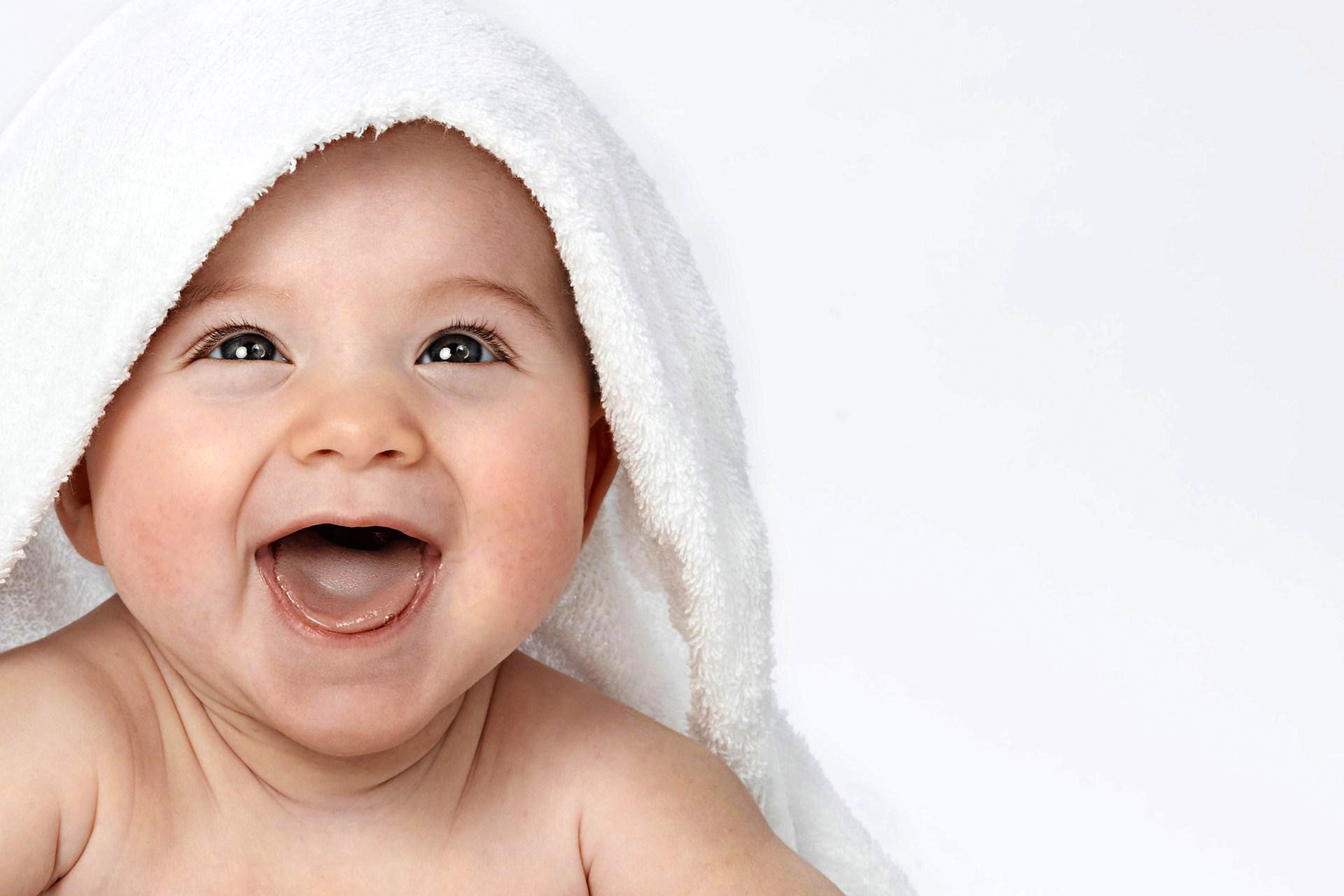
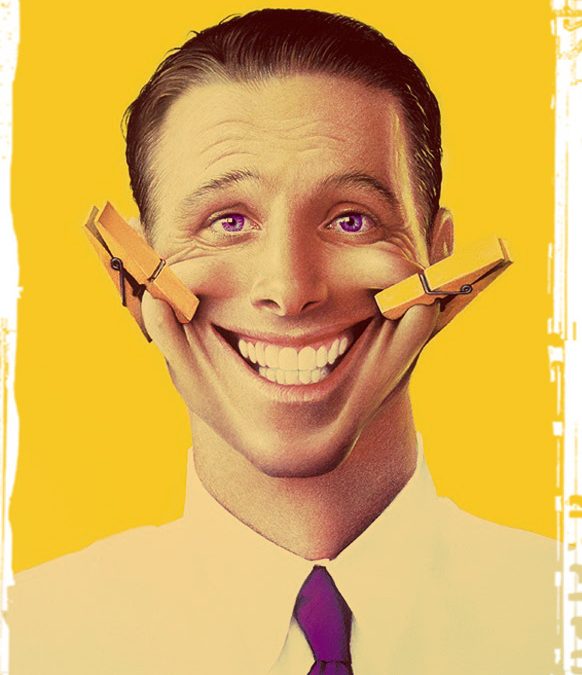
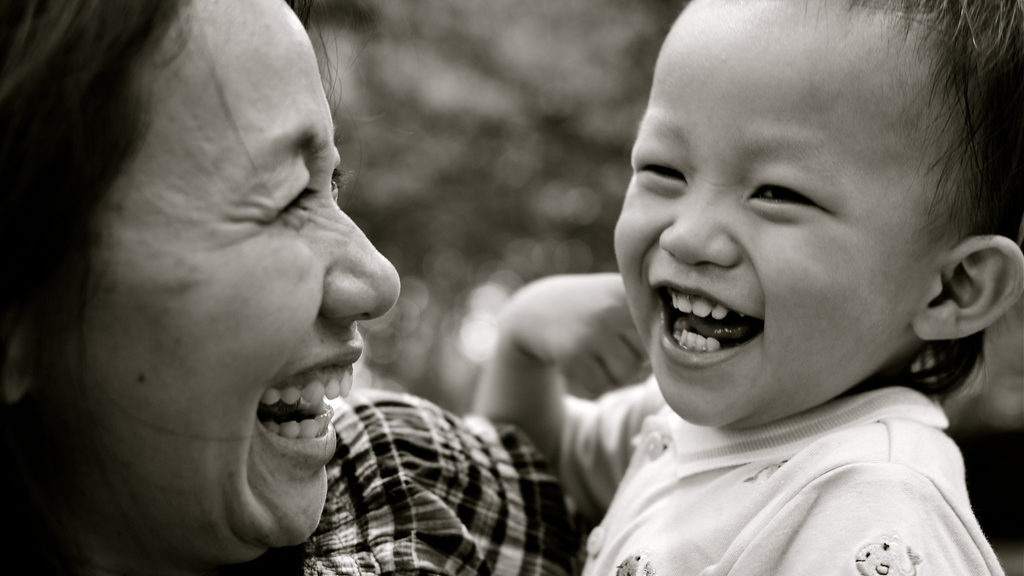
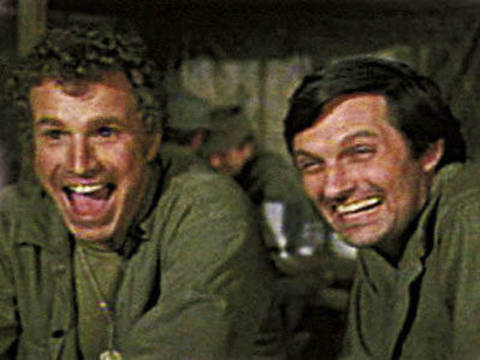
Some parting pictures to help you along with your smile today…

Source: verywellmind.com: 10 Big Benefits of Smiling

THE MOON RANG LIKE A BELL

Though the Apollo lunar modules were built for the sole purpose of landing two men on the surface of the Moon, their usefulness didn’t end after ascending from the lunar surface. While on the moon, the astronauts placed seismic censors and NASA used the spent spacecraft for science, directing these modules for controlled crashed into the Moon. These crashes caused moonquakes, and scientists measured the vibrations moving through the Moon and found it rings like a bell.

Astronaut Bean, Apollo 12

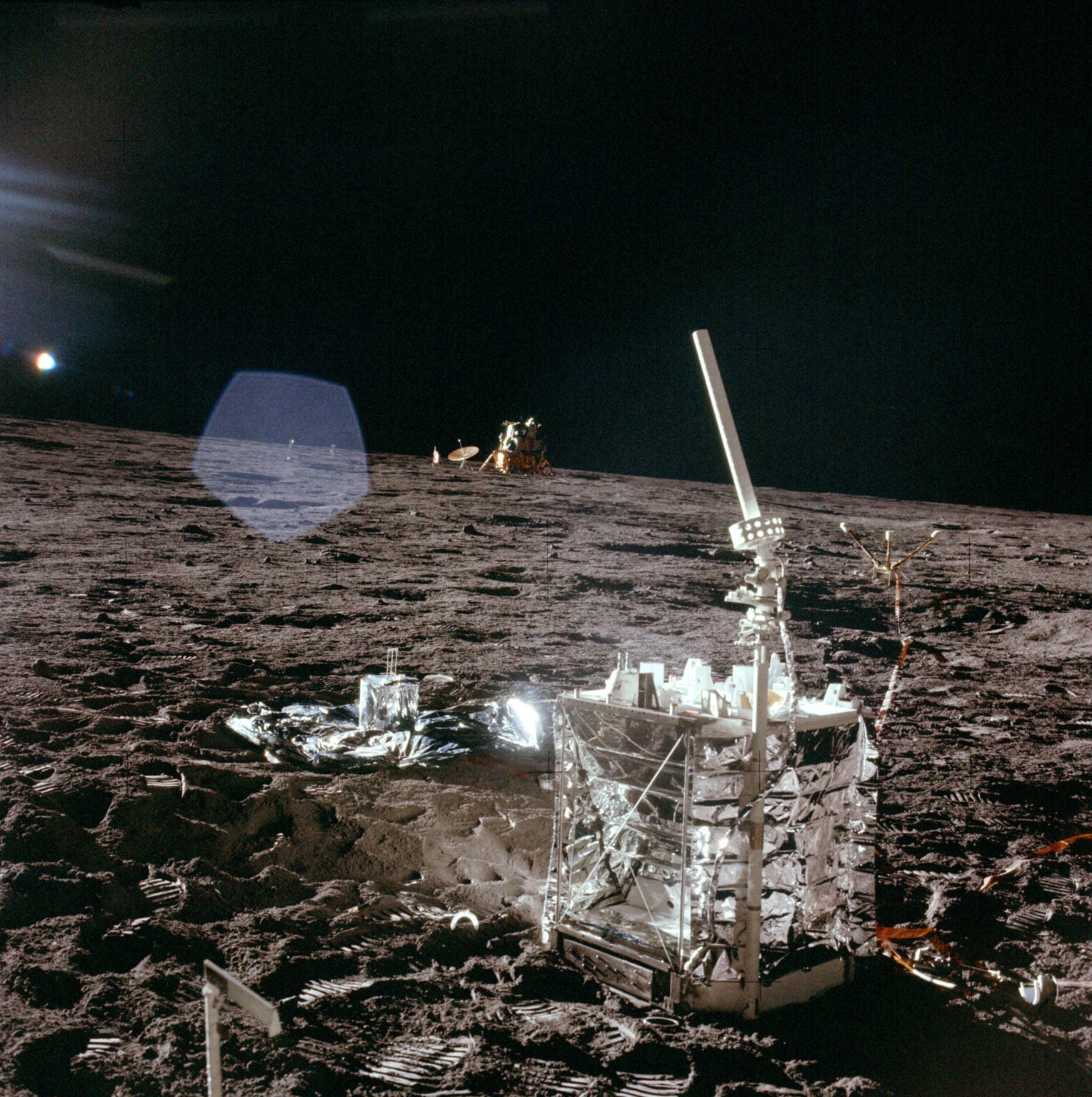
The real goal of the seismic experiments was to figure out the Moon’s internal structure. Measuring how long the reverberations last, how powerful they are, and how big the waves get can reveal what the Moon is made of. Remote seismic stations were instrumental in this investigation, and they were deployed as part of the Apollo Lunar Surface Experiment Packages that astronauts set up on the Moon on Apollos 12, 14, 15, and 16; different versions were deployed on Apollos 11 and 17.

From when they were first set up to when they were remotely shut down in 1977, these ALSEPs recorded all kinds of seismic activity. The data was sent back to receiving stations on Earth where the signal was magnified by 10 million so scientists could interpret the signal.

Apollo 12’s ALSEP on the lunar surface

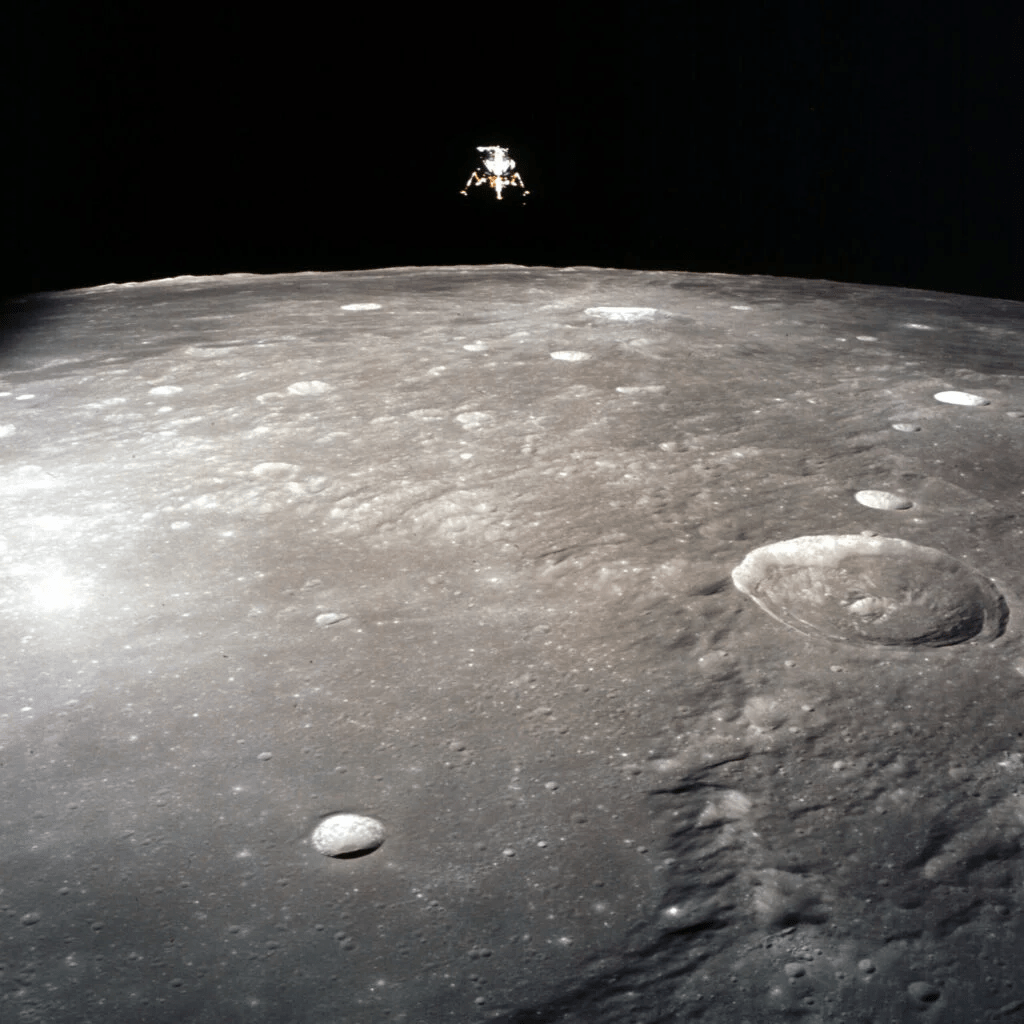
But something interesting happened on Apollo 12. After Pete Conrad and Al Bean landed at the Ocean of Storms on November 14, 1969, they left the lunar surface 142 hours into the flight. Eight hours later, they were reunited with Dick Gordon in the command module and sent their spent lunar module back to the Moon. It impacted about 40 miles away from the Apollo 12 landing site with the force of one ton of TNT. The resulting shockwave built up and peaked in just eight minutes. Then it took an hour to fully dissipate.

Simulation

Something similar happened on Apollo 13. The S-IVB impacted the Moon 85 miles from Apollo 12’s ALSEP — CMP Jack Swigert joked at the time that it was the only thing on that mission to go right. It hit with the force of 11 and a half tons of TNT. This translated to a seismic impact peaked after seven minute with shockwaves 30 times greater and four times longer than those from Apollo 12’s LM impact.

The vibrations from these two impacts lasted longer than scientists expected, far longer than any equivalent vibrations last on Earth. It was almost as if the Moon was ringing like a bell. This strange result forced scientists to think differently about the Moon and its composition.

The crater left by Apollo 13’s S-IVB impact.

It turns out that these impacts were characteristic of one of four types of moonquakes scientists studied from ALSEP data. Some moonquakes originate deep below the surface because of lunar tides, some are thermal quakes caused by the Sun thawing the frozen surface at the start of a new lunar day, and others are caused by impacting meteors. The fourth kind of moonquake is a shallow moonquake occurring roughly a couple of tens of miles below the surface. The lunar module and S-IVB both produced this kind of vibration, and these are the most violent types of moonquakes.

Between 1972 and 1977, scientists recorded 28 shallow moonquakes registering as high as 5.5 on the Richter scale. On Earth, that will move heavy furniture and crack plaster, but the vibrations usually die down in a matter of minutes.

It all comes down to water. There’s moisture in the materials that makes up our planet, expanding their structure. As energy from an earthquake moves through our planet, that damp material acts like a sponge, absorbing the energy of the waves and ultimately deadening their effects. But the Moon is dry, cool, and rigid, more like a solid rock than a sponge. So even if a moonquake is less intense, there’s nothing to deaden the vibrations. They just go back and forth through the body until the solid stone eventually stops them. The “ringing bell” is the shock waves reverberating through that stone.

The Taco Distraction

These days we are being bombarded on all sides with terrible news.  Gas prices are out of control…

food prices are on the rise…

unexplained deaths by healthy, young people are climbing…

our military is woke and laughable…

and our climate is “changing”.

These are all issues exacerbated by democrat policies.  The left is implementing countrywide changes to destroy America from within.  They are fomenting division among her people, creating lopsided mandates and regulations that they themselves are not ruled by and increasing the gap between the working class (us) and the ruling class (them)—a redistribution of our wealth to their greed.

To this end, they have authorized the leaks of Hunter Biden’s devices, Ashley’s diary, Joe’s stupidity, and Jill’s insensitivities.  These are all DISTRACTIONS…carefully released and choreographed to draw attention from the “works” of a democrat majority Congress and a shadow presidency. 

Joe and his family are simply toss-aways.  They had their usefulness—scapegoats or puppets if you wish—but their demise has been carefully scripted and planned. To think that Hunter’s laptop or phone, or Ahsley’s diary “happened” to fall into hands of the “good guys” is laughable.  Similarly, Joe’s dementia has also been “handled”—from the basement to AF1’s stairs—with gaffes and slips coming more frequently as we near the midterms. And as for Jill, what First Lady doesn’t have stylists, advisors, and speech writers to help her project a dignified image to the world?

Do not look away.  Do not be distracted.  Do not lose focus. Watch what happens in the background when the fools appear.