Pink Fairy Armadillo

The pink color of their shell is due to a network of blood vessels underneath, which can be seen through the armor.

This is what gives the pink fairy armadillo shell its pink or pale-rose appearance.

The armored shell contains 24 bands that allow the pink fairy armadillo to curl up into a ball to protect its vulnerable soft underbelly.

While its shell is much softer than and more flexible than other armadillos, it still acts as armor.
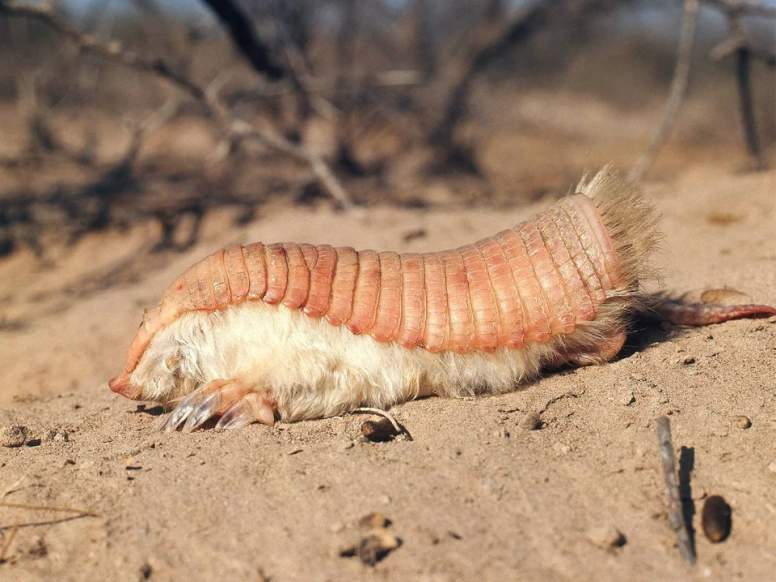
Of all armadillo species, the pink fairy armadillo is the only one whose dorsal shell is totally separate from its body.

It is connected to the body with only a thin membrane, which runs right along its spine.

Scientists believe the pink fairy armadillo shell helps with thermoregulation.

Since its blood vessels are so close to the surface, the armadillo can control the amount of surface area is exposed to the environment to gain or lose heat.

The pink fairy armadillo shell can change color.

This is dependent on the environment and thermoregulation of the armadillo. Irrigation of the blood can increase into carapace of the shell to help lose heat and increase the ‘pink’ appearance. Conversely, it can drain blood from out of the shell to retain body heat which makes the shell color paler.

It’s equipped with two massive sets of claws on its front and hind legs.

They serve as tools to assist with quickly digging burrows in compacted soil. A very rare video below captures a pink fairy armadillo doing what pink fairy armadillos do best: digging.

The pink fairy armadillo has earned an unusual nickname the ‘sand-swimmer’.

It was long presumed by biologists that they could ‘swim’ through sand like a fish swimming in a body of water. However, that is a myth, the pink fairy armadillo actually digs through sand using their claws.

The posterior portion of their shell, known as the ‘butt plate’ – is flattened, so that it can compress dirt behind it as its digging.

It does so to close the burrow behind it, and create more open space in front so it can breathe. Mariella Superina a biologist managed to capture this behavior in a video below.

The claws of the Pink Fairy Armadillo make it hard to walk on hard surfaces.

Because of the size of the digging claws, which are actually large in comparison to the scale of the animal, they make walking on anything other than sand and soft surfaces very difficult.

Pink fairy armadillos are extremely sensitive to changes in environmental conditions and stress resulting from it can be devastating.

As they are classified as subterranean armadillos, any form of environmental change can have an impact on them including extreme changes in temperature or soil quality.

The desert-adapted characteristics of the pink fairy armadillo severely limits the type of habitat it can occupy.

In order for these mammals to survive, they require undisturbed regions that contain enough compact sand and hiding places for protection from elements and predators.

As a fossorial generalist insectivore, the pink fairy armadillo has a primary diet which is easily and quickly supplemented when required.

Ants and larvae that are located underground make up the main diet for this mammal and in instances when these food sources do not exist, the pink fairy armadillo will turn to plant leaves and roots.

With very small eyes, the pink fairy armadillo finds its way around in a unique manner that does not require vision.

The navigation skills of this animal come directly from touch and hearing.

The body of the pink fairy armadillo has a great deal to do with how it is able to move underground.
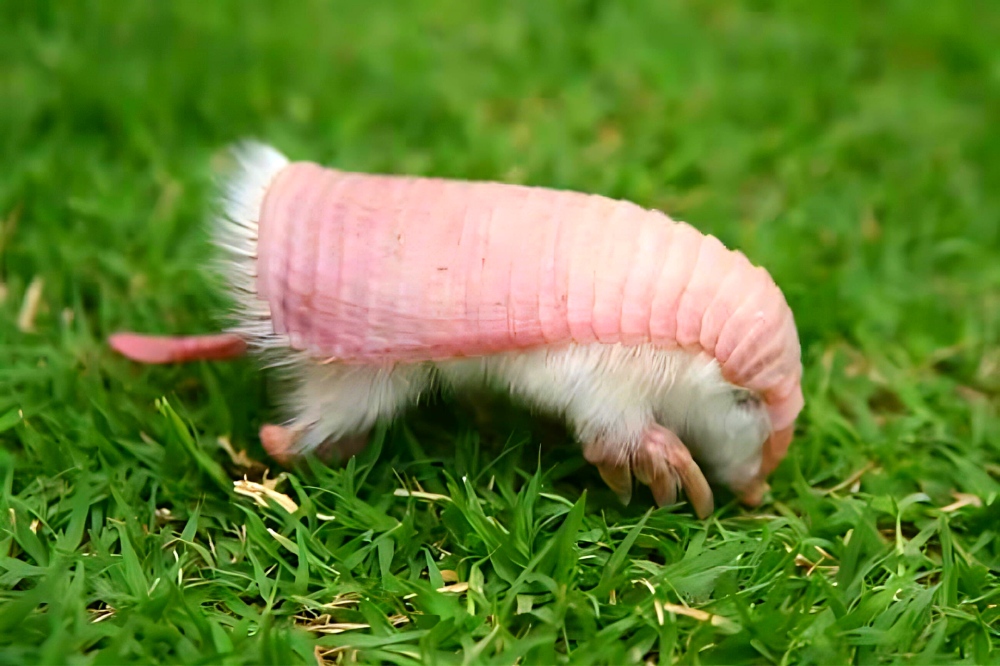
It has a torpedo-shape which reduces the amount of drag when burrowing underground.The tail of the pink fairy armadillo is more than just an appendage that hangs from the rear of the body.Because it is thick and hairless, the tail is used for balance and stability when all other limbs are being used for other tasks.Rain presents life-threatening risks to the pink fairy armadillo.Because it lives in burrows, during heavy rain the armadillo will vacate the underground to avoid being drowned. Plus, if it gets its fur wet, the pink fairy armadillo can’t properly thermoregulate and may develop hypothermia in the cooler hours overnight.

Oddly enough, on the black market, many of these mammals have been sold as pets. However, their low survival rate in captivity has greatly impacted that practice.

Climate change could virtually eliminate the entire pink fairy population.

Because they have very little body fat and a low metabolism rate, cold temperatures could result in the extinction of this animal. Habitat loss it already contributing to a decline in population.

Farming presents two very different risks to the pink fairy armadillo population.

In addition to farmland destroying burrows, the use of pesticide can impact the mammal. The pesticides adhere to the bodies of ants and as ants are one food source for the pink fairy armadillo, the more one ingests, the sicker it can get.

Hunters have also contributed to the decline in pink fairy armadillo population.

Pink fairy armadillos have been harvested for consumption for decades. The fact that they have a taste and texture that has been compared to pork has added to the endangerment.

They are so rare, nobody really knows their conservation status and whether they are an endangered species.

Mariella Superina a biologist for National Scientific and Technical Research Council of Argentina’s Conservation has been trying to assess their risk of extinction and in 13 years of field work has never seen a pink fairy armadillo in the wild. She has only seen tracks, which stop suddenly, and appear to be where the armadillo has disappeared underground.

Multitasking & Monkey Wrenches

If you want something done, ask a busy person.  I found this statement to true almost all the time. 

In order to take advantage of college grant money available only to full time students, I went to evening college four nights a week. (Full disclaimer: my first semester, I was not allowed to be full time—I had to prove myself. I took 3 classes, paid for them myself and aced them.  I was then permitted to go four nights a week.)

My son and I were living with my parents and my mom watched him during the days until a daycare opening became available.  So, I had to find babysitters for him 3 nights a week (Mom would do it one night).  I made weekends as special as possible and I made my son a promise that as soon as I graduated, we would go to Disney in Florida. (This was over 35 years ago, mind you.)

Time passed.  I worked full time days, went to classes 4 night a week and spent weekends pouring over brochures with my son mapping out our week in Florida.  Then, in my last summer session, my son asked me to invite Jenny’s Dad to his birthday party.  I asked about her mom too, but my son said no!  I did as he wished and got a call a few nights later from Jenny’s Dad asking me what my son wanted for his birthday.  We started talking and comparing exes and we laughed and laughed.  Then he asked me out…

Three months later we were engaged and planning a June wedding.

Over my Christmas break, we booked the Chapel at my college, the reception hall, the caterer, the DJ, and met with the Priest.  Since by that time, my first husband had passed away, I was free to remarry in the Catholic faith.  Hubby, however, was not Catholic, but his first wife was.

 He would need to annul his first marriage…

Fortunately, they were not married in a Catholic church and his ex-wife was eager to remarry herself, so she agreed.  We would still need to attend “marriage classes” and they were on Saturdays.  Could I fit more into my jam-packed schedule??

When my final semester approached, I was studying at work—reciting my notes while I sewed, amusing the Syrian women on either side of me who didn’t understand a word of what I was saying.

Weekends were a whirlwind—marriage classes, shopping for dresses for the bridal party and my mom, spending time with the kids, and solidifying our travel plans to Florida—a promise is a promise!

My own search for a wedding dress was fruitless.  My parents adored my prospective second husband and wanted to pay for at least my dress (we were paying for everything else), but every dress was soooo expensive.  I decided to make my own.

For about $60 in fabric, lace and trims, I would have the dress I wanted.  I just had to find the time to make it!

May finally came and I took my finals. They were a breeze. (Yeah, I’m bragging, sue me…lol)

Next up was the trip to Disney with my son, and HIS first plane ride. At the airport we were told our commuter flight to Philly was canceled but they could get us on another one—but we couldn’t sit together!

This plane was a puddle jumper and only had a few rows of 3 seats.  The only remaining seats were in the middle of two rows, one behind the other.  I asked everyone around us if they would move so we could sit together but no one wanted to do that…so I slid my arm between the seats and held his hand throughout the entire (blessedly short) flight. We sat next to each other on the larger plane to Florida and we had a blast in Disney.

When we got back to PA, it was the end of May and I was looking forward to starting, yep, STARTING my wedding gown.  Mother Nature had other plans.

I caught bronchial pneumonia.  It left me drained, and most evenings all I wanted to do was sleep.  It took two weeks for me to finish a rough version of the wedding gown.  (I decided to use cheaper fabric to make a “practice” dress—fitting it and changing it before using my intended fabric.)  I was still working during the week and the weekends were filled with bridal showers, assembling centerpieces and favors and still blending our soon-to-be-family.

Finally, our wedding day arrived with a surprise. 

One of the groomsmen brought a limo for us from the company he worked for.  We already had the bridal car decorated and my brother was our driver.  Then the groomsman told us HE alone was permitted to drive the limo. I told hubby to make the decision and after he smoothed things over with my brother, he decided to use the limo. 

After the wedding ceremony, we drove in the limo out to the Rose Garden for pictures.  On the way we discovered the air conditioning in this particular limo was not working in the BACK. 

After pictures in the hot sun, in a limo with no air in the back, I passed out. They decided to take me back to my parents’ house and brought out a glass of water, which they promptly threw in my face…

ruining my hair and make-up.  (It did, however, bring me to…LOL)

I attempted to get out of the limo—to fix my hair and make-up—but they told me we would be late for the reception. I said screw that…and fixed what I could.  We were indeed 20 minutes late to the reception, but I will never forget walking into that hall.  I smiled and sighed knowing all I had accomplished to get to this point.  Hubby gave me a tender kiss as the DJ announced…”for the first time anywhere, please welcome (Hubby) and PATRICK Frederick…”

Sigh…

Happy 32nd Anniversary Honey!

Japanese Spider Crab

Today I present Reason #5 on why I don’t go in the water: Things like THIS live there!

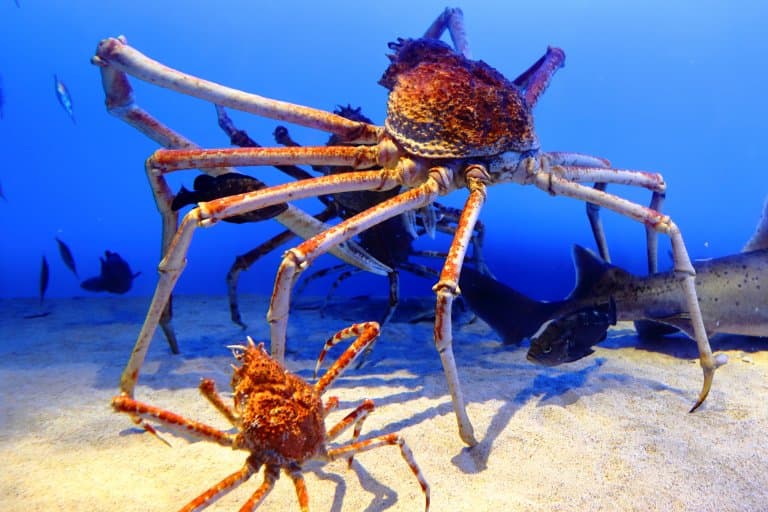
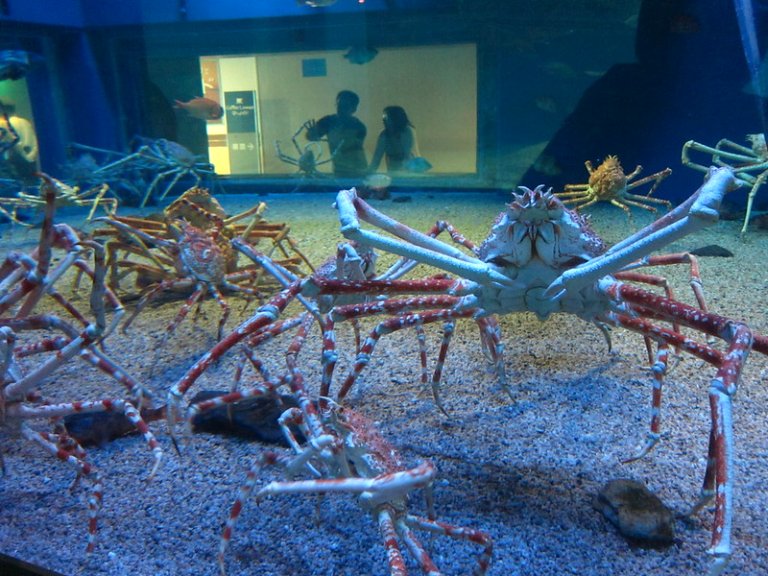
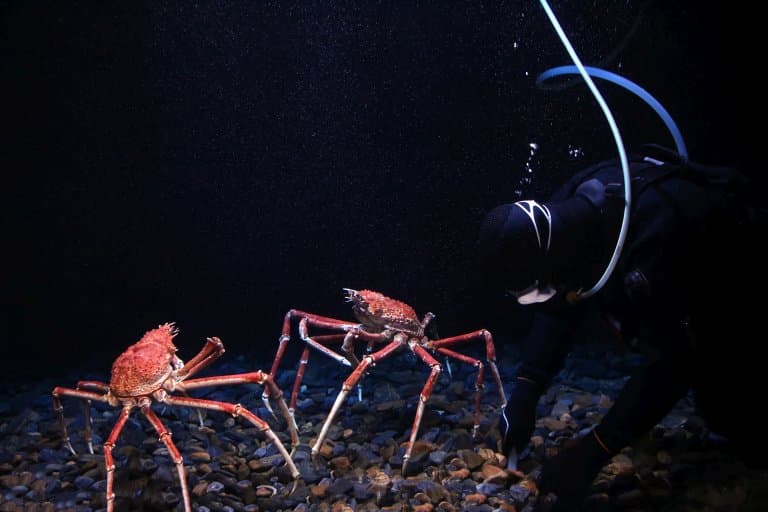
The Japanese spider crab is a giant crustacean that can grow up to 12.5 feet that is most commonly found on the Pacific side of Japan. At first glance, they look like ancient monsters that have crawled straight out of a sci-fi movie. However, in the marine community, they are known to be gentle giants. Understandably, their names are inspired by their resemblance to a well-known arachnid – spiders.

As a species of marine crab, these crabs are often found inhabiting holes and pits on the ocean floor between 160 – 2,000 feet in depth. Living at such deep depths and covered in a thorny protective exoskeleton, with 10 giant legs – these animals have few natural predators. They are omnivorous, and they diet on dead and decaying animals and plant matter on the sea bed. They may at times also eat live fish that come their way.

It has the largest leg-span out of all arthropods

They can have leg-spans wider than two full grown men. These long legs are covered in small spikes which are also known as tubercles.

The Japanese spider crab legs can grow up to 12 feet! in length. The largest ever caught was named ‘Crabzilla’, which was over 12 feet across and caught in the Pacific Ocean in 2019. It was exhibited at the Scheveningen Sea Life center in The Hague, Netherlands before moving to Paris.

Males are typically bigger and armed with larger claws

Males have larger claws, called chelipeds, to fend off predators and opposing crabs.  Females tend to have wider and rounder bodies to house their eggs.

They are scavengers

Japanese spider crabs are scavengers and often do not actively hunt for prey. They prefer to scour the ocean floor for dead animals or plants.

In Japan, they are considered to be a culinary delicacy

The savory meat contained in the long legs of Japanese spider crabs are enjoyed by many in Japan. During breeding season, fishing is prohibited so that an adequate number of crabs can be maintained in the ecosystem.

Japanese spider crabs like to dress up

This species belongs to a group of crabs termed “decorator crabs” which have been observed decorating their shells with sponges, plants, and anemones.  This ornamentation allows them to camouflage and blend in with their environment, protecting them from predators and other threats.

Their legs can regenerate

Due to their length and spiny attachments, the legs of Japanese spider crabs may get torn off when caught in fishing nets or by predators. These limbs can regrow when the crab goes through a molting cycle.

They can lay up to 1.5m eggs at a time!

However, only a few survive to hatch. Those that do survive hatch approximately 10 days after and are approximately 0.03 inches in size.

They go through a larval stage

Japanese spider crabs go through a larval stage after hatching and before maturing into adults. In this phase, they do not appear structurally similar to adults. They are transparent and legless.

There is a limit as to how large their bodies can grow

The carapace, or hard upper shell, of Japanese spider crabs cap at a particular size once it reaches adulthood. Their legs, however, keep on growing and elongating.

They molt to grow

Like other crustaceans, Japanese spider crabs shed their exoskeletons—through a process called molting—as they grow. Enzymes and physical force help the crab separate from its shell. Immediately following, the soft vulnerable bodies of the crab are exposed and require about a week’s time to harden up again.

Females have “aprons”

Female Japanese crab abdomens have also been termed “aprons”. This area is where she carries her fertilized eggs. Fertilization is internal. Males insert a sperm packet into the female while their abdomens are in close proximity.

They mate and spawn in shallower waters

While adults tend to live at deeper depths (as low as 2,000 feet), Japanese spider crabs will migrate to shallower waters during their mating season which is normally between January and April.

They are gentle giants

Despite their intimidating and spiky appearance, these crabs are quite calm and slow in nature. They do not hunt and spend the majority of their time crawling around, searching for their next meal.

Their Japanese name translates to “long-legged crab”

The Japanese name for this species of crab is ‘taka-ashi-gani’, which translates into “long-legged crab”.

It may have the longest live span among crabs

Commonly known crabs—such as Dungeness crabs, king crabs, and snow crabs—live for several decades (between 10 to 30 years). Japanese spider crabs have been proposed to possess the longest lifespan of any crab—surviving for up to 100 years.

SOURCE: Fact Animal

Know-It-Alls: Trivia Tuesday

Today’s category is TELEVISION.

What are the names of the 2 old codgers who wisecrack from their box seats on The Muppet Show?

Where did Hawkeye Pierce (M*A*S*H) hail from?

What childhood word game was the inspiration for Wheel of Fortune?

What does “kemo sabe” mean (from The Lone Ranger)?

Which of the Golden Girls was the oldest (in real life)?

On Petticoat Junction, what were the names of the 3 girls?

On Andy Griffin, what did deputy sheriff Barney Fife keep in his shirt pocket?

What tv sex symbol appeared on The Dating Game and wasn’t chosen?

Remember all the hoopla in 1980 about who shot “Jr”?  Who did it?

What is the diameter of the famous Wheel of Fortune?

Who showed up disguised as a man at a stag Friars Club roast for Sid Caesar in 1983—and got through the entire evening undetected by any of the 2,200 male guests?

What popular tv series was originally supposed to be called The Alley Cats?

What company supplied all the numerous devices used by Wile E. Coyote?

What was Laverne’s favorite drink on the Laverne & Shirley show?

How many hours a day does the average person watch tv, according to Nielsen Media Research?

On tv game shows, what’s a “Bambie”?

Still thinking?

ANSWERS

Statler & Waldorf

Crab Apple Cove, Maine

Hangman

Trusty scout

Betty White

Billie Jo, Bobbie Jo, and Betty Jo

His one bullet

Tom Selleck

Ewing’s pregnant mistress—his sister-in-law Kristin Shepherd (Mary Frances Crosby)

Eight and a half feet

Phyllis Diller.  She attended as Phillip Downey.

 Charlie’s Angels

Acme

Milk and Pepsi

About 4 hours

A contestant who freezes in front of the camera—as in deer in the headlights.

How did you do?

Moonstone: June’s Third Birthstone

June’s third birthstone, moonstone, was named by the Roman natural historian Pliny, who wrote that moonstone’s shimmery appearance shifted with the phases of the moon.

The most common moonstone comes from the mineral adularia, named for an early mining site near Mt. Adular in Switzerland that supplied this gemstone. This site also birthed the term adularescence, which refers to the stone’s milky glow, like moonlight floating on water.

Moonstone is composed of microscopic layers of feldspar that scatter light to cause this billowy effect of adularescence. Thinner layers produce a bluish sheen, and thicker layers look white. Moonstone gems come in a range of colors spanning yellow, gray, green, blue, peach, and pink, sometimes displaying a star or cat’s eye.

The finest classical moonstones, colorlessly transparent with a blue shimmer, come from Sri Lanka. Since these sources of high-quality blue moonstones have essentially been mined out, prices have risen sharply.

Moonstones are also found in India, Australia, Myanmar, Madagascar, and the United States. Indian gemstones, which are brown, green, or orange in color, are more abundant and affordably priced than their classical blue counterparts.

This beautiful gemstone’s weakness is its relatively low hardness of 6 on the Mohs scale, making it prone to stress cracking and cleaving. Care is required with moonstone jewelry like rings or bracelets; so, sometimes brooches and pendants are preferred for long term durability.

Victoria Amazonica

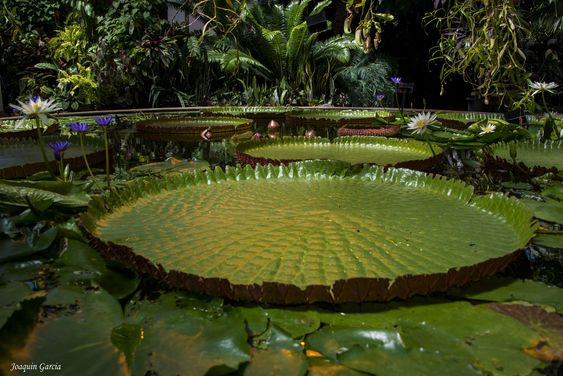
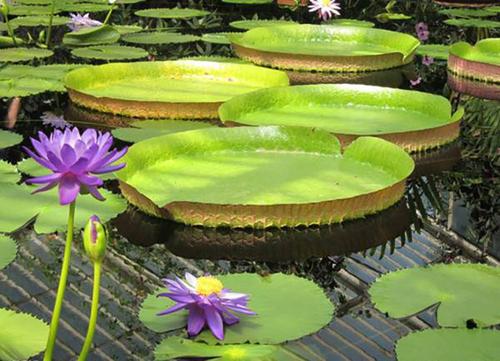
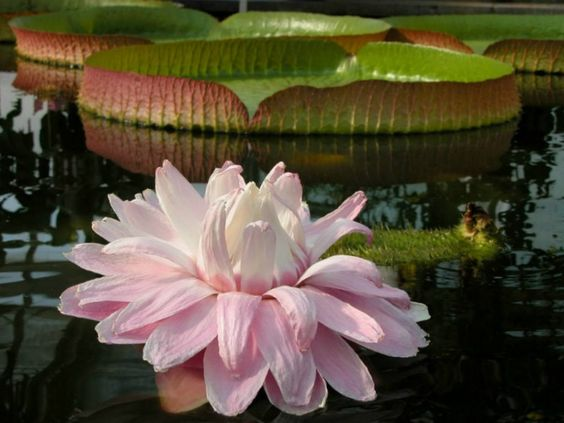
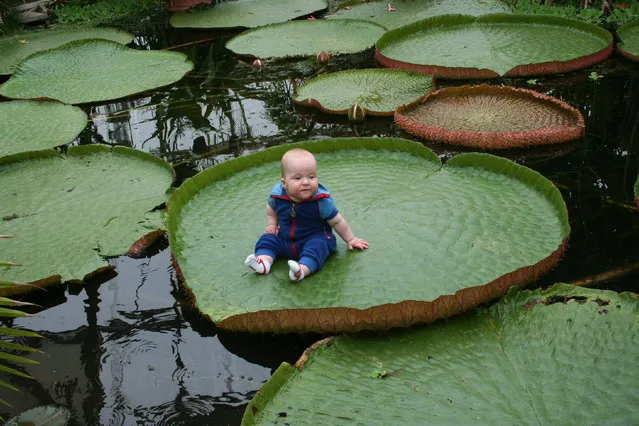
Victoria amazonica, or the giant water lily, is one of the largest water lilies in the family. The huge white to pink blooms on the lily pads, which may be up to 8 feet wide, are extremely fragrant and have a sweet, pineapple-like aroma on the first day of their two-day life cycle. 

The blooms only bloom for a few days, opening at night on the first day. At this stage, the flower petals are white, and beetles are drawn to the bloom’s color and aroma. The flower stops emitting the smell around dusk, and it closes, keeping the beetles inside.

Victoria amazonica: Features

Leaves

It has spherical, upward-facing leaves. The leaf floats on the water’s surface, and it is supported by a ribbed underside that is attached to a stalk that is submerged. The stalks, which may grow to a maximum length of 26 feet, naturally bury themselves in the lake or river bottom. This plant may grow up to 20 inches per day and has a high rate of growth. The bottom is shielded from herbivorous fish by the sharp spines, while the upper surface is water-repellent. On the underside, air gets caught between the ribs, keeping it aloft.

Pollination

When a flower opens for the first time at night, the plant uses its perfume to draw beetles, which then pollinate the blossom. The following day, the flower will close, trapping the insects. Then, the second day’s blossoms will have opened up enough for the beetle to escape during the evening. As it passes through the stamens, it becomes pollen-covered. The pollen from the previous flower will then be transferred by these beetles to a newly opened water lily in order to cross-pollinate it.

Victoria amazonica: How to grow? 

In pots submerged in water that is constantly warmer than 80 degrees, seed can be started indoors. When the water has warmed to at least 70 degrees in the late spring, outdoor planting can be done. Container-grown plants are dropped into the calm waters in their containers. The containers can be taken out and stored in a greenhouse in regions with milder winters in preparation for the following outdoor season.

Victoria amazonica: Care

Light

Victoria Amazonica likes sunlight and grows leaves on the surface of the water. Basically, Victoria amazonica grows quickly and steadily in full sunlight, maintaining a relatively perfect body shape.

Temperature

Victoria amazonica is a tropical South American plant with low cold tolerance. Victoria amazonica stops growing when the temperature falls below 20°C, so pay close attention to the atmospheric temperature and water temperature of Victoria Amazonica. When the temperature falls below 8°C, Victoria Amazonica will perish. As a result, it is only suitable for conservation in tropical areas, as conservation costs in other places are prohibitively expensive.

Fertilization

Despite the fact that Victoria Amazonica can thrive in the water without fertilizer. You’ll still need to apply manure or cake fertilizer in order for the leaves to grow beautifully and large.

Source: Housing.com

Honeysuckle

The sweet floral scent of honeysuckle in the air is a sure tell that summer has arrived. The honeysuckle family (Lonicera spp.) includes 180 species of low-maintenance deciduous and evergreen shrubs or climbers with twining stems. Many have naturalized in the United States and some are native to specific regions of the country. If you plan to include this old time favorite in your landscape, be sure to do your homework. Other species of honeysuckle are highly invasive and prohibited in parts of the country. Check with your local cooperative extension to make sure the variety you choose can be planted in your region. The tubular or two-lipped showy honeysuckle flowers are easy for bees and hummingbirds to slip into. After the yellow, red, pink, purple, or white blooms fade, you’ll find lot of juicy berries in the fall. Depending on the variety, honeysuckle grows hardy in USDA zones 4 through 10.

Common honeysuckle (Lonicera periclymenum) is also called European honeysuckle or woodbine. Native to Europe, North Africa and western Asia, it has naturalized in some areas of North America such as Nova Scotia, Ontario, New England and the Pacific Northwest. It is a deciduous shrub with a vine-like habit, growing 10 feet tall and occasionally to 20 feet tall. Leaves are ovate to obovate, about two inches long, appearing on the stems in pairs. Leaves are dark green above and blue-green underneath. Two shades of green appear in the center of the leaf, which has creamy white edges. New leaves emerge in spring and mature as smooth leaves by summer, becoming hot pink in autumn. Buds are pink. Colorful flowers open with ivory interiors and purple exteriors. Two-lipped flowers, each two inches long, bloom steadily in summer and more sporadically in autumn to frost, in three to five whorled terminal spikes that give way to glossy, red berries. Honeysuckle also has strong nocturnally scented flowers attracting large pollinating hawk moths that roam dense bushy and woodland areas.

Common Honeysuckle Care

Tie young vining honeysuckle to a vertical stake to support its growth. Establish the stake before planting to avoid disturbing the soil or roots.

Warning

If you plan to include common honeysuckle in your landscape, be sure to do your homework. Other species of honeysuckle are highly invasive and prohibited in parts of the country. Check with your local extension office to make sure the variety you choose can be planted in your region.

Light

Common honeysuckle prefers dappled sunlight, but it will grow in full sun to part shade. Give the plant a similar environment to its native habitat of scrub and woods. If possible, shade the roots and let the plant climb towards the sun.

Soil

Give common honeysuckle any fertile, rich, well-drained soil.

Water

Water newly planted honeysuckle consistently. Keep the soil evenly moist until the plant shows signs of vigorous growth. Once established, it is quite drought tolerant. Water only if summer droughts last two weeks or more, offering at least one inch of water per week. Adding about two inches of organic mulch around the plant’s base will prevent water from evaporating.

Temperature and Humidity

Honeysuckles usually thrive best in cooler regions with cooler summer climates. Place in part afternoon shade where summers are especially hot.

Fertilizer

If planted in fertile soil, the honeysuckle will grow vigorously without any added fertilizer. If needed, encourage blooming by applying a low-nitrogen fertilizer in spring such as 2-10-10, 0-10-10 or 15-25-10. Too much nitrogen will encourage more growth in the leaves and not enough in the flowers. Such “flushes of foliage growth” could make the plant more susceptible to pests.

Pruning

Once established, most honeysuckle plants will grow vigorously. Prune your common honeysuckle as you would any shrub or vine, removing dead or damaged twigs and branches throughout the season but save any hard pruning for after bloom. Early-blooming vining varieties that bloom on last year’s growth, like common honeysuckle (Lonicera periclymenum), benefit from being cut back by one-third after the blooming period is over. If the vine gets out of control, cut it two feet above the ground.

Other Varieties

  • Early Dutch Honeysuckle (Lonicera periclymenum ‘Belgica’ ) plants bear streaked, raspberry red flowers.
  • A popular woodbine (Lonicera periclymenum ‘Serotina’) produces flowers that are dark red on the outside and yellow and white inside.
  • Berries Jubilee (Lonicera periclymenum ‘Monul’) have yellow flowers, giving fruit to bright red berries.

Propagating Common Honeysuckle

Semi-ripe cuttings can be taken for propagation in summer. Put the cuttings in a well-draining soil and wait for them to take root.

Common Pests and Diseases

While there are rarely any serious insect or disease issues, watch for honeysuckle aphids and scale. Leaf roller, dieback, and blights may also arise. Growing honeysuckle in regions with hot and humid summers could result in powdery mildew and leaf spots, which is why it’s best to grow honeysuckle in cooler regions where it will thrive.

SOURCE: The Spruce

The Star of the Show

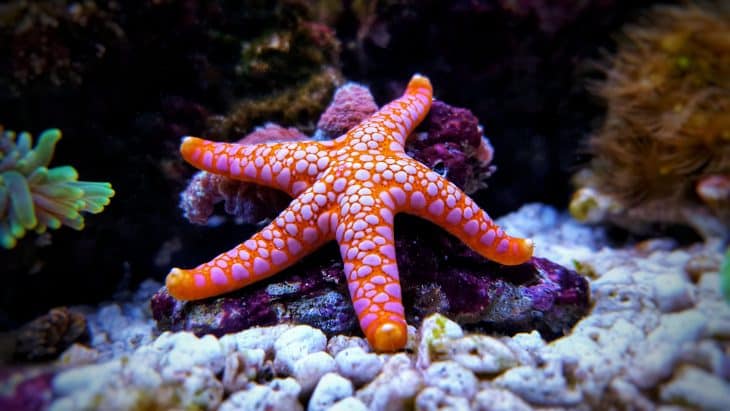
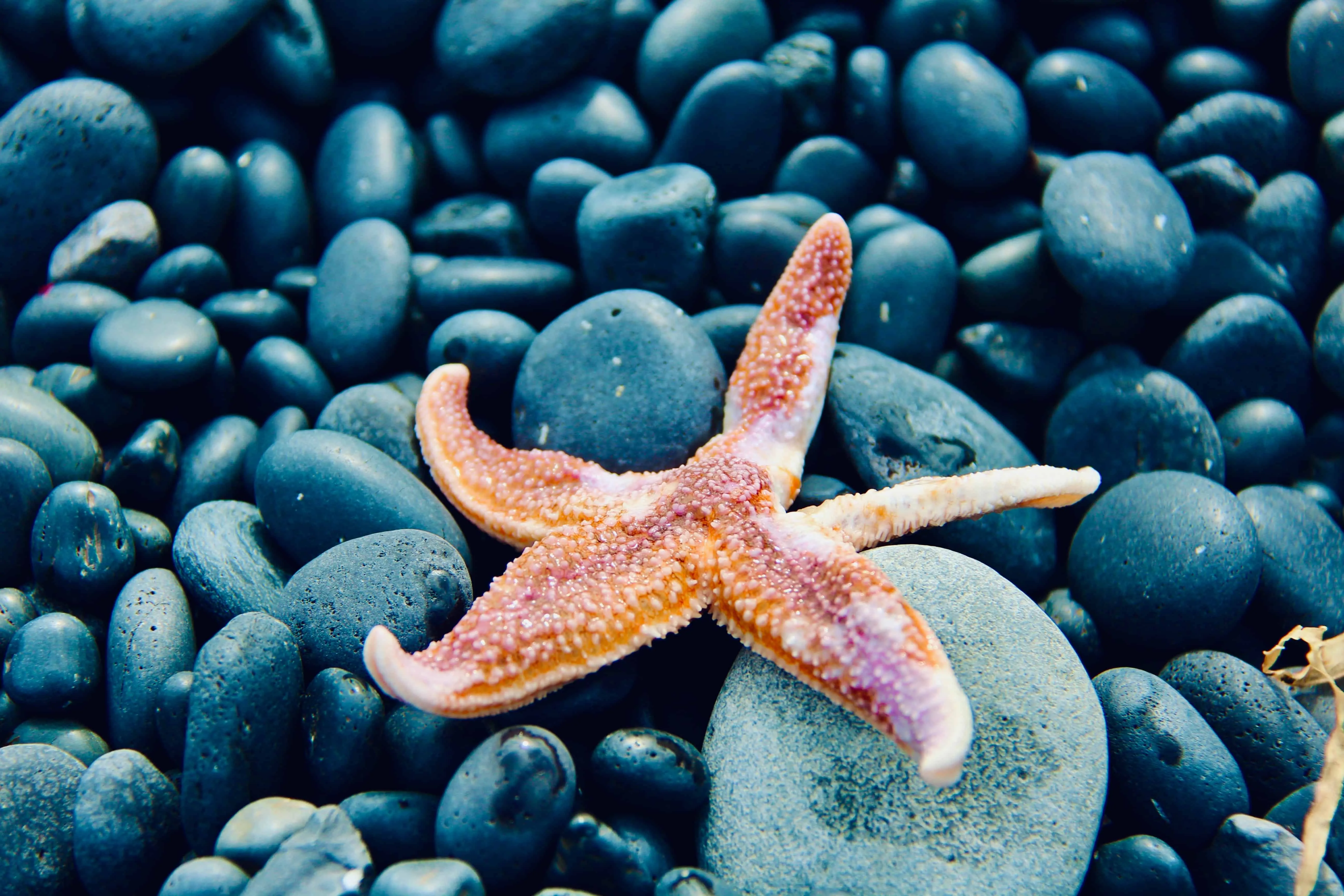
Starfish are beautiful marine animals found in a variety of shapes, sizes, and colors. As of the moment, there are no starfish species that are endangered. Though that definitely sounds like good news, according to the reports, starfish’s numbers are rapidly declining. So, let’s get to know more about them in these starfish facts and how we can protect them.

Starfish are also known as sea stars.

Starfish do have a brain.

They do not have blood or a heart.

Instead of blood, they have a water vascular system. That system pumps seawater through the tube feet and throughout the starfish’s body.

Starfish use filtered seawater to pump nutrients through their nervous system.

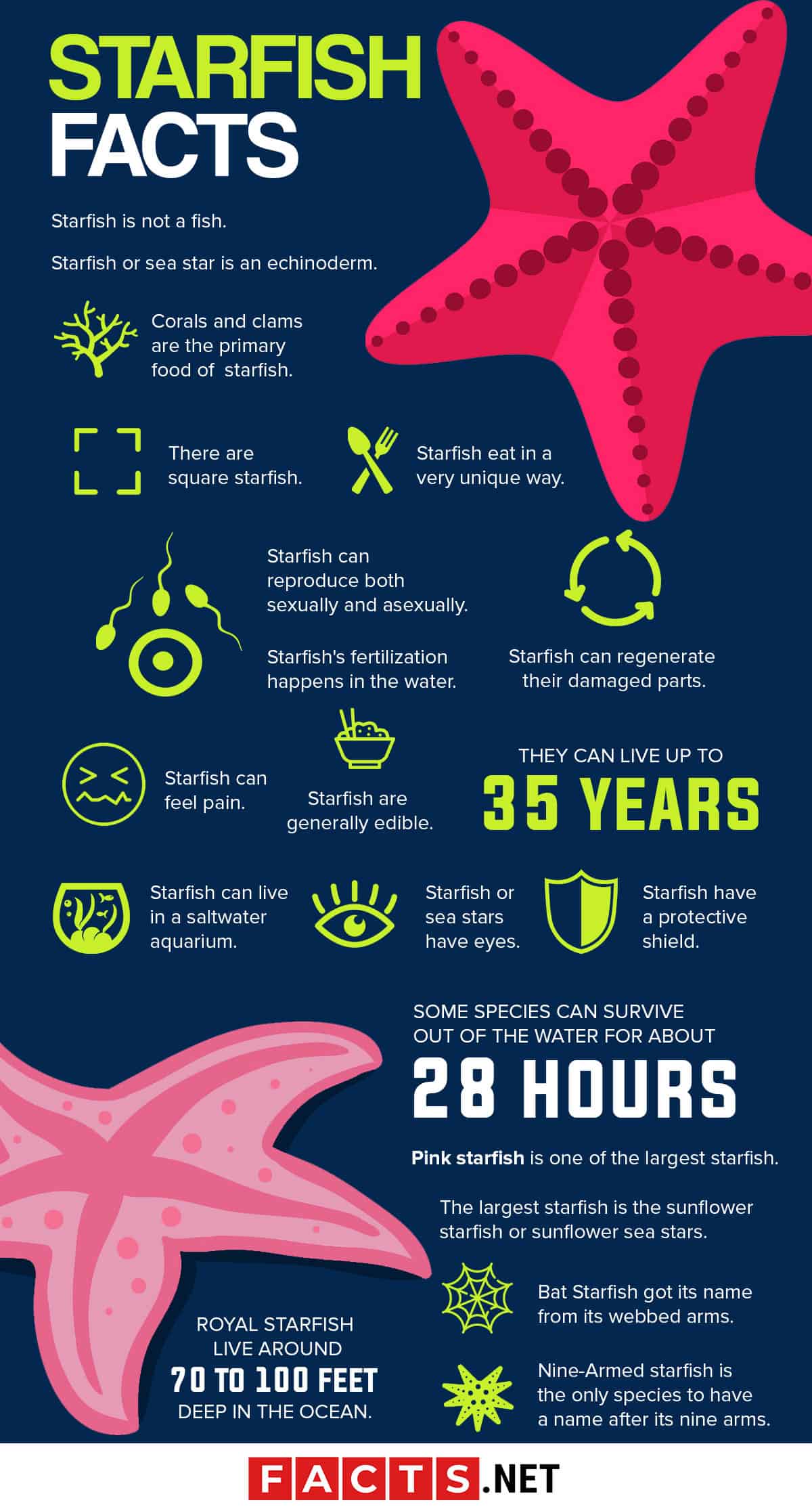
Starfish is not a fish.

According to experts, starfish don’t fall in the classification of fish thus, they prefer to call it “sea stars.” Although they lived underwater, they do not have fins, gills, or scales like fish do. Also, the starfish move differently from fish, they have very small tube feet to support them move along.

Starfish or sea star is an echinoderm.

Starfish are classified as echinoderms which are exclusively marine animals. An echinoderm is a marine invertebrate (an organism that doesn’t have a backbone) that has spiny skin.

Corals and clams are the primary food of starfish.

In general, starfish feed on coral, clams, sand dollars, oysters, mussels, algae, and sponges. Furthermore, other species of starfish also eat injured fishes in the ocean if there is a given opportunity. In other words, they are also carnivores.

Starfish eat in a very unique way.

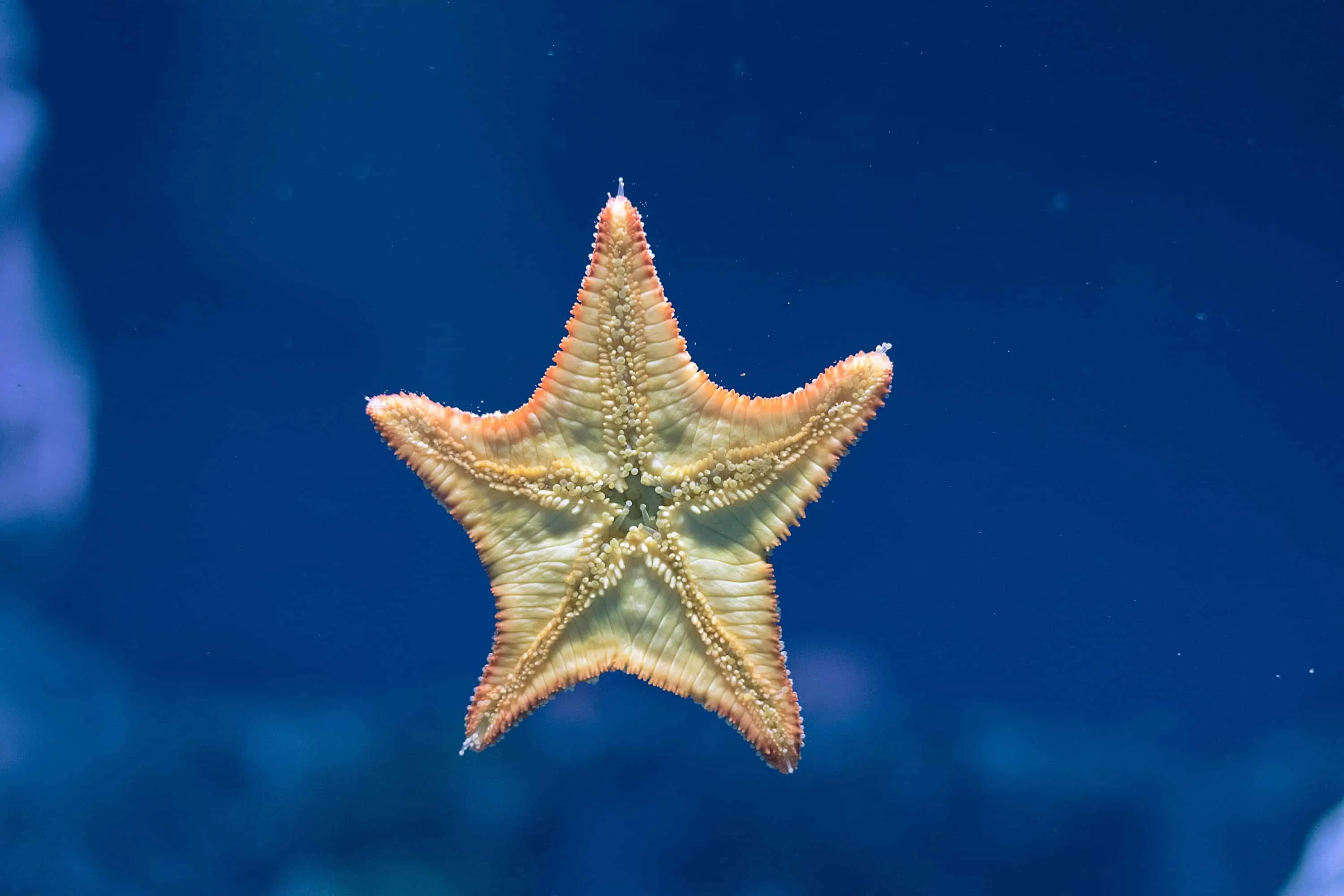
A starfish has its mouth at the center of its lower surface. It uses its feet, which have suction cups on the bottom, to help it hold on to its meal. When it is feeding on a clam or an oyster, for instance, it uses its feet to open it up. Once it is opened, the starfish’s stomach goes out of its mouth and pushes itself inside of the mussel shell or clam.

Starfish can reproduce both sexually and asexually.

Starfish also have a unique life cycle and they can reproduce both sexually and asexually (a type of reproduction that does not involve the fusion of gametes).

Starfish’s fertilization happens in the water.

In sexual reproduction of the starfish, fertilization happens in the water with females and males releasing sperm and eggs into the environment or much known as “free spawning.” The sperm and egg will float until they meet up and fertilize accordingly. Furthermore, asexual reproduction in starfish takes place by fission or through autotomy of arms.

Starfish can regenerate their damaged parts.

Most species of starfish have the ability to regenerate their damaged parts including the regeneration of lost arms. Hence, they can “sacrifice” their arms as a defense mechanism.

They can live up to 35 years.

The average life span of a starfish or sea stars is 35 years. Although in general, the bigger starfish species tend to live longer compared to their smaller counterparts.

Starfish can live in a saltwater aquarium.

Starfish pet owners should know that they are grazers and eat food that has fallen to the bottom of the aquarium or fish tank. Most species like a meaty diet such as clams or mussels since it’s their natural food. Above all, starfish should be kept in the saltwater aquarium along with the proper tank maintenance.

There are square starfish.

One of the most uncommon species of starfish is the square starfish which was discovered in Mathesons Bay, New Zealand, mesmerizing its visitors, as well as marine biologists.

Starfish can feel pain.

Although starfish don’t have blood, heart, and brain, in contrast to the belief of many, starfish can feel pain or get hurt because they have a complex nervous system.

Starfish are generally edible.

There are different opinions about the taste of starfish. Some people argue that it tastes like river crabs or sea urchins, while others say that it tastes nothing. Starfish delicacies are served in sometimes in sushi restaurants or even just in the streets like in Bejing, China.

Starfish or sea stars have eyes.

Though it is not obvious, they do have eyes. Starfish have eyes on the tip of their arms. Each of their arms has an eye that looks like a red spot. These eyes cannot see full details but can sense dark and light which is suitable in their environment.

Starfish have a protective shield.

Commonly, a starfish has a hard covering that may feel leathery and sometimes thorny depending on the species. The composition of starfish or sea stars’ skin is a calcium carbonate plate with little spikes. This serves as their protection from predators such as sea otters, birds, and fish.

Some species can survive out of the water for about 28 hours.

Although there are times that we can see starfish on the shore or attached to rocks and pilings during low tide, they can’t stay out of the water for a long period. Most species of starfish can go out of the water for a short period without harm and the larger species of them can survive out of the water for about 28 hours.

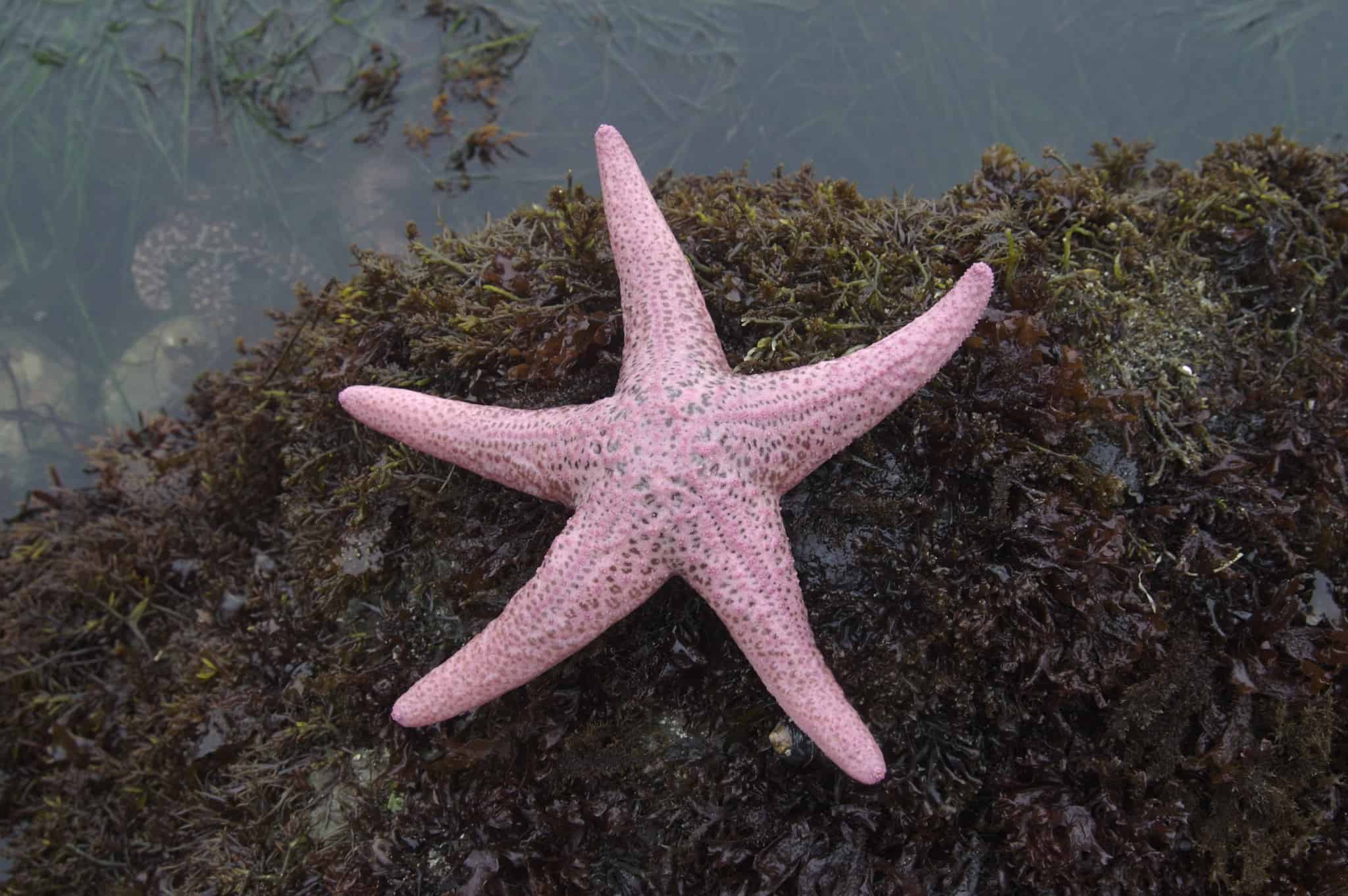
Pink starfish is one of the largest starfish.

The pink starfish, also known as short-spined sea stars or giant pink sea stars are species in the Northeast Pacific Ocean. William Stimson introduced it to science in 1857. The pink starfish are big with five thick arms. Its typical size is 13 inches in diameter. However, some could grow up to 35 inches in diameter and can weigh up to 4 kilograms. The color of it is usually pink but sometimes with grayish shadings.

Royal Starfish live around 70 to 100 feet deep in the ocean.

The Royal Starfish is a brightly colored species of starfish. This species is found along the east coast of North America, mainly in the southeast. Normally, Royal Starfish live around 70 to 100 feet deep in the ocean but they can go deeper more than 600 feet and feasts on mollusks (soft-bodied invertebrates of the phylum Mollusca). In contrast to other species of starfish, the royal starfish eats its prey whole.

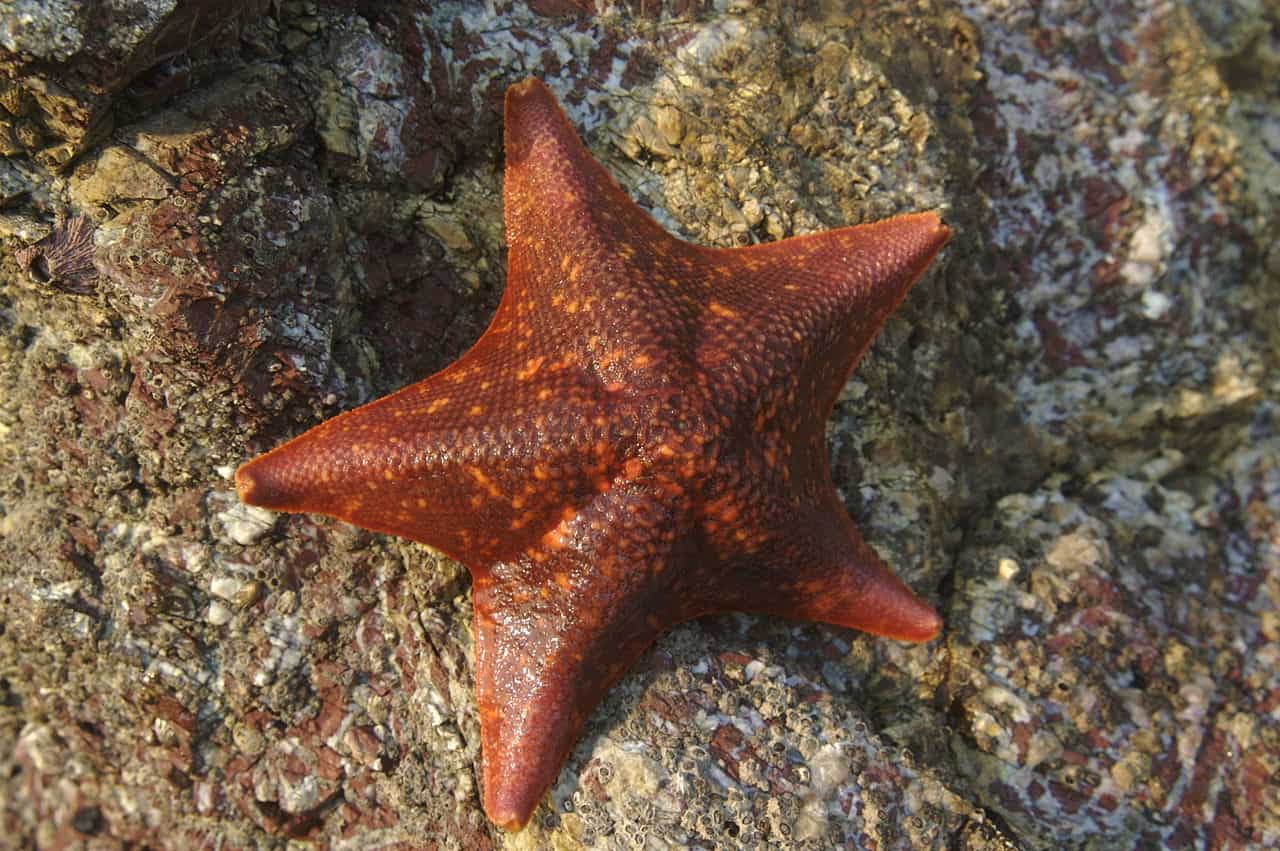
Bat Starfish got its name from its webbed arms.

This species of starfish has many names such as bat sea star, webbed star, sea bat, or broad-disk star. This interesting starfish got its name because of its similar look with bat wings where the arms have webbing in between. Normally, the bat starfish have five up to nine arms. Its color ranges from orange to purple to green. You can find this species along the West Coast of North America, from Baja to Alaska.

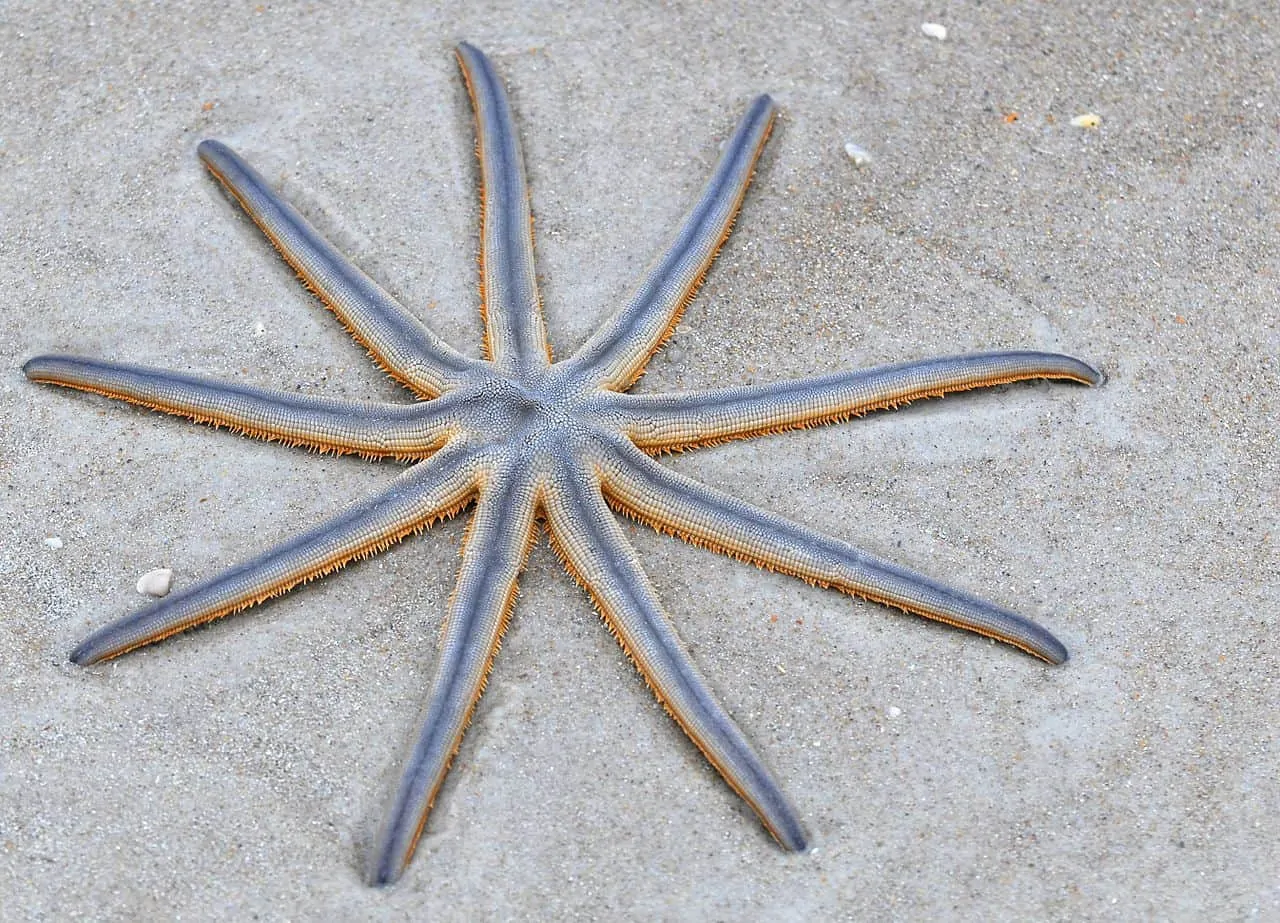
Nine-Armed starfish is the only species to have a name after its nine arms.

Although it may not be the only starfish to have nine arms, it earned its name. This species in the West Atlantic Ocean is a scavenger and feeds on small shellfish, mollusks, and sea worms. The nine-armed starfish swallows most of their prey whole using its stomach.

The largest starfish is the sunflower starfish or sunflower sea stars.

These huge species in the Northeast Pacific Ocean have arms that can reach a length of 1 meter. They have 16 to 24 arms with powerful suckers. The sunflower starfish have a wide variety of colors such as bright orange, yellow, red to brown, and sometimes to purple. They mostly feed on snails, sea urchins, clams, and other small invertebrates.

SOURCE: Facts.net

The Forever Rose

Roses are one of the birth flowers for June and there is an incredible amount of information available on growing them and their care.  Perusing the vast amount of articles, I stumbled upon a unique rose offering—the Forever Rose.

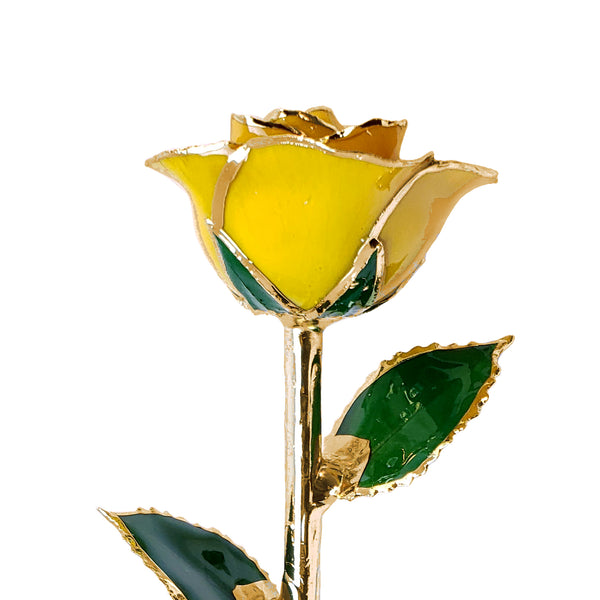
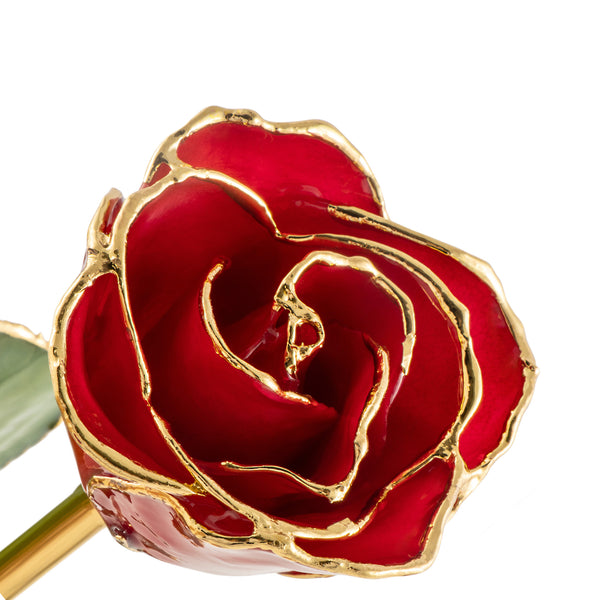
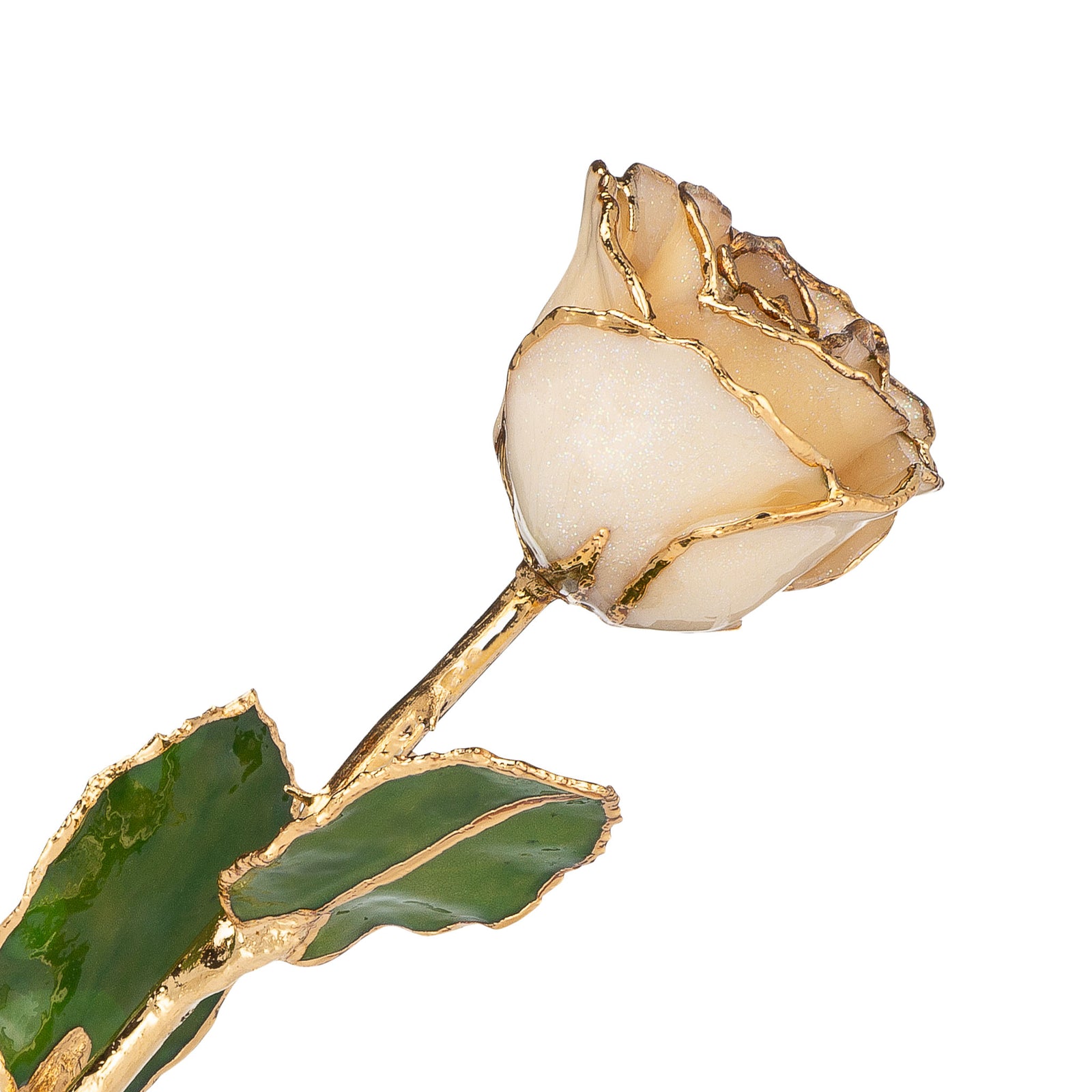
These roses are guaranteed to last a lifetime and are offered in many colors and “finishes”. Finishes include gold dipped, gold trimmed, rose gold, birthstone, platinum, silver and others.

They even offer some other flowers, and for him, gold finished golf balls.

From their website: https://theforeverrose.com/

THE ORIGINAL
FOREVER ROSE

The Rose has long been a symbol of love, beauty, and emotion. It has been immortalized for centuries in the art and literature of many cultures. It is, to the world, what Gold, Silver, and Platinum are to the realm of precious metals. These timeless symbols of richness and beauty have been perfectly combined to create our elegant Forever Rose

STARTS WITH REAL ROSES

The journey starts in our nursery, where our highly skilled horticulturalists and staff spare no expense. They carefully monitor each rose as it grows and begins to bloom. As it reaches its ideal moment of perfection and beauty, it is chosen and harvested.

THE PROCESS

Once we harvest the rose, the journey has only begun. With over 60 meticulous steps and ten days of hand work by skilled artisans and technicians, each Forever Rose is one-of-a-kind, unique and everlasting. We use a proprietary process known as electroforming to plate multiple layers onto the rose. This is done in many very light layers to maintain as much natural detail of the rose as possible. These steps are performed under strict quality control to assure the highest level of quality.

THE RESULT

With over twenty years of experience, our world-famous Forever Roses are second to none. All Forever Roses come with a 90-day money back guarantee and an exclusive Lifetime Warranty. When you purchase a Forever Rose you can be confident that it will exceed your expectations and be a cherished keepsake for years to come.

The roses are pricey as one would expect—but they are unique, can be engraved, and guaranteed to last a lifetime.

What Shall We Bake Today?

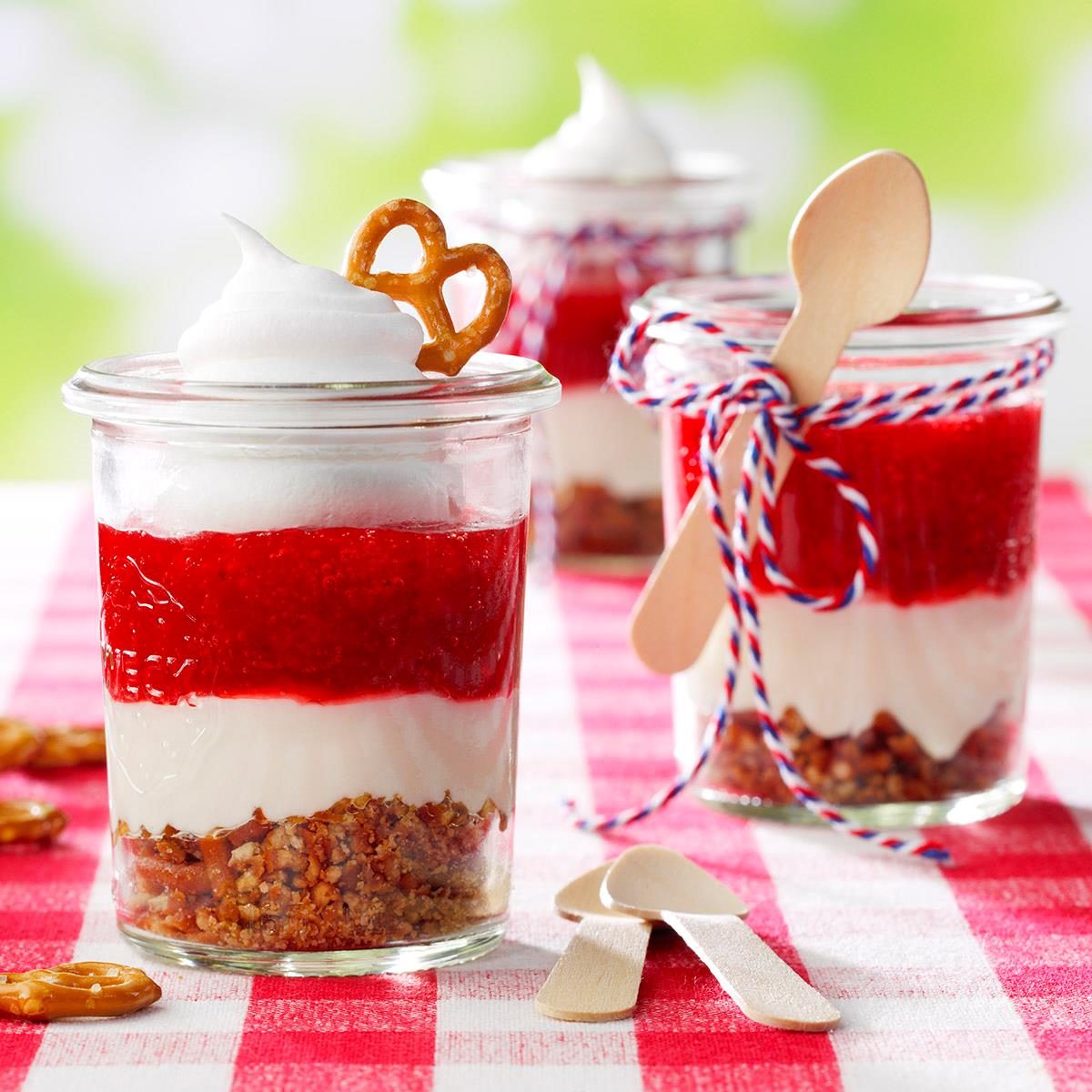
These Strawberry Pretzel Dessert Jars are perfect for picnics!

Ingredients

2 cups crushed pretzels (about 8 ounces)

3/4 cup butter, melted

3 tablespoons sugar

FILLING:

2 cups whipped topping

1 package (8 ounces) cream cheese, softened

1 cup sugar

TOPPING:

2 packages (3 ounces each) strawberry gelatin

2 cups boiling water

2 packages (16 ounces each) frozen sweetened sliced strawberries, thawed

Directions

Preheat oven to 350°. In a small bowl, combine pretzels, butter and sugar; spread onto a baking sheet. Bake until crisp and lightly browned, 12-15 minutes. Cool completely on a wire rack; break into small pieces.

For filling, in a small bowl, beat whipped topping, cream cheese and sugar until smooth. Refrigerate until chilled.

For topping, in a large bowl, dissolve gelatin in boiling water. Stir in sweetened strawberries; chill until partially set, about 1 hour. Carefully layer pretzel mixture, filling and topping into 4-oz. glass jars. Chill until firm, at least 2 hours. If desired, serve with additional whipped topping and pretzels.