Whoops! Wrong Eagles! (But we’re in the playoffs this year! GO BIRDS!) Back to our regularly scheduled open…
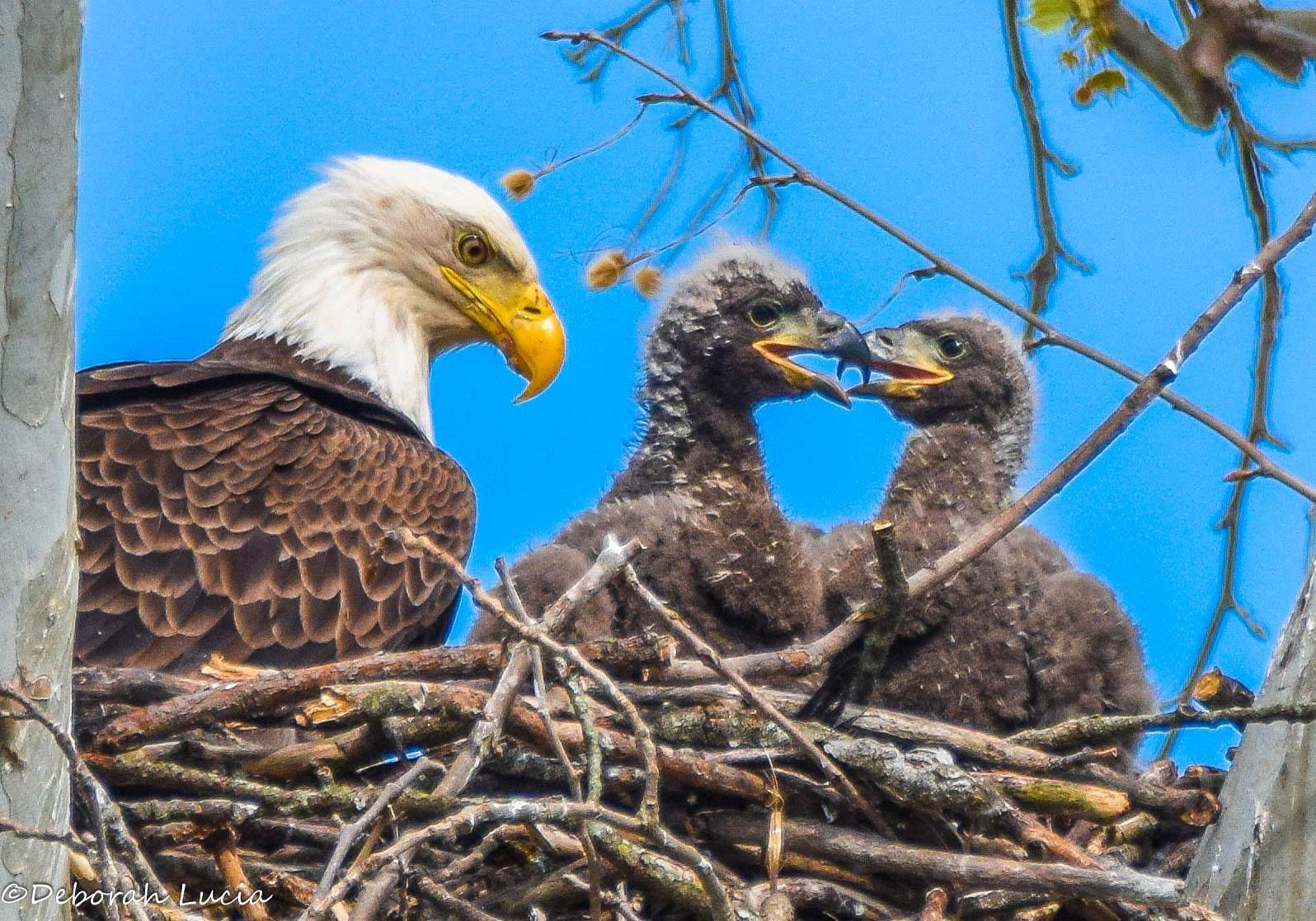
Spotting an eagle is a rare moment for many people, but when the chance arises, how much do you actually know about these beautiful birds?
Here we’re going to look at the top 30 interesting facts about eagles.
There are over 60 different species of eagle, most of them from Africa, Asia and Europe.
Despite the bald eagle being an emblem of the United States, just two species can be found on the continent.
The eagle is known to be one of the strongest birds able to carry the heaviest loads, with one being recorded carrying 15 pounds.
Eagles vary in length, weight and other dimensions due to their environments in many cases. Eagles living in forested areas will likely have shorter wing spans, while those living in open areas will have longer wing spans.
A typical adult male eagle weights just nine pounds, despite its strength and large size.
With a height of 3.5 feet and a wing span of 7.5 feet, the average male bald eagle is one of the largest birds around.
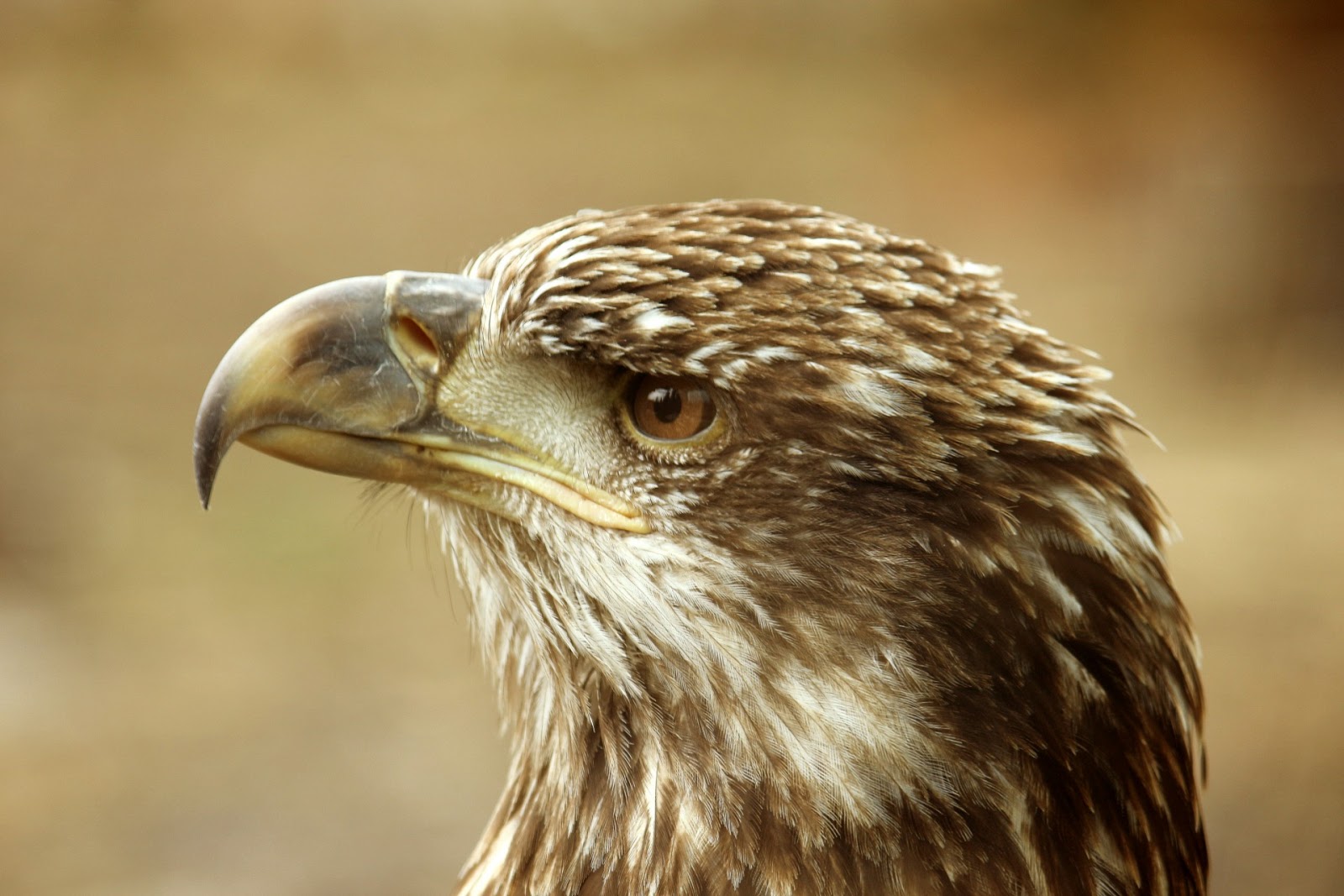
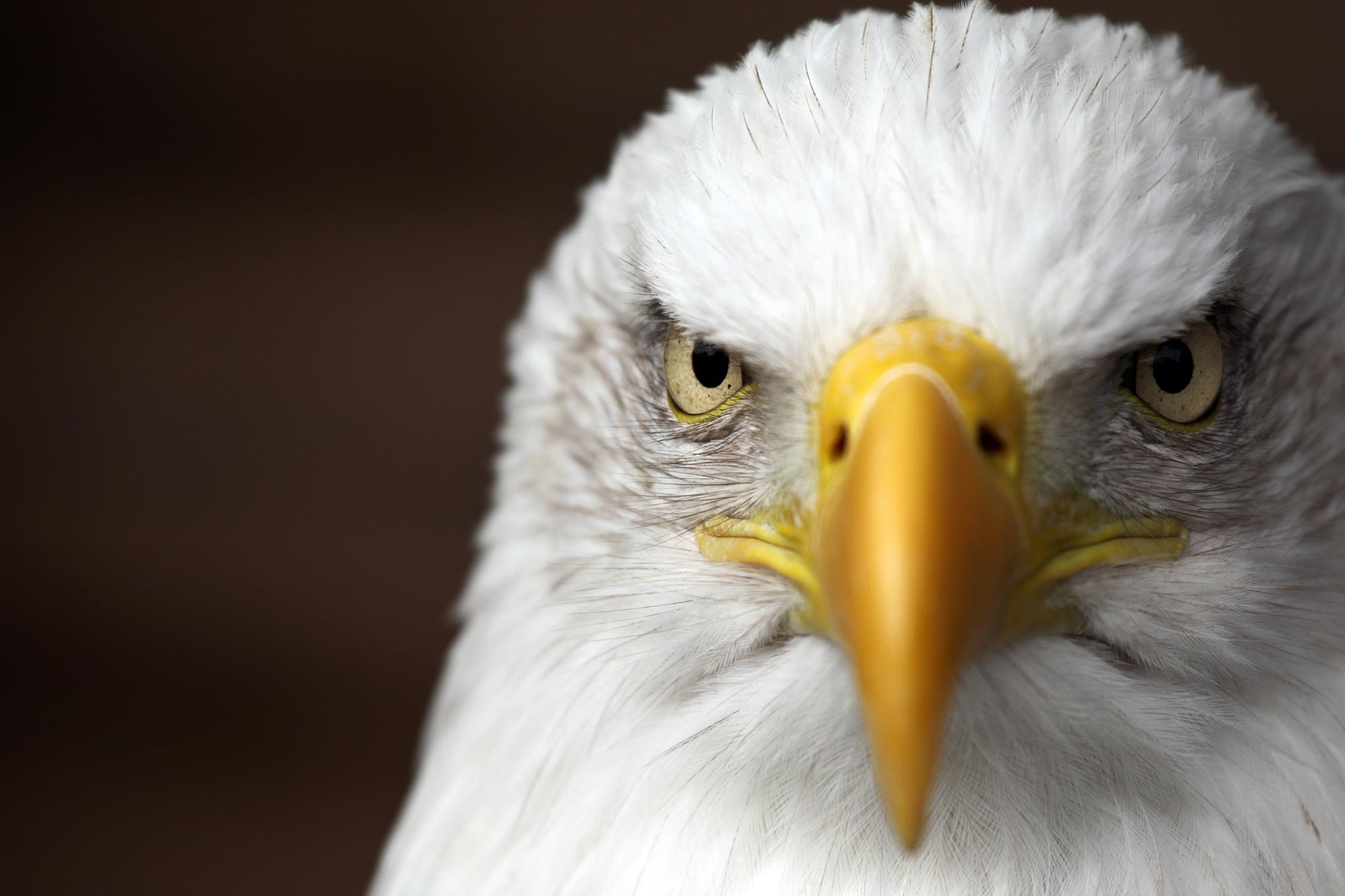
The bald eagle takes its name from the fact it has a white head while the rest of its body is brown.
The eagle featured on U.S. currency was modeled on a real bald eagle named Peter who used to live on top of the U.S. Mint. After his death in 1836, Peter was stuffed and is still on display inside the very building upon which he once nested.
Eagles have been used in the police and the army several times, and in The Netherlands, eagles were trained to help control drones.
It is thought that larger eagles lived in New Zealand until the year 1400. Their wing spans may have reached up to 9.8 feet.
In Scandinavia, some eagles have built nests so heavy that they have broken the tree.
Bald eagles can mate while flying or free falling.
An eagle’s beak contains keratin, which means that it grows all the time just like human hair and fingernails.
During the first half of the 20th Century, bald eagles were considered a threat to the salmon fishing industry and over 100,000 eagles were killed.
The eagle has long been considered “The King of Birds”.
In many countries, the eagle is thought to bring good luck, which is one reason it has been featured on various national flags.
A mother eagle will generally lay two eggs, although in most cases, one of the baby eagles is stronger than its sibling and will kill the weaker one.
The eagle is built to be strong and powerful among other creatures. Its beak and talons enable it to be threatening and ruthless, and its amazing eyesight allows the eagle to see long distances for prey.
It takes a number of years for a baby eagle to grow its talons fully.
Although eagles can live up to 70 years, this isn’t always the case and they normally become weaker towards the end of their lives, unable to hunt as they used to.
An eagle’s brilliant eyesight is owed in part to its sizeable eyes, which can take up around 50% of the head.
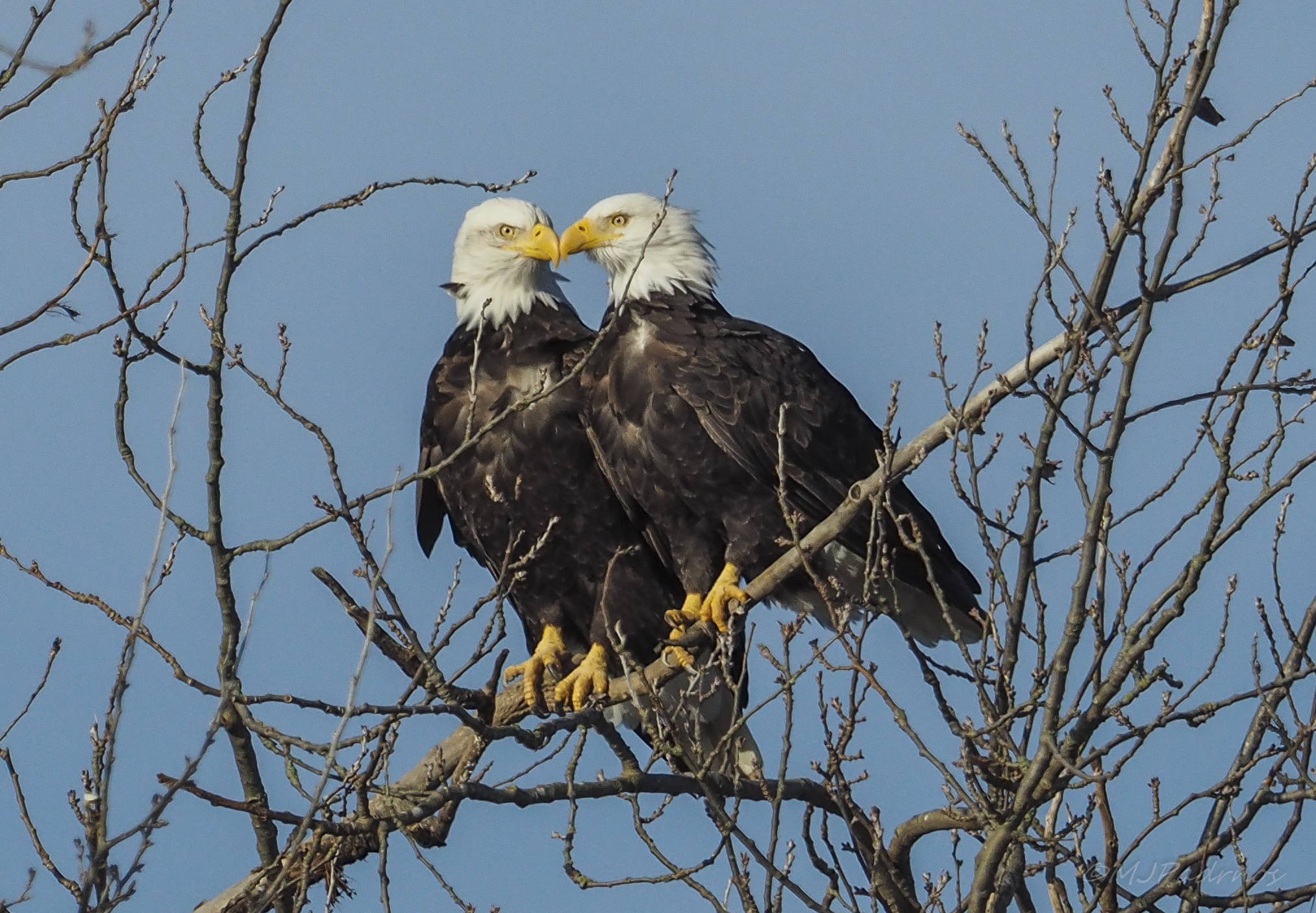
A male and female eagle tend to stay together all their lives, building nests every year in the same place. It’s fair to say eagles are creatures of habit!
The female eagle will spend most of the 35 days keeping her eggs warm, while the male ensures food is brought to the nest.
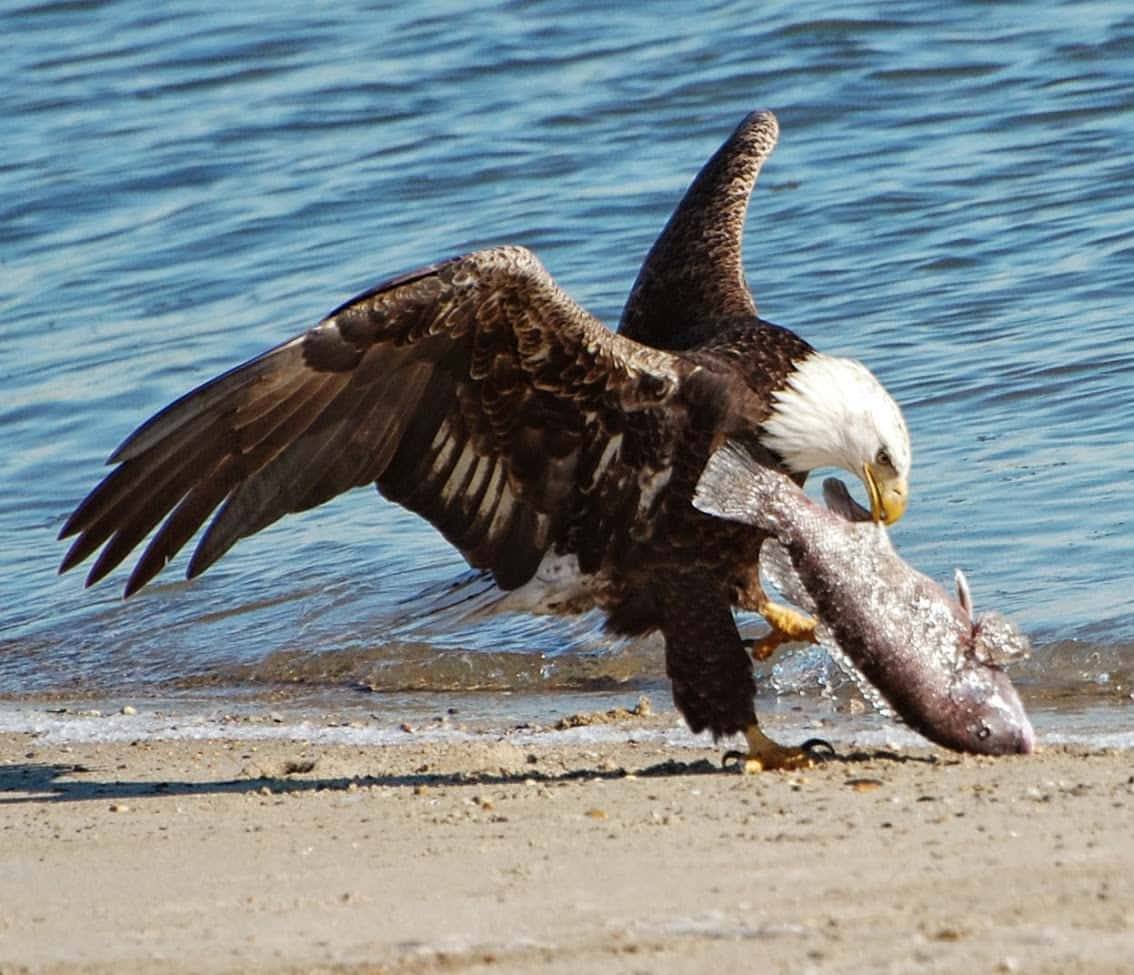
Eagles do not all feed on the same food. Some eagles will feed on mainly fish, while others feed on other, smaller mammals.
When baby eagles are born, they are covered in gray feathers and don’t have the typical brown and white pattern until they are 4 years old.
The bald eagle was endangered in 1967 and there were less than 500 eagles left. Fifty years later in 2007, it was removed from the endangered list but is still protected.
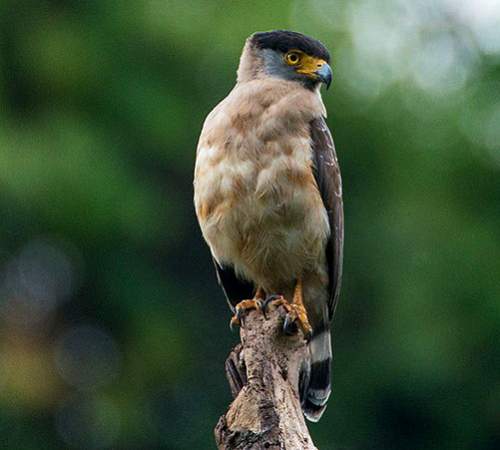
A rare species of eagle is the smallest kind, the South Nicobar Serpent Eagle. It weighs just one pound but can fly faster than many other birds of this size.
A Martial Eagle once killed a deer weighing 82 pounds. This was despite the fact the eagle only weighed around 10-12 pounds itself.
Eagle feathers are in high demand across North America, but it is illegal to hunt or kill eagles and get them.
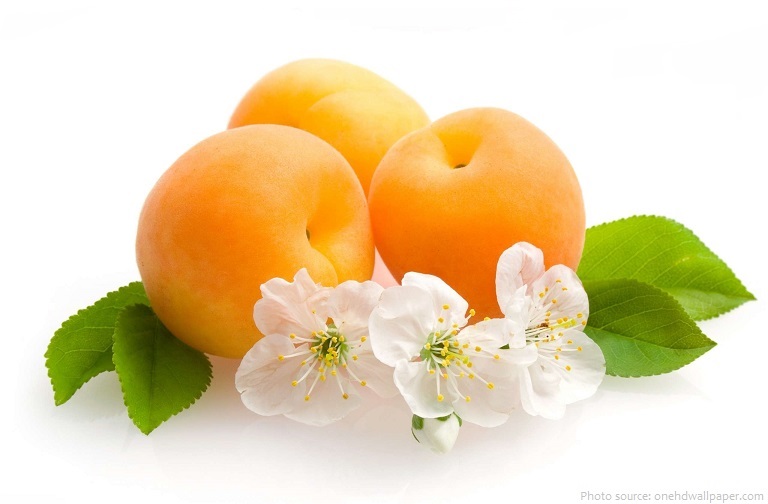
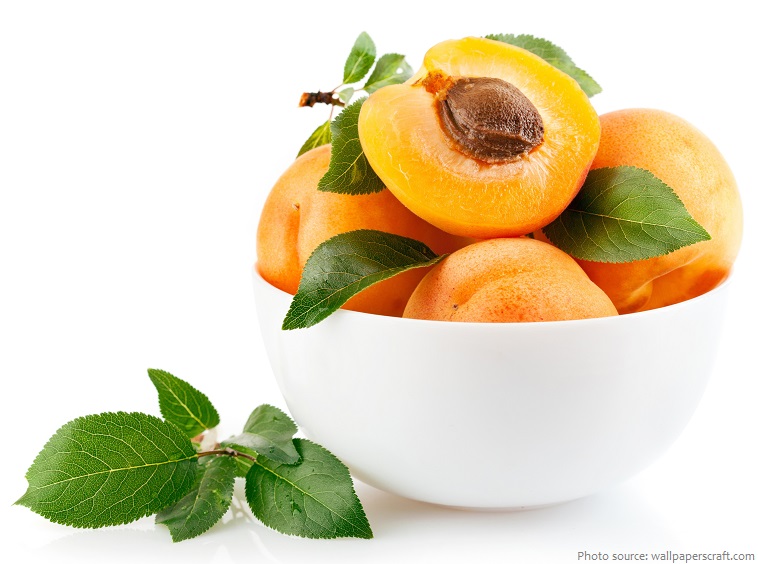
Apricots are delicious and widely popular fruits that belong to the genus Prunus (stone fruits).
The origin of the apricot is disputed and unsettled. It was known in Armenia during ancient times, and has been cultivated there for so long that it is often thought to have originated there.
Its scientific name Prunus armeniaca (Armenian plum) derives from that assumption.
Despite the great number of varieties of apricots that are grown in Armenia today (about 50), according to the Soviet botanist Nikolai Vavilov, its center of origin would be the Chinese region, where the domestication of the apricot would have taken place.
The apricot is now cultivated on every continent except Antarctica.
Apricots are cultivated throughout the temperate regions of the world, especially in the Mediterranean.
The average lifespan of an apricot tree is 15 to 20 years.
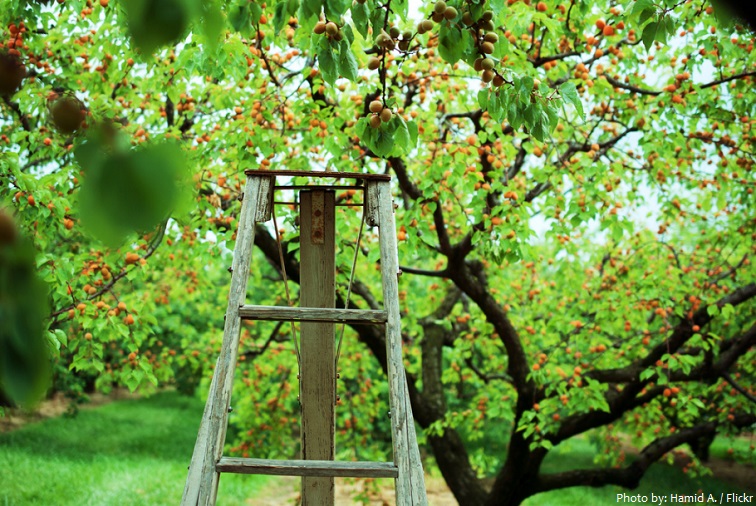
The apricot is a small tree, 26–39 feet tall, with a trunk up to 16 inches in diameter and a dense, spreading canopy.
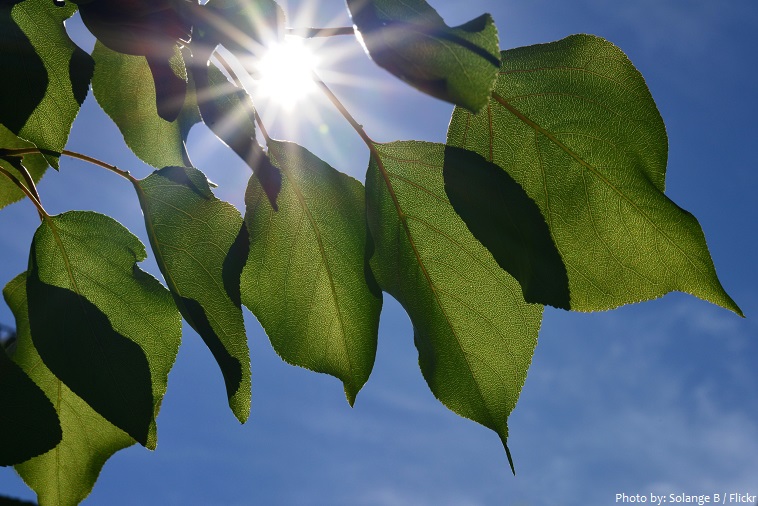
The leaves are ovate, 2.0–3.5 inches long and 1.6–3.1 inches wide, with a rounded base, a pointed tip and a finely serrated margin.
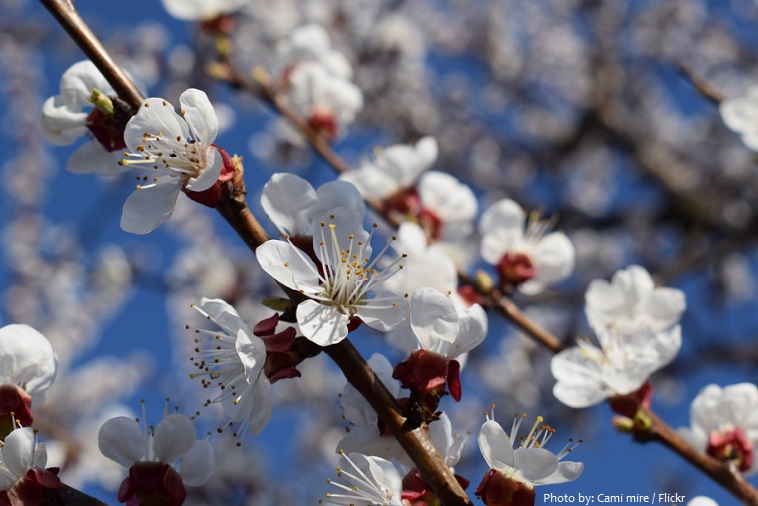
The flowers are 0.8–1.8 inches in diameter, with five white to pinkish petals; they are produced singly or in pairs in early spring before the leaves.
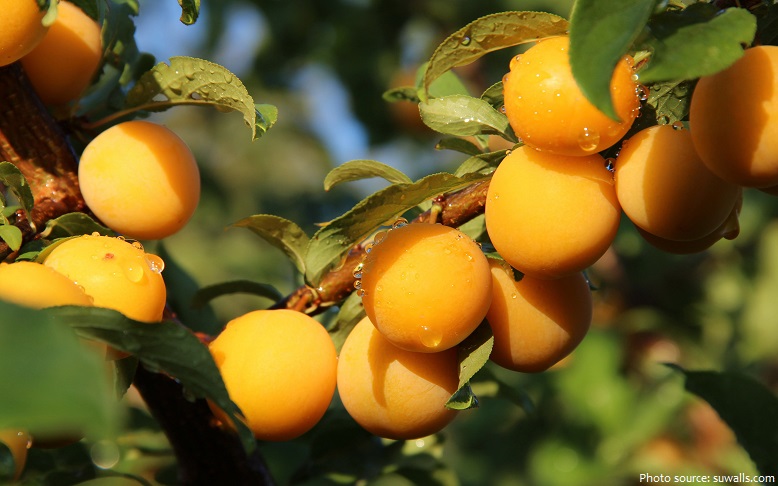
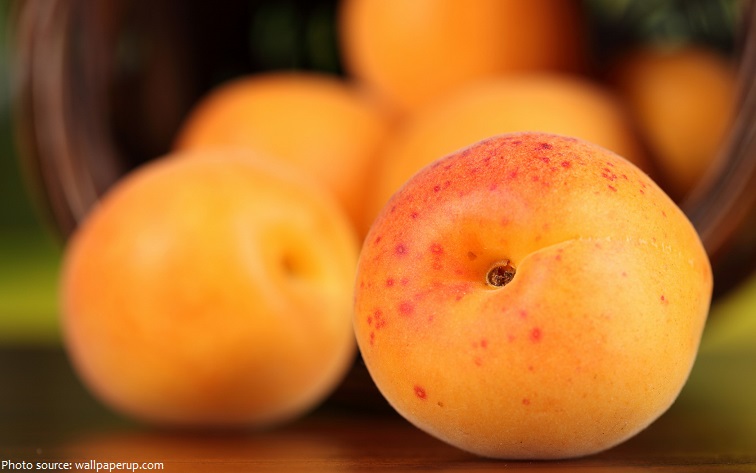
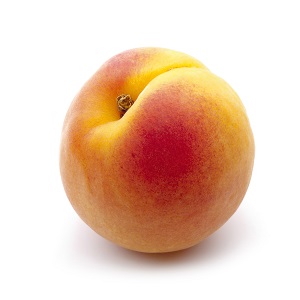
The fruit is a drupe similar to a small peach, 0.6–1.0 inch diameter (larger in some modern cultivars), from yellow to orange, often tinged red on the side most exposed to the sun; its surface can be smooth or velvety with very short hairs. The flesh is usually firm and not very juicy. Its taste can range from sweet to tart.
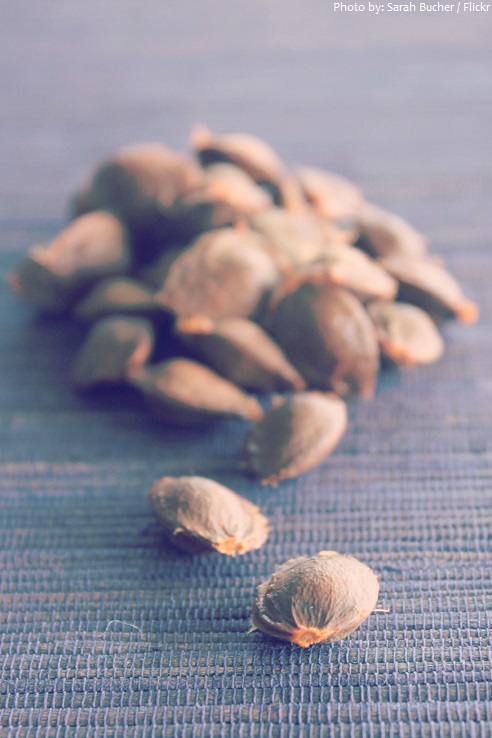
The single seed is enclosed in a hard, stony shell, often called a “stone”, with a grainy, smooth texture except for three ridges running down one side.
In a 3.5 oz amount, raw apricots supply 48 calories and are composed of 11% carbohydrates, 1% protein, less than 1% fat and 86% water.
Apricots have many health benefits such as ability to treat indigestion, constipation, earaches, fevers, skin diseases, cancer and anemia. Furthermore, apricots have the ability to improve heart health, reduce cholesterol levels, prevent the deterioration of vision, help you to lose weight, treat respiratory conditions, boost bone strength, and maintain electrolyte balance in the body. It is also believed that apricot is good for skin care, especially for women. This is why you find it added in various cosmetics.
The impressive health benefits of apricots are due to the content of vitamins, including vitamin A, vitamin C, vitamin K, vitamin E, and niacin in significant amounts, as well as a number of other essential vitamins in trace amounts (less than 5% of daily requirement), as well as their mineral content, which includes potassium, copper manganese, magnesium, and phosphorous. Apricots are also a very good source of dietary fiber, like most fruits.
Apricots are widely eaten fresh as a dessert fruit.
The fruit is also widely made into jam.
Apricots may also be used in desserts, in juices, and for flavoring.
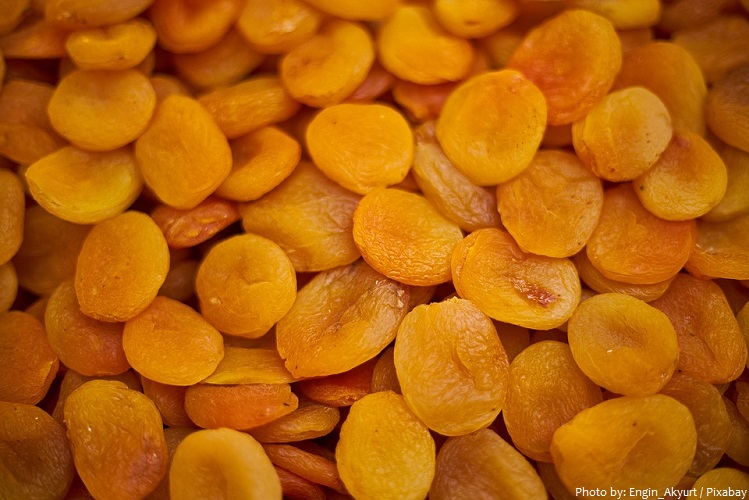
Dried apricots are a type of traditional dried fruit. Dried apricots have an intense sweet-sour flavor. They are an excellent source of vitamin A, vitamin E, potassium, iron and are high in fiber. Dried apricots can be high in sulfur dioxide, which is commonly used in small quantities to prevent mold developing on the fruit. Many organic dried apricots are brown because they are sun-dried: sunlight oxidizes their flesh, which acts as a natural preservative.
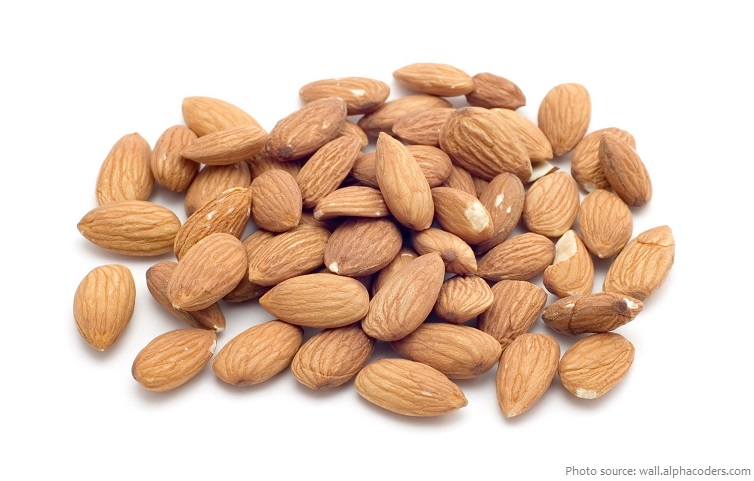
Nutritionally, apricot seeds are similar to other nuts — they’re rich in healthful fats and provide some fiber and iron. Seeds or kernels of the apricot grown in central Asia and around the Mediterranean are so sweet that they’re sometimes substituted for almonds. The Italian liqueur amaretto, and amaretto biscotti, is flavored with extract of apricot seeds as well as almonds; plus, oil pressed from these cultivars has been used as cooking oil.
Apricot seeds contain a toxic chemical known as amygdalin, which is also referred to as laetrile. Some companies call this compound vitamin B17 in order to label and market the product as an essential substance. In the body, this chemical is converted to cyanide, which is poisonous and can cause serious harm. While your body can detoxify a small amount of cyanide, eating too many apricot seeds or kernels may be hazardous to your health.
During the 17th-century, apricot oil was used to treat tumors, ulcers, and swellings. In 2011, a systematic review deduced that claims that amygdalin and laetrile found in high concentration in apricots have a medicinal benefit to cancer patients were true.
In Europe, apricots were used as an aphrodisiac.
Egyptians usually dry apricots, add sweetener, and then use them to make a drink called amar al-dīn.
In the 17th century, English settlers brought the apricot to the English colonies in the New World. Most of modern American production of apricots comes from the seedlings carried to the west coast by Spanish missionaries. Almost all U.S. commercial production is in California, with some in Washington and Utah.
In 2016, the top five producers of apricots were Turkey, Iran, Uzbekistan, Algeria and Italy.
The apricot is a member of the rose family and is a close relative of almonds.
Apricot derives from praecocia (praecoquus) as “cooked or ripened beforehand” [in this case meaning early ripening], and from Greek πραικόκιον (praikókion) as “apricot”. The English name first appeared in the 16th century as abrecock from the Middle French aubercot or later abricot, from Catalan a(l)bercoc.
Seeds of the apricot have been discovered during archaelogic excavations of the Garni Temple and Shengavit settlement, having a history of 6,000 years.
When I think of Burgess Meredith, Grumpy Old Men usually comes to mind. But in his younger days, Meredith played The Penguin—arch villain on the original Batman series. What else is there to know about penguins, I wondered. Here are some interesting facts I found out!
There are only 17 -20 penguin species living on our planet—scientists do not agree on the methodology apparently.
Penguins are quite fast swimmers. Their speed is usually between 5 and 10 mph. However, they can reach a top speed of up to 22 mph!
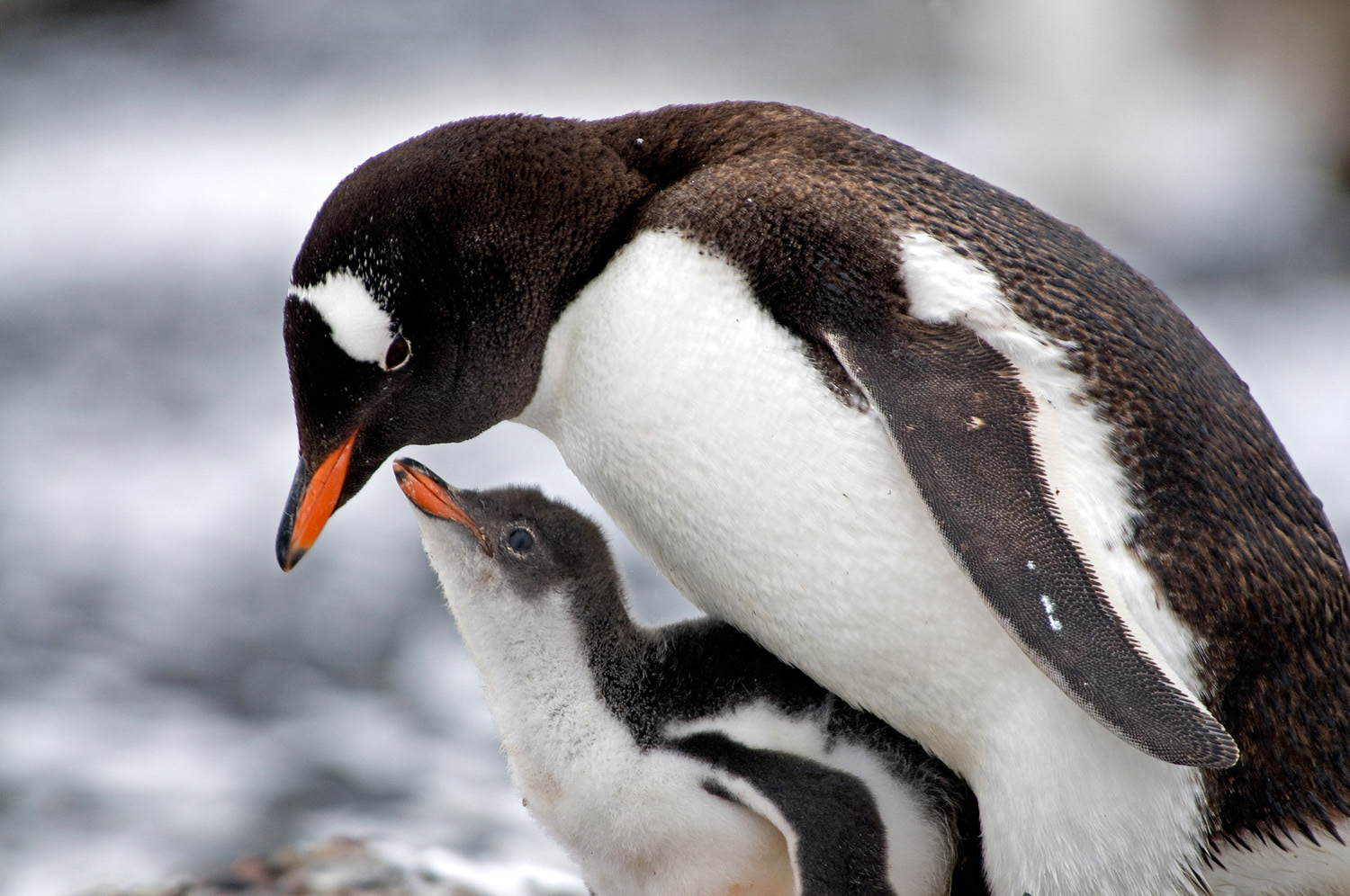
The fastest of all penguin species is the Gentoo penguin.
The average lifespan of a penguin lies between 15 and 20 years, depending on the species.
In order to be able to raise their chicks, penguins come ashore.
The smallest penguin species is the little penguin, ranging from 12 to 16 inches. (laziest naming ever…LOL) These penguins are also called fairy penguins, or just little blue penguins.
The biggest penguin species is the emperor penguin, which can reach a height of up to 48 inches.
While emperor penguins can weigh up to 100 pounds, little penguins only weigh around 2 pounds.
Scientists estimate that extinct ancestors of penguins reached a height of up to 70 inches.
While some sources cite that the emperor penguin dived 1,850 feet, their maximum diving capacity is usually around 1,000 feet.
Most of the penguins usually only dive in a range from 16 – 65 feet.
Penguins can hold their breath up to 20 minutes while diving.
Penguins mainly feed on fishes, krill and squids.
Contrary to beliefs, penguins do not have any teeth.
Penguins lose all of their feathers every year. During this time, they are unable to swim, which may cause difficulties for them as they also cannot fish due to that.
The name penguin comes from an unrelated bird species “great auk”, which is already extinct.
Penguins are actually birds but don’t have wings. They have flippers instead.
Penguins are unable to fly.
In order to keep them warm in winter, penguins have many layers of feathers to protect against the cold.
Penguins are masters in controlling their blood flow. Once part of their body becomes too cold, they pump warm water in those parts in order to warm them up.Their biggest enemies penguins have to watch out for are leopard seals, killer whales and sea lions.
The closest relatives of penguins are albatrosses, divers and petrels.
Penguins can drink saltwater as well as freshwater in order to survive. Excessive salt will be excreted.
In order to be able to recognize their mating partner, each penguin has a specific unique sound frequency which it can use to gather with its partner and differentiate him from other penguins around.
Most of the penguin species live on the South Pole or Antarctica, while all of them, apart from the Galapagos penguin, live in the Southern hemisphere.
Don’t confuse Arctic with Antarctica. Penguins don’t live at the North Pole!
In order to reach higher initial speed, penguins often jump out of the water before they dive.
Although it might not be intuitive at first glance when you see penguins out of the water, they are perfectly disguised while swimming. Their white belly disguises them from predators below them, while their black back fits in the water surface and protects them from predators above them.
Penguins produce oil that makes them resistant against the cold water and also more agile underwater.
It is estimated that the average penguin colony varies from 200,000 to 500,000 individuals.
While some penguin species prefer to stay on land, there are also some species that spend up to 80% of their lifetime in the water.
The penguins’ body is built to dive and sink easily, as their bones are not hollow like for many other birds, but they rather have dense bones which make them quite heavy.
Instead of walking, penguins often move with their belly on the ice. It is not fully clear why they do it, but scientists estimate that it might be a faster way to move on ice compared to walking.
Penguins are usually quite trustful towards humans. This is probably learned behavior since most of their predators are underwater and they feel safe on land.
In cold times, penguins are not reluctant to get closer to each other. In fact, they use each other’s body temperature to warm and protect against the cold.
Ever heard of a Quokka? It’s been called the most cheerful animal on the planet due to their perpetual smiles! Read on for more fascinating facts!!
What does the quokka look like?
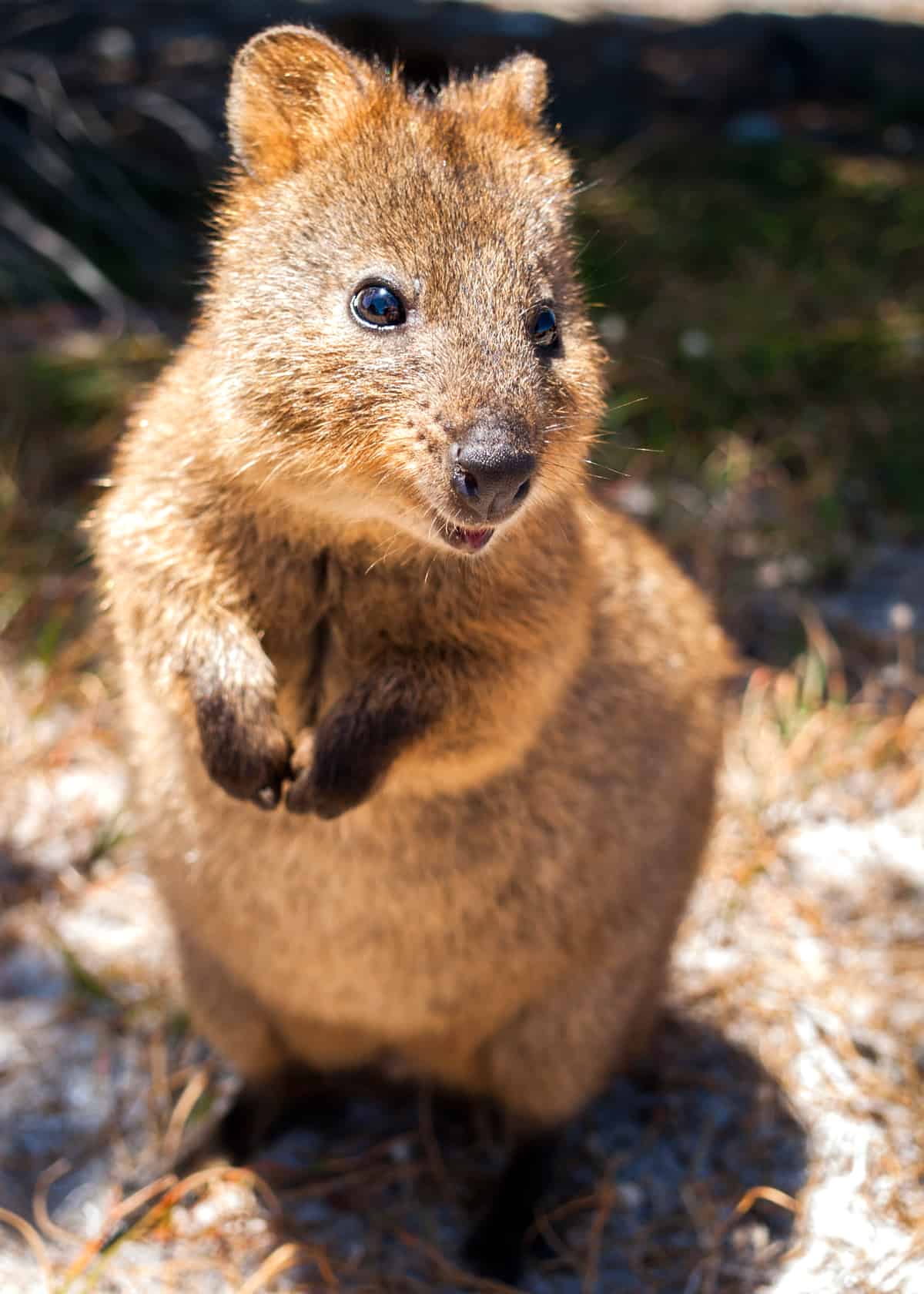
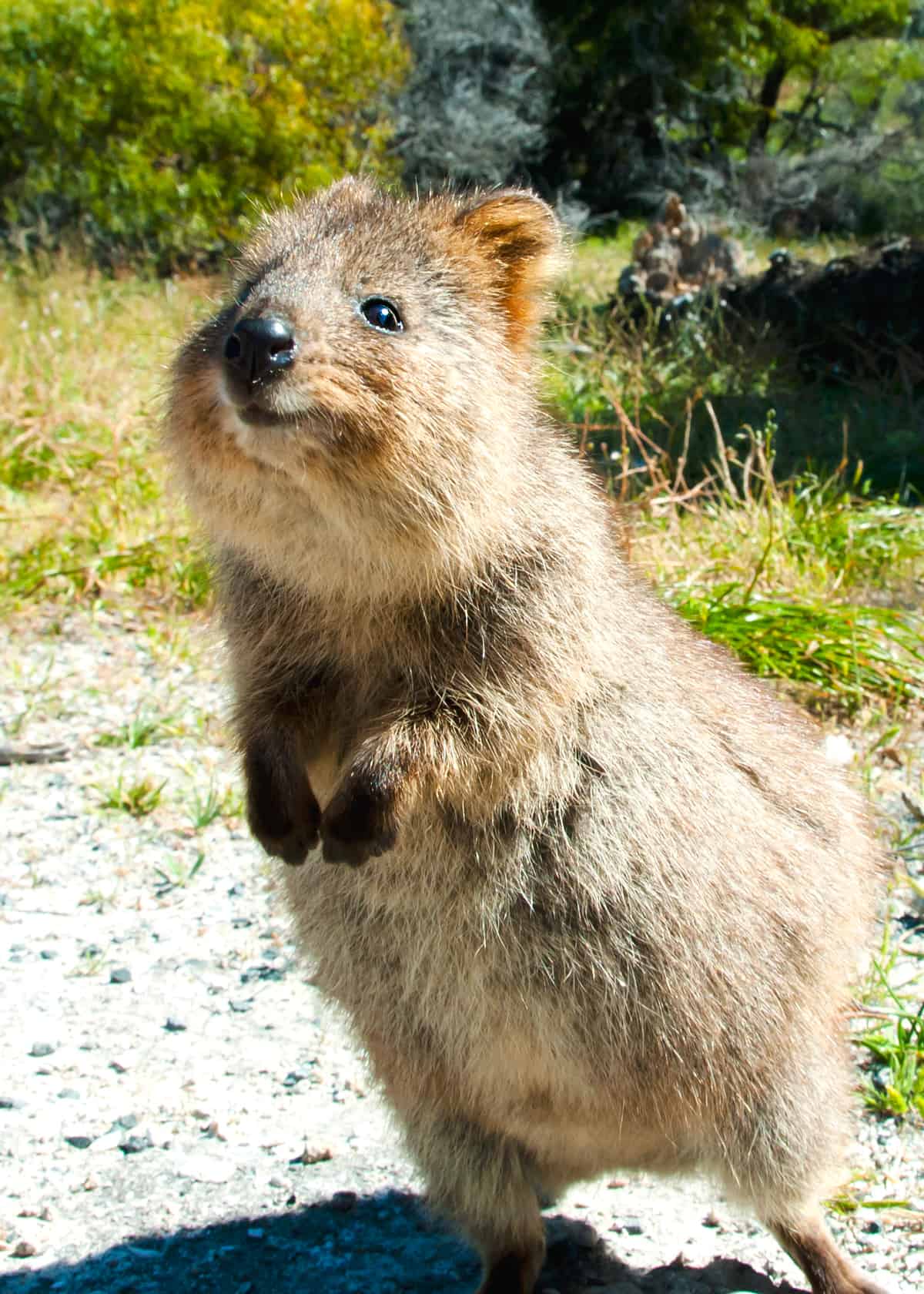
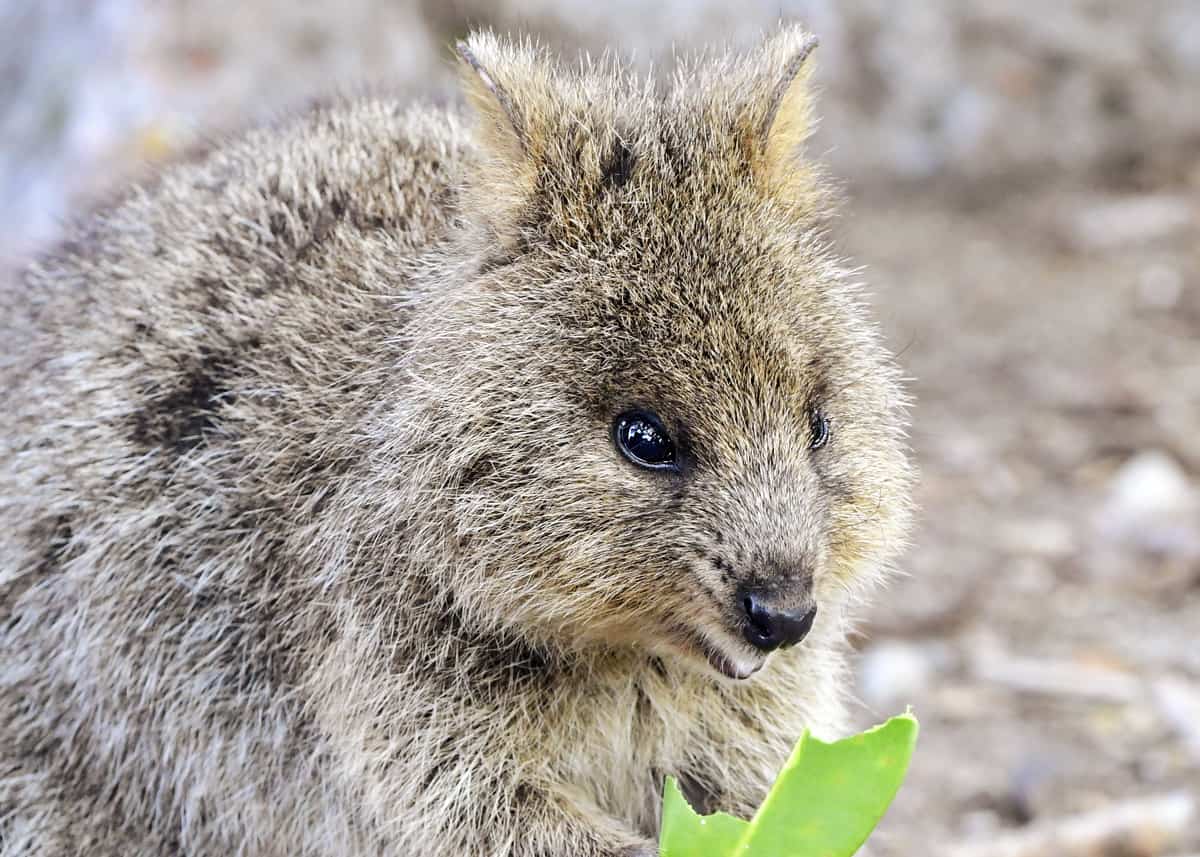
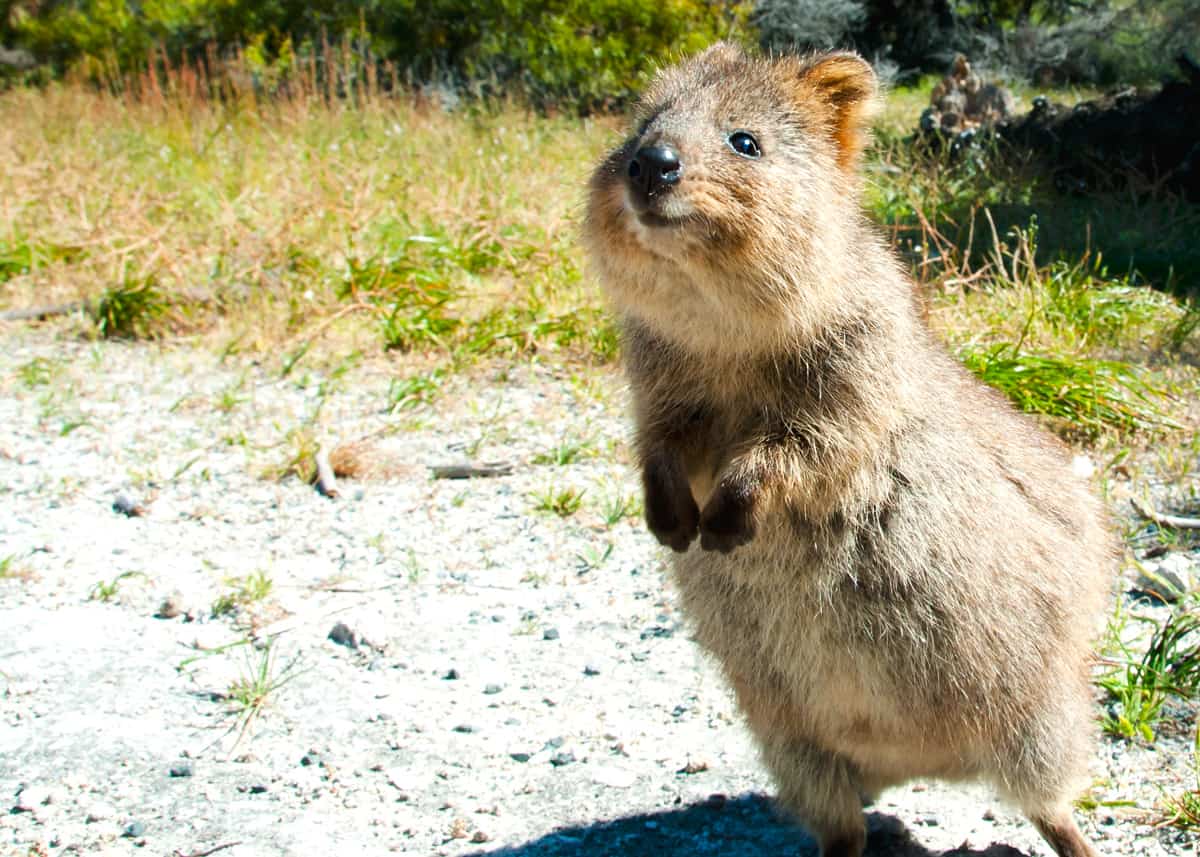
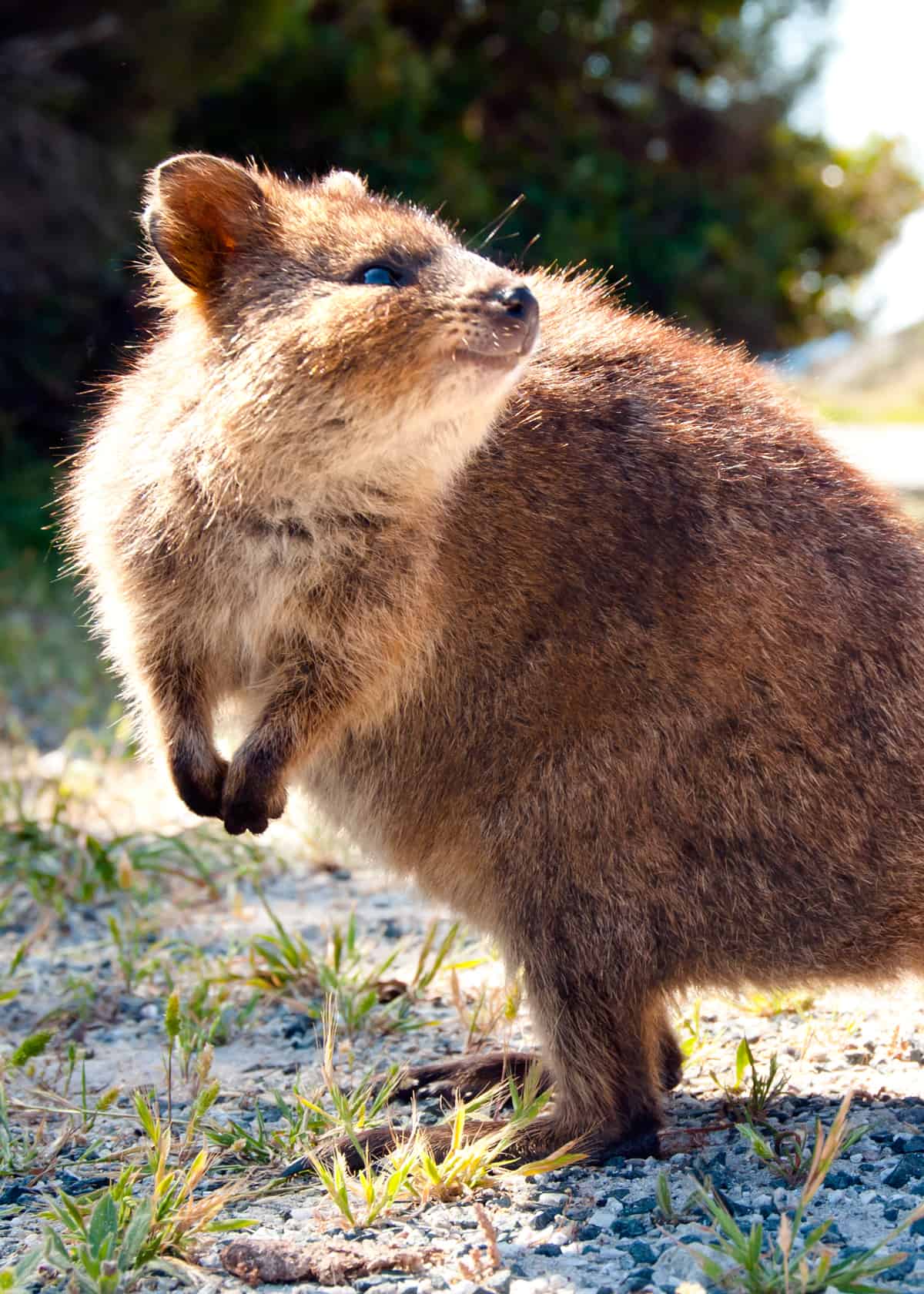
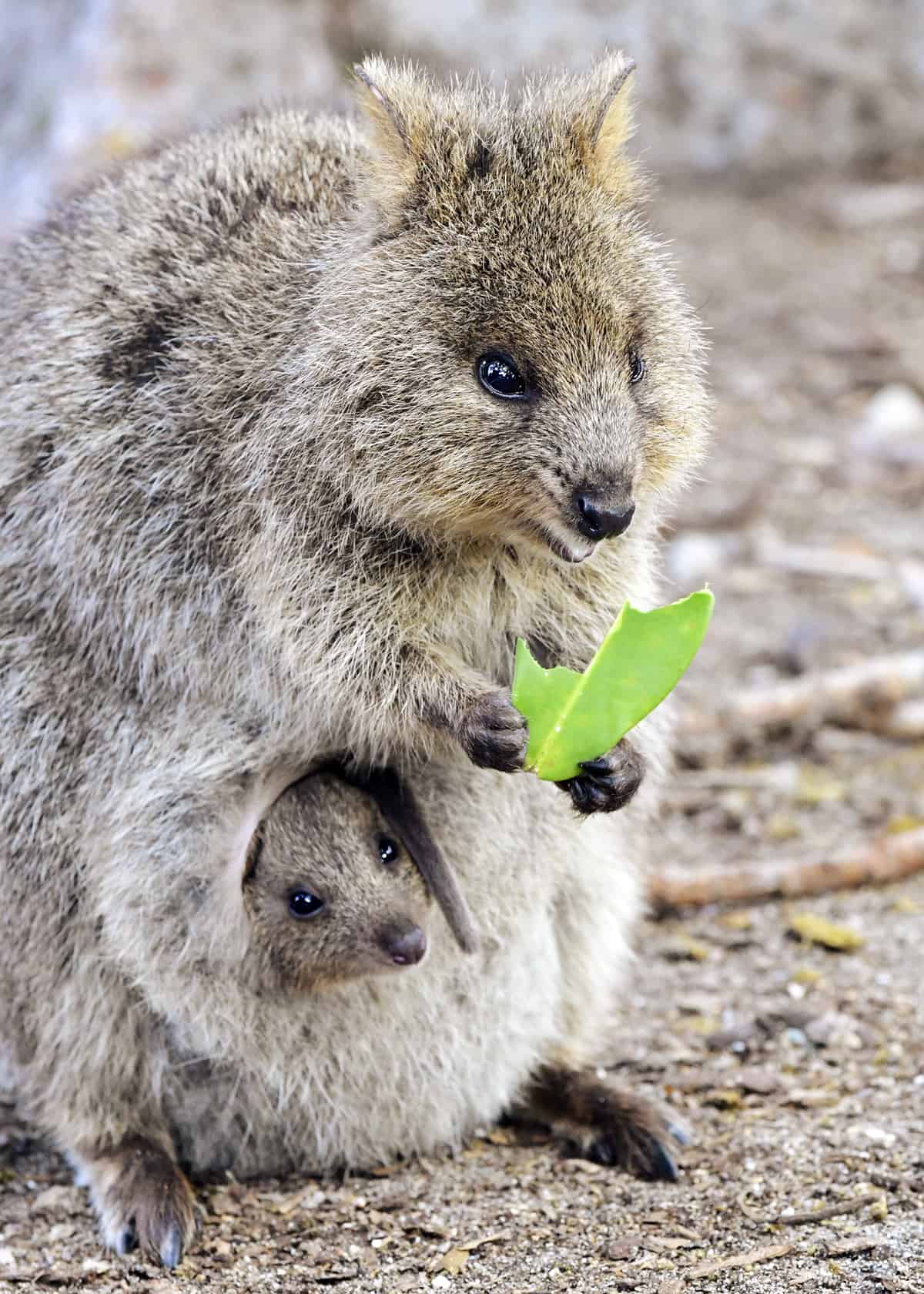
Quokkas are small, four-legged animals covered in fur. They’re from the kangaroo family and have pouches in their abdomens for carrying their young. Though they’re much tinier than kangaroos; the quokka is around the size of a domestic housecat. They have narrow faces, round ears, big noses, and tiny paws. Their tails are short and skinny. They’re almost always a shade of brown. One of the most distinctive features of the quokka is their smile. Known as “the world’s most cheerful animal,” quokkas have a perpetually happy expression on their face. It can range from a tiny smile to a toothy grin, but it’s always there, and it’s always the absolute cutest.
How do you pronounce “quokka?”
It depends on where you live. North Americans usually pronounce it koo-WOH-kuh, but native Australians favor kah-WAH-kah.
How big is a quokka?
Quokkas are the size of domesticated cats. Their bodies measure between 16 – 21 inches long, and their tails are usually 9 – 12 inches long.
How much does a quokka weigh?
Male quokkas usually weigh about 5 – 10 pounds. Females are slightly smaller at 3 – 8 pounds.
Can quokkas climb trees?
Quokkas love to climb trees! They can ascend as high as 4 – 6 feet, which is pretty good for their size. It’s like a housecat climbing to the top portion of a door.
Are quokkas friendly or aggressive?
Quokkas are friendly and approachable creatures. They’re used to tourists, so they have little fear of human contact, and they’ll hop right up to people who are marveling at them. This is how visitors to Rottnest Island are able to pose for so many “quokka selfies.” That said, quokkas can have a bit of amean streak to them. They aren’t afraid to bite when they’re feeling threatened. And they have powerful hind legs that can be used for kicking just as easily as hopping. They don’t like to be handled, either, and the Australian government has strict rules about this, so trying to pet a quokka might result in injuries and fines. To put it another way, quokkas might be friendly, but they’re not domesticated. They’re still wild animals.
Why do quokkas smile?
They’re famous for their chubby-cheeked grins, but why do quokkas actually beam?
The simple answer is that we don’t know. There’s nothing about their mouth or jaw structure that necessitates smiling.
Most experts agree that it’s just a quirk of the species. Like dolphins, quokkas simply have a natural smile. Some other animals with natural smiles include mata mata turtles and axolotls.
Is the quokka the happiest animal?
Quokkas are often called “the happiest animal on Earth” because of their big grins and friendly natures. However, it’s important to remember that they’re still wild animals. They can bite, and they can get aggressive when fighting over mates or when they feel threatened. Males often form social hierarchies based on size and dominance. Females will even abandon their babies if the situation calls for it. The life of a quokka isn’t easy just because it’s smiling!
Some quokkas will even hang around stores, parks, campsites and youth hostels where people have been known to illegally feed them.
Why can’t you feed a quokka?
You shouldn’t feed a quokka for the same reason that you shouldn’t feed any wild animal. Their bodies aren’t used to artificial ingredients, and their diets can be completely disrupted with the introduction of foods and snacks that aren’t native to their environment. You can even cause physical damage to quokkas if you insist on feeding them. Marsupials are prone to something called lumpy jaw disease that can infect their bone cartilage and lead to pain, distress, starvation, and death. LJD can be caused by something as simple as sandwich bread sticking to their gums, so never feed a quokka!
Do quokkas bite?
Yes. Quokkas can and will bite when they’re feeling threatened, and they’ve been known to nip at the fingers of people who try to feed them.
What eats a quokka? Predators and Threats
Quokkas are vulnerable to cats, dogs, foxes, dingoes, and snakes. Their natural predators are birds of prey and dingoes, but the rest have been introduced to their environment over time.
When faced with a predator, the quokka’s first instinct is to run away. They can hop at high speeds for their size, and they can dive into burrows and scurry up branches to try and lose their pursuers. Moms have even been known to sacrifice their children as a distraction to escape. If they’re cornered, quokkas will fight tooth and nail for survival. They can bite with their teeth and scratch with their claws, and their powerful hind legs are good for kicking. It’s only their small size that dooms them. Compared to a dingo or even a dog, quokkas are no match for larger animals.
Are quokkas endangered?
Quokkas are listed as “vulnerable” by the Australian Department of Environment and Energy.
They aren’t quite endangered, but their population trends are decreasing.
How many quokkas are left in the world?
The IUCN estimates that there are between 7,500 – 15,000 mature adults in the wild. The vast majority is on Rottnest Island. There’s also a protected population on Bald Island, and there are a few scattered colonies on mainland Australia as well.
What threatens the quokka?
The biggest threat to quokkas is deforestation. Humans are tearing down trees to build cities; weather changes are having ripple effects on vegetation, erosion, and rainfall. In 2015, a wildfire in Western Australia decimated 90% of the local quokka population. Their numbers went from 500 to 39.
Another big threat to quokkas is humans. People just can’t resist trying to feed, pet, cuddle and capture them, and the smallest of sandwiches can have long-term consequences for their health. There have also been cases of animal cruelty towards quokkas. Since they’re such a prevalent part of life on Rottnest Island, people take liberties with them. One man was jailed when he threw a quokka off a boat to prove that it could swim.
Do quokkas live in groups? Are they sociable?
Yes and no. Quokkas live in colonies, but they don’t really socialize with one another. For example, they don’t groom or play together. They live solitary lives that just so happen to intersect for food and safety reasons.
What do quokkas eat?
Quokkas are herbivores that eat grasses, leaves, shrubs, and plants. One study has suggested that their favorite food is Guichenotia ledifolia, a type of white-purple flower.
Do quokkas mate for life?
There’s no evidence to suggest that quokkas mate for life, but they’ve been known to return to the same mates for several breeding cycles in a row, so they aren’t opposed to monogamy. It seems to be a matter of convenience more than anything. Remember: They’re solitary creatures that mostly live together for survival rather than any desire for companionship.
What sound does a quokka make?
Quokkas don’t make a lot of noise. They don’t have calls or songs to communicate with others of their kind, and they don’t growl when they’re threatened. They might make involuntary sounds of fear or panic when they’re distressed, but that’s about it.
Are quokkas nocturnal?
Quokkas are nocturnal. Their natural instinct is to sleep during the day and forage at night. However, you’ll find plenty of quokkas that are active in the daylight hours. They know that they have better chances of being illegally fed by tourists if they hang around crowded places at high noon.
Where does the quokka live?
The quokka is native to Australia. Its biggest population is on Rottnest Island, but there are small groups on Bald Island and mainland Australia as well. These are the only places in the world where you can find wild quokkas.
What is the habitat of the quokka?
Quokkas live in trees, shrubs, swamps and other areas with dense vegetation. They don’t like the exposure of wide and open spaces. They prefer environments where they can hide from predators or take shelter from the elements when necessary.
How many babies do quokkas have?
Quokkas have one baby at a time. Since they’re a mammalian species, it’s a live birth, and the baby will require milk after it’s born.
What do you call a baby quokka?
Like kangaroos, baby quokkas are called “joeys.”
What are baby quokkas like?
They’re adorable! Baby quokkas are miniature versions of their parents, and they ride around in their mother’s pouch until they’re old enough to fend for themselves. It isn’t uncommon to see babies poking their tiny, fuzzy heads out of their pouches as their mom hops from location to location. As for their life cycle, a quokka female will give birth to a single baby after gestating it for about a month. Then she’ll nurse it and carry it around in her pouch for an additional six months. At six months, the joey will be encouraged to leave the safety of the pouch. It will start to wean itself off mom’s milk as it learns how to forage for food. At 10 – 12 months, the joey will be considered independent, and it won’t rely on mom at all anymore. It might stay close as part of a colony, but it will be a mature and solitary adult.
Do male quokkas play any part in child-rearing?
Male quokkas will defend their pregnant mate, but they don’t have anything to do with mom or baby after it’s born.
How often do quokkas reproduce?
Quokkas are known for their rapid reproduction rates. They mature quickly and can give birth twice per year, so in a 10-year lifespan, they might produce anywhere from 15 – 17 babies. They’re unbound by mating seasons, though it’s most common for quokkas to breed between the months of January – March.
Do quokkas really throw their babies?
Despite their sweet and friendly nature, quokkas have a survival instinct that’s pretty nasty: If a mother is being pursued by a predator, she’ll sacrifice her baby to save herself. She won’t actually throw it, but she’ll eject it from her pouch by relaxing her pouch muscles, causing the baby to drop out. The baby will flail on the ground and make noise that attracts the predator.
Where can I see a quokka?
If you want to see a quokka in the wild, book a trip to Rottnest Island. Quokkas are such an everyday part of life that they’re considered a nuisance by local shopkeepers! They run inside businesses looking to scavenge, and they distract customers, cause messes, dig into garbage and poop everywhere. They’re adorable little troublemakers. Outside of their native habitat, you can find quokkas in all kinds of Australian zoos, including the Perth Zoo, Adelaide Zoo, Sydney Zoo, and Melbourne Zoo.
On the National Day of the Horse, horse lovers like ourselves like to consider America’s relationship with horses and our common history. It’s popular knowledge that European colonists brought horses over to America during the 15th and 16th century to be traded with the Native Americans, hence the Thanksgiving association. While this is true, the relationship isn’t as straightforward as that; it’s a complicated one.
A 2012 study found the wild ancestor of the modern domestic horse likely originated around 160,000 years ago in Eurasia. The scientists determined that horses were first domesticated roughly 6,000 years ago somewhere in the Eurasian Steppe. Another study published in 2017 found all modern horses descend from two distinct lines: the Arabian horse and the now-extinct Turkoman horse (which was similar to the Akhal-Teke breed).
Classic Arabian
Turkoman/Akhal-Teke
Horses spread around the world via trade, war, gifting, theft, and more. People began to selectively breed for desirable characteristics to meet their work requirements for the horses, such as speed, strength, and stamina. While people kept track of their horses’ lineage and traits for centuries, studbooks to maintain an official pedigree record didn’t come about until the 1700s. From this arose the multitude of breeds and types of horses we know today.
Just 19 of the Breeds
The Breeds of Livestock resource from Oklahoma State University lists 217 separate breeds of horses from the Abyssinian to the Zhemaichu. Meanwhile, “The Encyclopedia of the Horse” by Elwyn Hartley Edwards lists just over 150 breeds of horses, including many ancient breeds that no longer exist but are the ancestors of many breeds today. A study by the Swedish University of Agricultural Sciences references 784 horse breeds in the United Nations Food and Agriculture database, but most equine experts recognize approximately 200 horse breeds.
Although horses hadn’t been roaming the American plains in the years leading up to their European introduction, horses have a much longer relationship with America than previously thought.
Paleontology
Think millions of years, coinciding in time periods with the mighty wooly mammoth. Around 10,000 years ago, some of these wild horses crossed over the Bering land bridge that connected early America and Asia. The earliest bridles for horses were found in Eastern Europe dating back to 4000 BC, showing that the Europeans started to domesticate the wild horses around this time, using them for hunting, carrying packs and working the fields. The ancient wild horses that stayed in America became extinct but their ancestors were introduced back to the American land via the European colonists many years later.
Pleistocene Era Horse
Columbus’ second voyage was the starting point for the re-introduction, bringing Iberian horses to modern-day Mexico. Some of the Iberian horses escaped European control and became wild horses, relatives of the mustangs in the Western United States today. The first breeds of horses that were brought over were smaller, due to size constraints for the smaller ships of the time, but as time went on, larger horses such as draft horses were also imported.
Navajo Bridle
After Columbus’ re-introduction, horses spread across the continent and many Native American societies developed their cultures around them. This is where problems emerge, because although they were once native to America thousands of years ago, horses are still technically a recently introduced species to the American plains. Wild horses have few predators and a perfect habitat, so they quickly grew to become a symbol of the West. However, their populations grew too quickly, and they began to compete with farmers for the natural resources that the land held.
The Bureau of Land Management currently protects the wild herds, but they have to manage the population via sterilization techniques and round-ups, a dramatic controversy for animal rights activists.
Wild mare with foal and yearling
BLM Round-Up
The horses we see today are all examples of selective breeding via humans over the years (with the exception of the pure desert-bred Arabian) but they’re also a shared part of our mixed Native and European histories. Horses allowed humans to travel farther and faster, instrumentally help out armies during battles, and develop the country through labor-intensive agriculture.
There are currently around 9.2 million horses in the country, consisting of many breeds such as American Quarter Horses, Paints, Appaloosas, Missouri Fox Trotters, and rarer breeds such as the Shire, Lippizan, Gotland, Caspian and Colonial Spanish Mustangs.
Classic Quarter Horse
Classic Paint
Classic Appaloosa
Missouri Foxtrotter
Dappled Bay Shire
Classic Lippizanner
Gotland
Caspian
Oscar (above) is one of four horses who starred in Disney’s Hidalgo, the epic adventure movie based on the true story of Frank T. Hopkins and his Spanish mustang stallion, Hidalgo. Oscar is APHA registered as Impressively Better, born in 1991.
Most of the breeds in “The Encyclopedia of the Horse” are horses with existing registries that can trace bloodlines to ensure purity. In general, the number of horse breed registries is increasing as equine lovers recognize the need to compile data about rare and endangered breeds and types of horses.
The poinsettia is a well-known member of the spurge family (Euphorbiaceae), commonly sold as an ornamental at Christmas time.
It was named for Joel R. Poinsett, who popularized the plant and introduced it to floriculture while he was U.S. minister to Mexico in the late 1820s.
Poinsettia’s botanical name, Euphorbia pulcherrima, means “the most beautiful Euphorbia”.
The species is native to Central America, especially an area of southern Mexico known as ‘Taxco del Alarcon’ where they flower during the winter.
There are over 100 cultivated varieties of poinsettia.
In warm climates the poinsettia grows outdoors as a winter-flowering, leggyshrub about 10 feet high; as a potted plant in northern areas it rarely grows beyond 3.3 feet.
The plant bears dark green dentate leaves that measure from 2.8 to 6.3 in in length.
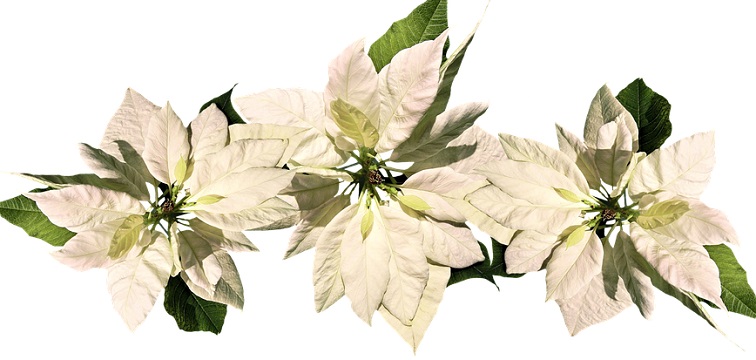
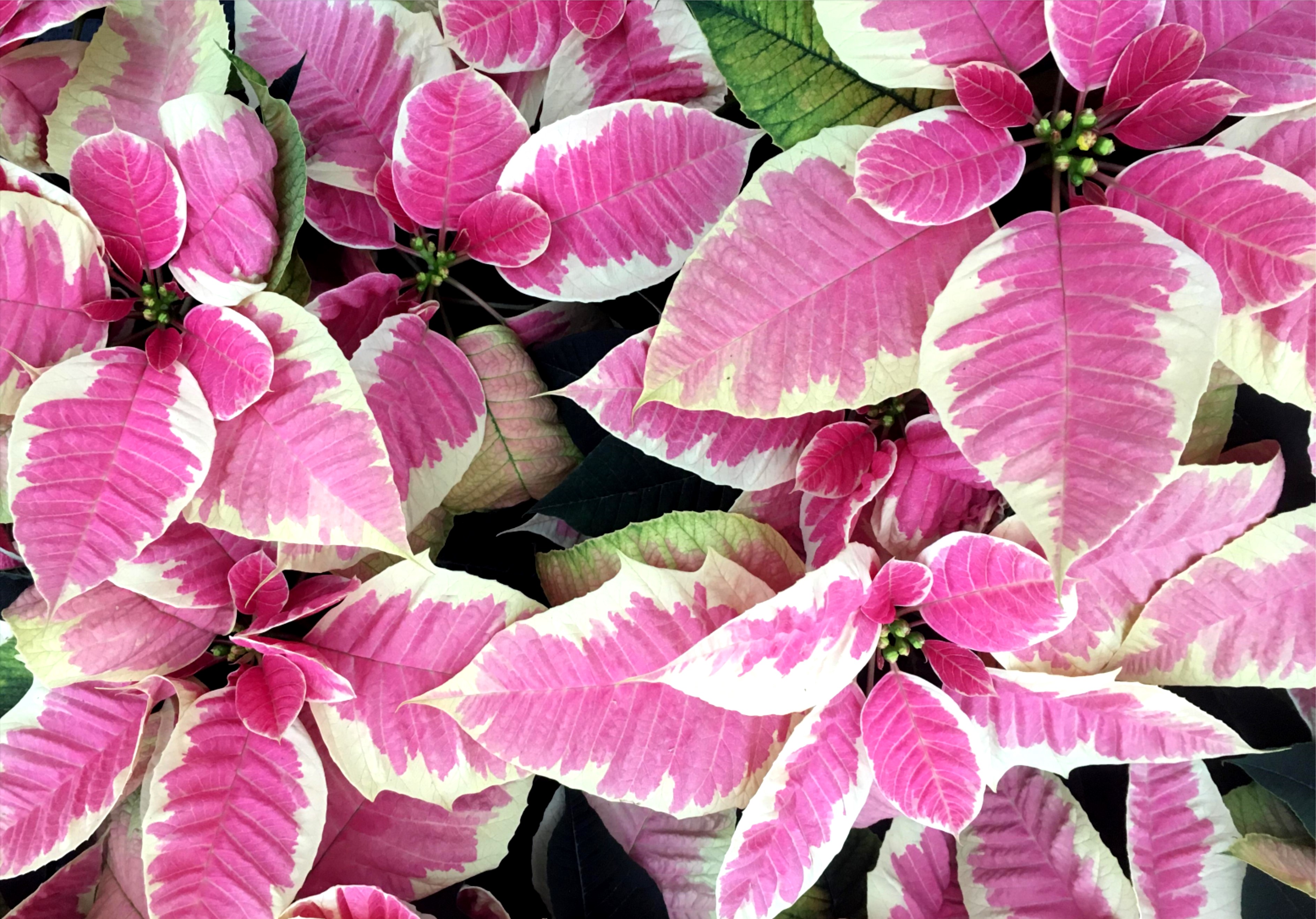
The colored bracts — which are most often flaming red but can be orange, pale green, cream, pink, white, or marbled — are often mistaken for flower petals because of their groupings and colors, but are actually leaves.
The flowers of the poinsettia are unassuming and do not attract pollinators. They are grouped within small yellow structures found in the center of each leaf bunch, and are called cyathia.
A milky latex in the stems and leaves can be irritating to persons or animals sensitive to it, but the claim that poinsettias are deadly poisonous is greatly exaggerated.
The colors of the bracts are created through photoperiodism, meaning that they require darkness (12 hours at a time for at least five days in a row) to change color. At the same time, the plants require abundant light during the day for the brightest color.
Brightly colored, though mostly red, Poinsettias provide effective color as home decor during and after the holiday season.
The shape of the poinsettia flower and leaves are sometimes thought as a symbol of the Star of Bethlehem which led the Wise Men to Jesus. The red colored leaves symbolize the blood of Christ. The white leaves represent His purity.
The ancient Aztecs prized the Poinsettia as a symbol of purity. They also used the plant to produce red dye and as an antipyretic medication. In Nahuatl, the language of the Aztecs, the plant is called Cuetlaxochitl, meaning “flower that grows in residues or soil”
From the 17th century, Franciscan friars in Mexico included the plants in their Christmas celebrations.
Today, the poinsettia is known in Mexico and Guatemala as Flor de Nochebuena, meaning Christmas Eve Flower.
The United States dedicated December 12 as National Poinsettia Day.
The poinsettia is the national emblem of Madagascar.
The poinsettia has been cultivated in Egypt since the 1860s, when it was brought from Mexico during the Egyptian campaign. It is called bent el consul, “the consul’s daughter”, referring to the US ambassador Joel Poinsett.
In the United States and perhaps elsewhere, there is a common misconception that the poinsettia is highly toxic. This misconception was spread by a 1919 urban legend of a two-year-old child dying after consuming a poinsettia leaf.
While the sap and latex of many plants of the spurge genus are indeed toxic, the poinsettia’s toxicity is relatively mild.
An American Journal of Emergency Medicine study of 22,793 cases reported to the American Association of Poison Control Centers showed no fatalities, and furthermore that a strong majority of poinsettia exposures are accidental, involve children, and usually do not result in any type of medical treatment.
When the time comes to decorate your home for the holiday season, it simply wouldn’t be complete without mistletoe.
Mistletoe is a plant that grows parasitically on trees. Mistletoe can cause Witches’-broom, a symptom of a disease that results in clusters of weak shoots, in the host tree.
One way to harvest mistletoe is to climb high in the tree to get the clusters; another way is to blast them out with a shotgun. How’s that for festive?
We might view mistletoe as a beautiful and seasonal plant, but did you know that it is actually poisonous to humans? Drowsiness, vomiting and seizures are possible effects that you will experience if you consume the plant.
Over the years, mistletoe has been used as a medicine. In Europe, it has been used to cure all sorts of illnesses, including arthritis, leprosy and infertility. Injections of mistletoe can be acquired in certain parts of Europe as a cure for cancer.
There isn’t just one type of mistletoe – you can find as many as 1,300 varieties around the world. One of the varieties is known as dwarf mistletoe, which has orange or yellow leaves.
It is mainly spread through birds’ droppings, which explains the origins of the word ‘mistletoe’. The name comes from the Anglo-Saxon words ‘mist’ and ‘tan’, which mean ‘dung twig’ when translated.
Have you ever thought about why people kiss one another when caught under the mistletoe? Legend has it that the goddess Frigga had a son named Balder who was killed by an arrow made from mistletoe. Her tears of sadness brought Balder to life again, and Frigga then promised that all who passed under the mistletoe should receive a kiss.
Despite it being thought of as a romantic plant, it is considered quite a pest around the world. When mistletoe seeds are carried to trees, they spread around the branches and can cause stunt of growth or even death to the tree.
Hanging mistletoe inside the house dates back to the time of the Druids. They believed that this plant would bring them good luck and keep evil spirits away. However, Christians in Western Europe hated the idea of hanging mistletoe around their homes and within the churches, and tried to ban it altogether.
Of the hundreds of mistletoe varieties, there are twenty of them which are endangered. Always check before picking mistletoe for your Christmas party!
In Oklahoma, mistletoe is the state flower.
Harper’s Weekly began featuring pictures of couples kissing under the mistletoe during the mid to late 1800’s.
An old tradition involving mistletoe was to pick off one berry after each kiss. This meant that by the time all the berries had been picked off, nobody would be kissed under the mistletoe anymore. However, over time, this tradition was forgotten, and nowadays, nobody touches the berries.
Mistletoe was often used as a symbol of peace, and was pictured on the front of postcards which were sent to soldiers during the Great War.
If you ever see candles and other items being advertised with the scent of ‘mistletoe’ labelled on them, you’re being told a lie, according to experts. The plant has absolutely no smell at all.
Christmas isn’t the only occasion which mistletoe has been associated with down the ages. It was once thought that witches and ghosts would stay away at Halloween if this plant was present.
Women in Medieval England used to tie mistletoe around their waists in the hope that it would make them more fertile.
It’s hard not to think about a reindeer without picturing Dasher, Dancer, Prancer, well you know the rest, no matter what time of the year it is.
But there’s so much more to reindeer than just the fictional ones!
For instance:
The Latin name for reindeer is rangifer tarandus.
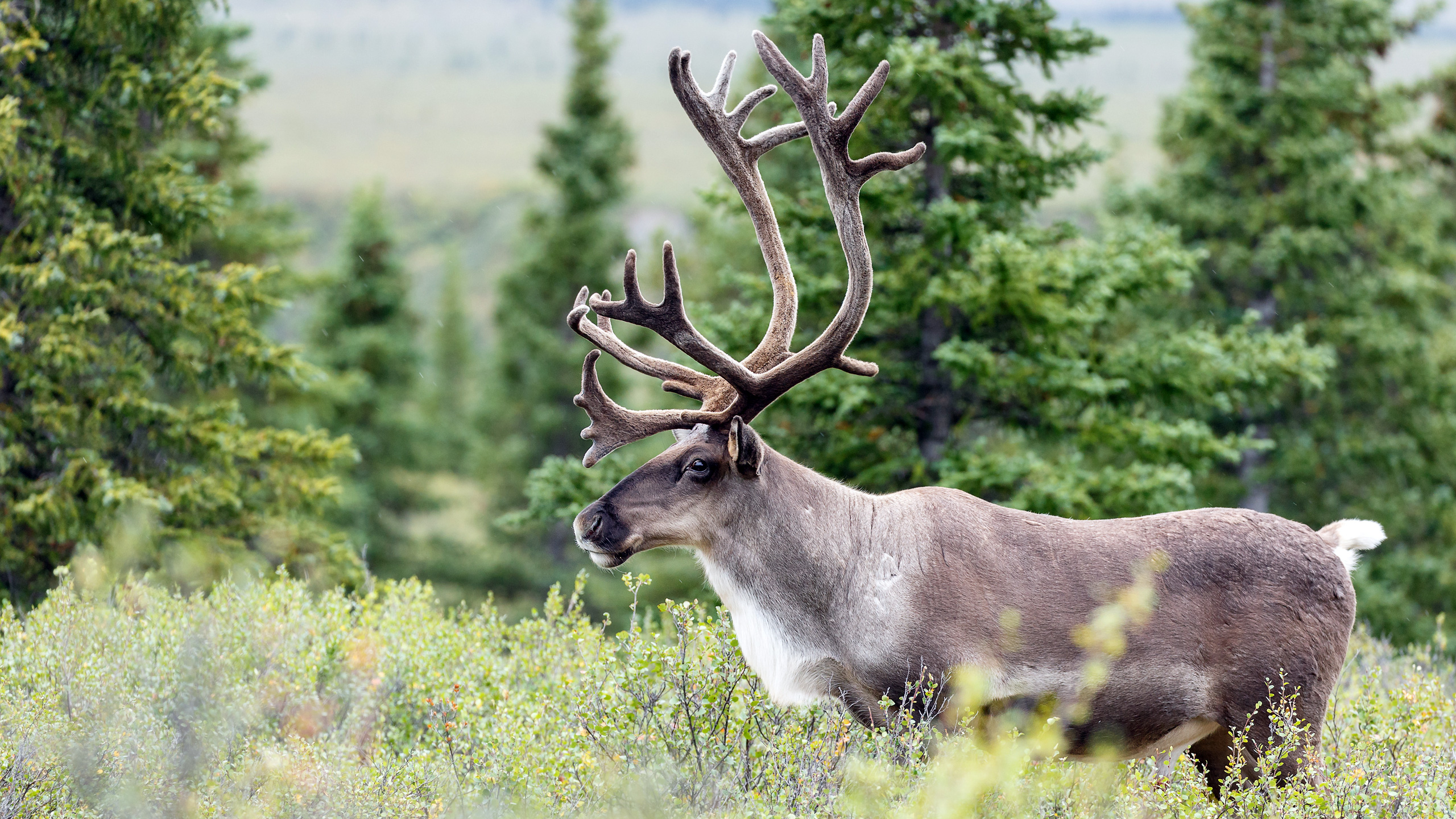
In North America, reindeer are commonly known as caribou. Caribou is a French word, meaning “snow shoveler”.
They are generally native to Arctic and Subarctic regions.
Both genders grow antlers!
The antlers of an adult male fall off in December, whereas the young males lose theirs early spring. Females will lose theirs in the summer.
The antlers grow back each year under a fur called ‘velvet’.
Males lock their antlers and fight for the right to mate with females.
Reindeer can be hunted for their antlers, hides, meat and milk. Not only are they hunted, but they can be domesticated.
It is believed that domesticated reindeer have been around since the Bronze and Iron Ages.
Male bull reindeer can measure up to 7 ft, and can weigh up to 700 lbs.
Female reindeer are generally smaller, and can measure up to 6’7″, and usually weigh 121 to 308 lbs.
The Svalbard reindeer suffer from insular dwarfism. (Insular dwarfism is an evolutionary process that leads to the reduction in the size of animals over a series of generations when the species is limited to a controlled environment especially on small islands.)
Northern reindeer, such as the Peary caribou, have white fur, while the Southern types, such as Woodland caribou, have darker fur.
Their fur is made up of two coats: a woolly undercoat, while the overcoat has hollow air-filled hairs.
A reindeer’s hoof can adapt to the seasons.
It is thought that they are the only mammals able to see ultraviolet light.
Reindeer are herbivores and have four chambered stomachs.
Young or sick reindeer are often targeted by predators, such as wolves.
The meat of a reindeer can be eaten, along with almost all of the internal organs.
Father Christmas’ reindeer are: Rudolph, Blitzen, Comet, Cupid, Dasher, Dancer, Prancer and Vixen and Donner.
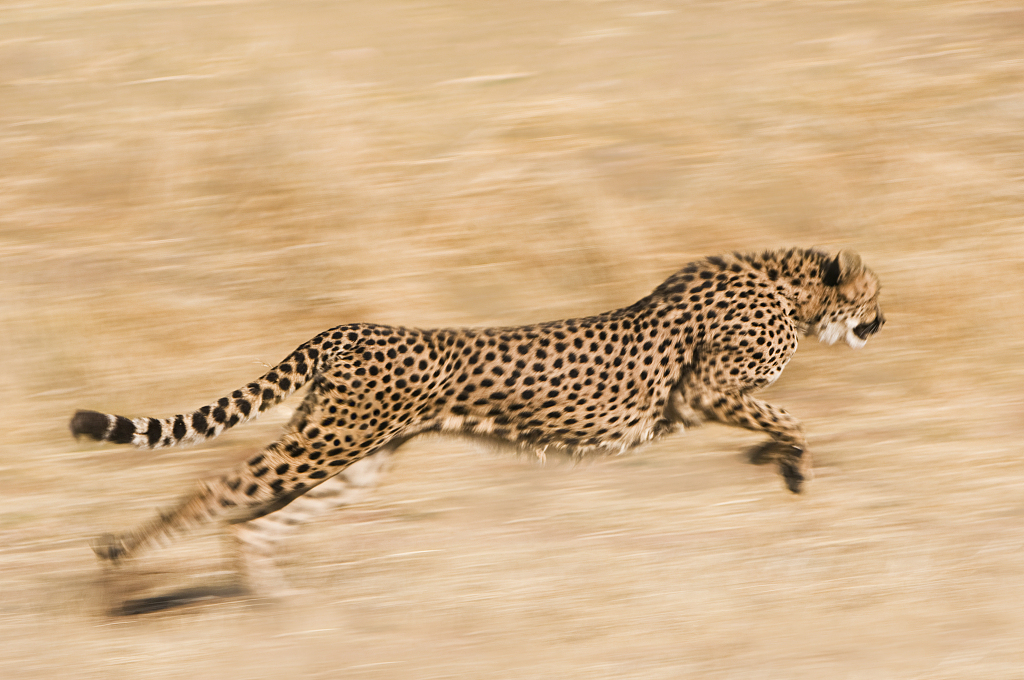
Built for speed, cheetahs are slender, with long thin legs and a long tail. They have coarse, short fur that is yellowish tan in color and covered in solid black spots. Black tear-shaped streaks on the face help to reflect the sun when hunting. Adults weigh around 46–158 lb.
How many spots do cheetahs have?
Cheetahs have between 2,000 and 3,000 spots, which help them to camouflage themselves.
Where do cheetahs live?
Previously, cheetahs were wide-spread across African and Asian continents, but now they are confined mostly to dry open grasslands of Sub-Saharan Africa, with the majority inhabiting natural reserves or parks.
What do cheetahs eat?
Cheetahs are carnivores, so they rely on meat for survival. Their diet is made up primarily of smaller antelopes including springbok, steenbok, Thomson’s gazelle, impalas, and duiker. Cheetahs will also feed on wildebeest calves and, occasionally, smaller animals including rabbits, hares and birds.
How often do cheetahs drink?
Cheetahs have evolved to live in an environment where water is scarce, and can survive on one drink every three to four days.
Are cheetahs solitary?
Female cheetahs are solitary, living alone or with their young. Males however, live in small family groups of 2–3 brothers, known as coalitions.
How fast can cheetahs run?
The cheetah is the fastest land animal in the world, reaching speeds of up to 70 miles per hour. They can accelerate from 0 to 68 miles per hour in just three seconds. Cheetahs are the only big cat that can turn in mid-air while sprinting.
How does the cheetahs tail help when running?
Cheetahs long muscular tails have a flat shape that is used for balance and steering. The tail essentially acts like a rudder on a boat.
When do cheetahs give birth?
Cheetahs start reproducing at a young age; males at the age of one and females at two. There is no specific breeding season and cheetahs will mate with many individuals throughout their lifetimes.
Male cheetahs do not remain with the females after mating, and do not play any role in rearing young. Female cheetahs on the other hand are caring, affectionate and dedicated mothers. Following a pregnancy of three months, female cheetahs will give birth to a litter of 2–8 cubs in a secluded spot such as a rocky outcrop or marshy area with tall grass.
Cubs are vulnerable to predators, and many do not survive the first year. Initially, mothers leave the cubs hidden while hunting, but cubs will start accompanying her at around six weeks.
How long do cubs stay with their mothers?
Female cheetahs spend a long time caring for their cubs and teaching them essential survival skills like hunting. Cubs typically stay with their mothers for one and a half to two years.
What is the biggest threat to cheetahs?
Cheetahs are classified as vulnerable by the IUCN Red List of Threatened Species. With around 10,000–12,000 individuals left in the wild, cheetahs are Africa’s most endangered big cat.
Historically, cheetahs have been hunted for their fur, but today some of the biggest threats to their survival are loss of habitat, and competition for resources. Cheetahs require large areas of land for survival, so increased human settlements and road construction in their habitat puts them at risk.
There’s no question that maintaining a nutritious diet can help keep your body healthy. But when it comes to which foods can specifically benefit which body parts, science remains surprisingly sketchy. But nature gives us a big clue as to what foods help what part of our body!
From the website Healthy Habits, here are foods that mirror the body parts they provide nutrients for—for example, brain-boosting walnuts actually look like a brain. Coincidence? Maybe. Though these healthy foods are beneficial to the whole body, the list below is a fun reminder of what to eat to target specific areas. Remember, most of these foods are more beneficial when eaten raw. (As with most items found on the internet, please take this one with a grain of salt…these guys misspelled scrotum…lol)
A sliced Carrot looks like the human eye. According to science, eating carrots greatly enhances blood flow to the eyes. Carrot gets their orange color from a plant chemical called beta-carotene, which reduces the risk of developing cataracts. The chemical also protects against macular degeneration an age-related sight problem that affects one in four individuals over the age of 65. If one tries to pop a pill of beta-carotene it doesn’t have the same effect, says scientists at John Hopkins Hospital in Baltimore, USA.
A Tomato has four chambers and is red in color– the heart is also red and has four chambers. Research has confirmed that tomatoes are loaded with lycopine and it is indeed pure heart and blood food.
Grapes resembles the alveoli of the lungs. The lungs are made of branches of ever-smaller airways that finish up with tiny branches of tissue called alveoli. These structures allow oxygen to pass from the lungs to the blood stream. A diet high in fresh grapes has shown to reduce the risk of lung cancer and emphysema. Grape seeds also contain a chemical called proanthocyanidin, which is thought to reduce the severity of asthma triggered by allergy. One reason that premature babies struggle to survive is that, these alveoli do not begin to form until the 23rd to 24th week of pregnancy.
A Walnut looks like a little brain, a left and right hemisphere, upper cerebrums and lower cerebellums. Even the wrinkles or folds on the nut are similar to those of the neo-cortex. Scientists claim that walnuts help in developing over three dozen neuron-transmitters within the brain enhancing the signaling and encouraging new messaging link between the brain cells. Walnuts help ward off dementia. They also extract and break down the protein based plaques associated with Alzheimer’s diseases, according to a study by Dr. James Joseph of Tuft University in Boston.
Kidney Beans actually heal and help maintain kidney function and are shaped exactly like the human kidneys (hence their name). Kidney beans provide a variety of minerals and vitamins, and are generally beneficial for your health. If your kidneys are healthy, kidney beans can — when consumed as part of a balanced diet — contribute to your kidney health. If your kidneys are diseased, you might need to moderate your intake of kidney beans.
Celery, Rhubarb, Bok-choy and more look just like bones’ structure. These foods specifically target bone strength. Bones are made up of 23% sodium and these foods have sodium in them. If you don’t have enough sodium in your diet the body pulls it from the bones, making them weak. These foods replenish the skeletal needs of the body.
Avocados and Pears are good for the health and functioning of the womb and cervix of the female and look just like these organs. Modern research shows that when a woman eats one avocado a week, it balances the birth hormones, sheds unwanted birth weight and can even prevent cervical cancer. It even takes exactly nine months to grow an avocado from blossom to ripened fruit, just like a human baby! There are said to be over 14,000 photolytic chemical constituents of nutrition in each one of these foods.
Figs are full of seeds and hang in twos when they grow. Studies have shown that Figs increase the mobility of male sperm and increase the sperm count as well as overcoming male sterility.
Sweet Potatoes resemble the pancreas and can actually balance the glycemic index of diabetics. The oblong sweet potato bears a strong resemblance to the pancreas, and also promotes healthy function in the organ. Sweet potatoes are high in beta-carotene, which is a potent antioxidant that protects all tissues of the body, including the pancreas, from damage associated with cancer or aging.
Olives assist the health and function of the ovaries. An Italian study found that women whose diets included a lot of olive oil had a 30% lower risk of ovarian cancer. The reasons are unclear, but the healthy fats in the oil may help suppress genes predisposed to causing cancer.
Grapefruits, Oranges, and other citrus fruits look just like the mammary glands of the female and actually assist the health of the breasts and the movement of lymph in and out of the breasts. The similarity between round citrus fruits––like lemons and grapefruit––and breasts may be more than coincidental. “Grapefruit contains substances called limonoids, which have been shown to inhibit the development of cancer in lab animals and in human breast cells,” says Dr. Moulavi.
Eating a Banana will cheer you up and put a smile on your face. This popular fruit contains a protein called tryptophan, when digested it gets converted into a neurotransmitter called serotonin, which is a mood regulating chemical in the brain. Bananas can be termed as an antidepressant drug, since it adjusts the level of serotonin production in the brain.
Onions look like the body’s cells. Research shows onions clear waste materials from all of the body cells. They even produce tears which wash the epithelial layers of the eyes.
Ginger looks like the stomach and it also aids in digestion. Indians and Chinese have been using it for over 5000 years to calm the stomach, cure nausea, and motion sickness. It also slows down the growth rate of bowel tumors.
A Mushroom when sliced in half resembles the shape of the human ear. Mushrooms improve hearing abilities, since they contain Vitamin D, which is healthy for bones, especially the 3 tiny bones in the ear that transmit sound to the brain.




/bald-eagle-flying-117146366-f0a7d09f96ac460eb86e241c40b8c54c.jpg)
















.jpg)







 Sew Colorful