DIY: Uses for Bananas (Besides Eating Them)

I found this on Reader’s Digest.  It was updated May 22, 2023.

Make a face mask

Take a moment to pamper yourself!  That’s right: You can use a banana as an all-natural face mask that moisturizes your skin and leaves it looking and feeling softer. Mash up a medium-size ripe banana into a smooth paste, then gently apply it to your face and neck. Let it sit for 10 to 20 minutes, then rinse it off with cold water. Another popular mask recipe calls for 1/4 cup plain yogurt, 2 tablespoons honey and 1 medium banana.

Eat a frozen “banana-sicle”

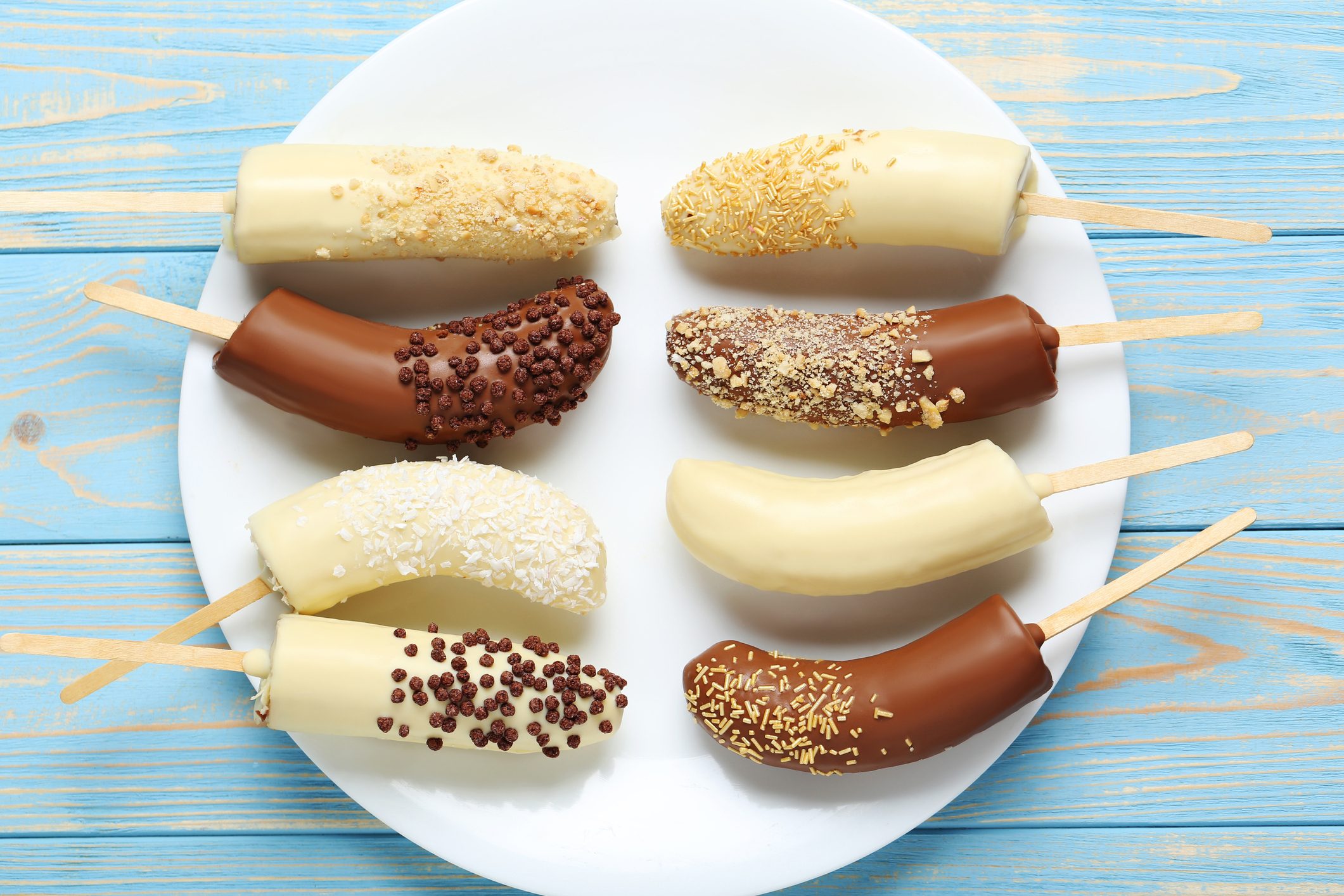
As a treat for friends and family, peel and cut four ripe bananas in half (across the middle). Stick a wooden ice-cream stick into the flat end of each piece. Place them all on a piece of wax paper, and then put it in the freezer. A few hours later, serve them up as simply yummy frozen banana-sicles.

If you want to go all out, quickly dip your frozen bananas in 6 ounces melted butterscotch or chocolate morsels (chopped nuts or shredded coconut are optional), then refreeze.

Polish silverware and leather shoes

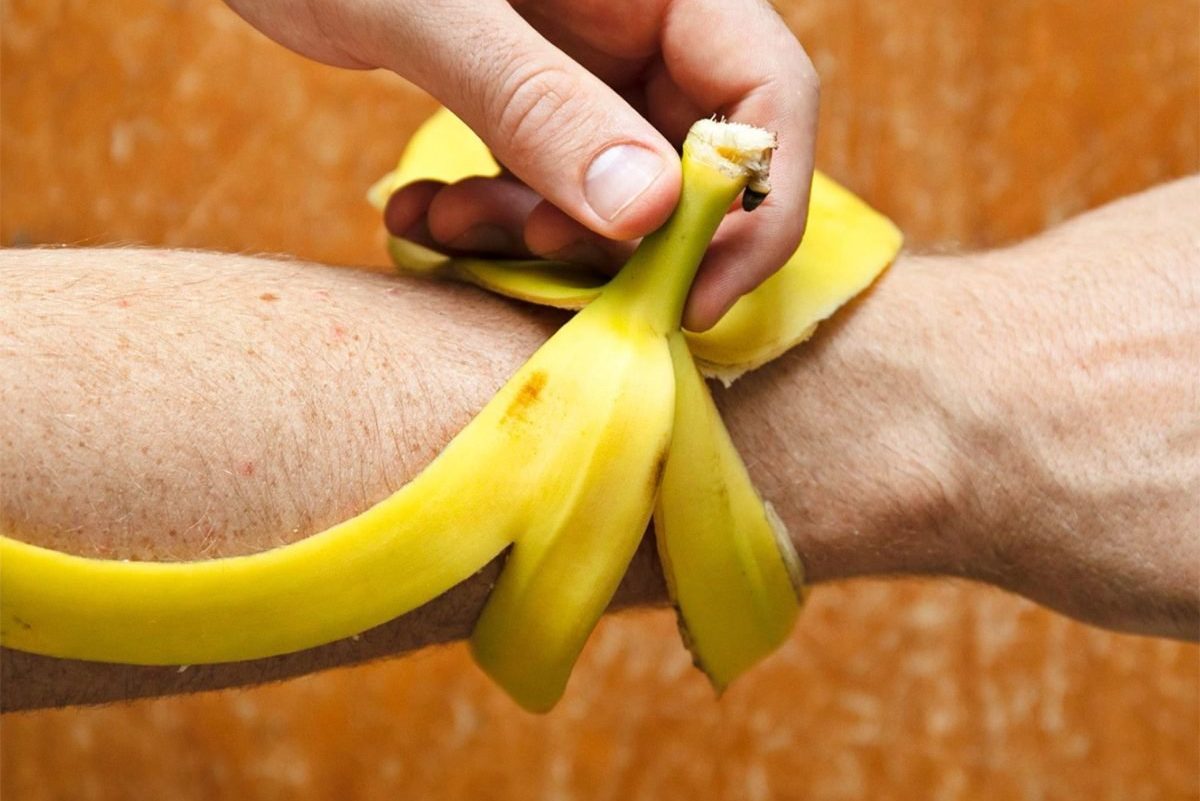
It may sound a bit like a lark, but using a banana peel is actually a great way to put the shine back into your silverware and leather shoes. First, remove any of the leftover stringy material from the inside of the peel, then just start rubbing the inside of the peel on your shoes or silver. When you’re done, buff up the object with a paper towel or soft cloth. You might even want to use this technique to restore your leather furniture. Test it on a small section first before you take on the whole chair.

Tenderize a roast

Banana leaves are commonly used in many Asian countries to wrap meat as it’s cooking, to make it more tender. Some folks say the banana itself also has this ability. So the next time you fear the roast you’re cooking will turn tough on you, try softening it up by adding a ripe, peeled banana to the pan.

Brighten up houseplants

Are the leaves on your indoor plants looking dingy or dusty? Don’t bother misting them with water; that just spreads the dirt around. Rather, wipe down each leaf with the inside of a banana peel. It’ll remove all the gunk on the surface and replace it with a lustrous shine.

Deter aphids

Are aphids attacking your rosebushes or other plants? Bury dried or cut-up banana peels an inch or two deep around the base of the aphid-prone plants, and soon the little suckers will pack up and leave. Don’t use whole peels or the bananas themselves, though; they tend to be viewed as tasty treats by raccoons, squirrels, gophers, rabbits and other animals, who will just dig them up.

Use as fertilizer or mulch

Banana peels, like the fruit itself, are rich in potassium, an important nutrient for both you and your garden. Dry out banana peels on screens during the winter months. In early spring, grind them up in a food processor or blender and use them as mulch to give new plants and seedlings a healthy start.

Many cultivars of roses and other plants, like staghorn ferns, also benefit from the nutrients found in banana peels; simply cut up some peels and use them as plant food around your established plants.

Assist with first aid

Banana peels have anti-inflammatory properties, which means they are great when it comes to bug bites, minor scrapes, poison ivy and sunburn. All you have to do is put the banana peel on the affected area and press it like you would a cool compress. You can repeat this process until you feel some relief.

Ripen an avocado

Are you an avocado enthusiast? Though you could eat all the avocado toast and guacamole in the world, sometimes avocados just don’t ripen fast enough. In order to satisfy your avocado craving for all your cooking needs, use a banana to help speed up the ripening process.

Bananas release ethylene, which triggers ripening in avocados. Simply place a banana in a brown paper bag and roll it up with an avocado. Check it daily until it is ripe enough.

Slough off dry skin

In order to keep your skin feeling smooth and radiant (without learning all the professional spa etiquette), create a body scrub with a banana. There are many different variations, depending on the kind of scrub you need. For a gentle scrub, you can mix a mashed banana with brown sugar. For a medium scrub try mixing in oatmeal or sea salt. If you really need a heavy-duty scrub, grind apricot pits at home and add it to your banana to really dig deep into your pores.

Remove warts

Warts are stubborn and gross, so needless to say, nobody wants one. A natural way you can go about removing one is by using a banana peel. Cut a piece of ripe banana peel to cover the affected area, placing the inside next to your skin, and keep it there overnight by using some medical tape. In the morning you should notice some improvement, and you can repeat the process nightly until it’s gone!

Attract butterflies and birds

Bring more butterflies and various bird species to your backyard by putting out overripe bananas (as well as other fruits such as mangos, oranges and papayas) on a raised platform. Punch a few holes in the bananas to make the fruit more accessible to the butterflies. Some enthusiasts swear by adding a drop of Gatorade to further mush things up.

The fruit is also likely to attract more bees and wasps as well, so make sure that the platform is well above head level and not centrally located. Moreover, you’ll probably want to clear it off before sunset, to discourage visits from raccoons and other nocturnal creatures.

Add to compost pile

Here’s a great gardening tip: With their high content of potassium and phosphorus, whole bananas and peels are welcome additions to any compost pile, particularly in so-called compost tea recipes. The fruit breaks down especially fast in hot temperatures. But don’t forget to remove any glued-on tags from the peels, and be sure to bury bananas deep within your pile (otherwise they may simply turn out to be a meal for a four-legged visitor).

Whiten teeth on the cheap

Everyone wants pearly whites, but do you really want to spend all that money on treatments? Banana peels contain citric acid, which will help lighten surface stains on your teeth. For natural teeth whitening at home, after giving your teeth a good brush, simply rub the banana peel on the surface for about two minutes every day. Your smile will not only be whiter, but brighter!

Get rid of splinters

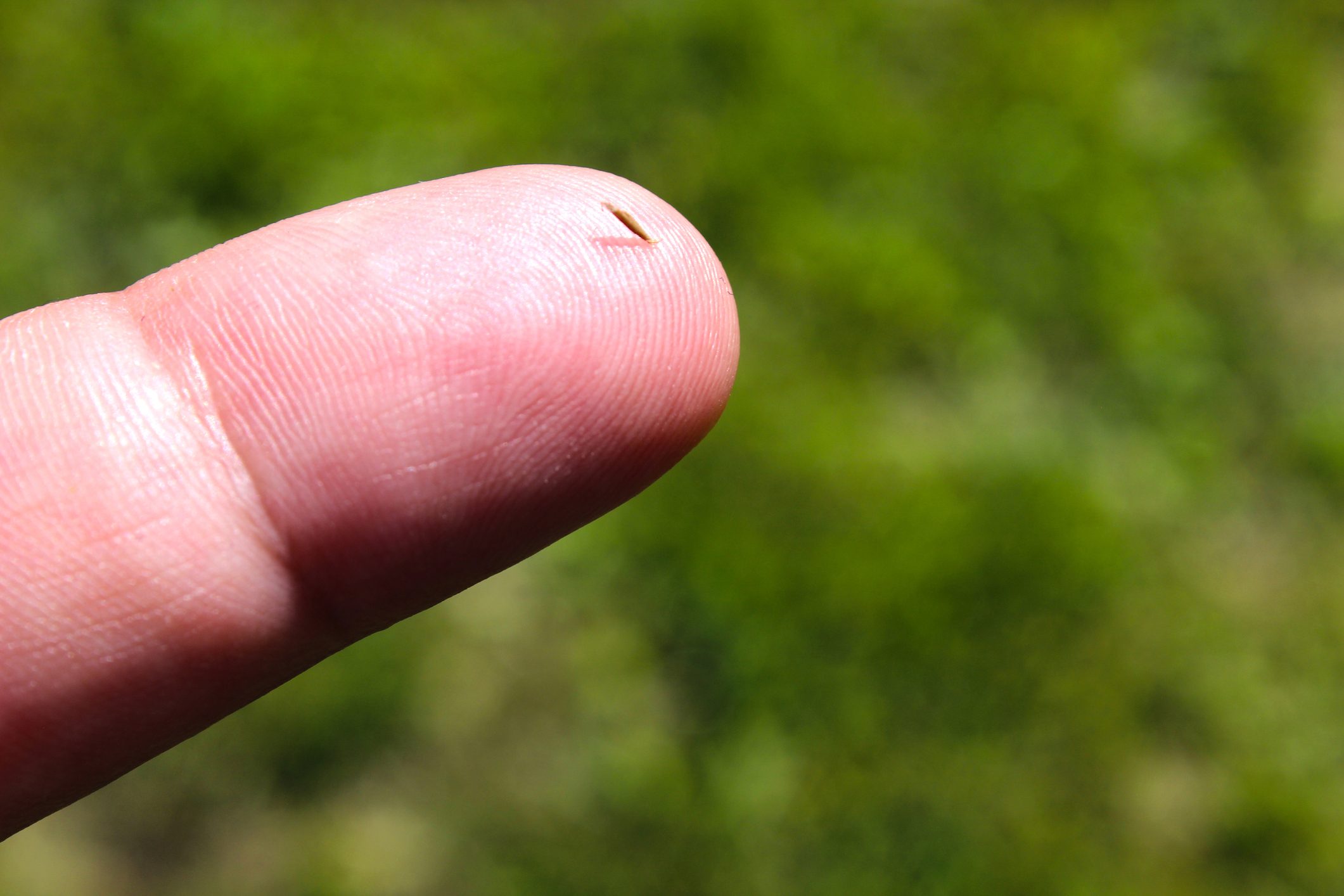
Splinters can be a real pain, literally and figuratively. The natural enzymes in banana peels can help loosen splinters that just don’t seem to want to get out of your skin. Press the inside of the peel on your skin for up to 30 minutes, and it will help move the splinter to the surface for an easy plucking.

Make banana “ice cream”

If you don’t have the time or calories to spare, try making ice cream out of bananas. All you have to do is freeze your peeled bananas and blend them in a food processor or blender. The result is an ice-cream-like consistency and a satisfied craving. Try adding some peanut butter or shredded coconut as toppings.

Create a dog treat

Dogs love human food, but most of the time our cherished pooches cannot digest what we eat. Bananas, however, are foods that our pets can enjoy. They are high in fiber, magnesium and potassium. Mash up a banana and add it to your dog’s favorite food so they can chow down.

Restore dry hair

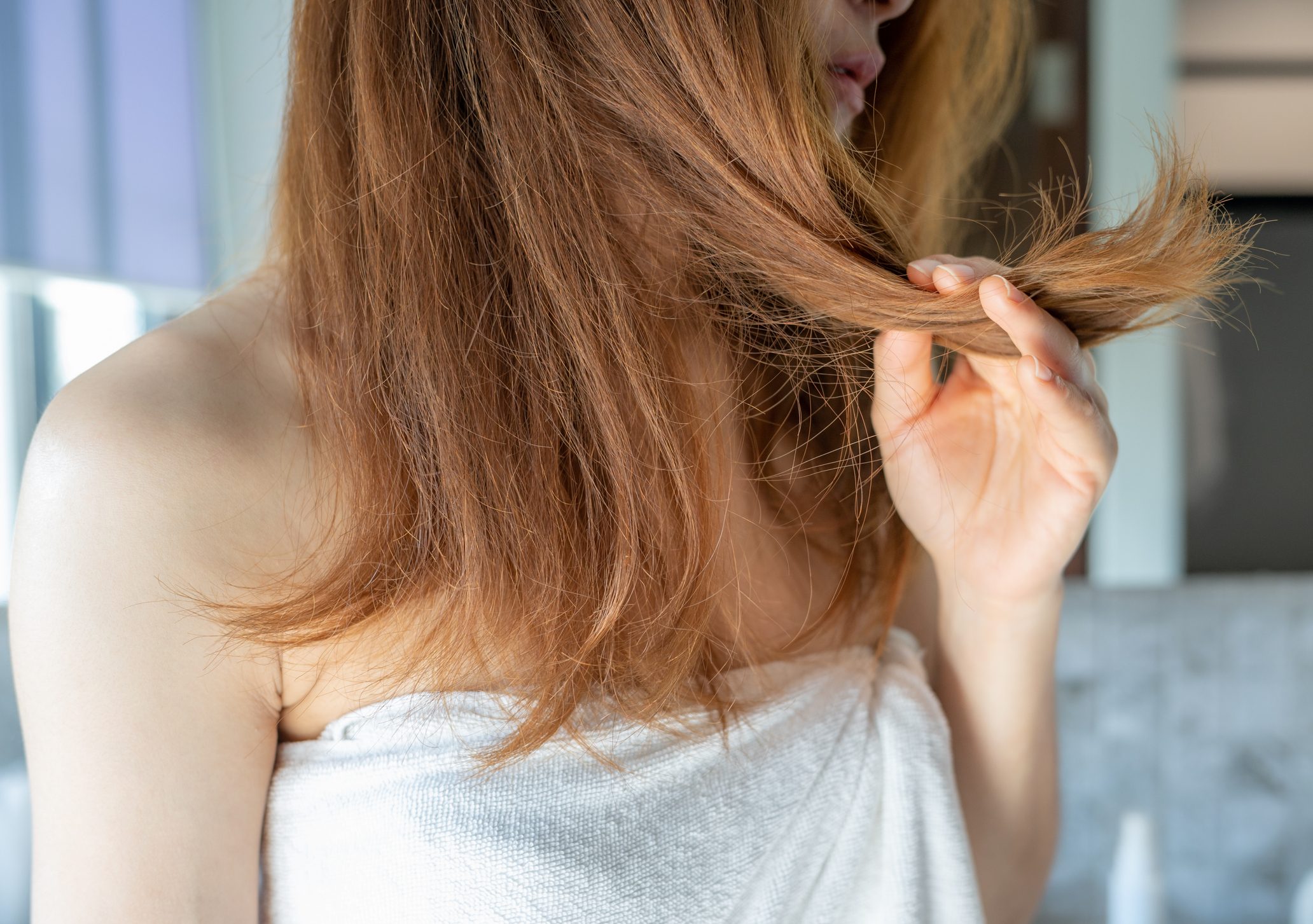
Bananas are great ways to combat that stringy and brittle feeling. To make a banana hair mask, puree one to three really ripe bananas (depending on your hair length) and then massage it throughout your scalp to your ends. Let it sit for 15 minutes, then rinse it in the shower followed by a shampoo.

Ease heartburn

Bananas are an alkaline fruit, which means they may help neutralize acid in the stomach. You can eat bananas regularly as a home remedy for heartburn and GERD. Add a banana to your breakfast to help coat the stomach for the rest of the day.

Prevent a scratched CD from skipping

Is your favorite DVD or CD playlist for the car scratched? Gently rub the scratched part of the disc with the inside of the peel in a circular motion. Wipe off any residue with a soft cloth and then shine it with some glass cleaner. The wax in the banana peel may help fill in the scratches so you can enjoy your treasured disc once more.

With all these cool banana hacks, be sure you eat at least some of the bananas you’re buying!

SOURCE: Reader’s Digest

Petroleum Jelly Uses Around the House

Clear Wax From Candlesticks

The long red tapers you used at last night’s candlelit dinner were a beautiful sight until you saw the candle wax drippings left in the candle holders. Luckily, fixing this issue is one of many Vaseline uses. Next time, apply petroleum jelly to the insides of the holders before you put the candles in. The wax will pop out for easy cleaning.

Lift Lipstick Stains

You set the table at that lovely dinner party with your favorite cloth napkins, but your girlfriends left their mark all over them. Now dotted with lipstick stains, those napkins may be headed for the trash. But try this first. Before you wash them, blot petroleum jelly on the stain. Launder as usual and hopefully you will kiss the stains goodbye.

Remove Chewing Gum From Wood

Did you discover bubble gum stuck under the dining room table or behind the headboard of Junior’s bed? Thanks to these genius Vaseline uses, you can trouble yourself about it no further. Squeeze some petroleum jelly on the offending wad, rub it in until the gum starts to disintegrate, then remove. 

Clean Watermarks From Wood

Your most recent party left lots of watermark rings on your wood furniture. To remove water stains from wood, apply petroleum jelly and let it sit overnight. In the morning, wipe the watermark away with the jelly.

Shine Patent-Leather Goods

You’ve got a great pair of patent-leather shoes and a dynamite bag to match. The luster stays longer if you polish the items with petroleum jelly. 

Make Leather Jackets Look New Again

You don’t need fancy leather moisturizer to take care of your favorite leather jacket. Petroleum jelly does the job just as well. Apply, rub it in, wipe off the excess, and you’re ready to go.

Stop Battery Terminal Corrosion

It’s no coincidence that your car battery always dies on the coldest winter day. Low temperatures increase electrical resistance and thicken engine oil, making the battery work harder. Corrosion on the battery terminals also increases resistance and might just be the last straw that makes the battery give up. Before winter starts, disconnect the terminals and clean them with a wire brush. Reconnect, then smear with petroleum jelly. The jelly will prevent corrosion and help keep the battery cranking all winter long.

Grease a Baseball Mitt

Got a new baseball mitt, but it’s as stiff as a dugout bench? Soften it up with petroleum jelly. Apply liberal amounts. Work it into the glove, then tie it up with a baseball inside. Do this in the winter, and by the spring you’ll be ready to take the field.

Mask Doorknobs While Painting

You’re about to undertake painting the family room. But do you really want to fiddle with removing all the metal fixtures, including doorknobs? Petroleum jelly rubbed on the metal will prevent paint from sticking. When you’re done painting, just wipe off the jelly and the unwanted paint is gone.

Keep an Outdoor Lightbulb From Sticking

Have you ever unscrewed a lightbulb and found yourself holding the glass while the metal base remains in the socket? It won’t happen again if you remember to apply petroleum jelly to the base of the bulb before screwing it into the fixture. This is an especially good idea for lightbulbs used outdoors.

Stop Squeaking Door Hinges

It’s so annoying when a squeaky door makes an ill-timed noise when you’re trying to keep quiet. Put petroleum jelly on the hinge pins of the door. No more squeaks.

Moisturize Your Lips and More

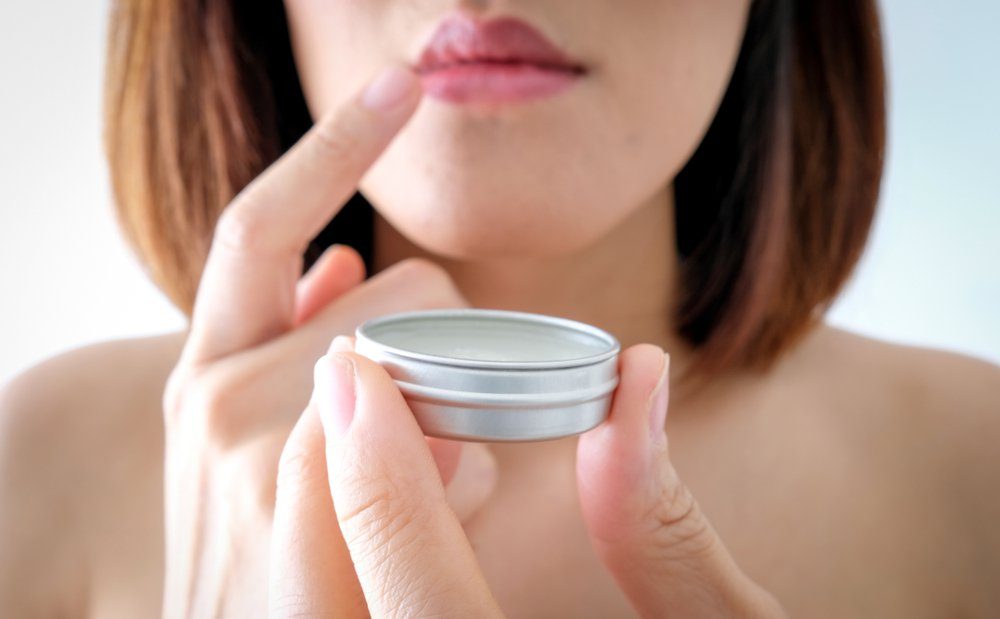
If you don’t want to pay a lot for expensive lip balm, makeup remover, or even facial moisturizer, then your answer is a tube of petroleum jelly. Some of the best Vaseline uses include soothing lips, plus taking off foundation, eye shadow, mascara, and more. It will even act as a moisturizer on your face.

Remove a Stuck Ring

Wedding ring won’t budge? Trying to get it off can take a lot of tug and pull. Apply some petroleum jelly and it will glide right off.

No More Shampoo Tears

Thinking of buying special no-tears shampoo for your child? Forget about it. If you have some petroleum jelly, you have the solution. Rub a fair amount into your baby’s eyebrows. It acts as a protective shield against shampoo running down into his eyes.

SOURCE: FAMILY HANDYMAN

Vinegar: Cleaning, Removing Stains, and Natural Remedies

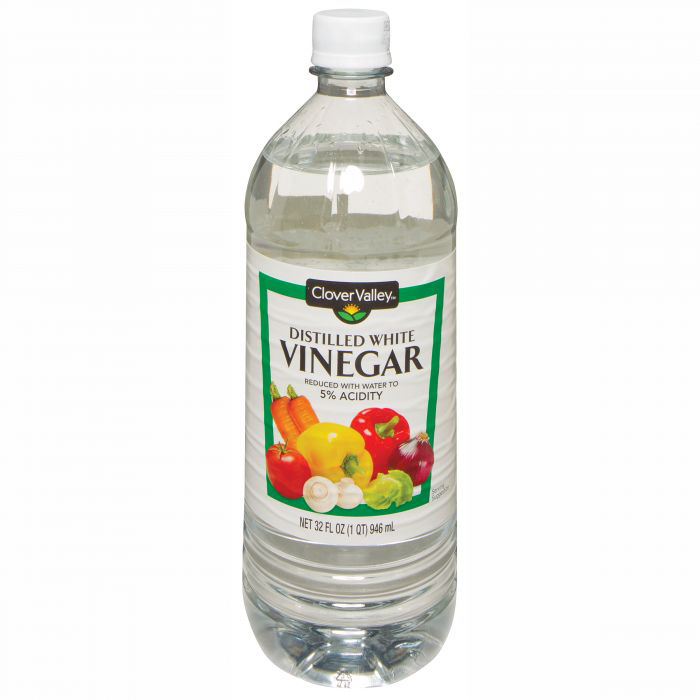
Who knew that vinegar could do so much? Here are some of the many household uses for vinegar—from cleaning to stain treatment to relieving insect bites. Discover vinegar’s versatility, as well as when NOT to use vinegar.

There’s a cheap, safe, and effective product that has hundreds of uses: vinegar! Let’s explore all the ways vinegar is useful, from the uncommon to the common.

Vinegar in the Garden

Defeating garden weeds: Spray white vinegar directly on plants that you want to kill, especially weeds in cracks in your driveway! Spray on a dry, sunny day. Remember that vinegar will kill plants you want to keep as well, so be careful and try to apply it directly on the leaves of the weed you want to get rid of. 

Soothing insect bites: Apply full strength vinegar to mosquito or other insect bites to relieve the itching. (Caution: Do not do this if the affected area is raw.)

Insect repellent: Rub a solution of 1 part apple cider vinegar to 2 parts water on your skin to help repel insects. (For sensitive skins, dilute the vinegar further.)

Keeping cut flowers fresh: To extend the life of flowers in a vase, add a few teaspoons of apple cider vinegar to the water, plus a dash of sugar. The acidic vinegar helps to prevent bacterial growth.

White Vinegar and Cleaning

Vinegar is a common ingredient in countless homemade cleaners and is especially helpful for cleaning household appliances.

Coffeepot: Every month, bring a solution of 1 cup of vinegar and 4 tablespoons of baking soda to a boil in teapots and coffeepots to rid them of mineral deposits. To clean drip coffeemakers, fill the reservoir with white vinegar and run it through a brewing cycle. Rinse thoroughly by brewing two cycles with water before using.

Cutting boards: Use white vinegar to disinfect cutting boards, especially those made of wood.

Stovetop: A solution of vinegar and baking soda will easily remove cooking oil from your stovetop.

Oven: For a clean oven, combine vinegar and baking soda, then scrub.

Microwaves: Pour white vinegar into a bowl of water and microwave it for a few minutes, then wipe out.

Dishwasher: Use as a cheap rinsing agent to get your glasses and plates clean. Also, once a year, pour a cup of white vinegar into an empty dishwasher, then run it for a short cycle to get rid of the lime and soap build-up.

Clogged or smelly sink: Pour 1/4 cup of baking soda down the sink, then add 1 cup of vinegar. 

Humidifier: Clean the filter on your humidifier by removing it and soaking it in a pan of white vinegar until all the sediment is off.

Tubs and showers: Saturate a cloth with vinegar and sprinkle with baking soda, and then use it to clean fiberglass tubs and showers. Rinse well and rub dry for a spotless shine. 

Tile grout: White vinegar is actually safer than chlorine bleach for cleaning grout and caulking in bathrooms and kitchens. Spray, leave for one hour, and then scrub.

Shower curtain: Use a sponge dampened with vinegar to clean shower curtains.

Toilet bowl: Clean and deodorize your toilet bowl by pouring undiluted white vinegar into it. Let stand for five minutes, then flush. Spray stubborn stains with white vinegar, then scrub vigorously.

Windows: Clean windows with a cloth dipped in a solution of one part white vinegar and 10 parts warm water.

Fridge odors: Rid your refrigerator and freezer of bad odors by cleaning the insides with a solution of equal parts vinegar and water, then wiping dry.

Smoke odors on clothes: To remove smoke odors on clothes, hang them above a steaming bathtub filled with hot water and a cup of white vinegar.

Prevent mildew: Wipe down surfaces with vinegar to clean and prevent mildew. 

When NOT to use vinegar:

Do not use vinegar on granite or marble countertops.

Avoid using vinegar where there is unsealed grout.

Do not use vinegar on wood surfaces or hardwood floors (or no-wax vinyl floors).

Never use vinegar on your cell phone or computer screen! 

Vinegar and Stain Removal

White vinegar is known as an effective stain remover. 

Clothes: Vinegar naturally breaks down uric acid and soapy residue, leaving baby clothes and diapers soft and fresh. Add a cup of vinegar to each load during the rinse cycle. It also gets rid of stinky towel mildew and makes clothes more colorful. 

For removing specific stains such as ketchup, tomato sauce, etc., spray a little vinegar directly onto the stain and then launder. 

Chewing gum: To remove chewing gum, rub it with full-strength vinegar.

Paint stains: Soak paint stains in hot vinegar to remove them.

Shoes: To remove salt and water stains from leather boots and shoes, rub with a solution of 1 tablespoon white vinegar and 1 cup water. Wipe over the stained area only, and then polish.

Brighten white clothes: Soaking white clothing in vinegar will help bring back their brightness.

Vinegar and Pet Care

Itchy ears: Clean inside of dog and cat ears with a clean washcloth or rag dipped in a white vinegar solution (4 tablespoons water: 1 tablespoon vinegar).

Smelly pets: If your pets get sprayed by a skunk or have other incidents, vinegar can help get rid of the smell!

Vinegar and Car Care

Remove bumper stickers: To remove bumper stickers from car chrome, squirt on vinegar and let it soak in. Next, scrape off the stickers. Decals can be removed similarly.

Keep windows clear: Wipe down windows with diluted vinegar in winter to keep them frost-free. You can also use vinegar spray as a window cleaner.

More Uses for Vinegar!

Sprains: Place a vinegar-soaked brown bag on sprains to ease pain and aid recovery.

Shiny hair: For brunettes, rinsing hair with vinegar after a shampoo makes hair shinier. Use one-tablespoon vinegar to one-cup warm water.

Loosen jar lids: Hold the jar upside down and pour warm vinegar around the neck at the joint between the glass and the top.

SOURCE: Almanac

DIY: Watermelon Baskets

Watermelons baskets are a simple but gorgeous addition to any summer festivity!

I found this brief tutorial on Living My New Simple Life.com.

Are you going to a cookout, picnic, or family get together this Memorial Day weekend?

I thought I would share something fun and easy to do that always wows everyone!

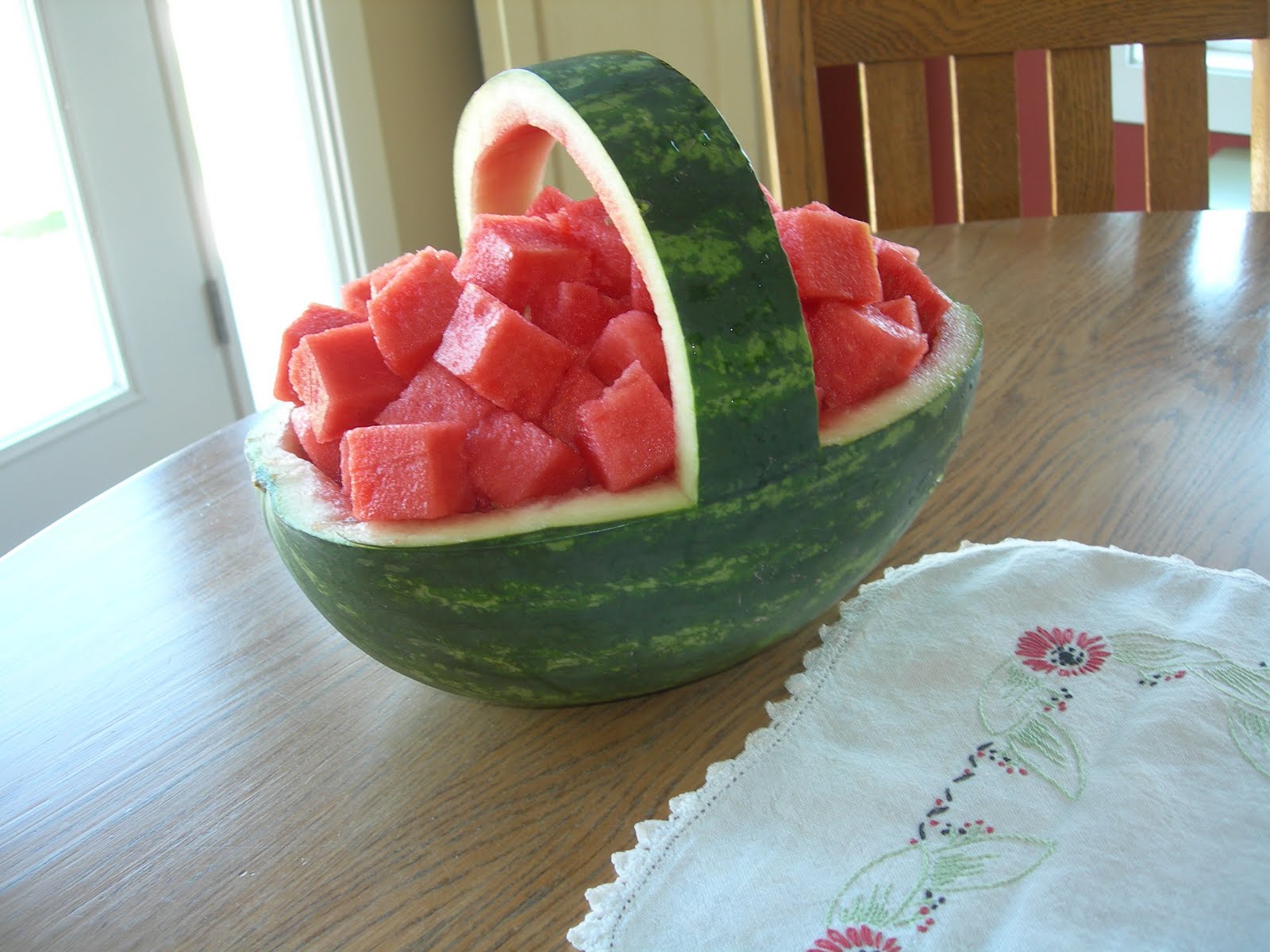
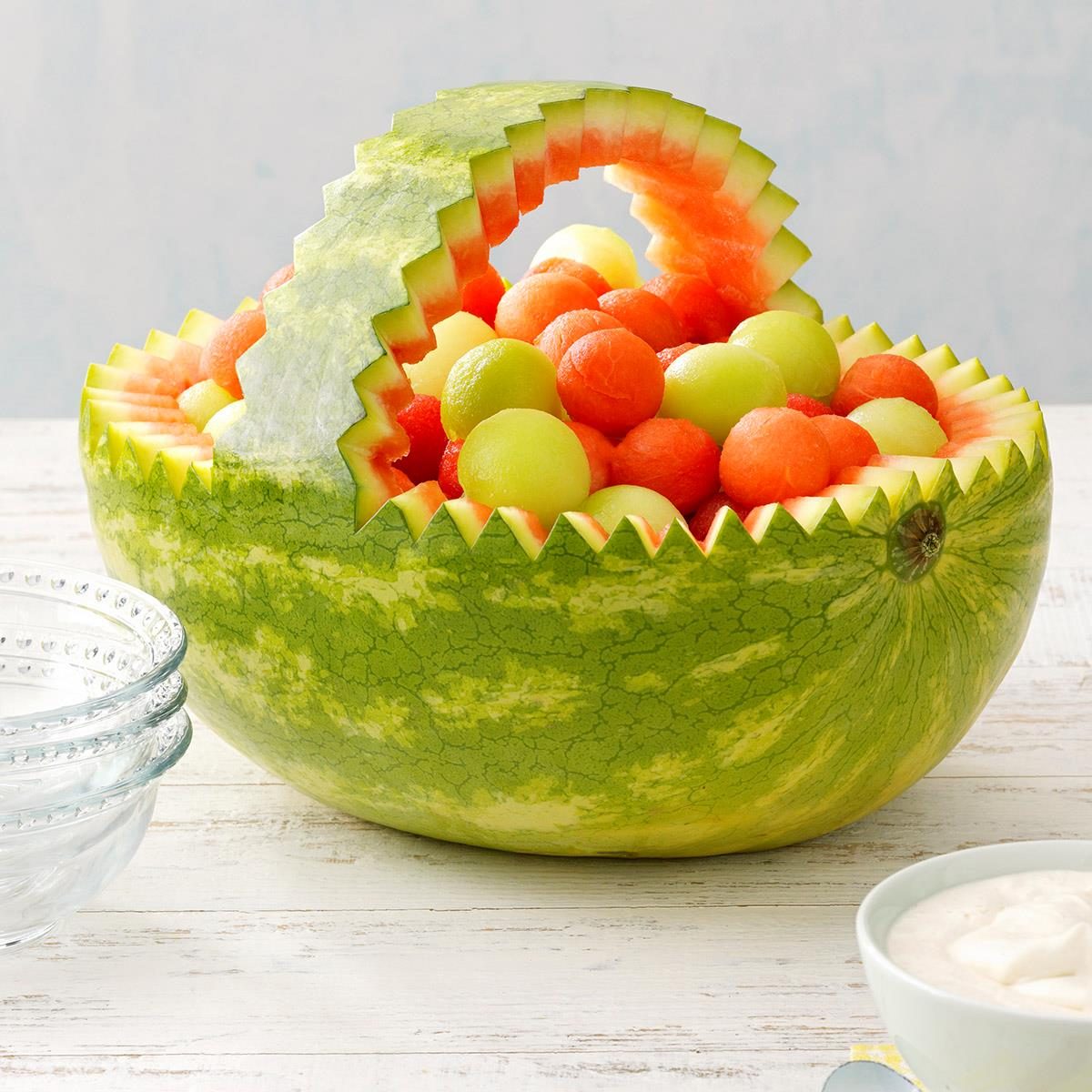
A watermelon basket filled with beautiful, colorful, fruit.

Here are the 4 steps that are easy to follow.

Step 1 – Place watermelon width-wise on a flat surface.  Roll melon until it settles into a position where it remains stable or cut a thin slice from the bottom to provide stability.  As shown, use strips of masking tape to mark lines of handle and rim of basket.

Step 2 – With a sharp knife, cut outline of handle, using outside edges of masking tape as a guide.  To make a scallop template, cut out a paper circle with scissors.  (The size of the melon determines the size of the circle.  The watermelon shown is small so the circle used is relatively small.)  Fold circle in half and cut along fold.  Starting on either side of handle, place the straight edge of one paper semicircle on top edge of masking tape that forms rim.  With a sharp pencil, trace a row of scallops along rim, stopping just before reaching ends of melon.  At each end, draw remaining scallop freehand, connecting the gap.

Step 3 – Using a sharp knife, cut into the watermelon along the scalloped pencil lines.  Next, cut a large wedge from the area on both sides of the handle, leaving about an inch above the scalloped rim.  Remove wedge, inserting knife behind the scallops, cut straight down into the melon close to the rind, cutting deep enough to release top part of rim.  Lift and discard.

Step 4 – Remove masking tape.  Scoop out watermelon from rind.  For a fruit basket, add a mixture of fresh fruit combined with watermelon cut into one-inch cubes or melon balls. I have never been able to make the watermelon balls so I always cut into cubes.

The finished look is really awesome.

SOURCE: LOVINGMYNEWSIMPLELIFE.COM

Once you master the basics, you can try further embellishing your basket.

24 Clever Uses for Plastic Bags You Have Lying Around the House

I can never throw away plastic bags.  There, I said it.  I find numerous ways to reuse them—from crafts to organization.  This article from Reader’s Digest suggests many, many more uses.

Lauren Gelman

Updated: Jan. 13, 2023

From the book 10,001 Timesaving ideas

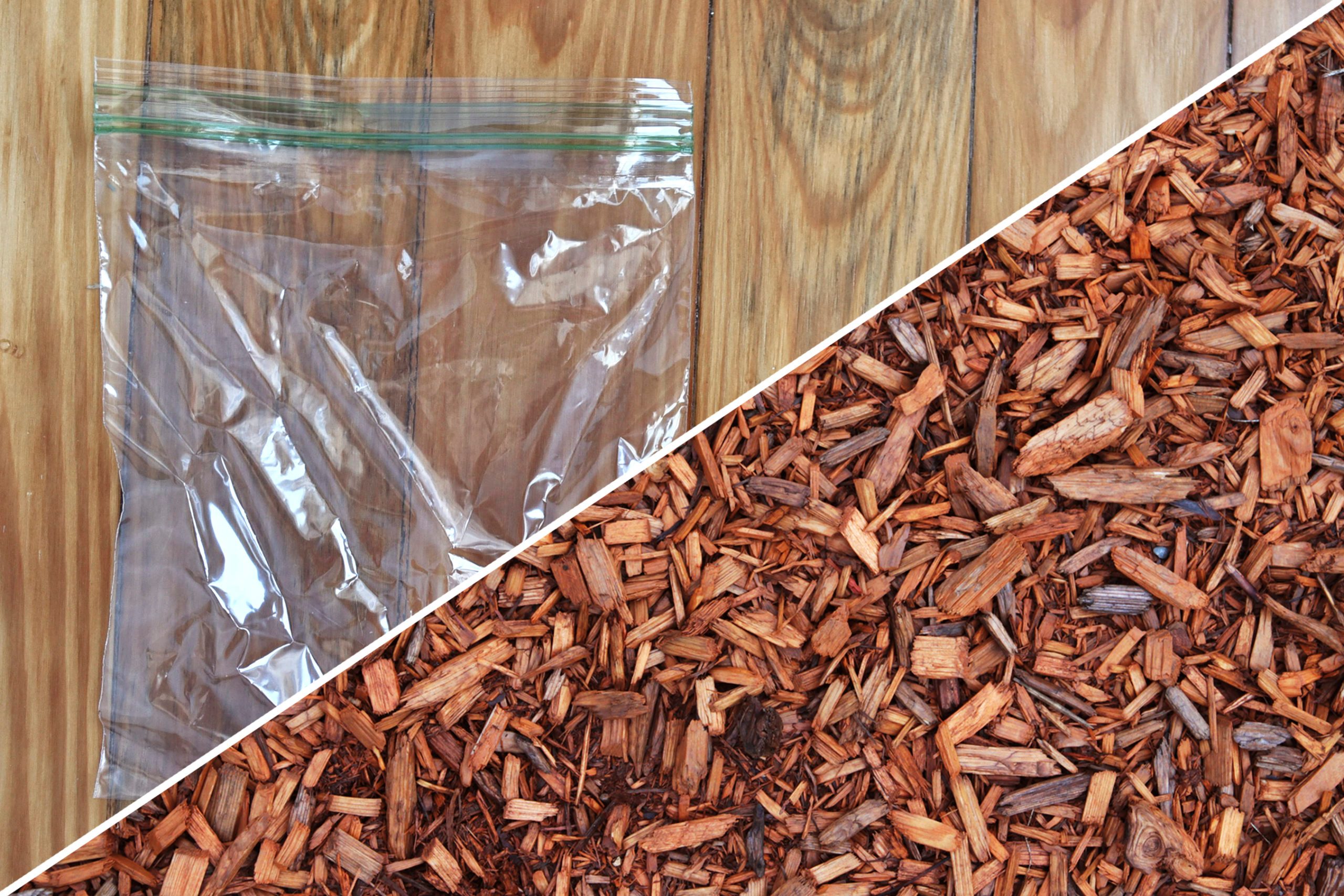
Cedar closets smell great, and, more important, they repel moths. If you aren’t lucky enough to have a cedar closet, you can easily create the next best thing. Fill a sealable bag with cedar chips—the kind you buy at a pet store for the hamster cage. Zip it closed, then punch several small holes in it. Hang the bag in your closet (a pants hanger is handy for this) and let the cedar smell do its work. You can also create a sachet to freshen up musty drawers. Fill the bag with potpourri—flower petals, a few crushed fragrant leaves, and a couple of drops of aromatic oil. Punch a bunch of small holes in the bag, then place it in the drawer.

Road trip trash bin

Plastic bags can fold up and store in your glove box, barely taking up any space at all. When you’re out on the road and make any trash or come across litter, having a designated trash bag on hand is incredibly useful and means you don’t have to stop to find a trash bin, and you won’t have crumbs, refuse, or any other trash bits floating around in your car.

Easy donation

One man’s trash is another man’s treasure! While those annoying plastic grocery bags may just be trash to you, thrift stores and flea markets would be thrilled to have your old bags to use rather than having to buy their own. It may seem like an odd thing to donate but many small businesses would be thrilled to have them.

Make a DIY shoe form

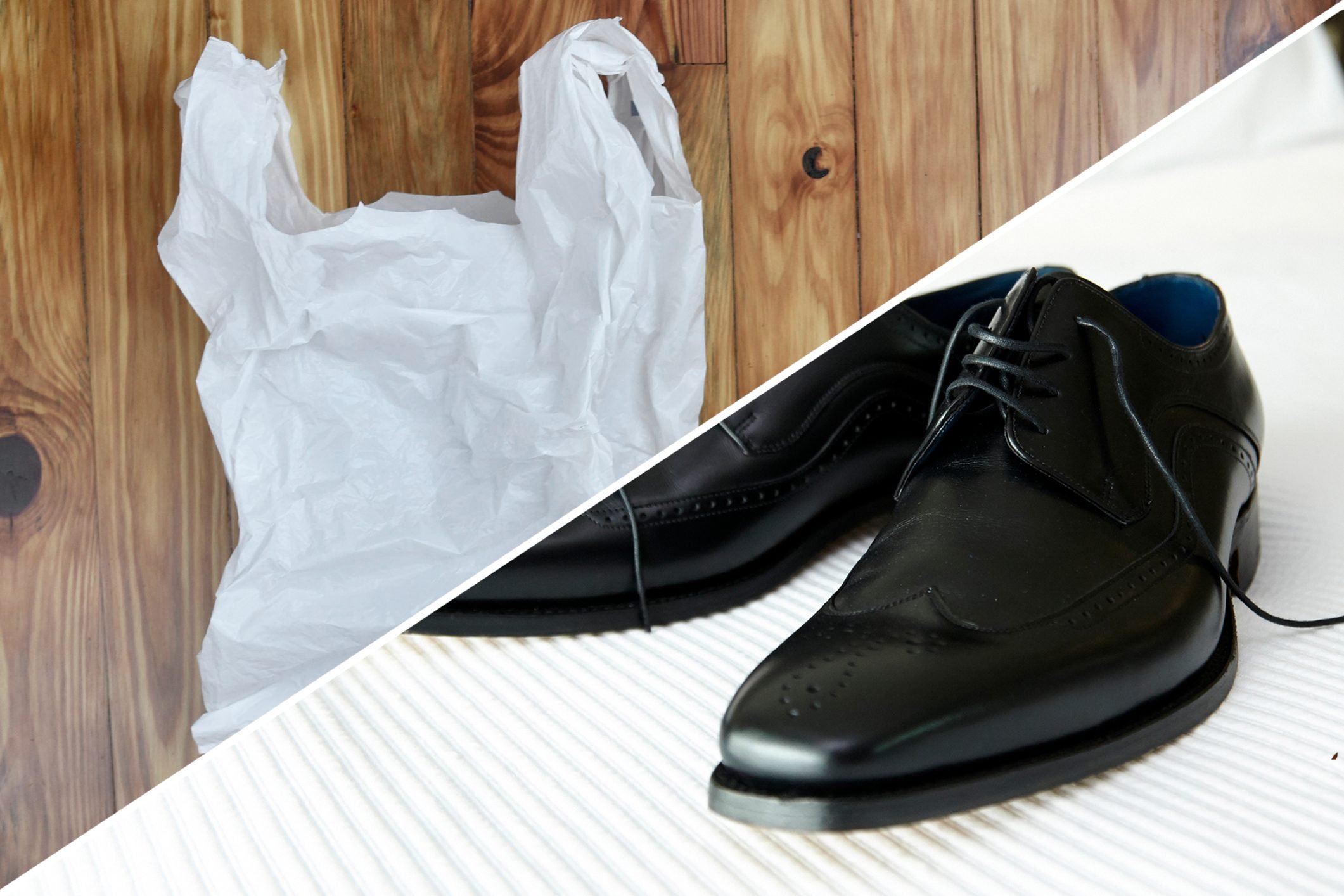
Even if you don’t have your own shoe forms, you don’t have to worry about your shoes losing their shape when you aren’t wearing them. Crumple up some plastic bags to stuff the toes of your off-season shoes with and they’ll be just like you left them when you pick them back up.

Travel laundry bag

Next time you pack your suitcase, slip a few plastic bags inside. They’re useful for storing still-wet-from-the-beach swimsuits, or any dirty clothes you might have, in order to keep them separate from any clean things in your luggage.

Cool off (and clean up) outside

Going for a long trip on a hot and sticky day? Use a sealable bag to take along a wet washcloth that has been soaked in water and lemon juice—it makes a great refreshing wipe-off. This is a good trick for fast on-the-road face and hand cleanups. Another great option is to freeze a few washcloths in a sealable bag; they provide fast relief for anything from bumps and scrapes to burns and tooth pain.

Create single-use detergent packs

If you’re planning a trip and think you’ll be doing a few loads of laundry while you’re there, pre-measure some detergent into a bag. It beats lugging a big box of detergent down to the shore or on an airplane or buying expensive travel-size bottles.

(Pat’s opinion: the little bottles can be bought at dollar stores and are reusable.  If something punctures this bag, you have detergent all over everything in the bag.)

Make a funnel

That handiest of kitchen and garage tools, the funnel, can be replicated easily with a small sandwich bag. Fill the bag with the contents you need to be funneled. Snip off the end and transfer into the needed container. Then just toss the bag when the funneling is done.

Protect your padlocks from freezing

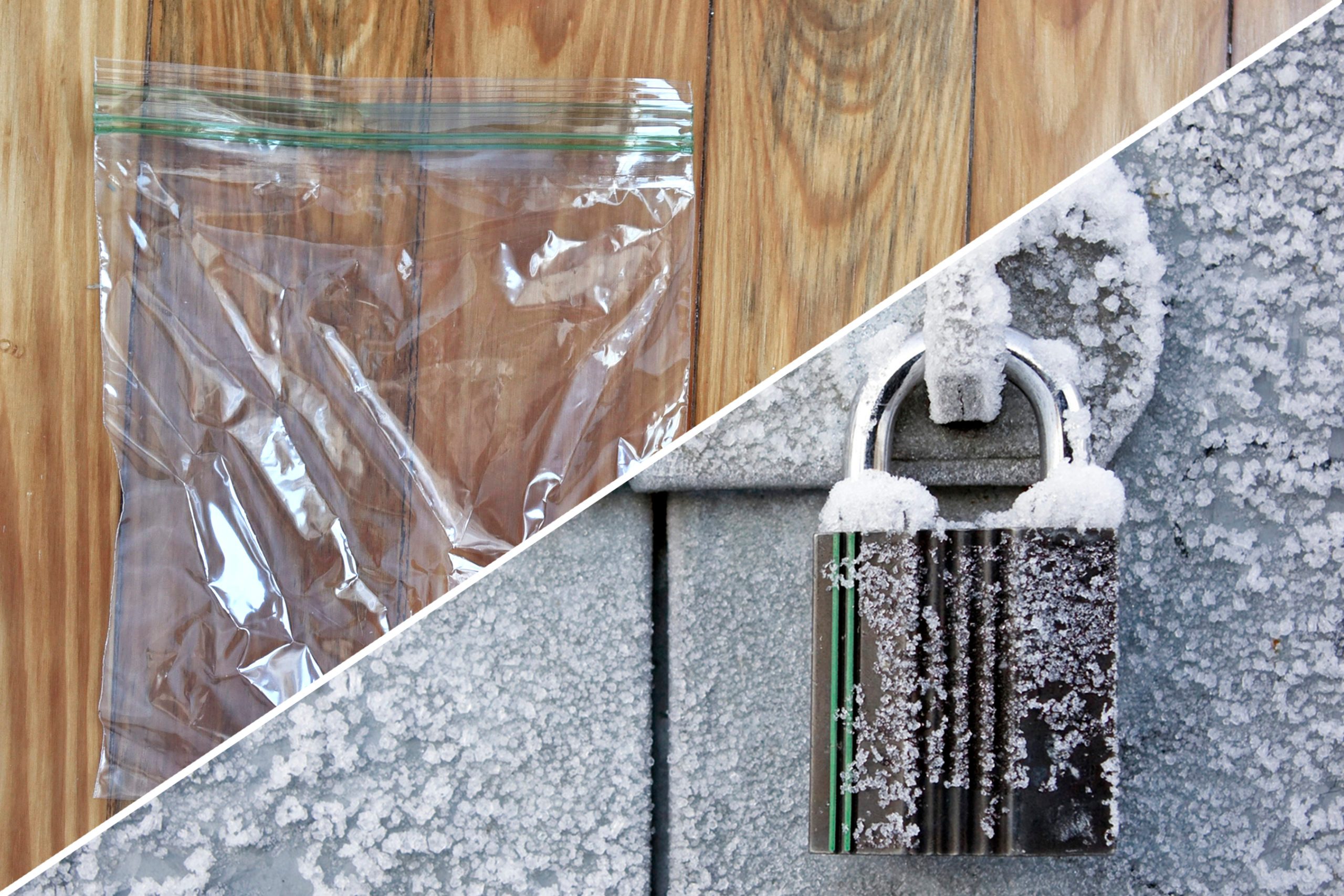
When the weather is cold enough to freeze your padlocks on the outdoor shed or garage, remember that a sandwich bag can help. Slip one over the lock and you’ll avoid frozen tumblers.

Color cookie dough without stained hands

Experienced bakers know what a mess your hands can be after coloring cookie dough. Here’s a clean idea: Place your prepared dough in a bag, add the drops of food coloring, and squish around until the color is uniform. You can use the dough now or stick it in the freezer ready to roll out when you need it.

Soften hard marshmallows

You’re about to pull out that bag of marshmallows from your kitchen cabinet when you notice that the once-fluffy puffs have turned hard as rocks. Warm some water in a pan. Place the marshmallows in a sealable plastic bag, seal, and place in the pan. The warmth will soften them up in no time.

Decorate a cake

Pastry bags can be cumbersome, expensive, and hard to clean. Place your frosting (or deviled egg mix) into a sealable bag. Squish out the air and close the top. Snip off a corner of the bag to the size you want—start conservatively—and you are ready to begin squeezing.

Feed the birds

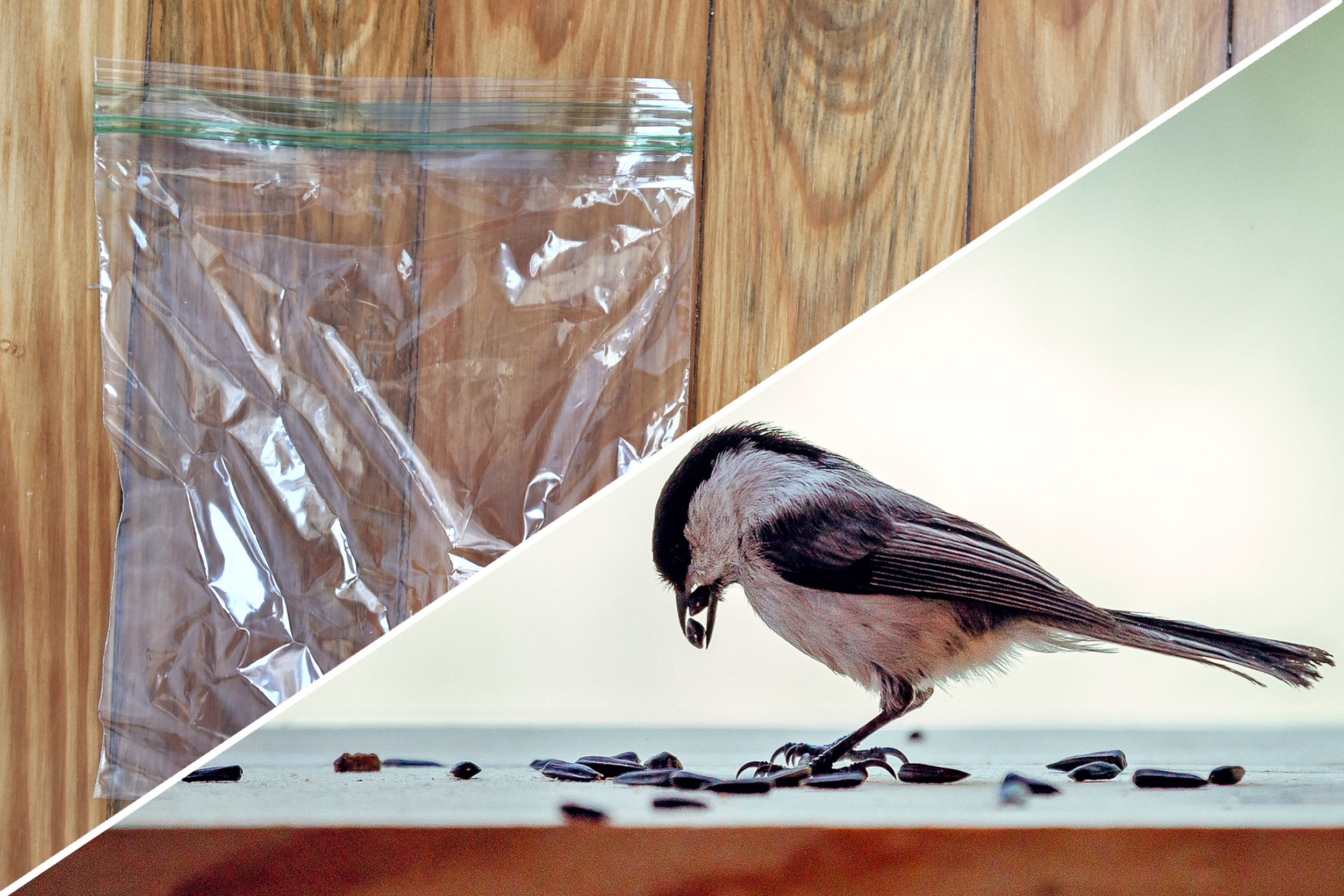
Be kind to the birds in your yard during the lean winter months! First, put some birdseed with peanut butter in a sealable plastic bag. Close, then knead the outside of the bag until well mixed. Then place the glob in a small net bag, or spread on a pinecone. Attach to a tree and await the grateful flock.

Melt chocolate without a mess

Melting chocolate in a microwave or double boiler leaves you with a messy bowl or pot to wash. Here’s a better method: Warm some water in a pan (do not boil). Place the chocolate you want to melt in a sealable freezer bag. Seal and place the bag in the pan. In a few moments, you have melted chocolate, ready to bake or decorate with. You can even leave the bag sealed and snip off a bottom corner of the bag to pipe the chocolate onto a cake. When you are done, just toss the bag.

Kid’s kitchen gloves

There’s nothing more welcome than helping hands in the kitchen. But when they’re little hands that tend to get dirty and leave prints all over the place, then something must be done. Before they start “helping” you make those chocolate chip cookies, place small sandwich bags over their hands. These instant gloves are disposable for easy cleanup.

Grease your pans mess-free

If you’re never quite sure how to handle shortening and butter when greasing a cake pan or cookie sheet, here’s a tip: Place a sandwich bag over your hand, scoop up a small amount of shortening or butter from the tub, and start greasing.

Create a beach hand cleaner

You’re sitting on the beach and it’s time for lunch. But before you reach into your cooler, you want to get the grit off your hands. Baby powder in a sealable plastic bag is the key. Place your hands in the bag, then remove them and rub them together. The sand is gone.

Cure car sickness

The last thing you need in your car is a child (or adult) throwing up. Place a few cotton balls in a sealable plastic bag, then squirt in two drops of lavender oil. If motion sickness strikes, open the bag and take a few whiffs to feel better.

Keep valuables dry (and afloat)

Going out on the water? Put your valuables, like car keys and cell phone, in a sealable bag. The big trick: Blow air into it before you seal the bag so it will float. A sealable bag is perfect for keeping valuables dry at the water park or beach too.

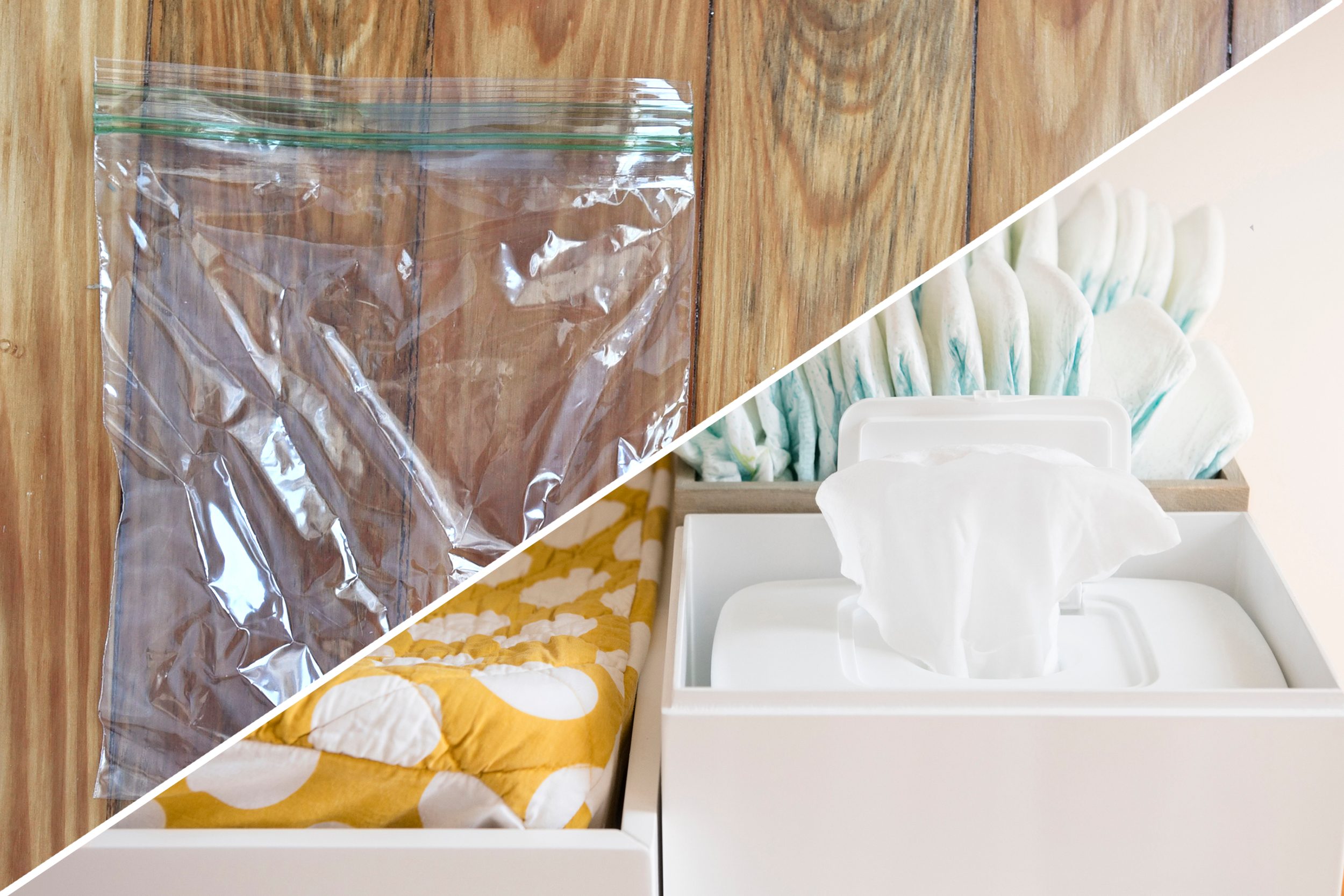
Make low-cost baby wipes

Borrow the thrifty parents’ method to make your own baby wipes: Place soft paper towels in a sealable bag with a mixture of 1 tablespoon gentle antibacterial soap, 1 teaspoon baby oil, and 1/3 cup water. Use enough of the mixture just to get the wipes damp, not drenched.

Use as a portable water dish

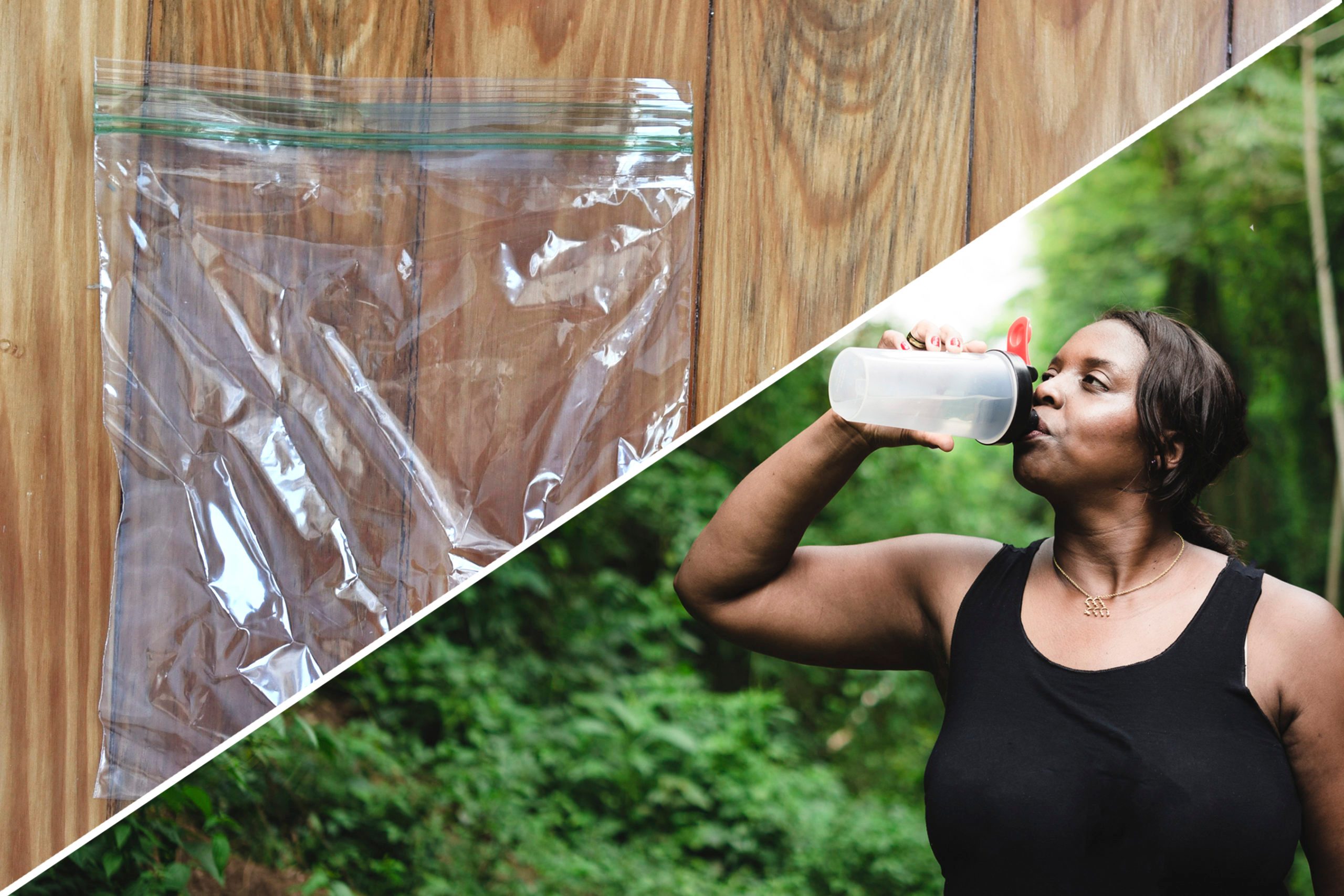
Your furry best friend has happily hiked alongside you during your trek in the great outdoors. Even if you don’t have your own portable water bowl, you can make your own with a plastic bag. Bring along a sealable plastic bag full of water from your pack and hold it open while Buddy laps his fill.

Protect your breakables

There’s a precious small family heirloom or trinket that needs some extra padding when storing. Place it gently in a self-closing bag, close the bag most of the way, blow it up with air, then seal it. The air forms a protective cushion around the memento.

Store grated cheese

Pasta or pizza is always better with a dash of freshly grated Parmesan cheese. But who wants to bother with getting the grater out every time you want that taste? Instead, take a wedge of Parmesan cheese, grate the whole thing at once, and then double bag it in two self-closing bags to protect the freshness.

Dispose of cooking oil

Unless you want the plumber for a best friend, don’t clog your kitchen drain with used cooking oil. Instead, wait for it to cool, then dump it in a sealable plastic bag. Toss the bag into the trash.

Any others you have that are not listed? Please share!!

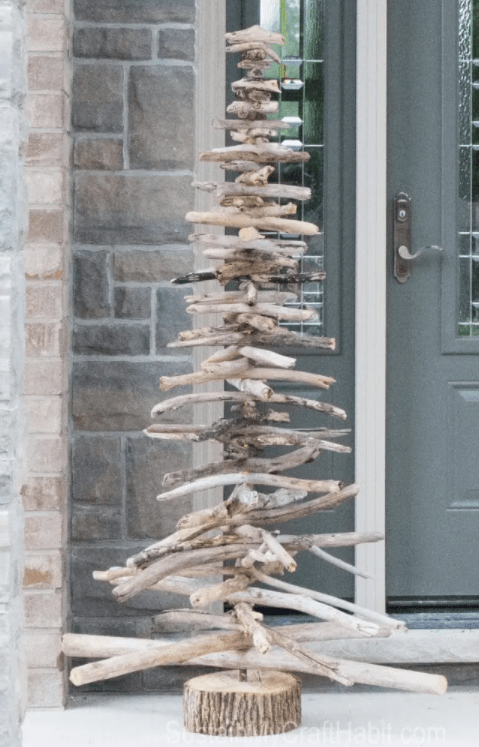
DIY: Christmas in July Driftwood Tree

While you’re out at the beach this summer, why not collect pieces of driftwood to make your own Christmas Tree!  I will be attempting this (on a smaller scale) with tree branches since the woods are full of them!

Materials

thick pieces of driftwood in various lengths for example 4″ to 4′

a central support rod like rebar, shower curtain

a strong base to hold up the central support rod like a small branch stump

a drill with a bit that’s a little larger than the diameter of the central support rod

How to Make a Driftwood Christmas Tree:

The concept for this type of tree is pretty simple:

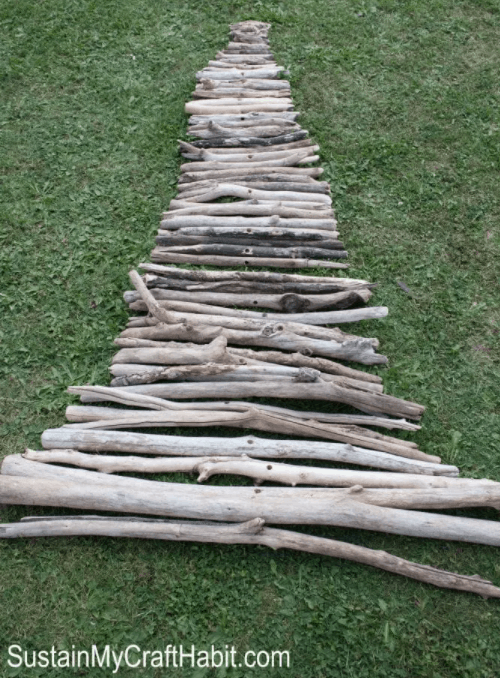
Arrange your driftwood from longest to shortest having enough pieces to reach your desired height.

Drill holes in the mid-point of each piece of driftwood, making sure the holes are large enough for your center rod to go through.

Prepare the central support rod by drilling an appropriately sized hole in the small branch stump and then inserting the rod inside.

Starting with your longest, spear each piece of driftwood until you are done. And voila, you have a tree! You can even add a starfish to the top and some twinkle lights!

SOURCE: SustainMyCraftHabit.com

DIY: Show Your Colors

This 4th of July, display your patriotic pride! With these super simple wreath ideas, you can show the world what country has your heart!

Bandana Wreath

If you can tie a knot, you can make this wreath! And you don’t even need a formal wreath form as a base. You can use cardboard!

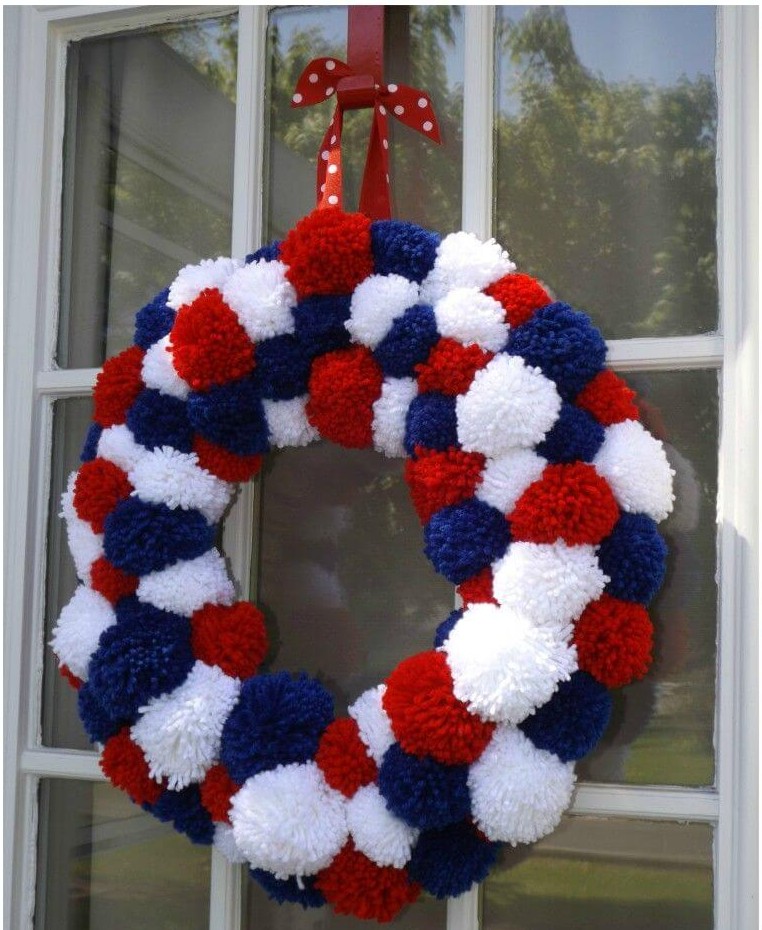
Pompom Wreath

This wreath uses pompoms glued to a wreath form (found in any dollar store).

Clothespin Wreath

After you paint the clothespins, you attach them to a wire wreath form. (You might have to get one of those at a craft store.) Add some purchased wooden or foam stars.

Card Stock Paper Wreath

To make this wreath, make funnels out of card stock paper (thicker and stiffer than regular colored paper). Then attach the funnels to a cardboard circle in a flower design. Add a pleated circle for the center and finish off with a star!

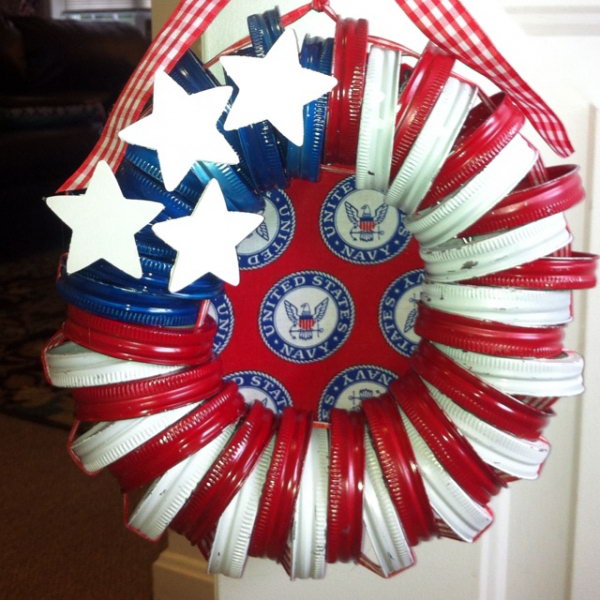
Canning Lids Wreath

After painting the lids, use heavy ribbon to tie the lids into a tight circle. (This will be the smaller inner circle.) Then use additional ribbon to weave in and out of the lids on the outer edge as shown. Add foam stars and a bow!

Party On Peeps!

DIY: Clay Pot Lighthouse

I fell in love with this lighthouse and it’s so simple to make!

This is from the Crafts by Courtney website.

Supplies Needed for Your DIY Lighthouse Project:

Clay Pots in various sizes

Solar Light

E6000 Glue

Paint Brush

Americana Decor Outdoor Living 2oz – Picket Fence

Americana Decor Outdoor Living 2oz – Poolside

Step 1 – Paint Pots White

Step 2 – Add Your Blue Accent Color

Step 3 – Glue Pots together

Step 4 – Add your Light

I found a solar light at Wal-Mart to place at the top of the Lighthouse.  I used a small hack saw to cut the bottom of the solar light off, so that it would sit flush on the top of the lighthouse.  I added a little E6000 glue to this part as well, and let sit overnight.

Step 5 – Add WindowsFor the window I decided to change this step last minute.  I was originally going to use the black Iron gate paint.  But I cut out my window shape in black vinyl to use as a stencil. Then I decided to just stick with the black vinyl as my window.  That vinyl won’t go anywhere.But you can always paint in your window as well.  Both options will work.

Finishing Touches

Now let’s take is baby outside and display it!

I’m very excited with how this DIY Lighthouse turned out, I really wanted to keep it simple with the details.  But you can get pretty detailed with a project like this as well. I pinned some great ideas on my Pinterest page.

A few people have asked me where I got the base for the lighthouse.  The base at the bottom of the lighthouse is a round paver I found at Wal-Mart.  I used the outdoor paint to paint that as well.

SOURCE: https://www.craftsbycourtney.com/

PAT’S NOTE: These can be dressed up in so many ways or left plain…

DIY: Yard Games

The weather is turning warmer and sunnier (hopefully) and is the PERFECT time for picnics!  I found a wonderful article on the Pioneer Woman’s website listing some great outside games for picnics.  (She includes instructions at her site—which I’ve listed at the end.)

Kerplunk

This game uses some chicken wire, painted dowels and balls!

Hook and Ring Game

She says this is popular at bars and restaurants in Florida. It looks like fun. 

Giant Jenga

This game requires 2 x 3 blocks of wood and paint…seems easy enough. Hubby and I will make this one for sure!

Bean Bag Toss

Bean Bag Toss is another simple to make outside game.  It requires clay pot saucers, some paint and bean bags!

There are many more ideas at https://www.thepioneerwoman.com/home-lifestyle/entertaining/g36687460/best-outdoor-games/

Alternate Uses for Baby Powder

[I found this article on alternate uses for baby powder on a website devoted to frugality.]

Baby powder isn’t just for babies anymore {though, to be fair, I never did use it on my babies}.  Turns out, there’s actually lots of way to put baby powder to good use.  Here’s my top 10 favorite ways to use it:

Throw a bottle in your beach bag because it helps to get the sand off of your body at the end of the day.  Sprinkle it on, it will absorb the moisture and the sand should easily brush right off.

Sprinkle a little in your dish washing/cleaning gloves.  It makes it easier to get them on and off.

Sprinkle on the sheets in the summer.  It is supposed to give sheets a cool feeling {my guess is that it does more for your sticky summer body than anything else, but it probably still feels soft and luxurious, so I am totally trying it.}

Give your flower bulbs a little baby powder bath before you plant them.  The baby powder deters mold in the bulbs and supposedly deters critters from wanting to eat them.  Just sprinkle some baby powder in a ziploc bag, add the bulbs and shake.

Get playing cards to stop from sticking.  Put the cards and the baby powder in a baggie and shake.  Dust the cards off, and they shouldn’t stick anymore.

Give your dog a dry bath.  Sprinkle some baby powder on, let it sit a few minutes and then brush your dog.  {Hmmm, I know some people I’d like to try this on.}

Use as an aftershave–for men and women.  It’s cheaper and leaves skin feeling as soft as, well, a baby’s bottom.  Ha.

Untangle knots.  Got a necklace that has a knot, or a shoelace that won’t budge.  Sprinkle a little baby powder on it, it will help loosen the knot.

Freshen those old books you snagged at a garage sale by sprinkle baby powder in the pages.  Let the book sit for a bit, and then shake the baby powder out.

Use to absorb grease stains on clothes.  Sprinkle baby powder on the spill and blot the grease out.  Repeat until stain is gone, brushing off excess baby powder each time.

By Mavis Butterfield on September 23, 2013 @https://www.onehundreddollarsamonth.com/10-alternative-uses-for-baby-powder/