Fact: McDonald’s once made bubblegum-flavored broccoli
This crazy McDonald’s fact will have your taste buds crawling. Unsurprisingly, the attempt to get kids to eat healthier didn’t go over well with the child testers, who were “confused by the taste.”
Fact: Some fungi create zombies, then control their minds
The tropical fungus Ophiocordyceps infects ants’ central nervous systems. Once it has been in an insect’s body for nine days, it has complete control over the host’s movements. According to National Geographic, it forces the ant to climb trees, then convulse and fall into the cool, moist soil below, where fungi thrive. Once there, the fungus waits until exactly solar noon to force the ant to bite a leaf and wait for death.
Fact: The first oranges weren’t orange
The original oranges from Southeast Asia were a tangerine-pomelo hybrid, and they were actually green. In fact, oranges in warmer regions, such as Vietnam and Thailand, still stay green through maturity.
Fact: There’s only one letter that doesn’t appear in any U.S. state name
Can you guess the answer to this random fun fact? You’ll find a Z (Arizona), a J (New Jersey), and even two X’s (New Mexico and Texas)—but not a single Q.
Fact: A cow-bison hybrid is called a beefalo
You can even buy its meat in at least 21 states.
Fact: Johnny Appleseed’s fruits weren’t for eating
Yes, there was a real John Chapman who planted thousands of apple trees on U.S. soil. But the apples on those trees were much more bitter than the ones you’d find in the supermarket today. “Johnny Appleseed” didn’t expect his fruits to be eaten whole but rather made into hard apple cider.
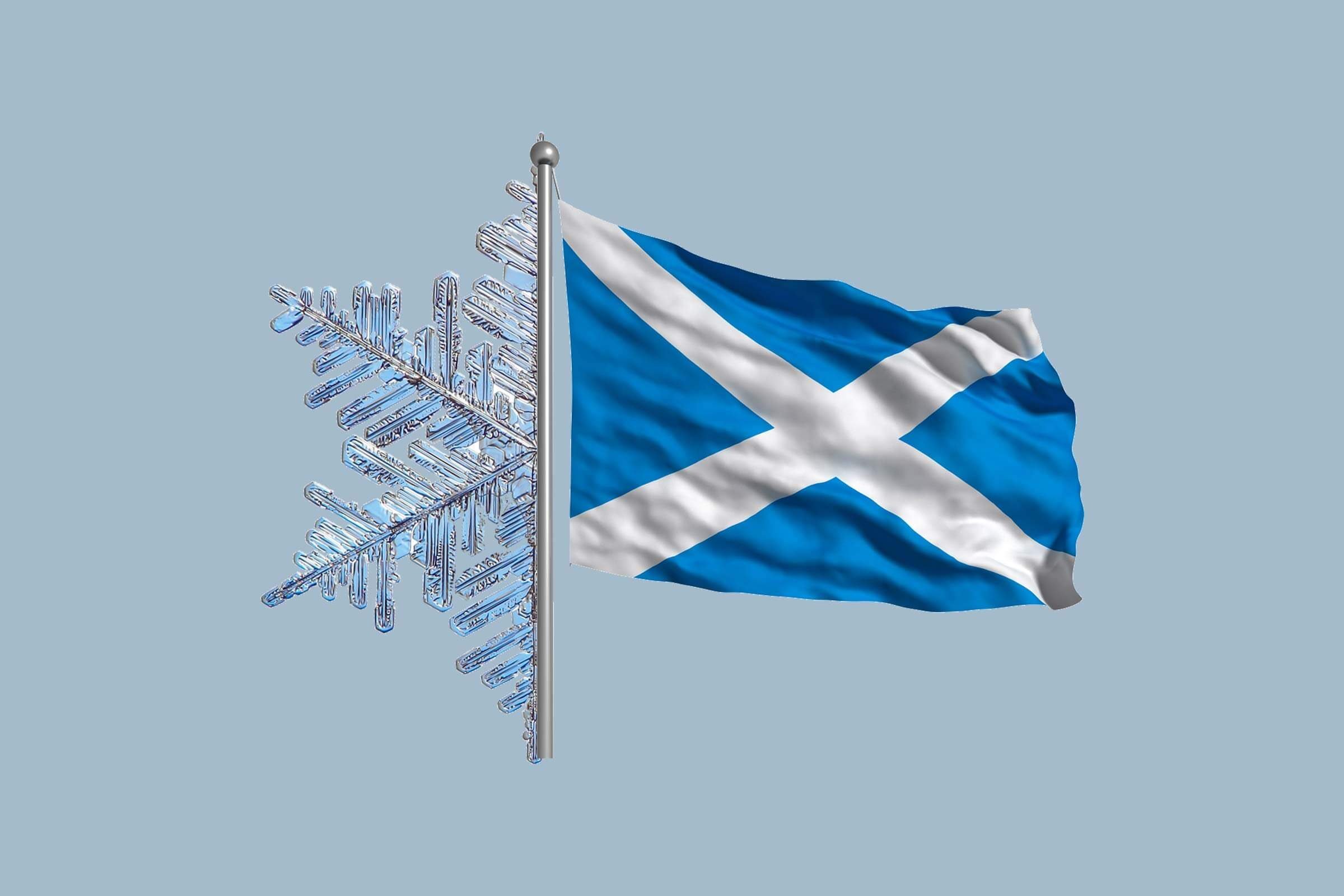
Fact: Scotland has 421 words for snow
Yes, 421! Some examples: sneesl (to start raining or snowing); feefle (to swirl); and flinkdrinkin (a light snow).
Fact: Samsung tests phone durability with a butt-shaped robot
People stash their phones in their back pockets all the time, which is why Samsung created a robot shaped like a butt to “sit” on their phones to make sure they can take the pressure. Believe it or not, the robot even wears jeans.
Fact: The Windy City nickname has nothing to do with Chicago’s weather
If you live in Chicago, you might already know this random fact, but we’re betting most other people don’t. Chicago’s nickname was coined by 19th-century journalists who were referring to the fact that its residents were “windbags” and “full of hot air.”
Fact: Peanuts aren’t technically nuts
They’re legumes. According to Merriam-Webster, a nut is only a nut if it’s “a hard-shelled dry fruit or seed with a separable rind or shell and interior kernel.” That means walnuts, almonds, cashews, and pistachios aren’t nuts either. They’re seeds.
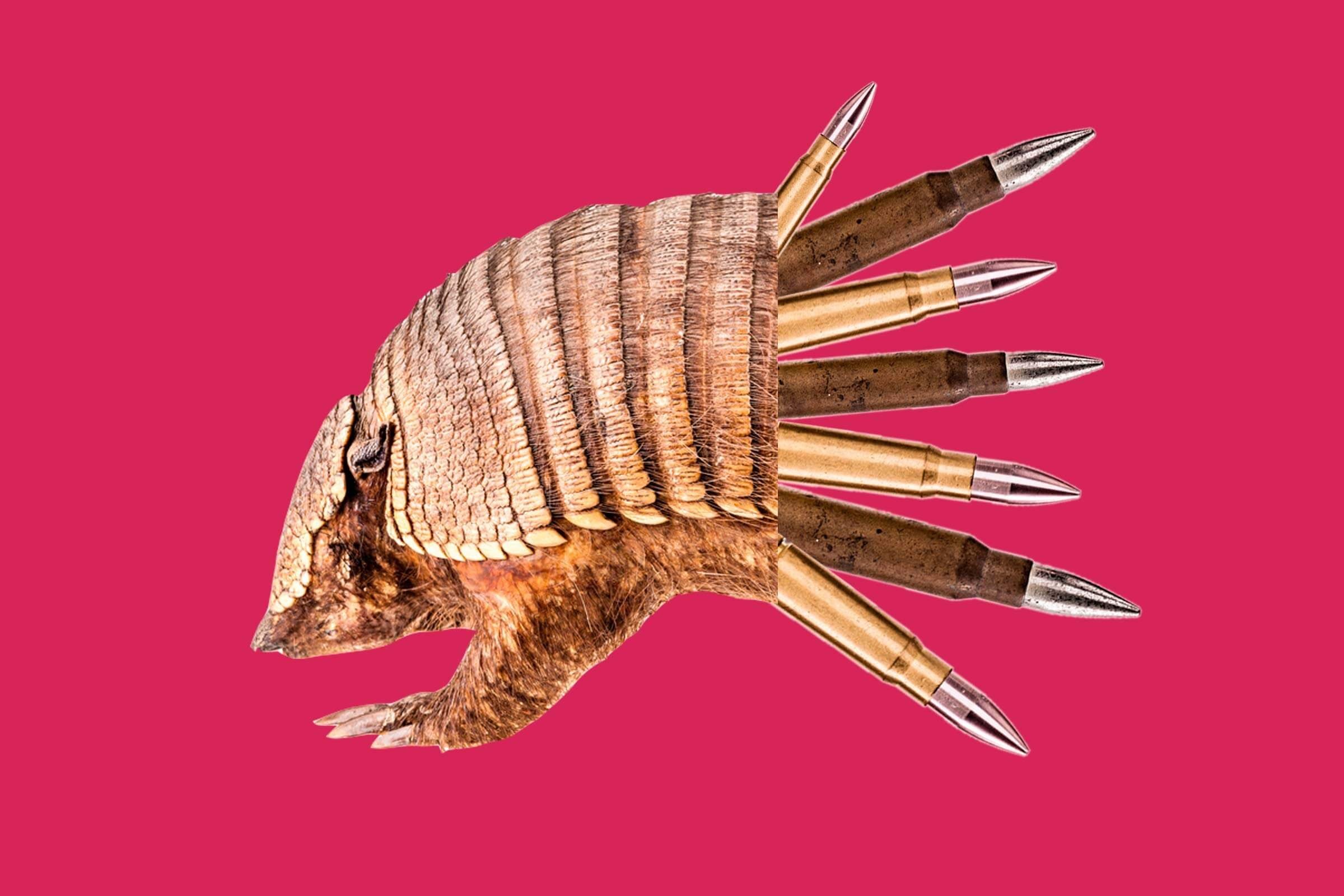
Fact: Armadillo shells are bulletproof
In fact, one Texas man was hospitalized when a bullet he shot at an armadillo ricocheted off the animal and hit him in the jaw. That’s a totally true animal tidbit. These animal “facts,” however, are wrong.
Fact: Firefighters use wetting agents to make water wetter
The chemicals reduce the surface tension of plain water so it’s easier to spread and better soaks into objects, which is why it’s known as “wet water.”
Fact: The longest English word is 189,819 letters long
We won’t spell it out here, but the full name for the protein nicknamed titin would take three and a half hours to say out loud. While this is, by far, the longest word in English, the longest word in the Oxford English Dictionary has 45 letters, and the longest made-up word has just 28.
Fact: “Running amok” is a medically recognized mental condition
Considered a culturally bound syndrome, a person “running amok” in Malaysia starts with a period of brooding and then commits a sudden, frenzied mass attack.
Fact: Some octopus species lay 56,000 eggs at a time
On average, a giant Pacific octopus will lay 56,000 eggs at the end of a pregnancy, over the course of about a month, NPR reports. At first, these new babies float through the surrounding water unattached to one another or their mother. But then the mother gathers each egg—which is about the size of a grain of rice—and weaves them into braids, allowing her to keep an eye on everyone at the same time.
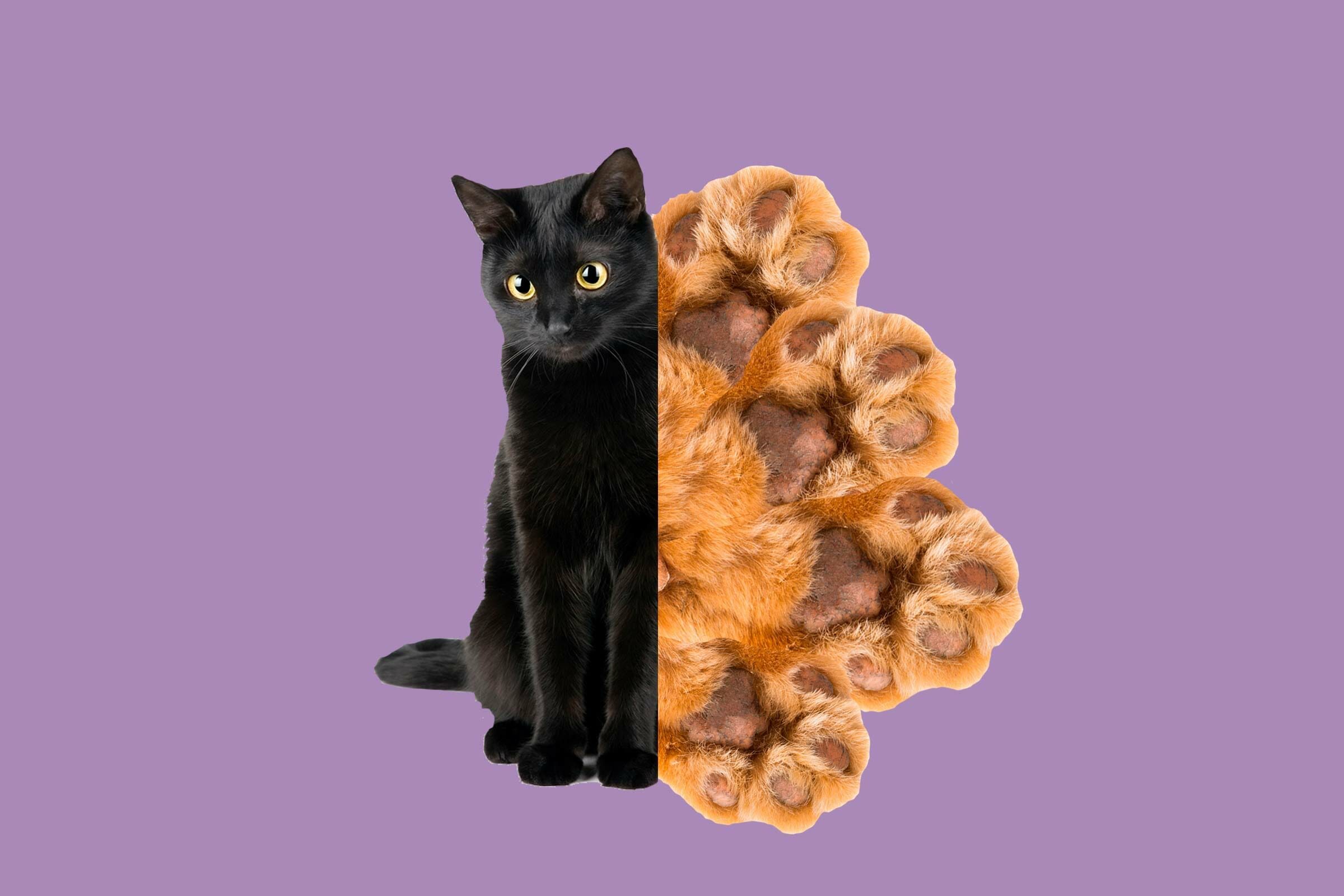
Fact: Cats have fewer toes on their back paws
Like most four-legged mammals, cats have five toes on the front, but their back paws only have four toes. Scientists think the four-toed back paws might help them run faster.
Fact: Kleenex tissues were originally intended for gas masks
When there was a cotton shortage during World War I, Kimberly-Clark developed a thin, flat cotton substitute that the army tried to use as a filter in gas masks. The war ended before scientists perfected the material, so the company redeveloped it to be smoother and softer, then marketed Kleenex as facial tissue instead.
Fact: Blue whales eat half a million calories in one mouthful
Just try to wrap your brain around the second part of this animal fact: Those 457,000 calories are more than 240 times the energy the whale uses to scoop those krill into its mouth.
Fact: That tiny pocket in jeans was designed to store pocket watches
The original jeans had only four pockets: that tiny pocket, plus two more on the front and just one in the back.
Fact: Turkeys can blush
When turkeys are scared or excited—like when the males see a female they’re interested in—the pale skin on their head and neck turns bright red, blue, or white. The flap of skin over their beaks, called a snood, also reddens.
Fact: Most Disney characters wear gloves to keep animation simple
Walt Disney might have been the first to put gloves on his characters, as seen in 1929’s The Opry House, starring Mickey Mouse. In addition to being easier to animate, there’s another reason for the gloves: “We didn’t want him to have mouse hands because he was supposed to be more human,” Disney told his biographer in 1957.
Fact: The man with the world’s deepest voice can make sounds humans can’t hear
The man, Tim Storms, can’t even hear the note, which is eight octaves below the lowest G on a piano—but elephants can.
Fact: The current American flag was designed by a high school student
It started as a school project for Bob Heft’s junior-year history class in 1958, and it only earned a B-minus. His design had 50 stars, even though Alaska and Hawaii weren’t states yet; Heft figured the two would earn statehood soon and showed the government his design. After President Dwight D. Eisenhower called to say the design was approved, Heft’s teacher changed his grade to an A.
Fact: Cows don’t have upper front teeth
They do have molars on top, in the back of their mouths, but where you’d expect upper incisors, cows, sheep, and goats have a thick layer of tissue called a dental pad. They use that with their bottom teeth to pull out grass.
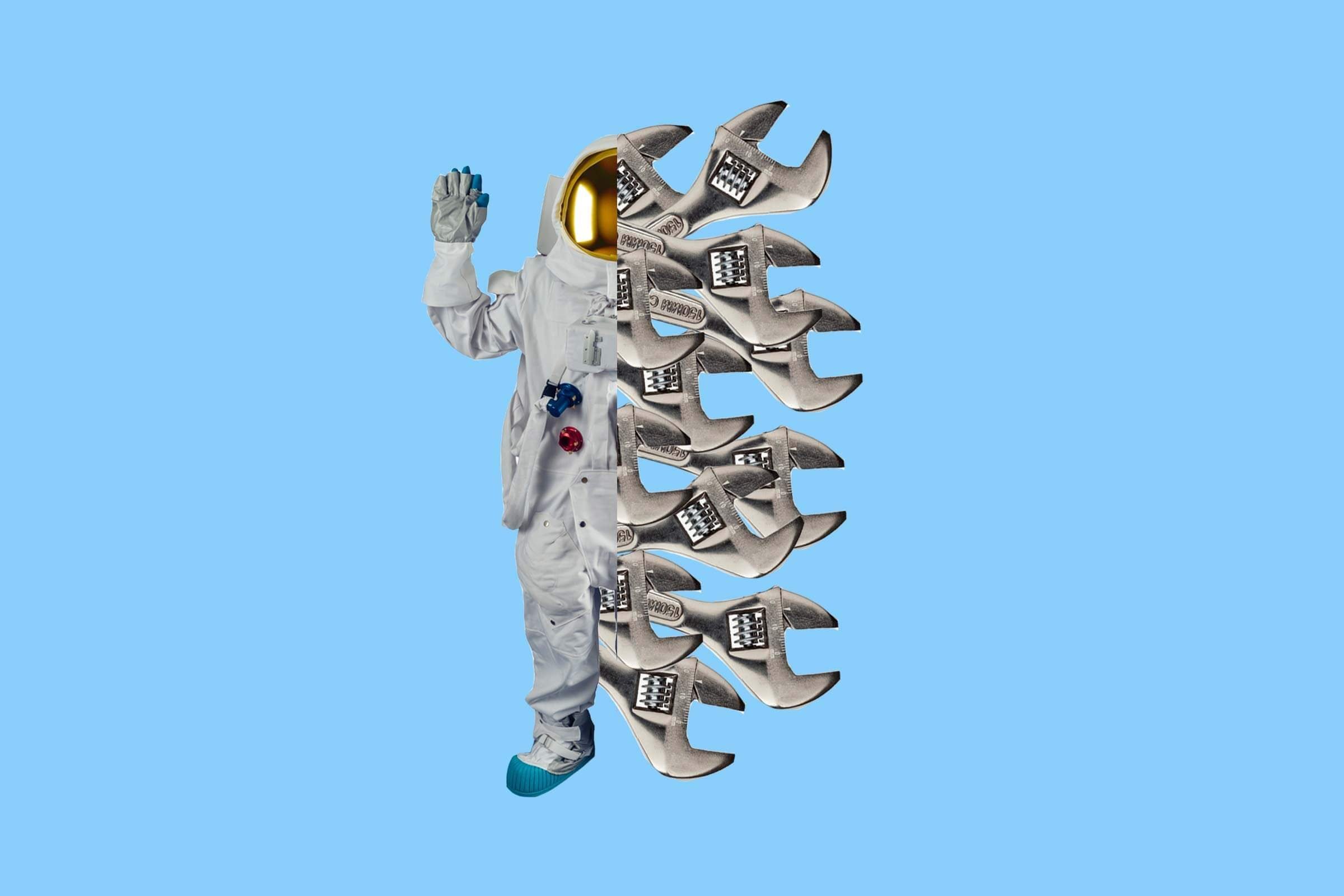
Fact: Thanks to 3D printing, NASA can basically email tools to astronauts
Getting new equipment to the Space Station used to take months or years, but the new technology means the tools are ready within hours.
SOURCE: Reader’s Digest: Elizabeth Yuko