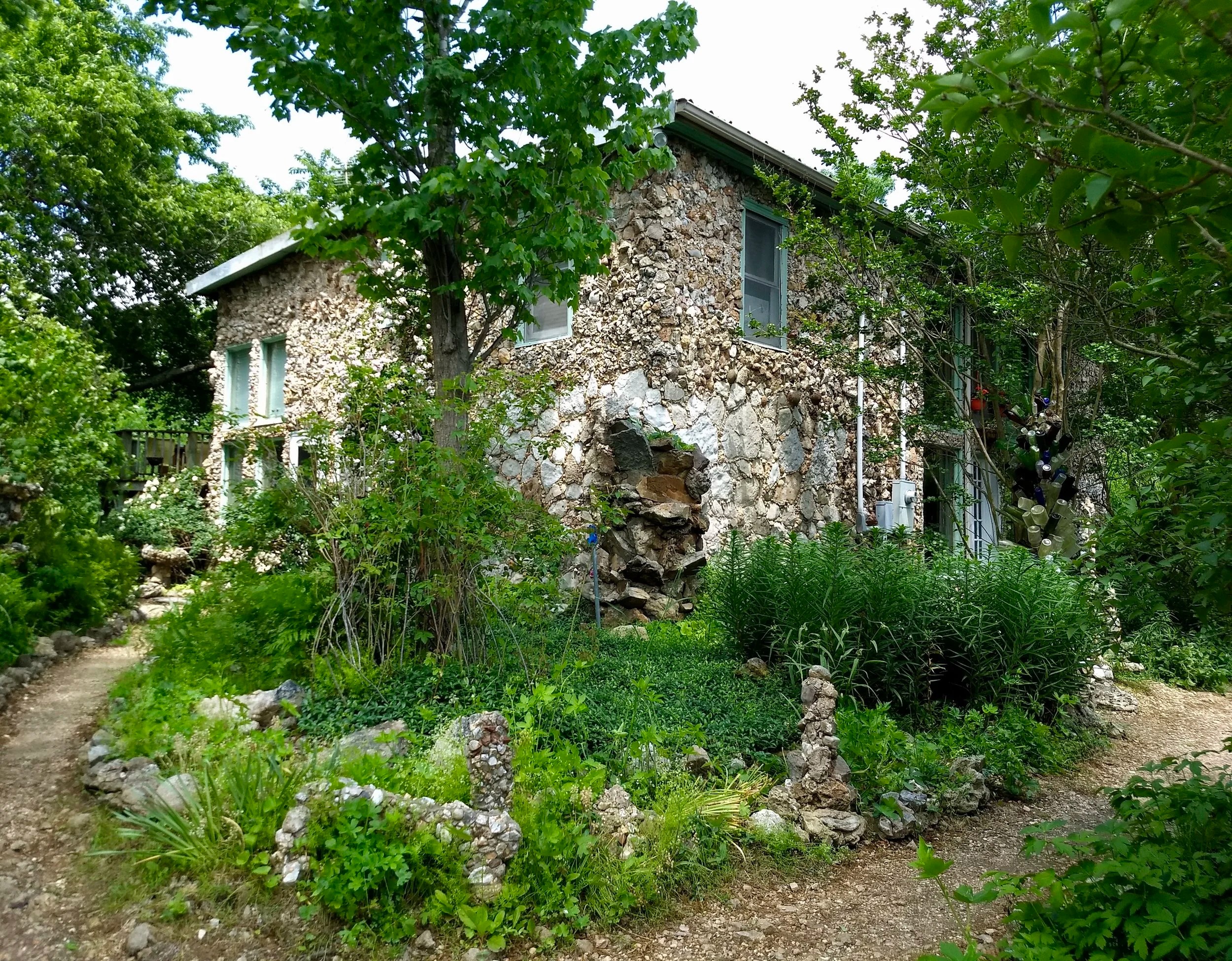
Rhododendron is a genus of more than 1,000 deciduous or evergreen flowering shrub species, with more than 25,000 cultivars and hybrids. They come in a wide range of sizes, flower colors and shapes, and many are North American natives. The bloom time is usually spring into summer, but some cultivars bloom in late winter or late summer. The growth rate and preferred conditions of rhododendron species vary widely. However, most prefer moist, well-draining soils, partial shade, and conservative fertilization. All rhododendrons are toxic to people and pets.
Rhododendron Plant Care
While rhododendron species vary in their care preferences, and many grow in a wide range of conditions, the typical main rhododendron requirements are:
Plant in fertile, well-draining, acidic soil.
Position in partial or dappled shaded.
Water to maintain even moisture, but avoid soggy soils.
Fertilize with a rhododendron formula annually only when soils are poor.
Light
In their native habitats, rhododendron grows in dappled woodland shade and under trees. Choose a location in partial shade where the plant isn’t exposed to the hot afternoon sun, which is especially important in a warmer climate.
Soil
Rhododendrons need moist, well-draining soils rich in organic matter. They’re sensitive to soggy, heavy clay, or compacted soil with poor drainage, which can lead to root rot. These shrubs prefer acidic soils with a pH between 4.5 and 6.0.
Water
Rhododendrons have shallow roots and require even moisture to thrive, especially during the first year after planting. Water the plant slowly and deeply around twice a week during the first growing season, not leaving the roots in standing water.
Even if the plant doesn’t show signs of drought stress, water established rhododendron every two to three weeks during dry spells. Adding a layer of mulch helps with water retention.
Temperature and Humidity
Temperature ranges vary depending on the rhododendron variety. Some tolerate heat and humidity, and others are cold-hardy. Most varieties don’t like strong winds and are sensitive to temperature extremes.
Fertilizer
If you plant your rhododendron in rich soil with plenty of organic matter, there’s usually no need to fertilize. In less fertile soil, use a formula for acid-loving rhododendron in late winter or early spring, following the label instructions.
It’s December! December is normally COOKIE month in my house, but I thought I’d start the month with an EASY holiday treat…Snowman Cupcakes! You can go through all the fuss of using homemade cake and frosting recipes or you can use box mixes and canned frosting and get right to the fun!
Ingredients
24 cupcakes (mixed and baked according to box directions—any flavor)
1 tub prepared WHITE frosting
Shredded coconut
Black food coloring
Orange food coloring
Directions
Frost cupcakes. Press shredded coconut into frosting.
Stir together 1 cup frosting and black food coloring in a bowl until desired shade is reached. Transfer to a piping bag fitted with a small round piping tip or a zip-top bag with a small hole cut in one corner.
Stir together ½ cup frosting and orange food coloring in a second bowl until desired shade is reached. Transfer to a second piping bag fitted with a small round piping tip or a zip-top bag with a small hole cut in one corner.
Pipe a carrot-shaped nose in the center of each cupcake. With the black frosting, pipe two eyes and five or six smaller dots for the mouth. Store cupcakes, covered, at room temperature up to 2 days.
An Act of Courage, The Arrest Records of Rosa Parks
On December 1, 1955, during a typical evening rush hour in Montgomery, Alabama, a 42-year-old woman took a seat on the bus on her way home from the Montgomery Fair department store where she worked as a seamstress. Before she reached her destination, she quietly set off a social revolution when the bus driver instructed her to move back, and she refused. Rosa Parks, an African American, was arrested that day for violating a city law requiring racial segregation of public buses.
On the city buses of Montgomery, Alabama, the front 10 seats were permanently reserved for white passengers. The diagram shows that Mrs. Parks was seated in the first row behind those 10 seats. When the bus became crowded, the bus driver instructed Mrs. Parks and the other three passengers seated in that row, all African Americans, to vacate their seats for the white passengers boarding. Eventually, three of the passengers moved, while Mrs. Parks remained seated, arguing that she was not in a seat reserved for whites. James Blake, the driver, believed he had the discretion to move the line separating black and white passengers. The law was actually somewhat murky on that point, but when Mrs. Parks defied his order, he called the police. Officers Day and Mixon came and promptly arrested her.
In police custody, Mrs. Parks was booked, fingerprinted, and briefly incarcerated. The police report shows that she was charged with “refusing to obey orders of bus driver.” For openly challenging the racial laws of her city, she remained at great physical risk while held by the police, and her family was terrified for her. When she called home, she spoke to her mother, whose first question was “Did they beat you?”
Mrs. Parks was not the first person to be prosecuted for violating the segregation laws on the city buses in Montgomery. She was, however, a woman of unchallenged character who was held in high esteem by all those who knew her. At the time of her arrest, Mrs. Parks was active in the local National Association for the Advancement of Colored People (NAACP), serving as secretary to E.D. Nixon, president of the Montgomery chapter. Her arrest became a rallying point around which the African American community organized a bus boycott in protest of the discrimination they had endured for years. Martin Luther King, Jr., the 26-year-old minister of the Dexter Avenue Baptist Church, emerged as a leader during the well-coordinated, peaceful boycott that lasted 381 days and captured the world’s attention. It was during the boycott that Reverend Martin Luther King, Jr., first achieved national fame as the public became acquainted with his powerful oratory.
After Mrs. Parks was convicted under city law, her lawyer filed a notice of appeal. While her appeal was tied up in the state court of appeals, a panel of three judges in the U.S. District Court for the region ruled in another case that racial segregation of public buses was unconstitutional. That case, called Browder v. Gayle, was decided on June 4, 1956. The ruling was made by a three-judge panel that included Frank M. Johnson, Jr., and upheld by the United States Supreme court on November 13, 1956.
For a quiet act of defiance that resonated throughout the world, Rosa Parks is known and revered as the “Mother of the Civil Rights Movement.”
The documents shown here relating to Mrs. Parks’s arrest are copies that were submitted as evidence in the Browder v. Gayle case. They are preserved by the National Archives at Atlanta in Morrow, Georgia, in Record Group 21, Records District Courts of the United States, U.S. District Court for Middle District of Alabama, Northern (Montgomery) Division. Civil Case 1147, Browder, et al v. Gayle, et al.
Set in the Deep South of the United States, Mississippi is a fascinating state to visit. It is known as much for its literature and music as its rich and at times raw history and heritage. While traveling around, visitors will come across everything from beautiful beaches and verdant fields and hills to glitzy casinos, college towns, and Civil War Battlefields.
Dominating the state and defining its western border is the mighty Mississippi River that flows to the glittering Gulf of Mexico. In its delightful delta region, the beautiful music style known as the blues was developed.
Vicksburg
Perched atop a prominent bluff overlooking the Mississippi River, the small city of Vicksburg is set in a scenic spot. Located in the west of the state on the border with Louisiana, it is famed around the country for being the site of a long siege and battle that swung the American Civil War in favor of the North. While General Ulysses S. Grant’s infamous victory is still commemorated in its artworks, museums and traditions, there is much more to Vicksburg for visitors to enjoy. Besides this unique history and heritage, it also has a wonderfully well-preserved center full of beautiful old buildings and attractive streetscapes, as well as a handful of magnificent museums. Visitors to Vicksburg can also take a romantic carriage ride around its historical center or a delightful boat ride down the river, while some quality hiking can be had in the surrounding forests and hills.
Tunica
Long one of the most impoverished places in the whole of the US, the town of Tunica is nestled in the northwest of the state, just an hour’s drive to the south of Memphis, Tennessee. Following the introduction of gambling in the 1990s, its fortunes dramatically changed. People now flock to what is the third-largest gaming market after Las Vegas and Atlantic City. The popular resort town now boasts a wealth of grand and glamorous casinos, home to a myriad of slot machines, table games, and poker rooms. Each has an extensive array of rooms and suites for visitors to stay in, with everything from swimming pools and spas to gourmet restaurants and golf courses on offer. While most if not all people who visit Tunica come for its glitzy casinos and Las Vegas-style shows, the nearby Tunica RiverPark is home to some superb scenery, nature, and hiking trails. In addition, Memphis isn’t far away should you want a change of scene.
Oxford
As picture-perfect as they come, the pretty and pleasant city of Oxford lies amid the dense forests of Mississippi’s North Central Hills region. Named after the prestigious seat of learning in the UK, life in the town is dominated by the University of Mississippi and its large, lively student body.While the state’s most famous college town certainly has a wild side, it is also noted for its scenic and sophisticated central square and sweet Southern charm. As well as being home to lovely oak-shaded neighborhoods, the city showcases some astounding old architecture and historical sights, with many treasures found on its sprawling university campus. Due to its sizeable student population, Oxford also hosts a staggering array of concerts, conferences and cultural events, with new shows and performances taking place all the time. On top of this, The Square has plenty of great restaurants and bars where you can sample the town’s famous nightlife.
Gulf Islands National Seashore
Set just to the south of both Mississippi and Florida, the Gulf Islands National Seashore are a series of beautiful barrier islands. Home to lots of wonderful white sand beaches and wilderness, the breathtaking scenery offers untold outdoor recreation opportunities. Due to their serene and secluded settings, the islands are delightfully undeveloped and unspoiled, with stunning sands lying next to wild wetlands and intriguing forests. While the islands of Horn, Sand, Petit Bois, and East Ship boast the loveliest landscapes, they are also the toughest to get to: guests need to charter a boat to them before camping overnight amid the dunes. Thanks to the park’s pristine and protected nature, there are loads of excellent outdoor activities to enjoy, with hiking, cycling, and swimming particularly popular. Besides this, visitors can go snorkeling in the glittering Gulf of Mexico or snap photos of the diverse bird species inhabiting the barrier island.
Natchez Trace Parkway
Encompassing everything from steamy swamps and boggy bayous to epic overlooks, Indian burial mounds, and lots of exceptional scenery, the Natchez Trace Parkway is one of the most popular places to visit in Mississippi. Stretching from Nashville, Tennessee to Natchez, Mississippi, the 715 kilometer-long national parkway is fabulous to hike, cycle, or drive along, with lots of spectacular sights to stop off at on the way. Winding through wonderful woods and wilderness and past roaring rivers and reflective lakes, the scenic route follows what was once a Native American footpath. Later used by explorers and Ohio Valley farmers, it has been in use since pre-Colonial times. As such, numerous historic sights dot the route, with age-old battlegrounds and burial mounds found alongside marvelous monuments and museums. Besides its rich history, heritage, and culture, the Natchez Trace Parkway has sublime scenery, with sparkling waterfalls, phenomenal views, and dramatic landscapes all on show. Along the route in Mississippi, there are also some great towns and cities for visitors to stop off at, such as Tupelo, Jackson, and Natchez.
Tupelo
Lying in the northeast of the state, the small, sleepy city of Tupelo is primarily known for being the birthplace of one of the world’s most famous pop icons – Elvis Presley. While most of its main sights relate to ‘the King’, the town is a perfectly pleasant and peaceful place to visit, particularly if you’re traveling along the Natchez Trace Parkway. In the center of the city, visitors will find a thriving restaurant scene to delve into, as well as some magnificent murals that have added some much-needed color and life to the downtown area. Besides the Birthplace of Elvis Presley, there is also the Tupelo Buffalo Park and Zoo to check out, while a fun and festive flea market takes places the second weekend of every month. Just outside the city are a couple of American Civil War battlefields well worth visiting, as well as the Natchez Trace Parkway Visitor Center, which can point you towards all of the route’s most scenic tourist attractions.
Natchez
Set in the southwest corner of the state, Natchez lies perched atop a prominent bluff overlooking the Mississippi River. Lying on the border with Louisiana, the small city boasts a beautiful historic center full of astounding old antebellum homes that evoke images of the Old South. Before the Civil War, the small settlement was an important center of trade. As such, wealth and riches poured into its scenic streets. Nowadays, its charming center is a delight to visit, with horse-drawn carriage rides one of the most memorable ways to take in its grand collection of elegant homes and historical landmarks. While history and heritage are on show wherever you go, Natchez is very much a living city with a fun party atmosphere on the weekends. Besides stopping by its numerous bars and live music venues, the final stop of the Natchez Trace Parkway also has lovely nature and scenery for visitors to enjoy nearby.
Biloxi
Situated along the state’s scenic and sun-kissed shoreline, Biloxi is a popular place to visit due to its beautiful beaches and oceanfront casinos. While it can appear brash and blingy at first sight, the city has numerous sides to it, with a delightful historic center for visitors to explore. Most people, however, come for its glut of glitzy casinos, which look out over the glittering Gulf of Mexico and are home to innumerable slot machines and table games. Many of them have cowboy, tropical, or live music themes, with plenty of restaurants and entertainment also on offer. Besides gambling, gaming, and reveling in the city’s lively nightlife, visitors can also relax on the golden sands or enjoy sailing and watersports along the seafront. In addition, New Orleans is just an hour away should you want to combine your trip to Biloxi with a visit to ‘The Big Easy.’
Jackson
Although tourists often overlook it, Mississippi’s capital and largest city, Jackson certainly has enough going for it to warrant a visit. Set on the banks of the Pearl River, it boasts a brilliant live music scene and a handful of excellent museums and historic buildings. Its two main tourist attractions are the Museum of Mississippi History and the Mississippi Civil Rights Museum. While the former offers a fascinating look at the state’s history and culture, the latter highlights the fight for racial equality in Mississippi. Besides the magnificent museums, there is also the artsy Fondren District with all its boutiques and coffee shops to explore. As ‘The City with Soul’ is Jackson’s slogan, it should come as no surprise to learn that there’s a load of great live music to discover in its numerous bars and venues. Weekends are a particularly good time to visit: this is when blues, folk, and jazz can be heard on every street corner.
Clarksdale
Set on the banks of the Sunflower River, the small and slightly dilapidated city of Clarksdale has long been popular with tourists as it lies at the heart of the Delta blues scene. In the early 20th century, many African-American musicians developed the blues here before migrating north and performing in cities such as Chicago and New York. This captivating past is now explored in depth at the delightful Delta Blues Museum, while markers and monuments relating to the mesmerizing music and its most-distinguished musicians can be found around town. In addition, big-name blues acts regularly perform in the scattering of bars and clubs, while a handful of cultural events and festivals take place during the year. As it lies just a couple of hours’ drive from most of the main blues sights, Clarksdale also makes for a great base if you want to explore the Mississippi Blues Trail. On top of this, both the lively college town of Oxford and the major city of Memphis aren’t far away if you want to explore the rest of what the region has to offer up.
Today is the anniversary of Natalie Wood’s terrible death. Was it an accident or something else? We may never know. This article from All That’s Interesting explores the story in greater detail.
From All That’s Interesting:
Natalie Wood died off the coast of California’s Catalina Island on November 29, 1981 — but some say her drowning may not have been an accident.
Before Natalie Wood’s death brought her life to a tragic end, she was an Academy Award-nominated actress who was in some of the most famous films of all time. She co-starred in Miracle on 34th Street when she was only eight years old. When she was a teenager, she earned her first Oscar nomination, for 1955’s Rebel Without A Cause. Natalie Wood was so talented and widely beloved that she was nominated for three Oscars before she turned 25. And her larger-than-life presence on camera was only matched by her glamorous offscreen life.
While the San Francisco-born star took Hollywood by storm, working with legendary directors such as John Ford and Elia Kazan, her romantic conquests included the likes of Elvis Presley before she tied the knot with actor Robert Wagner in 1957. Indeed, for decades before Natalie Wood’s death, she lived the American Dream, but one that would tragically devolve into a Hollywood nightmare. It all came crashing down during a fateful yacht trip around California’s Catalina Island in November 1981.
On November 28, 1981, Wood set off aboard her yacht Splendour with Wagner, co-star Christopher Walken, and boat captain Dennis Davern. But in the early morning hours of November 29, Natalie Wood disappeared from the boat, only to be found dead in the water due to drowning at age 43 the next morning.
The discovery of her body only yielded more questions than answers. Though Natalie Wood’s death was initially classified as an accident and “probable drowning in the ocean,” Wood’s death certificate would later be updated to “drowning and other undetermined factors.” And her widowed husband has since been officially labeled a person of interest. What really happened aboard the Splendour that night in 1981 remains a mystery. However, to this day, some suspect foul play in the death of Natalie Wood. This is the haunting story of how Natalie Wood died and what the true cause may have been.
A Young Natalie Wood’s Meteoric Rise In Hollywood
Natalie Wood was born Natalia Nikolaevna Zakharenko on July 20, 1938, in San Francisco, California to an alcoholic father and stage mother. Studio executives changed the young starlet’s name shortly after she started acting. Her mother Maria was highly eager to make Wood the breadwinner and regularly pushed her to audition for roles despite her young age.
Maria’s encounter with a fortune teller when she herself was a child yielded an ominous premonition. The gypsy said her second child “would be a great beauty” and famous, but that she should “beware of dark water.” Wood quickly grew into a professional, memorizing not only her lines but also everyone else’s. Dubbed “One Take Natalie,” she was nominated for an Oscar for her role in Rebel Without a Cause when she was just a teen.
But behind the scenes, her love life was rocky. Wood had affairs with both the director, Nicholas Ray, and co-star Dennis Hopper. She also dated stars like Elvis Presley before she met Robert Wagner at age 18. The two married in 1957 but divorced five years later. They found their way back to each other in 1972, remarried, and had a daughter.
Though Wood’s career began to wane, she did act opposite Oscar winner Christopher Walken in her last picture, Brainstorm. The two became fast friends — with some suspicion that they were dating. “It wasn’t like they were lovey-dovey on the set or anything like that, but they just had a current about them, an electricity,” said the film’s first assistant director, David McGiffert.
It was Thanksgiving weekend of 1981 when their alleged relationship became a problem. Wood and Wagner invited Walken to join their sailing trip around Catalina Island — and that’s when everything went wrong. The scene was set for the tragic death of Natalie Wood.
The Story Behind The Death Of Natalie Wood
What happened on the evening of November 28, 1981, the night Natalie Wood died, is unclear. What is clear is that authorities recovered Wood’s body the following morning, floating a mile away from the Splendour. A small dinghy was found beached nearby.
The investigator’s report chronicled the events as follows: Wood went to bed first. Wagner, having stayed up chatting with Walken, later went to join her, but noticed that both she and the dinghy were gone. Wood’s body was found around 8 a.m. the next morning in a flannel nightgown, down jacket, and socks. The chief medical examiner in the L.A. County Coroner’s Office announced that Natalie Wood’s death was an “accidental drowning” on November 30.
The autopsy showed Natalie Wood had multiple bruises on her arms and an abrasion on her left cheek. The coroner explained Wood’s bruises as “superficial” and “probably sustained at the time of drowning.” But in 2011, Captain Dennis Davern admitted that he left out key details about the night Natalie Wood died. And as the years went on, Wood’s loved ones only had more questions.
How Did Natalie Wood Die? Inside The Haunting Evidence
Davern said the weekend of Natalie Wood’s death was filled with arguments — and that the main issue was the glaring flirtation between Walken and Wood. “The argument started the day before,” said Davern. “The tension was going through the whole weekend. Robert Wagner was jealous of Christopher Walken.”
Davern said Wood and Walken spent hours at a Catalina Island bar before Wagner showed up, furious. All four then went to dinner at Doug’s Harbor Reef Restaurant, where they shared champagne, two bottles of wine, and cocktails. Employees couldn’t recall whether it was Wagner or Walken, but one of them threw a glass at the wall at some point. At around 10 p.m., they used their dinghy to get back to the Splendour.
Accounts of the night of Natalie Wood’s death have changed over the years. Walken did admit to investigators that he and Wagner had a “small beef,” but that it regarded the couple’s prolonged film shoot-related absences from their child.
Though reports initially stated that the fight died down, Davern claimed otherwise in 2011. He said everyone continued drinking when back on board and that Wagner was enraged. He allegedly broke a wine bottle over a table and screamed at Walken, “Are you trying to f–k my wife?” Davern remembered Walken retreating to his cabin at this point, “and that was the last I saw of him.” Wagner and Wood returned to their room, too, when a shouting match ensued. Most ominously, Davern said he later heard the fight continue on deck — before “everything went silent.” When Davern checked on them, he saw only Wagner, who said, “Natalie is missing.”
Robert Wagner’s Suspicious Behavior After His Wife’s Death
For many to this day, it’s Robert Wagner’s behavior just after Natalie Wood’s death that is strangest and perhaps most suspicious. At first, Wagner told Davern to go look for her, and then said “the dinghy is missing too.” The captain knew Natalie was “deathly afraid of water,” and doubted she’d taken the dinghy out alone. But then Davern said that Wagner didn’t want to turn the boat’s floodlights on nor call for help — because he didn’t want to draw any attention to the situation.
Key witness Marilyn Wayne, who was in a boat 80 feet away that night, told Sheriff’s investigators she and her boyfriend heard a woman screaming around 11 p.m. “Somebody please help me, I’m drowning,” the cries implored, until 11:30 p.m.
Their call to the harbormaster went unanswered, and with a party on another boat nearby, the pair concluded it may have been a joke. As for Wagner’s hesitance to call anyone, he did eventually did — at 1:30 a.m.
This, among other things, left Wood’s sibling Lana confused. “She would have never left the boat like that, undressed, in just a nightgown,” she said. But that’s exactly how her body was found, mere hours later. With that, Natalie Wood was dead at age 43. The investigation into Natalie Wood’s death continued throughout the decades, however, with new details, questions, and suspicions arising as recently as 2018.
Changing Stories About Natalie Wood’s Cause Of Death
The case was reopened in November 2011 after Davern admitted he lied during the initial investigation and alleged that Wagner was “responsible” for Natalie Wood’s death. Since the bombshell report, Wagner has refused to talk to authorities. However, Walken has cooperated fully with investigators. According to the BBC, Wood’s death certificate was later amended from accidental drowning to “drowning and undetermined factors.”
In 2018, a spokesperson for the Los Angeles Sheriff confirmed that Natalie Wood’s case was now undeniably a “suspicious” death. And Robert Wagner was officially named a person of interest. “As we’ve investigated the case over the last six years, I think he’s more of a person of interest now,” said L.A. County Sheriffs Department Lieutenant John Corina. “I mean, we know now that he was the last person to be with Natalie before she disappeared.”
“I haven’t seen him tell the details that match… all the other witnesses in this case,” he added. “I think he’s constantly… he’s changed the — his story a little bit… and his version of events just don’t add up.” Investigators digging into Natalie Wood’s death made multiple attempts to speak with him, to no avail. “We would love to talk to Robert Wagner,” said Corina. “He’s refused to talk to us… We can never force him to talk to us. He has rights and he can not talk to us if he doesn’t want to.”
What Really Happened The Night Natalie Wood Died?
Walken hasn’t publicly spoken much on the events of the night that Natalie Wood died, but he did appear to believe that it was an unfortunate accident. “Anybody there saw the logistics — of the boat, the night, where we were, that it was raining — and would know exactly what happened,” said Walken in a 1997 interview. “You hear about things happening to people — they slip in the bathtub, fall down the stairs, step off the curb in London because they think that the cars come the other way — and they die.”
Meanwhile, Corina maintains that Natalie Wood’s death was likely no accident. He said, “She got in the water somehow, and I don’t think she got in the water by herself.” In the end, Robert Wagner’s refusal to cooperate is legal and may simply stem from a desire not to revisit the tragedy. Natalie Wood’s death may have been the result of foul play, but the truth is, we may never know for sure.
Nuzzling, playing, chirping, feeding together; the Olympic marmot is quite possibly one of the most social and gregarious mammals on the peninsula. Marmots are rodents; they belong to the squirrel family and evolved during the Pleistocene Epoch. Some folks call them “rock chucks” or “whistle pigs”. There are 15 recognized species of marmot worldwide, all in the northern hemisphere, with six species in North America. The Olympic marmot however, is only found in the Olympic mountains and nowhere else (it’s endemic).
Identification:
Marmots are a housecat-sized rodent with a long, bushy tail. Adults can weigh 15 pounds or more before they enter hibernation in September or early October. Olympic marmots have widely varying coat colors, unlike their other American counterparts. The young are usually dark gray but the adults are often brownish in color, but may be yellow or tan colored with a variety of patch colors when they emerge from hibernation in the spring, and almost black in the fall.
Family groups of one adult male, one or more adult females, and several cohorts of young share a home range of 1/2-acre to five acres. In any given year, about 30 percent of adult females produce litters of 1-6 pups. Pups initially stay close to their burrows when they emerge in late July, but by mid-August, they can be seen wrestling and chasing each other in enthusiastic play. Marmots have a sharp, piercing whistle that warns others of intruders or potential predators, and notifies hikers that they are in marmot territory.
Habitat:
Marmots occupy mountain meadows above 4,000 feet. Although they are found throughout the Olympic Mountains, they are rare in the wetter southwest areas of the park. About 90 percent of Olympic marmot habitat is protected within Olympic National Park.
In the 1990s and early 2000s, Olympic marmot numbers declined, at least partly due to predation by non-native coyotes. Marmots and their habitat are also expected to be sensitive to climate change. In recent years, marmots have also disappeared from some of the driest meadows in the northeast Olympic Mountains. In response to these concerns, in 2010 the park initiated a volunteer monitoring program to record the presence or absence of marmots in many meadows throughout the park.
Diet:
Olympic marmots prefer fresh, tender, flowering plants such as lupine and glacier lilies. In May and June, they will eat roots and may even gnaw on trees. They can double their body weight in the summer and use stored fat during a seven to eight month hibernation.
Fun Facts
In 2009 the Olympic Marmot became the official endemic mammal of Washington state!
The groundhog, or woodchuck, is a lowland species of marmot.
Marmots are supremely adapted to living on cold, windswept grasslands and exposed mountain slopes where snow covers the ground for all but a few short months. They forage on grasses, sedges, and herbacsous plants. They dig burrows in which they shelter from predators and weather, bear and nurse their young, and hibernate for up to 8 months a year. The body temperature of a hibernating marmot drops to <40F and the heart rate may drop to 3 beats per minute. Marmots do warm themselves up briefly every 10 days or so but do not eat or drink during hibernation.
Marmots have an unusually “slow” life history for rodents. Olympic marmots can live into their teens and do not reach reproductive maturity until age 3 or older. The average age of first reproduction for females is 4.5 years. Among reproductive-age Olympic marmots, about 35% of females wean young in an average year. Litters of 1-6 pups first come above ground in late July or early August, and about half of these young die before the following spring. The long maturation period, low rate of reproduction, and relatively high rate of juvenile mortality combine to make adult females particularly valuable to a marmot population – it can take years to replace one that is killed. The death of several breeding-age females can have serious long-term effects on the population.
Names: The Pacific Rhododendron is also known as the Coast Rhododendron, California Rhododendron, or California Rosebay. Rhododendron macrophyllum literally means, “Rose tree with big leaves.” It is the state flower of Washington State.
Distribution: The Pacific Rhododendron is found west of the Cascades from southern British Columbia to Northern California.
Growth: It reaches to about 24 feet; taller in the shade than in the sun.
Habitat: It grows in in fairly dry open forests and edges. It commonly grows along roadsides in the rainshadow of the Olympic Mountains.
Diagnostic characters: The thick, leathery leaves of Pacific Rhododendron are oblong, 3-8 inches long. The pink, sometimes white, bell-shaped flowers are borne in showy clusters called trusses. Each flower has 5 lobes with wavy edges. Seeds are produced in woody capsules.
In the Landscape: Rhododendrons have long been a favorite of landscapers in the Pacific Northwest. Although many may prefer the variety of flower colors, and forms in cultivated varieties, our native Rhododendron with its bold green leaves and spectacular pink flower clusters can find a place in both wild settings and more traditional landscapes. Even those that steer away from rhodies due to the fact that they are so common in northwest gardens may be convinced to include this native species in their yard! Pacific Rhododendron is also useful for erosion control on steep watersheds.
24 Reese’s miniature cups (wrapped in gold foil, but unwrap for the cookies)
120 pieces candy corn
48 small edible eyeballs
24 yellow or orange Reese’s Pieces
24 red mini M&M’s
Instructions
Prep : Preheat the oven based on the peanut butter cookie dough directions.
Line two cookie sheets with parchment paper, baking mat, or spray with nonstick cooking spray. Place 12 cookie dough balls per cookie sheet making sure to leave 2-inches of space between each one. Use the palm of your hand, or a flat bottomed glass, to flatten the dough balls so the top is flat.
Bake the cookies according to the package directions. When done, allow the cookies to cool on the warm tray for about 10 minutes before removing them to a cooling rack to cool completely before decorating.
Decorate The Turkey Cookies
Melt the chocolate chips in a microwave-safe bowl in 20 second increments, stirring well after each one, until the chocolate is smooth and melted. Dip the bottom of a miniature Reese’s peanut butter cup into the melted chocolate and place it in the center of the cookie, in the lower third of the cookie, to create the turkey head. Create the turkey feathers by dipping one side of five pieces of candy corn into the chocolate. Then place them in a fan shape above the Reese’s. Dip a Reese’s Pieces into the chocolate (just the bottom side) and then press it into the Reese’s cup to form the beak. Gently press a mini M&M next to the beak to form the wattle of the turkey. You may need to dip the mini M&M in the melted chocolate or it might just stay by itself. Dip the bottom side of two candy eyeballs into the melted chocolate and add them to the top of the Reese’s cup for the eyes, above the beak.
Allow the cookies to set for 20-30 minutes before serving.
For a while now, there’s been some talk about John Fetterman being a moderate Democrat—someone Republicans could work with and find common ground. I was taken in for a bit myself, but then I read this article: Fetterman is a Psyops, written by Jett Cross. I present it below so you can decide for yourself.
Fetterman is a Psyops You don’t erase a radical past. You rebrand it. Control isn’t always about silence. Sometimes it’s about agreement. When conservatives crave unity more than truth, deception becomes easy. A “common-sense” mask can hide the most dangerous ideology. Fetterman’s rebrand started in 2022. The campaign ends in the White House.
BRIEFING
Jett here. Senator John Fetterman isn’t a Dem with an identity crisis. He’s a psyop. Let’s get into it.
You can see the entire blueprint if you just stop staring at the dirty hoodie long enough. Every piece of his history lines up like a case file: the Clinton-era AmeriCorps progressive grooming ground, the Obama-style activist mayor years, LGBTQ flags flapping off the statehouse, a hard push for pardons and commutations that law enforcement publicly hated, and a Marxist/BLM worldview he quietly scrubbed the second it turned inconvenient. None of that vanished, guys. It just got repackaged.
The story the media, and way too many on the right, are peddling is simple: “Finally! A sane, working-class Democrat who tells it like it is.” Come on, guys. Really? You’re buying this snake oil? This isn’t some political evolution for John Fetterman. It’s backroom engineering by slick consultants who get paid obscene amounts of money to turn activists into presidents. Just ask Barry. Somewhere around 2022, Fetterman’s team flipped the switch from progressive radical to “common-sense” populist. He probably saw The Squad collapsing under its own insanity and decided to switch gears. Smart move, actually. But let’s be real, it’s the same guy, voting the same way, just wrapped in new optics. Fetterman didn’t stumble onto the moderate middle; he discovered a marketing lane.
He’s testing out the next Democratic prototype: a “reasonable” leftist who talks like he hates the radicals but still feeds the same machine. A populist costume for Marxist wiring.
DEBRIEF
Fetterman’s rebrand isn’t random; it’s patterned, calculated, and documented. His history reads like a manual for building the next Democratic psyop: start in the activist trenches, collect the right allies, reframe the optics, and wait for America to forget who you were or think you had some “come to Jesus” awakening.
THE ORIGIN STORY: AMERICORPS & BRADDOCK
Before he was Pennsylvania’s “everyman senator,” John Fetterman was the poster child for Clinton-era activism. His political DNA starts with AmeriCorps, the government-funded “service” program built to funnel radical young progressives into government-approved activism. That’s where he learned how to moralize policy and dress ideology up as compassion.
DOGE: AmeriCorps was a viper's nest of DEI and climate change initiatives. With a budget north of $1 billion the agency was rife with fraud, waste, and abuse failing 8 consecutive audits. Biden's Inspector General admitted that he had no idea when the agency could pass an audit.… pic.twitter.com/pcBn0GrAwT
After AmeriCorps came Braddock, the struggling steel town he used as his own personal political laboratory. Fetterman didn’t just move there; he branded himself as its savior. The media loved the optics: a tattooed, Harvard-educated bald progressive “reviving” a dying Rust Belt town. But behind the photo ops was the same formula AmeriCorps taught him: frame decay as injustice, pitch government as salvation, and call it compassionate service. Except, oops, it didn’t work. Braddock didn’t thrive under Fetterman’s leadership. Actually, it flatlined. The population kept shrinking, poverty stayed high, and violent crime actually went up. The “model town” story was a mirage built for campaign ads. SOURCE In his entire tenure as the mayor of Braddock, John Fetterman cast a single vote at a city council meeting and it was a meaningless one. It was a procedural vote for borough president. So, what happened next? This is always our favorite part of the story. What were the results? How did Braddock, Pennsylvania, fare under the leadership of John Fetterman? That’s really the only question that matters and again, we want to be as fair and objective as we can be. So, we’re going to tell you that under his tenure as mayor of Braddock, Pennsylvania, the seas did not rise. That is true. Braddock is still on dry land. Of course, it’s very far from the ocean, but it’s still dry. So, his climate policy worked. He can be proud of that. Unfortunately, everything else fell apart in Braddock. People kept fleeing. Braddock’s population is currently at its lowest level ever recorded. The median income in Braddock, Pennsylvania, is $14,000 a year. More than a third of households in Braddock live below the poverty line. Braddock, by the way, has one of the highest crime rates in the state of Pennsylvania. In 2018, shortly after Fetterman left office, Braddock’s per capita murder rate was higher than it is in some of the most dangerous countries in the world. Honduras and Belize are safer than Braddock, Pennsylvania. So, that’s a failure and in a functioning system, a record like this would have disqualified John Fetterman from ever running for anything again. He failed demonstrably as a leader. It had a higher murder rate than Honduras and the lowest population ever recorded. Sorry, climate change didn’t improve the town. THE TRUST FUND MARXIST And here’s the part the media will never tell you: the “blue-collar everyman” schtick was financed by Daddy’s checkbook. Fetterman spent most of his adult life twiddling those big thumbs of his in school. First business school, then Harvard, where he collected a shiny but meaningless “Masters of Public Policy.” Not that it cost him anything. Daddy paid for the degrees, the lifestyle, probably copious amounts of pot and Doritos, and everything in between. SOURCE Fetterman had spent his adult life going to school — first to business school, then to Harvard for a so-called Masters of Public Policy, which for the uninitiated, is an utterly meaningless document that you pay hundreds of thousands of dollars to get in order to tell people that you went to Harvard. But in Fetterman’s case, it wasn’t expensive at all. It was free. His dad paid for it and paid for everything else. As the Philadelphia Inquirer put it, “For a long stretch, lasting well into his 40s, deep into middle-age, Fetterman’s main source of income came from his parents. They gave him and his family $54,000 in 2015 alone.” In other words, John Fetterman was a classic trustafarian, a flaky, middle-aged man looking for a purpose in life and in Braddock, Pennsylvania, he found one. In 2005, a year after arriving in Braddock, Fetterman announced he was running for mayor and amazingly, boldly, given that he was a professional student living off his rich family, John Fetterman decided to run as a blue-collar populist — but the media asked no questions. They loved it. In other words, John Fetterman wasn’t the blue-collar savior of Braddock — he was a trust-fund kid cosplaying as one. A middle-aged drifter living off his rich parents, playacting as a man of the people. And the media? They ate it up. In other words, John wasn’t some lumbering man of the people. He was a bored, privileged kid looking for purpose. Which should ring a bell for most of you, since this is a pattern that defines so many left-wing radicals. Wealthy parents are aimless and desperate to feel important, so they latch onto activism as a personality. And in Braddock, Fetterman finally found his stage. THE RADICAL RESUME: FLAGS, PARDONS & BLM From mayor to lieutenant governor, Fetterman waved every flag that defined the progressive movement. Literally. The LGBTQ flag, the marijuana leaf, and the “defund and forgive” message embedded in his pardons push. Law enforcement hated it, and he didn’t care. SOURCE
Senate candidate John Fetterman, D-Pa., has removed mentions of Black Lives Matter from his campaign website in the last month, a review of archived webpages showed.
The “issues” page on Fetterman’s website currently includes sections on inflation ,criminal justice reform, legalizing cannabis, renewable energy, immigration and several other topics, but doesn’t include any section devoted to Black Lives Matter. Archived copies of the page, though, show that as recently as Aug. 22, the same page highlighted Fetterman’s commitment to Black Lives Matter.
THE NETWORK: BERNIE, SOROS & THE DA CIRCUIT
When Fetterman says he’s “just a Democrat,” remember, he was Bernie’s guy first and Biden’s loyal foot soldier all along. The Bernie endorsement opened the door to Soros-aligned “justice reform” networks and their DA allies.
And yes, Fetterman’s tight with Soros-backed, soft-on-crime Philadelphia DA Larry Krasner… the guy who’s practically turned leniency into an art form. Krasner is the prototype of the Soros soldier: weaponizing the justice system, protecting criminals, and punishing law and order.
Here’s Fetterman calling Larry a “champion” of criminal justice reform.
Pennsylvania Democratic Senate nominee John Fetterman in an interview published on Tuesday said the concept of defunding the police “was always absurd.”
THE INNER CIRCLE: RADICAL SPOUSE & THE OBAMA PARALLEL
If you really want to understand the Fetterman playbook, look at his wife, Gisele. She’s not a background character. This woman is a full-blown activist with ties to the same progressive networks that shaped John. Pro-illegal immigration rallies, far-left advocacy, the whole package. Gisele isn’t softening his image. She’s reinforcing it.
In fact, the same “Defund the Police” movement that 2022 Fetterman called “always absurd” was the one his wife was proudly linked to.
Gisele Fetterman, the wife of Democratic Senate candidate John Fetterman, campaigned over the weekend with several defund the police activists who promoted a bail fund that helped release a man accused of trying to assassinate a Kentucky politician.
Gisele Fetterman on Sunday posted a photo of herself during an American Indian Impact event in Philadelphia, posing alongside “Top Chef” star Padma Lakshmi, Rep. Pramila Jayapal, D-Wash., and Meena Harris, the niece of Vice President Kamala Harris. A video later tweeted by John Fetterman, Pennsylvania’s lieutenant governor, showed his wife alongside “Scandal” star Kerry Washington urging voters to turn out for the midterm elections on Tuesday.
The wife of Democratic Pennsylvania Senate candidate John Fetterman claimed “swimming in America is very racist” — as she likened her husband’s use of closed captioning to turning up the brightness on a smartphone.
“Historically, swimming in America is very racist, and usually when you look at drowning statistics, it usually affects children of color, because of lack of access,” Gisele Fetterman said on the iGen politics podcast on Thursday.
If this story feels familiar, it should. We’ve seen this movie before; it’s the Obama character arc all over again. The activist past gets rewritten as “community organizing,” the Marxist edges get blurred out, and the radical couple gets sold as “inspiring.” Fetterman isn’t an outlier, guys. He’s the sequel.
THE REBRAND: THE SWITCH TO “COMMON SENSE”
In 2022, the hoodie-wearing radical shapeshifted into the Democrats’ “reasonable guy.” The BLM references vanished, the flag stunts stopped, and suddenly Fetterman is chatting with right-wingers while scolding left-wing extremists about open borders and antisemitism.
Sen. @JohnFetterman, D-Pa., tells @ChrisCuomo he would never compare anybody to Hitler, Nazis or fascists for having different views: “If that kind of extreme rhetoric is going to continue, we’re going to be more likely to result in extreme kinds of outcomes and political violence.”
Sen. @JohnFetterman, D-Pa., tells @ChrisCuomo he would never compare anybody to Hitler, Nazis or fascists for having different views: “If that kind of extreme rhetoric is going to continue, we're going to be more likely to result in extreme kinds of outcomes and political… pic.twitter.com/ZRNEUL5h3d
And almost immediately, many conservatives started gobbling it up. Not all conservatives, thank God. This post nailed it. Fetterman isn’t repenting for his past radical sins. He’s repositioning.
Fetterman is dangerous. Hear me out… This isn’t some “new and improved” Fetterman. He’s a tried-and-true Marxist, always has been, always will be. There’s no miraculous change of heart here, no sudden moral awakening, and he’s definitely not doing us any heartfelt or moral favors with his “common sense” act. What he’s doing is calculated. He’s stepping into a space that’s wide open right now… the role of the so-called “common sense Democrat.” And it’s smart politics, because that image sells, especially now, as the Dem Party slides deeper into extremism. He sounds like an old-school Democrat who voted for Kennedy or cared about working-class families and values. But that’s not who Fetterman is. He’s a Marxist. This is carefully crafted camouflage. Just like Obama, he’s disguising his real politcal self and his motives under a common sense moderate mask. He’s presenting himself as relatable, reasonable, and even patriotic, while quietly clinging to the same Marxist ideology that shaped his politics from day one. And it’s going to work on a lot of people. Good, decent folks on our side who want to believe we can find some middle ground with these ghouls, will end up helping him build his power base and grow. That’s how this game is played. It’s not a transformation, it’s a strategy. And if we don’t recognize it for what it is, he’s going to walk into much bigger political shoes with our help, and make Obama look like a “cake walk.” Trust me…
Fetterman is dangerous. Hear me out…
This isn’t some “new and improved” Fetterman. He’s a tried-and-true Marxist, always has been, always will be. There’s no miraculous change of heart here, no sudden moral awakening, and he’s definitely not doing us any heartfelt or moral… https://t.co/BbCM7N7CSx
Fetterman’s common sense act is bait for very hungry conservatives who just want their country to get back to normal. By echoing MAGA’s frustration with radicalism, Fetterman neutralizes opposition and builds the trust he’ll need later. Conservatives boost his clips, convinced he’s “one of the good ones,” not realizing they’re helping his rise.
Case in point: an X account with nearly 170,000 followers insists it’s “beyond obvious” that Fetterman will go Republican soon. Never mind that he still votes with Democrats 96% of the time.
Fetterman will go Red soon. Its beyond obvious the left has joined forces with communism and radical Islam… They are sick.. Say NO TO CRISLAM God Bless America go Trump…. pic.twitter.com/USBnvoYhGr
Fetterman isn’t helping conservatives. He’s playing them. The man votes like a loyal Democrat while posing as Mr. Red Pill for soundbites that get him trending in MAGA circles. He’s not crossing the aisle, guys. He’s crossing wires, and many of you are falling for it hook, line, and sinker.
Until Fetterman VOTES to confirm Republicans in a tie breaking way, I don’t wanna see him on my timeline and I’ll assume conservative influencers are being paid under the table to promote him.
Reality check: Mr. Dirty Hoody is not challenging the Left’s power. He’s expanding it, one conservative retweet at a time. And you have to wonder… are some of these “influencers” getting paid to push the psyop?
THE FAKE FEUD: MANUFACTURED MODERATION
Now the media wants you to believe the Democrats are turning on Fetterman. Axios claims Pennsylvania Dems are plotting to take him out in 2028, painting this picture of poor John as the outcast, the man too “normal” for his own party.
Axios: “Top Democrats in Pennsylvania are maneuvering to run against Sen. John Fetterman in a 2028 primary contest… even as Democrats turn on him over his softened approach to President Trump.”
Give me a break. This isn’t a mutiny. I called PR and marketing. The Democrats need a reboot. Their brand has rotted from the inside out, and Fetterman is the test subject for the “new normal.” The party of gender lunacy and criminals has to look sane again before 2028, so what do they do? They pick a guy who can take friendly fire from the radicals and pretend it’s proof he’s moderate. Meanwhile, just 11 months ago, he was cozying up to The New York Times, strategizing on how to beat Trump at his own game.
That’s the game. The Left doesn’t eat its own unless it’s theater. Fetterman gets to play the role of the “anti-woke” Democrat while still voting 96% with the machine. It’s camouflage. By the time 2028 rolls around, they’ll have their “common-sense hero” who can charm independents, calm the suburbs, and ingratiate himself just enough with MAGA that the fight won’t be quite as bloodthirsty as in past elections.
NOW YOU KNOW
Fetterman isn’t the outsider they’re trying to silence. He’s the inside man they’re quietly building.