Happy St.Patty’s Day

I found a great article on thefactfile.org website detailing amazing facts about St. Patty’s Day. 

From: thefactfile.org:

St Patrick’s Day is celebrated each year on March 17th. The day is the observation of the death of St Patrick, the patron saint of Ireland. With these 30 St Patrick’s Day facts, let’s uncover more about this great festival which is celebrated all over the world.

1. St Patrick was born in 385 AD in a place believed to be Banna Venta Berniae, a town in Roman Britain (his exact place of birth is however uncertain). He died during the fifth century in the year 461 AD at Saul, Downpatrick, Ireland.

2. St Patrick’s Day commemorates the arrival of the Christianity in Ireland. It happened in the year 432.

3. Patrick was born to Roman parents (Calpurnius and Conchessa). He was not Irish, instead, he was English. His given name was Maewyn Succat. Thus, technically we would be celebrating “Maewyn Day” instead of the “St Patrick’s Day” if his name was not changed. He wrote a book–Confessio–during his last years.

4. At the age of 16, St Patrick was kidnapped and was taken to Ireland. He was kidnapped by a group of Irish raiders who were attacking his family’s estate. He worked there for 6 years tending sheep and then escaped and became a priest.

5. St Patrick’s Day is also known as the ‘Feast of Saint Patrick’ and the ‘Day of the Festival of Patrick’. Patrick studied and received his training in the religion for more than 12 years after he escaped from the captivity of the Irish raiders.

6. Saint Patrickused Shamrock (a young sprig of clover) to teach the pagans about the Holy Trinity. The shamrock is now the official flower of Ireland. It is associated with St Patrick.

7. St Patrick’s Day has been observed by the Irish asa religious holiday for more than 1,000 years.

8. ‘Blue’ was the color associated with St Patrick before the adoption of green as the color for the festival. The color blue was featured both in the royal court and on ancient Irish flags. In 1798, the color green became officially associated with the day.

9. The first Patrick’s Day paradewas held in Waterford (the oldest and the fifth most populous city in the Republic of Ireland) in 1903.

10. More than 100 Saint Patrick parades are held across the United States. Almost 12% of Americans claim Irish ancestry. More people of Irish ancestry live in the United States than in Ireland.

11. One claim in history deeply associated with St Patrick is that he banished all the snake from Ireland. However, this claim is not true because it has been discovered that the chances of survival of snakes in Ireland are minimal because of the cold conditions of the region. However, some say that the snakes represent the pagans he converted to Christianity.

12. In 1762, the first New York City parade took place. With over 150,000 participants, the St Patricks Day parade in New York is the world’s oldest civilian parade and the largest in the United States. And more than 3 million spectators line the parade route which is 1.5 miles long. The parade takes more than 5 hours to come to an end.

13. On this day, Catholics attend church in the morning and then watch a St Patrick’s Day parade.

14. The Chicago River (the system of rivers and canals has a combined length of 156 miles) is dyed green on this day (since 1962). However, the first year when the river was dyed green, 100 pounds of vegetable dye was released into the river. This kept the river green for almost a week. However, today, they use only 40 lbs of the green dye to color the river for the day to keep the environmental damages in check. Now, the dye lasts for about 5 hours.

15. Guinness (an Irish dark beer that originated in the brewery of Arthur Guinness) sale almost doubles on St Patrick’s Day as compared to the regular days when 5.5 million pints of it is sold.

16. The200th anniversary of St Patrick’s Day was marked in Sydney Opera House by making it green.

17. Thefirst St Patrick’s Day celebration in the United States was held in Boston in 1737.

18. On this day, people usually eat corned beef and cabbage, and they wear green. However, corned beef is an English dish and not Irish.

19. Wearing green attire or shamrock is also a St Patrick’s Day tradition. It is one of Irish tradition to pinch someone who is not wearing green on the day.

20. Between 1903 and 1970 most pubs in Ireland were closed because St Patrick’s Day was a religious holiday. However, the holiday was reclassified as a national holiday and the nation started drinking even on this day. Drinking on this day has become a strong St Patrick’s Day tradition.

21. St Patrick’s Day is a national holiday in both Ireland and North Ireland. It is a provincial holiday in the Canadian province of Newfoundland.

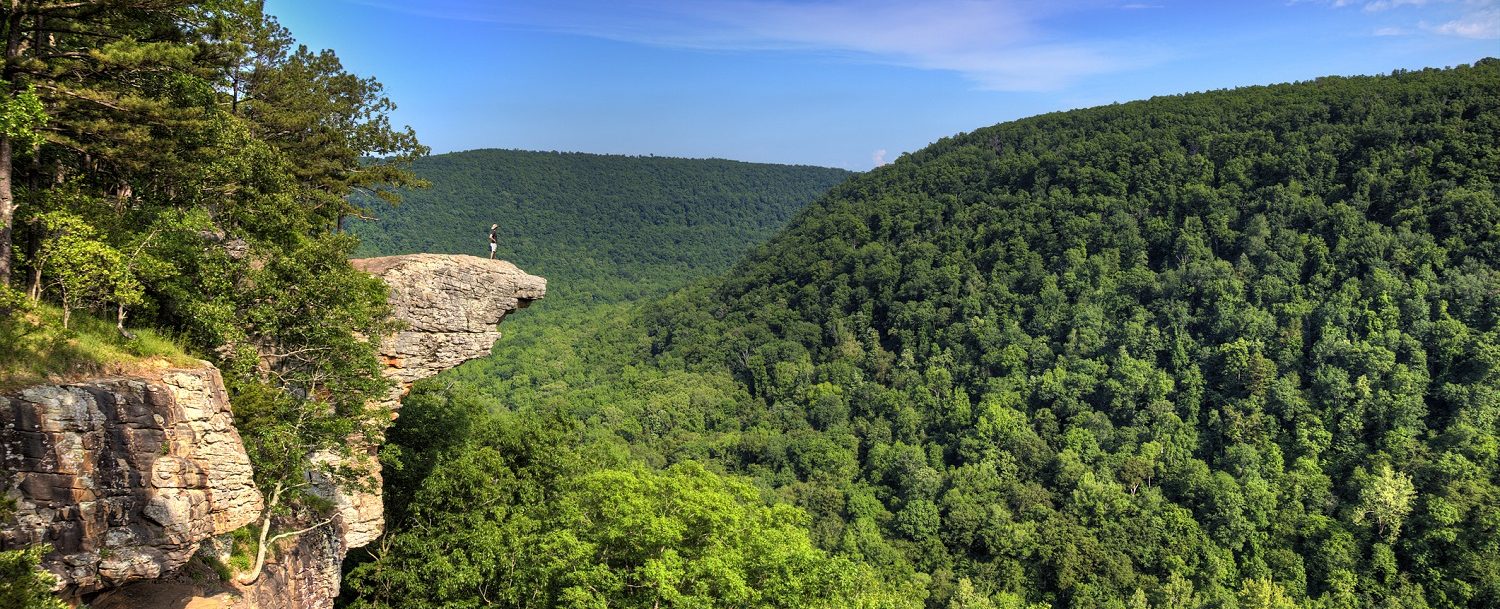
22. World’s shortest St Patrick’s Day parade is held in Arkansas, which runs for a total of 98 feet.

23. More than 450 churches are named for St Patrick in the United States. And 5.5 million tourists visit St. Patrick’s Cathedral in New York City every year.

24. St Patrick’s Day is one of the most celebrated festivals in the world. Others may includeLa Tomatina — Buñol, Spain; Holi — Celebrated by Hindus Around the World; Carnaval — Rio de Janeiro, Brazil; Lantern Festival — Pingxi, Taiwan. 

25. St Patrick’s Day parades began in North America in the 17th century but they did not spread to Ireland until the 20th century.

26. St Patrick’s Day is not celebrated on March 17 when it falls within the Holy Week (the week just before Easter, Holy Week in 2018 will begin on Sunday, 25 March and ends on Saturday, 31 March). This once happened when the day coincided with Palm Sunday in 1940 and then again in 2008. The celebration of the Day is adjusted in such a scenario. In 1940 it was observed on 3 April and in 2008 it was observed on 15 March. Now, until 2160, St Patrick’s Day will not fall under the Holy Week.

27. St Patrick’s Day is celebrated in countries including Canada, Australia, Japan, Singapore, Russia and other countries of the Irish Diaspora (refers to Irish people and their descendants who live outside Ireland).

28. More than 1 million people take part in the St Patrick’s Festival (between March 15th and 17th) in Dublin every year.

29. John Fitzgerald Kennedy the 35th president of the United States of America worn a green tie for photographs when Ireland’s ambassador to the US, Thomas Kiernan, turned up at the White House with a bowl of shamrock on 17 March.

30. Finding a four leaf clover on St Patrick’s Day is considered lucky as you only have one chance in 10,000. Generally, you will find a three leaf clover.

SOURCE: THEFACTFILE.ORG

Plum Island

From HOWSTUFFWORKS.COM:

For years, plenty of wild rumors and conspiracy theories have swirled around an 840-acre (340-hectare) speck of land a mile-and-a-half off New York’s Long Island, home to a high-security federal research facility that Internet-fueled urban legends have made into the East Coast’s equivalent of Area 51. Some have speculated that animal-human hybrids and biological warfare weapons are being developed inside the Plum Island Animal Disease Center, opened by the U.S. Department of Agriculture (USDA) in the 1950s and under the control of the U.S. Department of Homeland Security since 2003.

“I’ve had questions about Nazi scientists, alien technology and genetically-modified monsters,” says John Verrico, a spokesman for Homeland Security’s Science and Technology Directorate.

But inside the security fences and biocontainment area checkpoints (described in the unredacted parts of this 2007 government report), government researchers work to stave more tangible threats — foreign animal diseases such as foot-and-mouth disease and African swine fever, which have the potential to wreak havoc with the U.S. food supply if they ever spread across the nation’s farms.

In the U.S., which hasn’t had an outbreak of foot-and-mouth disease since 1929, an outbreak of the highly contagious affliction could cause “billions and billions of dollars” in economic losses, Verrico says, because infected farm animals would have to be culled from herds and destroyed. Meat exports would come to a halt until the disease was eradicated, and consumers might face shortages of meat and dairy products. Farmers who produce animal feed would be harmed as well. A 2001 outbreak in the U.K. cost that nation the equivalent of more than $10 billion, according to the BBC.

That longstanding danger led Congress to authorize the Department of Agriculture to create a laboratory to fight animal diseases back in the 1950s, with one major condition — the facility had to be located on an island, to reduce the danger of pathogens or infected animals escaping and spreading to farms, according to this September 1956 booklet. Plum Island, the site of the U.S. Army’s Fort Terry from 1879 to 1948, fit that criteria.

A Super Prison for Deadly Animal Diseases

A 1971 New York Times article described the facility as a “Devil’s Island for the deadliest animal disease germs known to man,” and described the elaborate security measures. They included round-the-clock patrols along the island’s perimeter (intended to warn away boaters who might be attracted by the pristine beaches), buildings with airlocks to keep bacteria and viruses from escaping, and holding tanks to sterilize the waste water from mandatory showers taken by staffers before leaving at the end of the work day. In part because of the risk of a terrorist attack on the facility, in 2003 it was transferred to the Department of Homeland Security, even though agriculture researchers continue to work there, and additional measures such as door sensors and alarms were added, as this 2007 Government Accountability Office report describes.

An al-Qaida operative who was arrested in 2008 in Afghanistan had a handwritten list of various potential targets in the U.S. that included Plum Island, according to the U.S. Department of Justice.

Despite all the security measures, the Plum Island facility doesn’t work in secrecy. “We actually don’t do any classified work at all,” Verrico says. “Our scientists publish reports on everything we do.”

Plum Island houses the only foot-and-mouth disease vaccine bank in North America, which maintains a variety of vaccines that have been developed to combat the more than 60 different strains of the disease. Those vaccines could be deployed in the event that the disease began to spread in the U.S., Canada or Mexico. “It’s regularly updated,” Verrico explains.

Additionally, if an animal becomes sick and develops suspicious lesions or other possible signs of the disease, tissue samples are sent to Plum Island for analysis, Verrico says. Veterinarians come to Plum Island for training.

Work at Plum Island was instrumental in the conquest of rinderpest, a deadly cattle disease that is one of the only the two diseases — smallpox is the other — that have been totally eradicated, Verico says.

Scheduled for Shutdown in 2023

Although the Plum Island facility and its 400-person workforce have been an important part of the nation’s defenses against animal diseases for decades, it’s scheduled to shut down by approximately 2023. It gradually will be replaced by the National Bio and Agro-Defense Facility, a $1.25 billion project under construction in Manhattan, Kansas. That facility will be larger than Plum Island and be able to conduct more studies simultaneously. It also will have added layers of security to enable it to function as a level 4 laboratory, meaning that it will be able to study animal diseases that have the potential to be transmitted to humans. It will be the first large-animal facility capable of such research, Verrico says. Advances in security measures will make it unnecessary for it to be located offshore.

What will happen to Plum Island after the animal disease center shuts down isn’t yet clear. The U.S. General Services Administration already has advertised the island and its buildings for sale, in keeping with a provision tucked into the 2009 economic stimulus package that requires it to be auctioned off to defray the construction cost of the Kansas facility and/or Homeland Security’s new headquarters complex.

But local environmentalists don’t want to see Plum Island turned into a waterfront housing development or golf resort. Because the island has been off-limits to development for so many years, much of it has reverted to its natural state and become a refuge for birds and animals, according to Chris Cryder, an outreach coordinator for the Preserve Plum Island Coalition, composed of environmental organizations in New York, Connecticut and Rhode Island. The coalition advocates setting aside 80 percent of the island as a preserve.

In the winters, for example, Plum Island is a haven for 600 harbor and gray seals, who migrate from Canada to forage for food there, Cryder says. It also provides habitat for avian species such as the piping plover and roseate tern. Over the past six decades, “there’s been relatively little disturbance of nature because of the high security operation there,” Cryder explains.

Environmental groups filed a lawsuit in 2016, seeking to prevent the government from going ahead with a sale, on the grounds that it hadn’t complied with requirements of various federal environmental laws. After GSA unsuccessfully sought to get the suit dismissed, the agency announced in August that it would hold off on the sale in order to prepare a new environmental impact statement to augment the review it had done in 2013. In an interview, Roger Reynolds, senior counsel for Connecticut Fund for the Environment, describes the initial study as “remarkably inadequate.”

Now That’s Interesting

Last year, a portion of Plum Island’s power system was utilized by the departments of Homeland Security, Defense and Energy to conduct tests simulating a cyber-attack on U.S. electrical grids, according to the Wall Street Journal.

Plum Island FAQs

Is Plum Island open to the public?

Its beaches are open to the public, but there are no stationed lifeguards in Newbury or Newburyport. The beach at Sandy Point State Reservation is open to the public for swimming and sunbathing.

Did Lyme disease come from Plum Island?

No, but there have been rumors that state otherwise because the island is located near the coast of Lyme, Connecticut, where the first outbreak of Lyme was recorded in 1975.

Can you swim at Plum Island?

You can swim at the beach at Sandy Point reservation.

SOURCE: HOWSTUFFWORKS.COM

Andrew Jackson

Today is Andrew Jackson’s birthday and I found this wonderful article on him, on the funwithhistory.com website.

13 Facts About Andrew Jackson

Andrew Jackson, the seventh President of the United States, is a figure of both admiration and controversy in American history. Born into humble beginnings in the Carolinas, he rose to prominence through his military heroics during the War of 1812 and later became known as “Old Hickory” for his unyielding character. Jackson’s presidency, marked by confrontations like the Nullification Crisis and the Indian Removal Act, left a lasting impact on the nation. In this exploration of Andrew Jackson’s life and legacy, we delve into some key facts that illuminate his journey from orphaned youth to one of the most influential figures in American history.

Andrew Jackson Facts

1 Born in the Carolinas in 1767

Andrew Jackson’s exact birthplace is disputed, but it is generally believed that he was born in the Waxhaws region, which straddled the border of North and South Carolina. This region was a rural and frontier area during the 18th century, and Jackson’s humble beginnings shaped his character and worldview.

2 Orphaned at a young age

Jackson faced considerable adversity in his early life. His father, Andrew Jackson Sr., died in a logging accident just a few days before Andrew’s birth. Tragically, his mother, Elizabeth Jackson, died of cholera when he was only 14 years old. This left him an orphan, and he and his older brother, Robert, had to fend for themselves. These early hardships instilled in Jackson a strong sense of self-reliance and resilience that would define his life.

3 Self-taught lawyer

Despite having limited access to formal education, Jackson was a determined and self-motivated individual. He worked as a saddle maker, schoolteacher, and even a law clerk before teaching himself the law. He eventually moved to Nashville, Tennessee, in 1788 and established a successful law practice. His legal career played a crucial role in his rise to prominence in Tennessee and his later entry into politics. Jackson’s success as a lawyer showcased his intelligence and determination, which would serve him well in his future endeavors, including his military and political career.

4 Military hero during the War of 1812

Andrew Jackson gained national prominence for his military leadership during the War of 1812. He was appointed as a major general in the United States Army and commanded American forces in the Southern theater of the war. His most famous victory came in the Battle of New Orleans in 1815, where he successfully defended the city against British forces. This victory made him a national hero and propelled him into the political spotlight.

5 Nicknamed “Old Hickory”

He earned the nickname “Old Hickory” due to his tough and resilient personality. It was given to him by his soldiers during his military campaigns, reflecting his unyielding and often stern demeanor. Jackson was known for his strong will and determination, and this nickname stuck with him throughout his life.

6 Seventh President of the United States

He was elected as the seventh President of the United States and served two terms from 1829 to 1837. He was the first president to hail from west of the Appalachian Mountains, symbolizing a shift in political power away from the Eastern elite. Jackson’s presidency is often associated with the rise of Jacksonian democracy, characterized by an emphasis on the common man’s role in government. However, it was also marked by controversy, including his confrontations with the Second Bank of the United States and the Indian Removal policy.

7 Faced the Nullification Crisis

During Andrew Jackson’s presidency, the Nullification Crisis emerged as a major challenge. It revolved around the issue of tariffs imposed by the federal government, which disproportionately affected Southern states, particularly South Carolina. In 1832, South Carolina declared that it had the right to nullify or reject federal laws within its borders, including the tariffs. Jackson vehemently opposed this assertion of state sovereignty and believed it could lead to the dissolution of the Union. He responded with the Nullification Proclamation and the Force Bill, which authorized the use of military force to enforce federal laws in South Carolina. Ultimately, a compromise was reached, and the crisis was defused, but it highlighted the tension between states’ rights and federal authority.

8 Signed the Indian Removal Act

In 1830, Andrew Jackson signed the Indian Removal Act into law, which provided for the forced removal of Native American tribes from their ancestral lands in the Southeastern United States to lands west of the Mississippi River. This policy resulted in the tragic Trail of Tears, during which thousands of Native Americans, primarily from the Cherokee Nation, died due to exposure, disease, and starvation during their forced relocation. Jackson’s support for this policy remains a deeply controversial and dark chapter in American history.

9 Opposed the Second Bank of the United States

Andrew Jackson was a vocal opponent of the Second Bank of the United States, viewing it as a symbol of corruption and elitism. He believed the bank had too much power and favored the wealthy over the common people. In 1832, Jackson vetoed the recharter of the bank, effectively causing its demise. This decision had a profound impact on American financial policy, leading to a period of economic instability known as the “Bank War.”

10 Survived an assassination attempt

In January 1835, while Jackson was President, he survived an assassination attempt. A disturbed house painter named Richard Lawrence approached Jackson with two pistols and attempted to shoot him. Both pistols misfired, and Jackson, known for his physical toughness, proceeded to physically attack Lawrence with his cane. The attempt on his life cemented Jackson’s image as a strong and resilient leader, and he remained unharmed.

11 Engaged in several duels

Andrew Jackson was involved in several duels during his lifetime, reflecting the dueling culture of the time. Notable among these was his duel with Charles Dickinson in 1806. The dispute arose over insults exchanged between Jackson and Dickinson. During the duel, Dickinson fired the first shot, which struck Jackson in the chest, near his heart. Jackson, despite being wounded, managed to stay standing and calmly took aim at Dickinson, firing and fatally wounding him. The bullet that struck Jackson remained lodged in his chest for the rest of his life, causing him occasional pain. Jackson’s willingness to participate in duels was emblematic of his fiery temperament and his strong sense of personal honor.

12 Controversial marriage to Rachel Donelson Robards

Andrew Jackson’s marriage to Rachel Donelson Robards was a subject of controversy during his political career. Rachel had been previously married to Lewis Robards, but they had separated before her relationship with Jackson began. However, due to a legal technicality, their divorce was not finalized when Jackson and Rachel married in 1791. This led to accusations of adultery and social ostracism against Rachel. The controversy surrounding their marriage was used against Jackson in political campaigns, and it caused him considerable personal anguish.

13 Legacy includes populism and the forced removal of Native Americans

Andrew Jackson’s legacy is complex and polarizing. He is often remembered as a champion of the common people and a symbol of Jacksonian democracy, which emphasized increased political participation for white males without property qualifications. However, his legacy is also marked by controversy and criticism. His role in the forced removal of Native American tribes, such as the Cherokee on the Trail of Tears, is widely condemned as a tragic and inhumane chapter in American history. Additionally, his opposition to the National Bank and his assertion of executive power contributed to political division during his presidency. Jackson’s strong-willed personality and his impact on American politics and government continue to be subjects of debate among historians and scholars.

SOURCE: FUNWITHHISTORY.COM

What Shall We Bake Today?

Today’s offering is in honor of St. Patrick’s Day—Shamrock Snacks!

Ingredients

pretzel sticks

mini pretzel twists

Rolo candy

green M&Ms (such as Dark Chocolate Mint M&M’s or Milk Chocolate M&Ms)

Directions

Preheat the oven to 250 degrees.

Place three mini pretzels and one pretzel stick in a shamrock shape on a parchment paper-lined cookie sheet.

Place a Rolo candy in the middle of the pretzels. Repeat with as many treats as you’d like to make.

Bake for 2 minutes at 250 degrees in the oven until the chocolate is just starting to melt, but not all the way melted.

Gently press a green M&M in the middle of Rolo so that the chocolate connects all four pretzels.

Freeze until the chocolate is set, then enjoy! Yup, that’s all it takes to make these cute shamrock snacks!

To store leftovers, just keep them in a covered container for up to a few days.

ENJOY!

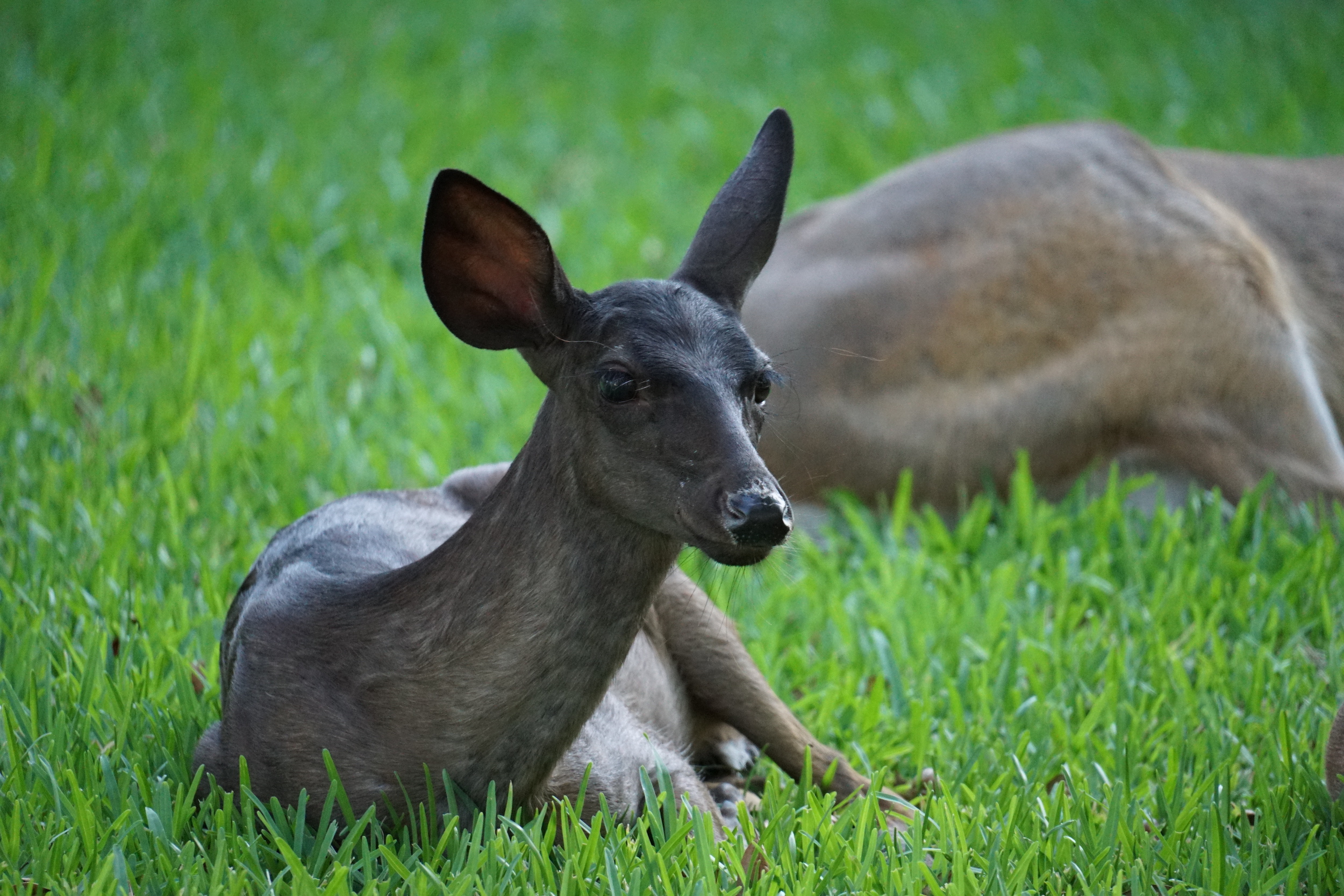
New Hampshire State Mammal: White Tailed Deer

New Hampshire is yet another state that has the white-tailed deer as their state mammal.  Lacking any new information about the deer, I thought I’d go in another direction—a crafty one.  Did you know you can make things from the antlers?? Deer naturally shed these yearly so, if you’re lucky, you can find some discarded antlers in the woods.

If you find a lot of antlers, you can make this wreath.

Or, perhaps this chandelier.

Maybe this deer whistle is more to your liking.

You can find the instructions for these crafts and other craft ideas at brightstuffs.com.

Weird Wednesdays: Alabama Lighthouse

Lighthouses are pretty cool in my opinion, but I’m not sure I’d want to live in one.  This “lighthouse” estate is in Alabama and is unique. Inland Alabama doesn’t seem like a great place for a lighthouse, but the improbable location didn’t faze the sea-obsessed builder of this six-bedroom, 18,000-square-foot home on Lake Guntersville. The lighthouse itself is six stories high, made of marble and concrete, and topped with a catwalk so the owners can survey their kingdom.

From AL.COM:

GUNTERSVILLE, Alabama – The lighthouse on Lake Guntersville attracts the curious. They drift by in their boats, their voices carrying over the water as they try to guess why the structure is there. Some don’t realize the lighthouse fronts what is an 18,000-square-foot home. What many don’t know is the eight-story structure is the culmination of one man’s life work.

The lighthouse house Jim Kennamer built on four acres of lake-front property is for sale now, on the market for $3.25 million. The property has been appraised for $6 million, but with a soft economy and the desire to sell, Realtor Ernie Tidmore has set a lower price.

Know-It-All Tuesdays: Saint Patty’s Day Trivia

Why is St. Patrick’s Day celebrated on March 17?

Where and when was the first St. Patrick’s Day parade ever recorded?

What’s the oldest and largest St. Patrick’s Day Parade in the world?

What do the three leaves of a shamrock symbolize on St. Patrick’s Day?

What does the circle at the very center of a Celtic cross represent?

What is a boxty?

Which coastal Southern city has had a huge St. Patrick’s Day parade and celebration since 1813?

What does “Erin go bragh” mean?

How do leprechauns earn their gold?

What is the traditional main dish served at many St. Patrick’s Day celebrations in America?

So, how did you do?

It’s the day Saint Patrick died in 461 CE.

St. Augustine, Florida, in 1601. The area was then a Spanish colony, but it had an Irish vicar.

The New York City Saint Patrick’s Day Parade, first held in 1762.

The Holy Trinity (Father, Son, and Holy Ghost), according to the legend that Saint Patrick used the shamrock to illustrate the concept to potential converts. It can also symbolize love, hope, and faith.

The sun.

An Irish potato cake.

Savannah, Georgia.

Ireland forever.

Making and mending shoes.

Corned beef and cabbage.

Until next month…stay sharp!

Green Phantom Pleco

The Green Phantom Pleco (Hemiancistrus subviridis) is a captivating freshwater fish that hails from the fast-flowing rivers of Venezuela and Colombia in South America. Renowned for its vibrant green coloration and peaceful demeanor, this species can grow up to 8 inches in length, making it a standout addition to larger aquariums. 

What sets the Green Phantom Pleco apart is not just its striking appearance but also its ecological role as an algae eater, helping to keep aquariums clean by grazing on algae growths on glass and decorations.

Unlike many other fish species, the Green Phantom Pleco prefers cooler water temperatures ranging from 72 to 86°F, and requires a well-oxygenated environment with plenty of hiding spots to mimic its natural habitat. This species’ unique color and beneficial cleaning habits make it highly sought after by aquarium enthusiasts, despite its somewhat more demanding care requirements.

Green Phantom Plecos are relatively hardy, making them suitable for a variety of aquarium settings, but they do require specific care to thrive. They are best kept in tanks with a minimum size of 30 gallons to accommodate their potential growth up to 8 inches in length. The water should be well-oxygenated with a moderate to strong flow, mimicking their natural river habitat, and maintained with a pH between 6.5 and 7.5. 

Green Phantom Plecos are peaceful and can be housed with many other species, but they do need hiding spots and a diet rich in vegetables and high-quality sinking pellets or wafers. While they can tolerate a range of conditions, attention to water quality and diet is essential for their well-being. This species demonstrates that with proper care, they can be both a hardy and rewarding addition to the aquarium.

Food & Diet

Caring for Green Phantom Pleco includes providing them with a diet that meets their nutritional needs. Here’s an overview of the food and diet recommendations for Green Phantom Plecos:

Primary Diet

Green Phantom Plecos are omnivores with a strong preference for algae and biofilm in their natural habitat. In captivity, their diet should include a variety of foods to ensure they receive all the necessary nutrients:

Algae Wafers: These are a staple for most plecos and should be included in their diet. They mimic the pleco’s natural food source and are rich in essential vitamins and minerals.

Vegetables: Offering blanched vegetables like zucchini, cucumber, spinach, and peas can provide additional nutrients. These should be offered on a regular basis but removed after 24 hours to prevent decay.

Driftwood: While not a food source per se, having driftwood in the tank is important for Green Phantom Plecos. They graze on the biofilm that grows on the wood and may also ingest small amounts of wood fiber, which aids in digestion.

New Jersey State Flower: Meadow Violet

Common blue violet is a rhizomatous clumping annual in the Violaceae (violet) family native to eastern and central North America. It grows 6 to 10 inches in height and width, and is found in woods, thickets, and along streambeds, especially in shadier areas.  

The common blue violet prefers moist, rich soils and dappled sunlight. However, it will grow in many light conditions and tolerate wet soil, clay soil, and being planted near black walnut trees. It also freely self-seeds and may become invasive in fertile, moist locations. During hot summer months, the foliage tends to depreciate. During the summer months, it produces flower buds that never open (called cleistogamous flowers) but which develop into fruits with fertile seeds.

Nectar from the flowers attract butterflies and bees. Members of the genus Viola support specialized bees: Andrena (Gonandrena) fragilis, Andrena (Gonandrena) integra, and Andrena (Gonandrena) platyparia. Birds and small mammals use the seed fruits as a food source.

Use the blue violet as a wildflower in lawns, rock gardens, edging, and borders. This plant can also be used as a groundcover along walls and path edges as mowing can limit its spread. It is best in open woodland gardens where it can be left to spread naturally. It is deer resistant, but much loved by rabbits.

Quick ID

Leaves are basal, heart-shaped, crenate, and subpeltate

Many solitary, 2 cm flowers on slender, peltate stalks

Acaulescent herbaceous plant with purple to white spring flowers

Lateral petals with basal tufts of hairs

Insects, Diseases, and Other Plant Problems: May have some issues with slugs, snails, aphids, red spider mite, and violet gall midge. Powdery mildew and pansy leaf spot are occasional disease problems.