Weird Wednesday

Welcome to The Munster Mansion!

“Most people didn’t get past the characters to notice the house,” says Sandra McKee, a lifelong Texan, former lingerie store owner, great-grandmother, and Waxahachie resident. McKee is talking about the home at 1313 Mockingbird Lane in the fictional city of Mockingbird Heights in the sixties TV show The Munsters. “But I loved the house,” she continues. “You could flow from any room without turning around and going back. The flow was wonderful.”

She loved it so much that she decided to recreate it. Twenty years ago, McKee and her husband, Charles, built a Victorian-style home in Waxahachie and designed it to look just like the Munsters’ house. The McKees lived there until a few years ago. Now they live next door and open the mansion for private tours as well as for monthly murder mystery dinner parties catered by the Olive Garden. It’s not just a tribute to the original but a nearly exact duplicate. The electric chair is there. The rotating suit of arms is there. The dishes laid out on the dining table are the real dishes the cast ate from on the show. Spot, the Munsters’ pet fire-breathing dragon, lives under the stairs: “We did a cardboard mock-up,” McKee recalls. “Shipped it off to a guy up north. He did the fiberglass and the mechanism to make the mouth open. We can’t do fire out the nose, of course, because you’d burn down the house, but we used to have fog coming out.” She adds, “On tours, a lot of people have breathing problems, so we don’t do fog anymore.” Even the candelabras and beaded-fringe lampshades and cheesecloth cobwebs look just like the originals.

“I watched all seventy episodes,” McKee says, reminiscing about the origins of her project. “We’d freeze-frame a wall. Figure out what goes on that wall. Lily Munster was five feet four. I’m five two. I could see how many steps it took her to get to the staircase or the stove. And that’s how we determined where things were. I don’t mind researching things. I spent a lot of time researching. A lot of time watching the show. Eventually I could say the words before they said the words.”

Waxahachie, a city of more than 35,000 residents about thirty miles south of Dallas, might be the best spot in Texas for a Munster Mansion. A town with an Old West feel—some scenes of Bonnie and Clyde were shot there—it also has a spooky side. Not only is it home to Screams Halloween Theme Park, it’s rumored to be haunted. Local Cajun restaurant Catfish Plantation advertises its cast of ghosts (ask the owner about the levitating fry basket). Unexplained turning door handles and tales of an elevator-riding girl ghost draw tourists to the Rogers Hotel. There’s also a popular historical ghost tour.

But the Munster Mansion is less spooky than simply extraordinary. There’s something so impressive, almost subversive, about giving one’s life to something that no one else has likely even conceived of, something that many people wouldn’t understand. For years, the Munster Mansion was simply the McKees’ house. They opened it for tours and charity events a couple times a year. They’d dress up like Lily and Herman and have the show’s cast members over for visits, but they didn’t build the house with the intention of making money. Sandra McKee just … loved The Munsters. And Charles went along for the ride. “If it were up to him, we’d be living in the Starship Enterprise,” she says. “But it was up to me, so here we are in the Munster House.”

Once she’s given me the grand tour, McKee shows me the memorabilia room, crammed with photos and figurines. “My favorite piece in here is this tuxedo,” she says, touching the formal suit with red bowtie. “When Grandpa Munster [the late actor Al Lewis] came to our charity event, the town next to us donated this tuxedo for him to wear for the weekend. Well, Grandpa burned it right here with his cigar—yeah, I’ve got his cigar, too—so I bought the tuxedo from him, didn’t have it dry-cleaned or anything. It’s got his DNA all over it.”

The Munsters, which aired for only two seasons, was produced by the creators of Leave It to Beaver, and like Beaver, it depicted suburban life, albeit satirically. The Munsters were monsters, but they were otherwise a traditional, loving sixties family. The McKees, too, are typical, if you don’t count the coffin phone built into their wall. Charles is a plumber. Sandra adores her family so much that she doesn’t give tours on Halloween because she likes to take the kids trick-or-treating. “I had six grandchildren grow up here,” she tells me. “I told them, don’t run your toys in the cobwebs.” She smiles. “We had a lot of love in this house.”

Marshall Hinsley/Courtesy of the Munster Mansion

SOURCE: TEXASMONTHLY

Labradors!

You may already know the Labrador Retriever as a high-energy, water-loving family dog. You might also feel like you see them everywhere. That’s no coincidence because the Labrador Retriever is one of the most popular dogs in the United States (and in much of the world). Read on to learn more about this easy-going dog breed, from their hunting dog history to how to care for your very own lab best friend, and decide whether a Labrador Retriever dog is right for you.

Labrador Retriever Breed Appearance

A Labrador Retriever dog has a dense, short-to medium-length coat, with a wide head. As a consummate water dog, a lab’s webbed toes help them move through the wet stuff, and their rudder-like otter tail is great for swimming (and knocking things off your coffee table). Their foot webbing also helps them stay comfortable in colder climates, forming a “snowshoe” that keeps snow and ice from getting stuck between their toes.

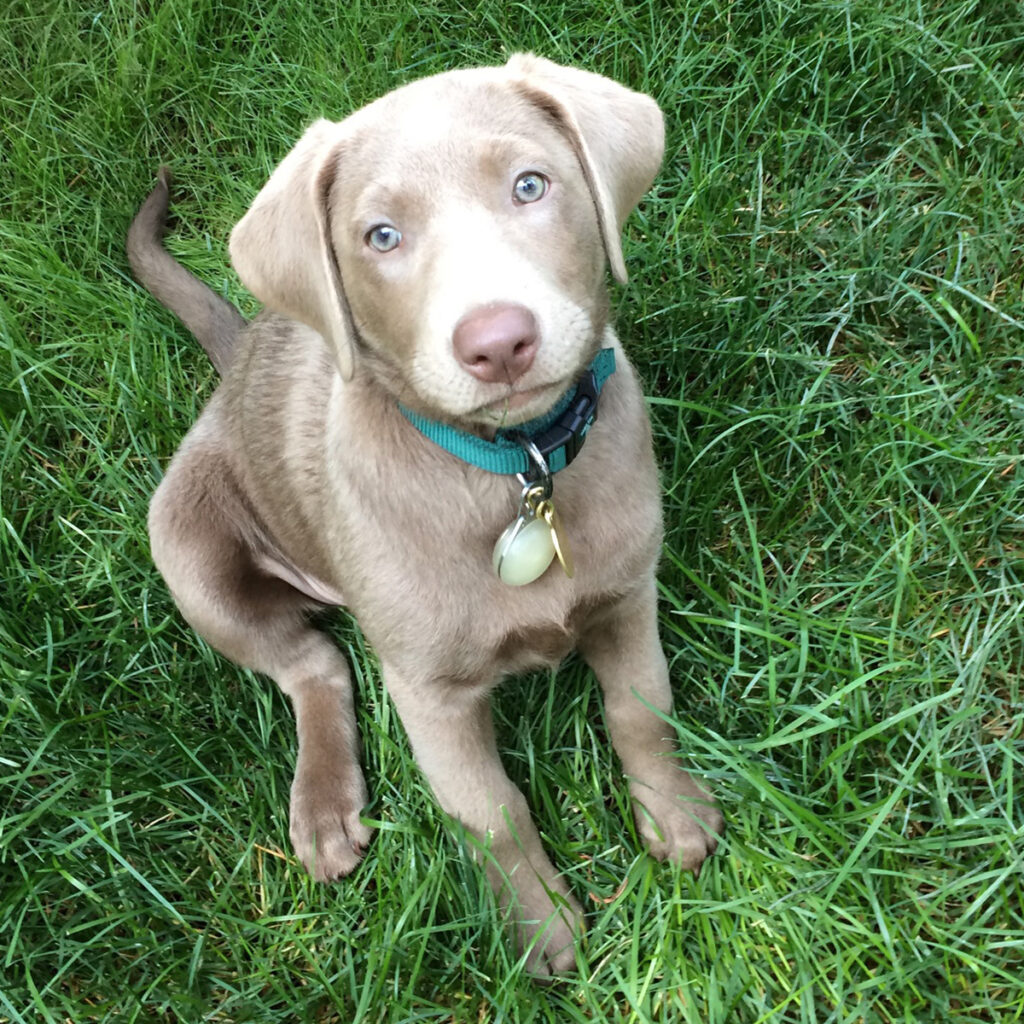
Labrador Retrievers are born with a variety of colorings, such as the yellow Lab, chocolate Lab, and black Lab. The silver Labrador Retriever has a rarer grayish coloring with striking blue eyes. Although it sounds like it, a “golden Lab” is not a coloring of Labrador Retriever and is instead a crossbreeding of the Golden Retriever and a true Lab.

Within the Lab breed, there are two distinct body types. The field or working variety (also referred to as the “American” type) tends to have lighter bones, a longer and less dense coat, a narrower head, and a longer muzzle. They also tend to have more energy and be higher strung. This is no accident, as these Labs are built to work.

The “English” or show variety of Labrador Retriever tends to have shorter legs, a denser coat, and a broad head. This variety is better suited to be a family pet.

As far as grooming goes, a Labrador Retriever dog will usually shed twice a year, or year-round in temperate climates. Much like other dogs with a double coat, weekly brushing (or daily during shedding months) should be enough to prevent that dreaded blowout of the undercoat.

Labrador Retriever Personality

The Labrador Retriever was bred to be friendly, both toward humans and other dogs. To complement that gentle nature, their working history gives them a high-energy, fearless, enthusiastic personality.

Labs are curious and intelligent, which means they do well as service dogs, but this can mean that your single-minded lab is more likely to escape or suddenly disappear, most likely having followed something interesting (squirrel?). This is why many owners of Labrador Retriever dogs choose to microchip their pets.

Ideal Environment for a Labrador Retriever

A Labrador Retriever dog will need plenty of exercise and outdoor time. And, as their name implies, they love to retrieve. The best home for a lab will be one with a big backyard or space nearby for a long game of fetch. With their sweet personalities and love of play, these dogs are a popular breed for an active family.

Ideal Human for a Labrador Retriever

The ideal human companion for a Labrador Retriever likes to play just as much as their dog. This can mean long walks and runs, swimming, or tossing a ball around.

However, the Lab’s history as a working dog also means that daily walks for exercise aren’t enough. Trick training, puzzle toys, and other mentally challenging games like hide and seek will help keep your Lab happy.

Lab Obedience Training

With consistent positive reinforcement, a lab will excel with basic obedience training and soon be ready to move on to more complicated skills. You may still consider a professional dog training for the early days though. Labs are known to be a little distractible. This can also be managed with plenty of mental and physical exercise, including teaching your lab new tricks in quiet environments where they can focus.

With their talent for learning and easygoing nature, Labrador Retrievers make excellent service dogs. Labs serve as companions to people with illnesses or vulnerabilities and are able to do complex tasks like rolling a person into the recovery position or activating an emergency communication device.

According to Guide Dogs for the Blind, Labs are the most successful guide dogs. This champion smeller can even work in search and rescue and is especially suited to more challenging work, such as water rescue. Labrador Retrievers are true heroes of the dog world.

Labrador Retriever Grooming

Most Labrador Retriever parents will find grooming relatively easy. Labs have a thick double coat, and shed their undercoat during spring and fall (or year-round in temperate climates). During the seasonal shedding periods, you can brush them daily to help remove fur. The rest of the year, brushing once a week as maintenance should be enough. Occasional baths may be necessary to keep your Labrador Retriever clean, especially if your Labrador likes to find smelly things to roll in. Like most dogs, Labrador Retrievers’ nails should be trimmed regularly, and their teeth brushed to maintain dental health. 

Labrador Retriever Health

Labrador Retriever dogs tend to be a healthy breed with very few health problems. Some Labs may develop elbow dysplasia and hip dysplasia, but less so than other dog breeds. Labrador Retrievers can also tend toward knee problems and eye problems, such as progressive retinal atrophy. Ask your vet for more information on prevention or treatment of potential health issues. Many pet owners opt for pet health insurance, just in case.

A note on that endless game of fetch: some labs will work until they collapse. Be sure to take regular rest and water breaks when you’re getting your play on.

Labrador Retriever History

According to the American Kennel Club (AKC), the first Labrador retrievers were bred in England, from a unique and water-loving ancestor, the St. John’s water dog. St. John’s water dogs originally came from Newfoundland, where they assisted fishermen with retrieving nets and other equipment, and even diving for dropped fish.

Working mainly as gun dogs specializing in retrieving waterfowl, Labrador Retrievers later became accomplished sporting dogs, joined the show ring, and eventually stepped into the role of the fun-loving family companion we know today. Across the world, but especially in the United States, England, and Canada, the Labrador Retriever remains one of the most popular dog breeds to date.

SOURCE: ROVER.COM

Scorpionfly

What type of animal is a scorpionfly?

The Scorpionfly is an insect of the Panorpidae family, which is the largest family of order Mecoptra with 480 species. It is often addressed as the common Scorpionfly or Panorpa communis, and it belongs to the genus Panorpa. This genus has 260 species.

How many scorpionflies are there in the world?

The total strength of the Mecoptera order is innumerable as it is widespread. From North America to South America and from Asia to Australia, the Scorpionfly distribution has spread worldwide.

Where does a scorpionfly live?

The Scorpionflies adapt to the grassland, healthy land, moorland, fresh water, farmland, wetlands, woodland, towns, and gardens.

What is a scorpionfly’s habitat?

The Scorpionflies are known to adapt to moist environments, mosses, and a few Mecoptera flies also inhibit semi-desert habitats. The common Scorpionflies are vividly found in woodlands with broad leaves, as this Scorpionfly habitat has superabundant damp leaf litter.

Who do scorpionflies live with?The Scorpionfly families are not social and do not move in groups. They are found as solitary or in mating pairs.How long does a scorpionfly live?The Scorpionfly life cycle consists of four stages that begin with an egg’s formation. There is no recorded information on the average lifespan of these insects.How do they reproduce?The male attracts the female by flapping its wings. Once the female is submissive, it drags the abdomen of a female with the help of claspers. The male presents the female with the nuptial gift of thick saliva secretions. The mating scorpionfly feeds during the copulation time, which may last from 15 minutes to several hours. Some scorpionflies also offer dead insects or bugs as a present. Some scorpionflies emit chemical forms to grab the attention of the female.While the female inspects the offering, the male scorpionfly probes into female reproductive organs; in this process, it is most probable that the female denies the gift and flies away. If she acquires the gift, it lowers itself in an upside-down hanging position approving the copulation. During copulation, the female preys on the present, and the male holds up the female to anchor it. The mating time lasts from 15 minutes to several hours. On culmination, the female lays eggs in a moist environment.What is their conservation status?As Scorpionflies are spread in high concentrations worldwide, the conservation status of this common Scorpionfly is Least Concern.Scorpionfly Fun FactsWhat do scorpionflies look like?The Scorpionfly is an insect. It is a colorful fly. The common Scorpionfly has a yellow-black body with a reddish head. The tail of these insects is also red. The length of Scorpionfly wings is 1.4 inches, slightly more significant than the total length of its body. The Scorpion insect attained its significance and name due to the anatomy of the genus Panorpa. The male insects have genitals at the end of their tail, which replicates scorpion stingers. These are called claspers. The abdomen of a male Scorpion fly is swollen, and the swelling is referred to as a genital capsule. The female Scorpionfly abdomen is comparatively slim.The Scorpionfly has four membranaceous wings and filamentous antennae. Their prolonged head is signified with mouthparts like a beak. It has large eyes. Their abdomen is cylindrical with 11 segments. In the Scorpionfly males, the swollen abdomen is curved upwards that looks like a scorpion-like tail.

How cute are they?

This species creates curiosity in its appearance. Their scorpion-like tail allures the human eye. But the Scorpionfly stings are not poisonous, indicating that these flies are cute but not harmful.

How do they communicate?

The Scorpionflies are not social animals. But they are very expressive while communicating during mating. There is significant diversity in the male’s mating techniques. The Scorpionflies communication includes emitting chemical signals, offering nuptial presents, flapping wings, and waving with antennae. In some of the Scorpionfly groups, the males even dance to attract female attention.

How big is a scorpionfly?

The common Scorpionflies are 0.1-1.4 inches. Its length is relatively equal to that of a medium-sized Mecoptera order insect.

How fast can a scorpionfly fly?

The locomotion of a scorpionfly is flying short distances. Despite having two pairs of wings, the Scorpionfly takes a slow flight with variable patterns. The Scorpionfly can fly at a speed of 1.1 mph.

How much does a scorpionfly weigh?

The exact weight of Mecoptera is unknown. However, they are small to medium-sized insects with long slender bodies and short membranous wings that resemble flies.

What do they eat?

The Scorpionflies prey on dead insects, insects trapped in spider webs, petals, leaves. The Scorpionfly diet also includes decaying vegetation.

Are they dangerous?

These flies do not bite; hence the Scorpionfly sting or bite is harmless to humans. Quite contrary to the scary appearance of Scorpionfly tails, they are not dangerous.

Did you know…

Scorpionflies play a prominent role in forensic entomology, revealed a study related to the developmental stages of arthropods on the corpse, as these flies are the first ones to arrive at it.

The mating process of the Scorpion fly is the most dreadful and aggressive. There are fair chances of the female killing the male during the aggressive copulation.

Even the Scorpionfly larvae can feed on a dead insect. If the hot conditions of the habitat are not favorable, these flies choose to remain in the current state of egg or pupa even for several months.

The flies of the Panorpa species are predatory during the day and can be opportunistic hunters during the dark.

SOURCE: KIDADL.COM

24 Clever Uses for Plastic Bags You Have Lying Around the House

I can never throw away plastic bags.  There, I said it.  I find numerous ways to reuse them—from crafts to organization.  This article from Reader’s Digest suggests many, many more uses.

Lauren Gelman

Updated: Jan. 13, 2023

From the book 10,001 Timesaving ideas

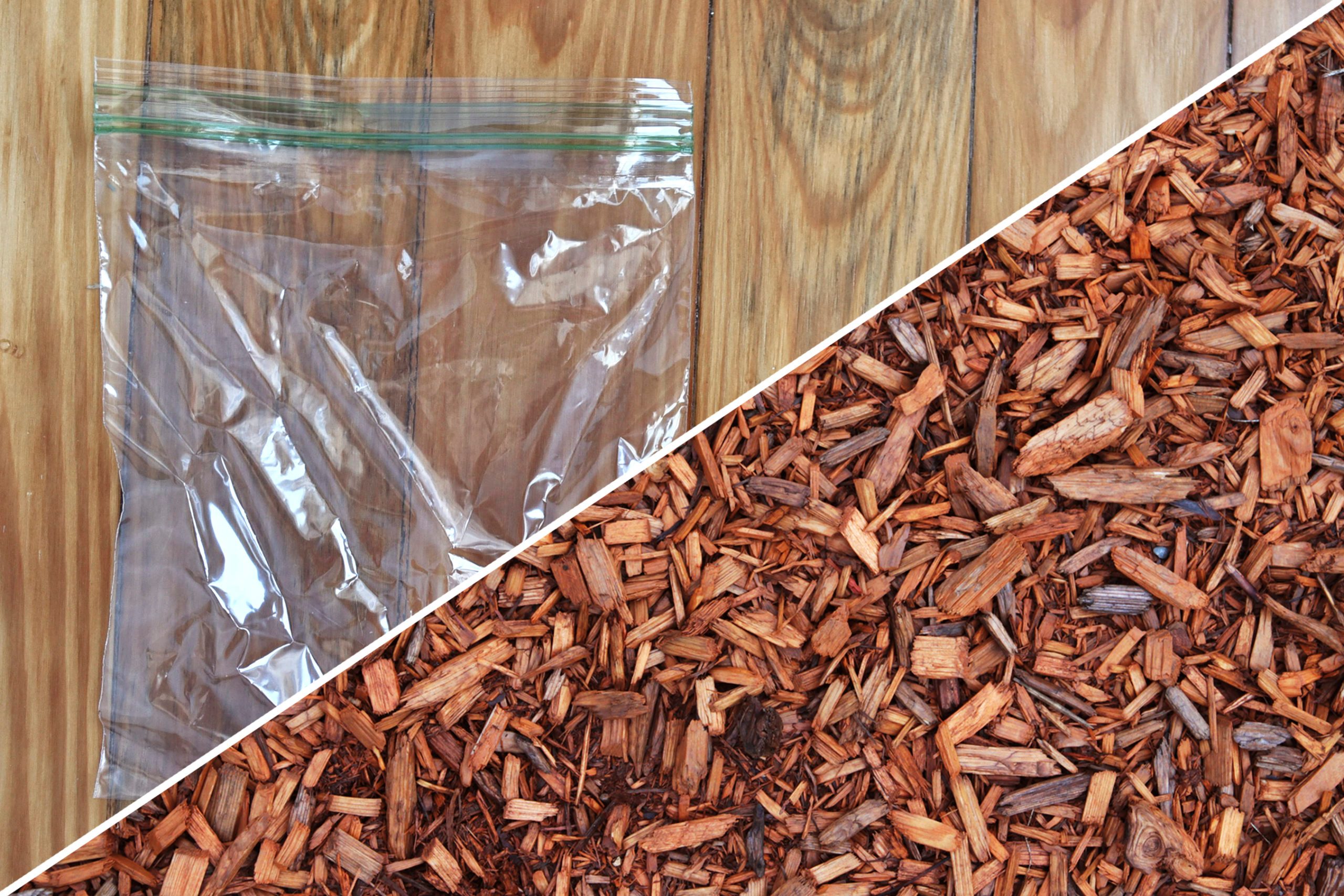
Cedar closets smell great, and, more important, they repel moths. If you aren’t lucky enough to have a cedar closet, you can easily create the next best thing. Fill a sealable bag with cedar chips—the kind you buy at a pet store for the hamster cage. Zip it closed, then punch several small holes in it. Hang the bag in your closet (a pants hanger is handy for this) and let the cedar smell do its work. You can also create a sachet to freshen up musty drawers. Fill the bag with potpourri—flower petals, a few crushed fragrant leaves, and a couple of drops of aromatic oil. Punch a bunch of small holes in the bag, then place it in the drawer.

Road trip trash bin

Plastic bags can fold up and store in your glove box, barely taking up any space at all. When you’re out on the road and make any trash or come across litter, having a designated trash bag on hand is incredibly useful and means you don’t have to stop to find a trash bin, and you won’t have crumbs, refuse, or any other trash bits floating around in your car.

Easy donation

One man’s trash is another man’s treasure! While those annoying plastic grocery bags may just be trash to you, thrift stores and flea markets would be thrilled to have your old bags to use rather than having to buy their own. It may seem like an odd thing to donate but many small businesses would be thrilled to have them.

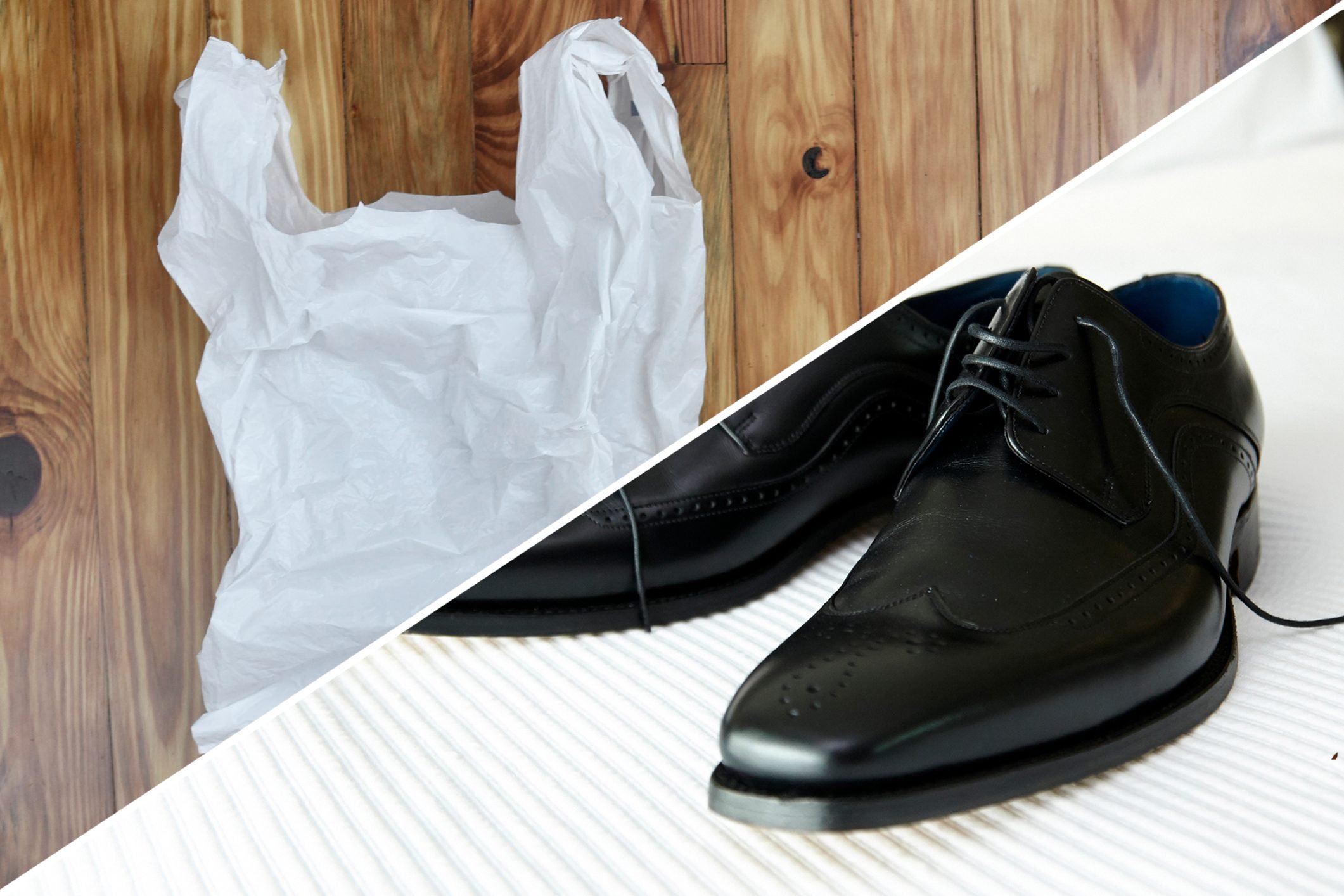
Make a DIY shoe form

Even if you don’t have your own shoe forms, you don’t have to worry about your shoes losing their shape when you aren’t wearing them. Crumple up some plastic bags to stuff the toes of your off-season shoes with and they’ll be just like you left them when you pick them back up.

Travel laundry bag

Next time you pack your suitcase, slip a few plastic bags inside. They’re useful for storing still-wet-from-the-beach swimsuits, or any dirty clothes you might have, in order to keep them separate from any clean things in your luggage.

Cool off (and clean up) outside

Going for a long trip on a hot and sticky day? Use a sealable bag to take along a wet washcloth that has been soaked in water and lemon juice—it makes a great refreshing wipe-off. This is a good trick for fast on-the-road face and hand cleanups. Another great option is to freeze a few washcloths in a sealable bag; they provide fast relief for anything from bumps and scrapes to burns and tooth pain.

Create single-use detergent packs

If you’re planning a trip and think you’ll be doing a few loads of laundry while you’re there, pre-measure some detergent into a bag. It beats lugging a big box of detergent down to the shore or on an airplane or buying expensive travel-size bottles.

(Pat’s opinion: the little bottles can be bought at dollar stores and are reusable.  If something punctures this bag, you have detergent all over everything in the bag.)

Make a funnel

That handiest of kitchen and garage tools, the funnel, can be replicated easily with a small sandwich bag. Fill the bag with the contents you need to be funneled. Snip off the end and transfer into the needed container. Then just toss the bag when the funneling is done.

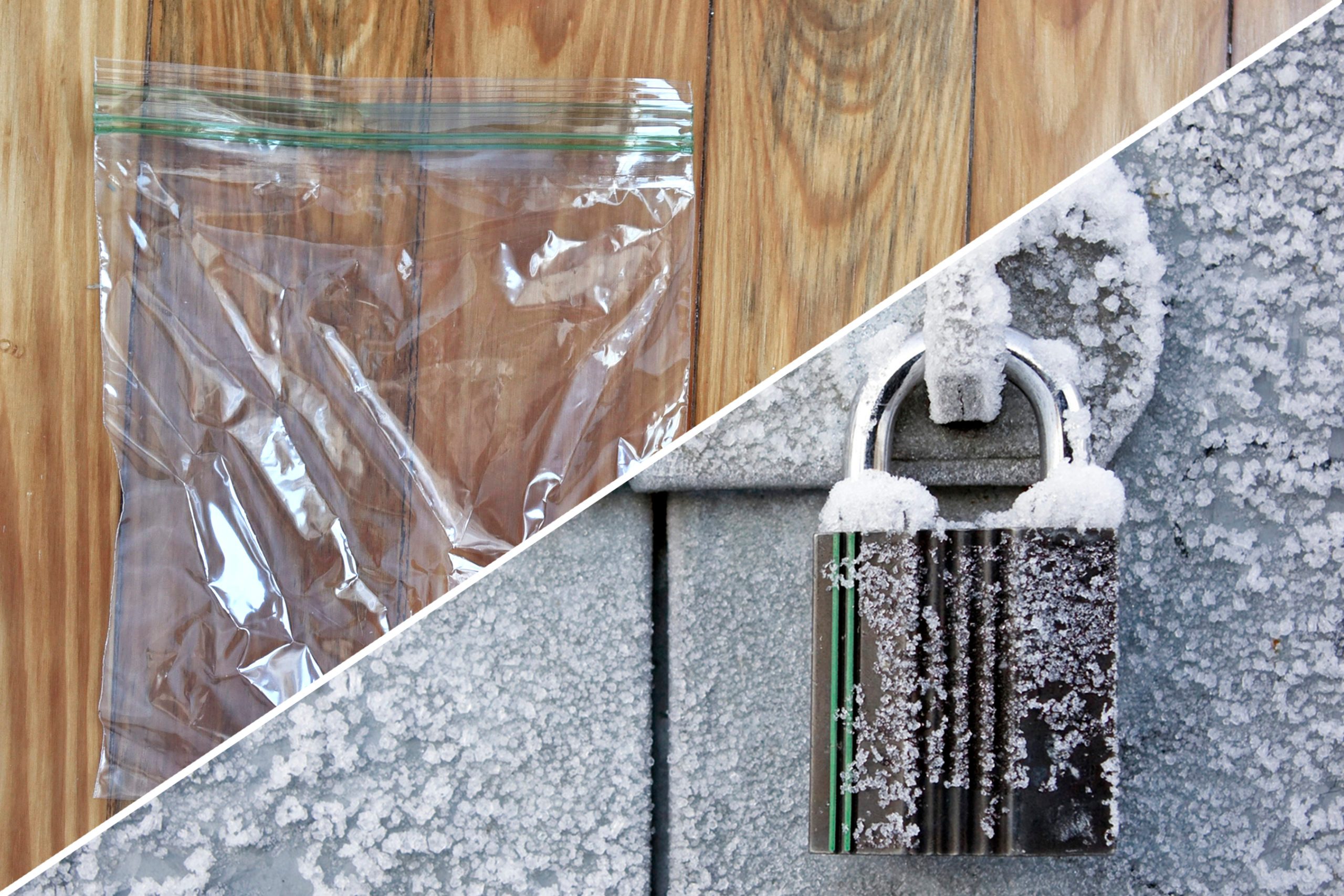
Protect your padlocks from freezing

When the weather is cold enough to freeze your padlocks on the outdoor shed or garage, remember that a sandwich bag can help. Slip one over the lock and you’ll avoid frozen tumblers.

Color cookie dough without stained hands

Experienced bakers know what a mess your hands can be after coloring cookie dough. Here’s a clean idea: Place your prepared dough in a bag, add the drops of food coloring, and squish around until the color is uniform. You can use the dough now or stick it in the freezer ready to roll out when you need it.

Soften hard marshmallows

You’re about to pull out that bag of marshmallows from your kitchen cabinet when you notice that the once-fluffy puffs have turned hard as rocks. Warm some water in a pan. Place the marshmallows in a sealable plastic bag, seal, and place in the pan. The warmth will soften them up in no time.

Decorate a cake

Pastry bags can be cumbersome, expensive, and hard to clean. Place your frosting (or deviled egg mix) into a sealable bag. Squish out the air and close the top. Snip off a corner of the bag to the size you want—start conservatively—and you are ready to begin squeezing.

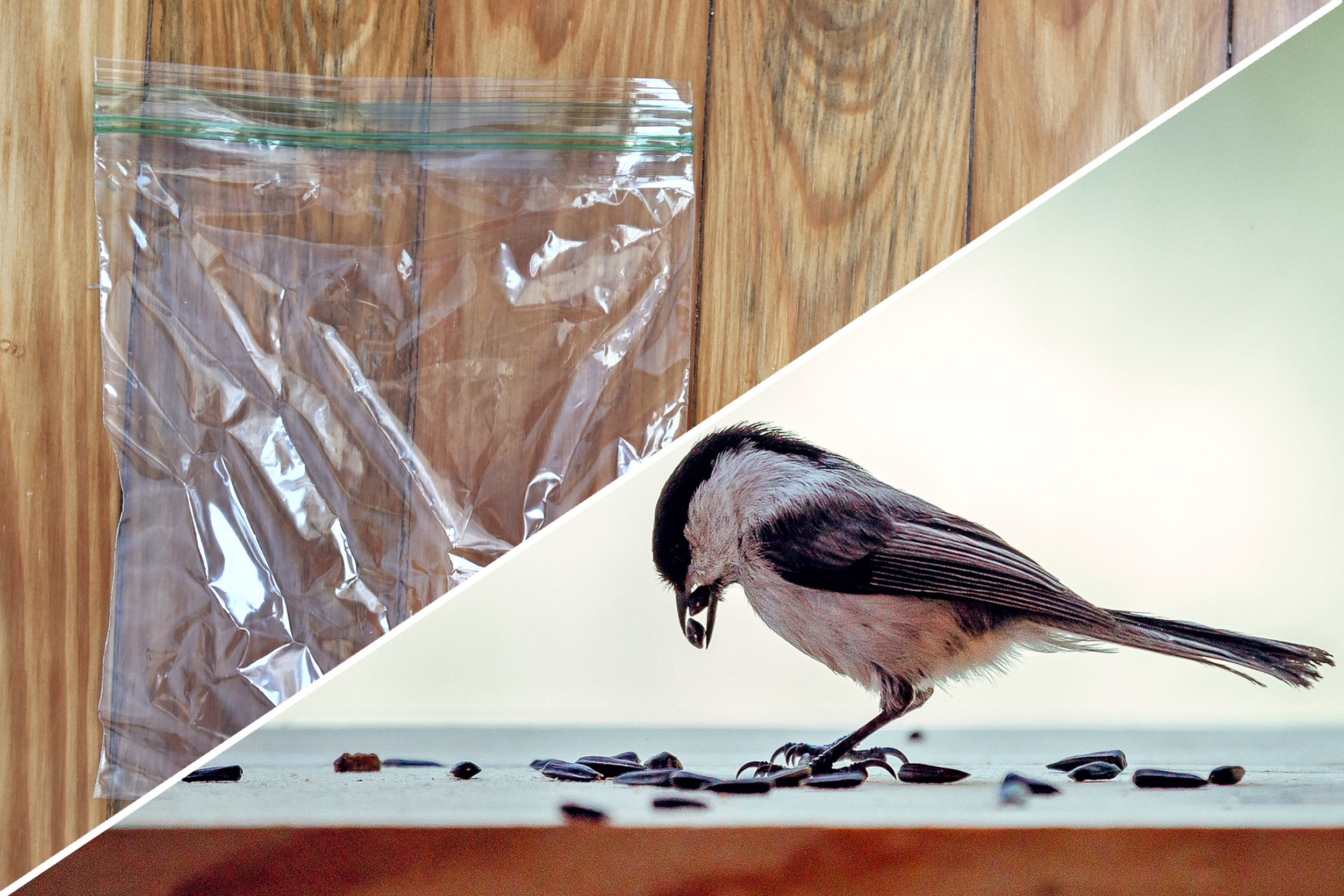
Feed the birds

Be kind to the birds in your yard during the lean winter months! First, put some birdseed with peanut butter in a sealable plastic bag. Close, then knead the outside of the bag until well mixed. Then place the glob in a small net bag, or spread on a pinecone. Attach to a tree and await the grateful flock.

Melt chocolate without a mess

Melting chocolate in a microwave or double boiler leaves you with a messy bowl or pot to wash. Here’s a better method: Warm some water in a pan (do not boil). Place the chocolate you want to melt in a sealable freezer bag. Seal and place the bag in the pan. In a few moments, you have melted chocolate, ready to bake or decorate with. You can even leave the bag sealed and snip off a bottom corner of the bag to pipe the chocolate onto a cake. When you are done, just toss the bag.

Kid’s kitchen gloves

There’s nothing more welcome than helping hands in the kitchen. But when they’re little hands that tend to get dirty and leave prints all over the place, then something must be done. Before they start “helping” you make those chocolate chip cookies, place small sandwich bags over their hands. These instant gloves are disposable for easy cleanup.

Grease your pans mess-free

If you’re never quite sure how to handle shortening and butter when greasing a cake pan or cookie sheet, here’s a tip: Place a sandwich bag over your hand, scoop up a small amount of shortening or butter from the tub, and start greasing.

Create a beach hand cleaner

You’re sitting on the beach and it’s time for lunch. But before you reach into your cooler, you want to get the grit off your hands. Baby powder in a sealable plastic bag is the key. Place your hands in the bag, then remove them and rub them together. The sand is gone.

Cure car sickness

The last thing you need in your car is a child (or adult) throwing up. Place a few cotton balls in a sealable plastic bag, then squirt in two drops of lavender oil. If motion sickness strikes, open the bag and take a few whiffs to feel better.

Keep valuables dry (and afloat)

Going out on the water? Put your valuables, like car keys and cell phone, in a sealable bag. The big trick: Blow air into it before you seal the bag so it will float. A sealable bag is perfect for keeping valuables dry at the water park or beach too.

Make low-cost baby wipes

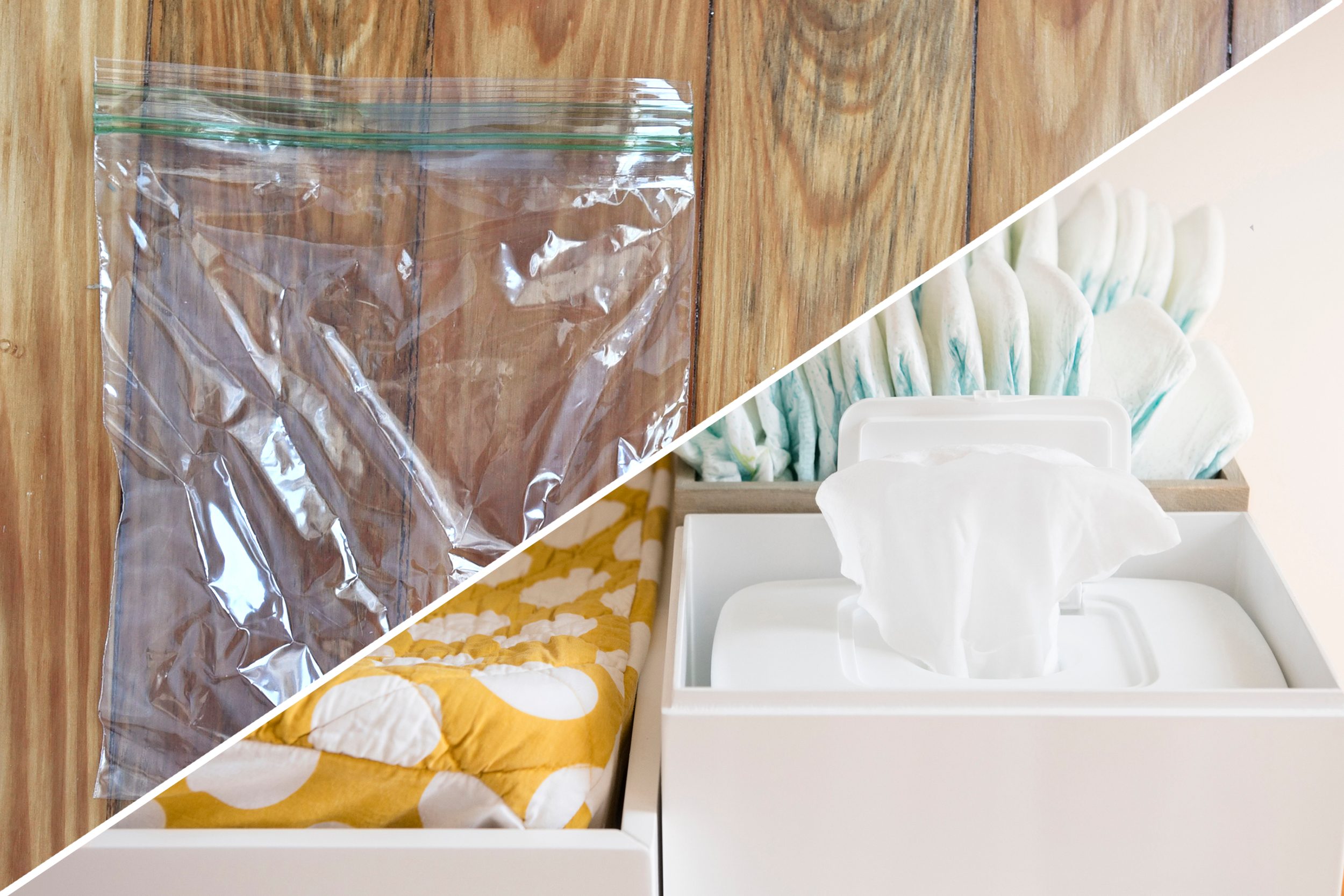
Borrow the thrifty parents’ method to make your own baby wipes: Place soft paper towels in a sealable bag with a mixture of 1 tablespoon gentle antibacterial soap, 1 teaspoon baby oil, and 1/3 cup water. Use enough of the mixture just to get the wipes damp, not drenched.

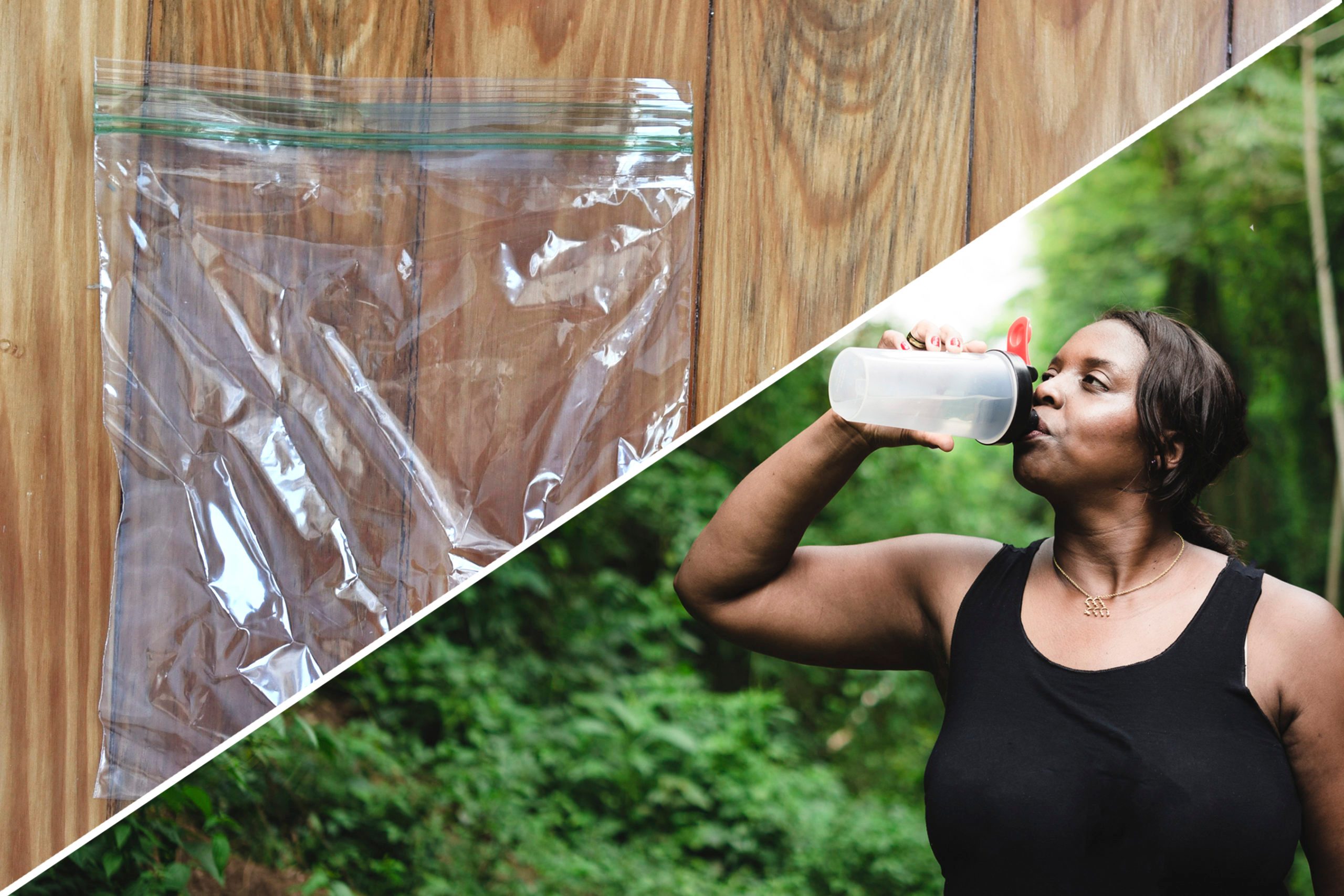
Use as a portable water dish

Your furry best friend has happily hiked alongside you during your trek in the great outdoors. Even if you don’t have your own portable water bowl, you can make your own with a plastic bag. Bring along a sealable plastic bag full of water from your pack and hold it open while Buddy laps his fill.

Protect your breakables

There’s a precious small family heirloom or trinket that needs some extra padding when storing. Place it gently in a self-closing bag, close the bag most of the way, blow it up with air, then seal it. The air forms a protective cushion around the memento.

Store grated cheese

Pasta or pizza is always better with a dash of freshly grated Parmesan cheese. But who wants to bother with getting the grater out every time you want that taste? Instead, take a wedge of Parmesan cheese, grate the whole thing at once, and then double bag it in two self-closing bags to protect the freshness.

Dispose of cooking oil

Unless you want the plumber for a best friend, don’t clog your kitchen drain with used cooking oil. Instead, wait for it to cool, then dump it in a sealable plastic bag. Toss the bag into the trash.

Any others you have that are not listed? Please share!!

What Every State is Worst At: Part 2

Reader’s Digest

Amanda Tarlton

Updated: Jun. 07, 2022

Montana

Worst: Internet access — That makes up for the fact that they have the worst Internet access of all 50 states (for cat lovers, at least). On the bright side (you know, the side lit up by super fast Wi-Fi), Montana became the first to enact its own net neutrality law earlier this year so there’s hope yet.

Nebraska

Worst: Road rage — But they must not teach good driving skills or anger management in the Nebraska public school system—based on data from social media, Nebraska is the worst state for road rage per capita.

Nevada

Worst: Public schools — But unfortunately, the school system in the Silver State has not climbed to the top. Instead, it sits at the bottom, where it’s been dubbed the worst in the entire county thanks to lack of funding, poor test scores, and the second lowest graduation rate.

New Hampshire

Worst: High college tuition — The student debt struggle is very real in New Hampshire, where college students face the highest average tuition costs in the nation.

New Jersey

Worst: Property taxes — New Jersey has the steepest property taxes in the country, with a whopping average cost of $8,696 compared to the national average of $3,399.

New Mexico

Worst: Car theft — For the second year in a row, the state has been guilty of the highest rate of stolen vehicles.

New York

Worst: Food safety — But think twice before you take a cream cheese-filled bite of that bagel—New York had the most cases of food poisoning last year, namely of norovirus.

North Carolina

Worst: STD rates — They might be bringing more than avocado toast and trendy eateries to North Carolina, though. STDs have been on the rise all across the state and it now has some of the highest rates of diseases including syphilis, chlamydia, and gonorrhea.

North Dakota

Worst: Binge drinking — The state ranks as the booziest in the nation with almost 25 percent of adults drinking excessively on a regular basis along with the most alcohol-related driving deaths.

Ohio

Worst: Job creation —While Cleveland was ranked 15th for jobs just two years ago in 2016, it’s plummeted to the very bottom of the list this year.

Oklahoma

Worst: Walking — Unfortunately, though, you won’t be able to walk off all that BBQ, since Oklahoma City received the worst walking score in the nation. With fast traffic and a lack of sidewalks, there’s definitely some, well, steps that need to be taken to improve the city’s walkability.

Oregon

Worst: Rate of sex offenders — It isn’t all fun and (drinking) games in Oregon, though. The Beaver State has the highest number of sex offenders (676) per 100,000 people and a shocking 42 rapes per capita.

Pennsylvania

Worst: Gas taxes — And what Pennsylvanians are saving on shooting their own dinner, they’re spending at the pump. The state suffers the highest gasoline taxes.

Rhode Island

Worst: Depression rates — The state has the highest rate of depression in the country.

South Carolina

Worst: DUI rates — Tea isn’t the only kind of brewed beverage that South Carolinians are enjoying, however. The state has the highest total number of deaths from drunk or impaired driving.

South Dakota

Worst: Child mortality rate — Unfortunately, the younger generation in the Mount Rushmore state isn’t faring so well. With 47 teen and child deaths per 100,000 people every year, it’s leading the nation in child mortality.

TennesseeWorst:

Childhood obesity rates — But are Tennesseeans spending too much time in front of their screens instead of staying active? Maybe so, when you consider that Tennessee is the top in child obesity, with 38 percent of its kids either overweight or obese

Texas

Worst: Dental health — Those teeth that they are sinking into their new ventures aren’t so clean, though. Texas has the highest percentage of adults whose poor oral hygiene negatively affects their life.

Utah

Worst: Workplace equality — But things aren’t so great in the workplace. Utah has the worst male to female executive ratio along with the highest gender pay gap.

Vermont

Worst: Fast food restaurants — That’s because Vermont has the lowest number of fast food restaurants per capita, with just 1.9 drive-thrus per 10,000 people. We bet the real reason residents of this New England state are always smiling is because they’re also the healthiest.

Virginia

Worst: Speeding tickets — But before you speed off to the polls to vote or weave your way through D.C. traffic, consider this: Virginia is famous for some of the country’s most expensive speeding tickets (the maximum is $2,500!).

Washington

Worst: Air quality — If you’re gasping for air while you pedal, it might not just be because you’re getting a good workout—Washington often has some of the worst air quality because of how smoke from California’s wildfires carries up the coast.

West Virginia

Worst: Smoking — West Virginia is also the state with the most smokers. In fact, nearly 1 in 4 adults in the wild and wonderful state light up a cigarette on the regular.

Wisconsin

Worst: Racial equality — But just because the cities are safe, doesn’t mean they’re equal, at least when it comes to race. In Wisconsin, the unemployment rate for people of color is almost triple that of white people and people of color are 11 times more likely to be incarcerated, making it the worst state for racial inequality.

Wyoming

Worst: Technology jobs — That could explain why it also has the lowest percentage of high-tech jobs, with the technology industry making up a measly 2 percent of the entire workforce.

What Every State is WORST At Part 1

Reader’s Digest

Amanda Tarlton

Updated: Jun. 07, 2022

Alabama

Worst: High infant mortality — The state definitely isn’t scoring any points when it comes to health care for pregnant women and infants. Alabama has the highest infant mortality rate, with 9.1 infant deaths out of every 1,000 live births.

Alaska

Worst: Suicide rate — But despite the proven benefits of being in nature, the state has the highest rate of suicides, which sadly continues to increase year after year.

Arizona

Worst: Teacher turnover — The forecast for the state’s schools is much gloomier. Arizona has frequently been named the worst state for teachers thanks to high turnover and teacher-to-student ratios.

Arkansas

Worst: Divorce — Residents of the Natural State may want to start prioritizing their marriages over mallards, though. Arkansas has the highest divorce rate in the United States of 23.4 divorces per 1,000 people.

California

Worst: Quality of life — However, it was also accused of having the worst quality of life based on a variety of social and environmental factors including sense of community and air pollution. Maybe that’s why in recent years, more people have been leaving California than moving there…

Colorado

Worst: Drug overdoses — But there’s a dark side to the sun-soaked state so beloved by outdoor enthusiasts—it has the highest rate of deaths from drug overdose. It’s a rate that has even doubled in some counties over the last decade due primarily to painkillers like Percocet and Oxycontin.

Connecticut

Worst: Public roads — Over half of the state’s 21,512 miles of public roads are in poor condition.

Delaware

Worst: Partying — First is the worst—at nightlife, that is. The first state was ranked 50 out of 50 for its lack of bustling bar scene.

Florida

Worst: Treating HIV/AIDS — But with a slew of tourists and partygoers, comes something much more dangerous—drugs shared by infected needles. Hence why Florida (Miami in particular) is dealing with the highest rates of HIV diagnoses.

Georgia

Worst: Flu prevention — Georgians should be using some of those onions in one of these natural flu remedies. After all, Atlanta experienced some of the most severe levels of influenza in the United States this past winter.

Hawaii

Worst: Sleeping — Hawaiian adults must be spending all their time on the beach instead of in bed, though—43.9 percent of Hawaiian adults get less than seven hours of sleep per night on average.

Idaho

Worst: Cyberbullying — The state was also voted the worst for bullying, particularly for kids online and on social media.

Illinois

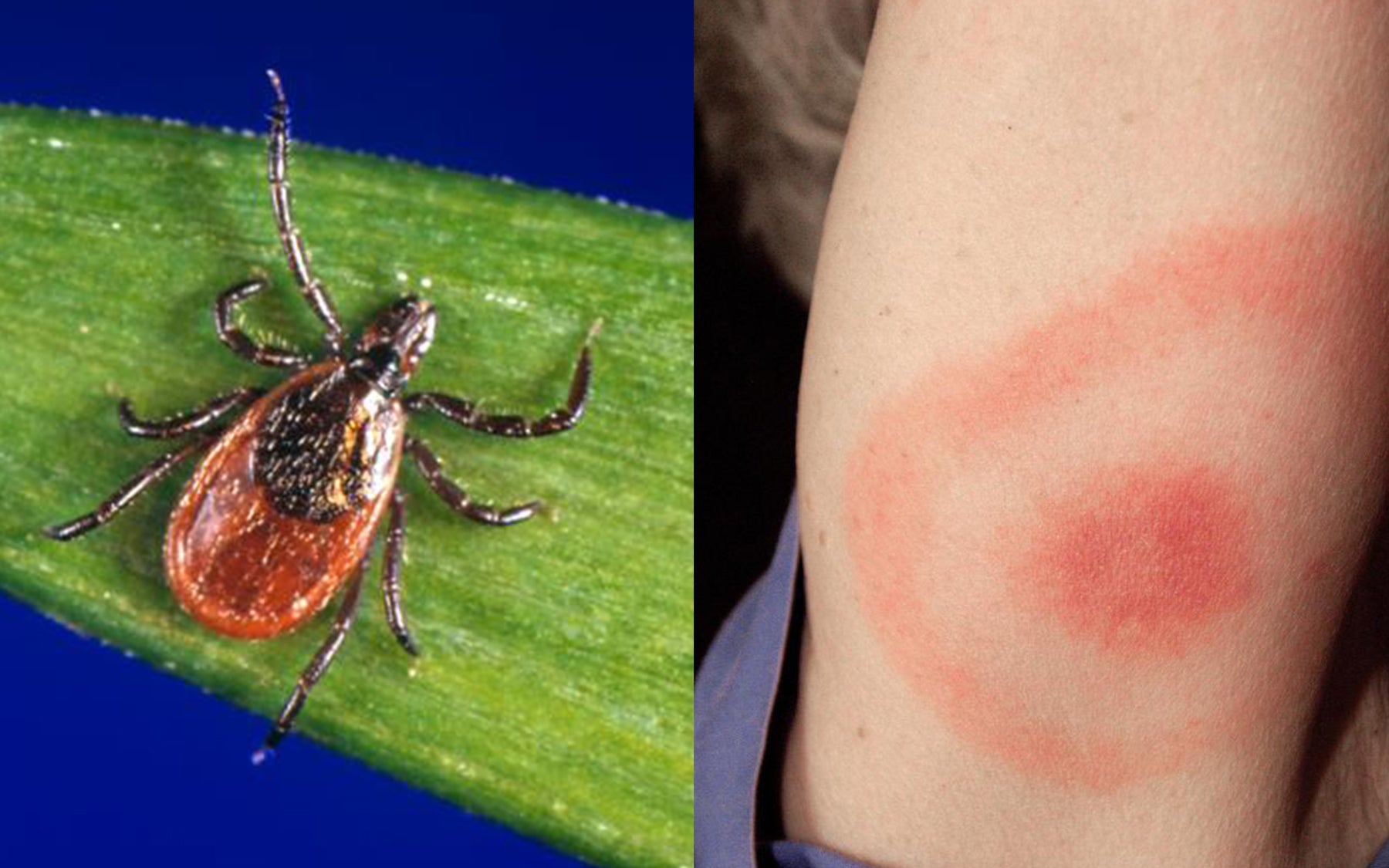
Worst: Bug bites — Just make sure you spray a lot of insect repellant on before you head out to the pumpkin patch. The Midwestern state has some of the highest rates of mosquito-related illnesses (including West Nile virus) and tick-borne diseases like Lyme’s.

Indiana

Worst: Pollution — As long as you don’t breathe too deeply in your new place, you’ll be fine. After all, the 40 million pounds of toxic fumes generated by Indiana’s coal plants make it the most polluted of the 50 states.

Iowa

Worst: Building bridges — Just be careful when you’re driving to go look at houses in Des Moines. Iowa was ranked the worst state for its bridges, 5,000 of which have been deemed “structurally deficient” by the American Road & Transportation Builders Association.

Kansas

Worst: Human trafficking — The Midwestern state isn’t all smooth sailing, though. It’s also the state where human sex trafficking has skyrocketed to new levels in recent years.

Kentucky

Worst: Lung cancer rates — The state has the highest rate of lung cancer diagnoses, a disease that has only a 56 percent five-year chance of survival.

Louisiana

Worst: Stress — To be honest, that probably explains why Louisianians are also the most stressed in the country (dating is hard!). Not to mention the high levels of poverty, crime, and the number of hours worked per week… phew.

Maine

Worst: Lyme’s disease — But dogs bring more than just cuddles and companionship. They can also carry ticks in from the outdoors, which could be why Maine has the highest rate of Lyme’s disease.

Maryland

Worst: Bed bugs — With all that money, wealthy Marylanders might be sleeping tight, but they probably are letting the bed bugs bite, too. For the second year in a row, Baltimore topped the list of cities with the most bed bug infestations.

Massachusetts

Worst: Traffic — And those therapists are probably in high demand given that Boston has the worst traffic in the United States. Its drivers spend 14 percent of their drive time sitting bumper-to-bumper.

Michigan

Worst: Identity theft —But make sure you lock up your valuables during tee time. The state is the worst for identity theft. With over 15,000 reported cases last year (the majority related to government documents or benefits), it’s clearly much bigger than a stolen wallet.

Minnesota

Worst: Winters — Minnesotans might not be buried under bills, but they are buried under something else: snow. The state has been voted as having the most miserable winters in the country, and with some parts getting over 170 inches of snow each year and seeing temperatures of -60 degrees Fahrenheit, we don’t disagree.

Mississippi

Worst: Women’s health — But it clearly isn’t going towards female healthcare, as the state has the highest rates of death from heart disease, breast cancer, and diabetes in women.

Missouri

Worst: Drug use — But the amount of money donated to good causes isn’t the only thing that’s sky high. Missourians are getting a different kind of high more frequently than any other state, according to a study that puts them at No. 1 for drug use.

Tune in tomorrow for the remainder of the list!

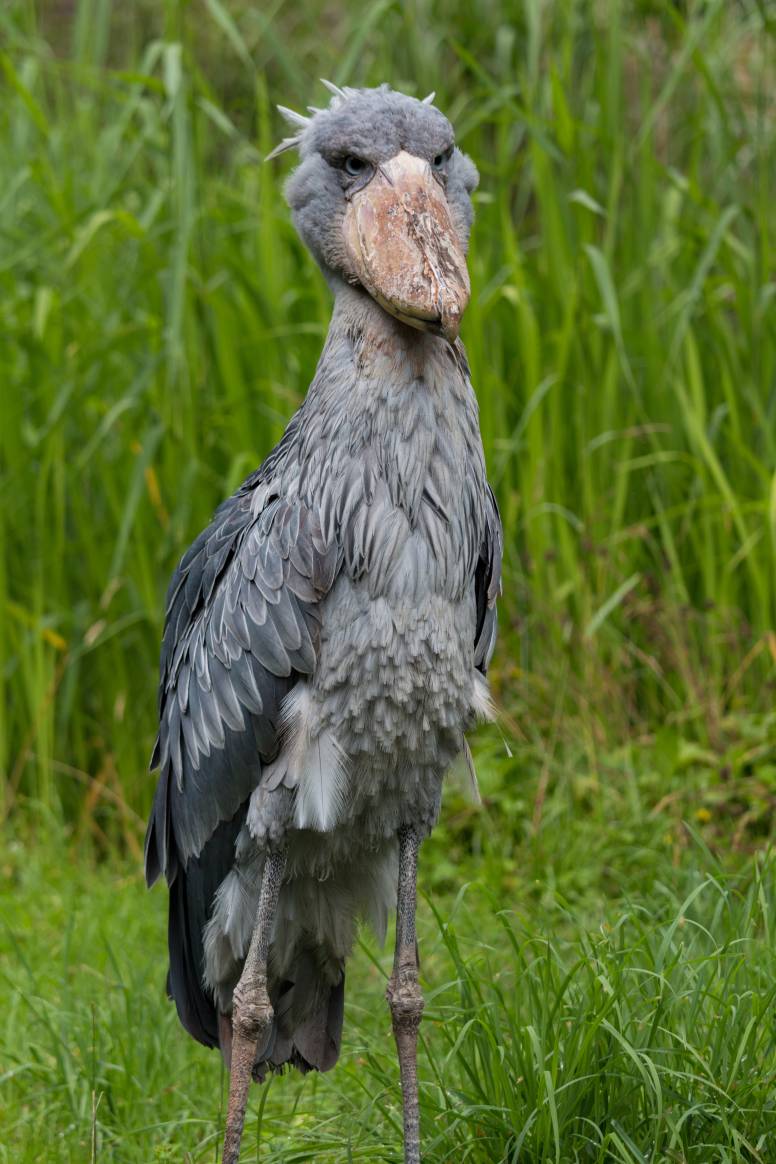
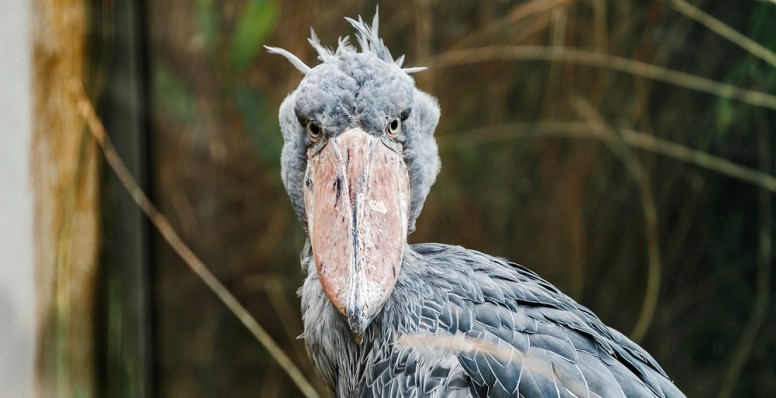
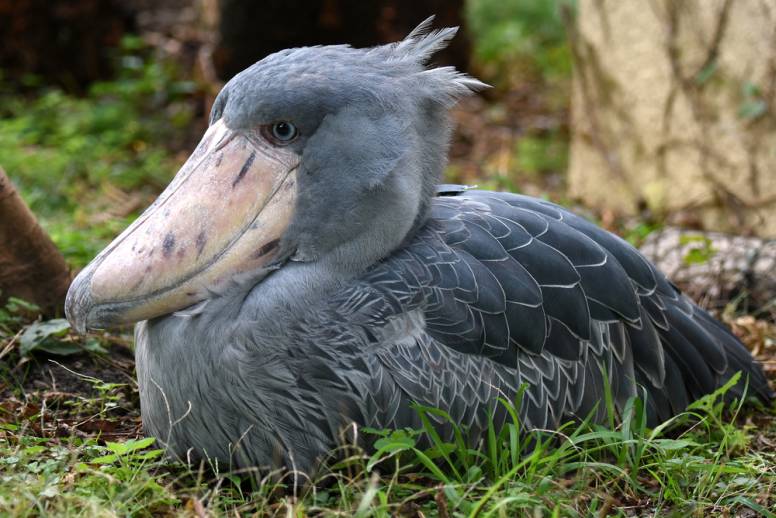
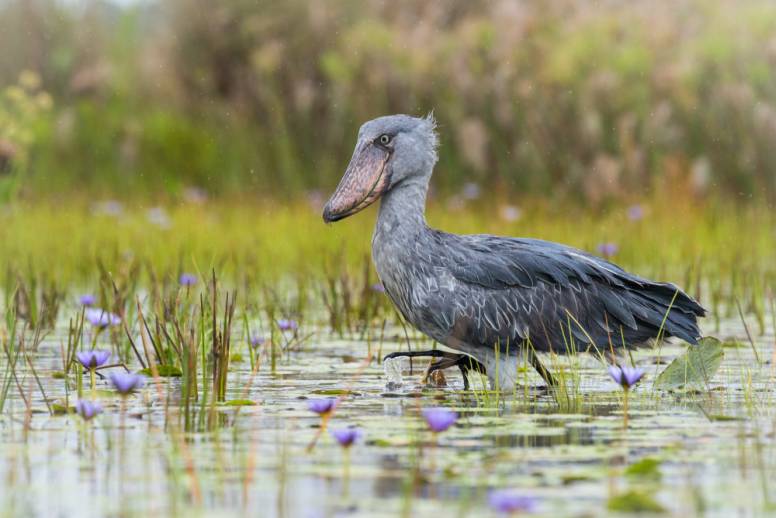
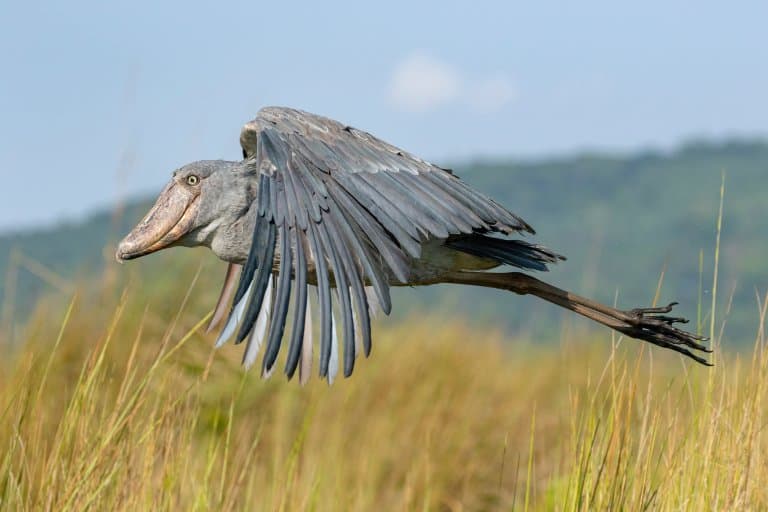
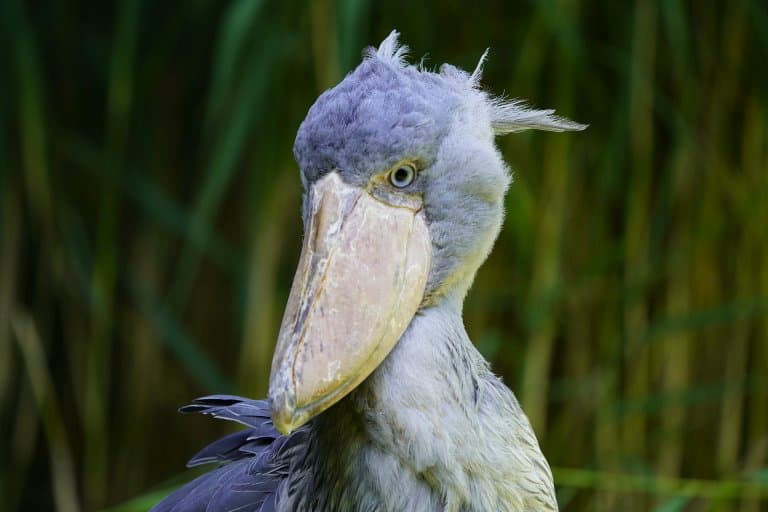
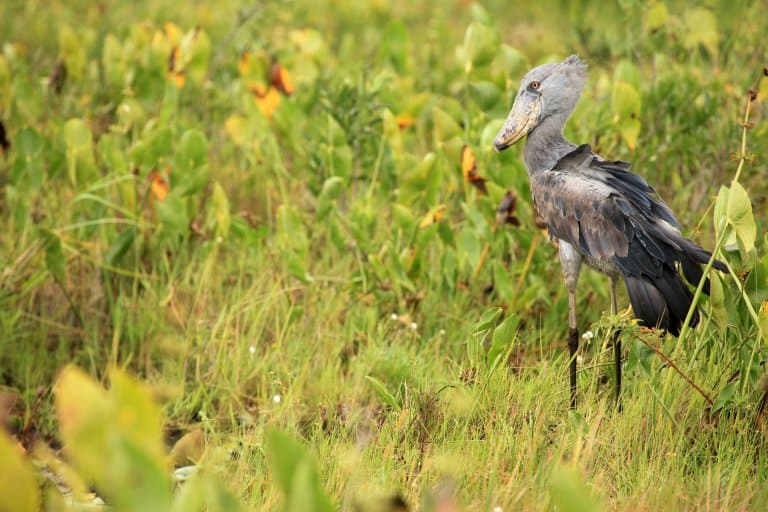
Shoebills

They have a prehistoric-like appearance

At times, and from certain angles, they can appear rather menacing, peering down their long, razor-sharp beak, with a hook at the tip.

They can also be extremely cute, and almost ‘cartoon-like’. They have striking pale, blue-eyed genes, which can make them appear not really real.

They are truly unique and beautiful birds.

The shoebill’s flapping when flying is one of the slowest of any birds, at a mere (approx.) 150 flaps per minute

Only larger stalk species have slower flapping than the shoebill.

They have the 3rd longest beak in the world, which enables them to hunt extremely large prey, even baby crocodiles

Their beaks can reach up to 7.4 to 9.4 inches in width, which helps them hunt for fish or snakes as long as 3.2 feet in size.

The razor-sharp edges of its beak, allow it to decapitate their prey quickly

They are known to often behead their prey, before consuming whole.

A shoebill can often benefit from the presence of hippos, which disturb fish, and bulldoze paths through swamps

The shoebill can take advantage of the disturbed fish in the water and strike.

The shoebill is an ambush predator

They often stand still for long periods, motionless like a statue, before launching a vicious attack to kill any prey that come within strike distance.

The shoebill often feeds at night, and is also known to stand on floating vegetation to hunt their prey.

The shoebill favors areas of poorly oxygenated water

This causes the fish living in the water to surface for air more often, which increases the likelihood of the shoebill striking and capturing its prey.

They clatter their bills which like a machine gun

The shoebill is usually silent, but they are known to clatter their bills loudly during courtship or greeting, which can sound a little like a machine gun.

Bill-clattering is a behavior of real storks. They can also let out a high-pitched whine, and even make cow-like ‘moo’ noises.

Shoebill are solitary in their breeding habits, with typically less than 3 nests per square kilometer

The nesting shoebill will vigorously defend their territory between 1 to 1.5 square miles from other shoebill, and large birds.

Shoebills chicks often bully, fight and can kill their siblings (known as ‘siblicide’) when only a few weeks old

Rather disturbingly, this is actually rather common in larger birds.

Often the older, and bigger chick, can hurt a smaller chick, while their parents are away from the nest eventually driving it to live away from the nest. Research suggests, this is due to energy efficiency and survival of the fittest.

The shoebill female always lays two eggs, but only one ever survives

The second egg is seen like a ‘back up’, in case anything is wrong with the first egg. Usually the first to hatch survives only.

The shoebill has long fascinated civilizations

They appear in wall paintings and hieroglyphics of ancient Egyptians, and it’s old Arabic name is Abu-markub, or ‘Father of a Slipper’. This name is in reference to the birds very distinctive beak.

Sadly, the demand for shoebill storks is high

Both in zoos, or for private collectors. There are reports that they can sell for US $10,000-$20,000, making them the most expensive birds in the zoo trade.

The high price encourages shady traders to capture the shoebill and sell to zoos or middle men – reducing the wild population size further. Shoebills rarely breed in captivity.

They are incredibly rare

Birding enthusiasts have to pay local expert guides to go on specialist shoebill tours and safaris, to try and get a glimpse of the elusive, sought after birds in the wild.

This involves going way off the beaten track and into the swamps which they inhabit.

SOURCE: FACT ANIMAL

Larkspur

The larkspur flower has an identity issue in that it’s the common name for both Delphinium and Consolida ajacis, which are also both in the same buttercup family. As Delphinium, larkspur is considered an herbaceous perennial. But as Consolida ajacis, or true larkspur as it’s called, it is considered an annual. However, these closely related cousins look nearly identical, growing delicate little blooms on showy, spikey stems that are adorned by lacy foliage.

As a perennial, larkspur commonly bears purple, blue, or white flowers. Lavender is the next most common color. You will occasionally encounter larkspurs with pink blooms, and other colors exist but are rarer. Larkspur is valued as one of the traditional plants for cottage gardens. Meanwhile, they are useful for drawing butterflies and hummingbirds to the yard. Larkspur is a toxic plant. Take precautions to prevent children and pets from ingesting it.

Warning

All parts of a larkspur plant are toxic so take precautions to prevent children and pets from touching or ingesting the flower. Touching the plant can affect the skin with a minor rash, but it is dangerous to eat the plant, especially the flowers and seeds.

Most larkspur plants, however, are considered stately perennials ideal for growing at the back of a flower border. The drawback with these is that you have to stake them. For example, ‘Cassius’ is one of the tall types of Delphinium. This D. Elatum hybrid definitely needs to be staked. If you prefer low-maintenance landscaping, opt for dwarf types.

Their impressive height (some types reach 7 feet tall) makes them extremely showy specimens. The taller types of larkspur are well worth growing if you do not mind performing a bit of maintenance.

There’s no need to do anything with a true larkspur for the winter as some are annuals and the others which are considered delphiniums are short-lived perennials that will die back on their own before the first frost.

Light

Full sun is best for larkspur. The plant needs between 6 and 8 hours of sun daily.

Soil

Give them a moist, cool, well-drained soil. The soil can be kept cool and moist by furnishing with mulch.

Water

Water the plants once or twice a week. Give the flowers an inch of water every time you water. If the soil becomes waterlogged, stick to watering the plants once a week.

Temperature and Humidity

Larkspur prefers cooler temperatures, which also triggers blooming. The plant prefers mild summerlike conditions that are not humid, however, seedlings may prefer some humidity.

Fertilizer

Fertilize your larkspur plants every spring with compost.

Types of Larkspur

When most gardeners think of larkspur, they think of a plant with blue flowers. As you can see, there are many choices in blue larkspurs. They differ in terms of hardiness, size, and the precise quality of the blue flower color. Here are 10 popular larkspur types:

Black Knight Larkspur (Delphinium ‘Black Knight’): Deep purple blooms, 4 to 6 feet tall

Galahad Larkspur (Delphinium ‘Galahad’); Snow-white petals, 4 to 6 feet tall

Astolat Larkspur (Delphinium Astolat Group): Pink to lavender pink petals, 4 to 6 feet tall

Guardian Lavender Larkspur (Delphinium elatum ‘Guardian Lavender’): Lavender blossoms, 2 to 4 feet tall

Dwarf Larkspur (Delphinium tricorne): Deep violet blue flowers, dwarf, 1 to 3 feet tall

Blue Mirror Larkspur (Delphinium ‘Blue Mirror’): Blue and lavender blossoms, dwarf, 2 feet tall

Cassius Larkspur (Delphinium ‘Cassius’): Blue blooms with black centers, 6 to 7 feet tall

Summer Skies Larkspur (Delphinium ‘Summer Skies’): Pale blue flowers, 5 feet tall

Golden Larkspur (Delphinium luteum): Very rare yellow blooms, 2 feet tall, grows only in California

Red Lark Larkspur (Delphinium ‘Red Lark’): Rare red blooms, 2 to 3 feet tall