Asters

It’s a cruel trick of Mother Nature that the most glorious weather of the gardening season coincides with the decline of most blooming plants. Asters (Symphyotrichum spp.), however, don’t play along with the prank. Like garden mums, asters flower in response to the shortening days of fall, giving gardeners a beautiful display of buds that can bloom from August through October. Native to North America, New World asters comprise many species in several different genera of plants, as well as dozens of cultivars, but for gardeners, asters are simply great flowers that provide purple or blue daisy-like flowers late in the season.

Aster Care

Although home and garden centers often market asters as a seasonal purchase among displays of pumpkins and hay bales, asters are long-lived perennials that can become a permanent part of your landscape. These fast-growing perennials will be ready to put on a good fall display in their first year, and once established, they will hold their own for many years.

While you can grow aster flowers from seeds planted in the springtime, it may take several years for them to mature into full-sized plants. More often, asters are planted from potted nursery specimens. They do best in loamy, well-draining soil, and desire a good amount of space around the plants to allow room for their roots to expand.

Every three years or so, the root clumps should be dug up and divided to keep the plants from getting too woody and dying out in the centers. The woody center can be discarded, with the outer portions replanted at the same depth as before.

Light

Plant aster flowers in an area that boasts full sun for the majority of the day. Too much shade can cause lanky plants and fewer flowers, especially for the more common cultivars and hybrids. There are some native species varieties, however, that will do quite well in partially shady conditions.

Soil

Asters appreciate loamy soil that’s slightly acidic, with a pH ranging from 5.8 to 6.5. If your soil is alkaline, you can correct it by adding organic matter such as well-rotted manure, leaf mold, or compost.

Water

Keep new plantings moist and continue watering regularly until the flowers are finished blooming. As a rule of thumb, the soil your asters reside in should stay consistently moist but never saturated. One thing to note: Try to water the base of your asters without splashing water on the leaves—doing so can cause mildew or fungal growth. One inch of rain or watering once a week is usually recommended for most perennial plants.

Temperature and Humidity

Aster flowers thrive in cooler temperatures and are frost-hardy, able to withstand near-freezing temperatures temporarily. When it comes to humidity, asters have no special preferences and therefore will not need increased humidity levels or extra spritzing.

Fertilizer

Asters are moderate feeders, and they appreciate being fed with a balanced flower fertilizer twice a month, beginning in spring and continuing until the blooms begin to open. Excessive nutrients can shorten the blooming time, so stop fertilizing asters in August.

Types of Asters

The taxonomy of asters is somewhat complicated, as it now includes several genera of plants, all within the Asteraceae family. Most gardeners do not need to worry too much about the taxonomical details, as all these plants are sold as asters and all have the familiar daisy-like flowers and perform the same way in the garden. Some of the more popular cultivars include:

Celeste’: These dark blue flowers bloom early and feature bright yellow centers.
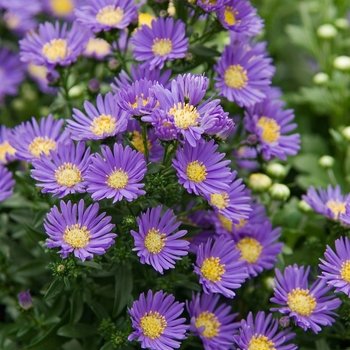
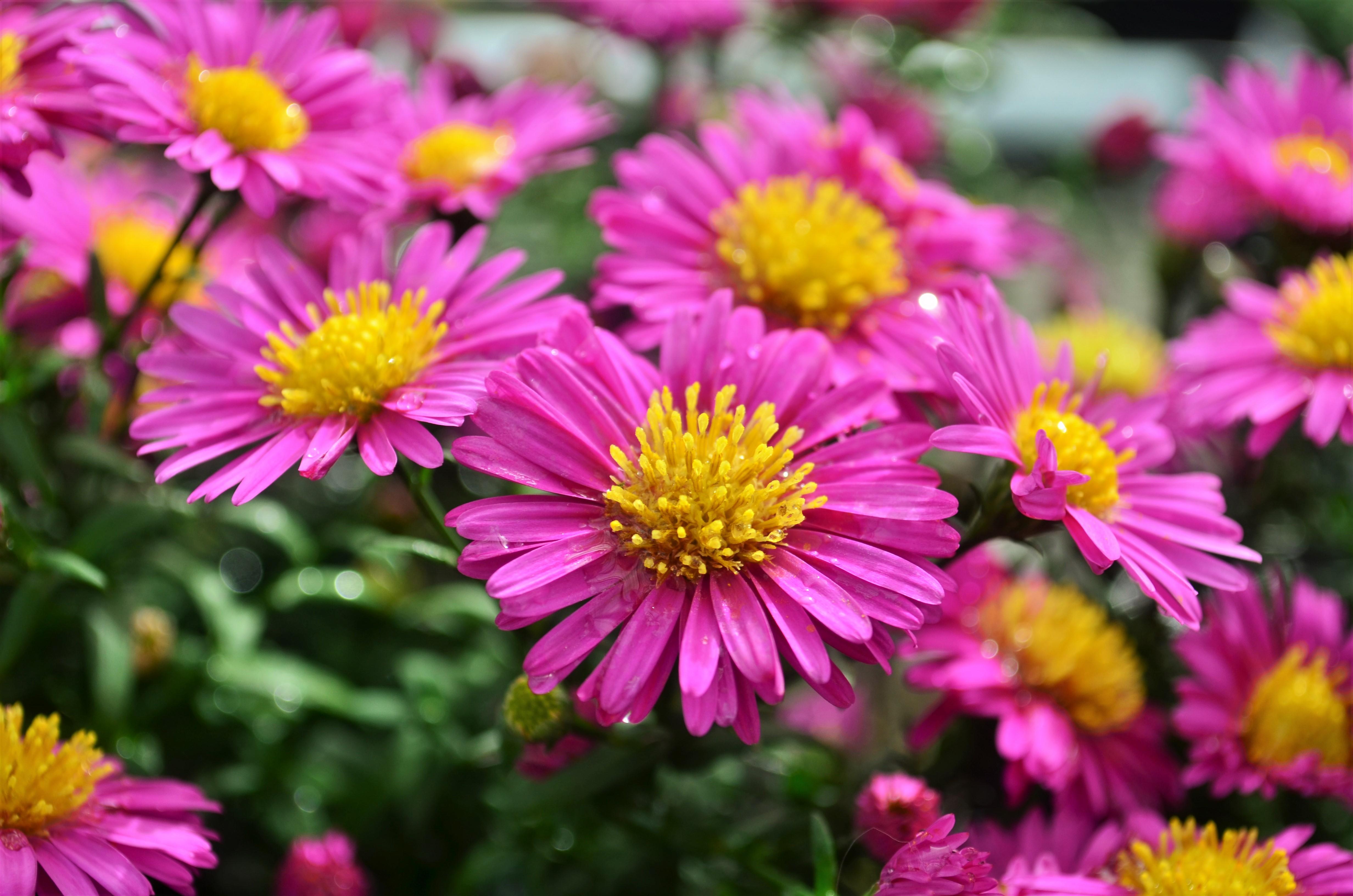
‘Hazy’: Another early bloomer, the “hazy” aster boasts raspberry-pink flowers with yellow centers.
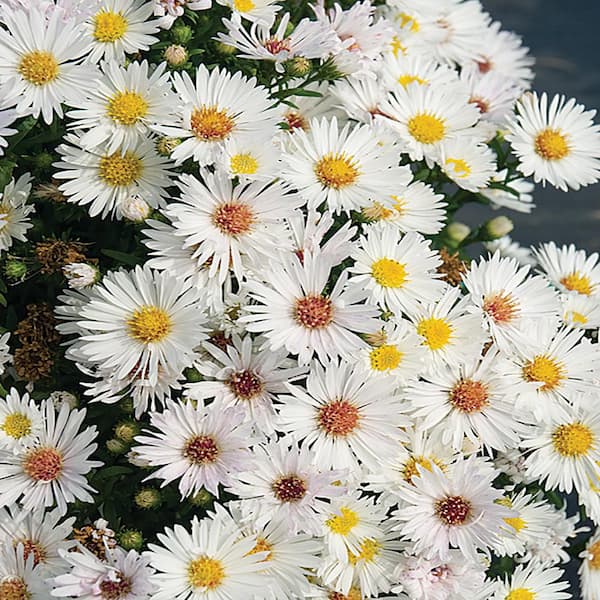
‘Puff’: The puff aster is hardier than many other white cultivars and will bloom among the earliest.
SOURCE: THE SPRUCE

What Shall We Bake Today?

Today is Coconut Cream Pie Day! So, let’s make a super easy Impossible Coconut Cream Pie! 

Ingredients

4 eggs

3/4 cup white granulated sugar

1/2 stick butter or 4 tablespoons, softened

1 teaspoon vanilla extract

1/2 teaspoon ground nutmeg

1/2 cup all-purpose flour

2 cups milk

1 cup shredded (NOT flaked) coconut

Instructions

Cream eggs, sugar, butter and vanilla with mixer.

Add nutmeg, flour and milk and continue mixing until all ingredients are wet. Stir in coconut with a spoon.

Spray a 10-inch deep dish pie plate with cooking spray and pour in pie ingredients. Bake in a preheated 350 degree oven 55 to 60 minutes until brown on top.

Notes

This pie will rise up during baking and then fall after it begins to cool. I always put a baking sheet under this pie to catch any drips when it rises up in the oven. The pie will slice better if you let it cool in the refrigerator before slicing.

ENJOY!

Virgo

Smart, sophisticated, and kind, Virgo gets the job done without complaining. Virgos are amazing friends, always there to lend a hand and also lend advice. Practical Virgos are incredibly adept at big picture thinking, and planning out their life, their vacations, and what they’re going to do today isn’t a drag it makes them feel in control and secure.

Virgo has a rich inner life, and can sometimes seem shy at first meeting. A Virgo won’t spill secrets right away, and it’s important to earn a Virgo’s trust. But once you do, that Virgin will be a friend for life. And if you think that you’re dating a shy Virgo, trust that those walls will fall down in the bedroom. One of the most passionate signs, Virgos specialize at connecting to their physicality, and this earth sign loves and celebrates physical connection with their partner.

Virgos expect perfection from themselves, and they may project those high standards on the other people in their life. A Virgo hates when someone lets him or her down, even if it’s minor and unavoidable, like a last-minute cancellation. Virgo signs never want to disappoint the people in their lives, so they may spread themselves too thin put themselves last.

Virgo signs love and are inspired by beauty. They consider what they wear and how they decorate their house to be an extension of their personality. They thrive when everything in their life looks Pinterest-perfect, and although their friends make fun of their penchant for organizing, it truly is the anchor that makes Virgo’s life run smoothly.

Intelligent and a lifelong learner, Virgo loves trying new things, reading books, and learning about the world. They’ll happily sign up for an adult-education course, and they consider an afternoon in bed with a book pretty much ideal. A Virgo prefers an evening with good friends to a huge party, and values downtime just as much as socializing. This sign doesn’t need to fill their calendar to be content.

Virgo’s Love Style

Virgo loves hard, and is always in pursuit of star love the kind where souls, minds, and bodies seamlessly merge. That’s why this sign sometimes gets the (unfair) reputation of being too picky.

Virgo Friendship Style

Don’t be offended if Virgo turns down the first invite you extend although Virgos are kind and friendly to everyone, they may have some walls around them, built to protect themselves and the circle of friends they already have.

Virgo Career, Money & Success Traits

Virgo’s greatest career strength: Intelligence. Fiercely intelligent, Virgos are a manager’s dream because they can both see the big picture and focus in on the tiny details to make a project work.

Virgo Motto

“My best can always be better.”

Virgo’s Greatest Gifts

Graceful, harmonious, and obsessed with making things the very best they can be, Virgo is notorious for being type A but that’s only because this sign knows that everything good can be made great, and that everything great can be perfect. Smart and intensely curious, Virgos are passionate about uncovering the why which is why a Virgo’s friends consider him or her their own personal encyclopedia. Known for their grace, Virgos can always talk their way out of sticky situations, and everyone is charmed by their wit and ability to put others at ease.

Virgo’s Greatest Challenges

Virgo’s desire to have everything be perfect can manifest in frustration when things don’t live up to those (sometimes unrealistic) expectations. Besides occasionally leading to fights with friends and partners, Virgo’s focus on perfection can cause everything even uploading an Instagram photo to take forever. Learning to go with the flow and accept good enough is a constant struggle.

Virgo’s Secret Weapon

Virgo is incredibly hard working. When this sign wants something, they’ll work for it. They’re also good at making the most of things friends look to them to help them with a DIY project or redecorate their home. Virgins push the people around them to be their best if you want a training buddy for a marathon, you know who to call. Bottom line: Virgos work hard, and that work ethic inspires everyone in their life.

Famous Virgos

Sophia Loren

Barbara Eden

Sean Connery

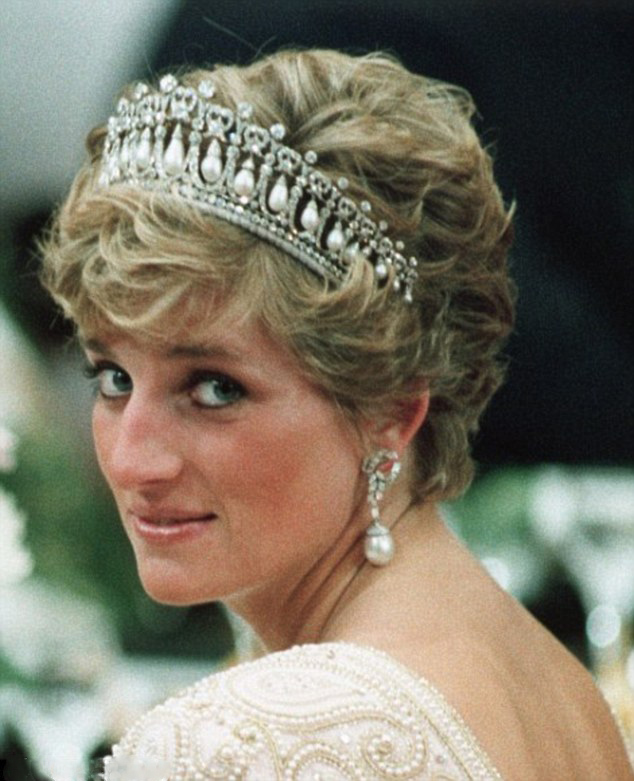
Princess Diana

Today is the anniversary of the death of Princess Diana.  I could relate the official tale of her tragic death, but that isn’t my style.  I searched for an article relating the strange, conspiracy types of “facts” that, of course, have been “explained away” in the official accounts.

6 Truly Strange Facts Surrounding Princess Diana’s Death

20 years later, these facts still can’t be dismissed.

By Lesli White

It’s hard to believe it’s been 20 years since the death of Diana, Princes of Wales. While much time has passed since Princess Diana’s death in 1997, the fascination with her life and tragic death have never waned. Over the years, there have been many conspiracy theories surrounding Princess Diana’s death, many of which have been quite intriguing. In addition, persistent plots and incessant rumors, books, tapes, letters, diaries, unpublished videos continue to pop up, particularly when another anniversary approaches. While it hasn’t been proven that her death was anything other than a tragic accident, there are certain aspects of the incident that can’t be ignored. Many of these aspects will leave you with more questions than answers. Here are six truly strange facts surrounding Princess Diana’s death.

The Letters That Predicted Her Own Death

A few months prior to her death, Princess Diana sent out letters to two close friends, her butler Paul Burrell and her solicitor, Lord Mitchum. In them, she stated quite clearly that the royal family and her husband were “planning her death” and that it would be “a car accident.” Burrell went public with his letter, making it known to the press. Lord Mitchum on the other hand passed the letter over to the serving police chief at the time, Lord Condon. Condon withheld this letter from public knowledge as did his successor, Lord Stevens, for several years, even though it is illegal to withhold evidence in investigations. Despite this, no action was taken against either former police chief. Many people found this suspicious and for good reason.

Car Swap at the Last Moment

When Princess Diana and her boyfriend, Dodi Fayed left the Ritz Hotel shortly after midnight on the morning of August 31, 1997, a different Mercedes was sent to pick them up than the one they had used throughout the day. Not only was the car changed at the very last minute, there was also no backup car present as was customary.

In addition, there was much controversy regarding the seat belts and who was and wasn’t wearing them on that last journey. Princess Diana was always known to wear her seat belt so it’s hard for many to believe that she was found to have not been wearing one the day of the crash. During that time, the security officer in the vehicle, Trevor Rees-Jones was found with his seat belt on, which is unusual for a security officer on such a high profile job, given the standard practice was for them to not wear seat belts so their movements aren’t restricted.

No Footage Captured of Their Fateful Journey

Henri Paul opted to take a different route the day that the crash occurred. The longer route took them along the River Seine and through the Pont d’ Alma tunnel where the tragic crash occurred. The reason they were said to take this route as opposed to the quickest one was to avoid paparazzi, who had followed the pair all day long. While this might sound rational, given the route was selected on the spur of the moment, many people found it suspicious that all 17 CCTV cameras along the route were either turned off or not working at all. Consequently, no footage was captured of their fatal journey – footage that would have been invaluable in determining what happened that evening.

Henri Paul’s Alcohol Level

Henri Paul was said to have been drunk behind the wheel and lost control of the car the day of the crash. However, there are a number of interesting points about this account. While Paul probably did drink that night and was on antidepressents, he is on camera acting coherent and not visibly intoxicated shortly before the accident. There are some disagreements among experts over exactly how much he had to drink that night.

There are some theories about Paul being an employee of French and/or British security services, as he had over $1000 on him at the time of death, though as a high ranking employee at an upscale hotel in Paris who occasionally needed to buy things for wealthy clients, having over a grand in his pockets is not the oddest thing.

She Remained in the Tunnel for 81 Minutes

Princess Diana wasn’t removed from the crashed vehicle for almost 37 minutes – despite there being little to no damage to her side of the car. It was a total of 81 minutes before the ambulance she had been placed into made its way out of the tunnel and to the hospital. Medical experts who testified in court stated that had Princess Diana been removed from the scene quicker, she very well may have survived. While serious questions were made about his conduct at the accident scene, Dr. Jean-Marc Martino was not made to appear at the official inquiry into Princess Diana and Dodi’s death. Dr. Martino also didn’t address any of the accusations of gross negligence from those who felt his actions that night were far from adequate, which was met with much suspicion.

Speed of the Ambulance Questioned

When the ambulance finally arrived at the scene, it was traveling at a pedestrian pace of 19 kilometers per hour (12 mph). This was questioned by investigators, researchers, medical and emergency service experts alike. The excuse was made that they were traveling with high-tech medical equipment. Given it was essentially a mobile theater room, it allowed the emergency team to begin treatment as soon as a person is inside the ambulance. They said that traveling at that speed would have put their work in danger.

We can only speculate how different our world would be if Princess Diana had not died in a car accident that tragic day. She taught us that there is more out in the world besides ourselves. Princess Diana tried to help as many people as she could in the time she was with us and she will always be remembered as a beacon of light and hope. The late Princess of Wales will be forever missed.

SOURCE: Beliefnet

Big Mike & Fate

If you’re thinking this post is an article about the former…cough, cough, First Lady, you’re wrong!

Years ago, when hubby and I first moved to this area, one of our favorite things to do was explore the region on our Harley. On one particular trip, after an extremely wet spring, we came upon a state park with an enormous waterfall.  It was breathtaking and sooo close to the road.  We took a bunch of pictures, but much to our chagrin, once home we realized we failed to take notice of the park’s name.

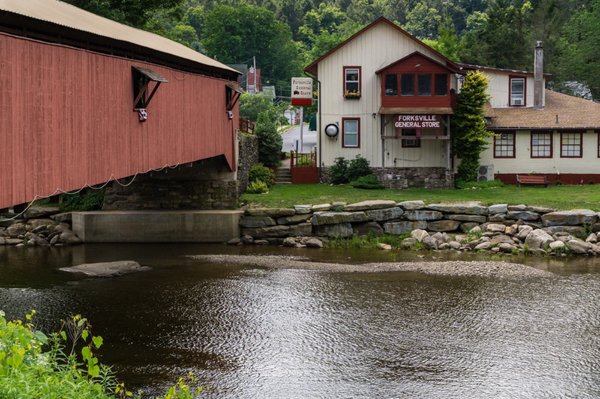
The following summer we tried to replicate the trip to find that waterfall and state park again, but to no avail. We had a general idea, but none of the parks we went to were quite right and none in the area had any waterfalls.  Finally, we spotted a group of bikers on the road ahead and decided to follow them for a bit.  They turned up ahead onto a road with a covered bridge and we followed.

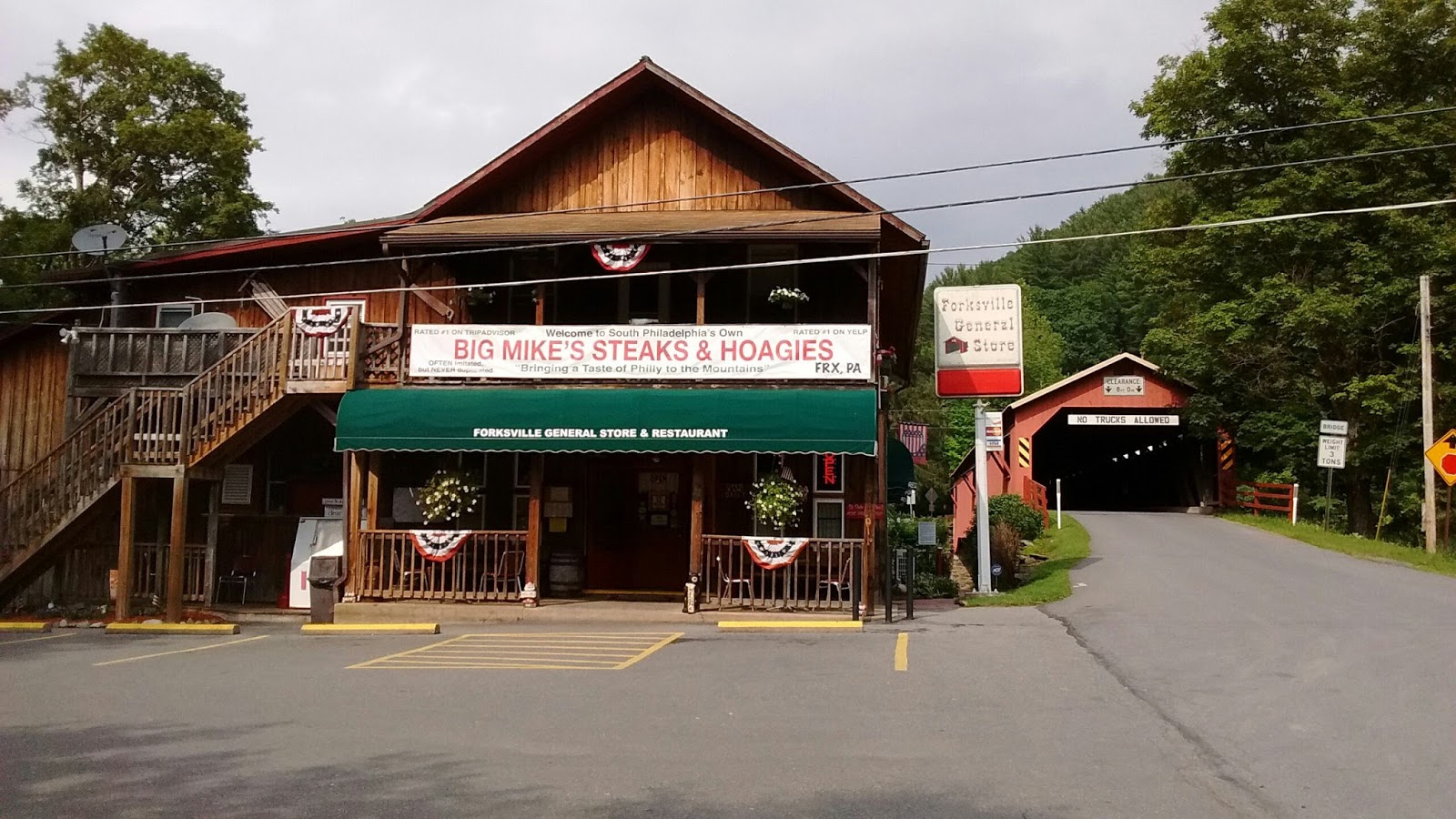
As soon as we crossed the bridge, we saw they turned into this little hole in wall place called Big Mike’s.  It looked like someone bought a nice house next to the river and turned it into a general store and restaurant.

The walls in the restaurant were filled with Philadelphia sports memorabilia highlighting the Eagles football team.  There were pictures and jerseys in frames everywhere.  As we walked through, a large, bearded man approached us and introduced himself as Big Mike.  We told him we were big Eagles fans and how we never missed them when they practiced at Lehigh University.  He told us he and his family moved from Philadelphia because it was just too dangerous anymore.  But once they moved to this area, he discovered what we had also discovered—a shortage of decent places serving good steak sandwiches.  He decided to bring a bit of Philly north and opened his own steak sandwich and hoagie place.

After we ordered and enjoyed the best steak sandwiches out of the Lehigh Valley, Big Mike came over to our table.  He asked how our food was, and after accepting our genuine praise, he said the secret is the rolls!  He contracted with a Philly bakery to deliver the delicious rolls twice a week.  He pays a little more, but the restaurant reviews revealed it to be a genius move!

Before we left, we asked Big Mike about the waterfall and the state park.  He said the only one close to the restaurant was World’s End State Park and the waterfall was actually the little creek after the flooding from a rainy spring.  We’ve been back many times, but the “waterfall” was never there again.

Kitchen Gadgets!

Reader’s Digest had an article about “the latest” kitchen gadgets and while some were pretty obvious about what they were used for, some were not.  So, I decided to post pictures of 7 of them and you can try to guess what they are for.  Answers at the end.

Ready to go shopping for these items?  They can all be found on amazon according to Reader’s Digest, but I’m sure you can find them elsewhere as well. Here are the answers:

Potato Screws

Ergonomic Citrus Juicer

Garlic Peeler

Cake Tester

Spill Stopper

De-Stemmer (for herbs)

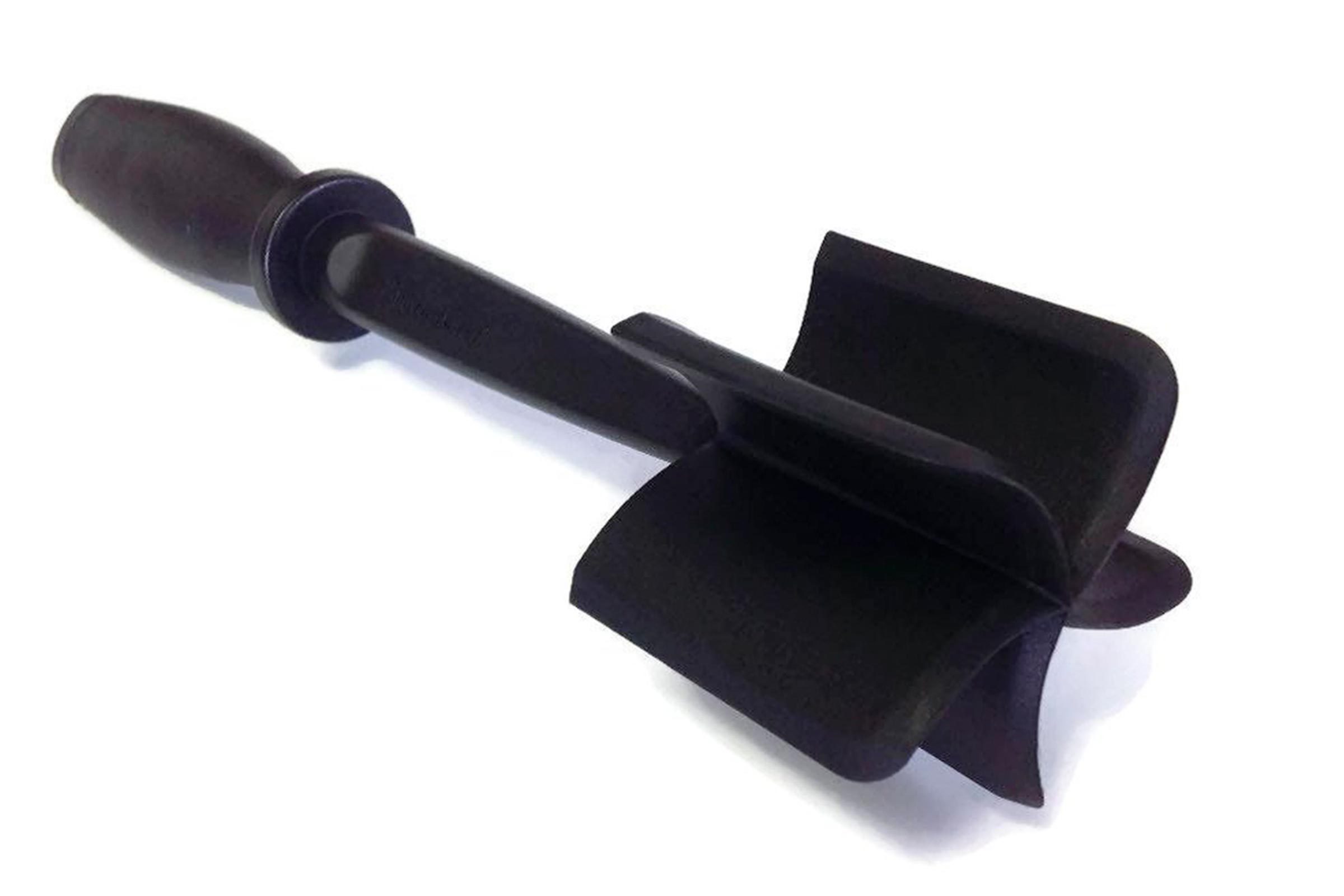
Hamburger Chopper

Source: Reader’s Digest: Kitchen Gadgets You’ll Wish You had Years Ago

What Shall We Make Today?

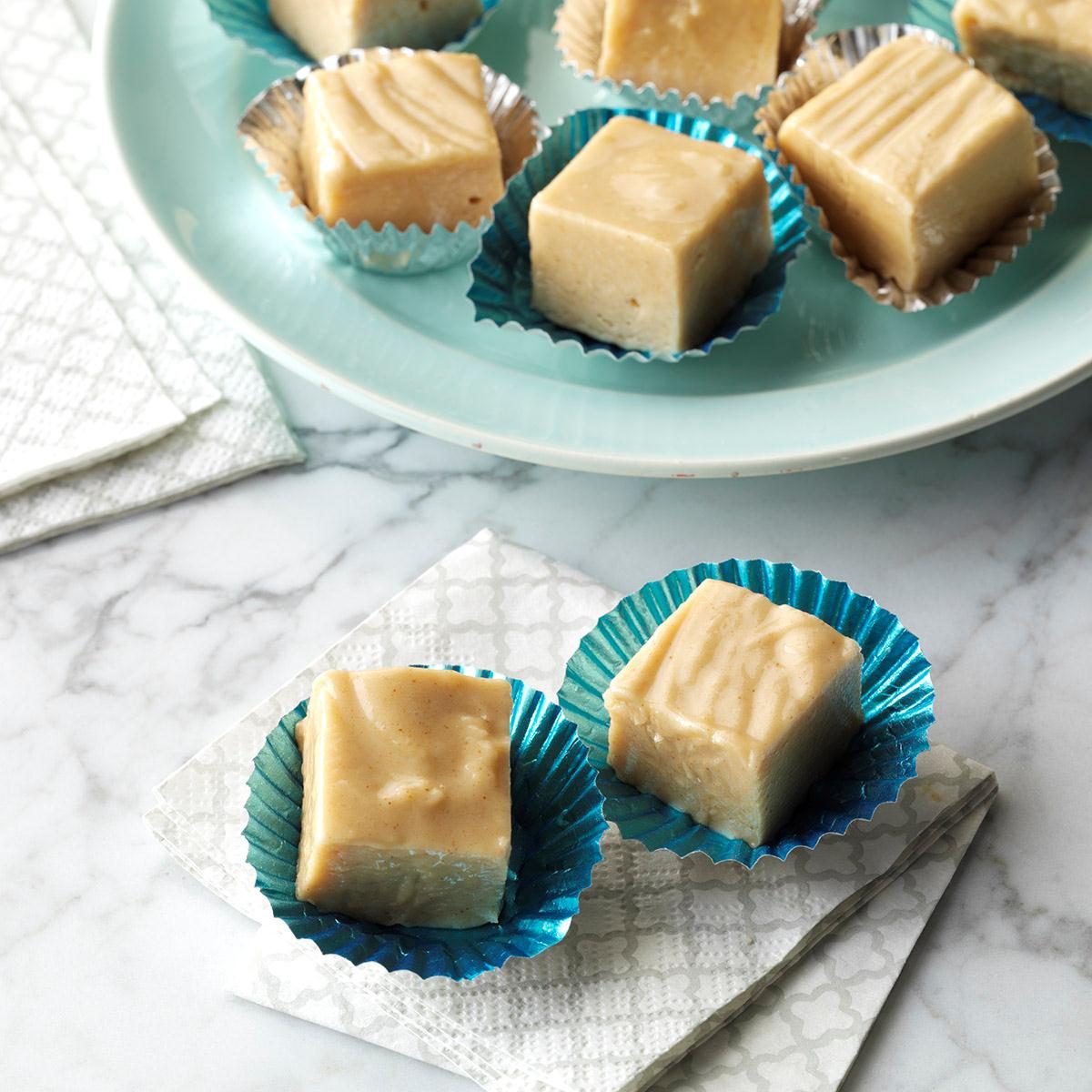
Today’s offering is one of my mom’s favorites—Peanut Butter Fudge!  Super easy and oh-so-delicious!  (You can use chunky peanut butter if you prefer.)

Ingredients

2 cups sugar

2/3 cup milk

1-1/2 cups peanut butter

1 cup marshmallow creme

1 tsp vanilla

Directions

In a heavy saucepan, combine sugar and milk; bring to a boil over medium heat, stirring constantly. Boil 3 minutes, stirring constantly. Remove from heat.

Stir in peanut butter, marshmallow crème, and vanilla until blended. Immediately spread into 8 x 8 pan; cool slightly. (Some recipes recommend greasing the pan with butter, but I have found that ungreased is perfectly fine. The fudge doesn’t stick to the pan at all.)

Refrigerate until firm. Cut into squares. Store between layers of waxed paper in an airtight container.

ENJOY!

Freezing Bountiful Fruits or Vegetables

From the Epicurious website:

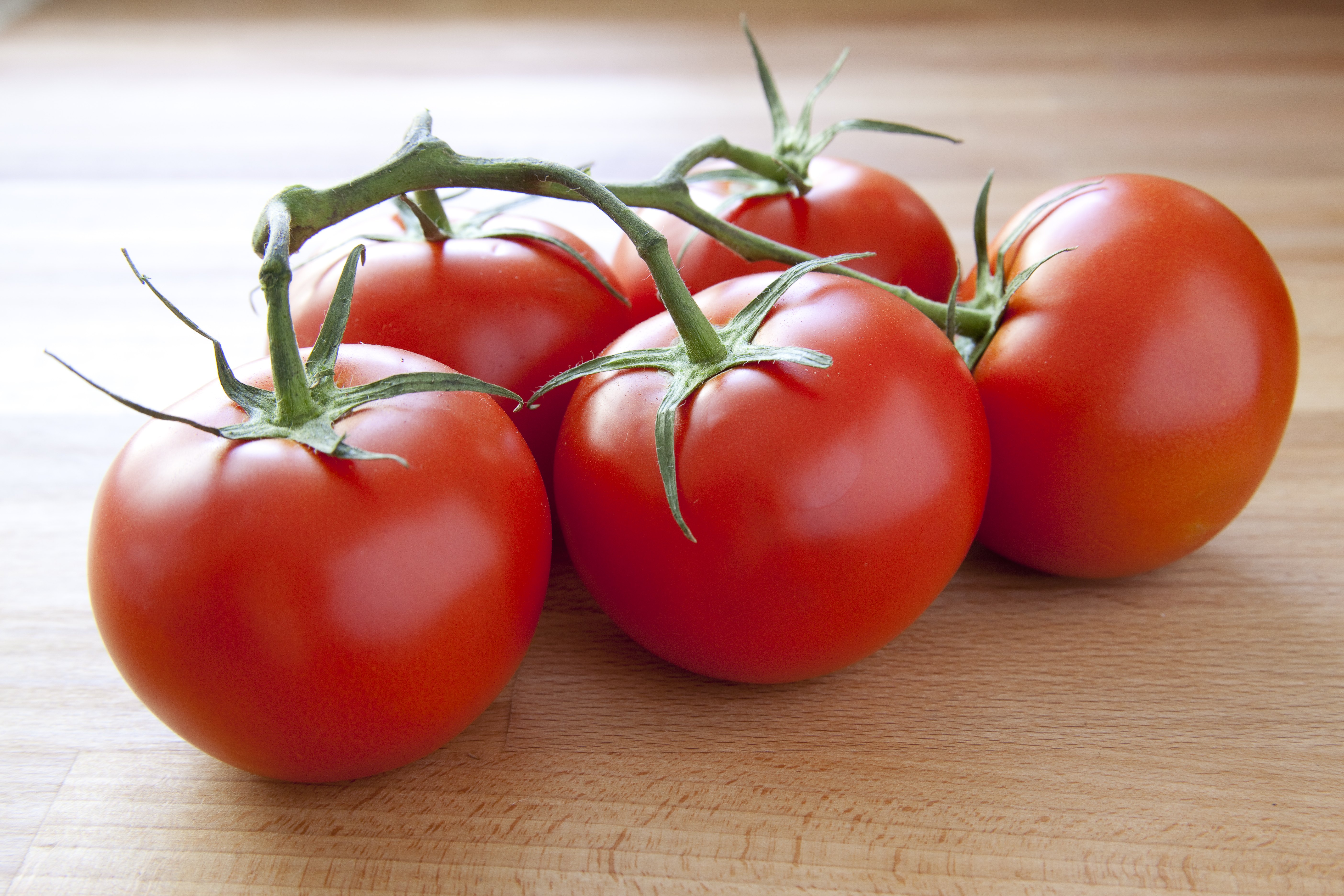
Maybe you came across a bin of irresistibly in-season tomatoes and went overboard on buying—or maybe there was a big sale on apples and you stashed far too many into your cart for just one pie. However, you ended up with all the produce currently in your possession, a great way to keep it around for a little while longer is to freeze it.

Most fruits and vegetables can be frozen. It’s just a matter of prepping it before you stash it so that it’s ready to go when you need it. Here are a few guidelines:

How to Freeze Fruit

Most fruits freeze well: berries, cherries, peaches, plums, pears, grapes. The best way to freeze something is to think about how you’re going to want to use it. So, if you’re planning on strawberry pie, core and slice the strawberries in whatever way you’d like them to appear in your pie. Apple pie? You can go ahead and toss the whole filling together and freeze it. Your blender will be happier if you cut fruit for smoothies into chunks no bigger than an inch, though whole blackberries or blueberries are fine.

Here are the basic steps for freezing fruit:

Clean the Fruit

Rinse whole fruit under hot tap water and dry thoroughly with a dish towel. (Yes, hot water! According to food scientist Harold McGee, a quick bath in hot water helps to kill mold spores.) If you’re dealing with berries or other soft fruit, simply spread them out in a single layer, pat gently with your towel, and let them dry for a few hours so that you don’t mar them too much.

Prep the Fruit

Once dry, prepare the fruit as needed: hull and slice strawberries, pit and chop stone fruit (peel first if you want), remove the rinds and seeds of cantaloupe and cut into chunks, slice and de-seed apples or pears, peel bananas, and so on.

Freeze the Fruit

Lay everything in a single layer on a sheet pan or baking sheet lined with parchment paper so that the fruit doesn’t stick to the pan. Freeze for a few hours until the fruit is solid, then transfer it to an airtight container or a freezer bag and squeeze out as much of the air as possible.

The frozen fruit can be stored for up to 3 months—take it out to toss in smoothies, sprinkle on your morning oatmeal, or bake into pies.

How to Freeze Vegetables

When considering which vegetables to freeze, stay away from things you’d most likely only eat raw, like cucumbers and lettuce, since frozen vegetables are better off cooked.

Clean and Prep the Vegetables

Rinse your vegetables, then do whatever you need to do—trim green beans, chop zucchini, slice eggplant, core tomatoes, husk corn (but leave kernels on the cob—more on that in a minute), peel and chop squash, de-stem greens like kale and collards and tear the leaves into large pieces, etc.

Blanch Vegetables if Necessary

Most vegetables will need to be blanched before they can be frozen. Doing this stops most of the enzyme activity that might cause the vegetables to change texture and lose nutrients over time. Blanching also keeps their color vibrant. (Feel free to skip this step with winter squash, sweet potatoes, and other hearty veg.)

Tomatoes are another exception to the rule. If you want to freeze tomatoes without the skin, blanching will make peeling a breeze. Otherwise, you can leave tomatoes whole and freeze without blanching—or turn the tomatoes into a big batch of marinara before stashing in the freezer.

If you choose to blanch, bring a pot of salted water to a boil and toss the vegetables in for a few minutes. Scoop up with a strainer or spider, or drain them in a colander, then immediately transfer to a bath of ice water. This will halt the cooking process. Let the vegetables dry in a single layer on a clean paper towel or a dish towel. If you’re freezing corn you’ll now want to cut the kernels off the cob.

Freeze the Vegetables

Lay everything in a single layer on a parchment paper-lined sheet pan or baking sheet and freeze until firm. Then transfer to an airtight container or a freezer bag.

Frozen vegetables will also keep for about 3 months. Toss them into soups and stews or bake or roast them.

ENJOY!

SOURCE: EPICURIOUS

Redheads!

I found an interesting article about redheads the other day and decided to bring some of their “facts” here to share.  You can find the article and all their “facts” at the link below.  (Several of their facts discuss how redheads are equated with witchcraft throughout the years.)

Approximately 1-2% of humans, or about two in 100 people in the world, have red hair.

The ancient Greeks believed that redheads would turn into vampires after they died.

Several myths about red hair have become culturally common, such as “the red-headed step child,” “the insatiable red hair girl-next door,” and “the wimpy redhead.”

In some cultures, such as certain parts of Africa, redheads are still believed to be witches.

Otherwise dark hair may turn red or blond in cases of severe protein deficiency due to starvation.

Red hair doesn’t gray as much as other hair colors. Red hair initially tends to turn blond and then white.

According to George Chapman’s 1613 play Bussy D’Ambois, the perfect poison must include the fat of a red-haired man.

Because natural red hair holds its pigment more than other colors, it is harder to dye.

Redheaded women report bruising more easily than other women of different hair colors.

People with red hair have twice the risk of developing Parkinson’s Disease.

Because redheads have thicker hair than people with other hair colors, they have fewer strands of hair. For example, while blondes have on average 140,000 hairs, redheads have approximately 90,000.

According to Hamburg sex researcher Dr. Werner Habermehl, women with red hair have more sex than women with other hair colors. He also postulates that women in a relationship who dye their hair red may be signaling that they are unhappy and looking for something better.

According to legend, the first redhead was Prince Idon of Mu who, upon discovering Atlantis, was imprinted with the island’s stunning red sunset and leaves in the form of red hair and freckles so future generations would be reminded of Atlantis’ first sunset.

Red hair is a recessive trait, which means that a child must inherit one red hair gene from each parent. Recessive traits often come in pairs, and redheads are more likely than other people to be left-handed.

Some scholars speculate that because Adam was from “red earth” and the Hebrew word for “red” is adom, that Adam was a redhead.

Scholars note that redheads have influenced history out of proportion to their numbers. Famous redheads include Roman emperor Nero, Helen of Troy, Cleopatra, the ancient god of love Aphrodite, Queen Elizabeth I, Napoleon Bonaparte, Oliver Cromwell, Emily Dickinson, Antonio Vivaldi, Thomas Jefferson, Vincent Van Gogh, Mark Twain, James Joyce, Winston Churchill, Malcolm X, Galileo, and King David.

The rarest hair color in humans is red.

In ancient Rome, redheaded slaves were often more expensive than those with other hair color.

Satan is often portrayed as a redhead most likely because red was viewed as the color of sexual desire and moral degradation.

In 1995, Professor Jonathan Reese discovered that mutations of the gene MC1R on chromosome 16 were responsible for red hair (known as the “ginger gene”). The gene mutation responsible for red hair in humans probably arose 20,000-40,000 years ago.

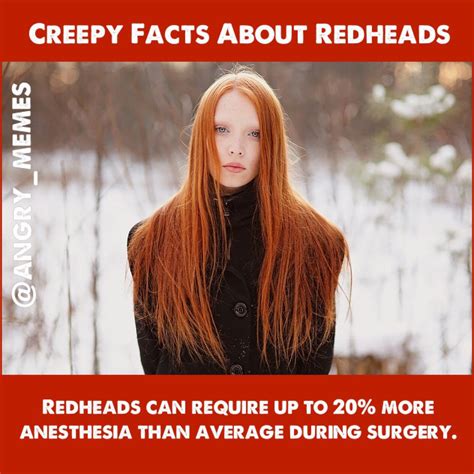
Some scholars postulate that the same gene mutation that causes red hair also affects the way redheads respond to pain and anesthetics.

Mark Twain once quipped that “while the rest of the human race are descended from monkeys, redheads derive from cats.”

In Egypt, redheads were buried alive as sacrifices to the god Osiris.

Scientists now report that Neanderthals had a version of the gene that causes red hair but not the same variant as in modern humans, suggesting they did not interbreed with each other.

There is a common perception that redheads could become extinct in 100 years. However, a National Geographic article states that while redheads may decline, barring a catastrophe, the gene for red hair will not likely become extinct.

While Scotland has the highest proportion (13%) of redheads (followed by Ireland with 10%), the United States has the largest population of redheads in the world, with between 6-18 million redheads, or 2-6% of the population.

The gene that causes red hair initially had the benefit of increasing the body’s ability to make vitamin D, which was important for people living farther away from the equator. However, today’s redheads are more likely to develop skin cancer and premature wrinkles.

“Gingerphobia” is a fear of redheads. “Gingerism” is the bullying or prejudice of redheads.

In Michelangelo’s Temptation and in St. Paul’s Cathedral, Eve is initially depicted as having brown and blond hair, respectively. But in both artistic renditions, after she eats the apple and she and Adam are driven from the Garden of Eden, Eve is depicted as a redhead.

Ruadh gu brath is Gaelic for “Red heads forever!”

Some common surnames in the British Isles reflect the frequency of red hair there, including Flanary (“red eyebrow”), Reid (“red-haired, ruddy complexion”), and Flynn (“bright red”).

42 Redhead Facts too Crazy to Believe | Fact Retriever

SOURCE: factretriever.com