Happy Dress Up Your Pet Day!

These pets have the most patient, loving personalities to allow their owners to dress them up like this.  So let’s start the parade, shall we?

In the dramatic division…

In the comedic division…

In the best dressed division…

In the cute as a button division…

And finally, the group division…

I have had many pets over the years, but I have never, never dressed any of them up.  (I just thought that needed to be said.)

Winnie the Pooh Was onto Something…

This article on the Cleveland Clinic’s website, written by dietitian Mira Ilic, MS, RDN, LD.

details the benefits of honey! 

Winnie the Pooh might have been on to something. While honey is known as a natural way to sweeten foods, it may have benefits for your body, too, says registered dietitian Mira Ilic, MS, RDN, LD.

How honey is made

Honey is a liquid sweetener that bees make. After they collect nectar from flowers, they take it back to the hive and regurgitate it. Then, the other bees chew it until it becomes honey. The bees deposit the honey into tiny, waxy storage units called honeycombs. They fan it with their wings to dry it out. This process makes it stickier.

“Honey gets its sweetness from its chemical makeup,” Ilic says. “It’s made up of two simple sugars called glucose and fructose, along with some minerals.”

Types of honey

The U.S. boasts more than 300 different types of honey. You can buy it:

Raw: Raw honey comes straight from the hive. “Raw honey is the least processed and probably has the most antioxidants,” Ilic says. Despite its raw status, it’s considered safe to eat except for children younger than 1, who should avoid all honey.

Pasteurized: Pasteurized honey has been processed to remove imperfections and improve its shelf life. “It can also be spiked with added corn syrup or other sweeteners,” Ilic notes. “Not all honey sold in the stores is the same even though it all starts naturally in the hive.”

Why is some honey light and others dark?

Whether honey is light or dark in color depends on which kind of plant the bees who made it took the nectar from. “For instance, dark buckwheat yields dark honey,” says Ilic. “But nutritionally, there’s evidence that darker honey has less water and more antioxidants than light-colored honey.”

Honey has so many different tastes you can enjoy compared to plain sugar, she adds. “It can be sweeter or more bitter, depending on the flower source.”

Light honey varieties

Light-colored honey tends to be mild in flavor. Varieties include:

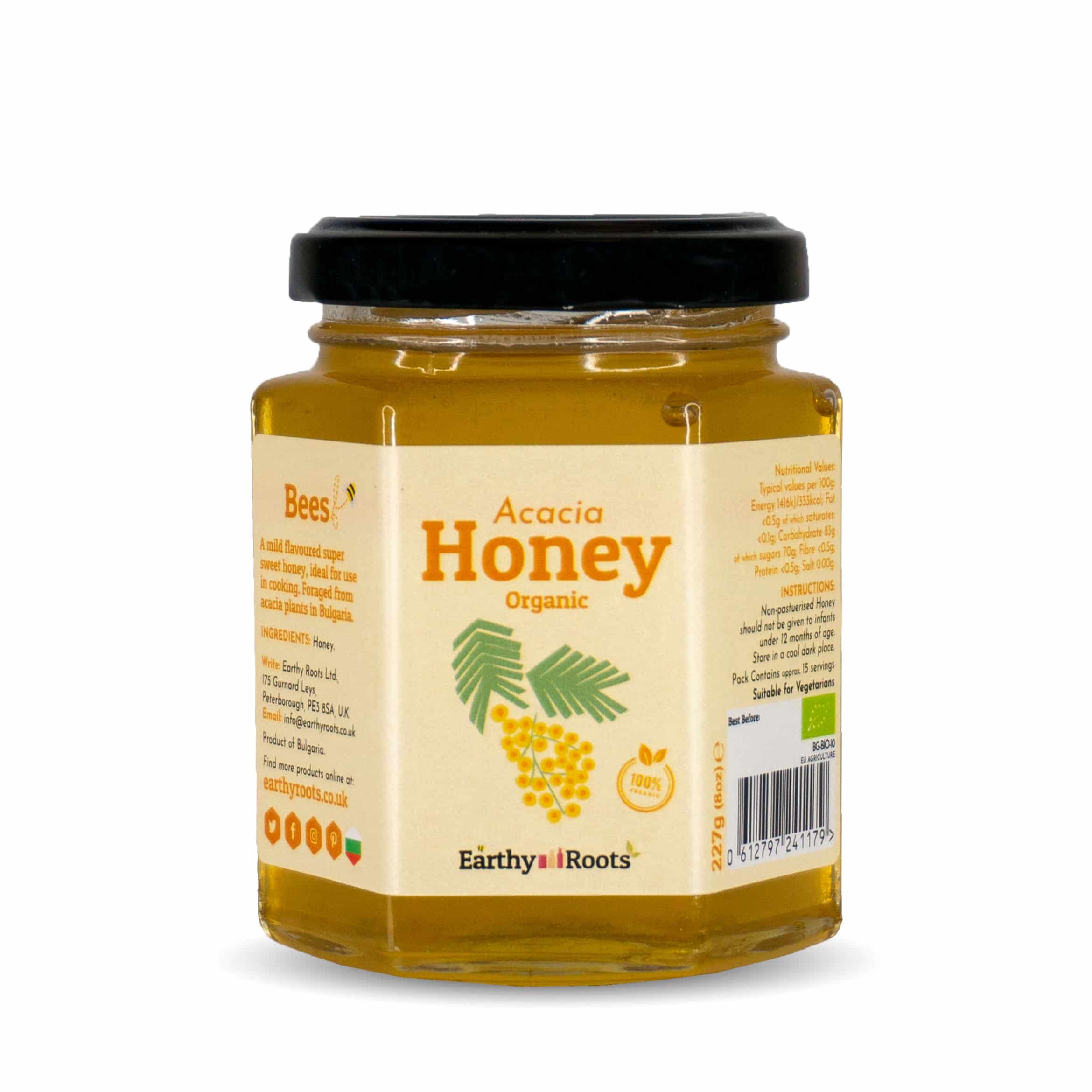
Acacia honey: It has floral scents and sweetness but doesn’t change the taste of what you put it in, such as tea and oatmeal, Ilic says.

Clover honey: This honey is common in the U.S. “It has a floral, sweet taste and a bit of a sour aftertaste,” says Ilic. “It’s good for baking, sauces and dressings.”

Dark honey varieties

Dark honeys are known for their stronger flavors. Examples include:

Buckwheat honey: “This full-flavored honey can be used in marinades,” says Ilic.

Manuka honey: Manuka honey comes from the nectar and pollen of the Manuka bush in New Zealand. “Studies have shown it contains antioxidants, along with antibacterial and antifungal properties. It’s also expensive,” adds Ilic. It’s traditionally used topically to treat burns, cuts and sores.

Is crystallized honey bad?

Store honey in a cool location away from sunlight. But sometimes, even in the perfect spot, honey can crystallize and solidify. “Honey with a higher ratio of glucose versus fructose crystallizes sooner,” Ilic explains. “Glucose may also attach to the little particles of honeycomb and pollen in raw honey and is more likely to crystallize as a result.”

But crystallized honey is still safe to eat: Ilic recommends using it as a spread, like butter. You can also re-liquefy it by putting the container in a warm water bath.

Honey’s health benefits

Honey contains antioxidants, minerals, enzymes that have many potential health benefits. There’s also evidence that honey can:

Soothe coughs: The World Health Organization (WHO) and the American Academy of Pediatrics both endorse honey as a natural cough remedy.

Treat wounds and burns: Pharmaceutical-grade manuka honey dressings have been used in clinical settings to treat burns and pressure ulcers.

“Many other claims have been made about the health benefits of honey – some based on very small studies, others overstated and based on mixed study results,” Ilic says. “Additional studies are needed.”

How to add honey to your diet

While honey has health qualities that other sugars only dream of, Ilic says it’s still an added sugar — and eating too much of it can wreak havoc on your health. The American Heart Association recommends:

Women: Consume no more than 6 teaspoons daily of added sugars (100 calories).

Men: Consume no more than 9 teaspoons daily of added sugars (150 calories).

Those limits include all sources of added sugar in your diet, so use honey in moderation to avoid exceeding the limits, says Ilic. “Try sweetening plain yogurt with a light drizzle of honey and add your own fruit, instead of eating flavored yogurt with too much added sugar.” You could also use honey in sauces and marinades or as a skin mask.

If you want to use honey medicinally, Ilic says talk with your health care professional first.

How to choose honey

Ilic’s first tip? The best honey doesn’t come in a cute little plastic teddy bear. That kind of honey is processed and less beneficial than its counterparts.

“The clearer the honey, the more processed it is. Raw honey seems to be the better choice,” she says.” It’s likely to have some pollen and more enzymes because it’s not treated with heat. Pollen may have beneficial properties. But pollen does make honey look foggier.”

If you’re buying honey from a local source, she also recommends asking:

Where did the honey come from?

Did the seller produce it?

What can they tell you about it?

Ilic adds that an “organic” label doesn’t automatically mean the honey is healthier or better quality. “Bees sometimes fly a few miles past their pesticide- and herbicide-free property to ones with flowers that aren’t. And even organic honey may be ultra-pasteurized.”

SOURCE: CLEVELAND CLINIC

Mira Ilic, MS, RDN, LD.

Gurney’s Pitta

Gurney’s pitta (Hydrornis gurneyi) is a medium-sized passerine bird. It breeds in the Malay Peninsula, with populations mainly in Myanmar. The common name and Latin binomial commemorate the British banker and amateur ornithologist John Henry Gurney (1819-1890). Its diet consists of slugs, insects, and earthworms.

Description

The male has a blue crown and black-and-yellow underparts; the rest of the head is black, and it has warm brown upper parts. The female has a brown crown and buffy-whitish underparts.

Status and conservation

Gurney’s pitta is endangered. It was initially thought to be extinct for some time after 1952, but was rediscovered in 1986. Its rarity has been caused by the clearance of natural forest in southern Burma and peninsular Thailand.

Its population was estimated at a mere nine pairs in 1997, then believed one of the rarest bird species on earth. A search for it in Burma in 2003 was successful and discovered that the species persisted at four sites with a maximum of 10-12 pairs at one location. This granted the species a reassessment from the IUCN, going from critically endangered to endangered. Later on, further research completed in Burma by 2009 provides strong evidence that its global population is much greater than previously estimated, owing to the discovery of several new territories in this country.

The pitta was voted the “most wanted bird in Thailand” by bird watchers visiting that country.

SOURCE: THAI NATIONAL PARKS

Russell Cave National Monument

A relatively small cave in what is today northeastern Alabama, Russell Cave has been home to virtually every cultural group in the region. The cave, one of many archeological sites in the Russell Cave National Monument, provided shelter to various groups for approximately 12,000 years – from roughly 10,000 BC to 1650 AD. This staggering achievement makes Russell Cave one of the oldest rock shelters in the eastern United States. Archeological remains found beyond the mouth of the cave and in other surrounding areas provide additional evidence and markers of this long period of settlement.

The cave and associated burial sites and shelters are all the more remarkable, because the occupation and use of the area was regular, providing a chronological layering of artifacts from before recorded history to the modern era. Created when part of the cave collapsed, the shelter inside the cave is roughly 30 by 65 yards and has a streambed that forms part of the cave floor. Attracted by a year-round water source and the consistent temperature inside the cave, many American Indian groups regularly used Russell Cave as a seasonal dwelling place. The cave is located in a valley along the Tennessee River, which helped supply the cave occupants with shellfish and game. Given the location of the cave within the valley, it is probable that the entire area was a hunting ground even before the formation of the cave. As American Indian groups discovered the cave, and camped and lived in it, they found food and raw materials to develop tools on the land around it. They also used the surrounding land for religious ceremonies, including burial of the dead. More recently, this land was the possible site of a log cabin as well as two historic coalmines and associated structures.

Paleoindian peoples, the first humans in North America, were the first group to use Russell Cave. Artifacts from this period tend to be projectile points formed of stone quarried nearby and sharpened into points inside the cave. The majority of objects found at Russell Cave, though, come from three later archeological stages: the Archaic Stage (7000 to 500 BC), the Woodland Stage (500 BC to 1000 AD), and the Mississippian Stage (1000 to 1600 AD). While Archaic dwellers were sedentary hunters and gatherers with few social divisions, the material culture of the Woodland period indicates that larger populations supported the development of a social structure and widening trade networks. In general, people of the Mississippian Stage were very sedentary travelling less than previous groups and relying heavily on the cultivation of crops. They also had highly developed religious ceremonies and political structures. The artifacts recovered from Russell Cave reflect the technological and social changes typical for the Archaic, Woodland, and Mississippian Stages.

Given the long history of settlement of Russell Cave, the archeological material provides a level of depth uncommon at other sites. In both the cave and surrounding areas, the continued presence of humans has resulted in a collection of artifacts that almost trace the complete development of some technologies. The cave has yielded projectile points, fishhooks (7500 to 5000 BC and 3500 to 500 BC), basketry (7500 to 5000 BC), and ceramics (7500 BC to 1540 AD). Pottery shards date from the earliest ceramic pieces to those of the early 19th century, and some of the fishhooks are of a type not seen anywhere else. Outside the cave, in some of the outlying archeological areas, seed evidence remains of the maize and other crops cultivated as early as 500 BC.

Residency in the cave and use of the adjacent areas in religious ceremonies declined after about 1000 AD as the local populations, who had formerly used the cave as temporary seasonal shelter, developed permanent year-round villages. Following the arrival of the Europeans in the early 1500s, the use of the Russell Cave area practically ceased, as new settlers replaced American Indian groups. Artifacts from after the mid-1500s indicate that the cave saw only sporadic use as a hunting camp before becoming private property in 1817. The Russell family owned the cave at one point, giving the cave its name. The cave site represents the development of early culture and society and provides important evidence of how American Indians of the region lived for thousands of years.

Despite its eventual decline as a shelter, Russell Cave National Monument offers a unique opportunity to view the past in the present. Although the natural setting has changed slightly since 10,000 BC, the site of the cave itself has remained relatively unaltered. Today, the visitor center and museum present artifacts and reproductions of objects found in and around the cave as well as films about the earliest settlers in the region. Ranger-led cave tours allow visitors to explore the cave itself; other tours conducted by the rangers demonstrate pre-contact weaponry and tools. A visit to Russell Cave is a journey through the early settled history of the Americas presented not only through artifacts, but also through a tour of the very site where people have lived for thousands of years. 

SOURCE: NATIONAL PARK SERVICE

Weird Wednesdays: The Mushroom House

Today’s offering is The Mushroom House in Cincinnati, Ohio.

In Cincinnati’s Hyde Park neighborhood lies a building that looks like it came right out of a children’s storybook. This is Ohio’s very own Mushroom House, also known as the TreeHouse.

Built by Terry Brown, this landmark marks the great architect’s creative genius. The house took more than a decade to create; construction began in 1992 and ended in 2006. It served as Brown’s secondary residence, architecture studio and teaching tool for his students.

The landmark itself is a simple one-bedroom house. The most prominent features are its copper ceilings and an orange spiral staircase entry. Terry Brown’s creation has porthole windows that sit against a swirling cedar exterior, which is what gives it its fairytale-like appearance. The side of the house is covered in warped shingles that were placed there to resemble the underside of a mushroom. The bulbous roofing gives the building an added fungal look.

The inspiration behind this building came from Brown’s desire to create spaces that would relate to human activity. Brown realized early on in his career that space and people are connected. Hence, he started to build small structures that would feature intimate spaces.

The Mushroom House was the result of experimental architecture. The structure could only be built after many meticulous drawings and complicated geometric calculations. Brown’s aim was to use materials that are not conventionally used to build houses and to combine elements that are not typically combined.

After Brown’s passing in 2008, the hype for the Mushroom House did not die down. The house remains a Cincinnati landmark that attracts people from afar. Currently, the structure is being looked after by Brown’s friend, Paul Lausha. Brown’s other works are exhibited at the National Building Museum in Washington, D.C., and the Architectural League of New York.

SOURCE: VALE MAGAZINE

Alabama State Mammal: The Black Bear

Black bears are native to Alabama. When the state joined the Union in 1819, they could be found in every corner of the Yellowhammer state. “Their demise occurred more than a century ago due to over harvesting and habitat manipulation,” Hannah Leeper, a bear researcher at Auburn University told us. As a result, the state hosts the smallest and most fragmented black bear populations in North America.

In 2006, the plight of the Mobile black bears was amplified by Escambia County students, who campaigned to have the bears designated our state mammal. On April 12th of that year, Governor Bob Riley signed a law making the black bear our official state mammal. 

That act elevated the bear’s significance.

In the 2010s a second population of bears was discovered in DeKalb and Cherokee counties in Northeast Alabama. This is a game-changer. These bears are recolonizing from the north Georgia bear population. Early research studies of these bears are encouraging. The mothers are producing larger-than-usual litters and the cubs are healthy, like our four cubs.

In 2014, the state of Alabama secured federal funding that focuses on species at risk. ‘State Wildlife’ grants will fund black bear research in partnership with Auburn University until 2024 and hopefully beyond.

“We are just learning how black bears behave in Alabama,” stated Traci Woods, Habitat and Species Conservation Coordinator with the Department of Conservation. “Why is their population growing or not growing? What is contributing to their survival or mortality? We are just now getting good population estimates and information on how they are moving.”

Alabama’s black bears go by two nicknames. Berry bears or honey bears.  And yes, they are kin to the most famous bear of them all—Winnie the Pooh.

When Beth Sewell, an educator at the JSU Field School asks students to describe the size of our bears, they have an image of big 600 to 1000 pound menacing grizzly or brown bear from out West. She has to assure them our black bears are much smaller, with a kinder temperament.

For example, female black bears in Alabama weigh 125-135 pounds. Males are about twice that, the size of an Auburn University linebacker. 

They are omnivores. Their diet? Pretty much anything a racoon would eat—insects, roots, berries, acorns and other nuts, mushrooms, grasses and other plant materials, as well as small mammals such as mice and ground squirrels, fish, crayfish, and of course rubbish left by humans in trash cans and campsites.  Vegetation normally makes up over 80 percent of their diet.

North Alabama bears now have a viable population.

Bears generally avoid humans. 

Virtually all the dens located in south Alabama were ‘nests,’ very similar to the nests that birds build. 

North Alabama bears mostly utilize wind rows and rock outcrops.

North Alabama population is estimated at 35-50. North Alabama population is growing. These bears have a good genetic influence, have quality denning habitat and larger tracts of unfragmented land with suitable habitat. The northern population could triple within the next 5 years.

The state expects Birmingham will see more sightings of male bears roaming in the summer months, not necessarily establishing a population. Be mindful. Male bears go on walkabouts that may extend a hundred miles from dens in North Alabama. 

The people of Birmingham are going to have to adapt to that and live with it 20 years down the road.

Are we going to see moms and cubs? Very unlikely.  Hannah Leeper’s research indicates the bears in the Northeast are moving very slowly southward. She does not expect the bears to take up permanent residence anywhere near Birmingham because of the poor habitat—not enough unbroken forests and people around. 

JSU’s Sewell concluded:

‘Bears are the state mammal for a reason. They were here first. The fact that they are naturally returning is almost a miracle. Welcome the bears—they should be revered as a sacred species. They are beautiful.”

SOURCE: BHAMNOW.COM

Natural Home Remedies for Dry Hair and Skin

Do you have dry hair, hands, scalp, or skin? If there’s one thing that we love, it’s making our own natural remedies and treatments. Check out these fantastic recipes that will restore and liven up your hair, face, and skin—and not break the bank.

Remedies for Dry Hair

Weekly Conditioner for Fly-Away Hair

Try a weekly deep-conditioning. For a rich conditioning treatment that you’d pay $30 to $100 for at a salon, mix a couple of tablespoons of olive, coconut, or castor oil with 1/2 cup of full-fat mayonnaise (alternatively: a ripe, mashed avocado) and massage into your hair and scalp. Then, wrap your hair in a large plastic grocery bag and top it off with a warm, dry towel for about 30 minutes. Wash and rinse as usual (but sometimes twice is needed to remove the oil).

Moisturizing Leave-in Conditioner

Mix two parts water, one part witch hazel, two parts vegetable glycerin (a natural moisturizer available online or in health/natural food stores), and a tablespoon of olive or other cooking oil per cup of liquid in a spray bottle. If you have aloe vera gel on hand, add one part to the mixture. A few drops of essential oil will give you a scented product. Spritz on wet or dry hair before styling.

More Body and Bounce

Mayonnaise, straight from the jar, will make hair soft and shiny. The egg nourishes brittle hair with protein, while the vinegar gives it body and bounce.

Try this mixture to regain supple hair: Mix one teaspoon of powdered brewers’ yeast with four ounces of apple cider vinegar to create an after-wash rinse. Pour it over wet hair and let stand at least a minute before rinsing.

Oily Hair and Skin

Add one teaspoon baking soda to two ounces of your shampoo. This works as an alkali to absorb excess oil.

Baking soda works the same way with skin, it will absorb oil and also neutralize excess acid in your skin. Make a paste with baking soda and water.

Try lemon juice as an astringent facial cleanser.

Remedies for Dry Hands and Nails

Let’s start with some good tips and basics on keeping your hands from getting dry and cracked.

Add moisturizer right after you wash your hands. Apply when your skin is a little wet to help it hang on to some of the water.

Avoid any alcohol-based cleansers on your skin. Consider liquid soap that contains moisturizers.

Use the right moisturizer! Look for products that list ceramides (oils), dimethicone (a type of silicone), and shea butter to provide a good seal for your hands. The thicker the cream, the better.

If you polish your nails, find an acetone-free polish remover, as acetone is a serious drying agent.

It goes without saying that you need to wear gloves when using any harsh or chemical ingredient to clean the house.

Also make sure to wear gloves or mittens when you go outside to prevent the dry winter air from drawing moisture from your hands and nails.

If your hands get so dry that they crack, be careful of infection. Clean the area with hydrogen peroxide and apply an over-the-counter antibiotic ointment.

Some dermatologists suggest coating hands and nails with Vaseline or another strong barrier and wearing cotton gloves overnight to treat dry nails and cuticles.

To prevent brittle nails and ragged cuticles, try this handmade cuticle massage:

Cuticle Massage:
5 red seedless grapes
1 tablespoon sugar
Wash the grapes, then slice them in half widthwise. Dip the cut side into the sugar. Using half a grape for each finger, massage the skin around each fingernail for about 30 seconds each. Wipe off the excess sugar with a soft towel, then rub hand cream onto hands and cuticles.

Remedies for Dry, Itchy Skin

Again, let’s start out with some basic tips on caring for your skin so that it doesn’t become dry and itchy.

Apply moisturize every day or even twice a day if you are over 40. Apply immediately after showering or bathing when your skin is still a little damp. Do not scrub skin dry.

Choose a lotion brand that has petroleum jelly or lanolin high on the ingredients list.

For super-dry skin, use olive oil. Rub it in prior to a bath or shower. You may substitute peanut, sesame or sunflower oil.

Avoid steaming hot water or lengthy immersions, which will strip your skin of its natural oils. Dermatologists suggest taking shorter baths or showers in warm (not hot) water. If you have severe dry skin problems, keep your showers to no longer than 5 minutes and use lukewarm water.

Use a mild, glycerin-based soap. And stay away from hair or skin-care products that contain any forms of alcohol, which are drying agents. 

Wash gently. Vigorous scrubbing can further irritate sensitive skin. Gently clean around the “fold” areas of your skin—underarms, neck, and groin—and feet. Use very little, if any soap, on your trunk and limbs.

Don’t go outside in any season without using SPF of at least 15 on your face and hands.

To soften dry skin, add 1 cup powdered milk to your bath. (It worked for Cleopatra, supposedly.)

Try adding lemon juice or vinegar to your bathwater. Soap, being highly alkaline, may make your skin feel itchy.

Oatmeal Bath for Itchy Skin

If you have itchy skin, try a soothing oatmeal bath. 

Blend one cup of oats in a food processor or blender. Run a lukewarm bath (NOT hot). Pour the oat into the warm water and stir. Soak in bath for 15 to 20 minutes and very gently rub into skin.
Rinse with warm water and pat skin dry. While skin is still moist, apply a hypoallergenic moisturizing cream.

A quart of milk in a hot bath is a luxury as well as a skin toner. It’s a trick nearly as old as time.

Homemade Oatmeal Scrub

For a homemade scrub, mix ground oats and honey. Rub all over your face—especially your nose. The abrasive will remove dry, scaly skin while the honey seeps in as a moisturizer. Rinse completely off and pat dry, and your skin will be glowing and baby soft. Only use this remedy once a week.

More Remedies and Tips at ALMANAC

SOURCE: ALMANAC

Weird Inventions Part 2

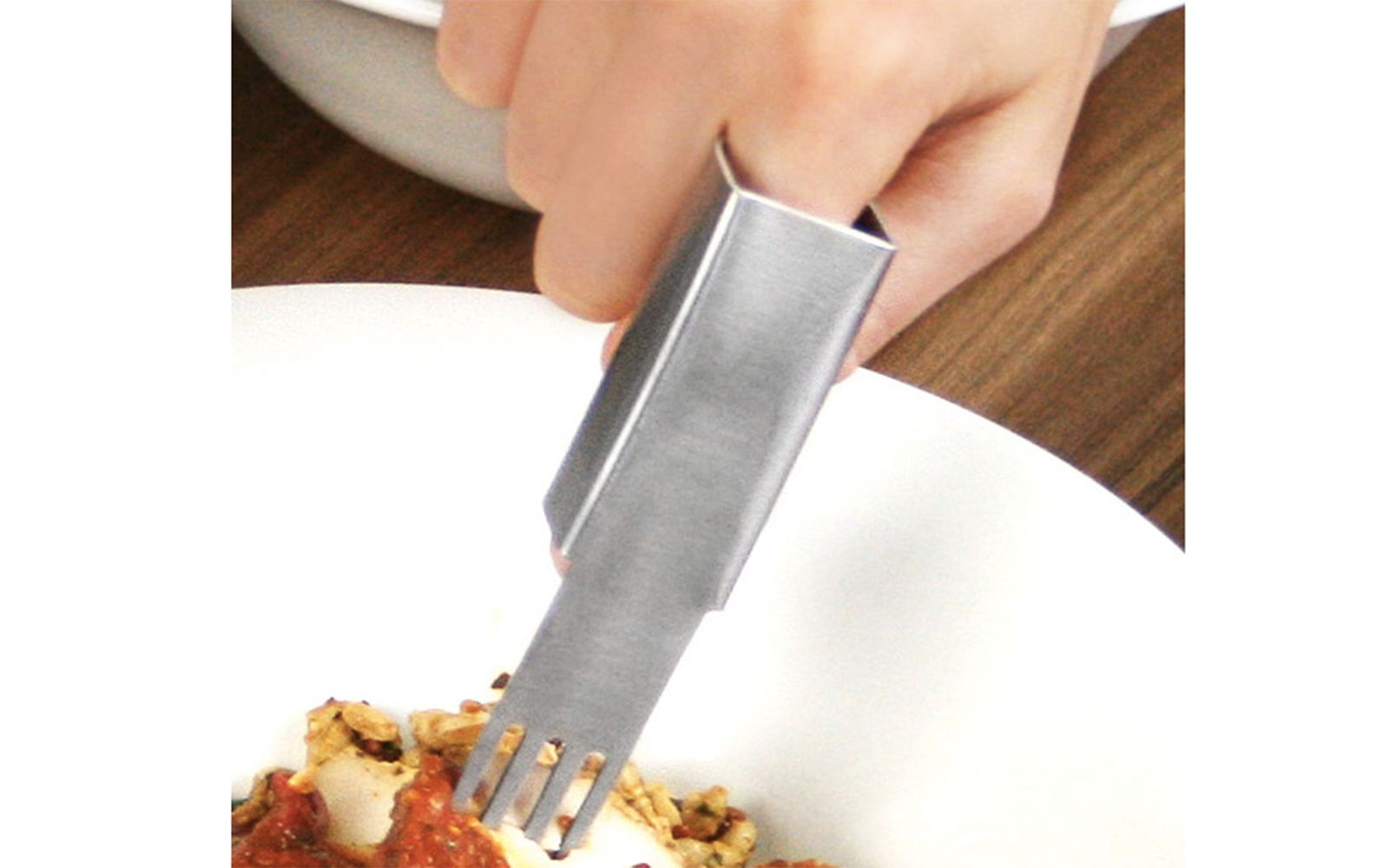
Finger Fork

Don’t act like gripping a fork isn’t hard work. We all know it is and that’s why the finger fork was born – of real need. Sure.

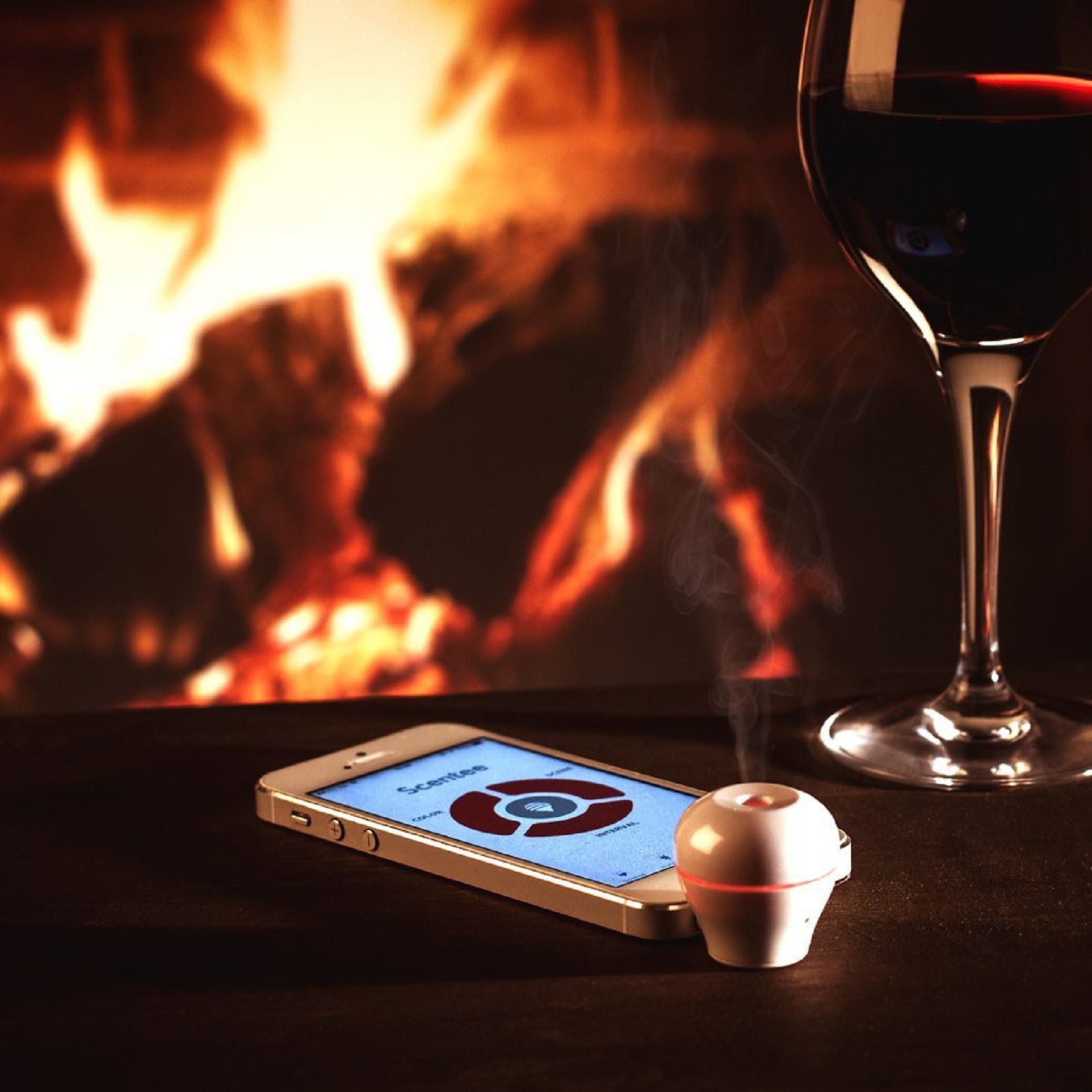
Smartphone Scent Diffuser

The Scentee Smartphone Aroma Diffuser uses an app to diffuse a scent into the room around you. Perfect for setting the mood or just dealing with any nasty smells that have cropped up in the house.

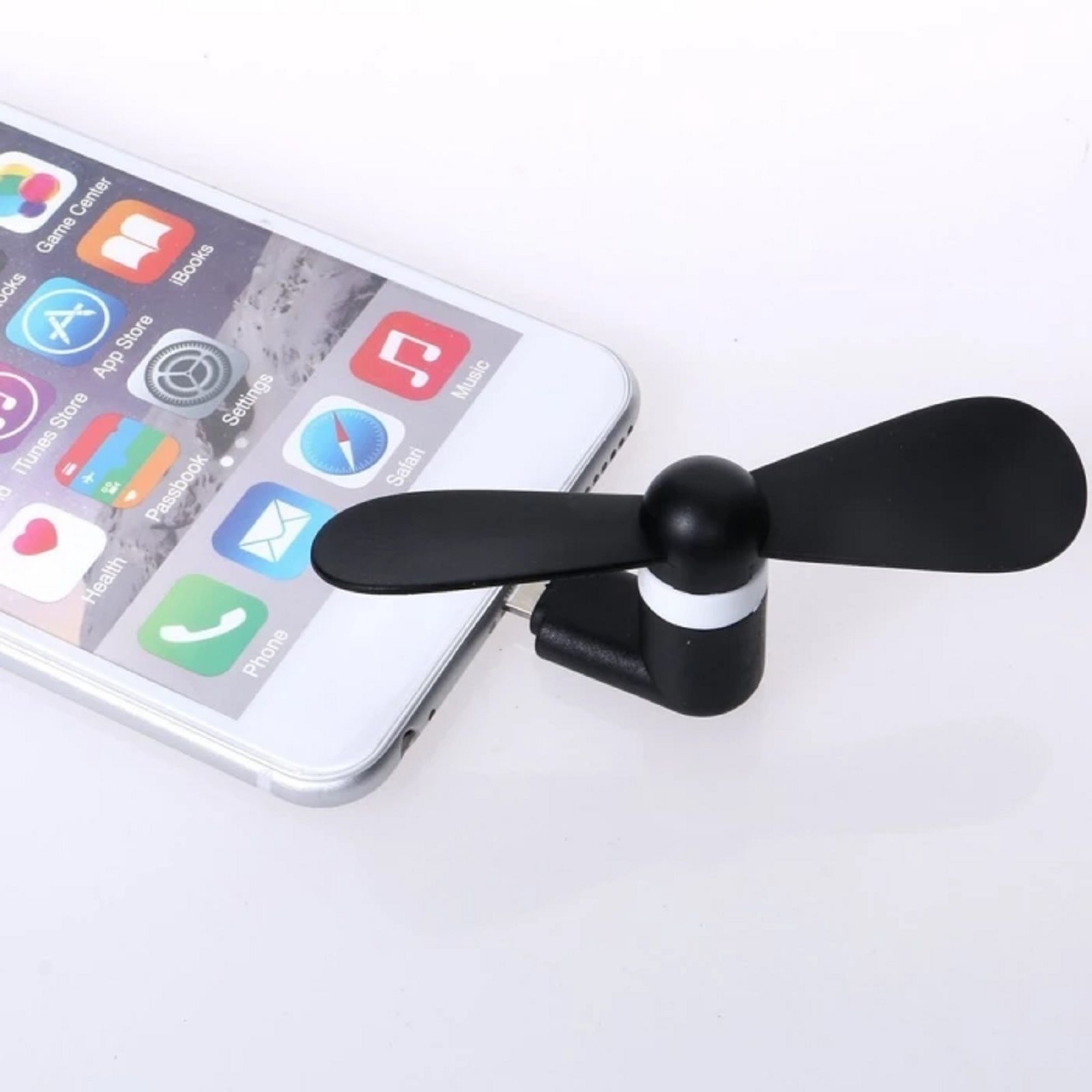
iPhone Fan

Getting a bit hot and bothered in the summer months? How about a fan that’s capable of plugging into your Apple iPhone? This gadget is tiny and a little bit crazy, after all, how are you going to hold and browse your device? Unless you use it upside down.

A Weird Workstation

Back in the 70s designers were coming up with weird and wonderful seating arrangements for workers. This included insane things like this figure-hugging chair which had a built-in typewriter and even some earphones with extendable aerials. A vision of tech luxury for the time, but certainly an easy contender for our list.

Phone Holder Cup

Can’t take your eyes off your small screen? Then this gadget probably looks appealing. It’s a cup with a built-in smartphone holder. All you have to do is fill the cup with your favorite beverage, slip your smartphone into the straw holder and get to browsing and drinking.

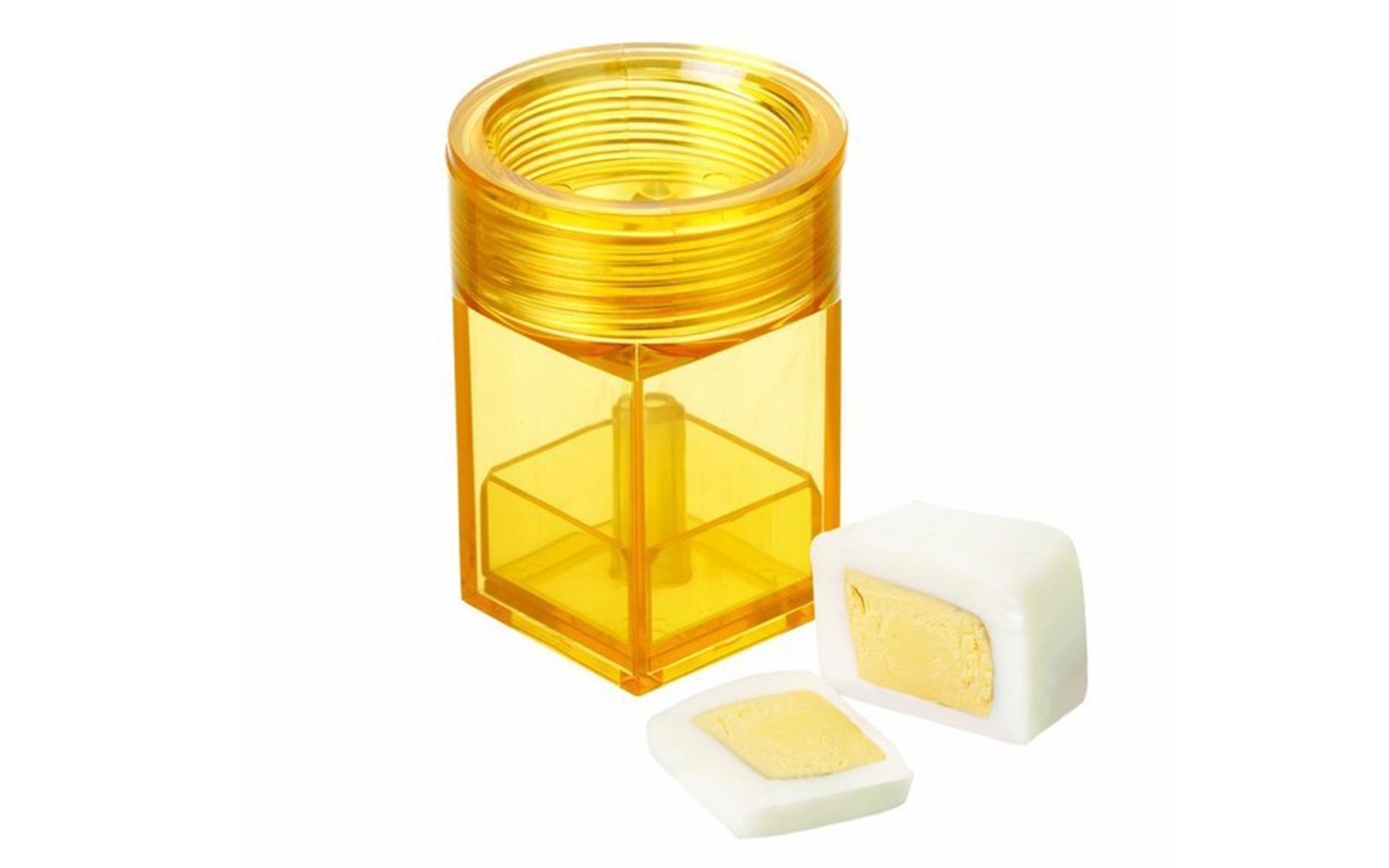
Egg Cuber

Because round eggs are far too natural and boring, clearly. If you like things that break the norm then this device is perfect as it turns normal shaped eggs into square ones.

AirSticks

These gadgets are an unnecessary invention by Matt Benedetto. If you’re always losing your Apple Airpods while also being a fiend for oriental food then the Airsticks might be the perfect solution for you.

“The perfect accessory for your Apple AirPods. Enjoy your favorite sushi on the go and never leave your chopsticks behind.”

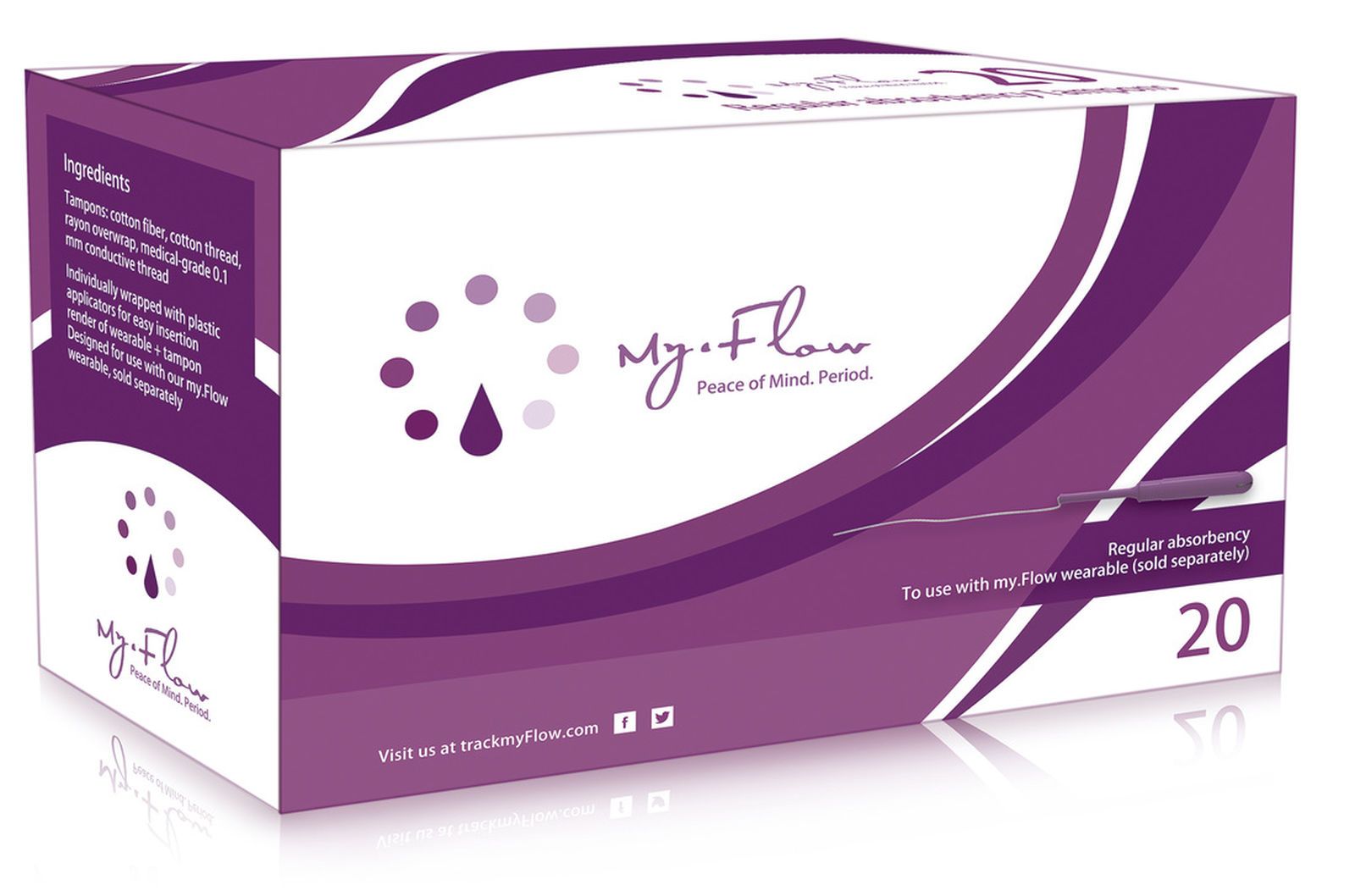
Connected Tampons

If a product isn’t connected to your phone and measuring every aspect of your life, is it actually any good? These tampons send essential flow data to your phone so you’re always in the know.

An Intelligent Umbrella

This is a smart umbrella that lets you know when it’s raining. Sounds utterly pointless, doesn’t it? Well, maybe not as it does other things too – like notifying you if you’ve accidentally wandered off without it. This umbrella also has the ability to share data with other smart umbrellas for cloud-sourcing data to ensure it’s accurate.

The Cyclomer

The Cyclomer was meant to be the world’s first amphibious bicycle. This weird and wonderful looking thing had hollow wheels that doubled as floats and was meant to be able to pass across both land and water with ease. However, when it launched in Paris, France, in 1932 it was less successful as the floats couldn’t get traction on either surface and so it never caught on.

Flatulence Filtering Underwear

Nope, not including the picture they provided. These are underpants for those who suffer from an unnerving amount of trumps. The company does the best job of describing them: “Shreddies award-winning flatulence filtering garments offer maximum comfort, classic styling and flatulence filtration. Whether you suffer from excessive flatulence, or you just want the assurance of odor free wind, Shreddies are the perfect solution for you.”

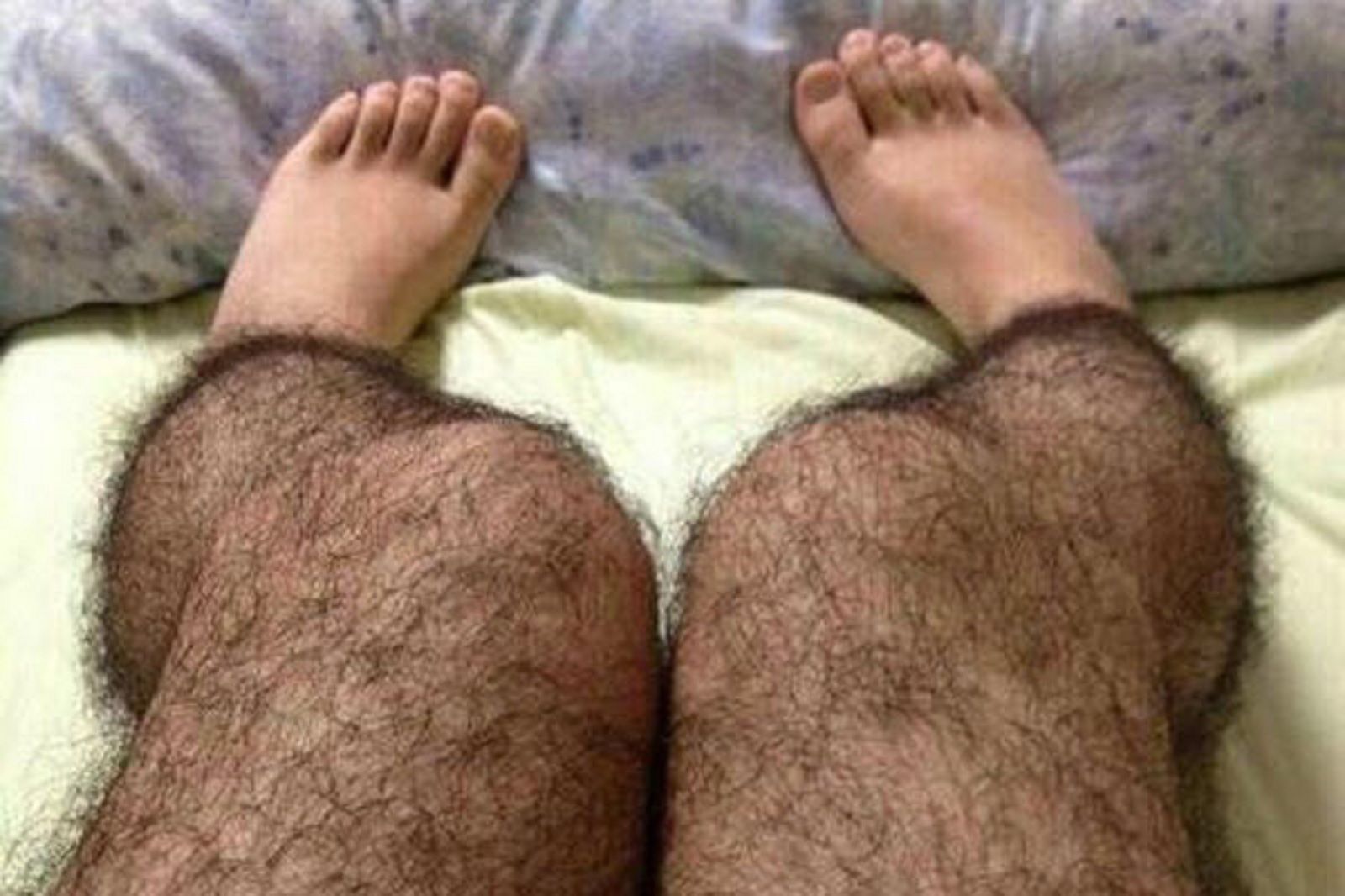
Hairy Stockings

If you’re a lady who’s fed up with getting ogled during the summer months then this product might be the solution you’ve been looking for. These hairy stockings are designed to put off lustful onlookers. Quite a bushy look.

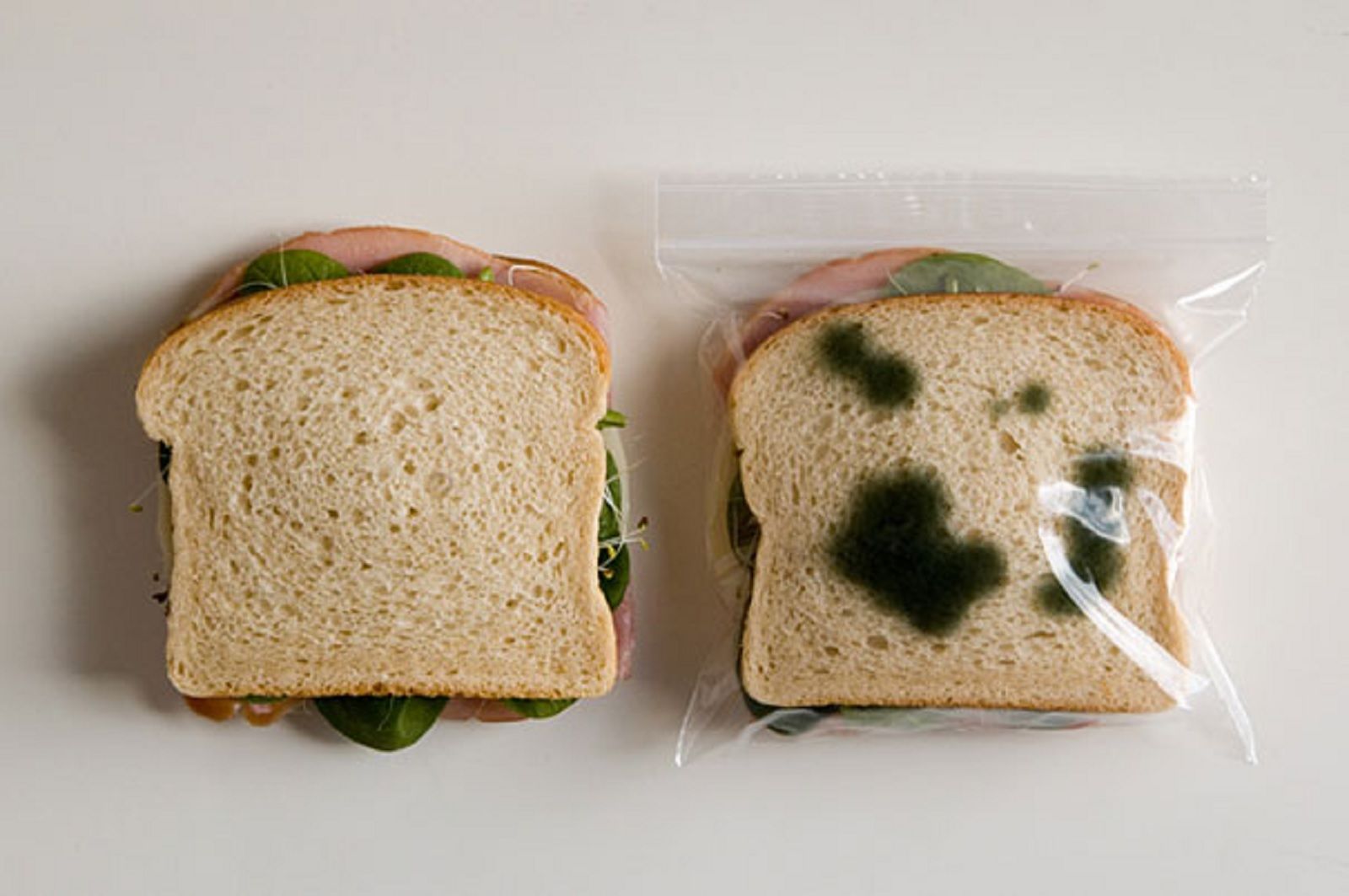
Mold Covered Sandwich Bags

If you’re really good at making sandwiches and your colleagues keep stealing your lunch from the work fridge, then this might actually seem like a good invention. A sandwich bag that looks like it’s covered in mold and has been left to go rotten. Simple, yet effective. Though a close inspection gives the game away when you see fresh lettuce and ham inside.

Quack Muzzles for Dogs

If your dog is a bit of a mischief and needs to look a bit cuter, then the Japanese have you covered. This invention is a dog muzzle which makes your dog look like a duck, because why not?

Monowheel Motorbikes

Monowheel motorbikes look ridiculous and seem like they’d be insanely dangerous, impractical and a daft thing to get involved with. When they first appeared in the 1860s though, it was thought that they could become a genuine form of transport. Fortunately that never really transpired, but people still try to ride them for fun. There are obvious issues with them including stability, limited carrying capacity and perhaps most hilariously, the risk of “gerbiling”. This last issue is a problem which happens if the user brakes too hard and the force negates the usual force of gravity resulting in a driver going flying around the wheel like a gerbil in its wheel.

Hamblin Glasses for the Lazy Reader

In the 1930s in England, these glasses appeared offering the lazy reader the chance to lay down in bed, but still be able to read books. Essentially similar logic to periscopes with mirrors redirecting vision. They clearly didn’t catch on and probably weren’t very comfortable or practical.

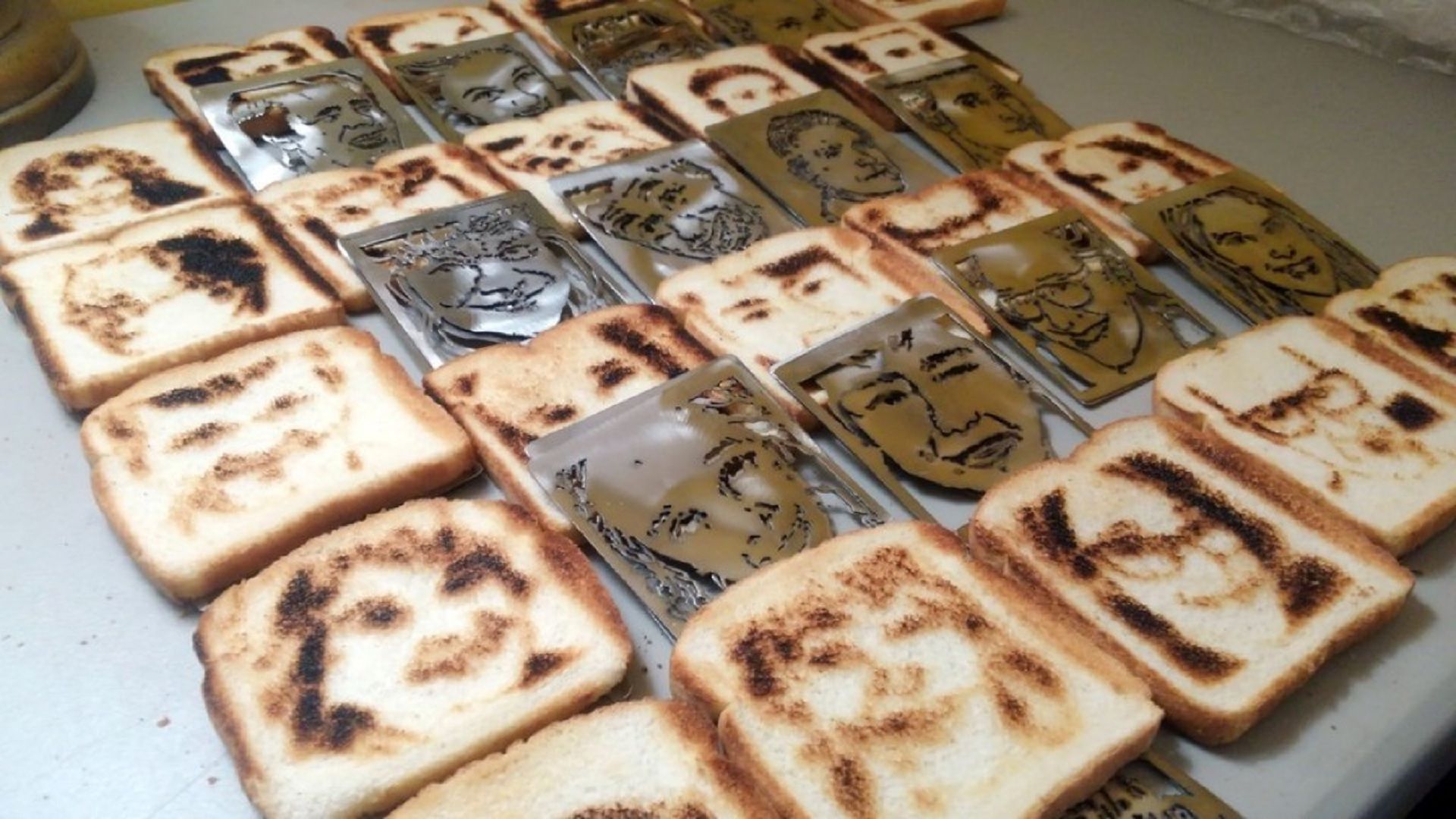
The Selfie Toaster

Burnt Impressions created a novelty toaster that allowed the user to make toast charred with their own selfies. Because what’s better in the morning that eating your own face?

Necomimi Brainwave Cat Ears

In 2012 leading biosensor company NeuroSky unveiled some wearable cat ears that could be used to show the user’s mood. When worn, the cat ears could show off three emotional states. If the user’s attention is piqued by something, then they pop straight up. When relaxed, the ears flop down and when concentrating they would wiggle. We can’t help but think that these ears were released before their time. They’d probably do well now with Twitch streamers.

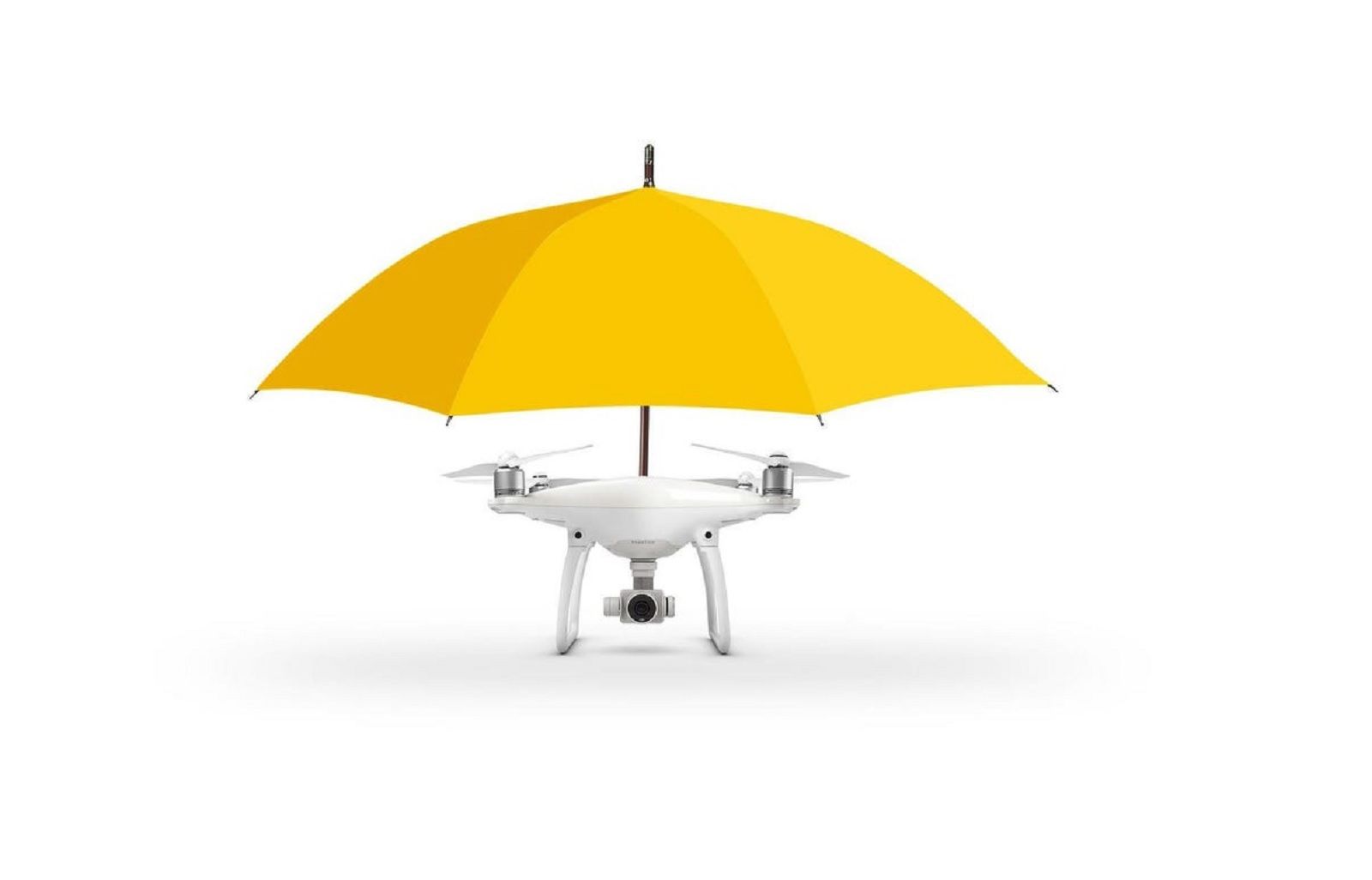
Umbrella Drone

Drones are awesome for various reasons. We love the capture capabilities of these airborne devices and the images they can create. They’re not all amazing though, some of them are a little questionable. Like this Umbrella Drone which was revealed at CES 2017. Though perhaps if you could set it to follow mode when it’s raining you could have a hands-free umbrella?

Sony Vaio Mouse Talk

Some things on this list might have seemed logical at the time but now look pretty ridiculous. The Sony Vaio Mouse Talk was one such product. A wired mouse that doubled as a USB phone when you were talking on Skype. Seems so antiquated now.

SOURCE: PocketLint

Weird Inventions Part 1

I was browsing the internet the other day and came across this article on a site called PocketLint detailing 38 crazy inventions you won’t believe.  Today I present the first half—tomorrow the rest. You won’t believe some of these!

Solar Bikini

Some inventions are better than others, then there are some that should never have seen the light of day. Well, maybe they should, if just to make us laugh.  From solar bikinis to a nose-worn stylus, these are here to shock.

Designers the world over have been creating gadgets that shock. Some might actually be of use but in the real world are they ever actually going to be used? In public? That decision is down to you, so you’ll need to see what’s out there. Some of them we really can’t imagine in the real world outside of these images.

We’ve collected the most ridiculous, insane, weird and downright odd inventions that have ever been made or conceived, like the Solar Bikini that uses the sun’s rays to power any connected device. Thanks to a USB connector a phone can be charged while sunning oneself. Plus, you know, you look like you’re from the future thanks to designer Andrew Schneider’s hard work. Not bad for $200 then.

While plenty of these you can’t lay your hands on, not that you’d likely want to, there are some still available to buy. So if you want to treat this as your slightly off-the-wall shopping list, go for it.

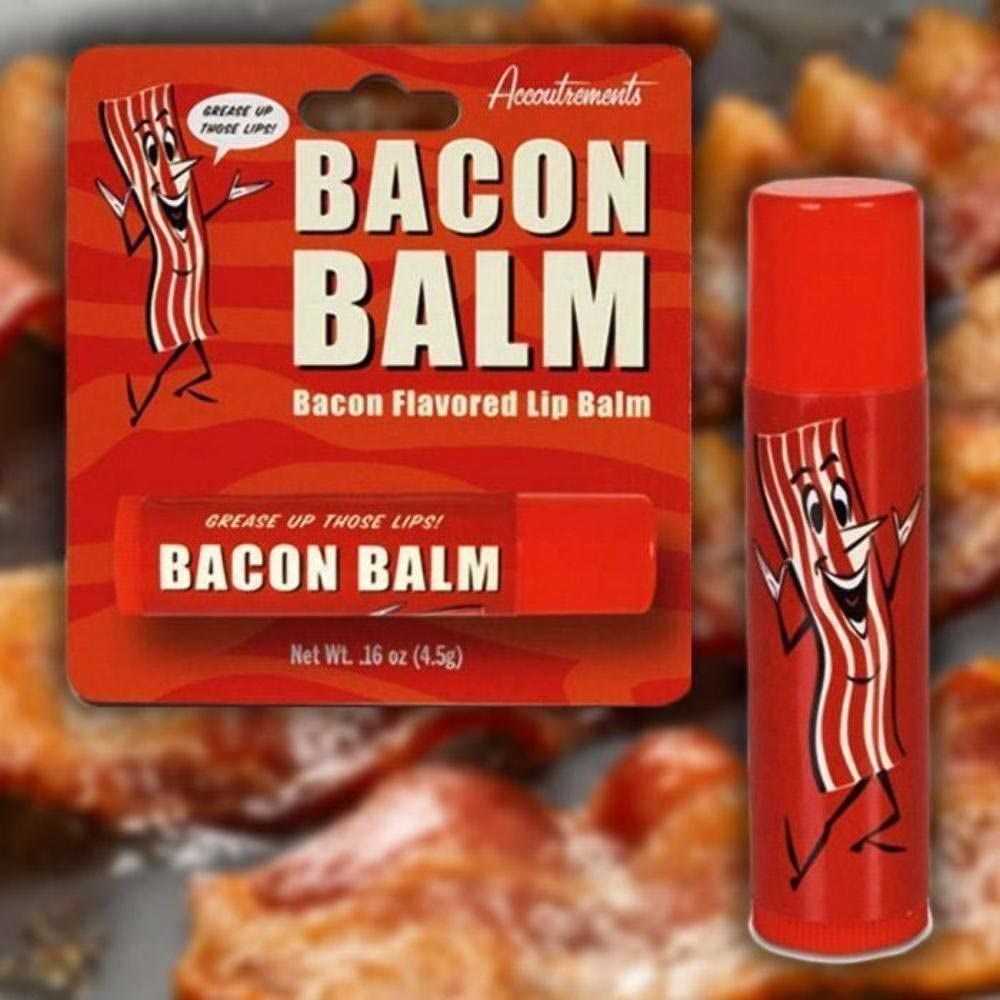
Bacon Lip Balm

Are your lips dry and chapped? Do you also love the taste of bacon and wish you could both smell and taste bacon all day long? Then oh boy, have we got the product for you. Yes, bacon-flavored lip balm. The perfect combination of things?

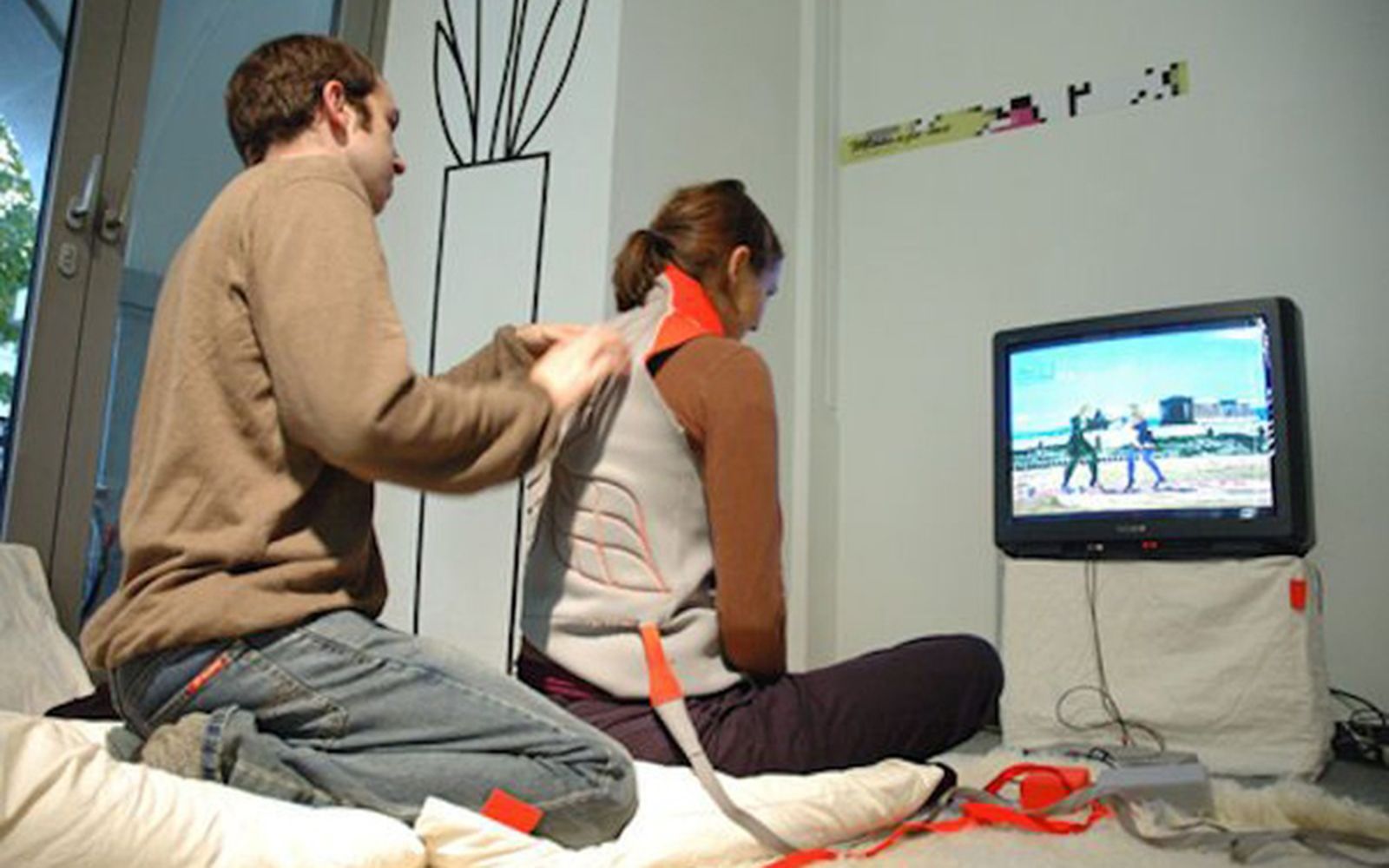
Massage Me

Designed to work with a PSOne gamepad, the Massage Me, was supposed to let couples enjoy gaming together. By playing the game one partner would be massaging the other as he or she controls the modified game controller.

The Fliz

One way to overcome the discomfort of a bike saddle and the unnatural motion of pedals is to add a harness to an over-frame with wheels. Obviously. This is probably ideal for downhill speeds and then you can just sort of run like a toddler when on level ground. How this isn’t on every street yet is beyond us.

Nose Stylus

Designer Dominic Wilcox came up with the Nose Stylus idea as a means to make multi-tasking even more effective. Looks were obviously less of a consideration, or perhaps he just really liked Clockwork Orange.

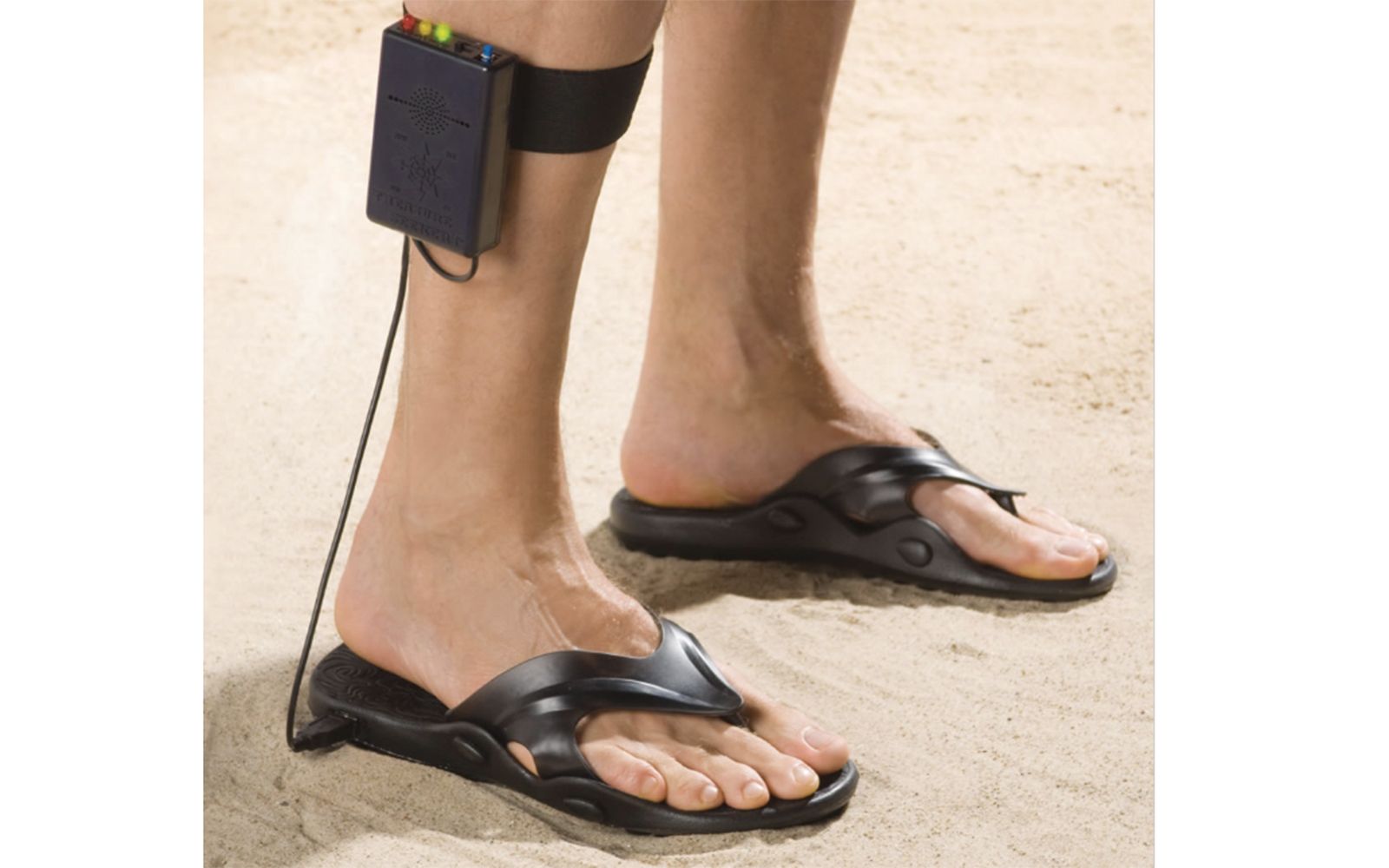
Metal Detector Sandals

If you’re already walking along the beach, why not have your footwear search for treasure for you? That must be the idea behind these.

Doryu 2-16 Camera

This camera, from Doryu Camera Company, was created in 1954 as a police issue snapper that not only looked like a weapon but actually made a loud noise like a gun. Ahead of the game on police camera filming on the job, clearly. These are now really rare and one sold at auction for $25,000.

Inner Selfie Stick

Not showing a picture of this!

This could be the grossest invention of all time. We don’t even want to write words, you get the idea.

Vibrating jeans

If you cannot get enough of notifications and love the feeling of your pocket vibrating every time your phone gets an alert, then good news! These jeans and jean shorts are designed to vibrate when your phone does, for leg based thrills.

Ice Cream Cone Rotator

Licking ice cream is a real hassle, isn’t it? Not any more thanks to the rotating cone that will move the ice cream so you can leave your tongue in one place – saving valuable calories.

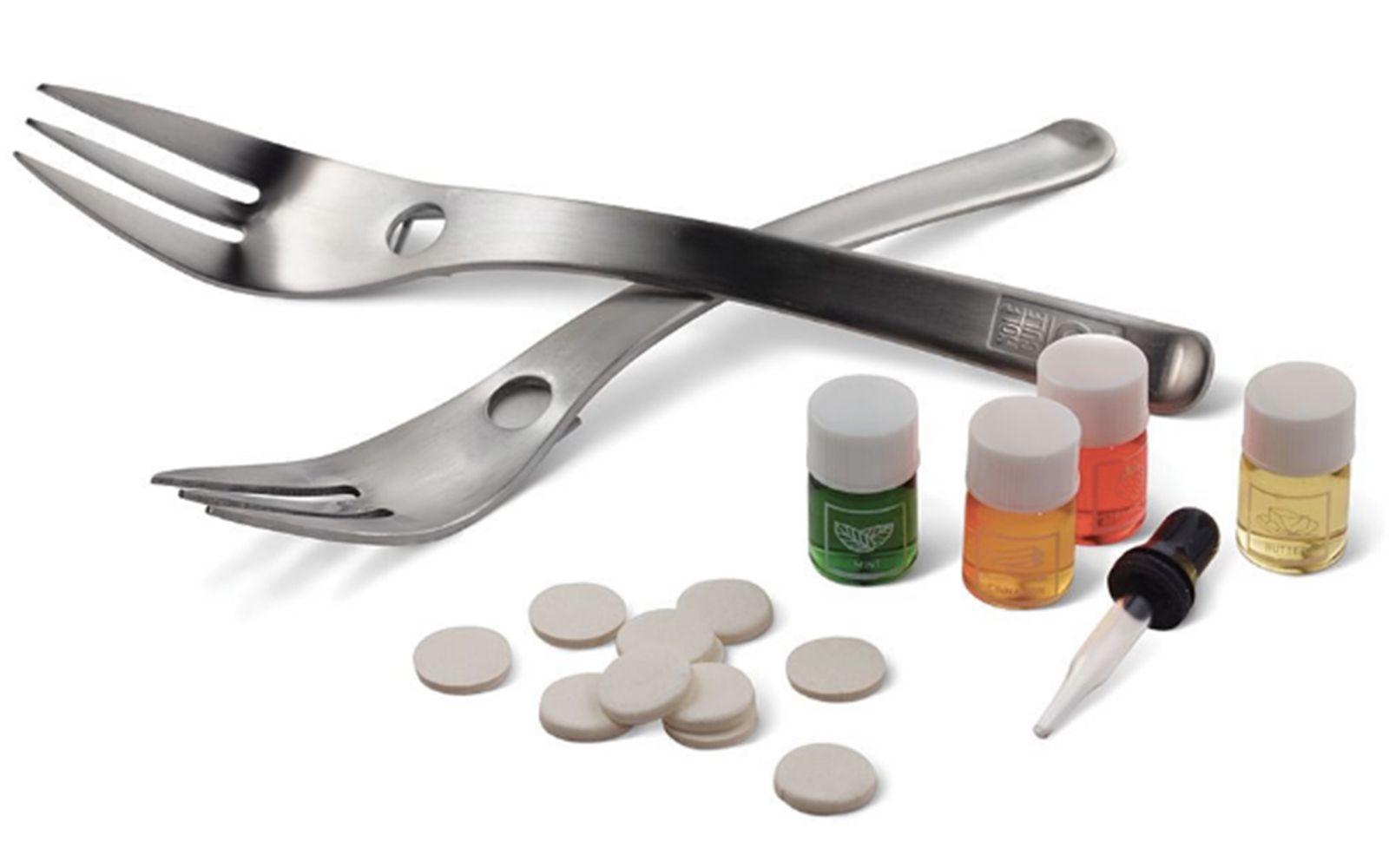
Taste Enhancing Forks

These are taste-enhancing forks, which use scent to add a bit more to the sensation of eating. Perhaps these are for those that really can’t cook?

Beauty And The Geek Keyboard Jeans

Dutch design student Erik de Nijs must hate carrying his keyboard around. So, rather than use a laptop, he’s integrated a keyboard into his jeans. But not only that, these have a speaker and mouse too. These will set you back £250 for that particular look.

Pao Fit

This device might look like an ancient torture device but it’s actually designed to work on your face fitness. The muscle toning device has even been endorsed by Christiano Ronaldo for his many Japanese fans.

Baby Mop

Your baby is already crawling all over the floor, why not put it to work? This onesie acts like a giant cleaning rag letting your little one learn the value of a day’s hard work from a very, very young age.

MyFreeble

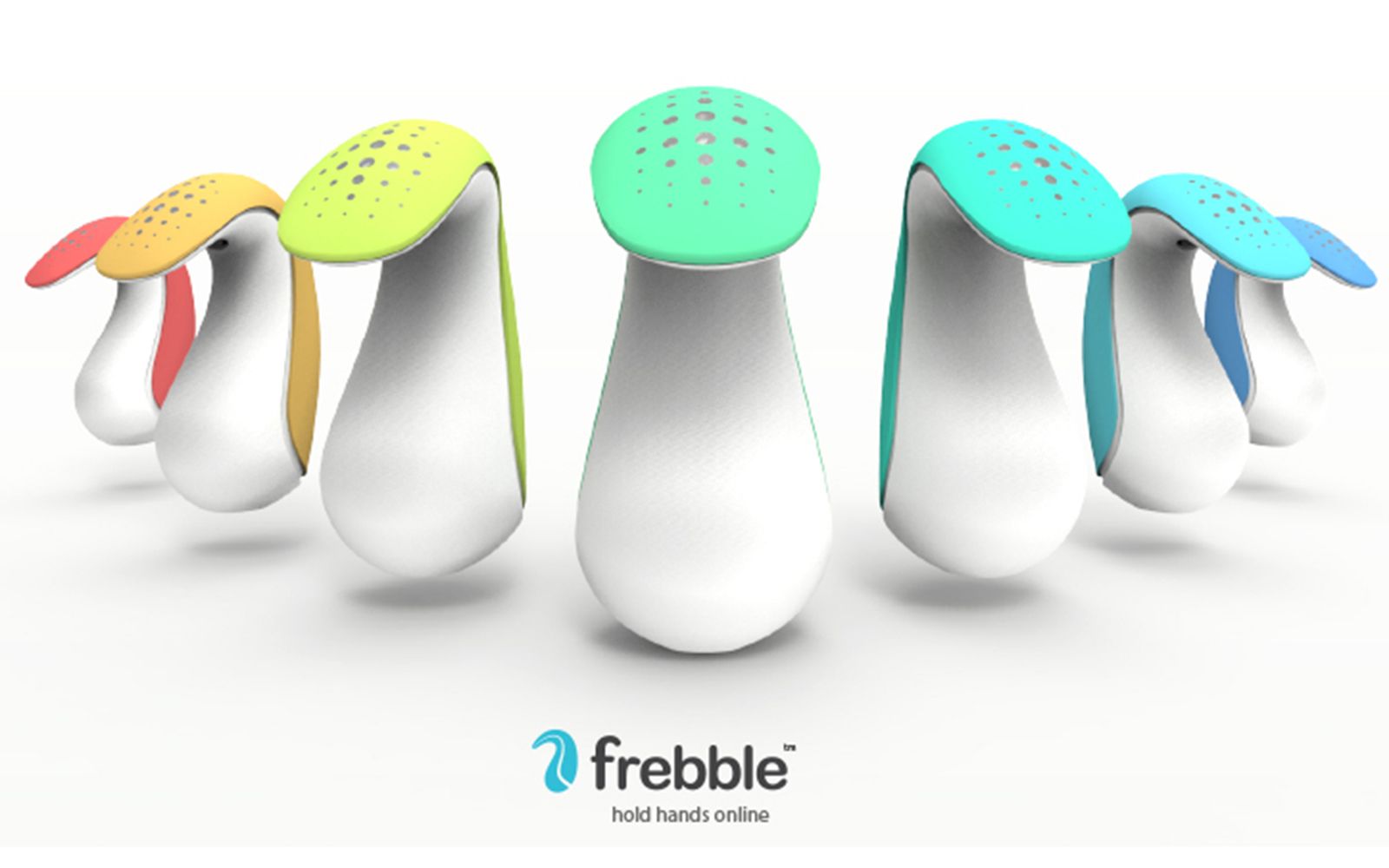
Hold hands across the world. This odd little guy mimics the hand holding across an internet connection. You squeeze yours and the person on the other end feels theirs change like you’re there holding their hand. That’s not depressing at all.

Cutting Board Bird Feeder

Don’t waste crumbs, feed them directly to the birds. This cutting board vents off the crumbs so you don’t have to clear them away, the birds will do that for you. Good luck pumping that outside though.

Hamster Shredder

This is actually quite a good idea. The hamster runs on its wheel, which powers the shredder which turns your old documents into hamster bedding.

Sonic Grenade

This product was $15 on Firebox before being discontinued. We can imagine why. It’s a noise grenade that could be the most annoying thing in the world.

Pet Shower Curtain

Getting wet while cleaning an animal can be troublesome. So why not encase yourself in something that a murderer would wear while cleaning up a fresh kill? Now you no longer need to worry about getting wet when your dog shakes itself dry.

SOURCE: PocketLint

Narcissus

Paperwhites (Narcissus papyraceus) are flowering bulbs known for their fragrant clusters of tiny white, yellow, or orange flowers. The narcissus genus also includes daffodils and jonquils. You can force paperwhites to bloom indoors in the winter anywhere, or plant bulbs outdoors in fall to grow as a spring perennial in certain regions. Forced bulbs planted in pots or in water-filled vases are a traditional holiday gift plant. Here’s how to grow paperwhite flowers in your home or garden.

Paperwhite Flower Care

Give paperwhites direct light before they bloom, then move them to a spot with indirect light.

Plant paperwhite bulbs in a well-drained potting mix or grow them in water using pebbles or gravel.

Water potted paperwhites when the top inch of soil has dried out.

Skip fertilizing if forcing paperwhite bulbs indoors.

Light

For forced paperwhites in winter, start with bulbs in a place with bright, direct sunlight, such as a south-facing window. When plants begin to bloom, move them to a cool place with indirect light. This will help extend the bloom period. Paperwhite bulbs planted outdoors in warm regions can grow well in full sun or part shade.

Soil

You can force paperwhite bulbs by planting them in a typical plant pot with drainage holes using a standard houseplant potting mix. Leave the top of the bulbs above the soil line. You can also force bulbs by placing them in a glass vase or dish filled with one to two inches of clean pebbles or gravel. Place bulbs on top of the stones, then add more stones over and around the bulbs to hold them in place with the tops still visible. Add water just to the base of the bulbs so the roots are submerged.

Water

Water potted indoor paperwhites when the top inch or so of soil has dried out. If forcing paperwhite flowers in water, add water as needed to maintain the water level at the base of the bulbs.

Temperature and Humidity

Once paperwhites flower, cooler temperatures will help preserve blooms. Move plants to the coolest place in your home with indirect light after flowers appear. Paperwhite bulbs don’t require a chilling period the way some other bulbs do. However, these Mediterranean native plants require hot, dry summers to bloom repeatedly as outdoor perennials. Gardeners in states like California, New Mexico, and Texas tend to have the most success with planting paperwhite bulbs outdoors for this reason.

Fertilizer

There’s no need to fertilize forced paperwhite bulbs, since this growing process is designed to be used for only one bloom period. For bulbs planted outdoors in appropriate regions, while it is possible to plant forced paperwhite bulbs outdoors after they flower, it may take plants a few years to replenish their energy stores enough to flower again.

Types of Paperwhites

‘Ziva’: This popular variety is valued for its prolific, pure-white flowers and musky aroma.

‘Ariel’: A more compact paperwhite, ‘Ariel’ is known for its early blooms.

‘Chinese Sacred Lily’: This cultivar native to China has flowers with buttery-yellow cups against white petals and a citrusy scent.

‘Grand Soleil d’Or’: Though you’ll wait longer for blooms, this fragrant variety pops with cheery yellow petals centered around orange cups.

‘Nir’: An early-blooming, all-white cultivar with even more flowers per stem than ‘Ziva’.

SOURCE: THE SPRUCE