Pheasant

From: Animals.net:

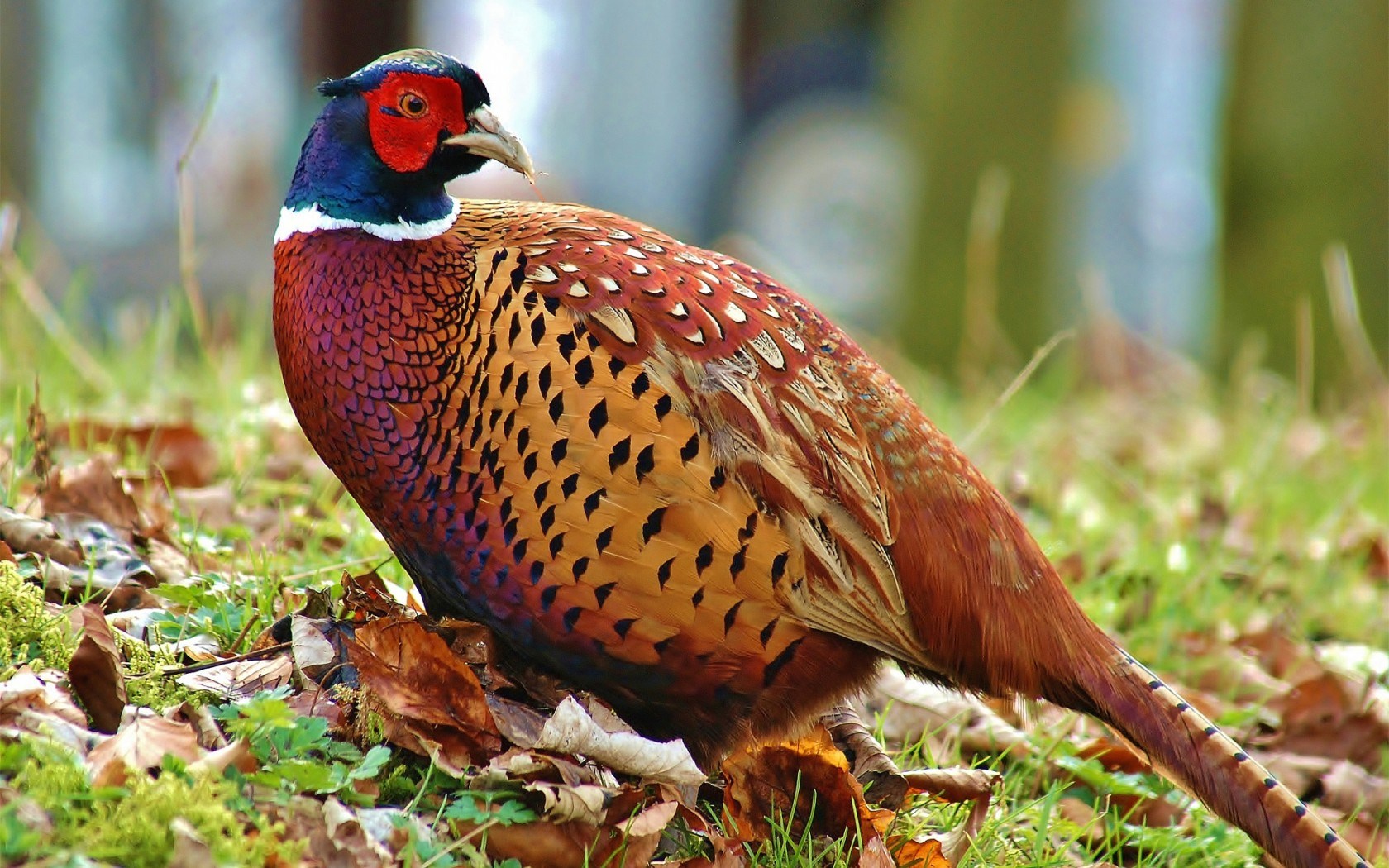
The Pheasant comprises a large group of birds in the Phasianidae family. Their closest relatives are the partridge, quail, grouse, turkey, and more. Within the family, these birds make up the entire subfamily Phasianinae. Researchers recognize at least 39 different species of these birds, including the Common Pheasant, Golden Pheasant, Argus, and more.

Description of the Pheasant

Many species of these birds are brightly colored, with iridescent plumage, or feathers. Their coloration varies from grey, brown, tan, white, and black, to red, yellow, green, blue, and more. The males are usually more brightly colored than the females. Most of these birds are relatively large and have long tails. They usually measure between one and three feet long, including their tails, and weigh between one and five pounds.

Interesting Facts About the Pheasant

There are so many different species of these birds that it’s difficult to pick just a few unique traits. Learn more about some specific species and what makes them unique below.

Common Pheasant – The Common Pheasant is, well, common. They live throughout much of the northern hemisphere, including North America and Eurasia. However, their natural range is much smaller. Commons actually hail from several regions in Asia. Humans introduced them into North America and Europe so that they could hunt them.

Green Pheasant – This species is a close relative of the Common. They are so named because males have iridescent green feathers on their bodies. This flashy bird has a bright red face and is easily recognizable. The Green is Japan’s national bird.

Lady Amherst’s Pheasant – As these birds go, Lady Amherst’s is uniquely colored. Males have black and white striped feathers running off their heads and down their tails. They also have shiny blue-green feathers on their bodies and wings, a yellow “saddle patch” above their tails, and splashes of red thrown in here and there.

Crested Fireback – The crested fireback has a plume of dark feathers that grow from the top of its bright blue head. The feathers on its back, directly above its tail, are dark red. Combined with its yellow tail, this coloration gives this species the appearance that its back is on fire.

Habitat of the Pheasant

This group of birds lives in a variety of different habitats. Different species have different habitat preferences, and some Pheasants inhabit just a few types of habitats while others live in nearly any. Some of the different ecosystems that they occupy include rainforests, scrubland, meadows, mountainous regions, forest edges, woodlands, and more. Depending on the species, some also live in more urban areas, like farms, pastures, and agricultural areas.

Distribution of the Pheasant

Each Pheasant has its own unique distribution. Some live across an incredibly wide range, while others only inhabit a small region. Still others originally lived in a smaller area, but humans introduced them to different places. Most of these birds naturally range through various parts of Asia, but humans have spread different species to North America, Europe, Australia, and more. Some people also keep certain species on farms or in zoos.

Diet of the Pheasant

Most Pheasants are omnivores, which means that they eat both plants and animals. However, each species’ diet varies slightly. Some species eat mostly seeds and fruits while others feed more heavily on insects and invertebrates. A few of the different plant parts that they eat include berries, seeds, nuts, fruits, roots, bulbs, grains, shoots, and more. They also hunt for many different types of insects and invertebrates, like grasshoppers, spiders, worms, insect larvae, snails, caterpillars, and more.

Pheasant and Human Interaction

Though human impact and interaction varies from species to species, many of these birds are popular gamebirds. This means that people like to hunt them for their meat and feathers. In fact, this is why people introduced several species across the world. In their natural ranges, people have driven some Pheasants towards potential extinction. The threats that people pose typically include habitat destruction, hunting, and egg collection.

Domestication

You can consider some species of these birds to be semi-domesticated. People do farm and breed several species, and the Common species is particularly popular for this purpose. Farm-bred birds come in a variety of different colors.

Does the Pheasant Make a Good Pet

Some Pheasants do make good pets, but only for the right type of home. If you live on a farm, you could own one as a pet if you’d like. However, it is important to know that only some species are legal to own as pets, and it is only legal to keep gamebirds in certain areas.

Pheasant Care

In zoos and on farms, these birds need large enclosures with secure fencing to protect them from predators. They primarily walk on the ground, but they can fly, so their enclosures should provide space for them to fly safely if frightened. Pheasants do particularly well in aviary-style enclosures with plenty of space and shrubbery for them to hide in. Zookeepers and farmers vary their diet based on the species, but most of these birds eat a combination of seeds, insects, and pelleted insectivore feed.

SOURCE: ANIMALS.NET

Virginia State Flower: Dogwood

Virginia’s history dates back to 1492 when Christopher Columbus made his first voyage to America. The name Virginia was given to the original Colony of Virginia and was derived from the Latin word “virga” meaning “rod”, or “staff”. Virginia’s historical background is rich in architecture, music, dance and cuisine. Virginia is also known for its beautiful wildflowers. In spring and summer, the fields and woodland hillsides are filled with beautiful wild azalea, dogwood, and bluebells. Out of all the flowers of Virginia, dogwood is the most important.

Virginia State Flower – Dogwood Flower

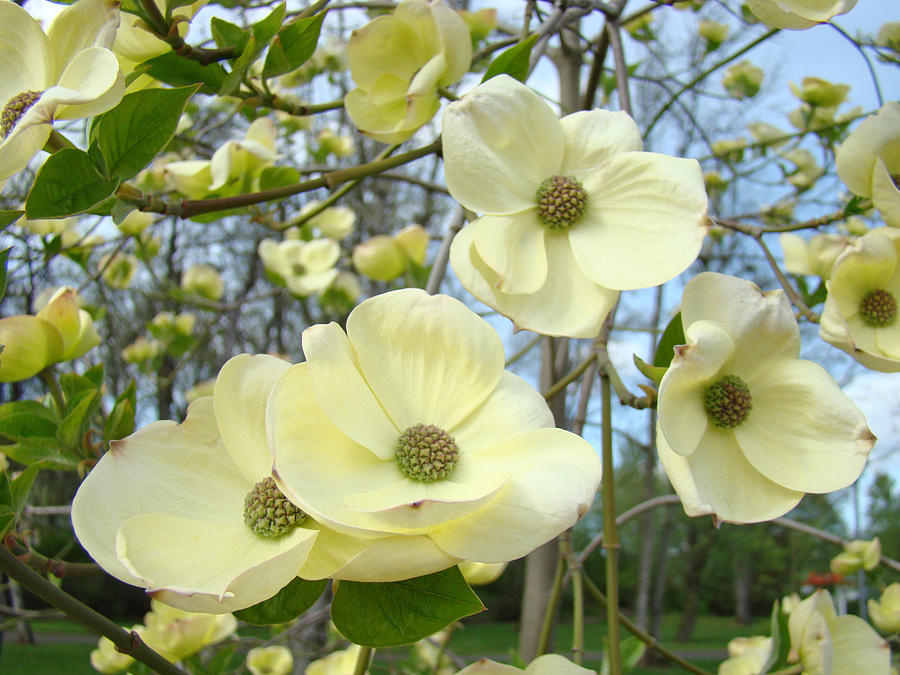
The dogwood flower tree has been the symbol of Virginia since 1903. The flowering dogwood is a native shrub that grows in all the states, but it is most commonly found in the South. The state flower of Virginia is the dogwood and can be seen growing along highways and in yards across the state.

Dogwoods are native to North America, with an estimated 15 species growing throughout the U.S and Canada. The flowering dogwood of Virginia is a small deciduous tree that typically grows 15 to 20 feet tall. The dogwood blooms in early to mid-spring, and again in late spring or early summer when the leaves are fully expanded.

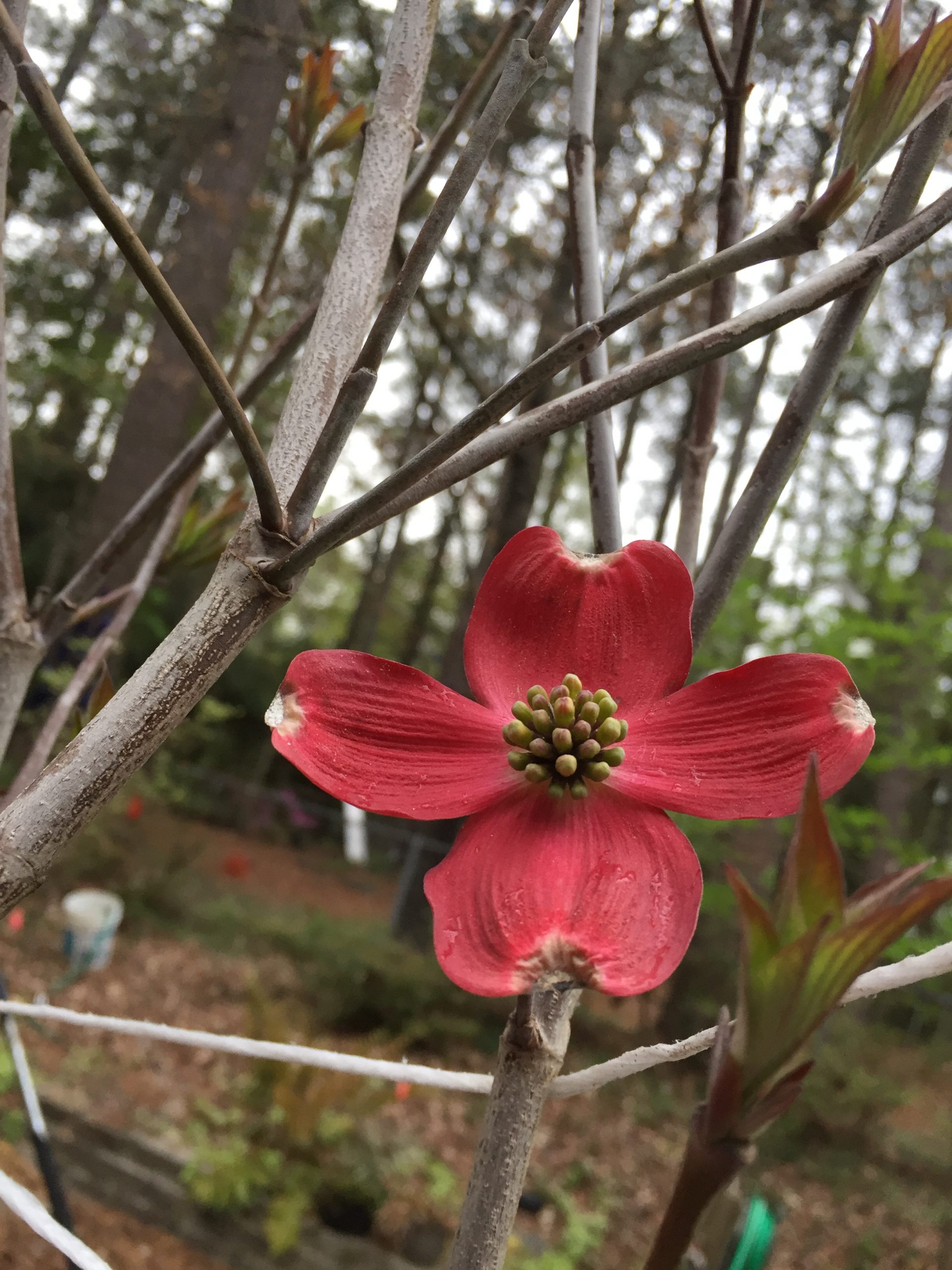
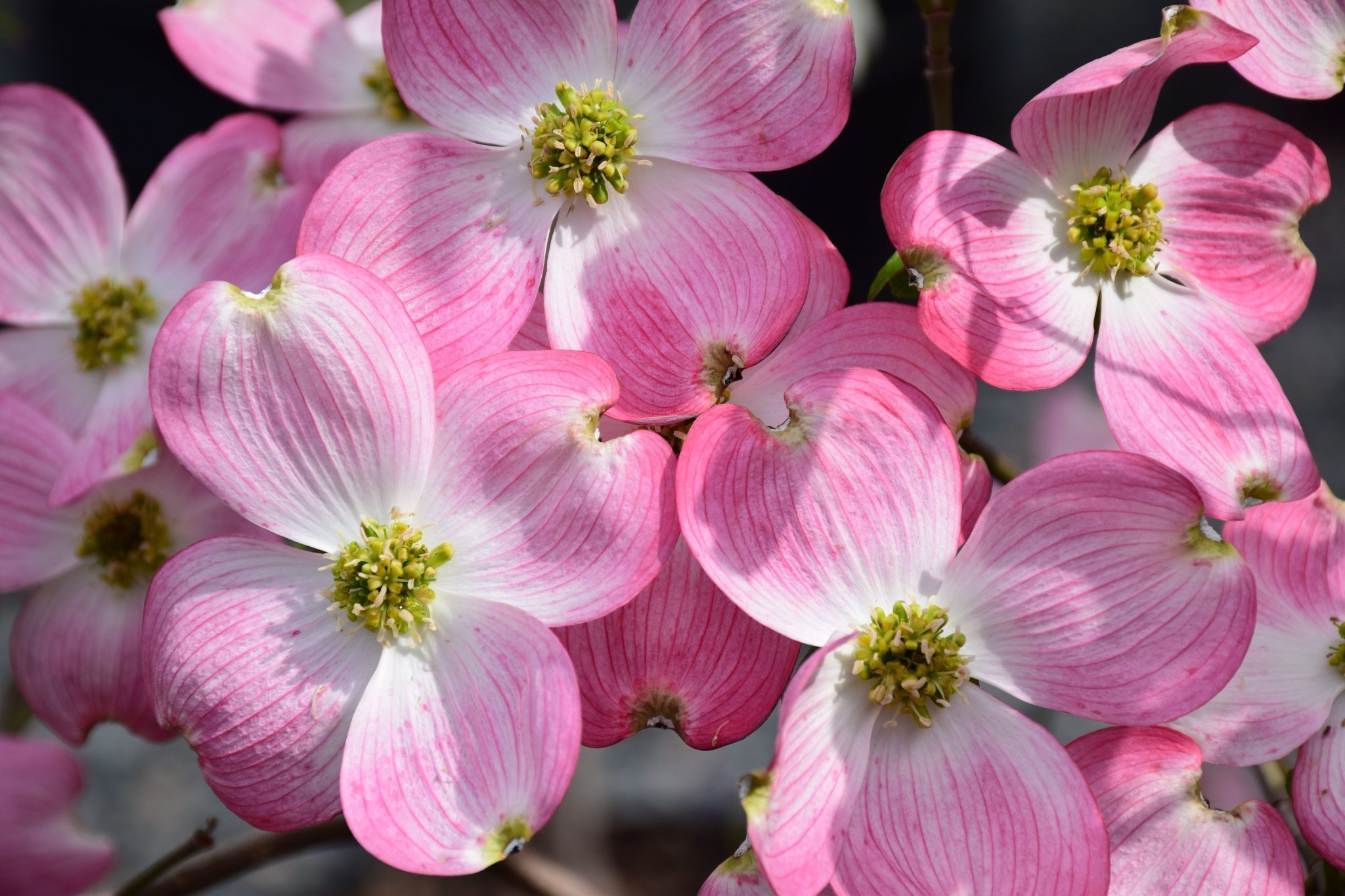
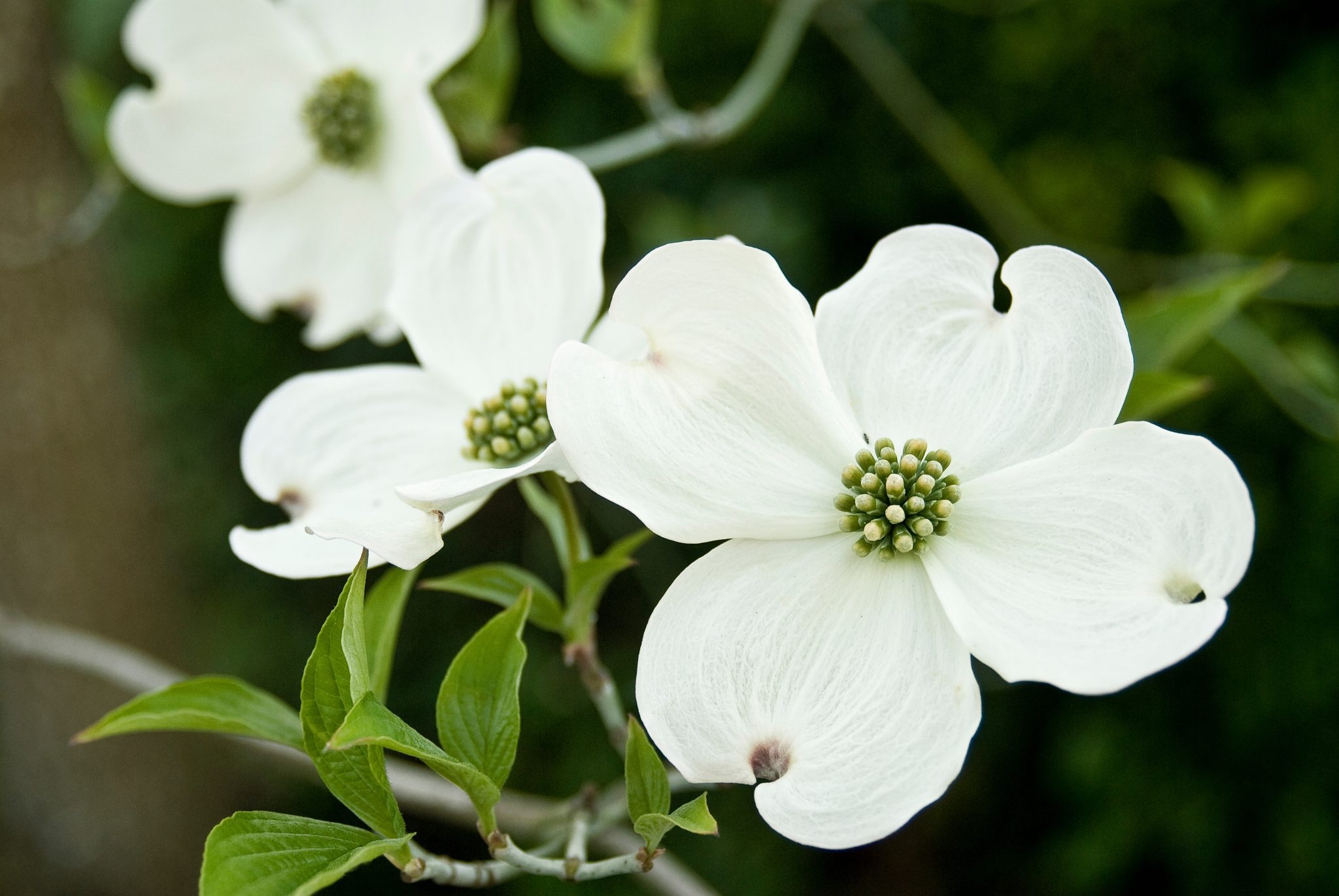
The dogwood is also known as Cornus Florida or C. alba. Its name comes from its resemblance to a small dachshund because of the long white bracts surrounding each petal which resemble legs. The colorful bracts may be white, red, pink, or yellow. The tiny flowers are a prominent part of the display and have a “clustered cross” shape that is especially notable in the red variety. The four petals commemorate the cross of the crucifixion, and the inner ring of large white and smaller yellow petals represents a crown of thorns. Each flower has up to five petals, which are each 1 to 2 inches long. Its leaves are a glossy green and grow to 5 inches long.

Dogwood Flower Meaning and Symbolism

The flowering dogwood symbolizes spring in the state of Virginia when the trees begin to blossom. As the blooms fall away and leaves emerge, white berries turn red and then fall to the ground. They are also a symbol of patriotism, courage, and victory.

Dogwood flowers come in a wide range of colors, but the three most common are white, pink, and red. These beautiful trees can be planted anywhere, even in a dark corner where they can make an impact with their vibrant colors.

According to tradition, the meaning of various colors of dogwood differs depending on what they represent.

1.Red dogwoods represent love.

2.Pink dogwood flowers mean friendship.

3.White dogwood blossoms symbolize heaven.

4.Yellow dogwood flowers mean purity.

What Shall We Bake Today?

Our next turkey cookie uses less chocolate and uses peanut butter cookies!

Ingredients 

Cookie

1-17.5 oz. pkg sugar cookie mix

1/2 cup butter, {softened}

1 egg

Toppings

24 mini Nutter Butter Cookies

48 edible eyeballs

24 yellow candy coated sunflower seeds

24 red long sprinkles

120 candy corn candies

1 can white frosting

Instructions 

Preheat the oven to 350 degrees.

Cookies

Combine the sugar cookie mix, butter and egg in a medium bowl until you have a soft dough. Use a medium cookie scoop and scoop 12 mounds of dough onto a silicone mat {or parchment} lined baking sheet. Bake for 8-10 minutes or until cookies are cooked through. Remove from oven and cool completely on cookie sheet.

Assembly

Apply frosting to the back of a mini Nutter Butter Cookie and place frosting side down on top of sugar cookie on the bottom half. We want to be sure and leave enough room for the candy corn feathers.

Add to small spots of frosting on the top of the Nutter Butter for the eyes. Place two edible eyeballs on the frosting and press down slightly.

Add another spot of frosting in the middle and below the eyeballs for the beak. Add the candy coated sunflower seed on the frosting.

For the wattle, take a longer red sprinkle. Add a little frosting to the top/side of the sprinkle and attach it to the side of the beak.

Finally, add five candy corn to each cookie. Make a fan shape above the Nutter Butter head being sure to add enough frosting that they will stay in place.

Allow the frosting to set up before stacking the cookies.

ENJOY!

Happy National Indiana Day!

(I would have scheduled this for the 11th, but Veteran’s Day is more important in my opinion.)

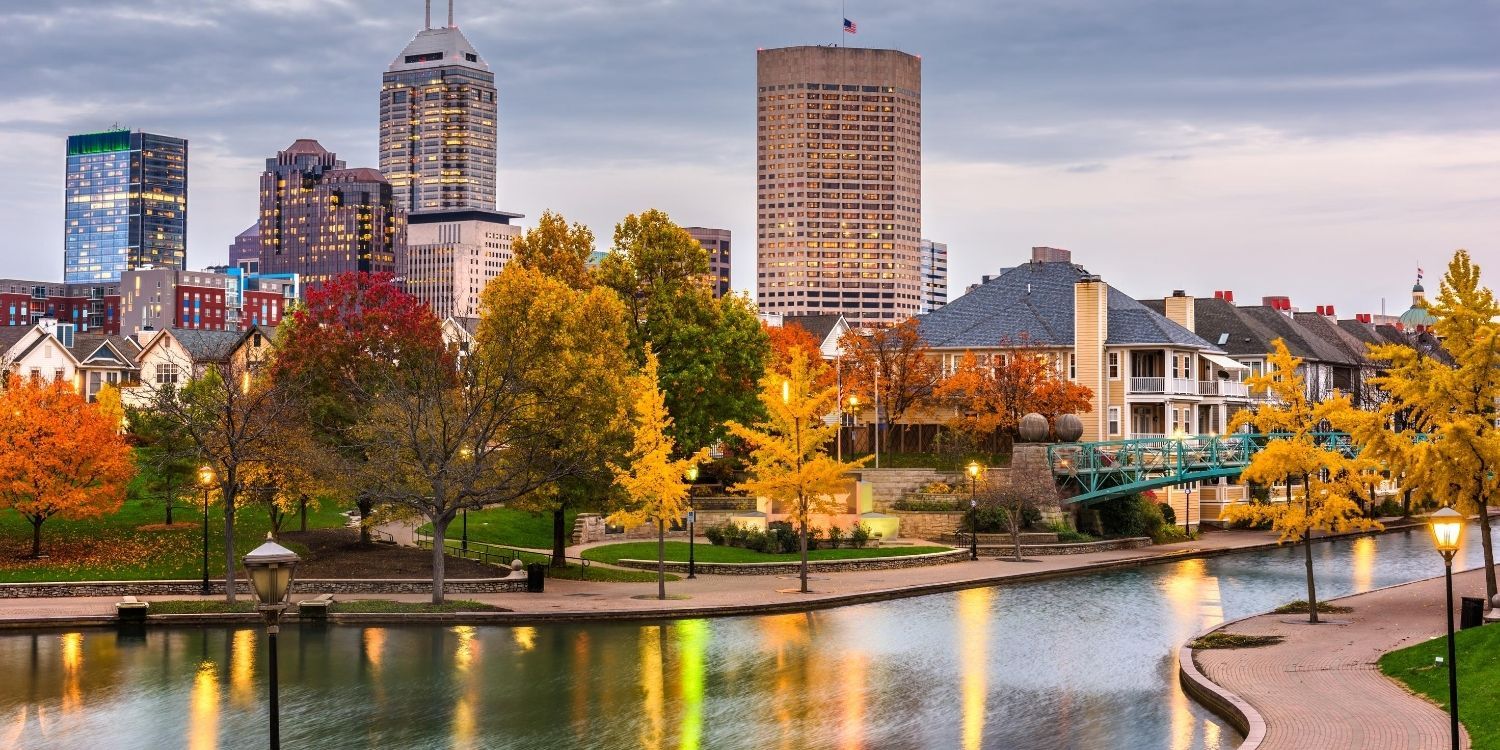
November 11 is annually observed as National Indiana Day, and we are here to help make it a delight. Indiana ranks seventeenth in population and thirty-eighth in area within the United States of America. The state of Indiana is home to numerous industrialists, entertainment professionals, laborers, and farmers, with Indianapolis serving as its capital. National Indiana Day was established to honor the state of Indiana and its indigenous people, the “Hoosiers.” It is a day to honor their accomplishments and positive attitude.

National Indiana Day 2023: History

It is believed that the Paleo-Indians were the first to settle in Indiana in 8000 B.C., when the glaciers began to melt during the final phases of the Ice Age. Numerous implements and weaponry unearthed in 5000 B.C. during the Archaic Period are believed to have been manufactured by the ancient Indiana civilization.

During the 1500s, when Europeans first settled in the Americas, substantial human settlements had already formed. French exploration began in the 1600s, and trading facilities were established by the 1700s. Beginning in the 1760s, the French-Indian War ensued. The French Canadians were on the side of the indigenous nations of Indiana. In 1763, the British defeated the enemy. Following the American Revolution in 1783, the Northwest Territory, subsequently referred to as Indiana, was delineated by the United States.

Indiana exerted significant influence throughout the Civil War by enlisting more than 7,000 soldiers in the Union Army. In Indiana, numerous new industries emerged in the postwar period. The prominence of industries such as industrial machinery, agriculture, and mining increased. Steel and pharmaceutical companies proliferated throughout Indiana following World War II.

Today, Indiana is regarded as a center of culture. Literary works such as “The Gentleman from Indiana” and “The Hoosier Schoolmaster” serve as reflections of the socio-cultural milieu that molds the state of Indiana. Additionally, Indiana is renowned for its football, basketball, and NASCAR programs. The State has constructed an extensive system of railways, seaports, and roads. In addition to being the birthplace of numerous renowned politicians, musicians, and poets, Indiana is renowned for its “Hoosier hospitality.” The purpose of National Indiana Day is to honor the state of Indiana and its citizens.

History, 5 Facts About Indiana

It hosts its largest race events.

Indiana is renowned for hosting one of the world’s largest racing competitions.

From “who’s here” emerged the word “hoosier.”

The etymology of the name Hoosier is allegedly derived from the proverb “who’s here” spoken with an accent from Indiana.

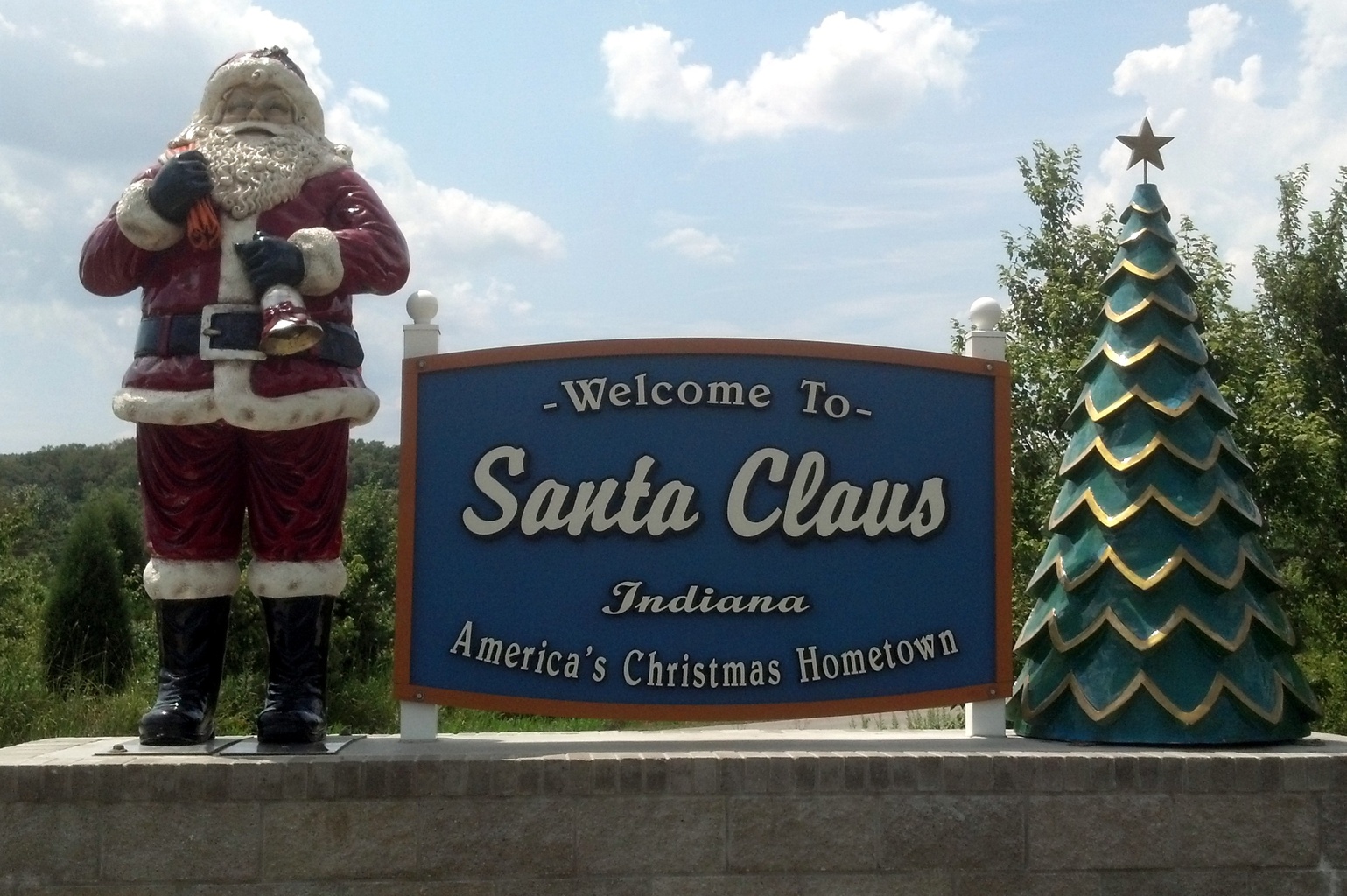
Santa Claus is a municipality.

Santa Claus is the name of an Indiana municipality.

The birthplace of baseball was Indiana.

In 1871, the inaugural baseball contest was conducted in Indiana.

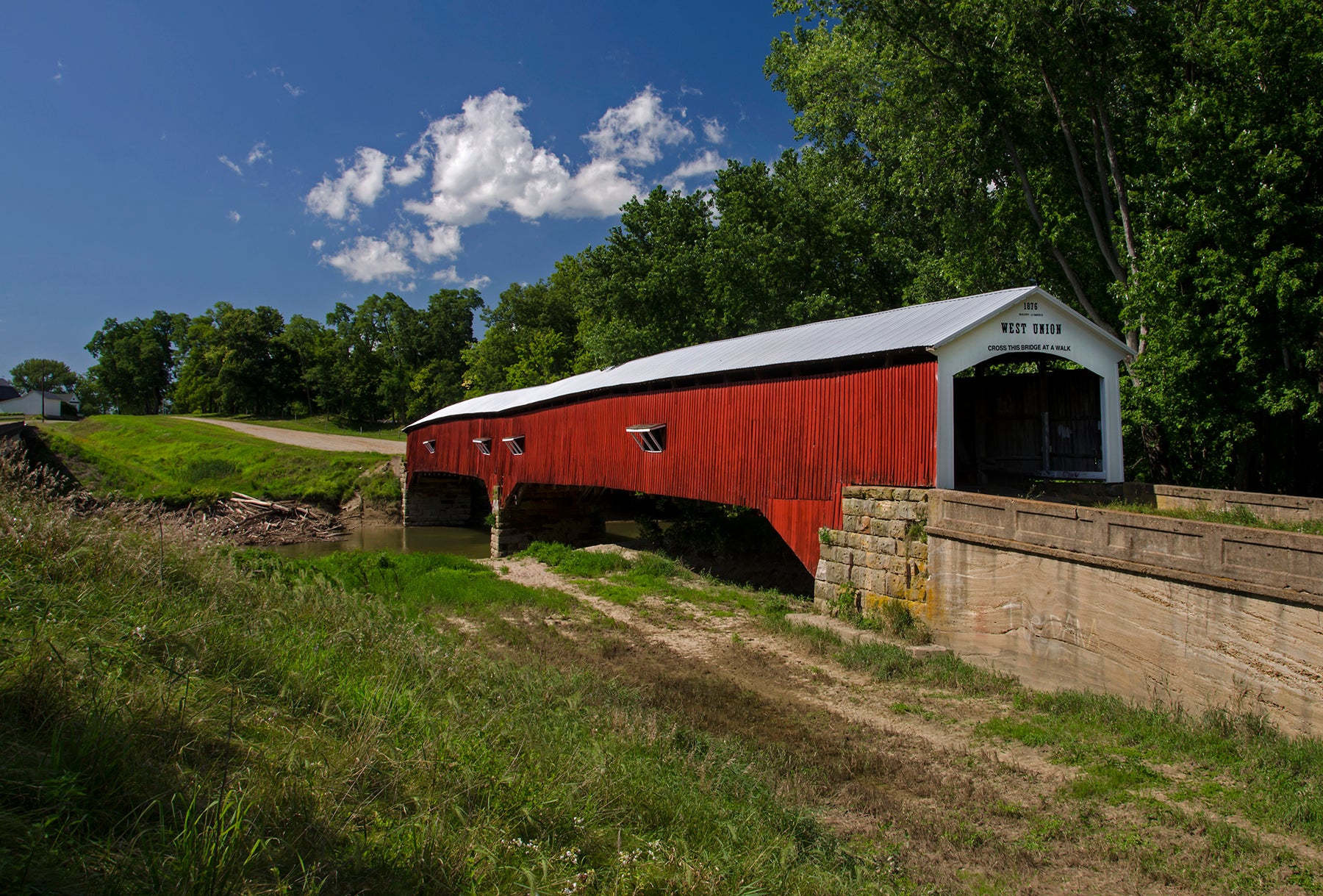
There are numerous covered bridges.

Indiana is reputed to have the greatest number of covered bridges and is considered the capital of covered bridges.

Gunpowder and Lead

Today is Miranda Lambert’s birthday (born in 1983) and one of my favorite songs of hers is Gunpowder and Lead.

“Gunpowder & Lead”

County road 233, under my feet
Nothing on this white rock but little ol’ me
I’ve got two miles ’til he makes bail
And if I’m right, we’re headed straight for hell

I’m going home, gonna load my shotgun
Wait by the door and light a cigarette
If he wants a fight, well, now he’s got one
And he ain’t seen me crazy yet
He slapped my face and he shook me like a rag doll
Don’t that sound like a real man?
I’m gonna show him what little girls are made of
Gunpowder and lead

Well, it’s half past ten, another six-pack in
And I can feel the rumble like a cold black wind
He pulls in the drive, the gravel flies
He don’t know what’s waiting here this time

Hey, I’m going home, gonna load my shotgun
Wait by the door and light a cigarette
If he wants a fight, well, now he’s got one
And he ain’t seen me crazy yet
He slapped my face and he shook me like a rag doll
Don’t that sound like a real man?
I’m gonna show him what little girls are made of
Gunpowder and lead

His fist is big, but my gun’s bigger
He’ll find out when I pull the trigger

I’m going home, gonna load my shotgun
Wait by the door and light a cigarette
If he wants a fight, well, now he’s got one
And he ain’t seen me crazy yet
He slapped my face and he shook me like a rag doll
Don’t that sound like a real man?
I’m gonna show him what little girls are made of
Gunpowder and, gunpowder and lead
Gunpowder and lead, yeah, yeah, hey

Happy National Louisiana Day!

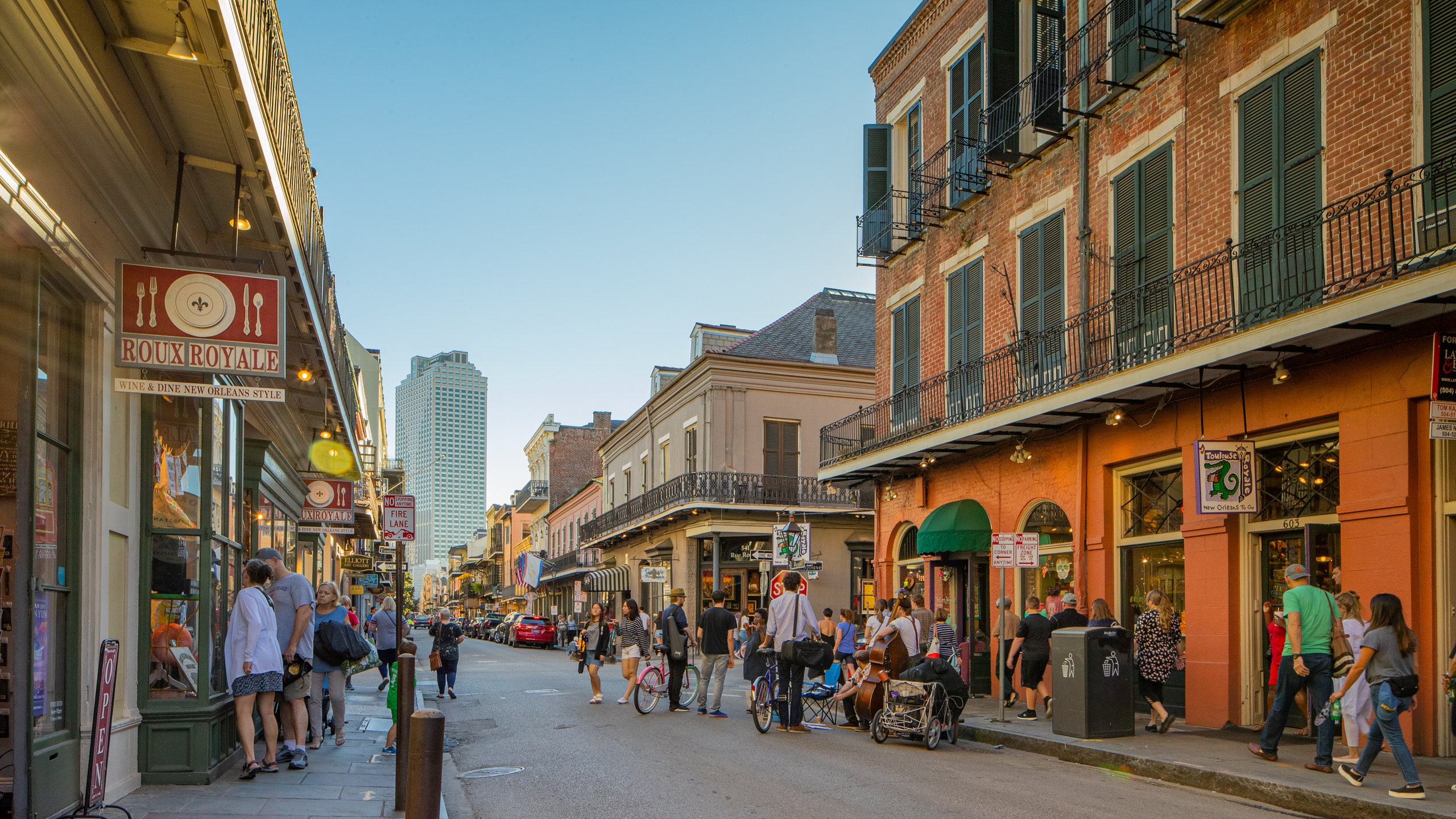
As National Louisiana Day approaches, there’s no better place to celebrate than the vibrant city of Baton Rouge. Recognized on November 9, National Louisiana Day is observed in celebration of our great state and all the wonderful things associated with it. Commonly known for its music, Creole culture, and delicious food, Louisiana is also known for being a melting pot of many different cultures. Here are some engaging ways to immerse yourself in the rich local culture and discover the best ways to celebrate in Baton Rouge!

Explore the State Capitol

Kick off your celebration with a visit to Baton Rouge. Louisiana was admitted into the Union on April 8, 1812, and Baton Rouge was incorporated shortly after in 1817. You can explore our state’s colorful history by visiting notable landmarks, such as the Old State Capitol, which now serves as the Museum of Political History. Or head to the tallest state capitol in the United States, where you can enjoy stunning views from the observation deck and fully appreciate the beauty of Baton Rouge. If you want to delve even further into the history of Louisiana, visit Capitol Park Museum to learn more about the diverse aspects of Louisiana history, industry, and culture.

Discover an Oyster Paradise

Here in Louisiana, our calendar revolves around which seafood is in season, and right now, it’s all about fresh, delicious oysters. Baton Rouge is brimming with spots that serve them up just right, just like Drago’s. Head to Jolie Pearl Oyster Bar for oysters prepared raw, fried, baked, Bienville, or in a Po’ Boy. At Phil’s Oyster Bar & Seafood Restaurant, try them raw, charbroiled, fried or also in a Po’ Boy. At DON’S Seafood, enjoy them raw, charbroiled, or as DON’S Original Jacked Up Oysters. No matter what spot you choose, any of these restaurants will make celebrating Louisiana’s seafood heritage a delicious experience.

Dive Into a Bowl of Gumbo

Visit one of Baton Rouge’s local restaurants, and dive into a steaming bowl of our state cuisine, gumbo! No celebration of Louisiana culture is complete without indulging in our iconic dish, commonly found on menus at restaurants throughout Baton Rouge. Try Dempsey’s, the reigning 2024 champ for best gumbo, or runner-ups Parrain’s Seafood Restaurant, The Chimes, and Mike Anderson’s. No matter where you go, you’ll find that what makes gumbo so special are the many ways it can be served and enjoyed. 

Enjoy a Beignet

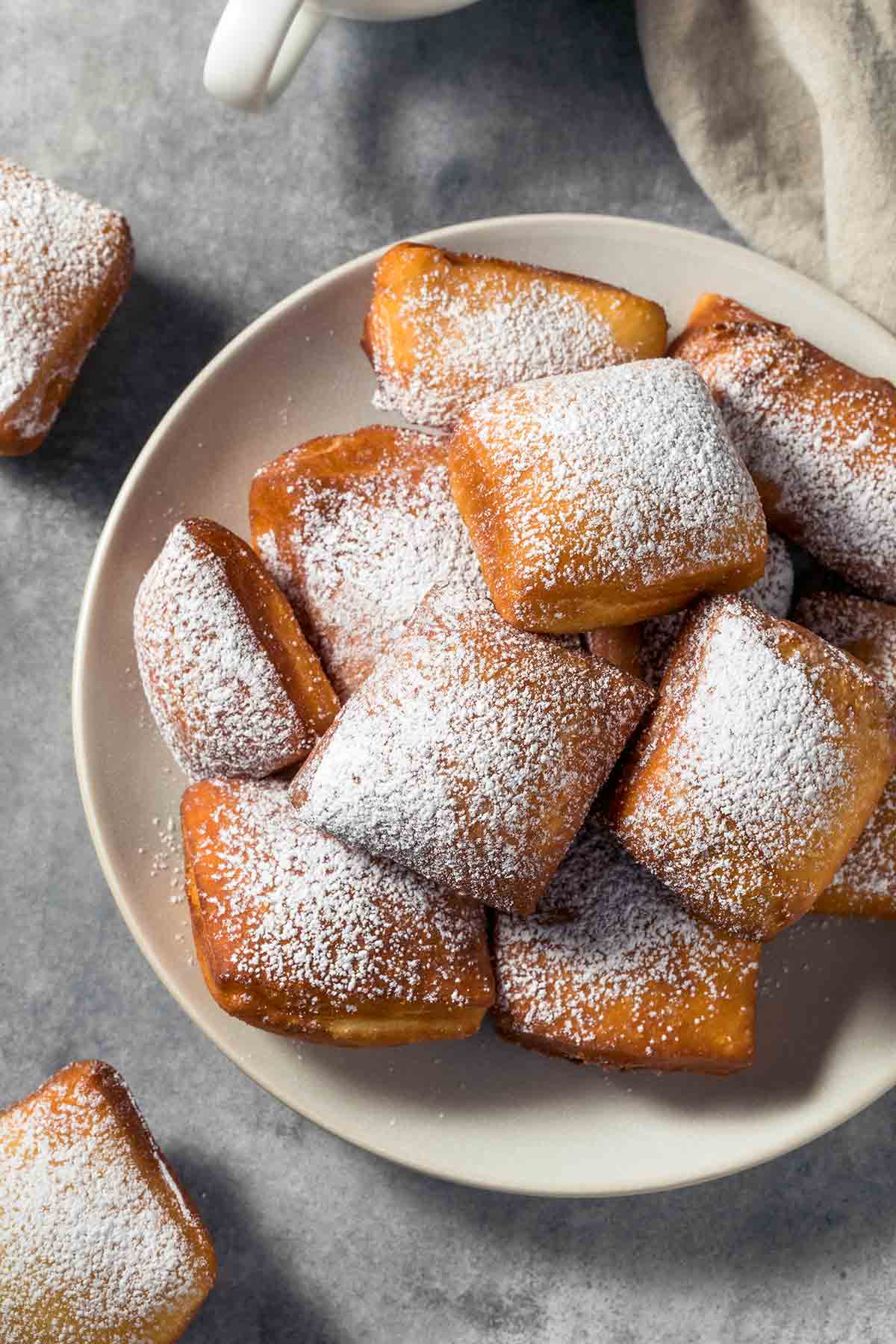
Treat yourself to a taste of Louisiana’s famous desserts! We would be remiss if we didn’t mention the state doughnut – the beignet! Beignets are French doughnuts that are deep-fried, creating a fluffy pastry that is then sprinkled with powdered sugar. If you’re looking to try the best, then Baton Rouge is the place for you – the best beignets can be found at local favorite, Coffee Call. It’s a delightful way to celebrate National Louisiana Day with a sugary twist!

Visit the Baton Rouge Zoo

Take off on a wildlife adventure at the Baton Rouge Zoo, where you can get to know all about the state animal — the American alligator — plus all of the other creatures that call the zoo home. As the first zoo in Louisiana to achieve the distinguished honor of being accredited by the Association of Zoos and Aquariums, the zoo is proud to be home to animals from around the world including tigers, black rhinos, flamingos, and giraffes. Before your visit, check their calendar to see what types of exhibits, educational programs, and interactive experiences they have on the schedule.

Feel the Blues

Baton Rouge has deep roots in the blues, with a history that stretches back to the early 20th century, shaped by legendary musicians like Slim Harpo and Lightnin’ Slim who helped put the city on the map as a blues hotspot. Today, you can still catch that soulful sound echoing through local venues like Phil Brady’s, the oldest blues bar in Baton Rouge, or visit Teddy’s Juke Joint, a one-of-a-kind spot that keeps the juke joint tradition going strong. And don’t forget to mark your calendars for spring when the Baton Rouge Blues Festival brings the city’s rich blues heritage to life in a big way!

SOURCE: VISITBATONROUGE.COM

Vermont State Animal: Morgan Horse

From Horsey Hooves:

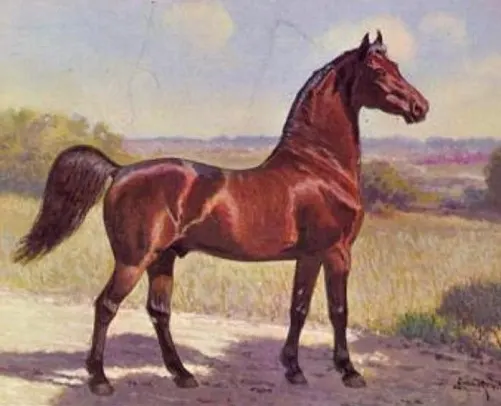
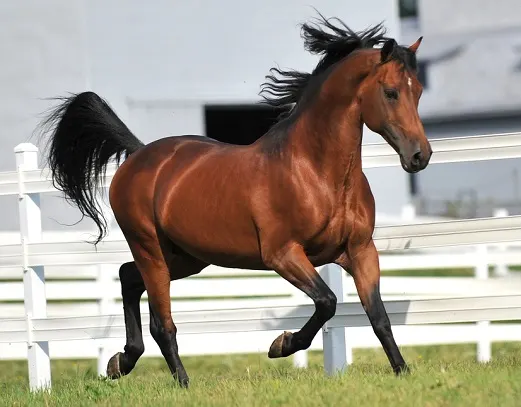
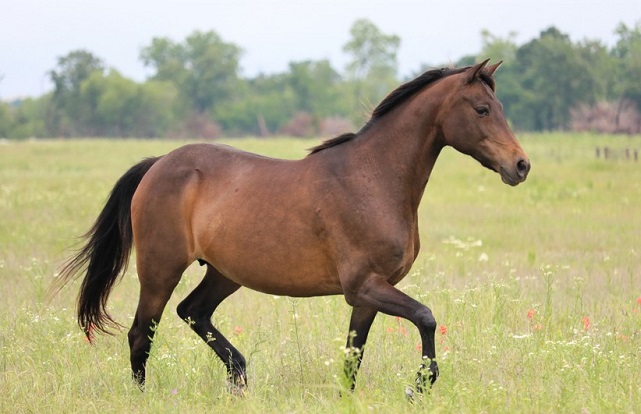
The Morgan horse is one of the earliest American horse breeds that still exist today. They are easy to recognize from their prominent eyes, arched necks, and graceful movement that captivates horse lovers around the world. Morgan horses are famous for their people-loving attitude, intelligence, and gentle nature. They have outstanding stamina and are extremely versatile, performing well in both English and Western disciplines.  Morgans are a popular choice for equine therapy, driving, and stock purposes. A typical Morgan stands between 14.1 and 15.2 hands at the withers, but some are outside this range. The most common colors in the breed are black, bay and chestnut, but many others are acceptable, including pinto.

Here are eleven facts about Morgan horses.

Morgan Horses Are One of the First Horse Breeds Developed in the Us

The Morgan horse is, in fact, the second native American horse breed. The first breed to develop in the United States was the now-extinct Narragansett Pacer. However, no existing American horse breed can trace its ancestry as far back as the Morgan horse.

The Morgan breed was an indispensable asset to Americans in the 19th century. Other than general riding, they worked as coach horses, partook in harness races, and were the go-to cavalry mounts in the American Civil War. Between 1906 and 1951, the US Department of Agriculture bred Morgan horses specifically for war.

The Morgan Horse Club, later called the American Morgan Horse Association (AMHA), was established in 1909. Prior to 1909, only horses deemed by Colonel Joseph Battell to be the descendants of Figure were regarded as Morgan horses (Source: AMHA). Many other breed registries followed in the next few decades, spread across the United States, Europe, and Oceania.

“The Horse That Chooses You”

Due to their remarkable ability to connect with people, the AMHA dubbed the Morgan horse “The Horse That Chooses You.” This phrase also serves as the registry’s slogan, and many enthusiasts use it to refer to the breed.

The Founding Sire of the Morgan Breed Is Figure

All Morgan horses today descend from one foundation sire called Figure. Figure was a stallion of unknown origins born in 1789 and given to Justin Morgan as debt payment. Recognizing the stallion’s unique ability to pass on his best traits, Justin Morgan used Figure to create a new breed. While his pedigree is not known, it is thought that Figure’s sire was a Thoroughbred stallion called True Briton. Moreover, his dam was likely a mare of Arabian and Barb breeding, according to the AMHA.

Figure was believed to be 14 hands tall, lightly built, and weighed around 1,000 pounds (450 kg). His owner, Justin Morgan, was a man of many professions. Born in 1747, he was a musician, horse breeder, and tavern keeper, among other things. Following his success with Figure, the stallion was named after him, and “Morgan” became the name of the new breed.

Interestingly, Figure only sired six known sons throughout his career as a stud. Three of his offspring went on to become prominent foundation stallions in the breed, namely Sherman, Bulrush, and Woodbury.  One of his sons, called Black Hawk, became a foundation sire for the American Saddlebred, Standardbred, and Tennessee Walking Horse breeds.

There Are Four Main Bloodlines Within the Morgan Breed

The four primary bloodlines in the Morgan breed are the Brunk, Lippitt, Government, and Western Working “families.” These bloodlines originate from breeding programs conducted in the 1800s and 1900s. Each of these families has slightly different traits, depending on which breeding program they descend from.

The Brunk family was started by horse breeder Joseph Brunk in Illinois. Horses from this family are renowned for their athleticism and soundness. They are well-muscled and slightly heavier built than their distant cousins.

The Lippitt breeding program was named after Robert Lippitt Knight, who maintained a high level of purity in his horses. Lippitt Morgans had no outside influence in the last century, and most bloodlines trace directly back to Figure. Lippitt Morgans are the rarest of the four bloodlines, with less than 1,000 horses in existence.

The horses of the Government family descend from the cavalry mounts bred by the USDA. In 1951, the University of Vermont took over the breeding program, purchasing most of the breeding stock. Morgans from this family are by far the most abundant in numbers.

The Western Working family is a collective category for Morgans that descend from working and stock horses. Many of these horses trace their ancestry to stallions from the Government family that were shipped to western states.

There Are Nearly 90,000 Registered Morgans Worldwide

According to the AMHA, there were around 89,000 registered Morgans in the world in 2015. As for the number of Morgan horses that exist worldwide, the grand total is estimated to be between 175,000 and 180,000. While the breed is most popular in the United States, larger Morgan populations exist in Sweden and the United Kingdom. By 2012, the AMHA has registered approximately 179,000 horses over its lifetime. Moreover, according to the United States Equestrian Federation, over 3,000 foals are registered with the association each year.

Morgans Have Influenced Many American Horse Breeds

Since Morgans were among the first horse breeds developed in the United States, it’s not surprising that they influenced many other American horse breeds. A few examples are the American Quarter Horse, Saddlebred, Standardbred, and the Tennessee Walking Horse. In the 19th and 20th centuries, the Morgan breed made its way around the world, further extending its influence. In England, for example, a Morgan stallion contributed to the developing Hackney horse.

The Morgan Horse Is a National Pride

When it comes to the Morgan horse, there is much to be proud of. These fine little horses are not only intelligent, but have proven their worth against larger and stronger horse breeds. Today, the Morgan horse is the state animal of not one, but two American states. In 1961, Vermont pronounced the Morgan their state animal, and Massachusetts did the same in 1970.

The Morgan Horse Appears in Literature and Film

The Morgan breed featured in the works of several children’s authors, including Ellen Feld and Marguerite Henry. Two books of Feld’s “Morgan Horse” series received awards from the Children’s Book Council and the International Reading Association. What’s more, Marguerite Henry’s “Justin Morgan Had a Horse” became a Newbery Honor Book in 1946. Even more exciting, the book was turned into a Disney movie in 1972. Although Henry’s story didn’t always stay true to historical facts and was misleading in certain aspects, critics say.

Morgan Horses Are Easy Keepers and Have Long Lives

The average lifespan of a Morgan horse is 20 to 30 years. It’s not unusual that Morgans live well into their 30s, making them one of the longest-living horse breeds in the world. There are very few genetic diseases in the breed, which contributes greatly to their long and healthy lives. Morgan Horses also keep well on a forage-only diet and require little to no grain. In fact, they are prone to becoming overweight if their diet is not monitored regularly.

Some Morgan Horses Are Gaited

While the Morgan isn’t a gaited breed, some horses can perform special gaits such as the pace, fox trot, or rack. Their pacing ability originates in the 19th century when Morgan Horses were popular in harness racing.  Breeders developed both trotting and pacing Morgans for competition, hence why some horses can pace today. Experts believe the gaited ability is not linked to any specific bloodlines and shows up spontaneously within the breed. It most likely originates from crosses with gaited horses early on in the Morgan’s development.

Morgans Were the First to Represent the Us in the World Pairs Driving Competition

This horse breed really is full of surprises! The Morgan horse was the first American breed to earn a place in the World Pairs Driving competition, outperforming all other native breeds. As it turns out, Morgan horses are just as talented in harness as under saddle. They often appear in driving competitions worldwide, bringing pride to the American nation.

SOURCE: HORSEYHOOVES.COM

Trout

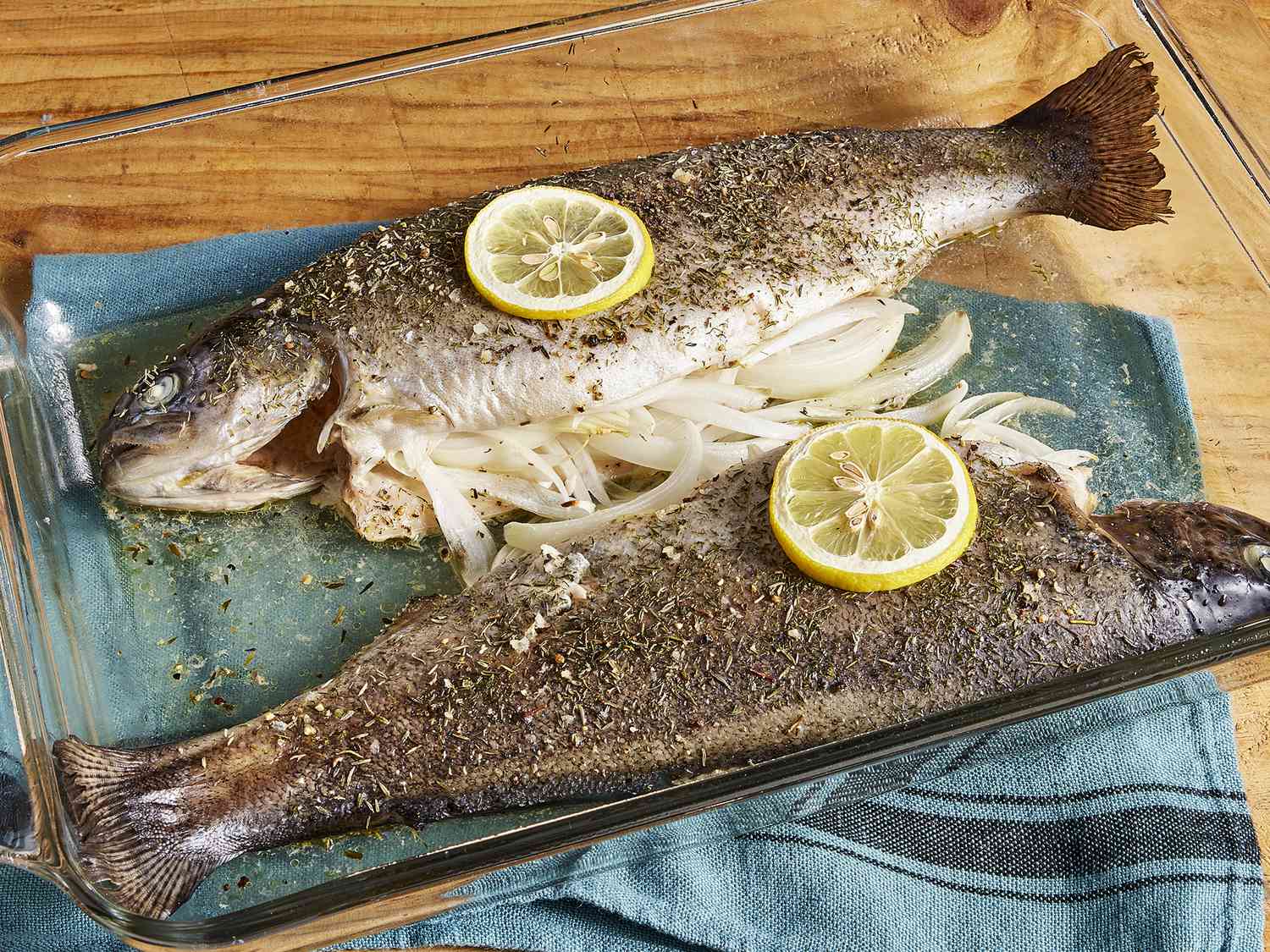
I remember an episode of Everybody Loves Raymond where Debra decides to serve TROUT for Thanksgiving dinner.  I am not a fish lover, but hubby loves all kinds of fish.  So, I decided to see if I could find a recipe for making trout. Disclaimer: I have not tried this and I WILL NOT be trying this, so proceed at your own risk…lol

From The Cooking Books website:

Cooking fresh trout can transform a simple meal into an exquisite dining experience. This flavorful fish is not only rich in omega-3 fatty acids but also offers a delightful texture and taste that can be easily enhanced with various cooking methods and herbs. In this comprehensive guide, we will explore everything you need to know about how to cook fresh trout, including preparation techniques, mouthwatering recipes, and tips for achieving the best results.

Understanding Fresh Trout

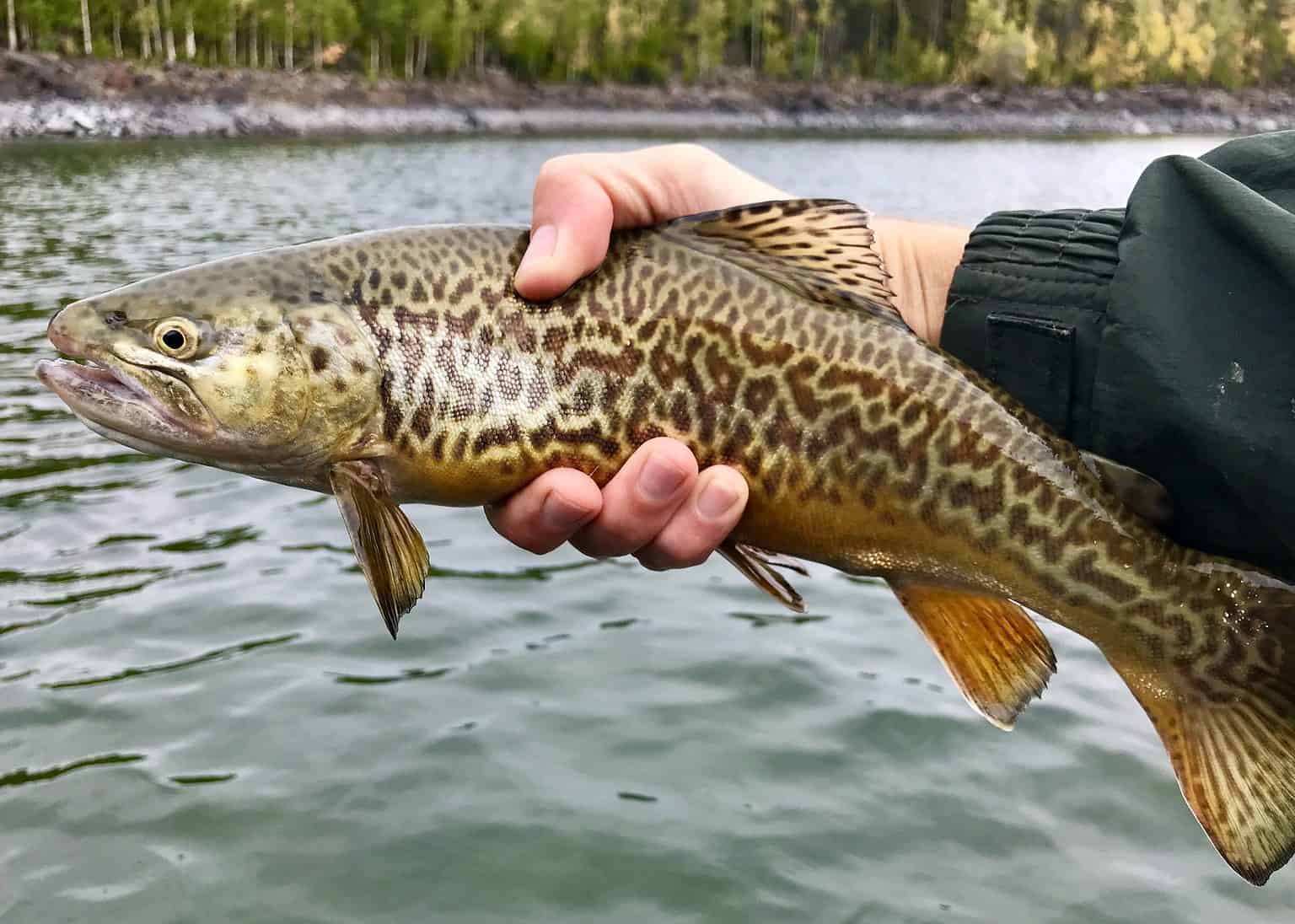
Before diving into the cooking methods, it’s essential to understand what makes fresh trout a sought-after fish. Caught in freshwater lakes and rivers, trout belongs to the salmon family and has various species, including rainbow, brown, and brook trout. Each type has its unique flavor profile, but all varieties are adaptable to numerous recipes.

Why Choose Fresh Trout?

  1. Nutritional Benefits: Fresh trout is an excellent source of protein and healthy fats. It is low in calories yet high in essential nutrients.
  2. Versatile Flavor: The delicate yet slightly nutty flavor of trout pairs well with various herbs, spices, and cooking methods, making it versatile in the kitchen.
  3. Sustainable Choice: Many trout species are farmed sustainably, making them an environmentally friendly seafood option.

Preparing Fresh Trout for Cooking

The first step in cooking fresh trout is preparation. Properly preparing your fish ensures a delicious end result. Here’s how to do it.

Cleaning Trout

Whether you catch your trout or buy it from the store, it’s crucial to clean it before cooking.

  1. Ingredients and Tools:
  2. Fresh trout (whole, gutted)
  3. Cold running water
  4. A sharp knife
  5. A cutting board
  6. Paper towels
  7. Steps:
  8. Rinse the trout under cold running water to remove any slime and gut residue.
  9. Place the fish on a cutting board, belly side up.
  10. Use a sharp knife to carefully remove the head if desired, and make an incision along the belly to remove the entrails.
  11. Rinse the inside thoroughly once again and pat the fish dry with paper towels.

Seasoning Fresh Trout

A simple seasoning can elevate your trout dish tremendously. Here’s a basic but flavorful blend:

  • Salt and Pepper: Season the inside and outside of the trout generously.
  • Fresh Herbs: Dill, parsley, or thyme work exceptionally well and enhance the delicate flavors of trout.
  • Citrus Zest: Adding some lemon or orange zest can brighten the dish.

By following these steps, you will prepare your fresh trout properly and ensure an unforgettable culinary experience.

Cooking Methods for Fresh Trout

Now that you have cleaned and seasoned your trout, it’s time to explore various cooking methods. Below are some popular techniques to prepare fresh trout, each offering a unique flavor experience.

Grilling Trout

Grilling provides a smoky flavor and crispy texture that complements trout beautifully. Here’s how to do it.

  1. Prepare the Grill: Preheat your grill to medium-high heat (about 375°F to 400°F).
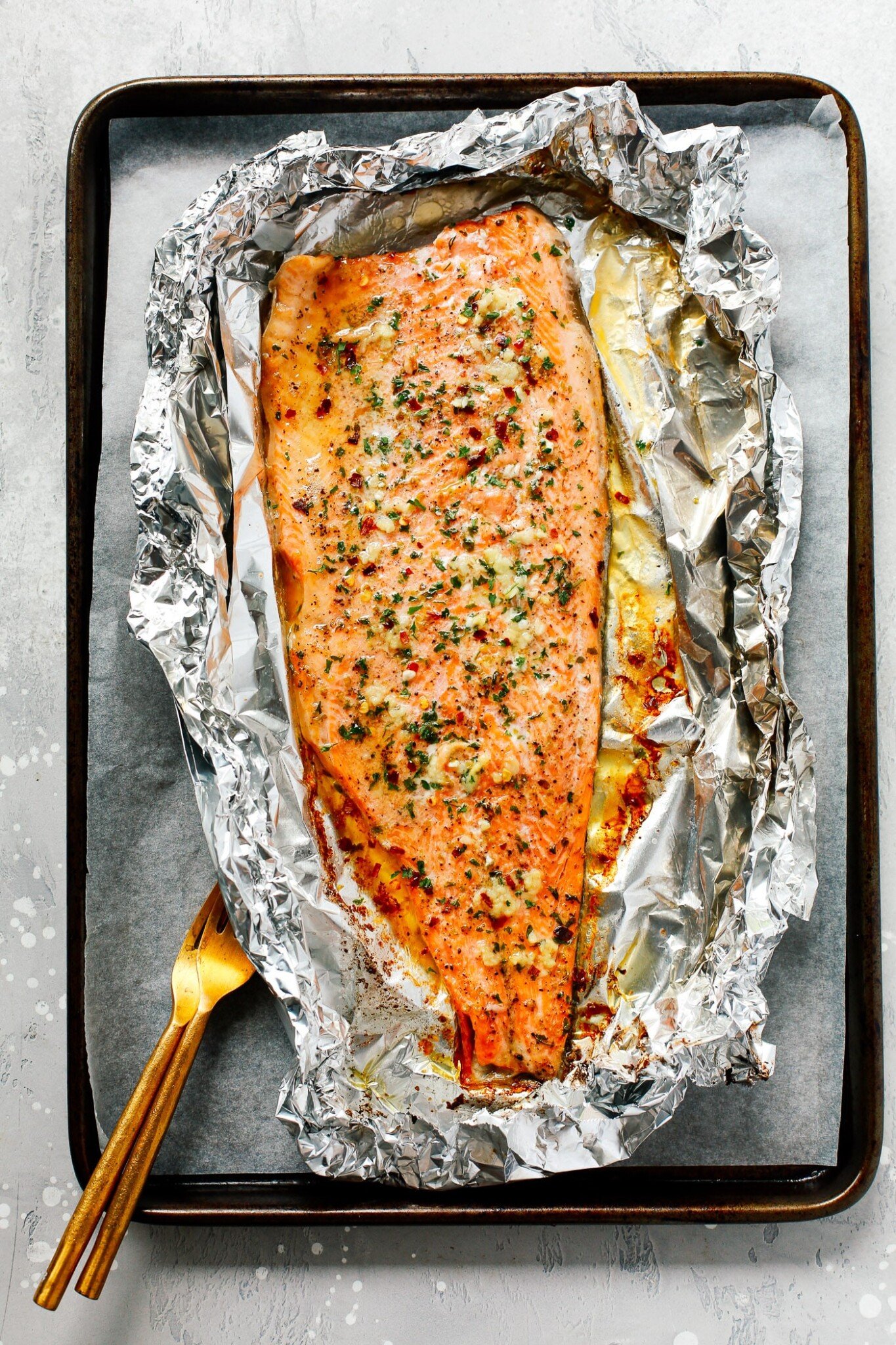
  2. Wrap in Foil: For easy handling and added flavor, wrap the seasoned trout in aluminum foil with sliced lemon and fresh herbs.
  3. Grill Time: Place the wrapped trout on the grill and cook for about 10-15 minutes per side, depending on the size. When done, the fish will flake easily with a fork.
  4. Serve: Unwrap the foil and serve with a side of grilled vegetables for a complete meal.

Pan-Frying Trout

Pan-frying trout is one of the quickest methods and is ideal for a weeknight dinner.

  1. Ingredients:
  2. 2 trout fillets
  3. 3 tablespoons of olive oil or butter
  4. Salt and pepper
  5. Fresh herbs
  6. Steps:
  7. Heat the olive oil or butter in a large skillet over medium heat.
  8. Season the fillets with salt and pepper.
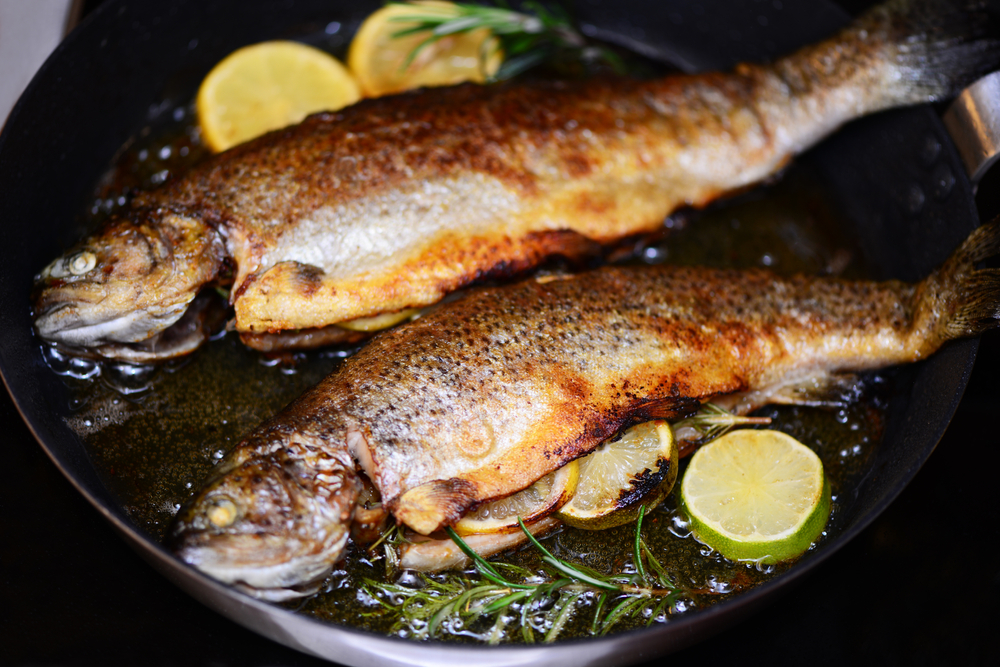
  9. Place the trout skin-side down in the hot skillet and cook for about 5 minutes.
  10. Carefully flip the fillets and cook for an additional 3-4 minutes, until the fish is golden brown and cooked through.
  11. Serving Suggestion: Serve with lemon wedges and a light salad for a refreshing meal.

Baking Trout

Baking is a low-effort method that ensures your trout remains moist and flavorful.

  1. Ingredients:
  2. 1 whole cleaned trout
  3. Olive oil
  4. Salt and pepper
  5. Fresh herbs and lemon slices
  6. Instructions:
  7. Preheat your oven to 375°F (190°C).
  8. Brush the outside of the trout with olive oil and season it inside and out with salt and pepper.
  9. Stuff the cavity with fresh herbs and lemon slices for added flavor.
  10. Place the trout on a baking sheet lined with parchment paper.
  11. Bake for 20-25 minutes, or until the flesh is opaque and easily flakes with a fork.

Steaming Trout

Steaming is a healthy cooking method that limits added fats while preserving the fish’s moisture.

  1. Equipment: A steamer basket or a bamboo steamer.
  2. Steps:
  3. Fill a pot with water and bring it to a boil.
  4. Place seasoned trout in the steamer basket, optionally adding slices of ginger or garlic for flavor.
  5. Cover with a lid and steam for about 10-15 minutes, depending on the thickness of the fish.
  6. Finishing Touch: Drizzle with soy sauce or a sesame oil-based dressing before serving.

Flavor Pairings for Fresh Trout

The flavor of fresh trout can be enhanced with various pairs. Here are some recommendations:

Herbs and Seasonings

  • Dill: This herb complements the natural flavors of trout exceptionally well.
  • Thyme: Offers a more earthy flavor that works beautifully with rich trout.

Sauces and Accompaniments

  • Lemon Butter Sauce: A simple sauce of melted butter, lemon juice, and garlic pairs wonderfully with trout.
  • Brown Butter Sauce: Browning butter enhances its nutty flavor, making it a perfect partner for grilled or baked trout.

Final Thoughts on Cooking Fresh Trout

Cooking fresh trout can be a delightful culinary journey, offering numerous flavor profiles and cooking techniques to explore. Remember to choose fresh fish, prepare it with care, and select complementary flavors to create a dish that captivates your palate.

With this guide, you have all the tools needed to cook fresh trout like a pro. Whether you choose to grill, bake, fry, or steam, you’ll enjoy a delicious and healthy meal that shines with the flavors of nature. Don’t forget to pair your trout with the recommended herbs, sauces, and sides for an unforgettable dining experience. Happy cooking!

SOURCE: THECOOKINGBOOKS.COM

Pat Tillman: The Lie & the Legacy

From All That’s Interesting:

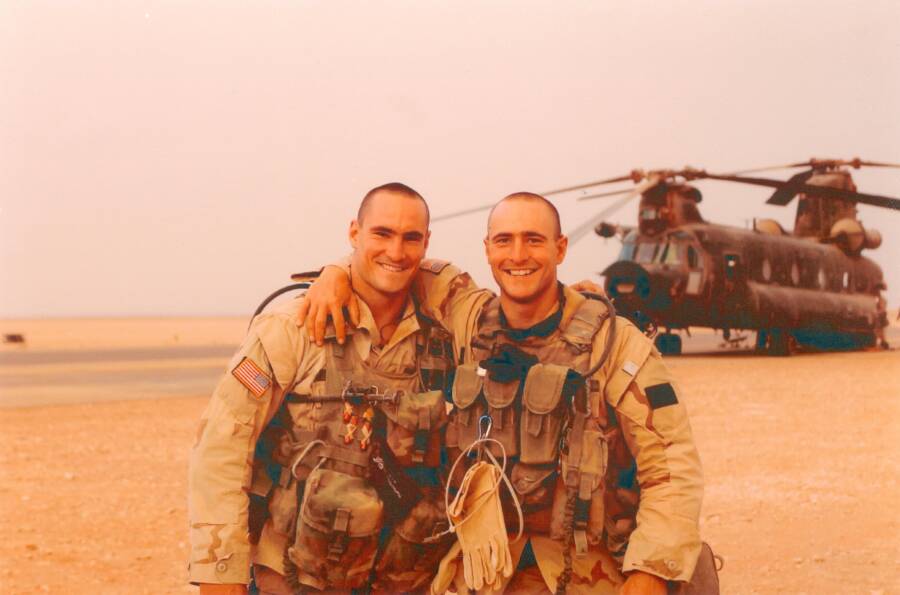
On April 22, 2004, former NFL star and U.S. Army Ranger Pat Tillman was killed by friendly fire in Afghanistan — and it may not have been an accident. After the 9/11 attacks, Pat Tillman gave up a lucrative football career to join the U.S. Army. But in 2004, he was tragically killed by the Taliban — or so his family and the American public were led to believe.

As the story went, Tillman had bravely rescued dozens of his fellow soldiers before he was gunned down by enemy forces in Afghanistan. Unsurprisingly, the American media quickly hailed Tillman as a war hero. Helicopters flew over football stadiums in his honor. A televised memorial service was planned. Top-ranking officers called for Tillman to be posthumously awarded the Silver Star and the Purple Heart

But as Tillman’s family mourned their loss, they had a feeling that something wasn’t quite right. And though his mother pressed the Army for more details, they stuck to their initial story about Pat Tillman’s death.

Around this same time, anti-war voices were getting louder in the United States. And photos of the torture at the Abu Ghraib prison were about to become public. Thus, Tillman seemed like the perfect poster boy for America’s “War on Terror.” But this couldn’t have been further from the truth. Several weeks later, the real story finally came out: Tillman had been killed by friendly fire, not the Taliban. As if that weren’t bad enough, the circumstances surrounding his death were highly suspicious.

The Story Of A Football Star Turned Soldier

Patrick Daniel Tillman was born on November 6, 1976, in San Jose, California. The oldest of three brothers, he was a natural athlete and led his high school football team to the Central Coast Division I Football Championship. As a result, he soon earned a scholarship to Arizona State University. While in college, Tillman led his team to an undefeated season and was named Most Valuable Player of the Year in 1997. After the Arizona Cardinals drafted him into the NFL in 1998, Tillman became a beloved starting player and broke the team record for the most tackles two years later.

However, everything changed for Tillman after he watched the 9/11 terrorist attacks on the United States play out on live television. “My great grandfather was at Pearl Harbor,” he told NBC News on September 12, 2001, “and a lot of my family has… fought in wars, and I really haven’t done a damn thing as far as laying myself on the line like that.”

Tillman famously turned down a $3.6 million, three-year contract with the Cardinals, choosing instead to enlist in the U.S. Army in May 2002.

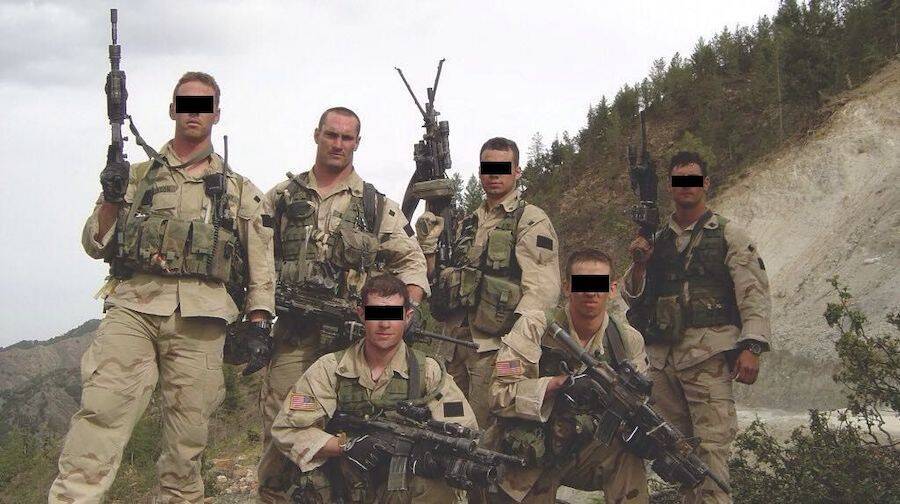
Pat Tillman and his brother Kevin trained to become Army Rangers — elite soldiers who specialize in joint special operations raids. They were eventually assigned to the 2nd Battalion of the 75th Ranger Regiment, based in Fort Lewis, Washington. And in 2003, they were deployed to Iraq.  But significantly, Pat Tillman was against the Iraq War. He was prepared to go to Afghanistan — where the war effort had begun — but he was not happy to hear that the focus was now on a different country.

Tillman had intended to fight against Al Qaeda and bring Osama bin Laden to justice. But the Bush administration had pivoted to Iraq to track down Saddam Hussein and his alleged weapons of mass destruction. That wasn’t what Tillman had signed up for, but he went anyway.  Just one year later, Tillman’s second tour would take him to Afghanistan — where he would tragically die at age 27.

The Story Of Pat Tillman’s Death

As his service began, Tillman noticed differences between his experience in the war and its depiction in the media. For instance, he was assigned to a unit that would help release a POW named Jessica Lynch from Iraqi forces in 2003, and he saw firsthand the media’s sensationalized spin on the story. While the military portrayed Lynch as being in extreme danger, she had actually been taken care of by Iraqi doctors in a hospital. Lynch herself would later blast the national press for nurturing a skewed narrative before the House Committee on Oversight and Government Reform in 2007.

“I’m still confused as to why they chose to lie and try to make me a legend when the real heroics of my fellow soldiers that day were legendary,” she said, insisting that the sensationalization was unnecessary. “The truth of war is not always easy to hear but [it’s] always more heroic than the hype.” At the time the rescue was happening, Tillman described the military’s elaborate tale as “a big public relations stunt.” But after his death on April 22, 2004, he would become the subject of one himself.

Initial reports stated that Tillman was killed by enemy fire during an ambush in the Khost Province of southeastern Afghanistan. His family and the American public alike were told that Tillman had bravely hustled up a hill to force the enemy to withdraw — saving dozens of his comrades in the process. Tillman was quickly declared a hero.

Shortly after the 27-year-old’s death, top-ranking officers were saying that he should receive the Silver Star and the Purple Heart. And he was soon honored at a nationally televised memorial service on May 3, 2004. There, Senator John McCain, a veteran himself, delivered Tillman’s eulogy.  But despite the widespread praise and glory, Pat Tillman’s family couldn’t shake the feeling that they weren’t being told the real story about his death. And they were sadly correct.

How Did Pat Tillman Die?

About a month after Pat Tillman’s death, the Army came forward with a shocking announcement. Tillman had not been killed by insurgents — he was shot down by his fellow soldiers. As they took aim at him, he yelled, “I’m Pat f**king Tillman!” to get them to stop. It was the last thing he ever said. Tillman’s mother Mary was later asked how long she thought it took for the Army to realize what had really happened. And she responded, “Oh, they knew immediately. It was pretty evident right away. All the other soldiers on the ridgeline suspected that that’s exactly what happened.”

While the shooting has since been described as accidental, some have their doubts. Not only was Tillman shot three times in the head, but he was also shot at close range and there was no evidence of any enemy fire in the area — unlike the Army’s initial report of the incident. So if there were no enemies nearby, what were the American soldiers shooting at?

In 2007, it was revealed that Army doctors who examined Tillman’s body were “suspicious” of the close proximity of the bullet wounds on his head. They even tried — and ultimately failed — to convince authorities to investigate the death as a potential crime because “the medical evidence did not match up with the scenario as described.”

The doctors believed that Tillman had been shot by an American M-16 rifle from just 10 yards away. But despite the worrying details in this report, it was apparently shelved and not released to the public for years. Eerily, it was also discovered that Tillman’s personal items had been burned — including his uniform and private journals. And those who were present during his death were told to keep quiet about what actually happened.

As it turned out, Pat Tillman’s brother Kevin was on the same mission that day. But Kevin was not present when Pat was killed. So naturally, the secret had to be kept from him as well. Much like his mother, Kevin was initially left in the dark about how Pat Tillman died. And even when the truth came out about the friendly fire, they still felt like they weren’t getting all the details.

Desperate for answers, Tillman’s mother had to spend years fighting through multiple investigations and Congressional hearings to piece the whole story together. And she was horrified by the amount of Army misinformation that had clouded the truth about her son’s demise.

“They had no regard for him as a person,” Mary Tillman said. “He’d hate to be used for a lie.”

Indeed, Jon Krakauer’s Tillman biography Where Men Win Glory revealed that Tillman told a friend after enlisting: “I don’t want them to parade me through the streets [if I die].” Tragically, the government had done just that. And the fact that it was based on a false story made the situation even worse. While there were some soldiers who wanted to tell the truth, they were allegedly silenced. In April 2007, Specialist Bryan O’Neal — the last person to see Tillman alive — testified that his superiors had warned him not to tell the media nor the Tillman family about the friendly fire.

And in July of that same year, two prominent lawmakers of the House Committee on Oversight and Government Reform accused Bush officials and the Pentagon of actively withholding documents on the death. The actions of the military and government have led to the disturbing theory that Tillman was murdered for his views on the Iraq War.

The Legacy Of Pat Tillman

On the surface, Pat Tillman appeared to be the poster boy for America’s multiple wars in the Middle East. A clean-cut all-American, Tillman had gone from being a sports hero to a war hero. But the reality was more complicated. As an anti-war atheist who quickly became disillusioned with the War on Terror, Tillman was quite heterodox for someone in the military. And he wasn’t shy about sharing his views with fellow soldiers while he was deployed in Afghanistan.

While many American soldiers insisted that Tillman was a well-respected Ranger and had no major enemies in the Army, it’s not unreasonable to think that some officers may have had a problem with some of Tillman’s views — especially since he didn’t hesitate to speak his mind. During the lead-up to the 2004 election, Tillman was rumored to be planning to go public with his opposition to the invasion of Iraq and President Bush. He may have even planned to express these views in a televised meeting with Noam Chomsky. But this meeting never happened.

Because of all of this, some insist that Pat Tillman’s death was no accident. The cynicism behind this theory only worsened in 2007, when it was proven that “Army attorneys sent each other congratulatory e-mails for keeping criminal investigators at bay as the Army conducted an internal friendly-fire investigation that resulted in administrative, or non-criminal, punishments.”

While the particulars of the friendly-fire incident remain vague to this day, a few things are clear. Pat Tillman enlisted to fight against those who had planned the 9/11 attacks. Instead, he was deployed to Iraq during an invasion and occupation that he reportedly called “f**king illegal.”  Tillman was clearly disillusioned with the war and started to speak out about this — just before he was shot by his own men. But instead of being honest about Pat Tillman’s death and the events leading up to it, the Army transformed him into an unwitting advocate for the War on Terror.

That said, his family fought for the truth about what happened to their loved one — and they were able to expose many layers of deception along the way. Only time will tell if more revelations emerge in the years to come. But if they do, his family will surely be ready to tell the world. “This isn’t about Pat, this is about what they did to Pat and what they did to a nation,” said Tillman’s mother. “By making up these false stories you’re diminishing their true heroism. It may not be pretty but that’s not what war is all about. It’s ugly, it’s bloody, it’s painful. And to write these glorious tales is really a disservice to the nation.”

SOURCE: ALLTHATSINTERESTING.COM