A Rose is a Rose is a Rose: Part 1

Thinking of buying roses for someone this Valentine’s Day or maybe expecting to receive roses?  This article details the meaning of the color of roses and what they “say” or what the sender wants them to say. 

From: Color-Meaning.com:

Buying flowers for someone can be a stressful process because there’s a chance they may misunderstand your intentions. Many people perceive giving roses as a romantic gesture, but not every color of rose is seen as a gift of deep love. So, what does each rose color mean? Understanding different roses may help you choose the best type to give someone.

Do Roses Come in Every Color?

“Roses are red” is what we’re used to hearing, but it’s not always true. They may not be the most colorful flowers in the world, but roses can come in all sorts of colors, including multi-colored varieties. Shades of red will always be the most common, but there are plenty of other natural colors roses can be. If a rose can’t be produced in a certain color, sellers may dye the flower to give it a desirable hue. The only colors that you won’t find naturally in roses are blue and black. Even though other flowers can naturally be blue, blue doesn’t exist in the rose gene pool. Some flowers can have black pigments, but no flower can be completely black naturally.

Top of Form

Rose Color Meanings

Roses typically symbolize love and romance, but the color of the rose could change that meaning. So, let’s take a look at what 22 different rose colors mean.

1 Red

2 Light Pink

Roses come in many shades of pink, each with different meanings. Light pink is often a sign of innocence and appreciation. They’re a great gift for a family member or close friend to show that they’re important to you. They may also symbolize joy and gentleness.

3 Medium Pink

Most pink roses are a symbol of grace and femininity. They may also be associated with gratitude. They’re often used to decorate celebrations, and they can be given as a way to congratulate someone.

4 Dark Pink

Dark pink is a gentler version of red. Instead of passionate love, it represents a form of admiration and gratitude. Deep pink roses are often given to people to let them know you appreciate them, and they can be given for any type of love, whether it’s family, friends, or a partner.

5 Burgundy

Burgundy roses are similar to red roses, but they’re slightly darker. Thus, they’re a sign of passion and devotion. They’re almost always given as a gift to a significant other. These roses are viewed as stunning and beautiful.

6 Peach

Peach roses are often given to someone as a sign of thanks and appreciation. They’re a down-to-earth way to show someone that you’re grateful for them. Some people may also give them to a loved one when expressing sympathy.

7 Salmon

Salmon roses aren’t quite red, and they’re more vibrant than peach. They’re a sign of excitement and desire. They let the receiver know that you’re thrilled to be spending time with them.

8 Coral

Coral is similar to salmon, and it shares many of the same meanings. It’s a sign of enthusiasm and desire, so it’s a fun alternative to red roses.

9 Orange

Orange is one of the most vibrant rose colors you can buy. These flowers symbolize fascination and energy. Like similar colors, they can also be a sign of desire, excitement, and enthusiasm. They’re perfect for people who love when attention is drawn toward them.

10 Yellow

Yellow roses are a symbol of friendship and joy, so they should be given to friends and family rather than romantic partners. In the Victorian Era, yellow roses were a sign of jealousy and envy, but over time, they changed to mean the opposite. These flowers are the perfect way to tell someone they’re a great friend.

11 White

White roses symbolize new love and innocence. They’re also a sign of purity and youthfulness. They’re the perfect gift to give in the early stages of a relationship. However, these roses are sometimes also used as wedding decorations.

Source: color-meanings.com

Pucker Up: Kisser Fish

From thesprucepets.com:

The name kissing gourami (or kisser fish) is derived from what appears to be kissing between fish; however, scientists still are not sure of the true purpose of the behavior. It is believed to be a harmless territory-challenging behavior that generally occurs between two males. This conjecture is supported by the fact that aging seems to diminish the need to challenge one another. Also with age, the desire for mating territories diminishes.

The popular kissing gourami, commonly called a kisser, originates from the Indonesian island of Java and is also found in Borneo, Cambodia, Malaysia, Thailand, and Vietnam. It is commonly cultivated in the southern Indochina region as a food fish. Today, virtually all specimens sold in the United States are commercially bred in Florida. Additionally, Thailand and Singapore commercially breed this species for the aquarium trade as well as for food consumption.

In nature, kissers are usually found in slow-moving, heavily vegetated ponds or marshes. They are a hardy fish that will tolerate a range of water conditions. These fish have a hidden structure called the labyrinth organ. It enables them to take oxygen from the air, allowing them to survive in waters with low oxygen levels.

In fact, the gills of labyrinth fish are usually not even capable of obtaining enough oxygen from the water to survive. Therefore, they must satisfy most of their oxygen requirements by gulping air at the surface of the water. For this reason, it’s essential to provide them with access to the water surface in all tank zones.

Kissers need warm water, and they need to consume plenty of plant matter. As a habitat, use artificial plants or sturdy live plants such as Java fern or Java moss. Tender live plants are likely to be eaten down to the stem.

In nature, kissers grow to a size of a foot or more, but in captivity, they generally remain about half that size. However, even a small kisser will grow too large for an aquarium smaller than 30 gallons, so this species should not be kept in mini-tanks. With proper care, it is not unusual for these fish to live well over a decade.

Kissing gouramis are omnivorous fish. On the inside surface of the kisser’s obvious lips are rows of fine teeth which are used to graze on algae and vegetable matter. Periodically provide fresh romaine lettuce, cooked zucchini, or peas to keep your kissers in optimal health. But take care when providing fresh vegetables, as uneaten portions will quickly foul the water.

They should be provided with plenty of spirulina-based foods as well as fresh vegetables when possible. Kissers also accept a variety of protein foods, including flake, frozen, freeze-dried, and small live foods, such as tubifex and brine shrimp.

Gender Differences

Both sexes of kissing gourami look almost identical, from their oval shape to their thick fleshy lips. It is almost impossible to determine the sex of these fish until they spawn. At the mating period, the body of the female becomes round as it fills with eggs.  

SOURCE: THESPRUCEPETS.COM

DIY: Valentine’s Gifts

Birch Candle

I love, love, love this candle.  It does require being able to drill the hole for the tea light though.  Hubby and I are going to attempt these.  We have tons of birch trees around!

Equipment

Knife

Drill with drill bits including 1 3/8″ spade bit or slightly larger

Materials

1 section birch wood

Tealight candle

Colored pencil(s) light brown

Pencil

Instructions

Trace the tealight in the center of the birch wood piece using a pencil.

Begin drilling with the spade bit, placing the center of the bit in the center of the tealight circle. Rock the drill back and forth a little while drilling to get a good hole.

Sketch the design you want on the front of the birch pillar using a pencil.

Carve the design on the pencil lines using a knife.

Shade in the design using a light brown colored pencil.

Put a tealight candle in the top of the birch candle holder to finish.

Heart Bookmark

The instructions for this bookmark use a cricut machine but I think there’s an abundantly easier method for those of us without those machines.  Simply cut a heart out of construction paper.  Cut a second heart the same size, but add ¼ inch tabs to the sides of the heart.  Place the 2 hearts together, fold and glue the tabs around to the back of the second heart.  Write your message on the top.  Easy peasy. 

SOURCE: THEPIONEERWOMAN.COM

The gift basket in the opening picture is my idea of the perfect gift for Valentine’s Day: a mug, a little Styrofoam, whatever candy the giftee loves the most, some ribbons and doodads from the dollar store and BOOM! A happy valentine!

Sea Horses

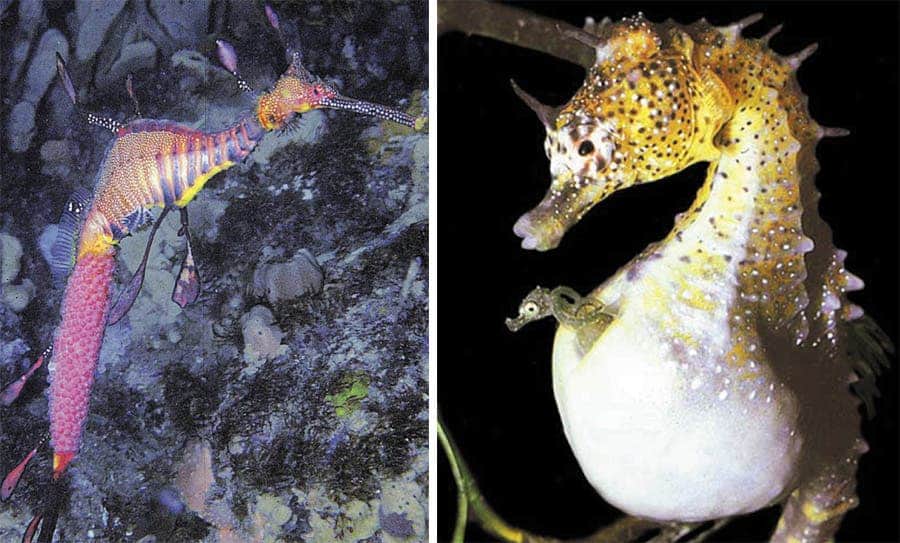
Hippocampus, commonly known as Sea Horse, is the designation of any of the 50 small marine fish. The word “hippocampus” is derived from the Greek words “horse” and “sea monster.” Sea Horses have a horse-like head and neck, segmented skeletal armor, an erect stance, and a curled, prehensile tail.

One of the most unusual and alluring marine animal species in existence, Sea Horses are found in both tropical and temperate regions all over the world. There’s much more to Sea Horses’ breathtaking allure than just their distinctive protruding faces and curling tails, from weird eating behaviors to exquisite courting rituals.

Appearance

Sea Horses come in a variety of sizes and can grow to be 14 inches long. Sea Horses have broad-snouted heads, curved necks, and unique trunks and tails, giving them a horse-like look and earning them the moniker. Despite being bony fish, they lack scales and instead have a thin layer of skin stretched over a number of bone plates that are distributed throughout their body in rings. 

Sea Horses are protected from predators by the armor of bone plates, and because of this external skeleton, they no longer have ribs. Sea Horses use their dorsal fins to drive themselves forward as they swim upright. They have good camouflage abilities, and depending on their environment, they can develop or shed spiky appendages.

Diet

Sea Horses are carnivorous fish. Sea Horses can easily chew their food thanks to their long snouts. Yet, because they take a long time to finish their meals and have very basic digestive processes without stomachs, they must continually feed in order to survive. Smaller crustaceans that are swimming or burrowing on the bottom are what seahorses hunt. 

Sea Horses ambush anything that floats within striking distance using their superior camouflage, waiting patiently for the right opportunity. Mysid shrimp and other little crustaceans are top choices. The three unique feeding phases in Sea Horses are anticipatory, expansion, and recuperation. When in the expanded phase, the Sea Horse catches its prey by lifting its head, opening its oral cavity, and sucking it in before returning to its normal position.

Habitat

Around the planet, shallow tropical and temperate saltwater is where you’ll mostly find Sea Horses. They are found in protected environments such as coral reefs, mangroves, estuaries, and seagrass beds. Due to their poor swimming abilities, Sea Horses must attach themselves to seaweed, coral, or any other object that will keep them anchored. 

The Western Atlantic’s Caribbean area is home to the Long Snout and Northern Sea Horses. The Mediterranean Sea and warm regions of the Atlantic Ocean are home to the common Sea Horse. The Indo-Pacific is home to the Yellow Sea Horse. The sole Sea Horse found along the eastern Pacific coast, which stretches from California to Peru, is the Pacific Sea Horse.

Reproduction

Sea Horses engage in courtship for several days before mating. During mating, the female Sea Horse can lay between 1,000 to 2,000 eggs in a brood pouch on the male’s ventral side, facing the front. The pouch serves as an incubator, nurturing the eggs until they hatch, which can take anywhere from 9 to 45 days. Once the young Sea Horses are released into the water, the male may mate again within hours or days during the mating season.

Many species of Sea Horses establish pair bonds that endure at least the mating season, despite the fact that they are not known to be lifelong partners. More monogamous fidelity is demonstrated by certain species than by others. When the chance presents itself, many species of Sea horses will quickly exchange partners. 

Threats

The Sea Horse has many predators in its natural habitat because of its tiny size and susceptibility. The Sea Horse is frequently preyed upon by crabs, fish, and rays. Additionally, Sea Horses have been found within the stomachs of predator fish species like bluefin tuna.  The Sea Horse is especially susceptible to inclement weather because, during storms, they are frequently tossed onto the shoreline from the surface they were sticking to.

Ocean pollution depletes many species’ food sources and habitats, including Sea Horses.  Additionally, Sea Horses have been overfished, particularly in Asia, to be used in recipes and as a component of medicine.

Facts about the Sea Horse

The scientific name for Sea Horses, Hippocampus, is also a brain area in humans. 

Sea Horses get their name from their resemblance to land horses.

Sea Horses move 60 inches an hour, swimming exceptionally slowly.

Seahorses are fish with digestive tracts but no stomachs.

The male species of Sea Horses are the ones that give birth.

SOURCE OCEANINFO.COM

Sand Cats

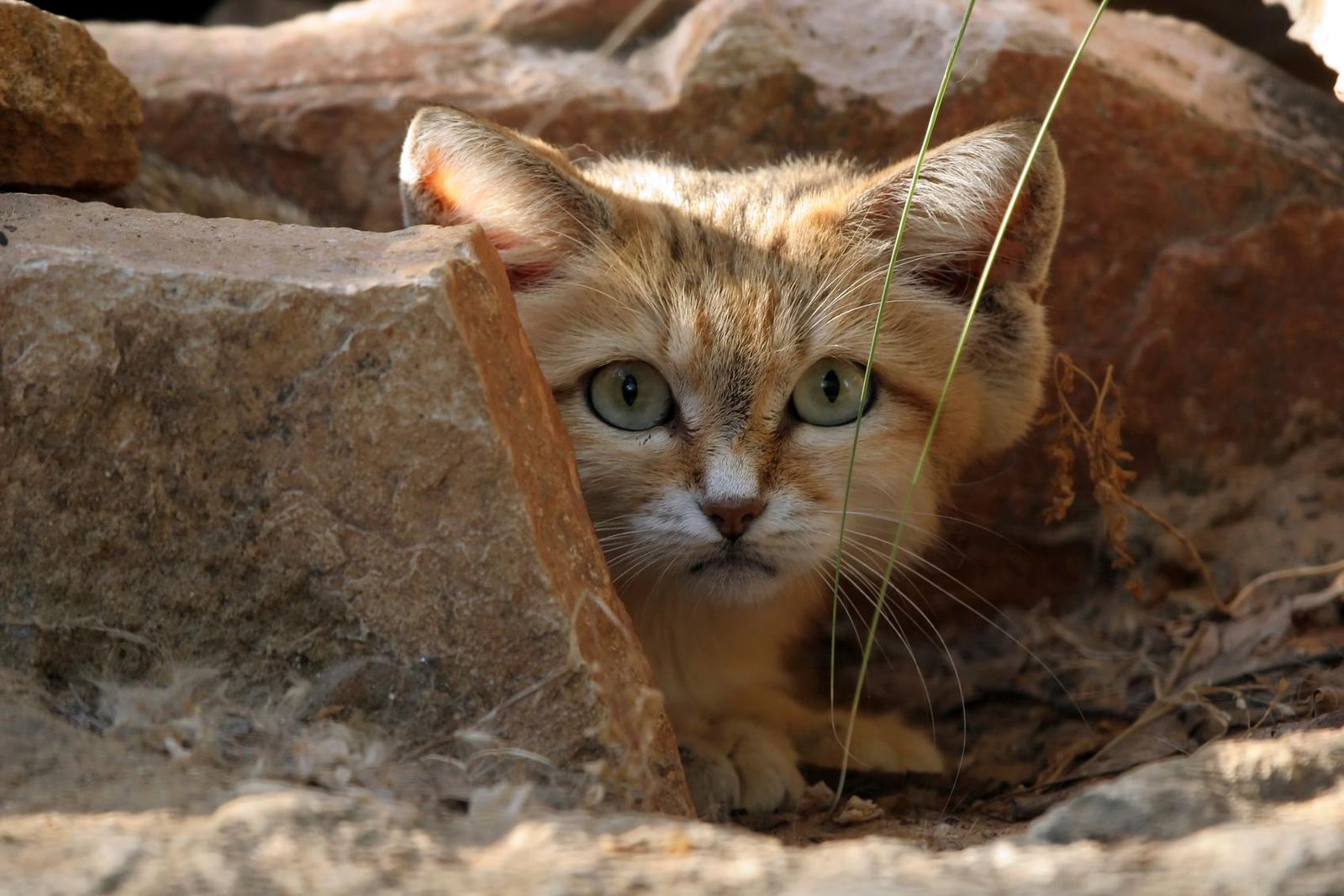
Sand cats, also known as “sand dune cats,” are desert dwelling felines native to Northern Africa, Central Asia, and the Middle East. While these cute cats look quite similar to your average housecat, be warned they are 100% wild animals. Sand cats have not been domesticated in any way, and are actually ferocious little predators.

Description of the Sand Cat

Sand cats are a pale tan or sandy color (to match all the sand of course), with some dark spots or stripes on their fur. Their tails are tipped with black, with a few black bands around them. There are two dark stripes on their upper forelegs. Their ears are quite large, which helps heat escape in the hot desert temperatures.

Interesting Facts About the Sand Cat

Don’t let their cuteness fool you… these little cats are fierce predators! They are unique felines due to their desert habitat, and have a few characteristics to help them survive this environment.

Desert Dwelling Feline – Sand dune cats are the only cats that live primarily in desert regions. Other felines may range in deserts occasionally, but sand cats specialize in surviving within these arid environments.

Purr-fect Hiding Place – Where better to snooze during the hot desert day than a nice cool burrow in the sand? Sand cats are experts at burrowing, and spend much of their naptime in shallow burrows. They also dig to seek out their prey, most of which also spends its time underground.

Furry Feet – Those fuzzy little feet aren’t just for show! Sand cats have heavily furred feet to help keep them from burning their toes on hot sand. The fur protects sand cats’ feet by providing a barrier between the sensitive footpads and the scorching sand and rock. They have so much fur on their feet that they don’t leave behind footprints!

Water? Who Needs It! – Because water is scarce in the desert, sand cats can go long periods of time without drinking. Instead, they receive most of their moisture from the prey that they eat. Sand cats can sometimes go months without drinking.

Habitat of the Sand Cat

Sand cats live exclusively in desert regions. They are found in very arid habitats with little to no vegetation. Instead, they live in dry, sandy plains and rocky valleys. Conditions are extreme in the desert, and temperatures can reach 124º F during the day, and 31º F at night. Because they need to burrow to escape the heat, sand cats are found only in soft soils.

Distribution of the Sand Cat

These cats are native to Northern Africa, the Middle East, and Central Asia. They are restricted mainly to the Sahara Desert in Africa, the Arabian Peninsula, and parts of Iran, Afghanistan, Turkmenistan, and Pakistan. Their ranges are influenced by the presence of desert as well as land development and soil composition.

Diet of the Sand Cat

Sand dune cats prey on rats, mice, hares, birds, snakes, spiders, and insects. They commonly make lunchmeat out of venomous snakes and spiders. Because they live in such a harsh environment, sand dune cats must be opportunistic feeders. The must eat whatever they can find, because they have no other choice!

Domestication

Sand cats have not been domesticated in any way.

Does the Sand Cat Make a Good Pet

No. Because sand cats are threatened, animals taken illegally for the pet trade can seriously damage wild populations. They are very sensitive animals, and do not do well in facilities not equipped for their needs.

Sand Cat Care

In zoos, sand cats must be provided with very particular care. They are provided with plenty of hiding spaces and burrowing opportunities, and have access to round the clock medical care. They are fed a diet of mice or rats, bones, and rib bone meat at the Smithsonian’s National Zoo.

Behavior of the Sand Cat

Because the desert is so extremely hot, animals benefit from nighttime activity. Avoiding the heat, sand cats are nocturnal and hunt at night. They are mainly solitary animals, but not highly territorial. While they don’t socialize with other cats, they will occasionally share burrows. They do not share the same space in the burrow, but instead occupy it while the other animal is away.

Reproduction of the Sand Cat

Populations of sand cats in different locations will breed at different times of year. After mating, the female sand cat has a gestation period of 59 – 67 days. The litter usually consists of 2 – 4 kittens, with numbers up to 8 occurring as well. The kittens will begin to hunt for their own prey between 6 and 8 months of age. They reach breeding age by 14 months old, and can produce a litter of their own at that time.

SOURCE: ANIMALS.NET

Weird Wednesdays: The Whale House

The information about this house comes from a realtor’s listing and website.

A wildly imaginative Santa Barbara, CA, home is ready for its next chapter—and you could write it if you’re willing to splash out the $3,250,000 list price. The Whale House, designed by architect Michael Carmichael in 1978, is nestled among oak and sycamore trees by Mission Creek in Mission Canyon. The landmark home looks like a whale, covered in undulating cedar shingles, which help the dwelling blend in with its natural surroundings.

Into the whale’s mouth

Right from the entryway, you’ll feel as if you’re stepping inside the whale’s mouth, which might make you a tad uncomfortable if your name is Jonah. Everyone else will be captivated by three floors full of magical spaces. The captivating interior, made of stone, wood, and glass, is an artistic tour de force.

There are three bedrooms and 3.5 baths in 2,606 square feet of living space, and an equally arresting guesthouse on the premises. Some of the home’s more interesting features include a spiraling stairwell that opens to the outdoors, a rock-covered elevator shaft, 270 Belgian leaded and stained-glass windows, wavy walls of Venetian plaster, and massive wood columns and beams.

The kitchen features an “under the sea” theme, with decorative rocks and curved walls.

SOURCE: REALTOR. COM

Montana State Mammal: Grizzly Bear

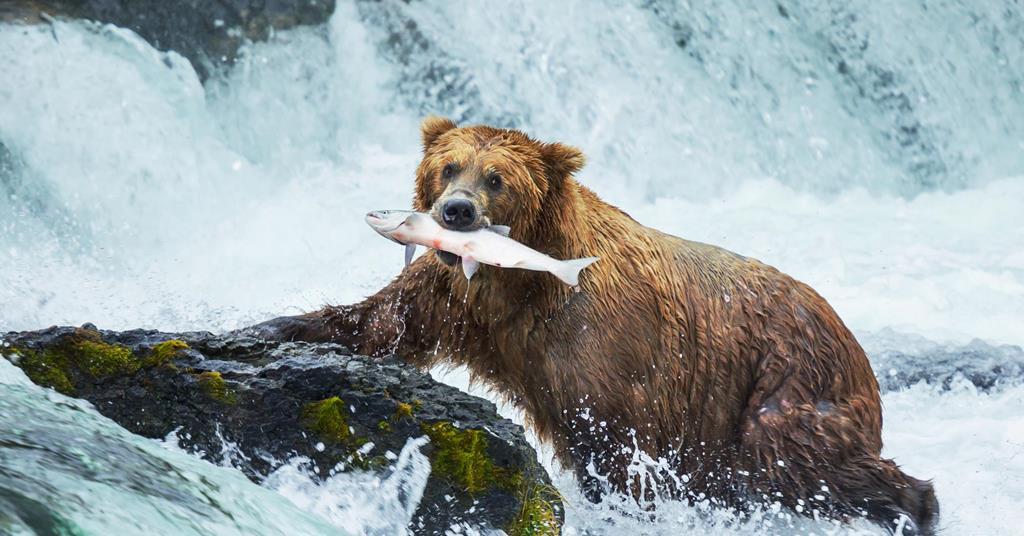
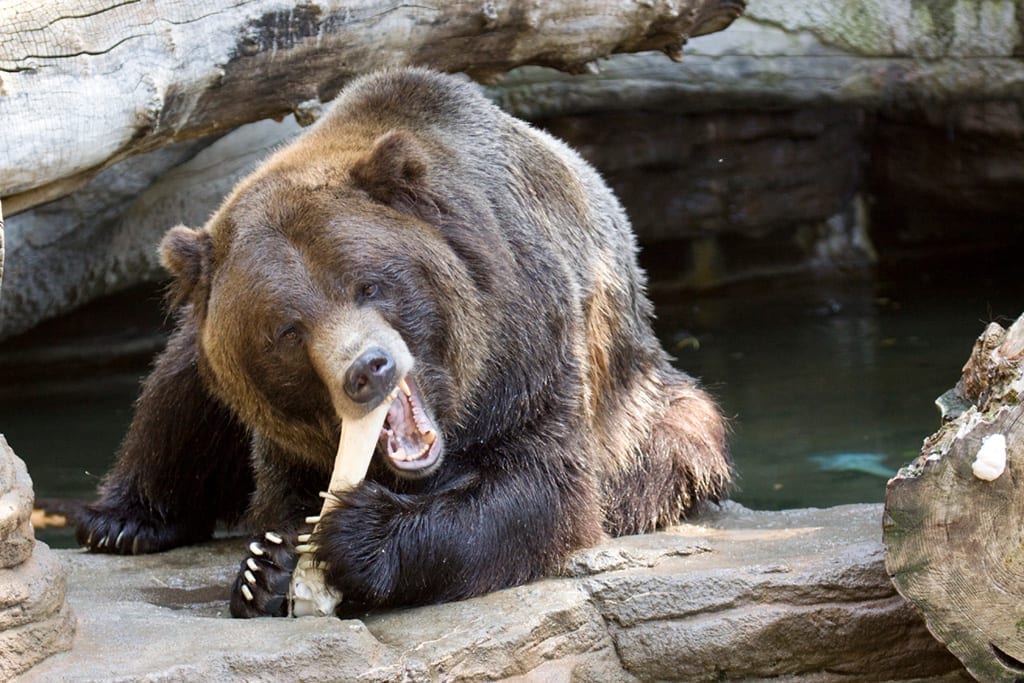
Grizzly bears (Ursus arctos horribilis) are a subspecies of the brown bear (Ursus arctos) found in inland Northern America. They are famous for their large size, weighing up to 360kg, and their often aggressive nature. They are apex predators, hunting large prey such as caribou, but they are also very opportunistic. They will eat carrion (already dead animals), salmon, berries and even clams. Their strong front legs are adapted both for running fast to catch prey, and for digging and foraging. They are primarily solitary, except for mothers with cubs. However, as many as 20 individuals can come together to hunt salmon that are moving upstream to spawn. Females live for around 26 years, which is longer than males who live for around 22 years on average.

Interesting Grizzly Bear Facts

1 They are a subspecies of the brown bear.

Grizzly bears are considered a subspecies of the brown bear (Ursus arctos). The main difference between them is in diet and geography. Brown bears are mainly coastal with access to marine foods, whereas grizzlies live further inland.

2 They are called “grizzly” both for their fur and their nature.

Their hair is grizzled, meaning silver tipped. However, it is believed they originally got their name after the word “grisly” meaning gruesome or scary. Their scientific classification ‘Ursus arctos horribilis‘ was also named after their ‘horrifying’ reputation by a naturalist in 1815.

3 They are apex predators.

This means they are at the top of the food chain. They hunt large mammals, such as moose, caribou, and bison, using their speed and strength to catch them.

4 Grizzly bears are also very opportunistic eaters.

They’ll also eat carrion (things that are already dead), forage for berries, dig into sand for razor clams, eat grass, and go fishing in rivers.

5 They come together to hunt salmon.

Every year grizzlies gather to fish for the salmon that are swimming upstream to spawn. As many as 20 can be seen in one spot, where they often catch salmon leaping out of the water with their paws.

6 They are huge.

Average length of grizzly bears is around 2 meters, with females weighing 130-180kg and males 180-360kg. However, some huge male grizzlies have been reported to stand as high as 3 meters (9.8 ft) and weighing up to 680kg!

7 They have a distinctive hump on their back.

This hump is actually a large muscle which controls their forearms.

8 Grizzlies claws are as long as human fingers.

They are up to 4 inches long.

9 They can run at 30 miles an hour.

Despite their large size, they can move fast. The large hump on their shoulders powers their fast-moving front legs. This is why they tell you if you bump into a grizzly, don’t try and run from it!

10 They hibernate for 5-7 months every year.

They’re well known for their hibernating habits. Bears will dig large dens which they curl up in to sleep for the coldest months of the year. However, bears in sunny California don’t hibernate as it’s not needed.

11 They give birth while hibernating.

Female grizzly bears give birth while hibernating. The grizzly cubs will stay in the den drinking milk until the end of winter.

12 They don’t become pregnant straight away.

Via a process of “delayed implantation”, embryos are stored until the mother has gained enough weight for hibernation.

13 They eat a lot of food before they hibernate.

They don’t eat while they’re hibernating, so they eat as much food as possible beforehand. Bears can gain as much as 400lb in weight before going into hibernation.

14 Grizzly bears don’t pee or poop during hibernation.

Throughout the whole of the 5-7 months they don’t go to the bathroom. They are actually able to turn excess urea (a component of urine) back into protein, meaning they actually gain muscle while hibernating.

15 Mama bears are fierce.

Mothers with young cubs will be very protective of their young, including fighting off larger male bears.

16 They will nurse their cubs for up to 3 years.

A mother will keep her cubs with her for as many as three years.

17 They need a lot of space.

Grizzlies in general range over large areas, as much as 1500 square km (~600 square miles). Males have large territories, which females roam through.

18 They are more dangerous to humans than sharks.

While sharks get all the media attention, bear attacks on humans are actually more common and numbers are actually on the rise. However, grizzly bears normally avoid contact with people and rarely actively hunt humans. Many of these attacks occur when people accidentally stumble upon mother bears with cubs. The rise in attacks is thought to be due to growing human use of grizzly bear habitat, and ‘problem bears’ who have associated humans with having potential ‘food’ near to them.

19 Grizzlies and wolves are competitors.

In places where the two overlap, like Yellowstone Park, they often compete fiercely over food.

20 They are a conservation success story.

Human expansion into grizzly habitat led to huge numbers in their decline, however after they were declared protected by the law in the USA, their numbers have bounced back.

SOURCE: FACTANIMAL.COM

What Shall We Bake Today?

Today’s offering is my go-to Chocolate Cake!  It’s rich and flavorful and has coffee IN IT!

Ingredients

2 cups flour

1 tsp salt

1 tsp baking powder

2 tsp baking soda

¾ cup cocoa

2 cups sugar

1 cup vegetable oil

1 cup hot coffee

1 cup milk

2 eggs

1 tsp Vanilla Extract

Instructions

Preheat oven to 350 degrees. Grease and flour cake pans.

In a large mixing bowl, add flour, salt, baking powder, baking soda, cocoa, and sugar and stir until combined.

Mix in vegetable oil, coffee, and milk. Mix for approximately two minutes.

Add eggs and vanilla extract and continue to mix on medium speed for about two more minutes.

Pour cake batter into cake pans and bake for 30-40 minutes. Your cake is done when an inserted tooth pick comes out clean. Cool about 10-15 minutes in the pan, then turn out onto wire rack. 

I frost with a homemade icing and then, after we have a slice for dessert, I slice the cake in half.  I cut each half into flat slices and par-freeze them on a wax paper lined cookie sheet for about a half hour.  Then I wrap the slices in waxed paper and freeze in a Ziploc bag.  That way when hubby and I want dessert, we have an easy one that doesn’t mean we have a big cake sitting around that we have to finish.

Winter Insects to Watch For

I always thought winter was a small respite from pests, but as I read in the following article from BackYardBoss, there are several insects we need to keep a look out for.

From BACKYARDBOSS:

Winter can be harsh for wildlife, including insects. As temperatures drop and the days grow shorter, many of the bugs that are common during other seasons become rarer to see. But where do bugs go in winter? Many insects enter a state of dormancy or seek shelter to survive the cold. Some burrow into the soil, finding refuge beneath the frost line, while others hibernate in cozy nooks, such as leaf litter or tree bark. Certain insects, like monarch butterflies, travel south for the winter, according to the U.S. Forest Service. There, the butterflies hibernate until the cold months are over.

But not all insects are intimidated by winter. There’s a world of bizarre and terrifying insects that thrive in the cold.These winter insects are adapted to surviving in harsh conditions, displaying unique characteristics that set them apart from their warm-weather counterparts.From beetles with antifreeze-like blood to spiders that brave cold temperatures, thesewinter bugsare both fascinating and, at times, unnerving. Discover eight weird winter insects you’ll probably see before the season is over.

Snow Fleas

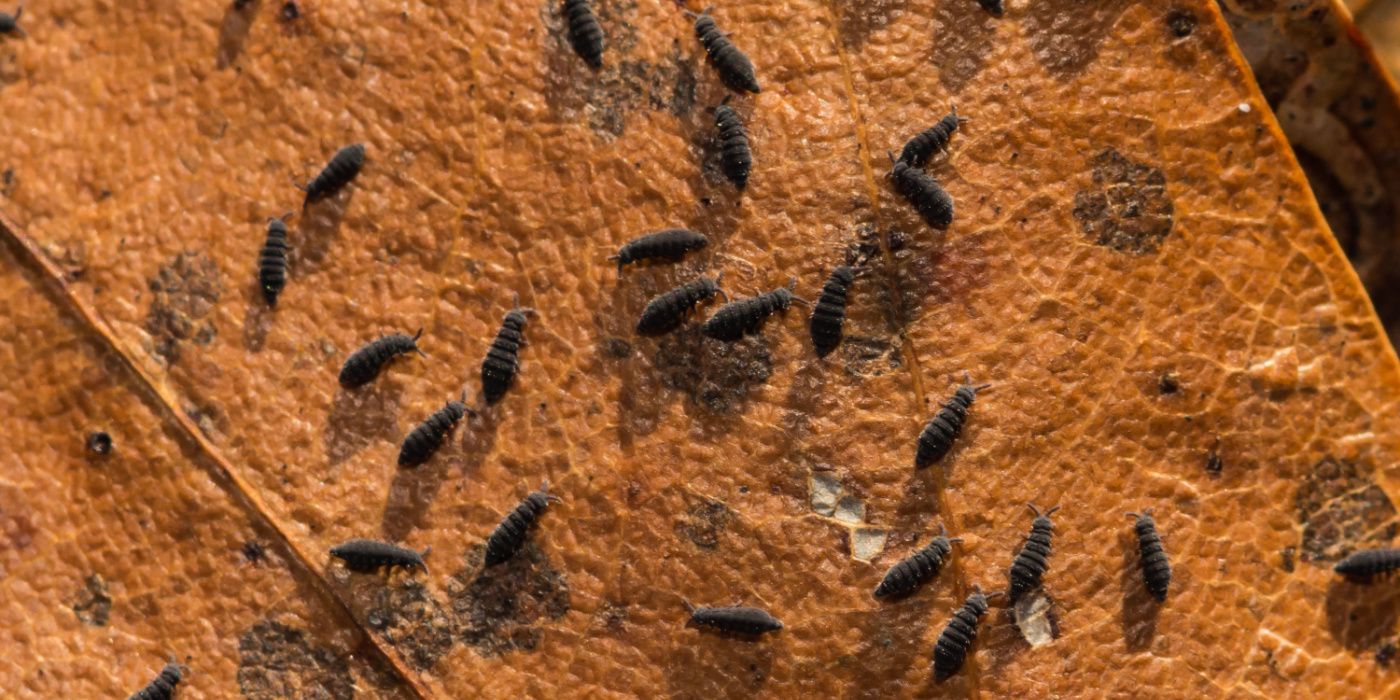
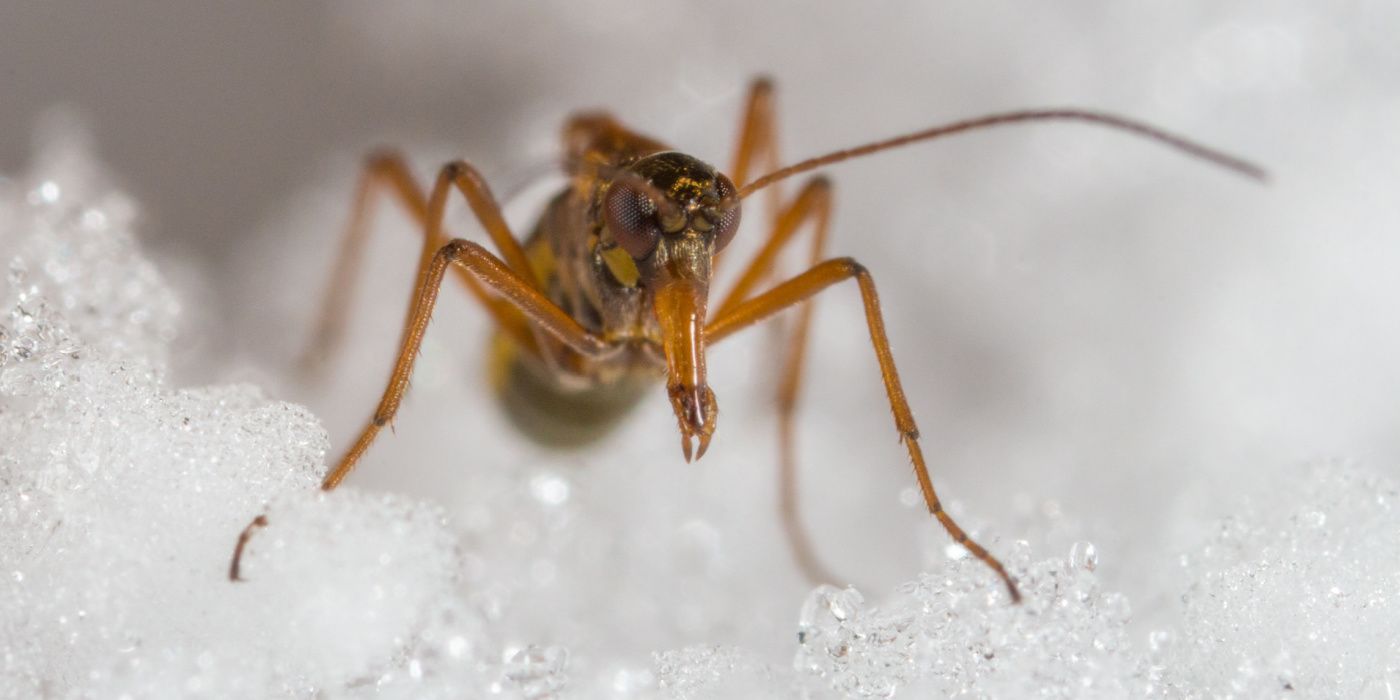
Snow fleas, despite their name, are not actual fleas. These minuscule insects are a type of springtail. Found in moist environments, snow fleas are some of the most active insects in winter, and their presence becomes noticeable on snowy surfaces. The winter bugs measure only about ⅒ of an inch, according to the University of Minnesota, and their dark color makes them stand out against the white snow. Despite their ominous appearance, snow fleas are harmless to humans. They feed on organic matter and play a crucial role in breaking down decaying plant material, which can help improve your soil.

Snow fleas produce Hypogastrura harveyi Folsom, a protein that acts as an antifreeze, preventing ice crystal formation within their bodies, and allowing them to remain active even in subzero temperatures. Their ability to jump vast distances helps them navigate through snow, while their dark coloration absorbs sunlight, providing them with warmth in chilly environments.

Snow flies can find their way into your home, but there are some things you can do to keep snow fleas at bay:

Maintain proper ventilation to reduce moisture levels indoors.

Clear snow and debris from around the foundation to limit their access points.

Use natural repellents like diatomaceous earth near entry points.

Apply a thin layer of cedar oil or citrus-based repellent in infested areas.

Use a vacuum cleaner with proper filtration to remove snow fleas indoors.

Consider introducing predatory insects like ground beetles to control populations.

Winter Stoneflies

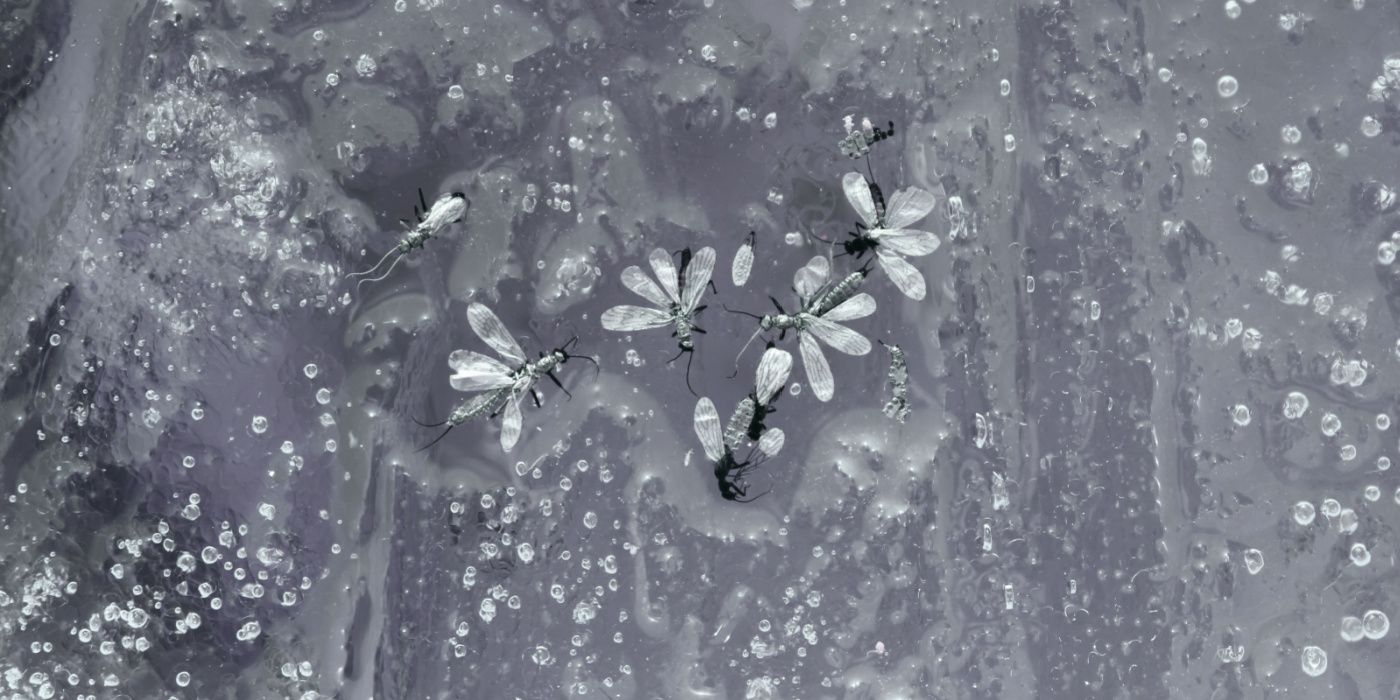
Winter stoneflies are insects that defy the common perception of insects going dormant in winter. Thesewinter bugsare characterized by their elongated bodies and two pairs of membranous wings. Typically found near cold, running water, winter stoneflies undergo a unique life cycle that involves egg-laying on rocks in freezing conditions. Like snow fleas, winter stoneflies have dark coloration that aids in absorbing sunlight for warmth. Their ability to walk on their tippy-toes prevents direct contact with cold surfaces. Additionally, they seek refuge in crevices to evade harsh winter winds and replace body fluids with glycerol, an alcohol that remains unfrozen, enabling them to regulate their antifreeze levels as necessary.

Fortunately, stoneflies rarely invade your living space. However, if you have discovered them in your space and would like to get rid of them, there are some things you can do:

Use light-colored exterior paint to reduce heat absorption and deter stoneflies.

Install artificial light sources away from water bodies to minimize attraction.

Remove standing water around the property to limit breeding sites.

Apply insecticidal soaps sparingly on stonefly-infested plants.

Winter Moths

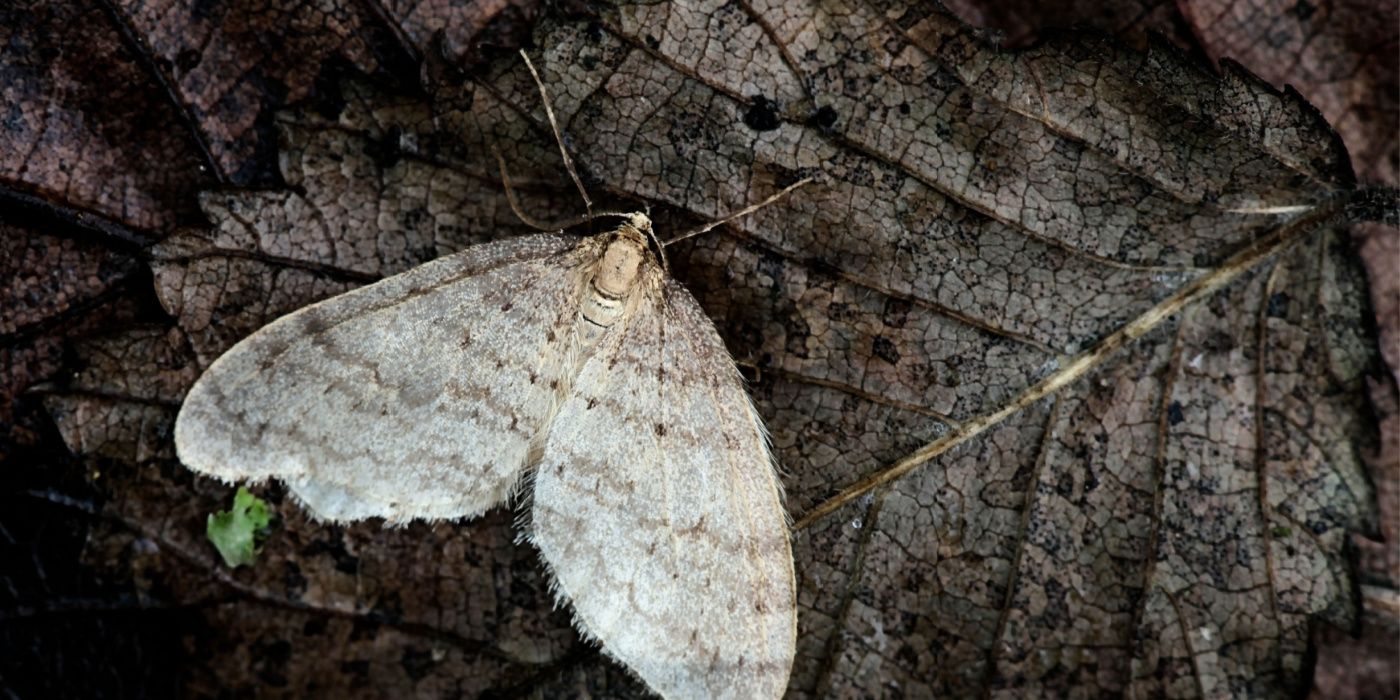
Winter moths are enchanting insects with a problematic reputation. These small, delicate moths have a wingspan of around 1 inch and are known for their ability to fly in cold temperatures. While they may seem harmless, the weird winter insects can be highly destructive to deciduous trees during their larval stage. The caterpillars feed on tree buds, potentially causing extensive damage to forests and ornamental trees. Winter moths have antifreeze in their bodies, aiding survival in freezing temperatures. They can also shiver to generate heat, maintaining their activity levels in cold weather.Moreover, they exhibit the ability to delay hatching until food sources are plentiful, enhancing their survival prospects by synchronizing with blooming cycles.

Winter moths can nest in your home but, there are some considerations for getting rid of these bugs in the winter:

Release natural predators such as parasitic wasps to control caterpillar populations outdoors.

Use organic insecticides such as neem oil to kill winter moths.

Apply horticultural oils on tree trunks to suffocate winter moth eggs.

Introduce pheromone traps to disrupt the mating cycle of adult moths.

Wrap tree trunks with burlap in late fall to prevent egg-laying.

Use sticky bands around tree trunks to trap crawling caterpillars.

Winter Ticks

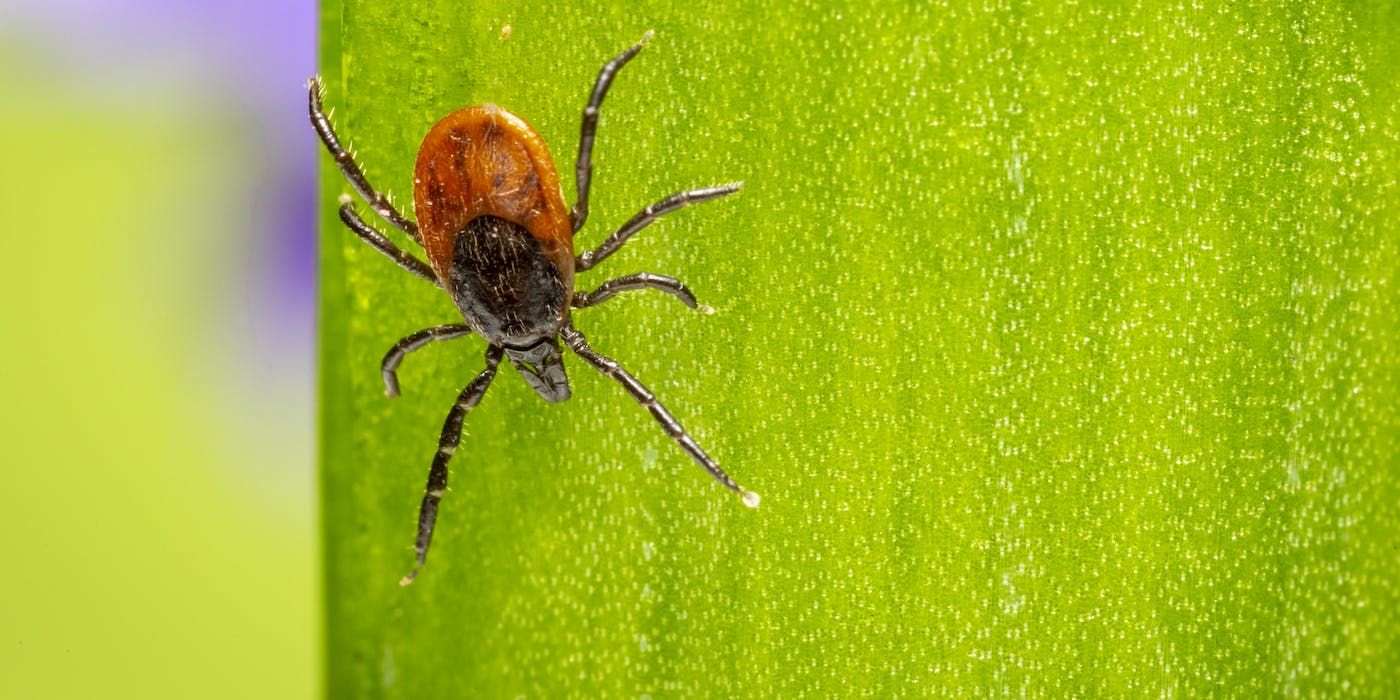
Winter ticks feed on the blood of mammals during the winter months. These tiny, reddish-brown bugs are particularly concerning due to their impact on wildlife and domestic animals. Animals can suffer from significant blood loss when infested with large numbers of winter ticks.

A significant adaptation of these winter bugs is their ability to remain on a host throughout cold winters, unlike other tick species that shift hosts between developmental stages.This strategy ensures their survival by providing consistent access to a blood meal. Furthermore, off-host larvae and adult female winter ticks display remarkable survival techniques underwater, showcasing their adaptability to severe environments. To fight winter ticks:

Regularly check pets and livestock for ticks, especially after outdoor activities.

Safely remove the winter insectsusing fine-tipped tweezers, grasping as close to the skin’s surface as possible.

Create tick-safe zones by clearing tall grass and dense vegetation.

Use botanical repellents on pets, focusing on ears, neck, and paws.

Consult with local wildlife management agencies to control tick-infested wildlife populations.

Snow Scorpionflies

Snow scorpionflies are fascinating insects that add a touch of mystery to winter landscapes. With their distinctive long antennae and tail-like appendages, snow scorpionflies have an otherworldly appearance. This winter flyis commonly found on snow surfaces, where it feeds on small invertebrates and detritus. What makes snow scorpionflies so adept at surviving in the winter? Well, the winter insects can lower the freezing point of fluids in their cells, which prevents the formation of ice crystals and allows them to be active in cold conditions. Snow scorpionflies don’t often infest your living spaces. But if you’re concerned that the winter insects might find their way into your home, there are things you can do to thwart an attack by the bugs in the winter:

Maintain cleanliness to discourage their presence indoors.

Safeguard your living space by fitting screens on windows and doors to block their entry.

Use yellow outdoor lighting to minimize their attraction to illuminated areas.

Clear snow and debris from outdoor spaces to reduce potential habitats.

Plant native vegetation to encourage the presence of natural predators.

Winter Ants

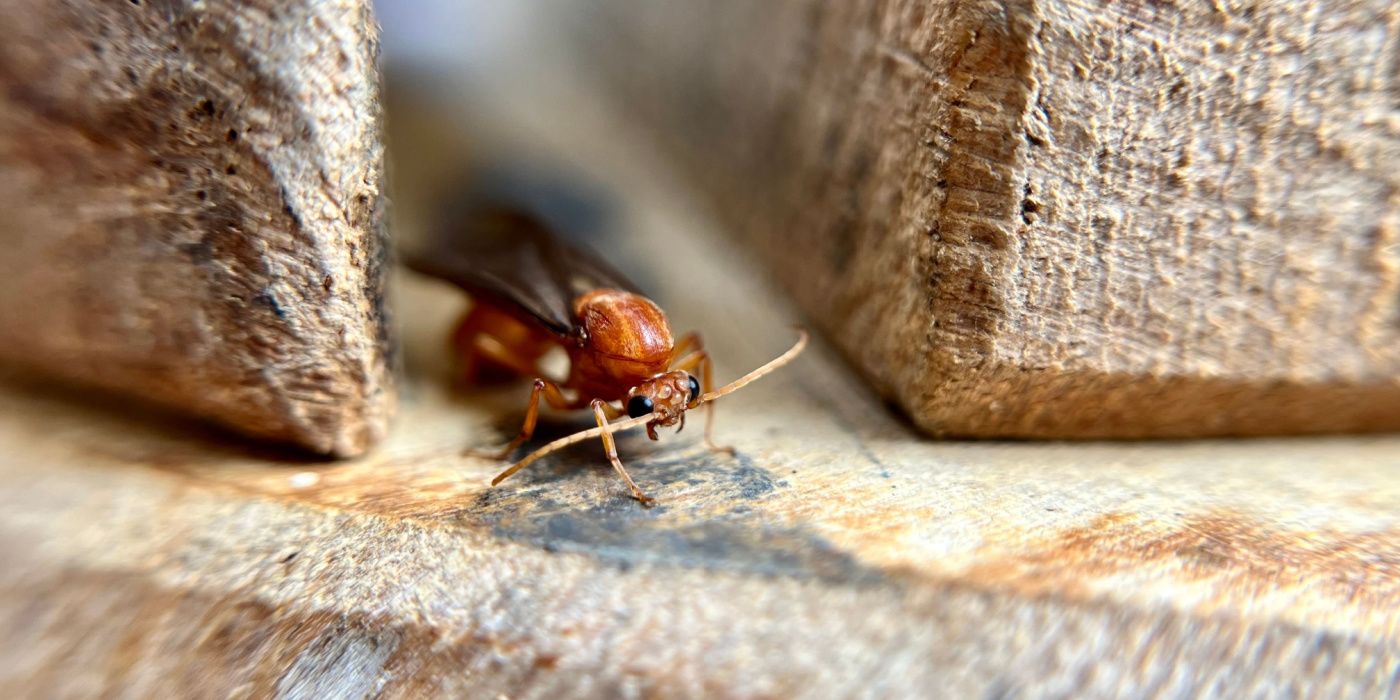
Winter ants, despite their small size, exhibit remarkable resilience in cold weather. The insects remain active during winter, foraging for food sources when temperatures drop. With a preference for sweet substances, winter ants may venture into homes seeking sustenance during the colder months. Ants have several adaptations to survive the winter. In colder months, ants use southern exposure rock surfaces to warm themselves and crowd together to share body heat. Unfortunately, winter ants can infest your home.The good news is that there are things you can do to get rid of ants, including winter ants:

Store food in airtight containers to eliminate potential food sources.

To prevent their intrusion, sealing cracks and eliminating food sources is essential.

Clean up crumbs and spills promptly to discourage ant foraging.

Use a mixture of vinegar and water to clean ant trails, disrupting their pheromone communication.

Sprinkle cinnamon or cayenne pepper near entry points as a natural ant deterrent.

Apply diatomaceous earth around the perimeter of your home to create a physical barrier.

Cold weather bugs reveal the hidden world of insect survival in freezing conditions. From the fascinating adaptations of snow fleas to the potential threat posed by winter moths and ticks, these winter insectsshowcase the diverse strategies employed to endure the harsh environment. Understanding their habits, appearance, and potential risks allows you to coexist with these cold weather bugs while appreciating the intricate balance of nature even in the coldest months.

SOURCE: BACKYARDBOSS.NET

Red Oak Creek Covered Bridge

Looking for famous bridges in Georgia? We’ve got one of the most wonderful pieces of architecture in the state picked out for you! The Red Oak Creek Covered Bridge in Georgia is just 12 miles north of Warm Springs. This old bridge is still standing and more than worth taking a trip to if you are on a quest to see covered bridges in Georgia. If you need a little bit more of a push, here are eight reasons why this record-holding covered bridge should be explored.

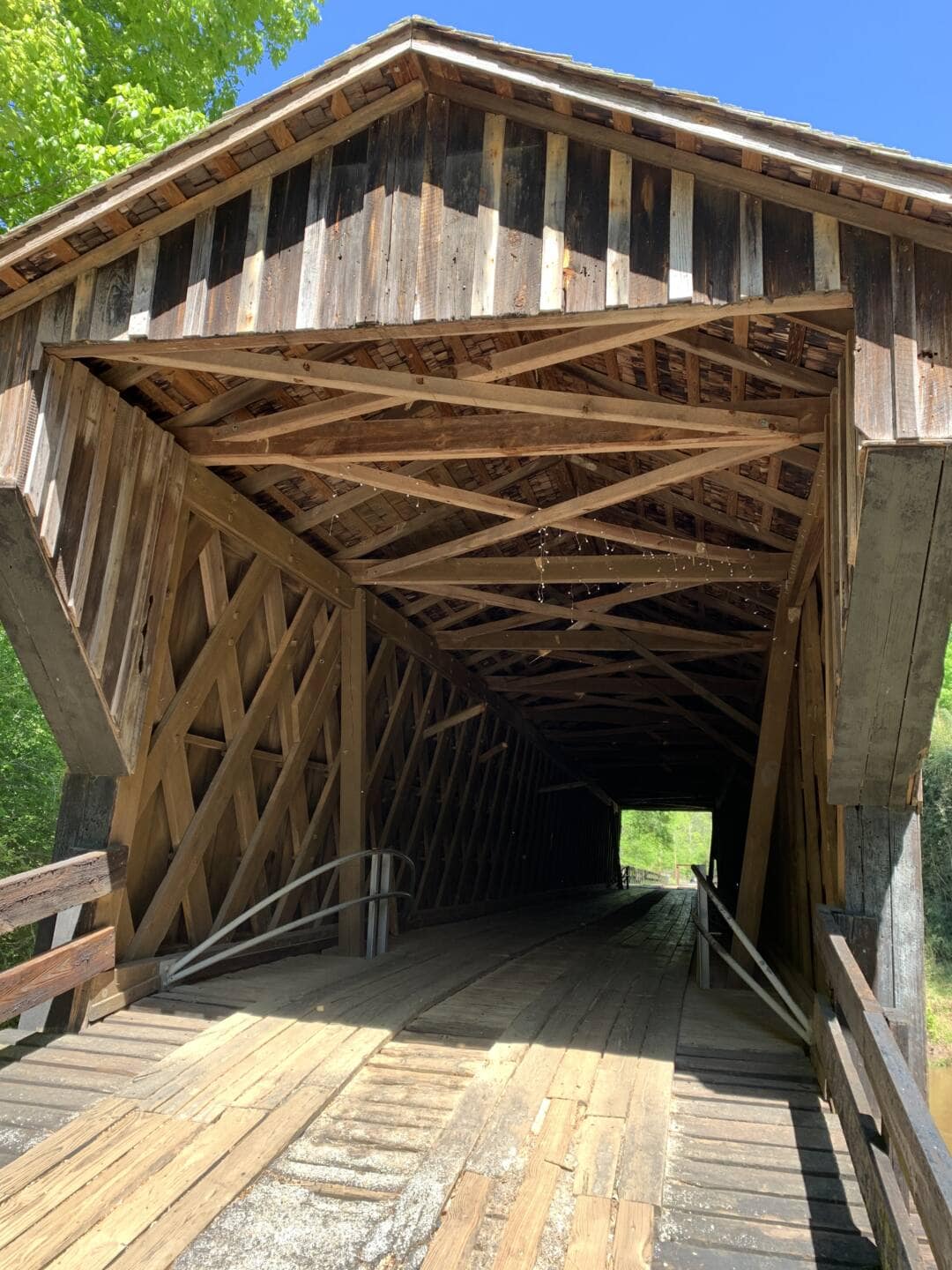
This beautiful bridge was built over 170 years ago. It’s been well-maintained over time, so it’s still able to carry traffic across. Red Oak Creek Covered Bridge in Georgia was built by freed slave Horace King. This noted bridge builder was born in 1807 and died in 1885. The bridge has a fascinating design that will enchant covered bridge lovers. The Town lattice plan consists of crisscrossing planks at 45 to 60 degree angles. Approximately 2,500 wood pegs were used when constructing this magnificent structure.

Horace King is credited with building many covered bridges in Georgia. He was particularly active in the western half of the state. Sadly, Red Oak Creek Covered Bridge is the last surviving bridge designed by him.

 At 391 feet in length, this structure is the oldest and longest of all the wooden covered bridges in Georgia. This architectural gem is sometimes called the Imlac Covered Bridge. It spans over Red Oak Creek in the small community of Imlac, not far from Woodbury. What makes this covered bridge stand out above the rest is the workmanship that it showcases. When you consider it was built centuries ago, it’s truly amazing it’s still able to accomplish its job today!