Today is Betsy Ross’s birthday and I found an article on Have Fun With History about Betsy!
From havefunwithhistory.com:
Betsy Ross, born on January 1, 1752, in Philadelphia, Pennsylvania, is a prominent figure in American history known for her role in the creation of the first American flag. While her life and contributions are often celebrated, some aspects remain shrouded in legend and debate. This brief introduction provides a glimpse into the life of Betsy Ross, a woman whose association with the American flag has left an indelible mark on the nation’s history and identity.
Betsy Ross Facts
1 Born on January 1, 1752, in Philadelphia, Pennsylvania
Betsy Ross was born as Elizabeth Griscom in the bustling colonial city of Philadelphia. She was one of 17 children in her family, and her Quaker parents, Samuel Griscom and Rebecca James, raised her in the Quaker faith.
2 Married John Ross in 1773
In 1773, Betsy Ross married John Ross, who was an Anglican vestryman and an upholsterer by trade. Together, they established an upholstery business in Philadelphia. However, their marriage was short-lived due to John Ross’s untimely death in 1776 during the early years of the American Revolutionary War. Despite the brevity of their marriage, Betsy Ross continued to work in the upholstery trade after his passing.
3 Known for her role in creating the first American flag
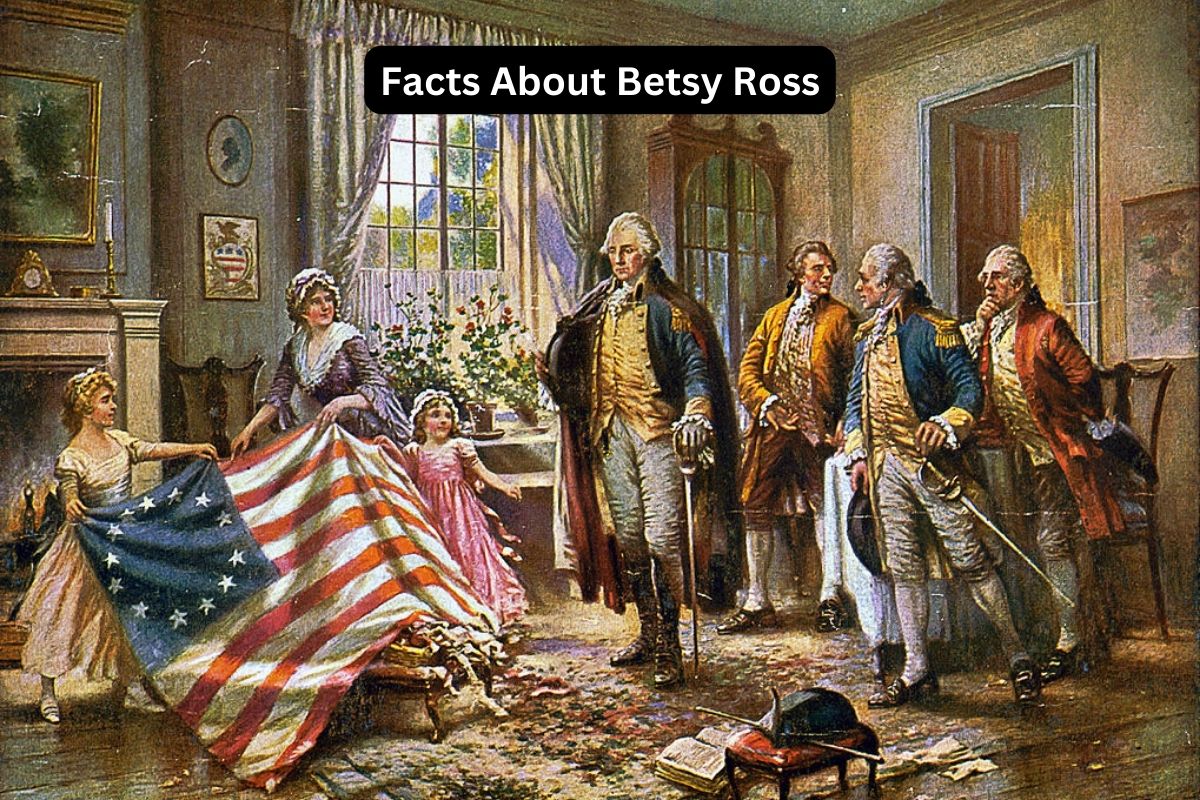
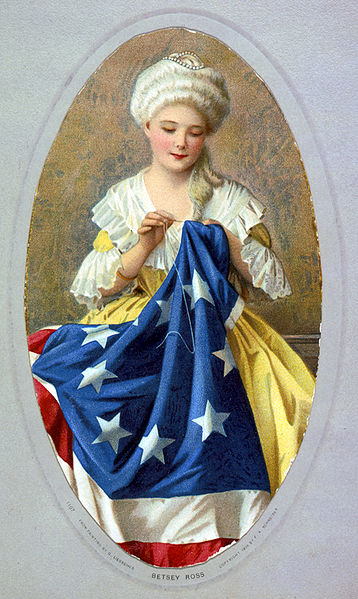
Betsy Ross is most renowned for her association with the creation of the first American flag. According to legend, she was approached by a committee consisting of George Washington, George Ross (John Ross’s uncle), and Robert Morris in June 1776. They presented her with a rough design of the American flag, which had 13 stars and 13 stripes, representing the 13 American colonies. Betsy Ross is said to have suggested changes to the design, including the use of a five-pointed star and the arrangement of stars in a circle. While the exact historical accuracy of this story remains debated, it has become a cherished part of American folklore, and Betsy Ross is widely recognized for her association with the creation of the American flag.
4 Traditionally credited with suggesting design modifications for the flag
As previously mentioned, Betsy Ross is traditionally credited with suggesting design modifications to the American flag presented to her by George Washington and the committee. According to the legend, she proposed using a five-pointed star instead of a six-pointed one, as well as arranging the stars in a circular pattern. This circular arrangement made it easier to create the stars, as opposed to the more complex design of a star within a star. While there is some debate among historians about the accuracy of this specific account, there is no doubt that Betsy Ross was an accomplished flag maker, and her contributions to early American flag design are celebrated.
5 The first American flag she created had 13 stars and 13 stripes
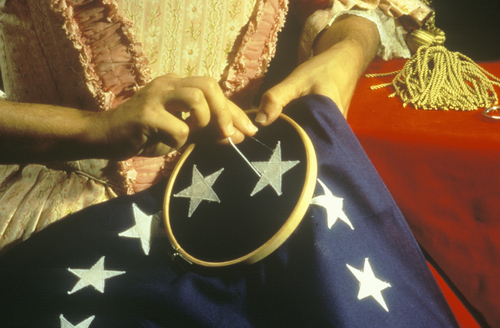
Betsy Ross’s most famous creation was the first American flag, which she is believed to have sewn in 1776. This flag had 13 stars, representing the 13 original colonies, and 13 stripes, alternating red and white, symbolizing the same colonies. The design was intended to reflect the united efforts of the American colonies in their struggle for independence from British rule. The stars and stripes have since become iconic symbols of the United States and its history.
6 Operated an upholstery business with her first husband, John Ross
Betsy Ross and her first husband, John Ross, ran an upholstery business together in Philadelphia. Upholstery involved the crafting and repair of furniture, making draperies, and creating various fabric-based items. While John Ross was also involved in the early stages of the American Revolution, Betsy’s skills as a seamstress and upholsterer became particularly valuable during this time. After John’s death in 1776, Betsy continued to manage and operate the upholstery business on her own. Her ability to work with fabrics and textiles likely contributed to her involvement in flag-making, and she remained an active and skilled craftsman throughout her life.
7 Married three times in her lifetime
Betsy Ross had a complex personal life, marked by three marriages. Her first marriage was to John Ross in 1773. After his death in 1776, she married Joseph Ashburn in 1777. Tragically, Ashburn died while imprisoned by the British during the Revolutionary War. Betsy’s third marriage was to John Claypoole in 1783, and together they had five daughters. Betsy’s marriages were intertwined with the challenges and turmoil of the Revolutionary period.
8 Widowed multiple times, her husbands had ties to the Revolutionary War
All three of Betsy Ross’s husbands had direct or indirect connections to the American Revolutionary War. John Ross died early in the war, Joseph Ashburn was a sailor who suffered the hardships of wartime captivity, and John Claypoole was a veteran of the Continental Army. Betsy’s personal life was deeply affected by the conflicts and challenges of the Revolutionary period.
9 Died on January 30, 1836, at the age of 84
Betsy Ross lived a long life and passed away at the age of 84. Her death occurred on January 30, 1836, in Philadelphia, Pennsylvania. Her legacy, particularly her association with the creation of the American flag, continued to be celebrated after her death, and she remains a notable figure in American history.
10 Buried at the Free Quaker Burying Ground in Philadelphia
Betsy Ross was buried at the Free Quaker Burying Ground in Philadelphia, Pennsylvania. The Free Quakers were a group of Quakers who broke away from the mainstream Quaker community during the American Revolution because they supported the American cause. Betsy Ross’s burial at this historic site is a testament to her affiliation with the Free Quakers and her enduring connection to the Revolutionary period.
It seems a lot of states have the white-tailed deer as their state mammals. I found this article on Birds & Blooms showing some very funny and cute photos of deer—many, but not all—are white-tails.
Even if your loved one does have gas, the holidays might not be the time to bring it up. Instead, get them this book of basic yoga poses. It’s bound to include “Wind-Relieving Pose.” Maybe they’ll be inspired to take a yoga class.
On second thought, maybe throw in the Beano, too — to help them avoid an awkward moment in Downward-Facing Dog.
“Lose Weight with Your Mind,” by Jonathan R DeLeon
Just don’t. Even if you think you’re helping. Even if you think you’ve pinpointed the source of your loved one’s weight problem, and it’s definitely their mind.
Instead, give them kitchen essentials that will help inspire healthy cooking. (Research shows that people who cook their own meals tend to eat healthier.) This cookbook by Yotam Ottolenghi has inspired thousands of people to experiment with Israeli-influenced recipes, and incorporate new and healthful ingredients.
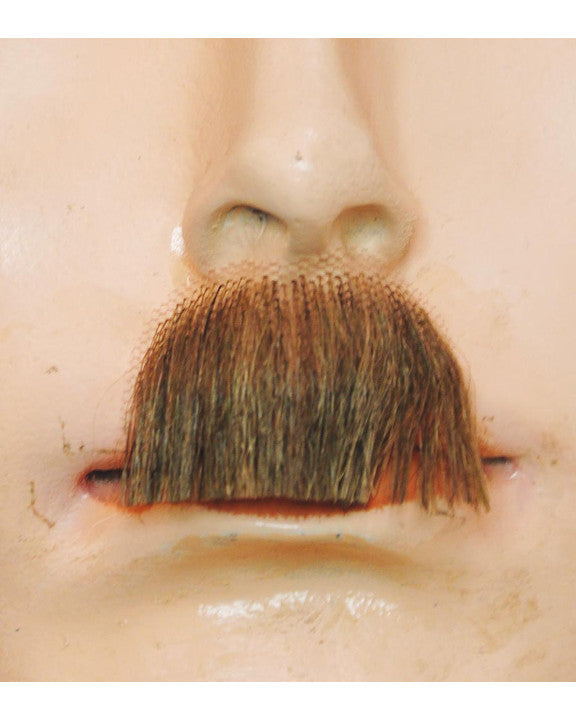
“Charlie Chaplin” Mustache that Closely Resembles Another Mustache
Just don’t. Unless someone in your life is an avid Charlie Chaplin role-player. Otherwise, this could get very weird.
A Guide to Polyamory For Your Parents
Don’t give your parents any ideas. (Perfect thing to give your sister in front of her new boyfriend, though.)
Stretch Mark Cream
In case you missed it: Stretch marks are cool. This artist uses glitter to turn stretch marks into body art. Spread the word — and give your loved ones biodegradable glitter to celebrate their own unique markings.
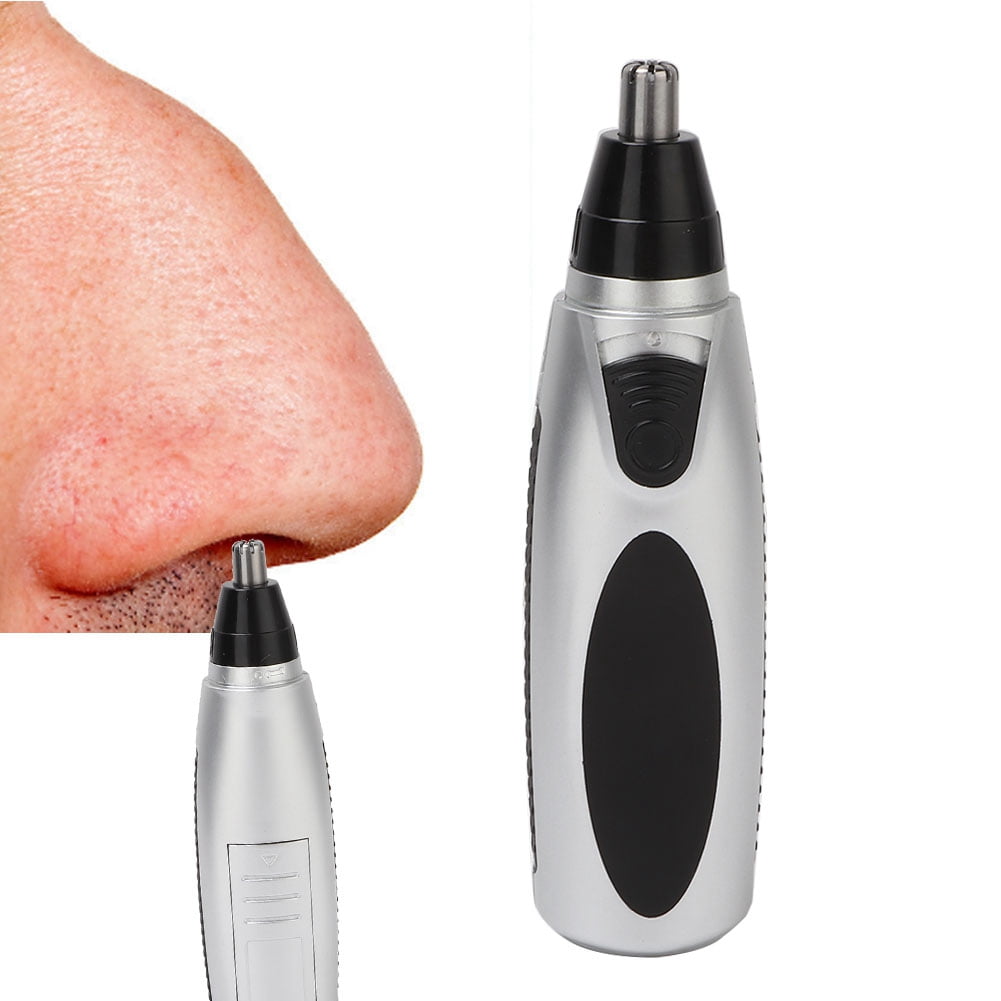
Nose & Ear Hair Trimmer
This gift will make your loved one wonder how much their nose hair has been bothering you. It also looks like a torture device.
Instead, you could get them a lighted bathroom mirror. This magnifying mirror will help them discover their jungle of nose hair on their own.
Earrings for Someone Without Pierced Ears
I’ve never gotten around to piercing my ears. Whenever someone gives me earrings, I mumble gratefully, then invent ways to avoid trying them on. (“Do I smell something burning?”)
Today, many people have “gauged ears.” These enlarged openings can’t hold normal earrings either. If you’re going to buy someone earrings, try to make sure they can actually wear them. Otherwise, get them a necklace. Everyone has a neck.
“Sexy Native American Costume”
Nope. “When a group like Native Americans have clung onto their culture in the face of genocide… it’s tone-deaf not to realize how damaging it is just to adopt that clothing for a night,” the Independent explains. Buy any of the thousands of other costumes on Amazon instead.
Very Specific “Exercise Weights” for Your Wife or Girlfriend
If you get these as a suggestive gift for your partner, you’re clearly a douche (another product, incidentally, that would make a terrible Christmas gift).
“Old Georgia State Flag” That Bears Uncanny Resemblance to Other Flag
Don’t buy this flag. If you seriously don’t understand why not, read more work by Ta-Nehisi Coates.
“The 7 Irresistible Qualities Men Want In A Woman: What High-Quality Men Secretly Look For When Choosing The One,” by Bruce Bryans
Author Bruce Bryans considers himself an expert on high-quality men. Bryans — who, according to his author bio, enjoys “manly things” — clearly spends a lot of time thinking about “high-quality men.” To please them, he explains, you must first pass the man’s “physical appearance test,” which is “specific to his personal tastes.” But then you must be “far superior” to other women in the surrounding area.
Um. Yikes. This book could really screw people up. Instead, let’s remind young women that they don’t need to be “superior” to anyone else — and that no one is “inferior” to them, either. Let’s encourage girls to lift each other up, instead of tearing each other down.
“101 Things Your Dad Never Told You About Men: The Good, Bad, And Ugly Things Men Want And Think About Women And Relationships,” by Bruce Bryans
Turns out Bruce Bryans has written many, many books about high-quality men. He also may have some issues. “Let’s face it; your Dad probably couldn’t tell you exactly how to be a good wife or a good girlfriend,” his promo text reads. “Maybe the topic of how to please your husband in bed would have been too awkward… Whatever the reason, your good old Dad probably never told you the ugly truth about what men want from women.”
Um. This author may have misunderstood the role of dads. Or misjudged how most people learn about pleasing their spouse in bed. (Hint: We don’t learn it from our dads.) If you’ve even considered buying this book, you should probably seek psychiatric help immediately. In the meantime, check out this guide to the best gifts for college students, where you’ll find something great for the young person in your life. While you’re at it, you might want to buy this other book by the yoga teacher and healing expert Ana Forrest — for yourself. You might actually need a self-help book — and, as we’ve learned, you are really the only person who can decide that for yourself.
And as always, when you’re stumped, you really can’t go wrong with Christmas socks.
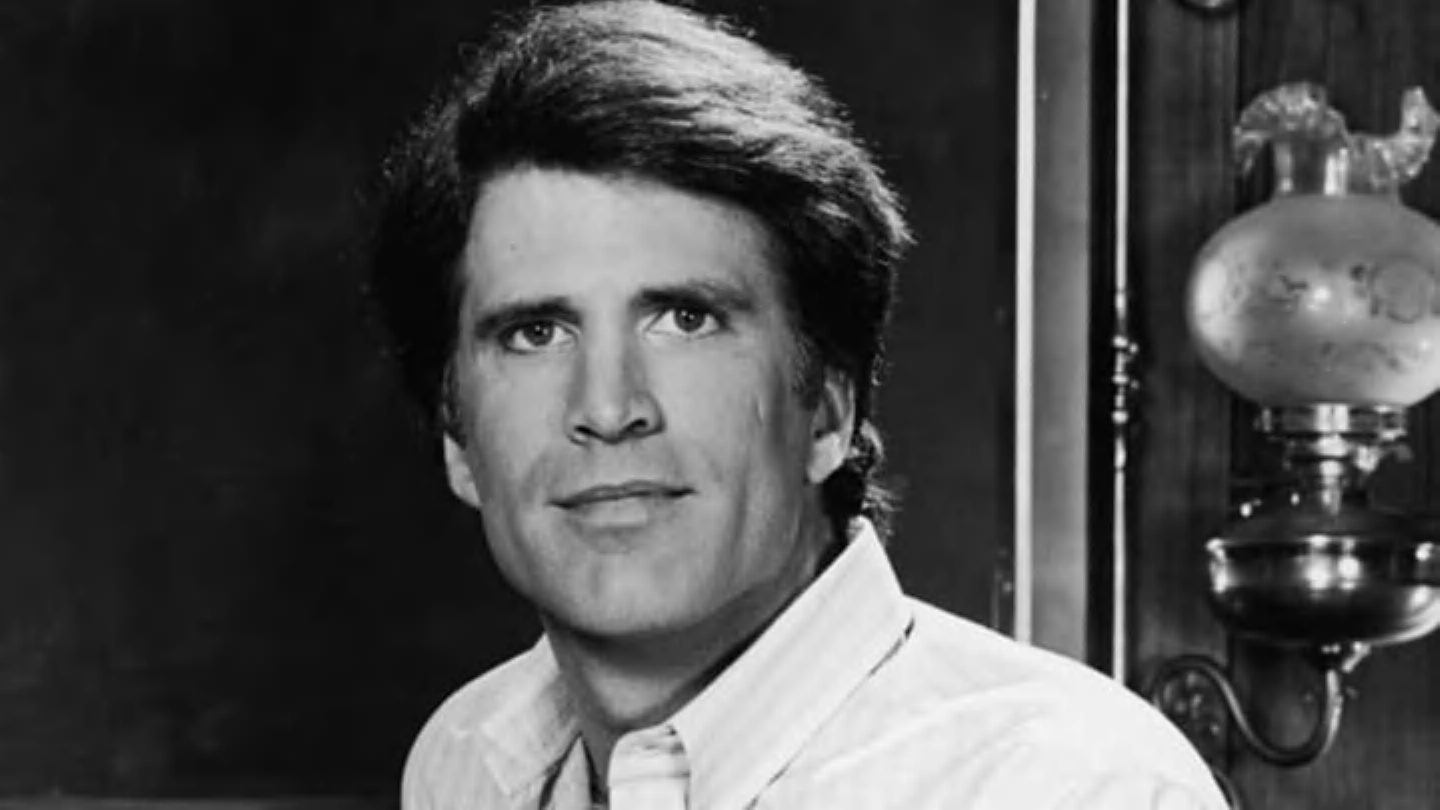
Today is Ted Danson’s birthday! I found an article on Mental Floss detailing fun facts about CHEERS.
FROM MENTAL FLOSS:
CHEERS ALMOST DIDN’T MAKE IT THROUGH SEASON ONE.
Like many of television’s greatest success stories (e.g. Seinfeld), Cheers was not an immediate hit. It premiered on September 30, 1982 to dismal ratings—77th place out of 100 shows that week, according to Nielsen. It was NBC’s entertainment president at the time, Brandon Tartikoff, who saved the show from cancellation during its first season.
THE BULL & FINCH PUB, ON WHICH CHEERS IS MODELED, IS NOW CALLED CHEERS
Talk about life imitating art. After it was decided that the series would be set in a bar instead of a hotel, co-creators Glen and Les Charles decided the locale should be moved to New England. “Boston was chosen partially because only five short-lived television shows claimed the city and the East Coast pubs were real neighborhood hangouts,” wrote Dennis A. Bjorklund in his book, Toasting Cheers.
As the show’s popularity rose, it didn’t take long for word to spread that the Beacon Hill tavern was the “real” Cheers (though only the exterior shots were filmed there), turning the neighborhood hangout into a tourist attraction. To satisfy the masses, a second location—this one actually called “Cheers” and featuring a replica of the bar viewers were used to—was opened in nearby Faneuil Hall in 2001. One year later, the Bull & Finch officially changed its name to Cheers.
SAM MALONE WAS ORIGINALLY A PROFESSIONAL FOOTBALL PLAYER.
In the script’s earliest incarnations, Sam Malone was an ex-football player, which made sense considering that Fred Dryer—the former NFL defensive end who would go on to star in Hunter—was a top choice to play the role of Sam (opposite Julia Duffy as Diane; William Devane was also a strong contender). Ultimately, it was the chemistry between Ted Danson and Shelley Long that led to them getting the gigs. Once the casting was finalized, the creators swapped out football for baseball, based on Danson’s body type.
TED DANSON ATTENDED BARTENDING SCHOOL.
Danson spent two weeks at a bartending school in Burbank, California as part of his training to play Sam.
NORM AND CLIFF WEREN’T INTENDED TO BE REGULAR CHARACTERS.
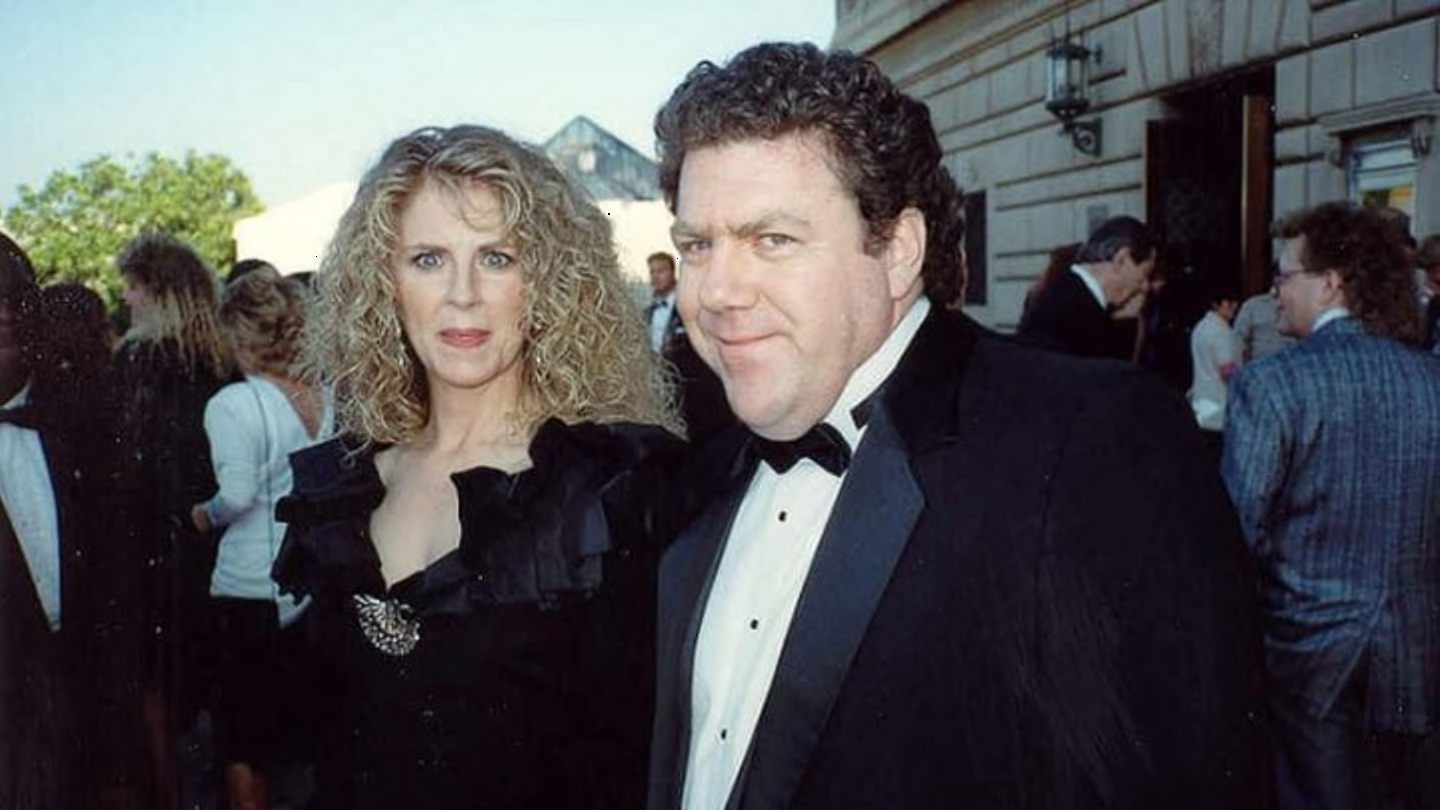
Both George Wendt and John Ratzenberger auditioned for the same role in the pilot, a minor character named George who had a single line: “Beer!” The character’s name was changed to Norm Peterson when Wendt was cast. But Ratzenberger wasn’t about to give up so easily. “As I was leaving the office after the audition, I turned around and asked them, ‘Do you have a bar know-it-all?,’” the Bridgeport, Connecticut-born Ratzenberger recalled to Ability Magazine. “None of the creators was from New England. They were all Hollywood-centered. And I said, ‘Well, every local bar in New England has got a know-it-all—someone who pretends to have the knowledge of all mankind between his ears and is not shy about sharing it.’” Thus, Cliff Clavin was born.
NORM PETERSON IS BASED ON A REAL GUY.
In 2012, co-creator Les Charles told GQ that Norm was based on a real person. “I worked at a bar after college, and we had a guy who came in every night. He wasn’t named Norm, was always going to have just one beer, and then he’d say, ‘Maybe I’ll just have one more.’ We had to help him out of the bar every night. His wife would call, and he’d always say, ‘Tell her I’m not here.’”
NORM’S NEVER-SEEN WIFE VERA IS VOICED BY GEORGE WENDT’S REAL WIFE.
Though she’s only credited in one episode, George Wendt’s wife, Bernadette Birkett, provided the voice for Norm’s wife, Vera. Birkett did make one appearance on the show—as a love interest of Cliff’s—in season three.
JOHN RATZENBERGER IMPROVISED MANY OF CLIFF’S FUN FACTS.
Many of the random (and untrue) facts that Cliff Clavin offers up were ad libbed by Ratzenberger. “After a couple of years on the show they realized they could trust me not to mess it up,” Ratzenberger told Deseret News in 1993. “So little by little they’ve let me just sort of run off. Because I know when to stop … It’s easy to improvise comedy. It really is. But the art is knowing when to shut up and let other people talk. That’s a hard thing to learn.”
SOME OF THE DIALOGUE CAME FROM REAL BAR CONVERSATIONS.
In order to nail the bar talk aspect of the series, the creators regularly visited bars in the Los Angeles area to eavesdrop on patrons’ conversations. In the series premiere, there’s an argument about the sweatiest movie ever made, which was lifted from one of these overheard conversations.
CHEERS WASN’T AFRAID TO TACKLE SOCIAL ISSUES.
Cheers’ writers never shied away from taboo topics such as alcoholism or homosexuality, though they always had a sense of humor about them. The season one episode “The Boys in the Bar,” in which one of Sam’s former teammates announces that he is gay, earned writers Ken Levine and David Isaacs a GLAAD Media Award.
PLANS FOR AN HIV SCARE FOR SAM HAD TO BE ABANDONED.
In 1988, the Writers Guild of America went on strike, which meant that several planned episodes of the series were never filmed. Among them was a season six cliffhanger in which Sam learns that a former girlfriend is HIV positive.
RHEA WASN’T THE ONLY PERLMAN ON THE SET.
Rhea Perlman wasn’t the only member of her family to grace the set of Cheers. Her younger sister, Heide, produced more than two dozen episodes between 1985 and 1986 and wrote several episodes throughout the show’s run. Perlman’s father, Phil, played one of the bar regulars (named Phil).
JAY THOMAS MURDERED EDDIE LEBEC.
When character actor Jay Thomas wasn’t portraying Carla’s Bruin-turned-ice-show-performer husband Eddie LeBec, he was the host of a popular morning radio show in Los Angeles. Which is exactly what led to his character being killed off rather prematurely by way of Zamboni. “A few episodes of recurring bliss and then one day on Jay’s radio show, a caller asked him what it was like to be on Cheers,” recounted writer Ken Levine. “He said something to the effect of, ‘It’s brutal. I have to kiss Rhea Perlman.’ Well, guess who happened to be listening … Jay Thomas was never seen on Cheers again.”
A CHEERS MINI-EPISODE WAS PRODUCED FOR THE U.S. TREASURY.
Early in Cheers’ run, its creators were contracted by the U.S. Treasury to create a special mini-episode to promote the purchase of U.S. savings bonds. Titled “Uncle Sam Malone,” the episode never aired on television nor is it included on any of the DVDs; it was intended to be screened for promotional purposes at savings bond drives only.
A “LOST” SCENE ALSO AIRED AS PART OF THE 1983 SUPER BOWL XVII PREGAME SHOW.
Back in early 1983, writers Ken Levine and David Isaacs wrote a special one-off scene to air before Super Bowl XVII in which Sam, Diane, Carla, Norm, Cliff, and NBC announcer Pete Axthelm bet on who will win the big game. “They ran it just before game time and it was seen by 80,000,000 people,” Levine recalled of the spot on his blog. “Nothing we’ve ever written before or since has been seen by that many eyeballs at one time. But the scene was never repeated. It never appeared on any DVDs. It just disappeared.” (Until now: You can watch it at the link above.)
TED DANSON WORE A HAIRPIECE TO PLAY HAIR-OBSESSED SAM
A fact that became apparent when he accepted the Emmy—sans hairpiece—in 1990. In the 1993 episode “It’s Lonely on the Top,” Sam shares his follicular challenge with Carla.
VIEWERS FREQUENTLY COMPLAINED ABOUT THE VOLUME OF THE LAUGH TRACK, EVEN THOUGH THERE WAS NO LAUGH TRACK.
In 1983, a quick disclaimer—spoken by one of the regular cast members—was added to the beginning of each episode: “Cheers was filmed before a live studio audience.” This was a direct response to viewer complaints that the “laugh track” was too loud.
THE PART OF FRASIER WAS WRITTEN FOR JOHN LITHGOW.
After recent roles in All That Jazz, Blow Out, and The World According to Garp (for which he received his first of two consecutive Oscar nominations), Lithgow was not interested in working on the small screen. “I just said, ‘No,’” Lithgow recalled to The Hollywood Reporter. “I barely even remembered that … It was like swatting away a fly … I just wasn’t going to do a series.”
KELSEY GRAMMER PLAYED FRASIER CRANE FOR 20 YEARS.
Grammer made his Cheers debut in the third season premiere in 1984. Though he was intended to be a short-lived character, Crane’s popularity with audiences led to him becoming a series regular. Four months after Cheers ended in May of 1993, Frasier made its debut (on the redesigned Cheers stage, no less) and ran for its own 11 seasons. Grammer’s two-decade run as the pretentious psychiatrist is a record-breaking one for an American comedy actor.
TONY SOPRANO’S MOM PLAYED FRASIER’S MOM, TOO.
Nancy Marchand’s character threatened to kill Diane. The role of Frasier’s mom was played by Tom Hanks’s wife Rita Wilson in a 2001 Frasier flashback.
KIRSTIE ALLEY IS THE ONLY MAIN CHARACTER WHO DIDN’T MAKE A GUEST APPEARANCE ON FRASIER.
Throughout Frasier’s 11-season run, Kirstie Alley was the only one of Cheers’ main actors to not make an appearance on the popular spinoff, possibly because the psychiatric profession conflicts with her beliefs as a Scientologist. “Kirstie once said … she’d never do a show about a psychiatrist,” Kelsey Grammer told Entertainment Weekly in 2002.
FRASIER’S DAD WAS MAGICALLY RESURRECTED FOR THE SPINOFF.
When Frasier talked about his family on Cheers, he noted that his father—also a well-respected psychiatrist—had passed away. Yet his ex-cop dad, played by John Mahoney, is a main character in Frasier. Incidentally, Mahoney made a one-off appearance in Cheers’ eleventh season, as a fast-talking jingle writer named Sy Flembeck:
NORM’S FIRST NAME IS HILLARY.
His full name is Hillary Norman Peterson.
THAT WOODY PLAYED WOODY WAS A TOTAL COINCIDENCE.
Though many of the non-regular bar patrons’ real names were used in filming, that Woody Harrelson ended up playing Woody Boyd is by sheer coincidence. The character’s name was written into the script long before any actors had auditioned for the role.
NORM DRANK “NEAR BEER.”
The bar on the set may have been fully functional, but that doesn’t mean the cast got to spend the day throwing back cold ones. Norm may have had it the worst. As the bar’s resident lush, he’s rarely seen without a sudsy glass of beer in his hand. But what’s really in that glass is “near beer,” a weakened strain of ale mixed with a bit of salt to keep a perfect head on the glass at all times. Which Wendt unfortunately had to consume on more than one occasion.
THE SHOW HELPED PROMOTE THE IDEA OF A DESIGNATED DRIVER.
It was important to the producers of Cheers that no tipsy bar patron ever drove him or herself home, so there are frequent references to calling cabs and designated drivers. The Harvard Alcohol Project had a hand in spreading this message.
SAM AND DIANE DID GET MARRIED AT THE END OF SEASON FIVE.
Because Cheers was filmed in front of a live studio audience, the producers had to occasionally trick the audience so that show developments weren’t leaked. In order to keep Shelley Long’s departure from the series a secret, the live audience saw Sam and Diane get married at the end of season five. The real ending—which sees Diane leaving for six months to finish her book, only to return for a guest appearance in the final season—was filmed on a closed set.
CHEERS HABLA ESPAÑOL.
In September 2011, a Spanish version of the series—also called Cheers—made its debut. It starred Alberto San Juan as a former soccer player turned Irish pub owner and ran for just one season.
THE END OF THE SHOW IS ALL TED DANSON’S FAULT.
Though understandably so. When Danson announced that he’d be leaving the series at the end of the 1992-1993 season, producers decided that Woody could take over the bar. But Woody Harrelson wasn’t interested in continuing the show without Danson, and so its series finale was set.
THE CAST AND CREW GOT REALLY, REALLY DRUNK FOR THEIR SENDOFF.
NBC made a major event of the series finale, with cast and crew celebrating at Boston’s Bull & Finch Pub, where thousands of fans gathered outside to watch the show on two Jumbotrons. Then the drinks started flowing … and flowing … and flowing. “The show ended at eleven,” Ken Levine wrote in a 2013 remembrance of the evening for Vulture. “The next half-hour was an emotional tsunami. Everyone was hugging and crying and doing a lot of drinking. We were all completely wrecked.”
Then it was time for the cast to make an appearance on The Tonight Show. “The cast, in no condition to face anybody, much less 40 million people, dutifully trooped downstairs to do the live show,” Levine continued. “Us non-celeb types stayed back and watched on TV … in horror. They were so drunk they needed designated walkers. They giggled like schoolgirls over nothing, fired spitballs into each other’s mouths, squirted water guns, Woody Harrelson implied he gave oral sex to both Ted Danson and Oliver Stone, and Kirstie Alley sang a song where the only lyric was ‘dick, dick, dick.’”
I found a funny article on Heavy.com detailing WORST Christmas gifts ever and I had to share! I removed all the links for the “gifts” she recommends and/or mentions, but they can be found at the link at the bottom.
From Heavy.com:
I’ve been known to give the worst Christmas gifts ever. I once gave my brother and his then-pregnant wife what I thought was a baby hat, which later turned out to be an oven mitt. (In my defense, no one in that town spoke English, and that quilted triangle could be worn on an infant’s head.)
It’s even worse when your gift hurts someone’s feelings. As a kid, I gave my dad plus-sized pajama pants, because I thought they looked comfy. (They were a few sizes too large.) The incident has gone down in family lore.
To help you avoid similar mishaps, I’ve compiled what I’ve learned about the worst Christmas gifts.
They usually fall into a few major categories: gifts that highlight someone’s perceived flaws (like acne products and weight-loss supplements); gifts that reveal how little you know about the recipient (like getting a dog leash for someone who doesn’t have a dog); and — my personal favorite — misguided self-help books.
(There is no category for accidentally giving someone an oven mitt for their baby. That’s just something that can happen if you get stoned while Christmas shopping in a foreign country.)
If you, too, have realized you’re a terrible gift-giver, don’t worry: Redemption is possible. For each of these mistakes, we’ve provided alternate gifts your loved ones will truly appreciate.
Read on to avoid giving the worst Christmas gifts.
A Very Pointed Self-Help Book
Bonus points if you give this to your boss. Self-help books can make for awkward gifting. (When I was 19, I unwrapped my Christmas gifts to find multiple books on how to overcome your “quarter-life crisis” — which I wasn’t aware I was having. It would’ve been a lot cooler if I had received one of these great books for 20 somethings.)
The intentions are good: You want to help someone. But instead of highlighting their shortcomings, choose a book with practices or insights that could help them grow — or, um, stop being a jerk — on their own.
“How to Text Men: The Ultimate Guide to Learn How to Text a Man and Make Him Beg for Your Attention”
This totally real, non-ironic book includes “word-for-word texts” to “make him CRAZY for you.”
If you use these texts, he won’t be the only one who’s CRAZY. “Discover how to make men BEGGING for your attention with brilliant texts,” reads the promotional text. Don’t give this to anyone. (Unless it’s a joke gift for your hilarious and proudly single friend.) Again, you might mean well: Maybe you want to help your friend find a good man, and she keeps screwing it up by sending kooky texts. But maybe your friend is actually doing just fine. Maybe she’s just not that into men. Maybe she enjoys spending time with herself.
Instead of helping her find a man, you could help her enjoy her solo time. Maybe she could pick up a new hobby, like vaporizing. Check out our guide to the best vaporizers. Or, buy her some organic CBD oil instead.
Sweat-Absorbing Armpit Pads for Your Sweaty Coworker
Got a super-sweaty coworker? Maybe they’re sweaty because they drink too much coffee. (Caffeine stimulates sweat production. This is a real problem. Um, I’ve heard.) Get them some mushroom coffee. It contains half the caffeine of normal coffee — and it may provide a less jittery buzz, in addition to other benefits.
Super Creepy “Revenge” Voodoo Doll
Don’t buy this doll. Even if you believe someone deserves revenge. The doll comes with pins you can stick on its different labels, which are designed to inflict various levels of revenge, ranging from “serious canker sores” to “deeply lonely life.” If your friend is wishing for someone else to have a “deeply lonely life,” they probably need therapy. But since you can’t give them that — at least not with a bow tied on it — give them John Prine’s “Sweet Revenge” album instead. His lyrical music and sense of humor might actually help them untangle their anger issues.
“How to Text Men: Texts That Will Make Him Want You”
Amazon offers many how-to books about texting men. (Any of them could make for the worst Christmas gifts ever.) This book’s cover features a woman who clearly needs author Joshua Bell’s advice on how to attract men. Bell promises to teach us “the ONE thing that will make him go crazy… and beg for your attention.” Later in the book, Joshua (who, according to his author bio, has an English degree), will teach us “the truth about the morning text and the good night text.” Wow. Can’t wait.
Please don’t buy this book for anyone — no matter how often they fumble their flirty texting. Instead, get her a rose quartz crystal, which is believed to aid in matters of the heart. She will definitely get better advice from a rock than from this book.
“The Attraction Blueprint: The Counterintuitive Approach To Attracting Any Woman You Want” by Sebastian Castaneda
According to this book, you can attract any woman with some simple psychological manipulation. (It’s easy!) This could make for a joke gift for a buddy who reads on their morning commute. Otherwise, don’t buy this book for anyone. The promotional text starts off by mentioning Freud, for reasons that remain unclear. Then it gets downright creepy: “Fear must be used as a source of absolute power. Do you want the power to hand select any girl you want? […] Do you want to get something from a woman without even having to ask?”
Um, ew. Somehow this book was published in 2017, by which time most of the general public had at least heard of the concept of consent. There’s not much information about the author, which I’m guessing is because he’s in jail. Just kidding. I have no idea where the author is. But still — don’t buy this book. Instead, check out this book produced by comedian John Oliver. It’s a children’s book about a rabbit, so it’s intended for a higher reading level than Castaneda’s manipulation handbook.
Any Book by This Disgraced Former TV Star
On a list of worsts, this book takes the cake. Apparently, Bill Cosby considered himself an expert on romance. In the book’s first sentence, Cosby says the first step towards romance is “learning to lie” to yourself. (Red flag much?) Don’t buy this book — even for a gag gift. Unless you’re buying all the available copies, and burning them in a bonfire while videotaping it. That actually might be a cool gift.
Maybe you should check out our gift ideas for women in their 20s. Any of them would be a better gift than this book — regardless of whether the recipient is a twenty-something woman or not. If you’re looking for a book written by a TV star, check out Chelsea Handler’s new book instead. I’m pretty sure she hasn’t drugged anyone. Except herself.
“Come on, People: On the Path from Victims to Victors” by Bill Cosby
Cosby actually did know something about victims — just not the kind he wrote about in this book. He chastises those who drop out of school or accept welfare, and reserves particular scorn for black men who end up in prison (where he himself would finally be incarcerated in 2019). Cosby shamed individuals while ignoring the systemic racism that ravaged their communities. He promoted this myth for years. To learn more about why that Cosby-style argument is wrong (aside from the obvious), check out any work by Ta-Nehisi Coates.
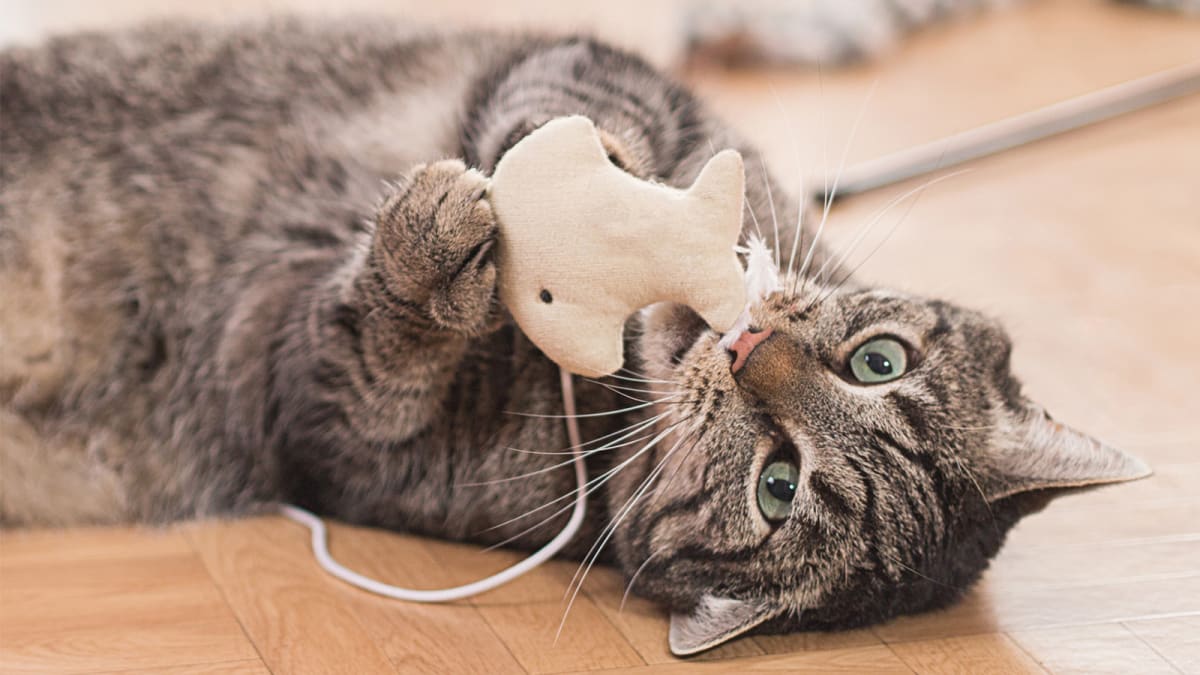
Cat Toys for a Person Without a Cat
If you give this to someone without a cat, you may leave them feeling confused. Even if you think it looks fun to play with. It’s possible that you are just obsessed with cats. (Or on drugs.) If you’re determined to give a cat-related gift, but you can’t remember whether or not your friend is a fellow cat person, check out this book, “How to Talk to Your Cat About Gun Safety.”
Only fellow cat-owners will be able to put this advice to use, but everyone with a sense of humor will appreciate this book — regardless of where they fall on the political spectrum. Or the cat-person spectrum.
Your Suggested Birthing Plan for Their Pregnancy
Giving your friend this DVD would be a huge mistake. Nobody has a DVD player anymore. But even if your friend both owns a DVD player and is also pregnant, their birth plan is probably none of your business. (Bonus weirdness points if you get this for someone who’s not pregnant.) It’s nice that you want them to feel good. But maybe get them something less intrusive, like this herbal tea sampler.
“Face Mask for Sagging Skin & Double Chins”
Don’t point out your loved one’s double chin. Not even in a fun, you-look-like-Santa sort of way. Of course, some skincare gifts are awesome. Snag this body butter instead. It’s luxurious, lavender-scented, and — best of all — it doesn’t scream “you’re aging poorly.”
A Book You Think Will Improve Their Marriage
A general rule for better gift-giving: Avoid anything that seems custom-made for Donald Trump to give to Melania. (Well, if he wasn’t afraid of books.) “Men are right,” this book’s promo text reads. “Men want closer marriages just as much as women do, but not if they have to act like a woman.” This book has it all: misogyny, stereotypes, and permission for men to behave badly. If you’re looking for advice on living in a superficial pretend-marriage, this book is for you.
But if you want to help someone deepen their actual marriage? Maybe help them find a hobby that fosters togetherness instead. Like cooking.
Cosmetic Teeth to Conceal Their Real Teeth
You might need some fake teeth of your own, after you try to give this cosmetic tooth kit to someone. If your loved one has dental problems, remember to recognize their inner beauty. Then practice compassion: Dental problems can cause sufferers stress, anxiety, and pain. CBD could help alleviate their dental discomfort. Buy them a soothing CBD tincture instead. Then watch out for all the (real) smiles.
The Grey Wolf (Canis Lupus), also known as the ‘Timber Wolf’ is the largest of the wild dog family. Grey Wolves were once in abundance and distributed over North America, Eurasia and the Middle East. However, because of human-related activity such as destruction of habitat and excessive hunting, Grey Wolves now only occupy a fraction of their former range.
The Grey Wolf is listed as an endangered species under the 1973 Endangered Species Act as they continue to be hunted in many areas of the world as a perceived threat to livestock, humans and also for sport. As extremely adaptable animals, Grey Wolves generally live in mountains, temperate forests and grasslands.
Grey Wolf Characteristics
Grey Wolves have a grey coat (hence their name) with interspersed yellow and pepper colored flicks which seep through from the base of their thick fur. Their coat has a kind of ‘grizzled’ look about it. Adult Grey Wolves weigh around 75 – 125 pounds. Male Grey Wolves are larger than the females and can even grow to weigh as much as 175 pounds in some cases. Grey Wolves stand between 27- 32 inches at the shoulder.
Wolves can appear much larger than they already are, this is because of their long fur. In winter when their fur is fully grown, their fur can be as long as 2 – 2.5 inches on their backs and sides. The hairs in their mane can be as long as 4 – 5 inches long and when stood upright, this makes them appear taller. The length of the Grey Wolf varies between 50 and 70 inches long from nose tip to tail tip. A third of this length is the length of its tail.
Compared to a large dog, a wolf has a narrower chest and longer legs. Because their chests are narrow, their left and right footprints are closer together than those of a dog’s. Grey Wolves have very strong jaws. Wolves have 42 teeth altogether. These consist of: 12 incisors, 4 canines, 16 pre-molars and 10 carnassials and molars. A wolf’s canine teeth can be as long as 1 inch long. A wolf’s teeth are extremely sharp, strong and slightly curved. This enables them to grasp their prey in their teeth and chew down to the soft marrow in the bones. It also helps the wolf to eat nearly all of its prey, leaving very little waste.
Wolf paws are able to traverse easily through a wide variety of terrains, especially snow. There is a slight webbing between each toe, which allows wolves to move over snow more easily than comparatively hampered prey. Wolves are digitigrades, so the relative largeness of their feet helps to better distribute their weight on snowy surfaces. The front paws are larger than the hind paws and feature a fifth digit, a dew claw, (a claw that grows higher on the leg so that, when the animal is standing, it does not make contact with the ground) that is absent on hind paws. Bristled hairs and blunt claws enhance grip on slippery surfaces, and special blood vessels keep paw pads from freezing.
Grey Wolf Population
Today, there are over 300 wolves in Yellowstone Park and over 500 in Idaho. The reintroduction of wolves is still in ongoing debate and is sometimes heated about already introduced wolves and the possibility of reintroducing more. Through negotiations between livestock ranchers and Defenders of Wildlife, the reintroduction of wolves has been a great success and number recovery goals have been met. However, the reintroduction still provides a sharp divide between industry and environmentalist.
Grey Wolf Reproduction
Wolves mate in January to March. The female wolfs gestation period is 63 days. An average litter is 4 to 7 pups. At birth, wolf pups tend to have darker fur and blue eyes. Their eyes will change to a yellow-gold or orange color when the pups are 8 – 16 weeks old. Though extremely unusual, it is possible for an adult wolf to retain its blue-colored eyes. Wolves can live to be between 8 – 13 years. In the wild, Grey Wolves live about 6 to 8 years and sometimes up to 13 years. In zoos, Grey Wolves may live up to 17 years.
Grey Wolf Diet
Grey wolves are carnivores. Their natural diet is solely meat and they often prey on animals larger than they are including – deer, moose, caribou, elk, bison and musk-oxen as well small animals such as beaver, hares and other small rodents.
Grey Wolf Behavior
Grey wolves live in packs, which have complex social structures that include the breeding adult pair (the alpha male and female) and their offspring. A hierarchy of dominant and subordinate animals within the pack help it to function as a unit. Wolves communicate by scent-marking, vocalizing (including howling), facial expressions and body postures.
Grey Wolf Range
Today the range of the Grey Wolf has been reduced to the following areas of the United States: Alaska, Idaho, Michigan, Minnesota, Montana, Wisconsin and Wyoming. Grey Wolves can also be found in Alaska, Canada, as well as Russia and a few eastern European countries. Mexican wolves have been reintroduced in New Mexico and Arizona.
Grey Wolf Habitat
Historically, Grey wolves have the largest range of any land mammal, other than people. Grey wolves have lived in all habitats in the Northern Hemisphere except for tropical forest. Grey wolves tend to occupy forests, tundra and grassy plains as well as deserts and mountains.
In 1973, four years before becoming the 39th president of the United States, Jimmy Carter filed a report of a UFO sighting in Georgia in 1969. He called it “the darnedest thing I’ve ever seen.” He promised, if elected president, to disclose government information about UFOs, but backpedaled while in office.
Abraham Lincoln was a licensed bartender
Before he became the 16th president, Abraham Lincoln was a bartender and bar owner. He partnered with a friend to buy a bar in Illinois but gave it up to become a lawyer shortly thereafter. He remains officially the only U.S. president to be a licensed bartender.
John Adams named his dog Satan
Plenty of U.S. presidents have had dogs as pets in the White House, but only one had a dog named after the devil himself. Satan was one of the pooches belonging to the second U.S. president, John Adams. No word on whether Satan lived up to its name.
We had a 24-hour president
Ever hear of President David Rice Atchison? If the answer is no, that’s probably because he was only president for a day. In 1849, the inauguration of Zachary Taylor landed on a Sunday, and the religious incumbent refused to be sworn in on a holy day. He had Atchison stand in for him.
James Monroe attacked his rival with red-hot tongs
After backing down from running against James Monroe in the presidential election, William H. Crawford accepted a position as his secretary of the Treasury. During a fight between the two men, the fifth U.S. president chased the politician out while brandishing a set of tongs from his fireplace.
Thomas Jefferson had a comically positioned bed
Jefferson famously served out his tenure at his estate, Monticello. Though his home was vast in size, he preferred to squeeze his bed into a tiny alcove that provided zero room at the foot and head of the bed. He’s thought to be the originator of the alcove bed layout.
Presidents Day is technically called Washington’s Birthday
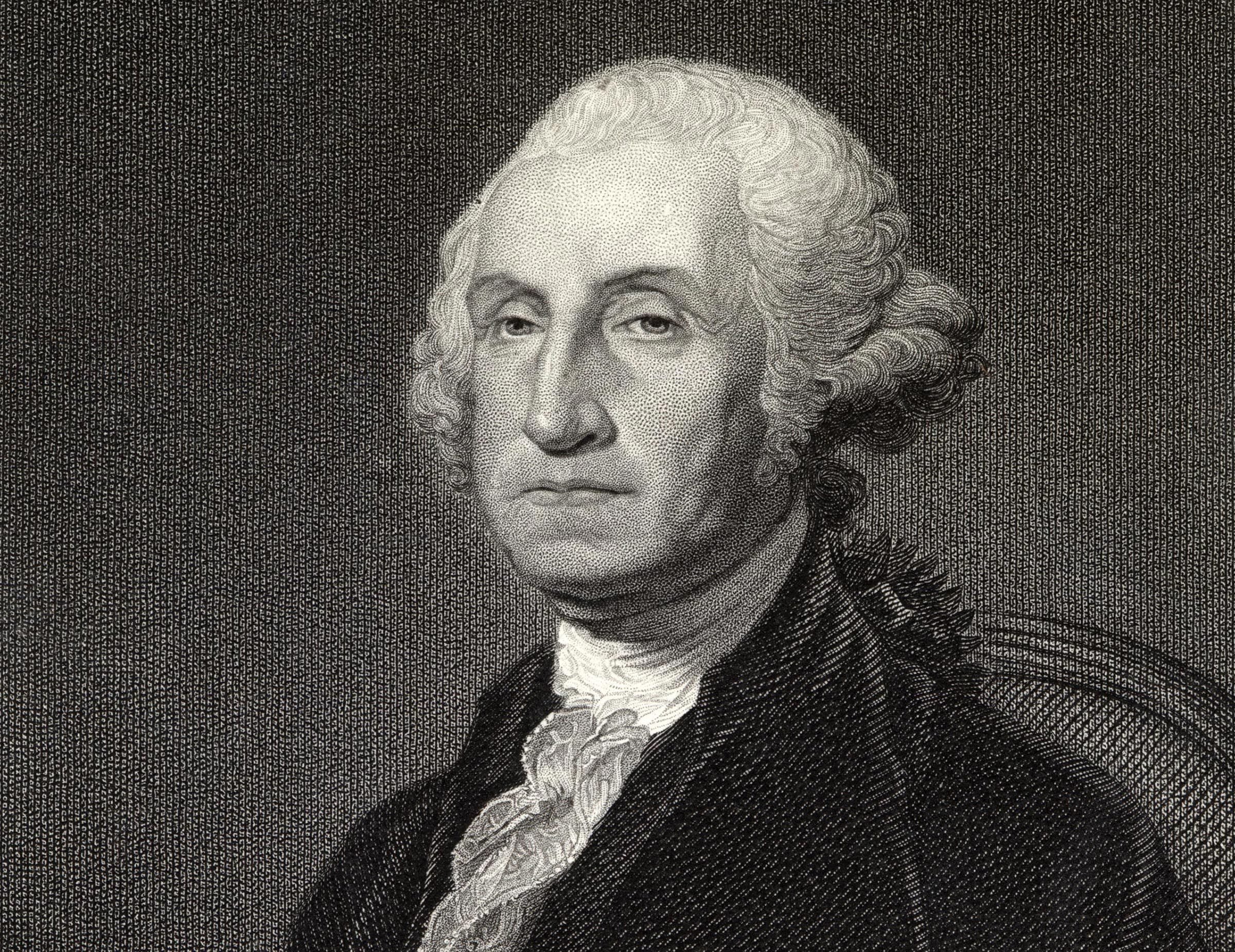
Presidents Day has a more complex history than one might think. After George Washington died in 1799, his supporters recognized his birthday as a day of remembrance. In 1885, his birthday became a federal holiday for the country. Later, in 1968, a new bill made certain federal holidays on Mondays and combined birthday celebrations for Washington and Lincoln into Presidents Day. According to the United States Code, however, that February holiday is technically still called Washington’s Birthday and never officially changed to Presidents Day. Federal code permits local governments and private businesses to name federal holidays whatever they want, so most states call it Presidents Day.
Three presidents married while in office
President John Tyler remarried in 1844 after the death of his first wife. Woodrow Wilson also remarried after the death of his wife, in 1915. And before his wedding, Grover Cleveland was one of two White House bachelors. (The other was James Buchanan, who never married.) Cleveland is also the only U.S. president to marry in a White House ceremony.
Martin Van Buren made “OK” popular
Experts don’t definitively know the origin of “OK.” People suggest it has origins in Native American language or Sub-Saharan African language, among other possibilities. They do know that Martin Van Buren helped popularize the expression. One of his nicknames was “Old Kinderhook,” the town he was from in New York. During his election campaign in 1840, people held signs with, and chanted, “OK.”
“Billy Possums” was meant to replace “Teddy Bears”
President Theodore Roosevelt inspired the name “Teddy Bears.” Roosevelt chose not to shoot a bear on a hunting trip, asking to put down the already injured bear humanely instead. Newspapers made cartoons of the event, and Morris Michtom, a candy shop owner, asked Roosevelt’s permission to sell stuffed bears in his shop and call them “Teddy Bears.” Once William H. Taft became president, toy makers worried that the bears wouldn’t be as popular. They came up with an alternative toy to name after Taft—”Billy Possums.” In 1909, the U.S. president ate possum in Georgia, inspiring the rival toy that never came close to the popularity of the Teddy Bear.
Ronald Regan consulted with an astrologist while in the White House
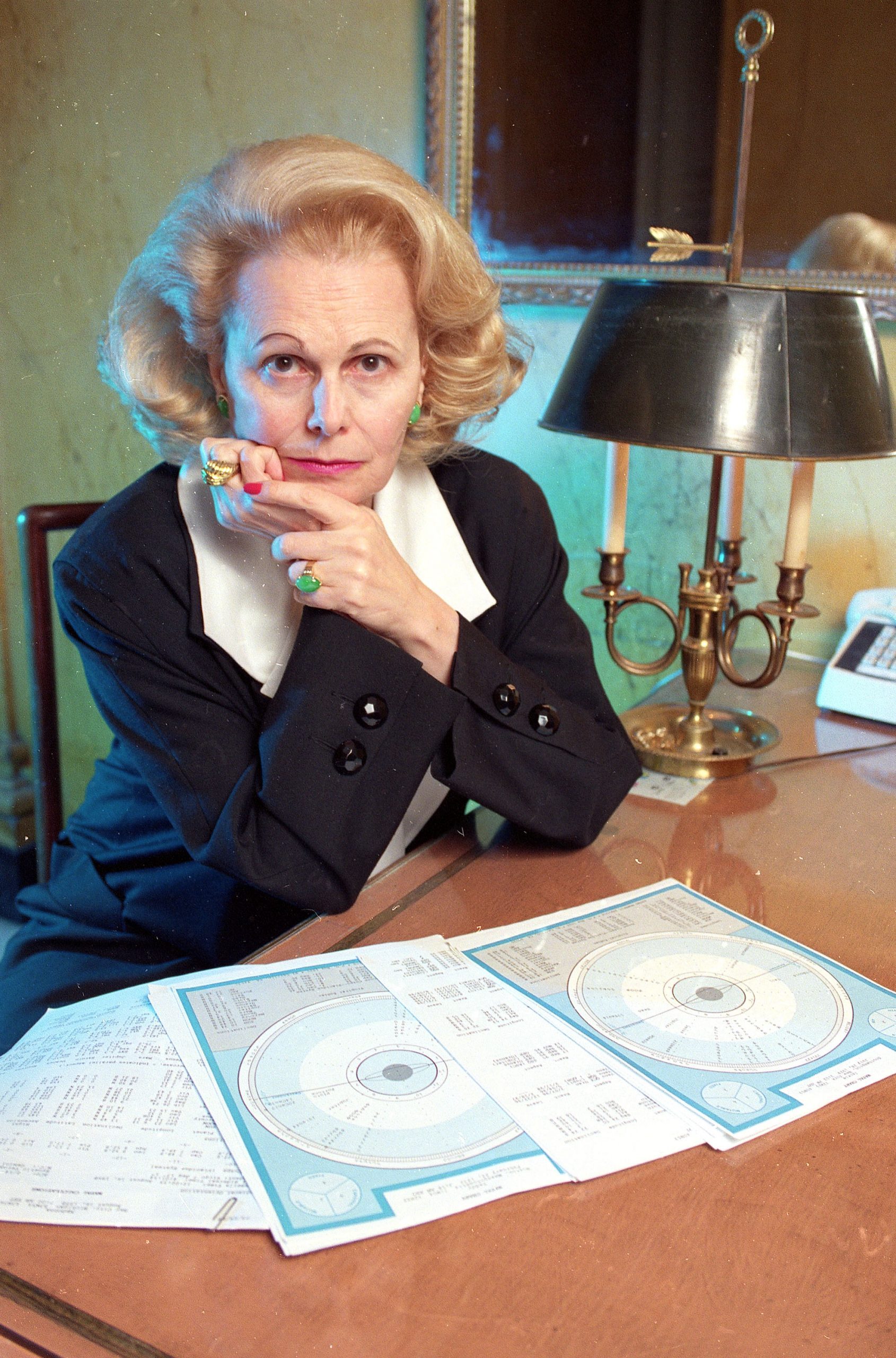
Joan Quigley was Ronald and Nancy Reagan’s astrologist while they were in the White House. Quigley only met the president once, but she did communicate regularly with the first lady. Quigley was reportedly responsible for timing conferences, speeches, takeoffs and landings, and even the State of the Union address. The president kept a color-coded calendar of good and bad days according to astrological rules and circumstances, based on information from Quigley. In her book, Quigley even claims she could have predicted the assassination attempt on his life—but at the time she hadn’t drawn up his charts.
George H.W. Bush inspired a Japanese slang word
In 1992, George H.W. Bush vomited on the prime minister of Japan at a state dinner in Tokyo while in Asia for a 12-day trip. After the incident, the term Bushu-suru—”do a bush”—became a popular Japanese slang word for vomiting.
John Quincy Adams kept a detailed, 51-volume diary
Here’s the last of our president facts: John Quincy Adams began keeping his 14,000-page journal in 1779 at the age of 12. He continued until shortly before his death in 1848. People can read the whopping 51 volumes online.
Thank you to all who visit this site—those who contribute and those who just read. I appreciate all of you! May we all know peace and prosperity in the new year!
Few plants can be considered as quintessentially Southern as the magnolia. Their big, waxy, glossy leaves juxtaposed with heady, fragrant flowers are familiar sights to Southerners. These are favorite trees for Southern yards because of their perfumed blooms, which are always a draw for gardeners, and their variety of selections. Every gardener has their favorite, and we think there’s a magnolia species for every yard. Plant deciduous magnolias in late fall or winter and evergreen magnolias in early spring for blooming throughout spring and summer months.
If you don’t know which to grow, let us help you pick the right magnolia tree for you. Learn more about these Southern favorites below, with different species, hybrids, and selections that thrive across the varied climates of the South. Then read on for information about planting magnolias, establishing them, and tending them in your yard all year round.
Magnolia Tree Care
You can help your newly planted magnolias establish themselves in your yard by preventing soil compaction around the root zone. Try to keep foot traffic around the base of the tree to a minimum. Also, prune only when necessary. Magnolias seldom have serious pest or disease problems, so that shouldn’t affect your tree care. They’re also rarely browsed by deer or other wild garden visitors.
Magnolias thrive in full sun or partial shade with regular water. Ensure your magnolia receives enough water and that it’s planted in well-drained soil. Few magnolias tolerate soggy soil. Sweet bay (M. virginiana) is an exception and can thrive in wet areas.
Light
Magnolia varieties prefer full sun to light shade. In warmer or dry climates, they appreciate some shade in the afternoon.
Soil
These trees grow best in moist, well-drained soil that is slightly acidic, but a range of pH levels offer suitable growing conditions for them. While they can adapt to sandy, loamy, and clay soils, magnolias do not grow well in soils with poor drainage.
Water
Once established, magnolias can be fairly drought-tolerant. For the first three to six months, young magnolia trees need to be watered two or three times per week. After that, the tree will need to be watered weekly until it is established (usually for the first two years of its life.) Give the tree two to three gallons of water for every inch of trunk diameter every time you water.
Gauge the tree’s water needs based on the temperature and rainfall in your area. For instance, if it rains a lot three times in a week, you won’t need to water the tree that week. Additionally, if it’s really hot outside, you may need to water more frequently. Mulching around the base of the tree, but not near the trunk, will help keep water in. Leaves on the tree will begin to droop if you are overwatering.
In November 1910, six men – Nelson Aldrich, A. Piatt Andrew, Henry Davison, Arthur Shelton, Frank Vanderlip and Paul Warburg – met at the Jekyll Island Club, off the coast of Georgia, to write a plan to reform the nation’s banking system. The meeting and its purpose were closely guarded secrets, and participants did not admit that the meeting occurred until the 1930s. But the plan written on Jekyll Island laid a foundation for what would eventually be the Federal Reserve System.
The Need for Reform
At the time, the men who met on Jekyll Island believed the banking system suffered from serious problems. The Jekyll Island participants’ views on this issue are well known, since before and after their conclave several spoke publicly and others published extensively on the topic. Collectively, they encapsulated their concerns in the plan they wrote on Jekyll Island and in the reports of the National Monetary Commission.
Like many Americans, these men were concerned with financial panics, which had disrupted economic activity in the United States periodically during the nineteenth century. Nationwide panics occurred on average every fifteen years. These panics forced financial institutions to suspend operations, triggering long and deep recessions. American banks held large required reserves of cash, but these reserves were scattered throughout the nation, held in the vaults of thousands of banks or as deposits in financial institutions in designated reserve and central reserve cities. During crises, they became frozen in place, preventing them from being used to alleviate the situation. During booms, banks’ excess reserves tended to flow toward big cities, especially New York, where bankers invested them in call loans, which were loans repayable on demand to brokers. The brokers in turn loaned the funds to investors speculating in equity markets, whose stock purchases served as collateral for the transactions. This American system made bank reserves immobile and equity markets volatile, a recipe for financial instability.
In Europe, in contrast, bankers invested much of their portfolio in short-term loans to merchants and manufacturers. This commercial paper directly financed commerce and industry while providing banks with assets that they could quickly convert to cash during a crisis. These loans remained liquid for several reasons. First, borrowers paid financial institutions – typically banks with which they had long-standing relationships – to guarantee repayment in case the borrowers could not meet their financial obligations. Second, the loans funded merchandise in the process of production and sale and that merchandise served as collateral should borrowers default. The Jekyll Island participants also worried about the inelastic supply of currency in the United States. The value of the dollar was linked to gold, and the quantity of currency available was linked to the supply of a special series of federal government bonds. The supply of currency neither expanded nor contracted with seasonal changes in demands for cash, such as the fall harvest or the holiday shopping season, causing interest rates to vary substantially from one month to the next. The inelastic supply of currency and limited supplies of gold also contributed to long and painful deflations.
Furthermore, Jekyll Island participants believed that an array of antiquated arrangements impeded America’s financial and economic progress. For example, American banks could not operate overseas. Thus, American merchants had to finance imports and exports through financial houses in Europe, principally London. American banks also struggled to collectively clear checks outside the boundaries of a single city. This increased costs of inter-city and interstate commerce and required risky and expensive remittances of cash over long distances.
In an article published in the New York Times in 1907, Paul Warburg, a successful, German-born financier who was a partner at the investment bank Kuhn, Loeb, and Co. and widely regarded as an expert on the banking systems in the United States and Europe, wrote that the United States’ financial system was “at about the same point that had been reached by Europe at the time of the Medicis, and by Asia, in all likelihood, at the time of Hammurabi” (Warburg 1907).
Just months after Warburg wrote those words, the country was struck by the Panic of 1907. The panic galvanized the US Congress, particularly Republican senator Nelson Aldrich, the chair of the Senate Finance Committee. In 1908, Aldrich sponsored a bill with Republican representative Edward Vreeland that, among other things, created the National Monetary Commission to study reforms to the financial system. Aldrich quickly hired several advisers to the commission, including Henry Davison, a partner at J.P. Morgan, and A. Piatt Andrew, an economics professor at Harvard University. Over the next two years, they studied banking and financial systems extensively and visited Europe to meet with bankers and central bankers.
The Duck Hunt
By the fall of 1910, Aldrich was persuaded of the necessity of a central bank for the United States. With Congress ready to begin meeting in just a few weeks, Aldrich — most likely at Davison’s suggestion — decided to convene a small group to help him synthesize all he had learned and write down a proposal to establish a central bank.
The group included Aldrich; his private secretary Arthur Shelton; Davison; Andrew (who by 1910 had been appointed assistant Treasury secretary); Frank Vanderlip, president of National City Bank and a former Treasury official; and Warburg.
A member of the exclusive Jekyll Island Club, most likely J.P. Morgan, arranged for the group to use the club’s facilities. Founded in 1886, the club’s membership boasted elites such as Morgan, Marshall Field, and William Kissam Vanderbilt I, whose mansion-sized “cottages” dotted the island. Munsey’s Magazine described it in 1904 as “the richest, the most exclusive, the most inaccessible” club in the world.
Aldrich and Davison chose the attendees for their expertise, but Aldrich knew their ties to Wall Street could arouse suspicion about their motives and threaten the bill’s political passage. So he went to great lengths to keep the meeting secret, adopting the ruse of a duck hunting trip and instructing the men to come one at a time to a train terminal in New Jersey, where they could board his private train car. Once aboard, the men used only first names – Nelson, Harry, Frank, Paul, Piatt, and Arthur – to prevent the staff from learning their identities. For decades after, the group referred to themselves as the “First Name Club.”
An additional member of the First Name Club was Benjamin Strong, vice president of the Bankers Trust Company and the future founding chief executive officer (then called governor, now called president) of the Federal Reserve Bank of New York. But it is unlikely Strong attended the meeting on Jekyll Island. In his autobiography, Vanderlip recalls him attending, but no other account indicates Strong’s presence. Most scholars and journalists who have written about the issue, including Bertie Charles (B.C.) Forbes — the founder of Forbes magazine and the journalist who first revealed the meetings in an article in 1916 — have concluded Strong did not attend (Forbes 1916). Strong had worked closely with the Jekyll Island attendees in other venues, however, and his ideas were certainly present at the meeting even if he was not there in person. After the meeting, as the First Name Club revised the plan and prepared it for publication, Strong was frequently consulted and according to Forbes, “joined the ‘First-Name Club’ as ‘Ben’” (Forbes 1922).
The Plan Takes Shape
Aldrich and his colleagues quickly realized that while they agreed on some broad principles — establishing an elastic currency supplied by a bank that held the reserves of all banks — they disagreed on details. Figuring out those details was a “desperately trying undertaking,” in Warburg’s words. Completely secluded, the men woke up early and worked late into the night for more than a week. “We had disappeared from the world onto a deserted island,” Vanderlip recalled in his autobiography. “We put in the most intense period of work that I have ever had.”
By the end of their time on Jekyll Island, Aldrich and his colleagues had developed a plan for a Reserve Association of America, a single central bank with fifteen branches across the country. Each branch would be governed by boards of directors elected by the member banks in each district, with larger banks getting more votes. The branches would be responsible for holding the reserves of their member banks; issuing currency; discounting commercial paper; transferring balances between branches; and check clearing and collection. The national body would set discount rates for the system as a whole and buy and sell securities.
Shortly after returning home, Aldrich became ill and was unable to write the group’s final report. So Vanderlip and Strong traveled to Washington to get the plan ready for Congress. Aldrich presented it to the National Monetary Commission in January 1911 without telling the commission members how the plan had been developed. A final report, along with legislative text, went to Congress a year later with a few minor changes, including naming the new institution the National Reserve Association.
In a letter accompanying the report, the Commission said it had created an institution “scientific in its method, and democratic in its control.” But many people, especially Democrats, objected to the version of democracy it presented, which could have allowed the largest banks to exert outsized influence on the central bank’s leadership. With a presidential election coming up, the Democrats made repudiating the Aldrich plan a part of their platform. When Woodrow Wilson won the presidency and the Democrats took control of both houses, Aldrich’s National Reserve Association appeared to be shelved.
Leaders of the Democratic Party, however, also were interested in reform, including President Wilson and the chairs of the House and Senate Committees on Banking and Currency, Carter Glass and Robert Owen, respectively. Glass and Owen both introduced proposals to form a central banking system based on draft legislation supported by Wilson. Glass, Owen, and their staffs directly consulted with Warburg, whose technical expertise was respected by Democratic and Republican politicians alike. Wilson’s chief political adviser, Col. E. M. House, met and corresponded with Warburg to discuss banking reform in general and the Glass and Owen plans in particular. So did William McAdoo and Henry Morgenthau, senior political and policy advisers to Wilson who served in his administration. Morgenthau assured Warburg “that he sent his copy of the [January 10, 1913] memorandum to President Wilson” (Warburg 1930, p. 90). Together, these ideas formed the basis of the final Federal Reserve Act, which Congress passed and the president signed in December 1913. The technical details of the final bill closely resembled those of the Aldrich Plan. The major differences were the political and decision-making structures, which was a compromise acceptable to both the progressive and populist wings of the Democratic Party.
Postscript
B.C. Forbes somehow learned about the Jekyll Island trip and wrote about it in 1916 in an article published in Leslie’s Weekly (October 19, 1916 p. 423), which was recapitulated a few months later in an article in the magazine Current Opinion. In 1917, Forbes again described the meeting in Men Who Are Making America, a collection of short biographies of prominent entrepreneurs, including Davison, Vanderlip, and Warburg. Not many people noticed the revelation, and those who did dismissed it as “a mere yarn,” according to Aldrich’s biographer.
The participants themselves denied the meeting had occurred for twenty years, until the publication of Aldrich’s biography in 1930. The impetus for coming clean was probably the publication in 1927 of Carter Glass’s memoir, An Adventure in Constructive Finance. In it, Glass, by now a senator, claimed credit for the key ideas in the Federal Reserve Act, which prompted the Jekyll Island participants to reveal their roles in creating the Federal Reserve.
Warburg was especially critical of Glass’s description of events. In 1930, he published a two-volume book describing the origins of the Fed, including a line-by-line comparison of the Aldrich bill and the Glass-Owen bill to prove their similarity. In the introduction, he wrote, “I had gone to California for a three months’ rest when the appearance of a series of articles written by Senator Glass…impelled me to lay down in black and white my recollections of certain events in the history of banking reform.” Warburg’s book does not mention Jekyll Island specifically, although he states that
“In November, 1910, I was invited to join a small group of men who, at Senator Aldrich’s request, were to take part in a several days’ conference with him, to discuss the form that the new banking bill should take. … when the conference closed … the rough draft of what later became the Aldrich Bill had been agreed upon … The results of the conference were entirely confidential. Even the fact that there had been a meeting was not permitted to become public. … Though eighteen years have gone by, I do not feel free to give a description of this most interesting conference concerning which Senator Aldrich pledged all participants to secrecy. I understand, however, a history of Senator Aldrich’s life … will contain an authorized account to of this episode” (Warburg 1930, pp. 58-60).
Disagreements over authorship of the Federal Reserve Act received widespread publicity in the late 1920s. Glass defended his claim for the lion’s share of the credit in speeches, in his book, and in submissions to prominent publications including the New York Evening Post and the New York Times. Critics responded in similar venues and academic journals. For example, Samuel Untermyer, former counsel to the House Committee on Banking and Currency, published a pamphlet titled “Who is Entitled to the Credit for the Federal Reserve Act? An Answer to Senator Carter Glass,” in which he asserted that Glass’s claims of primary authorship were “fiction,” “fable,” and a “work of imagination” (Untermyer 1927). In 1914, Edwin Seligman, a prominent professor at Columbia University, wrote that “in its fundamental features the Federal Reserve Act is the work of Mr. Warburg more than of any other man.” In 1927, Seligman and Glass debated this point in a series of letters published in the New York Times.
The Jekyll Island Club never bounced back from the Great Depression, when many of its members resigned, and it closed in 1942. Today, its former clubhouse and cottages are National Historic Landmarks. But the debates at and about the conference on Jekyll Island remain relevant today.





:max_bytes(150000):strip_icc()/ted-danson-cheers-112924-651c1b8f892545ce91b24dbe9a84e721.jpg)












:max_bytes(150000):strip_icc()/gettyimages-79557047-2000-b3fe34247b7f4931a62ce9bb5087dfef.jpg)


 Sew Colorful