Preheat oven to 350°. Cream peanut butter and sugar until light and fluffy, 5-7 minutes. Beat in egg.
Roll into 1-in. balls. Place 2 in. apart on ungreased baking sheets. Flatten slightly with the bottom of a glass. Bake until tops are slightly cracked, 15-17 minutes. Cool for 3 minutes before removing from pans to wire racks. Immediately press 1 mini peanut butter cup into center of each cookie. Let stand until set.
In a microwave, melt chocolate chips and shortening; stir until smooth. Transfer melted chocolate mixture to a pastry bag fitted with a small round tip. Use mixture to adhere candy eyes to peanut butter cups with melted chocolate mixture. Pipe 8 lines alongside each peanut butter cup to resemble spider legs. Let stand until set.
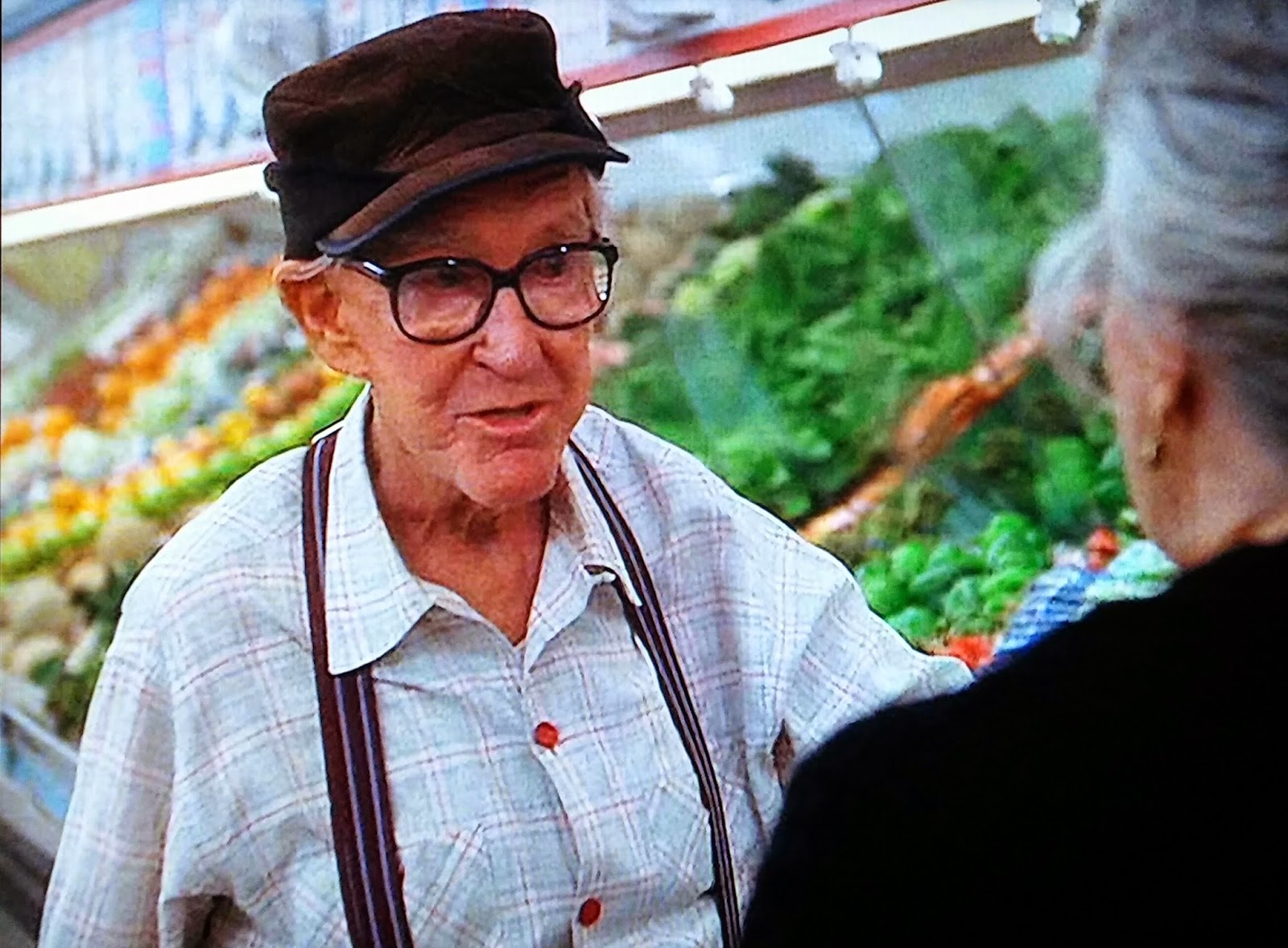
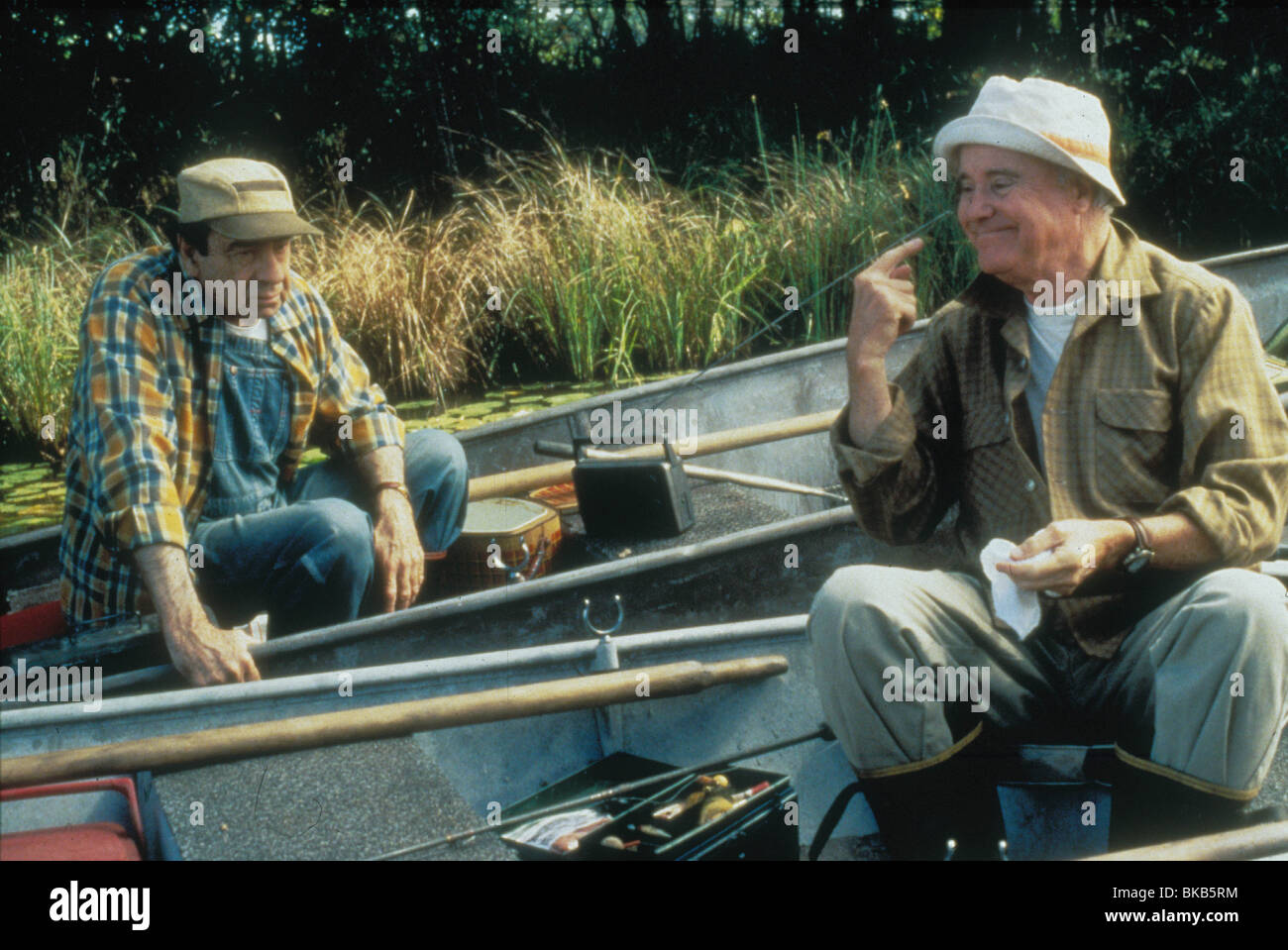
Walter Matthau’s birthday is this month (born October 7, 1920 and died July 1, 2000), so I thought we’d make Grumpy Old Men are trivia focus this month.
What kind of fish are Max and John trying to catch throughout the film?
What town and state was the movie based in?
Who buys Chuck’s bait shop?
What is Mama Ragetti’s first name?
When Jacob and Melanie discuss wedding plans, where does Jacob suggest as a location for the wedding reception?
What is the name of Allie’s guinea pig?
What does John find under the cushion when he tries to go to sleep on Max’s couch?
What is Max’s son’s name?
What does Max do to John while John is playing the lottery?
Who played the role of Jacob?
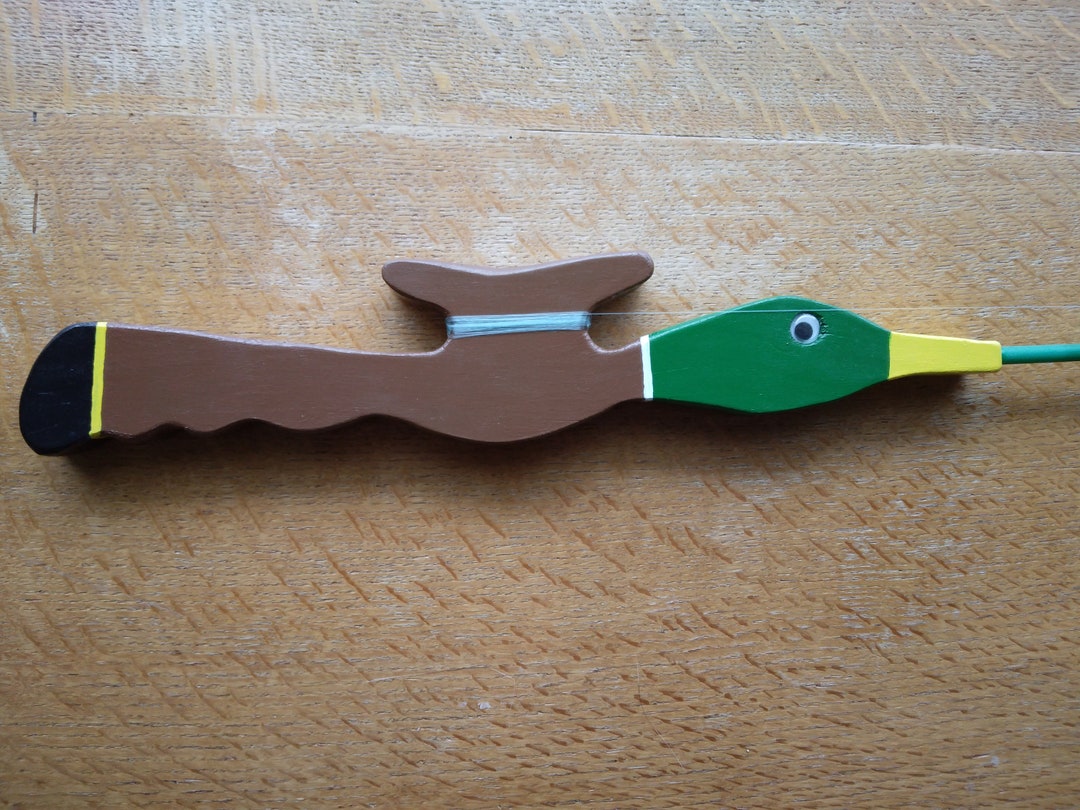
What does Max call his fishing pole?
What was John’s profession before he retired?
What is John’s cat’s name?
What does Max feed his dog?
What is the name of the fish that both John and Max want to catch?
Iva Toguri, better known as “Tokyo Rose,” was born in Los Angeles, California, on Independence Day, July 4, 1916. Her father was a Japanese-American who owned an import shop. Caught between two cultures, Iva Toguri aspired to be like all American teenagers. She wanted to become a doctor and attended UCLA, graduating in 1941, but then there was a twist of fate.
Her mother’s sister became ill in Japan, so as a graduation gift, Iva was sent back to Japan to visit her sick aunt. She didn’t like the food and felt very alien. The year was, of course, when the attack on Pearl Harbor occurred in Hawaii. Tension between the Japanese and the U.S. made it suddenly difficult for her to make it back to America. The last ship bound for America left without her and she was stranded. Japanese secret police came and visited her to demand that she renounce her U.S. citizenship and pledge loyalty to the Japanese emperor. She refused. She became an enemy alien and was denied a food ration card. She left her aunts and moved to a boarding house.
“Zero Hour”
In 1942, the U.S. government rounded up Japanese-Americans and put them in internment camps. Iva’s family was relocated to such camps, but she didn’t know about it. The letters between her and her parents stopped, and she was suddenly isolated without information about their lives. She needed a job, so she went to an English-speaking newspaper and got a position listening to short-wave-radio newscasts and transcribing them. Iva then got a second job with Radio Tokyo as a typist, helping to type out scripts for programs broadcast for GI’s in Southeast Asia. Then, she was unexpectedly asked to host a show called the “Zero Hour,” an entertainment program for U.S. soldiers. Her feminine, American voice was meant to reach the U.S. soldiers.
The idea was to demoralize the soldiers, to tell them that their girls back home were seeing other men. She did call the troops “boneheads,” but she never dispersed much propaganda, as was the main goal of the broadcasts. Iva never called herself Tokyo Rose on the air. She called herself Ann and later Orphan Ann. Tokyo Rose was a term created by the lonely men out in the South Pacific who were delighted to hear what they imagined as an exotic geisha-type woman. Iva created 340 broadcasts.
The irony was that Iva wished desperately to return to the U.S. She worked as a radio personality for three years, during which time she fell in love with a Japanese-Portuguese man. They were married in 1945. In August of that year, America dropped two bombs on Japan and their government subsequently surrendered.
Treason and Death
After the war, journalists interviewed Iva, making 17 pages of notes about her radio work, calling her the one and only “Tokyo Rose.” The Army began to investigate her as a traitor, having committed treason for broadcasting Japanese propaganda. She was imprisoned for one year but was released for lack of evidence. Her story was made national news by Walter Winchell. He called for her to be returned to the U.S. so she could be tried. In 1948, President Truman felt moved to act, and she was eventually charged with treason. Her passage back to the U.S. was as a prisoner.
On July 5, 1949, Iva’s treason trial was officially opened. The actual transcriptions of her broadcasts were never shared with the jury. The jury was divided, but the outcome was that she was found guilty. On October 6, 1949, she was sentenced to 10 years in prison. It’s now felt that the “witnesses” were pressured to give their testimony, forced to make her a scapegoat.
When Iva was released, she found her family living in Chicago. She lived for 20 years in Chicago as a state-less citizen. In 1976, President Gerald Ford wrote an executive pardon for Iva Toguri. She died on September 26, 2006, as an undisputed American citizen.
Today, October 5, is Rhode Island Day. It’s a day to celebrate the USA’s smallest state and everything that makes it special. From top facts, traditions and where to visit, we’ve rounded up everything you need to know about Rhode Island.
If you’re planning a trip to New England, make sure to stop in Rhode Island. It’s a great state with a rich history and beautiful tourist destination.
Top facts about Rhode Island
Rhode Island is the smallest state in the USA, but just how small is it? According to the U.S. Census Bureau, the state’s land area is just 1,033 square miles.
Rhode Island was the last of the original 13 colonies to join the Union, according to Politico. It ratified the constitution on May 29, 1790.
According to History.com, Rhode Island was the first of the Thirteen Colonies to renounce allegiance to King George III of England, which the state did on May 4, 1776. In 1908, the General Assembly declared May 4 to be Rhode Island Independence Day.
It was founded in 1636, according to ThoughtCo, and received official recognition via Royal Charter in 1663. Roger Williams founded Rhode Island after being banished from the Massachusetts Bay Colonies for his radical views, which included the separation of the church and the state.
Rhode Island is not its official name. According to RI.gov, its official name is the State of Rhode Island and Providence Plantations. This is the longest name of a US state.
It is known at the Ocean State, also according to RI.gov. Despite its small size, Rhode Island has more than 400 miles of coastline.
Rhode Island didn’t contribute to the creation of the U.S. Constitution, as the state preferred the Articles of Confederation, according to the Secretary of State’s website. Rhode Island was the last state to ratify the constitution.
The unofficial nickname for the state is Little Rhody, referring to its size, according to RI.gov.
Where to Visit in Rhode Island?
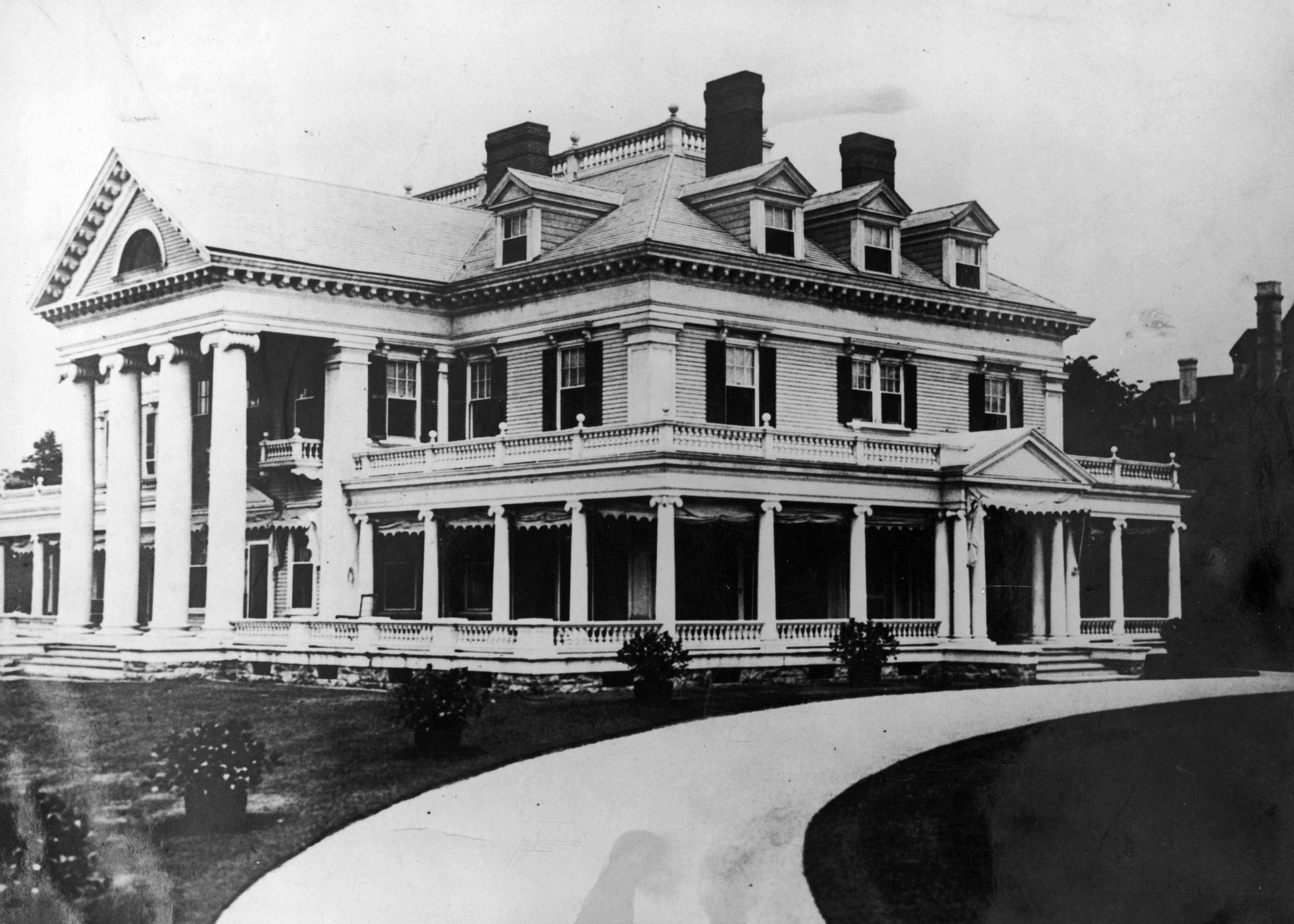
The Breakers is a Vanderbilt Mansion in Newport, Rhode Island. It was built between 1893-1895 at a cost of $7 million, which is around $150 million today, according to the Newport Discovery Guide. It is now a National Historic Landmark and is open to visitors.
Newport Cliff Walk is a 3.5 mile walkway bordering the water. It is a National Recreation Trail and is one of Newport’s top attractions.
Old Harbor is a historic district of Rhode Island and is a man-made yacht basin on Block Island. It is a popular spot for sailing and water sports.
Providence is the capital of Rhode Island and the state’s most populous city. It is home to historic buildings, top universities, and has tons of things to do for visitors, such as restaurants, shopping, theaters and more.
The Elms is a mansion, but supposedly a summer cottage, based on the mid-18th-century French chateau d’Asnieres, according to Newport Mansions. It was Mr. and Mrs. Edward Julius Berwind’s summer home and is now open to visitors.
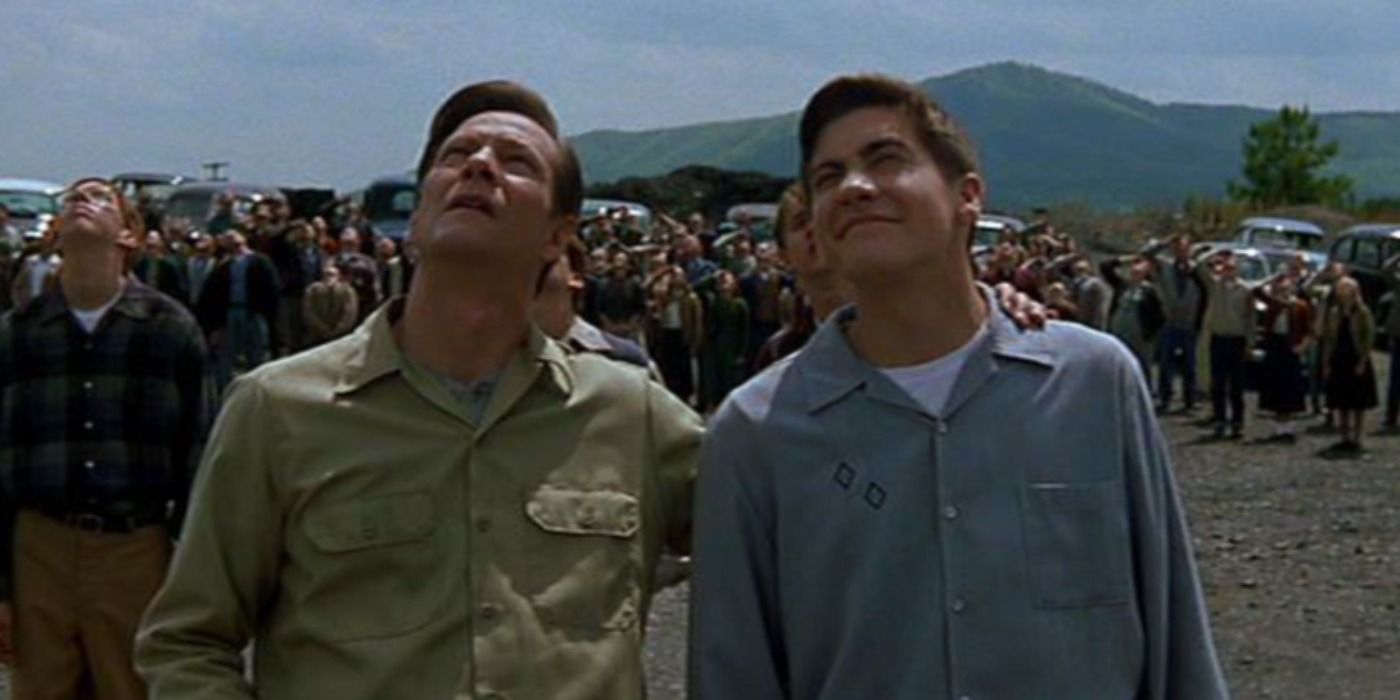
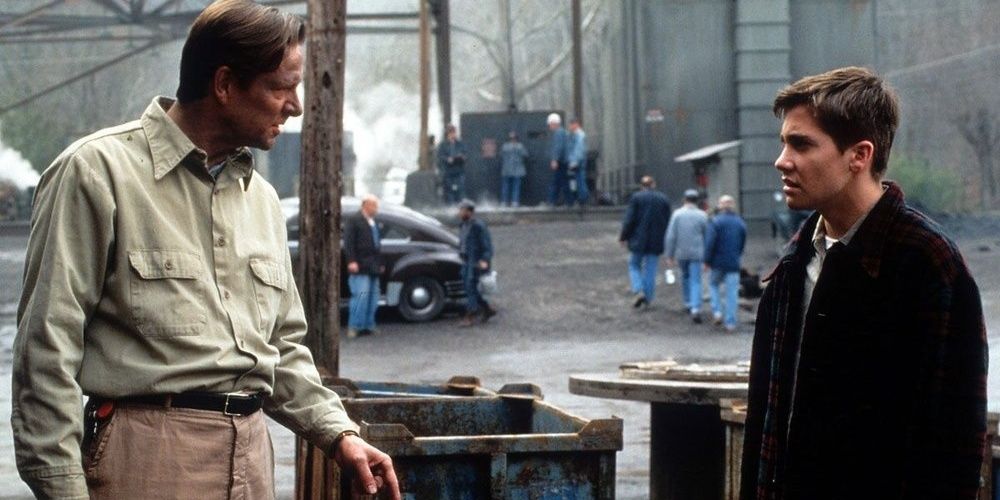
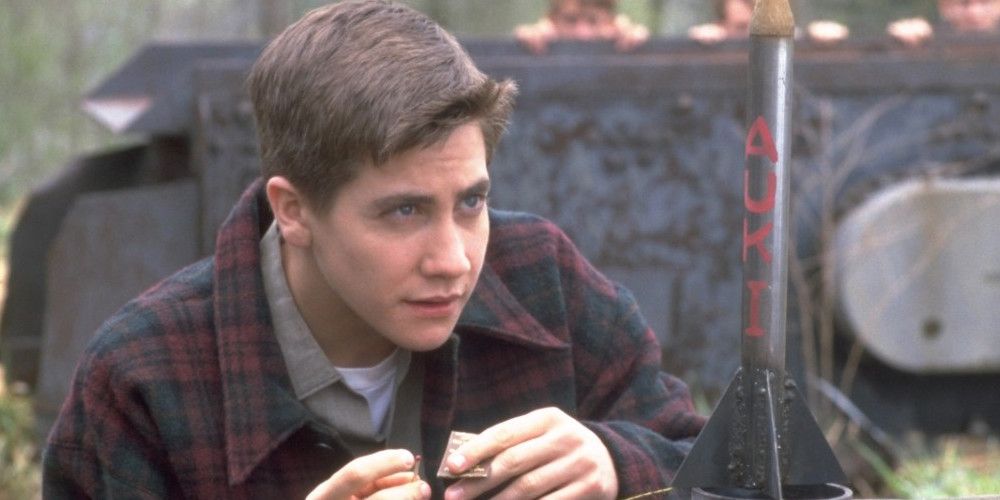
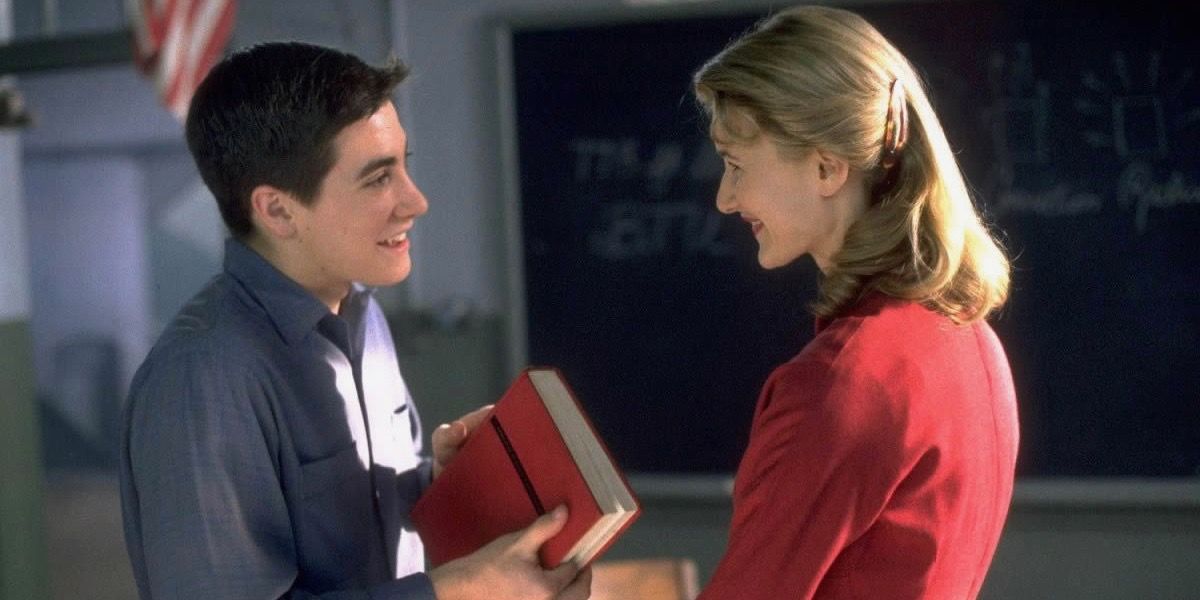
October Sky is a movie, following the life of Homer Hickam, a young man in a 1950’s coal mining West Virginia town who aspires to build a rocket. Screenrant.com has an article detailing little know facts or details about the movie.
The Title Is An Anagram
Some audiences perhaps don’t know that October Sky is based on the memoir from Homer H. Hickam Jr., first published as Rocket Boys. The movie follows Hickam’s true story, but the original title had to be changed for the movie. The title of the movie was changed to October Sky, an anagram of Rocket Boys, at the decision of the studio. AL revealed that Universal Studios thought the original title wouldn’t appeal to female-identifying audiences over 30.
It Was Shot In Tennessee
The true story of Homer Hickam and the rocket boys occurred in Coalwood, West Virginia, and the film takes place there. However, fans might be surprised to know most of the movie was filmed elsewhere. Coalwood’s official website revealed that filming actually began in Petros, Tennessee where massive sets were built for the coal mining sequences.
Homer Hickam’s Dad Had A Different Name
October Sky is one of Chris Cooper’s highest-rated movies. He plays John Hickam, Homer’s father. Their tumultuous relationship makes for some of the most emotional scenes in the movie. Fans might be interested to know that in real life, Homer’s father is named Homer Hickam, making Homer’s full name Homer Hickam Jr., unlike the characters in the film.
Tornadoes Delayed Filming
Fans of October Sky might say that the scenery of the movie gives it a lasting impression. Audiences see the bleak grey sky blanketing the events of the film, underscoring the challenges Homer faces. AL revealed that the weather in Tennessee made filming difficult. Natalie Canerday, who plays Homer’s mom Elsie, said she was supposed to work for less than a month but that time frame was stretched to five because of weather. She is quoted saying, “It rained or snowed or sleeted or tornadoed. It wreaked havoc and we ran out of interiors we could shoot.”
Elsie Made It To Myrtle Beach In Real Life
Perhaps one of the most emotionally charged moments of October Sky comes when issues within Homer’s family come to a head. Homer argues with his father John, while John’s stubbornness pushes his wife Elsie away. In the film, Elsie threatens to leave her husband and escape to Myrtle Beach, South Carolina. Legacyrevealed the real-life Elsie Gardener Hickam spent her last days in Garden City, South Carolina, an ocean-side town ten miles down the coast from Myrtle Beach.
Over 2000 Extras Appear
October Sky showcases the talents of a relatively small group of main actors. However, fans of the movie know it presents a huge production with hundreds of people involved. Audiences might be shocked to know that over 2,000 extras were used in the movie. Coalwood reported that they were dirtied to look like real coal miners and given time-fitting prop lunchboxes to show the town’s massive coal miner population.
Gyllenhaal Was Age-Appropriate
Perhaps Jake Gyllenhaal’s most likable character, October Sky‘s Homer Hickam showcases the accomplishments of the man he is based on. Producers of the film appear to have wanted to be as true to life as possible. During filming, Gyllenhall was 17 years old. His age is accurate to Homer Hickam Jr.’s during the time of the events of the film.
The Film Was Released On Homer Hickam Jr.’s Birthday
Rocket Boys was released about a year before October Sky came to audiences when Homer Hickam Jr. was 55 years old. When the film version was released, it came at a special time.
Homer Hickam Jr. was born on February 19th, 1943, while October Sky premiered on February 19th, 1999, on Hickam Jr.’s 56th birthday.
Miss Riley Attended The Final Launch In Real Life
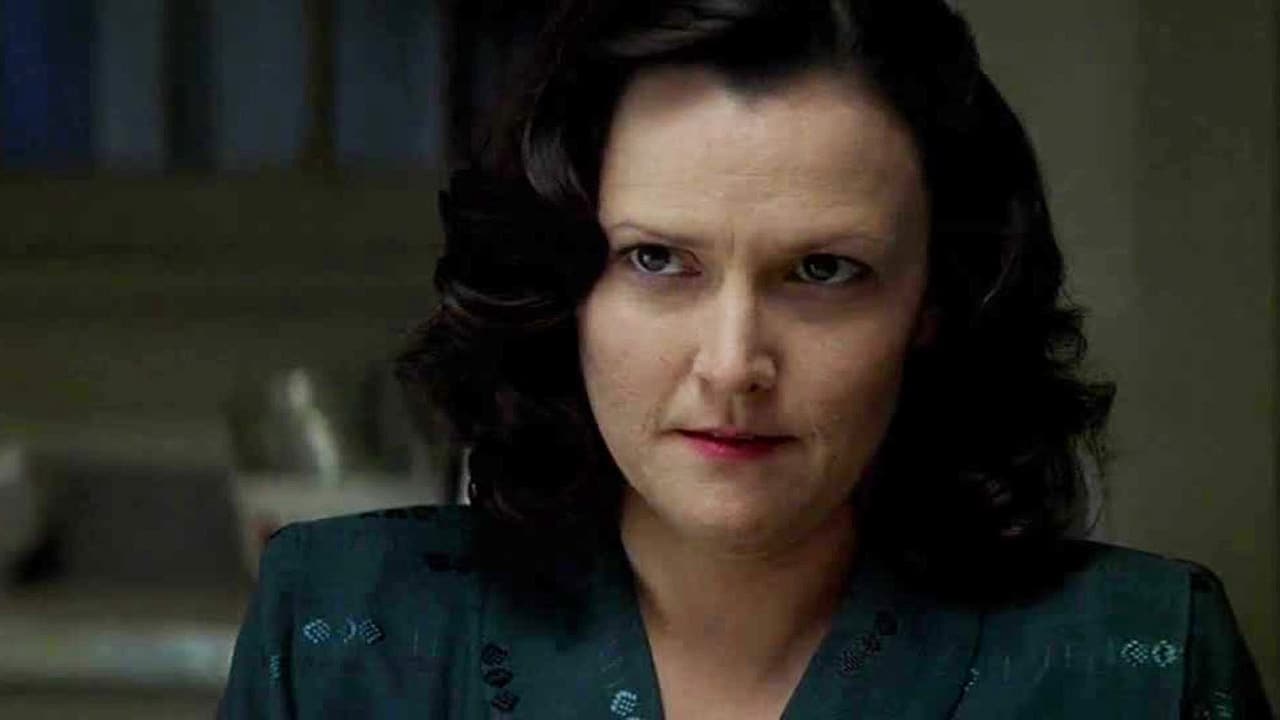
October Sky is one of Laura Dern’s highest-rated movies. She plays Miss Freida J. Riley, Homer’s science teacher who supports him through his endeavors in rocketry. At the end of the film, Miss Riley is too sick to attend the final launch of the rocket boys. AL revealed that the real Miss Riley did attend the last launch, although she died prematurely in 1969 of Hodgkin’s disease.
A raven is a large black bird in the genus Corvus, which is part of the crow family, Corvidae. Members of this family are known as ‘corvids’. Although there are nine species of raven, the word ‘raven’ is most often used to refer to the common raven, Corvus corax. The common raven is the most widely-distributed, and the (joint) largest of all the corvids. The common raven isn’t just the largest member of the crow family; it’s also the largest passerine. Passerines are also known as ‘perching birds’, or ‘song birds’. They make up over half of all living bird species.
The common raven is a large, jet-black bird. It has a body length of up to 21.3 in. and a wingspan of up to 51.2 in. It is a similar size to (if not slightly larger than) both the common buzzard (Europe) and the red-tailed hawk (North America). A raven’s plumage can appear to have a glossy, green or blue sheen. Its bill is large and powerful, with bristles that reach about half-way along its upper side. The chin feathers are shaggy and often prominent. When in flight, the common raven’s tail is diamond, or ‘wedge’-shaped. Its wings are long and relatively narrow. Finger-like feathers may be seen at the tips of the wings.
Perhaps due to its large size and somewhat sinister appearance, the raven has found its way into the myths and legends of many cultures. In Norse mythology, the ravens Huginn and Muninn (thought and memory) sit one on each shoulder of the god Odin, and supply him with news and information. Several First Nations peoples know the bird as a powerful trickster. Others know it as a creator. The bird appears on the crests and artwork of many indigenous North American tribes. In England, it is said that if the small raven colony present in the Tower of London were to leave, then the country would fall to an invader.
Raven Intelligence
Crows as a family are known for their high intelligence, and the raven is no exception. The species has one of the largest brains of any bird, and, in relation to body size, one of the largest of all animals. The raven’s intelligence is apparent in many of its dealings with other ravens. Individuals can remember their relationship with other ravens for years. A raven will form mutually beneficial relationships with ‘friendly’ birds, and will also attempt to prevent competitors from forming potentially beneficial relationships themselves.
A raven can remember not only its own place in the system, but also the relationship between other ravens. A raven will show discomfort if other familiar ravens do not behave in the expected manner towards one another.
Ravens are among the small number of animals that are able to communicate to each other about things that are not present. (This is known as displacement). For example, upon finding carrion being guarded by a pair of older ravens, a young raven has been observed returning to its roost and telling the others about the find. The next day, the flock flew to the carrion together to see off the older pair and claim the carrion for themselves.
Ravens also demonstrate problem-solving abilities, tool use, and are even known to ‘play’ – partaking in activities purely for enjoyment (a behavior seen only in intelligent animals).
Like most crows, the raven is omnivorous. It is a predator, a scavenger and a forager. In fact, the species will eat just about anything, from seeds to carrion. Ravens are known to eat fruit, nuts, grain, bird eggs, human garbage, dung, worms and arthropods such as scorpions, beetles and other insects.
Although this song has a creepy name, it’s the most romantic song I ever heard. It’s sung by Chris Young and I love his voice.
“Til The Last One Dies”
Every goodbye, every phone call before we hang up I always say, “I love you,” but I never say how much With every turn of this big ol’ world, girl, we get more distracted All I know is, a life without you is a life I can’t imagine
It hit me on a winding road just how lucky I am Outta all the guys, only God knows why I get to be your man So I bought a dozen roses on my way to you tonight Eleven real ones, one fake one And I’ll love you til the last one dies
Baby, the way you kissed me this morning on my way out Made me wanna stop hoping you know and do more thinking out loud Then a song came on, and a light did too ‘Cause every single word reminded me of you I’ve never been so sure All I ever wanna be is yours
It hit me on a winding road just how lucky I am Outta all the guys, only God knows why I get to be your man So I bought a dozen roses on my way to you tonight Eleven real ones, one fake one And I’ll love you til the last one dies Til the last one dies
Til the moon don’t shine, til the last star fades Til the last red petal withers away
It hit me on a winding road just how lucky I am Outta all the guys, only God knows why I get to be your man So I bought a dozen roses on my way to you tonight Eleven real ones, one fake one And I’ll love you til the last one dies Til the last one dies
In honor of Halloween, this month’s recipes have a Fall/Halloween theme! First off…Autumn Leaves!
Ingredients
2 cups butter, softened
1-1/2 cups sugar
2 large eggs
2 teaspoons vanilla extract
5-1/2 cups all-purpose flour
1/2 teaspoon baking soda
1/2 teaspoon salt
Red, green, orange and yellow paste food coloring
1-1/3 cups confectioners’ sugar
5 to 7 teaspoons warm water
1 tablespoon meringue powder
1/4 teaspoon almond extract
Directions
In a large bowl, cream butter and sugar until light and fluffy, 5-7 minutes. Beat in eggs and vanilla. In another bowl, whisk flour, baking soda and salt; gradually beat into creamed mixture.
Divide dough into 4 portions; tint 1 red, 1 green, 1 orange and 1 yellow. Shape each into a disk and wrap. Refrigerate 30 minutes or until firm enough to roll.
Preheat oven to 350°. On a lightly floured surface, roll each portion of dough to 1/4-in. thickness. Cut with a floured 3-in. leaf-shaped cookie cutter. Place 2 in. apart on greased baking sheets.
Bake 14-17 minutes or until edges are golden brown. Remove from pans to wire racks to cool completely.
Meanwhile, in a large bowl, combine confectioners’ sugar, water, meringue powder and almond extract; beat on low speed just until blended. Pipe or drizzle on cookies as desired. Sprinkle with coarse sugar. Let stand until set. Store in an airtight container.
Now is a good time to start thinking about the upcoming winter and our feathered friends. This DIY project was found on the craftyhacks.com website.
Supplies You’ll Need
Bowl
Small bird seeds (3/4 cup)
Unflavored gelatin
Boiling water (1/3 cup)
Teaspoon
Twine
Barbeque stick or a straw
Cookie cutters
Parchment paper
scissors
How to Make DIY Hanging Bird Feeders
Step 1. To begin, boil 1/3 of a cup of water. Then, add 4 teaspoons of gelatin to the water.
Be sure to read the instructions on your gelatin packet. Some of them may suggest that you use different water to gelatin ratios.
Follow the instructions on your packet. Then, stir the gelatin until it dissolves completely. This should take about 1-2 minutes.
Step 2. Now, place the bird seeds into a bowl. Add the gelatin/water mixture to your bowl.
Stir well and let the mixture set for a few minutes.
Step 3. Once your mixture has a dense, paste-like texture, you can move onto the next step.
Step 4. Now, it is time to form your bird feeder using the cookie cutters. To do this, place your cookie cutters onto the parchment paper.
Begin filling them with your seed mixture. Be sure to press the mixture down firmly into the cookie cutter using your fingers or a spoon.
Step 5. Next, cut your barbecue sticks into pieces. You will need one for each of your cookie cutters.
Step 6. Place a barbecue stick into each of your bird feeders to form a hole at the top for hanging. Then, place them in the refrigerator for 35-45 minutes or into the freezer for 20 minutes.
Step 7. Now, carefully remove your bird feeders from the cookie cutters.
Step 8. Cut a piece of twine for each bird feeder. Thread them through the holes.
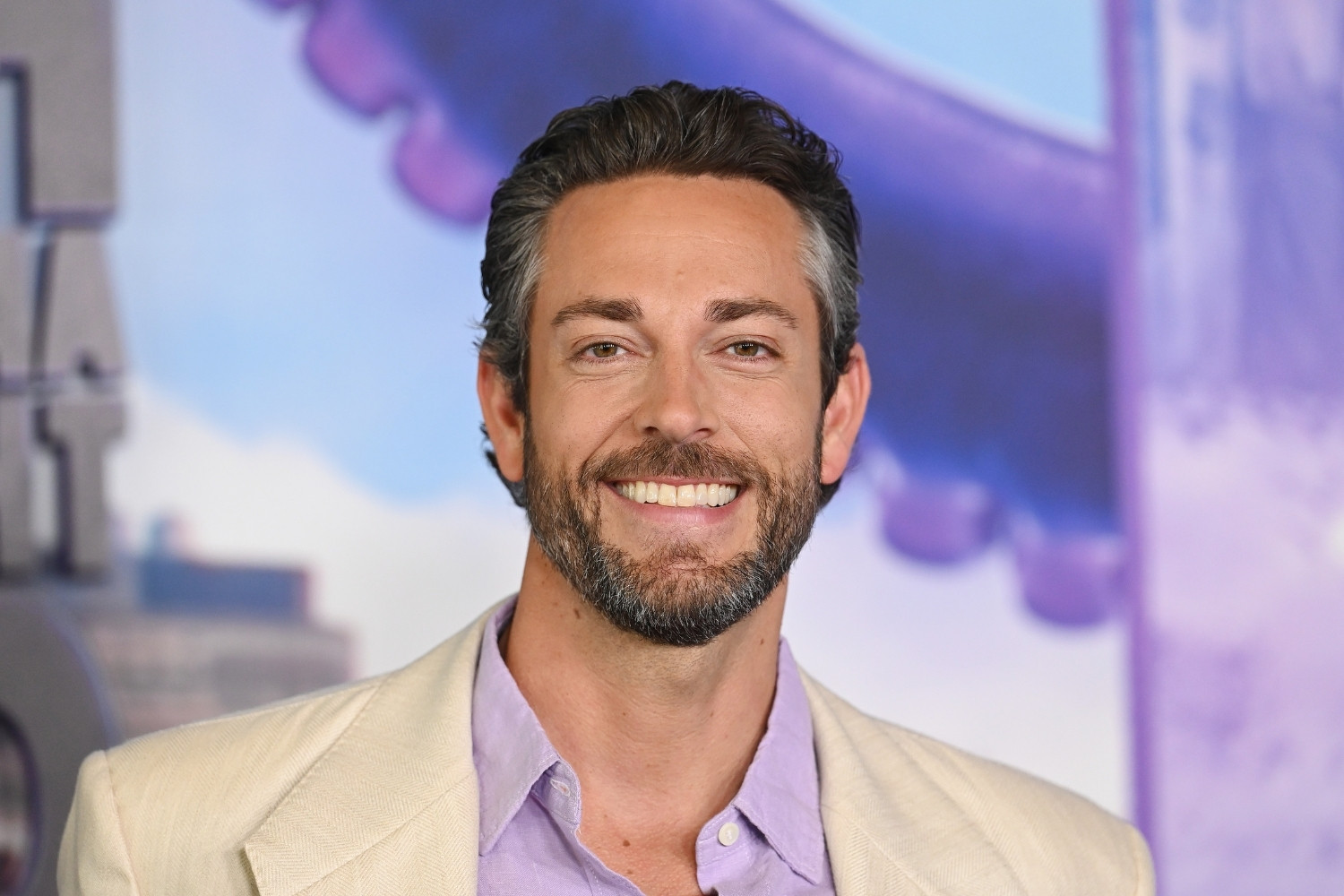
Zachary Levi has become a household name, thanks to his roles in popular TV shows and movies. From his breakout performance as Chuck Bartowski in “Chuck” to his superhero turn in “Shazam!,” Levi has shown incredible range and charisma. But who is the man behind these iconic characters? Did you know that Levi is not just an actor but also a singer and a mental health advocate? His journey from a small-town kid to a Hollywood star is filled with interesting twists and turns. In this post, we’ll dive into 25 heroic facts about Zachary Levi that will make you appreciate him even more. Buckle up for a fun ride through the life of this multi-talented star!
Early Life and Background
Zachary Levi, known for his charming personality and versatile acting skills, has an interesting background that shaped his career.
Born on September 29, 1980, in Lake Charles, Louisiana, Zachary Levi Pugh grew up in a family with deep roots in the South.
Levi’s family moved around a lot during his childhood, living in different states like California, Texas, and Colorado.
He discovered his passion for acting at a young age, performing in school plays and community theater productions.
Rise to Fame
Levi’s journey to stardom wasn’t an overnight success. He worked hard to make a name for himself in Hollywood.
His first significant role came in the TV series “Less Than Perfect,” where he played Kipp Steadman from 2002 to 2006.
Levi’s big break came with the lead role in the NBC series “Chuck,” where he played Chuck Bartowski, a computer geek turned spy.
For his role in “Chuck,” Levi performed many of his own stunts, showcasing his dedication to the character.
Voice Acting and Animation
Levi’s talents extend beyond live-action roles. He has also made a mark in the world of animation.
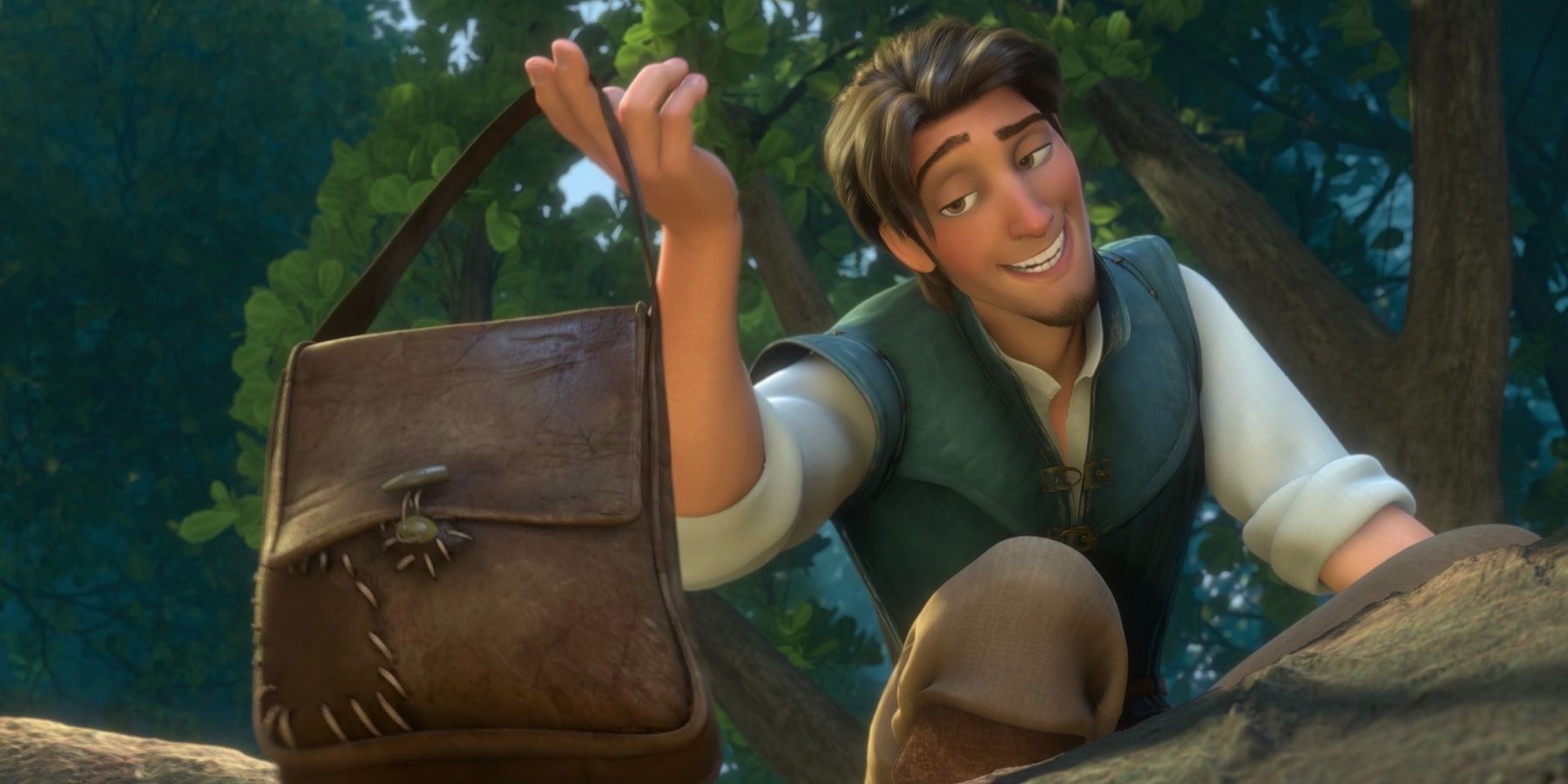
He voiced the character Flynn Rider in Disney’s animated film “Tangled,” which became a huge hit.
Levi reprised his role as Flynn Rider in the short film “Tangled Ever After” and the TV series “Rapunzel’s Tangled Adventure.”
His voice acting skills earned him a nomination for a Teen Choice Award for Choice Movie: Voice.
Superhero Stardom
Levi’s career took a heroic turn when he joined the DC Extended Universe.
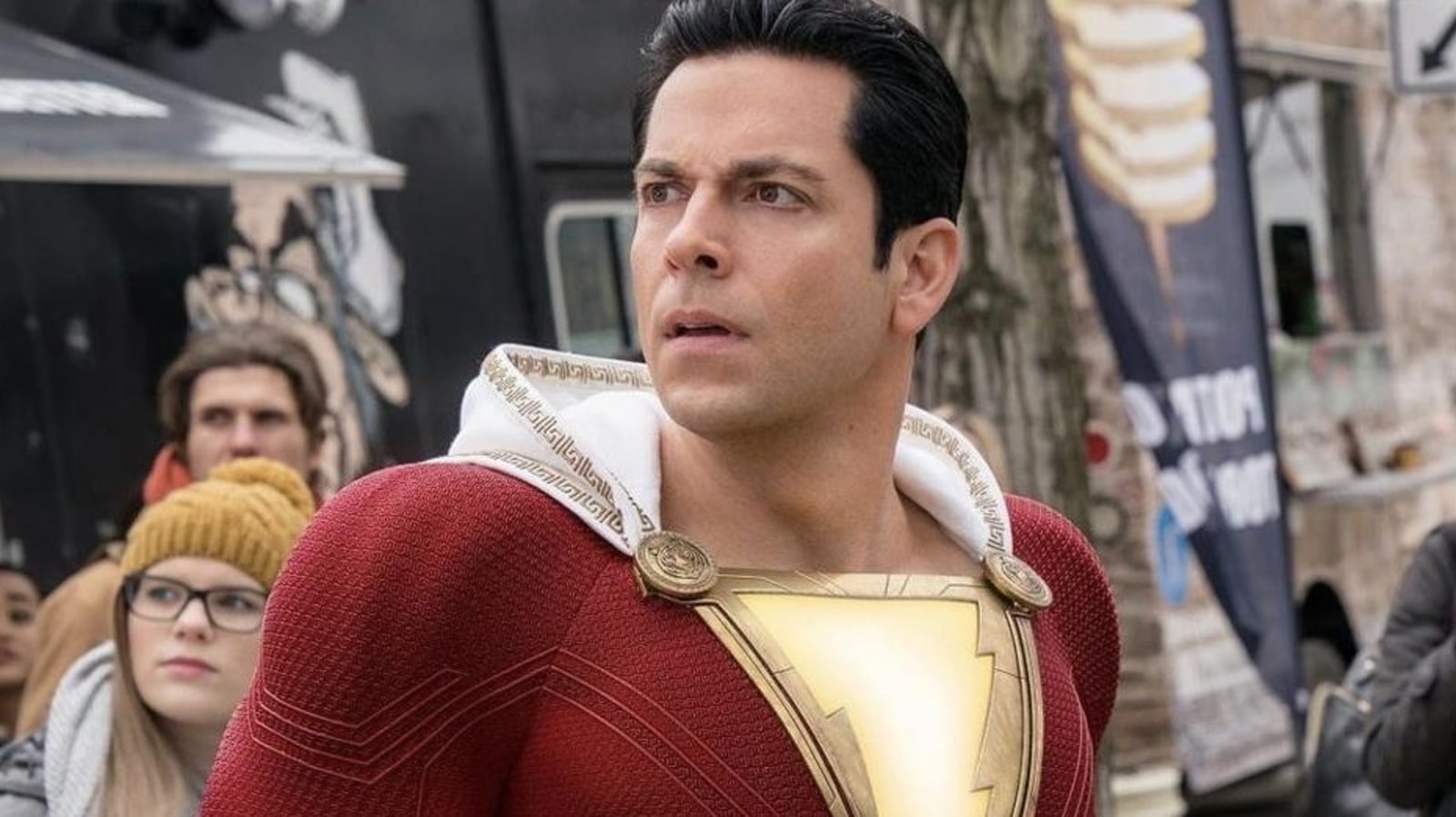
He starred as the titular character in the 2019 film “Shazam!,” bringing a mix of humor and heart to the role.
To prepare for “Shazam!,” Levi underwent intense physical training, gaining significant muscle mass to portray the superhero.
Levi’s performance in “Shazam!” was praised for its blend of comedy and action, making the film a box office success.
Musical Talents
Levi’s talents aren’t limited to acting. He also has a passion for music.
He performed a duet with Mandy Moore for the song “I See the Light” in “Tangled,” which was nominated for an Academy Award.
Levi made his Broadway debut in the musical “First Date,” showcasing his singing and dancing abilities.
He starred in the Broadway revival of “She Loves Me,” earning a Tony Award nomination for Best Actor in a Musical.
Personal Life and Interests
Levi’s personal life and interests reveal a multifaceted individual beyond his on-screen persona.
He is an avid gamer and has participated in various gaming events and conventions.
Levi is a strong advocate for mental health awareness, openly discussing his struggles with anxiety and depression.
He founded the company The Nerd Machine, which celebrates nerd culture and hosts the annual Nerd HQ event.
Philanthropy and Charity Work
Levi is dedicated to giving back to the community through various charitable efforts.
He supports Operation Smile, an organization that provides free surgeries to children with cleft lips and palates.
Levi has participated in numerous charity events, including the annual Celebrity Sweat Flag Football Challenge.
He is involved with the charity group Active Minds, which focuses on mental health education and advocacy for young adults.
Fun Facts and Trivia
Here are some lesser-known facts about Zachary Levi that add to his intriguing persona.
Levi is fluent in French, a skill he picked up during his time in high school.
He is a licensed pilot and enjoys flying planes in his free time.
Levi has a black belt in Taekwondo, showcasing his dedication to martial arts.
He is a huge fan of the “Star Wars” franchise and often references it in interviews and social media posts.
Zachary Levi: A True Hero On and Off Screen
Zachary Levi’s journey from TV’s “Chuck” to the big screen’s “Shazam!” shows his versatility and dedication. His passion for acting, singing, and even his entrepreneurial spirit with Nerd HQ highlights his multifaceted talent. Beyond his professional achievements, Levi’s openness about mental health struggles and advocacy work makes him a relatable and inspiring figure. His commitment to fitness and healthy living also sets a positive example for fans. Whether he’s making us laugh, inspiring us with his resilience, or entertaining us with his performances, Levi proves he’s more than just a superhero on screen. He’s a real-life hero, using his platform to make a difference. So, next time you watch “Shazam!” or catch an episode of “Chuck,” remember the incredible journey and the man behind the character. Zachary Levi truly embodies what it means to be a hero.