



ENJOY!
ENJOY!

I found this article on ancient -origins.net detailing a discovery that might be Noah’s Ark.
From: ancient -origins.net:
New Evidence Suggests Formation in Turkey Might Really Be Noah’s Ark
In a mountainous area of eastern Turkey, a team of American researchers believes they may have uncovered the remnants of one of history’s most legendary vessels—Noah’s Ark. Working at a mysterious and intriguing site known as the Durupınar Formation, the group was stunned to discover what they describe as a “tunnel” beneath a boat-shaped geological formation that may match the Bible’s description of the vessel that supposedly came to rest after the Great Flood more than 4,300 years ago.
According to the Book of Genesis, Noah’s Ark was a massive wooden ship built to preserve humanity and animal life from a catastrophic global deluge. After 150 days, the Bible says, the ark came to rest “on the mountains of Ararat.” The Durupinar site lies just 18 miles (29 kilometers) south of Mount Ararat itself, Turkey’s highest peak and a location long rumored to be the ark’s final resting place.
Deep Scans Produce Stunning Results
The team, led by independent researcher Andrew Jones from the California-based organization Noah’s Ark Scans, employed ground-penetrating radar (GPR) to investigate the site. The scans reportedly revealed three distinct layers beneath the surface, an important detail that mirrors the biblical description of the ark having lower, second, and third decks.
One of the most significant discoveries to emerge from the GPR study is what appears to be a 43-foot (13-meter) tunnel running through the center of the formation. The scans also detected other open spaces and central and side corridors, which could suggest the presence of compartments or interior rooms.
“We’re not expecting something that’s fully preserved. What’s left is the chemical imprint, pieces of wood and in the ground, the shape of a hall,” Jones explained in a statement published by the Daily Mail Online.

GPS scan showing structures and open spaces inside the formation in Turkey, which could reveal rooms and corridors. (Noah’s Ark Scans).
So far, angular structures have been detected as deep as 20 feet (6 meters) below the surface of the ground. According to Jones and his colleagues, this would be a highly unusual feature in a naturally created geological formation.
“This is not what you’d expect to see if the site were simply a solid block of rock or the result of random mudflow debris,” Jones said. “But it is exactly what you’d expect to find if this were a man-made boat, consistent with the biblical specifications of Noah’s Ark.”
Supporting their geophysical findings, the team has collected and analyzed soil samples from 22 different locations surrounding the Durupinar formation. Soil scientist William Crabtree, another member of the Noah’s Ark Scans team, noted that samples taken from inside the formation show significantly different characteristics from those collected elsewhere.
“Organic matter was found to be double inside the formation compared to the surrounding soil,” Crabtree stated. “If you know soil science—as I am a soil scientist—you will understand that potassium levels, organic matter, and pH can all be affected by the decomposition of organic materials. If this was a wooden vessel and the wood had rotted over time, we would expect to see increased potassium levels, changes in pH, and higher organic content—and that’s exactly what we find.”
Further observations suggest grass growing within the formation differs in color from the vegetation outside it. This is a strong indicator that soil composition beneath the surface is varied or textured. Crabtree also mentioned a tunnel running from the tip of the structure toward its center, which is quite prominent and large. “It is large enough to walk through,” he said.

‘NOAH’S ARK’ on Mount Ararat’ (1570) by Flemish painter Simon de Myle. (Public Domain).
Skeptics have long maintained that the Durupınar Formation is a natural rock formation, possibly created by mudflows and erosion. The Noah’s Ark Scans team believes the new evidence warrants more extensive investigation. They plan to expand their research with core drilling, additional radar scans, and more soil sampling to record internal and external conditions more thoroughly.
“We want to compare what’s inside the formation to what’s outside,” Jones said. “That could give us a much clearer picture of whether this is truly something man-made.”
Will the Durupinar Mystery Ever Be Solved?
Durupınar has intrigued explorers and researchers since 1948, when heavy rains and seismic activity exposed its unusual boat-like outline. Discovered by a local Kurdish shepherd, the site has drawn both scientific and religious interest for decades.
Until recently, however, no excavation has been officially sanctioned. That is about to change, as Noah’s Ark Scans has announced that they will carry out a controlled excavation in partnership with several Turkish universities. This is a victory for those who are at least open to the idea that the unusual formation may be a petrified Noah’s Ark, as academic institutions have traditionally dismissed the Ark story from Genesis as a myth.
Before breaking ground, the excavation team intends to complete a preservation plan, to make sure the integrity of the archaeological site is preserved regardless of what new studies may reveal.
SOURCE: ANCIENT-ORIGINS.NET
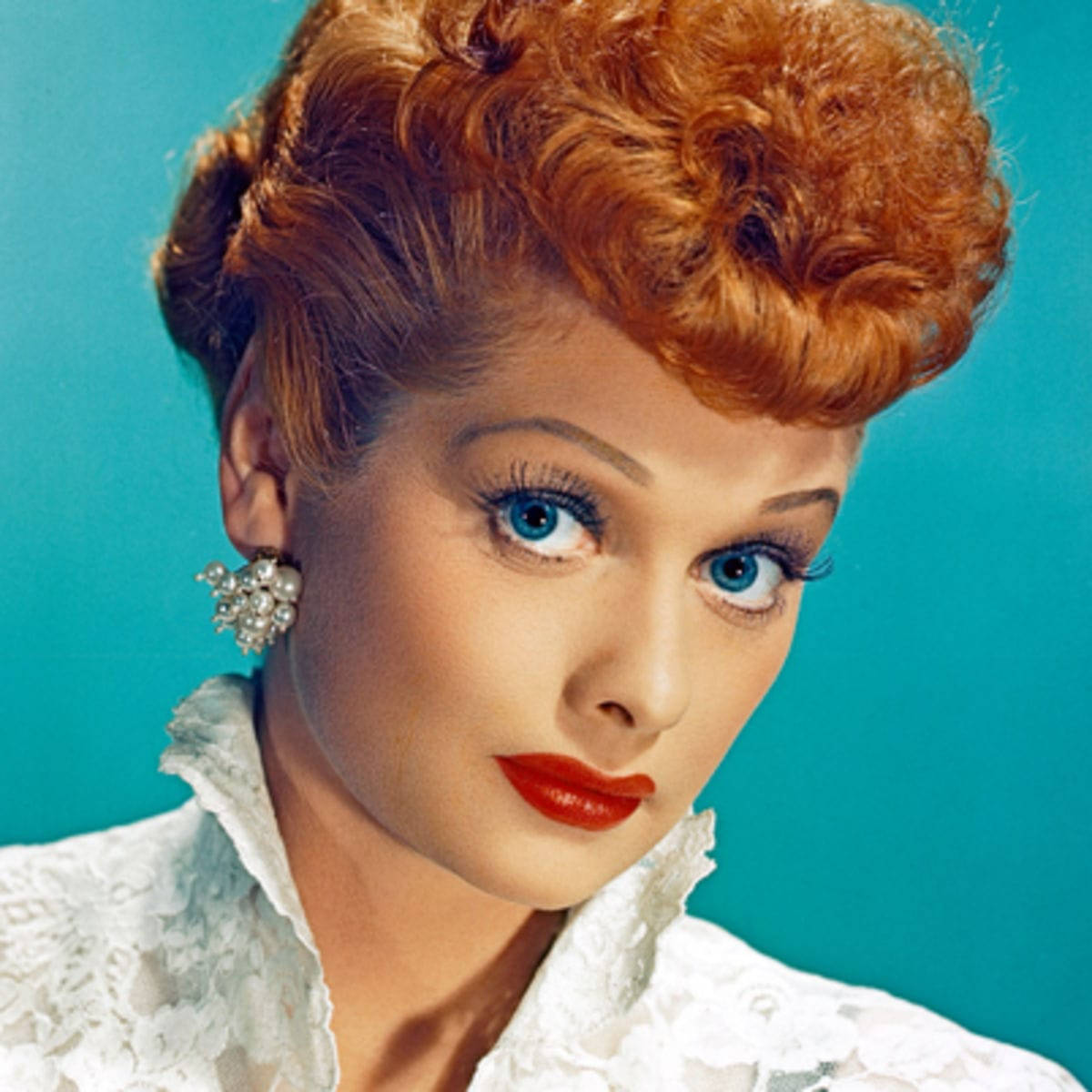
Today s Lucille Ball’s birthday. She was born August 6th, 1911 and passed away April 26th, 1989 and in between those years, she made us laugh! I found this article on yahoo.com about some surprising facts we might not have known about this wonderful redhead comedienne.
From yahoo.com:
The one, the only Lucille Ball. Groundbreaking, fearless, timeless, supremely talented… and magical. We salute her today in honor of her birthday, Aug. 6 1911, with a bevy of facts you probably didn’t know about the beloved “I Love Lucy” star. From real-life antics on the set of her iconic sitcom (that grape stomping scene turned into a wrestling match) to superstitions (keep away all pictures of birds!) to a long-kept secret (Lucy had no eyebrows — really!), we go through it all. So sit back and celebrate the icon known as Lucille Ball with this deep-dive into her life.
• The grape stomping scene turned into a real wrestling match
“I got into the vat with one, and she had been told that we would have a fight,” Lucy said on “The Dick Cavett Show.” She continued, “I slipped and, in slipping, I hit her accidentally and she took offense, until she hauled off and let me have it. Now this was supposed to happen — that she got right.” But when she hit Lucy, it took the wind out of her. “She had been told that we were to stay down for a while, give me a chance to get my legs way up, so that they’d show in the camera, then up would come an arm and then both of them– my head was supposed to—but, well, my head never popped up. She’d get me down by the throat! I had grapes up my nose, in my ears, and she was choking me, and I’m really beating her to get her off…she didn’t understand that she had to let me up once in a while. I was drowning in these grapes!” Apparently, the woman spent so much time “beating the hell” out of Lucy that they had to cut half of it.
• Desi Jr. and Little Ricky were delivered only 12 hours apart
You want to talk publicity stunt to end all publicity stunts? Well, on Jan. 19, 1953, Lucille Ball delivered a doozy of one. Literally. On that day, Lucille Ball delivered Desi Jr. just 12 hours before Lucy Ricardo delivered Little Ricky on “I Love Lucy.” It was all very brilliantly planned that way, with Ball being scheduled for a cesarean delivery of Desi Jr. to coincide with Little Ricky’s birth on TV. And, boy, did it payoff ratings-wise – 44 million “I Love Lucy” fans tuned in for that episode (equivalent to 72% of American households). To put that in additional perspective, the following day, President Dwight D. Eisenhower first took the oath of office, and only 29 million tuned in for that. People like Ike, but they LOVE Lucy.
• Lucy went by the name Diane Belmont in her early years
As a model, Lucy wanted to change it up a little so for a short period of time, she went by the name Diane Belmont. “I was driving in Long Island and I saw the Belmont Race Track and I loved the name Diane,” Lucy explained. “People, to this day, think my name was Diane Belmont and I took Lucille Ball.”
• Lucy gave Vivian Vance a contract ordering her not to gain weight
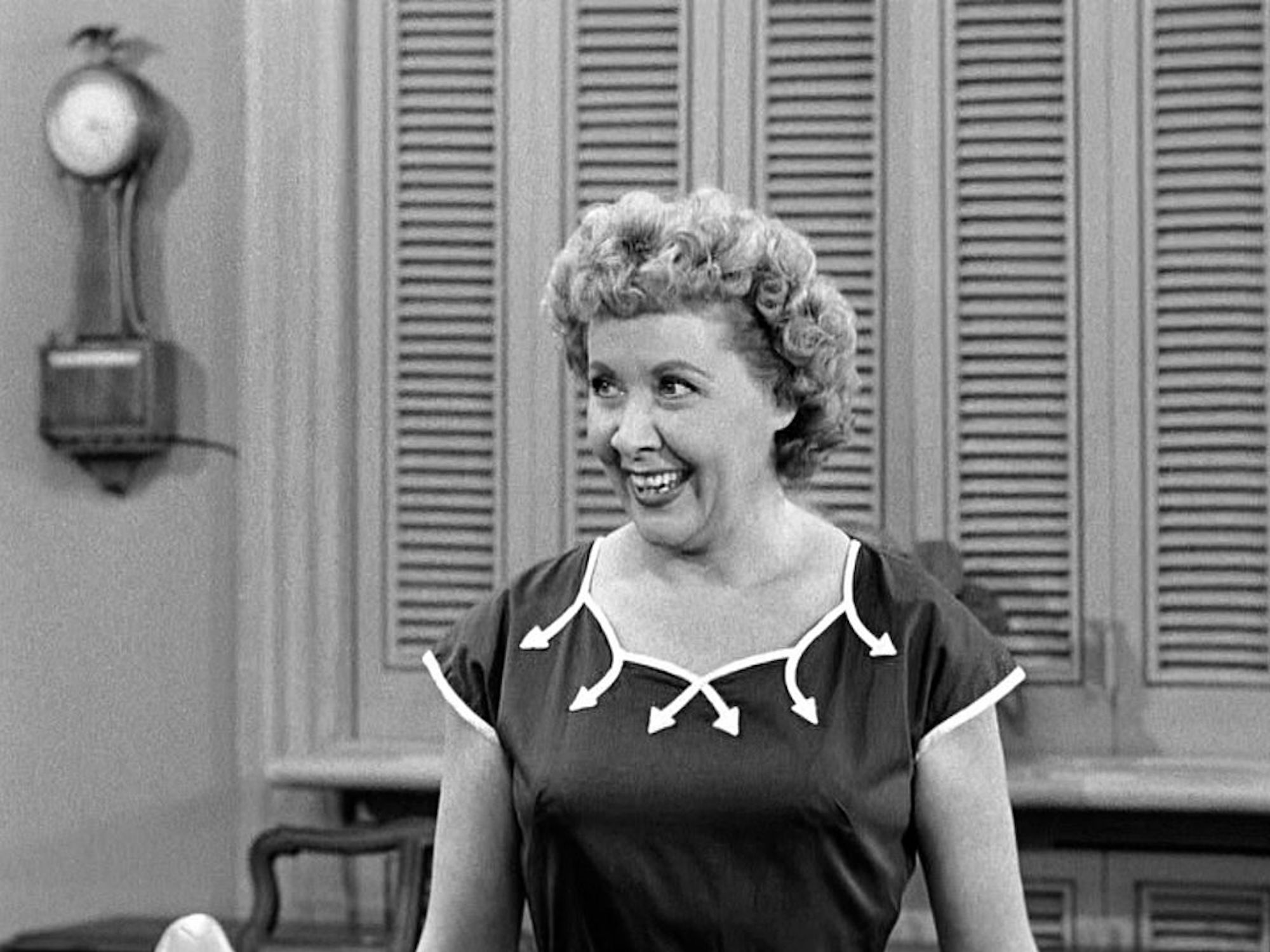
True – but it was a gag gift. Vance, who played Ethel Mertz on “I Love Lucy,” was 22 years younger than her TV husband, William Frawley. And although she agreed to go with the Plain Jane look, she refused to wear padding to make her look plump. According to Ball, Vance told producer Jess Oppenheimer, “If my husband in this series makes fun of my weight and I’m actually fat, then the audience won’t laugh. They’ll feel sorry for me. But if he calls me a fat old bag and I’m not too heavy, then it’ll seem funny.” In 1975, Vance and Ball appeared on Dinah Shore’s daytime talk show – and Vance brought with her a mock contract Lucy had drawn up some 20 years earlier.
Vance read it to the studio audience: “Party of the first part must promise to never dye her hair within five shades either way of the party of the second part, also known as ‘the lovable natural redhead.’ Part two: Party of the first part must also agree to put on an additional five pounds every month [within] next year, otherwise this contract shall be terminated at the whim of the party of the second part by 1) a phone call or the more generous option of 30 minutes notice. Lucille Ball.”
• Ginger Rogers’ mother Lela groomed Lucy for stardom
During the 1930s and early ’40s, Ginger Rogers’ mother, Lela, was known in Hollywood as quite a stage mom, molding her daughter into a star with a controlling, demanding fist on the throat of the studios. While Ginger was a contract player at RKO, Lela ran an acting school on the lot and one of her students was Lucille Ball.
“Lela advised us to work on ourselves and pay no attention to those corporate machinations. Lela wouldn’t tolerate anyone taking advantage of her charges,” Lucy said of Lela’s protective nature. And Lela also saw something in Lucy that the studios didn’t… yet. “She told me years later, ‘I noticed the twinkle in your eyes and the mobile face, which is a must for comedy. I also sensed depth and a great capacity for love,’” Lucy said. “Lela was the first person to see me as a clown with glamor. She pulled my frizzy hair back off my brow and had a couple of my side teeth straightened. Then she sent me to a voice teacher and told me to lower my high squeaky voice by four tones.”
• After Carole Lombard’s death, she came to Lucy in a dream and encouraged her to do “I Love Lucy”
If it wasn’t for a “message from beyond the grave” from the Queen of Screwball Comedies, Carole Lombard, “I Love Lucy” might never have happened. Lombard and Lucy struck up a close friendship in her early days struggling in Hollywood, as Lucy studied Lombard’s comedic style. “When I’m weighing a particularly difficult decision. sometimes I ask myself what Carole would’ve said, and it helps. She gave me lots of pointers on what she called studio behavior,” Lucy said of Carole.
In 1942, Lombard, who was married to Clark Gable, died in a plane crash while touring the country selling war bonds. More than a dozen years later, when Lucy was weighing whether or not to give up her highly-paid movie career and Desi’s band commitments to go for broke on TV, Lombard visited Lucy in a dream and encouraged her to take a leap of faith. “Carole Lombard appeared to me in a dream. She was wearing one of those slinky bias-cut gowns of the ’30s, waving a long, black cigarette holder in her hand. ‘Go on. kid,’ she advised me eagerly. ‘Give it a whirl.‘”
• Lucy had no eyebrows
The studio star system of the Golden Age was all-controlling. The first order of business was always walking potential starlets into the hair and makeup departments for a makeover, usually to glam them up. And Lucy was no different. “One of the worst things the studio people did was shave off my eyebrows,” Lucy remembered. “We were all trying to look like Jean Harlow. Now, God forbid that I should ever find myself on a desert island without an eyebrow pencil. It’s the first thing I reach for every morning. The only girl I know who managed to grow hers back again was Ginger Rogers. And even then it took her years.”
• Lucy’s mother would tie her in their yard so she wouldn’t run wild
Throughout her life, Lucy would talk lovingly about her mother, DeDe, who lived with her famous daughter and was her biggest cheerleader. Lucy recalled that when she was three and her mother was pregnant with Lucy’s little brother Fred, DeDe would tie up the rambunctious Lucy in the yard with a dog leash so she wouldn’t run around the neighborhood. Ball wrote in her autobiography “Love Lucy,” “Every time somebody would pass by on the sidewalk, I’d beg to be released.” Forty years later, DeDe would attend every taping of “I Love Lucy.” In fact, that “Uh oh” you hear when Lucy Ricardo gets into one of her predicaments, that’s DeDe.
• Desi and Lucy were TV’s first interracial couple
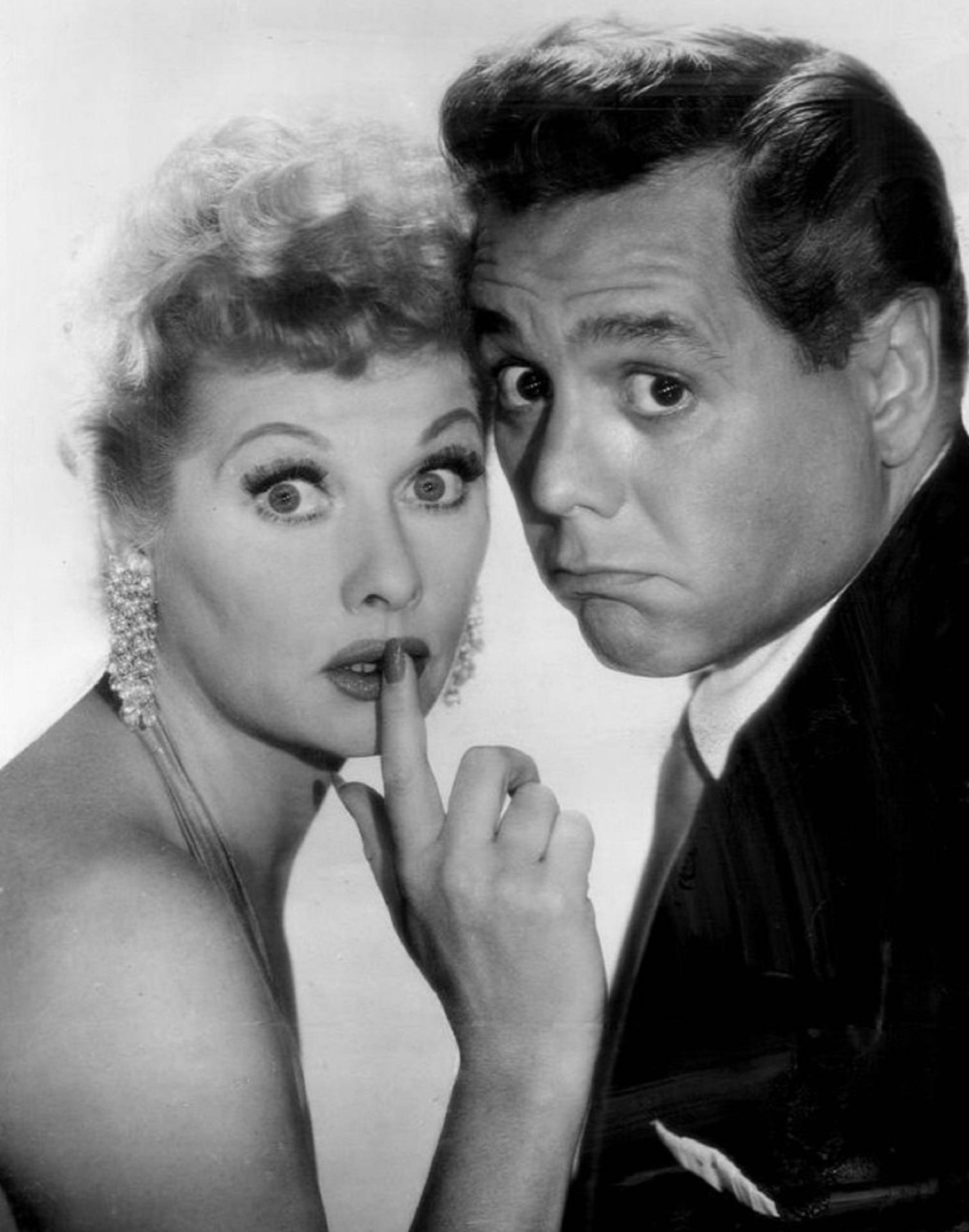
If Lucy had not been persistent about wanting her real-life husband, Desi Arnaz, to be her TV hubby on “I Love Lucy,” it would not have happened. Before “I Love Lucy,” CBS was so impressed by her comedic performance on her radio program “My Favorite Husband” that they wanted to adapt it for television. Lucy agreed under one condition – Desi would play the role of her husband. CBS wasn’t thrilled with the idea, believing that no one would tune in to watch an “all-American red-headed woman with a Cuban,” especially a Cuban with a thick accent. But Lucy wouldn’t budge. To prove her point that America would love them as a husband-wife team, Lucy and Desi toured the country in sort of vaudeville act. Her fans couldn’t get enough, and CBS agreed.
Lucy was superstitious about pictures of birds
Lucille was only 3 years old when her father died of typhoid fever at age 27. Because she was so young at the time, she later said that she remembered very little of that day — but one thing she did remember was a picture frame falling off the wall and a bird flying into her house. And that memory scarred her for the rest of her life. Although she was able to be in the vicinity of a bird, she couldn’t look at pictures of them and had even refused to stay in a hotel room with artwork of birds on the walls.
• Lucy became the first woman to run a major TV studio
Lucille Ball took her Hollywood know-how to an all-new height, crashing right through that glass ceiling to become the first woman to run a major TV studio. In 1962, Desi Arnaz resigned as the studio’s president, and Lucy bought out his holding in the company. Four years later, CBS turned down the original “Star Trek” series pilot, fearing the weekly budget to produce it would be too high. But Lucy stood behind it and gave the crew the finances needed, and it was made. So, Trekkies, you’ve got Lucille Ball to thank for your obsession. (Desilu also went on to produce the TV series “Mission: Impossible.”)
• Lucy and Desi once owned Tara, Scarlett O’Hara’s plantation in “Gone With the Wind” In 1957, Desilu Productions bought all of RKO Pictures properties for $6.15 million. Quite a steal, actually. According to Ball, “We now owned 33 more sound stages, or 11 more than 20th century Fox and four more than MGM. We had fabulous permanent sets, including the Southern plantation exterior from ‘Gone With the Wind,’ fire-scarred and weather-beaten, but still majestic.”
• When TV Superman George Reeves appeared on “I Love Lucy,” she insisted his real name not be mentioned in the credits

Lucy put thought into the wants and needs of her audience of all ages. In an episode of “I Love Lucy” in which she promises Little Ricky that she’ll get Superman to attend his birthday party, TV’s Man of Steel himself, George Reeves, made a guest appearance. But to keep the fantasy alive that it was really Superman (not an actor), Lucy insisted Reeves name not appear in the episode credits.
• A “Simpson” character was made in her honor
“The Simpsons” has paid homage to Lucille Ball on more than one occasion. In the episode titled “Little Big Mom,” Lisa is visited by Lucy’s ghost, who is named Lucy McGillicuddy Ricardo Carmichael (Ball’s maiden and married names on “I Love Lucy” and “The Lucy Show.”) There was also an episode that had Moe selling clams that look like Lucy, and a parody of “I Love Lucy” called “I Lost Lucy,” in which a character visits Lucille Ball’s grave.
• Lucy taught a class in “Television and Film Aesthetics” at California State University, Northridge
You can add college professor to Lucy’s resume. In 1979, California State University, Northridge hired her as an assistant professor to teach a three-unit class called “Television and Film Aesthetics,” which included showing and analyzing film and television programs. “I try to teach them the art of taking care of themselves in every way so someone else doesn’t have to,” she told The Los Angeles Times. “All they hear about is rejection. I try not to talk about rejection. I teach how to do the best for you — don’t be a patsy, a pushover — and to take that step ahead every day.”
SOURCE: YAHOO.COM

31. What animal produces mohair?
32. What is a male swan called?
33. Which large mammal has a tail so strong it can stand on it and lift its hind legs off the ground?
34. What do you call a group of crows?

35. What is the fastest sea animal?
36. What is a polar bear’s skin color?
37. What are the only two mammals that lay eggs?
38. What are 12 or more cows called?
39. What is a female donkey called?

40. What is the only big cat that doesn’t roar?
41. What is a group of badgers called?
42. What animal has the thickest fur of any mammal?
43. What type of animal is a Portuguese man-o-war?
:max_bytes(150000):strip_icc()/portuguese-man-of-war-beach-002-88176220ebb34713b9e898b4501da393.jpg)
44. Belted Galloway and Belgian Blue are breeds of which animal?
45. Which bird’s eye is bigger than its brain?
How did you do?

ANSWERS:
31. Angora goat

32. Cob
33. Kangaroo
34. A murder
35. A black marlin
36. Black
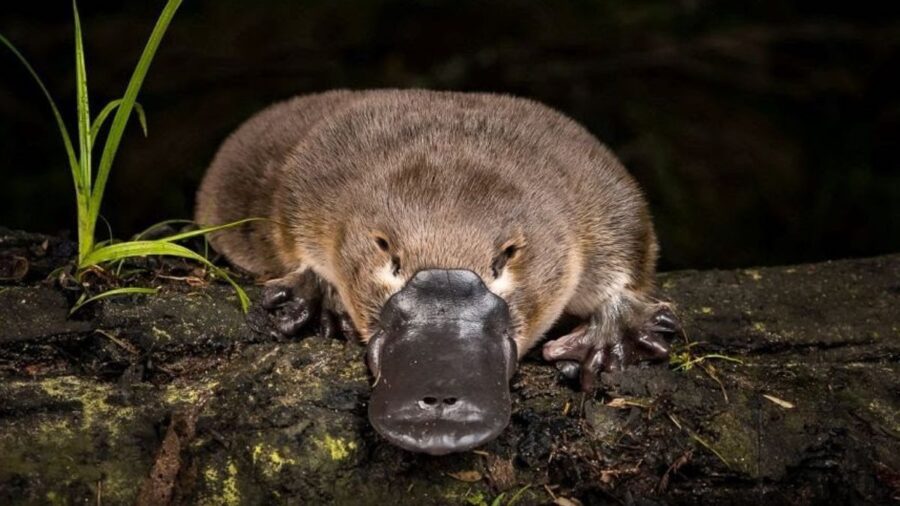
37. Duck-billed platypus and spiny anteater
38. A flink
39. Jenny
40. Cheetah
41. A cete
42. Sea otter

43. Siphonophore (a close relative of a jellyfish)
44. Cow
45. Ostrich
Till next time…stay sharp!

/GettyImages-546975617-58bb132d3df78c353c9799b9.jpg)
Nebraska Filly brought this open to our sister site Marica is a Honey Badger and it resonated with me so much, I asked if I could bring it here!
“A professor stood before his philosophy class and had some items in front of him. When the class began, he wordlessly picked up a very large and empty mayonnaise jar and proceeded to fill it with golf balls. He then asked the students if the jar was full. They agreed that it was.

The professor then picked up a box of pebbles and poured them into the jar. He shook the jar lightly. The pebbles rolled into the open areas between the golf balls. He then asked the students again if the jar was full. They agreed it was.
The professor next picked up a box of sand and poured it into the jar. Of course, the sand filled up everything else. He asked once more if the jar was full.. The students responded with a unanimous ‘yes.’
The professor then produced two Beers from under the table and poured the entire contents into the jar effectively filling the empty space between the sand. The students laughed..
‘Now,’ said the professor as the laughter subsided, ‘I want you to recognize that this jar represents your life. The golf balls are the important things—-your family, your children, your health, your friends and your favorite passions—-and if everything else was lost and only they remained, your life would still be full. The pebbles are the other things that matter like your job, your house and your car. The sand is everything else—-the small stuff.
‘If you put the sand into the jar first,’ he continued, ‘there is no room for the pebbles or the golf balls. The same goes for life. If you spend all your time and energy on the small stuff you will never have room for the things that are important to you.
Pay attention to the things that are critical to your happiness. Spend time with your children. Spend time with your parents. Visit with grandparents. Take your spouse out to dinner. Play another 18. There will always be time to clean the house and mow the lawn.
Take care of the golf balls first—-the things that really matter. Set your priorities. The rest is just sand.
One of the students raised her hand and inquired what the Beer represented. The professor smiled and said, ‘I’m glad you asked.’ The Beer just shows you that no matter how full your life may seem, there’s always room for a couple of Beers with a friend.
Thanks Filly for this thought provoking lesson!
1. The Vidalia onion is Georgia’s official state vegetable.
These sweet onions are only grown in a specific region of South Georgia, thanks to unique soil conditions. Vidalia onions are known for their mild flavor and become a seasonal delicacy. Whether eaten raw, grilled, or caramelized, they add a special sweetness to many dishes and are a point of pride for the state. It’s one of the tastiest Georgia fun facts!
2. The state of Georgia is the top producer of peanuts.
Georgia is nicknamed the ‘Peach State‘, but it’s actually the country’s leader in peanut production. Farmers in Georgia grow over half of the peanuts consumed in the United States. Whether boiled, roasted, or transformed into peanut butter, peanuts remain a beloved snack and a significant part of the state’s agricultural heritage. They truly are one of the best facts about Georgia!
3. Georgia is home to the oldest state-chartered university in the United States.
The University of Georgia (UGA), located in Athens, was founded in 1785. It holds the distinction of being the first public university established in America. UGA has a rich history and a vibrant campus, offering a wide range of programs to students from across the country. It’s a source of pride for the state of Georgia.
4. Georgia hosts the Masters Tournament, one of golf’s most prestigious events.
Held annually at the Augusta National Golf Club, the Masters is a world-renowned sporting spectacle. Top golfers compete for the coveted green jacket. The tournament’s beautiful setting and high level of play make it a must-watch for golf enthusiasts and showcase Georgia on a global stage. It’s a source of sporting excitement each spring.
5. Georgia is the largest state east of the Mississippi River.
While known for its Southern charm, Georgia boasts a significant land area. It’s geographically larger than many states out west, offering a wide range of landscapes. From the Blue Ridge Mountains in the north to the coastal barrier islands, Georgia showcases remarkable natural diversity. It’s a great reminder not to underestimate its size.
6. The world’s largest drive-in restaurant is located in Georgia.

The Varsity, an iconic Atlanta landmark, holds the record for being the biggest drive-in on the planet. It’s famous for its chili dogs, onion rings, and a unique ordering system. You’ll hear friendly carhops asking, “What’ll ya have?” and experience a taste of classic Americana. It’s a delicious slice of Georgia history.
7. St. Simons Island is home to a tree that’s over 400 years old.

Known as the Lover’s Oak, this majestic Southern live oak tree is a beloved sight on St. Simons Island. Local legend says couples who walk beneath its sprawling branches are destined for a long-lasting love. The tree’s age and beauty make it a symbol of resilience and a reminder of Georgia’s deep roots. It’s a beautiful testament to the state’s natural wonders.
8. Georgia is the birthplace of miniature golf.
While it might seem like a simple pastime, the game of miniature golf originated right here in Georgia. In 1929, Garnet Carter built the first mini-golf course in Lookout Mountain. His creation became a popular attraction, leading to the spread of miniature golf throughout the country. It’s a quirky piece of trivia that adds to Georgia’s unique history.
9. The Okefenokee Swamp is the largest blackwater swamp in North America.
Tucked into the southeastern corner of Georgia lies the vast Okefenokee Swamp. This unique ecosystem covers over 400,000 acres and is teeming with diverse wildlife. Visitors can explore the swamp by boat, encountering alligators, various bird species, and the lush beauty of its cypress forests. It’s an unforgettable natural wonder.
10. The Georgia Aquarium is one of the largest aquariums in the world.
Located in Atlanta, the Georgia Aquarium houses an incredible collection of marine life. Visitors can encounter whale sharks, beluga whales, manta rays, and countless other species.
11. Georgia was the 13th and last of the original colonies.
In 1733, Georgia was founded as the youngest of the original British colonies in North America. It was established as a haven for debtors and those seeking a new start. Georgia’s colonial history played a significant role in the events leading to the American Revolution and the formation of the United States. Its unique founding story adds to its historical significance.
12. Georgia was the birthplace of Coca-Cola.

One of the world’s most iconic brands has its roots in Georgia. In 1886, pharmacist John Pemberton invented the original Coca-Cola formula in Atlanta. Today, you can visit the World of Coca-Cola in Atlanta to explore the brand’s history and even sample different Coke flavors from around the world. It’s a testament to Georgia’s innovative spirit.
13. The gold rush in Dahlonega, Georgia, predated the California gold rush.
Before the frenzy out West, Georgia experienced its own gold rush in the 1820s. The discovery of gold in Dahlonega attracted thousands of prospectors to the region. You can still visit the historic Dahlonega Gold Museum, housed in the old courthouse, and learn about this fascinating chapter of Georgia’s past. It’s a reminder of the state’s role in American history.
14. Martin Luther King Jr. was born in Atlanta, Georgia.
One of America’s most influential civil rights leaders, Martin Luther King Jr., called Atlanta his hometown. His birthplace and the historic Ebenezer Baptist Church, where he served as a minister, are now national landmarks. Atlanta played a pivotal role in the Civil Rights Movement, and Dr. King’s legacy continues to inspire progress towards equality. It’s a testament to the state’s role in shaping social justice.
15. The first Girl Scout cookies were sold in Savannah, Georgia.
In 1917, Girl Scouts in Savannah took the initiative to sell homemade cookies as a fundraiser. Their efforts sparked a tradition that has become a beloved part of American culture. Today, Girl Scouts across the country sell a variety of cookies, supporting troop activities and empowering young entrepreneurs. This sweet fact highlights Georgia’s role in the iconic Girl Scout movement.
16. Georgia was the first state to allow 18-year-olds to vote.
In 1943, Georgia made history by lowering the voting age from 21 to 18. This progressive decision predated the national adoption of the 26th Amendment in 1971. Georgia’s move acknowledged the contributions of young adults and affirmed their right to participate in the democratic process. It’s a point of pride and a historical milestone in voting rights.
17. Atlanta’s Hartsfield-Jackson International Airport is the busiest airport in the world.
Hartsfield-Jackson handles a staggering amount of passenger traffic each year. Its strategic location and its role as a major hub for Delta Air Lines contribute to its impressive status. For travelers passing through Georgia, this massive airport serves as a gateway to the rest of the world. If you enjoy fun facts about Georgia, it might surprise you to learn that the state is home to the busiest airport on the planet!
18. Georgia was named after King George II of England.
The state’s namesake honors the British monarch who granted the charter for the colony’s establishment in 1732. Its colonial history is reflected in its name. Georgia was one of the original thirteen colonies that played a pivotal role in the American Revolution. It’s a reminder of the state’s historical origins.
19. The Honeybee is the official state insect of Georgia.
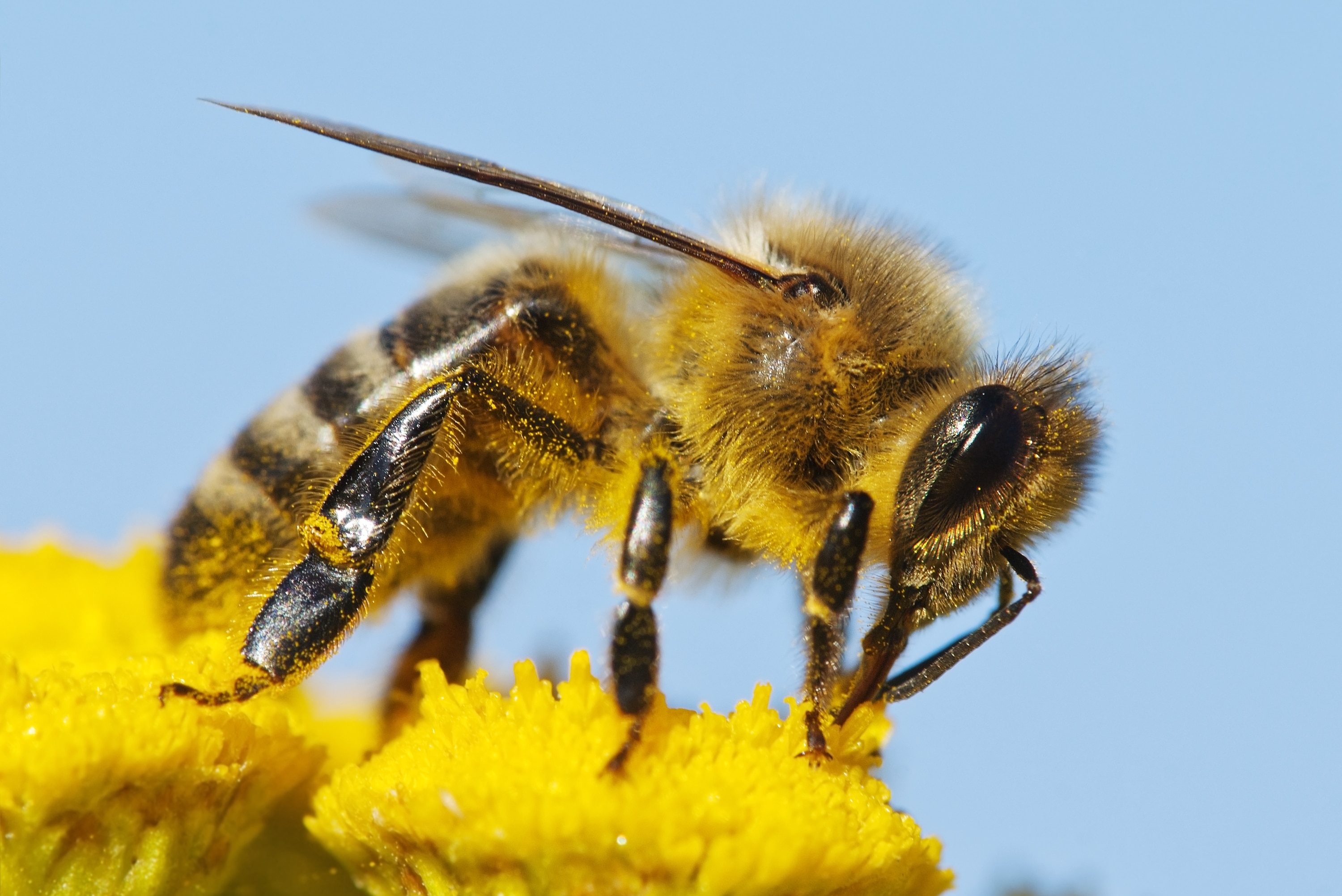
Recognizing the vital role honeybees play in pollination, Georgia honors them as a state symbol. Honeybees contribute significantly to the state’s agricultural success. Their hard work supports various crops and ensures the health of diverse ecosystems. It’s a reminder of the importance of small but mighty creatures.
20. Georgia is a leading producer of pecans.
Besides peanuts, Georgia is also known for its pecan production. Pecans are a popular ingredient in many desserts, including the classic pecan pie. Georgia’s climate and soil conditions make it ideal for growing pecan trees. It’s a significant part of the state’s agricultural output.
21. The popular song “Georgia on My Mind” was written about the state.
This classic tune, made famous by Ray Charles, captures the essence of Georgia’s beauty and charm. It was written in 1930 by Hoagy Carmichael and Stuart Gorrell. The song’s nostalgic lyrics evoke images of sweet Georgia pines, Southern hospitality, and a longing for a beloved place. It’s a timeless musical tribute to the state.
22. Cumberland Island is home to a herd of wild horses.

A unique sight awaits visitors to Cumberland Island National Seashore, a population of feral horses roaming freely. These horses have a fascinating history, likely descendants of horses brought by Spanish explorers centuries ago. They add a touch of wildness and a sense of wonder to the island’s pristine beaches and maritime forests. Their presence is a unique feature of Georgia’s diverse natural beauty.
23. The town of Helen, Georgia, is modeled after a Bavarian village.
Nestled in the Blue Ridge Mountains, Helen offers a surprising and charming experience. This quaint town is designed with Alpine architecture, giving it a distinctly European feel. Visitors can enjoy German-style restaurants, shops, and festive events like Oktoberfest. It’s a whimsical and fun getaway within Georgia.
24. Georgia is known as the Peach State.
Peaches have become synonymous with Georgia, even though the state’s top crop is actually peanuts. Georgia peaches are renowned for their sweetness and juiciness, particularly during the summer season. You’ll find peach festivals, peach-infused recipes, and roadside stands selling fresh peaches throughout Georgia. It’s a delicious part of the state’s identity!
25. Atlanta holds the world record for the largest sweet tea.
In 2016, Atlanta set the record with a 2,524-gallon serving of sweet iced tea. It was even served in a giant mason jar for a truly Southern touch. This quirky record highlights Georgia’s love for this refreshing beverage and its penchant for doing things in a big way. It’s one of the most entertaining Georgia facts!
SOURCE: AMAZINGFACTSHOME.COM

This month’s recipes will focus on no bake types of desserts. Today’s offering is Ice Cream Sandwich Dessert.

Ingredients
10 to 12 ice cream sandwiches
1 jar (12 ounces) caramel ice cream topping
1 carton (12 ounces) frozen whipped topping, thawed
1/4 cup chocolate syrup
1 Symphony candy bar with almonds and toffee (7.37 ounces), chopped
Maraschino cherries, optional
Directions
Arrange ice cream sandwiches in a single layer in an ungreased 13×9-in. dish, cutting sandwiches to fill the dish as needed. Spread with caramel and whipped toppings. Drizzle with chocolate syrup. Sprinkle with chopped candy bar.
ENJOY!

From: chickensandmore.com:
Rhode Island Reds are one of my favorite chickens. They have bags of character, personality and a real zest for life. As a homestead bird they are one of the best breeds out there in my opinion. They are healthy, resilient and will lay plenty of eggs for you. They can be pushy and assertive with other breeds, but they certainly do not lack personality! These chickens have only been around for about 100 years but they have gathered a firm following, read on to find out why…
The Rhode Island Red is a very useful, delightful and entertaining bird to have in your flock. She does not need much care other than the basics of food, water and shelter. They are hardy chickens that are not prone to disease, which makes them ideal for beginners. They have become one of the staple birds of the modern homesteader as they have been proven over the years to be a reliable, no-nonsense breed.
With the Rhode Island Red there are two strains: the production and heritage strain. Heritage varieties do not put out quite as many eggs each year but they will lay for a longer period of years. If you want more eggs, choose a production Red as they are prolific in the egg production area. This hen makes a great starter chicken for anyone because of the ease of care and low maintenance. They are also pretty kid friendly (with the exception of the roosters).

Their body is somewhat rectangular and solid looking. Rhode Island Reds are well proportioned, with a head held high and the tail at a 45-degree angle. Their feathers are tight which means they sit together compactly – a trait of the Malay breed used to create this breed. What surprises a lot of people is the fact that Reds can have either a single or rose comb. The single comb is upright with well-defined points, and the rose comb has a rear facing leader spike. Wattles and ear lobes are red (like their comb), eyes are orange/red in color and the beak is a horn color. Their skin, shanks and feet are yellow.
Size and Weight
Reds are considered to be standard sized birds.
Hens will be around 6.5lb with roosters being around 8.5lb.
The bantam variety weighs in at 2.1lb and 1.9lb respectively.
Color Varieties
The primary color of the feathers is a beautiful shiny chestnut red. Occasional black feathers can be found in the tail and wings – this is called ‘smutty’ by judges and points will be taken from the overall score of a competition bird.
These chickens enjoy being active, and are usually the first out of the coop to see what is going on and if there are any treats available! They are intensely curious and always want to help you out or see what is in it for them. Often, they can be found foraging and can obtain a good amount of their daily nutrition by foraging. They are not flighty or nervous birds and are generally considered bombproof, rarely getting flustered or panicked.
Personality
To sum up their personality in one word: exuberant! Rhode Island Reds love to investigate new things and are inquisitive to the point of being nosey. They are friendly hens and fairly docile with other birds of a similar disposition – however they are usually mid to higher level in the pecking order. This means that with very shy or docile breeds (such as Cochins or Polish) they can turn mean and unpleasant, so be careful if you are mixing breeds. As for the Roosters, they have a bit of a reputation for being obnoxious. Small children should not be allowed near them especially in the breeding season. Hens are not known for broodiness but occasionally one will surprise you and become broody. Once they have decided to be broody, they are usually good sitters and good mothers.
SOURCE: CHICKENSANDMORE.COM

This month’s final dessert offering is Apricot Bars!

Ingredients
3/4 cup butter, softened
1 cup sugar
1 large egg, room temperature
1/2 teaspoon vanilla extract
2 cups all-purpose flour
1/4 teaspoon baking powder
1-1/3 cups sweetened shredded coconut
1/2 cup chopped walnuts
1 jar (10 to 12 ounces) apricot preserves
Directions
Preheat oven to 350°. In a large bowl, cream butter and sugar until light and fluffy, 5-7 minutes. Beat in egg and vanilla. In a small bowl, whisk flour and baking powder; gradually add to creamed mixture, mixing well. Fold in coconut and walnuts.
Press two-thirds of dough onto the bottom of a greased 13×9-in. baking pan. Spread with preserves; crumble remaining dough over preserves. Bake 30-35 minutes or until golden brown. Cool completely in pan on a wire rack. Cut into bars.
Enjoy!
I found this story on The Epoch Times site, originally on the Associated Press site:
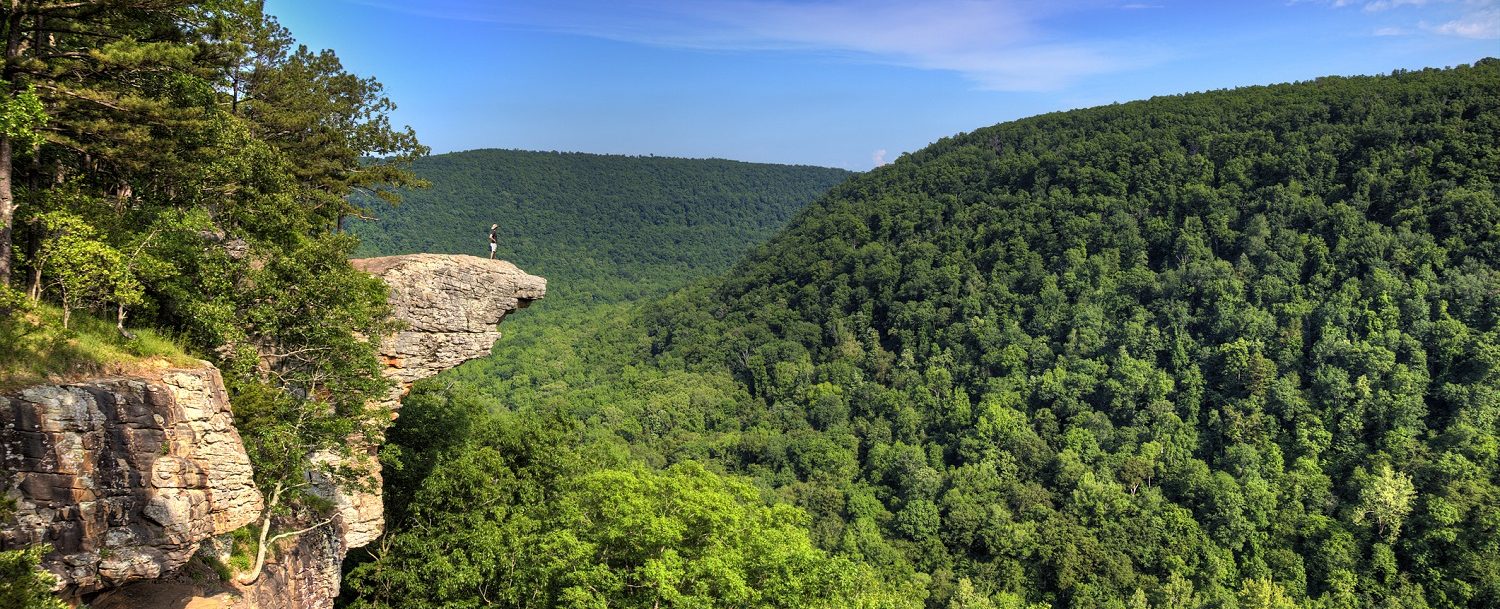
There are plenty of hideouts in the rugged terrain of the Ozark Mountains, from abandoned cabins and campsites in vast forests where searchers are hunting for an ex-lawman known as the “Devil in the Ozarks.” Others are not only off the grid but beneath it, in the hundreds of caves that lead to vast subterranean spaces.
Fugitive Grant Hardin “knows where the caves are,” said Darla Nix, a cafe owner in Pea Ridge, Arkansas, whose sons grew up around him. Nix, who describes Hardin as a survivor, remembers him as a “very, very smart” and mostly quiet person.
For the searchers, “caves have definitely been a source of concern and a point of emphasis,” said Rand Champion, a spokesman for the Arkansas Department of Corrections.
“That’s one of the challenges of this area — there are a lot of places to hide and take shelter, a lot of abandoned sheds, and there are a lot of caves in this area, so that’s been a priority for the search team,” Champion said. “It adds to the challenge of a search in this area, for sure.”
Hardin, the former police chief in the small town of Gateway near the Arkansas-Missouri border, was serving lengthy sentences for murder and rape. He was the subject of the TV documentary “Devil in the Ozarks.”

He escaped Sunday from the North Central Unit — a medium-security prison also known as the Calico Rock prison — by impersonating a corrections officer “in dress and manner,” according to a court document. A prison officer opened a secure gate, allowing him to leave the facility.
Authorities have been using canines, drones and helicopters to search for Hardin in the rugged northern Arkansas terrain, Champion said. The sheriffs of several counties across the Arkansas Ozarks had urged residents to lock their homes and vehicles and call 911 if they notice anything suspicious.
In some ways, the terrain is similar to the site of one of the most notorious manhunts in U.S. history. Bomber Eric Rudolph, described by authorities as a skilled outdoorsman, evaded law officers for years in the Appalachian Mountains of western North Carolina. It was a five-year manhunt that finally ended in 2003 with his capture.
Rudolph knew of many cabins in the area owned by out-of-town people, and he also knew of caves in the area, former FBI executive Chris Swecker, who led the agency’s Charlotte, North Carolina, office at the time, said in the FBI’s historical account of the case.
“I think it is very likely that he not only had campsites and caves, but he was also spending some time in those cabins,” Swecker said. “He was anticipating a great conflict and he had clearly lined up caves and campsites where he could go,” he added.
Rudolph pleaded guilty to federal charges associated with four bombings in Georgia and Alabama, including one in Centennial Olympic Park in downtown Atlanta during the 1996 Olympic Games.
There are more than 2,000 documented caves in northern Arkansas, state officials say. Many of them have entrances only a few feet wide that are not obvious to passersby, said Michael Ray Taylor, who has written multiple books on caves, including “Hidden Nature: Wild Southern Caves.”
The key is finding the entrance, Taylor said.
“The entrance may look like a rabbit hole, but if you wriggle through it, suddenly you find enormous passageways,” he said.
Local residents might discover some caves as teenagers, so a fugitive would want to choose one that deputies in the search didn’t also discover as teens, Taylor said.
It would be quite possible to hide out underground for an extended period, but “you have to go out for food, and you’re more likely to be discovered,” he said.
Hardin pleaded guilty in 2017 to first-degree murder for the killing of James Appleton, 59. Appleton worked for the Gateway water department when he was shot in the head Feb. 23, 2017, near Garfield. Police found Appleton’s body inside a car. Hardin was sentenced to 30 years in prison.
He was also serving 50 years for the 1997 rape of an elementary school teacher in Rogers, north of Fayetteville.
He had been held in the Calico Rock prison since 2017.
SOURCE: THEEPOCHTIMES.COM (The story, from Associated Press, is dated 5/31/2025)
Devil in the Ozarks CAPTURED

How was Hardin caught, ending 12-day manhunt?
Authorities said tracking dogs picked up Hardin’s scent and were able to lead them to Hardin. Hundreds of law enforcement officers at the local, state and federal level spent nearly two weeks searching for Hardin, using dogs, drones and aircraft, at times hampered by severe weather.
Moccasin Creek where he was found has seen high water due to heavy rainfall in the last two weeks, which may have limited Hardin’s ability to move around. It also prevented authorities from finding him sooner. Champion said search teams had looked through the area before but couldn’t fully investigate because of the high water.
Though Hardin was previously thought to have left the state, Champion said investigators now believe he never got very far at all from the prison. He was fingerprinted and assessed at the North Central Unit before being moved to the Varner Unit, Champion said. He will be interviewed in the coming days.
SOURCE: USA TODAY
 Sew Colorful