On the night before Christmas in 1945 in Fayetteville, West Virginia, George and Jennie Sodder were asleep with nine of their children when a fire started in the house around 1:00 in the morning. George, Jennie, and four of their children managed to escape. The remaining children: 14-year-old Maurice, 12-year-old Martha, 9-year-old Louis, 8-year-old Jennie, and 5-year-old Betty still remained in the house. Between the five of them, they shared two bedrooms located upstairs.
George broke back into the house to save the rest of the children but the staircase was on fire. When he went outside to retrieve his ladder, it was missing from its normal spot. Plus, both of his coal trucks, which he was going to use to stand on top of, were strangely not starting. Marion, one of the children who escaped the fire, ran to a neighbor’s house to phone the fire department but the operator didn’t pick up. When another neighbor called, the operator failed to pick up the phone again. That same neighbor actually drove to town and found the fire chief in person, FJ Morris, and told him about the fire. However, even though the fire station was located a mere 2.5 miles away from the house, the firefighters didn’t reach the Sodder home until 8 a.m., seven hours after the fire began. When they got there, the house was literally burnt to ash.
Authorities sifted through the ash to try and find the remains of the missing 5 children but nothing was found and they were presumed dead due to the fire. Morris suggested that the fire was so hot that it literally cremated the children’s bodies—including their bones. While that theory sounds reasonable, it’s not entirely accurate because even when flesh is burned away, bones are typically left behind. Additionally, there was no smell of burning flesh reported during or after the fire.
The cause of the fire was deemed to be bad wiring and the five missing children were issued death certificates. Soon after the fire, George and Jennie began to suspect that their children were not dead but instead kidnapped and the fire was deliberately set as a diversion. In fact, George had the wiring checked earlier that fall by the power company which had deemed the wiring in safe working order. While the fire was in progress, a woman came forward and said she saw all of the five missing children peering from a passing car. Another woman who was staying at a Charleston hotel had seen the children’s photos in a newspaper and said she had seen four of the five a week after the fire. “The children were accompanied by two women and two men, all of the Italian extraction,” she said in a statement. “I tried to talk to the children in a friendly manner, but the men appeared hostile … and wouldn’t allow it.”
From the 1950s until Jennie Sodder’s death in the late 1980s, the Sodder family maintained a billboard on State Route 16, with pictures of the five vanished children and offering a reward for information. The last known surviving Sodder child, Sylvia, still doesn’t believe her siblings perished in the fire. To this day, they have never been found.
I found this series on the Parade website. It describes 50 still (as of the published date of the article) unsolved mysteries. Each month we’ll look at one or two.
From: Parade.com:
Get ready to have the hair on the back of your neck stand up when you read this round-up of the strangest unsolved mysteries of our time. Beware: Some of these unsolved mysteries contain graphic violent content and should be read with discretion.
50 Strangest Unsolved Mysteries
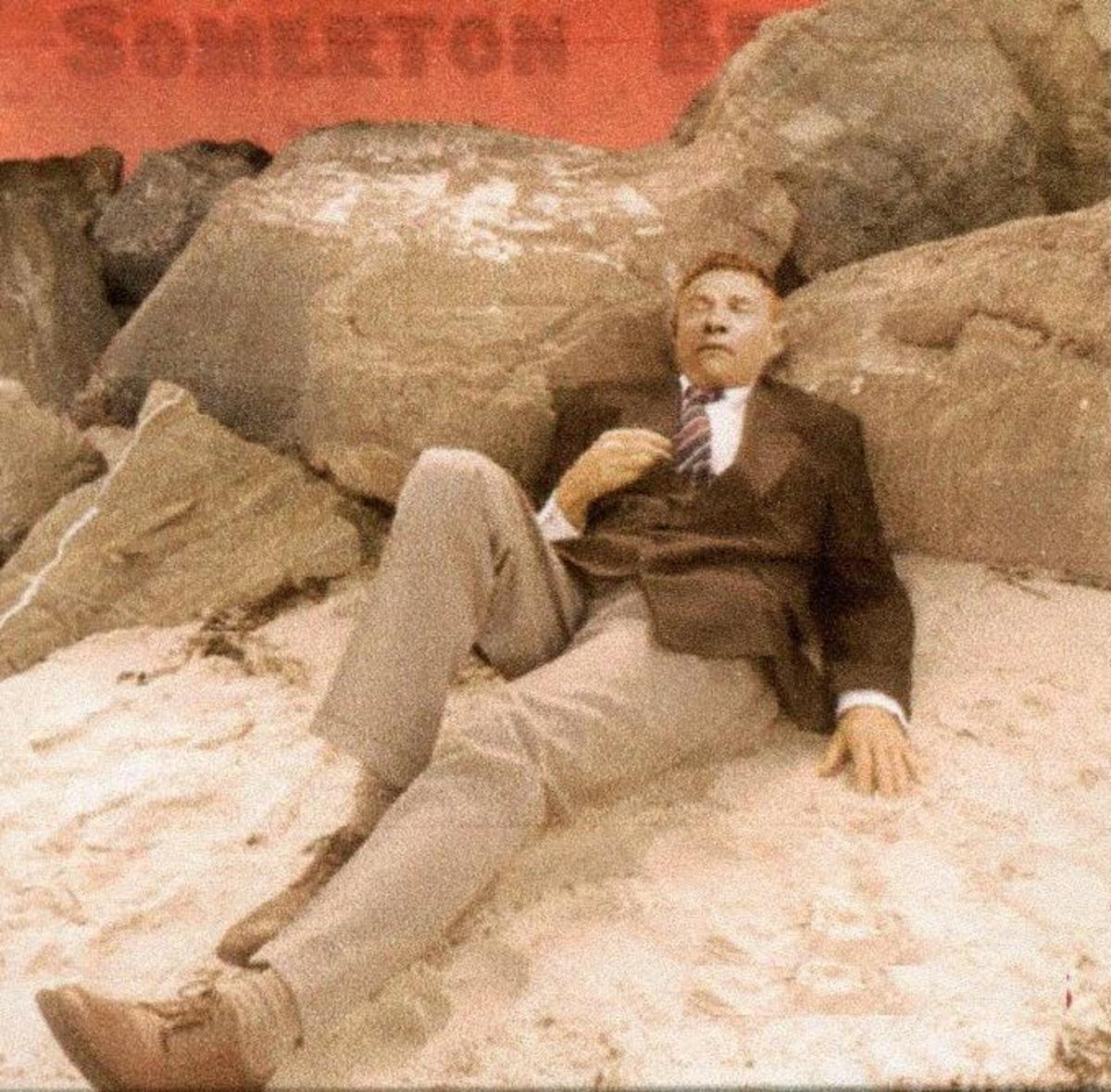
The Body on Somerton Beach
In December 1948, a body was found on Somerton Beach in Adelaide, Australia. The body was a man who was dressed impeccably in a suit with polished shoes and his head was slumped against a wall. Authorities thought the cause of death was heart failure or more likely poisoning but, no trace of poison was found in the autopsy.
There wasn’t a wallet or any type of identification on the man and all the tags from his clothing were cut out. The fingerprints that the authorities took of him were also unidentifiable. They even put a photo of the body in the newspapers and still, no one could identify who the man was. Four months later after the body was found, detectives found a hidden pocket that was sewn on the inside of his trousers. Inside the pocket was a rolled-up piece of paper from a rare book called the Rubáiyát. The piece of paper had the words “Tamám Shud” on it which means “it has ended.” After months of looking for the exact book, authorities decide to bury the Somerton Man without identification. Although a cast was taken of the bust and he was embalmed to preserve him.
Eight months later, a man walked into the police station. He claimed that just after the body was found, he found a copy of the Rubáiyát in the back of his car that he kept parked near Somerton Beach. He thought nothing of it until he read about the search in a newspaper article. Sure enough, the book had a part of the final page that was torn and it matched the piece of paper that was found in the Somerton Man’s trousers. Inside the book were a phone number and some sort of strange code.
The phone number led the authorities to a woman named Jessica Thompson who lived nearby. During her interview, she was very evasive and even claimed she was going to faint when she saw the bust of the Somerton Man but denied knowing him. However, she said she did sell the book to a man named Alfred Boxall. Unfortunately, Alfred Boxall was still very much alive at the time and still had the copy of the Rubáiyát that Jessica had sold him. The code that was found ended up being even more unhelpful and as of today, it has still yet to be cracked.
To this day, the man on Somerton Beach has yet to be identified.
SOURCE: PARADE.COM
SOLVED?
From: sciencetimes.com:
Many theories circulated suggested that the individual known as Somerton Man was either a Cold War spy or a betrayed lover.
However, a researcher claims to have solved the puzzle after more than 70 years. According to Professor Derek Abbott of the University of Adelaide, Somerton Man was Carl Webb. Furthermore, he was an electrical engineer from Melbourne, not a Russian agent.
Together with American genealogist Colleen Fitzpatrick, Abbott conducted her research. The two examined DNA evidence from hairs found in a plaster cast that detectives had created of the man’s face more than 50 years prior.
Fitzpatrick explained that she and Abbott began their search for Abbott’s relative by building his family tree, starting with a match in a DNA database (a so-called DNA-cousin to Somerton guy). They continued this process until they located Abbott’s relative.
At the time, the family tree included roughly 4,000 people. They calculated that Webb was born in 1905, but according to Abbott, he was eventually recognized “as a person with no death record.”
Abbott added that they had proof that the Melbourne guy’s wife went to South Australia and that he split from her, so it’s possible he came to find her.
Fitzpatrick said the finding solved the decades-long mystery. This has been one of the most intriguing cases in Australia’s history, and identifying the man as Webb will also unravel the mysteries surrounding his death.
How Did the Somerton Man Died?
After examining the Somerton man, the physician concluded that the guy had passed away from heart failure sometime after two in the morning. However, the physician did not think that the heart failure was a natural cause. He concluded that the mystery guy had been poisoned with a toxin that was both fast-acting and fast-disappearing, making it impossible to find the source.
For his part, Professor Abbott thinks that some of the case’s most peculiar elements might not be as weird as they first seem. He doesn’t think the Somerton Man was poisoned, for example.
According to him, pathologists in the Victorian age were trained that if there were no apparent reason for the death, they would often recommend a poison. He noted that there was no evidence of poisoning, so it would not be accurate to conclude that it was the case.
He added that the man’s spleen was three times larger than it should have been during the autopsy. The doctor surmised that the man may have died from cancer, bacterial or viral infections, or positional asphyxia, among other possible causes of death.
I found this article on ancient -origins.net detailing a discovery that might be Noah’s Ark.
From: ancient -origins.net:
New Evidence Suggests Formation in Turkey Might Really Be Noah’s Ark
In a mountainous area of eastern Turkey, a team of American researchers believes they may have uncovered the remnants of one of history’s most legendary vessels—Noah’s Ark. Working at a mysterious and intriguing site known as the Durupınar Formation, the group was stunned to discover what they describe as a “tunnel” beneath a boat-shaped geological formation that may match the Bible’s description of the vessel that supposedly came to rest after the Great Flood more than 4,300 years ago.
According to the Book of Genesis, Noah’s Ark was a massive wooden ship built to preserve humanity and animal life from a catastrophic global deluge. After 150 days, the Bible says, the ark came to rest “on the mountains of Ararat.” The Durupinar site lies just 18 miles (29 kilometers) south of Mount Ararat itself, Turkey’s highest peak and a location long rumored to be the ark’s final resting place.
Deep Scans Produce Stunning Results
The team, led by independent researcher Andrew Jones from the California-based organization Noah’s Ark Scans, employed ground-penetrating radar (GPR) to investigate the site. The scans reportedly revealed three distinct layers beneath the surface, an important detail that mirrors the biblical description of the ark having lower, second, and third decks.
One of the most significant discoveries to emerge from the GPR study is what appears to be a 43-foot (13-meter) tunnel running through the center of the formation. The scans also detected other open spaces and central and side corridors, which could suggest the presence of compartments or interior rooms.
“We’re not expecting something that’s fully preserved. What’s left is the chemical imprint, pieces of wood and in the ground, the shape of a hall,” Jones explained in a statement published by the Daily Mail Online.
GPS scan showing structures and open spaces inside the formation in Turkey, which could reveal rooms and corridors. (Noah’s Ark Scans).
So far, angular structures have been detected as deep as 20 feet (6 meters) below the surface of the ground. According to Jones and his colleagues, this would be a highly unusual feature in a naturally created geological formation.
“This is not what you’d expect to see if the site were simply a solid block of rock or the result of random mudflow debris,” Jones said. “But it is exactly what you’d expect to find if this were a man-made boat, consistent with the biblical specifications of Noah’s Ark.”
Supporting their geophysical findings, the team has collected and analyzed soil samples from 22 different locations surrounding the Durupinar formation. Soil scientist William Crabtree, another member of the Noah’s Ark Scans team, noted that samples taken from inside the formation show significantly different characteristics from those collected elsewhere.
“Organic matter was found to be double inside the formation compared to the surrounding soil,” Crabtree stated. “If you know soil science—as I am a soil scientist—you will understand that potassium levels, organic matter, and pH can all be affected by the decomposition of organic materials. If this was a wooden vessel and the wood had rotted over time, we would expect to see increased potassium levels, changes in pH, and higher organic content—and that’s exactly what we find.”
Further observations suggest grass growing within the formation differs in color from the vegetation outside it. This is a strong indicator that soil composition beneath the surface is varied or textured. Crabtree also mentioned a tunnel running from the tip of the structure toward its center, which is quite prominent and large. “It is large enough to walk through,” he said.
‘NOAH’S ARK’ on Mount Ararat’ (1570) by Flemish painter Simon de Myle.(Public Domain).
Skeptics have long maintained that the Durupınar Formation is a natural rock formation, possibly created by mudflows and erosion. The Noah’s Ark Scans team believes the new evidence warrants more extensive investigation. They plan to expand their research with core drilling, additional radar scans, and more soil sampling to record internal and external conditions more thoroughly.
“We want to compare what’s inside the formation to what’s outside,” Jones said. “That could give us a much clearer picture of whether this is truly something man-made.”
Will the Durupinar Mystery Ever Be Solved?
Durupınar has intrigued explorers and researchers since 1948, when heavy rains and seismic activity exposed its unusual boat-like outline. Discovered by a local Kurdish shepherd, the site has drawn both scientific and religious interest for decades.
Until recently, however, no excavation has been officially sanctioned. That is about to change, as Noah’s Ark Scans has announced that they will carry out a controlled excavation in partnership with several Turkish universities. This is a victory for those who are at least open to the idea that the unusual formation may be a petrified Noah’s Ark, as academic institutions have traditionally dismissed the Ark story from Genesis as a myth.
Before breaking ground, the excavation team intends to complete a preservation plan, to make sure the integrity of the archaeological site is preserved regardless of what new studies may reveal.
A sunken ‘pyramid’ near Taiwan may rewrite everything we thought we knew about the ancient world. Sitting just 82 feet below sea level near the Ryukyu Islands of Japan, a mysterious object called the Yonaguni monument continues to stump and astonish researchers since its discovery in 1986.
This giant structure with sharp-angled steps stands roughly 90 feet tall and appears to be made entirely of stone, leading many to believe it was man-made. However, tests of the stone show it to be over 10,000 years old, meaning that if a civilization built this pyramid by hand, it would have taken place before this region sank under water – more than 12,000 years ago. That would place it further back in history than most other ancient structures by several thousand years, including the Egyptian pyramids and Stonehenge.
Currently, scientists believe that the ability for ancient humans to construct large structures like temples and pyramids evolved alongside the development of agriculture 12,000 years ago. If an advanced society was already building giant step pyramids long before this time, however, it could change the history books forever and reveal another lost tribe of humans – just like the myths of Atlantis. In fact, Yonaguni monument is often called ‘Japan’s Atlantis,’ but skeptics continue to poke holes in the theory that this structure was actually built by human hands.
The site recently gained widespread attention after scientists sparred over its origins on the Joe Rogen Experience podcast. Graham Hancock, an author focused on lost civilizations and archaeologist Flint Dibble debated over the pictures of Yonaguni monument, with Dibble refusing to concede that any of the structures found by divers could have been made by humans.
‘I’ve seen a lot of crazy natural stuff and I see nothing here that to me reminds me of human architecture,’ Dibble said while a guest on Rogan’s podcast last April. ‘To me, Flint, it’s stunning that you see that as a totally natural thing, but I guess we’ve just got very different eyes,’ Hancock countered. Hancock added that photographs from dives at the site clearly show human-made arches, megaliths, steps, terraces, and what seem to be a carved rock ‘face.’
If Yonaguni monument really was built by a mysterious civilization over 10,000 years ago, it would add it to the growing list of puzzling structures that should have been impossible to construct that long ago. Built around the same time period, Yonaguni monument could potentially join the man-made ancient structure of Göbekli Tepe in Turkey as evidence of lost civilizations. This archaeological site in Upper Mesopotamia is believed to have been inhabited from around 9500 BC to at least 8000 BCE, during the Pre-Pottery Neolithic Era. That’s over 5,000 years before the Egyptian pyramids were built and roughly 6,000 before Stonehenge.
Meanwhile, another ancient structure in Indonesia could predate Göbekli Tepe and Japan’s Atlantis by a staggering amount of time. Gunung Padang, first re-discovered by Dutch explorers in 1890, is said to be the world’s oldest pyramid. Studies show that the 98-foot-deep ‘megalith’ submerged within a hill of lava rock dates back more than 16,000 years.
In 2023, scientists said the structure promises to upend the conventional wisdom on just how ‘primitive’ hunter-gather societies actually were – revealing the true ‘engineering capabilities of ancient civilizations.’ According to Dr Masaaki Kimura, the case surrounding Japan’s Atlantis is very much still open for debate. Kimura is the scientist who tested the sandstone’s age, finding that the rocks date back more than 10,000 years.
At this point in history, the structure would have still been on dry land, before the melting of massive ice sheets caused global sea levels to rise at the end of the last Ice Age. Studies show that at the peak of the Ice Age, roughly 20,000 years ago, sea levels were approximately 400 feet lower than they are today. In 1999, however, Dr Robert Schoch of Boston University tried to throw cold water on the theory of an Atlantis in the Pacific, arguing that geology could prove the pyramid and surrounding “city” was a natural rock formation.
Schoch noted in his report that Yonaguni monument shares a number of features with other nearby geological formations. Moreover, it sits in an earthquake-prone region, 62 miles east of Taiwan, suggesting that the fractures and flat faces making up the ‘steps’ are just normal features of sandstone rocks breaking and splitting.
‘When viewing photographs of the Yonaguni Monument, many people immediately have the impression, due to the regularity of the stone faces of the steps and the sharp angles made by the rock, that this is an artificial structure,’ Dr Schoch admitted in his paper. Schoch said that the rocks have also been coated with layers of marine life over the centuries, covering up much of the natural sandstone features and giving Yonaguni monument the appearance of being much more uniform than it really is. ‘I think it should be considered a primarily natural structure until more evidence is found to the contrary. However, by no means do I feel that this is an absolutely closed case,’ he added.
Filly brought these wonderful stone creations to my attention. This article appeared on the Arkeonews.net website:
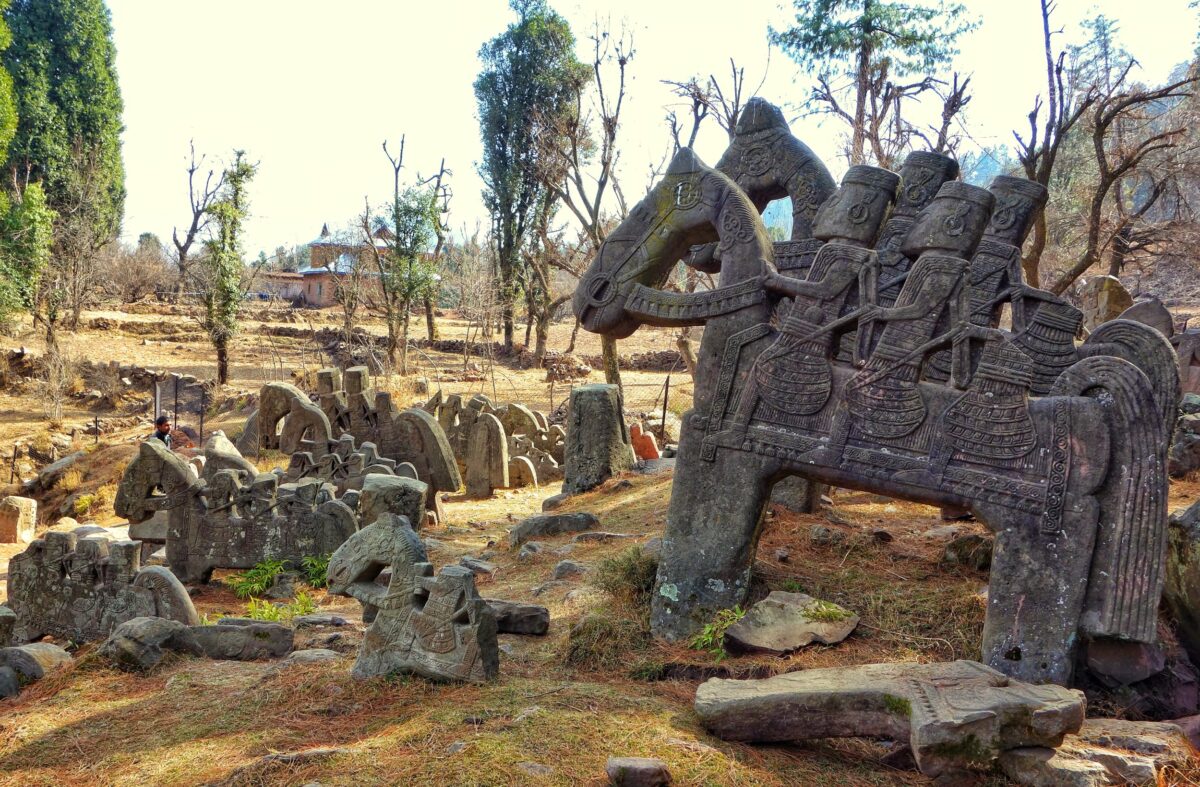
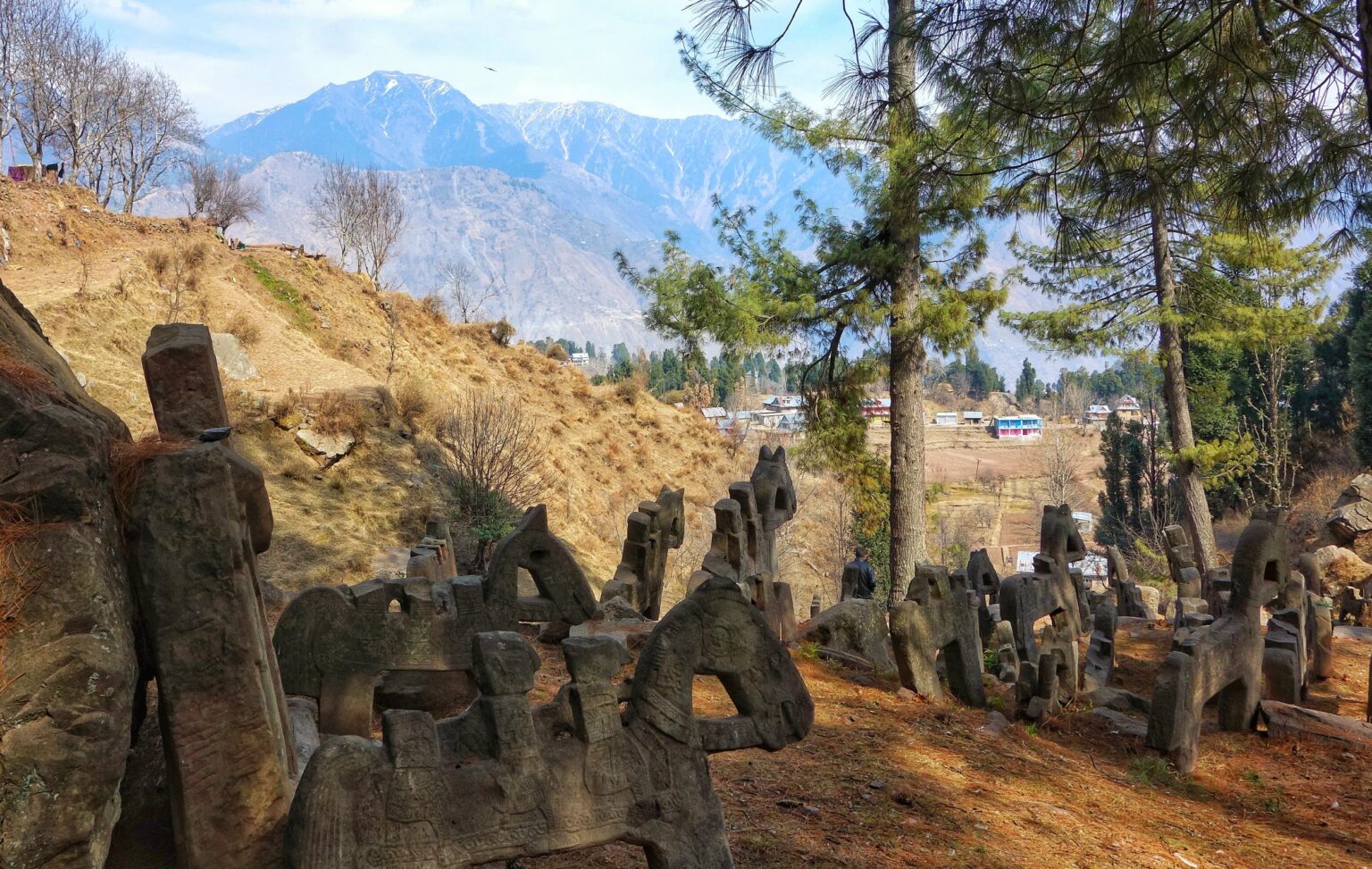
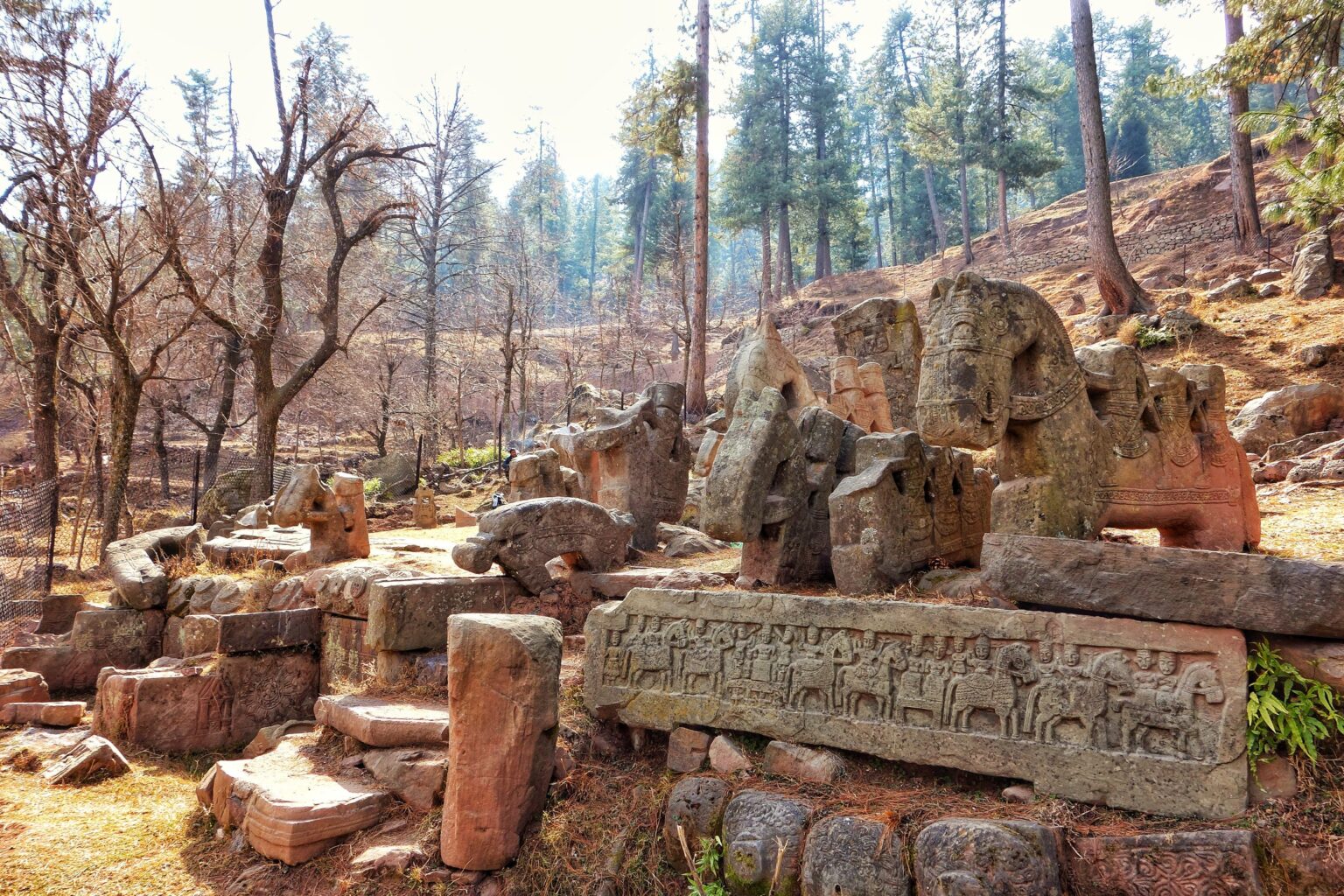
Deep within the rugged Pir Panjal range in Jammu and Kashmir, India, lies a captivating mystery known as the Mysterious Horsemen. These ancient stone figures, scattered across secluded sites, have puzzled historians and archaeologists for years, their origins and purpose shrouded in enigma. The craftsmanship displayed in these sculptures is remarkable, raising questions about their creators and the intentions behind their construction.
In the outskirts of Reasi district, specifically in the Gool tehsil, lies the infamous Gora Gali. A Russian expedition team, led by Natalia Polosmak, conducted a general survey of the area due to the presence of man-made and natural water ponds. To their surprise, they discovered an army of approximately 200 horsemen sculptures, arranged haphazardly over an area of 4-5 acres of inaccessible land in the woods. This remote area is uninhabited and difficult to reach from the main road, although a trail built by the army provides some access.
The locals believe that these sculptures were created during the period of the Mahabharata, when the Pandavas resided in the ancient town of Reasi and practiced stone engraving and sculpting. This belief has led to the development of a devta culture among the people, who worship these horsemen as local deities. However, further analysis of the sculptures reveals fewer Indic features and more foreign artistic forms. All these sculptures are believed to date back to the 2nd and 3rd centuries AD, a period during which the Gandhara school of art was emerging.
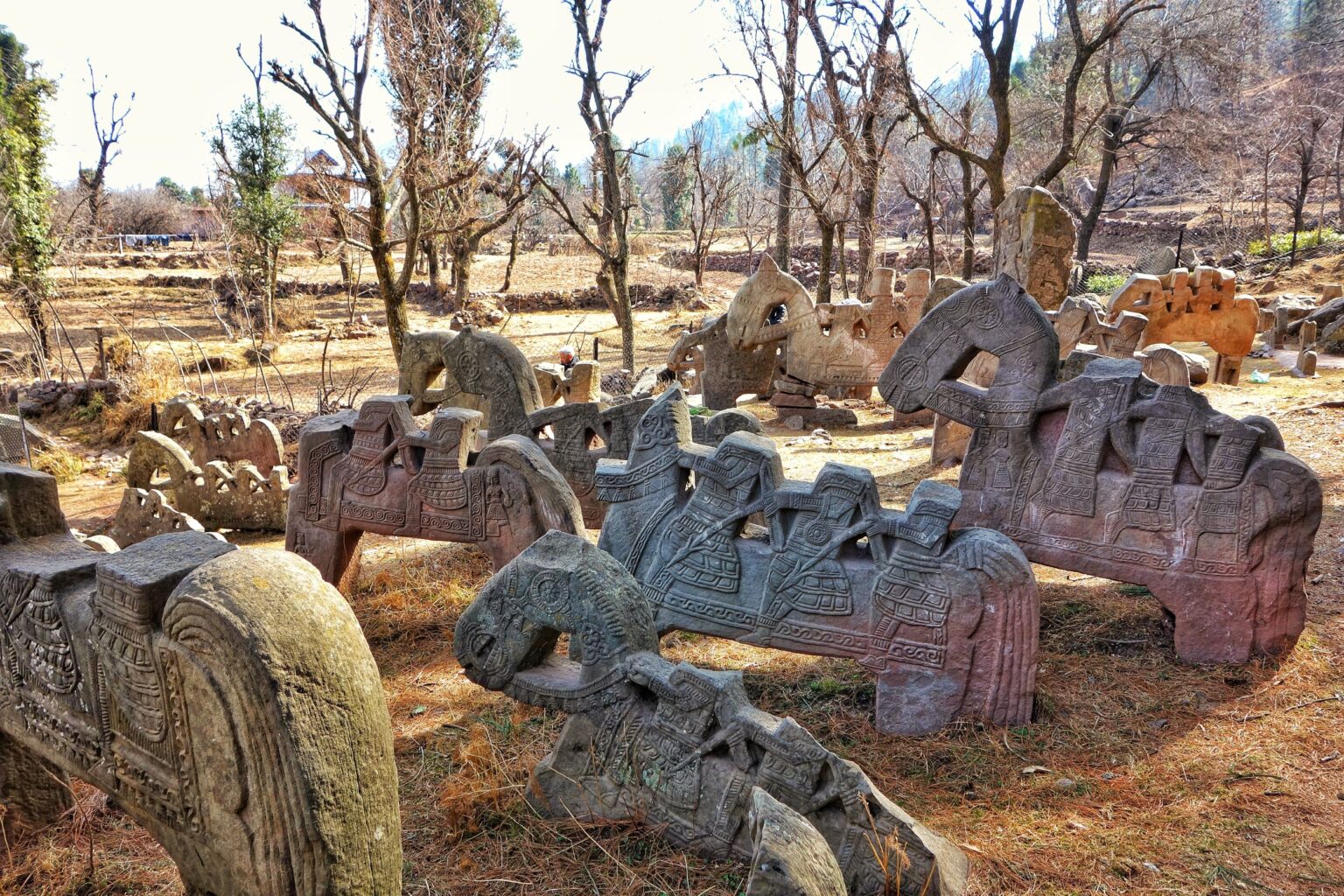
The horsemen exhibit striking similarities with the artistic features of the Gandhara school and Bactrian art forms. Their facial features resemble those found on Hephthalite coins, characterized by large facial structures, long straight noses, flat-cut necks, almond-shaped eyes, and round eyeballs. These features reflect the anthropological characteristics of the population at that time, influenced by Western art forms from Greece and Rome.
The way in which the horses are adorned indicates that ornamentation held significant importance. The horsemen are depicted wearing large round earrings and carrying unique weapons associated with the Hephthalites. Anthropologists suggest that one of the tribes of Hephthalites that settled in this region was the Dogras, the current residents of Jammu province. Moreover, the artistic forms used in these sculptures are polished and refined, showcasing a high level of skill.
A unique feature of these structures is that all the horses carry three soldiers on their backs, which can be observed in most of the sculptures. This detail may indicate the physical strength of the horses and suggest that they were of a pure breed. The remarkable craftsmanship involved in sculpting the stone deserves appreciation, as it reflects the artistic prowess of the creators.
The origins of the horsemen remain enigmatic, fueling speculation and scholarly debate. Various theories have been proposed, with connections to the White Huns (Hephthalites) and Mihirkula being central to these discussions. Some suggest that the horsemen may be linked to the White Huns, a Central Asian tribe that ruled the region between the 5th and 7th centuries. This timeframe aligns with the estimated period for the creation of the sculptures, providing a potential historical context for their existence. The cultural influences reflected in the sculptures may also hint at the interactions between different civilizations during this period.
Mihirkula, a feared leader of the White Huns, is often associated with the era of the sculptures, although definitive evidence of his involvement remains elusive. His reputation as a formidable leader adds a layer of intrigue to the mystery, suggesting a possible connection to the creation of these figures. However, the lack of concrete evidence highlights the challenges of reconstructing ancient history and understanding the true purpose of the horsemen. Theories abound, but the absence of definitive proof leaves much to the imagination.
The purpose of the horsemen remains unexplained, with no definitive answers emerging from ongoing research. Some scholars speculate that they may have served as memorials, commemorating significant events or individuals, while others propose that they could have had a religious or ceremonial function. The ambiguity surrounding their purpose only adds to their allure, inviting further investigation and research to unravel their secrets.
As an ancient puzzle, the Mysterious Horsemen continue to captivate the imagination of those who encounter them. The combination of their scale, detail, and isolation creates a captivating sight, leaving a lasting impression on all who visit these remarkable stone figures. The ongoing exploration of their origins and significance not only enriches our understanding of the region’s history but also highlights the enduring mysteries that ancient cultures have left behind.
Today is Clint Eastwood’s birthday (born 1930) and one of his movies—Escape from Alcatraz—still intrigues me. I found this article, written by Natasha Frost, on the History.com website.
From Natasha Frost:
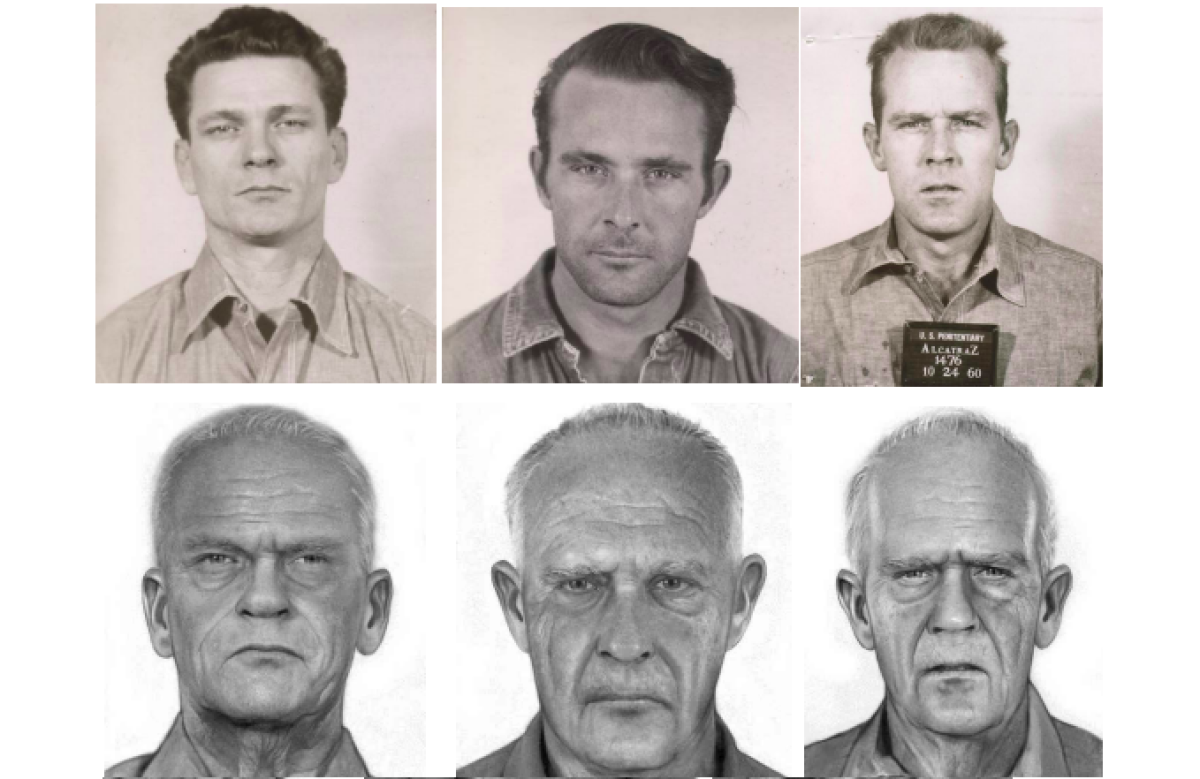
A 2013 letter to the FBI, if real, suggests the Anglin brothers and Frank Morris survived one of the most daring—and dangerous—prison breaks of all time.
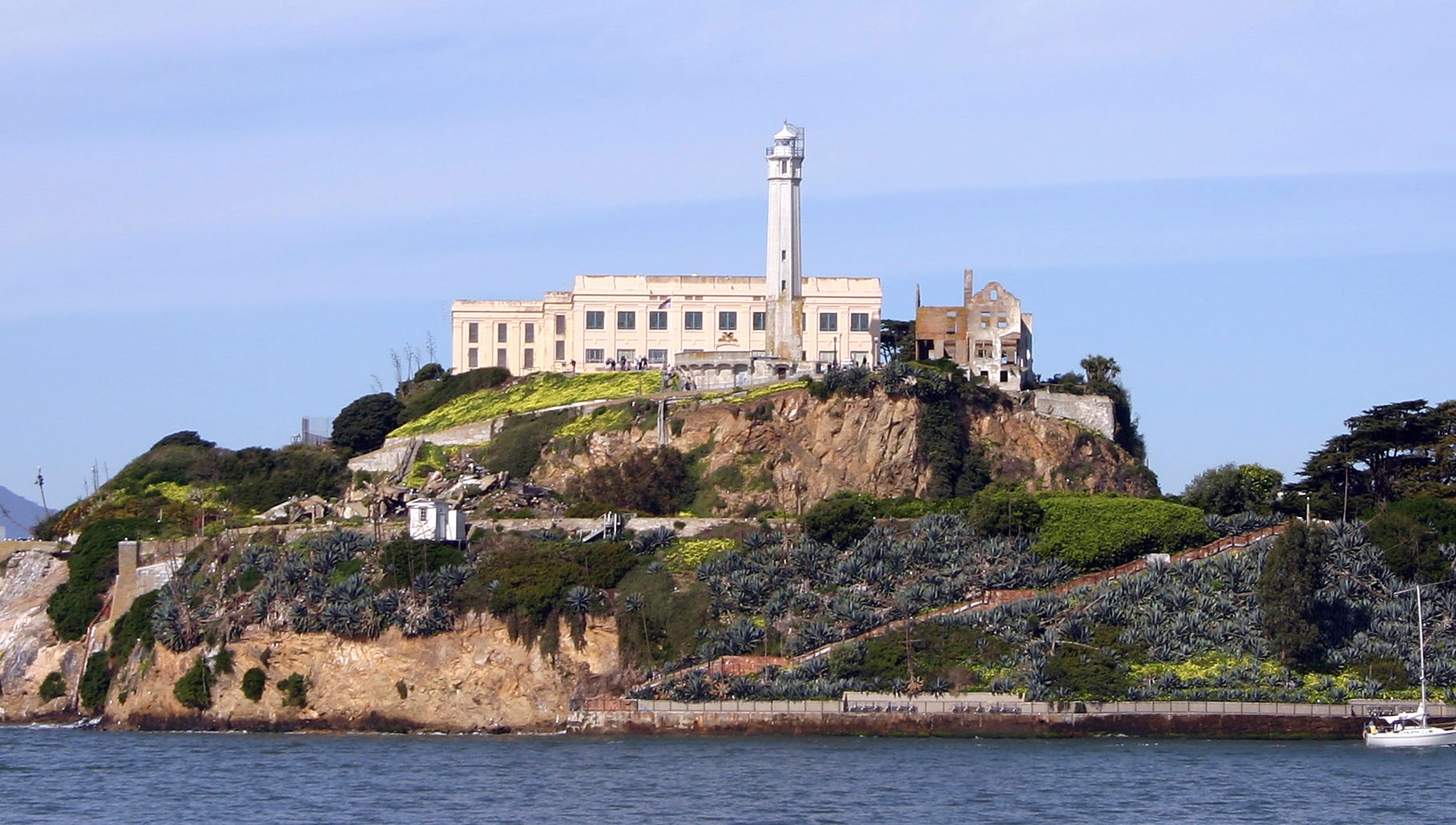
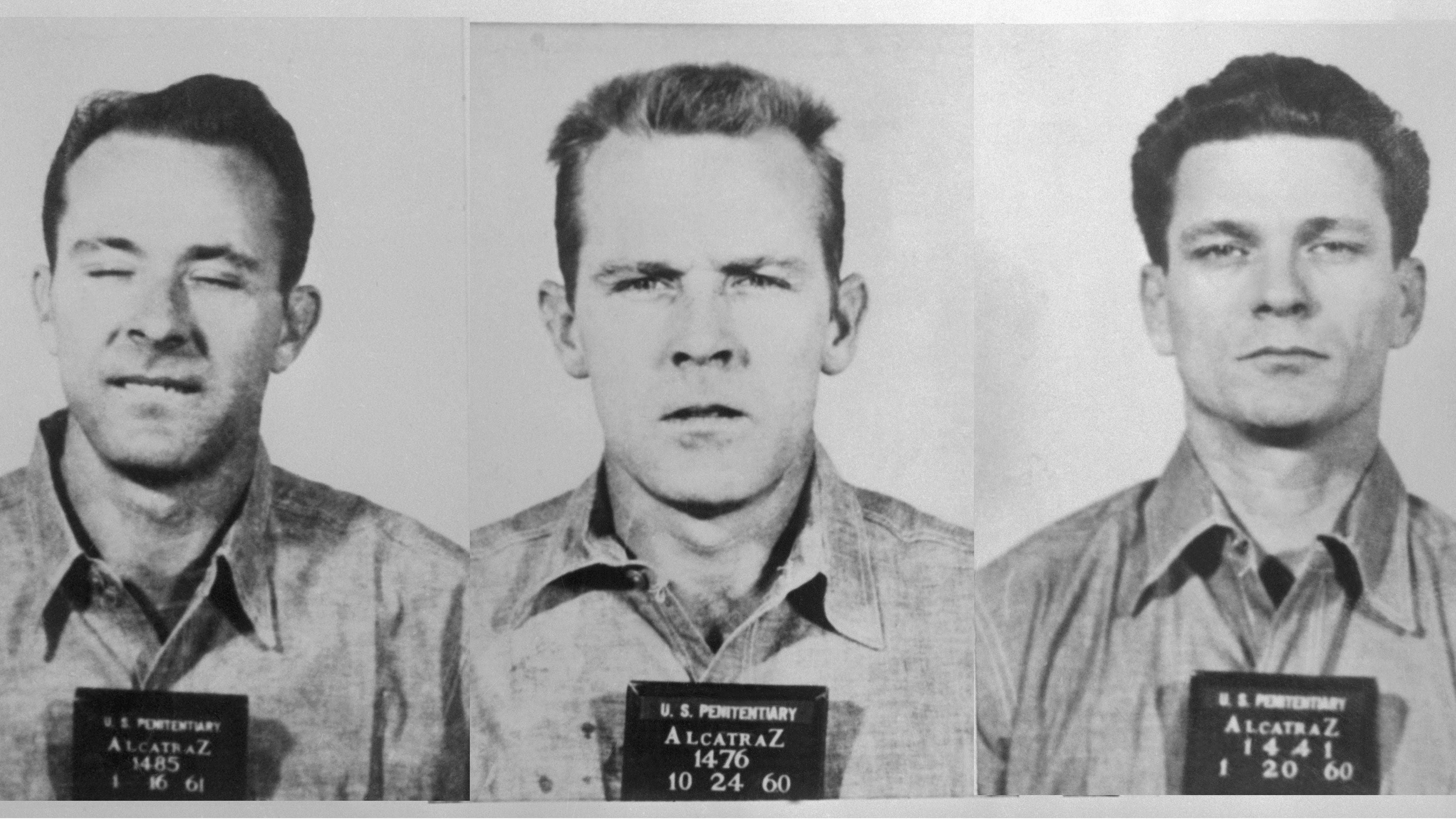
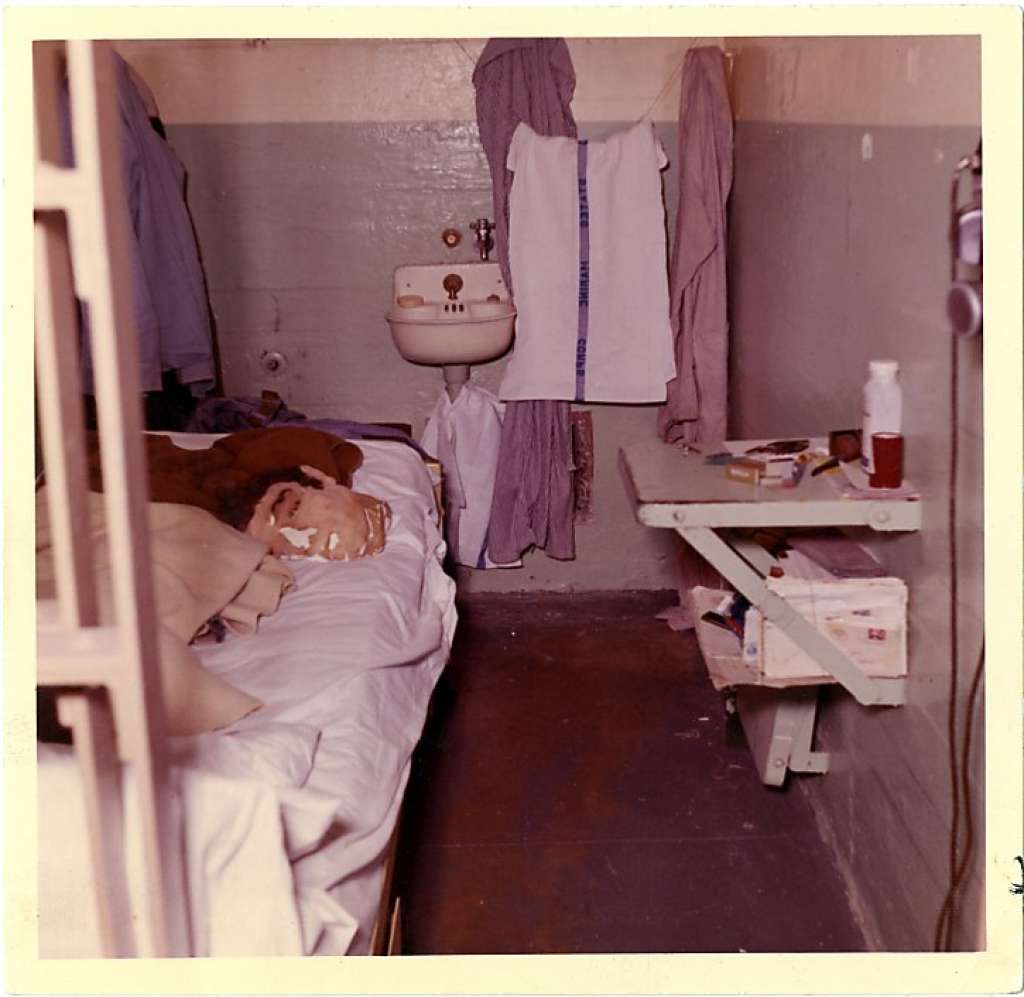
It was one of the most ingenious prison breaks of all time—if it worked. In 1962, inmates and bank robbers Frank Morris and John and Clarence Anglin vanished from Alcatraz, the federal island penitentiary off the coast of San Francisco. They had used sharpened spoons to bore through the prison walls, left papier-maché dummies in their beds and floated away on a raft made from 50 raincoats.
But what happened next has stumped historians for decades. Their bodies were never recovered, leaving many wondering whether they perished in the choppy San Francisco Bay or made it to shore—and freedom.
Alcatraz
In the years since nearly six decades of silence from the men led many to conclude that the escape had met a watery end. The FBI closed its case in 1979, concluding that the escapees were unlikely to have survived a treacherous swim of more than a mile of frigid waters to the mainland.
The Letter from John Anglin
In January of 2018, CBS San Francisco published an extract of a letter addressed to the FBI that told an altogether different story—and claimed that the criminals had been at large since the 1960s. “My name is John Anglin,” it read. “I escape[d] from Alcatraz in June 1962 with my brother Clarence and Frank Morris. I’m 83 years old and in bad shape. I have cancer. Yes, we all made it that night but barely!”
The letter was sent to the San Francisco Police Department’s Richmond station in 2013, the broadcaster reported but had been kept under wraps during a long investigation. An FBI laboratory examined the letter for fingerprints and DNA and analyzed the handwriting within, but the results were inconclusive. “So that means yes, and it means no, so this leaves everything in limbo,” security analyst Jeff Harp told CBS.
In the letter, the writer explained that he was the last living member of the trio, with his co-conspirators dying in 2005 and 2008. He offered a deal: If authorities announced on television that he would receive a single one-year jail sentence, in which he could have the medical treatment he needed, “I will write back to let you know exactly where I am. This is no joke…” The FBI did no such thing and instead repressed the letter.
Clues and Sightings of the Escape
Though this is the first time anyone purporting to be one of the men has contacted authorities, it isn’t the first piece of evidence that suggests they might have made it out in one piece. Robert Checchi, an officer with the San Francisco police, reported seeing what he described as a “pristine white boat” out in the Bay on the night of the men’s disappearance. It had no lights on, but appeared to have someone on board shining a flashlight into the water. Police followed up on the sighting, but couldn’t find the owner of this strange boat—or where it went next.
More recently, a 2015 HISTORY special showed an alleged photograph of the brothers, taken in Brazil some 13 years after their disappearance. Family members of the men have also reported strange experiences that suggest there may be more to the story than many believe. “It’s always been talked about through the family,” David Widner, a nephew of John and Clarence Anglin, told CBS. “My grandmother received roses for several years after the escape.” If Anglin is still alive today, he would be nearly 90. He has not been heard from since.
Widner expressed dismay that authorities had not contacted the family about his relative’s alleged illness. “For him to say he had cancer and was dying, I feel like they should have at least reached out to the family and let them know [the letter] existed,” he said.
Skepticism and Controversy Surrounding Alcatraz Escape
Federal authorities have been quick to quash any rumors of a successful great escape. In an interview with CBS San Francisco, the U.S. Marshals investigating the case told the broadcaster they considered the lead closed with no merit and a simple hoax from someone hoping to scam and embarrass federal and local authorities. “The Federal Bureau of Prisons say that they drowned once they got off of Alcatraz and their bodies were swept out to the Pacific Ocean—end of story,” National Park Service Ranger John Cantwell said.
The prison was closed permanently in 1963, a year after the men vanished. Today, it plays host to more than a million tourists each year, often drawn to the site by the story of the Anglin brothers, which was adapted for the screen in the 1979 film Escape From Alcatraz. John Anglin’s cell, where the men made their exit, is a popular attraction. It’s preserved almost perfectly, with the same gaping hole in its teal-painted wall—but even the scene of the crime offers few answers as to where these great escapees wound up.
Filly brought an interesting article about this Cipher outside the CIA building in Langley, Virginia. I found this article, on the Popular Mechanics website describing the creation, the author and the puzzle.
From Popular Mechanics:
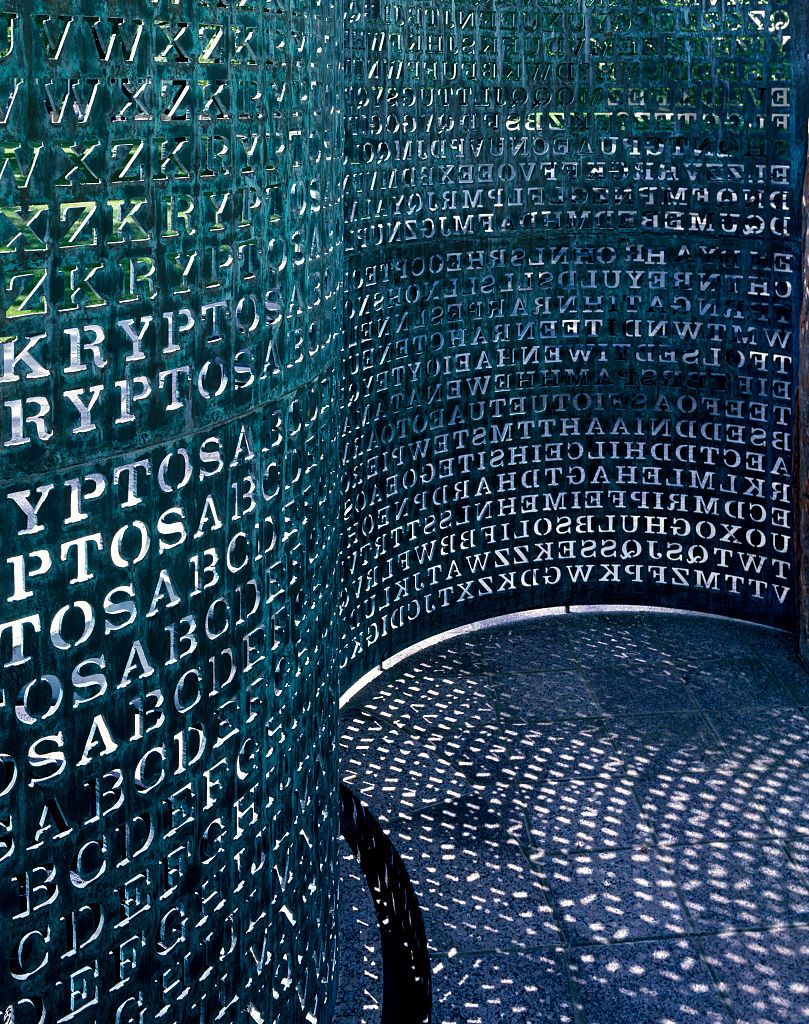
The creator of a well-known CIA cryptographic puzzle has just released a new clue to finally solve it. While the sculpture containing all of the scrambled letters is public, no one has cracked the complete code in the three decades it’s been standing. Part of the reason why this thing hasn’t been solved yet is because the guy who created the Kryptos sculpture, as it’s called, is an artist—not a cryptographer by trade.
Imagine walking past a 12-foot-tall scroll covered in seemingly nonsensical letters every day for 30 years and wondering just what the hell it actually means. That’s probably how it feels to be the Central Intelligence Agency (CIA) employees who regularly pass by the infamous Kryptos sculpture in the courtyard of the bureau’s headquarters in Langley, Virginia.
Kryptos, devised by artist Jim Sanborn, has been around for nearly three decades, and yet no one has figured out what the full message says, let alone cracked the underlying riddle. Even the National Security Agency (NSA) could only decrypt part of the code.
Now, just months before a dedication ceremony in November to celebrate the copper scroll’s 30 years of stumping experts, Sanborn has released a third and final clue to help hobbyists—who easily number in the thousands, based on activity in code-cracking forums—figure out what the remaining, unsolved 97-character passage says.
But Sanborn says unscrambling that phrase won’t exactly lead you to a quick victory. It’s really just the end of step one. “It’s a 97-character phrase,” he told NPR. “And that phrase is in itself a riddle. It’s mysterious. It’s going to lead to something else. It’s not going to be finished when it’s decoded.
A Brief History of Kryptos
In 1990, sculptors first erected Kryptos. At about 12 feet tall and 20 feet long, the now-greenish copper structure offers up some 240 square feet of frustration to all of the CIA employees and codebreakers—like video game developer and cryptologist Elonka Dunin—who set eyes on it.
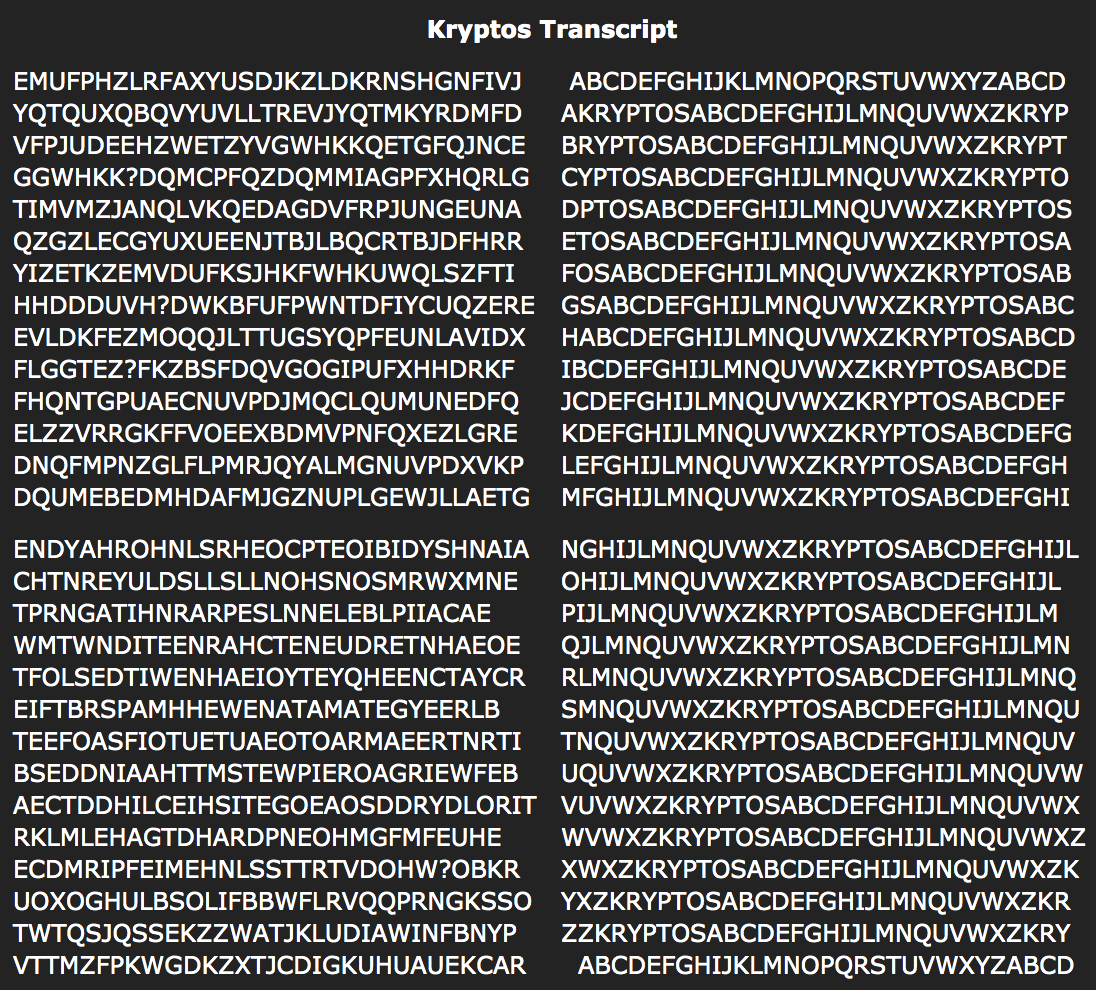
Dunin is a master cryptographer and runs a helpful and in-depth website all about Kryptos. (She’s cracked so many codes that Dan Brown, author of The Da Vinci Code, even named a character in that book after her.) According to her site, Kryptos contains a series of punched-out letters in a metal structure, is made up of thousands of characters, and shows four total messages.
There are actually several various parts to Kryptos, all scattered around the CIA headquarters. There’s the ultra-famous copper scroll, which contains nearly 1,800 encrypted characters. It’s next to a petrified tree and a circular pool. Then there are several sheets of copper, embossed with Morse Code, and sandwiched between granite slabs. A nearby landscaped area includes more granite slabs and a duck pond. Finally, there’s an engraved compass with a needle pointing at a lodestone, a naturally magnetized form of magnetite rock.
Sanborn received a bit of help from Edward Scheidt, a retired chairman of the CIA’s cryptographic center, to come up with the codes for each passage. The Kryptos message contains a partial guide to the code’s solution inside the panels of the sculpture.
Thanks to two prior clues from Sanborn in 2010 and 2014, the first three passages have been solved by the likes of NSA employees and James Gillogly, a computer scientist, but the final 97-character portion still eludes experts.
“It is considered to be one of the most famous unsolved codes of the world,” Dunin said in a documentary interview. “Here we are going on 30 years, and it still hasn’t been cracked.”
The Transcript
The first portion of the Kryptos puzzle is a poetic phrase, written by Sanborn, himself:
BETWEEN SUBTLE SHADING AND THE ABSENCE OF LIGHT LIES THE NUANCE OF IQLUSION.
Sanborn says that the misspelling of “illusion” as “iqlusion” was intentional, to make it tougher for cryptographers to decode.
In the second phrase, the exact latitude and longitude of the CIA headquarters is pointed out, and something buried is hinted at:
DOES LANGLEY KNOW ABOUT THIS? THEY SHOULD: IT’S BURIED OUT THERE SOMEWHERE. X WHO KNOWS THE EXACT LOCATION? ONLY WW.
Apparently “W.W.” is a reference to William Webster, who headed the CIA when the sculpture was first unveiled in 1990. Sanborn allegedly gave him a key to decipher the code.
In the third section, there are lines from archaeologist Howard Carter’s diary, describing a door opening into King Tut’s tomb. Note that there are more misspellings:
SLOWLY, DESPARATLY SLOWLY, THE REMAINS OF PASSAGE DEBRIS THAT ENCUMBERED THE LOWER PART OF THE DOORWAY WAS REMOVED. WITH TREMBLING HANDS I MADE A TINY BREACH IN THE UPPER LEFT-HAND CORNER. AND THEN, WIDENING THE HOLE A LITTLE, I INSERTED THE CANDLE AND PEERED IN. THE HOT AIR ESCAPING FROM THE CHAMBER CAUSED THE FLAME TO FLICKER, BUT PRESENTLY DETAILS OF THE ROOM WITHIN EMERGED FROM THE MIST. X CAN YOU SEE ANYTHING? Q
Karl Wang, a student at the University of California San Diego who created a page with the solutions, says the third passage is much more difficult to crack than the prior two.
“The first two parts are straight-forward enough that nearly anybody with a simple education in cryptography can solve them,” he said on his page. “The third part is much more advanced, and the fourth part is borderline impossible.”
Karl Wang
Gillogly was the first to publicly announce a solution for the first three parts, which he completed with a computer attack in 1999, according to Dunin’s website. Afterward, the CIA said its own analyst, David Stein, had also solved those first three parts, but had done so a year prior with paper and pencil.
Two years after Stein’s solution was announced, the NSA claimed it had a team that solved parts one through three all the way back in 1992, but kept mum. Still, no one has cracked part four.
To solve the first two passages, codebreakers used vigenere, which is what cryptologists call a polyalphabetic substitution cipher system. It means multiple alphabets are used to encrypt one message. Created in the 16th century by cryptographer Giovan Battista Bellaso, the scheme was easy to create, but excruciatingly hard to crack. It wasn’t until nearly 300 years later that a vigenere cipher was first solved, leading the French to call it “le chiffre indéchiffrable,” or “the indecipherable cipher.” Today, people mostly use computers to crack these codes.
How to Solve the Code
To solve part four, Dunin and other cryptologists have tried every method at their disposal, from polyalphabetic substitution to transposition. No such luck. Now, with three clues in hand, “BERLIN,” CLOCK,” and “NORTHEAST,” it’s your turn.
When you think you have the answer right, head to Sanborn’s website, where you can find the best way to contact him to see if your solution is correct. Right now, it’s an email process that costs $50 per entry.
If all else fails, don’t get too hard on yourself. “Kryptos” is Greek for “hidden,” and it looks like the answers to this puzzle might well be tucked away for another 30 years—or at least until Sanborn dies and eventually auctions off the solution to the code. He told The New York Times that any of the money raised through an auction will go to climate science.
SOURCE: POPULARMECHANICS.COM
Pat’s Note: This seems like a waste of time. Deliberately misspelling a word to make it harder is unthinkable and charging $50 to submit a guess/answer seems like a cheap money-making scheme.
I’ve never heard of The Michigan Triangle before! I found this article on thevintagenews.com website, written by Clare Fitzgerald, discussing this abnormality.
From: thevintagenews.com:
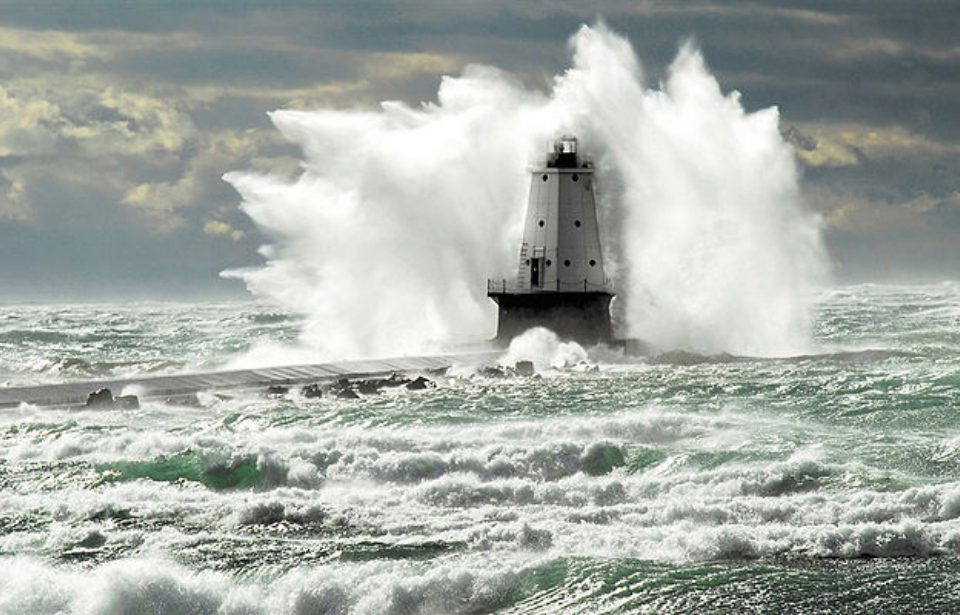
Everyone is familiar in one way or another with the southern Atlantic’s Bermuda Triangle. Known for its shipwrecks, downed planes, and unexplained disappearances, it’s a staple of sea lore. However, there’s a stretch of water that easily rivals it: the Lake Michigan Triangle.
The Lake Michigan Triangle
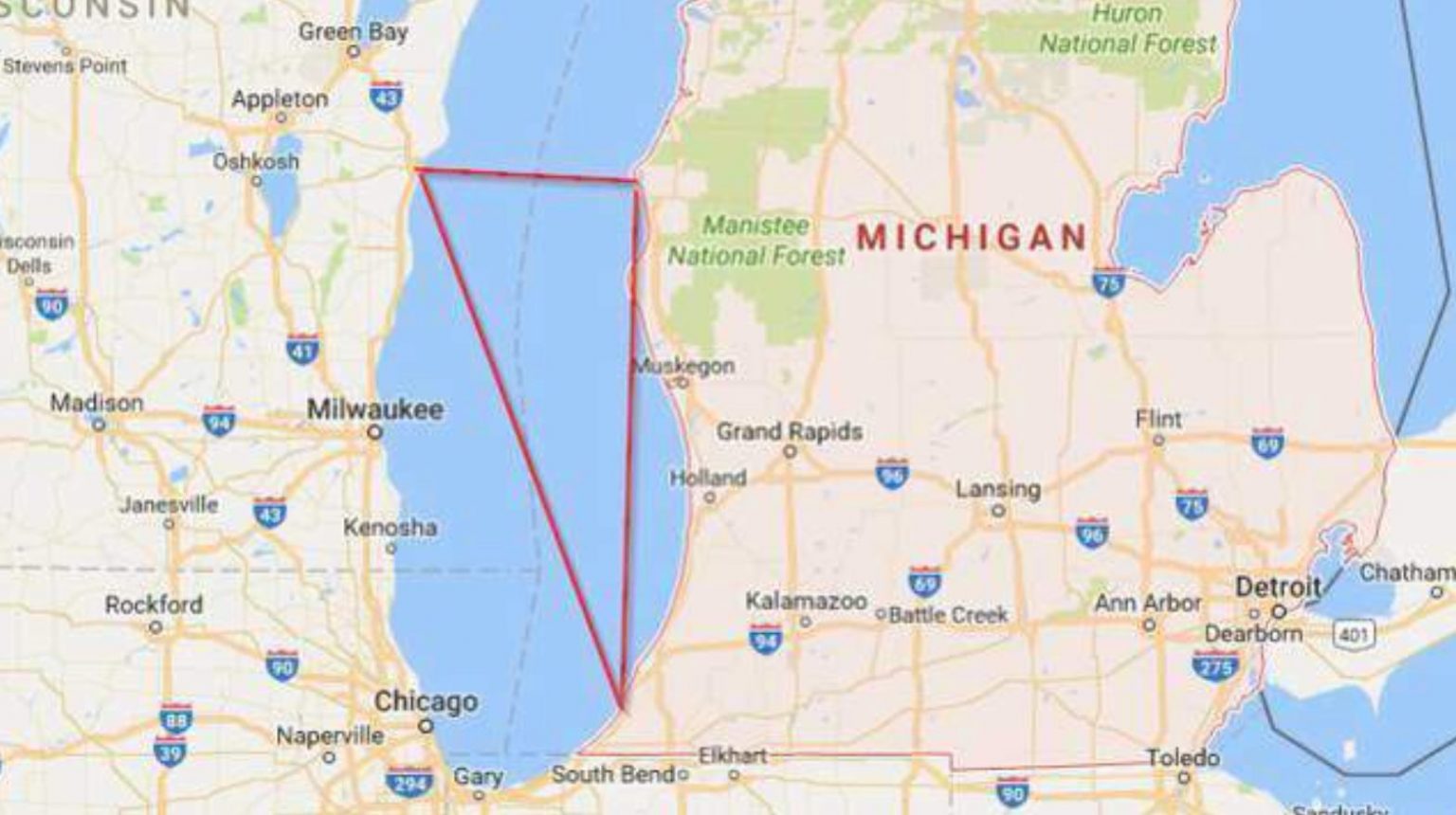
The Lake Michigan Triangle is a section of Lake Michigan that’s considered especially treacherous to those venturing through it. It stretches from Manitowoc, Wisconsin, to Ludington, Michigan, before heading south to Benton Harbor, Michigan.
It was first proposed by Charles Berlitz. A proponent of the Bermuda Triangle, he felt Lake Michigan was governed by similar forces. This theory was presented to the public in aviator Jay Gourley’s book, The Great Lakes Triangle. In it, he stated: “The Great Lakes account for more unexplained disappearances per unit area than the Bermuda Triangle.”
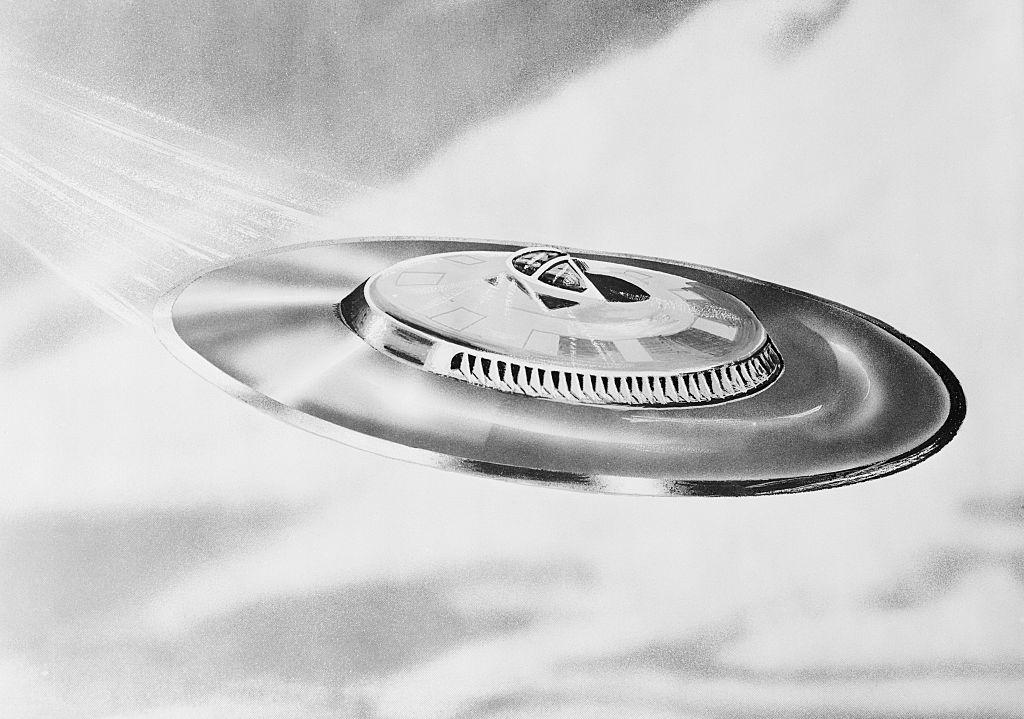
The Lake Michigan Triangle is believed to have caused numerous shipwrecks and aerial disappearances over the years. It’s also been the scene of unexplained phenomena, from mysterious ice blocks falling from the sky to balls of fire and strange, hovering lights. This has led many to believe extraterrestrials are drawn to the area, or that it’s home to a time portal.
Disasters on the water
Reports vary as to when strange occurrences started happening on the waters of Lake Michigan. Some trace it back to the 1679 disappearance of the Le Griffon, while others reference the 1891 disappearance of the Thomas Hume. The ship was transporting lumber when it mysteriously vanished. Despite attempts to locate it, it remained lost until an A&T recovery dive team came upon it in 2006.
Another mysterious incident believers in the Triangle reference is that of the Rose Belle. In 1921, the ship was transporting supplies when it was found overturned in the water. Despite appearing to have been involved in a collision, there were no other shipwrecks or reports of an accident. What’s more, the 11-person crew was nowhere to be found.
Eerie disappearances have continued to occur along the lake’s waters. On April 28, 1937, Captain George R. Donner of the freighter O.M. McFarland went to rest in his cabin after hours of navigating his crew through icy waters. As the ship approached its destination at Port Washington, Wisconsin, a crewmember went to wake him up, only to find him missing and the door locked from the inside. A search of the ship turned up no clues and Donner hasn’t been seen since.
The disappearance of Northwest Airlines flight 2501
Theories surrounding UFOs and extraterrestrials roaming the skies of the Lake Michigan Triangle are spurred on by the mysterious disappearance of Northwest Airlines flight 2501. The plane was traveling from New York to Seattle, with a stop in Minneapolis, on June 23, 1950, when it seemingly disappeared out of the sky.
At 11:37 p.m. that evening, its pilot requested a descent from 3,500 to 2,500 feet due to an electrical storm. The request was denied and minutes later, the plane disappeared from radar. Despite a massive search effort, only a blanket bearing the Northwest Airlines logo was located to indicate the plane had gone into the water.
As days passed, partial remains began to wash ashore across Michigan, but the plane never resurfaced. According to two police officers who were near the scene, there had been a strange red light hovering over the water just two hours after the plane disappeared. This has led some to theorize it was abducted by aliens. However, their reason for taking the aircraft remains a mystery.
The missing skier
Steven Kubacki was a 23-year-old student at Hope College in Holland, Michigan. On February 20, 1978, he was on a solo cross-country skiing trip near Saugatuck, Michigan, when he disappeared. The next day, snowmobilers found his equipment abandoned, and police located his footprints on the ice. The way they abruptly ended suggested Kubacki had fallen through the ice and died of either hypothermia or by drowning.
The mystery appeared all but solved until May 5, 1979, when Kubacki showed up in Pittsfield, Massachusetts. Fifteen months after seemingly disappearing into the icy depths of Lake Michigan, he found himself lying in the grass, some 700 miles away.
Kubacki told reporters he had no memory of the past year and a half. When he awoke, he was wearing weird clothes and his backpack contained random maps. This led him to believe he’d been traveling. He also had a T-shirt from a Wisconsin marathon, which he explained by saying, “I feel like I’ve done a lot of running.”
The location of Kubacki’s disappearance has led many to suggest he was yet another victim of the Lake Michigan Triangle. While there are those who believe him to be lying regarding his supposed amnesia, others feel an alien abduction is the reason behind his disappearance and lack of memory.
Lake Michigan’s own Stonehenge
Why is the Lake Michigan Triangle such a powerful force? A popular theory surrounds its very own underwater Stonehenge, discovered in 2007 by Northwestern Michigan College professor Mark Holley.
According to Holley, he and his team discovered the rock formation 40 feet below the waters of Lake Michigan while mapping shipwrecks. It features a similar alignment to the famous formation found in England, except it has one outlying boulder with what’s believed to be an ancient carving of a Mastodon.
Many experts are skeptical of the discovery, with Holley acknowledging that experts are needed to confirm its existence. Its exact location hasn’t been revealed, due to ongoing research and out of respect for the nearby Grand Traverse Bay Native American community.
Given the mythology and alleged paranormal aspects of England’s Stonehenge, it’s theorized the one beneath Lake Michigan contains similar properties. Could this be the explanation behind the strange happenings within the Triangle, or is the explanation more rational, like bad weather?
We going to explore some abandoned mansions!! The first is the Lucy Murder House in Uniontown Alabama. This article comes from Abandoned Alabama.
From Abandoned Alabama:
The Murder of Allan Lucy
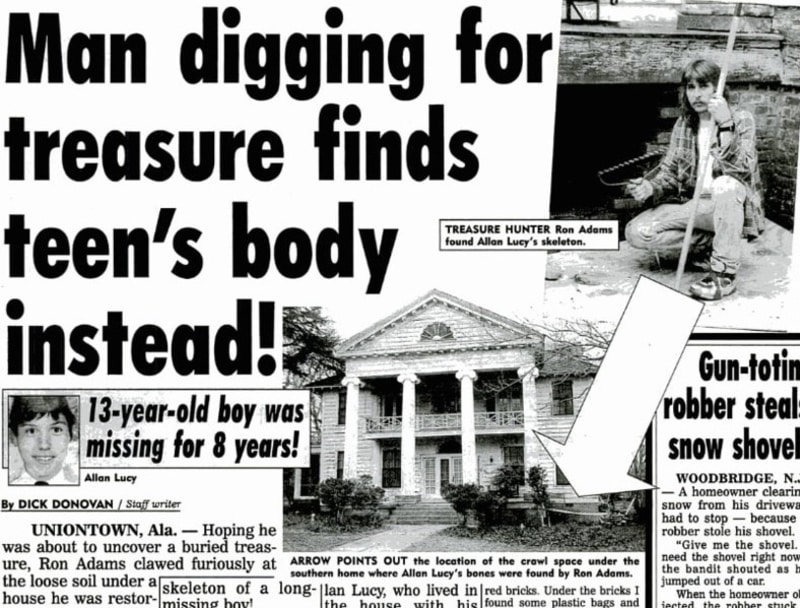
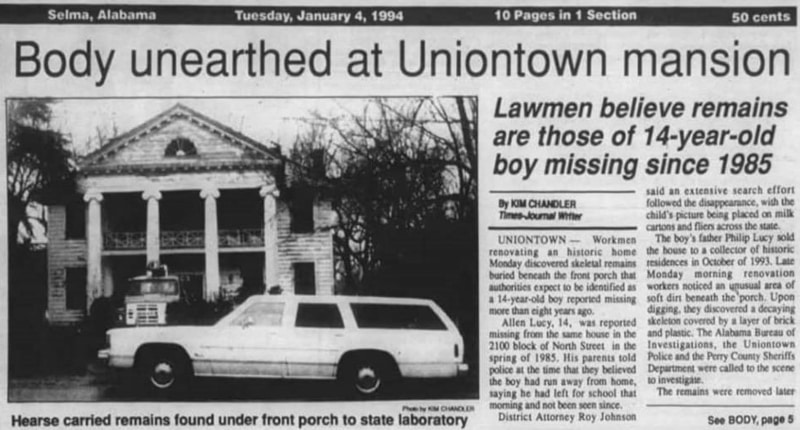
13-year-old Allan Lucy went missing from his home in Uniontown in March 1985. His adoptive parents, Philip and Margaret Dayle Lucy reported he had run away to Florida to be with friends. Their biological son, Jason, told anyone who would listen from the beginning that he had seen his father in the kitchen strike Allan in the head with his fist, knocking him to the ground. Jason claimed he was ordered to go to his room and later saw Philip walking around outside covered in dirt and holding a shovel. No one believed him until his brother’s remains were found nine years later.
After it was damaged in a fire, Philip and Margaret Lucy sold their home to Kelly Kirby, a man from Washington who spent his free time restoring old homes. Despite the fire damage, the home was immediately purchased in October 1993 and a team of men was sent in to assess the state of the structure.
Two of the men decided to check the foundation for termite damage and crawled underneath the house. Approaching the front porch, Ron Adam’s rake got snagged on a large root sticking out of the ground. Ron had heard of stories of there being treasure or a body buried beneath the house, and so he started digging thinking he was about to hit pay dirt. Instead, the two men found a layer of red bricks with a plastic garbage bag buried beneath them. Inside the bag were human remains wrapped in a blanket adorned with Disney characters, which were later proved to be the bones of Allan Lucy.
Phillip Lucy Arrested
Coincidently, his adoptive parents were arrested just a week before the remains were discovered on an arson charge in connection to the fire that damaged the house. Police believed they torched the house to claim the $119,000 insurance policy which was purchased just a month prior. While the couple was in custody, authorities performed a thorough investigation of the property and questioned family members before charging Philip Lucy with his stepson’s murder.
During the case’s first hearing, Jason testified against his father who sat quietly, staring intently at his son who was painting him as a murderer. Judge Jack Meigs reduced Philip’s bail from $150,000 to $100,000 and turned the case over to the Perry County grand jury. His wife Margaret was implicated in the murder but not charged with as serious of a crime as she, at most, would have been an accessory. She was allowed to return to her home in Lemison to care for her children. Margaret Dayle Lucy divorced Phillip shortly after he was arrested in connection to Allan Lucy’s death and died of cancer in December 1998.
The Trial
For the next five years, Philip bounced around mental hospitals to determine if he was fit to stand trial while fabricating mental illnesses, firing his attorney on multiple occasions, and changing his story many times to prolong the case as long as possible. In an interview while in custody, Philip is quoted saying, “I’m not a mad dog. If anybody’s going to have angel wings one day, it’s going to be me.” He also added that Jason “made up that story,” because he had been forced by the Alabama Bureau of Investigation who wanted “to get me.“
He claimed innocence throughout the trial insisting that Jason fabricated his story because both of them were down in Florida when Allan Lucy disappeared. Phillip’s defense also claimed that the skeletal remains probably didn’t belong to Allan, even though authorities had proven they were, that the skeleton was probably put there by neighborhood “pranksters” and that he found them playing croquet in his yard one day using a human skull as a mallet ball. It was also shown that Phillip had a history of violence, having been dishonorably discharged from the Army for beating a soldier during the Korean War.
In 1997, Philip Lucy was found guilty of murdering his adopted son. The verdict was appealed and then in 2001, the second verdict also found him guilty. The day after the second verdict, rather than facing the consequences, he cowardly took his own life by hanging himself with bedsheets in his jail cell.
Allan Lucy is Put to Rest
Born Allan Marvel to Willard D. Marvel and Ardella Mae Naragon in Lee County, Florida, Allan was removed from his home by Florida’s Child Services at the age of seven after his parents divorced. His biological mother was never told he was missing until his bones were found in 1994. She and her husband, Robert Leasure, attended every day of the second trial.
After Philip killed himself, residents of Perry County donated funds to give Allan Lucy a proper burial. Among those in attendance were the Perry County District Attorney, the County Asst. District Attorney, the former Perry County Police Chief, and the ABI Lead Investigator. 17 years after his death, Allan Lucy was finally put to rest at Rosemont Cemetery in Uniontown.
Hardie-Coleman House
Known as the Hardie-Coleman House by the National Park Service, the home was built in 1918 and is part of the Uniontown Historic District. It is currently owned by Elmendorf Air Force Base in Alaska and co-owned by the Raytheon/Cobra Dane Project, although it’s unknown as to why a military radar installation in Alaska would own an abandoned house in a small town in Alabama and only adds to the strangeness surrounding the property.
The Uniontown Historic District was added to the National Register of Historic Places on February 24, 2000. The historic district contains residential, religious, and commercial structures that reflect the early development of Uniontown dating back to the 1830s. The district also contains numerous homes that reflect the popular revival architectural styles of the 19th and 20th centuries. According to the National Register of Historic Places, the largest and most imposing examples of the Neo-Classical Revival styles are the Coleman-Brunson House, also known as Co-Nita Manor, and the Hardie-Coleman House, although residents would never forget the horrible events that unfolded there in 1985.
The mystery of Roanoke survives today. There are theories of course, but no answers. I found this article about the mystery on the historicmysteries website: (Thanks to Filly for introducing me to this awesome site!)
From historicmysteries.com:
The Roanoke Colony was the first English settlement in America. It vanished. The mystery of the lost colony of Roanoke Island has baffled society for hundreds of years. A group of settlers disappeared into North America with hardly a trace and no one has seen concrete evidence of their existence in centuries. Many theories have arisen over the years as to the fate of these settlers, but nothing is certain. Today, there is only speculation about the Roanoke Colony mystery.
Establishment of a Colony
After hearing news of a lush, beautiful area in the Americas Queen Elizabeth I, of England, decides to name this new place Virginia. Subsequently, she gives Sir Walter Raleigh permission to establish a colony in the area. He was to finance and plan the expedition to what is now North Carolina. Raleigh has 10 years to complete this mission.
In 1585, an expedition comprised only of around 77 men were sent to start the colony. They were led by Sir Richard Grenville. Shortly after the arrival, the men begin to suspect that local Indians have stolen a silver cup from them. In retaliation, they destroy their village and burn the chief alive. Despite the obvious discourse with the natives, Grenville decides to leave the men there to build the proposed colony. He vows to return in April of 1586.
When April passes and there is no sign of Grenville the men decide to hitch a ride home with Sir Francis Drake. Drake had stopped at the colony on his way back from a successful voyage to the Caribbean. Ironically Grenville arrived shortly thereafter. After finding the settlement empty, he decides to leave 15 men there to protect England’s claim.
John White and the Roanoke Settlement
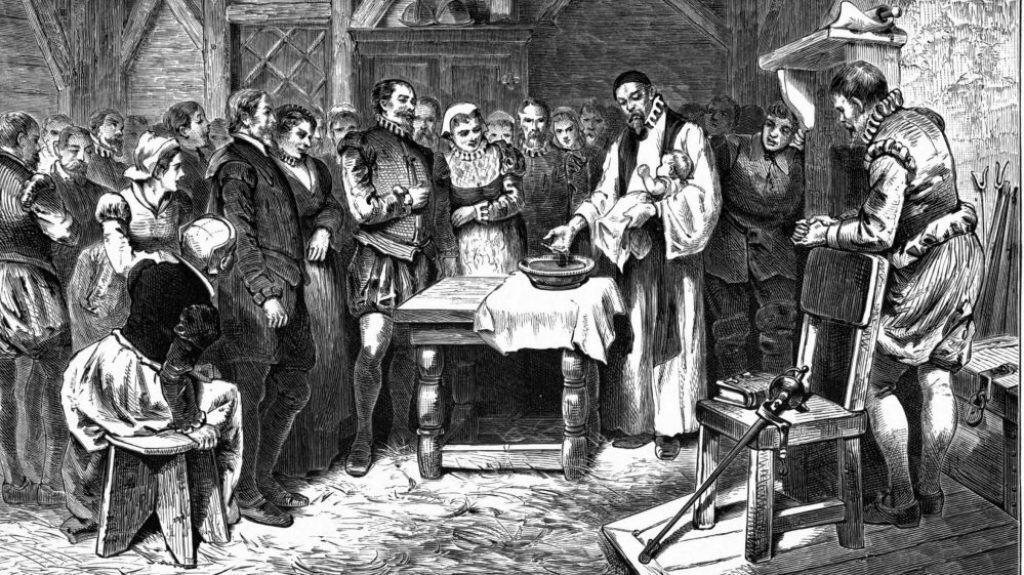
The second group of settlers arrived at Roanoke Island on July 22, 1587. This group contains 117 people, both men and women. They are led by John White. John White’s daughter would give birth to the first English child born in America on August 18, 1587. The child’s name was Virginia Dare. These people would later become known as the Lost Colony of Roanoke Island.
The settlers built their colony and tried to make peace with the natives. They were successful in befriending the Croatoan tribe, but other tribes were openly hostile toward the colonists. A settler by the name of George Howe was murdered by natives while hunting crab on the beach. After this incident, the settlers became nervous about their new home and convinced John White to return to England and ask for help. John White reluctantly left. He would never see any of these people again.
When John White arrived in England, he was unable to secure passage back to the colony. He was unable to find a Captain that would sail the Atlantic in the dead of winter, so he was forced to wait. Then the opposing threat of the Spanish Armada forced all available ships to be called to war. Eventually, John was able to secure passage on two small boats. Unfortunately, the owners of these boats were greedy men and they tried to capture other ships during their voyage. They were then captured, in turn, and relieved of their cargo. John White was unable to attempt another crossing for three years.
Nothing Left to Return To
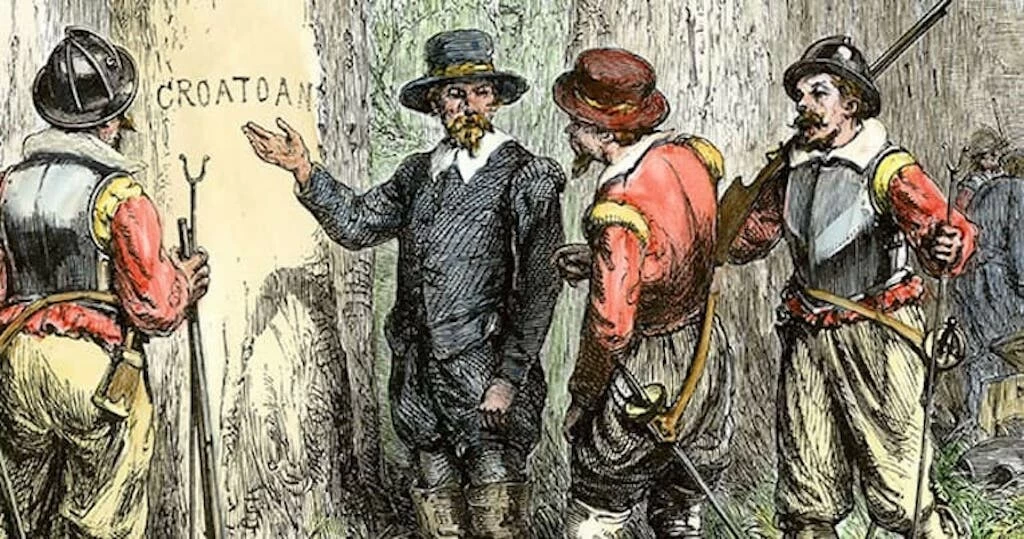
John White finally returned to Roanoke Island on August 18, 1590. His granddaughter’s third birthday. To his dismay, there was no sign of his friends and family. The Roanoke colony had been dismantled and deserted. The only clues to the whereabouts of the colonists were carvings in a remaining post and a tree. The carving on the post read “Croatoan” and the carving in the tree was even more cryptic, it simply said “Cro.”
John took these clues to mean that the Roanoke colony had moved to nearby “Croatoan Island.” Before White’s departure, they had agreed that if the settlers were forced to leave, they would carve a Maltese cross into a tree. In the absence of such a carving, John could only assume that they left of their own volition. John was compelled to search for the colonists but was forced to return to England due to inclement weather. He would never set foot on Roanoke Island again.
Theories
There are many theories concerning the Roanoke colony mystery. They could have left due to weather, food shortage or threat of attack by local tribes. One thing is for sure, nothing is certain. Future settlers and explorers would claim to have spotted natives with light hair and eyes or natives that spoke perfect English. These claims may explain where the settlers went. It is highly likely that they integrated into the Croatoan tribe, but there is no concrete evidence of this.



/https://tf-cmsv2-smithsonianmag-media.s3.amazonaws.com/filer_public/34/58/34580751-2709-40b5-bb55-9271f4decd9b/sodder.png)











 Sew Colorful