Goodbye Norma Jeane

Today is the anniversary of Marilyn Monroe’s death and I found this article about her on the All That’s Interesting website.

By Kaleena Fraga

Published June 21, 2022

Updated August 4, 2022

From her troubled childhood to her famous films to her mysterious death, discover some of the most fascinating facts about Marilyn Monroe.

Marilyn Monroe is arguably one of the most recognizable Americans who ever lived. Almost everyone is familiar with her face, her silhouette, and, of course, the iconic photo of the star holding her white skirt over a New York City subway grate. But who was Marilyn Monroe?

These 22 facts about Marilyn Monroe include some of the most fascinating details about the beloved movie star, from her most famous films to her three marriages to her tragic — and mysterious — death in 1962.

Who Is Marilyn Monroe?

Marilyn Monroe was an American actress, singer, model, and sex symbol who starred in a number of films during the 1950s and 1960s. She charmed audiences with her beauty, intriguing quotes, and sensuality.

When Was Marilyn Monroe Born?
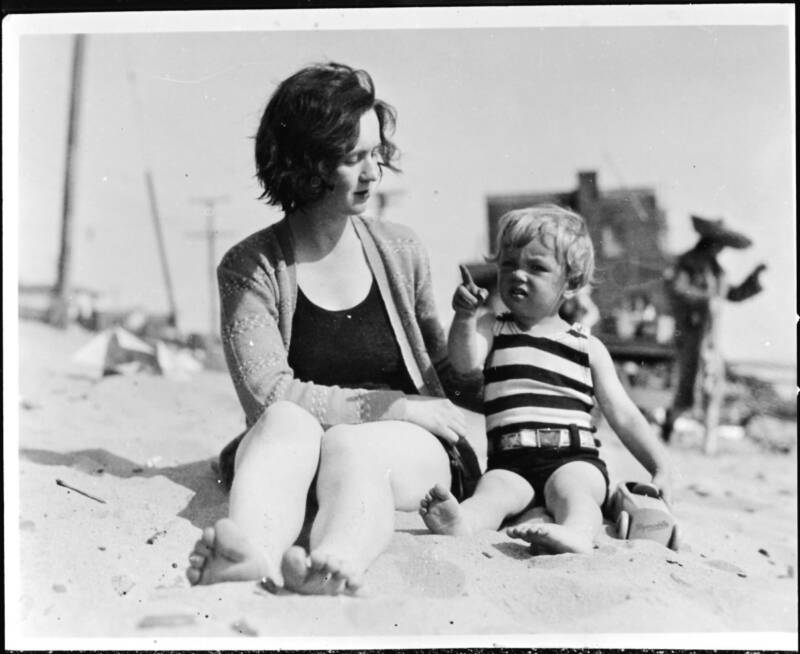
Marilyn Monroe was born on June 1, 1926, in Los Angeles, California, to a single mother named Gladys Pearl Baker. Monroe never knew her father (who DNA testing suggests was Charles Stanley Gifford and not Martin Edward Mortensen, the man listed on Monroe’s birth certificate).

Monroe spent her early life oblivious that she had two half-siblings, whom her mother’s first husband had taken to Kentucky. Though Monroe’s half-brother Robert Kermit Baker died before she could meet him, she later established a close relationship with her half-sister, Berniece Baker Miracle.

Until then, Monroe had a shaky family life. Her mother suffered from paranoid schizophrenia, and so the future movie star spent most of her childhood bouncing between relatives and foster homes.

What Was Marilyn Monroe’s Real Name?

Marilyn Monroe was born Norma Jeane Mortenson and later baptized as Norma Jeane Baker. Her name changed again when she married her first husband James Dougherty and took his surname. But Hollywood producers eventually convinced her to change the entire thing.

According to TIME, studio executive Ben Lyon thought that there were too many ways to say “Dougherty.” He suggested Marilyn as a first name, after the Ziegfeld Follies star Marilyn Miller, and Monroe eventually decided to use her mother’s maiden name as her last name.

What Size Was Marilyn Monroe?

According to the Marilyn Monroe Collection — the largest collection of the star’s memorabilia in the world — the Blue Book Modeling Agency listed her measurements as 36-24-34 and her size as 12 in 1945.

In today’s clothing sizes, that’d likely equate to a 6 or an 8. However, it’s worth noting that many modern brands vary widely in their sizing, so she could have picked different sizes depending on which brand she was wearing. It’s also worth noting that Monroe’s weight fluctuated throughout her life, so that could’ve affected what size she’d take as well.

How Tall Was Marilyn Monroe?

Marilyn Monroe was approximately five feet and six inches tall.

How Much Did Marilyn Monroe Weigh?
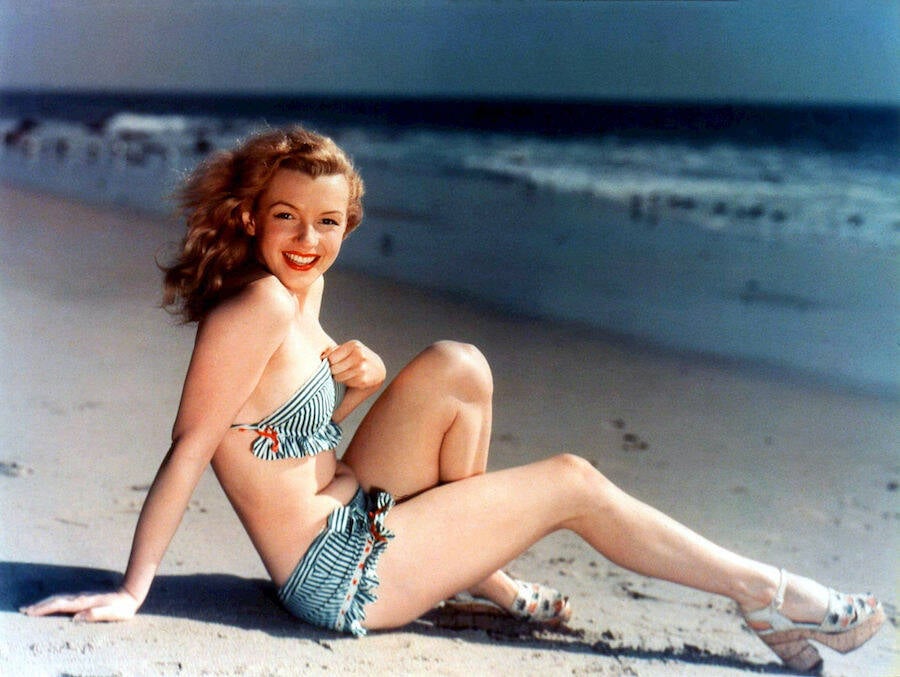
Most official documents list Marilyn Monroe as weighing between 117 and 120 pounds throughout her life. However, her weight was known to fluctuate and there were a few moments in the late 1950s when she appeared visibly heavier, with some guessing that she weighed up to 140 pounds at one point.

How Many Movies Did Marilyn Monroe Appear In?

Including bit parts, Marilyn Monroe appeared in about 30 films throughout her entire career as an actress. Some of Monroe’s best-known movies include Gentlemen Prefer Blondes (1953), Niagara (1953), The Seven Year Itch (1955), Some Like It Hot (1959), and The Misfits (1961).

But Monroe’s personal life was often watched just as much as her film roles.

Who Was Marilyn Monroe Married To?

During her life, Marilyn Monroe married three times. She wed her first husband, James Dougherty, in 1942 at the age of 16. They divorced in 1946 because Dougherty was unsupportive of Monroe’s movie star ambitions.

“My marriage didn’t make me sad, but it didn’t make me happy either,” Monroe once explained, according to the New York Daily News. “My husband and I hardly spoke to each other. This wasn’t because we were angry. We had nothing to say. I was dying of boredom.”

In 1954, Monroe married retired New York Yankees baseball star Joe DiMaggio. However, DiMaggio struggled with Monroe’s busy schedule and sex symbol status. The couple fought often, and at times, DiMaggio was physically abusive toward her. The two divorced after nine months.

She married for the third time in 1956, to playwright Arthur Miller. But this marriage didn’t last, either, and the two divorced in 1961.

Why Did Marilyn Monroe Marry Arthur Miller?
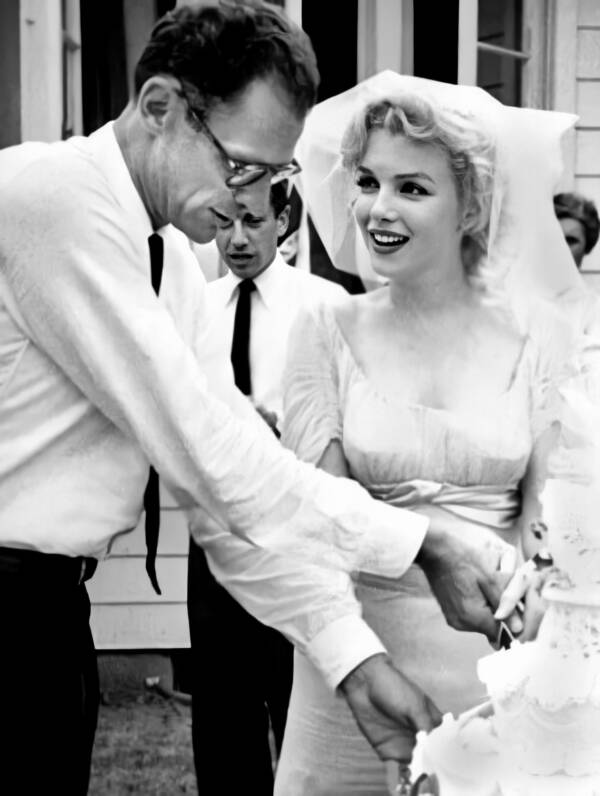
Of all Marilyn Monroe’s marriages, her third to Arthur Miller strikes some as the most surprising. After all, Monroe and Miller — a movie star and a playwright, respectively — came from totally different worlds. But the two had a deep, emotional connection that spanned several years. According to Biography, Monroe once said, “This is the first time I’ve been really in love.”

However, the two clashed, especially while filming The Misfits, based on a story that Miller wrote. After they divorced in 1961, Monroe mused: “I wasn’t sweet all through. He should love the monster, too. But maybe I’m too demanding. Maybe there’s no man who could put up with all of me. I put Arthur through a lot, I know. But he also put me through a lot.”

Did Marilyn Monroe Have Children?

Marilyn Monroe did not have any children. She did, however, have an ectopic pregnancy and at least two miscarriages while married to Miller.

Did Marilyn Monroe Have An Affair With JFK?

Though the exact nature of Marilyn Monroe’s relationship with President John F. Kennedy is unknown — and only knowable to Monroe and Kennedy — historians generally agree that the two had at least one intimate encounter.

According to TIME, Monroe and Kennedy met four times between October 1961 and August 1962, and likely slept together on March 24, 1962.

In May of that same year, Monroe famously — and sensuously — sang “Happy Birthday” to the president during a rally at Madison Square Garden. Afterward, Kennedy quipped: “I can now retire from politics after having had ‘Happy Birthday’ sung to me in such a sweet, wholesome way.”

Was Marilyn Monroe Hard To Work With?
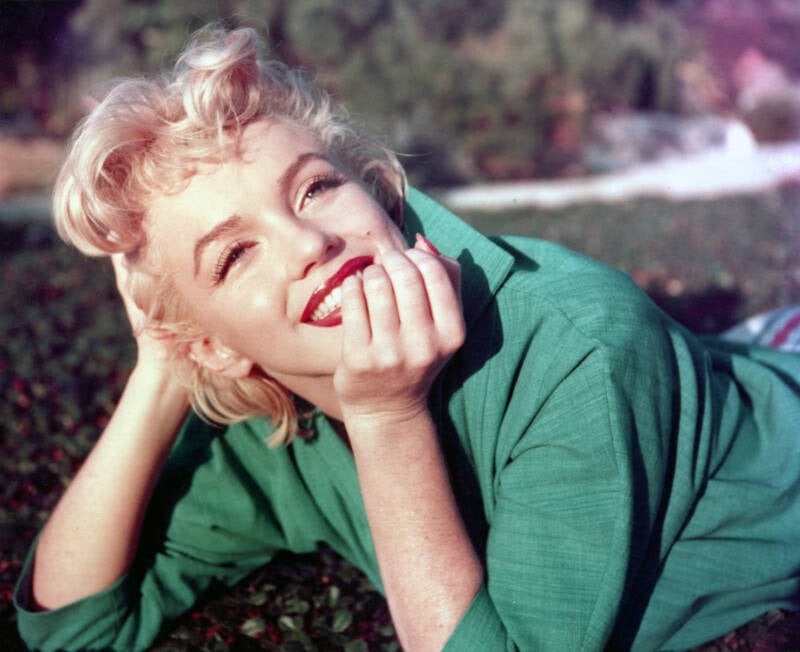
Toward the end of her life, Marilyn Monroe was reportedly difficult to work with. According to Variety, the production of Some Like It Hot was “troubled.” Monroe was frequently late to set — if she came at all — and frequently flubbed her lines, requiring retakes. Her co-star Tony Curtis even claimed that filming a romantic scene with her was like “kissing Hitler.”

Similarly, Monroe’s personal struggles hindered the making of what would have been her last film, Something’s Got to Give. Monroe was eventually fired from the project for “spectacular absenteeism” in June 1962.

Despite all the trouble on set, the movie star was subsequently rehired. But before filming could continue, she abruptly died.

When Did Marilyn Monroe Die?

Marilyn Monroe died on August 4, 1962, mere months after she’d stunned the world by singing “Happy Birthday” to President Kennedy.

Where Did Marilyn Monroe Die?

Marilyn Monroe died at 12305 5th Helena Drive in Los Angeles, California, the home she’d moved into just six months prior.

How Old Was Marilyn Monroe When She Died?

Marilyn Monroe was 36 years old when she died suddenly in August 1962.

What Were Marilyn Monroe’s Last Words?

As far as anyone knows, Marilyn Monroe spoke her last words to Peter Lawford, an English-born actor who was also John F. Kennedy’s brother-in-law, in a phone conversation just hours before she was found dead.

“Say goodbye to Pat [Lawford’s wife], say goodbye to Jack [John F. Kennedy], and say goodbye to yourself, because you’re a nice guy,” the movie star allegedly said before hanging up the phone for the last time.

How Did Marilyn Monroe Die?
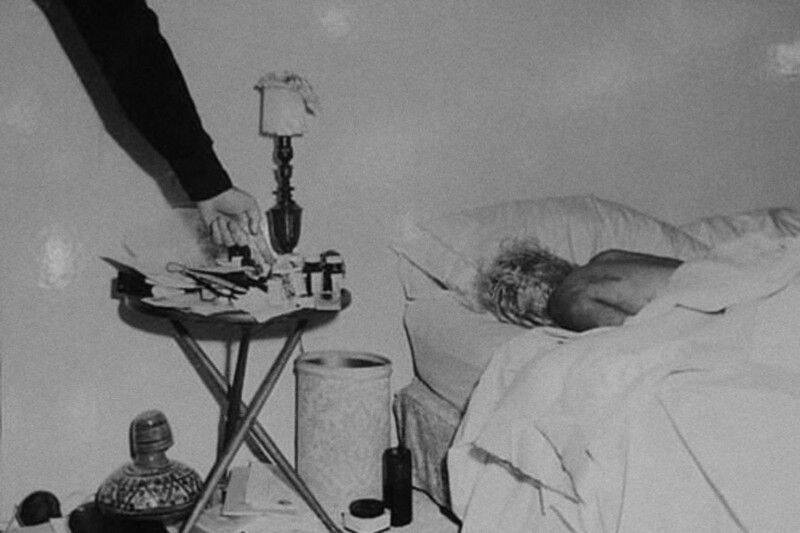
According to Marilyn Monroe’s autopsy report, the movie star died of “acute barbiturate poisoning” due to “ingestion of overdose.”

The medical examiner told reporters, “It is my conclusion that the death of Marilyn Monroe was caused by a self-administered overdose of sedative drugs and that the mode of death is probable suicide.”

She had such high levels of Nembutal and chloral hydrate in her system that the coroner suggested she’d taken the pills “in one gulp or in a few gulps over a minute or so.” But not everyone buys this story.

Was Marilyn Monroe Murdered?

Despite the coroner’s report — and another investigation in 1982 that concluded she either killed herself or accidentally overdosed — rumors that Marilyn Monroe was murdered have lingered ever since her 1962 death.

Questions have been raised about why there were no traces of pills found in Monroe’s stomach and why there was a bruise on her lower body, leading some to believe that a fatal injection was administered by a third party.

Some have claimed that Monroe’s romantic entanglements with both John F. Kennedy and his brother, Robert, led the two to plot her demise. Proponents of this theory have speculated that Monroe perhaps knew too much — or that the brothers killed her to avoid any embarrassing disclosures. But investigations into Monroe’s death have turned up no concrete evidence that the movie star was purposefully killed by anyone.

Murdering the star, investigators found in 1982, would have required “a massive, in-place conspiracy.” But they “uncovered no credible evidence supporting a murder theory.” Still, many people remain suspicious.

Did Marilyn Monroe Commit Suicide?

Another dicey question is whether or not Marilyn Monroe intended to die by suicide. A “psychological autopsy” at the time of Monroe’s death found that she was probably suicidal during her final days on Earth.

It noted that: “Miss Monroe had often expressed wishes to give up, to withdraw, and even to die,” and that she had previously attempted suicide.

But many people close to Monroe couldn’t believe that she would take her own life. For one thing, Monroe had apparently recently reconciled with her second husband, Joe DiMaggio. While the two had not made plans to wed again, they were on far better terms than they were during their marriage.

“It could have been an accident, because I had just talked to her a short time before,” her half-sister, Berniece Baker Miracle noted in a rare interview. “She told me what she had planned to do, she had just bought a new house and she was working on the curtains of the windows. She had so many things to look forward to and she was so happy.”

A friend of Monroe’s, James Bacon, agreed. “She wasn’t the least bit depressed,” he said. “She was talking about going to Mexico.”

In the end, it’s unclear whether or not the star meant to overdose on drugs on that fateful night. In 1982, District Attorney John Van de Kamp explained: “Based on the evidence available to us, it appears that her death could have been a suicide or a result of an accidental drug overdose.”

Where Is Marilyn Monroe Buried?
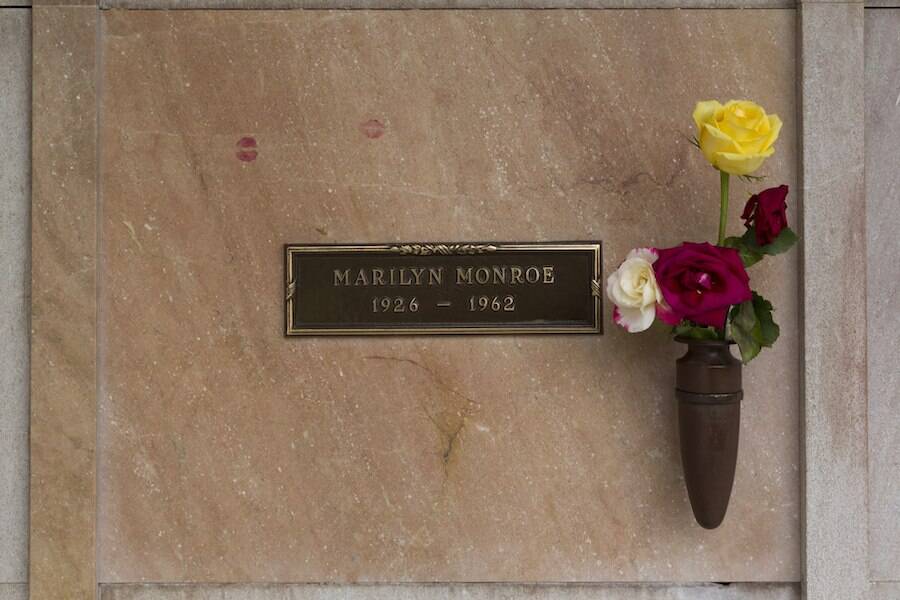
Marilyn Monroe is buried in Crypt Number 24 at the Corridor of Memories at Westwood Village Memorial Park Cemetery in Los Angeles, California. According to Atlas Obscura, DiMaggio had red roses delivered to her grave three times a week for 20 years as a tribute to the star.

What Was Marilyn Monroe’s Net Worth?

By the time Marilyn Monroe died, she had a net worth of about $800,000 — or $7 million today. According to Netflix, the actress left money to her half-sister, her niece, her mother, her acting coach, and her therapist.

How Old Would Marilyn Monroe Be Today?

If Marilyn Monroe were still alive today — 2022 — she would be 96 years old.

SOURCE: allthatsinteresting.com
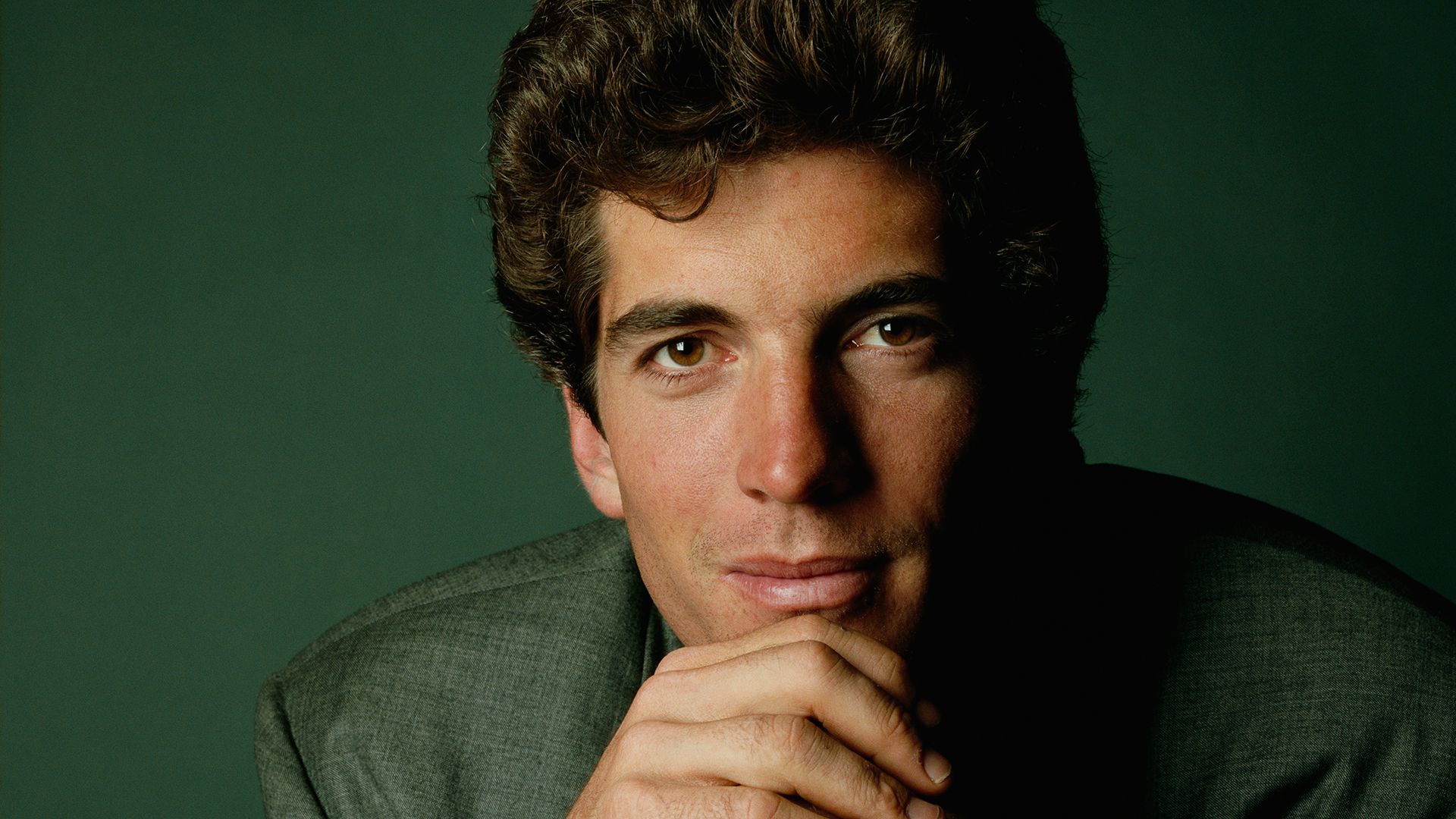
John Jr’s Plane Crashes

Today is the anniversary of the plane crash that killed John F. Kennedy Jr., his wife and sister-in-law. Like most tragedies involving celebrities, this incident has sparked controversies and conspiracy theories.  I am presenting 2 articles—one from History.com and one from Biography.com. detailing the “official” story. At the end of those pieces, I also provide a link to site disputing a lot of the “reported” facts.  The author reveals some very interesting details.

FROM: HISTORY.COM

On July 16, 1999, John F. Kennedy, Jr.; his wife, Carolyn Bessette Kennedy; and her sister, Lauren Bessette, died when the single-engine plane that Kennedy was piloting crashed into the Atlantic Ocean near Martha’s Vineyard, Massachusetts.

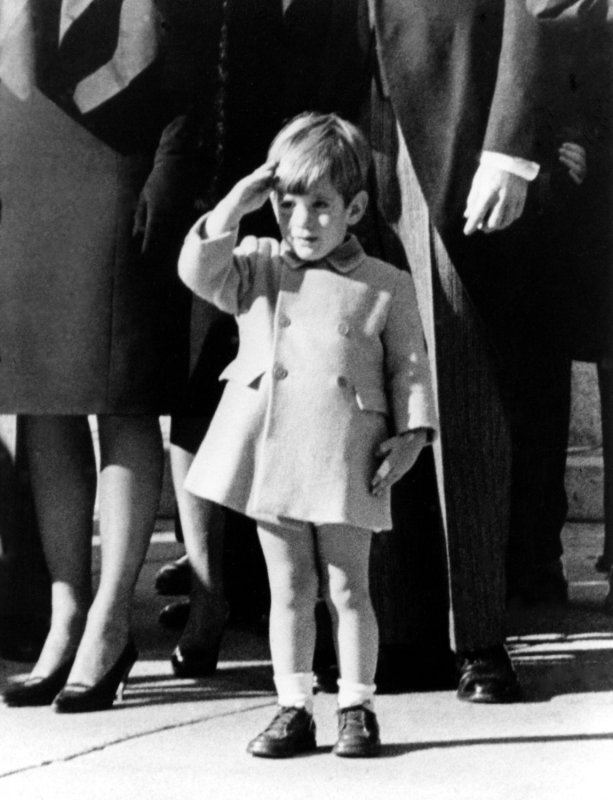
John Fitzgerald Kennedy, Jr., was born on November 25, 1960, just a few weeks after his father and namesake was elected the 35th president of the United States. On his third birthday, “John-John” attended the funeral of his assassinated father and was photographed saluting his father’s coffin in a famous and searing image. Along with his sister, Caroline, he was raised in Manhattan by his mother, Jacqueline. After graduating from Brown University and a very brief acting stint, he attended New York University Law School. He passed the bar on his third try and worked in New York as an assistant district attorney, winning all six of his cases. In 1995, he founded the political magazine George, which grew to have a circulation of more than 400,000.

Always in the media spotlight, he was celebrated for the good looks that he inherited from his parents. In 1988, he was named the “Sexiest Man Alive” by People magazine. He was linked romantically with several celebrities, including the actress Daryl Hannah, whom he dated for five years. In September 1996, he married girlfriend Carolyn Bessette, a fashion publicist. The two shared an apartment in New York City, where Kennedy was often seen inline skating in public. Known for his adventurous nature, he nonetheless took pains to separate himself from the more self-destructive behavior of some of the other men in the Kennedy clan.

On July 16, 1999, however, with about 300 hours of flying experience, Kennedy took off from Essex County airport in New Jersey and flew his single-engine plane into a hazy, moonless night. He had turned down an offer by one of his flight instructors to accompany him, saying he “wanted to do it alone.” To reach his destination of Martha’s Vineyard, he would have to fly 200 miles—the final phase over a dark, hazy ocean—and inexperienced pilots can lose sight of the horizon under such conditions. Unable to see shore lights or other landmarks, Kennedy would have to depend on his instruments, but he had not qualified for a license to fly with instruments only. In addition, he was recovering from a broken ankle, which might have affected his ability to pilot his plane.

At Martha’s Vineyard, Kennedy was to drop off his sister-in-law Lauren Bessette, one of his two passengers. From there, Kennedy and his wife, Carolyn, were to fly on to the Kennedy compound on Cape Cod’s Hyannis Port for the marriage of Rory Kennedy, the youngest child of the late Robert F. Kennedy. The Piper Saratoga aircraft never made it to Martha’s Vineyard. Radar data examined later showed the plane plummeting from 2,200 feet to 1,100 feet in a span of 14 seconds, a rate far beyond the aircraft’s safe maximum. It then disappeared from the radar screen.

Kennedy’s plane was reported missing by friends and family members, and an intensive rescue operation was launched by the Coast Guard, the navy, the air force, and civilians. After two days of searching, the thousands of people involved gave up hope of finding survivors and turned their efforts to recovering the wreckage of the aircraft and the bodies. Americans mourned the loss of the “crown prince” of one of the country’s most admired families, a sadness that was especially poignant given the relentless string of tragedies that have haunted the Kennedy family over the years.

On July 21, navy divers recovered the bodies of JFK Jr., his wife, and sister-in-law from the wreckage of the plane, which was lying under 116 feet of water about eight miles off the Vineyard’s shores. The next day, the cremated remains of the three were buried at sea during a ceremony on the USS Briscoe, a navy destroyer. A private mass for JFK Jr. and Carolyn was held on July 23 at the Church of St. Thomas More in Manhattan, where the late Jackie Kennedy Onassis worshipped. President Bill Clinton and his wife, Hillary Rodham Clinton, were among the 300 invited guests. The Kennedy family’s surviving patriarch, Senator Edward M. Kennedy of Massachusetts, delivered a moving eulogy: “From the first day of his life, John seemed to belong not only to our family, but to the American family. He had a legacy, and he learned to treasure it. He was part of a legend, and he learned to live with it.”

Investigators studying the wreckage of the Piper Saratoga found no problems with its mechanical or navigational systems. In their final report released in 2000, the National Transportation Safety Board concluded that the crash was caused by an inexperienced pilot who became disoriented in the dark and lost control.

From: Biography.com

JFK Jr. got his pilot’s license only a year prior to the crash

On the morning of July 16, Kennedy reconciled with Bessette over the phone, writes C. David Heymann in American Legacy: The Story of John & Caroline Kennedy. The plan for the evening was to fly to Hyannis Port, Massachusetts, via a stop at Martha’s Vineyard to drop off Lauren. Kennedy and Bessette were scheduled to attend the wedding of Kennedy’s cousin, Rory Kennedy.

Kennedy and Lauren left Manhattan for the Essex County Airport in New Jersey – where Kennedy’s high-performance Piper Saratoga light plane was waiting – a little after 6:30 p.m. Carolyn arrived separately, sometime after 8 p.m. Coinciding with sunset, the Federal Aviation Administration cleared the plane for takeoff at 8:38 p.m.

Kennedy, who attained his pilot’s license a year previous, was in the pilot’s seat of the plane he purchased less than three months prior. The Bessette sisters sat side by side behind him. Following takeoff, Kennedy checked in with the control tower at Martha’s Vineyard, but the plane was reported missing after it failed to arrive on time.

The weather and Kennedy’s ‘failure to maintain control of the airplane’ were factors in the accident

Following an exhaustive search, fragments of the plane were discovered on July 19. A day later divers found the remains of the shattered plane strewn over a broad area of seabed. The search ended July 21, when the three bodies were recovered from the ocean floor.

The National Transportation Safety Board determined pilot’s error was the probable cause of the crash, due to Kennedy’s “failure to maintain control of the airplane during a descent over water at night, which was a result of spatial disorientation. Factors in the accident were haze and the dark night.” Autopsies conducted on the evening of July 21 revealed the victims had died upon impact.

And now for the alternate theory…

One of the interesting details that was reported early was a witness describing seeing a bright flash in the sky (a bomb perhaps?) and that of a beacon being spotted in a totally different location from where the plane was eventually found. (Perhaps to ensure that rescue would be too late?) Both accounts have “disappeared”.  There are additional questions and problems with the generally accepted “official” story detailed in this person’s article. He includes a conversation with the local (?) newspaper that carried the report of the bright flash of light in the sky–and his inability to obtain any information from the newspaper about the witness. This is a long article with a lot of contradicting details and explanations.

whatreallyhappened.com/RANCHO/CRASH/JFK_JR/jj.php

No One Saw a Thing

Today is the anniversary of a gruesome murder in a small town in Missouri.  “Despite there being dozens of witnesses, no one has ever been arrested or charged…”  This story was written in 2021 and I do not believe anything has or will change since.

True Crime

Bully’s murder remains a secret in Missouri town for 40 years

by: Kevin S. Held

Posted: Jul 13, 2021 / 12:35 PM CDT

Updated: Jul 13, 2021 / 01:31 PM CDT

This is an archived article and the information in the article may be outdated. Please look at the time stamp on the story to see when it was last updated.

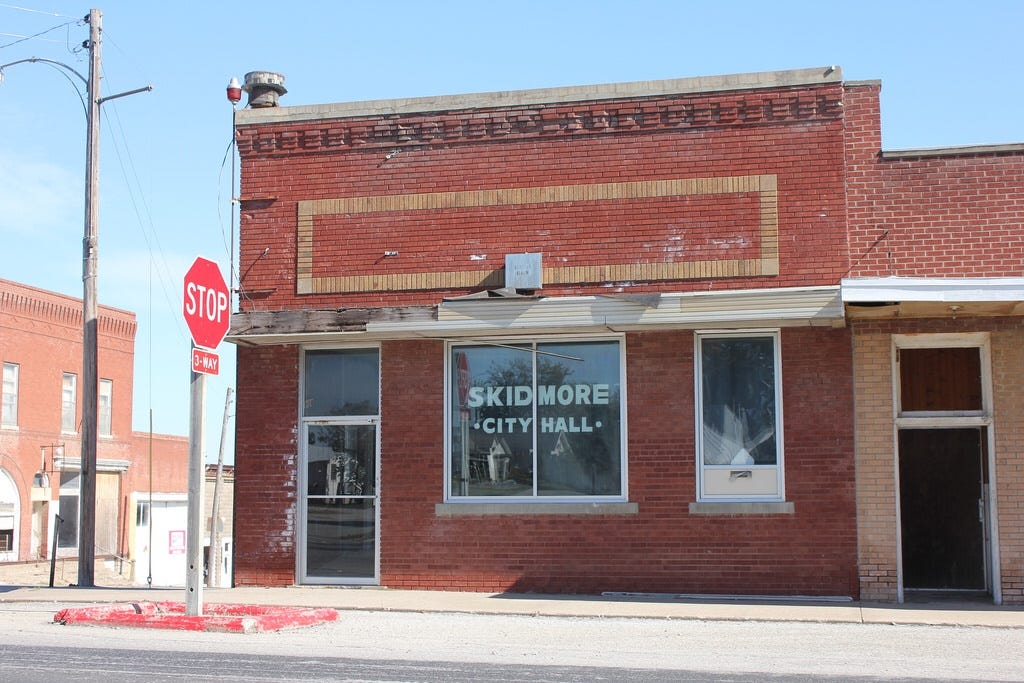
SKIDMORE, Mo. – Tucked away in the northwest corner of Missouri is a small, dusty town 46 miles north of St. Joseph with a decades-old secret.

This past weekend marked the 40th anniversary of the killing of Ken Rex McElroy of Skidmore. And despite there being dozens of witnesses, no one has ever been arrested or charged in connection with McElroy’s murder.

In short: no one saw anything.

Ken McElroy died in a hail of gunfire on the morning of July 10, 1981, while sitting in his truck outside a local tavern. He was known as the town bully, but they may be putting it mildly.

In the decades preceding his murder, McElroy terrorized the denizens of Skidmore. He was accused or suspected of dozens of crimes, including theft, livestock rustling, burglary, arson, assault, rape, and child molestation. He was charged 21 times in theft cases but was said to have avoided conviction through witness intimidation, either by direct confrontation or by parking his truck outside their home.

McElroy raped a 12-year-old girl and, to avoid statutory rape charges, he divorced his wife at the time and married the child when she was 14 – and pregnant with their baby. McElroy burned down the girl’s home and shot her family’s dog to force her parents to agree to the marriage. He torched the home and shot the dog—again—after the girl went into hiding with her and McElroy’s baby.

In July 1976, McElroy pulled a shotgun on farmer Romaine Henry and shot the man in the stomach. Henry survived and McElroy was charged with assault with intent to kill. However, when the matter came to trial, McElroy’s attorney produced a pair of witnesses who testified they were hunting with McElroy that day and he was nowhere near the scene of the shooting. McElroy was found not guilty.

In 1980, McElroy shot the 70-year-old town grocer in the neck following a months-old dispute over an accusation about a piece of stolen candy. The grocer lived and McElroy was again arrested and charged with attempted murder. McElroy was convicted of assault but let out of jail awaiting appeal. He went about making public threats against the grocer while armed with a rifle.

On the morning of July 10, 1981, several townspeople met with the Nodaway County sheriff at a local hall to discuss what could be done about McElroy. The sheriff suggested they form a neighborhood watch and advised the group not to confront the man. Meanwhile, McElroy and his wife arrived at the D&G Tavern for a morning drink.

After the sheriff left town, the group walked from the hall and went down the street to the tavern. McElroy eventually left the tavern and got into his pickup truck with his wife, but the mob of people followed the pair outside. According to reports, some 50 people were outside the tavern when the shooting started.

McElory was struck by two different firearms and died behind the wheel of his truck. McElroy’s wife was not injured and escaped the vehicle. According to a report, no one called an ambulance.

Local authorities, including a coroner’s jury and a local grand jury, and even the FBI, investigated the killing but to no avail. McElroy’s wife named one person as a possible gunman, but no one could—or would—identify who fired the shots. She eventually filed a wrongful death against the town, the county, and some citizens but the matter was settled out of court.

McElroy’s wife—whom he victimized as a child—remarried and moved to Lebanon, Missouri. She died of cancer on Jan. 24, 2012; it was her 55th birthday.

The case inspired a book, In Broad Daylight by Harry McLean, and a 1991 TV movie of the same name starring Brian Dennehy. A&E, Rolling Stone, Playboy, 60 Minutes, and other media outlets covered the story in print or television. In 2019, the McElroy killing was the subject of a docuseries on SundanceTV. Buzzfeed’s Unsolved Network produced a 24-minute true crime documentary on the shooting.

Happy Birthday, Sir!

Today is President Donald Trump’s birthday.  I decided not to do a piece on his life, or accomplishments.  Instead, I want to focus on a different aspect of his personality–his generosity! These are articles, letters to the editor, and the like, detailing the many acts of generosity of Donald Trump. I cobbled them together, so pardon the format.

Express-Times Letters to the Editor (a newspaper in the Lehigh Valley, PA)

In this Jan. 30, 2016 file photo, Donald Trump holds a check presentation with a $100,000 contribution from the Donald J. Trump Foundation to Puppy Jake, a veteran’s charity, at a campaign event in Davenport, Iowa. AP

A lot of people may be turned off by his tweets, his mannerisms, or even the way he talks, but the way President Trump treats politicians (whom most Americans hate) is much different than how he treats the American people.

Here are a few examples of his kindness and charitable moments: Stopping the presidential motorcade promptly to thank firefighters. Helping a Harlem hospital repair its elevator systems. Loaning his private airline to the family of a three-year-old boy suffering from a life-threatening medical condition so he could get treatment in New York.

Another story is that of Annabel Hill, whose husband killed himself for insurance money to save his family farm, but the insurance wouldn’t pay for a suicide. Trump stepped in and helped save the farm.

Trump also let Jennifer Hudson and some of her family members stay in Trump International Hotel & Tower in Chicago for free after her relatives were killed.

Trump sent a bus driver a $10,000 check for stopping a woman from jumping off a bridge.

These are just a few of the many acts of kindness that have gone unnoticed by the media and most Americans. I hope after reading this you have a different opinion of the president. He may be quick with a tweet and fast with the lip, but the man also has a big heart and the character to lead this nation. Please join me in voting for Trump on Tuesday.

Luke Sterner

Upper Nazareth Township

I know men like Trump. Givers. They are universally conservative. They give with no expectation of people knowing the depth and breadth of their philanthropy. Such is Trump’s generosity.

I admire these men, and so want to be one of them. I pray for the day when I can give some single mother working as a waitress (or whatever) enough money to ease her mind for a month or two. I want to be the man who sees that street person who just needs a ray of hope, and provides that ray of hope.

I think about how the media has mischaracterized Trump, intentionally. All because the media has been told, “It’s her time.”

Media and other Leftists don’t care how crooked Hillary Clinton is. They don’t care how many people she has killed or had their lives ruined by Hillary Clinton. Because Leftists have their marching orders.

What you won’t learn about Hillary Clinton is anything about her charity. The Clinton Family concerns themselves with themselves. They pretend to care, while blatantly robbing the public who genuinely cares.

Apparently, this is an article that appeared in Townhall. It documents some of Trump’s generosity. This needs to get out. Trump won’t brag about these things, because he’s grateful to have been able to showcase his heart.

Per Townhall:

Donald Trump is a racist, bigot, sexist, xenophobe, anti-Semitic and Islamophobe — did I miss anything? The left and the media launch these hideous kinds of attacks at Trump every day; yet, nothing could be further from the truth about the real estate mogul.

As an entertainment journalist, I’ve had the opportunity to cover Trump for over a decade, and in all my years covering him I’ve never heard anything negative about the man until he announced he was running for president.

Keep in mind, I got paid a lot of money to dig up dirt on celebrities like Trump for a living so a scandalous story on the famous billionaire could’ve potentially sold a lot of magazines and would’ve been a “yuge” feather in my cap. Instead, I found that he doesn’t drink alcohol or do drugs, he’s a hardworking businessman and totally devoted to his beloved wife and children. On top of that, he’s one of the most generous celebrities in the world with a heart filled with more gold than his $100 million New York penthouse.

In 2004, the first season of “The Apprentice” aired and at that time I worked as an entertainment columnist for the “RedEye Edition of the Chicago Tribune” and as a freelancer for “Us Weekly”. I had a gut feeling that Chicago contestant, Bill Rancic, was going to win the reality show.  So I contacted him and covered the hit show the entire season. I managed to score an invite to New York for the show’s grand finale and after-party. This is where I first met Trump and got to ask him a few questions. That year, Rancic did win “The Apprentice”. I attended “The Apprentice” finale the next two years in a row. Between that and the frequent visits Trump and his family made to Chicago during the construction of their Trump International Hotel & Tower, I got a chance to meet most of his family too and I’ve had nothing but positive experiences with them. Since the media has failed so miserably at reporting the truth about Trump, I decided to put together some of the acts of kindness he’s committed over three decades which has gone virtually unnoticed or fallen on deaf ears.

In 1986, Trump prevented the foreclosure of Annabell Hill’s family farm after her husband committed suicide. Trump personally phoned down to the auction to stop the sale of her home and offered the widow money. Trump decided to take action after he saw Hill’s pleas for help in news reports.

In 1988, a commercial airline refused to fly Andrew Ten, a sick Orthodox Jewish child with a rare illness, across the country to get medical care because he had to travel with an elaborate life-support system. His grief stricken parents contacted Trump for help and he didn’t hesitate to send his own plane to take the child from Los Angeles to New York so he could get his treatment.

In 1991, 200 Marines who served in Operation Desert Storm spent time at Camp Lejeune in North Carolina before they were scheduled to return home to their families. However, the Marines were told that a mistake had been made and an aircraft would not be able to take them home on their scheduled departure date. When Trump got wind of this, he sent his plane to make two trips from North Carolina to Miami to safely return the Gulf War Marines to their loved ones.

In 1995, a motorist stopped to help Trump after the limo he was traveling in got a flat tire. Trump asked the Good Samaritan how he could repay him for his help. All the man asked for was a bouquet of flowers for his wife. A few weeks later Trump sent the flowers with a note that read: “We’ve paid off your mortgage.”

In 1996, Trump filed a lawsuit against the city of Palm Beach, Florida accusing the town of discriminating against his Mar-a-Lago resort club because it allowed Jews and blacks. Abraham Foxman, who was the Anti-Defamation League Director at the time, said Trump “put the light on Palm Beach – not on the beauty and the glitter, but on its seamier side of discrimination.” Foxman also noted that Trump’s charge had a trickle-down effect because other clubs followed his lead and began admitting Jews and blacks.

In 2000, Maury Povich featured a little girl named Megan who struggled with Brittle Bone Disease on his show and Trump happened to be watching. Trump said the little girl’s story and positive attitude touched his heart. So he contacted Maury and gifted the little girl and her family with a very generous check.

In 2008, after Jennifer Hudson’s family members were tragically murdered in Chicago, Trump put the Oscar-winning actress and her family up at his Windy City hotel for free. In addition to that, Trump’s security took extra measures to ensure Hudson and her family members were safe during such a difficult time.

In 2013, New York bus driver Darnell Barton spotted a woman close to the edge of a bridge staring at traffic below as he drove by. He stopped the bus, got out and put his arm around the woman and saved her life by convincing her to not jump. When Trump heard about this story, he sent the hero bus driver a check simply because he believed his good deed deserved to be rewarded.

In 2014, Trump gave $25,000 to Sgt. Andrew Tahmooressi after he spent seven months in a Mexican jail for accidentally crossing the US-Mexico border. President Barack Obama couldn’t even be bothered to make one phone call to assist with the United States Marine’s release; however, Trump opened his pocketbook to help this serviceman get back on his feet.

In 2016, Melissa Consin Young attended a Trump rally and tearfully thanked Trump for changing her life. She said she proudly stood on stage with Trump as Miss Wisconsin USA in 2005. However, years later she found herself struggling with an incurable illness and during her darkest days she explained that she received a handwritten letter from Trump telling her she’s the “bravest woman, I know.” She said the opportunities that she got from Trump and his organizations ultimately provided her Mexican-American son with a full-ride to college.

Lynne Patton, a black female executive for the Trump Organization, released a statement in 2016 defending her boss against accusations that he’s a racist and a bigot. She tearfully revealed how she’s struggled with substance abuse and addiction for years. Instead of kicking her to the curb, she said the Trump Organization and his entire family loyally stood by her through “immensely difficult times.”

Trump’s kindness knows no bounds and his generosity has and continues to touch the lives of people from every sex, race and religion. When Trump sees someone in need, he wants to help. Two decades ago, Oprah asked Trump in a TV interview if he’d run for president. He said: “If it got so bad, I would never want to rule it out totally, because I really am tired of seeing what’s happening with this country.” That day has come. Trump sees that America is in need and he wants to help – how unthinkable!

And then there’s two tweets:

May 25, 2023 2:50 am

In Jan. 2023, Silk revealed at the funeral of Diamond that when she revealed Diamond’s passing to Trump,

he not only insisted on paying for everything, but insisted on being there in person, too.

“I want you to do whatever you want, and whatever you want, Diamond will have.”❤️ pic.twitter.com/gss5HnzjDm

— Reed Cooper (@ReedMCooper) May 7, 2023

On Sept. 11, 2021, President Trump made a surprise visit to New York Police & firefighters.

They lined up outside the station house to greet the rightful President.

Trump was handed a heart-touching card from the son, James, of one of the heroes thanking him for his support. pic.twitter.com/BQk8iwFhsr

— Reed Cooper (@ReedMCooper) May 23, 2023

Enjoy your day and hurry back, Sir!

Escape from Alcatraz

I found an interesting post on the History website about Alcatraz.

Was the Escape from Alcatraz Successful?

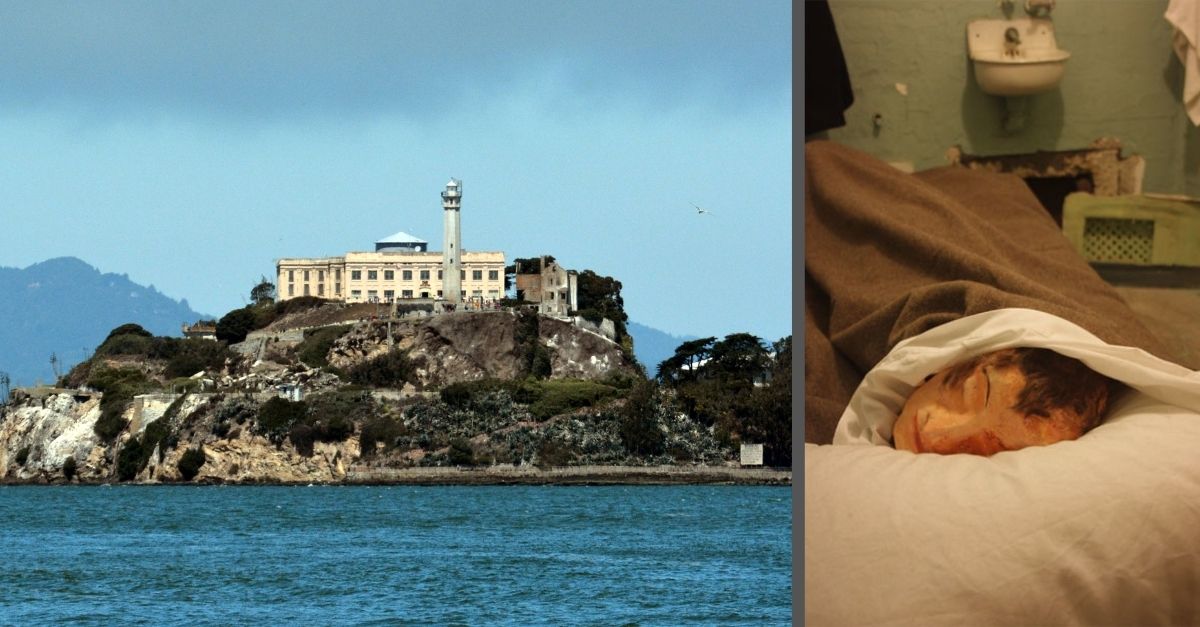
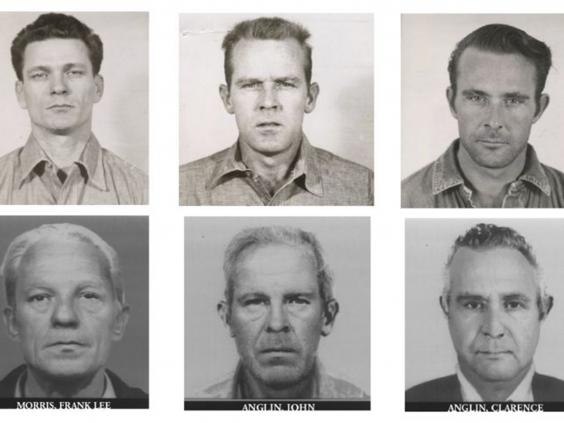
It was one of the most ingenious prison breaks of all time—if it worked. In 1962, inmates and bank robbers Frank Morris and John and Clarence Anglin vanished from Alcatraz, the federal island penitentiary off the coast of San Francisco. They had used sharpened spoons to bore through the prison walls, left papier-maché dummies in their beds and floated away on a raft made from 50 raincoats.

But what happened next has stumped historians for decades. Their bodies were never recovered, leaving many wondering whether they perished in the choppy San Francisco Bay or made it to shore—and freedom.

In the years since nearly six decades of silence from the men led many to conclude that the escape had met a watery end. The FBI closed its case in 1979, concluding that the escapees were unlikely to have survived a treacherous swim of more than a mile of frigid waters to the mainland. But in January of 2018, CBS San Francisco published an extract of a letter addressed to the FBI that told an altogether different story—and claimed that the criminals had been at large since the 1960s. “My name is John Anglin,” it read. “I escape[d] from Alcatraz in June 1962 with my brother Clarence and Frank Morris. I’m 83 years old and in bad shape. I have cancer. Yes, we all made it that night but barely!”

The letter was sent to the San Francisco Police Department’s Richmond station in 2013, the broadcaster reported but had been kept under wraps during a long investigation. An FBI laboratory examined the letter for fingerprints and DNA and analyzed the handwriting within, but the results were inconclusive. “So that means yes, and it means no, so this leaves everything in limbo,” security analyst Jeff Harp told CBS.

In the letter, the writer explained that he was the last living member of the trio, with his co-conspirators dying in 2005 and 2008. He offered a deal: If authorities announced on television that he would receive a single one-year jail sentence, in which he could have the medical treatment he needed, “I will write back to let you know exactly where I am. This is no joke…” The FBI did no such thing and instead repressed the letter.

A photograph showing the cell where one of the three prisoners escaped from Alcatraz on June 12, 1962. A dummy head was used to throw off guards, and sheets were used to conceal his exit below the sink.

Though this is the first time anyone purporting to be one of the men has contacted authorities, it isn’t the first piece of evidence that suggests they might have made it out in one piece. Robert Checchi, an officer with the San Francisco police, reported seeing what he described as a “pristine white boat” out in the Bay on the night of the men’s disappearance. It had no lights on, but appeared to have someone on board shining a flashlight into the water. Police followed up on the sighting, but couldn’t find the owner of this strange boat—or where it went next.

More recently, a 2015 HISTORY special showed an alleged photograph of the brothers, taken in Brazil some 13 years after their disappearance. Family members of the men have also reported strange experiences that suggest there may be more to the story than many believe. “It’s always been talked about through the family,” David Widner, a nephew of John and Clarence Anglin, told CBS. “My grandmother received roses for several years after the escape.” If Anglin is still alive today, he would be nearly 90. He has not been heard from since.

Widner expressed dismay that authorities had not contacted the family about his relative’s alleged illness. “For him to say he had cancer and was dying, I feel like they should have at least reached out to the family and let them know [the letter] existed,” he said. But federal authorities have been quick to quash any rumors of a successful great escape. In an interview with CBS San Francisco, the U.S. Marshals investigating the case told the broadcaster they considered the lead closed with no merit and a simple hoax from someone hoping to scam and embarrass federal and local authorities. “The Federal Bureau of Prisons say that they drowned once they got off of Alcatraz and their bodies were swept out to the Pacific Ocean—end of story,” National Park Service Ranger John Cantwell said. The prison was closed permanently in 1963, a year after the men vanished. Today, it plays host to more than a million tourists each year, often drawn to the site by the story of the Anglin brothers, which was adapted for the screen in the 1979 film Escape From Alcatraz. John Anglin’s cell, where the men made their exit, is a popular attraction. It’s preserved almost perfectly, with the same gaping hole in its teal-painted wall—but even the scene of the crime offers few answers as to where these great escapees wound up.By: Natasha FrostUpdated: September 1, 2018 | Original: July 16, 2018

Gruesome Anniversary

Today, June 12th, is the 111th anniversary of gruesome murders in Iowa.  Eight people, including 6 children were bludgeoned with an axe.  Worse yet, the murders remain unsolved. I found this article on allthatsinteresting.com website.

The Gruesome Story Of The Unsolved Villisca Axe Murders

By Katie Serena | Edited By John Kuroski

Updated September 29, 2022

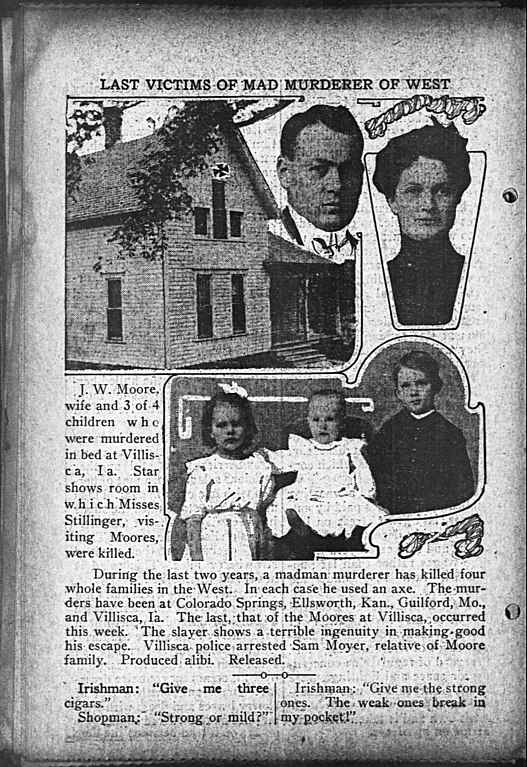
On June 10, 1912, all eight people inside the Moore family’s house in Villisca, Iowa — including two adults and six children — were murdered by an axe-wielding assailant.

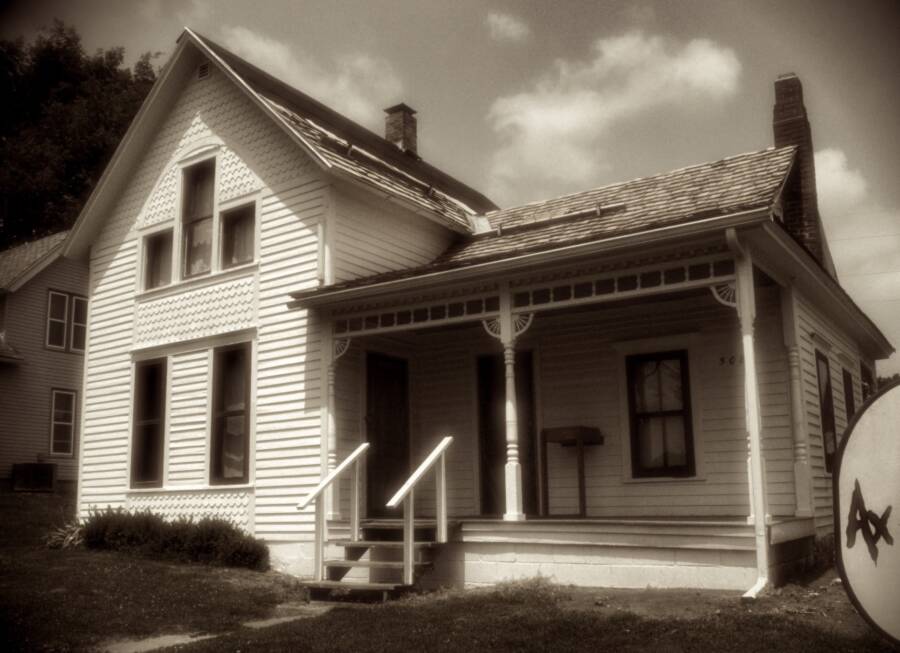
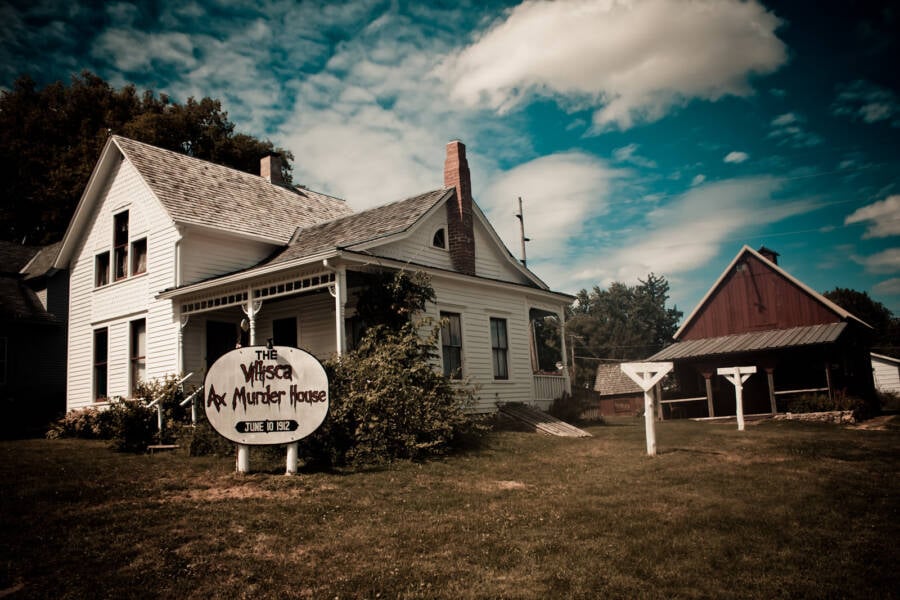
At the end of a quiet street in Villisca, Iowa, there sits an old white frame house. Up the street, there are a group of churches, and a few blocks away is a park that faces a middle school. The old white house looks like many of the others that fill the neighborhood, but unlike them, it lies abandoned. The house emits no light or sound, and upon closer inspection, the doors are found to be tightly boarded up. A small sign out front reads: “Villisca Axe Murder House.”

Despite its ominous air, the little white house was once filled with life, life that was harshly stamped out one warm summer’s night in 1912, when a mysterious stranger broke in, and viciously bludgeoned its eight sleeping inhabitants to death. The event would come to be known as the Villisca Axe Murders and it would baffle law enforcement for over a century.

The Brutal Story Of How The Villisca Axe Murders Unfolded

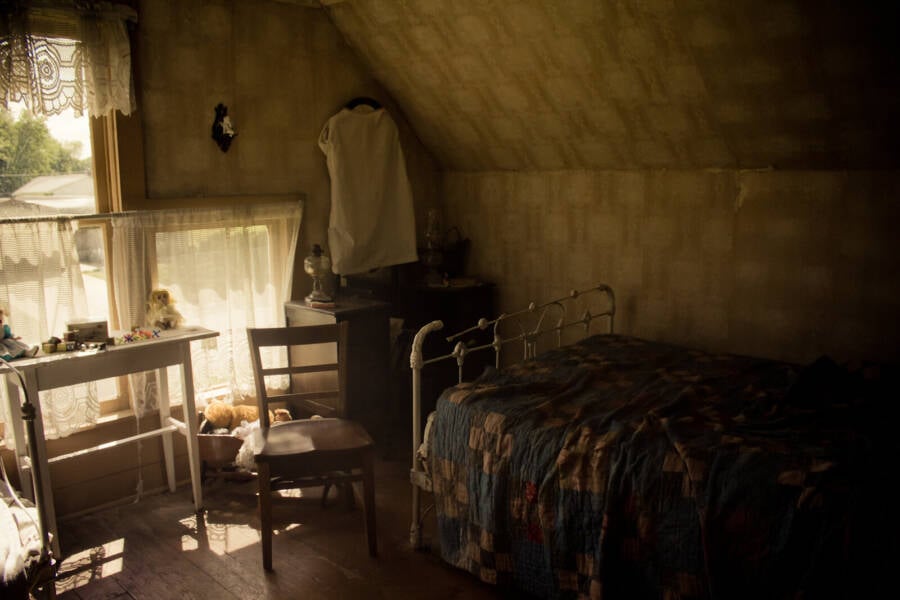
On June 10, 1912, the Moore family was sleeping peacefully in their beds. Joe and Sarah Moore were asleep upstairs, while their four children were resting in a room down the hall. In a guest room on the first floor were two girls, the Stillinger sisters, who had come for a sleepover.

Shortly after midnight, a stranger entered through the unlocked door (not an uncommon sight in what was considered a small, safe, friendly town), and plucked an oil lamp from a nearby table, rigging it to burn so low it supplied light for barely one person. On one hand, the stranger held the lamp, lighting the way through the house.

In his other, he held an axe.

Ignoring the sleeping girls downstairs, the stranger made his way up the stairs, guided by the lamp, and a seemingly unerring knowledge of the home’s layout. He crept past the room with the children, and into Mr. and Mrs. Moore’s bedroom. Then he made his way to the children’s room, and finally back down to the bedroom downstairs. In each room, he committed some of the grisliest murders in American history.

Then, as quickly and silently as he had arrived, the stranger left, taking keys from the home, and locking the door behind him. The Villisca Axe Murders may have been quick, but as the world was about to discover, they were unimaginably horrifying.

The Horrors Of The Villisca Murders Come To Light

The next morning, the neighbors became suspicious, noticing that the usually rambunctious home was dead quiet. They alerted Joe’s brother, who arrived to take a look. What he saw after letting himself in with his own key was enough to make him sick.

Everyone in the house was dead, all eight of them bludgeoned beyond recognition.

The police determined that the Moore parents had been murdered first, and with obvious force. The axe that had been used to kill them had been swung so high above the murderer’s head that it gouged the ceiling above the bed. Joe alone had been hit with the axe at least 30 times. The faces of both parents, as well as the children, had been reduced to nothing but a bloody pulp.

The state of the bodies wasn’t the most concerning part, however, once the police had searched the home.

After murdering the Moores, the killer had apparently set up some kind of ritual. He had covered the Moore parent’s heads with sheets, and the Moore children’s faces with clothing. He then went through each room in the house, covering all of the mirrors and windows with cloths and towels. At some point, he took a two-pound piece of uncooked bacon from the fridge and placed it in the living room, along with a keychain.

A bowl of water was found in the home, spirals of blood swirling through it. Police believed that the murderer had washed his hands in it before leaving.

By the time the police, the coroner, a minister, and several doctors had thoroughly perused the crime scene, word of the vicious crime had spread, and the crowd outside the home had grown. Officials cautioned the townspeople against going inside, but as soon as the premises was clear at least 100 townspeople gave in to their gross fascinations and traipsed through the blood-spattered home.

One of the townspeople even took a fragment of Joe’s skull as a keepsake.

Who Committed The Villisca Axe Murders?

As for the perpetrator of the Villisca Axe Murders, the police had shockingly few leads. A few half-hearted efforts to search the town and surrounding countryside were made, though most officials believed that with the roughly five-hour head start that the killer had had, he would be long gone. Bloodhounds were brought in, but with no success, as the crime scene had been fully demolished by the townspeople.

A few suspects were named over time though none of them panned out. The first was Frank Jones, a local businessman who had been in competition with Joe Moore. Moore had worked for Jones for seven years in the farm equipment sales business before leaving and starting his own rival business.

There was also a rumor that Joe was having an affair with Jones’ daughter-in-law, though the reports were unfounded. The townspeople insist, however, that the Moores and the Joneses harbored a deep hatred for each other, though no one admits it was bad enough to spark murder.

The second suspect seemed far more likely and even confessed to the murders – though he later recanted claiming police brutality.

Lyn George Jacklin Kelly was an English immigrant, who had a history of sexual deviancy and mental problems. He even admitted to being in town the night of the Villisca Axe Murders and admitted that he had left early in the morning. Though his small stature and meek personality led some to doubt his involvement, there were certain factors police believed made him the perfect candidate.

Kelly was left-handed, which police determined from blood spatters that the killer must be. He also had a history with the Moore family, as many had seen him watching them while at church and out and about in town. A dry cleaner in a nearby town had received bloody clothing from Kelly a few days after the murders. He reportedly also asked police for access to the home after the crime while posing as a Scotland Yard officer.

At one point, after a long interrogation, he eventually signed a confession detailing the crime. However he almost immediately recanted, and a jury refused to indict him.

The Case Goes Cold And The Villisca Axe Murders House Becomes A Tourist Attraction

For years, police looked into every possible scenario that could have culminated in the Villisca Axe Murders. Was it a single attack, or part of a larger string of murders? Was it likelier to be a local perpetrator, or a traveling killer, simply passing through town and taking an opportunity?

Soon, reports of similar enough crimes happening throughout the country began to pop up. Though the crimes were not quite as gruesome, there were two common threads – the use of an axe as the murder weapon, and the presence of an oil lamp, set to burn extremely low, at the scene.

Despite the commonalities, however, no actual connections could be made. The case eventually ran cold, and the house was boarded up. No sale was ever attempted, and no changes were made to the original layout. Now, the house has become a tourist attraction and sits at the end of the quiet street as it always has, while life goes on around it, undeterred by the horrors that were once committed within.

SOURCE: allthatsinteresting.com

D-DAY

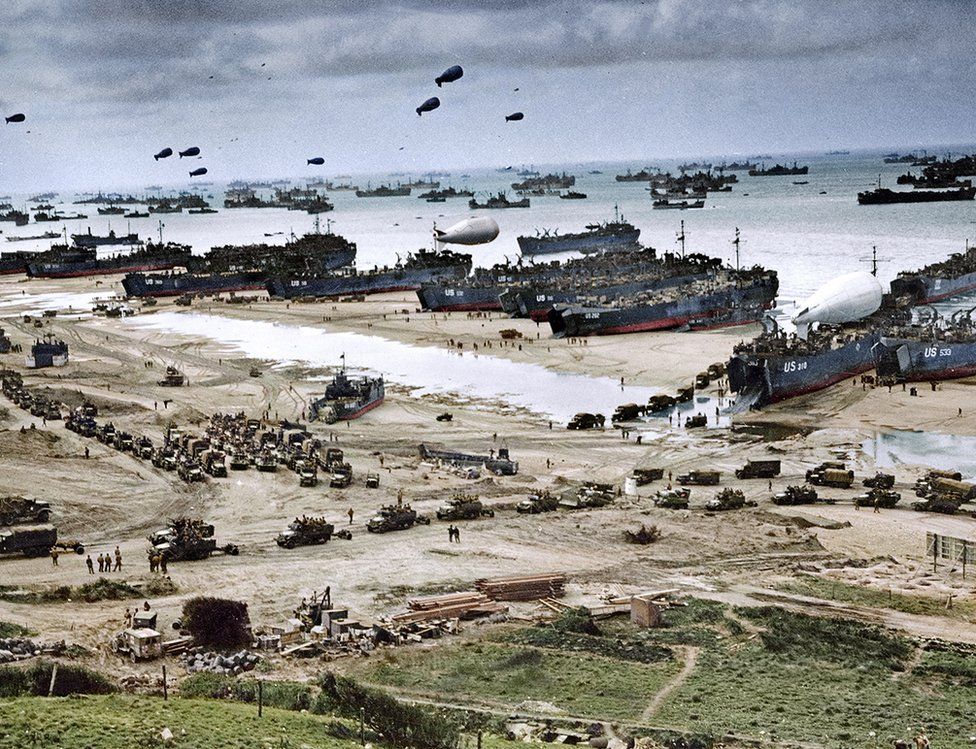
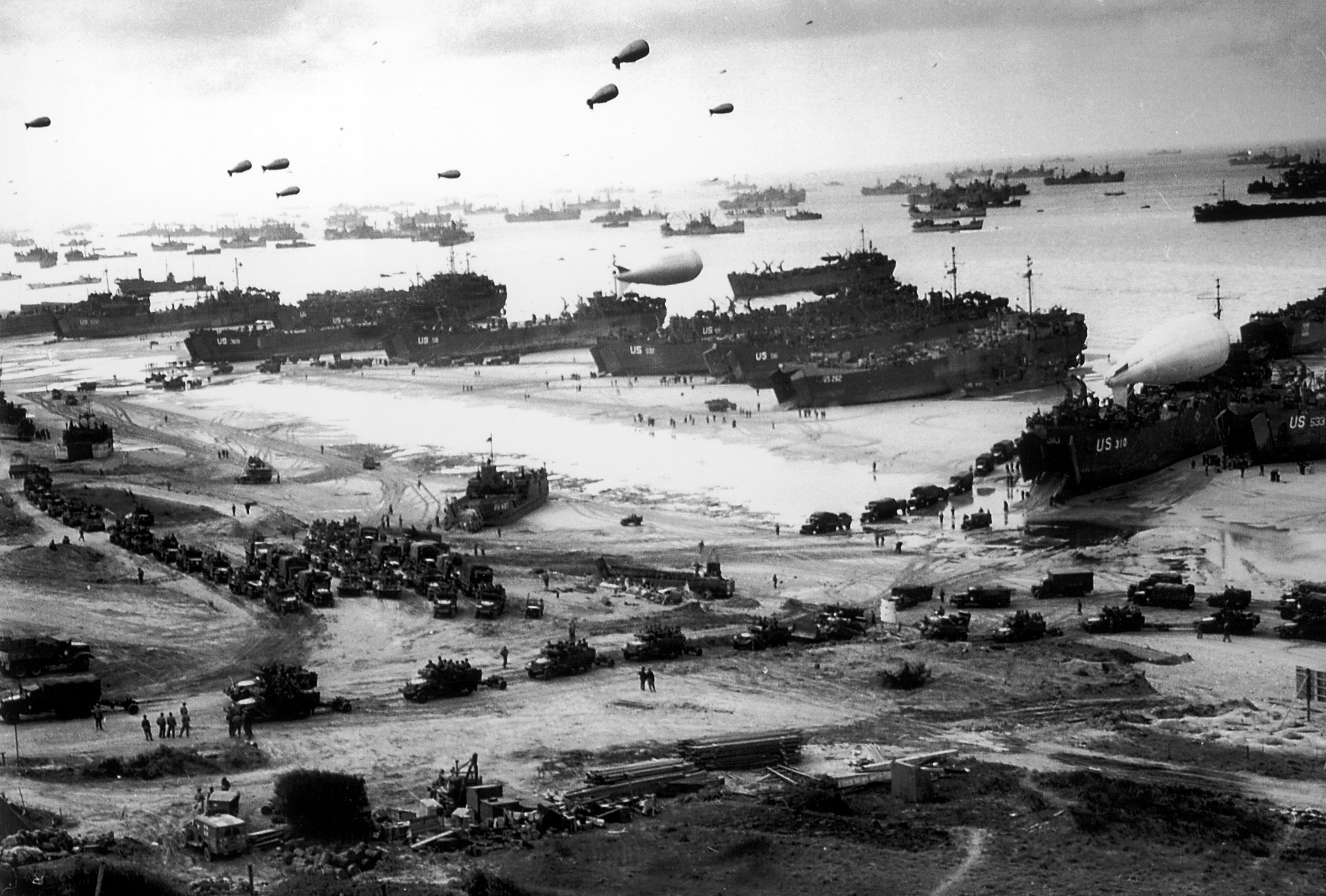
Without the brilliant planning and heroic sacrifices of the D-Day invasion, the Allies may have never defeated the Nazi forces in Europe. On June 6, 1944, more than 156,000 American, British and Canadian troops stormed 50 miles of Normandy’s fiercely defended beaches in northern France in an operation that proved to be a critical turning point in World War II. Below are key facts on the planning and execution of the epic Allied invasion.

D-Day Meaning: The ‘D’ in D-Day doesn’t actually stand for anything.

Unlike V-E Day (“Victory in Europe”) or V-J Day (“Victory over Japan”), the “D” in D-Day isn’t short for “departure” or “decision.” As early as World War I, the U.S. military used the term D-Day to designate the launch date of a mission. One reason was to keep the actual date out of the hands of spies; another was to serve as a placeholder until an actual date was chosen. They also used H-Hour for the specific time of the launch.

The D-Day invasion took years of planning. 


Allied leaders Franklin Roosevelt and Winston Churchill knew from the start of the war that a massive invasion of mainland Europe would be critical to relieve pressure from the Soviet army fighting the Nazis in the east. Initially, a plan called “Operation Sledgehammer” called for an Allied invasion of ports in northwest France as early as 1943, but Roosevelt and Churchill decided to invade Northern Africa first and attack Europe’s “soft underbelly” through Italy.

D-Day was the largest amphibious invasion in military history. 


According to the D-Day Center, the invasion, officially called “Operation Overlord,” combined the forces of 156,115 U.S., British and Canadian troops, 6,939 ships and landing vessels, and 2,395 aircraft and 867 gliders that delivered airborne troops.

Allied forces carried out a massive deception campaign in advance of D-Day.


The idea behind the ruse was to trick the Nazis into thinking that the invasion would occur at Pas-de-Calais, the closest French coastline to England. The Allies used fake radio transmissions, double agents, and even a “phantom army,” commanded by American General George Patton, to throw Germany off the scent.

A D-Day dress rehearsal was a fiasco.


Two months before D-Day, Allied forces conducted a disastrous dress rehearsal of the Normandy invasion on an evacuated English beach called Slapton Sands. Known as “Exercise Tiger,” 749 U.S. troops lost their lives after a fleet of German E-boats caught wind of the mock invasion and torpedoed American tank landing ships. Survivors described the Exercise Tiger fiasco as more terrifying than the D-Day landing on Omaha Beach.

Germany had fortified France’s coast.


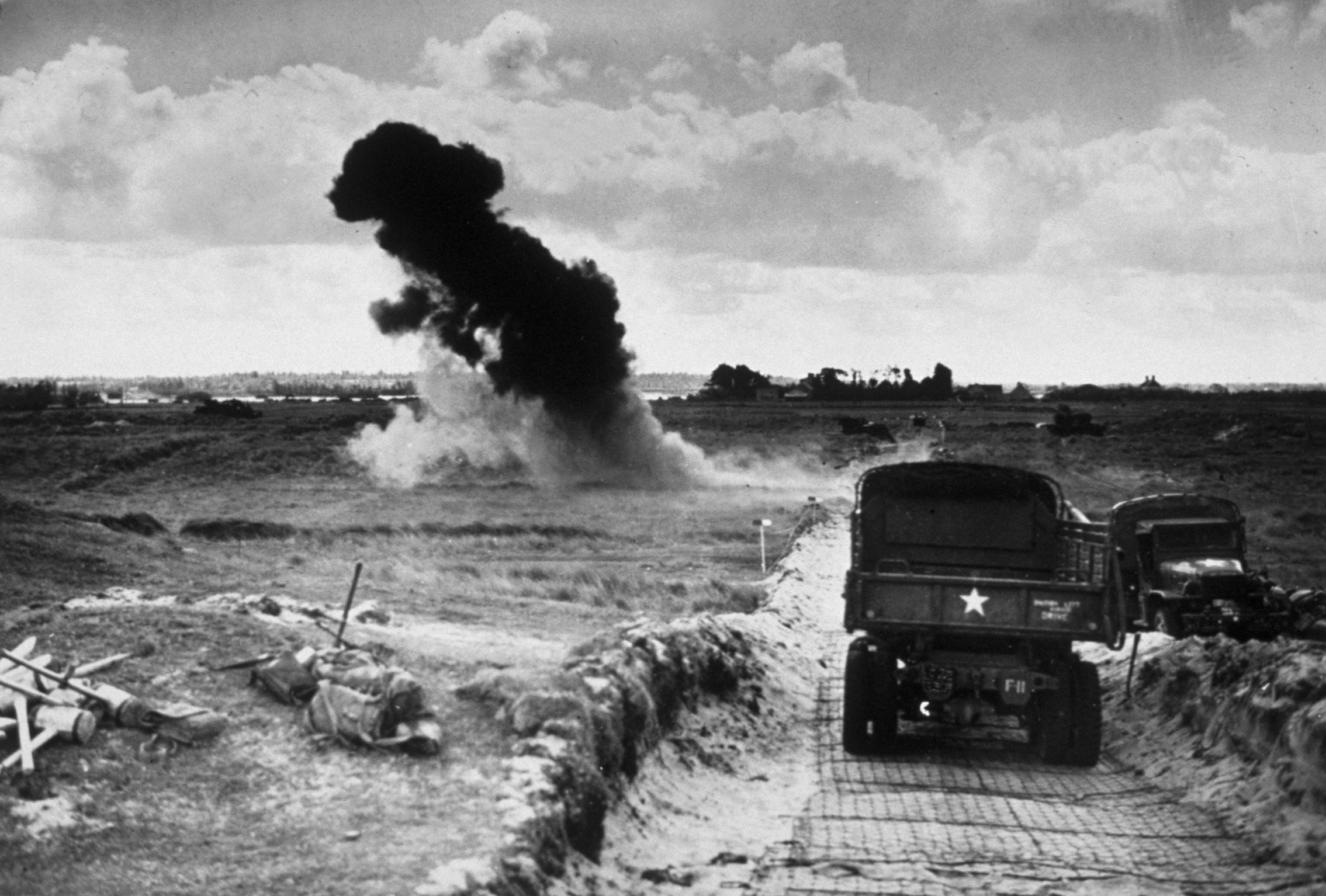
Anticipating an Allied invasion somewhere along the French coast, Adolf Hitler charged Field Marshal Erwin Rommel with fortifying Nazi defenses in France. In 1943, Rommel completed construction of the “Atlantic Wall,” Germany’s 2,400-mile line of bunkers, landmines and beach and water obstacles. It’s estimated that the Nazis planted 4 million landmines along Normandy’s beaches.

The U.S. shipped tons of supplies to the staging area in England.


Since Operation Overlord was launched from England, the U.S. military had to ship 7 million tons of supplies to the staging area, including 450,000 tons of ammunition.

Bad weather delayed the invasion.


Troops and supplies were in place by May, but bad weather delayed the launch date of the invasion. On June 5, General Dwight D. Eisenhower, the Supreme Allied Commander in charge of Operation Overlord, decided that the invasion would happen the next day, in part because the weather was still rough and Nazi planes were grounded. That same day, 1,000 British bombers dropped 5,000 tons of munitions on Nazi gun batteries along the Normandy coast to cripple Germany’s defenses before the imminent invasion.

D-Day was carried out along five sections of beachfront.


Operation Overlord was divided among sections of beachfront along the Normandy coast code named, from West to East: “Utah,” “Omaha,” “Gold,” “Juno” and “Sword.”

Paratroopers launched the operation before dawn .


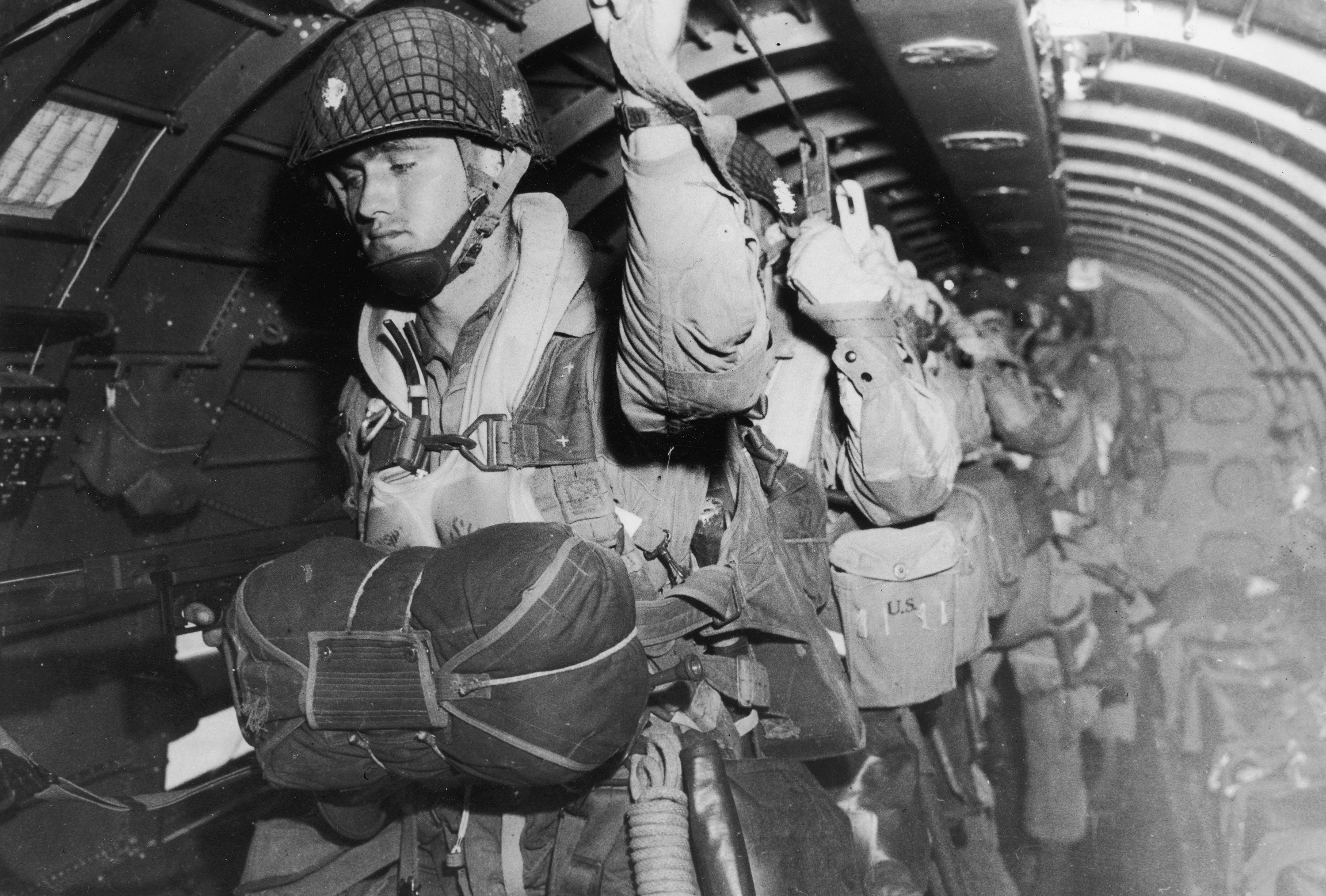
The D-Day invasion began in the pre-dawn hours of June 6 with thousands of paratroopers landing inland on the Utah and Sword beaches in an attempt to cut off exits and destroy bridges to slow Nazi reinforcements. American paratroopers suffered high casualties at Utah beach, some drowning under heavy equipment in flooded marshland, others shot out of the sky by Nazi snipers. The British and Canadian paratroopers met less resistance at Sword beach and quickly took two key bridges. 

More than 156,000 Allied ground troops stormed the beaches.
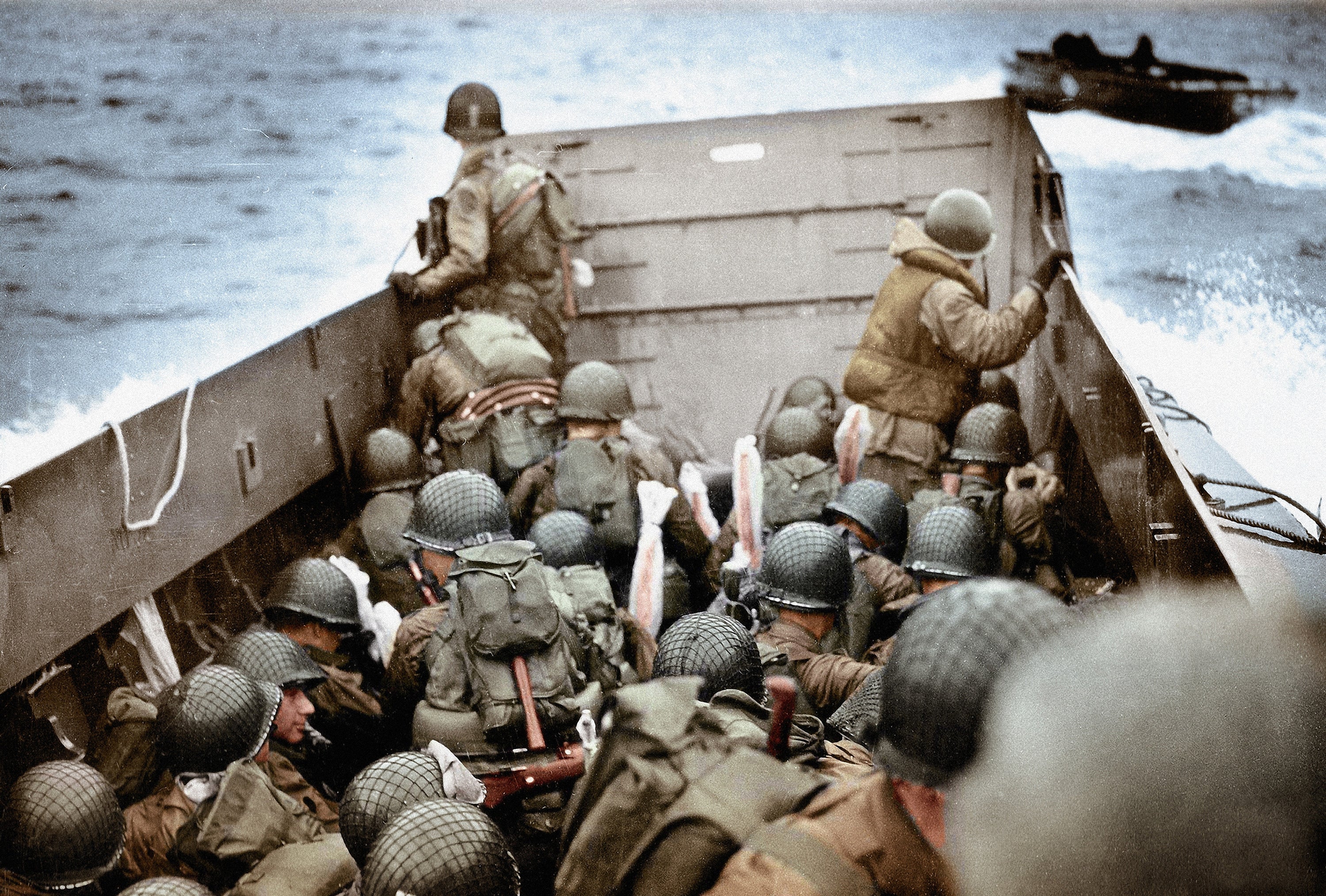
In wave after wave of thousands of landing ships, more than 156,000 Allied infantrymen stormed the five beaches. Facing them were around 50,000 Germans troops. Stormy seas made the landings incredibly difficult, with many regiments coming ashore far from their target destinations. At Omaha Beach, only two of the 29 amphibious tanks even made it to land on their own power (three were later transported to the beach). At Utah Beach, the American troops included 14 Comanche “code-talkers” who relayed critical tactical messages in their Native American tongue

The toughest fighting was on Omaha Beach.


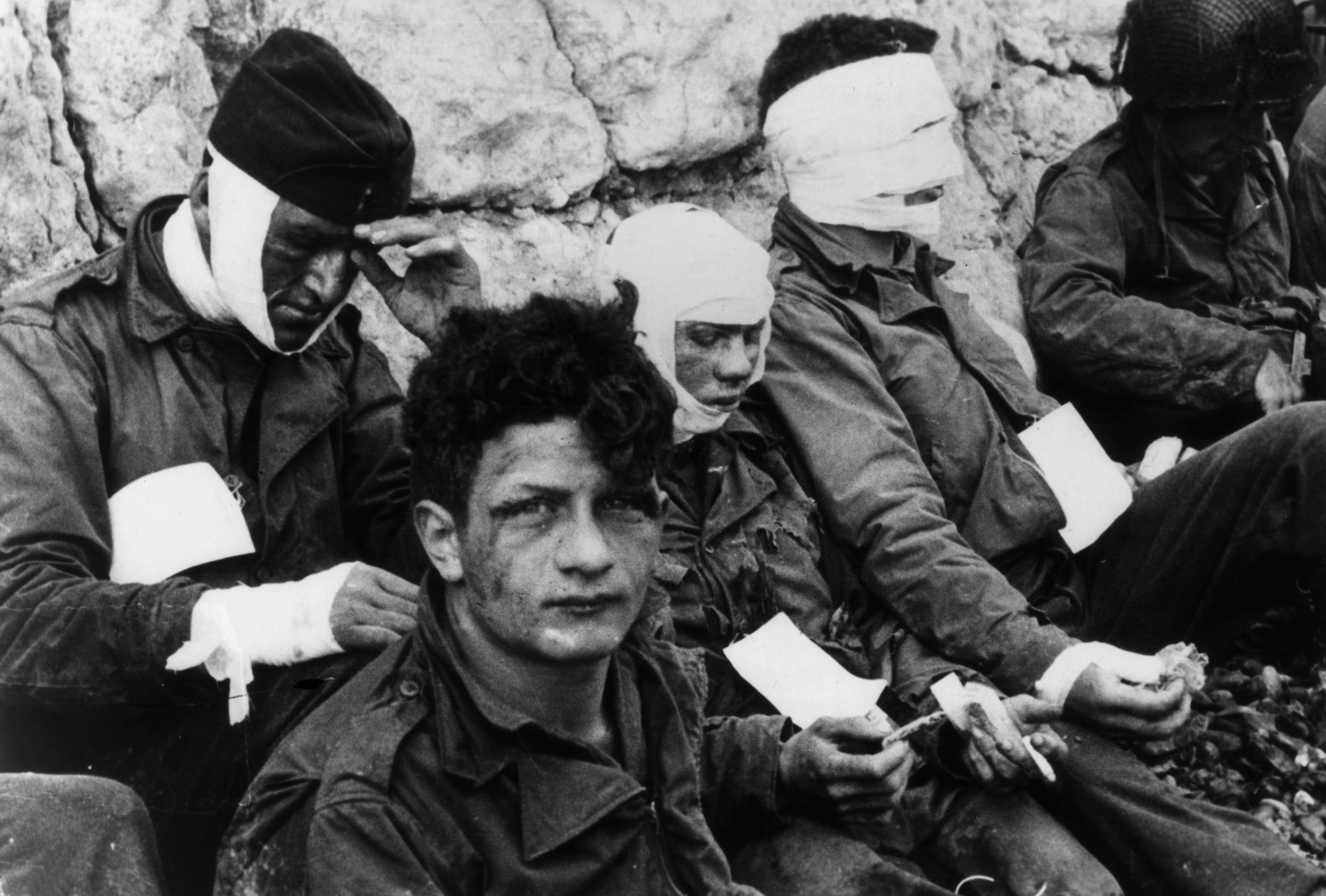
At Omaha Beach, bombing runs had failed to take out heavily fortified Nazi artillery positions. The first waves of American fighters were cut down in droves by German machine gun fire as they scrambled across the mine-riddled beach. But U.S. forces persisted through the day-long slog, pushing forward to a fortified seawall and then up steep bluffs to take out the Nazi artillery posts by nightfall. All told, around 2,400 American troops were killed, wounded or unaccounted for after the fighting at Omaha Beach.

Canadian troops at Juno Beach captured the most territory.


Canadian soldiers also suffered terrible casualties at Juno Beach, battling rough seas before landing on a heavily defended strip of shoreline. Similar to the Americans at Omaha Beach, the first lines of Canadian troops were gunned down en masse by Nazi artillery—estimates put the initial casualty rate at 50 percent—before pushing beyond the beachfront and chasing the Germans inland. In the end, the Canadians at Juno captured more towns and territory than any other battalions in Operation Overlord.

All five beaches were secured by Allied forces by June 11. 


Five days after the D-Day invasion, troops immediately began installing two massive temporary harbors that had taken six months to construct back in England. All told, the Allies unloaded approximately 2,500,000 men, 500,000 vehicles and 4,000,000 tons of supplies at the temporary harbors over the remaining course of the war.

The D-Day invasion marked a turning point in the war.


The total Allied losses at Normandy are estimated to be at least 4,413. Total Allied casualties in the Battle of Normandy, which dragged on until August, topped 226,000. But thanks in part to the massive influx of troops and equipment, D-Day marked a decisive turning point in the war. Less than a year later, on May 7, 1945, Germany signed an unconditional surrender.  

SOURCE: History.com Dave Roos

Updated: June 3, 2022 | Original: March 12, 2019

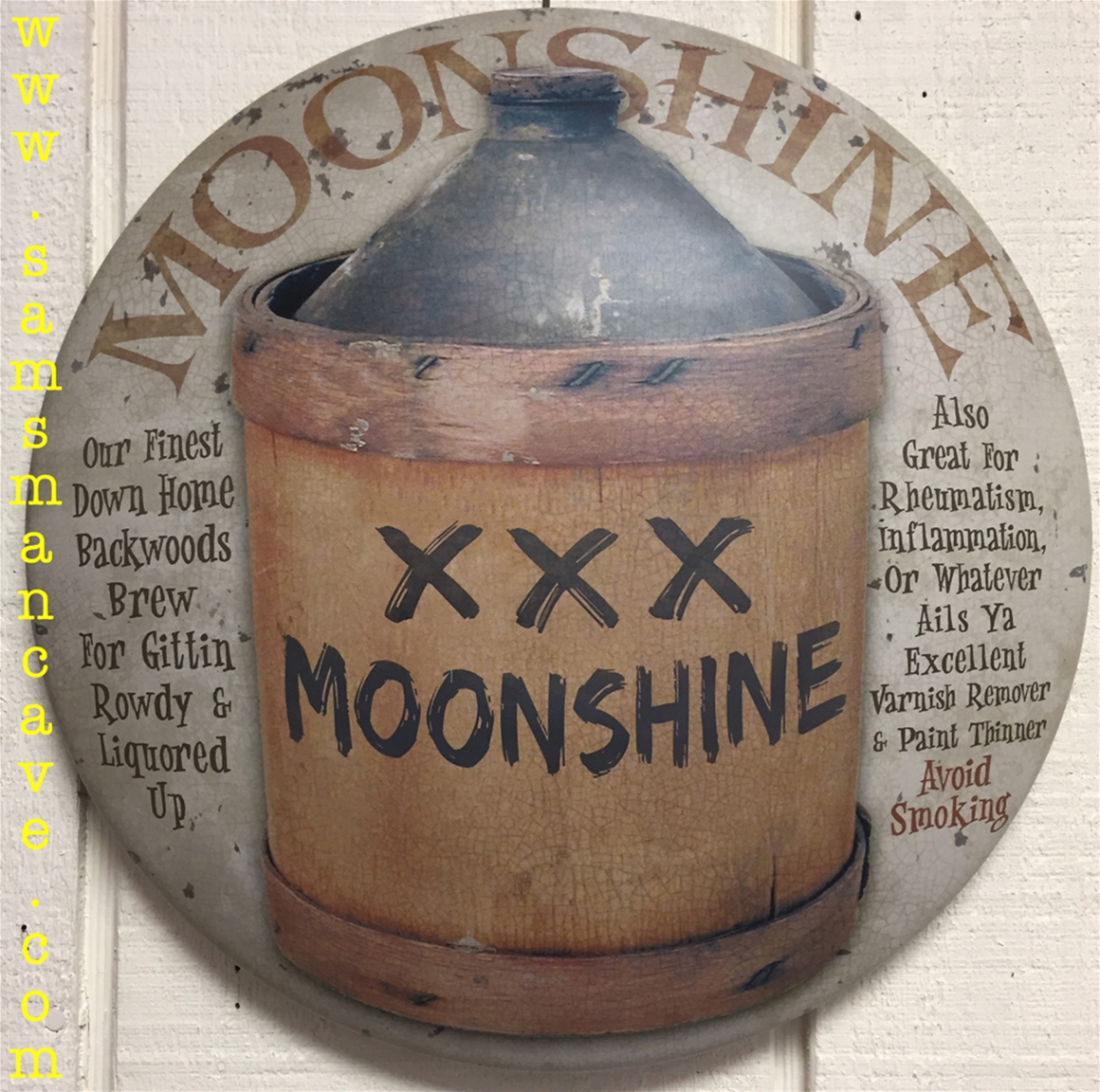
National Moonshine Day!

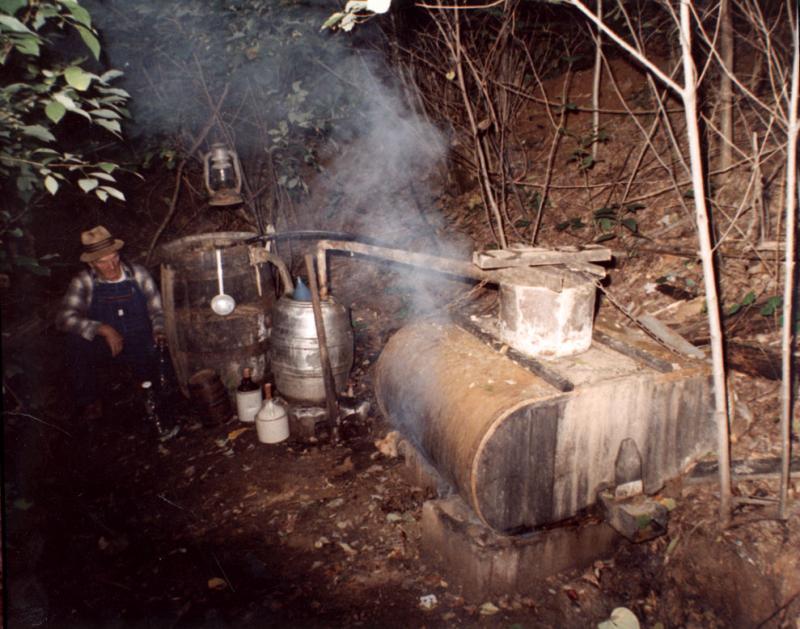
In honor of this momentous occasion, I present a recipe I found in a recipe book called Old Timey Recipes.

Moonshine

“In making “mountain dew” or “white lightning” the first step is to convert the starch of the grain into sugar.  (Commercial distillers use malt.) This is done by “sprouting” the corn.  Shelled, whole corn is covered with warm water in a container with a hole in the bottom.  Place a hot cloth over it.  Add warm water from time to time as it drains.  Keep in a warm place for about 3 days or until the corn has 2-inch sprouts. Dry it and grind it into a meal. Make mush (or mash) with boiling water.  Add rye mash that has been made the same way, if you have it.
Yeast (1/2 pound per 50 gallons of mash) may be added to speed up the fermentation if you have it.  Without it, 10 or more days will be required instead of about 4. In either case, it must be kept warm.

When the mash gets through “working” or bubbling up and settles down, it is ready to run.  At this stage, the mash has been converted into carbonic acid and alcohol.  It is called “wash” or beer and it is sour.

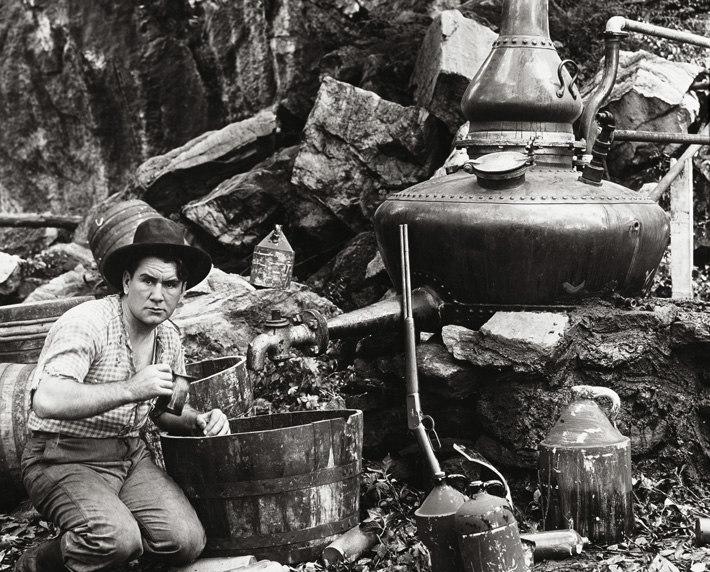
The “cooker” consists of two main parts, mainly the top and the bottom.  After the mash is put inside, the top is pasted on with “red dog chop” or some other paste.  This is so that if the fire is too hot, the pressure builds up, the top will blow off preventing an explosion which might wreck the still.In the top of the cooker a copper pipe, or “arm” projects over to one side and tapers down from a 4 or 5 inch diameter to the same diameter as the “worm” (one or one and a quarter inch).To make the “worm”, a 20-foot copper pipe is filled with sand, the ends are stopped up, and it is wrapped around a fence post. The sand prevents “kinking” of the pipe.  The spiral or coil, called the worm, is then cleaned and attached firmly to the end of the arm in such a way that it is down inside a barrel.  The barrel will be kept full of cold, running water.  If the water runs in the top and out an opening in the bottom, it can circulate better.

A fire under the cooker causes the spirit to rise in the vapor along with the steam.  It goes into the arm and then the worm where the cold water causes condensation.  This is collected at the end in a container.

The first run off, or “singlings” is weak and impure and be redistilled to rid it of water and rank oils.

For the second run off, or the “doublings,” the cooker is cleaned out and the singlings, along with some water, is heated and run through again.

The first quart will be far too strong (about 200 proof) and towards the last it will be too weak (about 10 proof).  The skill is in the mixing to make it 100 proof.

If a tablespoon of the liquid does not “flash” or burn when thrown on the fire, there is not enough alcohol left to bother running any more.

To test for the right proof, a small glass vial is used.  When the small bubbles rise properly after the vial is tilted and when they set half above and half below the top of the liquid, then it is the right proof.  The liquor is then filtered through charcoal and is ready for consumption.

There are many ways of making moonshine.  This is just one way.  For other ways, check with your nearest revenuer.”

Amelia

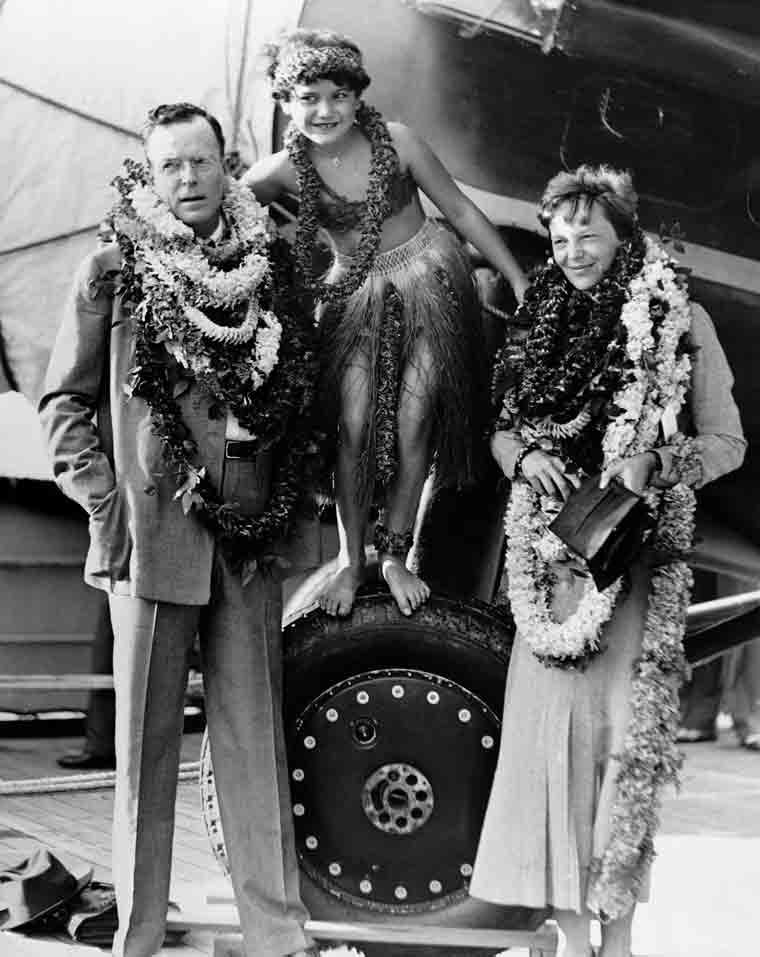
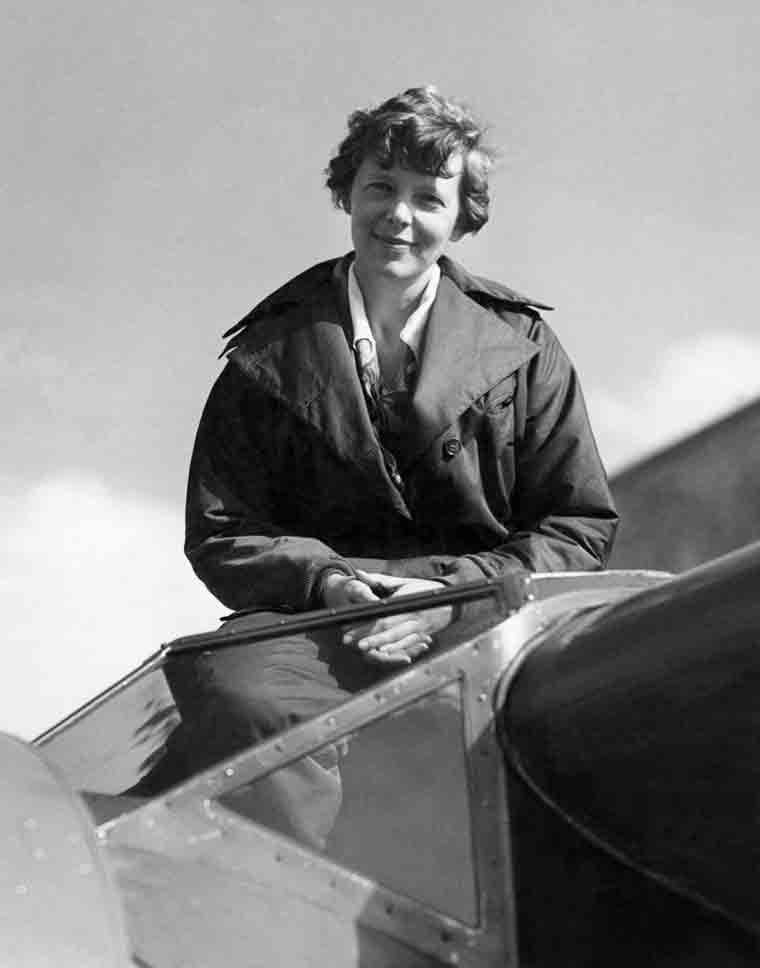
In honor of her historic flight, here are 10 fun facts you may not know about this courageous aviator!

She was only the second person to fly solo across the Atlantic… ever

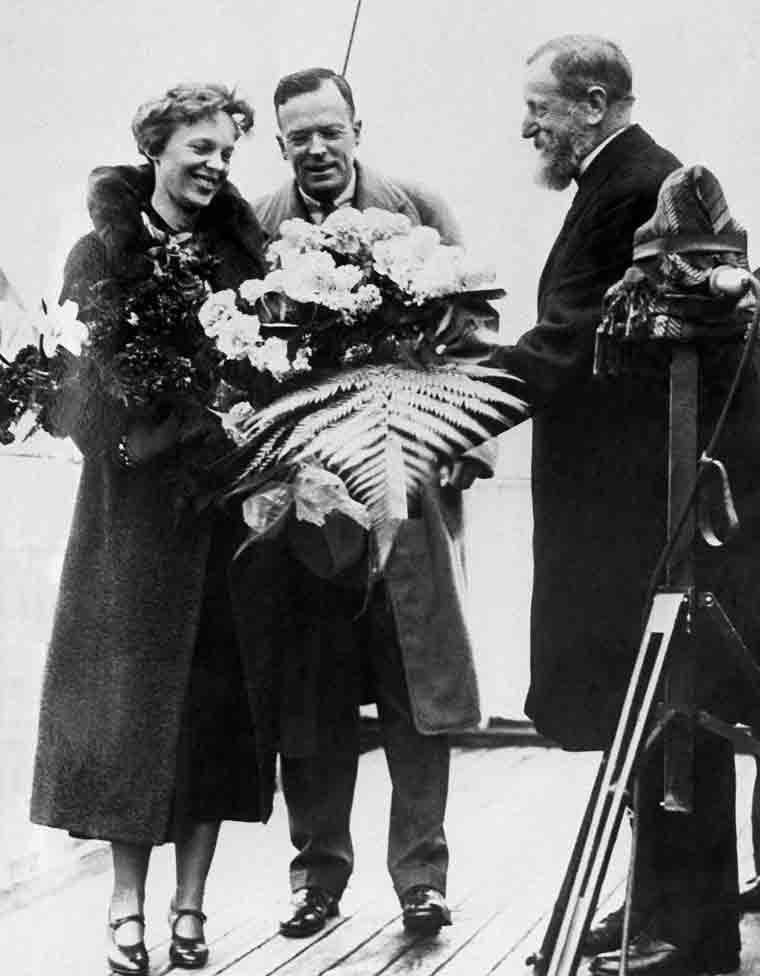
Amelia Earhart is best known for being the first woman to complete the feat, but it wasn’t like a whole slew of men had accomplished the task before her. She was only the second person ever to do it! The first was Charles Lindbergh, who made the flight in May 1927. Earhart did it in May 1932. She completed the flight in just shy of 15 hours—quite the accomplishment for our list of inspirational female firsts, dating from ancient Egypt to today.

The first time she saw an airplane, she was unimpressed

After Earhart’s disappearance, several of her diary entries were published as a book called Last Flight. In one, she recalls the first time she ever saw an airplane. She was ten years old, visiting a state fair in Iowa. She remembers seeing “a thing of rusty wire and wood” that “looked not at all interesting.” Even after someone standing nearby told her that the contraption could fly, Earhart still admitted that she was more impressed with the fancy hat she had just purchased. Little did young Amelia know what the future held.

She wasn’t quite as ahead of her time as you might think

While the playing field in the 1920s and ’30s was far from even, Earhart was not actually the only successful female pilot of the time. Several of her contemporaries were also women who were just as good, if not better, fliers than she. Louise Thaden, for instance, set new records for women’s speed, altitude, and solo-endurance flying in 1929 and remains the only pilot to hold all three records at the same time. Another pioneer, Ruth Nicols, set women’s flight records for speed, altitude, and distance two years later. Earhart was, however, the first female pilot to gain such wide notoriety. Her contemporaries definitely count as amazing women in history that you may not have heard of.

She was hand-picked for the feat that would make her famous

After Charles Lindbergh’s trans-Atlantic flight, publisher George Putnam hoped to duplicate the success and massive media attention that Lindbergh had enjoyed. His opportunity came when a socialite named Amy Phipps Guest bought a small passenger plane with the hopes of becoming the first woman to be flown across the Atlantic. (She was not a pilot.) But her parents refused to let her take such a risky journey. So Guest turned to Putnam, requesting that he find “the right sort of girl” to make the trip in Guest’s stead. Putnam chose Amelia Earhart, capitalizing on her existing passion for flying as well as her resemblance to Lindbergh. He fed the press a nickname for her—”Lady Lindy”—that would become widespread.

Before her solo flight, she flew across the Atlantic once before…

…but it wasn’t enough for her. While Earhart’s solo flight across the Atlantic made her go down in history, it was her first trip that made her a household name. In 1928, Earhart made the journey orchestrated by Putnam and Guest, making her the first woman to travel across the Atlantic by air. But she didn’t do any of the flying herself. A man named Wilmer Stultz did. Earhart was far from satisfied with being just a passenger, admitting, “I was just baggage, like a sack of potatoes.” So, four years later, she decided to make the flight herself. That quote sums up her distaste for the journey, but it’s not the quote of hers that made it onto our list of our favorite quotes from inspiring historical women.

She didn’t like coffee or teaAccording to worldhistoryproject.org, Earhart was not a coffee- or tea-drinker. Her answer for keeping herself awake on her hours-long flights? A bottle of smelling salts. There is one hot drink that she did like, though—she revealed that, during her flight across the Atlantic, she enjoyed a mug of hot chocolate.

She encouraged other women to fly

In 1928, Earhart became the first-ever “aviation editor” of Cosmopolitan magazine. She wrote 16 articles for the magazine, several of which discussed the role of women in aviation. She wondered “Why Are Women Afraid to Fly?” and addressed reluctant parents in “Shall You Let Your Daughter Fly?” In 1933, after her famed solo Atlantic flight, she even wrote a letter to a 13-year-old female reader who wanted to become a pilot. Earhart told the young reader about the steps she might have to take to achieve her dream and offered some encouraging words. “As far as women’s opportunities in flying go, I think they will improve as they have in all industries,” she wrote.

She set three impressive records in the same year

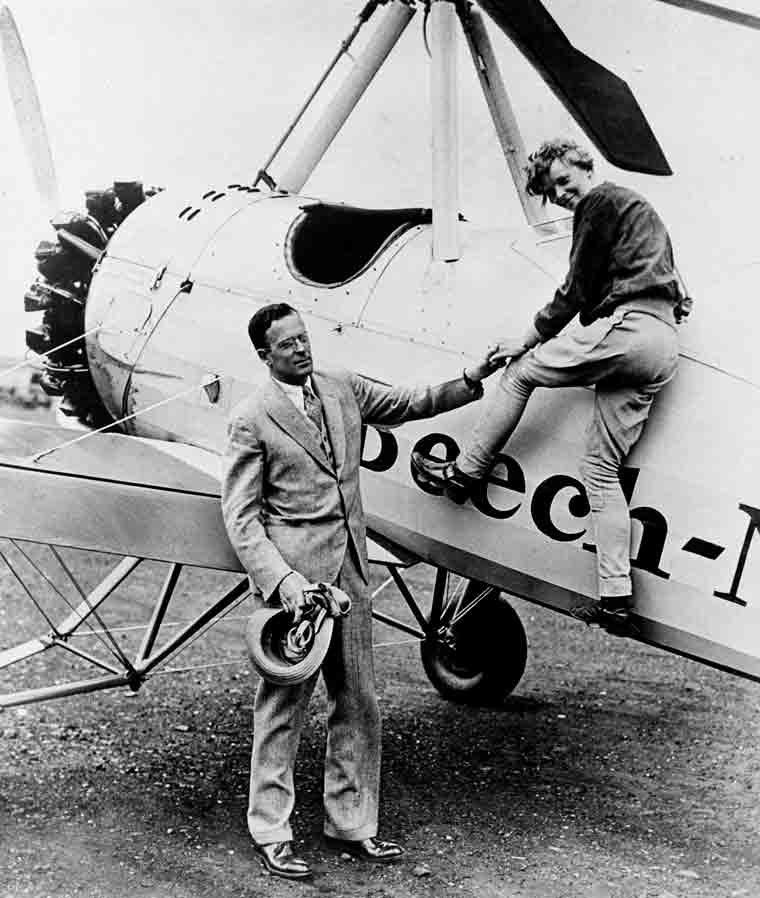
In the first five months of 1935, Earhart became the first person—not just woman—to make three impressive flights. That January, she flew 2,408 miles from Honolulu, Hawaii, to Oakland, California, the first person ever to do so alone. In April, she flew from Los Angeles to Mexico City; less than a month later, she flew from Mexico City to Newark. None of those flights had ever been made alone before, by a man or a woman. You go, girl!

She may actually have survived her final flight

Tragically, Amelia Earhart’s fame is bolstered by her mysterious disappearance in 1937. Accompanied by her navigator, Fred Noonan, she set out to fly around the entire world. But on July 2, after the pair set out on the final leg of their trip, which would take them across the southern Pacific Ocean, the plane simply vanished. Though the government conducted a massive search—the most expensive of its kind at the time—no trace of them or their plane was ever found. This, of course, led many people to theorize that she had actually survived. In July 2017, a mysterious photo was discovered, appearing to show Earhart and Noonan on the Japanese-controlled island of Saipan, that seemed to prove those theorists true. However, the photo has no date, and its legitimacy has been seriously questioned, just like these other conspiracy theories still floating around about Amelia Earhart’s disappearance.

There’s a record-setting pilot named Amelia Earhart flying today

How’s this for poetic justice? In 2014, another woman named Amelia Earhart—yes, that’s her real name—became the youngest woman to fly around the world in a single-engine plane. She felt that considering her name and her similar passion for flying, she almost had a duty to do what her namesake couldn’t. “By recreating and symbolically completing her flight around the world, I hope to develop an even deeper connection to my namesake,” this Amelia Earhart claimed. We think her predecessor would be proud for sure—not to mention amazed by such an incredible historical coincidence!

Source: Meghan Jones @Readers Digest

Jamestown

In spring 1607, a group of 104 English men and boys landed on the banks of a large river in present-day Virginia and built a fort on hunting land that belonged to the Powhatan Chiefdom. They formed a small settlement—the first permanent English colony in North America—and named it Jamestown after King James I of England. Over the next several decades, Jamestown nearly collapsed multiple times as the colonists succumbed to disease and famine.

The settlement’s history is pocked with dramatic events and historical figures. Here are 11 eye-opening facts about Jamestown.

The Virginia Company funded the colonizing expedition.

In April 1606, King James I chartered the Virginia Company, a joint stock venture in London, to colonize the eastern coast of North America between latitudes 34° and 41° North (roughly between Wilmington, North Carolina, and Long Island, New York). The company was made up of merchants and entrepreneurs and was named for James’s predecessor, Queen Elizabeth I, the “virgin queen.”

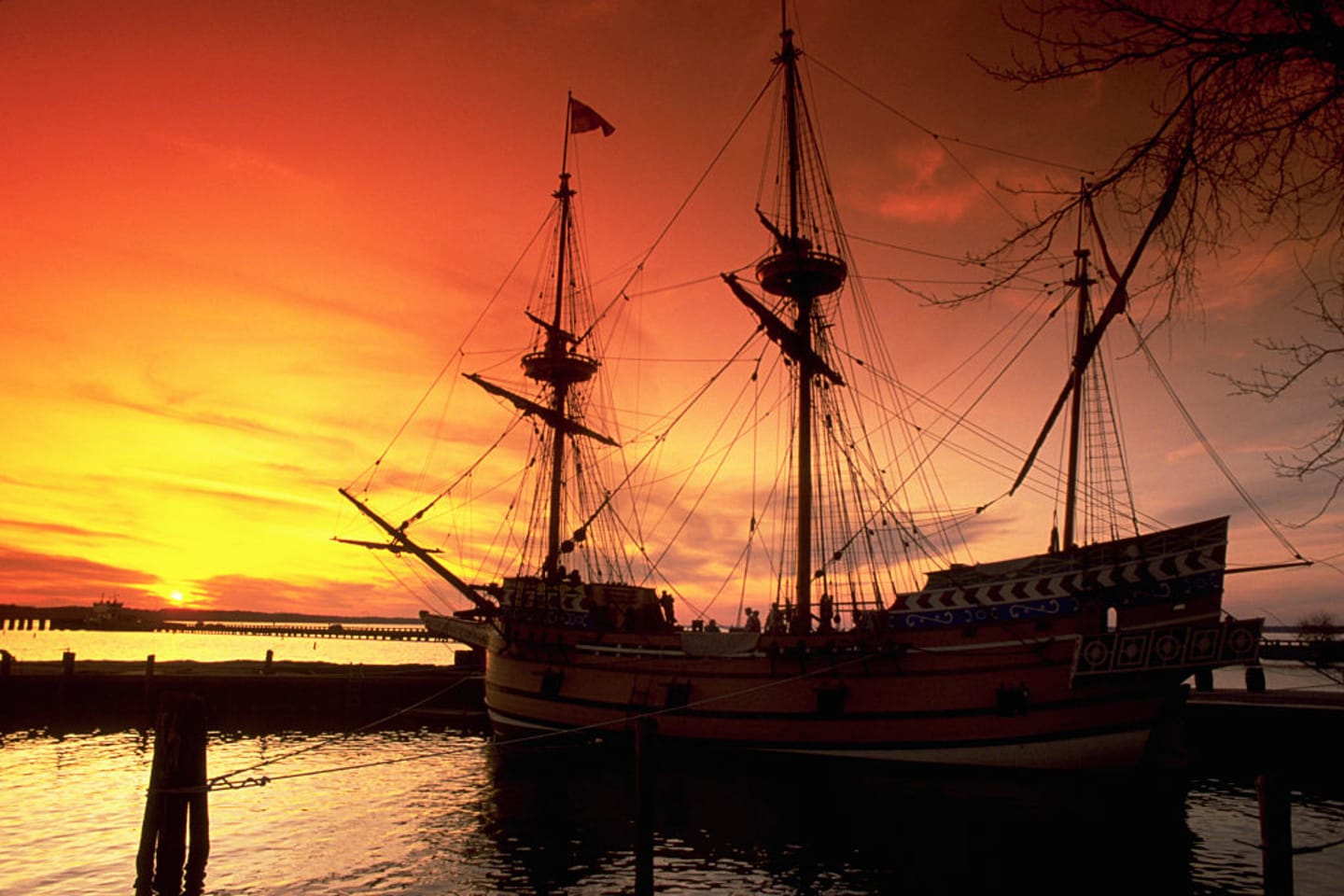
In December 1606, the Virginia Company sent about 100 of its members on three ships—the Susan Constant, the Godspeed, and the Discovery—to establish the new colony of Virginia, with Jamestown as its capital. The company’s investors expected to recoup their funds from the discovery of gold and silver and/or a river route to the Pacific Ocean, which they could use to establish trade with Asia. (Neither was discovered.)

Captain John Smith arrived in Virginia as a prisoner.

John Smith, a prominent English soldier and adventurer, arrived in Virginia aboard the Susan Constant in shackles. Expedition leader Christopher Newport had accused Smith of mutiny on the four-month journey across the Atlantic and held him below deck for the remainder of the trip.

When they reached shore, the group’s leaders opened a box containing their orders from the Virginia Company’s leaders and learned that Smith was among those named to the governing council. At least one report says that Smith was saved from being hanged only through the efforts of the colony’s minister, Reverend Robert Hunt. Smith eventually assumed his council position.

Life in Jamestown was precarious.

At first, colonists were awed by the apparent abundance of food and beauty of the Virginia landscape. The river teemed with mussels and oysters and the forests were full of game. But they were less than adept at hunting and soon ran low on food. They drank contaminated water, contracted diseases like the “bloody flux” (dysentery) and possibly plague; their fort burned down, and they suffered through an unusually cold winter with little shelter. By January 1608, just 38 of the original 104 colonists were still alive.

The legend of Pocahontas saving John Smith’s life is probably not quite true.

In September 1608, Smith was elected president of the colony and is credited with a dramatic drop in the death toll. Smith led efforts to rebuild the fort, plant crops, and dig a well—but he also annoyed the Powhatan leaders.

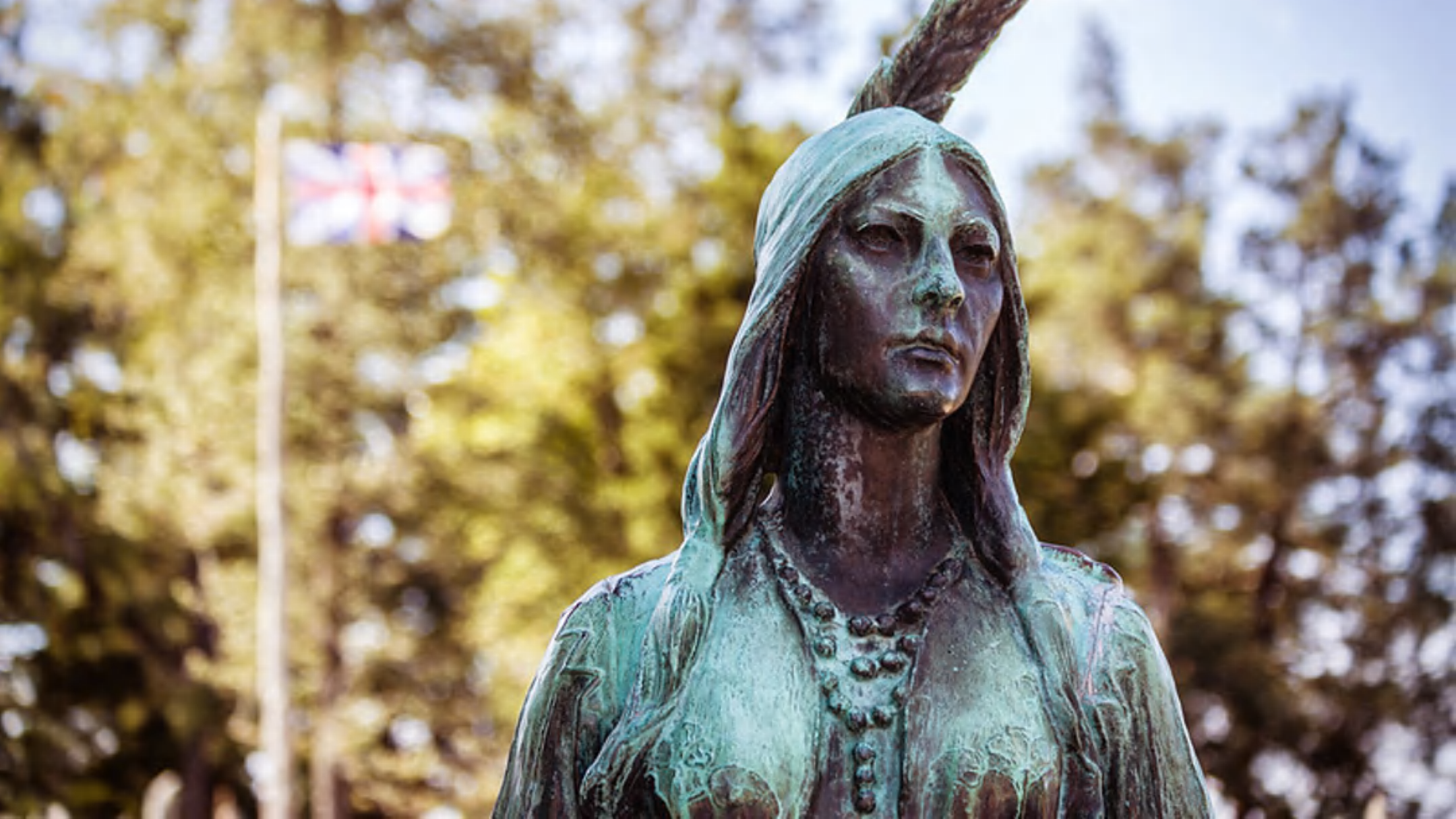
While on a trading mission to obtain food for the colonists, he met 11-year-old Pocahontas, a member of the Pamunkey tribe and the daughter of Powhatan, chief of more than 30 Algonquian-speaking tribes of the Powhatan Chiefdom in territory called Tsenacomoco. Pocahontas was her nickname (translating to “playful one” or even “naughty child”); her given name was Amonute and she was called Matoaka by her family.

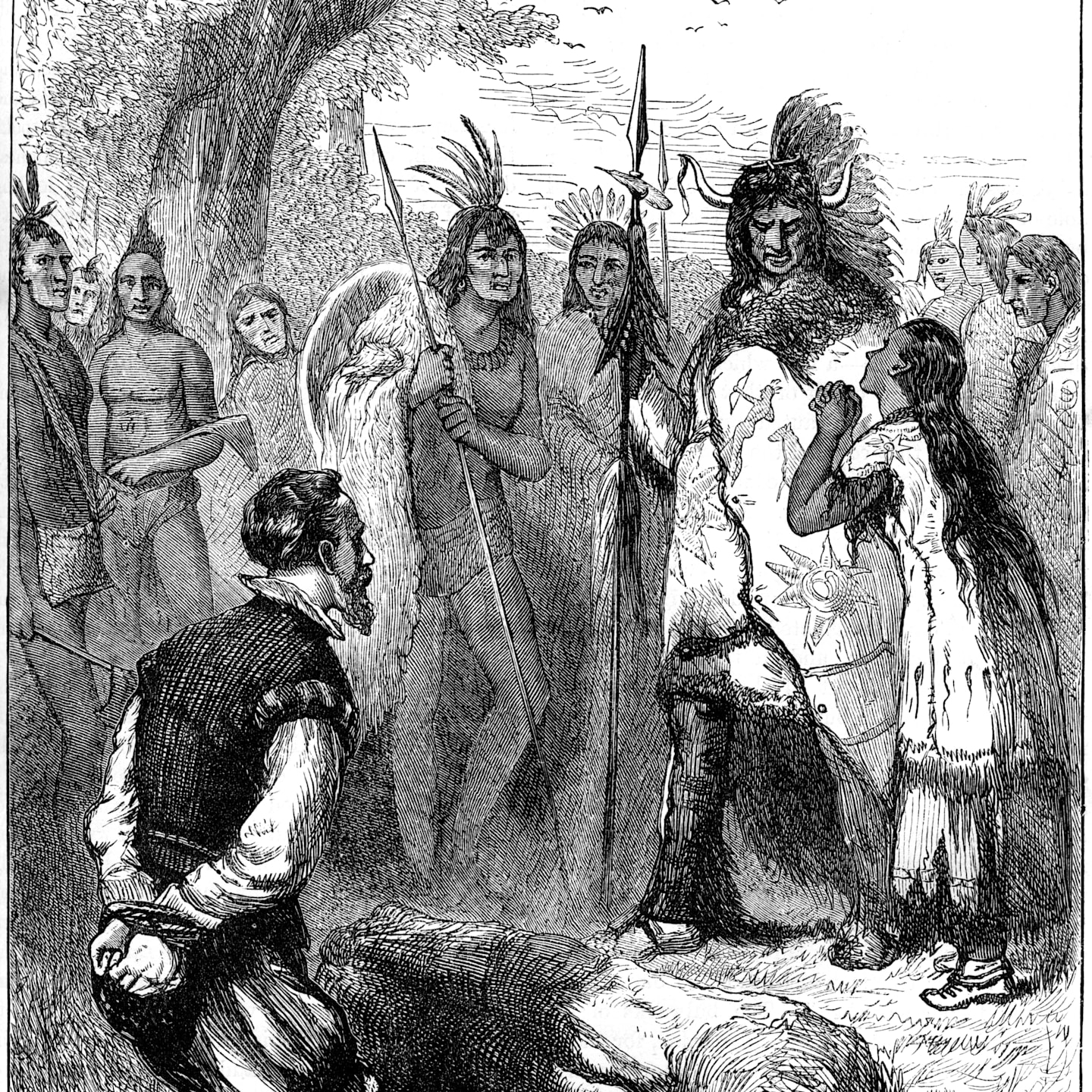
According to legend arising from one of Smith’s accounts (there are several), Smith had been kidnapped by Pocahontas’s brother on his way to ask the chiefdom’s leaders for food. He was taken before Powhatan, who decided to execute him. Pocahontas supposedly saved Smith just before the ax fell.

Historians debate the circumstances of the story. One theory suggests that Smith was instead part of a ritual inducting him into the Powhatan tribe, but he didn’t understand what was happening and assumed they wanted to kill him. Either way, Smith returned to Jamestown several months later and Pocahontas became a sort of diplomat between the colonists and the chiefdom, though relations remained strained.

Jamestown’s first colonists resorted to cannibalism to survive.

A new group of colonists arrived in August 1609 without the expected provisions needed to survive the winter; their ships carrying supplies for the whole colony had run aground in Bermuda. Now, Jamestown had more mouths to feed and even less to eat.

Hostilities over food and other issues with the Powhatan Chiefdom escalated that fall and erupted into what the English viewed as the First Anglo-Powhatan War. Powhatan ordered a siege of Fort James, preventing the colonists from venturing out to hunt, fish, or steal the tribes’ food. The English ran out of provisions and fresh water. They resorted to slaughtering their horses for meat, then ate dogs, cats, rats, and snakes; archaeological and written evidence from the time also indicates cannibalism. Colonist George Percy wrote that some ate their comrades and others “Licked upp the Bloode wch hathe fallen from their weake fellowes.”

The brutal winter of 1609-1610 became known as “the starving time.” More than half of the colony died by the spring, at which time Powhatan’s forces lifted the siege so they could begin planting crops. In May 1610, the crew of the Sea Venture—a supply ship that had been wrecked in Bermuda the previous year—arrived with a group of carpenters, shipwrights, farmers, and other skilled laborers. Then another ship arrived with a years’ worth of provisions, saving the foundering colony.

John Rolfe smuggled in seeds for Virginia’s first cash crop—tobacco.

Colonist John Rolfe—who later married Pocahontas—brought South American tobacco seeds to Jamestown, though it’s unknown where he got them. King James hated tobacco; Spain, which controlled Central and South America, threatened to punish anyone who sold their tobacco seeds to non-Spaniards with death. South American tobacco was considered sweeter and more desirable than the bitter tobacco typically smoked in North America.

Historians guess that Rolfe, a passenger on the Sea Venture, could have acquired the seeds while he was shipwrecked in Bermuda. Others speculate that Rolfe may have picked them up in Trinidad or another Caribbean location.

Rolfe’s successful cultivation of tobacco led to a commercial venture that saved Virginia financially. In 1617, tobacco exports to England totaled 20,000 pounds, then more than doubled the following year. Exports exceeded 1.5 million pounds by 1630.

Virginia’s House of Burgesses was the American colonies’ first democratically elected legislative body.

The House of Burgesses was the first English representative government in North America. It grew out of the General Assembly, established in 1619, which included a governor, council of legislators appointed by the Virginia Company, and two representatives (burgesses) from each of Virginia’s 11 communities. Only the burgesses were elected.

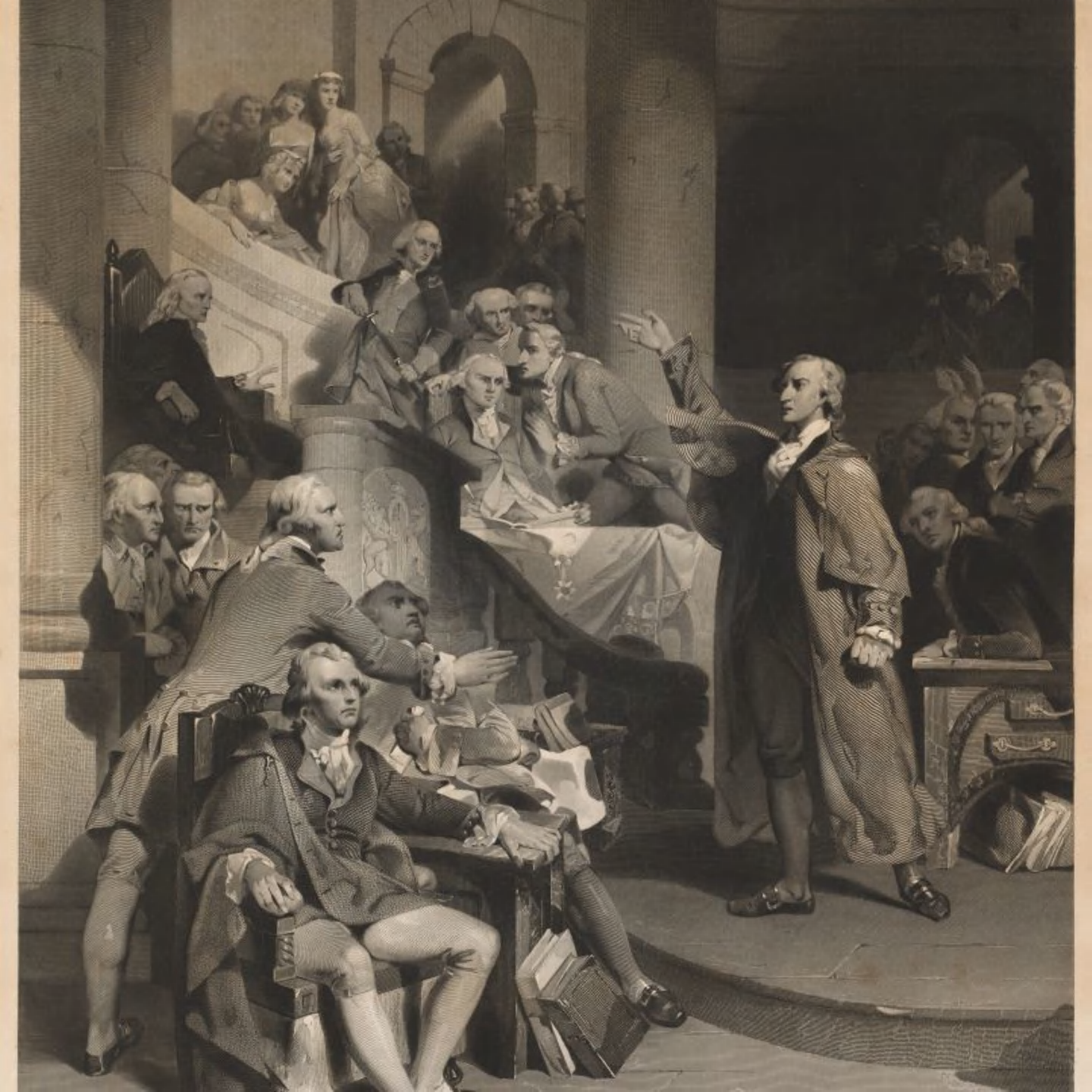
In 1643, the governor created a bicameral legislature by making the House of Burgesses its own law-making body. In the 18th century, George Washington, Thomas Jefferson, and Patrick Henry all served as elected burgesses.

The first enslaved Africans arrived in Jamestown in 1619.

On August 20, 1619, an English privateer named the White Lion landed at Point Comfort, Virginia, with about 20 enslaved Africans. The ship had attacked the San Juan Bautista, a Portuguese vessel transporting the enslaved people to Mexico, and had taken its captives to Jamestown. The White Lion’s captain traded them “for victualls,” according to John Rolfe.

The Africans had lived in the Ndongo Kingdom in Angola, where the Portuguese mercenaries and their allies had kidnapped them. Their arrival in Virginia is viewed as the beginning of slavery in English North America (slavery existed in Spanish-controlled Florida already). The site where they landed is now Fort Monroe National Monument in Hampton, Virginia.

Women went to Jamestown as “tobacco brides.”

By 1621, Jamestown’s population was faltering, and women of child-bearing age weren’t eager to travel to a rough-and-tumble settlement where disease and famine had taken their toll. To boost their numbers, the Virginia Company placed an ad in London seeking “young and uncorrupt” women to marry Jamestown’s well-off colonists. The women were promised their choice of husbands and free passage to the colony; the husbands agreed to reimburse the company’s expenses with up to 150 pounds of tobacco. The arrangement drew 90 “tobacco brides” in 1620 and another 56 in 1621 and 1622.

Jamestown served as Virginia’s capital until 1699.

Jamestown’s buildings, including the fort, state house, and church, burned down several times and were rebuilt. In 1676, a century before the American Revolution, a planter named Nathaniel Bacon led an armed uprising against England’s colonial government in Virginia. His beef with the governor arose when he was denied military help to violently expel Native Americans from their lands bordering the colony. Poor farmers who opposed the governor’s high taxes fell in with Bacon’s revolt. After Bacon battled the Native people on his own, his forces drove out the governor and set Jamestown on fire.The rebellion was short-lived, but the damage had been done. The seat of the colonial government moved to Williamsburg in 1699. (The capital moved to its present site in Richmond in 1780.)Jamestown is under threat from climate change.Remnants of Jamestown’s original structures and more than 3 million artifacts have been unearthed by archaeologists, and the site is still an active dig. But rising sea levels, intense storms, and frequent flooding threaten the site, which sits on a low-lying tidewater island between a swamp and the James River. Engineers are holding the damage at bay with sandbags, sump pumps, and tarps, and an effort is underway to shore up an existing sea wall. In 2022, the National Trust for Historic Preservation placed Jamestown on its list of the country’s most endangered historic places.Source: Karin Crompton @ Mental Floss

Jamestown is under threat from climate change.Remnants of Jamestown’s original structures and more than 3 million artifacts have been unearthed by archaeologists, and the site is still an active dig. But rising sea levels, intense storms, and frequent flooding threaten the site, which sits on a low-lying tidewater island between a swamp and the James River. Engineers are holding the damage at bay with sandbags, sump pumps, and tarps, and an effort is underway to shore up an existing sea wall. In 2022, the National Trust for Historic Preservation placed Jamestown on its list of the country’s most endangered historic places.

Source: Karin Crompton @ Mental Floss