Tuesday Trivia: How Well Do You Know the King?

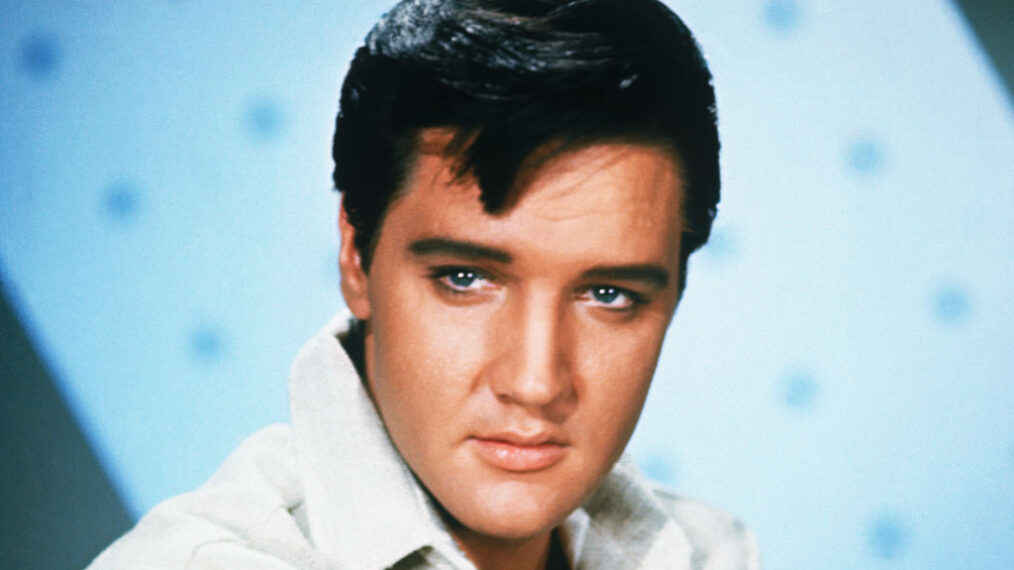
Elvis Presley, one of the most recognizable musicians of all time, undoubtedly earned his nickname as the “King of Rock ‘n’ Roll.” He’s the man who revolutionized American pop music by melding country, gospel, and R&B styles. He was also a major movie star and a beloved sex symbol whose onstage moves, highlighted by those showstopping hip gyrations (hence his other nickname, “Elvis the Pelvis”), inspired generations of performers and flustered his critics.

Decades after his death in 1977 at the age of 42, Elvis Presley continues to sell albums around the globe and remains an indelible influence on the entertainment industry. Read on to learn more about Presley’s life and career.

Elvis Presley is closely associated with Tennessee, but he was born in Mississippi.
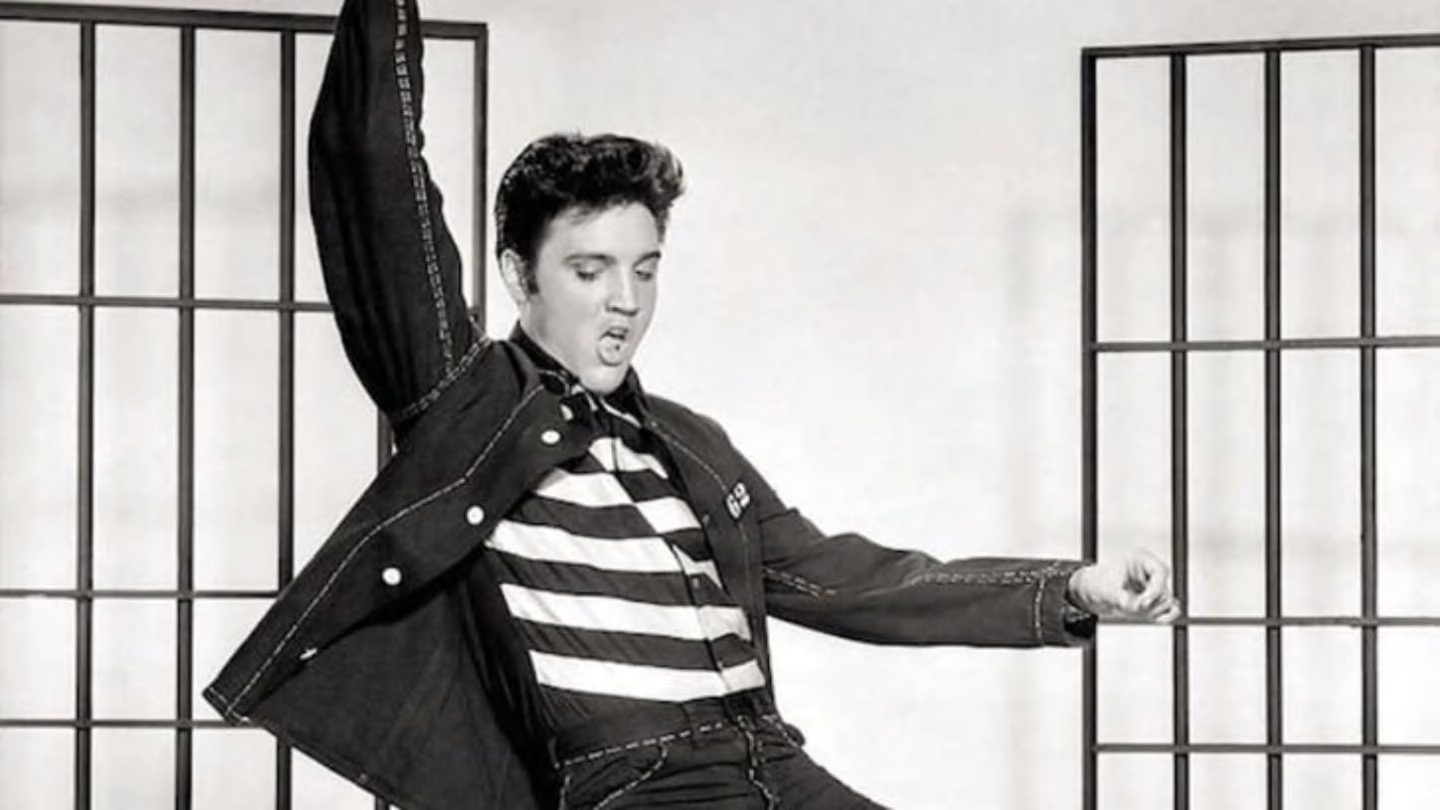
Though he’ll forever be associated with Memphis, Tennessee, home to his Graceland mansion, Elvis Presley was actually born in Tupelo, Mississippi, on January 8, 1935. It was there that Presley began to sing and play guitar, sometimes even bringing the instrument to school to play gospel music for his classmates. It wasn’t until 1948, when the future King was 13 years old, that the Presley family moved to Memphis.

Music critics were fairly cruel to Elvis Presley in the early days of his career.

Though Presley is one of music’s most respected icons now, early on in his career, many critics mocked everything from his voice to his explicit dancing. “He cannot sing and his whole performance is crude and disgusting,” columnist Dorothy Ricker wrote in the Tampa Bay Times in 1956, before predicting that “in a comparatively short time he will be forgotten.” (Oops!)

In an October 1957 column, Paul Coates of the Los Angeles Mirror went so far as to write that he’d like to “smack that sneer off [Elvis’s] face and send him out for a haircut.”

The cover of Elvis Presley’s debut record influenced another classic rock album.
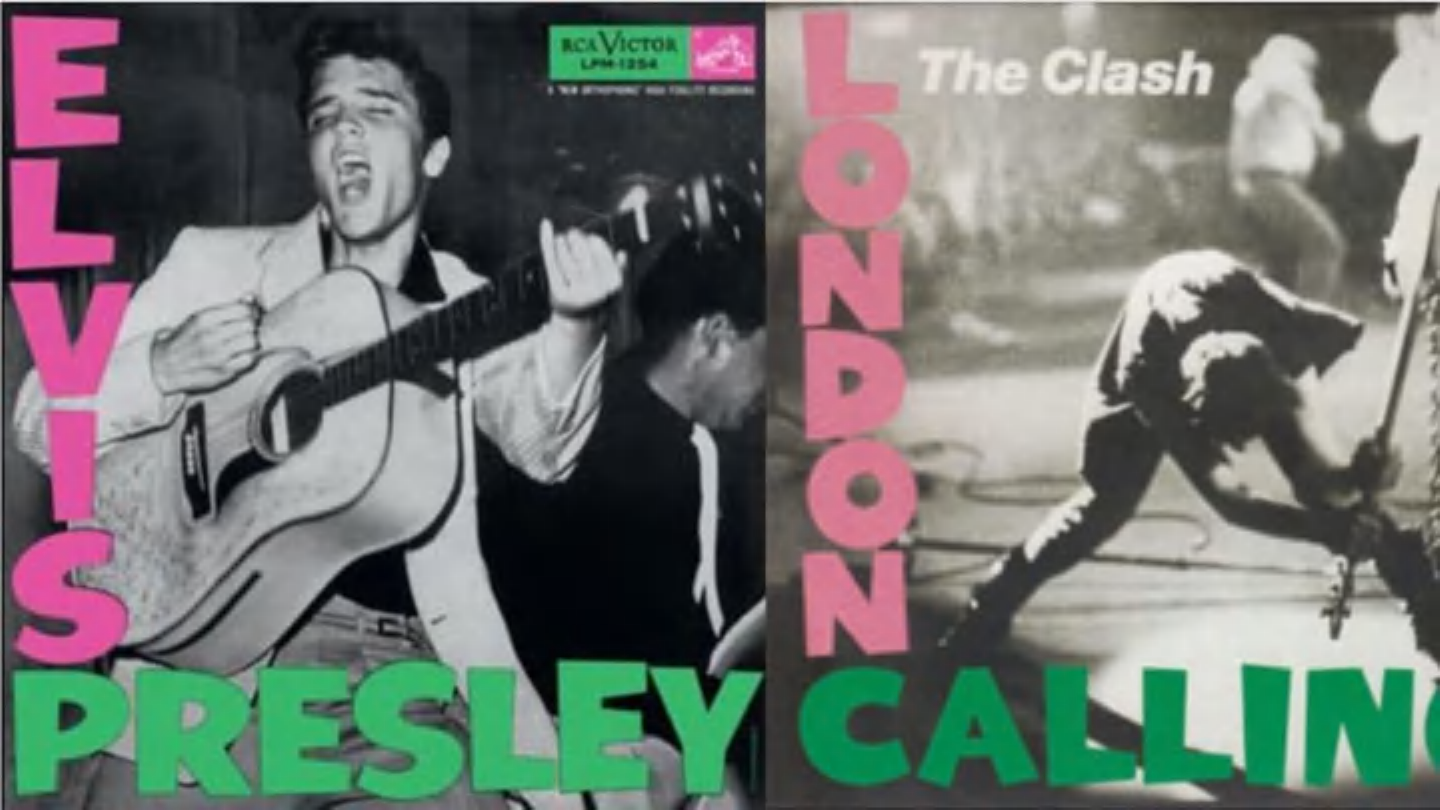
Elvis’s self-titled debut album, which was released in 1956, included classic hits like “Blue Suede Shoes” and his rendition of Little Richard’s “Tutti Frutti.” Its cover imposed Presley’s name in simple green and pink font on a candid photo of him singing, eyes closed and mouth agape, while strumming a guitar. Another classic album cover paid tribute to this debut decades later: The Clash’s 1979 album London Calling depicts bassist Paul Simonon smashing his own instrument alongside similar text.

Elvis Presley’s identical twin brother died at birth.

Elvis had an identical twin brother, Jesse Garon Presley, who was stillborn. He was buried in a cemetery near the Presleys’ Mississippi home soon after they were delivered.

A TV appearance earned Elvis Presley the nickname “Elvis the Pelvis.”

Presley’s stage persona drew as much attention as his music, especially after he suggestively gyrated his hips while singing “Hound Dog” on the June 5, 1956 edition of NBC’s The Milton Berle Show. The performance earned the 21-year-old the nickname “Elvis the Pelvis,” along with the ire of multiple religious leaders and critics in the media. At the same time, it also gained him the admiration of even more young fans.

Elvis Presley bought Graceland when he was 22 years old.

Elvis’s Memphis mansion, known as Graceland, is now a museum devoted to “The King,” who died there in 1977. Every year, hundreds of thousands of visitors flock to see Presley memorabilia and walk through the mansion’s famously campy, tiki-influenced Jungle Room, where Elvis held some of his final recording sessions. Elvis was just 22 when he bought the estate in 1957 for just over $100,000. The mansion itself was named after Grace Toof, one of the original owners.

Elvis Presley got special permission to postpone his Army service to film King Creole.

Elvis received his Army draft notice in December 1957, much to the dismay of the legions of fans who wrote to the military urging that their hero be excused from service. He was granted an eight-week deferment to finish filming the movie King Creole before starting basic training in March 1958. Presley, who was clear that he didn’t want any special treatment, spent two years in the Army, including 18 months in Germany, where he was promoted to sergeant. His service even inspired the hit musical Bye Bye Birdie, about a teen idol named Conrad Birdie being drafted into the Army.

Elvis Presley’s love of fatty foods was prodigious, especially if bacon was involved.

Elvis is famously associated with a sandwich made with peanut butter, bacon, and banana, then pan-fried in butter like an even fattier grilled cheese. It wasn’t his only extreme dietary indulgence, though: “The King” also enjoyed deep-fried pickles and is said to have once flown from Memphis to Denver just for a massive Fool’s Gold Loaf sandwich, which involves stuffing a pound of bacon, a jar of peanut butter, and a jar of jelly inside a buttery loaf of hollowed-out French bread.

Elvis Presley had a habit of shooting at appliances and other household items.

Most famously, Elvis once opened fire at a Graceland television that was showing a performance by crooner Robert Goulet. Years later, Graceland spokesman Kevin Kern told the Associated Press that the incident was nothing against Goulet personally, saying, “Elvis just shot out things on a random basis.” (In a sort of strange twist, Priscilla Presley ended up starring opposite Goulet many years later, in 1991’s The Naked Gun 2½: The Smell of Fear.)

Presley also built a firing range at Graceland and reportedly had a habit of floating flashbulbs in his pool and shooting at them as he indulged on watermelon.

Elvis Presley appeared in more than 30 movies throughout his career.

Elvis appeared as an actor in 31 movies between 1956 and 1972, including Jailhouse Rock; G.I. Blues; and Girls, Girls, Girls. The films and Presley’s performances were often panned by critics, but at the peak of Elvis’s career, they brought his devoted fans to movie theaters in droves—then to record stores to pick up the soundtracks that accompanied the movies. In all, only one of Elvis’s movies lost money at the box office: 1961’s Wild in the Country.

Elvis Presley’s Daughter, Lisa Marie Presley, has her own music career.

While she’ll forever be known as Elvis Presley’s only child (and for marriages to Michael Jackson and Nicolas Cage), Lisa Marie Presley is also a musician in her own right. She has released three albums, including the 2003 gold-certified release To Whom It May Concern, and has collaborated with a wide array of musicians, including Smashing Pumpkins lead Billy Corgan, rock icon Pat Benatar, and even Elvis himself, who posthumously joined his daughter for a duet of “Don’t Cry Daddy,” thanks to some clever editing of the original recordings.

Elvis Presley’s photo with Richard Nixon is one of the most requested at the National Archives.
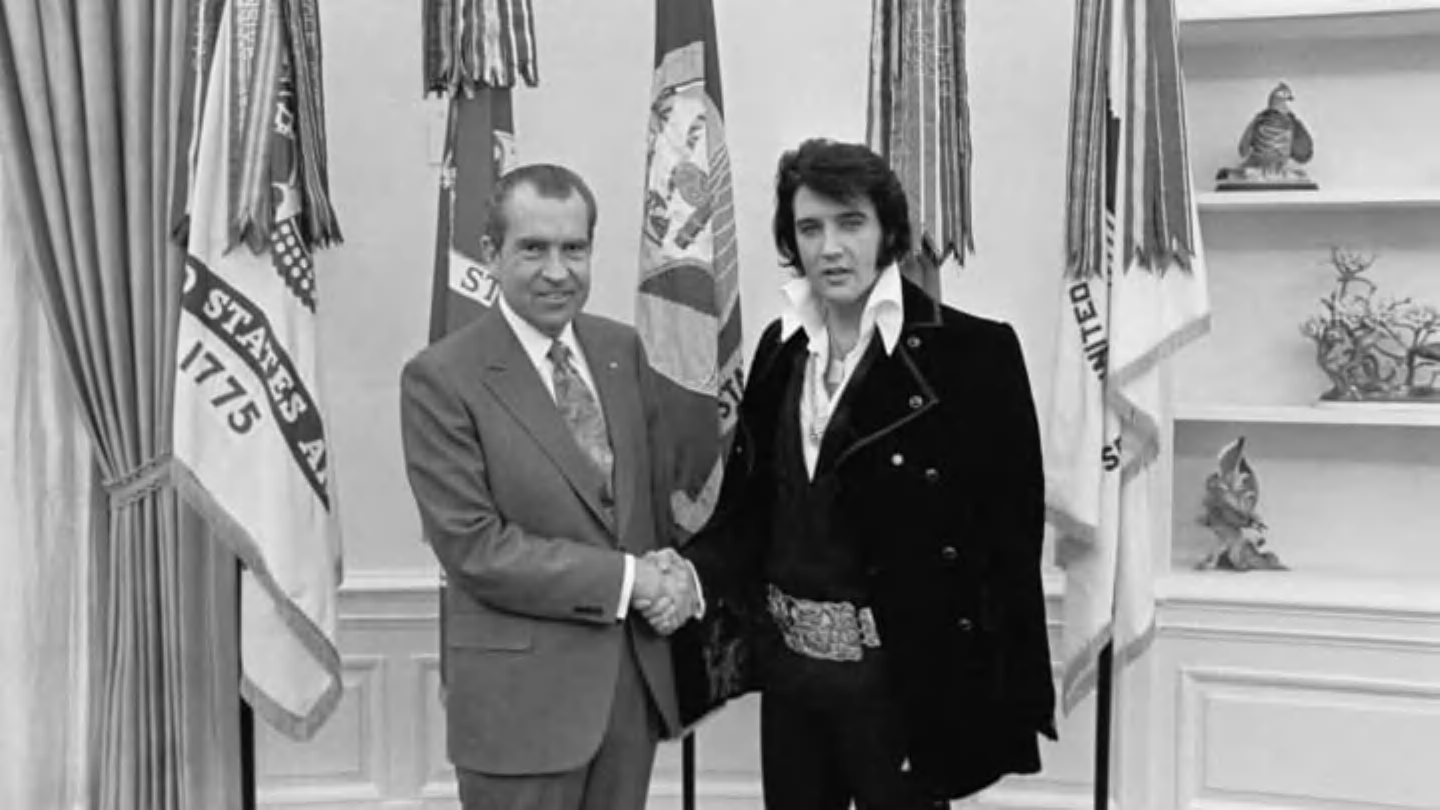
Once called a threat to American decency, Elvis wrangled a meeting with President Richard Nixon in 1970. “I’m on your side,” Presley told the president, while clad in a distinctive purple velvet suit. Nixon also arranged for Elvis, who collected police insignia, to get a souvenir badge from the Bureau of Narcotics and Dangerous Drugs. “The narc badge represented some kind of ultimate power to him,” then-wife Priscilla Presley wrote in her memoir. In 2015, the U.S. National Archives confirmed that the photo of Elvis and Nixon shaking hands gets more requests for reproduction by the public than any other in its collection.

Elvis Presley had a black belt in karate.

While stationed in Germany with the Army, Presley began studying karate, which would remain a passion for him throughout his life. He was awarded his seventh-degree black belt in 1972, and he used his knowledge of the fighting technique to choreograph combat scenes in his movies. He would even show off some of his moves on stage during concerts.

Elvis Presley’s Manager, Colonel Tom Parker, was only kind of a colonel.

Elvis’s career was managed by Colonel Tom Parker, known for his strict control over his performances and for taking half of Elvis’s earnings as his fee. (“He takes 50 percent of everything I earn,” Parker quipped of Presley.) Despite being called “Colonel,” Parker never came close to the rank when in the Army. It was an honorary title he received from country singer and songwriter Jimmie Davis after Parker aided Davis’s successful bid for Louisiana governor.

Elvis Presley had an eclectic pet menagerie at Graceland.
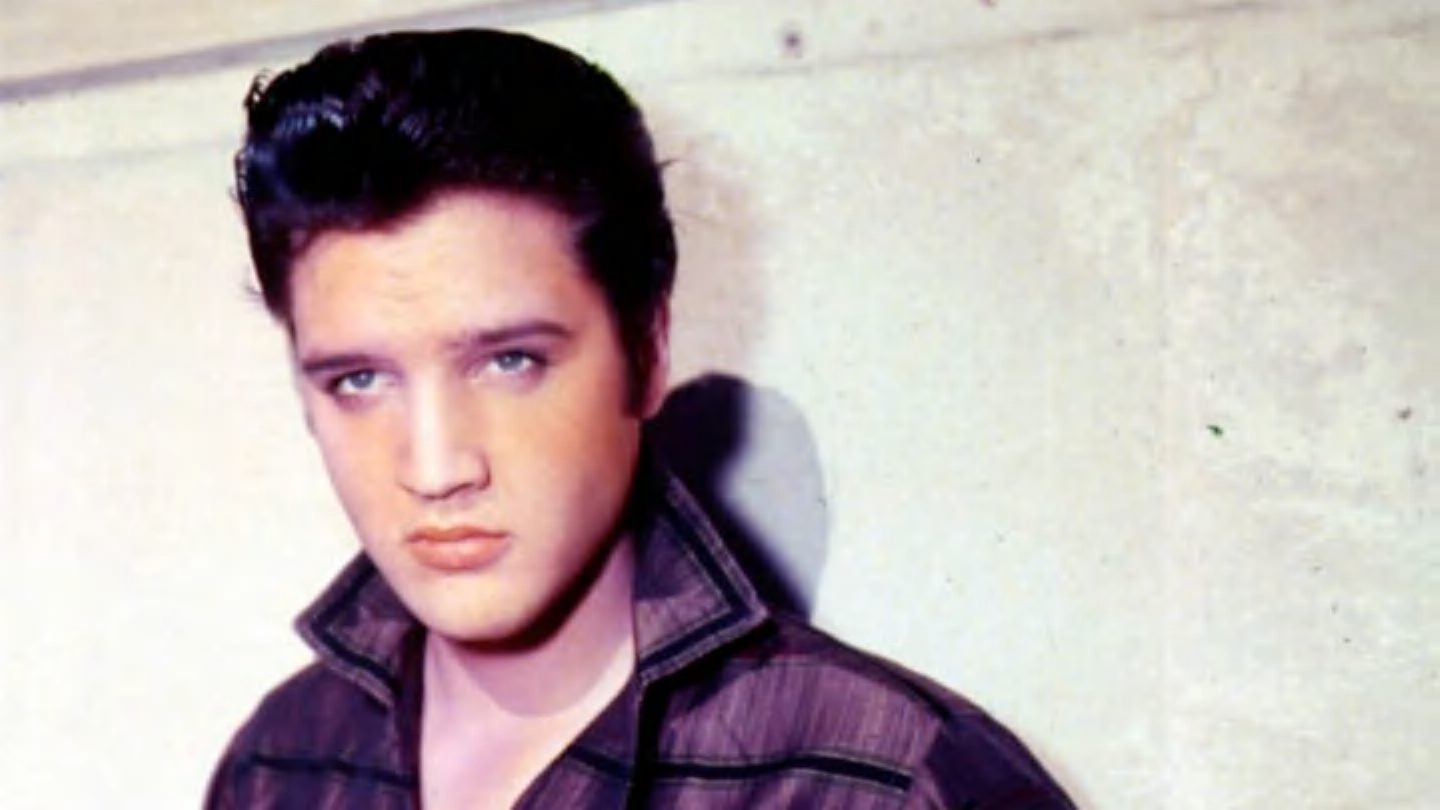
Once he moved to Graceland, Elvis had no shortage of animals on site, from donkeys and a monkey to more conventional pets like dogs and horses. There was even a mynah bird that learned to mimic strings of profanity while hanging around Elvis and his friends. Visitors to Graceland can see the horses the museum keeps today in honor of Elvis and his array of animals.

Elvis Presley had one of the most successful concert residencies in history.

The singer of “Viva Las Vegas” once performed a now-astonishing 636 sold-out shows at Vegas’s International Hotel, appearing twice a night, seven days a week beginning in 1969. The appearances cemented a career resurgence that began with a comeback special, which aired on NBC in 1968. Years after Elvis and other early rockers had yielded the pop charts to newer acts like The Beatles in the early ’60s, “The King” was back.

Elvis Presley never performed outside of North America.
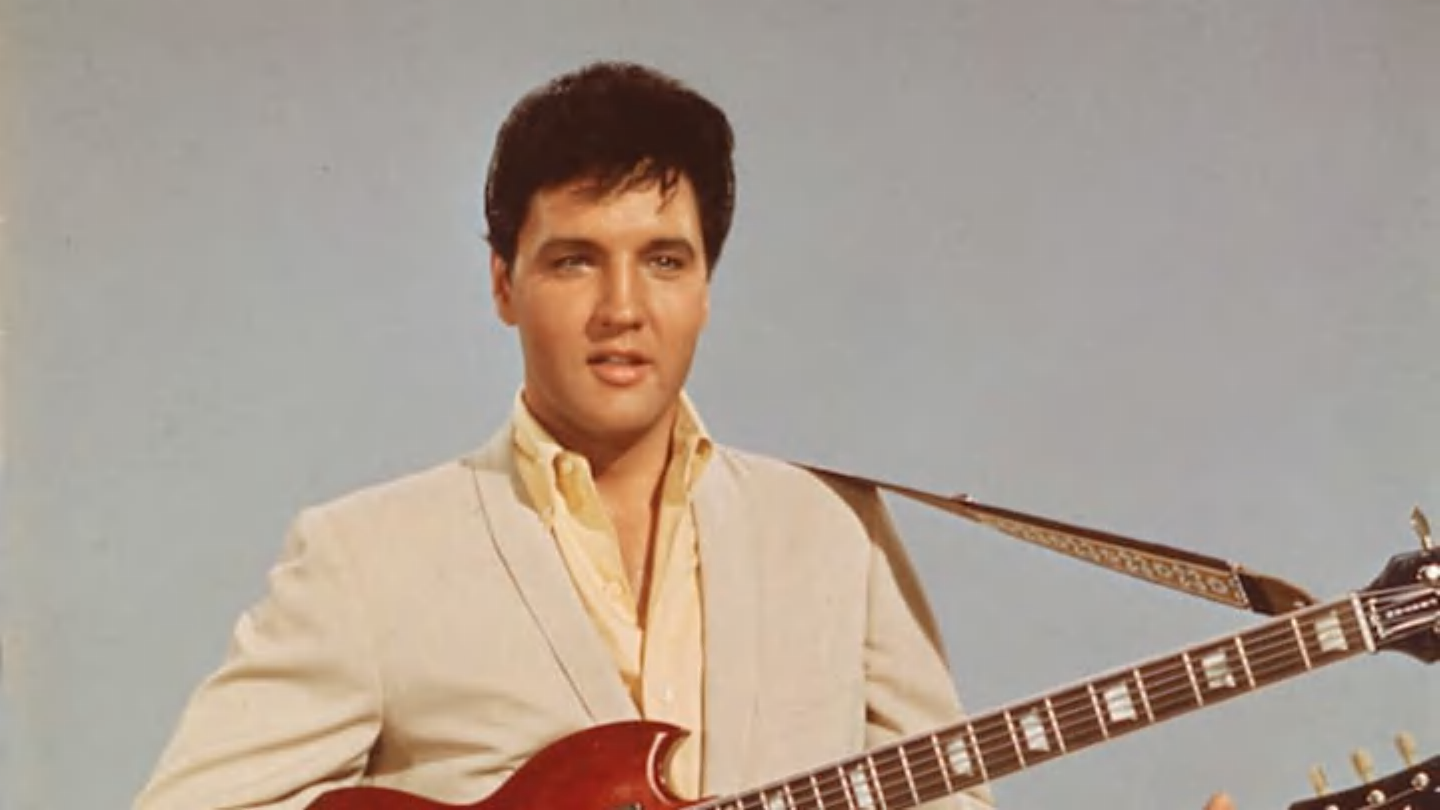
Although his music remains popular around the world, Elvis Presley almost never performed abroad. In fact, his only appearances outside the United States were all in Canada. The reason why is unclear, although it’s often been suggested that the decision may have been related to the uncertain immigration status of his longtime manager, Netherlands-born Colonel Tom Parker.

SOURCE: MENTAL FLOSS

https://www.mentalfloss.com/authors/steven-melendez
Thank you…thank you very much…

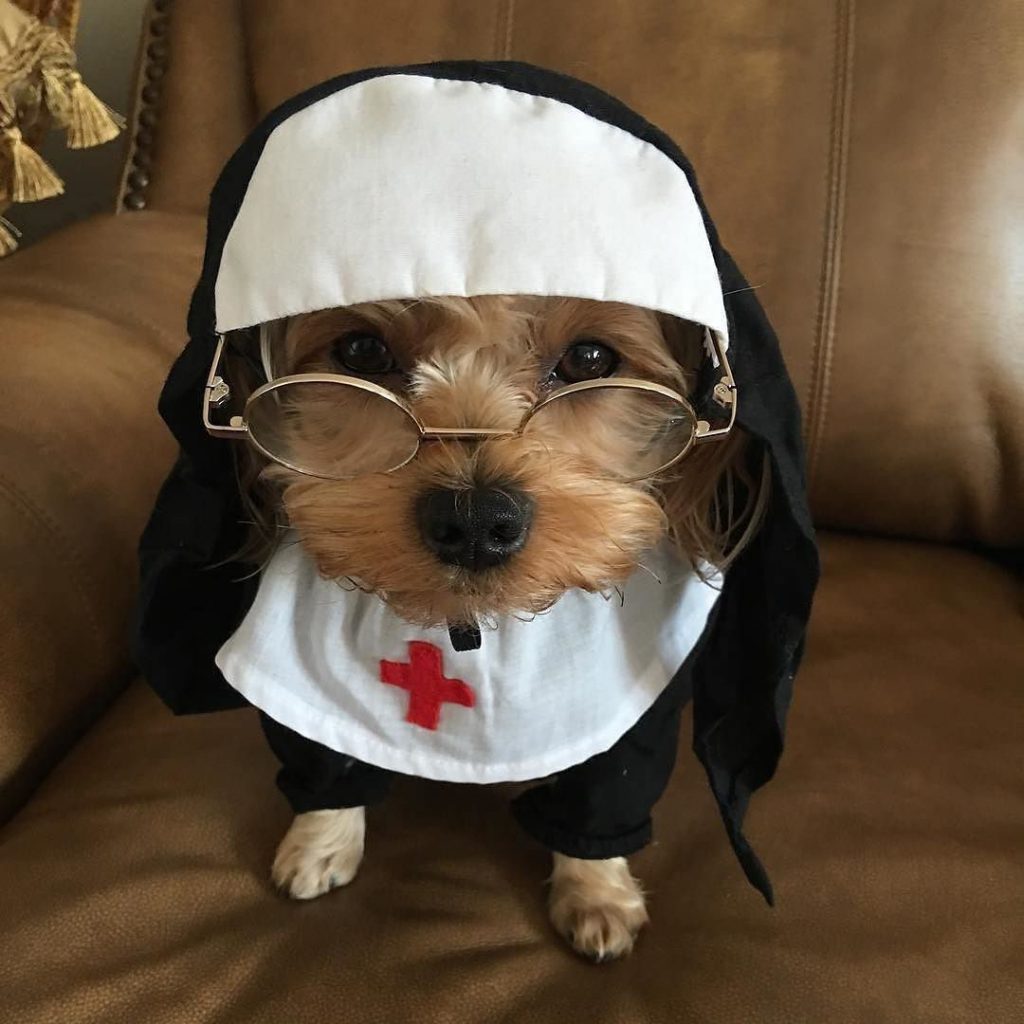
Happy Dress Up Your Pet Day!

These pets have the most patient, loving personalities to allow their owners to dress them up like this.  So let’s start the parade, shall we?

In the dramatic division…

In the comedic division…

In the best dressed division…

In the cute as a button division…

And finally, the group division…

I have had many pets over the years, but I have never, never dressed any of them up.  (I just thought that needed to be said.)

Happy Birthday Hunk-A-Doodle-Do

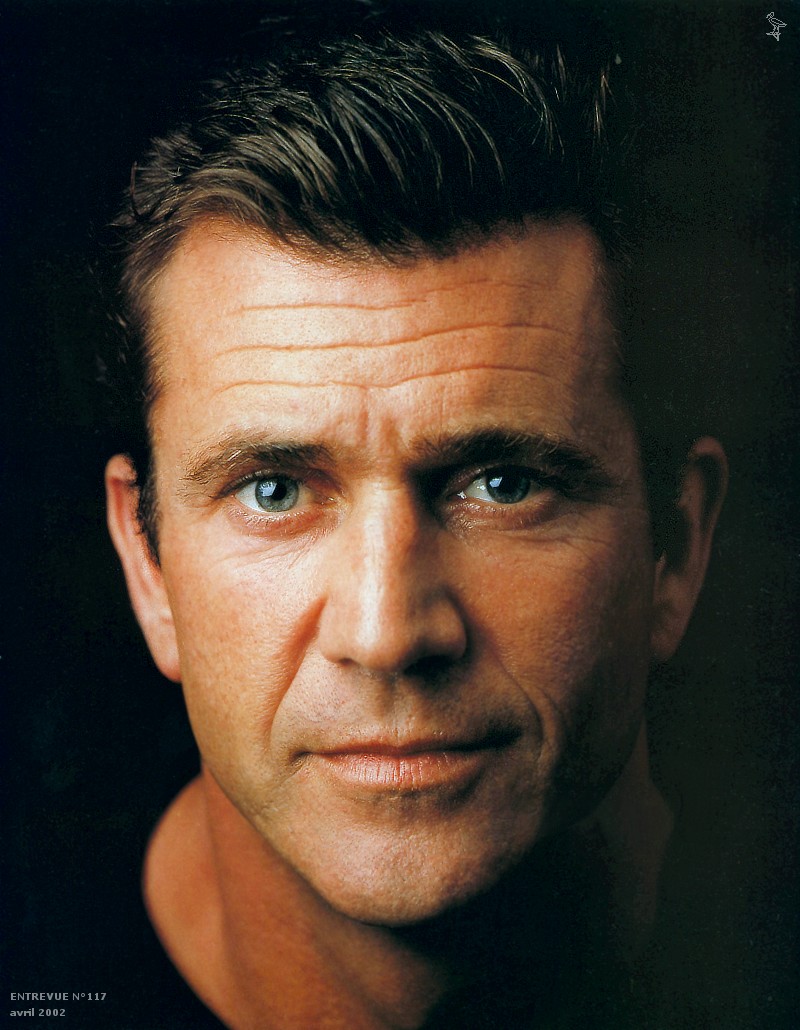
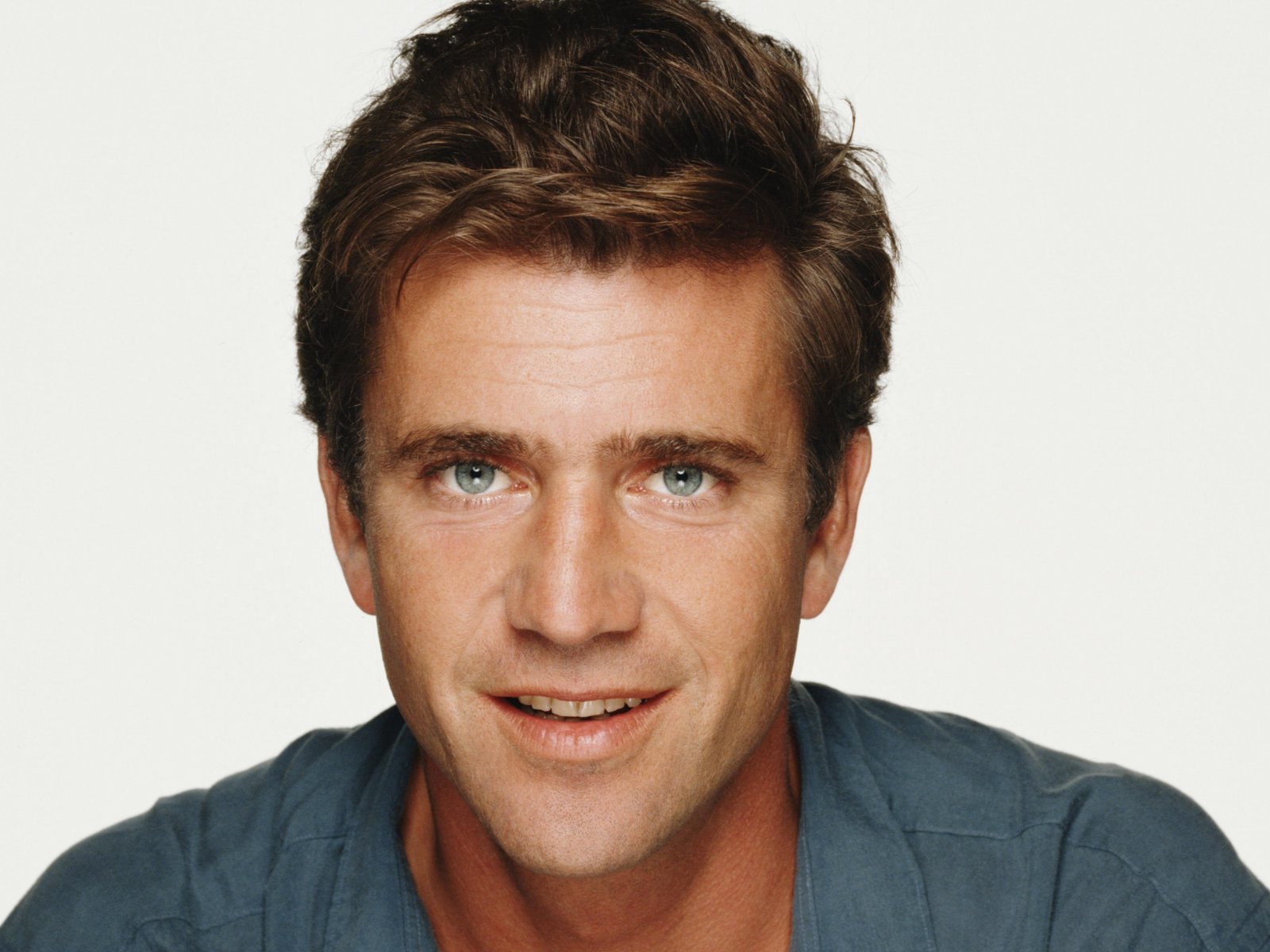
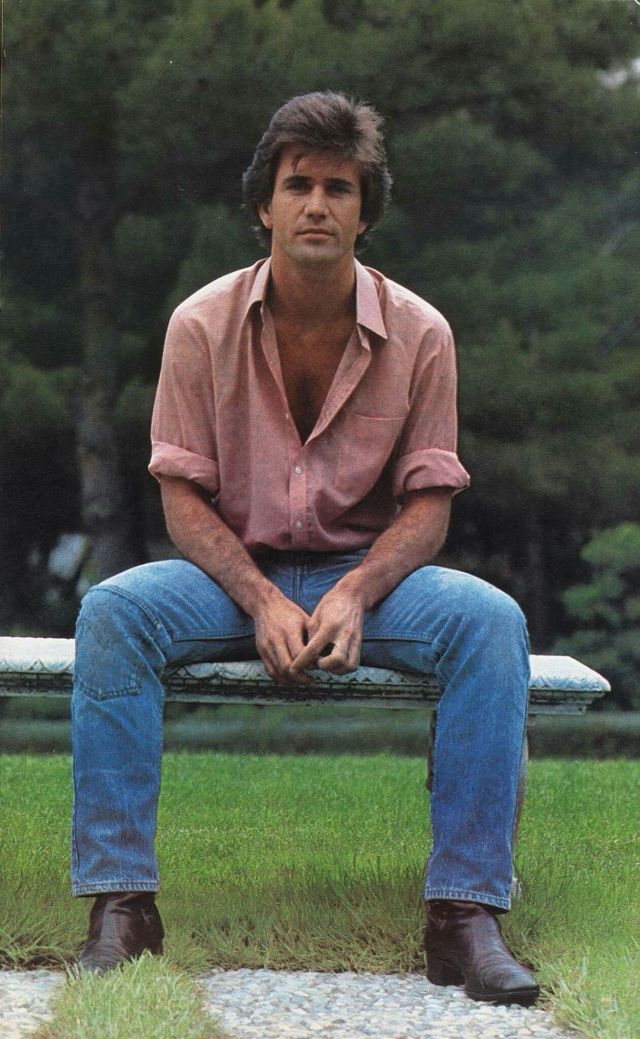
January 3 is Mel Gibson’s birthday and JustFunFacts has an article detailing some interesting facts about my favorite hunk.

Mel Gibson is an American actor and filmmaker.

His full name is Mel Colmcille Gerard Gibson.

He was born on January 3, 1956, in Peekskill, New York.

Mel is the sixth of eleven children, and the second son of Hutton Gibson and Anne Patricia (née Reilly).

His mother was Irish, from County Longford, while his American-born father is of mostly Irish descent.

Because of his mother, Gibson retains dual Irish and American citizenship.

Mel and his family moved to Australia in the late 1960s, settling in New South Wales, where Mel’s paternal grandmother, contralto opera singer Eva Mylott, was born.

In 1974 he enrolled in the National Institute of Dramatic Art in Sydney, and while at school he made his film debut playing a surfer in Summer City (1977) for which he was paid $400.

After graduating in 1977, he joined the State Theatre Company of South Australia.

In 1979 he starred as a renegade cop seeking revenge in the futuristic action film Mad Max. He was paid $15,000 for this role. Mad Max became the biggest commercial success of any previously released Australian film, grossing more than $100 million worldwide.

After Mad Max, Gibson also played a mentally slow youth in the film Tim (1979). For his performance in the film, Gibson earned his first Australian Film Institute Award, for best actor.

Director Peter Weir cast Gibson as one of the leads in the critically acclaimed World War I drama Gallipoli (1981), which earned Gibson another Best Actor Award from the Australian Film.

Gibson wouldn’t become internationally famous, however, until after his performance in Mad Max 2: The Road Warrior (1981), one of the few sequels to have proved superior to its predecessor.

His second collaboration with Peter Weir, The Year of Living Dangerously (1982), featured the actor in his first romantic lead, alongside Sigourney Weaver.

In 1984, Gibson took on the role of Fletcher Christian in The Bounty (1984), which co-starred Anthony Hopkins.

Mel Gibson’s first American film was Mark Rydell’s 1984 drama The River, in which he and Sissy Spacek played struggling Tennessee farmers.

Gibson earned his first million-dollar salary for playing Max Rockatansky for the third time, in Mad Max Beyond Thunderdome in 1985.

After a two-year break, Gibson returned to the screen with the blockbuster hit Lethal Weapon (1987), playing volatile cop Martin Riggs opposite Danny Glover, who portrayed by-the-book character Roger Murtaugh. The success of Lethal Weapon inspired three sequels—Lethal Weapon 2 (1989), Lethal Weapon 3 (1992) and Lethal Weapon 4 (1998).

In 1988 Gibson started in a crime thriller film Tequila Sunrise, co-starring Michelle Pfeiffer and Kurt Russell.

Gibson next starred in three films back-to-back: Bird on a Wire, Air America, and Hamlet; all were released in 1990. Hamlet was the first film made by his production company, ICON Productions.

In 1993 he made his directorial debut with The Man Without a Face, in which he also starred.

Gibson next directed the epic Braveheart (1995), in which he portrayed the Scottish national hero Sir William Wallace. The film won five Academy Awards, including best picture and best director.

He then starred in Ransom (1996), Conspiracy Theory (1997), and Payback (1999).

In 2000, Gibson started in the highly anticipated war saga The Patriot, in which he played a reluctant hero during the American Revolution. That same year he appeared in What Women Want, and lend his voice for the animated comedy Chicken Run.

In 2002, Gibson appeared in the Vietnam War drama We Were Soldiers and M. Night Shyamalan’s science fiction thriller Signs, which became the highest-grossing film of Gibson’s acting career. While promoting Signs, Gibson said that he no longer wanted to be a movie star and would only act in film again if the script were truly extraordinary.

Gibson returned to directing with The Passion of the Christ (2004), an account of the last 12 hours of Jesus Christ’s life that was based primarily on the biblical Gospels, with dialogue in Aramaic and Latin.

In 2006, he directed the action-adventure film Apocalypto, his second film to feature sparse dialogue in a non-English language. The violent film was set during the collapse of the Mayan empire and featured dialogue in Mayan.

In 2010, Gibson appeared in Edge of Darkness, which marked his first starring role since 2002 and was an adaptation of the BBC miniseries, Edge of Darkness.

The following year he portrayed a depressed man whose life is invigorated by his use of a hand puppet in the drama The Beaver (2011).

In 2012, Gibson appeared in the neo noir crime thriller Get the Gringo directed by Adrian Grunberg. The film has received largely positive reviews.

Then Gibson played two villains: Voz in Machete Kills in 2013, opposite Danny Trejo, and Conrad Stonebanks in The Expendables 3 opposite Sylvester Stallone in 2014.

In 2016 Gibson started in the action crime thriller film Blood Father directed by Jean-François Richet, written by Peter Craig based on his novel of the same name.

He returned to directing with Hacksaw Ridge (2016), a biopic about Desmond T. Doss, a conscientious objector who served as an army medic during World War II. The critically acclaimed drama earned an Academy Award nomination for best picture, and Gibson received an Oscar nomination for his direction.

Mel Gibson has an estimated net worth of $425 million.

Mel Gibson married Robyn Denise Moore, a dental nurse on June 7, 1980 in a Roman Catholic Church in Forestville, New South Wales. Together they have a daughter and six sons. They separated in 2006 after 26 years of marriage and finally got divorced in 2011. Robyn Moore has been awarded half his $850 million fortune in their divorce settlement.

In 2009, he began dating Grigorieva and had a daughter, Lucia with her. They split up a year later.

As of 2014, Gibson is in a relationship with former champion equestrian vaulter and writer Rosalind Ross. Ross gave birth to their son, and Gibson’s ninth child on January 20, 2017 in Los Angeles.

Gibson was raised a Sedevacantist traditionalist Catholic. When asked about the Catholic doctrine of Extra Ecclesiam nulla salus, Gibson replied, “There is no salvation for those outside the Church … I believe it.

Gibson has his own private chapel in his grounds, where he attends mass every day.

On July 25, 1997, Gibson was named an honorary Officer of the Order of Australia (AO), in recognition of his “service to the Australian film industry”. The award was honorary because substantive awards are made only to Australian citizens.

Gibson is a property investor, with multiple properties in Malibu, California, several locations in Costa Rica, a private island in Fiji and properties in Australia.

Gibson has struggled with alcoholism. He has said that he started drinking at the age of 13.

As a director, he sometimes breaks the tension on set by having his actors perform serious scenes wearing a red clown nose.

His voice in Mad Max (1979) was dubbed for the film’s US release.

He was named after the Church of St. Melin Clonmel, Co. Tipperary, Ireland where his mother’s family is from.

In Portuguese, “Mel” means “honey”.

SOURCE: JUSTFUNFACTS

New Year’s Eve Superstitions

Want to make sure your New Year starts out auspiciously? You might want to try one of these suggestions (or superstitions if you will) from The Pioneer Woman’s website.

Clean Your House Before Midnight

In Japan, there’s a New Year’s tradition known as “osoji” or “o-souji” that involves thoroughly cleaning and tidying the house before midnight. This custom is rooted in the belief that cleaning one’s living space helps to purify the home and welcome the new year with a fresh start.

Watch a New Year’s Day Parade

Many people around the world like to kick off the new year by watching or attending a parade on the holiday. In the U.S., a couple of the most famous examples are the Rose Parade in Pasadena, California, and the Mummers Parade in Philadelphia.

Write a Letter to Yourself for Next Year

This tradition is a gift that keeps on giving. It involves taking a moment to reflect on the past year, set goals and intentions for the future, and capture your thoughts and feelings in a personal letter to be opened the following New Year’s Day.

Watch the Sunrise

In Japan, the tradition of watching the first sunrise of the new year is known as “hatsuhinode.” This act is believed to bring good fortune for the coming year and many people make a special effort to wake up early and find a scenic location like a beach or hill to take in the view.

Eat Lentils

In Italy, many people ring in the new year by eating a dish of lentils. The belief is that lentils, which resemble small coins, symbolize prosperity and wealth for the coming year.

Have a New Year Movie Marathon

Looking for a low-key tradition to kick off the new year? Snuggle up on the couch with your loved ones and watch the best New Year’s movies that capture the spirit and heart of the holiday.

Make a List of Resolutions

Believe it or not, New Year’s resolutions are said to have been around since ancient Babylonian times. So, when writing out this year’s goals, remember that for approximately 4,000 years, people have been working toward achieving their resolutions.

Jump Seven Waves

In Brazil, it’s considered good luck to start the new year by jumping over seven waves. You get one wish for each wave, so be ready with your list!

Put Mistletoe Under Your Pillow

Mistletoe isn’t just a Christmas tradition. The Irish believe that if you put a sprig of mistletoe, holly, or ivy under your pillow on New Year’s Eve, you’ll dream of your future love.

Bang Some Bread

You’ve heard of breaking bread but how about banging it? Families in Ireland have a New Year’s tradition of banging loaves of Christmas bread against the walls and doors to ward off evil spirits and pave the way for a healthy and prosperous new year.

Carry an Empty Suitcase

Want to go places in 2024? Take a cue from the Colombians, who walk around the block carrying empty suitcases on New Year’s Eve to bring a year filled with travel.

Smash a Peppermint Pig

Have you heard of the tradition of the Peppermint Pig? It all began in the 1880s with candy makers in Saratoga Springs, New York. To bring good health, happiness, and prosperity in the new year, place the candy pig in a velvet bag and smash it with a small hammer, then eat a piece of peppermint. This one will be fun for the whole family!

Host a Party

Sometimes the most fun is had in the comfort of your own home surrounded by friends and family! If that’s your idea of a good time, throw a party to usher in the new year with New Year’s Eve decorations, the best New Year’s Eve drinks, and of course, exciting New Year’s Eve games.

Watch Fireworks

Across the world, fireworks are a central part of celebrating the new year. But where did the tradition begin? Well, historians point to seventh century A.D. in China where the big bangs were used to ward off evil spirits. You can find displays across the country to enjoy on NYE or light your own. In some cultures, different colors even correspond to various types of luck, including love and health.

Toss a Coin

Similar to throwing change and making a wish, many Romanians believe that tossing a coin in the river on New Year’s Eve will provide good luck for the whole year. So, gather your pennies and bring on the good fortune!

Find Round Objects

Round items are all the rage on New Year’s Eve, especially in the Philippines! Because the circular shape symbolizes money and wealth, it’s the more the merrier! According to this tradition, you can wear polka dots, carry coins, and eat round foods like donuts, bagels and cookies to boost your funds for the next 12 months.

Carefully Choose Your First Guest

In Scotland, a tradition known as first-footing will supposedly determine whether your household has good luck or misfortune for the rest of the year. For prosperity in 2024, superstition says the first person to enter your home at midnight should be a tall, dark-haired male. He should also bring symbolic gifts like coins or black buns. It’s worth a shot, right?

Watch the Times Square Ball Drop

The New Year’s Eve ball drop in Times Square has been a tradition since the early 1900s. While celebrations in Times Square date back to 1904, it wasn’t until 1907 that the crystal ball made its big debut. Since then, the spectacle has been a staple of New Year’s Eve celebrations, with hundreds of thousands of people flocking the streets, and millions watching from home.

Kiss at Midnight

You may never have thought about where the New Year’s Eve midnight kiss tradition came from. Some historians believe it traces back to ancient Rome’s Saturnalia celebration. A raucous good time full of dancing, alcohol, and kissing galore took place during this festival. As time went on, German and English folklore romanticized the idea of a midnight kiss, suggesting that starting the year with a kiss would improve your endeavors in love.

Make a Toast

There’s nothing like cheers-ing to the new year with a glass of bubbly. And it’s not only modern-day folks who enjoy the tradition. The practice of toasting dates back to the ancient world, NPR reports, when people would often raise their glass to someone’s good health. No matter how much time has gone by, there’s nothing like toasting with those closest to you.

SOURCE: THE PIONEER WOMAN

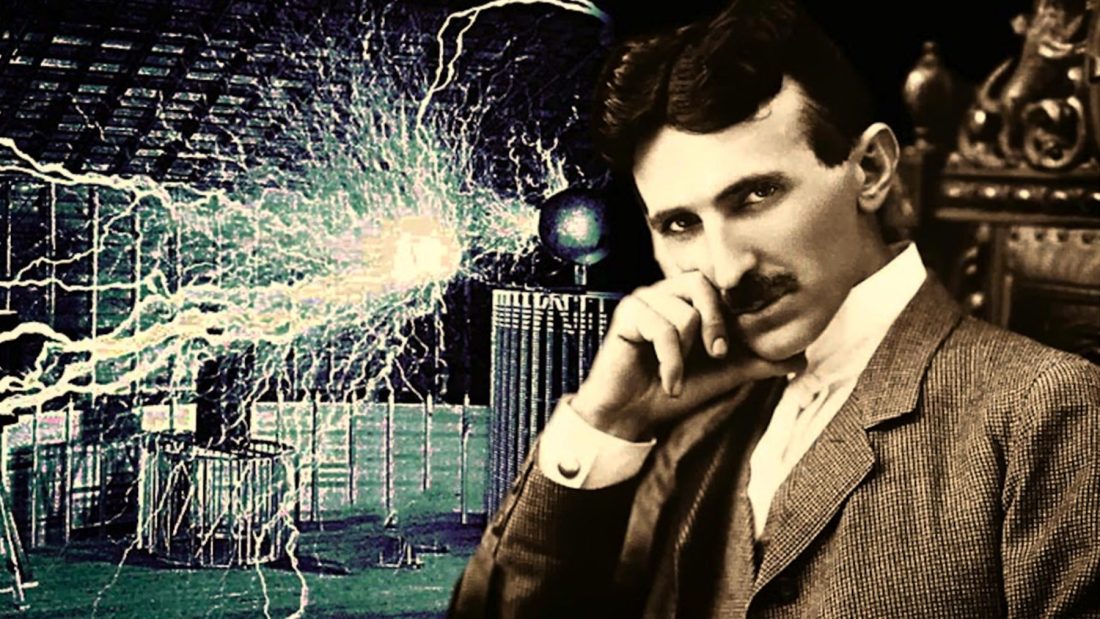
History of Nicola Tesla, Part 2

Nikola Tesla’s Failures, Death and Legacy

In 1895 Tesla’s New York lab burned, destroying years’ worth of notes and equipment. Tesla relocated to Colorado Springs for two years, returning to New York in 1900. He secured backing from financier J.P. Morgan and began building a global communications network centered on a giant tower at Wardenclyffe, on Long Island. But funds ran out and Morgan balked at Tesla’s grandiose schemes.

Tesla lived his last decades in a New York hotel, working on new inventions even as his energy and mental health faded. His obsession with the number three and fastidious washing were dismissed as the eccentricities of genius. He spent his final years feeding—and, he claimed, communicating with—the city’s pigeons. Tesla died in his room on January 7, 1943. Later that year the U.S. Supreme Court voided four of Marconi’s key patents, belatedly acknowledging Tesla’s innovations in radio.

Patent After Nikola Tesla was found dead in January 1943 in his hotel room in New York City, representatives of the U.S. government’s Office of Alien Property seized many documents relating to the brilliant and prolific 86-year-old inventor’s work

What happened to Tesla’s files from there, as well as what exactly was in those files, remains shrouded in mystery—and ripe for conspiracy theories. Three weeks after the Serbian-American inventor’s death, an electrical engineer from the Massachusetts Institute of Technology (MIT) was tasked with evaluating his papers to determine whether they contained “any ideas of significant value.”

Dr. John Trump

According to the declassified files, Dr. John G. Trump reported that his analysis showed Tesla’s efforts to be “primarily of a speculative, philosophical and promotional character” and said the papers did “not include new sound, workable principles or methods for realizing such results.” The scientist’s name undoubtedly rings a bell, as John G. Trump was the uncle of the 45th U.S. president, Donald J. Trump. The younger brother of Trump’s father, Fred, he helped design X-ray machines that greatly helped cancer patients and worked on radar research for the Allies during World War II.

Tesla, Trump, Trump

At the time, the FBI pointed to Dr. Trump’s report as evidence that Tesla’s vaunted “Death Ray” particle beam weapon didn’t exist, outside of rumors and speculation. But in fact, the U.S. government itself was split in its response to Tesla’s technology. Marc Seifer, author of the biography Wizard: The Life & Times of Nikola Tesla, says a group of military personnel at Wright Patterson Air Force Base in Dayton, Ohio, including Brigadier General L.C. Craigee, had a very different opinion of Tesla’s ideas.

Wizard: The Life & Times of Nokola Tesla

“Craigee was the first person to ever fly a jet plane for the military, so he was like the John Glenn of the day,” Seifer says. “He said, ‘there’s something to this—the particle beam weapon is real.’ So you have two different groups, one group dismissing Tesla’s invention, and another group saying there’s really something to it.”

Then there’s the nagging question of the missing files. When Tesla died, his estate was to go to his nephew, Sava Kosanovic, who at the time was the Yugoslav ambassador to the U.S. According to the recently declassified documents, some in the FBI feared Kosanovic was trying to wrest control of Tesla’s technology in order to “make such information available to the enemy,” and even considered arresting him to prevent this.

Yugoslavan Ambassador Sava N. Kosanovic

In 1952, after a U.S. court declared Kosanovic the rightful heir to his uncle’s estate, Tesla’s files and other materials were sent to Belgrade, Serbia, where they now reside in the Nikola Tesla Museum there. But while the FBI originally recorded some 80 trunks among Tesla’s effects, only 60 arrived in Belgrade, Seifer says. “Maybe they packed the 80 into 60, but there is the possibility that…the government did keep the missing trunks.”

Despite John G. Trump’s dismissive assessment of Tesla’s ideas immediately after his death, the military did try and incorporate particle-beam weaponry in the decades following World War II, Seifer says. Notably, the inspiration of the “Death Ray” fueled Ronald Reagan’s Strategic Defense Initiative, or “Star Wars” program, in the 1980s. If the government is still using Tesla’s ideas to power its technology, Seifer explains, that could explain why some files related to the inventor still remain classified

Although some of his more sensitive innovations may still be hidden, Tesla’s legacy is alive and well, both in the devices we use every day, and the technologies that will undoubtedly play a role in our future. “Tesla is the inventor of wireless technology. He’s the inventor of the ability to create an unlimited number of wireless channels,” Seifer says of the inventor’s lasting impact. “So radio guidance systems, encryption, remote control robots—it’s all based on Tesla’s technology.”

History of Nicola Tesla, Part 1

Serbian-American engineer and physicist Nikola Tesla (1856-1943) invented the first alternating current (AC) motor and developed AC generation and transmission technology. Though he was famous and respected, he was never able to translate his copious inventions into long-term financial success—unlike his early employer and chief rival, Thomas Edison.

Nikola Tesla

Nikola Tesla was born in 1856 in Smiljan, Croatia, then part of the Austro-Hungarian Empire. His father was a priest in the Serbian Orthodox church and his mother managed the family’s farm. In 1863 Tesla’s brother Daniel was killed in a riding accident. The shock of the loss unsettled the 7-year-old Tesla, who reported seeing visions.

Young Tesla in the lab

In 1870, Tesla moved to Karlovac (Carlstadt) and stayed with his Aunt and Col. “Old War Horse” Brankovic. He attended “Higher Real Gymnasium” where teacher Martin Sekulic taught him math and physics and had a decided influence over him. Tesla graduated Gimnazije Karlovac a year early.

House where Tesla lived in Karlovac

Did you know? During the 1890s Mark Twain struck up a friendship with inventor Nikola Tesla. Twain often visited him in his lab, where in 1894 Tesla photographed the great American writer in one of the first pictures ever lit by phosphorescent light.

Tesla and Twain

Tesla studied math and physics at the Technical University of Graz and philosophy at the University of Prague. In 1882, while on a walk, he came up with the idea for a brushless AC motor, making the first sketches of its rotating electromagnets in the sand of the path. Later that year he moved to Paris and got a job repairing direct current (DC) power plants with the Continental Edison Company. Two years later he immigrated to the United States.

Nikola Tesla and Thomas Edison

Tesla arrived in New York in 1884 and was hired as an engineer at Thomas Edison’s Manhattan headquarters. He worked there for a year, impressing Edison with his diligence and ingenuity. At one point Edison told Tesla he would pay $50,000 for an improved design for his DC dynamos. After months of experimentation, Tesla presented a solution and asked for the money. Edison demurred, saying, “Tesla, you don’t understand our American humor.” Tesla quit soon after.

Nikola Tesla and Westinghouse

After an unsuccessful attempt to start his own Tesla Electric Light Company and a stint digging ditches for $2 a day, Tesla found backers to support his research into alternating current. In 1887 and 1888 he was granted more than 30 patents for his inventions and invited to address the American Institute of Electrical Engineers on his work.

His lecture caught the attention of George Westinghouse, the inventor who had launched the first AC power system near Boston and was Edison’s major competitor in the “Battle of the Currents.” Westinghouse hired Tesla, licensed the patents for his AC motor and gave him his own lab. In 1890 Edison arranged for a convicted New York murderer to be put to death in an AC-powered electric chair—a stunt designed to show how dangerous the Westinghouse standard could be.

Edison’s Electric Chair

Buoyed by Westinghouse’s royalties, Tesla struck out on his own again. But Westinghouse was soon forced by his backers to renegotiate their contract, with Tesla relinquishing his royalty rights. In the 1890s Tesla invented electric oscillators, meters, improved lights and the high-voltage transformer known as the Tesla coil.

Early Tesla Coil

He also experimented with X-rays, gave short-range demonstrations of radio communication two years before Guglielmo Marconi and piloted a radio-controlled boat around a pool in Madison Square Garden. Together, Tesla and Westinghouse lit the 1893 World’s Columbian Exposition in Chicago and partnered with General Electric to install AC generators at Niagara Falls, creating the first modern power station.

Functioning Model

Know-It_Alls: Christmas Trivia

Put on your thinking caps! It’s time for Tuesday Trivia: Christmas Version!

Question: Which popular Christmas beverage is also called “milk punch?”
Answer: Eggnog

Question: What did the other reindeer not let Rudolph do because of his shiny red nose?
Answer: Join in any reindeer games

Question: How many ghosts show up in A Christmas Carol?
Answer: Four

Question: Where was baby Jesus born?
Answer: In Bethlehem

Question: The movie Miracle on 34th Street is based on a real-life department store. What is it?
Answer: Macy’s

Question: What are the two other most popular names for Santa Claus?
Answer: Kris Kringle and Saint Nick

Question: Elvis isn’t going to have a white Christmas he’s going to have a….
Answer: Blue Christmas

Question: What do people traditionally put on top of a Christmas tree?
Answer: An angel

Question: In Home Alone, where are the McCallisters going on vacation when they leave Kevin behind?
Answer: Paris

Question: In the classic Christmas movie, How The Grinch Stole Christmas, the Grinch was described with three words. What are they?
Answer: Stink, stank, stunk

Question: In which modern-day country was St. Nicholas born in?
Answer: Turkey (originally Patara, a city in the ancient district of Lycia, in Asia Minor)

Question: In the movie It’s A Wonderful Life, what happened every time a bell rang?
Answer: An angel got his wings

Question: What words follow “Silent Night” in the song?
Answer: Holy night

Question: Which Hollywood actor played six different roles in The Polar Express?
Answer: Tom Hanks

Question: In Charles Dickens’ A Christmas Carol, what was the first name of Scrooge?
Answer: Ebenezer

Question: Which country did eggnog come from?
Answer: England

Question: Which real-life person is Santa Claus based on?
Answer: The Christian bishop St. Nicholas

Question: What did Frosty The Snowman do when a magic hat was placed on his head?
Answer: He began to dance around

Question: What is Ralphie’s little brother’s name in the movie A Christmas Story?
Answer: Randy

Question: Which Christmas song contains the lyric “Everyone dancing merrily in the new old-fashioned way?”
Answer: “Rocking Around The Christmas Tree”

Question: What are you supposed to do when you find yourself under the mistletoe?
Answer: Kiss

Question: Which one of Santa’s reindeer has the same name as another holiday mascot?
Answer: Cupid

Question: Which country started the tradition of putting up a Christmas tree?
Answer: Germany

Question: In the song “Winter Wonderland,” what do we call the snowman?
Answer: Parson Brown

Question: In the movie Elf, what was the first rule of The Code of Elves?
Answer: Treat every day like Christmas

Question: What’s the name of the main villain in The Nightmare Before Christmas?
Answer: Oogie Boogie

Question: According to the song, what did my true love give to me on the eighth day of Christmas?
Answer: Eight maids a milking

Question: What was the highest-grossing Christmas movie of all time?
Answer: Home Alone

Question: Whose eyes are all aglow in “The Christmas Song?”
Answer: Tiny tots

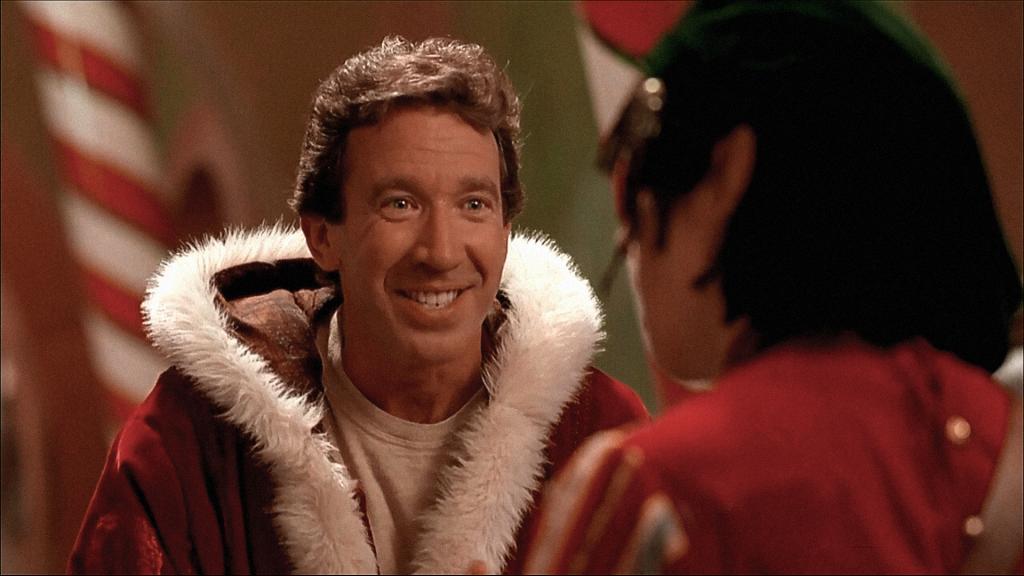
Question: What was the real name of the character Tim Allen plays in The Santa Clause?
Answer: Scott Calvin

Question: How many gifts in total were given in “The Twelve Days of Christmas” song?
Answer: 364

Question: Which fairy tale was the first gingerbread houses inspired by?
Answer: Hansel and Gretel

Question: In the movie A Christmas Story, what was the name of the neighbors whose dog ate the Christmas turkey?
Answer: The Bumpuses

Question: How do you say “Merry Christmas” in Spanish?
Answer: Feliz Navidad

Question: Where did the word and idea “Christmukkah” come from?
Answer: The O.C.

Question: What is the name of the last ghost that visits Scrooge in A Christmas Carol?
Answer: The Ghost of Christmas Yet To Come

Question: Visions of which food danced in children’s heads as they slept in the poem “‘Twas The Night Before Christmas?”
Answer: Sugar plums

Question: What gift did the Little Drummer Boy give to the newborn Christ?
Answer: He played a song for him on his drums

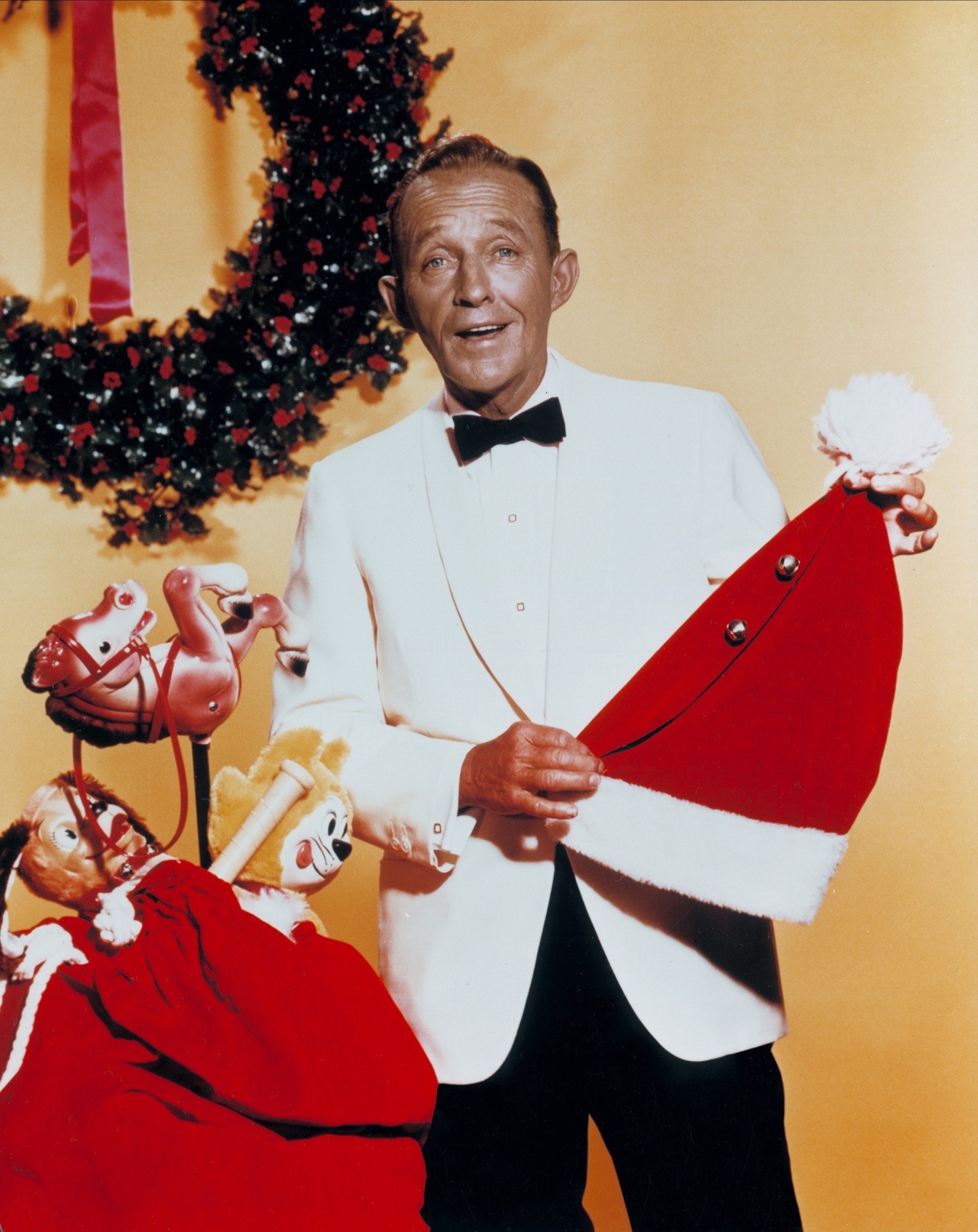
Question: What is the best-selling Christmas song ever?
Answer: “White Christmas” by Bing Crosby

Question: Who wrote, “Christmas doesn’t come from a store, maybe Christmas perhaps means a little bit more?”
Answer: Dr. Seuss

Question: Three of Santa’s reindeer’s names begin with the letter “D.” What are those names?
Answer: Dancer, Dasher, and Donner

Question: What was Frosty the Snowman’s nose made out?
Answer: A button

Question: What is the name of George Bailey’s guardian angel in It’s A Wonderful Life?
Answer: Clarence Odbody

Question: In the 1964 movie Rudolph the Red-Nosed Reindeer, what was the name of Rudolph’s elf friend?
Answer: Hermey

Question: What popular Christmas song was actually written for Thanksgiving?
Answer: “Jingle Bells”

Question: What was the first company that used Santa Claus in advertising?
Answer: Coca-Cola

Question: In “The Christmas Song,” who did the narrator see kissing Santa Claus under the mistletoe?
Answer: Mommy

Question: In the movie Elf, how does Buddy get to the North Pole?
Answer: He hides in Santa’s sack

Question: Where did there arise such a clatter?
Answer: On the lawn

Question: What are Christmas trees also called?
Answer: Yule-Tree

How did you do?

50 of the Strangest Unsolved Mysteries from Each State Part 2

Every state harbors unpleasant secrets—here are 50 of the strangest ones from around the country, and why we may never learn the real truth.

Montana: The Vortex and House of Mystery

Just 13 miles from Glacier National Park you can pass through a portal in which the laws of nature are set aside: A gravitational anomaly forces trees to grow sideways and makes people appear as much as six inches shorter. A shack in the Vortex—called the House of Mystery—is the home to bizarre phenomenon: A marble rolled on an incline will travel upward, and a rope hanging from the ceiling falls in a curve.

Nebraska: The Lucky 15 

{{I remember Filly had this in an open.}}

On March 1, 1950, the 15 members of the Beatrice’s West Side Baptist Church choir were supposed to meet for practice. All of the 15 were known for their timeliness, but on this day, they were all running late—every single one of them. The reasons varied, but not a single one was present when a natural gas leak caused the complete destruction of the church. Even Snopes can’t discount the mystery here: Why and how were every single one of the 15 spared a grisly death?

Nevada: Who murdered Tupac Shakur?

In 1996, hip-hop star Tupac Shakur was killed in Las Vegas during a drive-by shooting. “The story…begins with a failed attempt on his life two years earlier,” according to History, which Shakur blamed on producer Sean “Puff Daddy” Combs and rival rapper, Christopher Wallace (“Notorious B.I.G.”). Wallace was murdered six months later in Los Angeles; no arrest has ever been made in either case.

New Hampshire: The disappearance of Rachel Garden

In 1980, 15-year-old Rachel Garden bought a pack of cigarettes at a market in Newton and was never seen again. The friend whom Rachel told her family she was going to be spending the night with denied having plans with Rachel that night. A witness claimed to have seen Rachel talking to three young men outside the market, but none of the men were ever charged. In fact, no one has ever been charged, and there are no suspects. Nearly 40 years later, the case appears to be hopelessly cold.

New Jersey: The phantom sniper

In 1927, Camden was terrorized by what’s been described as phantom- or ghost-sniper. Bus and car windows were shattered and even a policeman was struck, but no bullets or casings were ever found and no one ever saw an actual sniper. One witness reported hearing a man’s laughter. But no one else saw or heard a thing. The attacks suddenly stopped in 1928. To this day, no one knows why they began or what they really were.

New Mexico: What was really going on in Roswell?

It all started in the summer of 1947 when a Roswell rancher found mysterious debris in his sheep pasture. The Air Force claimed the debris belonged to a crashed weather balloon, but the citizens of Roswell didn’t buy it. They believed it came from a UFO. Fifty years later, the military revealed that the debris came from a top-secret atomic project. So it probably wasn’t a UFO—but what was it? And why has the U.S. government come up with at least two different stories about it? 

New York: Who was the Leatherman?

During the second half of the 1800s, a leather-clad hermit wandered around Westchester and Putnam Counties, never speaking, and unlike other wanderers of that time period, not looking for work. He was, however, happy to accept a meal and returned once a year—on the same day—to the homes that were generous to him. He was known to sleep in caves; his body was discovered in 1889 in a cave on the Dell family farm in Briarcliff. To this day, no one’s sure who he was or why he wandered.

North Carolina: The shadow of the bear

Going bear-hunting has its own unique meaning in Cashiers: During the autumn months, when the sun is shining, the shadow of a bear is visible on Whiteside Mountain just before sunset. Romantic Asheville suggests you “shoot” this unexplained phenomenon with your camera.

North Dakota: Eugene Butler’s crawl space

Niagara, about 40 miles west of Grand Forks, was founded in 1882 and has never been a big town. In fact, today, it has less than 100 residents. But back in the early 1900s, there were at least six more people there than anyone knew about at the time. In 1915, the bodies of six people who’d been bludgeoned to death were discovered in the crawl space of a house that had once belonged to the reclusive Eugene Butler. He died in 1911, several years after being committed to a mental hospital. Their identities remain a mystery to this day.

Ohio: The Circleville letters

In 1976, residents of Circleville began receiving harassing letters, taunting and threatening them with tidbits about their personal lives. After the murder of one resident and the attempted murder of another, police arrested Paul Freshour, but while he was in prison, the letters continued. Six months after Freshour’s release, television’s Unsolved Mysteries aired a segment—only to receive its own short letter: “Forget Circleville, Ohio… if you come to Ohio, you el sickos will pay. The Circleville Writer.” The identity of the letter writer remains unknown.

Oklahoma: The Jamison Family

In 2014, Bobby and Sherilynn Jamison drove out to look at a property in Red Oak they were interested in purchasing. Their truck was discovered days later, along with their wallets, IDs, phones, $32,000 in cash, and their dog. Their remains, along with their young daughter’s, were discovered by hunters a month later. No cause of death could be determined, and no one knows what happened to them, although theories abound, including that the family faked their deaths and joined the witness protection program, and the family’s supposed involvement with cults and/or witchcraft.

Oregon: The mysterious shrieks of Forest Grove

The small town of Forest Grove is generally a quiet town, but in 2016, the quiet was shattered by reports of an otherworldly shrieking sound that seemed to emanate from nowhere and everywhere all at the same time. Some managed to record the screeching sound, which has been described as being like that of a train careening wildly on metal tracks—except there’s no train nearby. The shrieks ceased soon after, and no one has ever been able to figure out what caused them or where they might have been coming from.

Pennsylvania: Boy in the box

In 1957, the body of a young boy was discovered in a cardboard box in the woods outside Philadelphia. Authorities failed to identify him, and no one came forward looking for a boy that fit his description. The crime scene yielded no clues, but in 1960, a psychic led the police to a foster home where the boy might have lived. But a definitive connection between the boy and the foster home couldn’t be made, and the case remains cold all these years later.

Rhode Island: Where is Adam Emery?

In 1993, Adam Emery disappeared just hours after being convicted of murdering 20-year-old Jason Bass in a road rage incident. (Emery was out on bail pending formal sentencing.) Police found his car abandoned on Newport Bridge. Less than a year later, his wife’s remains were found in Narragansett Bay. Some believe Adam and his wife jumped to their deaths from that bridge, but the FBI still considers Emery one of America’s most wanted criminals.

South Carolina: The Lizard Man

Starting in the summer of 1988, Browntown residents began seeing what’s now referred to as the “Lizard Man,” a seven-foot-tall creature with red eyes and incredible, superhuman strength. The first sighting involved a car being “mauled” by the creature. “To this day, the mystery hasn’t been solved,” reports the Smithsonian, and there have been sightings as recently as 2015.

South Dakota: The strange fate of Tom Keuter

In 1994, Tina Marcotte called a friend to say she had a flat tire but that her coworker, Tom Kueter, was going to help her out. Tina was never seen or heard from again, and when Tom was questioned by police, he disputed that he’d been in touch with Tina on that day. The next day, Tom was found dead: He had been run over by his own forklift. Was it an accident? Suicide? Homicide? And what happened to Tina Marcotte?

Tennessee: The Craigmiles Mausoleum

In 1871, Nina Craigmiles was killed at the age of seven when the buggy she was riding in was hit by a train. Her family had a mausoleum built for her (and future deceased members of the Craigmiles family) of fine white Italian marble. Shortly after Nina was placed there, red streaks and splotches began to appear in the marble. Efforts to clean the marble failed, and each time a family member’s body was placed in the mausoleum, more red stains appeared. There’s no scientific explanation for the stains; some believe they are Nina’s tears.

Texas: The girl behind the Amber Alerts

Amber Hagerman was a nine-year-old Arlington Girl Scout when she was kidnapped while riding her bike on January 13, 1996. A witness quickly told the police he’d seen a girl being forced into a black van. Despite a massive search, Amber was never seen alive again. Her body was found five days later about four miles from where she had been taken. Her killer has never been found, but her abduction led to the invention of “Amber Alerts.”

Utah: Jean Baptiste’s great escape

Jean Baptiste was a notorious grave robber in Utah. When his grave-pillaging came to light in the late 1800s, Baptiste was banished to a remote island in the Great Salt Lake (the equivalent of solitary confinement). Three weeks later, he was gone. What little evidence authorities could find indicated that he might have built a raft in order to escape. But he was never seen or heard from again.

Vermont: The Bennington Triangle

The Bennington Triangle refers to an area of Vermont surrounding Glastenbury Mountain where several people have disappeared without a trace. These include a trail guide who vanished in 1945 while leading a hunting party, college student Paula Jean Weldon, who disappeared the following year from a hiking trail, and James Tedford, who seemingly vanished from a bus headed for Bennington. Since the disappearances were clustered in the 1940s, there’s speculation of a serial killer. But others believe paranormal forces are at work.

Virginia: The Old House Woods

In the quaint seaside town of Diggs, Virginia’s “Old House Woods” was once a popular hiding place for soldiers and pirates, so naturally, it’s become a hotspot for paranormal activity, including sightings of a ghostly woman and accounts of skeletons dressed in armor wandering the woods. People have reported finding themselves filled with dread while walking in the forest. Horses are known to become spooked for no apparent reason. Even paranormal investigators are creeped out, often unable to continue their investigations.

Washington: How Jason Padgett became a math genius

In 2002, Jason Padgett, a furniture salesman, jock, and self-described “partier” from Tacoma, was savagely attacked by two men outside a bar, leaving him with a severe concussion. When he recovered, he had acquired the ability to “visualize complex mathematical objects and physics concepts intuitively,” according to Live Science. Padgett is now one of 15 to 25 cases of so-called “acquired savant syndrome”—people who developed abilities after suffering a head injury.

West Virginia: The Octopus mystery

Danny Casolaro was a freelance writer who came to Martinsburg, West Virginia in 1991 to meet with a source about a story he code-named “the Octopus,” which involved high-ranking government officials and an international cabal. Casolaro was found dead in his hotel room. Authorities labeled it a suicide, but Casolaro’s family believe he was murdered.

Wisconsin: The demon bunkbed in the Tallman house

In 1987, the Tallman family brought a secondhand bunk bed to their home in Horicon. For the next nine months, the family was haunted by what appeared to be poltergeists—clock radios turning on by themselves, a paintbrush that dipped itself in paint—and worse, including the children becoming ill despite no previous health problems and an unexplained fire. The hauntings ceased only when the Tallman family destroyed the bunk bed.

Wyoming: Devil’s Tower

Various Native American tribes view the Devil’s Tower National Monument as a sacred site and have their own origination stories about the massive stone structure. And science fiction fans may recall that the mythology of the structure played an important role in the film, Close Encounters of the Third Kind. Geologically speaking, it’s made of volcanic material and is connected in some way to an existing or previously-existing volcano. But precisely how it came to exist continues to confound scientists.

SOURCE: READERS DIGEST

Lauren Cahn Updated: Feb. 02, 2023