Mardi Gras World

The rich history of Kern Studios dates back to 1932, when the first mule-drawn float was built on the back of a garbage wagon.

The Early Days

The early days of what has grown into Kern Studios started with Roy Kern, a local artist-turned-sign-painter who worked his way through the Depression by painting names and signs on the bows of freighters and barges.

Roy and his son Blaine built their first Mardi Gras float together on the back on a mule-drawn wagon in 1932. Unable to pay his mother’s medical bills, Blaine offered to paint a mural in the hospital, which caught the eye of a surgeon who was also the captain of a Mardi Gras Krewe. This captain invited Blaine to design and build floats for his Krewe, and Kern Studios was officially founded in its current form in 1947. One float led to another, and before long Blaine became the city’s leading parade designer and builder, working with Rex, Zulu and other legendary krewes.

Mr. Mardi Gras

Blaine Kern traveled throughout Europe to apprentice under the world’s leading float and costume makers. During several trips to Italy, France, and Spain, Blaine became inspired by the extravagant concepts and animation that marked the European style of float building.

He brought these ideas to New Orleans and developed the monumental scale and lavish ornamentation of today’s spectacular Mardi Gras floats. Blaine Kern was instrumental in the formative years of some of New Orleans’ biggest parades and “Super Krewes” and is still known as “Mr. Mardi Gras.”

THE CREATION OF MARDI GRAS WORLD

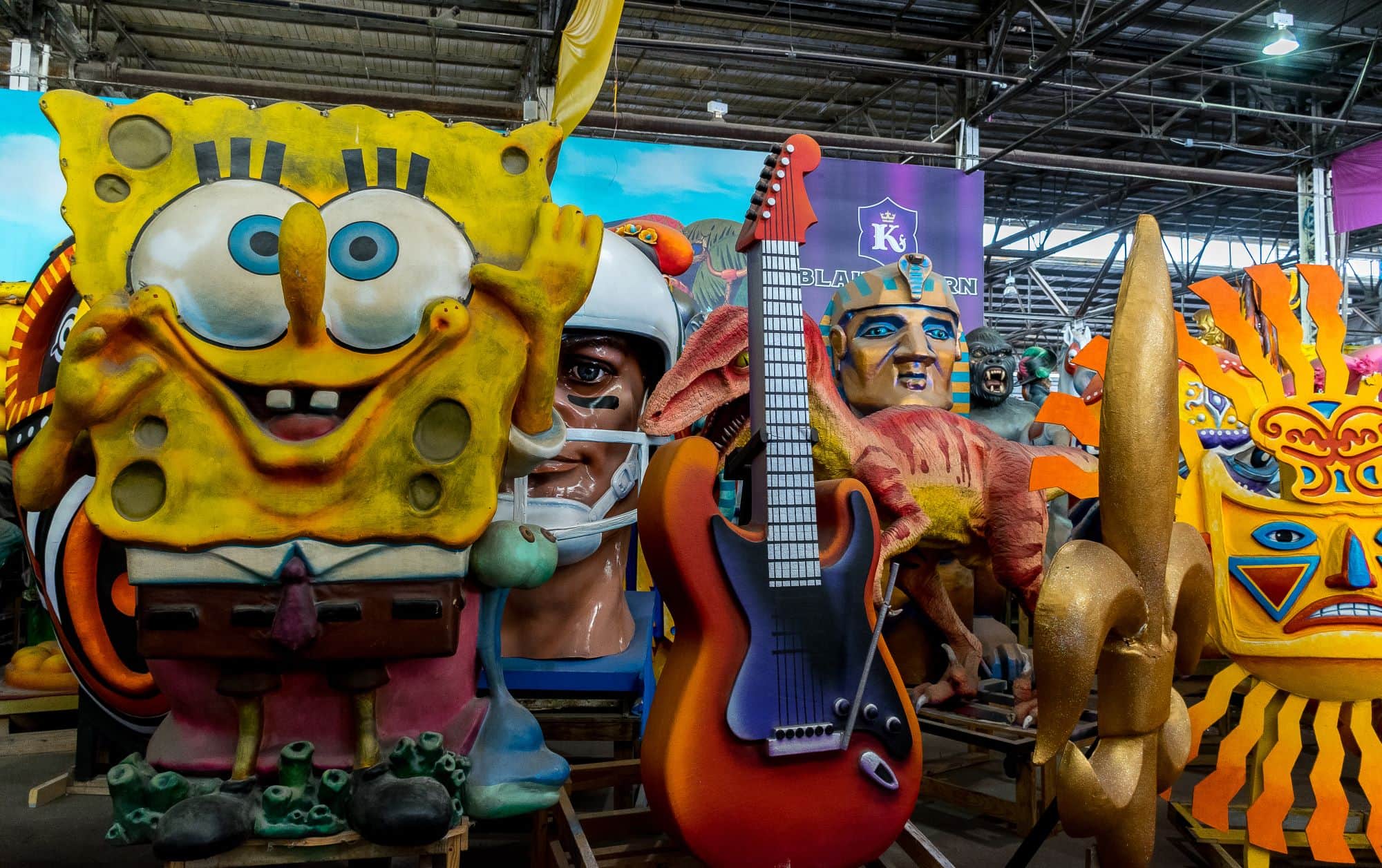
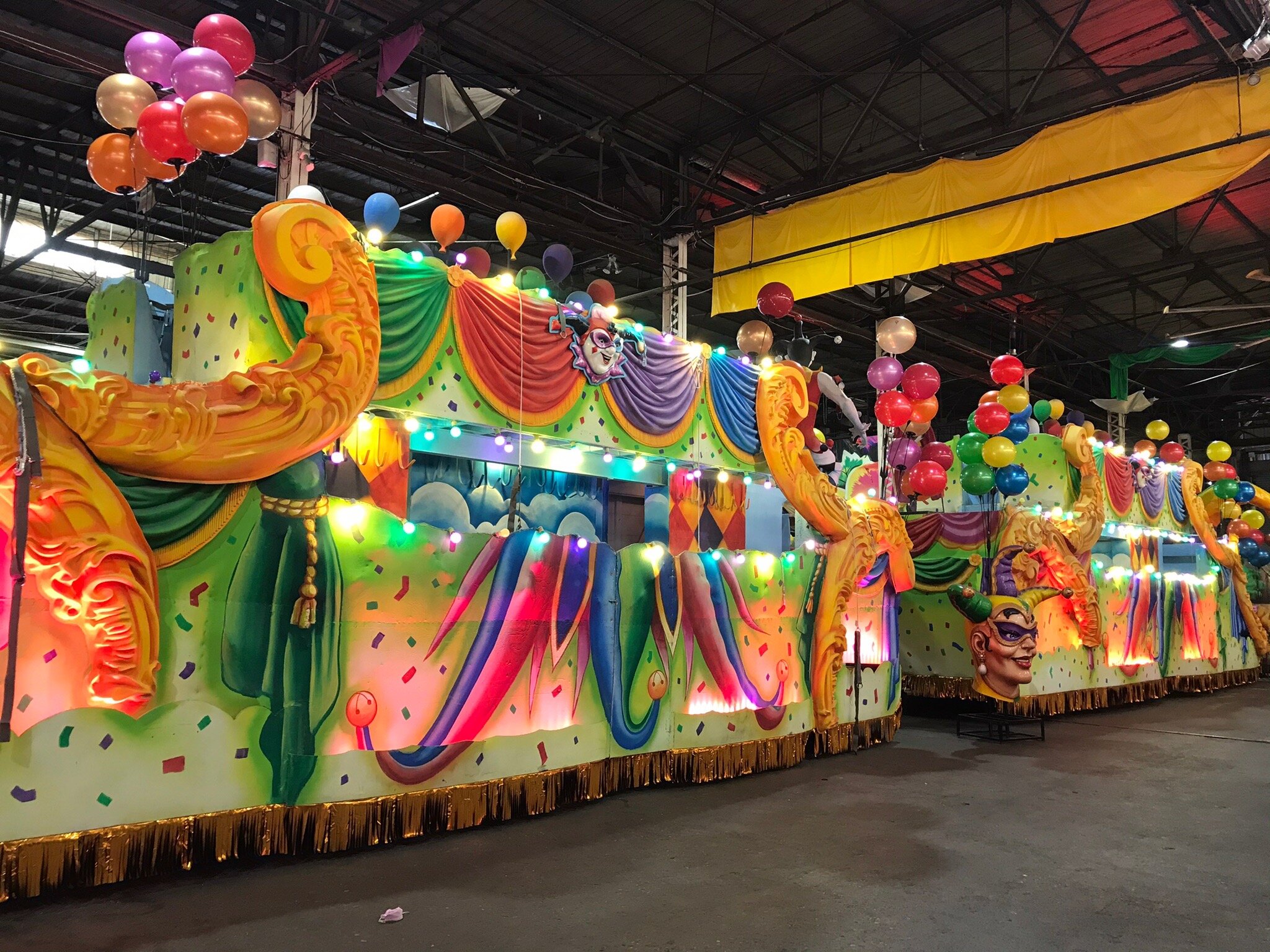
After many requests for private tours of Kern Studios from people wanting a sneak-peak of Mardi Gras, the Kerns decided to open up the working studio to the public. In 1984, Mardi Gras World was created as a tourist attraction to provide visitors a behind-the-scenes look of our work. Widely successful, the attraction draws hundreds of thousands of visitors from all over the world each year.

SOURCE: MARDI GRAS WORLD.COM

Wake Up Phil!

Today is Groundhog Day…again…lol…to quote Bill Murray in Groundhog Day.  This article by Brandon Specktor and Claire Nowak at Reader’s Digest highlights 16 things you might not know about groundhogs!

First things first: Groundhogs are lousy weather predictors

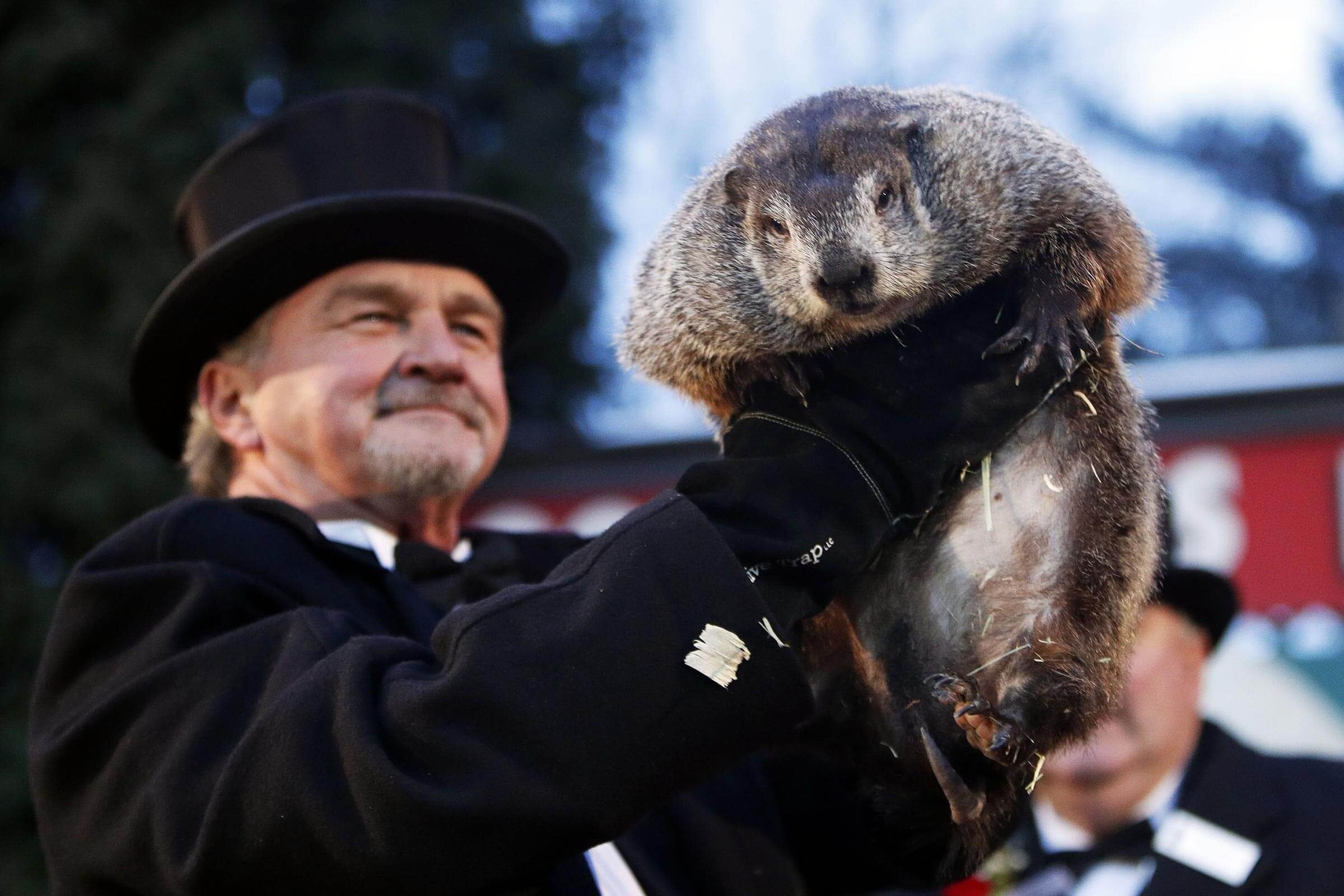
As the myth of Groundhog Day goes, if a groundhog sees its shadow on February 2, winter will last another six weeks. And while Punxsutawney Phil’s handlers maintain 100 percent accuracy in his seasonal predictions, the numbers tell a different story. Stormfax calculated that Phil has seen a 39 percent forecasting success rate since 1887. According to a Canadian groundhog study, this is just 2 percent higher than the average groundhog success rate of 37 percent (the most accurate hog-nosticators in the study resided in Yellowknife, Canada, and had a 50 percent accuracy rate). In other words, a gambling man would be better off flipping a coin.

Groundhogs have a different secret talent

What do groundhogs have in common with sleazy construction workers? They both whistle at potential mates. It’s because of this odd adaptation that groundhogs are also known as “whistle-pigs” (and lecherous day laborers known simply as “pigs”).

They have other nicknames too

Groundhogs are members of a group of large ground squirrels called marmots, but they’re also called land beavers and woodchucks. Surprisingly, the latter moniker has nothing to do with wood, Scientific American explains. It’s believed to be taken from the Algonquian name for the same animal: “wuchak.”

Groundhogs are vegetarians

The Groundhog Diet consists mainly of grass, herbs, and plants like dandelions, daisies, and goldenrods. They also have an eye for human crops, like carrots and corn, which puts them on farmers’ most-wanted lists. And yes, they do occasionally eat tree bark, as we all hoped woodchucks would.

They call North America home

Most groundhogs live in the eastern and central United States, although you can find them in Canada and even Alaska. They tend to settle down on the edge of a forest or woodland, near an open field, where they’ll likely construct their underground burrows. But you may also spot them climbing trees.

They make great architects

Groundhogs build pretty impressive homes. Their underground burrows include multiple “rooms” with different purposes, including a sleeping chamber, a nursery chamber, and a waste chamber (what we would call a bathroom). The entire burrow can stretch anywhere from eight to 66 feet long.

Sleeping is their favorite hobby

Few animals are as dedicated to hibernating as groundhogs. Known as “true hibernators,” they snooze from late fall to late winter or early spring, which can mean up to as many as six months of deep sleep, depending on their climate. During this time, their body temperatures can drop below 20 degrees Celsius (68 degrees Fahrenheit), and their heart rates slow from 80 beats per minute to just five.

They’re surprisingly romantic

Despite their intense hibernation habits, there’s evidence that male groundhogs wake up early (after about three months) to start looking for potential mates. “Typically, there’s a male that has a territory that includes several female burrows. And there’s some competition for that territory,” Stam Zervanos, retired professor of biology at Pennsylvania State University, told National Geographic. “They try to defend that territory, and they go from burrow to burrow to find out if that female is still there.” Groundhogs start visiting females as early as February and then go back to sleep until mating season starts in March. Putting relationships before sleep? That’s what we call dedication.

It wasn’t always called Groundhog Day

If you can’t find yourself a groundhog to ogle this February 2, simply step outside and recite this old English rhyme:

If Candlemas be fair and bright,
Come, Winter, have another flight;
If Candlemas brings clouds and rain,
Go, Winter, and come not again.

Modern Groundhog Day evolved from Europe’s Candlemas Day, a celebration of light both literal (the days are growing longer) and religious (Candelmas invokes Jesus’s first visit to the Temple in Jerusalem). It’s an old knight’s tale that the weather on Candlemas will be the exact opposite of the weather six weeks hence—yet somehow, centuries later, a few lines of scientifically suspect verse remain the basis of an annual holiday.

Groundhogs weren’t always the holiday’s honored animal

About halfway between the winter and spring solstices, Candlemas has long been a day of seasonal speculation, though the designated animal weatherman varies from culture to culture. Records from Penn State University Libraries show that medieval cults favored bears, holding parties by their dens, gussied up in grizzly costumes and waiting for a bear to lumber out from hibernation and check the weather. English and German Catholics celebrated a similar tradition with sacred badgers. When badgers proved hard to come by for Pennsylvania’s German settlers in the early 1800s, colonists adapted their old-country tradition to an abundant New World animal: the groundhog.

You’re not supposed to eat the groundhog … anymore

On February 2, 1886, The Punxsutawney Spirit newspaper declared the first official Groundhog Day celebration, hosted by a group of town elders dubbed the Groundhog Club. For this club, marmots were more than furry meteorologists; they were a delicacy. In addition to its Groundhog Day ceremony, the club hosted a summertime groundhog hunt and picnic. On the menu: cooked groundhog meat (described by locals as “a cross between pork and chicken”) and something called “groundhog punch,” a combination of vodka, milk, eggs, orange juice, “and other ingredients.” For a time, marmot meat was the regional cuisine. That began to change in 1887, when a groundhog named Punxsutawney Phil was born. To hear his handlers tell it, he has evaded the dinner plate for over 100 years and counting.

Punxsutawney Phil is immortal—allegedly

A typical groundhog will live six to eight years in the wild. Punxsutawney Phil, the official groundhog of America’s largest Groundhog Day celebration (and costar in the hit movie Groundhog Day), has been alive since, uh, 1887. Or so his website says. To what does Phil owe his impossibly impressive 134 years? A magical elixir called, yet again, “groundhog punch”—presumably not the same recipe of vodka and eggs that its original authors quaffed. According to the lore-keepers of the modern Punxsutawney Groundhog Club, Phil is fed a single sip of groundhog punch every summer, instantly granting him another seven years of life. (In other words, the opposite of vodka.)

What does an “immortal” marmot do for fun? Drink and read

Phil has seen a lot in the past century, and he is less sheltered than you’d expect from someone who literally lives with his head in the ground. During Prohibition, for example, Phil publicly threatened to impose 60 weeks of additional winter if he wasn’t allowed a drink. Phil has cooled down significantly these days. For that, we can likely thank his wife, Phyllis. Together, Phil and Phyllis enjoy a quiet life together at the Punxsutawney Memorial Library, where they live during the 364 days not spent looking for their shadows.

Groundhog Day sent tourism in Gobbler’s Knob’s skyrocketing

While Gobbler’s Knob—home of Punxsutawney Phil—has seen its share of tourism every Groundhog Day since the tradition began, actor Bill Murray and his holiday-themed film truly put it on the map. Following the 1993 release of Groundhog Day, starring Bill and Phil, Gobbler’s Knob started seeing crowds as large as 35,000 people on February 2 (for comparison, the population of Punxsutawney at the time was less than 7,000). Two years later, Phil was invited as a guest on The Oprah Winfrey Show.

Bill Murray and Andie MacDowell had Phil’s back in court—or would have, had it come to that.

In a 2013 news story barely discernible from the sort of satire that runs in The Onion, an Ohio lawyer demanded that Punxsutawney Phil pay for a fraudulent weather prediction—with his life. “On or about February 2, 2013, at Gobbler’s Knob, Punxsutawney Phil did purposely, and with prior calculation and design, cause the people to believe that spring would come early,” Ohio prosecutor Michael Gmoser wrote in a cheeky open letter. “Contrary to the Groundhog Day report, a snowstorm and record low temperatures have been and are predicted to continue in the near future, which constitutes the offense of Misrepresentation of early spring, an Unclassified Felony, and against the peace and dignity of the state of Ohio.”

The punishment for this crime? “The death penalty.”

Absurdly, the saga continued when a Pennsylvania law firm openly responded to Gmoser, arguing that the Ohio attorney had no authority to prosecute in Punxsutawney. Furthermore, Phil had a formidable team of character witnesses behind him, as starring in Groundhog Day had helped Phil forge “lifelong and loyal friendships with the lesser supporting cast, including Bill Murray, Andie MacDowell, and Chris Elliot,” the firm wrote. “It is believed that Punxsutawney Phil has already been in contact with Mr. Murray, Ms. MacDowell, and Mr. Elliot, all of whom allegedly pledged to ‘have his back’ should legal action be necessary.” (It wasn’t.)

Robo-groundhogs may be the future

We’ve come a long way from eating groundhogs, but their safety is still not guaranteed. On Groundhog Day 2014, New York City Mayor Bill de Blasio accidentally dropped Staten Island groundhog Charlotte, resulting in internal injuries that killed her a week later. In 1999, Canadian groundhog celebrity Wiarton Willie died the Sunday prior to Groundhog Day, but the news was scandalously withheld until February 3. Stories like these, compounded by the increasingly large crowds at Gobbler’s Knob, prompted PETA to suggest an alternative: Replace Punxsutawney Phil with a robot groundhog.

While fears of a cyber-marmot uprising fill your head, consider Washington, D.C.’s cheaper solution: Potomac Phil, the city’s anointed groundhog since 2014, is a taxidermied thrift shop purchase. Strange? Sure.

(PAT’S NOTE: Everything in D.C. is phony!)

SOURCE: READER’S DIGEST

Brandon Specktor and Claire Nowak

Golden Girls Little Known Facts

In honor of Betty White’s birthday this month, let’s delve into some little known facts about The Golden Girls from PARADE.

The Golden Girls cleaned up during awards seasons

Throughout The Golden Girls‘ 1985-1992 run, they racked up 68 Emmy nominations and 11 wins; the series was ranked No. 69 on the Writers Guild of America’s list of 100 Best-Written TV Series of All Time.

Bea Arthur actually detested cheesecake

Despite Dorothy, Rose, Blanche and Sophia always bonding over the creamy dessert, in real life, Arthur was not a fan of cheesecake at all.

The Golden Girls house wasn’t actually in Miami

The iconic Golden Girls house was actually based on a Brentwood, Los Angeles ranch-style home. Producers had a replica made of the front of the property at the then-Disney-MGM Studios in Orlando, Florida, which was used for exterior shots. The home is estimated to be valued at nearly $3 million.

The Property Brothers want to renovate The Golden Girls property

Drew and Jonathan Scott dropped the idea-bomb on The Kelly Clarkson Show in October 2019 after discussing the Property Brothers‘ renovation of The Brady Bunch house. ”So, we’re thinking next, the Golden Girls house,” Drew quipped. He also volunteered to play Blanche if a reboot was ever on the table!

Betty White and Bea Arthur drew on real-life grief for some heartwrenching scenes

Both White and Arthur each lost their mothers while filming Season 1 of The Golden Girls, but wouldn’t take time off. Director Lex Passaris recalled, “We were ready to shut down the show for as long as they needed, but both ladies said, ‘No. We need to work.'”

Betty White channeled true heartbreak for another poignant scene

While filming the episode “The Heart Attack,” White drew from the death of her beloved husband, Allen Ludden, when she was in character as widow Rose Nylund. “Everyone thinks Estelle’s character Sophia is dying, so it was particularly poignant,” Passaris said. “Rose tells a story about her husband Charlie’s death, and Betty’s basically talking about Allen. Betty’s voice kind of cracked and she took a breath and said to me, ‘I’d give anything to have that year of my life back again.'”

Estelle Getty spent three hours in the makeup chair to become Sophia Petrillo

Makeup artist Maurice Stein revealed that Getty, who was younger than White and Arthur, took three hours to transform into the petite, heavily creased Sicilian spitfire. “When she first sits down in the chair, she’s just Estelle, a nice, lovely lady. But as the makeup goes on, she becomes this snappy old lady, wise-cracking and crusty,” he said. “She seems to slum down in her chair and really get into character. By the time she gets up from her chair, I have Sophia on my hands.”

Getty was only 63 and playing 20 years older—and she didn’t want to age offscreen. She got a facelift in between Season 2 and Season 3, driving the makeup team into a tizzy.

Bea Arthur didn’t like to dine alone

McClanahan once said that Arthur refused to go to dinner between shoots unless White walked with her. Arthur’s son confirmed the anecdote years later, noting, “Betty would pick my mom up in the driveway, or my mom would pick her up.”

Betty White thought Bea Arthur couldn’t stand her

Despite Arthur and White dining together between shoots, White didn’t think Arthur liked her, and McClanahan didn’t think so either. “Bea came from a New York stage point of view,” McClanahan admitted. “She always had what we call ‘the fourth wall.’ And Betty came from a television point of view: She would flirt with the audience, and pull her skirt up and say, ‘Hi sailor.’ But Bea never acknowledged the audience.” McClanahan said she could never be totally sure why Arthur sometimes got grumpy about White because Arthur never told her—but she did note that White “adored” Bea.

Estelle Getty struggled with crippling anxiety

Stage fright was an understatement when it came to Getty. McClanahan once said of her costar, “She had an awful time remembering her lines because she would freeze and panic. The day before tape day, you could see a big difference in her. She’d be walking around like Pig-Pen under a black cloud. By tape day, she was unreachable.” White concurred and marveled of Getty’s skill despite her anxiety battle. “You thought, ‘She’s never going to be able to take a step on that stage.’ She’s one of the reasons for the success of the show with young people. They get such a kick out of little Estelle telling big Bea off!”

Betty White was almost cast as Blanche Devereaux instead of Rose Nylund

“You get a lot of scripts mailed to you and not too many of them are good, but when this one came along it just hit the spot and they sent it to each of us,” White recalled in 2010. “They sent it to me with the idea of me doing Blanche. Jay Sandrich, who was our director for most of the Mary Tyler Moore shows, said, ‘If Betty plays another nymphomaniac they are going to think it is Sue Ann Nivens all over again.’ He said, ‘Why don’t we switch them?'”

Betty White, Bea Arthur and Rue McClanahan all knew each other before being cast as The Golden Girls

Before Rose, Dorothy and Blanche, the core Golden Girls cast had worked together in various series. “The first table read was an experience. I had worked with Bea, I had done a couple of guest shots on Maude. I had worked with Rue on Mama’s Family,” White said. “Estelle was a new one to all of us. She came from New York after her hit. We all sat down for the first table read and somebody read a line and then somebody else read a line.” She added, “It was the most exciting…We all began to look at each other because there wasn’t any first reading feeling about it. It was like we had been working together forever. I still get goosebumps thinking about it.”

Bea Arthur didn’t have patience for what she believed to be fashion crimes

McClanahan revealed that Arthur loathed backward baseball caps. “That really got to her,” McClanahan said. “We were interviewing directors one time and if someone came in with a baseball cap worn backwards, he didn’t stand a chance.”

Bea Arthur came through for Rue McClanahan in a big way

“She took care of me the Thanksgiving my mother died the first year of Maude,” McClanahan recalled. “It was unexpected. My mother was young, and I was young. I went back to Oklahoma for the funeral and I was devastated. When I came back to California, I was grieving so. I heard from Bea and she said, ‘I’m having Thanksgiving dinner and you come over here immediately.’ I went over to her home in Santa Monica and she put me to bed, and tucked me in and brought me dinner. She calmed me down and I felt safe for the first time. You don’t forget things like that.”

There were rumors of a reboot with Betty White

Those rumors, however, were mostly unfounded. Stan Zimmerman, a writer for Season 1 of The Golden Girls, explained, “It is not a rumor. [Fellow Golden Girls writer] James Berg and I did write a pilot script called Silver Foxes. It is NOT a reboot of The Golden Girls. But it is inspired by the show, a show that we were lucky enough to have written on during the first season of the show.” Saturday Night Live alum Cheri Oteri was attached to the project, which was to be about a group of aging gay men living together in Palm Springs, California, inspired by the classic series—and there was even a one-line role in the works for White. “Unfortunately, we cannot get one network executive to read [the script],” Zimmerman said, “or even a producer to pass it to them. We have found ageism and homophobia alive and well in Hollywood. Hopefully a groundswell of support from the viewing public will get an outlet like Hulu or Amazon to make it.”

The iconic “Thank You for Being a Friend” wasn’t producers’ first choice for The Golden Girls theme song

“They approached the publishing company for Bette Midler‘s song, ‘Friends,’ but it was too expensive. Eventually of the producers remembered Andrew Gold’s song, ‘Thank You For Being A Friend,'” Jim Colucci, author of Golden Girls Forever: An Unauthorized Look Behind the Lanai revealed. “They licensed it and hired a session singer named Cynthia Fee. Even though the recording session was slated to last for an hour, she did it in one or two takes—maybe 20 or 30 minutes—and planned on never thinking of it again. The irony is that thanks to unions, every time your song gets played, you get paid. So this job she did on a random weekday in 1985 has put her kids through college.”

Bea Arthur didn’t like the jabs about Dorothy’s appearance

“Bea was offended. When the writers called Rose [Betty White] dumb or Blanche [Rue McClanahan] a slut or Sophia [Estelle Getty] old, it could roll off those women’s backs because they were not like their characters,” Colucci said. “Unfortunately, the things that were said about Dorothy were that she was big and ugly. And that wears on an actress after a while.” The “Dorothy bashing” was one of the reasons Arthur would ultimately exit the series.

Bea Arthur almost wasn’t Dorothy Zbornak

Arthur wasn’t producers’ first choice for the sassy substitute teacher, in part because of her iconic role as the liberal titular Maude Findlay, especially after her character got an abortion before Roe v. Wade was passed. However, Colucci claimed that writer and creator Susan Harris insisted, “I wrote this role for Bea and I want Bea.” As it turned out, Arthur initially didn’t want to be Dorothy, either, because she thought the character was too similar to Maude, but McClanahan claimed in My First Five Husbands … And The Ones Who Got Away that she talked her into taking the role.

Elaine Stritch almost played Dorothy

Elaine Stritch auditioned for Dorothy Zbornak and almost got the role. Stritch went in for a reading, but cursed during her audition—and irked the writer and lost the part to Arthur. To hear her tell it: “I blew it!”

The Golden Girls concept started out as a joke

Colucci said that The Golden Girls began as a gag sketch for advertisers featuring Everybody Loves Raymond star Doris Roberts in 1984. “They did this schtick where they were confused thinking there was a show on NBC called Miami Nice: ‘Oh, it must be about old people in Miami. That does sound nice.’ When people laughed, the president of the network thought, ‘There might be something there.'”

They had a groundbreaking gay main character…until they didn’t

The Golden Girls had one Golden Guy, albeit very briefly: Coco, a gay housekeeper and cook (and former drag performer), played by the late Charles Levin. He appeared in the pilot, where he made huevos rancheros for the girls. When the series’ pilot ended up being five minutes too long, unfortunately, Coco bore the brunt of it on the cutting room floor—especially since Getty was such a hit with audiences when she delivered her iconic one-liners. Coco disappeared from most of the pilot and from the rest of the show, though The Golden Girls did still have a lot of progressive episodes centered around LGBTQ+ issues, including the AIDS crisis.

Blanche Devereaux’s accent evolved over time

McClanahan is originally from Oklahoma, and producers originally had her keep her natural accent to play Blanche in the pilot. However, in later episodes, the southern belle’s twang was much more pronounced and exaggerated, a move that McClanahan said was a combined idea between her and director Paul Bogart.

Rue McClanahan kept a lot of Blanche’s outfits

In her memoir, McClanahan revealed that she was allowed to keep about 500 of her costumes from The Golden Girls—and she somehow had all the closet space she needed for them in a Manhattan apartment.

Rue McClanahan had her own lingerie line

Blanche Devereaux would approve! McClanahan developed and sold her own lingerie line called A Touch of Rue, which was sold on QVC—and inspired by her adventurous and sultry character.

Bea Arthur made a major contribution to the LGBTQ+ community

Arthur bequeathed $300,000 to the Ali Forney Center, a long-term housing center for LGBTQ+ youth, in her will. She had previously hosted shows with proceeds benefiting the center.

The Golden Girls and The Golden Palace had serious star power

The Golden Girls had guest stars with serious pedigrees at the time, including Bob HopeAlex TrebekMerv GriffinSonny BonoLyle WaggonerJulio Iglesias and Burt Reynolds, who played themselves in cameos, as well as a young George Clooney, who played a detective investigating the ladies’ jewel thief neighbors. Jerry Orbach played a former flame of Dorothy’s and Mickey Rooney made an appearance as Sophia’s boyfriend. Mario Lopez guest-starred as an immigrant student Dorothy tutored. LA Law star Alan Rachins made an appearance as a love interest for Blanche. Debbie Reynolds played a prankster pal for Dorothy, Rita Moreno played a neighbor and none other than Quentin Tarantino guest-starred in two episodes as an Elvis Presley impersonator. In the finale, Dorothy marries Blanche’s uncle, Lucas, played by Leslie Nielsen.

The Golden Palace, a brief spinoff of The Golden Girls, also starred a young Don Cheadle and Cheech Marin and had a guest appearance from none other than Jack Black.

The same actor played two different boyfriends for Rose Nylund

Actor Harold Gould played Rose Nylund’s boyfriend, Arnie, in Season 1 episode “Rose the Prude.” He later had a recurring role as Rose’s longtime love, Miles Webber.

The Golden Girls performed for the Queen Mother

The Queen Mother—Queen Elizabeth II’s mom, for those of you unfamiliar with royal titles—was such a huge fan of The Golden Girls that she invited the cast to perform live for her and the British royals in London. “It was very exciting,” White gushed. “The Queen was lovely. We were told not to address her unless we were addressed. She was up in a box and she came down on stage after with Princess Anne. She said, ‘Lovely, pretty girls,’ and I said, ‘Not bad bodies,’ and she said ‘Oh, no, not bad bodies!'”

Estelle Getty was sensitive about what she would and wouldn’t joke about onscreen

White wrote in her book If You Ask Me (And Of Course You Won’t)that Getty would never use death for a laugh, explaining, “Estelle Getty was so afraid of dying that the writers on The Golden Girls couldn’t put a dead joke in the script.” Getty herself once explained that death wasn’t her only no-go, noting, “I have a thing about gratuitous pain. Why would you make fun of somebody who’s fat or who’s cross-eyed or who’s bald? And I won’t do gay-bashing jokes.”

Only three characters could sit at the kitchen table

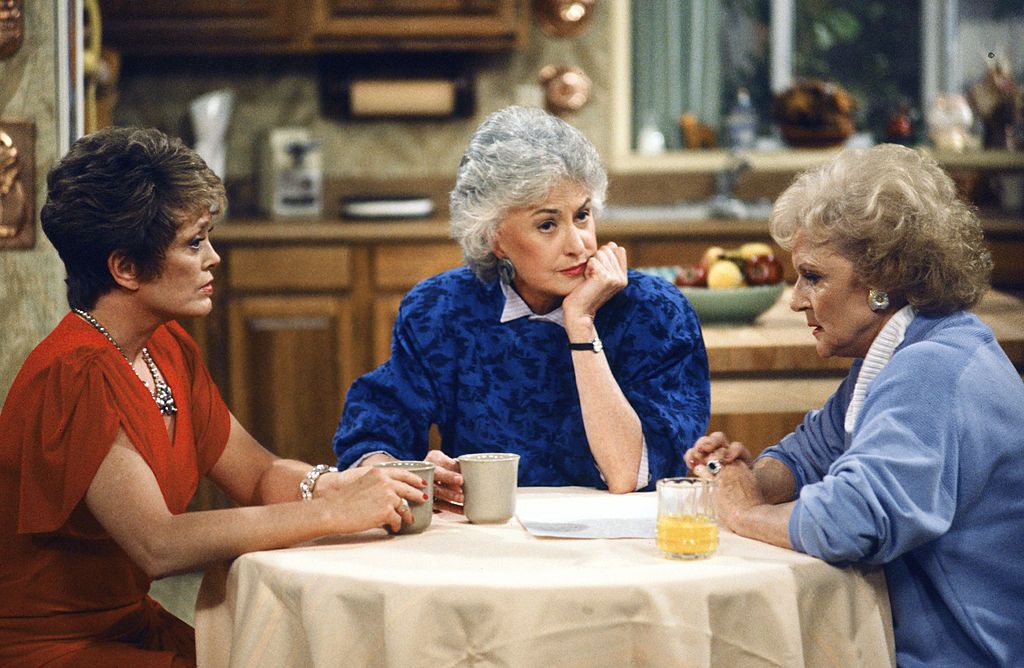
The set wasn’t big enough for all four characters to sit side by side, and producers and directors didn’t want any of The Golden Girls to have their backs to the camera, which is why one of them often sat on a stool near the table. Additionally, Arthur was always seated in the center of whoever was at the table because she was tall and had priceless facial expressions.

Estelle Getty wanted Sophia to be Jewish, not Italian

Estelle Getty wanted to play Sophia as a Jewish woman like herself—which may well have worked, as Bea Arthur was also raised Jewish.

Bea Arthur wanted to leave while the going was good

Arthur’s son, Matthew Saks, said that her decision to leave The Golden Girls wasn’t a very complicated one, and that while she did appear on The Golden Palace later, she was reluctant to do so. “I think she got tired of it. She just thought it was time to leave the show,” he said. “She wanted to leave a year before, but the others asked her to stay for a final year and she did. And then, of course, they did The Golden Palace without mom on it. She came and did one episode, though. I don’t think she really wanted to do that. But she did. Her logic was also that these shows ran their course. Something suffers, whether it’s the production, the writing. It loses its magic.”

SOURCE: PARADE

9-5

(This month is Dolly Parton’s birthday, so I ‘m bringing this article by Jennifer Pernicano for Country Rebel on things you might not know about the movie 9 to 5.)

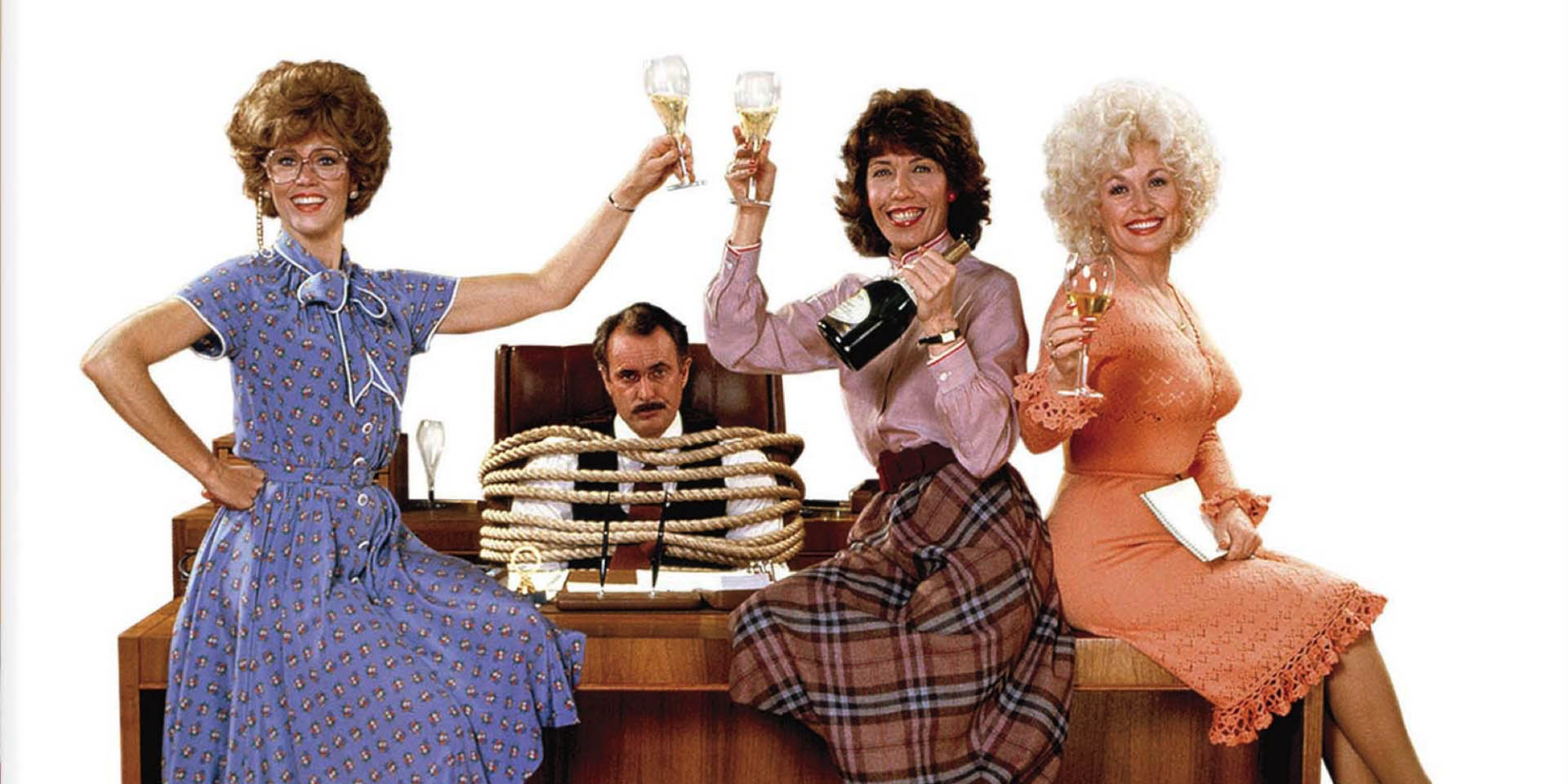
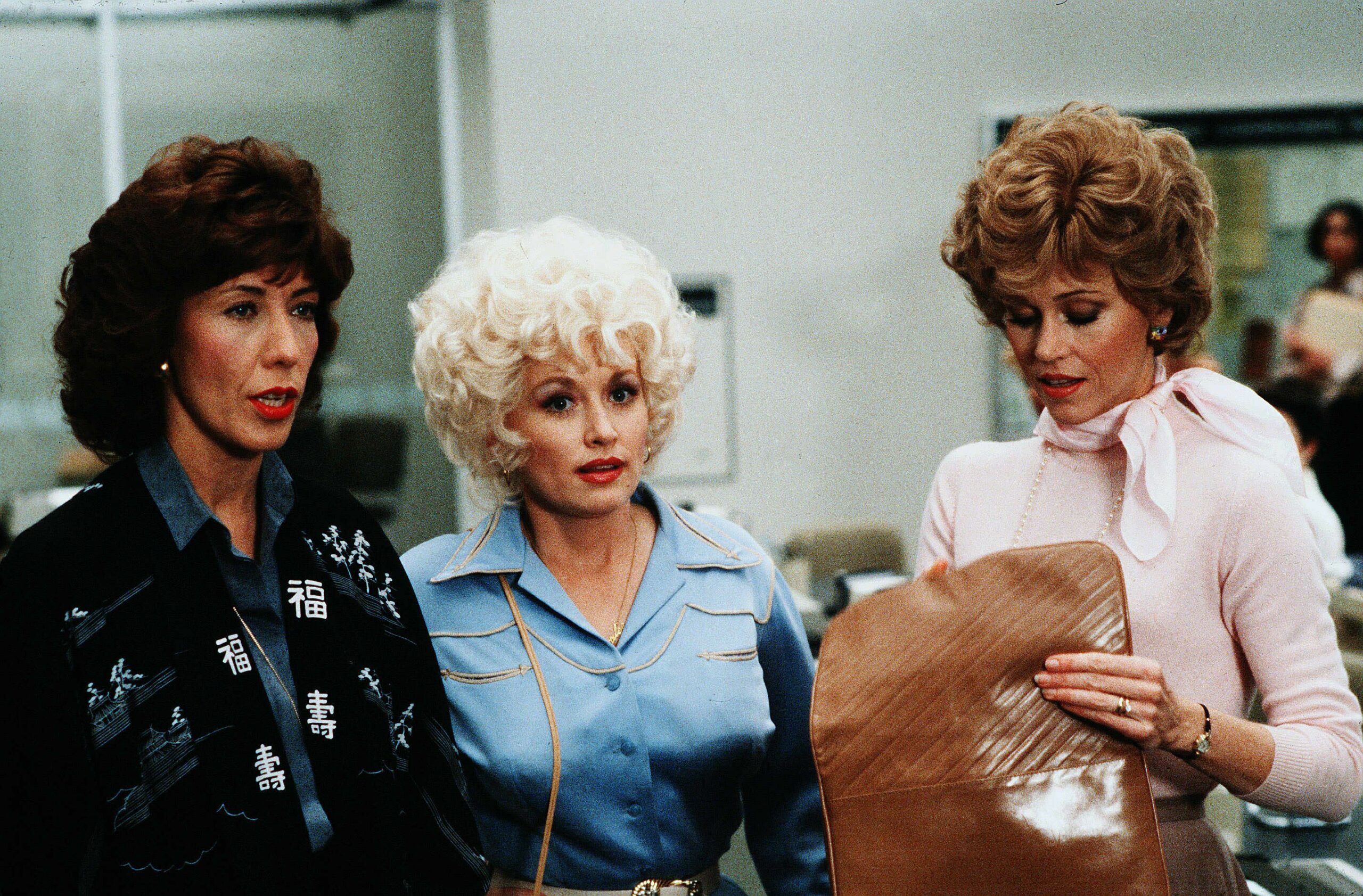
The 1980 film 9 to 5, starring Jane Fonda, Lily Tomlin, and Dolly Parton, tells the story of three working women who live out their fantasies of getting even with their “sexist, egotistical, hypocritical bigot” of a boss.

The women eventually overthrow their boss after kidnapping him and holding him hostage in his own house.  While he’s gone from work, the women implement new policies around the office that benefit everyone, including day care, flexible hours, equal pay, and a job-sharing program.

The movie is hilarious, well-written, and for good reason, is ranked No. 74 on the American Film Institute’s list of the top 100 funniest movies in American cinema.

While fans of the movie have probably seen it 100 times, there are still some things we don’t know about it. Let’s take a look at 7 things y’all might not know about 9 to 5!

The Lead Roles Were Written For Tomlin, Fonda, and Parton

Screenwriters often write roles in their movies with an actor serving as inspiration, but it’s rare when you actually get that actor to play the part. Patricia Resnick, who wrote the movie with Colin Higgins, had Jane Fonda, Lily Tomlin, and Dolly Parton all in mind when they were writing the film. Jane Fonda was already attached to the film because, well, it was her idea! She then handed the reigns off to Resnick and Higgins.

“We had Jane for sure, because it was her idea to do the film and it was her production company,” Resnick told Rolling Stone. “It was written for Dolly and Lily, but we did not have them under contract. We really wanted them, but we did have some backup ideas in case they turned us down. For Lily, it was Carol Burnett, and for Dolly, it was Ann-Margret. But I had Dolly, Lily and Jane in my head the whole time, and we were really hoping that’s who it was going to be.”

As luck would have it, Tomlin and Parton accepted the roles of Violet and Doralee, respectively.

Lily Tomlin Initially Turned Down The Role

Can you imagine someone else playing Violet? We sure can’t. Carol Burnett is very talented, but no one could have been as hilarious as Tomlin was in this role. It wasn’t because she didn’t like the script, though. She was just working so much; she wanted to give herself a break!

“I turned ‘9 to 5’ down originally. I was shooting ‘The Incredible Shrinking Woman’ and I was so overworked,” she told the UK’s Evening Times. “I’d worked for seven months on that movie, so I was ready to just shut my eyes to anything else. My partner Jane said to me, ‘This is the biggest mistake of your life. You’ve got to get on the phone and tell Jane Fonda you want to take back the resignation’.”

Tomlin took her now-wife’s advice and begged for the job back, and she is so happy she did.

I am grateful that I did it. [Jane Fonda & Dolly Parton] became two of my good friends, you know.

Tomlin and Fonda currently star on the Netflix original show Grace & Frankie.

Dolly Wouldn’t Star In The Movie Unless She Could Write The Theme Song

According to The Guardian, Parton got her self-confidence from all her brothers and uncles who taught her everything there is to know about men.

“I understood the nature of men and I didn’t go in there feeling all intimidated,” she said. “I just went in there and said: ‘Hey! I have a good product here and we can all make some money here if y’all wanna get involved with it.’”

This same self-confidence helped her when she refused to let Elvis Presley record her iconic song “I Will Always Love You”, and again when negotiating for 9 to 5. Parton leveraged her skills as a songwriter and agreed to star in the movie, but only if she could write the theme song.

Her song “9 to 5” earned Parton an Academy Award nomination and four Grammy nominations. It won the Best Country Song and Best Country Vocal Performance, Female at the Grammys.

Dolly’s Fingernails Inspired The Song “9 to 5”

Once Fonda agreed to let Parton write the theme song for the film, she went straight to work! She wrote the song on set and used one of her famous body parts to help her.

In 2009, Parton sat down with the ladies of The View, and filled them in on a little secret about her writing process of the song “9 to 5.”

“I wrote that on the set when we were doin’ the movie, I just watched the things goin’ on during the day, and I would just kind of do my nails and it sounded like a typewriter to me.”

‘9 to 5’ Was Intended To Be A Drama

Yes, you are reading that right. One of the funniest movies in cinematic history was initially supposed to be a drama!

“At first we were going to make a drama,” Fonda told The London Times. Fonda ran the production company responsible for the film, IPC Films.

“Any way we did it, it seemed too preachy, too much of a feminist line,” she continued. “I’d wanted to work with Lily [Tomlin] for some time, and it suddenly occurred to [producer] Bruce [Gilbert] and me that we should make it a comedy. It remains a ‘labor film,’ but I hope of a new kind, different from The Grapes of Wrath or Salt of the Earth. We took out a lot of stuff that was filmed, even stuff the director, Colin Higgins, thought worked but which I asked to have taken out. I’m just super-sensitive to anything that smacks of the soapbox or lecturing the audience.”

Even after the drama aspect was thrown out of the window, they re-wrote it to be a black comedy, but Fonda still thought it was too dark. We love the film just the way it is, so we’re glad it took the direction it did!

It Was Turned Into A TV Show And Later, A Musical

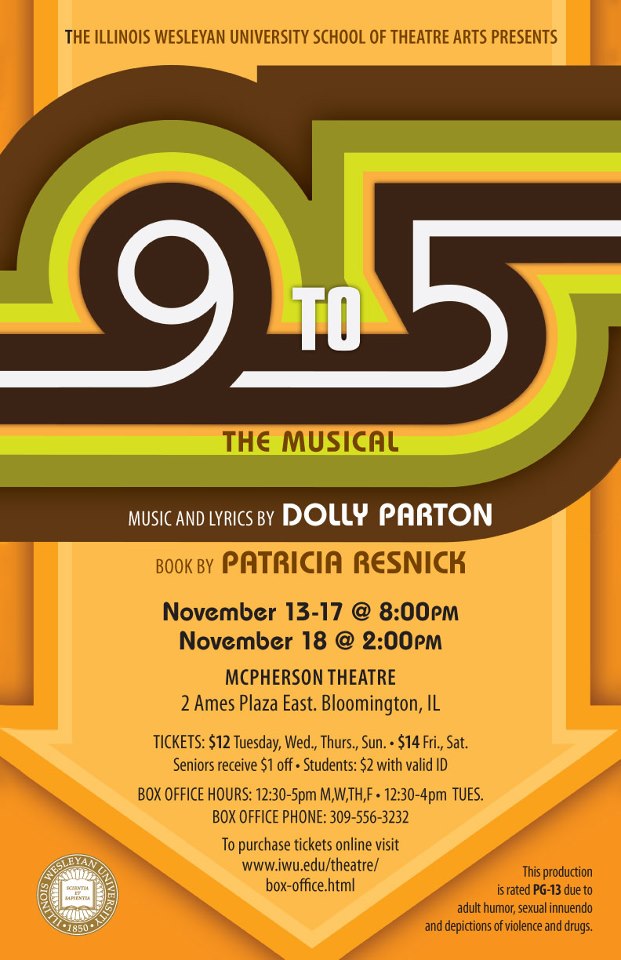
https://craftsstore.art.blog/wp-content/uploads/2024/01/0e260-9to5iwu.jpg

9 to 5 the movie had huge success at the box office. In fact, it was the highest grossing movie of 1980! Because of its success, it was adapted for the small screen and ran for five seasons!

Parton’s own sister, Rachel Dennison, played Doralee, Parton’s role in the movie. It also starred Valerie Curtin and Rita Moreno.

Many years later, in 2008, the movie was developed as a musical in Los Angeles! It did so well that it was brought to Broadway and starred Allison Janney as Violet, Stephanie J. Block as Jusy, and Megan Hilty as Doralee. Dolly wrote brand new music for the 9 to 5 musical.

Watch a commercial for the musical below.

 Dolly Parton Memorized The Entire Script

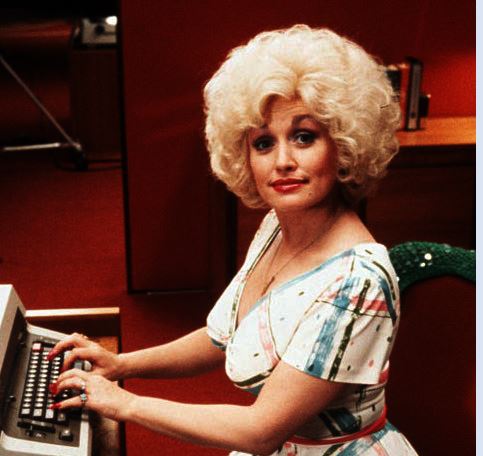
9 to 5 was Dolly Parton’s movie debut and learned a few things along the way. Instead of just learning her own lines, she learned everyone’s lines!

Parton was already super successful as a singer-songwriter, but had never even been to a set. The closest she had come to a movie set was the tour at Universal Studios!

“They just sent me the script and I memorized it,” Parton said in an interview with The Today Show. “I just assumed you had to. My part and [Lily’s] part and [Jane’s] part and Dabney’s part. But I just knew the script back and forth and every week I would read it … I would practice.”

“How were you in my part?” Lily Tomlin asked her.

“Oh, I was great!” she responded.

SOURCE: Country Rebel

By Jennifer Pernicano on December 18, 2017

Tuesday Trivia: How Well Do You Know the King?

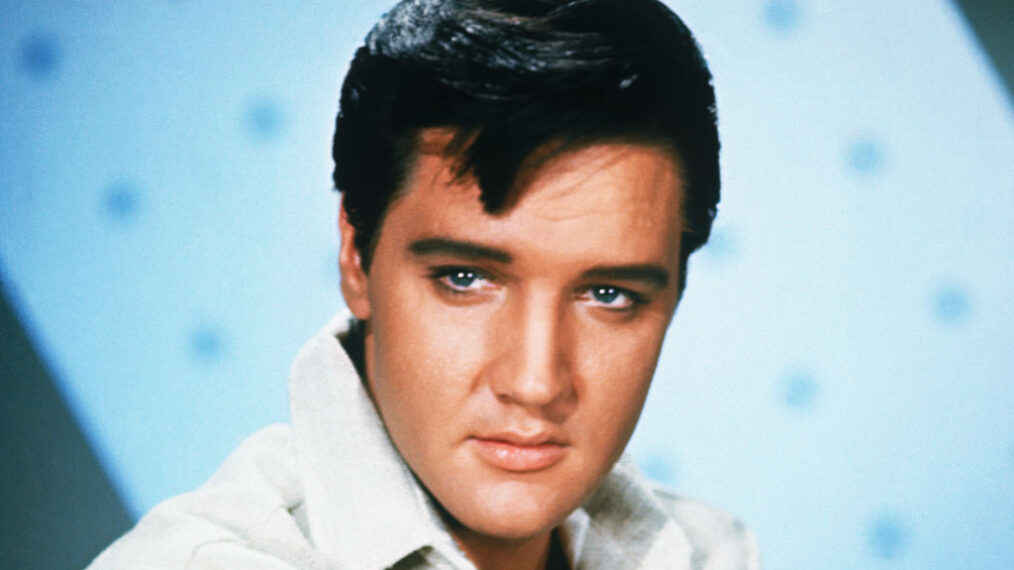
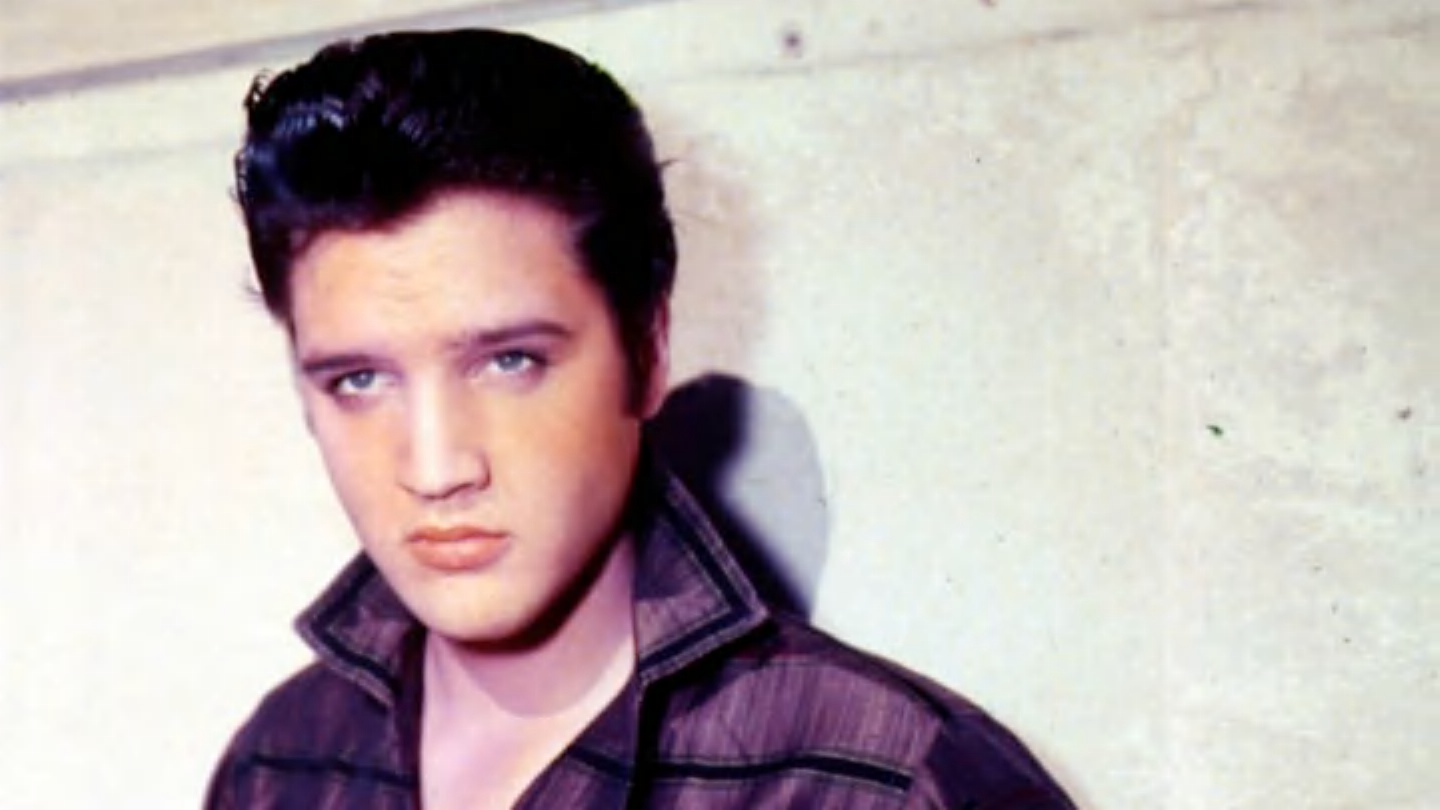
Elvis Presley, one of the most recognizable musicians of all time, undoubtedly earned his nickname as the “King of Rock ‘n’ Roll.” He’s the man who revolutionized American pop music by melding country, gospel, and R&B styles. He was also a major movie star and a beloved sex symbol whose onstage moves, highlighted by those showstopping hip gyrations (hence his other nickname, “Elvis the Pelvis”), inspired generations of performers and flustered his critics.

Decades after his death in 1977 at the age of 42, Elvis Presley continues to sell albums around the globe and remains an indelible influence on the entertainment industry. Read on to learn more about Presley’s life and career.

Elvis Presley is closely associated with Tennessee, but he was born in Mississippi.

Though he’ll forever be associated with Memphis, Tennessee, home to his Graceland mansion, Elvis Presley was actually born in Tupelo, Mississippi, on January 8, 1935. It was there that Presley began to sing and play guitar, sometimes even bringing the instrument to school to play gospel music for his classmates. It wasn’t until 1948, when the future King was 13 years old, that the Presley family moved to Memphis.

Music critics were fairly cruel to Elvis Presley in the early days of his career.

Though Presley is one of music’s most respected icons now, early on in his career, many critics mocked everything from his voice to his explicit dancing. “He cannot sing and his whole performance is crude and disgusting,” columnist Dorothy Ricker wrote in the Tampa Bay Times in 1956, before predicting that “in a comparatively short time he will be forgotten.” (Oops!)

In an October 1957 column, Paul Coates of the Los Angeles Mirror went so far as to write that he’d like to “smack that sneer off [Elvis’s] face and send him out for a haircut.”

The cover of Elvis Presley’s debut record influenced another classic rock album.

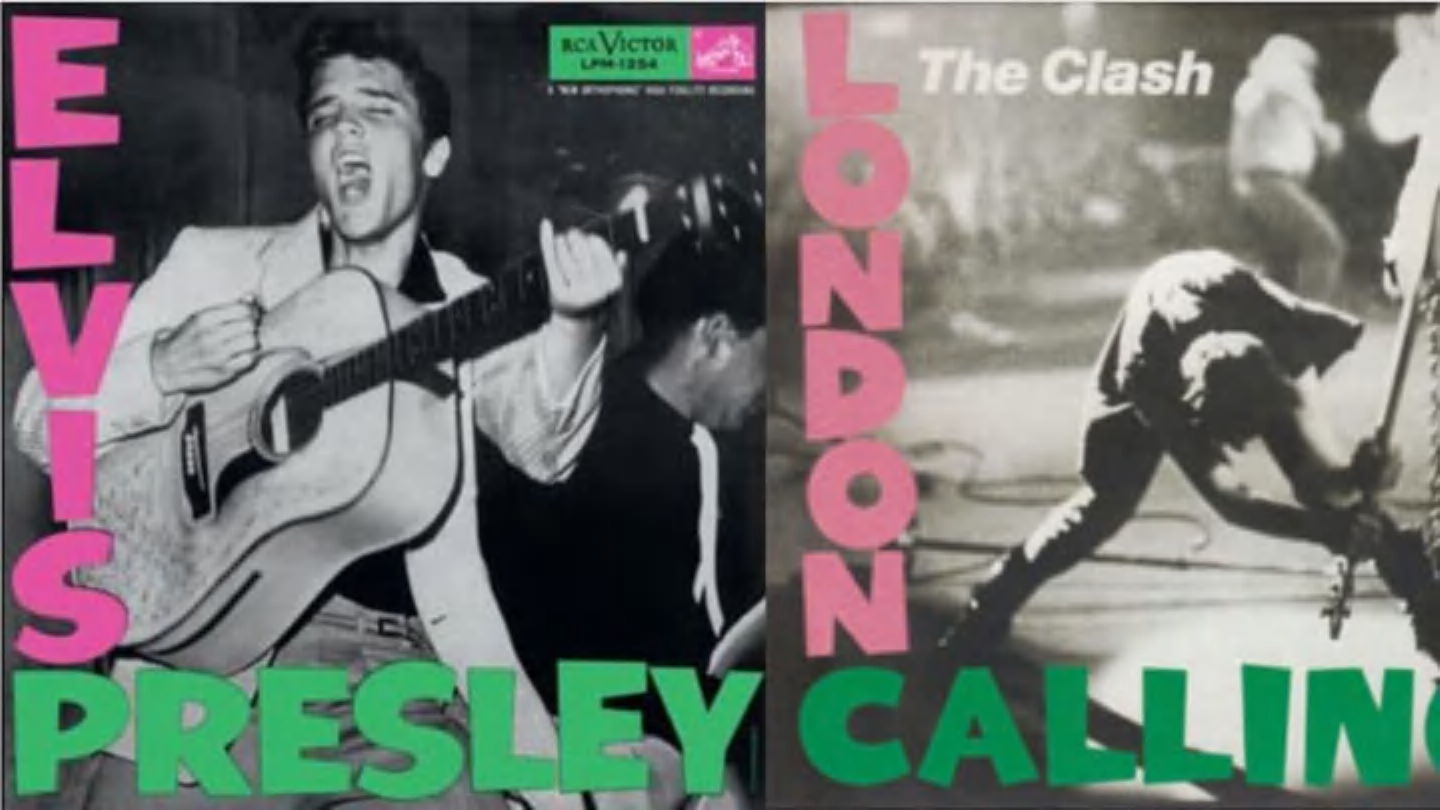
Elvis’s self-titled debut album, which was released in 1956, included classic hits like “Blue Suede Shoes” and his rendition of Little Richard’s “Tutti Frutti.” Its cover imposed Presley’s name in simple green and pink font on a candid photo of him singing, eyes closed and mouth agape, while strumming a guitar. Another classic album cover paid tribute to this debut decades later: The Clash’s 1979 album London Calling depicts bassist Paul Simonon smashing his own instrument alongside similar text.

Elvis Presley’s identical twin brother died at birth.

Elvis had an identical twin brother, Jesse Garon Presley, who was stillborn. He was buried in a cemetery near the Presleys’ Mississippi home soon after they were delivered.

A TV appearance earned Elvis Presley the nickname “Elvis the Pelvis.”

Presley’s stage persona drew as much attention as his music, especially after he suggestively gyrated his hips while singing “Hound Dog” on the June 5, 1956 edition of NBC’s The Milton Berle Show. The performance earned the 21-year-old the nickname “Elvis the Pelvis,” along with the ire of multiple religious leaders and critics in the media. At the same time, it also gained him the admiration of even more young fans.

Elvis Presley bought Graceland when he was 22 years old.

Elvis’s Memphis mansion, known as Graceland, is now a museum devoted to “The King,” who died there in 1977. Every year, hundreds of thousands of visitors flock to see Presley memorabilia and walk through the mansion’s famously campy, tiki-influenced Jungle Room, where Elvis held some of his final recording sessions. Elvis was just 22 when he bought the estate in 1957 for just over $100,000. The mansion itself was named after Grace Toof, one of the original owners.

Elvis Presley got special permission to postpone his Army service to film King Creole.

Elvis received his Army draft notice in December 1957, much to the dismay of the legions of fans who wrote to the military urging that their hero be excused from service. He was granted an eight-week deferment to finish filming the movie King Creole before starting basic training in March 1958. Presley, who was clear that he didn’t want any special treatment, spent two years in the Army, including 18 months in Germany, where he was promoted to sergeant. His service even inspired the hit musical Bye Bye Birdie, about a teen idol named Conrad Birdie being drafted into the Army.

Elvis Presley’s love of fatty foods was prodigious, especially if bacon was involved.

Elvis is famously associated with a sandwich made with peanut butter, bacon, and banana, then pan-fried in butter like an even fattier grilled cheese. It wasn’t his only extreme dietary indulgence, though: “The King” also enjoyed deep-fried pickles and is said to have once flown from Memphis to Denver just for a massive Fool’s Gold Loaf sandwich, which involves stuffing a pound of bacon, a jar of peanut butter, and a jar of jelly inside a buttery loaf of hollowed-out French bread.

Elvis Presley had a habit of shooting at appliances and other household items.

Most famously, Elvis once opened fire at a Graceland television that was showing a performance by crooner Robert Goulet. Years later, Graceland spokesman Kevin Kern told the Associated Press that the incident was nothing against Goulet personally, saying, “Elvis just shot out things on a random basis.” (In a sort of strange twist, Priscilla Presley ended up starring opposite Goulet many years later, in 1991’s The Naked Gun 2½: The Smell of Fear.)

Presley also built a firing range at Graceland and reportedly had a habit of floating flashbulbs in his pool and shooting at them as he indulged on watermelon.

Elvis Presley appeared in more than 30 movies throughout his career.

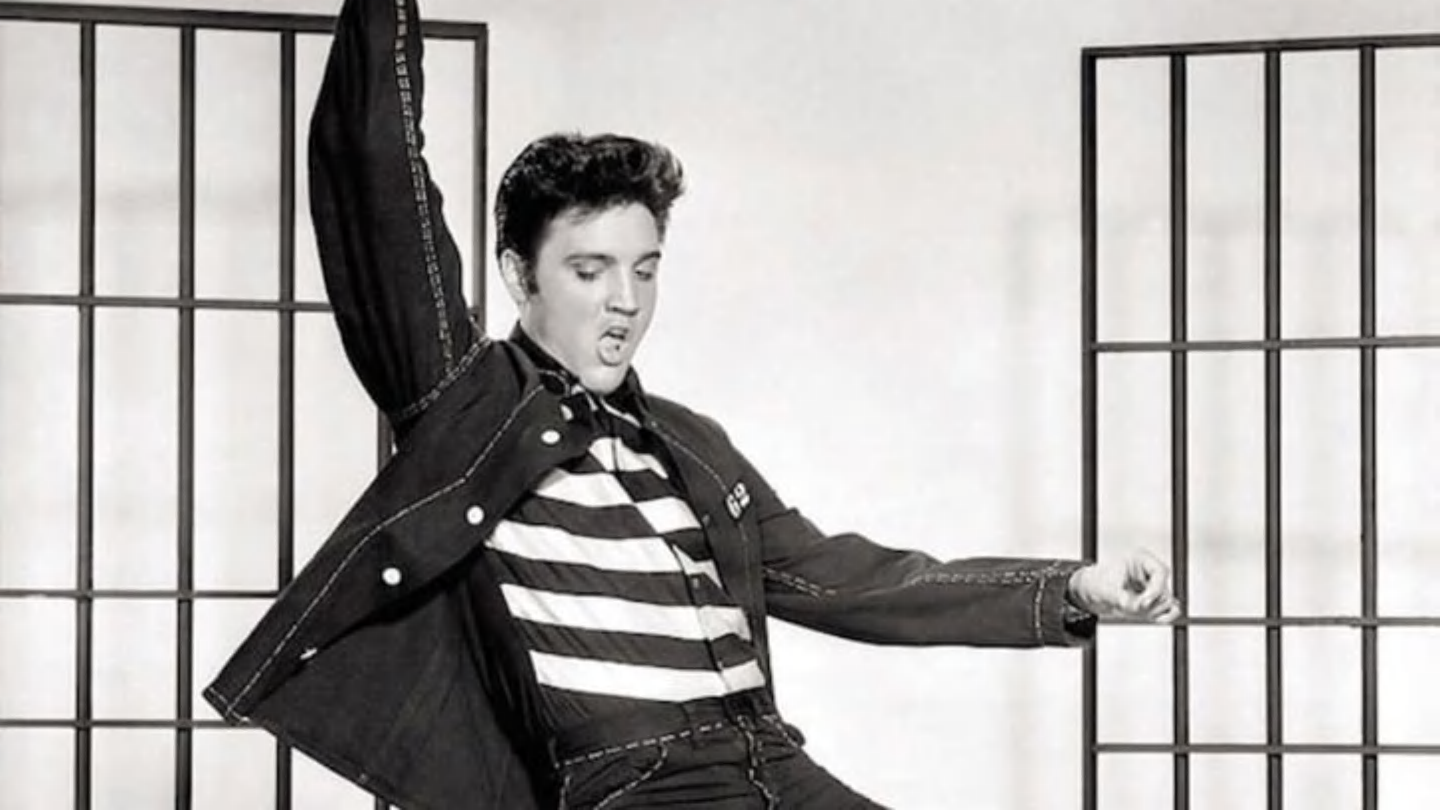
Elvis appeared as an actor in 31 movies between 1956 and 1972, including Jailhouse Rock; G.I. Blues; and Girls, Girls, Girls. The films and Presley’s performances were often panned by critics, but at the peak of Elvis’s career, they brought his devoted fans to movie theaters in droves—then to record stores to pick up the soundtracks that accompanied the movies. In all, only one of Elvis’s movies lost money at the box office: 1961’s Wild in the Country.

Elvis Presley’s Daughter, Lisa Marie Presley, has her own music career.

While she’ll forever be known as Elvis Presley’s only child (and for marriages to Michael Jackson and Nicolas Cage), Lisa Marie Presley is also a musician in her own right. She has released three albums, including the 2003 gold-certified release To Whom It May Concern, and has collaborated with a wide array of musicians, including Smashing Pumpkins lead Billy Corgan, rock icon Pat Benatar, and even Elvis himself, who posthumously joined his daughter for a duet of “Don’t Cry Daddy,” thanks to some clever editing of the original recordings.

Elvis Presley’s photo with Richard Nixon is one of the most requested at the National Archives.

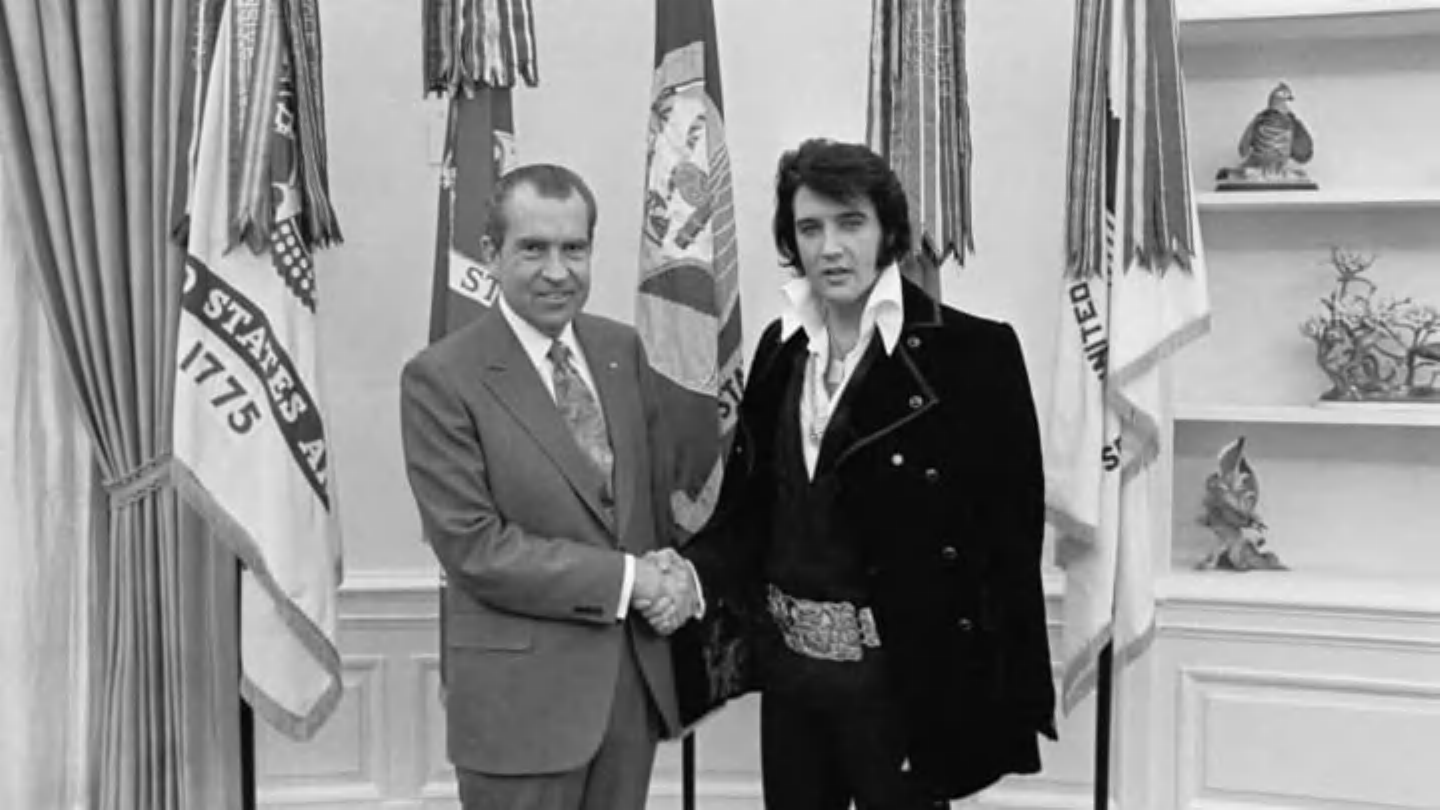
Once called a threat to American decency, Elvis wrangled a meeting with President Richard Nixon in 1970. “I’m on your side,” Presley told the president, while clad in a distinctive purple velvet suit. Nixon also arranged for Elvis, who collected police insignia, to get a souvenir badge from the Bureau of Narcotics and Dangerous Drugs. “The narc badge represented some kind of ultimate power to him,” then-wife Priscilla Presley wrote in her memoir. In 2015, the U.S. National Archives confirmed that the photo of Elvis and Nixon shaking hands gets more requests for reproduction by the public than any other in its collection.

Elvis Presley had a black belt in karate.

While stationed in Germany with the Army, Presley began studying karate, which would remain a passion for him throughout his life. He was awarded his seventh-degree black belt in 1972, and he used his knowledge of the fighting technique to choreograph combat scenes in his movies. He would even show off some of his moves on stage during concerts.

Elvis Presley’s Manager, Colonel Tom Parker, was only kind of a colonel.

Elvis’s career was managed by Colonel Tom Parker, known for his strict control over his performances and for taking half of Elvis’s earnings as his fee. (“He takes 50 percent of everything I earn,” Parker quipped of Presley.) Despite being called “Colonel,” Parker never came close to the rank when in the Army. It was an honorary title he received from country singer and songwriter Jimmie Davis after Parker aided Davis’s successful bid for Louisiana governor.

Elvis Presley had an eclectic pet menagerie at Graceland.

Once he moved to Graceland, Elvis had no shortage of animals on site, from donkeys and a monkey to more conventional pets like dogs and horses. There was even a mynah bird that learned to mimic strings of profanity while hanging around Elvis and his friends. Visitors to Graceland can see the horses the museum keeps today in honor of Elvis and his array of animals.

Elvis Presley had one of the most successful concert residencies in history.

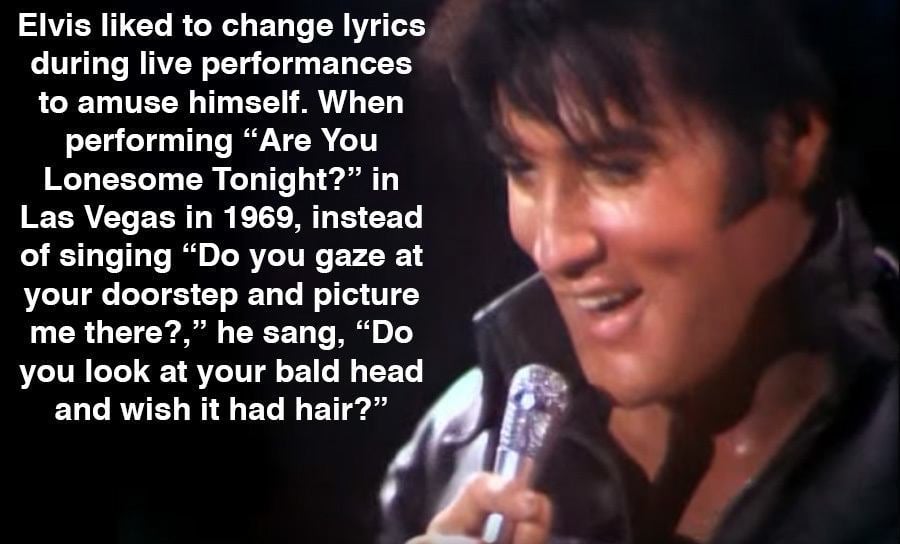
The singer of “Viva Las Vegas” once performed a now-astonishing 636 sold-out shows at Vegas’s International Hotel, appearing twice a night, seven days a week beginning in 1969. The appearances cemented a career resurgence that began with a comeback special, which aired on NBC in 1968. Years after Elvis and other early rockers had yielded the pop charts to newer acts like The Beatles in the early ’60s, “The King” was back.

Elvis Presley never performed outside of North America.

Although his music remains popular around the world, Elvis Presley almost never performed abroad. In fact, his only appearances outside the United States were all in Canada. The reason why is unclear, although it’s often been suggested that the decision may have been related to the uncertain immigration status of his longtime manager, Netherlands-born Colonel Tom Parker.

SOURCE: MENTAL FLOSS

https://www.mentalfloss.com/authors/steven-melendez

Thank you…thank you very much…

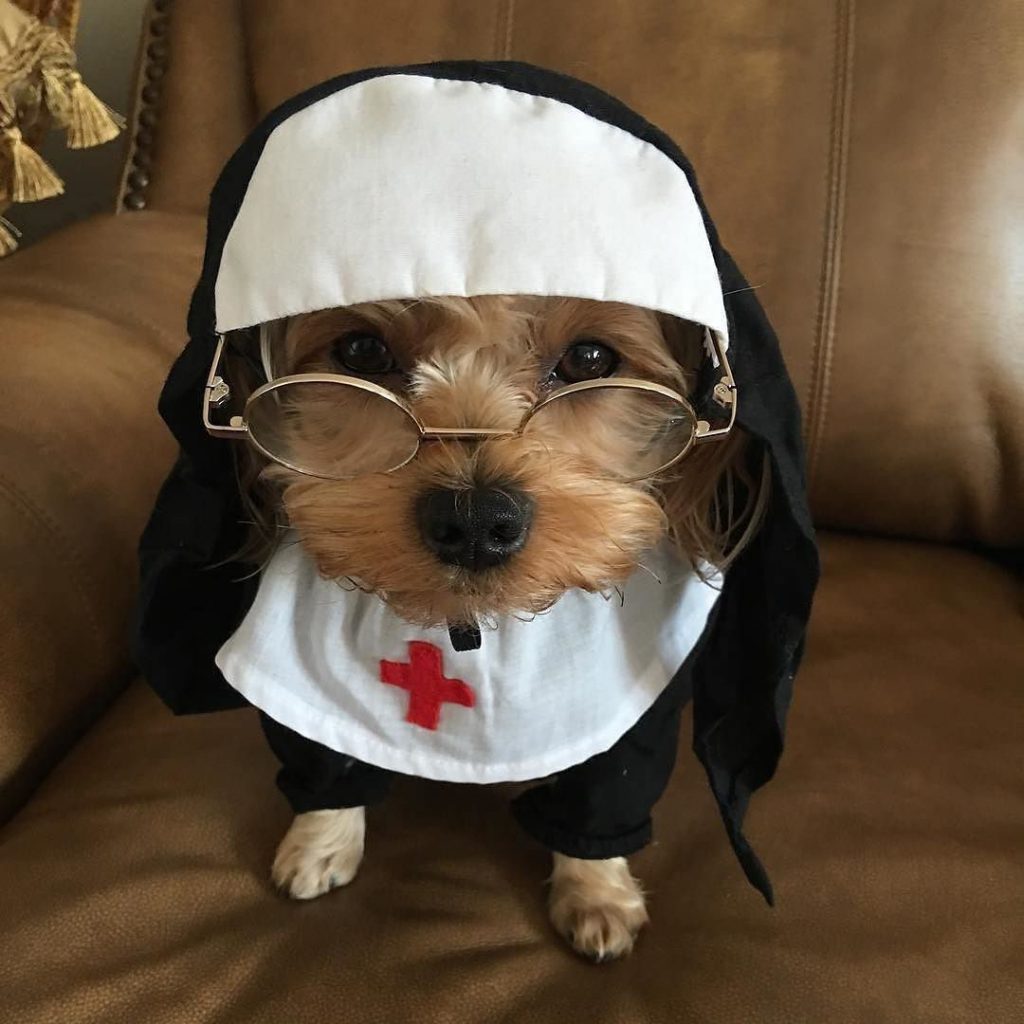
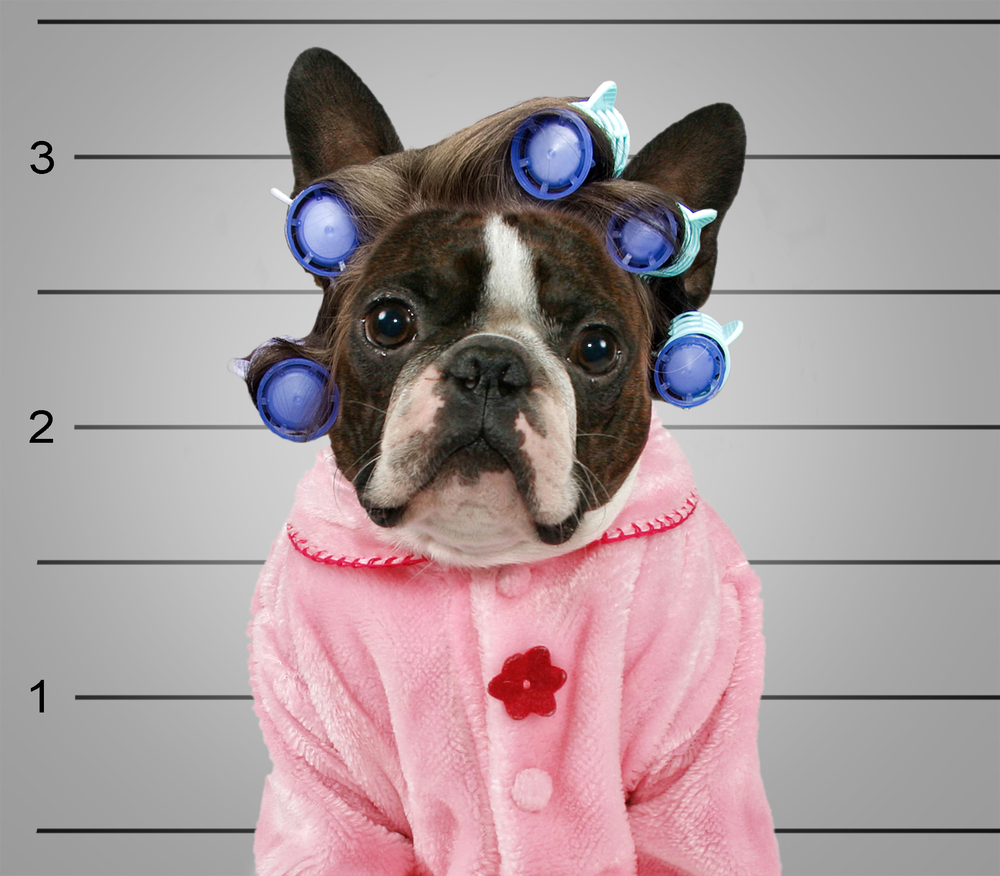
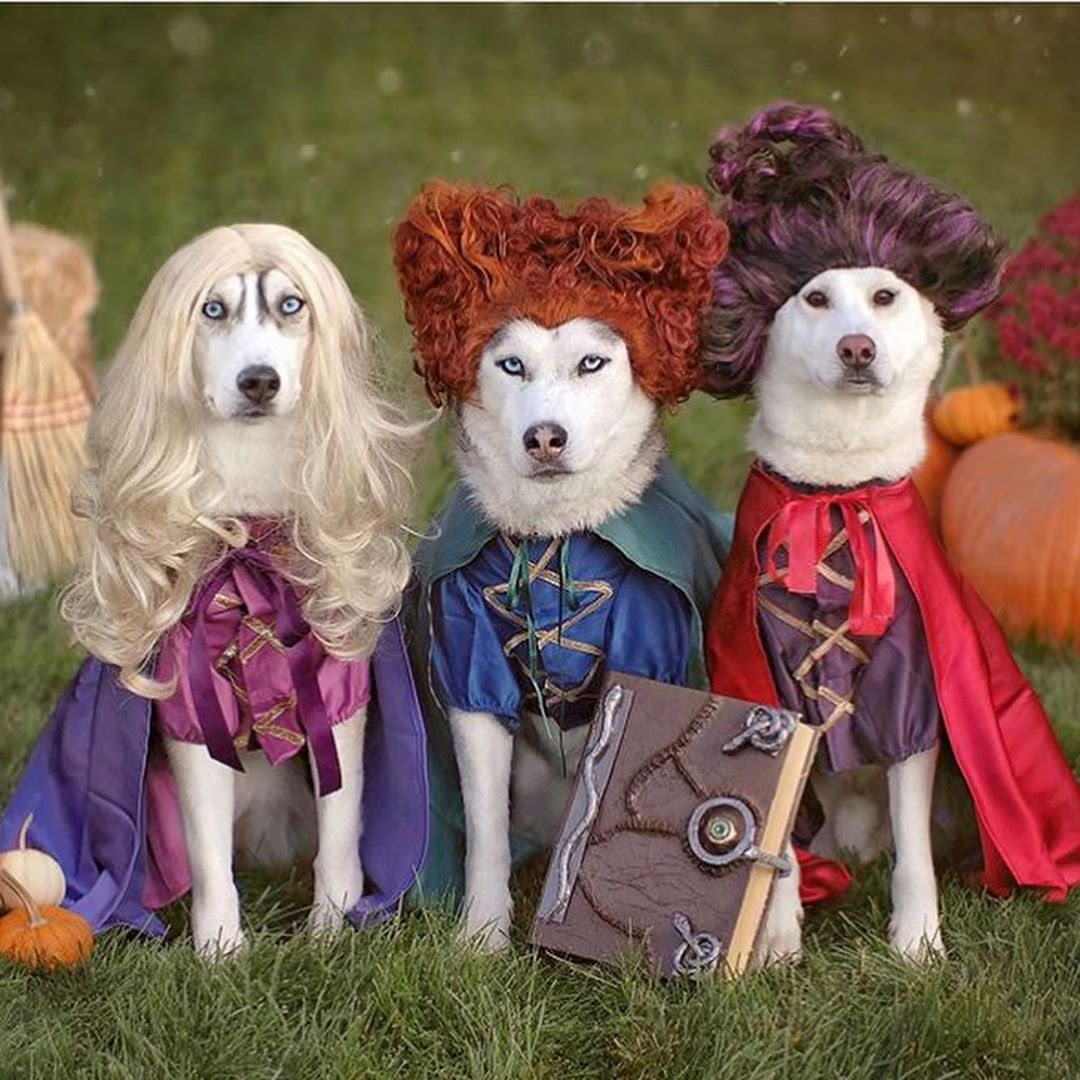
Happy Dress Up Your Pet Day!

These pets have the most patient, loving personalities to allow their owners to dress them up like this.  So let’s start the parade, shall we?

In the dramatic division…

In the comedic division…

In the best dressed division…

In the cute as a button division…

And finally, the group division…

I have had many pets over the years, but I have never, never dressed any of them up.  (I just thought that needed to be said.)

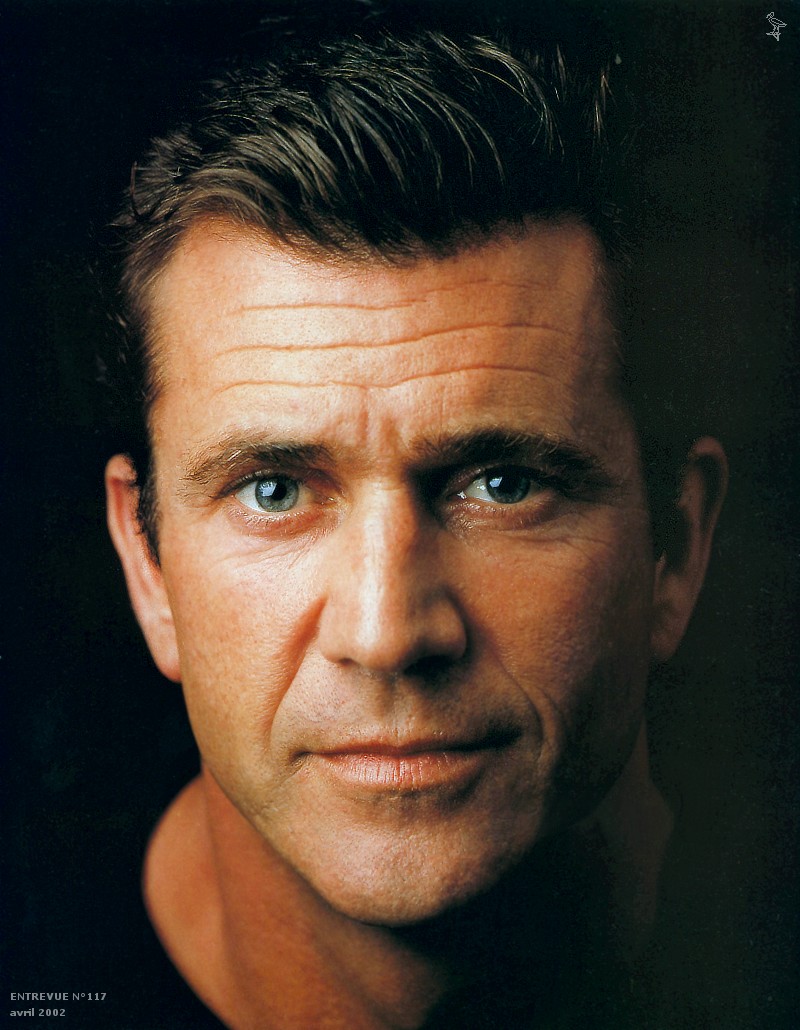
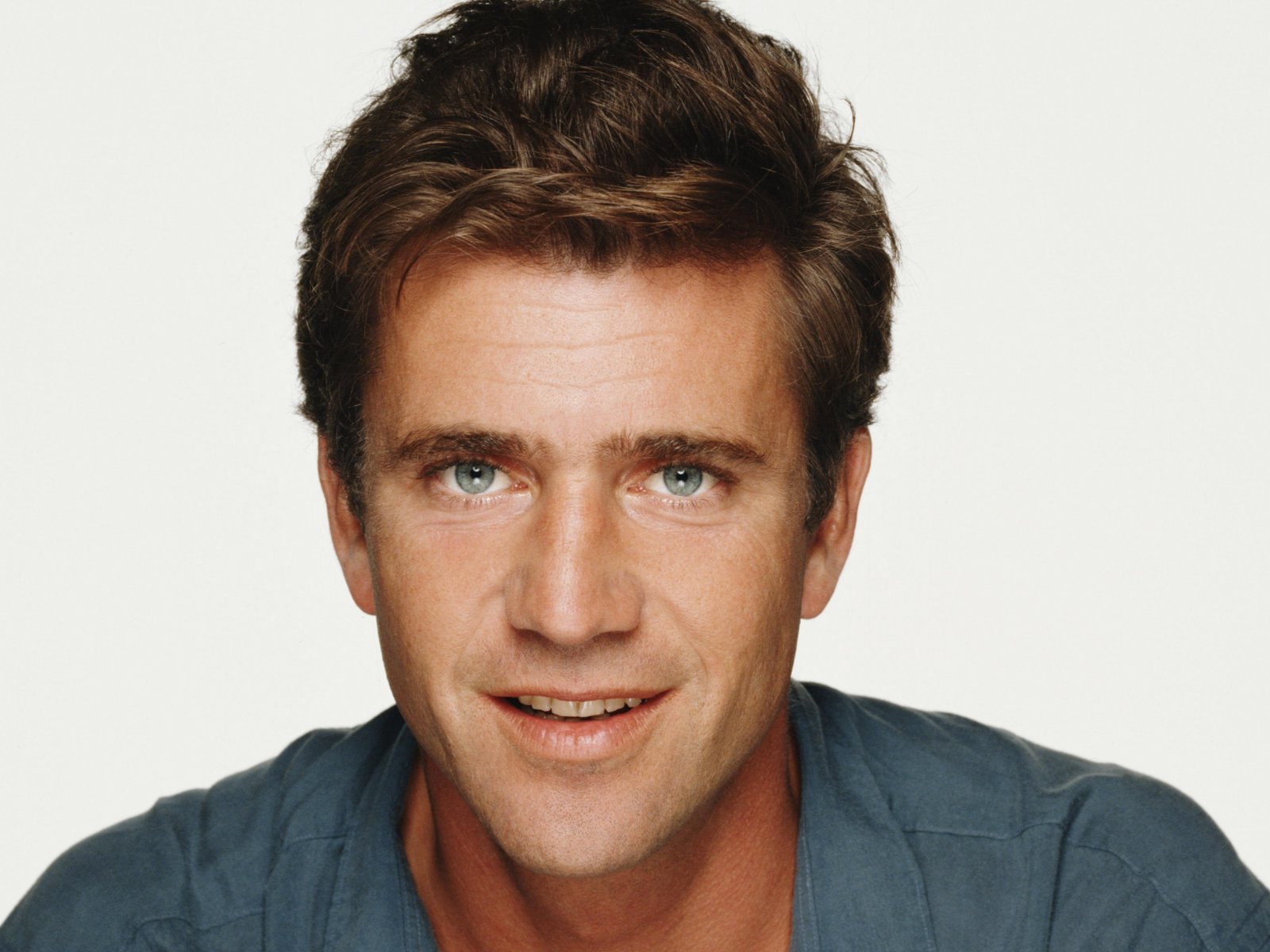
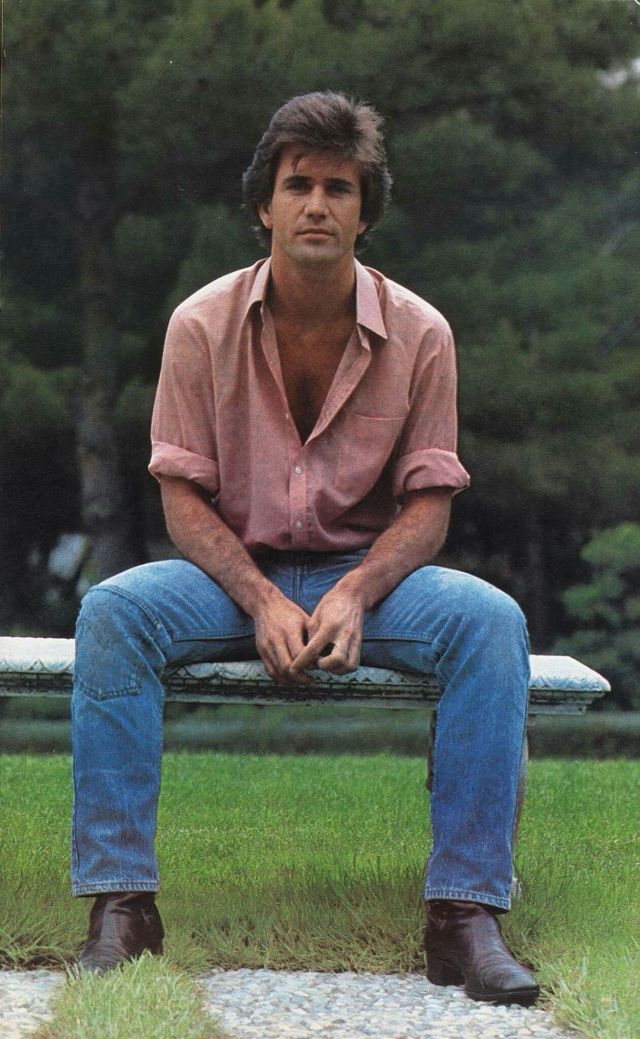
Happy Birthday Hunk-A-Doodle-Do

January 3 is Mel Gibson’s birthday and JustFunFacts has an article detailing some interesting facts about my favorite hunk.

Mel Gibson is an American actor and filmmaker.

His full name is Mel Colmcille Gerard Gibson.

He was born on January 3, 1956, in Peekskill, New York.

Mel is the sixth of eleven children, and the second son of Hutton Gibson and Anne Patricia (née Reilly).

His mother was Irish, from County Longford, while his American-born father is of mostly Irish descent.

Because of his mother, Gibson retains dual Irish and American citizenship.

Mel and his family moved to Australia in the late 1960s, settling in New South Wales, where Mel’s paternal grandmother, contralto opera singer Eva Mylott, was born.

In 1974 he enrolled in the National Institute of Dramatic Art in Sydney, and while at school he made his film debut playing a surfer in Summer City (1977) for which he was paid $400.

After graduating in 1977, he joined the State Theatre Company of South Australia.

In 1979 he starred as a renegade cop seeking revenge in the futuristic action film Mad Max. He was paid $15,000 for this role. Mad Max became the biggest commercial success of any previously released Australian film, grossing more than $100 million worldwide.

After Mad Max, Gibson also played a mentally slow youth in the film Tim (1979). For his performance in the film, Gibson earned his first Australian Film Institute Award, for best actor.

Director Peter Weir cast Gibson as one of the leads in the critically acclaimed World War I drama Gallipoli (1981), which earned Gibson another Best Actor Award from the Australian Film.

Gibson wouldn’t become internationally famous, however, until after his performance in Mad Max 2: The Road Warrior (1981), one of the few sequels to have proved superior to its predecessor.

His second collaboration with Peter Weir, The Year of Living Dangerously (1982), featured the actor in his first romantic lead, alongside Sigourney Weaver.

In 1984, Gibson took on the role of Fletcher Christian in The Bounty (1984), which co-starred Anthony Hopkins.

Mel Gibson’s first American film was Mark Rydell’s 1984 drama The River, in which he and Sissy Spacek played struggling Tennessee farmers.

Gibson earned his first million-dollar salary for playing Max Rockatansky for the third time, in Mad Max Beyond Thunderdome in 1985.

After a two-year break, Gibson returned to the screen with the blockbuster hit Lethal Weapon (1987), playing volatile cop Martin Riggs opposite Danny Glover, who portrayed by-the-book character Roger Murtaugh. The success of Lethal Weapon inspired three sequels—Lethal Weapon 2 (1989), Lethal Weapon 3 (1992) and Lethal Weapon 4 (1998).

In 1988 Gibson started in a crime thriller film Tequila Sunrise, co-starring Michelle Pfeiffer and Kurt Russell.

Gibson next starred in three films back-to-back: Bird on a Wire, Air America, and Hamlet; all were released in 1990. Hamlet was the first film made by his production company, ICON Productions.

In 1993 he made his directorial debut with The Man Without a Face, in which he also starred.

Gibson next directed the epic Braveheart (1995), in which he portrayed the Scottish national hero Sir William Wallace. The film won five Academy Awards, including best picture and best director.

He then starred in Ransom (1996), Conspiracy Theory (1997), and Payback (1999).

In 2000, Gibson started in the highly anticipated war saga The Patriot, in which he played a reluctant hero during the American Revolution. That same year he appeared in What Women Want, and lend his voice for the animated comedy Chicken Run.

In 2002, Gibson appeared in the Vietnam War drama We Were Soldiers and M. Night Shyamalan’s science fiction thriller Signs, which became the highest-grossing film of Gibson’s acting career. While promoting Signs, Gibson said that he no longer wanted to be a movie star and would only act in film again if the script were truly extraordinary.

Gibson returned to directing with The Passion of the Christ (2004), an account of the last 12 hours of Jesus Christ’s life that was based primarily on the biblical Gospels, with dialogue in Aramaic and Latin.

In 2006, he directed the action-adventure film Apocalypto, his second film to feature sparse dialogue in a non-English language. The violent film was set during the collapse of the Mayan empire and featured dialogue in Mayan.

In 2010, Gibson appeared in Edge of Darkness, which marked his first starring role since 2002 and was an adaptation of the BBC miniseries, Edge of Darkness.

The following year he portrayed a depressed man whose life is invigorated by his use of a hand puppet in the drama The Beaver (2011).

In 2012, Gibson appeared in the neo noir crime thriller Get the Gringo directed by Adrian Grunberg. The film has received largely positive reviews.

Then Gibson played two villains: Voz in Machete Kills in 2013, opposite Danny Trejo, and Conrad Stonebanks in The Expendables 3 opposite Sylvester Stallone in 2014.

In 2016 Gibson started in the action crime thriller film Blood Father directed by Jean-François Richet, written by Peter Craig based on his novel of the same name.

He returned to directing with Hacksaw Ridge (2016), a biopic about Desmond T. Doss, a conscientious objector who served as an army medic during World War II. The critically acclaimed drama earned an Academy Award nomination for best picture, and Gibson received an Oscar nomination for his direction.

Mel Gibson has an estimated net worth of $425 million.

Mel Gibson married Robyn Denise Moore, a dental nurse on June 7, 1980 in a Roman Catholic Church in Forestville, New South Wales. Together they have a daughter and six sons. They separated in 2006 after 26 years of marriage and finally got divorced in 2011. Robyn Moore has been awarded half his $850 million fortune in their divorce settlement.

In 2009, he began dating Grigorieva and had a daughter, Lucia with her. They split up a year later.

As of 2014, Gibson is in a relationship with former champion equestrian vaulter and writer Rosalind Ross. Ross gave birth to their son, and Gibson’s ninth child on January 20, 2017 in Los Angeles.

Gibson was raised a Sedevacantist traditionalist Catholic. When asked about the Catholic doctrine of Extra Ecclesiam nulla salus, Gibson replied, “There is no salvation for those outside the Church … I believe it.

Gibson has his own private chapel in his grounds, where he attends mass every day.

On July 25, 1997, Gibson was named an honorary Officer of the Order of Australia (AO), in recognition of his “service to the Australian film industry”. The award was honorary because substantive awards are made only to Australian citizens.

Gibson is a property investor, with multiple properties in Malibu, California, several locations in Costa Rica, a private island in Fiji and properties in Australia.

Gibson has struggled with alcoholism. He has said that he started drinking at the age of 13.

As a director, he sometimes breaks the tension on set by having his actors perform serious scenes wearing a red clown nose.

His voice in Mad Max (1979) was dubbed for the film’s US release.

He was named after the Church of St. Melin Clonmel, Co. Tipperary, Ireland where his mother’s family is from.

In Portuguese, “Mel” means “honey”.

SOURCE: JUSTFUNFACTS

New Year’s Eve Superstitions

Want to make sure your New Year starts out auspiciously? You might want to try one of these suggestions (or superstitions if you will) from The Pioneer Woman’s website.

Clean Your House Before Midnight

In Japan, there’s a New Year’s tradition known as “osoji” or “o-souji” that involves thoroughly cleaning and tidying the house before midnight. This custom is rooted in the belief that cleaning one’s living space helps to purify the home and welcome the new year with a fresh start.

Watch a New Year’s Day Parade

Many people around the world like to kick off the new year by watching or attending a parade on the holiday. In the U.S., a couple of the most famous examples are the Rose Parade in Pasadena, California, and the Mummers Parade in Philadelphia.

Write a Letter to Yourself for Next Year

This tradition is a gift that keeps on giving. It involves taking a moment to reflect on the past year, set goals and intentions for the future, and capture your thoughts and feelings in a personal letter to be opened the following New Year’s Day.

Watch the Sunrise

In Japan, the tradition of watching the first sunrise of the new year is known as “hatsuhinode.” This act is believed to bring good fortune for the coming year and many people make a special effort to wake up early and find a scenic location like a beach or hill to take in the view.

Eat Lentils

In Italy, many people ring in the new year by eating a dish of lentils. The belief is that lentils, which resemble small coins, symbolize prosperity and wealth for the coming year.

Have a New Year Movie Marathon

Looking for a low-key tradition to kick off the new year? Snuggle up on the couch with your loved ones and watch the best New Year’s movies that capture the spirit and heart of the holiday.

Make a List of Resolutions

Believe it or not, New Year’s resolutions are said to have been around since ancient Babylonian times. So, when writing out this year’s goals, remember that for approximately 4,000 years, people have been working toward achieving their resolutions.

Jump Seven Waves

In Brazil, it’s considered good luck to start the new year by jumping over seven waves. You get one wish for each wave, so be ready with your list!

Put Mistletoe Under Your Pillow

Mistletoe isn’t just a Christmas tradition. The Irish believe that if you put a sprig of mistletoe, holly, or ivy under your pillow on New Year’s Eve, you’ll dream of your future love.

Bang Some Bread

You’ve heard of breaking bread but how about banging it? Families in Ireland have a New Year’s tradition of banging loaves of Christmas bread against the walls and doors to ward off evil spirits and pave the way for a healthy and prosperous new year.

Carry an Empty Suitcase

Want to go places in 2024? Take a cue from the Colombians, who walk around the block carrying empty suitcases on New Year’s Eve to bring a year filled with travel.

Smash a Peppermint Pig

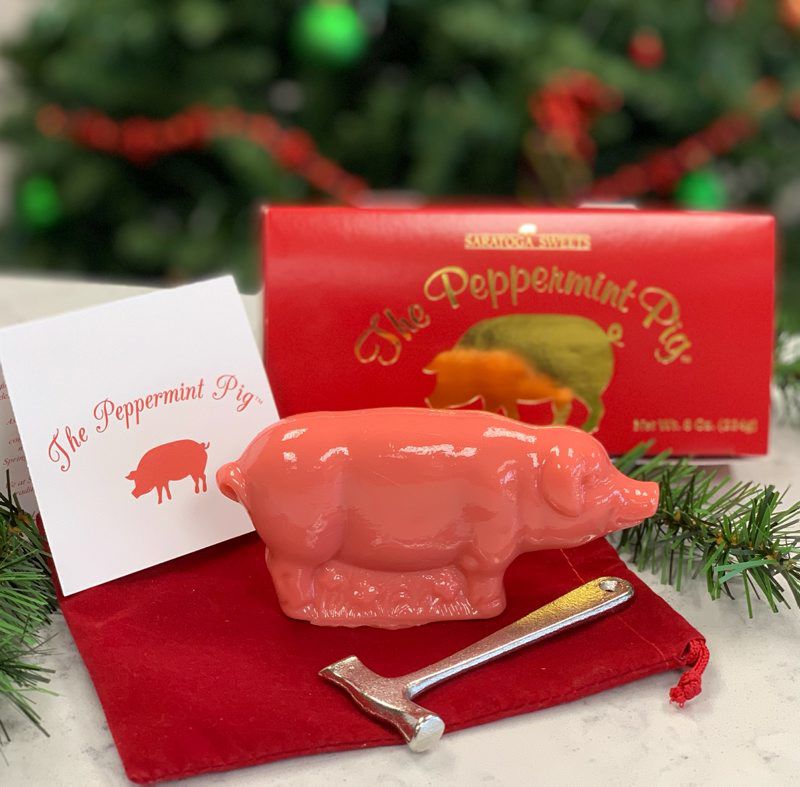
Have you heard of the tradition of the Peppermint Pig? It all began in the 1880s with candy makers in Saratoga Springs, New York. To bring good health, happiness, and prosperity in the new year, place the candy pig in a velvet bag and smash it with a small hammer, then eat a piece of peppermint. This one will be fun for the whole family!

Host a Party

Sometimes the most fun is had in the comfort of your own home surrounded by friends and family! If that’s your idea of a good time, throw a party to usher in the new year with New Year’s Eve decorations, the best New Year’s Eve drinks, and of course, exciting New Year’s Eve games.

Watch Fireworks

Across the world, fireworks are a central part of celebrating the new year. But where did the tradition begin? Well, historians point to seventh century A.D. in China where the big bangs were used to ward off evil spirits. You can find displays across the country to enjoy on NYE or light your own. In some cultures, different colors even correspond to various types of luck, including love and health.

Toss a Coin

Similar to throwing change and making a wish, many Romanians believe that tossing a coin in the river on New Year’s Eve will provide good luck for the whole year. So, gather your pennies and bring on the good fortune!

Find Round Objects

Round items are all the rage on New Year’s Eve, especially in the Philippines! Because the circular shape symbolizes money and wealth, it’s the more the merrier! According to this tradition, you can wear polka dots, carry coins, and eat round foods like donuts, bagels and cookies to boost your funds for the next 12 months.

Carefully Choose Your First Guest

In Scotland, a tradition known as first-footing will supposedly determine whether your household has good luck or misfortune for the rest of the year. For prosperity in 2024, superstition says the first person to enter your home at midnight should be a tall, dark-haired male. He should also bring symbolic gifts like coins or black buns. It’s worth a shot, right?

Watch the Times Square Ball Drop

The New Year’s Eve ball drop in Times Square has been a tradition since the early 1900s. While celebrations in Times Square date back to 1904, it wasn’t until 1907 that the crystal ball made its big debut. Since then, the spectacle has been a staple of New Year’s Eve celebrations, with hundreds of thousands of people flocking the streets, and millions watching from home.

Kiss at Midnight

You may never have thought about where the New Year’s Eve midnight kiss tradition came from. Some historians believe it traces back to ancient Rome’s Saturnalia celebration. A raucous good time full of dancing, alcohol, and kissing galore took place during this festival. As time went on, German and English folklore romanticized the idea of a midnight kiss, suggesting that starting the year with a kiss would improve your endeavors in love.

Make a Toast

There’s nothing like cheers-ing to the new year with a glass of bubbly. And it’s not only modern-day folks who enjoy the tradition. The practice of toasting dates back to the ancient world, NPR reports, when people would often raise their glass to someone’s good health. No matter how much time has gone by, there’s nothing like toasting with those closest to you.

SOURCE: THE PIONEER WOMAN

History of Nicola Tesla, Part 2

Nikola Tesla’s Failures, Death and Legacy

In 1895 Tesla’s New York lab burned, destroying years’ worth of notes and equipment. Tesla relocated to Colorado Springs for two years, returning to New York in 1900. He secured backing from financier J.P. Morgan and began building a global communications network centered on a giant tower at Wardenclyffe, on Long Island. But funds ran out and Morgan balked at Tesla’s grandiose schemes.

Tesla lived his last decades in a New York hotel, working on new inventions even as his energy and mental health faded. His obsession with the number three and fastidious washing were dismissed as the eccentricities of genius. He spent his final years feeding—and, he claimed, communicating with—the city’s pigeons. Tesla died in his room on January 7, 1943. Later that year the U.S. Supreme Court voided four of Marconi’s key patents, belatedly acknowledging Tesla’s innovations in radio.

Patent After Nikola Tesla was found dead in January 1943 in his hotel room in New York City, representatives of the U.S. government’s Office of Alien Property seized many documents relating to the brilliant and prolific 86-year-old inventor’s work

What happened to Tesla’s files from there, as well as what exactly was in those files, remains shrouded in mystery—and ripe for conspiracy theories. Three weeks after the Serbian-American inventor’s death, an electrical engineer from the Massachusetts Institute of Technology (MIT) was tasked with evaluating his papers to determine whether they contained “any ideas of significant value.”

Dr. John Trump

According to the declassified files, Dr. John G. Trump reported that his analysis showed Tesla’s efforts to be “primarily of a speculative, philosophical and promotional character” and said the papers did “not include new sound, workable principles or methods for realizing such results.” The scientist’s name undoubtedly rings a bell, as John G. Trump was the uncle of the 45th U.S. president, Donald J. Trump. The younger brother of Trump’s father, Fred, he helped design X-ray machines that greatly helped cancer patients and worked on radar research for the Allies during World War II.

Tesla, Trump, Trump

At the time, the FBI pointed to Dr. Trump’s report as evidence that Tesla’s vaunted “Death Ray” particle beam weapon didn’t exist, outside of rumors and speculation. But in fact, the U.S. government itself was split in its response to Tesla’s technology. Marc Seifer, author of the biography Wizard: The Life & Times of Nikola Tesla, says a group of military personnel at Wright Patterson Air Force Base in Dayton, Ohio, including Brigadier General L.C. Craigee, had a very different opinion of Tesla’s ideas.

Wizard: The Life & Times of Nokola Tesla

“Craigee was the first person to ever fly a jet plane for the military, so he was like the John Glenn of the day,” Seifer says. “He said, ‘there’s something to this—the particle beam weapon is real.’ So you have two different groups, one group dismissing Tesla’s invention, and another group saying there’s really something to it.”

Then there’s the nagging question of the missing files. When Tesla died, his estate was to go to his nephew, Sava Kosanovic, who at the time was the Yugoslav ambassador to the U.S. According to the recently declassified documents, some in the FBI feared Kosanovic was trying to wrest control of Tesla’s technology in order to “make such information available to the enemy,” and even considered arresting him to prevent this.

Yugoslavan Ambassador Sava N. Kosanovic

In 1952, after a U.S. court declared Kosanovic the rightful heir to his uncle’s estate, Tesla’s files and other materials were sent to Belgrade, Serbia, where they now reside in the Nikola Tesla Museum there. But while the FBI originally recorded some 80 trunks among Tesla’s effects, only 60 arrived in Belgrade, Seifer says. “Maybe they packed the 80 into 60, but there is the possibility that…the government did keep the missing trunks.”

Despite John G. Trump’s dismissive assessment of Tesla’s ideas immediately after his death, the military did try and incorporate particle-beam weaponry in the decades following World War II, Seifer says. Notably, the inspiration of the “Death Ray” fueled Ronald Reagan’s Strategic Defense Initiative, or “Star Wars” program, in the 1980s. If the government is still using Tesla’s ideas to power its technology, Seifer explains, that could explain why some files related to the inventor still remain classified

Although some of his more sensitive innovations may still be hidden, Tesla’s legacy is alive and well, both in the devices we use every day, and the technologies that will undoubtedly play a role in our future. “Tesla is the inventor of wireless technology. He’s the inventor of the ability to create an unlimited number of wireless channels,” Seifer says of the inventor’s lasting impact. “So radio guidance systems, encryption, remote control robots—it’s all based on Tesla’s technology.”

History of Nicola Tesla, Part 1

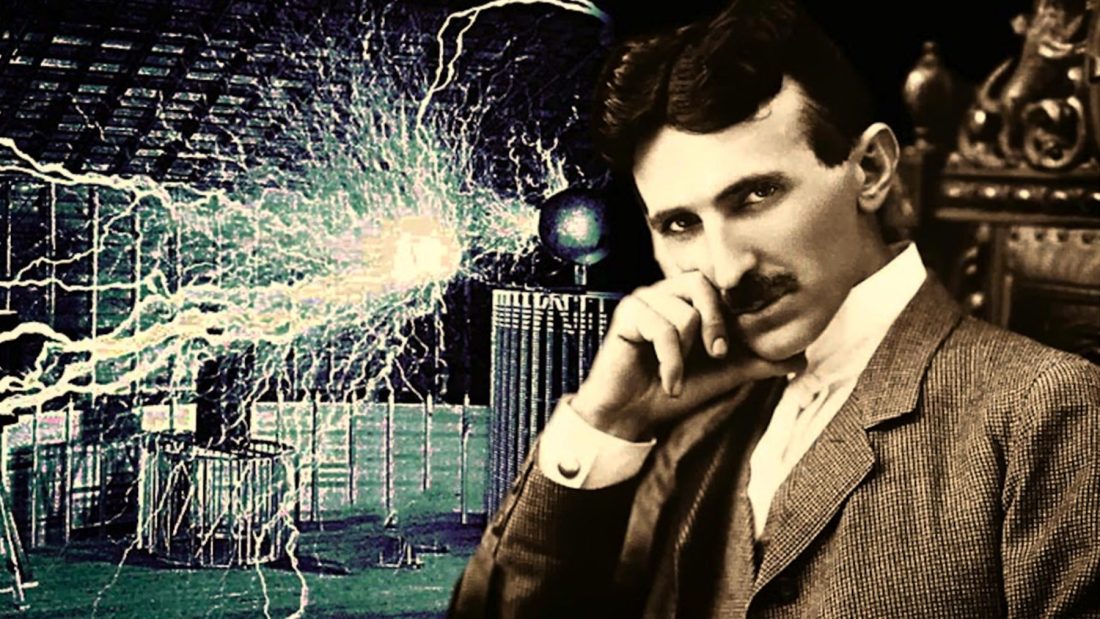
Serbian-American engineer and physicist Nikola Tesla (1856-1943) invented the first alternating current (AC) motor and developed AC generation and transmission technology. Though he was famous and respected, he was never able to translate his copious inventions into long-term financial success—unlike his early employer and chief rival, Thomas Edison.

Nikola Tesla

Nikola Tesla was born in 1856 in Smiljan, Croatia, then part of the Austro-Hungarian Empire. His father was a priest in the Serbian Orthodox church and his mother managed the family’s farm. In 1863 Tesla’s brother Daniel was killed in a riding accident. The shock of the loss unsettled the 7-year-old Tesla, who reported seeing visions.

Young Tesla in the lab

In 1870, Tesla moved to Karlovac (Carlstadt) and stayed with his Aunt and Col. “Old War Horse” Brankovic. He attended “Higher Real Gymnasium” where teacher Martin Sekulic taught him math and physics and had a decided influence over him. Tesla graduated Gimnazije Karlovac a year early.

House where Tesla lived in Karlovac

Did you know? During the 1890s Mark Twain struck up a friendship with inventor Nikola Tesla. Twain often visited him in his lab, where in 1894 Tesla photographed the great American writer in one of the first pictures ever lit by phosphorescent light.

Tesla and Twain

Tesla studied math and physics at the Technical University of Graz and philosophy at the University of Prague. In 1882, while on a walk, he came up with the idea for a brushless AC motor, making the first sketches of its rotating electromagnets in the sand of the path. Later that year he moved to Paris and got a job repairing direct current (DC) power plants with the Continental Edison Company. Two years later he immigrated to the United States.

Nikola Tesla and Thomas Edison

Tesla arrived in New York in 1884 and was hired as an engineer at Thomas Edison’s Manhattan headquarters. He worked there for a year, impressing Edison with his diligence and ingenuity. At one point Edison told Tesla he would pay $50,000 for an improved design for his DC dynamos. After months of experimentation, Tesla presented a solution and asked for the money. Edison demurred, saying, “Tesla, you don’t understand our American humor.” Tesla quit soon after.

Nikola Tesla and Westinghouse

After an unsuccessful attempt to start his own Tesla Electric Light Company and a stint digging ditches for $2 a day, Tesla found backers to support his research into alternating current. In 1887 and 1888 he was granted more than 30 patents for his inventions and invited to address the American Institute of Electrical Engineers on his work.

His lecture caught the attention of George Westinghouse, the inventor who had launched the first AC power system near Boston and was Edison’s major competitor in the “Battle of the Currents.” Westinghouse hired Tesla, licensed the patents for his AC motor and gave him his own lab. In 1890 Edison arranged for a convicted New York murderer to be put to death in an AC-powered electric chair—a stunt designed to show how dangerous the Westinghouse standard could be.

Edison’s Electric Chair

Buoyed by Westinghouse’s royalties, Tesla struck out on his own again. But Westinghouse was soon forced by his backers to renegotiate their contract, with Tesla relinquishing his royalty rights. In the 1890s Tesla invented electric oscillators, meters, improved lights and the high-voltage transformer known as the Tesla coil.

Early Tesla Coil

He also experimented with X-rays, gave short-range demonstrations of radio communication two years before Guglielmo Marconi and piloted a radio-controlled boat around a pool in Madison Square Garden. Together, Tesla and Westinghouse lit the 1893 World’s Columbian Exposition in Chicago and partnered with General Electric to install AC generators at Niagara Falls, creating the first modern power station.

Functioning Model