DIY: Peep Catapult

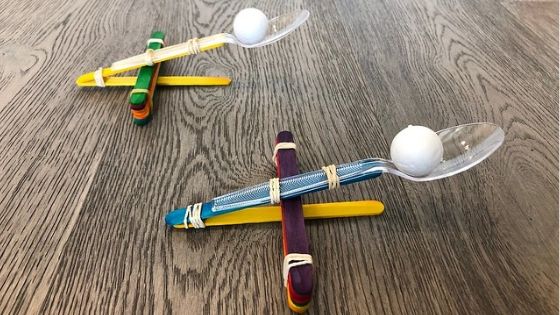
I saw these catapults launching everything from peeps to jelly beans to candy corn or even ping pong balls!  They looked like a lot of fun—and not just for the young ones!  This Easter, when my daughter and her family visits, we’re going to have a contest.  First, these instructions on building the catapult will come in an envelope with all the necessary building materials on the table.  Contestants will have to construct their catapult, head to the playing field—the hallway—and try to launch their peeps into the Easter basket at the end of the hallway.  (Each contestant will have different color peeps for ease of scoring.)

You might suspect that my daughter’s family consists of young children—but you would be wrong!  The family of 3, daughter, son-in-law, and teenage granddaughter are very competitive!  They have a family game night every week and this small competition will be perfect.  The prize? A coveted, LARGE bag of Ghiradelli Salted Caramels.

Craft Stick Catapult

Craft Sticks  (7 for each catapult)

Plastic Spoons  (strong spoons work best)

Small Rubber Bands

How to build a craft stick catapult:

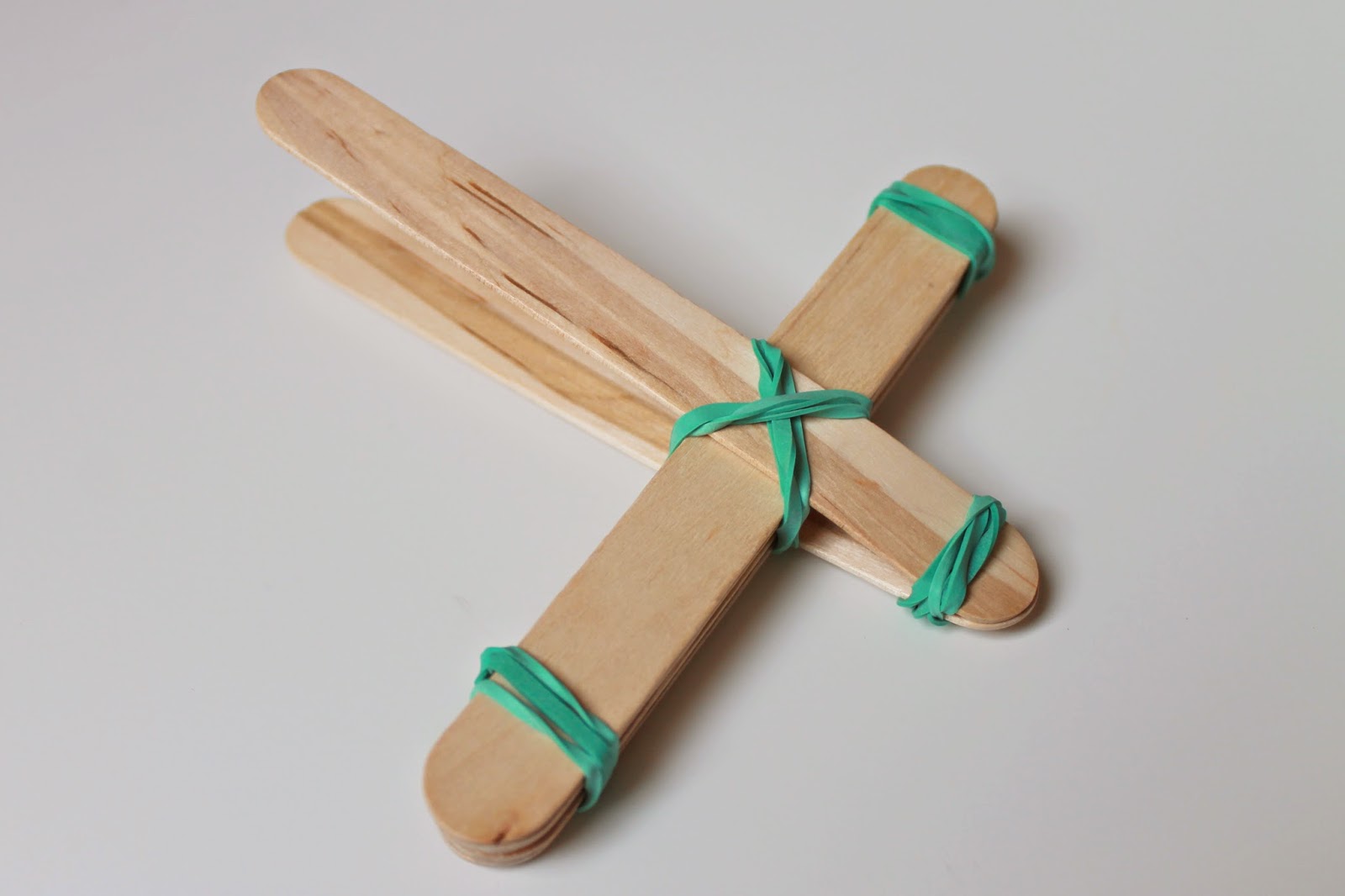
Stack 5 craft sticks on top of each other and secure both ends with a rubber band.  This will be your crossbar.

Next, stack 2 craft sticks on top of each other and secure one end with a rubber band.

Carefully open up the 2 craft sticks and slide your stack of 5 in between them.

Then lay a plastic spoon on top of the top craft stick and secure both ends of the spoon to the craft stick.

Finally, criss-cross one more rubber band around the area where the craft sticks intersect, holding it all in place.

This version does not use a spoon at all:

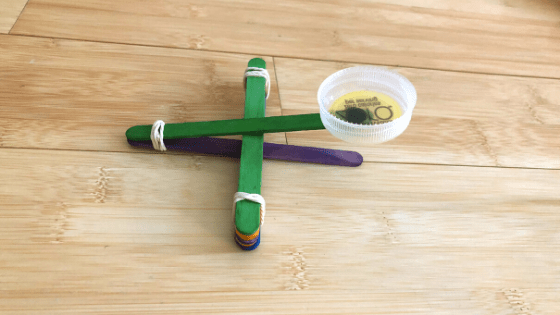
This version uses a plastic cap:

And there are a lot of more difficult designs as well, like this one:

It should be a fun time, although sacrificing my peeps will be difficult…LOL

DIY: Pine Cone Bird Feeders

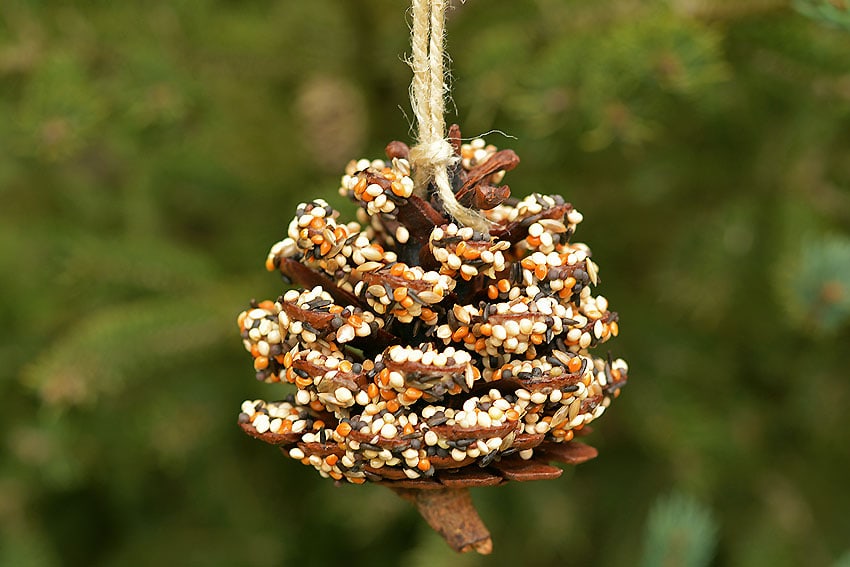
This is an easy craft for anyone to do…and it comes with a story.  First off, you need pinecones, some twine, peanut butter and birdseed.  Merely tie the twine around the pine cone, spread peanut butter on the pine cones and roll in birdseed.  (I microwaved the peanut butter to turn spreading into dipping—much easier.)

We live in a mature wooded area meaning there are extremely few—if any—trees with low enough branches for us to hang these pine cones on.  (This is also why we have no hanging bird feeders—that and the bears would attack them.)

We wanted to attract and feed birds during the winter, so hubby devised a wooden tree of sorts.  Similar to the one pictured below, but not as tall or full.  We put it in a plastic bucket with some rocks thrown in to make sure the wind would not blow it over and put it on the deck.  I tied about a dozen of these pine cone feeders to it securely with bright red ribbon.  The project was finished around dinner time and we didn’t expect to have visitors till the next day. 

We were wrong!  Watching tv that evening we heard a THUMP! and looked at each other.  We thought for sure wind had blown the pine cone tree over, but it wasn’t windy at all.  We turned on the spotlights and saw squirrels DRAGGING our tree!  They had the pine cones in their teeth and paws and had managed to bring the tree down to the deck where they were trying to drag the tree, bucket and all, off the deck and into the woods.

I was out the door and charging at the little thieves while hubby stood and laughed.  The squirrels took that moment to let go of their treasure.

I picked up some of the rocks that had spilled out of the bucket and was winding up to hurl a couple when I felt hubby grab my arm.  “Let them go,” he laughed.  “You scared them good.  They won’t be back.”

Guess what? He was wrong.  They came back in the middle of the night and CHEWED the ribbons OFF the tree and made off with all 12!!

Sigh.

Uses for Expired Baking Soda

I found this article on the Real Advice Gal.com website and I had to share. She details ways to use up expired baking soda!!! 

From Real Advice Gal.com:

Here are My Top 10 Uses for Baking Powder

For Cleaning

So, you forgot about that baking powder you bought last year and now it’s expired. Don’t throw it away just yet! There are actually a few surprising uses for expired baking powder that might come in handy. And for me, the best way is to use expired baking powder to clean!

Baking powder can be used as a natural cleaner for various household items. It can be mixed with water to make a paste and used to scrub away stains on sinks, countertops, and stovetops.

Use it to soak for pots and pans – Stuck on foods making pots and pans hard to clean? Soak them in a mix of hot water and baking powder and you won’t have to scrub so hard!

As a Crayon Mark remover -Did little one decided to use the wall to make a master piece? Use a mix of hot water and baking powder and gently scrub the marks off with a toothbrush.

As a Cleaner for your Microwave – Put 2 tbsp of baking powder and 2 cups of water in a microwave safe bowl and microwave for 2 minutes. This will loosen any stuck on food and make it where you can easily wipe it clean!

Deodorizer

Baking powder can be used to absorb unpleasant odors in refrigerators, closets, and shoes. Simply place an open container of baking powder in the area and let it absorb the odor.

You can sprinkle some baking powder on your carpets and then vacuum it up to suck up some of those set in odors.  The same can also be done for car seats (fabric, not leather)!

As a freshener for your shoes:Fill a pair of socks with baking powder and tie off the ends. Stick them in shoes you want to keep fresh!

Natural Deodorant

Baking powder can be mixed with water to create a natural deodorant. Apply it under the arms to absorb moisture and neutralize odors.

Detergent Booster

Put a tsp of baking powder in with your clothes and it will help remove odors in the wash.

Degreaser

Got a grease stain on your shirt? Sprinkle some baking powder on the spot and leave it to soak up the grease, wash as usual and the grease spot will be gone!

As a Way to Keep Out Ants

Ants invading your house? Mix an equal amount of baking powder and salt and sprinkle around the outside of doors and windows to deter them.

As a Gas Blocker

A tsp of baking powder in water while cooking dried beans will lesson gas and bloating that comes from eating the beans!

As a Drain Opener

Have a partially clogged drain? Pour in 1/2 a cup of baking powder followed by 1/2 a cup of vinegar and let bubble. Wait a few minutes and follow up with some hot water and the clog should be gone!

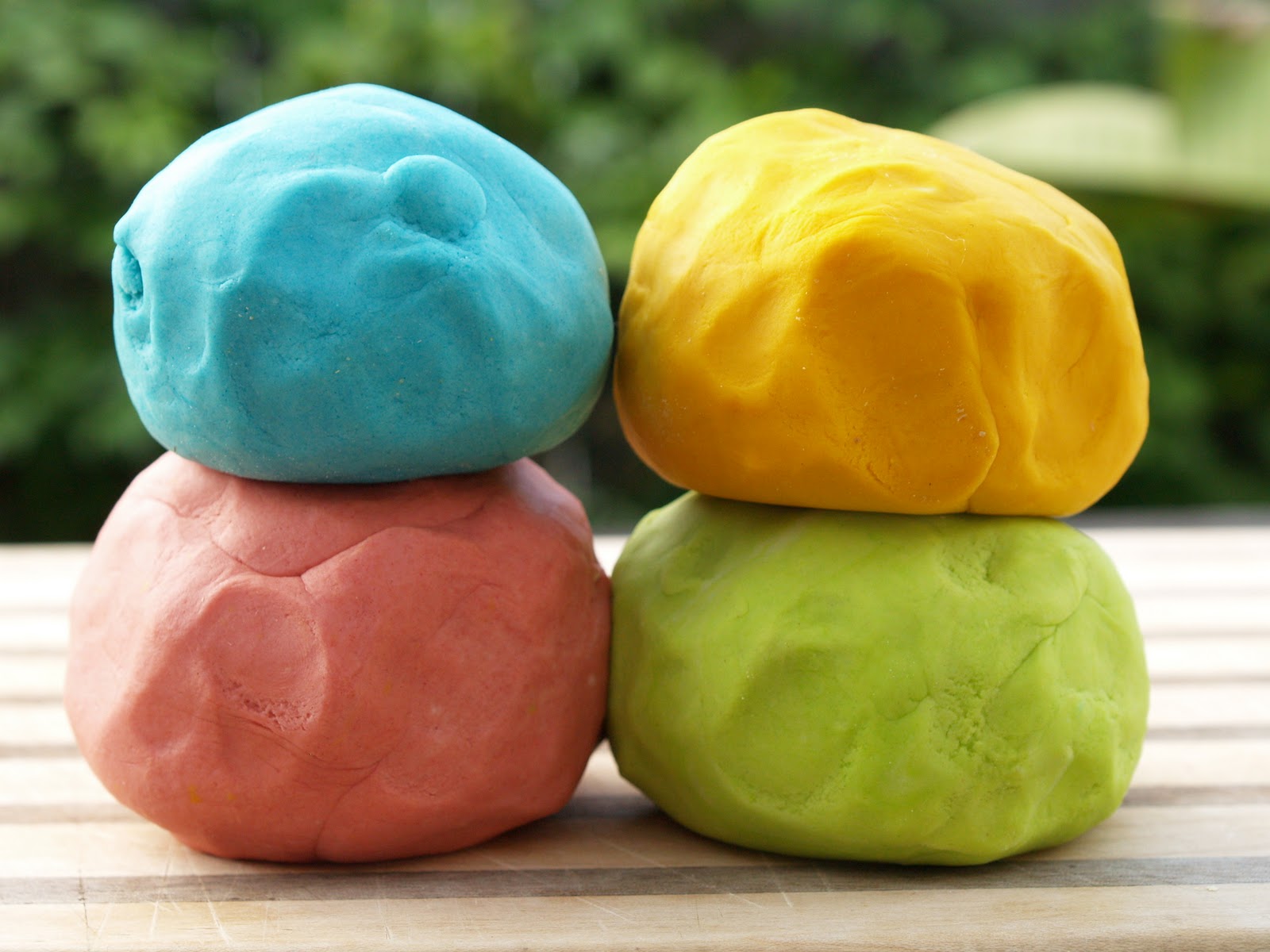
Homemade Playdough

Baking powder can be used as an ingredient in homemade playdough recipes. It helps the playdough to rise and become soft and pliable.

Fruits and Vegetables Wash

Baking powder can be used to help remove pesticides and other chemicals from fruits and vegetables. Soak them in water with a teaspoon of baking powder for 10-15 minutes before rinsing them off.

So there you have it, 10 uses for baking powder that you may not have thought of before!

SOURCE: REAL ADVICE GAL.COM

DIY: Stress Balls

From the SPRUCECRAFTS.COM website:

A stress ball is a fun and malleable toy that’s a great tool for portable stress relief. Both adults and children can squeeze the toy in their hands, moving their fingers around to relieve muscle tension, stress, and to exercise the hand. Beyond being a toy, stress balls may help make you feel relaxed and lower your blood pressure. Toss one in your bag before you start a busy day or keep one at your desk for convenient stress relief.

Make your own DIY-crafted stress ball at home. Creating your own stress ball can be a creative way to release pressure and have fun making a squishy and playful item. You can even customize your own by choosing your favorite color (or a calming one, such as blue) and adding stickers or colored patterns.

Equipment / Tools

Funnel

Scissors

Permanent marker (optional)

Materials

Small, round balloon

1 cup Cornstarch

Instructions

Blow up the Balloon

Blow up the balloon until it is about 4 to 5 inches in diameter. Do not tie it, but keep the balloon inflated as best you can.

Pinch It Closed

Pinch the top of the balloon shut, about 1 to 2 inches from the opening, leaving room for the funnel to be inserted into the neck of the balloon. If you don’t have an assistant to help, use a clip to pinch the balloon.

Insert the Funnel

Place a funnel inside the opening of the balloon while still pinching the balloon closed. You may need help securing the funnel inside the balloon. Don’t worry if your balloon deflates a little, as this tends to happen during this step.

Fill Your Balloon With Cornstarch

Fill the top of the funnel with cornstarch using your free hand (or enlist a helper). It works best to add a small amount of cornstarch at a time.

Slowly Release Pinched Fingers

Carefully begin replacing the air with cornstarch by slowly letting go of where you’re pinching the balloon so the cornstarch can slide into it. If you go too quickly, the air leaving the balloon will blow the cornstarch into the air and make a mess.

Continue adding cornstarch to the funnel until the balloon is filled to a depth of about 3 inches. Continue adding small amounts of cornstarch to your funnel, moving slowly, and swirl the cornstarch around with your finger to help work it into the base of the funnel and into the balloon.

Squeeze out the Excess Air

Pull up tightly on the opening of the balloon and pinch out any extra air. In order to have an effective stress ball that won’t pop, it’s important to eliminate any extra air that’s inside your balloon. All of your stress ball’s contents should be cornstarch.

This image has an empty alt attribute; its file name is 7_Squeeze-5c41d30ac9e77c00019dc42f.jpg

Tie the Balloon Closed

Tie the balloon closed as near to the cornstarch as you can. Use scissors to cut off any excess balloon, making sure not to cut too close to the knot on the balloon.

Decorate the Stress Ball

Decorate the stress ball with stickers or permanent markers as desired. Choose your favorite colors to make your new toy your own and add fun patterns to show off your artistic skills. Now you’re ready for stress relief on-the-go with your very own DIY stress ball!

SOURCE: The SPRUCECRAFTS.COM

Surprising Uses for Coffee Filters

On a trip to Walmart, the coffee filters we usually buy were not to be found anywhere.  Instead, they had “natural” ones which quite frankly looked already used—light brown in color. I bought them anyway in case we ran out.  They’ve been in the pantry since then and I wondered if I could use them for anything else.  Lo and behold, I found an article on The Spruce detailing such uses!

From The Spruce:

Coffee filters aren’t just for coffee makers anymore. The inexpensive filters are perfect for tasks from the kitchen to the garden because of their bowl shape, strength when wet, absorbency, and they are lint-free.

We gathered 17 clever uses for coffee filters around the house, and after reading, we’ll bet you find many more reasons to keep the filters on hand.

Protect Dinnerware from Scratches

Constantly stacking dinnerware can cause tiny scratches on the surfaces that look unattractive and weaken the material. Place a single coffee filter between each plate when storing or moving dinnerware to help protect the finishes.

Catch Popsicle Drips and Taco Spills

Eating can be messy, but not if you keep some coffee filters on hand. Cut a small slit in the center of a filter so you can slip in the wooden stick of a popsicle before you hand it over to be enjoyed.  The round filters are also a perfect fit to hold a taco or burger if you’re standing up at a party or eating on the run in your car.

Prevent Rust on Cast Iron Pans

Dampness is the enemy of cast iron pans and cookware. After washing and drying your favorite pan, slip a coffee filter inside to absorb any moisture that might linger. A bonus is that the filter will protect the interior surface from scratches if you stack the pans.

No More Messy Hands When Baking

Most bakeware should be greased before adding the batter to prevent sticking. The process can result in messy hands but not if you use a coffee filter to spread the butter or shortening. Simply use the filter to evenly spread the butter, toss it in the trash, and keep on baking.

Absorb Grease from Foods

Most people use a paper towel to absorb excess grease from bacon, French fries, or fried chicken. But, a few coffee filters work just as well. Line a plate with the filters and watch them soak up the oil.

Make Glassware Sparkle

If your drinkware has spots after removing it from the dishwasher, use a coffee filter to make it shine. The filters are lint-free and slightly textured so they gently scrub away the minerals that leave water spots.

Tip

Coffee filters work well on shower doors and bathroom mirrors with water spots.

Save the Cost of a Plumber

Coffee filters won’t unclog a sink, but they can save you the cost of a plumber to remove the clog.  When cleaning vegetables or scraping plates after dinner, put a coffee filter over the drain. It will catch the small pieces of food and debris that might create a clog. When you are finished at the sink, gather up the filter and toss it away.

Remove Dust from Electronics Screens

The screens on electronics are sensitive and easily scratched by gritty cleaning clothes and stiff paper towels that can leave lint. Coffee filters are perfect for quick clean-ups of television, laptop, and gaming screens. Just use a light touch and dust and fingerprints will be gone.

Prevent Microwave Splatters

We’ve all done it; placed a dish of leftovers in the microwave uncovered and then discovered an oven filled with splatters. Use a coffee filter over foods to catch the mess before it happens.

Spout Some Seeds

If you enjoy fresh chia seed sprouts for salads or just want to get a head start on the successful planting of some types of seeds, use a coffee filter.  Dampen the filter, sprinkle on the seeds in a closed container (glass jar or plastic bag), and place in a warm spot. The seeds will sprout with ease.

Line a Plant Container

Drainage is essential in a plant container but you don’t want soil leaking out of the drainage holes. Whether you are planting a pot or a hanging basket, place a coffee filter (or a few) in the bottom of the container before you add the soil. The water will drain out easily but the soil will stay in place.

Shine Stainless Steel Until it Is Streak-free

After cleaning a stainless-steel appliance or piece of cookware, use a coffee filter to buff the finish. Work in the direction of the grain and because the filters are lint-free, you’ll get a great shine.

Tip

After you clean a stainless-steel kitchen sink, dry it with a coffee filter to prevent water spots and streaks.

Protect Treasured Holiday Ornaments

Even if you have customized containers for storing heirloom holiday ornaments, use a coffee filter to wrap each one to add protection from dust and scratches. The filters are inexpensive and easy to use. You’ll enjoy unwrapping each one year after year.

Get Streak Free Windows

Coffee filters are the perfect last touch when cleaning windows. They will leave a lint-free, streak-free finish as you dry the glass. They also work great on car windows, mirrors, and glass tabletops.

Corral Small Pieces When Assembling Furniture

When you open a DIY furniture kit, use a coffee filter to hold the small screws and pieces. The bowl shape will help you keep them from rolling away and the filters are inexpensive enough that you can use several to sort the pieces. The same tip works great for kid’s game pieces.

Create Pressed Flowers

Coffee filters work beautifully to absorb moisture when pressing flowers in a book or a flower press. The smooth texture will not leave “dimples” like some embossed paper towels and no dye transfer to delicate petals.

Make a Shoe Freshener

To help keep sneakers and shoes smelling fresh between washings, make some odor absorbers using coffee filters.  Put about one-fourth cup of baking soda in the center of a filter. Gather up the edges and tie them with some string or use a rubber band.  Place the pouches in the shoes to absorb odors. After about a month of use, toss the filters and make a fresh batch.

SOURCE: THE SPRUCE: Mary Marlowe Leverette

DIY: Chocolate & Champagne Gift

This clever gift is perfect for Valentine’s Day—chocolate and champagne or wine if you prefer—a housewarming gift or even a baby shower gift, and is super simple to make!

The basic components are:

orange or gold tissue paper

about 48 ferrero rocher candies

greenery for the top (or you can use green tissue paper)

raffia for the tie

glue gun

bottle of champagne or wine

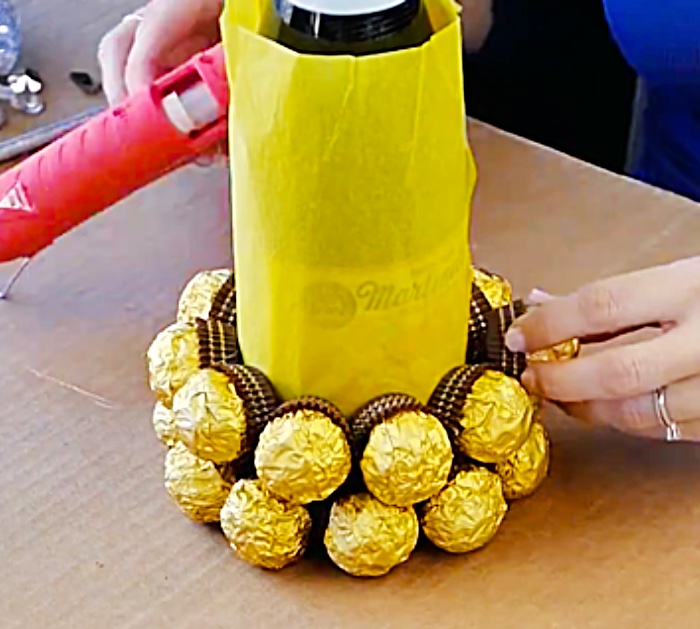
You begin by cutting the tissue paper into squares-large enough to envelope the ferrero rocher candies. Then you glue the candies in the center of the squares and then glue those around the bottle in rows beginning at the bottom and working up.  When you are nearing the top, you glue the greenery (or the green tissue paper cut into leaves) to the neck of the bottle, low enough that the last row of candies will cover the edges.  Then glue on the final row of candies and tie the raffia in a bow.

EASY PEASY!

Alternate Method

I have seen this done using mini cupcake papers instead of tissue paper and covering the bottle itself with tissue paper for easier removal of the candies.

I didn’t include the source for this craft because i have seen many varieties and many websites with the same idea. Some websites use plastic or silk greenery and some sites even used gold wrapped chocolate chunks.

DIY: Winter Luminaries

I came across these easy to make luminaries and thought they’d make a nice winter project!

The idea and instructions come from the Songbird website.

Gather These Supplies

Mason jars

Mod Podge Satin

Epsom salt

Fir branches – collected and trimmed to size with scissors

Small wood slices

Twine

Scissors

Hot glue gun and glue sticks

Flameless candles

Paintbrushes

Spoon

There’s a three-step process to this project. You’re going to prepare the jars, then Mod Podge and salt them, and then add the embellishments. It’s relatively easy!

Prepare the Jars

Basically, you’ll need to make sure that the jars are washed and clean so that the Mod Podge sticks. You have two options:

Clean the glass with mild soap and warm water and let dry

Clean the glass with rubbing alcohol and cotton balls (or similar) and let dry

The reason for the prep is because oils and dirt can get onto glass and stay there, and they can cause problems if you try to Mod Podge the glass. By “problems,” I mean the Podge won’t stick. So please clean the glass before moving on!

Mod Podge and Epsom Salt

I used Mod Podge Satin for this project. You can use any formula really, but I recommend either Satin, Gloss, or Matte. You won’t see the finish of the Mod Podge, so it doesn’t really matter.

Put your epsom salt out on a plate on your work surface.

Paint a medium layer of Mod Podge on the jar in consistent, quick strokes. You want to work quickly because Mod Podge starts to dry pretty quickly, and you don’t want to have to do a bunch of layering of the salt. It will get clumpy on your final luminaries.

Roll the jar in the epsom salt, all the way around. Push down slightly. Bring it up out of the epsom salt.

Use a spoon to pour salt over areas of the jar that may not have gotten salt.

You can also use a small paintbrush to add to blank areas and then sprinkle a little salt on it. Just be careful not to add too much Mod Podge. Clumping salt doesn’t look great, especially with votives.

Keep in mind that if you miss a few areas, it will be hardly noticeable! Let your luminaries dry for several hours.

Adding Embellishments

Cut a length of twine that is long enough to wrap around the jar mouth around 6 – 7 times.

Start wrapping. Tie it once at the halfway point, then tie it again at the end. Tie the twine into a bow.

Use a hot glue gun to attach the branches to the front of your luminaries. Then place the small wood pieces on the front.

Place the LED tea lights into your new mason jar luminaries for a warm glow! You can also use real tea lights if you like, given that the epsom salt and Mod Podge are on the outside of the jar.

SOURCE: SONGBIRD

Natural Home Remedies for Dry Hair and Skin

Do you have dry hair, hands, scalp, or skin? If there’s one thing that we love, it’s making our own natural remedies and treatments. Check out these fantastic recipes that will restore and liven up your hair, face, and skin—and not break the bank.

Remedies for Dry Hair

Weekly Conditioner for Fly-Away Hair

Try a weekly deep-conditioning. For a rich conditioning treatment that you’d pay $30 to $100 for at a salon, mix a couple of tablespoons of olive, coconut, or castor oil with 1/2 cup of full-fat mayonnaise (alternatively: a ripe, mashed avocado) and massage into your hair and scalp. Then, wrap your hair in a large plastic grocery bag and top it off with a warm, dry towel for about 30 minutes. Wash and rinse as usual (but sometimes twice is needed to remove the oil).

Moisturizing Leave-in Conditioner

Mix two parts water, one part witch hazel, two parts vegetable glycerin (a natural moisturizer available online or in health/natural food stores), and a tablespoon of olive or other cooking oil per cup of liquid in a spray bottle. If you have aloe vera gel on hand, add one part to the mixture. A few drops of essential oil will give you a scented product. Spritz on wet or dry hair before styling.

More Body and Bounce

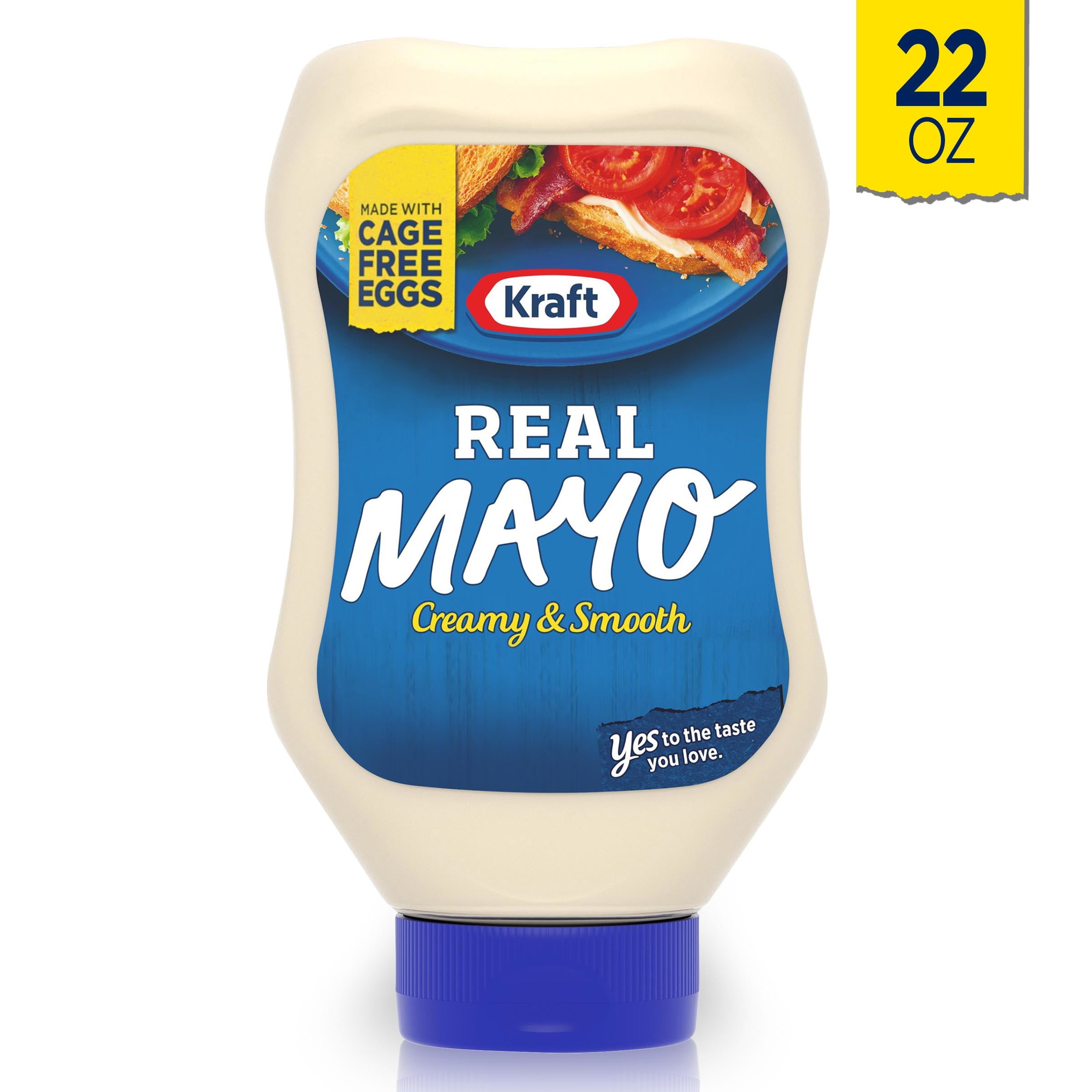
Mayonnaise, straight from the jar, will make hair soft and shiny. The egg nourishes brittle hair with protein, while the vinegar gives it body and bounce.

Try this mixture to regain supple hair: Mix one teaspoon of powdered brewers’ yeast with four ounces of apple cider vinegar to create an after-wash rinse. Pour it over wet hair and let stand at least a minute before rinsing.

Oily Hair and Skin

Add one teaspoon baking soda to two ounces of your shampoo. This works as an alkali to absorb excess oil.

Baking soda works the same way with skin, it will absorb oil and also neutralize excess acid in your skin. Make a paste with baking soda and water.

Try lemon juice as an astringent facial cleanser.

Remedies for Dry Hands and Nails

Let’s start with some good tips and basics on keeping your hands from getting dry and cracked.

Add moisturizer right after you wash your hands. Apply when your skin is a little wet to help it hang on to some of the water.

Avoid any alcohol-based cleansers on your skin. Consider liquid soap that contains moisturizers.

Use the right moisturizer! Look for products that list ceramides (oils), dimethicone (a type of silicone), and shea butter to provide a good seal for your hands. The thicker the cream, the better.

If you polish your nails, find an acetone-free polish remover, as acetone is a serious drying agent.

It goes without saying that you need to wear gloves when using any harsh or chemical ingredient to clean the house.

Also make sure to wear gloves or mittens when you go outside to prevent the dry winter air from drawing moisture from your hands and nails.

If your hands get so dry that they crack, be careful of infection. Clean the area with hydrogen peroxide and apply an over-the-counter antibiotic ointment.

Some dermatologists suggest coating hands and nails with Vaseline or another strong barrier and wearing cotton gloves overnight to treat dry nails and cuticles.

To prevent brittle nails and ragged cuticles, try this handmade cuticle massage:

Cuticle Massage:
5 red seedless grapes
1 tablespoon sugar
Wash the grapes, then slice them in half widthwise. Dip the cut side into the sugar. Using half a grape for each finger, massage the skin around each fingernail for about 30 seconds each. Wipe off the excess sugar with a soft towel, then rub hand cream onto hands and cuticles.

Remedies for Dry, Itchy Skin

Again, let’s start out with some basic tips on caring for your skin so that it doesn’t become dry and itchy.

Apply moisturize every day or even twice a day if you are over 40. Apply immediately after showering or bathing when your skin is still a little damp. Do not scrub skin dry.

Choose a lotion brand that has petroleum jelly or lanolin high on the ingredients list.

For super-dry skin, use olive oil. Rub it in prior to a bath or shower. You may substitute peanut, sesame or sunflower oil.

Avoid steaming hot water or lengthy immersions, which will strip your skin of its natural oils. Dermatologists suggest taking shorter baths or showers in warm (not hot) water. If you have severe dry skin problems, keep your showers to no longer than 5 minutes and use lukewarm water.

Use a mild, glycerin-based soap. And stay away from hair or skin-care products that contain any forms of alcohol, which are drying agents. 

Wash gently. Vigorous scrubbing can further irritate sensitive skin. Gently clean around the “fold” areas of your skin—underarms, neck, and groin—and feet. Use very little, if any soap, on your trunk and limbs.

Don’t go outside in any season without using SPF of at least 15 on your face and hands.

To soften dry skin, add 1 cup powdered milk to your bath. (It worked for Cleopatra, supposedly.)

Try adding lemon juice or vinegar to your bathwater. Soap, being highly alkaline, may make your skin feel itchy.

Oatmeal Bath for Itchy Skin

If you have itchy skin, try a soothing oatmeal bath. 

Blend one cup of oats in a food processor or blender. Run a lukewarm bath (NOT hot). Pour the oat into the warm water and stir. Soak in bath for 15 to 20 minutes and very gently rub into skin.
Rinse with warm water and pat skin dry. While skin is still moist, apply a hypoallergenic moisturizing cream.

A quart of milk in a hot bath is a luxury as well as a skin toner. It’s a trick nearly as old as time.

Homemade Oatmeal Scrub

For a homemade scrub, mix ground oats and honey. Rub all over your face—especially your nose. The abrasive will remove dry, scaly skin while the honey seeps in as a moisturizer. Rinse completely off and pat dry, and your skin will be glowing and baby soft. Only use this remedy once a week.

More Remedies and Tips at ALMANAC

SOURCE: ALMANAC

What to do With That One Sock?

Dust Cloth Extraordinaire

Your socks should fit over your hands, so put one on when it’s time to clean the house. In addition to using it to dust the furniture, socks are especially suited to wiping baseboards, shutters, blind slats, ceiling fans and even houseplants. In the garage, use single socks to clean and polish your car inside and out. When you’re finished cleaning your house or vehicle, remove the sock from your hand by pulling it off inside-out, so the mess stays off your hand.

Wipe a Dog’s Paws and Toys

If your dog comes back from a walk wet or dirty, slip a sock on your hand and wipe off her paws and any other affected areas. You may also wish to put a sock on your hand when you’re tossing a ball, Frisbee or other toy that may be returned to you full of slobber.

Rejuvenate Dry Skin

Do you have a problem with dry and cracked skin on your hands or feet? One of the best ways to heal your skin is to cover the affected area with an appropriate moisturizer or petroleum jelly before you retire for the evening, then cover with a sock. The sock will keep the lotion or salve from getting all over your bedding, plus help your skin better absorb the moisturizing agent. (If both feet need moisturizing, just use two odd socks.)

Roll Out Knotted Muscles

One of the more annoying things in life is having a tight muscle in an area you can’t quite reach, like the middle of your back. When that happens, place a tennis ball into a long sock, knotting the end. Find a hard surface like a wall or door, then toss the sock over your shoulder and position the ball over the knot in your back. Press against the ball as you move it all over the knotted area to roll out that muscle.

Bust Bad Smells

Fill a stray sock with cat litter, knot the end, and place it in your tent before rolling it up for the season. This will keep mustiness at bay. You can also put coffee grounds or baking soda in leftover socks, knot them, and stick into your shoes for an overnight deodorizing. One more odor-buster: Place potpourri or lavender into a sock, secure the end, then place in a dresser drawer, gym bag or closet — any place where you’d like a fresh scent.

Create Kids’ Toys

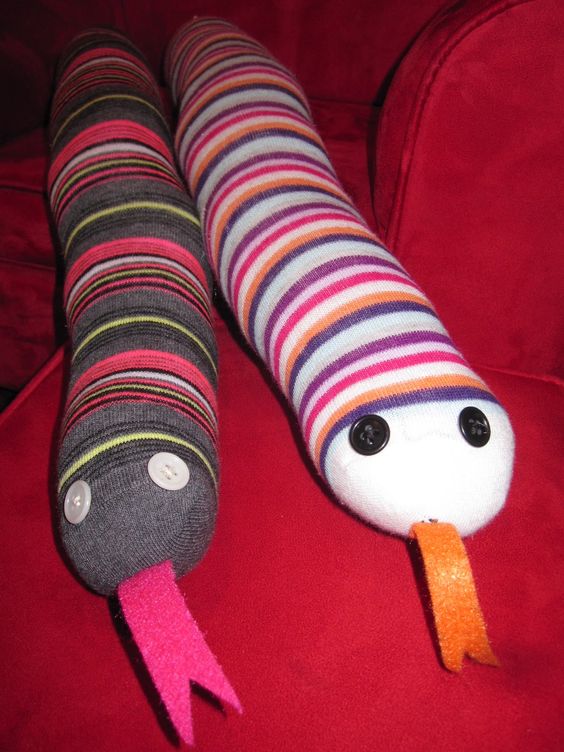
Sock puppets have been around for centuries, although they haven’t always been crafted from stray socks. Take those strays (longer socks work best) and add whatever embellishments you’d like, such as eyes, hair and glasses, to make your own puppet. You can also make stuffed animals from socks.

Prevent Drafts

If your home has a drafty door or window, take a sock (long ones and tube socks work best) and fill with popcorn kernels or dried beans, plus stuffing; e.g., quilt batting or polyester fiberfill. Sew the open end closed, then place against the bottom of your drafty door or window. The popcorn or beans will weigh down the sock so it stays in place, while the stuffing will block the wind from getting through any cracks or crevasses.

Make Dryer Balls

Typically made of compressed wool, plastic or rubber, dryer balls bounce between your clothing and sheets to prevent them from clumping together. They also combat static and wrinkles, soften clothes and fluff them out. But dryer balls can be pricy. To make your own, fold up one sock into a small ball, then place it on top of another sock. Then, roll the first sock up into the second, pulling the cuff over it all to make a larger ball. A slightly easier way to make a dryer ball is to drop a tennis ball into an old sock and secure the top. If you prefer store-bought dryer balls, you can still use a leftover sock to clean the dryer balls monthly. Simply place the balls in a few socks, tie the tops and toss into the wash.

Organize Wrapping Paper

Take a sock with a cuff several inches tall and cut off the cuff. Slip the sock cuff over a roll of wrapping paper to keep it tidy and in place.

SOURCE: HOWSTUFFWORKS

DIY: Wine Cork Reindeer

Today’s project is SUPER EASY, but it’s one you can certainly dress up in many ways if you like!

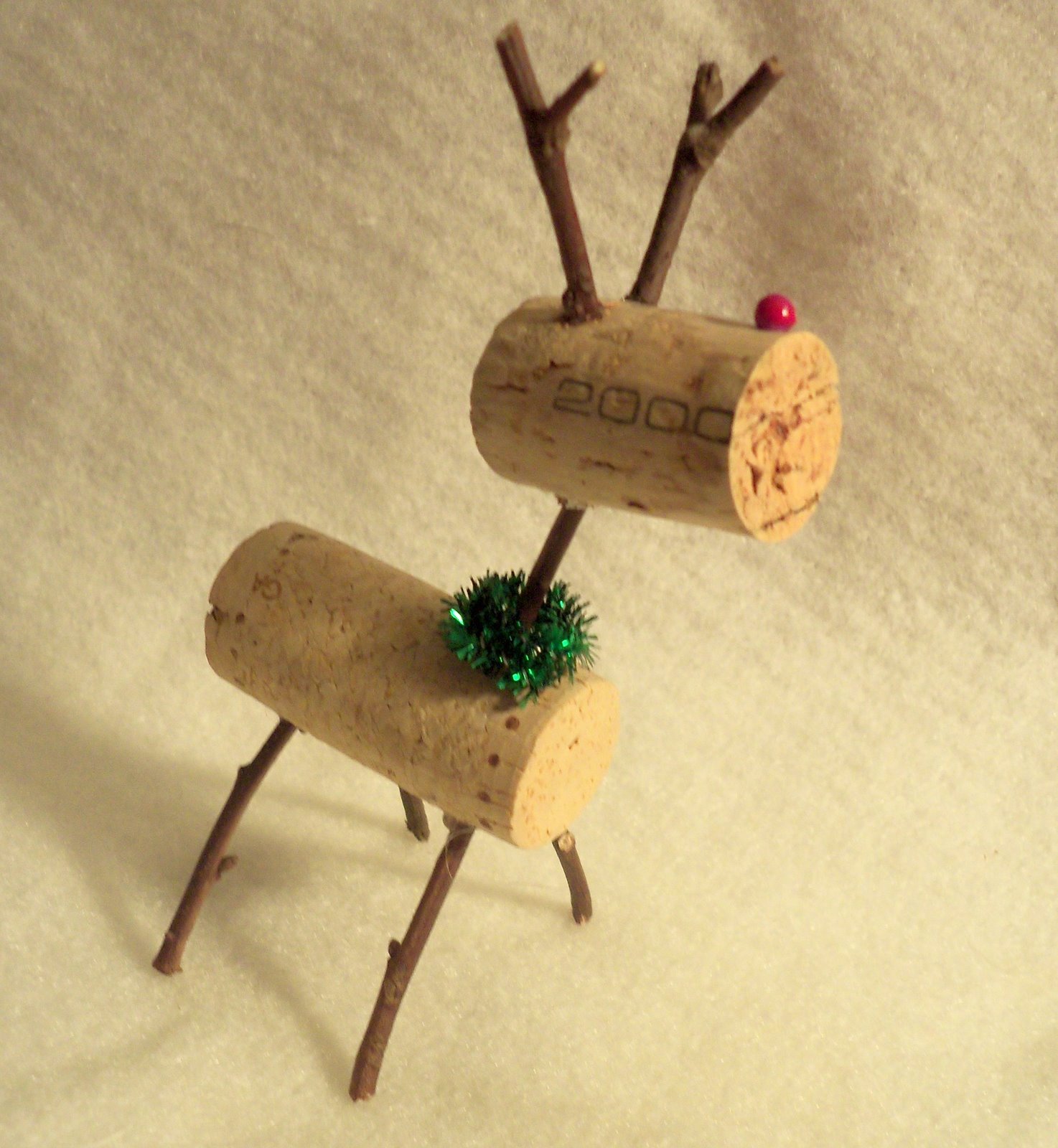
The basic reindeer is a couple of wine corks—one for the body and one cut slight shorter for the head, several twigs for the legs, neck and antlers, a red bead for the nose (or brown bead if you’re not making Rudolph) and a little garland if you want for a decoration. 

This image has an empty alt attribute; its file name is 6413602cef6e4b498e74ccceb399a240.jpg

If you really want to jazz up your creations use beads for the legs and neck, pipe cleaners for the antlers and tail, and add a larger bead for the nose.

This version uses a thumbtack for the nose, some flannel scraps for scarves and added pompoms for earmuff or a little knitted hat.

Then there’s this one, which focuses on the reindeer head, although I’m not so sure about their antlers.

Finally, there’s the Village People Version…

Today is also GA/FL’s birthday!!!!!!

HAPPY BIRTHDAY to a woman who is giving and loving and patient!!!