DIY: Bottle Garden

This is a great little idea I found on the balconeygardenweb.com website.  It shows how to construct an easy to make, limited space herb garden!

From the website:

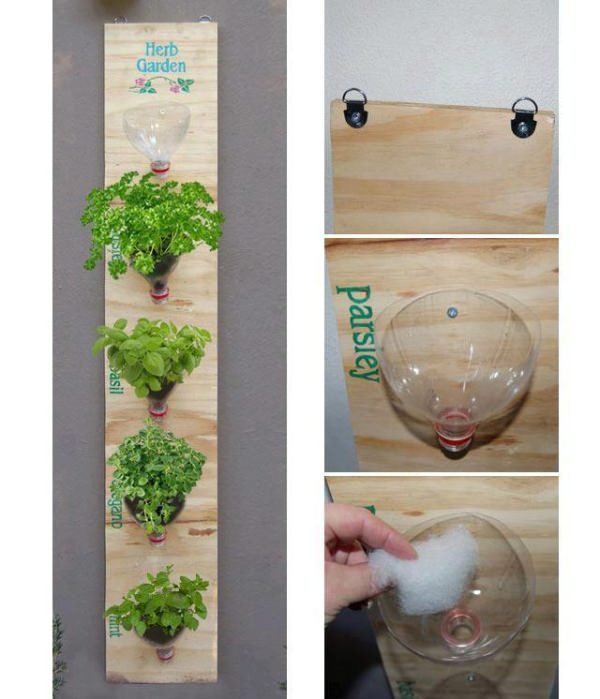
Where to grow herbs, if you don’t have space? Even a wooden plank is enough, with some plastic bottles, hooks, nails and hammer, you’re all set to grow your own herbs.
Nail the plank on wall, mount some cut bottles and insert something to clog the bottom so that it’ll restrict the soil from spilling out. Now plant seedlings of your favorite herb in them.

How easy is that?

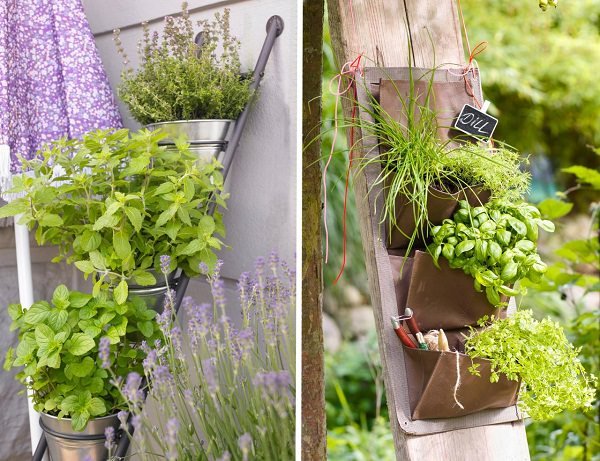
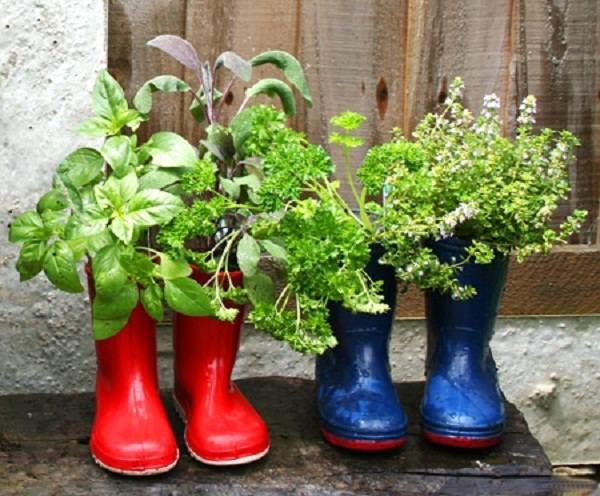
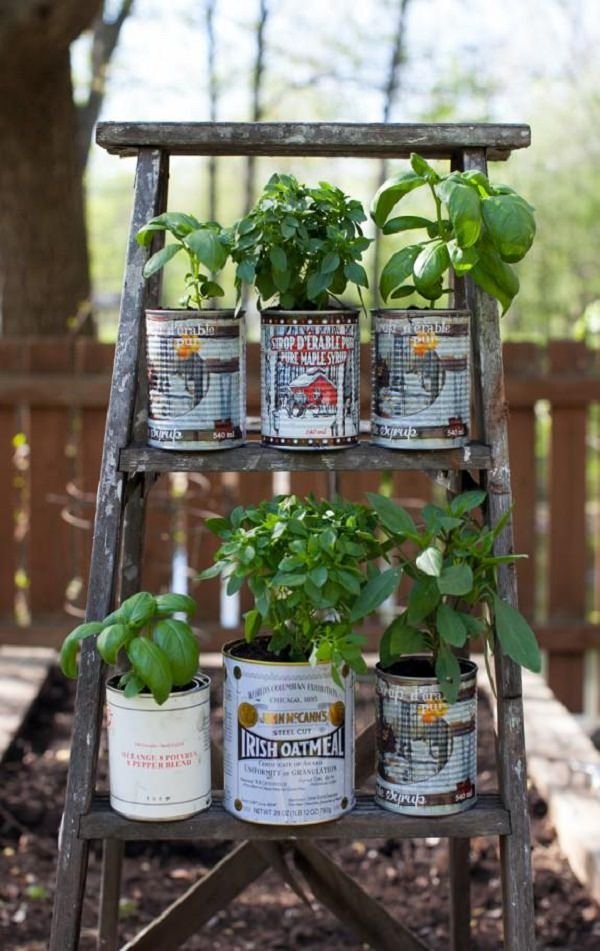
There are also other quick and clever ideas for planters:

SOURCE: BALCONEYGARDENWEB.COM

Uses for APPLE Cider Vinegar Part 2

From HEALTHLINE.COM:

As a hair rinse

An apple cider vinegar hair rinse is said to remove product buildup, detangle, and add shine to your hair. Try mixing 1 part apple cider vinegar with 1 part water and pour the mixture over your hair. Leave it in for a few minutes before washing it out. If you have sensitive skin, try doing this with a weaker dilution first, since the vinegar is quite acidic.

As a dandruff treatment

Massaging diluted apple cider vinegar into your scalp may help get rid of dandruff. It’s unclear how effective this is, but the theory is that the acid in the vinegar could help stop the growth of the fungus Malassezia, which may contribute to dandruff.

In a sauce

Apple cider vinegar can be a great ingredient for a tangy sauce for your food. Try adding it to tomato-based sauces to give them a fuller flavor.

In soup

Adding vinegar to soup can help bring its flavors to life. If your favorite homemade soup tastes a little bland, try adding a little vinegar to it at the end. Add it gradually and taste as you go until you reach a flavor you’ll enjoy.

As a weed killer

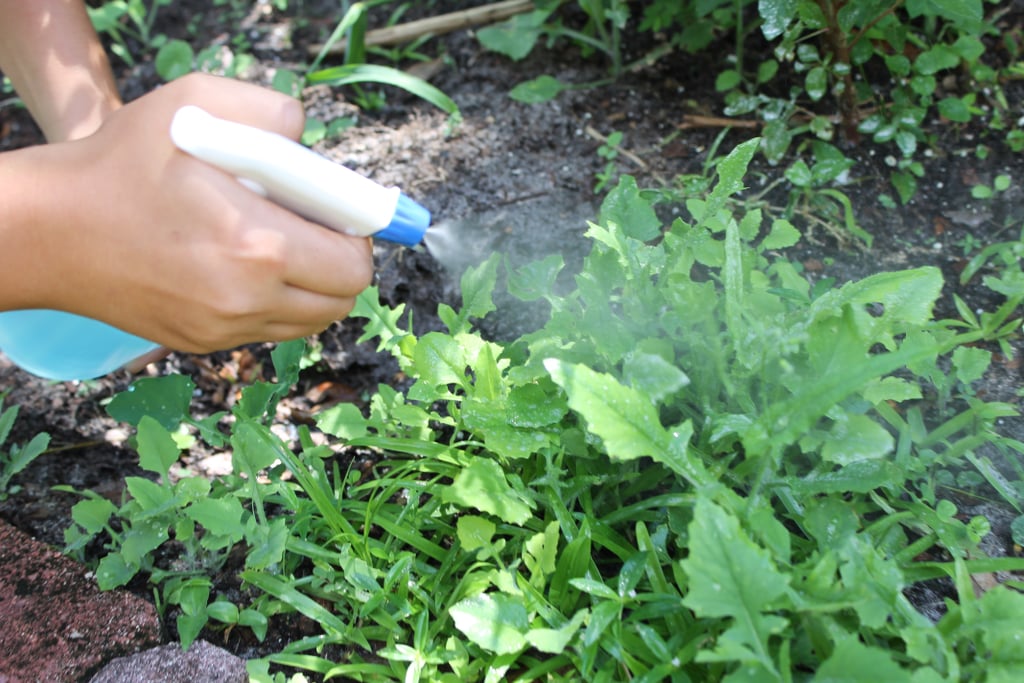
Another great use for apple cider vinegar is as a homemade weed killer. Spray undiluted vinegar on unwanted weeds in your garden to get rid of them. You can also try mixing it with soap and lemon juice to see if that makes it more effective.

In homemade cakes and candies

Apple cider vinegar is a popular flavor and texture enhancer in baking, especially when making vegan treats that can’t include eggs. It can also add extra flavor to homemade candy and caramels.

In a hot drink

For an alternative to hot chocolate or warm tea, mix 2 tablespoons apple cider vinegar, 1 teaspoon cinnamon, 1 tablespoon honey and 2 tablespoons lemon juice into 12 oz  hot water.

As a mouthwash

Apple cider vinegar is often said to be a useful alternative to commercial mouthwashes. Its antibacterial properties may help with bad breath, although there aren’t any studies examining how effective it is.  If you try apple cider vinegar as a mouthwash, make sure you dilute it well with water (the usual amount is 1 tablespoon for every cup, or 240 ml, of water), since the acidity of the vinegar could damage your teeth.

To clean your tooth brush

To have really clean teeth, it’s worth considering how clean your toothbrush is. Given that apple cider vinegar has antibacterial properties, you can use it as a homemade cleaner for your toothbrush. To make your own toothbrush cleaner, combine half a cup water with 2 tablespoons apple cider vinegar and 2 teaspoons baking soda. Mix well, then leave the head of your toothbrush in the mixture for 30 minutes. Make sure you rinse your brush well with water before you use it. Otherwise, the acidity of undiluted vinegar could damage your teeth.

To treat acne

Dabbing small amounts of diluted apple cider vinegar onto pimples is anecdotally claimed to be a good way to get rid of them. However, undiluted apple cider vinegar is strongly acidic and putting it directly onto your skin can cause burns.

To get rid of warts

As with acne, apple cider vinegar is claimed to be a natural agent for getting rid of warts. It’s likely effective for removing warts from skin, due to its acidic nature. However, be aware that this method is very painful, and some people who’ve tried it have required a local anesthetic.

As a natural deodorant

Wiping your underarms with diluted apple cider vinegar is said to be a homemade alternative to commercially produced deodorants. That said, although it’s popular in some circles, it’s not clear how effective this is.

As a dish detergent

Rinsing your dishes in apple cider vinegar could help kill off any unwanted bacteria and keep them clean. Some people add it to their dishwater, while others put it in their dishwasher.

To get rid of fleas

Apple cider vinegar may help prevent your pet from getting fleas. It’s thought that spraying a mixture of 1 part water and 1 part apple cider vinegar onto your pet will create an environment that fleas won’t want to hang around in.

Takeaway:

Apple cider vinegar is an extremely versatile household item that has a ton of different uses. It can be a cheap and easy way to tackle many problems around your home.

SOURCE: HEALTHLINE.COM

Uses For Apple Cider Vinegar Part 1

From HEALTHLINE.COM:

Apple cider vinegar is a kitchen staple that has several impressive health benefits.

It also has a ton of different beauty, household, and cooking uses. These include cleaning, washing hair, preserving food, and improving skin function.

You can also use apple cider vinegar in all sorts of recipes, including salad dressings, soups, sauces, hot drinks, and more.

Here are 28 ways to use apple cider vinegar.

To lower blood sugar

Apple cider vinegar is claimed to help people with diabetes manage their blood sugar levels. Some studies have shown that consuming vinegar after a high carb meal can improve insulin sensitivity by as much as 34% and reduce blood sugar levels significantly. However, if you’re taking medication to treat diabetes, you should check with a healthcare professional before taking apple cider vinegar.

To help you feel full

Apple cider vinegar is sometimes recommended as a weight loss aid. This is because it may help you feel full. Some short-term studies have shown that consuming apple cider vinegar may help you eat fewer calories, lose weight, and reduce belly fat, if that’s your goal. However, its long-term effects on weight loss are unknown and likely to be small unless a person also makes other dietary and lifestyle changes.

To preserve food

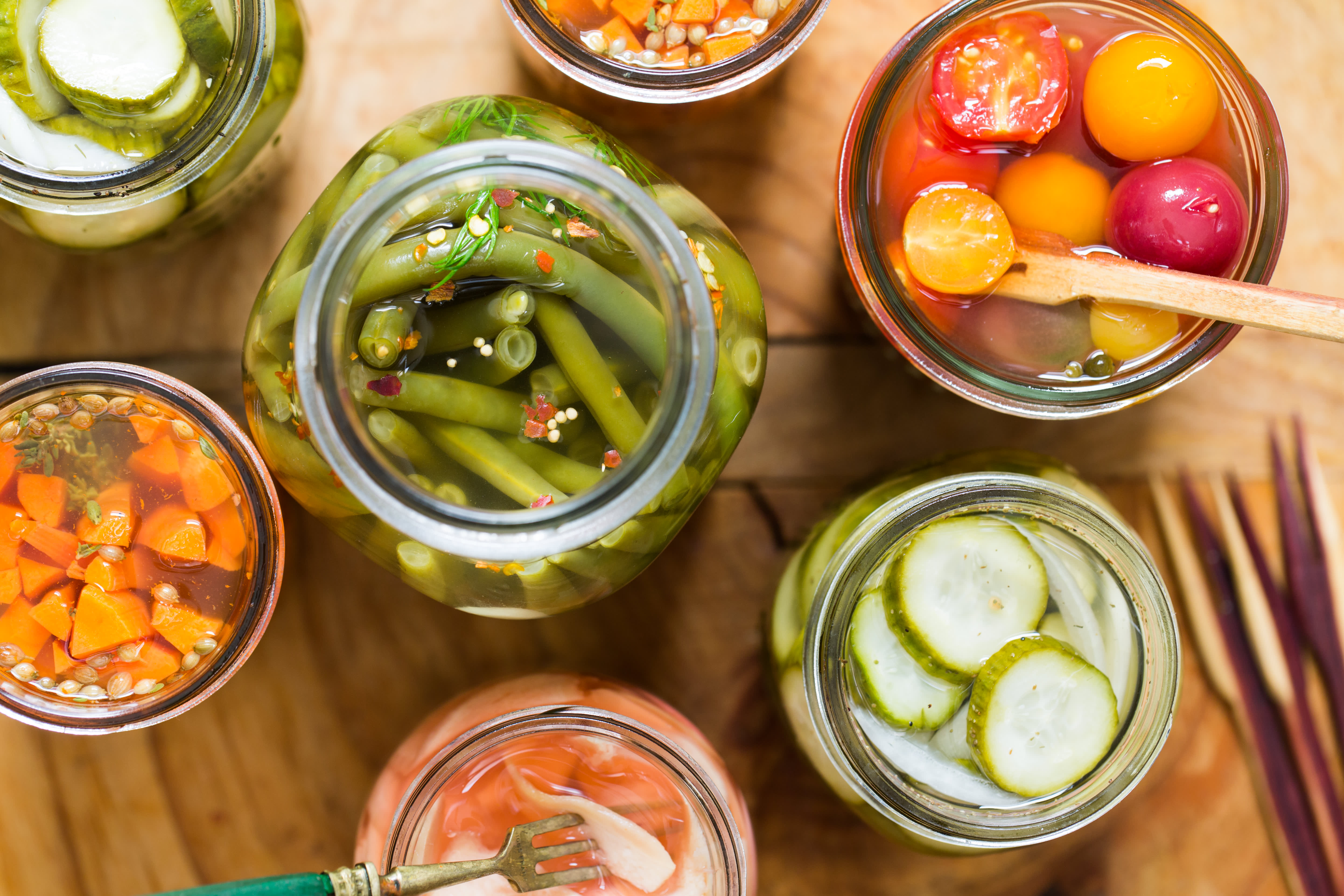
Just like other types of vinegar, apple cider vinegar is an effective preservative. In fact, people have used vinegar as a pickling agent to preserve foods for thousands of years. It works by making the food more acidic, which deactivates its enzymes and kills any bacteria that may cause spoilage. You can find many recipes online for how to preserve or pickle food using apple cider vinegar.

As a deodorizer

Apple cider vinegar is known to have antibacterial properties. Because of this, it’s often claimed that apple cider vinegar can eliminate bad smells. There isn’t any research to back up these claims, but you can try it out by mixing 1 part apple cider vinegar with 1 part water to make a deodorizing spray. This makes a natural alternative to odor neutralizers. You can also mix the apple cider vinegar with water and Epsom salts to make a foot soak. This may help get rid of unwanted foot odor by killing off odor-causing bacteria.

To make a salad vinaigrette

One easy way to use apple cider vinegar is to make a simple salad dressing. Homemade salad dressings can be much less processed than store-bought ones, and they’re often tastier, too.

To make an all-purpose cleaner

Apple cider vinegar is often a popular choice for a natural alternative to commercial cleaning agents. This is because of its antibacterial properties. Mix 1 cup of water with half a cup of apple cider vinegar, and you’ll have a natural all-purpose cleaner. However, it’s worth noting that although vinegars, including apple cider vinegar, can kill some bacteria, they aren’t as effective at killing harmful bacteria as commercial cleaning agents.

To soothe a sore throat

Gargling with apple cider vinegar is a popular home remedy for sore throats. It’s anecdotally thought that its antibacterial properties could help kill off the bacteria that could be causing the sore throat. However, there is no evidence to support its use in this way. If you try this at home, make sure you mix the vinegar with water before gargling. This is because apple cider vinegar is very acidic and has been known to cause throat burns when consumed undiluted.

As a facial toner

Anecdotally, apple cider vinegar is claimed to help remedy skin conditions and provide graceful aging support. As such, many people like to use apple cider vinegar to make a skin tonic. The general recipe is 1 part apple cider vinegar to 2 parts water. You can then apply this to your skin using a cotton pad. However, if you have sensitive skin, you may want to make a more diluted solution by adding more water. There’s an insufficient amount of research supporting the safety of using apple cider vinegar for this purpose.

To trap fruit flies

Fruit flies can be pests, and it’s really easy to use apple cider vinegar to make a cheap fruit fly trap. Simply pour some apple cider vinegar into a cup, add a few drops of dish soap (so that any trapped flies sink), and you’re good to go.

To boil better eggs

Adding vinegar to the water you use to boil or poach eggs can help you produce consistently good eggs. This is because the protein in egg whites firms up more quickly when exposed to a more acidic liquid. When you’re poaching eggs, you want the egg whites to firm up as quickly as possible so the eggs keep their shape. Using vinegar when boiling eggs can also speed up the coagulation, or clotting, of the egg whites. This can be useful if the shell cracks while the egg is being boiled.

As a marinade

Another way to use apple cider vinegar when cooking is to make a marinade. In fact, apple cider vinegar is a popular ingredient in many steak marinades. This is because it gives meat a nice sweet-and-sour flavor. Combine it with wine, garlic, soy sauce, onion, and cayenne pepper to give your steak a delicious flavor.

To wash fruits and vegetables

Pesticide residue on fruits and vegetables can be a concern for many people. That’s why some people like to wash their fruits and vegetables in apple cider vinegar. The hope is that it’ll remove more of the chemical residues than water alone. Although it’s not entirely clear whether it will remove more pesticides than simply washing with water, it may help kill any dangerous bacteria on food. For example, washing foods in vinegar has been shown to remove dangerous bacteria like E. coli and Salmonella.

To clean dentures

You can also use apple cider vinegar to clean dentures. Although there’s no consensus on the best method to clean them, it’s thought that the residues left by apple cider vinegar could be less harmful to the skin in your mouth than other cleaning agents.

In the bath

For the same reasons people like using apple cider vinegar as a homemade facial toner, they also like using it in the bath. If you want to try it, add 1–2 cups of apple cider vinegar to your bath water and enjoy a soak in your tub. Be sure to dilute the vinegar adequately. A larger proportion of vinegar might irritate your skin.

SOURCE: HEALTHLINE.COM

How to Soften Hardened Brown Sugar

Nothing is more frustrating than getting out the ingredients to bake something and find out one of your brown sugar has turned into a rock.  The Pioneer Woman has these tips forsoftening that rock into a useable ingredient again.

From The Pioneer Woman website:

Every home cook has been there: You’re getting ready to bake, you reach into your pantry to get your ingredients and you realize your brown sugar is hard as a rock. Don’t worry! Once you know how to soften brown sugar, you can get back to business—and back to making treats like Ree Drummond’s brown sugar oatmeal cookies or her favorite turkey brine for Thanksgiving. Don’t just toss your brown sugar and use granulated instead—brown sugar has a unique molasses flavor and adds tons of moisture to baked goods.

So what went wrong? The main reason your brown sugar is super hard is because it dried out. After you open a package of brown sugar, you instantly release some of the natural moisture in the sugar. The exposure to open air dries and hardens both the sugar crystals and the molasses in the sugar, making the sugar crystals stick together. The end result: brown sugar that feels more like stone than damp sand! But the good news is your brown sugar is still totally usable. The even better news is that reviving your solid brown sugar is simple—just restore the moisture. Read on to learn how to soften brown sugar in a few different ways. And to keep your brown sugar from hardening in the first place, store it in a tightly-sealed food storage container that isn’t prone to rust (don’t just fold down the top of the bag and hope for the best). You can also add a brown sugar saver to your container, like a brown sugar bear, which can help maintain moisture in brown sugar for up to six months.

How to Soften Brown Sugar in the Microwave:

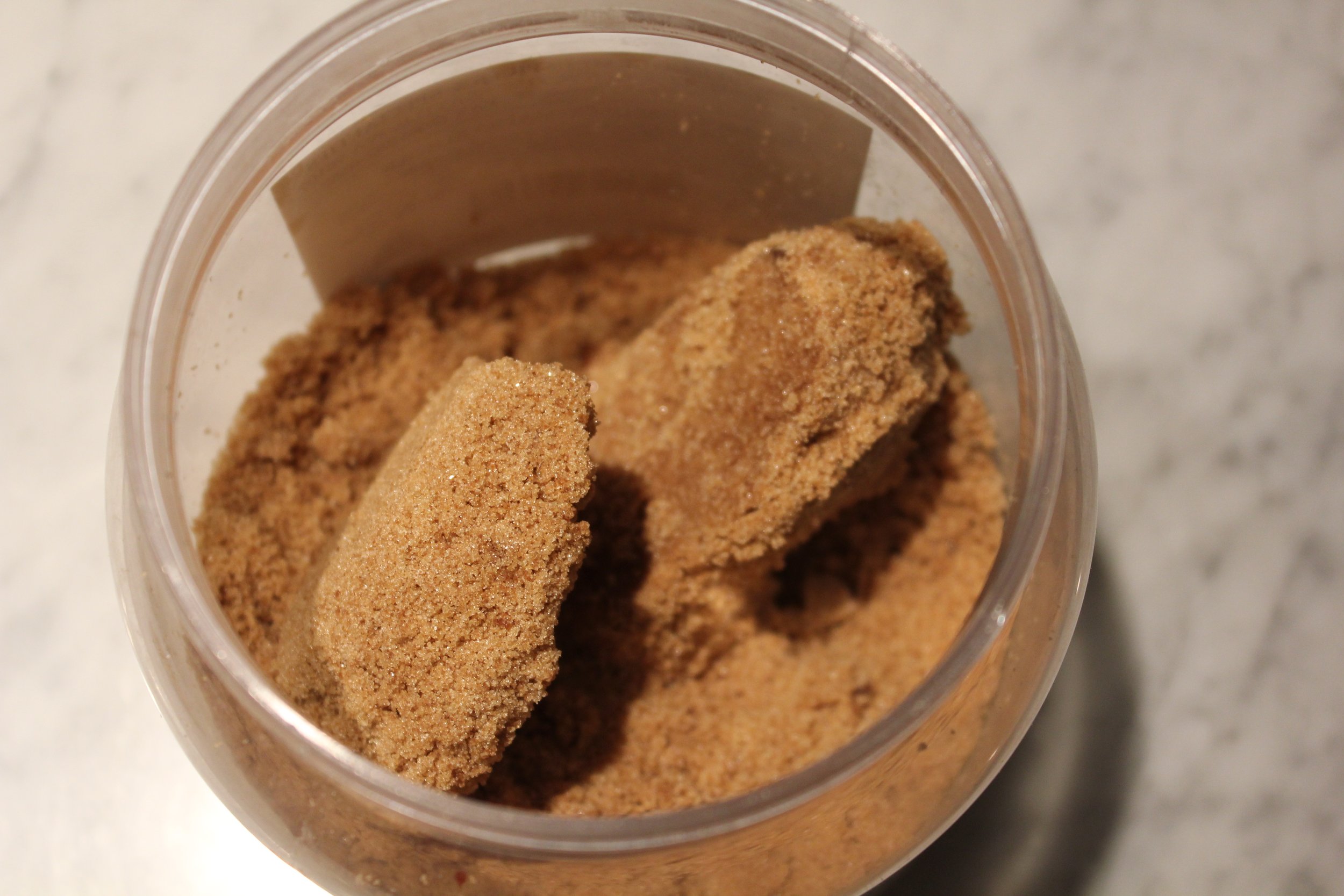
This is the fastest and easiest way to soften hardened brown sugar. Just place your block of brown sugar in a microwave-safe bowl. Wet a paper towel and squeeze until just slightly damp. Lay the paper towel over the brown sugar and microwave it in 20-second intervals, loosening the sugar with a fork between each interval, until the sugar has returned to its normal texture.

How to Soften Brown Sugar Without a Microwave:

This method will take a little longer, but it’ll do the trick! Place your hardened brown sugar in a secure plastic container or bag. Then, lay a slice of sandwich bread on top of the brown sugar and cover the container with the lid or seal it if using a bag. Let sit for at least 12 hours (or overnight). This method works like magic—the moisture from the bread is transferred to the brown sugar, helping it get back to its normally soft texture. You can also use the same method with apple slices. All you have to do is lay an apple slice or two on top of the brown sugar and apply the same technique as with the slice of sandwich bread.

How to Soften Brown Sugar in the Oven:

To soften brown sugar in the oven, place the hardened pieces on a baking sheet lined with parchment paper. Place the brown sugar in the oven and warm at 250 degrees. Check on the brown sugar every couple minutes or so and break it up with a fork until soft. Allow the brown sugar to cool slightly before trying to use it in a recipe. Remember, you don’t want to cook or melt the brown sugar, you just want to soften it—so don’t try to speed up the process by raising the temperature of the oven.

How Do You Keep Brown Sugar From Hardening?

Store brown sugar the right way to keep it from hardening after you’ve opened the package. Chances are, your brown sugar came in either a plastic bag or a box with plastic packaging inside. In either case, once you’ve opened the sugar, you should transfer it to an airtight container to keep it moist, or stick the whole thing in a large resealable plastic bag. This way, your brown sugar will maintain as much moisture as possible and be “scoopable” and ready for baking. That way, you won’t have to resort to using a brown sugar substitute.

SOURCE: THE PIONEER WOMAN

Other Uses for Bar Keeper’s Friend

From the FAMILY HANDYMAN’s website:

Learn how to use Bar Keepers Friend in ways you’d never thought of before, including cleaning rusty tools, removing a stubborn toilet ring and more!

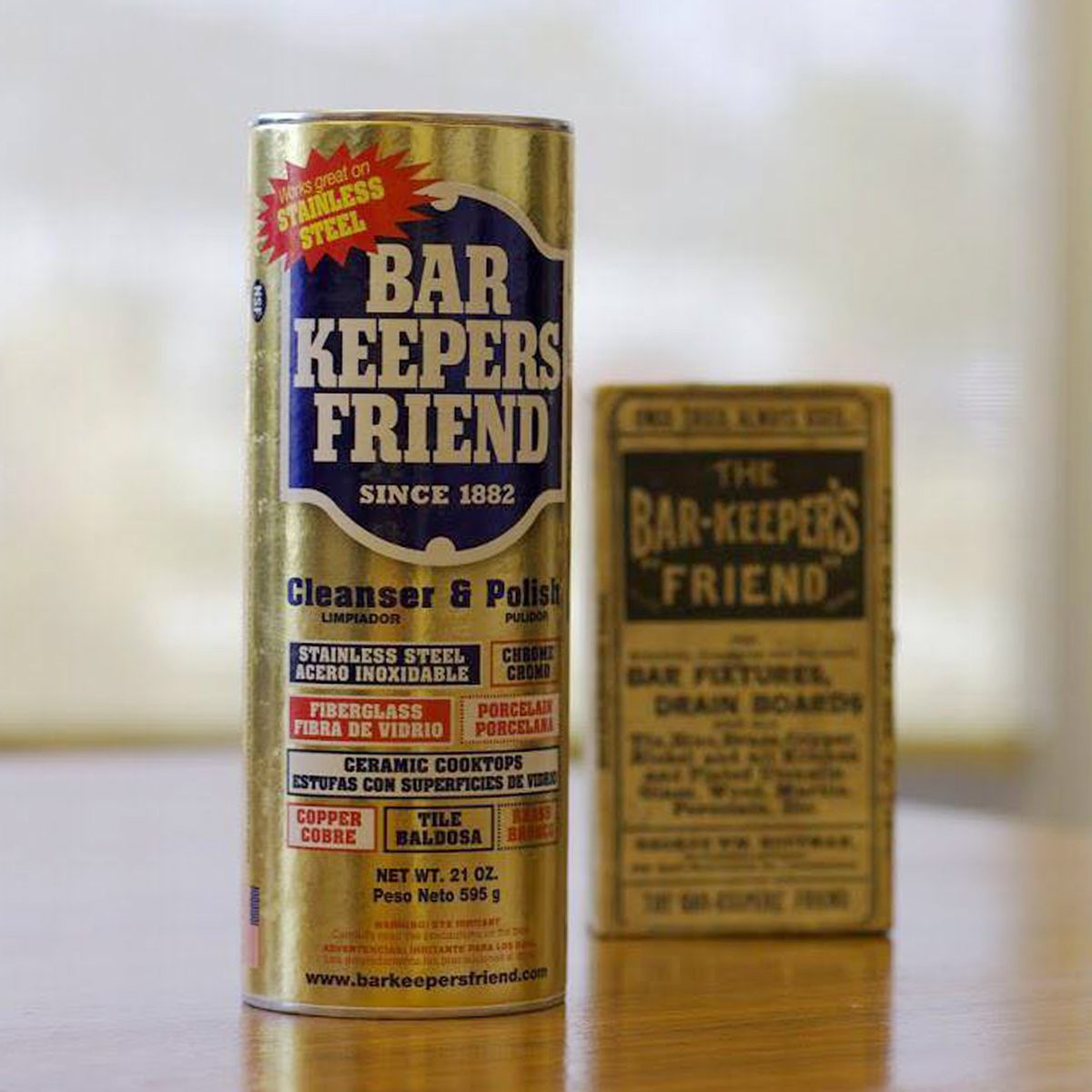
Go-to cleaning product Bar Keepers Friend (BKF) has developed a cult following, and with good reason. The inexpensive powdered cleaner invented by chemist George William Hoffman in Indianapolis, Indiana, in 1882, can do much more than polish brass bar fixtures — the job it was originally marketed to do.

What Is Bar Keepers Friend Made Of?

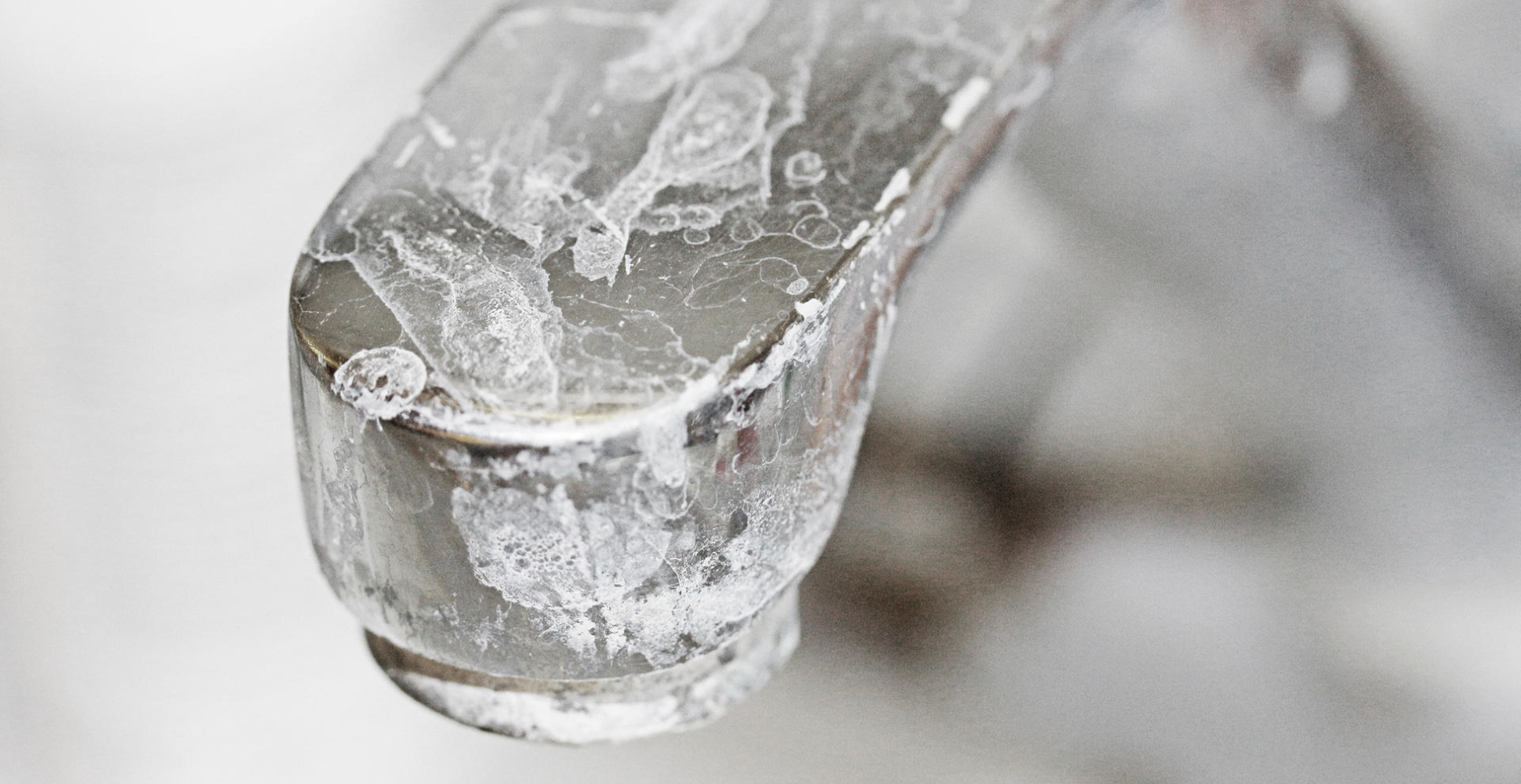
Bar Keepers Friend’s seemingly magic powers come courtesy of its main ingredient, oxalic acid. This natural substance attacks rust, lime, tarnish and other stains on a molecular level, breaking the bonds holding them together to eliminate all trace. It works on multiple surfaces, too.

“BKF powder has just the right blend of powdered oxalic acid and micro-abrasives to safely scour off even long-term mineral build-up without damaging fiberglass, chrome or stainless steel,” says Melissa Homer, chief cleaning officer with MaidPro.

And at a mere $2 a can, you can’t afford to ignore its cleaning power!

How To Use Bar Keepers Friend

Our cleaning experts suggest mixing the powder with water to create a paste, then wiping it off after a brief period. Extended contact can damage finishes.

Homer recommends creating a thick slurry of 1/4-cup BKF mixed with a little water. Smear the slurry onto the surface you want to clean, let sit for 10 minutes while the acids work their magic, then scrub. “Dampen, sprinkle, smear, sit and scrub, and you can clean virtually anything,” Homer says.

The manufacturer says to avoid using BKF on porous surfaces like cast iron, granite, marble, wood, fabric, leather or painted surfaces.

Ways To Use Bar Keepers Friend

Read on for a host of ways to put this hardworking, inexpensive helper to good use all over your home. A few caveats before you start: Wear gloves, don’t mix with other cleaning products, and always test in an inconspicuous spot first.

Refresh bathroom surfaces and fixtures

Homer recommends smearing a Bar Keepers Friend slurry on hard water spots, mineral deposits and rust stains on glass shower doors, fixtures, tubs and sinks. You can use it on toilet rings, too.

“Clean the toilet with your favorite bathroom spray, flush and pump the flusher [in the toilet water tank] to lower the waterline,” she says. “Sprinkle the powder on the ring, smear it around on the stains with your brush, wait 10 minutes and scrub.”

Remove rust on tools and more

Apply the paste directly on the trouble spot, let sit for a minute, then wipe away. This helps all kinds of items in your garage, including golf clubs, garden tools, ice skate blades and old bikes.

Pro tip: Use a cotton swab to scrub hard-to-reach spots. “I saved a dirty old classic Radio Flyer tricycle with rusty handlebars from the landfill with just a can of Bar Keepers Friend and the back of a kitchen sponge,” Homer says. “I had it looking like it just rolled off the factory floor in less than 20 minutes.”

Get rid of sticky labels

Use Bar Keepers Friend Spray Foam Cleaner to dissolve adhesive and easily remove the annoying residue left behind by labels. Simply spray and let it sit for a minute before wiping clean.

Renew a fireplace

Use Bar Keepers Friend to remove layers of grime and soot stains and from the fireplace door. Remove the insert and lay flat. Wet the glass and sprinkle with BFK. Wait 15 to 20 seconds, then lightly scrub with a wet sponge. Rinse and repeat until sparkling.

Clean kitchen surfaces

Sinks, cookware, appliances and more can benefit from a little BFK. For stainless steel, use a microfiber cloth or non-abrasive sponge and clean with the grain.

On glass cooktops, go with BKF Cooktop Cleaner. First, scrape off any food. Then cover the affected area with cleaner and let it sit, no longer than five minutes. Wet a sponge, apply more Cooktop Cleaner to the sponge, then wipe the stained area in a circular motion. Rinse the sponge and wipe cleaner from cooktop.

Scour siding

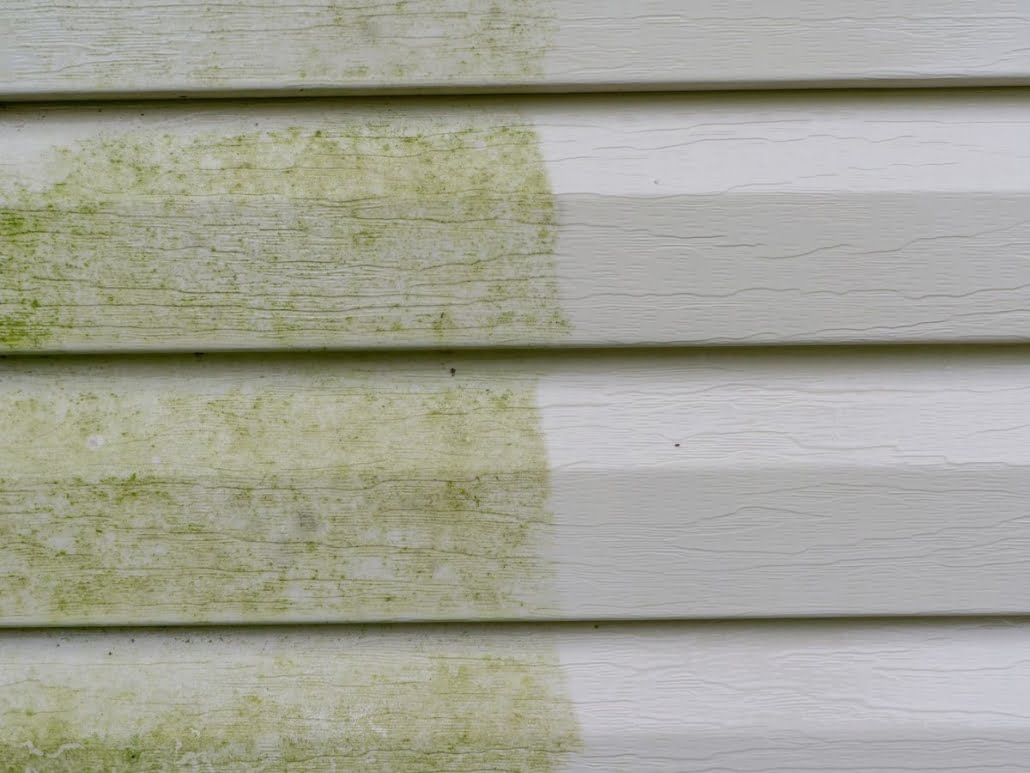
Give dingy vinyl siding a good scrub with a Bar Keepers Friend and water solution to help it look new again. Wet a section of siding, scrub the solution on with a wet sponge, then rinse well.

Detail your vehicle

BKF can cut through carbon buildup on your exhaust pipes and make dirty hubcaps shine. It can also turn cloudy headlights clear again — clean, then dampen before sprinkling with BKF. Gently scrub, let sit for up to a minute, then rinse with warm water. Repeat until sparkling.

Update dishes

To get rid of stains and scratches on mugs, glassware and porcelain servingware, sprinkle BKF on a damp sponge and wipe onto the scratched surface. Let sit for 10 to 15 seconds, then lightly scrub with a damp sponge. Rinse and wipe clean.

Refresh sneakers

Make a paste of BKF and water and start scrubbing to clean shoes. All surfaces except leather can benefit! Use a toothbrush to detail rubber soles and edges. Scrub until clean, then wipe off remaining cleaner with a damp sponge.

SOURCE: FAMILY HANDYMAN : ANDREA COOLEY

DIY: Upcycling Garden Tools

I was intrigued by the name of this article I found on balconygarden.web. (I discovered upcycled is simply repurposed.) I hope some of these ideas spark your imagination! (Tutorials can be found at the website.)

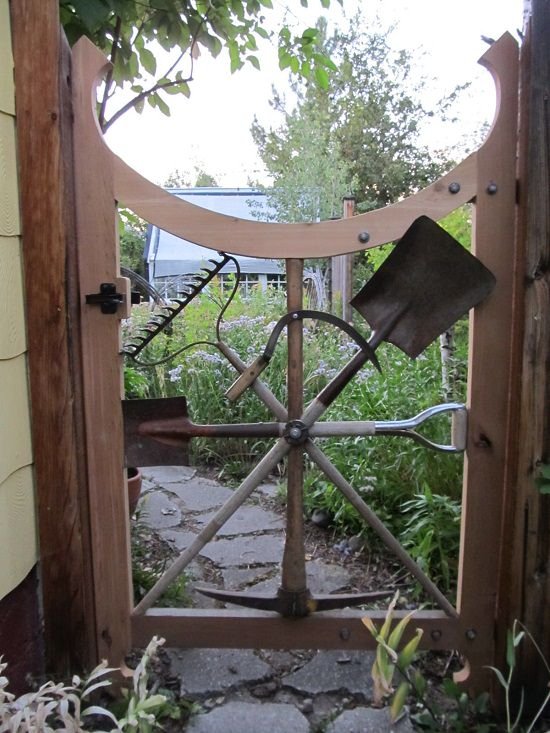
GARDEN GATE

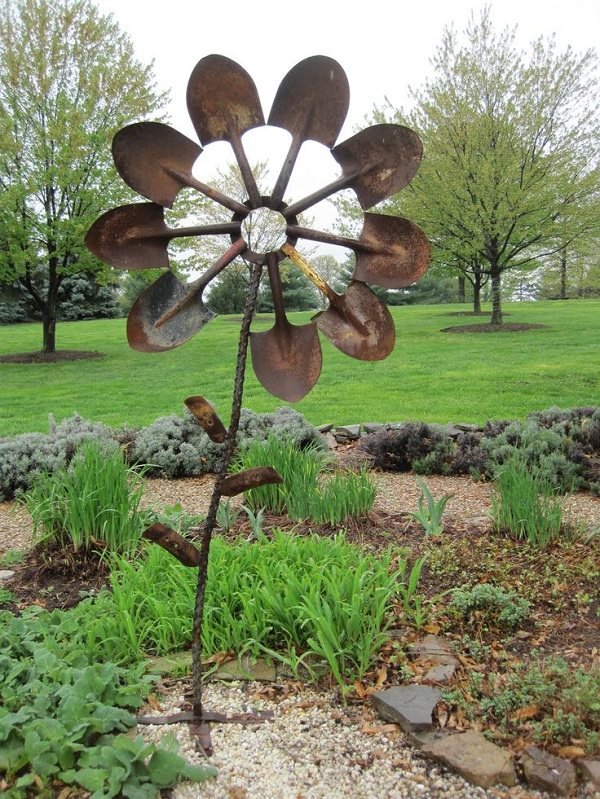
RUSTY SHOVEL FLOWER

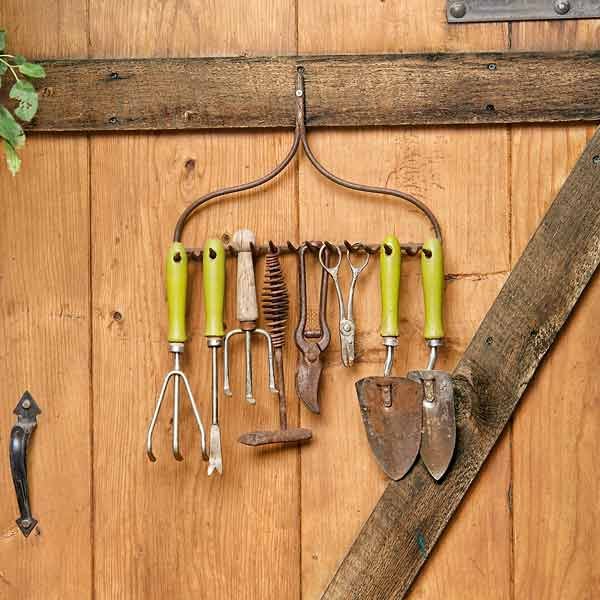
RAKE GARDEN TOOL HOLDER

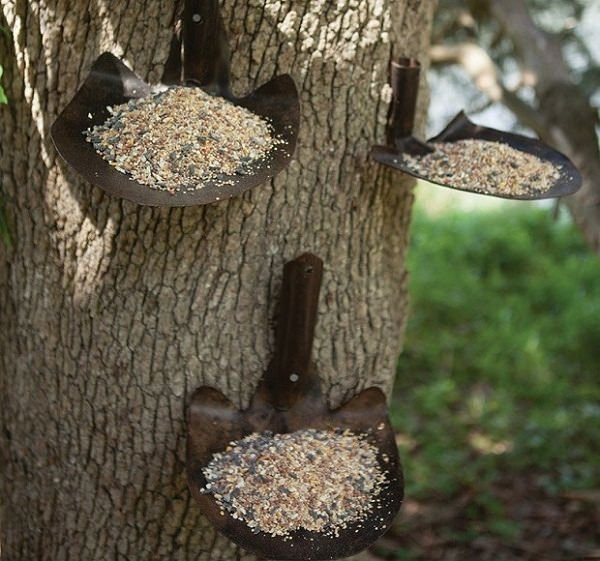
GARDEN TOOLS BIRD FEEDERS

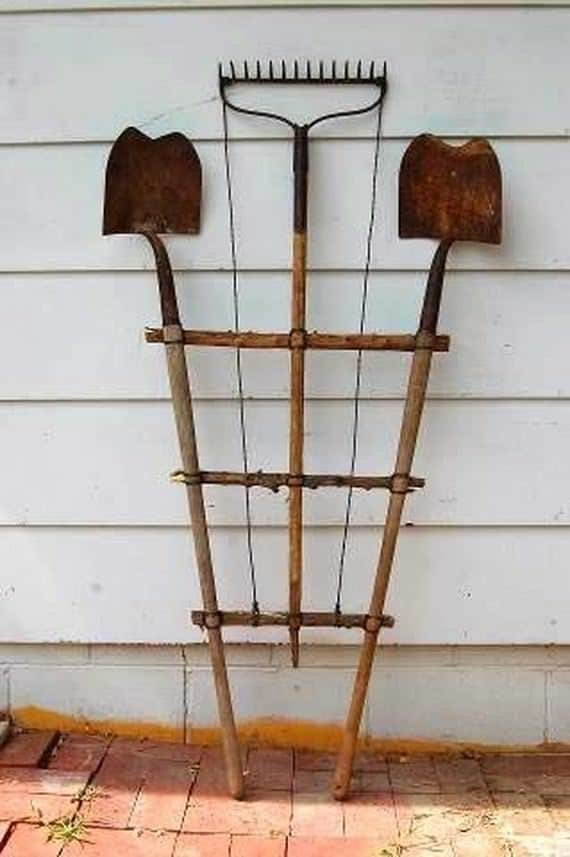
GARDEN TOOLS TRELLIS

SOURCE: balconygarden.web: SHERIN WOODS

Alternate Uses for Salt

While searching for something entirely different, I came across this article on How Stuff Works about some alternate uses for salt. 

From How Stuff Works:

In the Garden

Kill poison ivy. A strong solution of saltwater can kill an infestation of poison ivy plants. Apply a mixture of 1 cup (236 milliliters) of salt with 1 gallon (3.7 liters) of soapy water to the leaves and stems with a garden sprayer.

Deter ants. Keep ants from congregating in your garden by sprinkling ordinary table salt in areas where ants tend to gather. This also works to keep ants from coming into your house. Sprinkle salt across the path where they’re coming in and they’ll be deterred from crossing.

Slug those slugs. Sprinkle slugs with a heavy dose of salt to kill them. Wait five minutes, then sprinkle them again.

Control cabbage worms. Cabbage worms eat garden cabbages, broccoli and cauliflower. To control them, dust their leaves with a mixture of 1 cup (239 milliliters) of flour and 1/2 cup (120 milliliters) of salt in in the morning or evening when they’re damp with dew.

Outdoor Gear

Deodorize canvas. Sprinkle salt inside musty-smelling canvas bags (or inside canvas shoes); zip up the bags and let them sit overnight. Dump out the salt the next day and let the bags air out.

Remove rust. Make a paste with 6 tablespoons of salt and 2 tablespoons of lemon or lime juice. Use a dry cloth to rub the paste on rusted bike handlebars, tire rims or other outdoor gear. Rinse and dry the areas thoroughly.

Health and Beauty

Exfoliate your skin. Salt makes a wonderful skin and/or face scrub. After you shower and while your skin is still moist, sprinkle salt onto your hands and rub it gently over your skin. The salt will remove dead skin and promote circulation. Sea salt is best.

Soothe itchy skin. Soaking in a tub of saltwater can be a great itchy skin reliever. Just add 1 cup (236 milliliters) table salt or sea salt to your bathwater to help soften your skin.

Cleanse and tone. Sea salt face toners are all the rage, but you can make your own by mixing 1 teaspoon salt and 1 teaspoon olive oil in a small bowl. Massage the mixture on your face and throat, being careful to avoid contact with your eyes. Follow by washing with your usual face soap.

Whiten your teeth. Don’t pay for expensive tooth whitener. Make your own with sea salt. It’s a natural abrasive, so it’s gentle at removing stains on your teeth. Just brush with it once a week.

Household Cleanup

Clear coffee stains. Add a mixture of 1 cup (236 milliliters) crushed ice, 1 tablespoon water and 4 teaspoons salt to your coffee pot and swirl the mixture. Rinse and wash as usual. Use the same method to get the stains out of your favorite coffee cups, too.

Deep clean oven and stove. Sticky spills are tough to remove from your oven and stovetop. Make it easier by sprinkling the spill with salt. Let it sit until the spill gets crisp and you can lift it with a spatula. You also can soak up liquid spills on the stovetop by sprinkling them with a mixture of salt and cinnamon. Leave it on the spill for about five minutes and then wipe away.

Sanitize the fridge. Just sprinkle equal amounts salt and baking soda on a damp sponge and wipe down the interior of your fridge.

Remove wine stains. Sprinkle kosher salt on the stain and let it sit for two or three minutes, then rinse with cold water.

Brighten your brass. Restore the shine to your brass and copper items by combining 1 teaspoon of salt and 1 tablespoon of flour with enough vinegar to form a paste. Rub the paste on any brass or copper piece and let it dry. Wash off with soapy water and buff to a shine with a microfiber cloth.

Erase watermarks. Make watermarks on wood disappear with a paste of 1 teaspoon salt and a few drops of water. Gently rub the paste onto the ring with a soft cloth until it’s gone. Follow up with a good furniture polish.

SOURCE: How Stuff Works.com By: Sarah Gleim

DIY: 21 Uses for All Kinds of Plastic Jugs: Part 2

Continuing from FAMILY HANDYMAN:

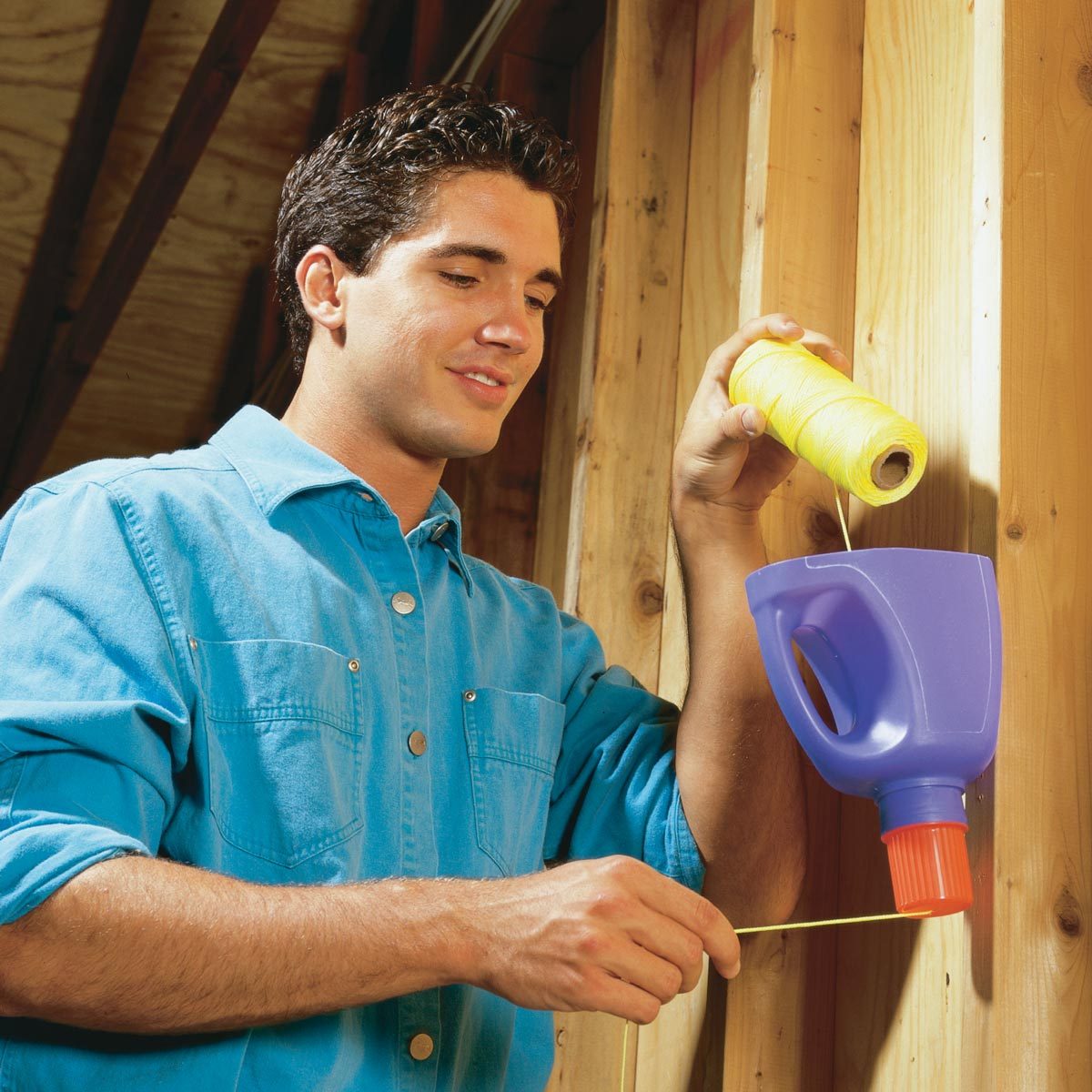
Laundry Detergent Twine Dispenser

Prevent balls of twine from tangling up by making a twine dispenser from an empty plastic detergent jug. Cut the bottom off the jug and drill a hole in the cap. Screw the jug to your shop wall with the spout facing down. Drop the ball of twine into the jug, thread it through the hole and screw the cap on. — Paul Chupek

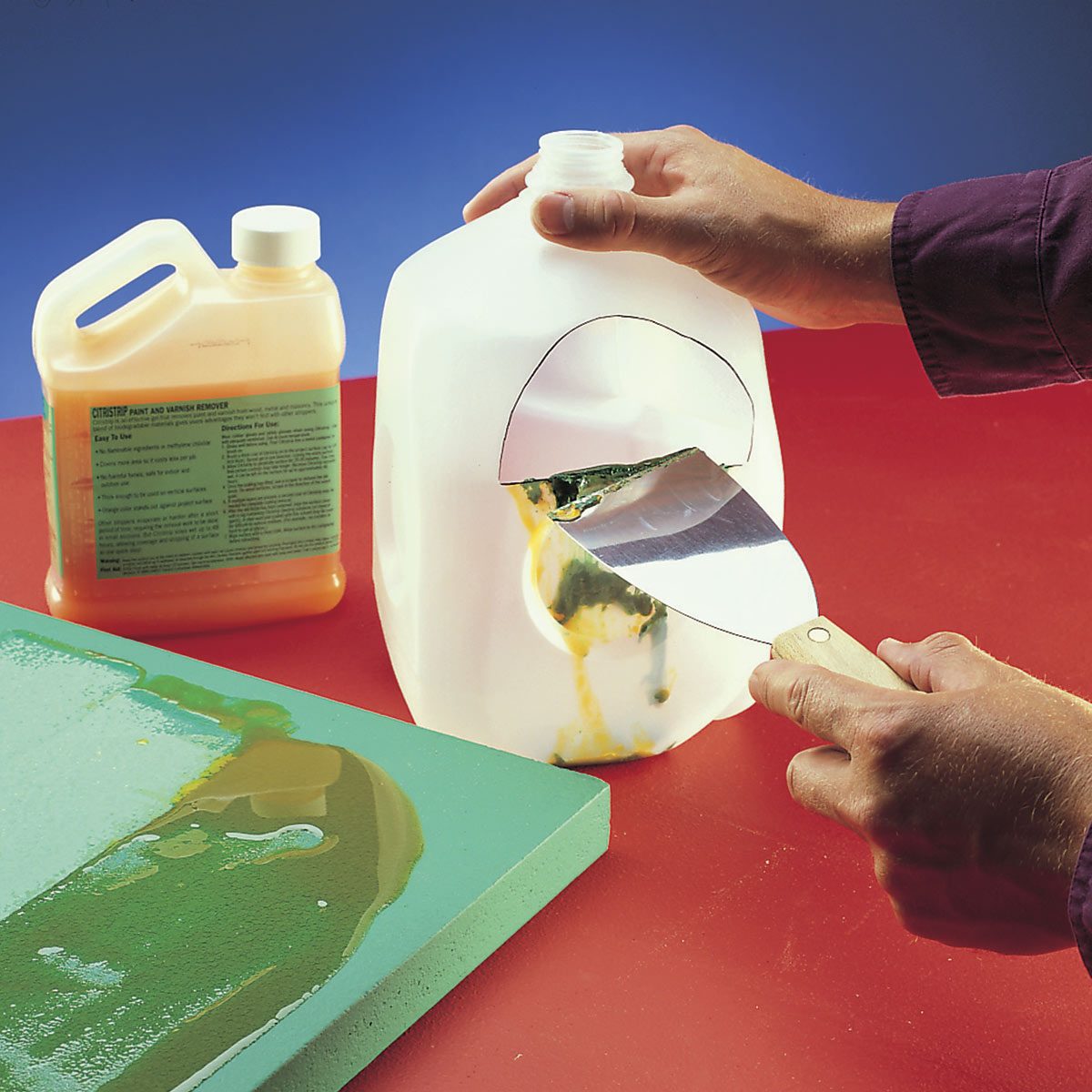
Furniture Stripping Helper

When stripping old paint or varnish, how do you get rid of the stuff once it’s on your putty knife? Cut a semi-circular opening in the side of an empty gallon jug, then clean the loaded scraper on the flat edge of the hole. When you’re done, and you want to reuse some of the stripper, upend the jug and use the neck of the jug as a funnel to pour the stripper into another container.

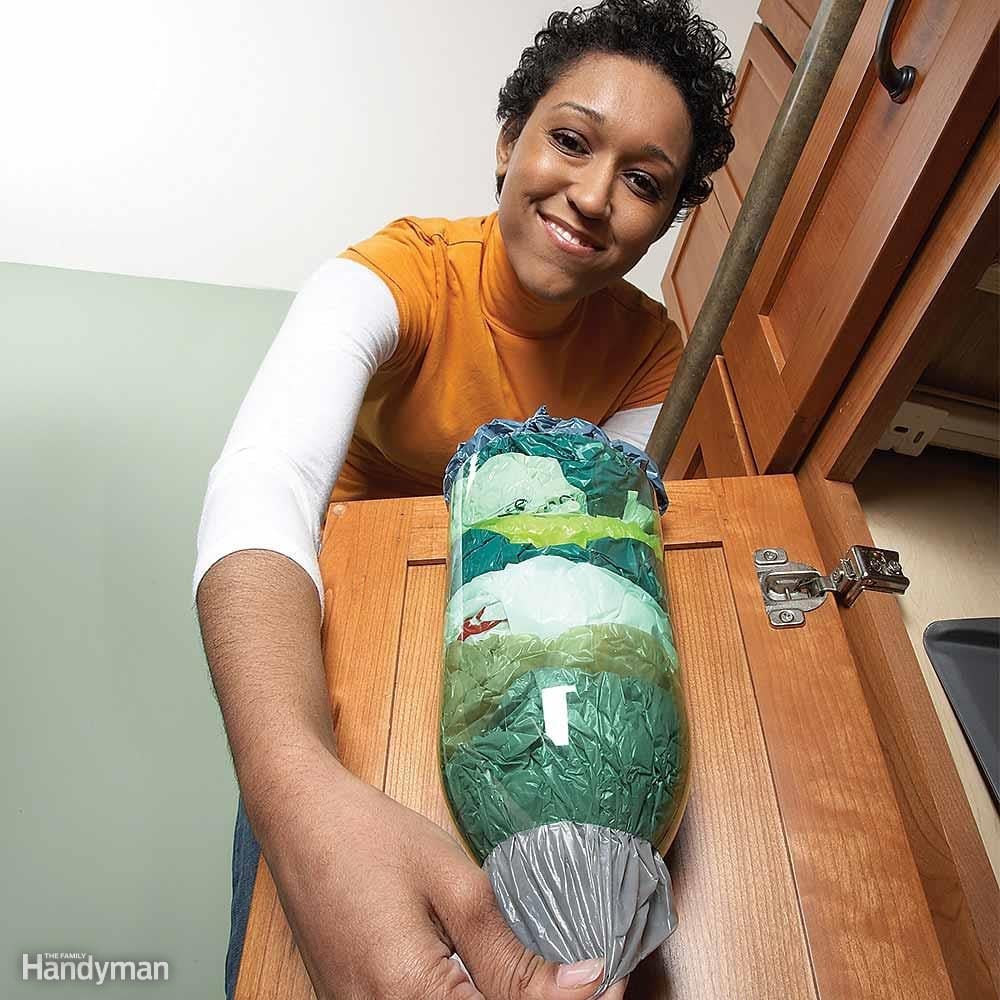
Plastic Bag Dispenser

To make it easy to stow and reuse plastic bags, make a dispenser from a discarded 2-liter soda bottle. Cut off the top and bottom with a razor knife. Trim any jagged edges so you don’t tear the bags when you pull them out, then screw the dispenser to a cabinet door or closet wall (or attach with hook-and-loop tape).

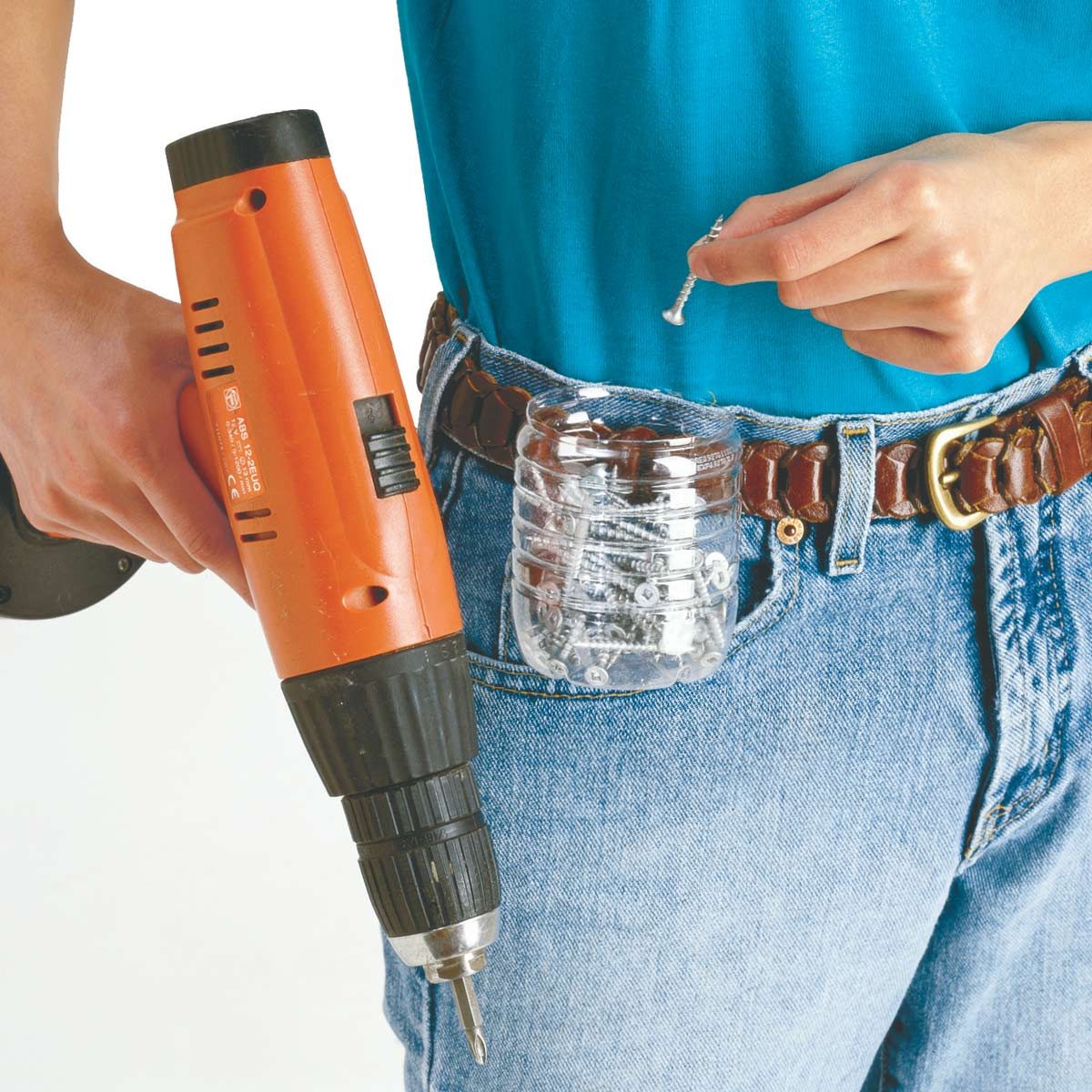
Water Bottle Nail Pouch

Make a nail holder from a plastic beverage bottle. Cut the top off an empty bottle, leaving a 3-1/2 in. tall container. File off any sharp edges or cover them with tape. Cut two 1-1/2 in. vertical slits 1 in. apart in the center of the side. Slide the end of your belt through the slots for a homemade nail pouch. — R. B. Hines.

Laundry Jug Watering Can

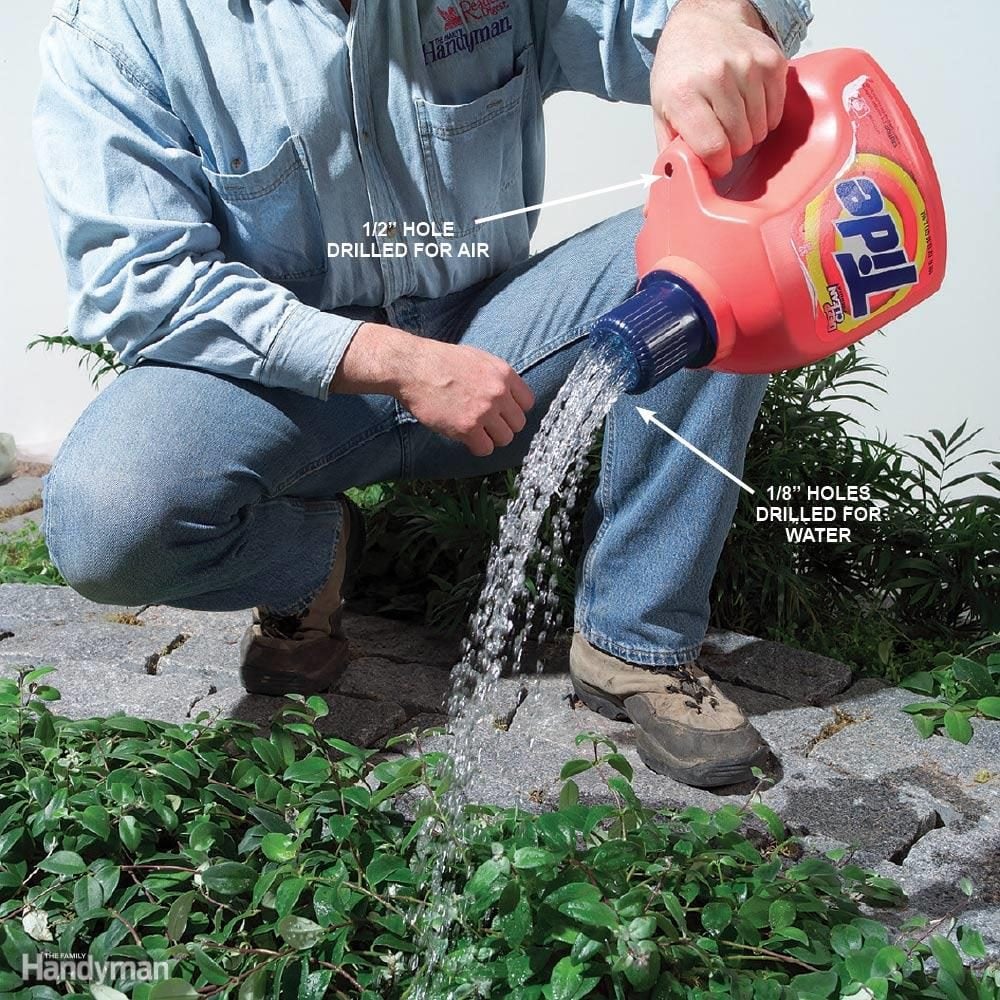
Instead of throwing away empty laundry detergent containers, rinse them out thoroughly and then recycle them for watering plants. Drill 1/8-in. holes in the top of the cap, and a 1/2-in. hole just above the handle to relieve pressure so the water flows freely.

Out with the Mustard, In with the Glue

I no longer put up with the messy “over-designed” carpenter’s glue dispensers. Instead, I use old mustard bottles; they don’t clog and they easily reseal between uses. — reader Richard Painter

Plastic Jug Planters

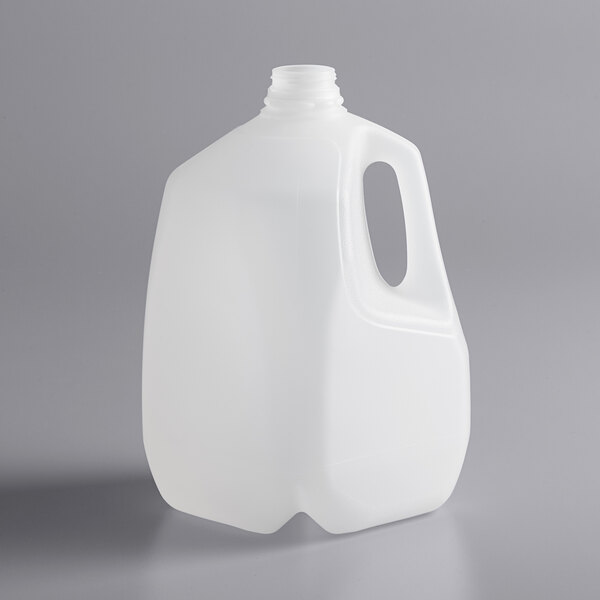
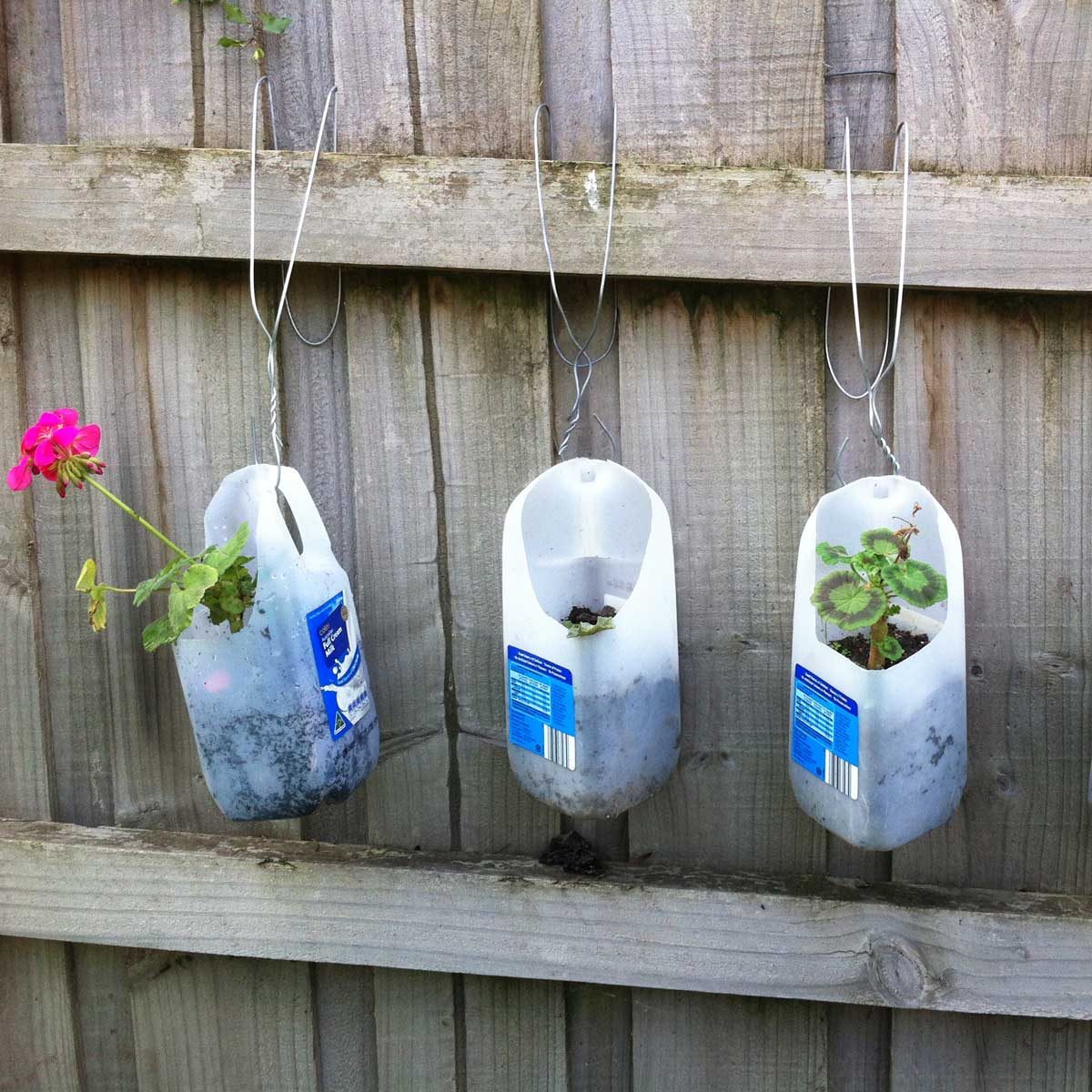
Those plastic milk jugs can be cut and used as planters. Try hanging them from a fence with wire coat hangers, as shown here.

Better Bucket Storage

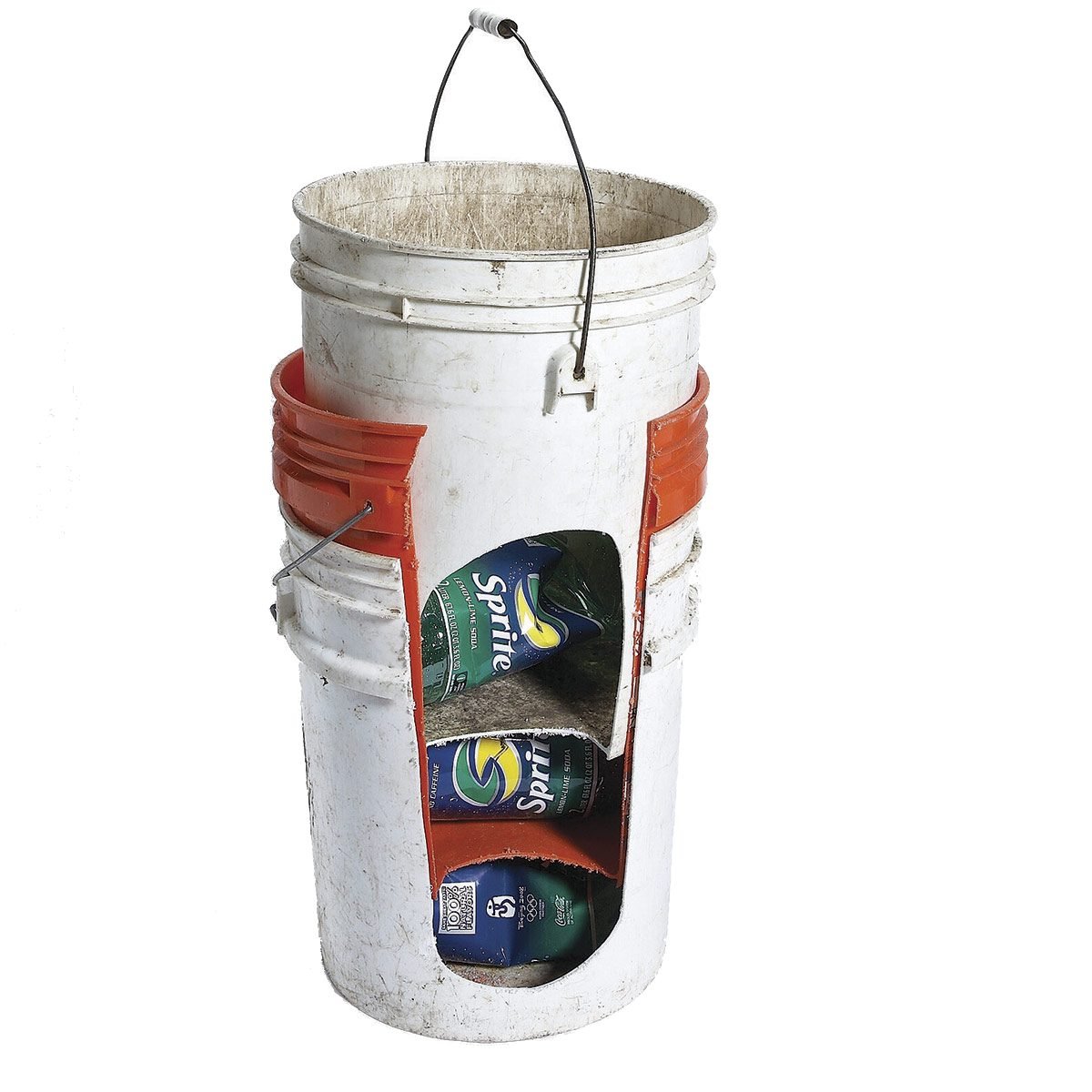
Stacked 5-gallon buckets fit together so tightly that it’s almost impossible to pull them apart. Prevent the problem by placing a large plastic pop bottle (with top on) or milk jug between each pair of buckets. You can still nest the buckets together, but they won’t stick together anymore.

Better Glue Bottle Cap

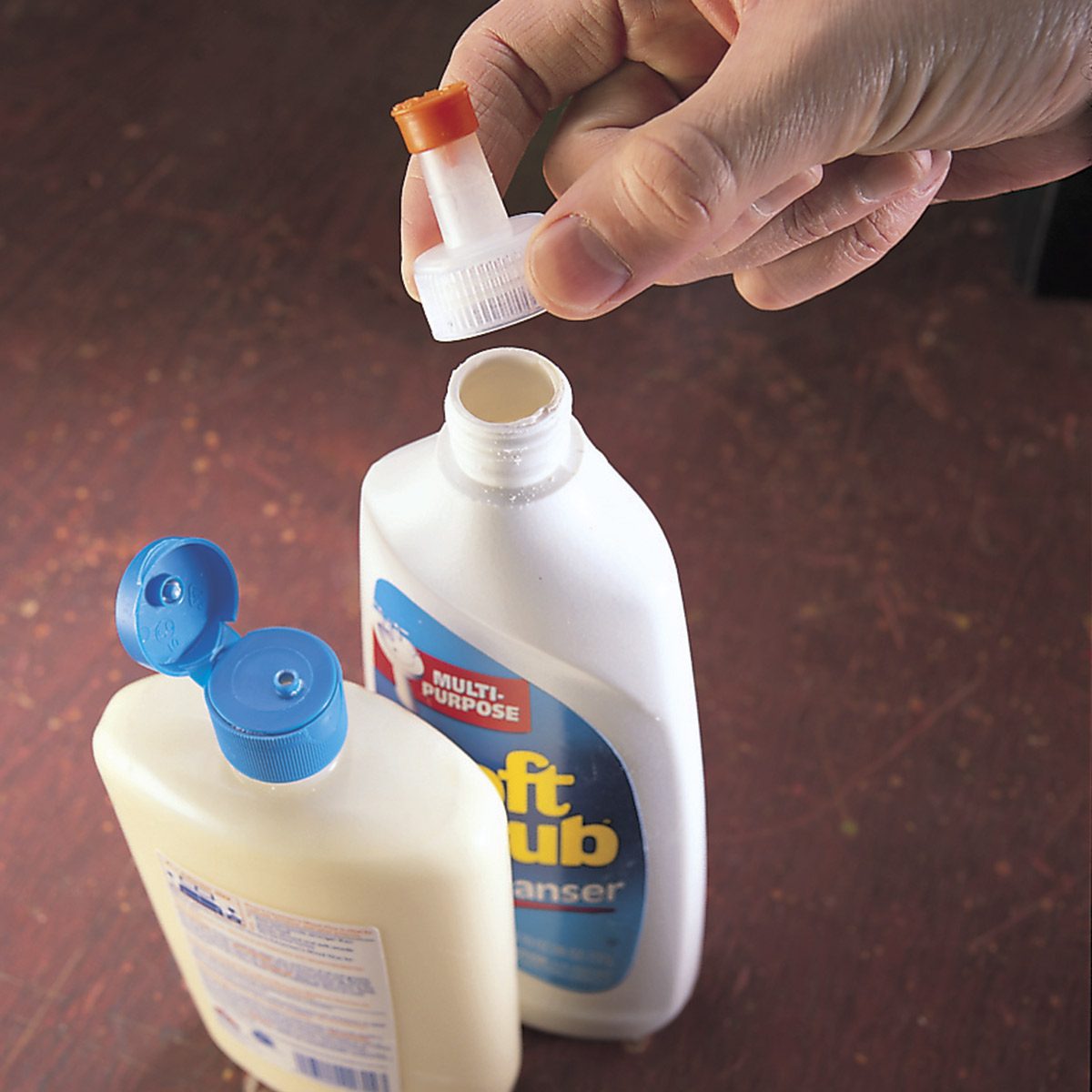
Screw the flip-up, 1-in. inner dia. cap from your shampoo or liquid cleanser bottle onto your glue bottle. The 1-in. cap fits on every glue bottle we tried. Now:

You can’t lose the little cap.

Glue stays fresher because the cap snaps shut.

The cap’s small round hole makes it easier to control the size of the glue bead.

Glue doesn’t harden in the cap and require clearing before use. — reader Dorothy Nanchu

Instant Tool Holder

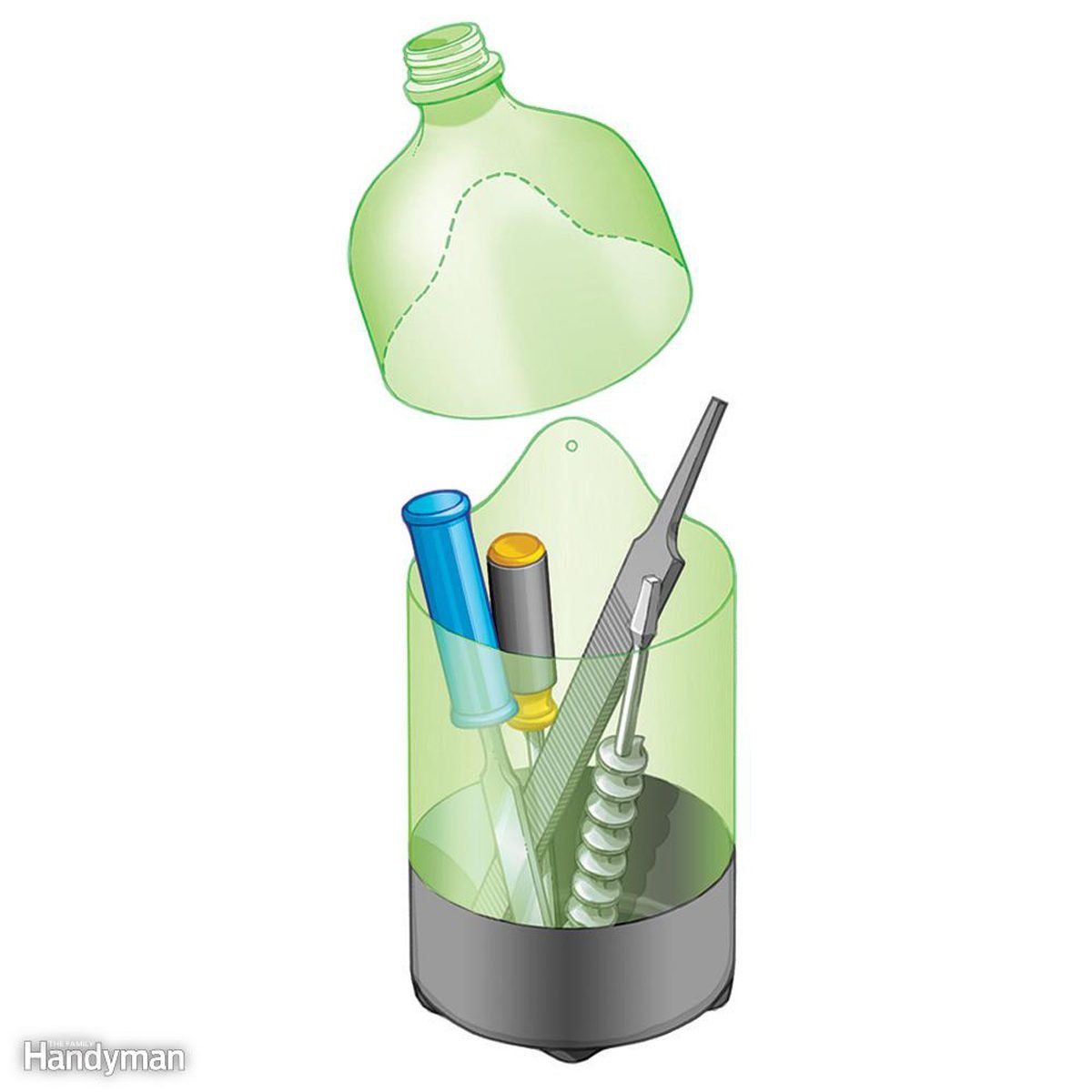
Store chisels, files, large drill bits, screwdrivers and other long tools so they’re both visible and close at hand. Simply cut off the top from a clear 2-liter plastic soft drink bottle, leaving a flap for hanging. Use smaller bottles, which are extremely common household items for smaller tools.

SOURCE: FAMILY HANDYMAN: Jenny Stanley Updated: Dec. 01, 2023

DIY: 21 Uses for All Kinds of Plastic Jugs: Part 1

I found this article on Family Handyman that details some helpful and amazing uses for those plastic bottles you might have.

From Family Handyman:

Give those otherwise useless plastic jugs and bottles new life in your home or workshop. And the best part, these super-resourceful ideas don’t cost a thing!

Make a Paint Tray with a Handle

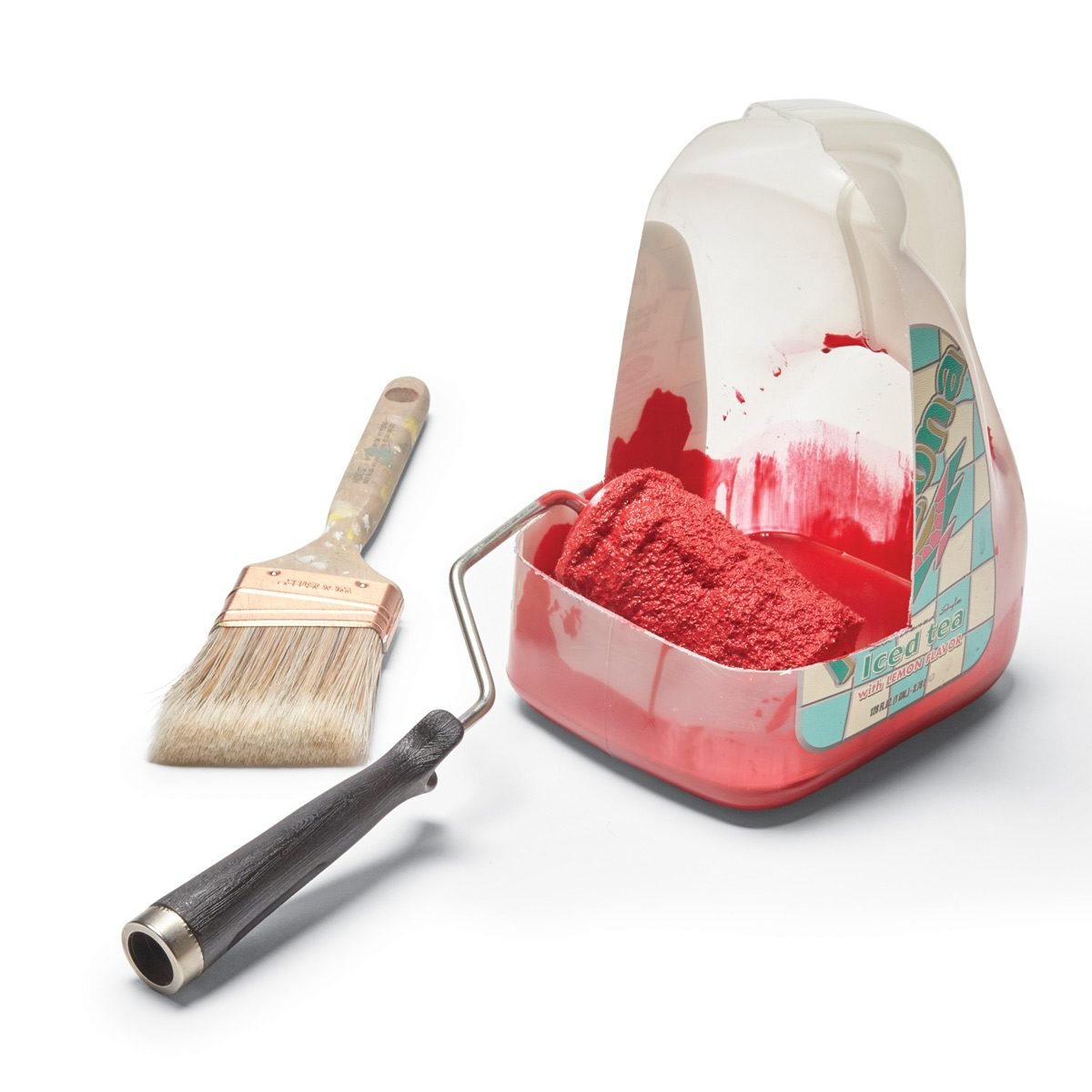
For small paint jobs, I find that a 4-in. paint roller works great with an old gallon-size iced tea jug serving as a disposable roller tray. I just cut out part of the plastic to create a place to dip the roller. It even has a built-in carrying handle. When I’m done, I just throw the empty gallon jug away. — reader Fred Thies.

Simple Skinny Funnel

If you’re in need an easy to make disposable funnel, we have the perfect solution for you.

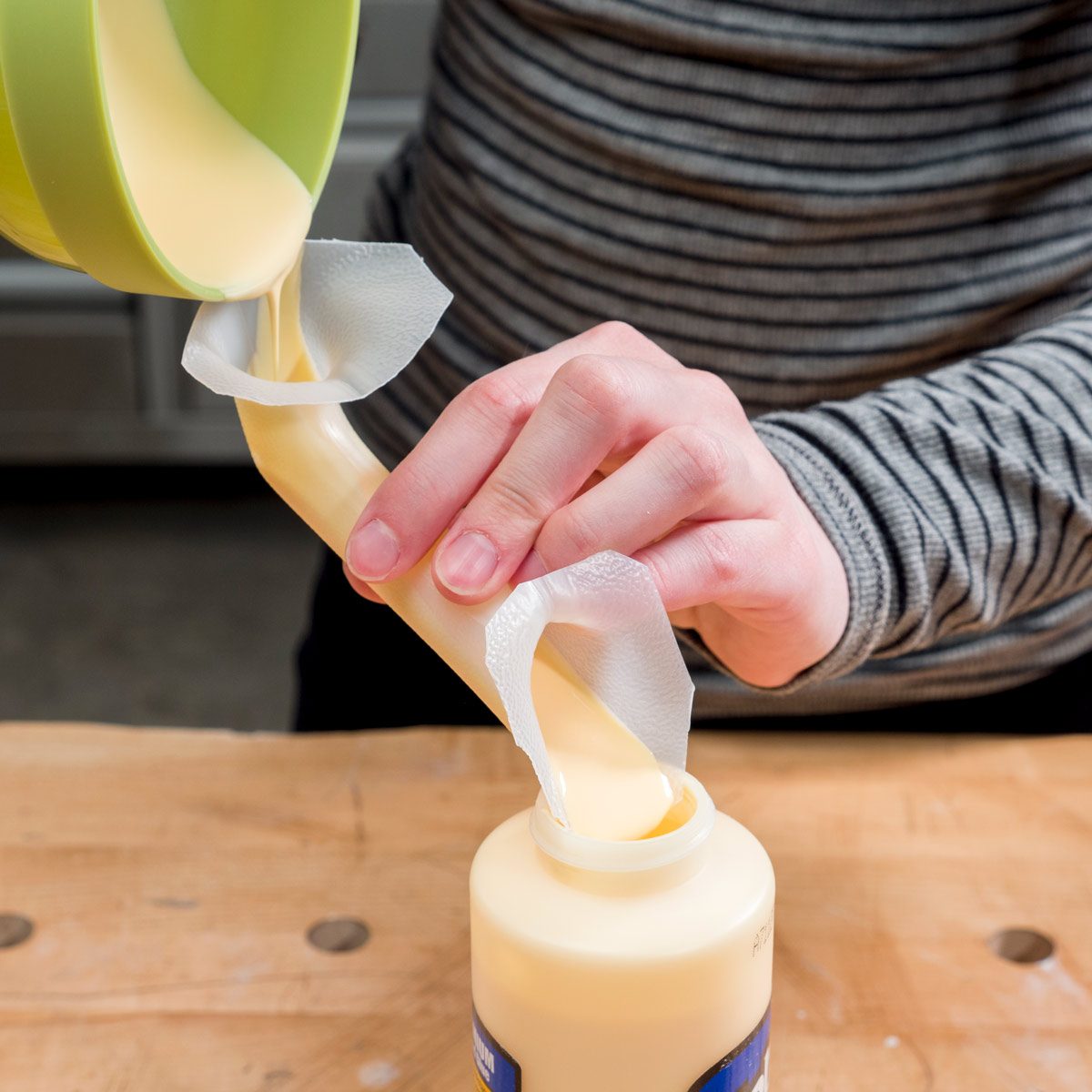
Simply cut off the handle from a gallon water (or milk) jug, and use this to serve as a disposable funnel. This funnel will help you to drain anything from your left over wood glue to the old oil in your leaf blower. This handle funnel will help you get to hard to reach places and small bottle openings. When using this funnel to drain old oil, it directs the oil to the drain pan without spilling a drop. It’s also smart to use this disposable funnel for messy projects because you can just throw it away once you are done. It’s so simple and effective!

Soda-Bottle Bee Trap

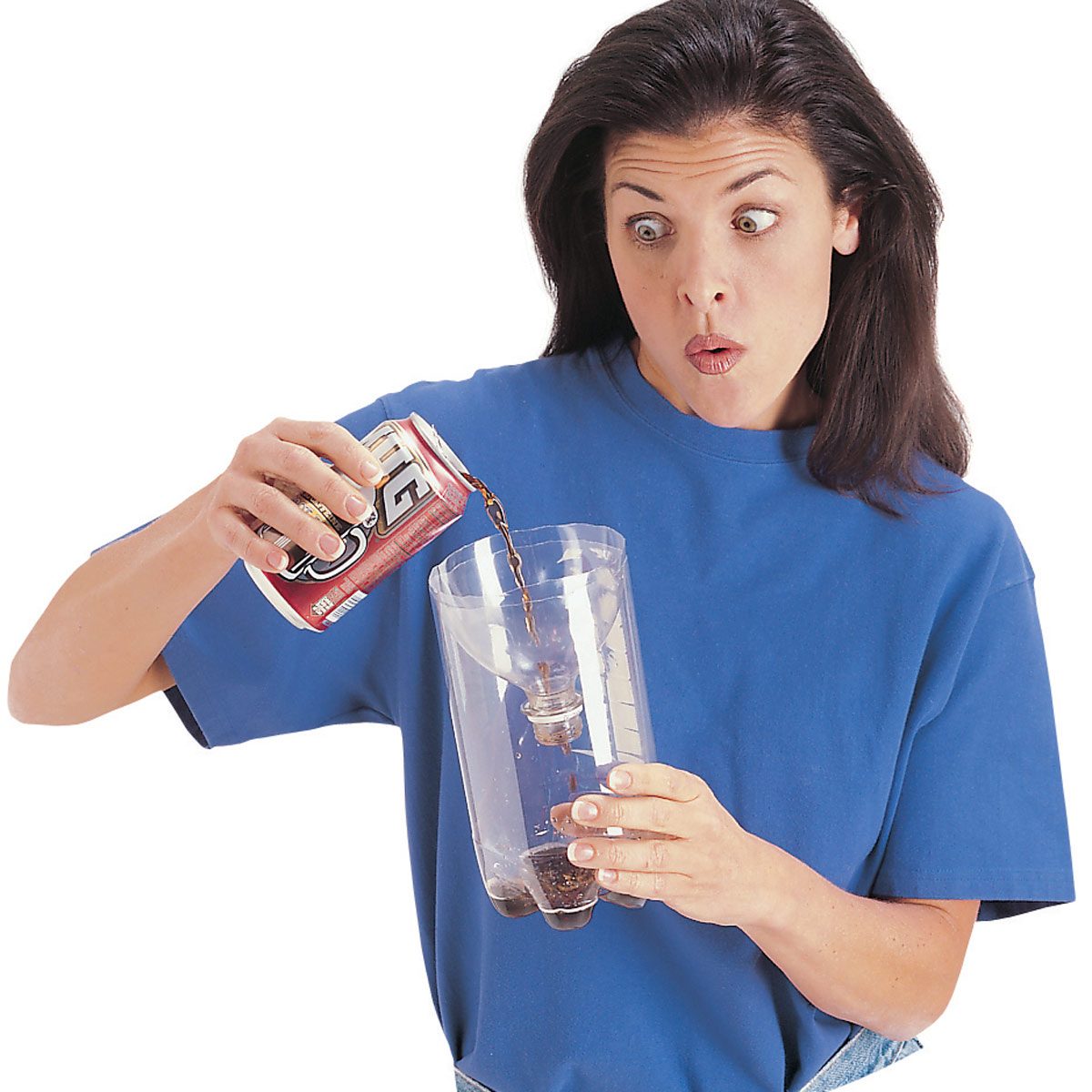
My husband stumbled on this cheap, effective bee and wasp trap. (Never thought I’d be glad he drinks soda all the time.) Cut the upper one-third off the top of a 2-liter plastic soda bottle with a utility knife. Pour a few ounces of soda pop into the bottom, then invert the top of the bottle and nest it inside the bottom part. Bees and wasps are attracted to the sweet smell and find their way through the bottleneck but can’t find their way out. Eventually they get exhausted, fall into the water and drown. — reader J. Chamberlain

Tangle-Free Twine Storage

Can’t find your twine to bundle that pile of recyclables? Try reader Norm Hoch’s slick solution. Cut the bottom 4 in. off a 1/2-gallon plastic milk or orange juice jug and load the container with a fresh spool of twine that unwinds from the middle. Then thread the twine through the jug opening and tape the jug back together. Cut an “X” in the cap with a utility knife to keep the twine from falling back into the jug.

Portable Storage for Free

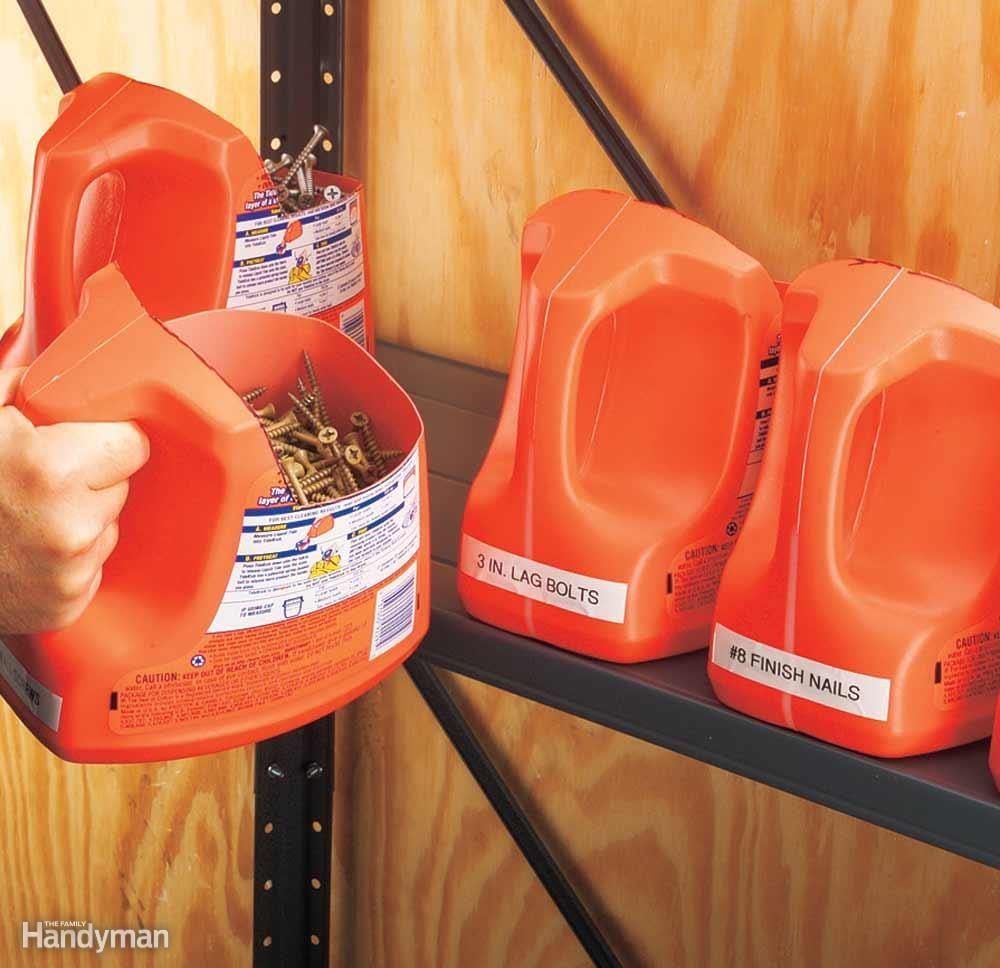
You can drop a few bills buying storage totes for supplies like nails, screws and plumbing parts. Or you can make your own with laundry detergent jugs and a utility knife. They’re big, tough and mobile—and they’ll make your workshop stink nice.

Touch-Up Bottle

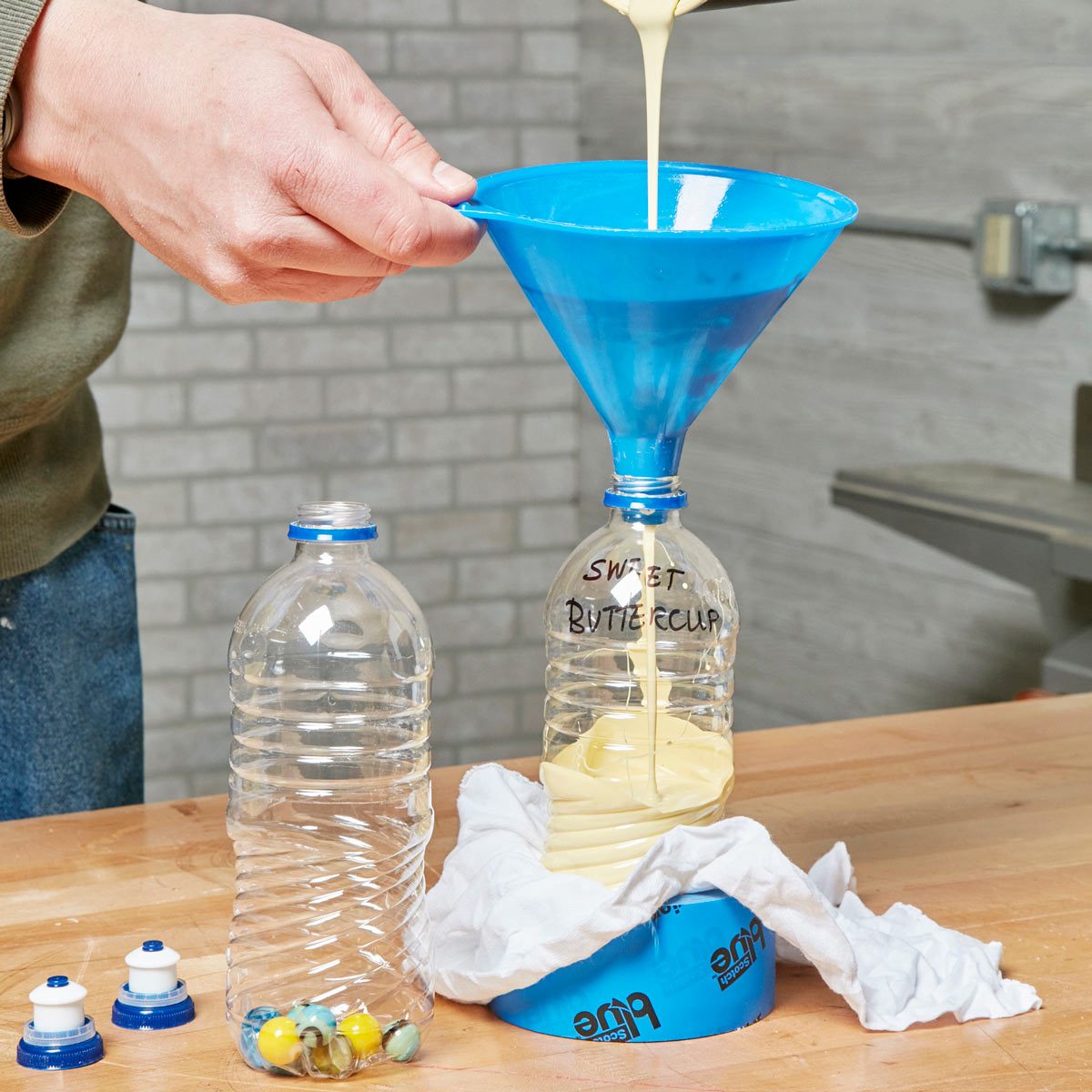
When there’s only a little bit of latex paint left in the can and I want to save it for touch-ups, I put a half-dozen marbles in an empty water bottle and pour in the leftover paint. When I’m ready to do a touch-up, I shake the bottle and the marbles mix the paint. A roll of tape with a rag draped over it helps hold the bottle steady while I pour the paint into it. Just be sure to use a funnel or you’ll have a mess on your hands. — reader Ron Hazelton

Protect Sprouting Plants

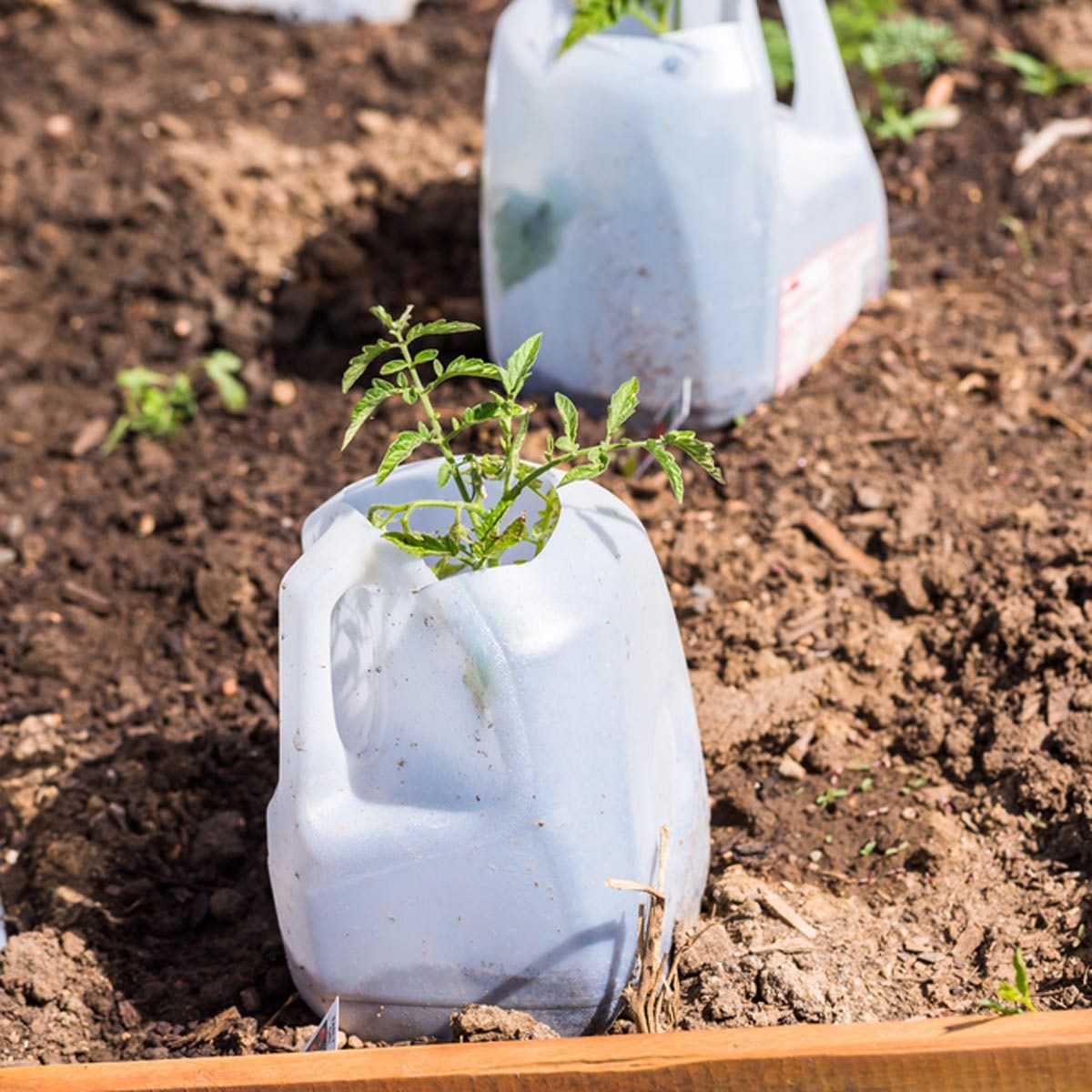
If you cut an empty gallon jug (like a classic plastic milk jug) about two-thirds down the bottom, you can create an effective enclosure to protect planted seeds and new shoots from birds and rodents, which is faster and more effective than trying to use sprays and traps. For busy gardens, get a marker and write the name of the plant on the jug so you know what’s growing beneath without needing to check your seed packets: Remember to eventually take the jugs off as shoots develop to avoid mold. 

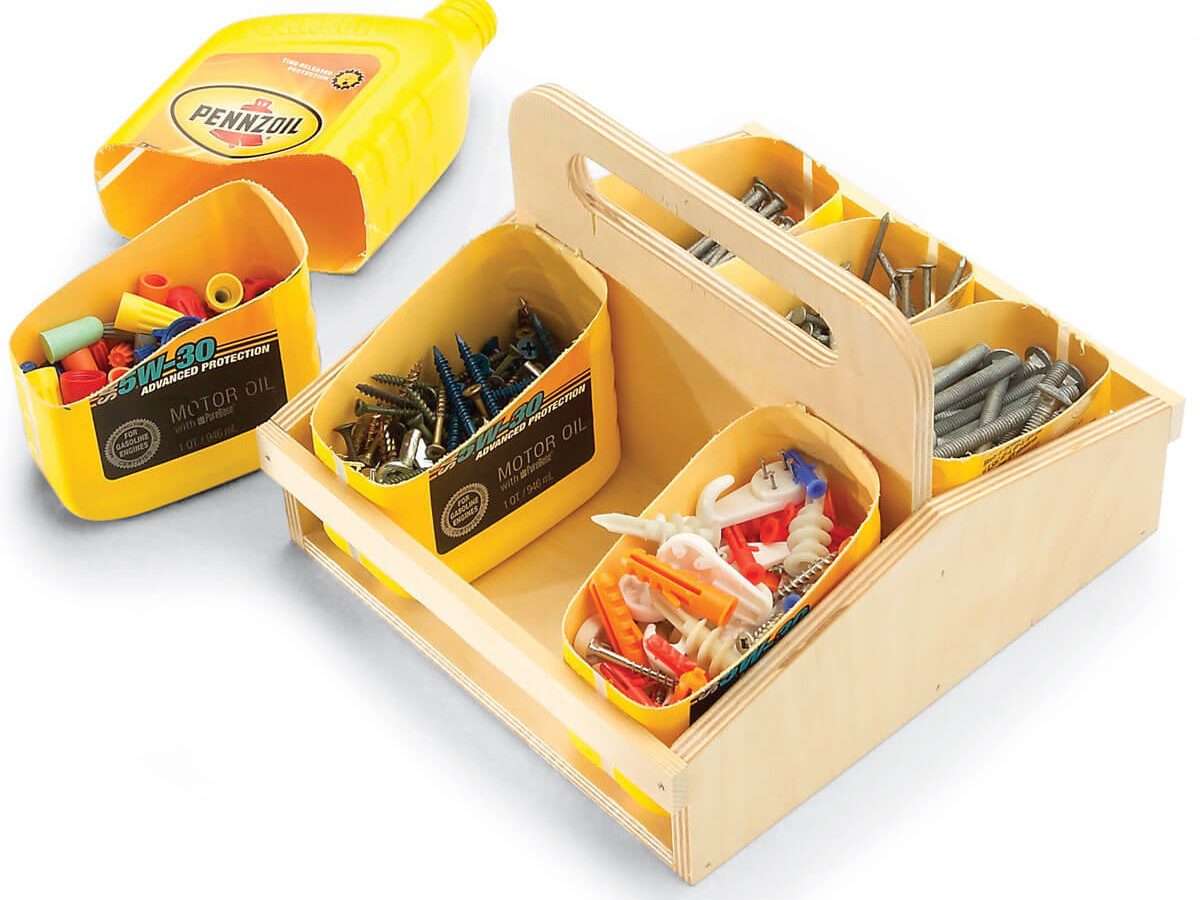
Oil Bottle Hardware Storage

Here’s a fun little project to keep your screws, nails, nuts and electrical whatsits handy and neatly organized.

Pet Food Scoop

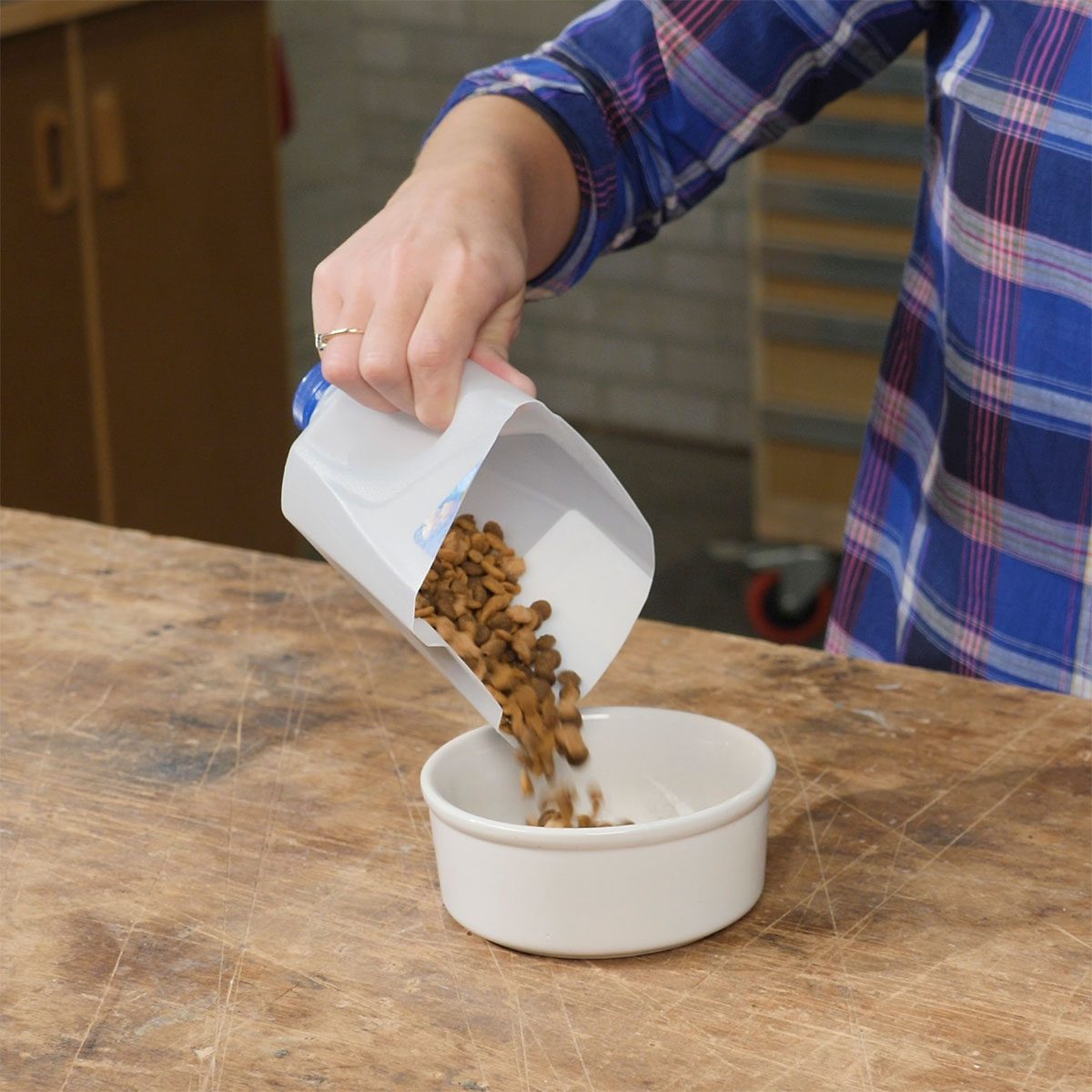
I’ve read many hints that advise the reader to cut off the tops of gallon-size plastic jugs and use them for funnels. I’ve found that if you replace the cap after cutting the top off, you can use the top for a scoop for handling potting soil, fertilizer or pet food. The no-scratch plastic also makes the jug/scoop ideal for bailing water out of your boat. — reader Ray Dean

For this scoop, we used an empty half-gallon milk jug and angled the cut so that the side opposite the handle is slightly longer, more like a scoop than a funnel. However, as Ray notes above, this scoop can also be used as a funnel by simply removing the milk jug cap. It helps to draw the cut line with a marker first, and then clean up any sharp or rough edges with the scissors after the initial cut.

Dish Soap Glue Bottle

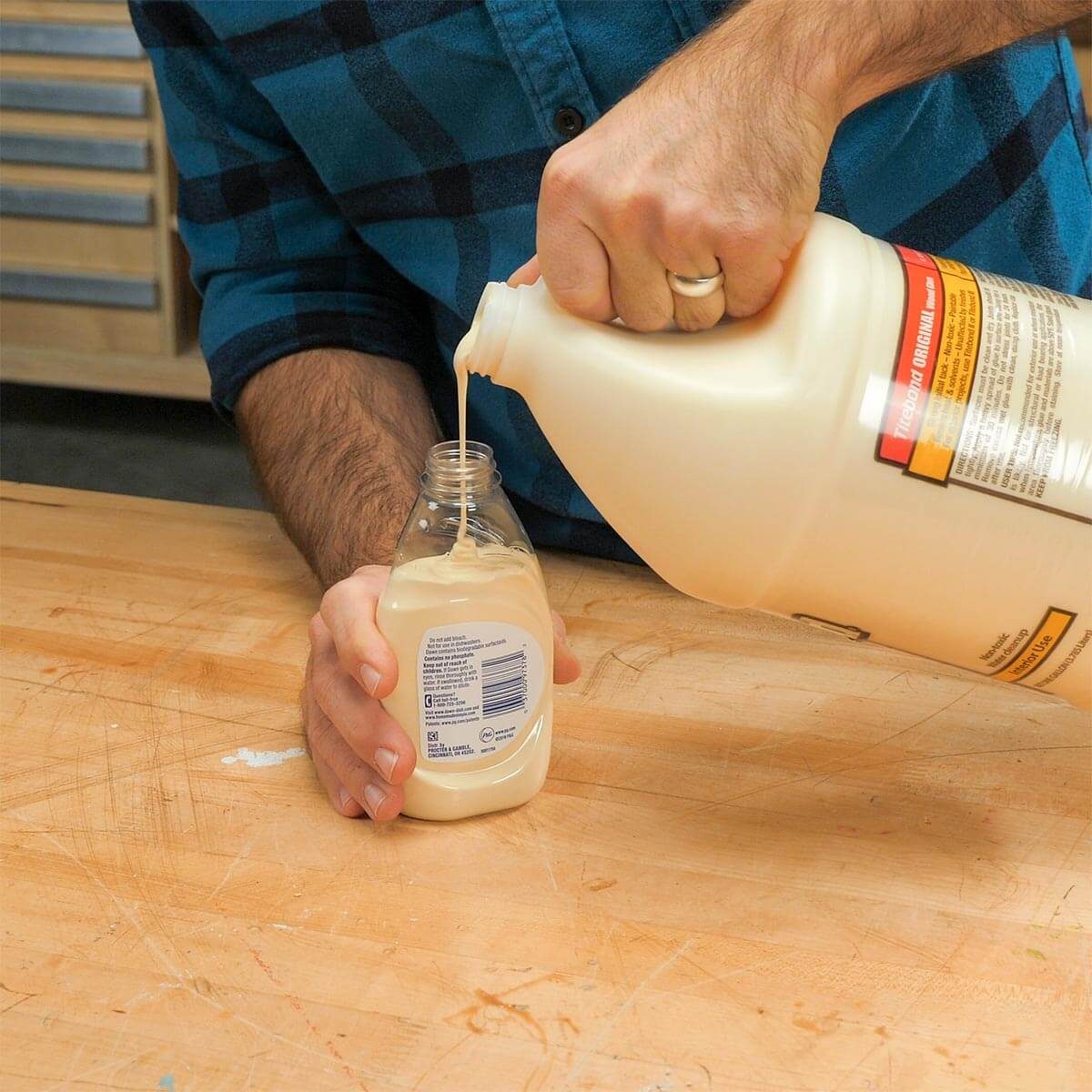
Reuse an empty dish soap container as a refillable glue bottle. The small size and screw-on top with attached cap are perfect for squeezing out wood glue. Be sure to rinse the inside of the container thoroughly (including the lid) and let it dry completely before filling it with glue.

Milk Jug Furniture Movers

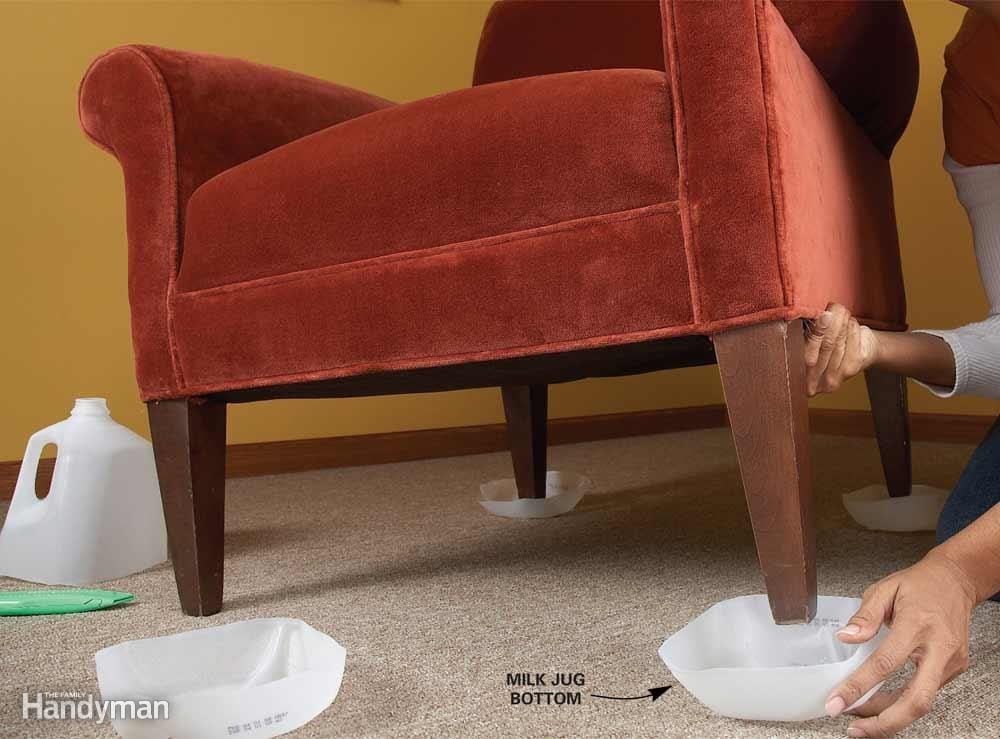
When you have to move heavy furniture on carpeting, don’t just drag it around. That’s hard on carpet and you might damage the furniture legs. Make the job easier with these homemade moving pads. Cut the bottoms off four plastic water or milk jugs with a utility knife and rest each furniture leg on its own slider. The rounded, slippery bottoms make them perfect for furniture moving. Yes, you can buy fancier versions of these things—for 15 bucks or more! But these work just as well, and best of all, they’re free!

Tomorrow: PART 2

SOURCE: FAMILY HANDYMAN: Jenny Stanley Updated: Dec. 01, 2023

DIY: Hide-A-Key

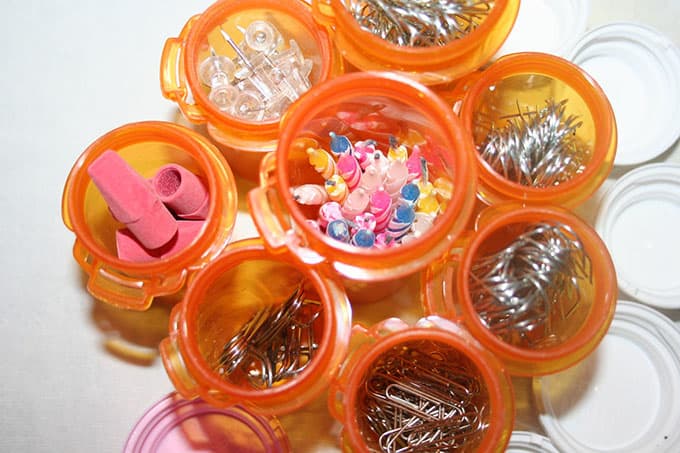
I found an interesting article on Crafts By Amanda on repurposing plastic pill bottles.  Many of the ideas were just storage ideas—for small items: buttons, paper clips, needles and so on.  A few were creating traveling sized items—like a sewing kit or for a larger bottle, or a travel first aid kit.  A couple of them though, I thought were very clever and those I wanted to share here.

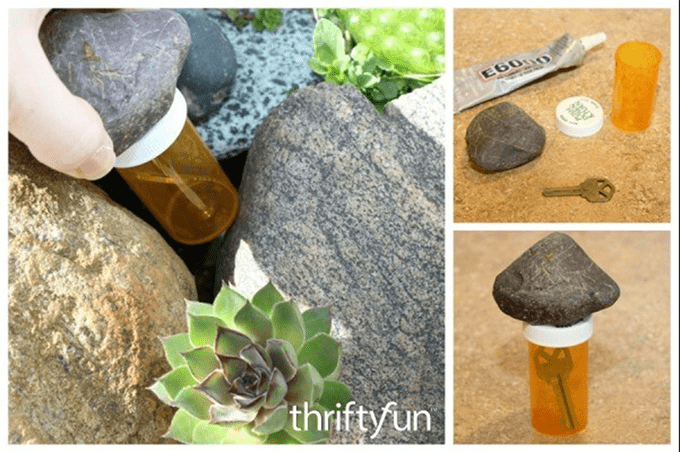
Hide-a-Key

As you can see from the graphic above, detailed instructions are not really necessary.  Take a cleaned pill bottle (they are water tight—I tried one of mine) and a plain old rock.  Make sure the rock is large enough to cover the lid completely and that it is not unusual in any way (pretty or unusual rocks will draw unwanted attention…lol).  Use a good glue and follow the manufacturer’s instructions on drying time to glue the rock to the lid.  Dig a small hole to accommodate the bottle and you’re good to go!  NOTE: in the comments to the article, someone suggested a pine cone could also be used. 

Campfire Matches

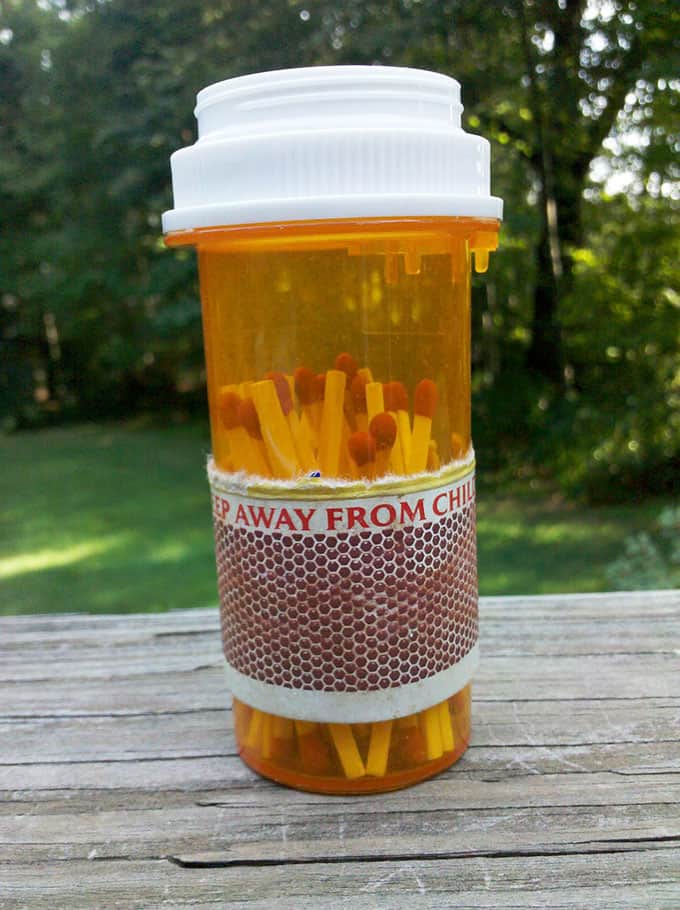
Since the pill bottles are water tight, they make an excellent container for matches for a camping trip—especially if there’s water (as in rafting or canoeing) involved!  The website says you can remove and tuck the striking surface into the bottle OR you can glue to the bottle which I think is the better option.
SOURCE: Crafts By Amanda