DIY: Halloween Decorations

We used to love to decorate our house for Halloween, but since we moved and without kids to enjoy it, or even other adults to enjoy it, we don’t anymore.  There is a house along our normal driving route here in town that has one of those gigantic skeletons. Over the summer, hands began to emerge out of the ground. The last time we went by that house, the skeleton had emerged from the ground up to his waist. It is soooo cool! It takes planning and dedication…but these decorations are awesome and easy to do!

Tomato Cage Ghosts

Tools and Materials

metal tomato stand

white paper lantern

pre-cut ghost face shapes (peel-and-stick felt: 2 eyes and a mouth)

lightweight white fabric, white gauze or “creepy cloth”

floral wire

1. Prep the Cages

Spray paint the metal tomato cages white. If you only have one size tomato cage and want different-sized ghosts, use a wire cutter to remove a section of the cage. Turn the stand upside down so the widest part becomes the sturdy base of the ghost. Bend the metal spikes inward toward the middle until they meet. If necessary, use floral wire to hold the spikes in place.

2. Attach the Head

Unfold and assemble the large white paper lanterns according to the package instructions. Place the lantern’s opening onto the tomato stand’s spikes. Use floral wire to hold the lantern upright.

3. Add Lights

Run white string lights up and down each row of the tomato stand, ensuring even coverage.

4. Wrap the Body

Drape the pre-cut white fabric over the top of the lantern head and down the tomato stand. Secure the fabric in the back of the stand with safety pins to hold it in place.

5. Stick on the Face

Attach the felt eyes and mouth to the lanterns to create spooky ghost faces. Instead of buying the pre-made ghost face, you could use felt to make the eyes and attach them to the ghost using fabric glue.

You can find more pictures and detailed instruction at hgtv.com.

Rats Eating a Chair

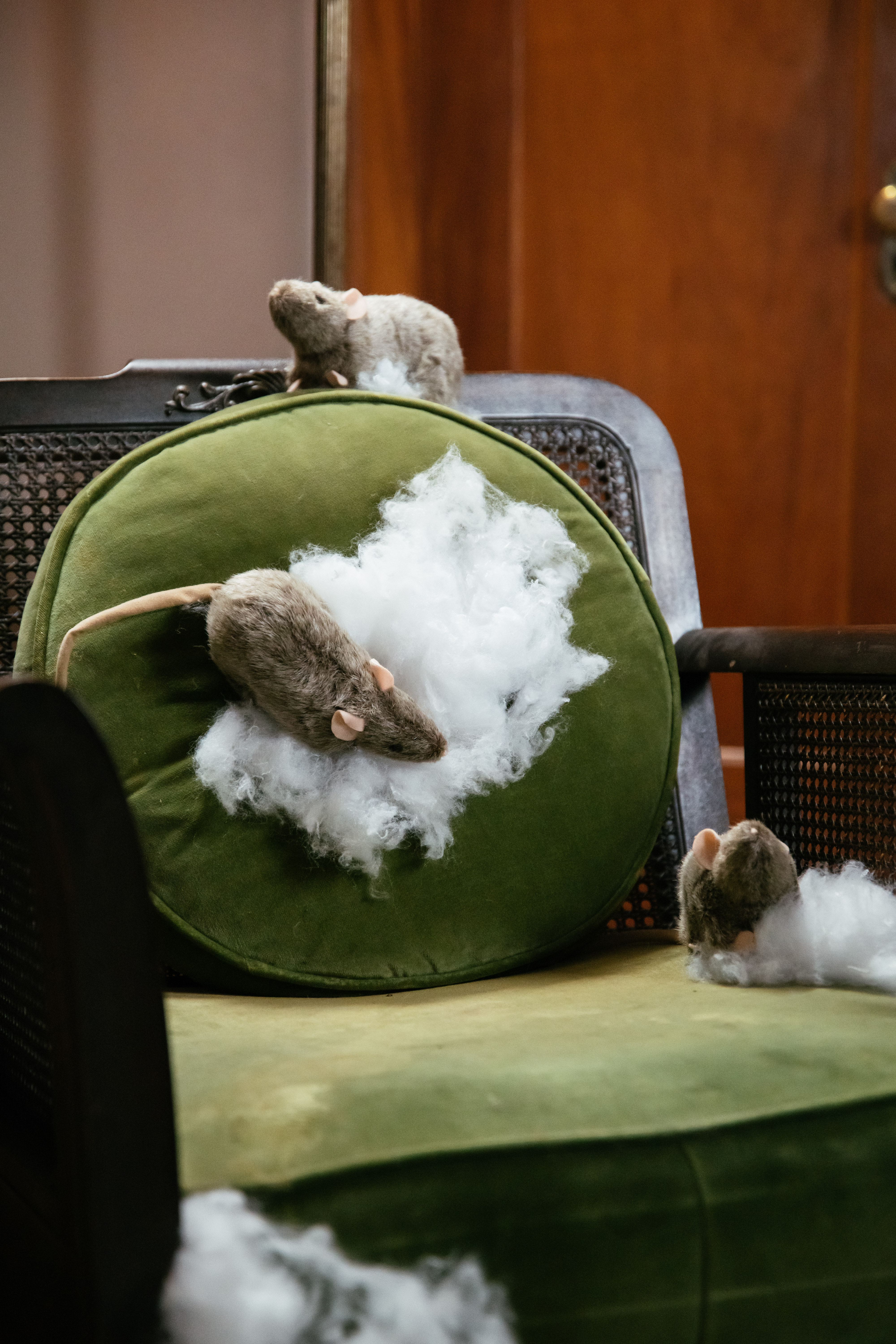
This effect is amazingly simple.  The stuffing is not coming out of the cushions—it’s merely regular cotton stuffing.  All you need to add is some fake rats!

Black Cat Pumpkins

Materials Needed:

faux pumpkins of various sizes and shapes

hot glue gun and glue sticks

black exterior paint

2″ foam paintbrush

scissors

black craft foam

medium-tipped white paint marker

white craft paint

small craft paintbrush

gray and light brown pipe cleaners

felt (light gray, light brown or red)

black marker

Paint Pumpkins

Cover pumpkins with three coats of black exterior paint, allowing paint to dry fully between coats.

Create Ears and Eyes

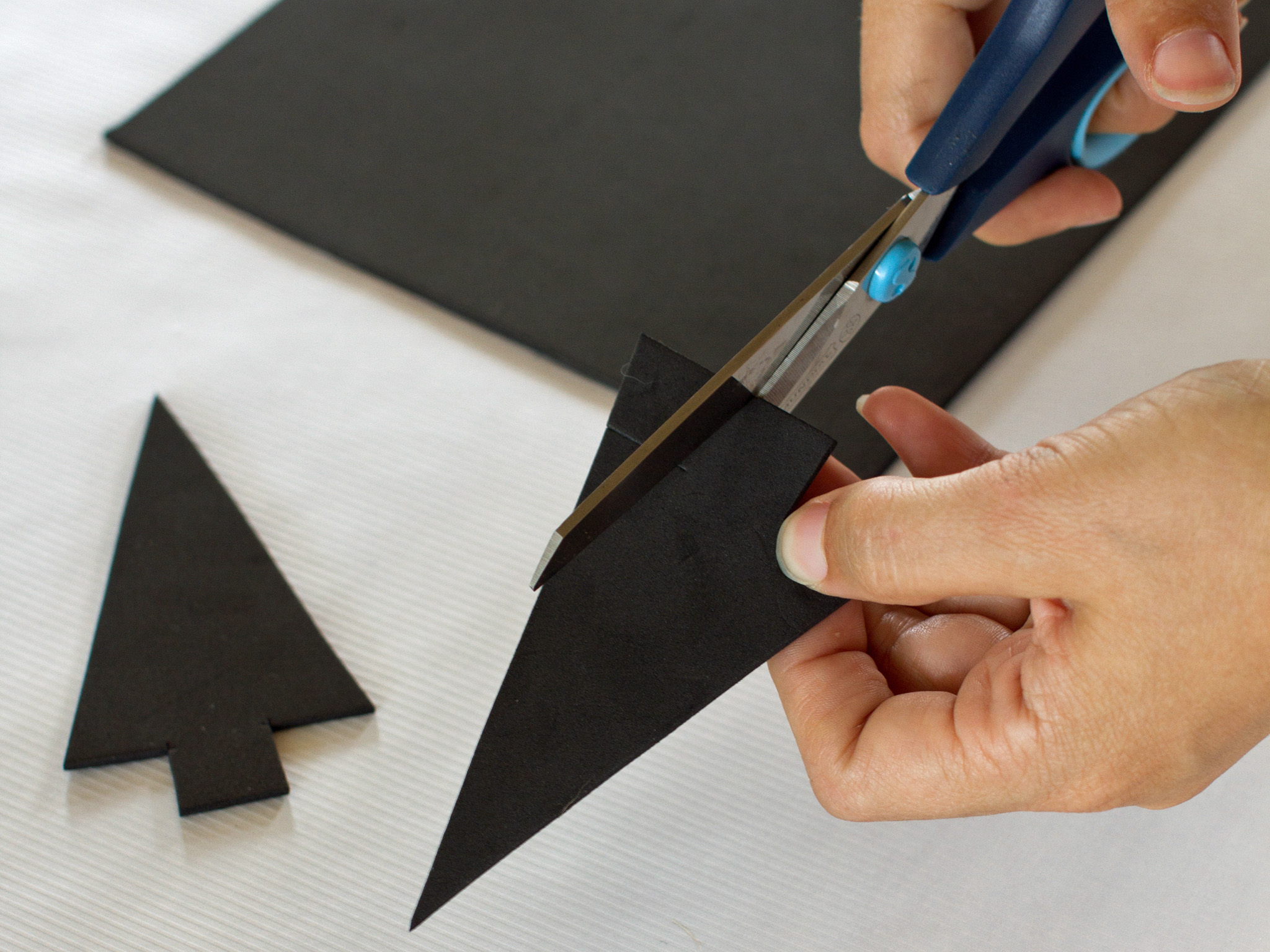
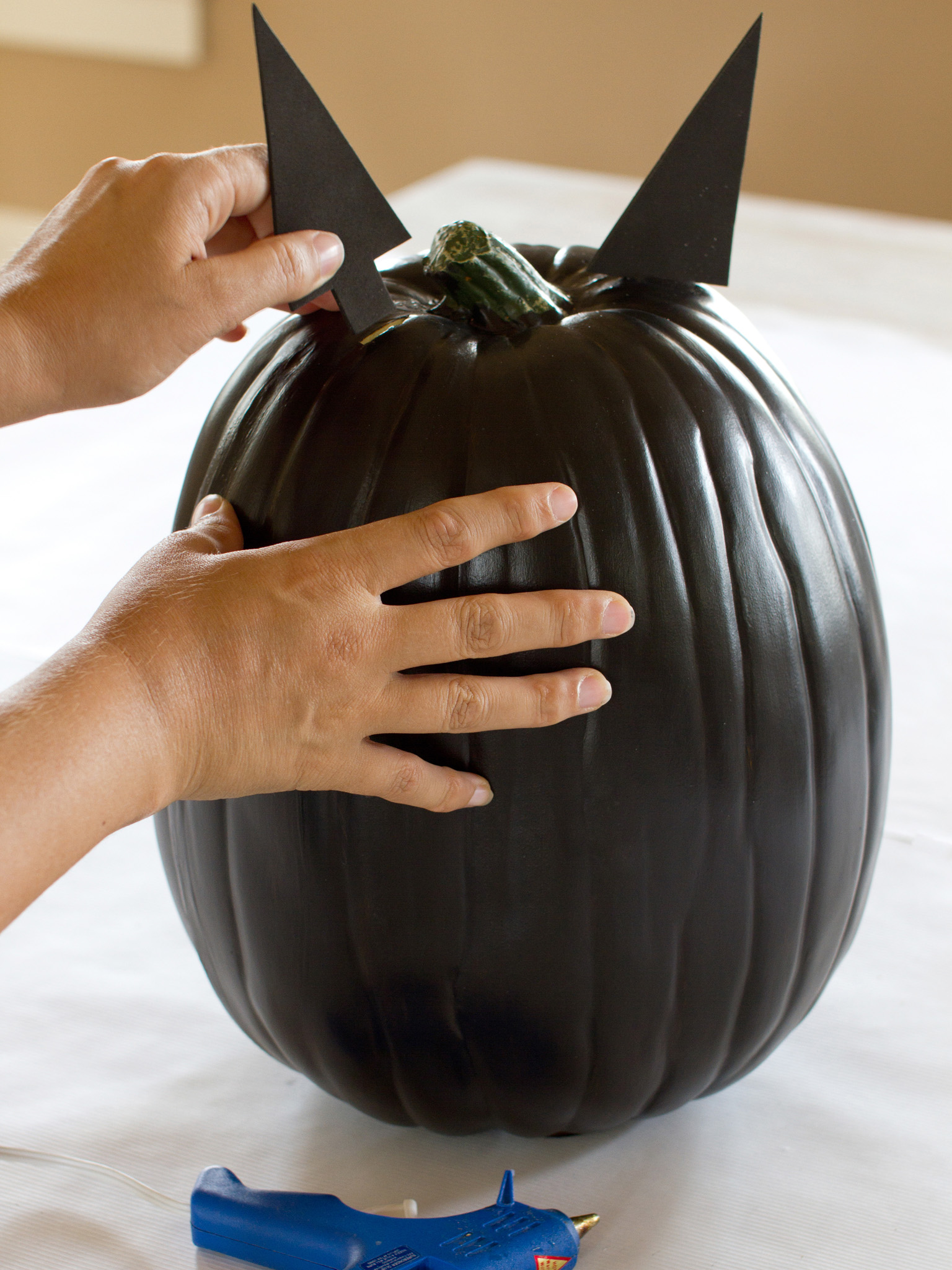
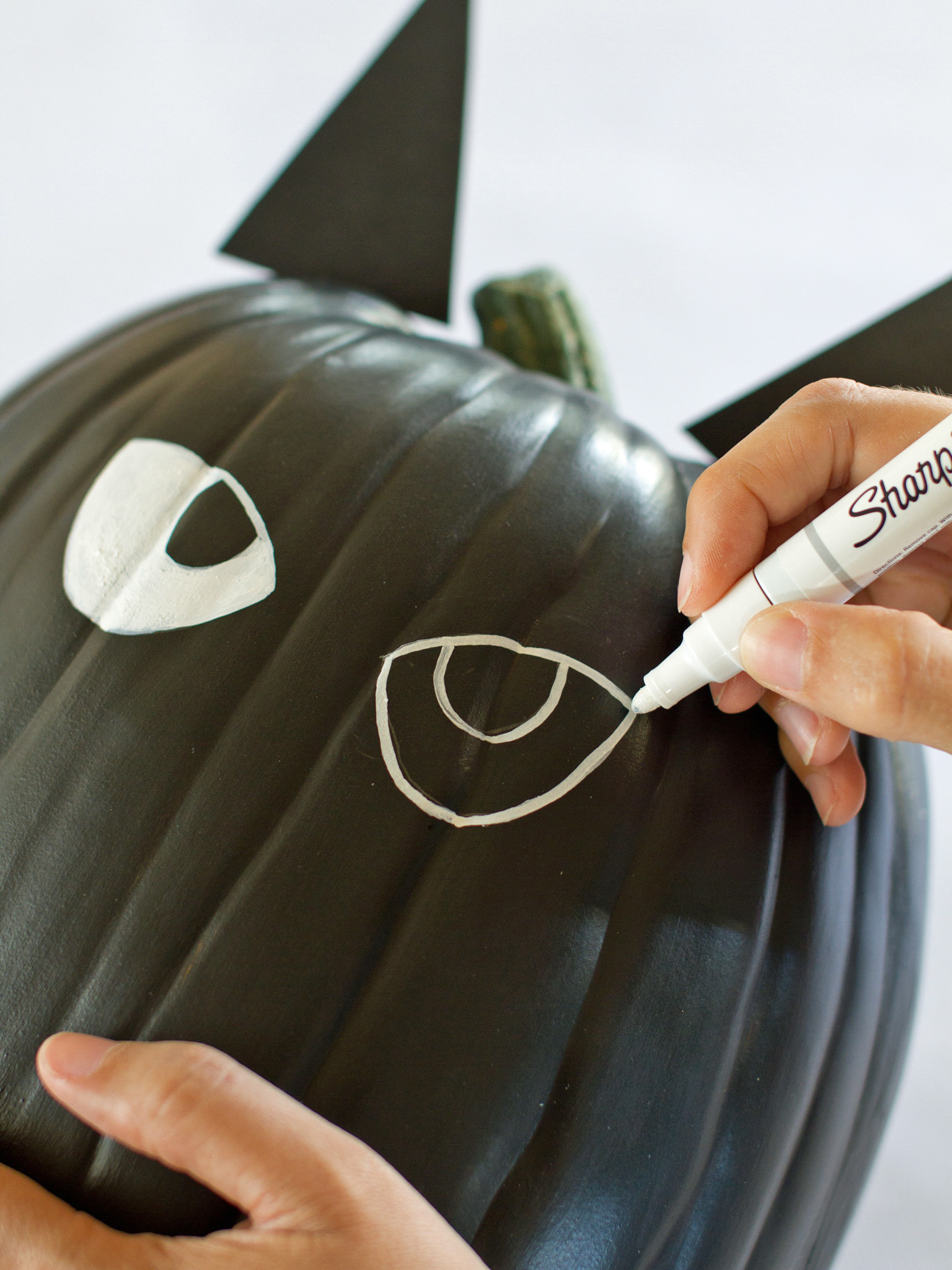
Use scissors to cut two arrow-shaped ears out of a piece of black craft foam (Image 1). Use a kitchen knife to cut a small slot in the top of the pumpkin to fit the ears (Image 2). Apply a dab of hot glue to ear tabs’ back side then insert them into the ear slots (Image 3). Use a white paint pen to draw on angled cat eyes then fill them in using the paint pen or a small paintbrush and white craft paint (Image 4).

Create and Attach Nose and Whiskers

To create a nose, use a black marker to draw an arch on one corner of a felt sheet, then cut along the marked line. Apply a dab of hot glue to the center of the nose only and secure it to the pumpkin just below the eyes. Cut three pipe cleaners in half and use hot glue to attach them to the pumpkin under the edges of the felt nose. Using a faux pumpkin ensures you can display your crafty kitties year after year — just store them somewhere relatively cool to prevent the hot glue from melting.

SOURCE: HGTV.COM

DIY: Hanging Bird Feeders

Now is a good time to start thinking about the upcoming winter and our feathered friends. This DIY project was found on the craftyhacks.com website.

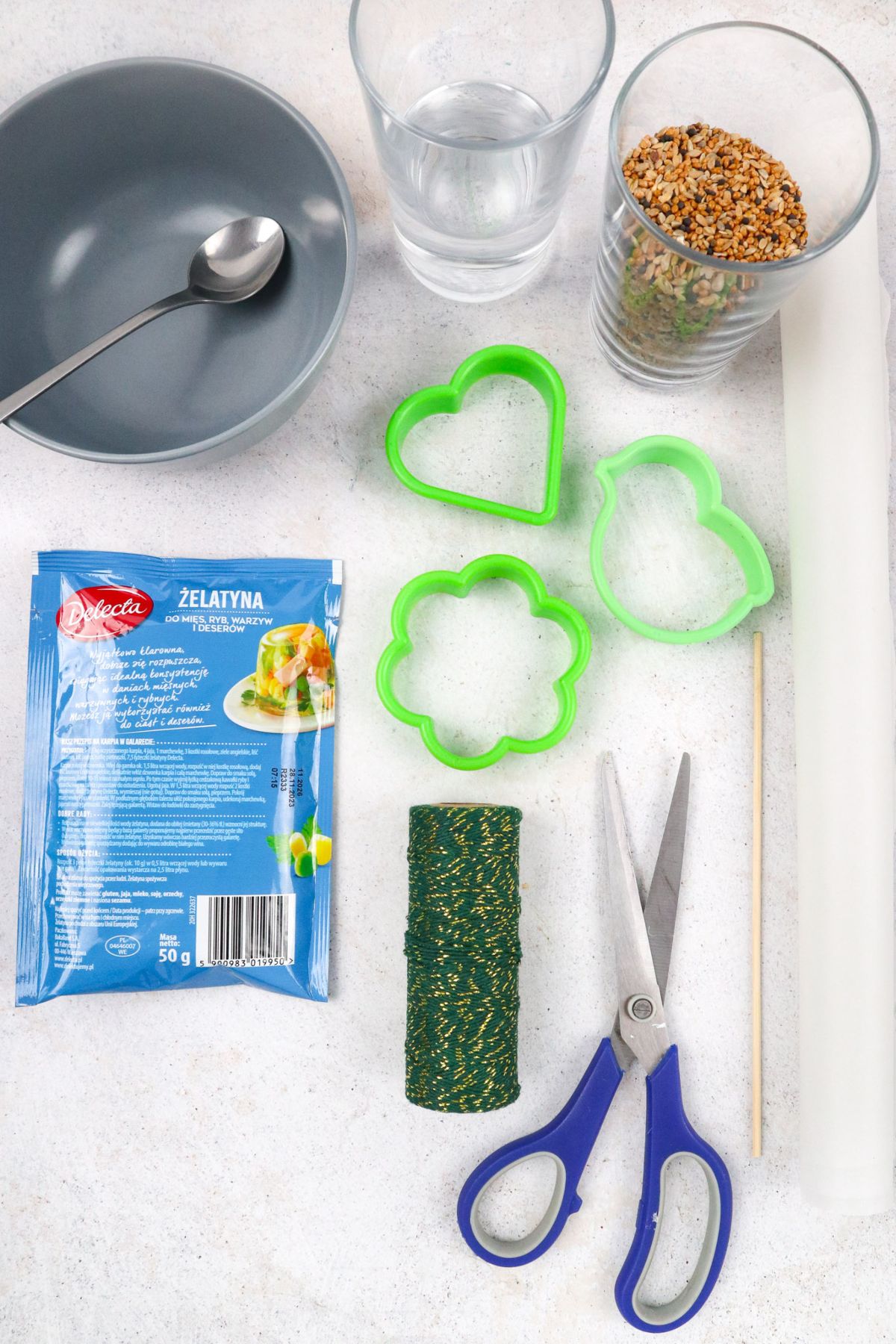
Supplies You’ll Need

Bowl

Small bird seeds (3/4 cup)

Unflavored gelatin

Boiling water (1/3 cup)

Teaspoon

Twine

Barbeque stick or a straw

Cookie cutters

Parchment paper

scissors

How to Make DIY Hanging Bird Feeders

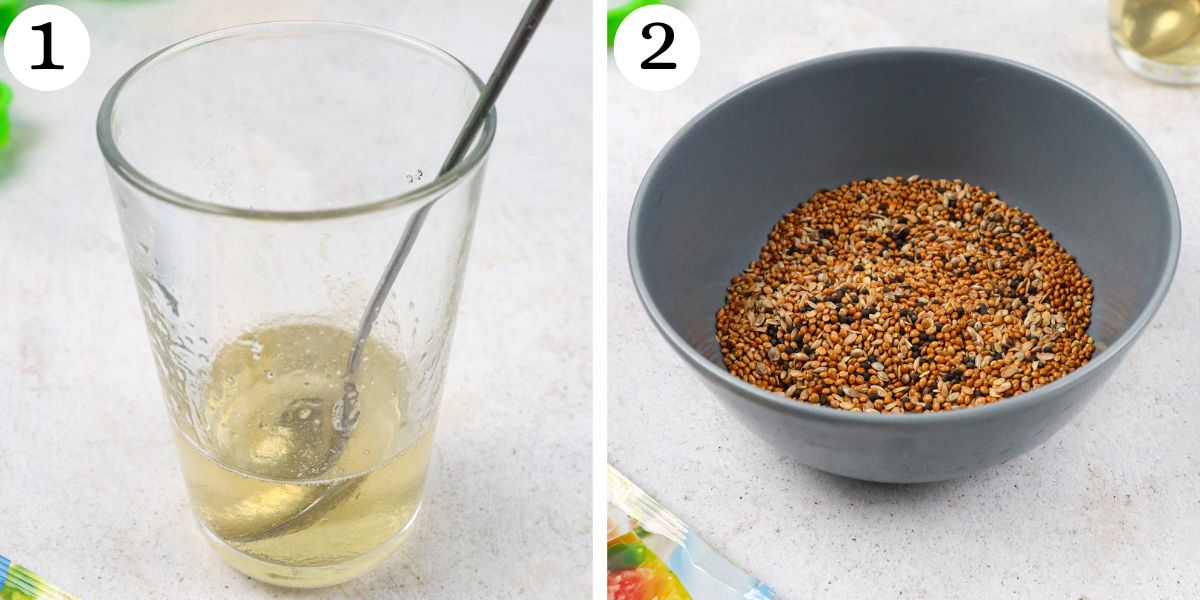
Step 1. To begin, boil 1/3 of a cup of water. Then, add 4 teaspoons of gelatin to the water.

Be sure to read the instructions on your gelatin packet. Some of them may suggest that you use different water to gelatin ratios.

Follow the instructions on your packet. Then, stir the gelatin until it dissolves completely. This should take about 1-2 minutes.

Step 2. Now, place the bird seeds into a bowl. Add the gelatin/water mixture to your bowl.

Stir well and let the mixture set for a few minutes.

Step 3. Once your mixture has a dense, paste-like texture, you can move onto the next step.

Step 4. Now, it is time to form your bird feeder using the cookie cutters. To do this, place your cookie cutters onto the parchment paper.

Begin filling them with your seed mixture. Be sure to press the mixture down firmly into the cookie cutter using your fingers or a spoon.

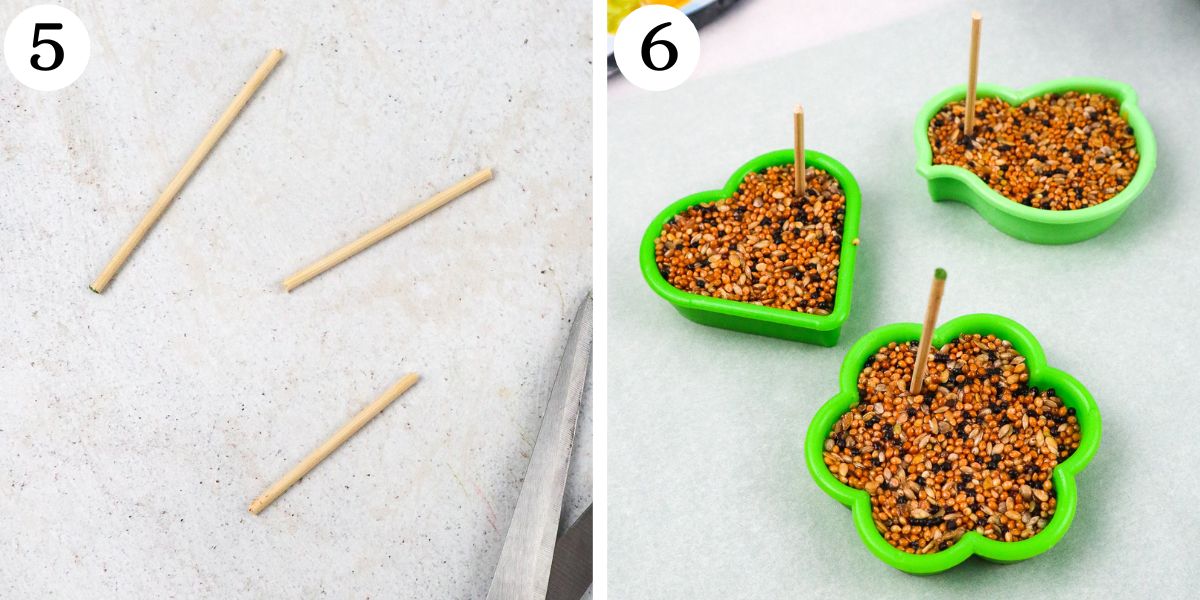
Step 5. Next, cut your barbecue sticks into pieces. You will need one for each of your cookie cutters.

Step 6. Place a barbecue stick into each of your bird feeders to form a hole at the top for hanging. Then, place them in the refrigerator for 35-45 minutes or into the freezer for 20 minutes.

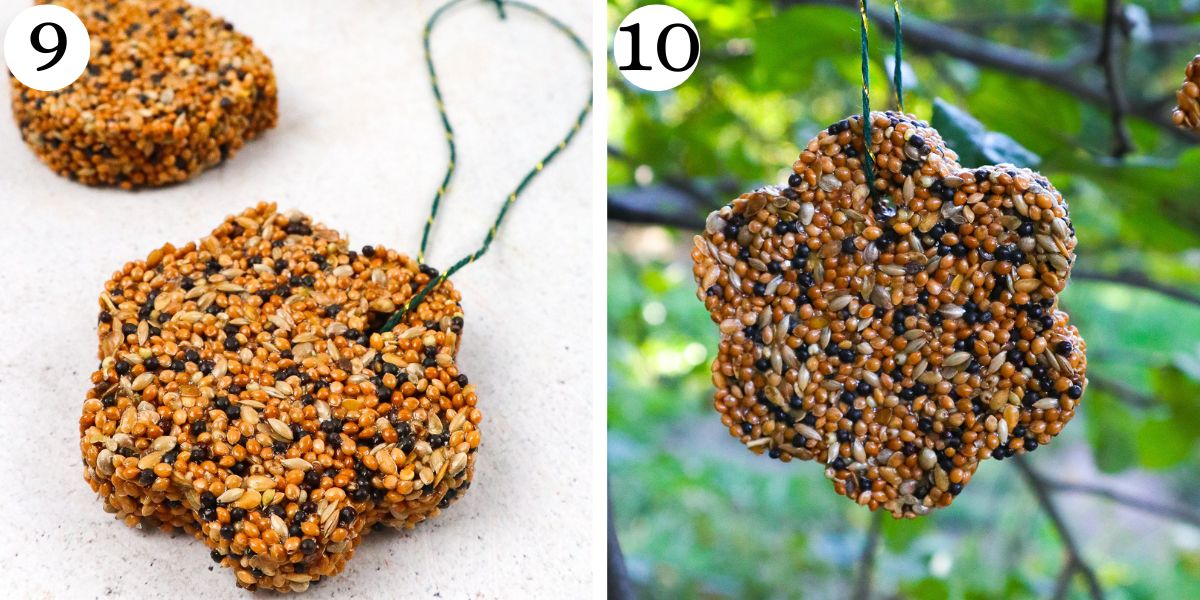
Step 7. Now, carefully remove your bird feeders from the cookie cutters.

Step 8. Cut a piece of twine for each bird feeder. Thread them through the holes.

Hang and enjoy!

Collect Rocks Day

Filly posted a meme about a rock last month…similar to the meme below…

…which inspired me! I always thought it would be a hoot to place small, painted rocks in the stream that crosses the driveway. Heavier rains will eventually push those rocks downstream and eventually into a river. From there? who knows? Here are some rock inspirations.

DIY: Fabric Book Covers

Supplies for Making Fabric Book Covers

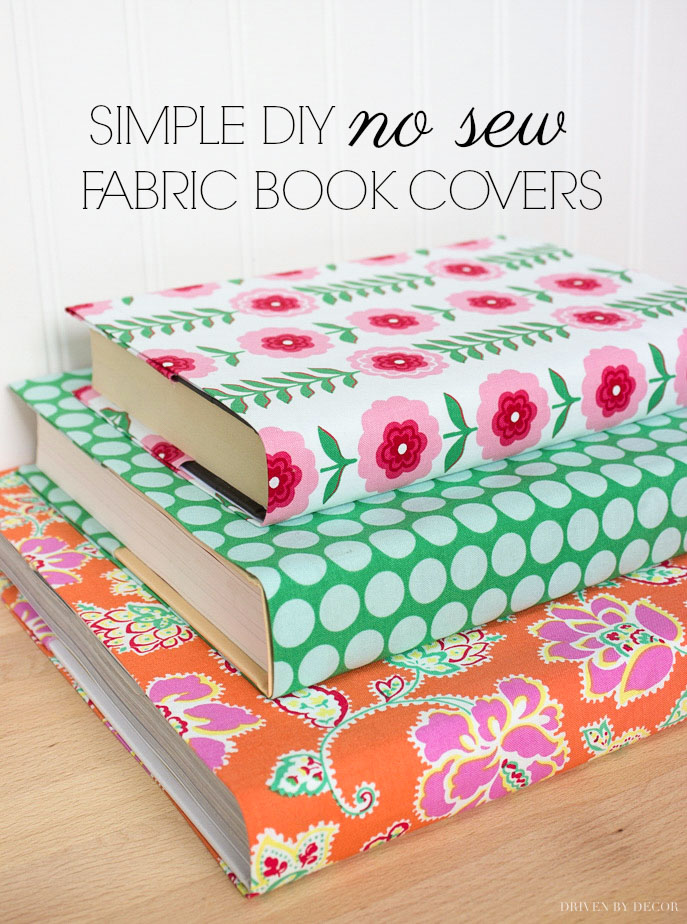
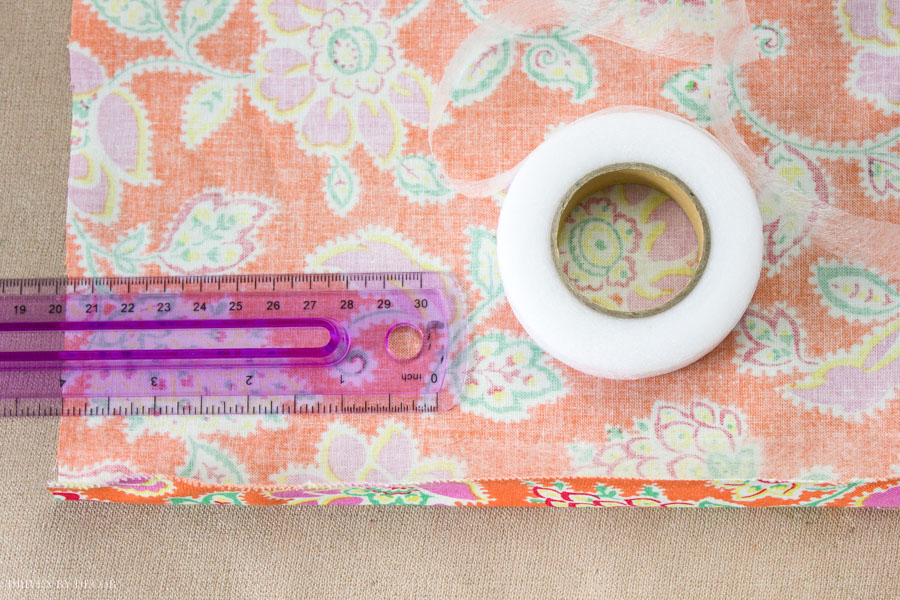
The first thing you need to make fabric book covers is obviously the fabric. It’s the perfect thing for a fabric remnant that’s not big enough for making a pillow but you love enough to put on display. Medium weight fabrics work best (you want a fabric that’s heavy enough that you can’t see through it but also isn’t too bulky). You’ll also need a pair of sharp fabric scissors, a tape measure,  ⅝″ roll of Stitch Witchery, and an iron.

Step 1. Cut and Iron Your Fabric Piece

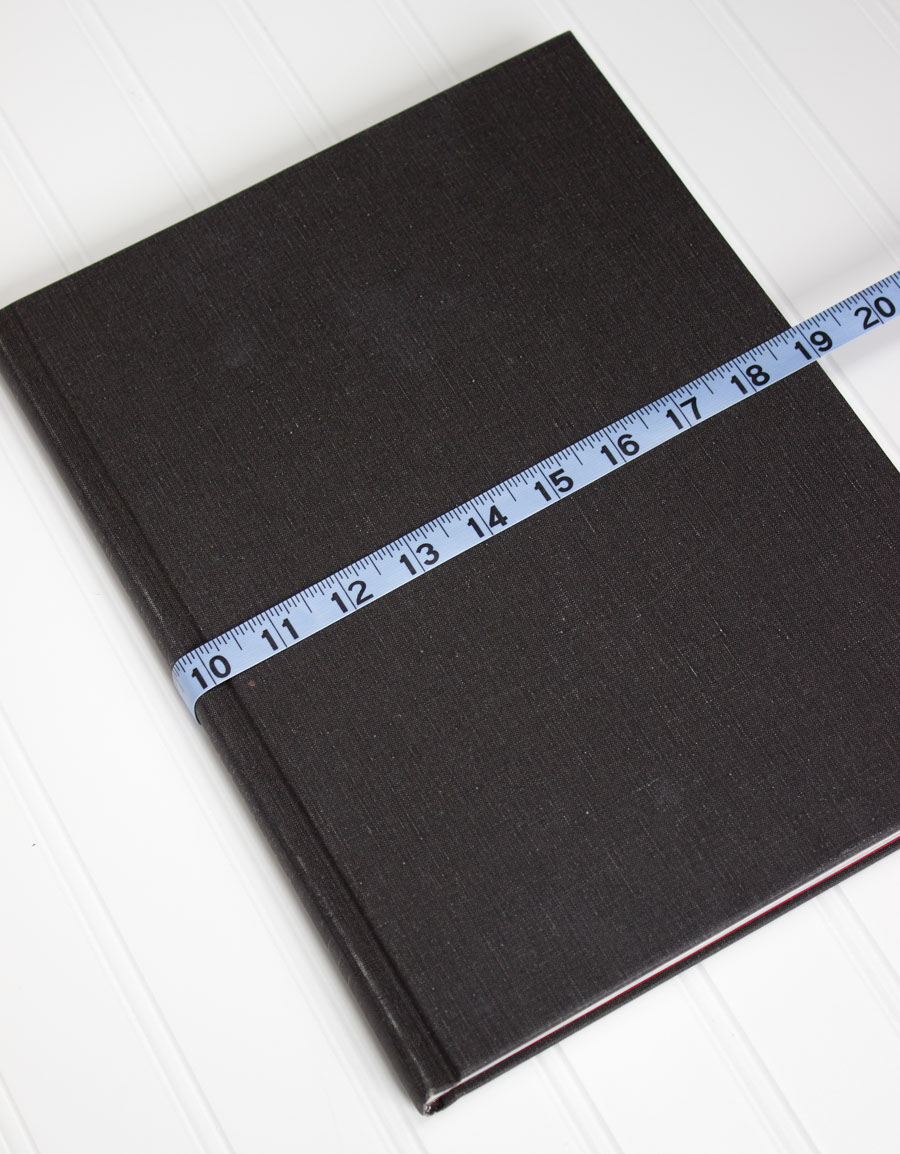
Measure height of your book and the “wrap-around” width of it from edge to edge with the book closed (19″ in this case):

Next, cut a piece of fabric that’s 1 ½” taller than your height measurement and 8” wider than your width measurement. If you have wrinkles in your fabric, iron them out.

Step 2. Fold & Iron The Long Edges

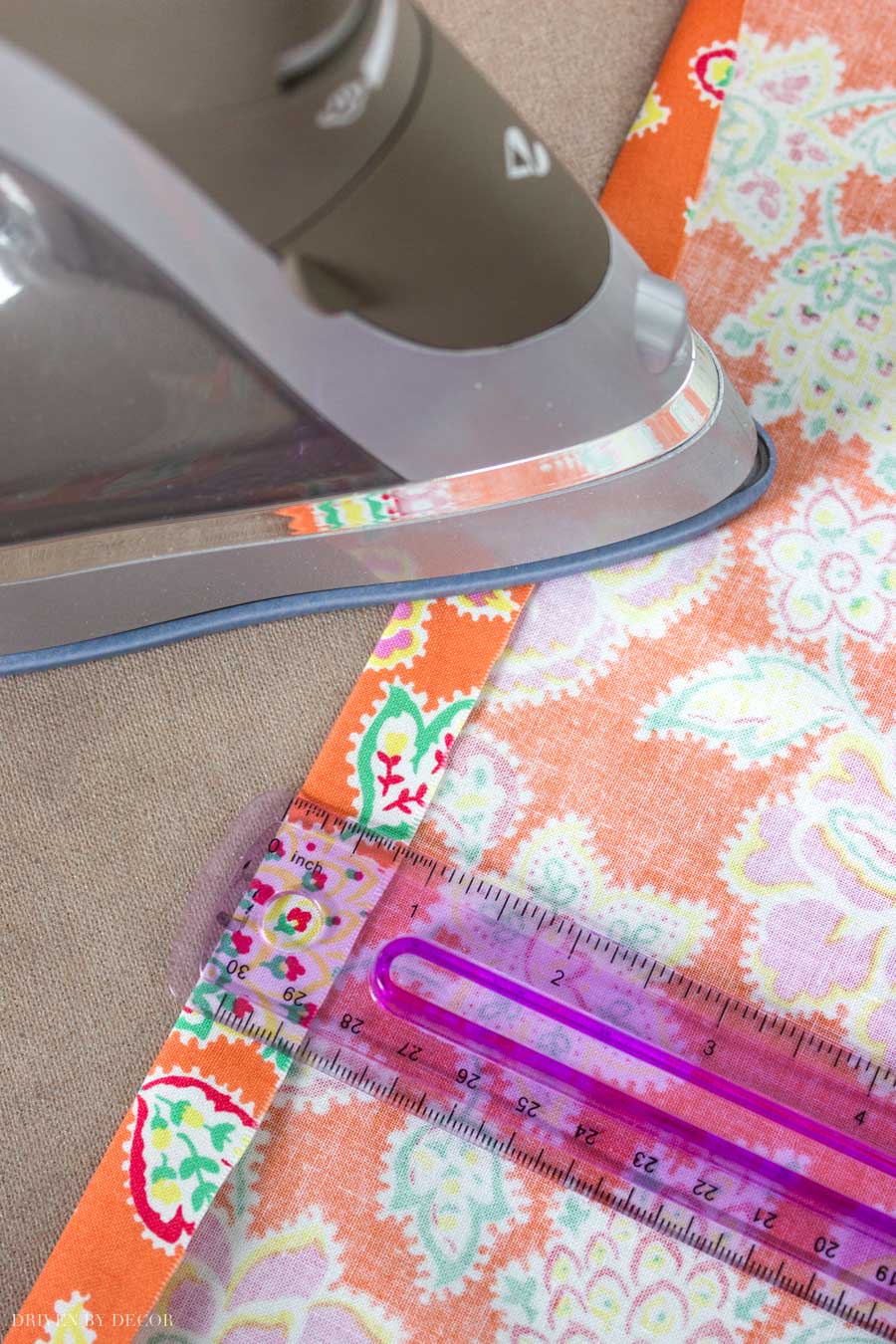
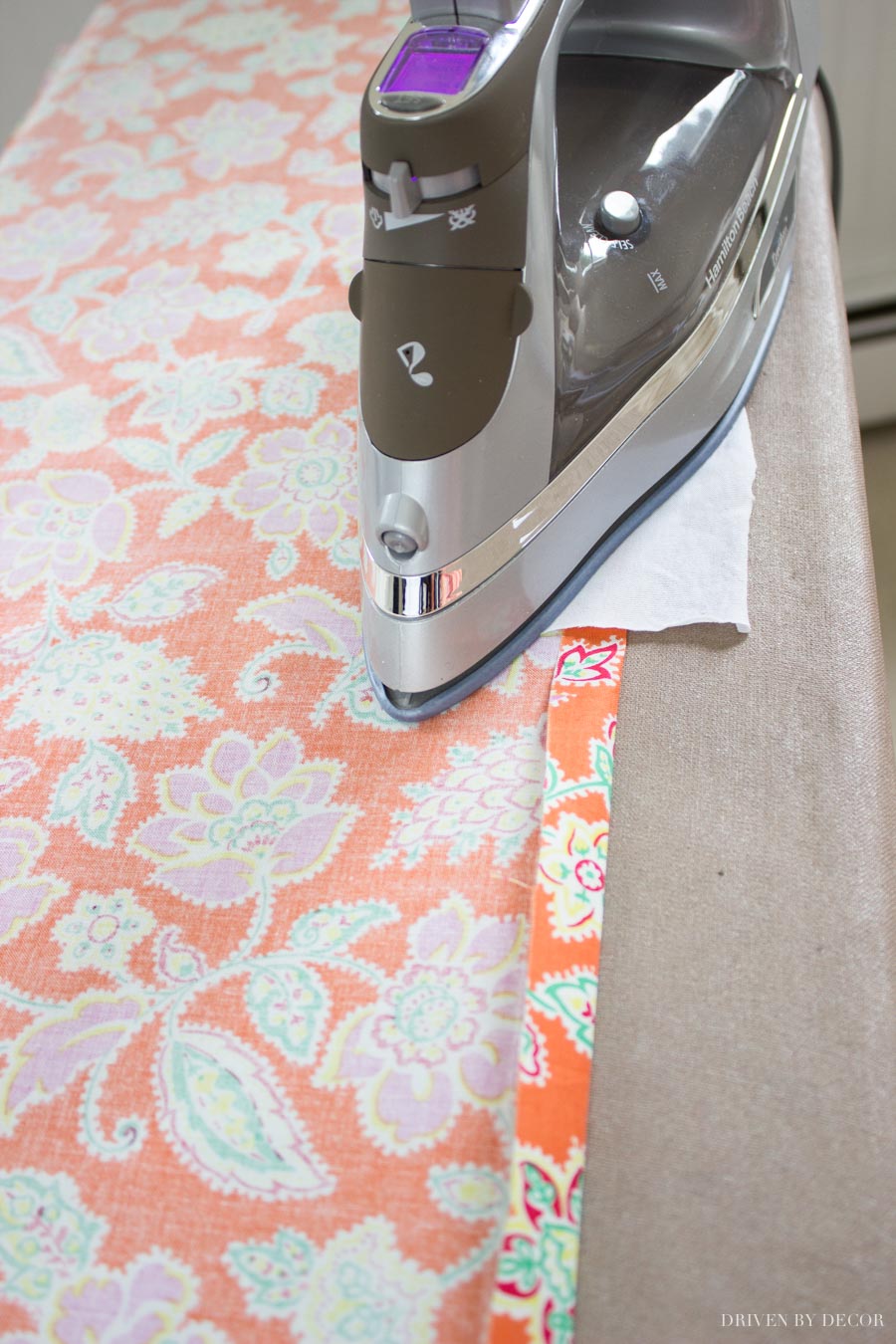
Lay your fabric out on an ironing board with the unfinished side facing up. Iron a ¾” fold along the entire length of both the top and bottom edges of the fabric:

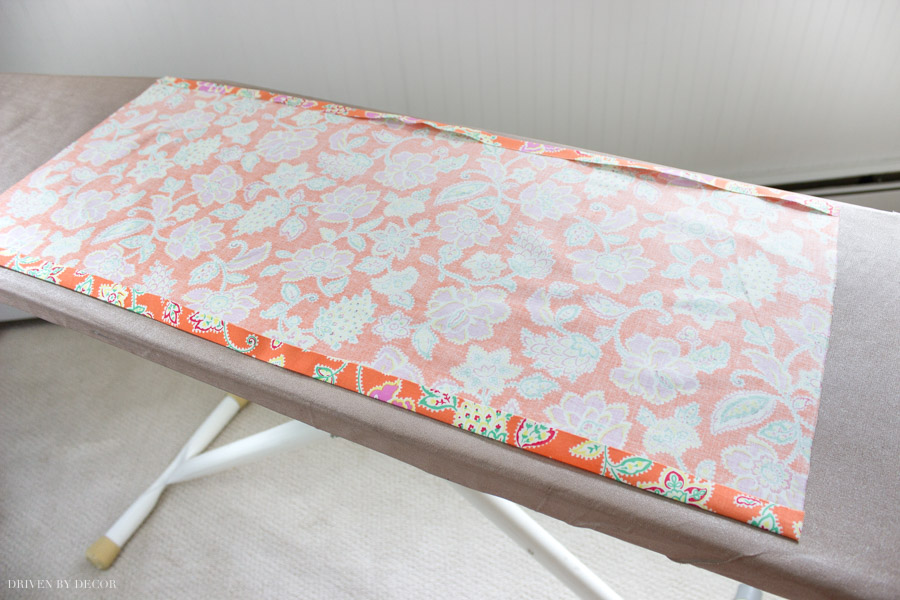
Once you’re done ironing, your piece of fabric will look like this:

Step 3. Bond the Edges

Next, take a length of the Stitch Witchery and place it under one of the fabric folds that you just created starting 4” in from each end (so your Stitch Witchery piece should be 8″ shorter than the fabric length):

To activate the Stitch Witchery adhesive, place a damp cloth on top of the fold with the Stitch Witchery tucked inside and press with an iron on the “wool” setting for about 20 seconds. Continue bonding the fold down the length of the fabric piece and then repeat on along the length of the second folded edge.

Step 4. Create The Book End “Pockets”

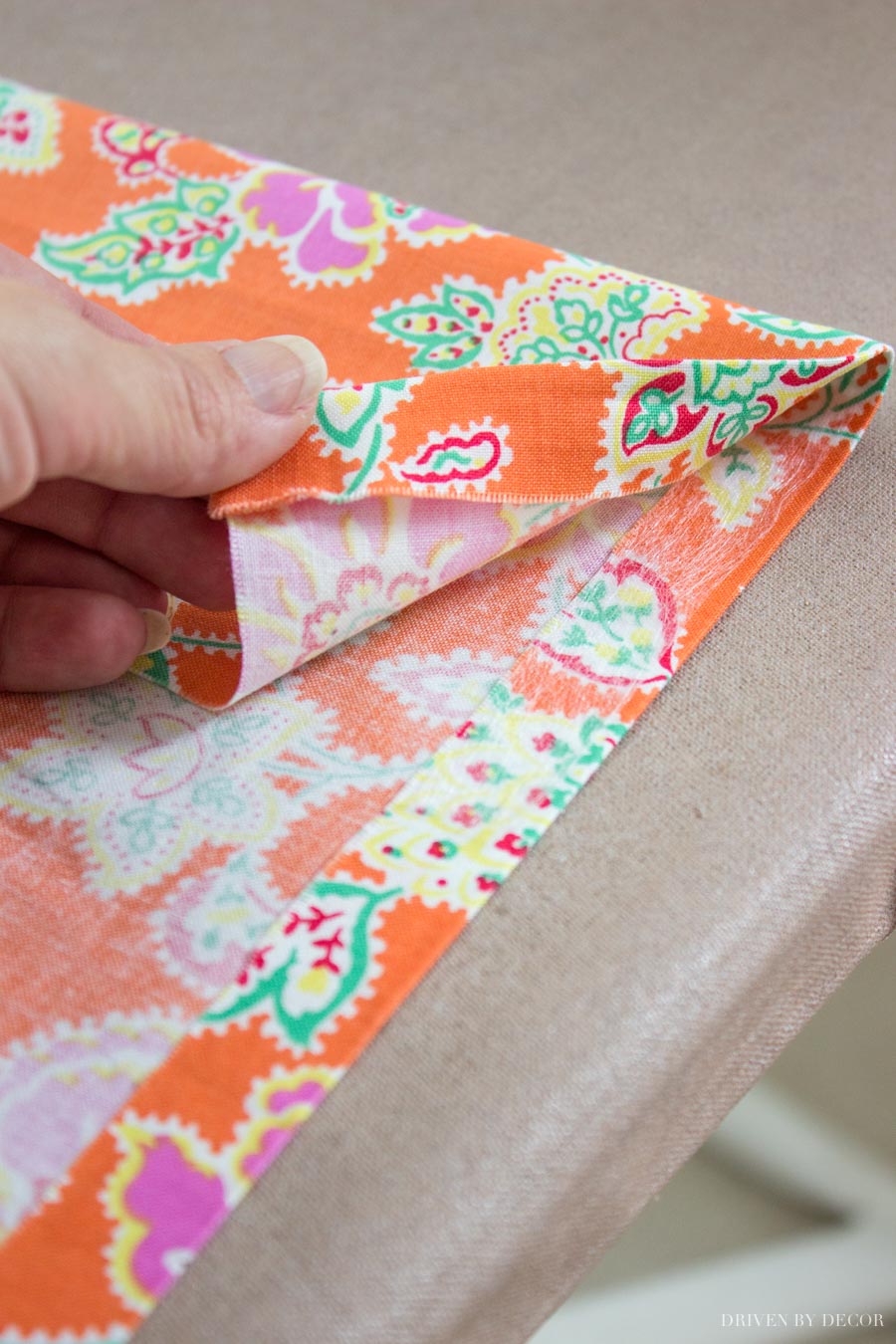
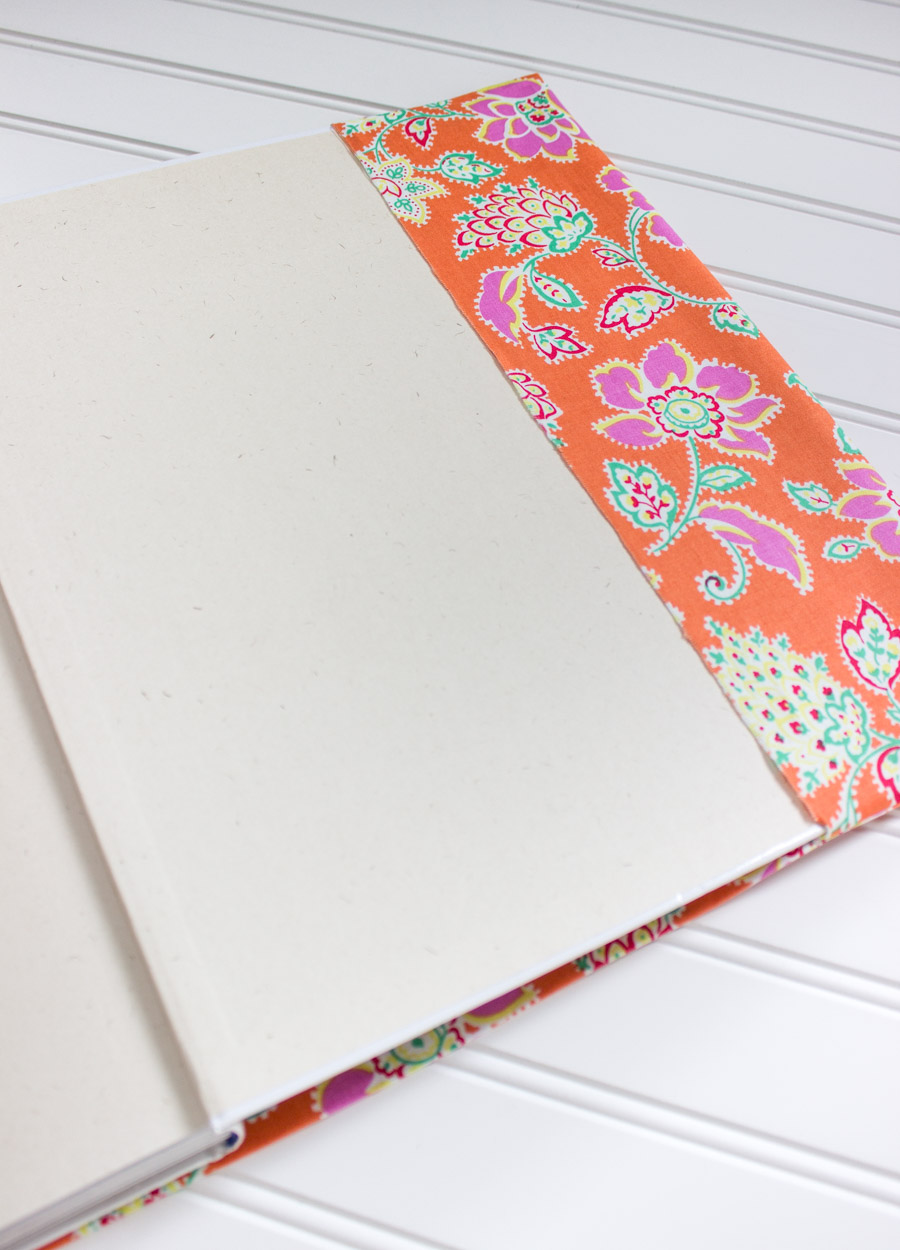
The last step is to create pockets that the book cover can fit into on both ends to keep it in place. To do this, fold your fabric over 4″ from the end and place a 4″ piece of Stitch Witchery inside the t0p of the fold (it’s hard to see the Stitch Witchery but if you look closely you can see a white gauzy area where it’s placed). Bond the fabric using an iron and damp cloth as described above.

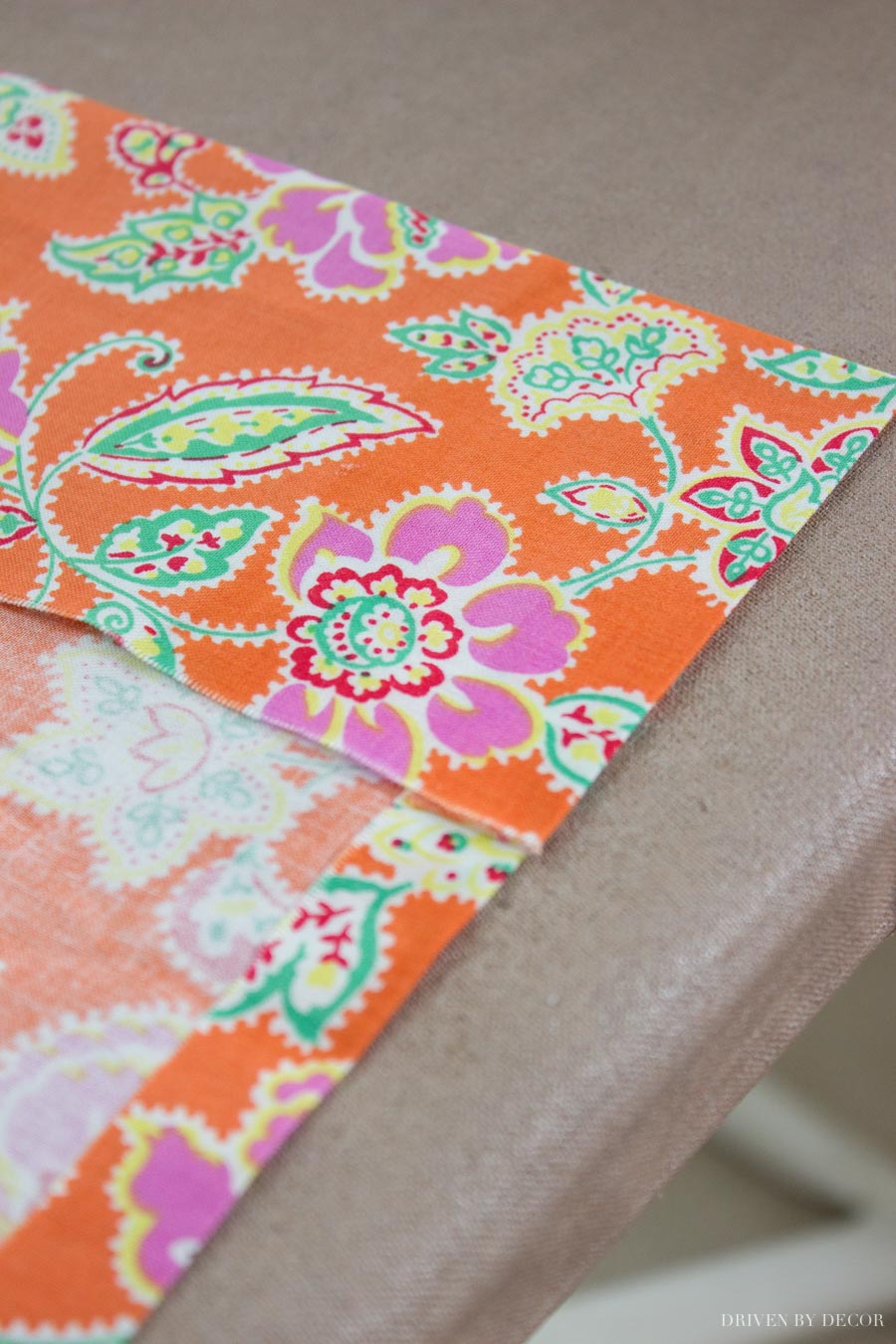
Repeat this with three other 4″ Stitch Witchery pieces – one for the top of the fold and one for the bottom of the fold on each end of the book cover. The finished ends of your book cover will look like this when you’re done:

Place the ends of your book into your beautiful new fabric cover – you’re done!

DIY: Insect Repellent Jars

I found this idea on thecountrychiccottage.net!

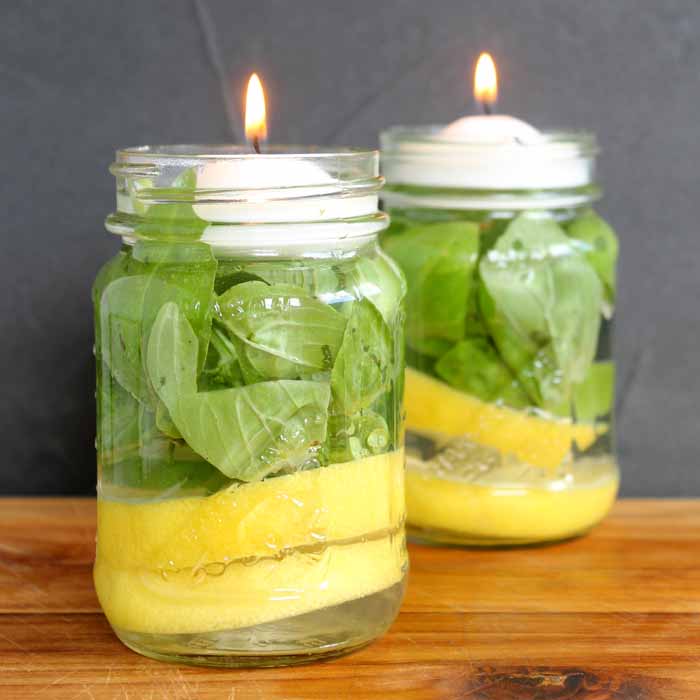
DIY Mosquito Repellent Candles

Did you know that you probably already have most of the ingredients for these mosquito repellent candles in your home? They are not only super easy to make, but the supplies and ingredients are also quite simple.

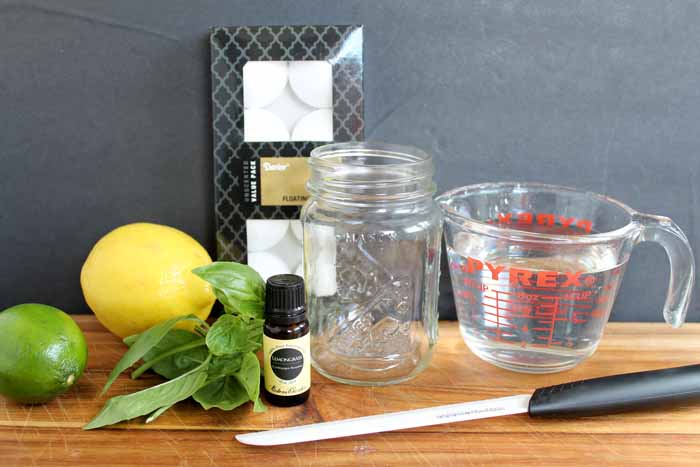
Supplies Needed for DIY Mosquito Repellent Candles

Pint mason jars

Floating candles

Lemons

Limes

Basil

Lemongrass essential oil

Water

Step 1: Slice Lemon And Lime

Slice one lemon and one lime (this will be enough for two candles).

Step 2: Add Lemon And Lime To Jar

Add a couple of slices of lemon and lime to the jar.

Step 3: Add Basil

Add a couple of sprigs of basil on top of your lemon and lime slices.

Step 4: Fill Jar With Water

Fill the jar with water up to the threads.

Step 5: Add Lemongrass Oil

Add 10 – 15 drops of lemongrass oil to your jar.

Step 6: Stir

Stir everything together.

Step 7: Add Floating Candle

Add a floating candle to your jar.

Step 8: Light Candle

Light the candle and enjoy a pest-free summer!

SOURCE: THECOUNTRYCHICCOTTAGE.NET

DIY: Picnic Hacks

It’s picnic season again and I went in search of some new and clever picnic hacks.  I found these tips at The Cottage Market website.

Shower Curtain

Buy a cheap plastic shower curtain – this is about to be your favorite picnic hack. There’s nothing worse than picking a spot, laying your blanket down, and once you sit down…you realize it’s actually wet. You can skip experiencing ruined pants by putting the plastic shower curtain under the blanket. 

Hawaiian Roll Mini Sandwiches

Mini Sandwiches are a Picnic-Perfect Food!
If you don’t already know the delicious glory of Hawaiian rolls, I urge you to try some. They are perfect for any kind of slider or mini sandwich you can think of. They’re absolutely perfect to take camping with you. Take your entire flat of Hawaiian rolls out of the package – try to take it out in one solid piece. Using a bread knife, cut your sheet of rolls into 2 pieces – the tops and the bottoms. Just like you’d cut a cake into two layers. Set your tops aside. Add condiments to the rolls if you want any. Put on the fillings of your choosing. Put the top layer onto the bottom half and cut the sandwiches apart on their natural edges. Then slide the sheet of sandwiches back into the package the rolls came in. Once you get to your picnic, just pull out what you need.

Salads in a Cup

Don’t fuss with a whole bowl of salad and dressing on the side. That can take up so much room. Cut down on space by making individual salads in plastic cups with lids. If you want to add dressing before the picnic (rather than at the picnic), put the salad dressing in the bottom of each cup. Add all of your veggies next, and finally any toppings such as seeds or croutons. Cut the cover on, and it’s ready to go! 

Egg Carton Treats

A real tasty treat to bring on your picnic, are chocolate filled strawberries. Cut the top off the berry, cut out some of the middle, and fill with melted chocolate. The perfect place to set them while they’re setting up is in an egg carton. That egg carton will be perfect inside the cooler and will ensure your sweet berries stand up straight and nothing squishes them.

Muffin Tins
This is so useful if you’re sitting on the ground. Finding a level place to set down cups can be a real challenge. Thankfully, you won’t have to worry about that with this picnic hack! Use the muffin tin for a cup holder in the middle of the blanket, so everyone can use it.

Homemade Bee & Ant Spray

Homemade ant spray is so easy to make! It’s only two ingredients – water and peppermint essential oil. In a spray bottle, fill it 2/3 of the way full of water. Add 12 – 15 drops of the peppermint. Shake and viola! Once you’ve laid down your blanket, mist around the edges.
Also – back along some fabric softener sheets to keep the bees away. Stick one under each edge of your picnic blanket. You’ll be able to eat in peace without the fear of anyone getting stung.

More tips can be found at: thecottagemarket.com

DIY: Bungee & Wine Cork Cord Ties

From: thekimsixfix.com website:

Today I have a super quick little tutorial for you.  The end product isn’t the biggest, most exciting thing you have ever seen, but sometimes these little hacks are the best tricks!

If you are anything like me, you probably have a bunch of extension cords lying around your house or garage.  Maybe they are neatly wrapped up neatly hanging on a hook, or maybe they are thrown in a box, or maybe you are even organized enough to keep them neat by tying them up with zip ties (which is actually what I have always done when I am planning to store them long term.) But what I didn’t like about the Zip Tie method is that you need to cut off the tie to remove it, they aren’t reusable.

Then one day I was reading my subscription to Family Handyman (hey, some girls like Vogue, I like FH!) and I saw a reader had submitted this cork cord tie in the ‘hacks and tricks’ column.  I was immediately intrigued.  So I ran out and bought all the supplies to make my own.

The actual ‘device’ couldn’t be simpler.  A bungee cord through a wine cork.

I probably don’t have to tell you where to get wine corks. (This project is a good excuse for that glass of Merlot.)  Keep in mind YOU NEED TO USE THE SYNTHETIC RUBBER CORKS.  Real corks will crack and break when you put tension on them. So if you are your palate is too snobby too sophisticated to drink fake-o wine cork wine.. call me.  I can definitely hook you up.

When I made my version I used mini-bungee cords since they were cheaper than buying a roll of the cording itself.  If you were going to make a lot of these, or if you wanted the ties to be longer, you could always buy the actual cording.

Because I bought the cords, I needed to remove the hooks so I cut the knot off one end,

and slid the hooks off (I left the knot on the other end, since I could reuse it.) Next I drilled holes in the wine corks.  

You want the holes pretty close to the center, since you need to ends free to wrap the cord around. Next I pushed the cording through the holes forming a loop on one side. 

I tied the end of the cord that I had cut. And to prevent fraying I singed the end. Burning the tip of the cord melts the plastic and keeps the outer wrapping from unraveling.

The end product:

SOURCE: THEKIMSIXFIX.COM

DIY: First Aid Kit

I found this brilliant DIY article on making your own little first aid kit!  She uses a 98-cent potholder from Walmart, some small plastic bags and a little sewing!

From: lifeawayfromtheofficechair.com:
My daughter will be working at the local YMCA this summer as a summer camp counselor and has to carry some sort of first aid kit with her in her back pack in case one of her campers gets a boo boo. This gave me a reason to make this really cute first aid kit using only a 98-cent pot holder from Walmart, some snack size baggies and a little sewing machine help.

I was able to whip this project up in less than 15 minutes.

I used six snack size baggies. I laid them on the pot holder, three on each side, letting the bottoms of the baggies cross over each other in the center.

I taped each one down to keep them from sliding and then I used a sewing machine and made one single stitch down the center. Then I folded the pot holder in half and sewed a button on it. I used the loop as a button hole but if your pot holder does not have a loop, then just stitch on a piece of ribbon. (It’s really prettier with the ribbon).

You can decorate these any way you want to. I attempted to use a piece of cut ribbon to make a red cross for first aid but I do not recommend it. Just be creative when making yours.

You can use this same idea for sewing kits, travel jewelry holders, or coupons.

SOURCE: LIFEAWAYFROMTHEOFFICECHAIR.COM

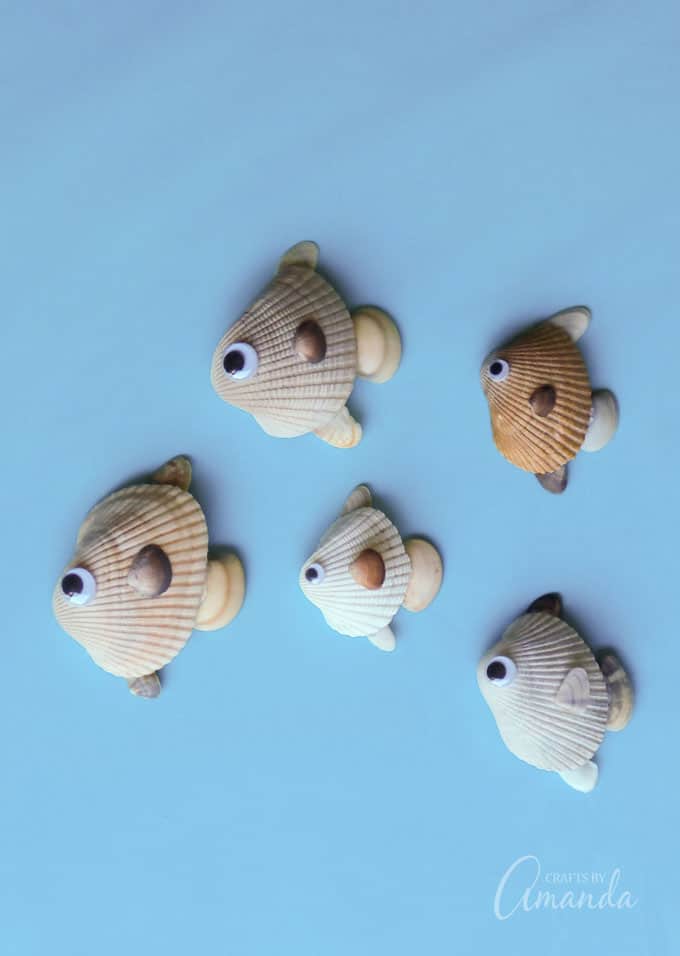
DIY: Seashell Crafts

June is the start of beach vacation season!  If you’re going to go anyway (I hate sand, so I would buy seashells to make these items) you could collect shells in anticipation of making some of these cute ideas!

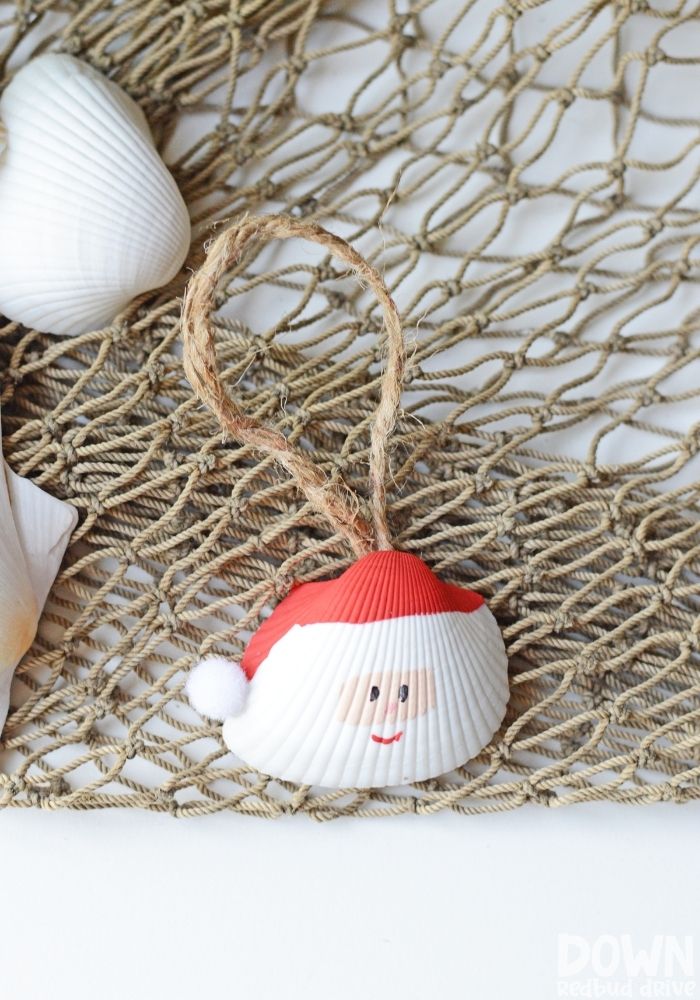
Santa Ornaments

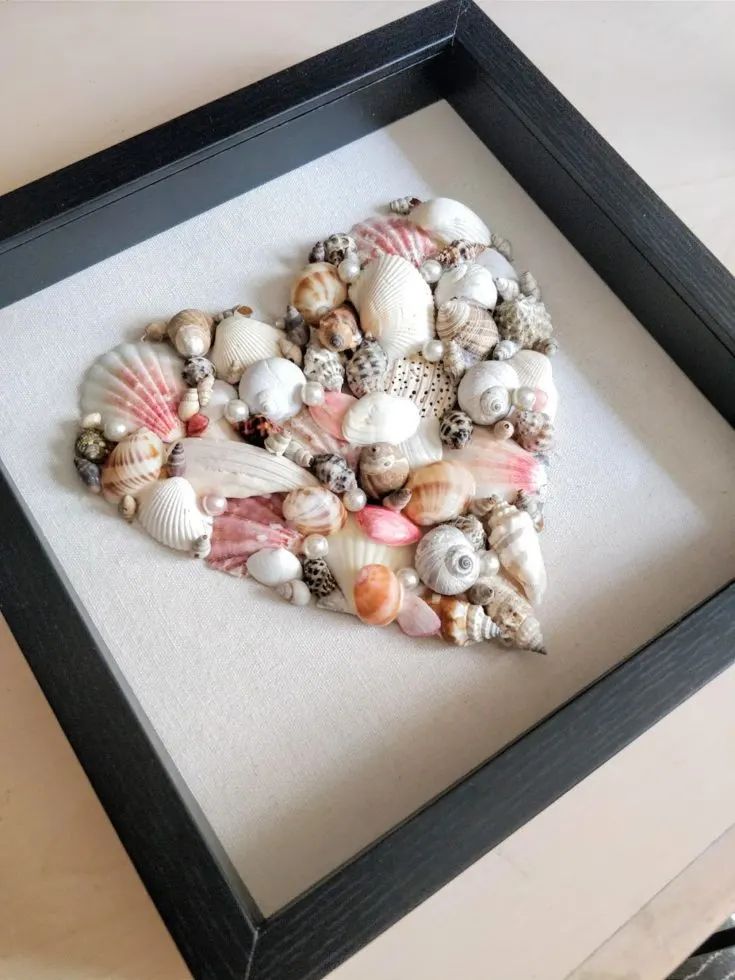
Seashell Art

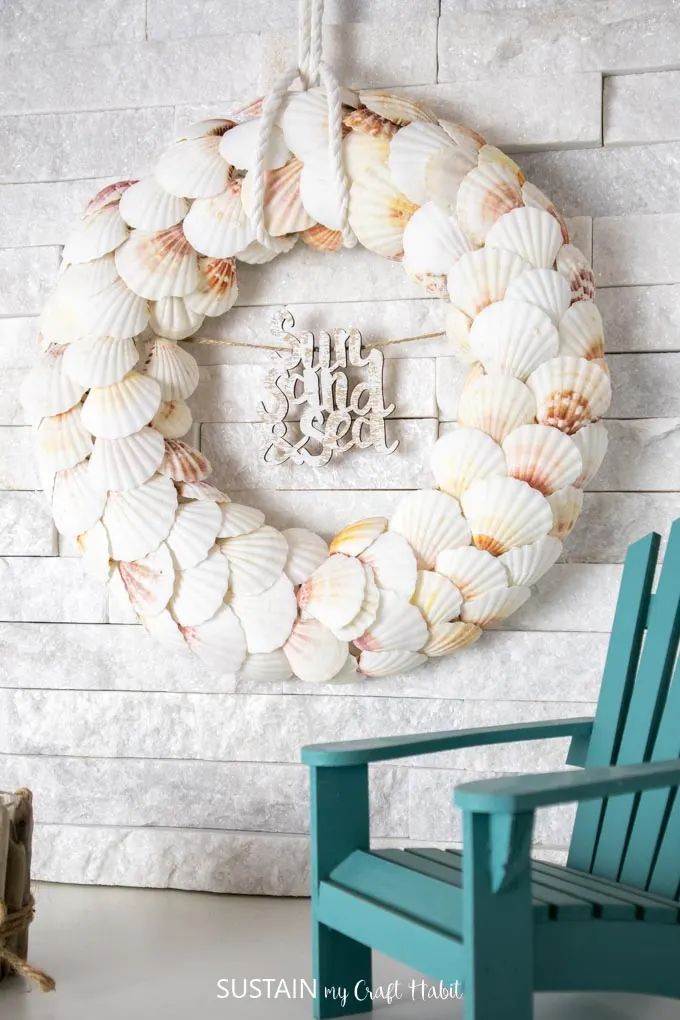
Seashell Wreath

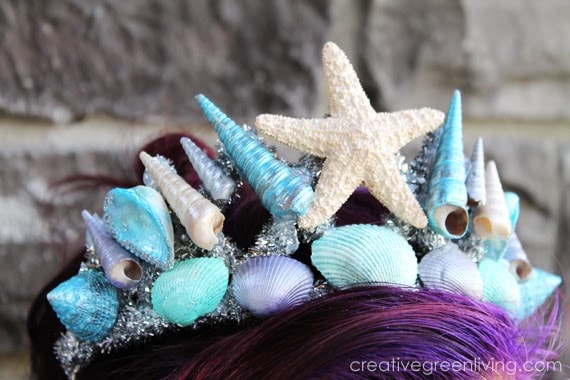
Mermaid Tiara (Get ready for Halloween!)

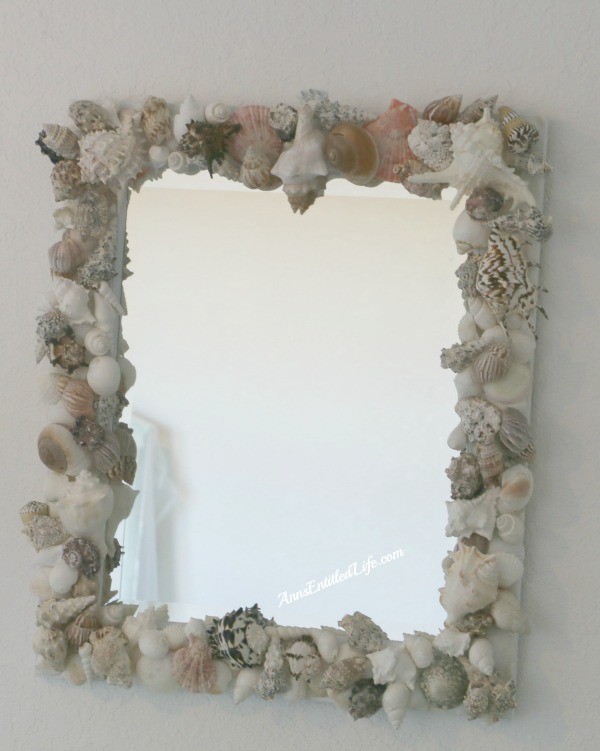
Seashell Mirror or Picture Frame

So, start collecting those shells! You can find the directions for all these crafts and more at https://craftsyhacks.com/seashell-crafts/

DIY: Ways to Repurpose Used Tea Bags

Don’t throw away those used tea bags!  The How Stuff Works website has loads of uses for them!

From: HOWSTUFFWORKS.COM:

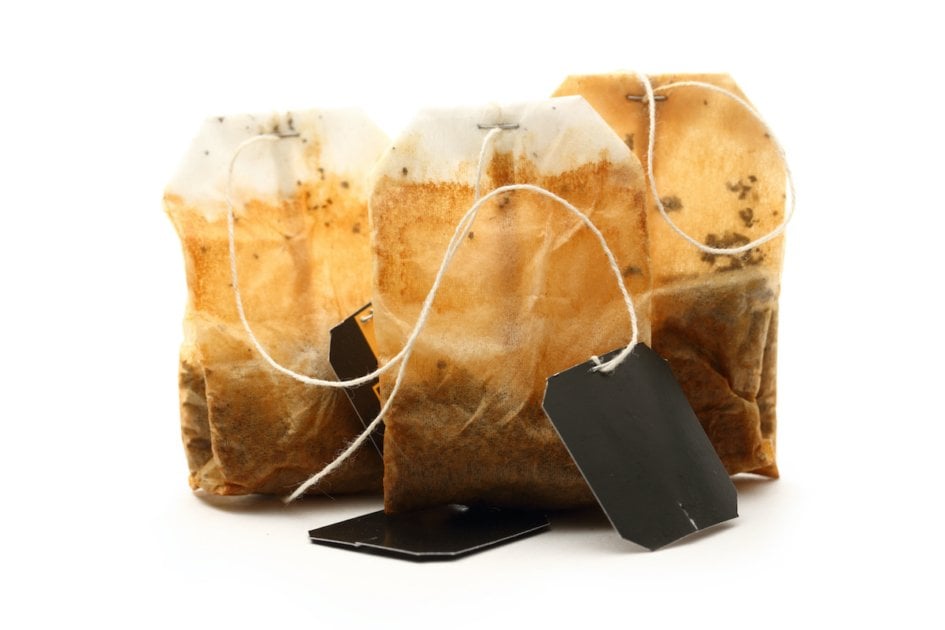
There are lots of things you can do with a used tea bag.

Key Takeaways

You can repurpose used tea bags in a variety of ways, including deodorizing carpets, rejuvenating your face, reducing puffiness around eyes, easing sunburns and adding flavor to rice. They can also enhance bath time, clean hair, act as DIY sachets, fertilize plants, deep-clean hands, deodorize smelly areas, help clean pots and pans, make glass shine, marinate meats and even patch up lawn spots. The organic matter within tea bags is rich in potential for upcycling, offering environmentally friendly solutions for common household tasks.

The next time you brew yourself a steaming cup of tea, resist the natural instinct to chuck that soggy bag in the trash. As it turns out, the organic matter within tea bags is chock full of potential for upcycling! Also, the tea bags themselves are no friend of the environment, either, so the more use you can get out of them before they hit the landfill, the better.

Check out these 15 amazing and creative ways to reuse tea bags to their fullest potential. Unless otherwise specified, these are for use with black tea.

1. Deodorize Stinky Carpets and Rugs

Feet and pets wreak havoc on carpets and rugs. Dry out tea bags after use, then rip ’em open and sprinkle the organic matter within on your carpets and rugs. Follow up with a thorough vacuuming. This is an easy, chemical-free way to deodorize floor coverings that won’t cost you a dime extra.

2. Rejuvenate Your Face

Make a DIY face scrub using the contents of used tea bags. All you have to do is put the used tea leaves into a bowl. Then, add a teaspoon (at least) of honey and mix well. Lightly work the mixture into your facial skin, using circular motions. Allow it to sit for five minutes, then rinse and enjoy a revitalized, glowing complexion!

3. Make Eyes Less Puffy

Along the same lines, used tea bags are fabulous at bringing puffy eyes back to normal. Simply soak two tea bags in warm water. Next, place them in the refrigerator and let them cool down for a few minutes. Then, kick back and relax with a tea bag on each eye for about five minutes.

4. Ease Sunburns

Much like with the eye treatment, soak two tea bags in warm water, then put them in the refrigerator. Once cooled off, place the tea bags directly on the site of the sunburn and hold for a few minutes. You can also soak a cloth in the tea liquid and apply that instead. Bonus: This treatment can reduce the pain of insect bites.

5. Add Flavor to Rice

Add a little extra pep to rice (or any grain, really) thanks to a tea bag. Simply place the bag in the pot of boiling water for a minute or two to let the flavor infuse. Then, use that tea-infused water to cook the grain of your choice as normal. Use, for example, jasmine tea to infuse jasmine rice.

6. Class up Bath Time

Who needs pricy bath salts for scent when tea bags work just as well? Pop a couple in your next bath and enjoy a delightfully relaxing aroma. Chamomile, peppermint or jasmine teas would be particularly good for this.

7. Clean Your Hair

Hair products will build up over time, no matter how often you shampoo. To get hair squeaky-clean, simply soak three or four tea bags in a cup of warm water. Shampoo and condition as normal, then finish off by pouring the tea-water over your head. Do not rinse!

8. DIY Sachets

Air fresheners can get expensive. Plus, they don’t really smell all that “fresh.” Stop the endless spraying and turn used tea bags into DIY sachets. To accomplish, dry out some used tea bags. Then, add a few drops of essential oil in your favorite scent. Place them anywhere sachets are typically used, like in dresser drawers, closets or the laundry room.

9. Fertilize the Plants

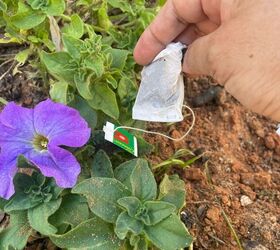
Tea leaves are nothing more than organic matter, so it only makes sense to use them for gardening! There are a couple of ways to use them for this purpose. Either tear open the used bag and mix the leaves in with the soil, or add them to your composting pile. Note: It’s best to add tea to soil around acid-loving plants, like rosebushes or ferns. That’s because the tannic acid in tea tends to make lower the soil’s pH and increases its acidity, which could pose a problem for plants that do well in neutral to alkaline soils.

Tea leaves can be added to soil as extra fertilizer. Just be sure to remove the tea bag, which is usually not biodegradable.

10. Deep-clean Hands

Some stinky scents really stick to the hands. The next time you can’t seem to scrub away the smell of onions, cigarettes, seafood, etc., turn instead to tea bags. Just use them the same way you would a bar of soap. The organic tea leaves will banish those unfortunate smells in no time!

11. Deodorize Smelly Areas

Some places, like the garbage can or the litter box, are just extra stinky. Cut their “ick” factor way down by tearing open a tea bag and spreading the dried leaves in the can and/or litter box. Another spot that often needs deodorizing is the refrigerator. To do this, put a couple of bags in a bowl in an inconspicuous area of the refrigerator, where they can effectively absorb odors. Replace the bags every few days and enjoy a much nicer-smelling appliance.

12. De-crustify Pots and Pans

If all the scrubbing in the world just isn’t cutting it, leave a used tea bag to soak in that stubborn pot or pan. Tea contains tannic acid, which can break down grease. With a little time and patience, it should make cleaning the dish much easier.

13. Ditch the Glass Cleaner

To make windows and mirrors really shine, simply dampen a used tea bag. Use it to rub the glass surface, then follow up with a paper towel. You can also pour some leftover brewed tea into an empty spray bottle and use it as a glass cleaner.

14. Marinate Meats

Easily marinate pork, chicken or turkey with the help of a couple of tea bags. Simply put a cup of water, two used tea bags and the meat into a zip-close bag. Allow to marinate overnight, then cook and enjoy a flavorful cut of meat.

15. Patch up the Lawn

To beautify those bald lawn spots, place used tea bags where needed, then add grass seed. The bag will keep the seeds in place, unlike regular old dirt. Do this only using biodegradable, non-plastic tea bags, of course. Or open the tea bags and use just the tea leaves.

Tea has been enjoyed for centuries, but the tea bag wasn’t invented until 1908-ish when a New York-based merchant named Thomas Sullivan decided to send tea samples in silk bags to his customers. They incorrectly assumed that the entire bag should be placed in the pot. Thus, the tea bag was born!

Frequently Asked Questions

How long should I dry the used tea bags before using them as DIY sachets?

To prevent mold growth, dry used tea bags completely until there’s no moisture left before adding essential oils for DIY sachets.

Are all used tea bags safe for composting or use in gardens?

Most tea bags are safe for composting or gardening, but ensure the bags are a biodegradable material and free from plastic fibers to avoid environmental harm.

SOURCE: HOWSTUFFWORKS.COM