

Find 10 differences.
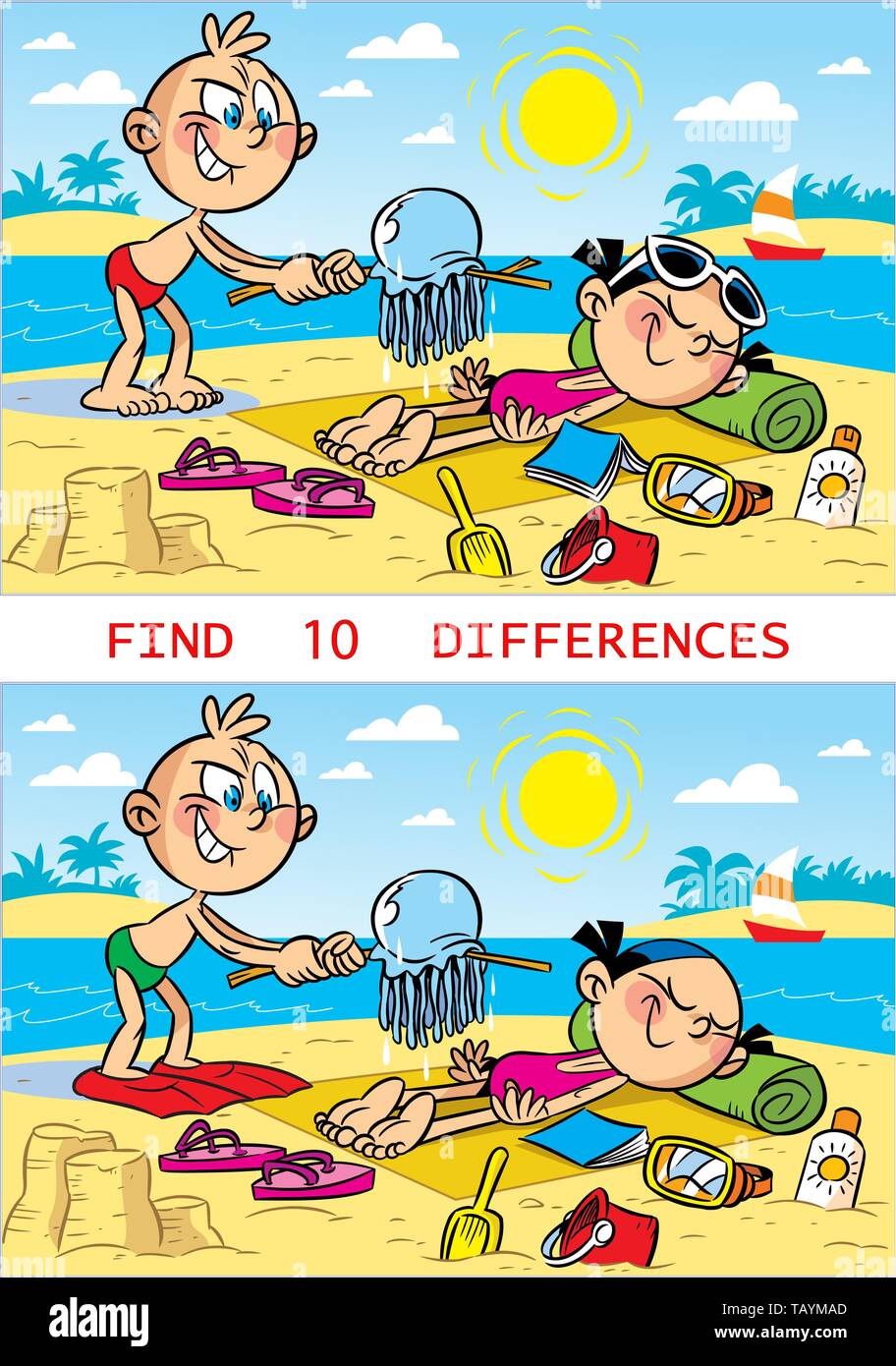
Find 10 differences.

Find the hidden pictures.
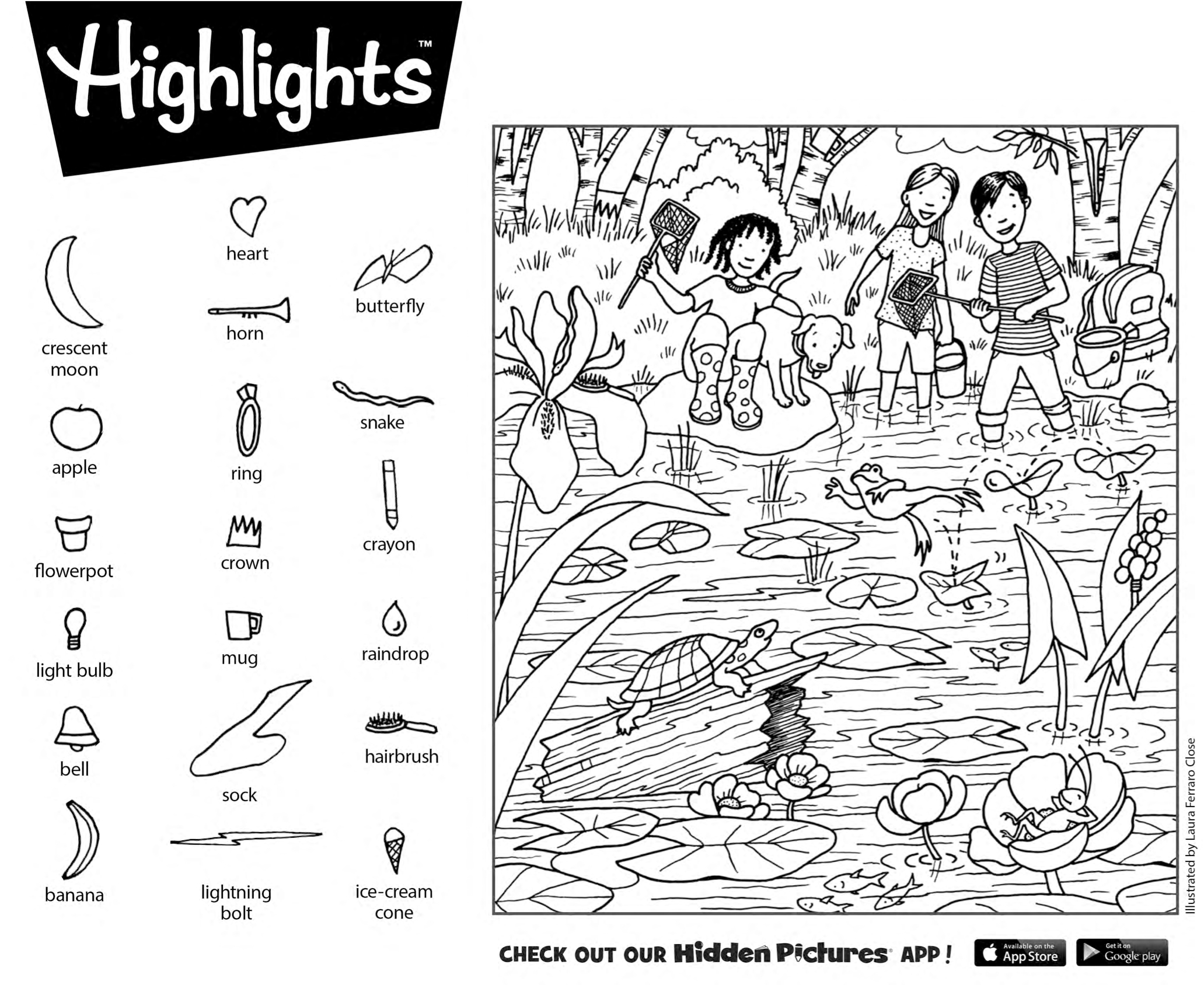
More hidden pictures.

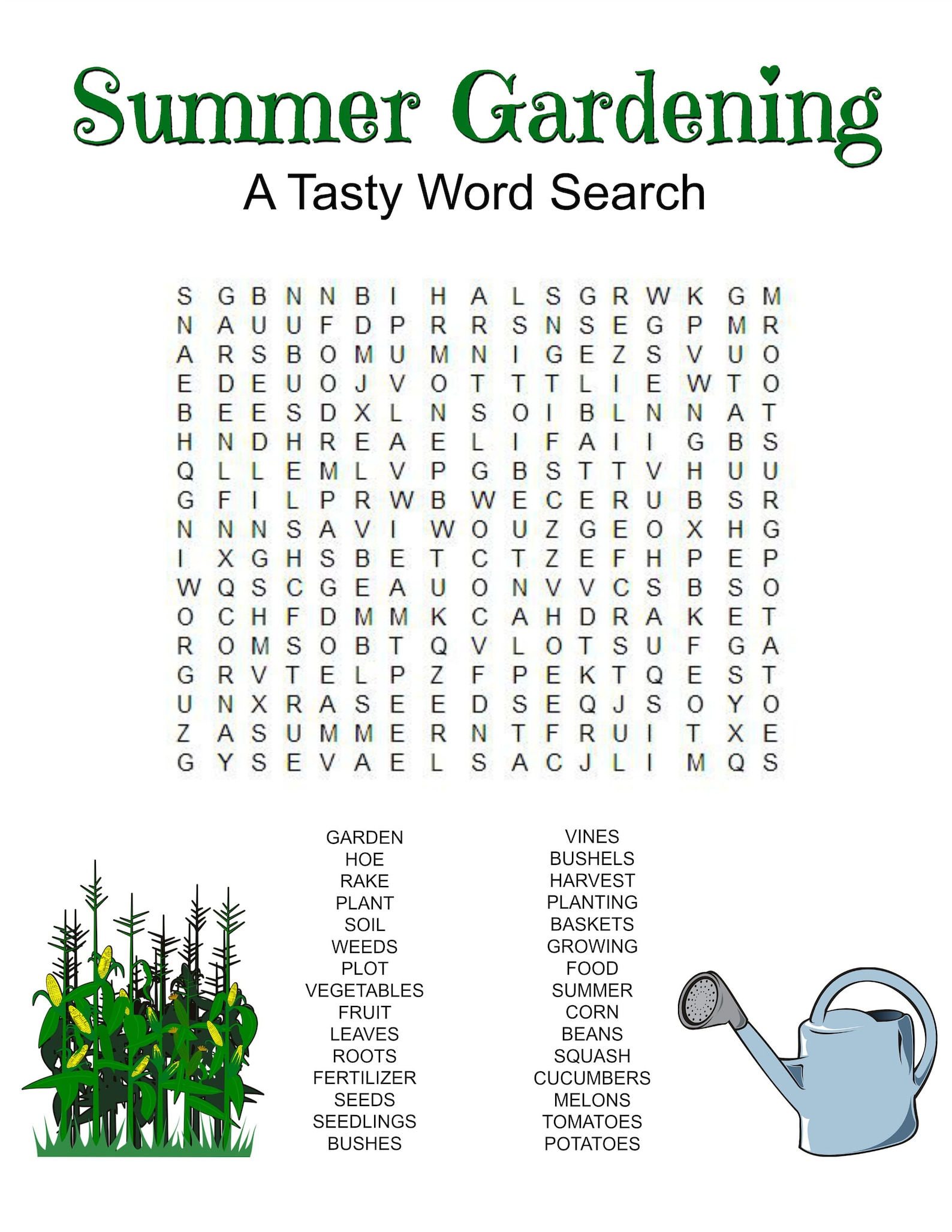
Summer word scramble.

Summer word search.
Find 10 differences.
Find 10 differences.
Find the hidden pictures.
More hidden pictures.
Summer word scramble.
Summer word search.

I found this trivia article on HISTORY.COM.
1 True or False? Francis Scott wrote his verses intending them to be a song not a poem.
2 Was Key a prisoner on the English ship Tonnant when he wrote the ballad?
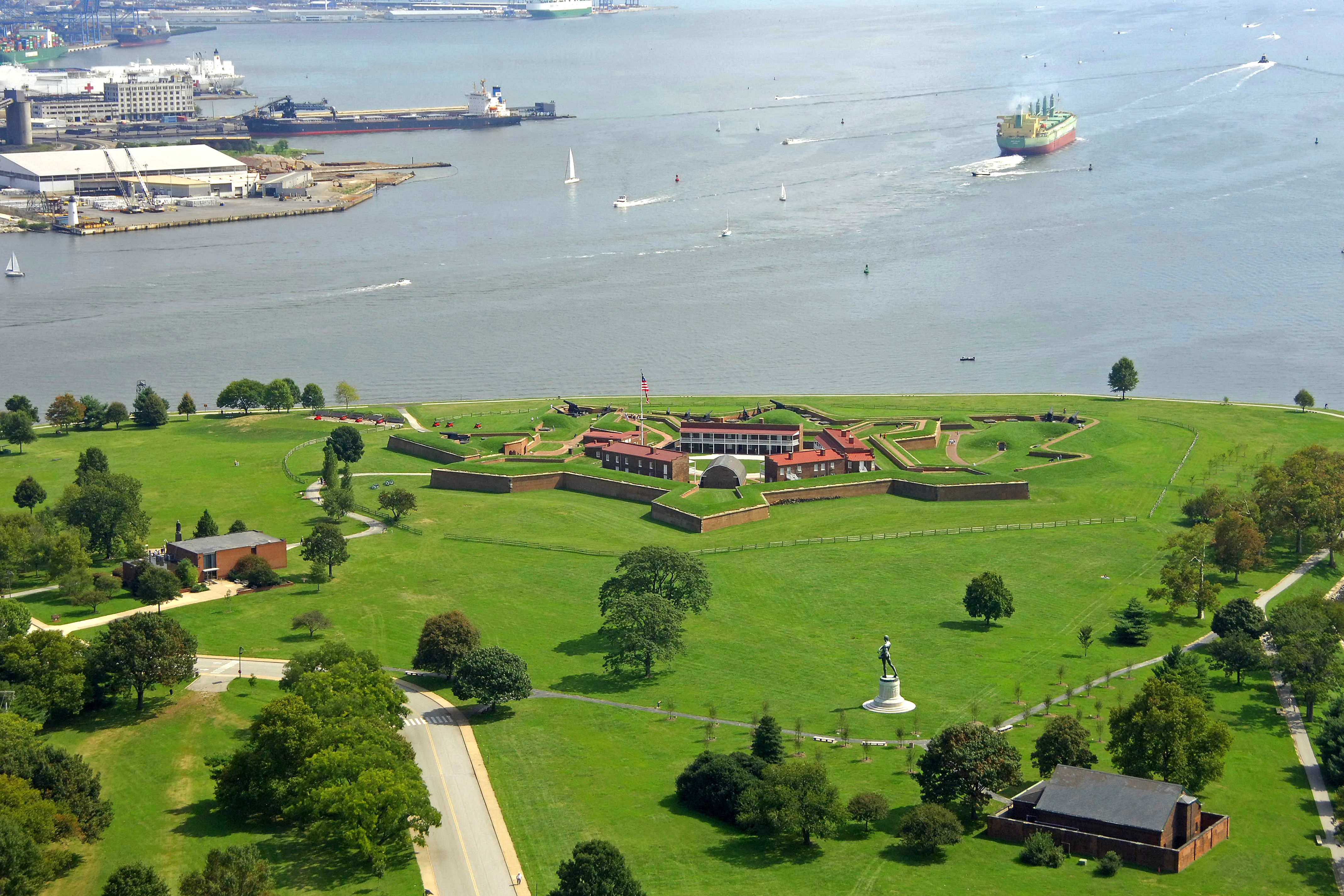
3 How many men were required to hoist the flag flying over Fort McHenry?
4 What was the original name of The Star-Spangled Banner?
5 In what year did the Star-Spangled Banner become our national anthem?

6 How many versus are in the Star-Spangled Banner?
7 Did Key support the war?
8 What was Key’s occupation?
9 Was Key a slave owner?
10 Was Key tone deaf?
Want to see how you did?
ANSWERS:
1 True
“The Star Spangled-Banner” was not a poem set to a melody years later. Although Key was an amateur poet and not a songwriter, when he composed his verses, he intended them to accompany a popular song of the day. “We know he had the tune in mind because the rhyme and meter exactly fit it,” says Marc Leepson, author of the Key biography What So Proudly We Hailed. The first broadside of the verses, printed just days after the battle, noted that the words should be sung to the melody of “To Anacreon in Heaven.” Key was quite familiar with the tune, having used it to accompany an 1805 poem, which included a reference to a “star-spangled flag,” he had written to honor Barbary War naval heroes Stephen Decatur and Charles Stewart. Although Key composed the patriotic lyrics amid a burst of anti-British euphoria, “To Anacreon in Heaven” was ironically an English song composed in 1775 that served as the theme song of the upper-crust Anacreontic Society of London and a popular pub staple.
2 No
In his capacity as a Washington, D.C., lawyer, Key had been dispatched by President James Madison on a mission to Baltimore to negotiate for the release of Dr. William Beanes, a prominent surgeon captured at the Battle of Bladensburg. Accompanied by John Stuart Skinner, a fellow lawyer working for the State Department, Key set sail on an American sloop in Baltimore Harbor, and on September 7 the pair boarded the British ship Tonnant, where they dined and secured the prisoner’s release under one condition—they could not go ashore until after the British attacked Baltimore. Accompanied by British guards on September 10, Key returned to the American sloop from which he witnessed the bombardment behind the 50-ship British fleet.
3 11 men
In addition to a thunderstorm of bombs, a torrent of rain fell on Fort McHenry throughout the night of the Battle of Baltimore. The fort’s 30-by-42-foot garrison flag was so massive that it required 11 men to hoist when dry, and if waterlogged, the woolen banner could have weighed upwards of 500 pounds and snapped the flagpole. So as the rain poured down, a smaller storm flag that measured 17-by-25 feet flew in its place. “In the morning, they most likely took down the rain-soaked storm flag and hoisted the bigger one,” Leepson says, “and that’s the flag Key saw in the morning.”
4 When Key scrawled his lyrics on the back of a letter he pulled from his pocket on the morning of September 14, he did not give them any title. Within a week, Key’s verses were printed on broadsides and in Baltimore newspapers under the title “Defense of Fort M’Henry.” In November, a Baltimore music store printed the patriotic song with sheet music for the first time under the more lyrical title “The Star-Spangled Banner.”
5 During the Civil War, “The Star-Spangled Banner” was an anthem for Union troops, and the song increased in popularity in the ensuing decades, which led to President Woodrow Wilson signing an executive order in 1916 designating it as “the national anthem of the United States” for all military ceremonies. On March 3, 1931, after 40 previous attempts failed, a measure passed Congress and was signed into law that formally designated “The Star-Spangled Banner” as the national anthem of the United States.
6 4 verses
The version of “The Star-Spangled Banner” traditionally sung on patriotic occasions and at sporting events is only the song’s first verse. All four verses conclude with the same line: “O’er the land of the free and the home of the brave.” (In 1861, poet Oliver Wendell Holmes wrote a fifth verse to support the Union cause in the Civil War and denounce “the traitor that dares to defile the flag of her stars.”)
7 No. Ironically, the man who created one of the lasting patriotic legacies of the War of 1812 adamantly opposed the conflict at its outset. Key referred to the war as “abominable” and “a lump of wickedness.” However, his opposition to the war softened after the British began to raid nearby Chesapeake Bay communities in 1813 and 1814, and he briefly served in a Georgetown wartime militia.
8 Lawyer. Although Key loathed politics, he was a prominent figure in Washington, D.C. “He was an important player in the early republic,” Leepson says. “He was a very successful and influential lawyer at the highest levels in Washington.” Key ran a thriving law practice, served as a trusted advisor in Andrew Jackson’s “Kitchen Cabinet” and was appointed a United States Attorney in 1833. He prosecuted hundreds of cases, including that of Richard Lawrence for the attempted assassination of Jackson, and argued over 100 cases before the United States Supreme Court.
9 Yes. While he advocated for some enslaved people seeking freedom, Key too owned slaves. He hailed from a large slave-owning family and often helped slave owners recapture their escaped slaves. Despite this, Key opposed slave trafficking and became one of the founders of the American Colonization Society, which shipped thousands of free Black people to Africa to establish a homeland there.
10 Most likely. Key was much more adept in his legal day job than he was as an amateur poet. Most of the odes he composed were never meant to be seen beyond family and friends, and none came remotely close to realizing the popular fame of “The Star-Spangled Banner.” In addition to being a middling poet, Key also had a hard time carrying a tune. “Key’s family said he was not musical,” Leepson says, “which means he likely was tone deaf.”
SOURCE: HISTORY.COM
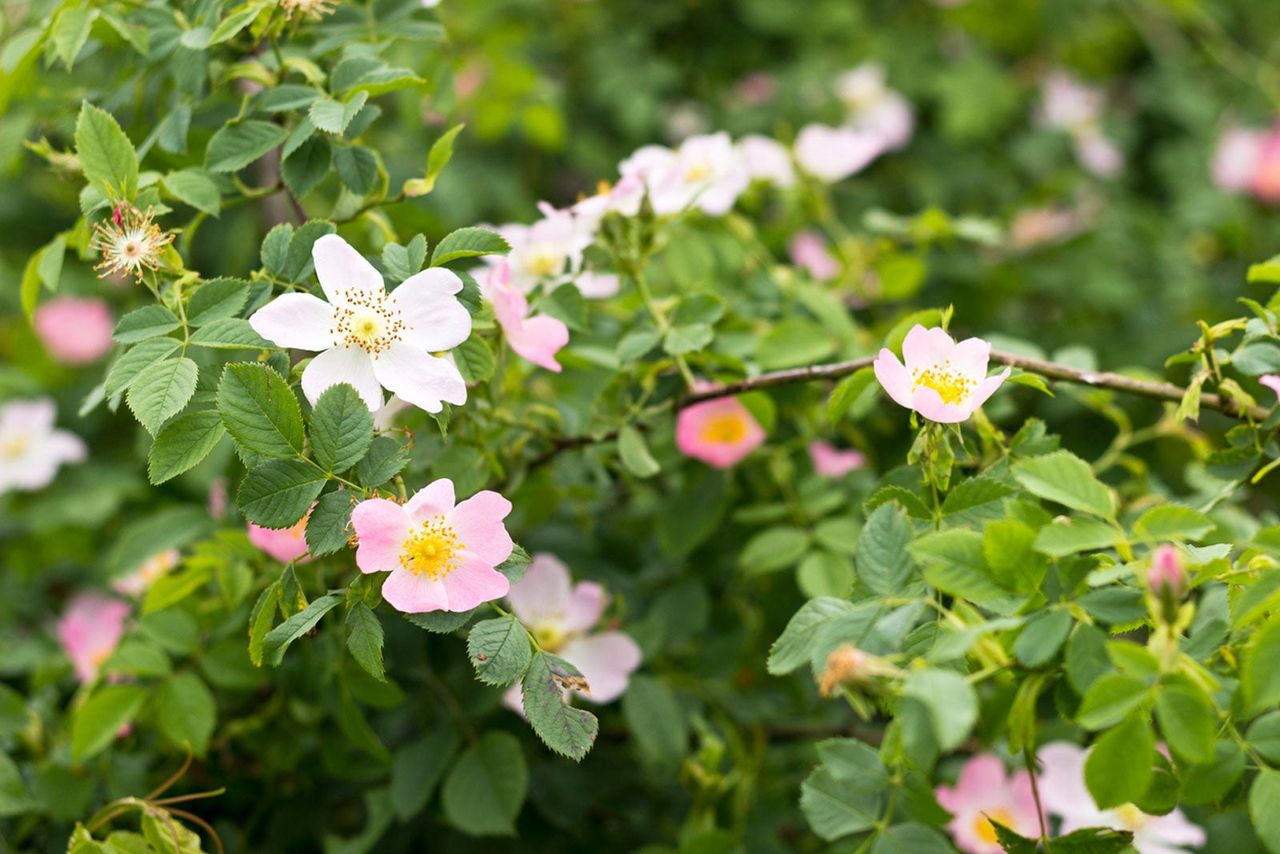
Wild roses tend to stir one’s thoughts towards Medieval times of knights, kings, queens, princes, and princesses, as many of them date back well into our history. The botanical term for them is “Species Roses.” Though this term does not conjure up the same emotions, it is the classification where you will find them listed or placed for sale in rose catalogs and nurseries. Keep reading to learn more about the types of wild roses and how to grow them in the garden.
Where Wild Roses Grow
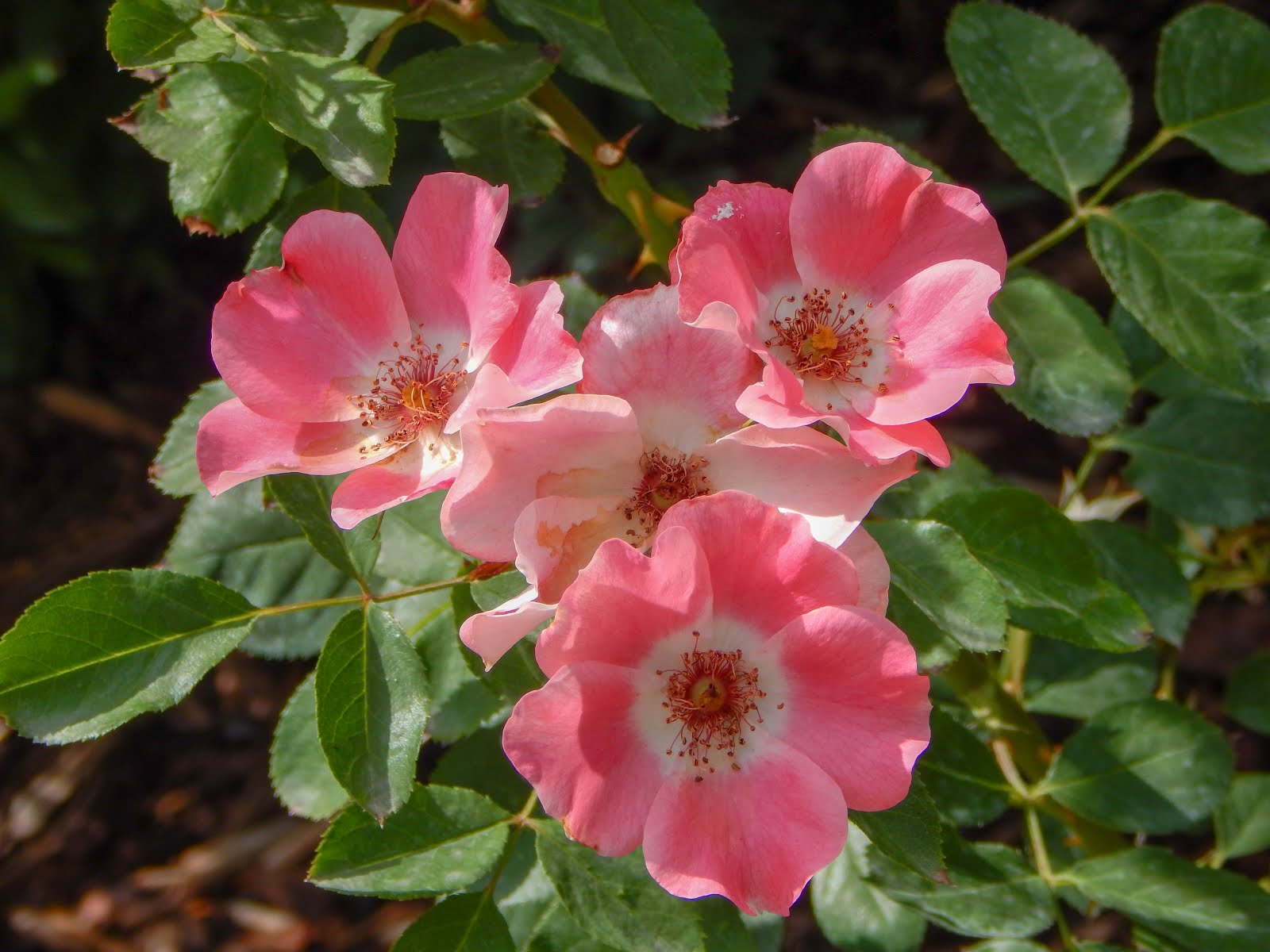
In order to grow wild rose plants properly, it helps to know more about them, including where wild roses grow. Species roses are naturally growing shrubs that occur in nature with no help at all from man. Wild species roses are single bloomers with five petals, almost all of them are pink with a few whites and reds, as well as a few that go towards the yellow coloration. Growing wild roses are all own root roses, which means they grow upon their own root systems without any grafting as is done by man to help some of the modern roses grow well in varying climatic conditions. In fact, wild roses are the roses from which all others we have today were bred, thus a special place they do hold in the mind and heart of any Rosarian. Species or wild roses tend to thrive on neglect and are exceptionally hardy. These tough roses will grow in just about any soil conditions, at least one of which is known to do very well in wet soil. These wonderful roses will produce beautiful rose hips that carry over into winter and provide food for the birds if left on the bushes. Since they are own root bushes, they can die way down in the winter and what comes up from the root will still be the same wonderful rose.
Growing Wild Roses
It isn’t difficult to grow wild rose plants. Wild rosebushes can be planted just like any other rosebush and will do best in areas where they get plenty of sun and the soils are well drained (as a general rule). One variety that does well in wet ground, however, is named Rosa palustris, also known as the swamp rose. When growing wild roses in your rose beds, gardens or general landscape, do not crowd them. All types of wild roses need room to expand and grow into their natural states. Crowding them, like with other rosebushes, tends to cut down on air flow through and around the bushes which opens them up to disease problems.
Wild Rose Care
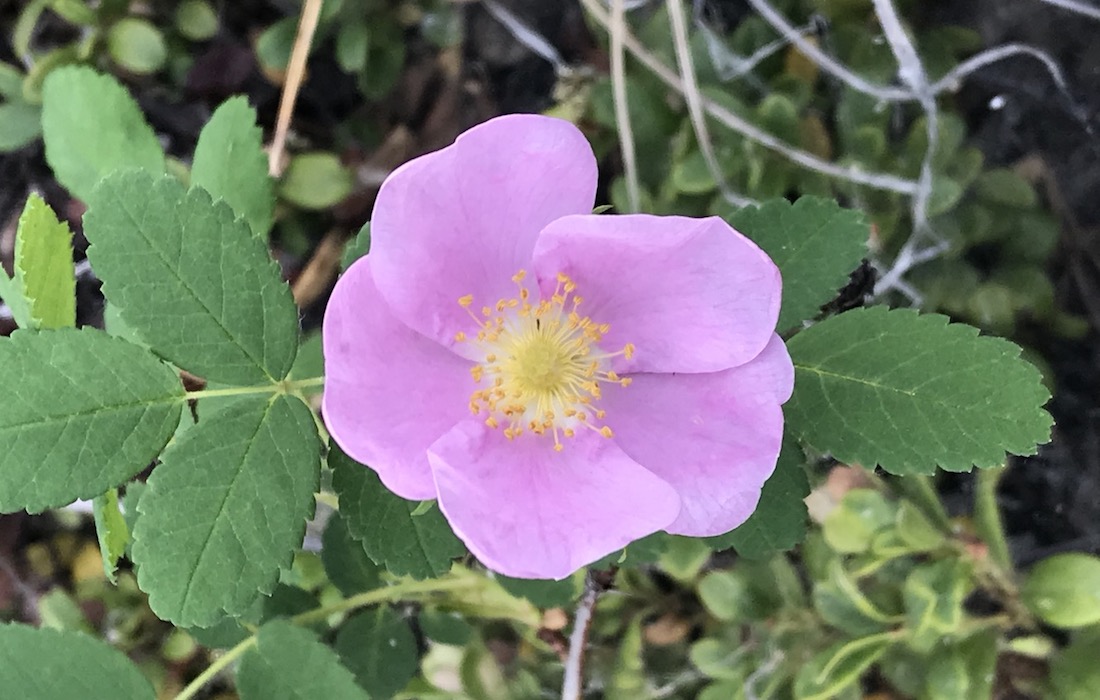
Once their root systems are established in their new homes, these tough rosebushes will thrive with a minimum of wild rose care. Deadheading (removal of old blooms) them really is not necessary and will cut down or eliminate the wonderful rose hips they produce. They can be pruned a bit to maintain a desired shape, again be careful how much of this you do if you want those beautiful rose hips later!
Types of Wild Roses
One of the wonderful wild roses found here in my home state of Colorado is named Rosa woodsii, which grows to 3 or 4 feet (91-120 cm.) tall. This variety has pretty pink, fragrant blooms and is listed as a drought resistant rosebush. You can find this growing happily throughout the mountains west of the United States. When deciding to add one or several of the species roses to your gardens, keep in mind that they do not bloom all season like many of the modern roses will. These roses will bloom in spring and early summer and then are done blooming as they begin setting those wonderful multi-use rose hips. To obtain a rosebush that is very close to its wild rose beginnings, look for an aptly named variety like “Nearly Wild.” This one offers the same beauty, charm, low maintenance, and toughness of a true wild rose but has the added magical kiss of repeat blooming. Part of the charm that wild roses carry is the common names that they have been given over their years of existence. Here are a few types of wild roses you may like to grow in the garden (the year listed is when the rose was first known in cultivation):
Lady Banks Rose – Rosa banksiae lutea (1823)
Pasture Rose – Rosa carolina (1826, Native American variety)
Austrian Copper – Rosa foetida bicolor (before 1590)
Sweetbriar or Shakespeare’s Eglantine Rose – Rosa eglanteria (*1551)
Prairie Rose – Rosa setigera (1810)
Apothecary Rose, Red Rose of Lancaster – Rosa gallica officinalis (before 1600)
Father Hugo, Golden Rose of China – Rosa hugonis (1899)
Apple Rose – Rosa pomifera (1771)
Memorial Rose – Rosa wichuraiana (1891)
Nootka Rose – Rosa nutkana (1876)
Wood’s Wild Rose – Rosa woodsii (1820)
SOURCE: Gardening Knowhow Stan V. Griep

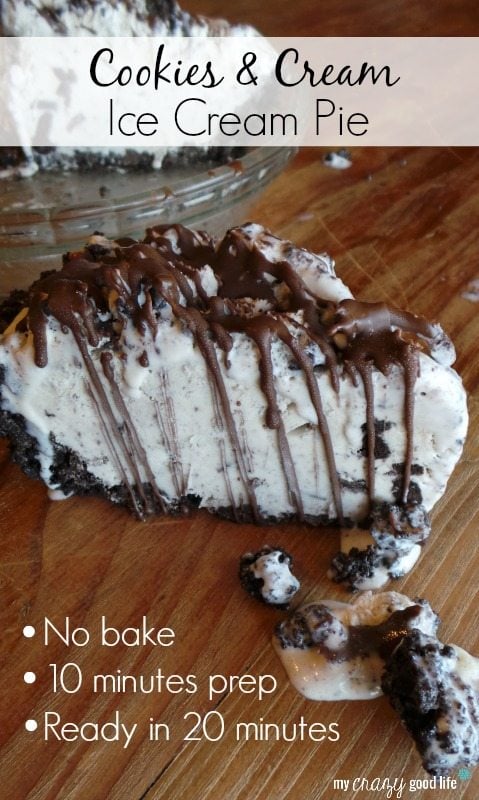
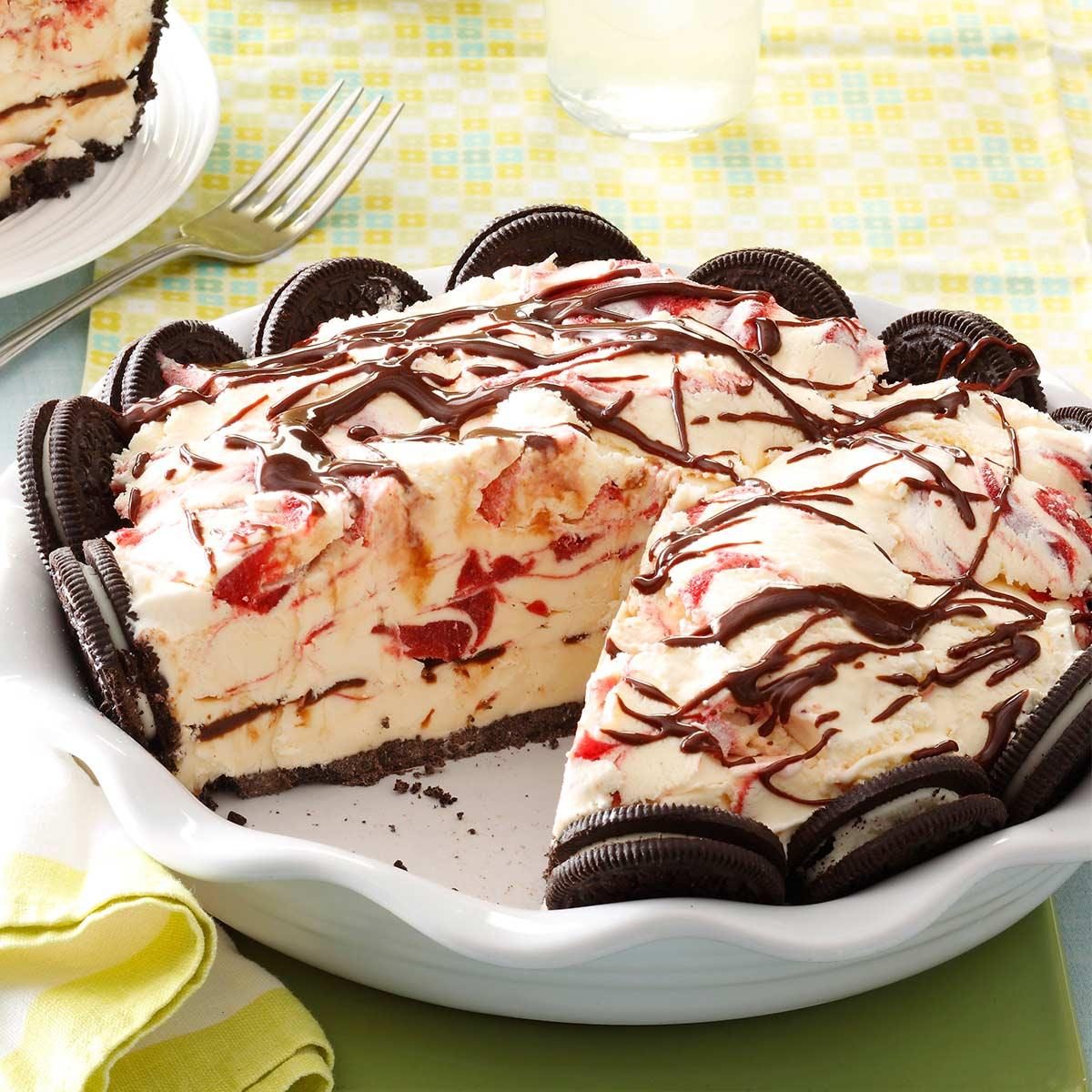
In honor of National Ice Cream Pie Day, today’s recipe is another no bake summer dessert…Ice Cream Pie!
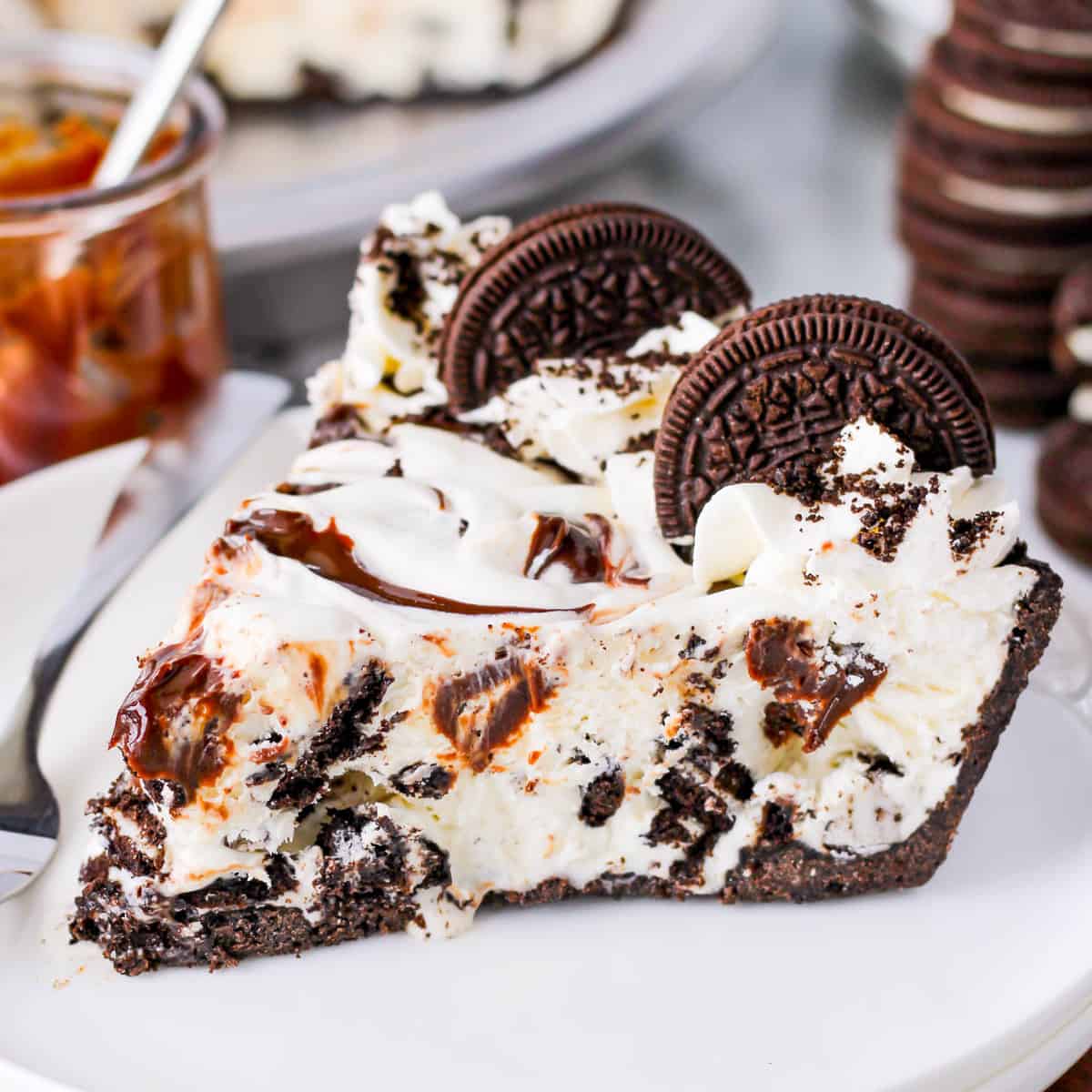
Ingredients
1 carton Ice Cream, 1 – 1.5 QT (Breyer’s Vanilla Ice Cream)
1 tub (8oz) Frozen Whipped Topping (like Cool Whip)
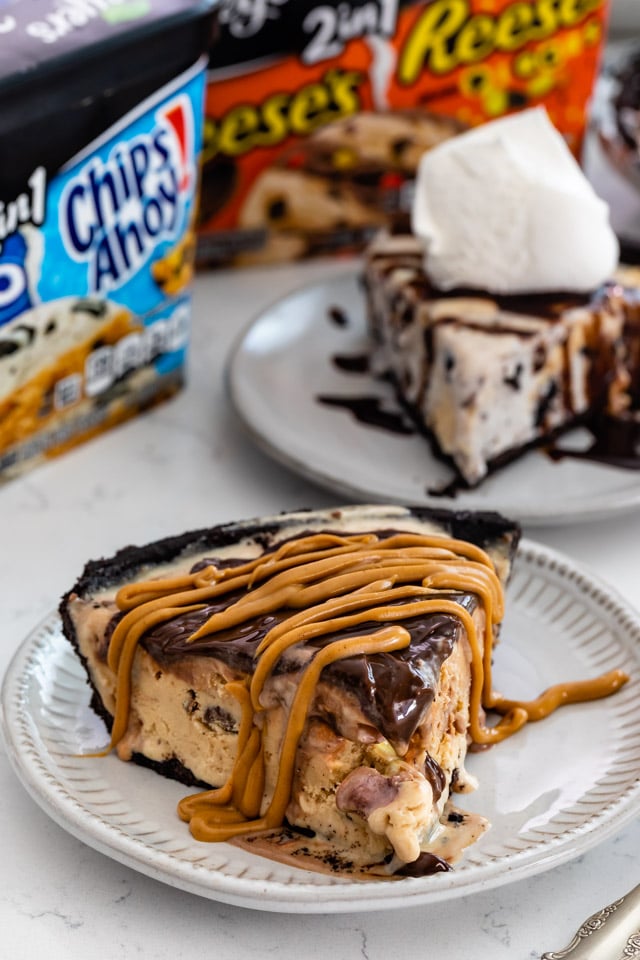
Your Favorite Toppings (You can use chopped Oreos, Reese’s Peanut Butter Cups and Hershey’s Syrup)
1 Graham Cracker Crust, store bought (or Keebler’s Oreo Crust)
Instructions
Soften the ice cream and frozen whipped topping to room temperature so it is easy enough to mix.
Once ice cream is soft, mix with cool whip and your favorite toppings. Pour into crust
Top with extra toppings of your choice and freeze for about 1-2 hours. Serve frozen.
The possibilities are endless…

ENJOY!

I found these creative picnic hacks at onecrazyhouse.com:
Turn a chip bag into a bowl! This hack comes via thisgrandmaisfun.com. You begin by turning down the top of the bag (purely for aesthetics).

Poke the corners in to prevent the bag from falling over.
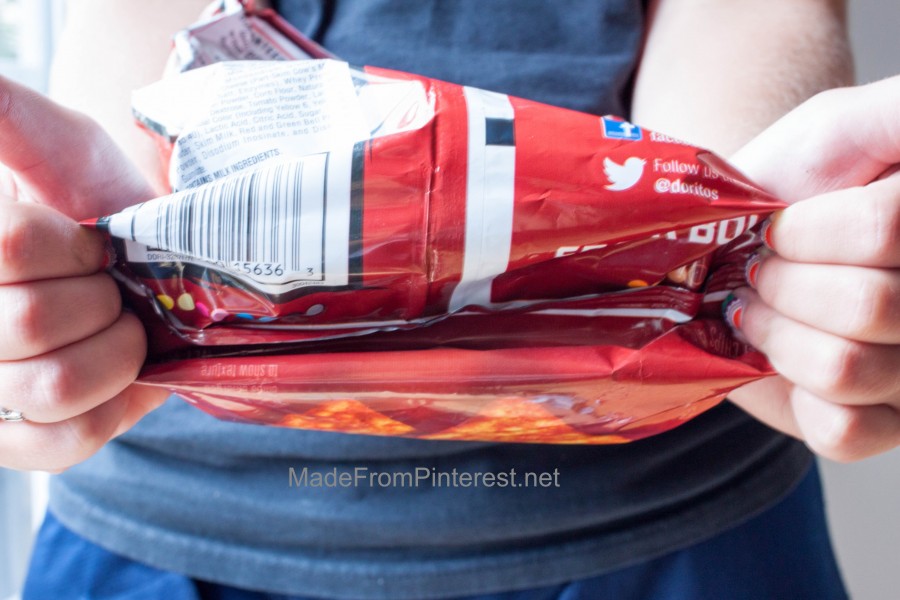
As you roll the bottom up, the chips will come to the top. When you need to, roll up some more!

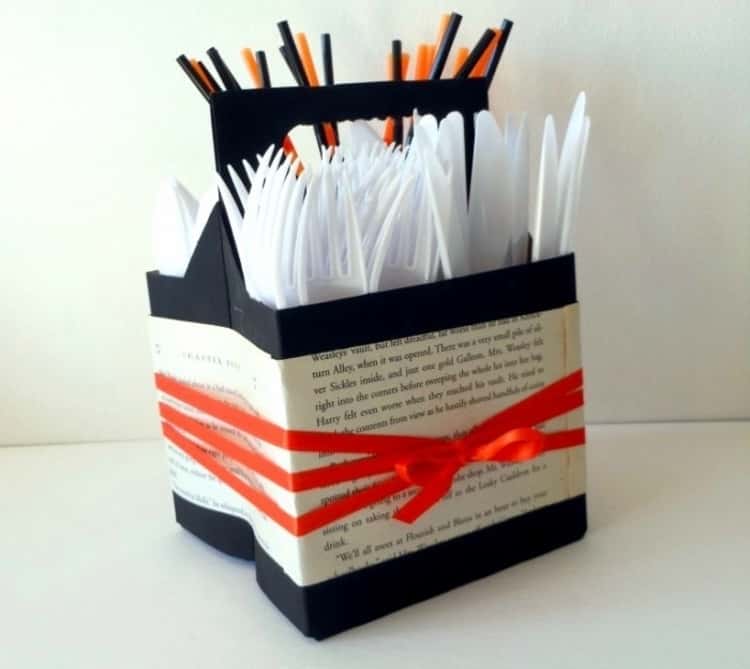
Use a six-pack drink container to hold the utensils!
Use a shower cap to keep cold foods cold!

Use a fitted twin sheet to cover your picnic table!

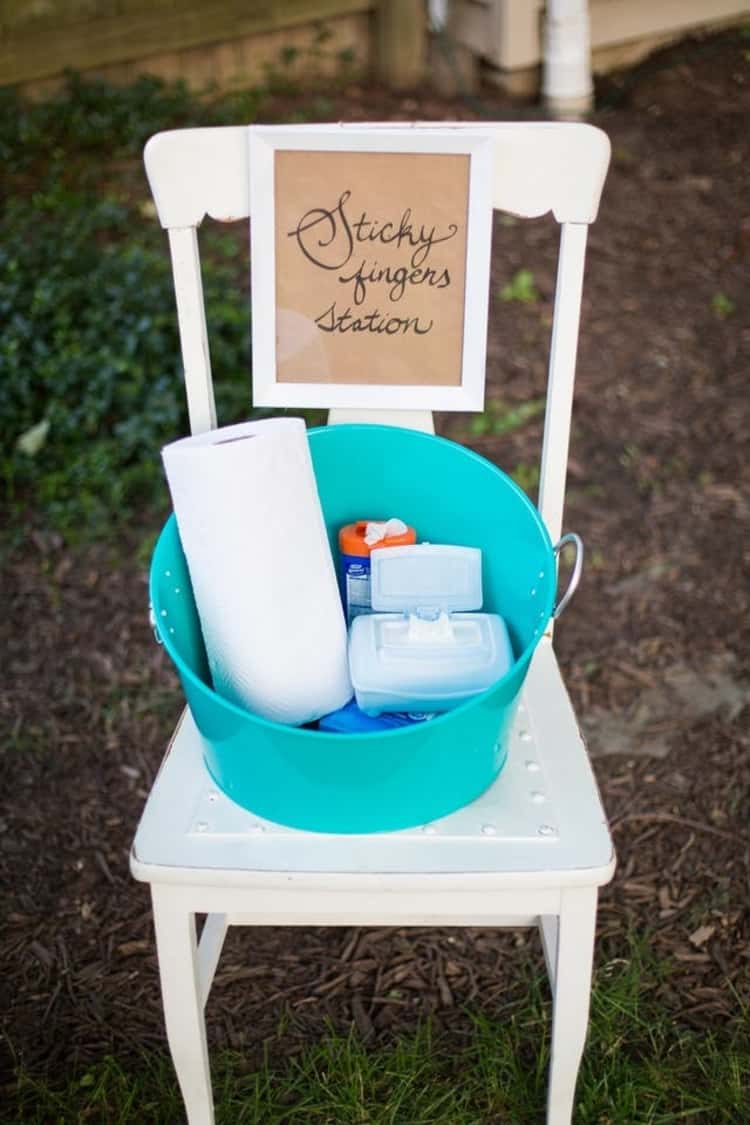
Create a “sticky finger station” for wipes and such to avoid constant running in and out of the house!
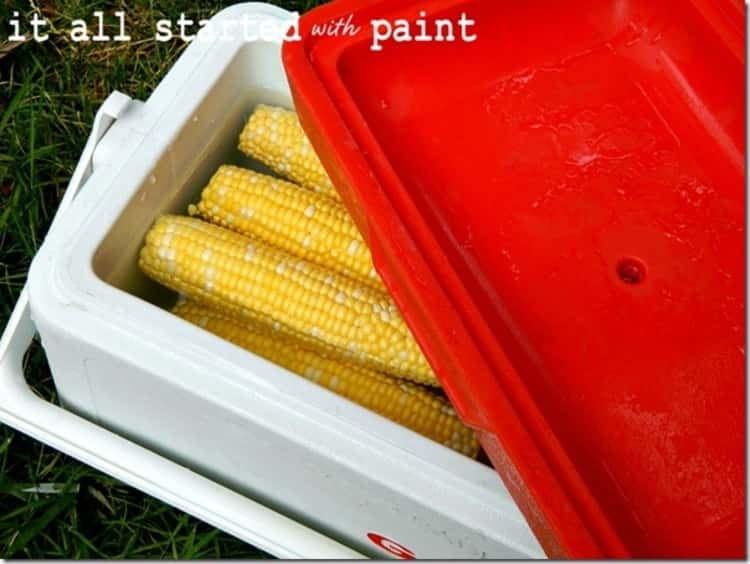
This hack I never heard of, but would love to try: Cooler Corn! From the onecrazyhouse website:
Did you know you can cook corn in a cooler? Yeah, me too. We’ve all heard of corn on the cob but how much do you know about the different ways you can make it? And keep it hot during your picnic? Cooler corn is probably the easiest way ever to cook corn on the cob.
Just boil some water in a pot on the grill and make sure the water is boiling hot. Place some ears of corn in a clean cooler then fill the cooler with water and firmly shut the lid. The corn cooks and doesn’t get cold. It’s basically science but it’s cool!
SOURCE: ONECRAZYHOUSE.COM

From the bestlifeonline website:
How to Get Rid of Hiccups: 6 Tips from Doctors
Sometimes uncomfortable and occasionally a bit embarrassing, getting the hiccups can be a—hic!—surprising interruption. That said, they happen to everyone occasionally, and they’re usually no cause for concern. Still, you may be wondering what exactly they are, what causes them, and, of course, how to get rid of hiccups when they occur. Read on to learn doctors’ six best tactics for nixing them quickly.
What Are Hiccups?
Everyone has gotten the hiccups at some point in their lives, but few people understand what actually occurs when they strike.
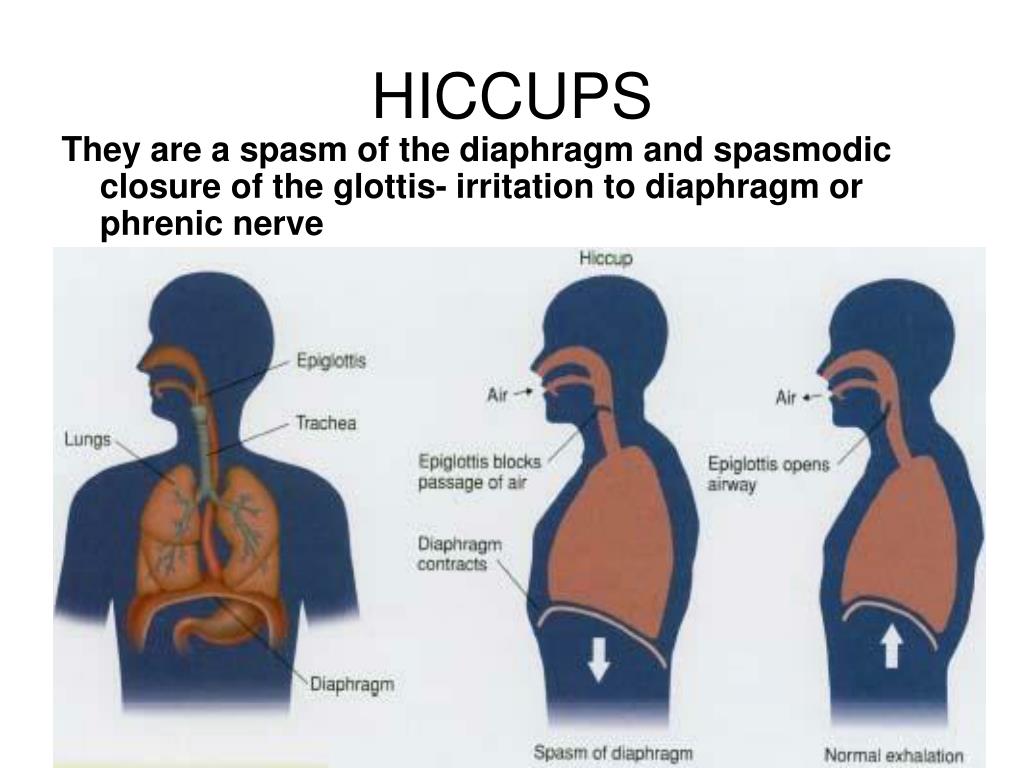
Raj Dasgupta, MD, chief medical advisor for Fortune Recommends Health, explains that hiccups happen when the diaphragm, the muscle that separates the chest from the belly, suddenly and involuntarily contracts. “When that happens, you take in air, and your voice box closes shut, which is what causes the ‘hic’ sound,” he says.
What Causes Hiccups?
Most often, hiccups happen in response to minor stimuli.
“The most common causes include having an overly full stomach, drinking soda or other fizzy drinks, and swallowing air (for example, when you are chewing gum),” Dasgupta says, adding that eating spicy food or having acid reflux is also a common trigger. “Of course, sometimes the exact culprit behind your hiccups can be a mystery,” he adds.
That said, persistent or intractable hiccups may result from a greater underlying cause. This can include gastrointestinal conditions such as GERD or gastritis, certain lung conditions, chronic illnesses that affect the central nervous system such as Parkinson’s disease or multiple sclerosis, and certain types of cancer, the Cleveland Clinic says.
According to Tori Hartline, DC, MS, a pediatric and prenatal chiropractor and the owner of Sunlife Chiropractic, most hiccups occur “due to a reflex initiated by the brain that affects the diaphragm. This reflex is often triggered when the phrenic, vagus, or sympathetic nerves are irritated,” she explains.
How long do hiccups last?
Hiccups are generally short-lived, and they tend to resolve themselves with time. “Most hiccups are fleeting, lasting just a few minutes. However, in rare cases, they can linger for days or even weeks,” Dasgupta says.
Is there any way to prevent hiccups?
You can’t prevent hiccups with 100 percent accuracy, but you can exercise certain habits that will make them less likely to occur.
“Preventing hiccups is tricky as the triggers can vary. Eating slowly, avoiding carbonated beverages, and managing stress could all help prevent them,” Dasgupta says. If you’re sensitive to eating spicy foods, avoiding high-heat dishes may also help reduce your incidence of hiccups.
6 Ways to Get Rid of Hiccups Fast
If you’re looking for a fast-acting hiccup cure, there are a few strategies that may help. However, since hiccups typically resolve on their own, it’s also perfectly fine to wait out your symptoms.
1 Hold your breath.
One of the first methods to try if you want to get rid of hiccups is to hold your breath for five to 10 seconds.
“While sitting, pull your knees up to your chest and lean forward. Hold this position for 30 seconds to one minute, if possible,” Dasgupta recommends.
2 Breathe into a paper bag.

Experts from Harvard Medical School say that another effective way to curb the hiccups is to breathe into a paper bag. They note that this increases the amount of carbon dioxide you inhale, which reminds your brain to resume normal breathing in order to get more oxygen.
Try to keep the rhythm slow and steady, using deep, diaphragmatic breathing techniques to expand your abdomen rather than your chest with each inhale. “Controlled, deep breathing from the diaphragm can ease spasms,” Hartline explains.
3 Gargle with cold water.
If that doesn’t work, you can try gargling with icy cold water, Dasgupta suggests.
“Short-term exposure to cold water can stimulate the vagus nerve, which is the main nerve in the autonomic nervous system that regulates breathing and heart rate. This stimulation can trigger a relaxation response, which can hopefully interrupt those annoying hiccups,” the doctor says.
Hartline adds that just splashing cold water on your face can also stimulate the vagus nerve.
4 Distract yourself.
Sometimes, stopping the hiccups is an issue of mind over matter, says Harvard Health Publishing. Distracting yourself can help them pass more quickly.
Try reading, meditating, listening to a podcast, or tasting a strong flavor (for example, sucking on a lemon)—all of which will get your brain busy with other things.
5 Stimulate the related nerves.
:max_bytes(150000):strip_icc()/GettyImages-1419888305-85d03b4ce98a4d6e9934aeae3d7142de.jpg)
Hartline says anything you can do to stimulate the nerves associated with the hiccups may help you get relief by relaxing the diaphragm. One way to do this is by stimulating the skin that covers the spinal nerves near the neck by tapping or rubbing the back of the neck.
Another is to stimulate the pharynx—or back of the throat—by gently poking it with a long cotton swab, she says. If the latter feels uncomfortable, humming can send vibrations from your voice box to the vagus nerve, producing a similar effect.
6 Do some low-impact exercise.
Finally, getting a little bit of physical activity can help lessen your symptoms. “Gentle exercise can help regulate breathing and relax the diaphragm,” says Hartline.
World Records
In extremely rare instances, hiccups have lasted for years—or even decades. According to Guinness World Records, a man named Charles Osborne holds the record for the longest bout of hiccups, having hiccupped without interruption for 68 years, from 1922 to 1990.
Conclusion
Most of the time, hiccups will come and go without any notable cause or repercussions, lasting just a few minutes. However, if you feel your hiccups have persisted for an abnormally long period of time or if they’re causing extreme discomfort, it’s a good idea to check in with your doctor.
SOURCE: BESTLIFEONLINE.COM
Lauren Gray

Fact: Frankenstein’s Creature is a vegetarian
Both Victor Frankenstein and Creature are fictional characters in Mary Shelley’s Frankenstein. In the classic novel, Creature says, “My food is not that of man; I do not destroy the lamb and the kid to glut my appetite; acorns and berries afford me sufficient nourishment.” This is one of the interesting facts you should definitely share with your vegetarian friends!
Fact: Medical errors are a top cause of death
According to a Johns Hopkins research team, 250,000 deaths in the United States are caused by medical error each year. This makes medical error the third leading cause of death in the country.
Fact: Sloths have more neck bones than giraffes
Despite the difference in neck length, there are more bones in the neck of a sloth than a giraffe. There are seven vertebrae in the neck of a giraffe, and in most mammals, but there are 10 in a sloth’s. While they’re on your mind, here are some adorable sloth pictures you totally need to see.
Fact: Bees can fly higher than Mount Everest
Bees can fly higher than 29,525 feet above sea level, according to National Geographic. That’s higher than Mount Everest, the tallest mountain in the world.
Fact: Ancient Egyptians used dead mice to ease toothaches
In Ancient Egypt, people put a dead mouse in their mouth if they had a toothache, according to Nathan Belofsky’s book Strange Medicine: A Shocking History of Real Medical Practices Through the Ages. Mice were also used as a warts remedy in Elizabethan England.
Fact: Cap’n Crunch’s full name is Horatio Magellan Crunch
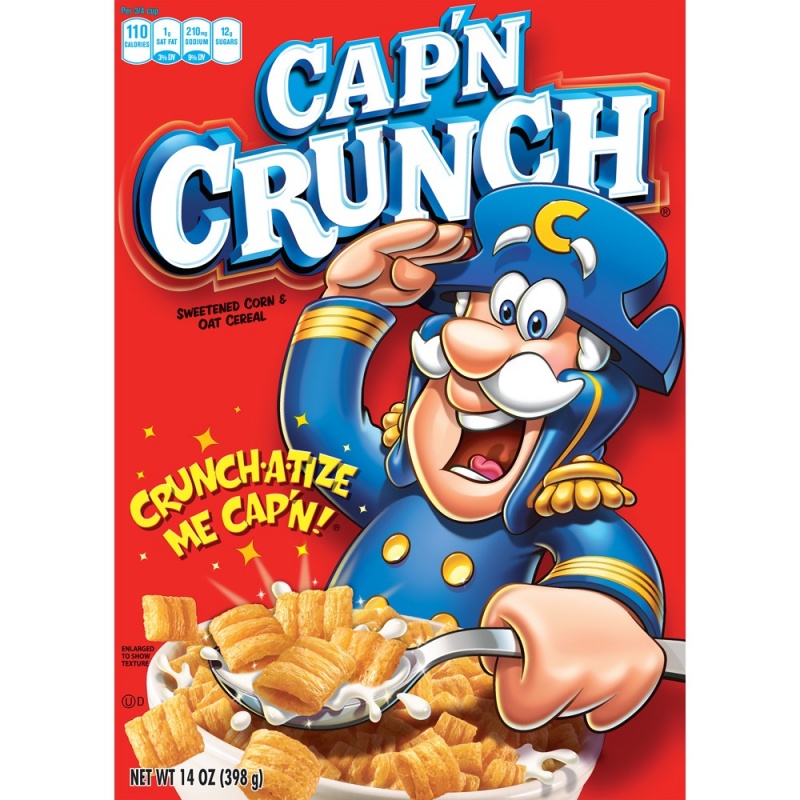
He’s also been called out for only having the bars of a Navy commander, but the so-called cap’n held his ground on Twitter, arguing that captaining the S.S. Guppy with his crew “makes an official Cap’n in any book!”
Fact: Paint used to be stored in pig bladders
The bladder would be sealed with a string and then pricked to get the paint out. This option wasn’t the best because it would often break open. American painter John G. Rand was the innovator who, in the 19th century, made paint tubes from tin and screw caps.
Fact: Humans have jumped farther than horses in the Olympics
The Olympic world record for the longest human long jump is greater than the world record for longest horse long jump. Mike Powell set the record in 1991 by jumping 8.95 meters, and the horse xtra Dry set the record in 1900 by jumping 6.10 meters.
Fact: The Terminator script was sold for $1
James Cameron is the award-winning director of movies like Titanic and Avatar. In order to get his big break with The Terminator, he sold the script for $1 and a promise that he’d direct it. Of course, this movie has some of the most famous movie quotes of all time in it.
Fact: Pigeon poop is the property of the British Crown
In the 18th century, pigeon poop was used to make gunpowder, so King George I confirmed the droppings to be the property of the Crown.
Fact: Onions were found in the eyes of an Egyptian mummy

Pharaoh Ramses IV of ancient Egypt had his eyes replaced with small onions when he was mummified. The rings and layers of onions were worshipped because people thought they represented eternal life. This aligns with the reason for mummification: to allow the pharaoh to live forever.
Fact: Abraham Lincoln was a bartender
You know that the 16th president of the United States fought for the freedom of slaves and the Union, but what you didn’t know is that he was a licensed bartender. Lincoln’s liquor license was discovered in 1930 and displayed in a Springfield liquor store. According to Wayne C. Temple, a Lincoln expert, Congress wanted to fire Ulysses S. Grant in 1863 because he drank a lot, and Lincoln’s response was to send Grant a supply of whiskey.
Fact: Beethoven never knew how to multiply or divide
The renowned pianist went to a Latin school called Tirocinium, where he was taught some math but never learned multiplication or division—only addition. Once, when he needed to multiply 62 by 50, he wrote 62 down a line 50 times and added it all up.
Fact: Japan released sushi-inspired Kit Kats

For a limited time in 2017, Tokyo’s Kit Kat Chocolatory shop made three types of the chocolate bar that were inspired by sushi but didn’t actually taste like raw fish. The tuna sushi was raspberry, the seaweed-wrapped one tasted like pumpkin pudding, and the sea urchin sushi was the flavor of Hokkaido melon with mascarpone cheese. All were made with puffed rice, white chocolate, and a bit of wasabi.
Fact: An espresso maker was sent into space in 2015
Coffee lovers will appreciate this interesting space fact: Samantha Cristoforetti was the first astronaut to get a warm and cozy piece of home sent to her while in orbit. The Italian Space Agency worked with Italian coffee manufacturer Lavazza to get the coffee capsules into space.
Fact: The word “aquarium” means “watering place for cattle” in Latin
Of course, today’s aquariums aren’t for cows. The first aquarium that looks like what you’d imagine was created in 1921 and opened in 1924 in England.
Fact: An employee at Pixar accidentally deleted a sequence of Toy Story 2 during production
Ed Catmull, the cofounder of Pixar, wrote in his book, Creativity Inc., that the year before the movie came out, someone entered the command ‘/bin/rm -r -f *’ on the drive where the files were saved, and scenes started deleting. It would have taken a year to recreate what was deleted, but luckily another employee had a backup of the entire film on her laptop at home.
Fact: Steve Jobs, Steve Wozniak, and Ron Wayne started Apple Inc. on April Fools’ Day
The three technology innovators signed the documents to form the Apple Computer Company on April 1, 1976. But the company was not fully incorporated until January 3, 1977. Thirty years later, the company was renamed Apple Inc. and is no joke. In 2018, Apple became the country’s first trillion-dollar company.
Fact: The inventor of the tricycle personally delivered two to Queen Victoria
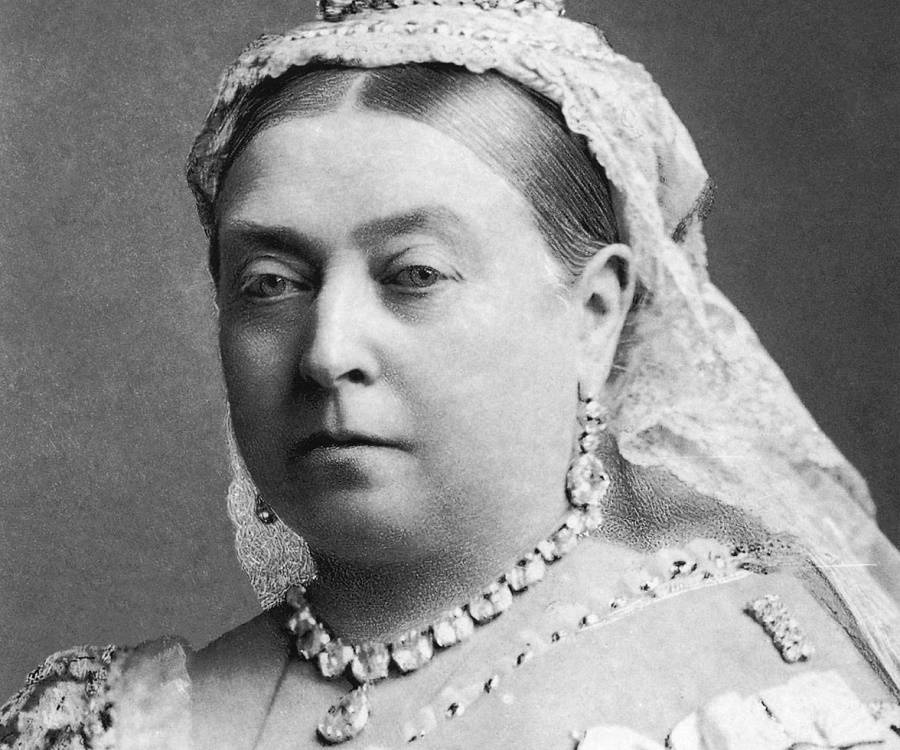
In 1881, Queen Victoria was on a tour on the Isle of Wight when her horse and carriage could not keep up with a woman riding a tricycle. Intrigued by the bike, the queen proceeded to order two. She also asked that the inventor, James Starley, arrive with the delivery. Though you might associate tricycles with toddlers, Queen Victoria made them cool among the elite at the time.
Fact: Your brain synapses shrink while you sleep
Researchers at the University of Wisconsin-Madison Center for Sleep and Consciousness studied mice to observe what happens to their brains while they sleep. Dr. Chiara Cirelli and Dr. Giulio Tononi found an 18 percent decrease in the size of synapses after a few hours of sleep. Don’t worry, though—this nighttime brain shrinkage actually helps your cognitive abilities.
Fact: A waffle iron inspired one of the first pairs of Nikes
Bill Bowerman was a track and field coach in the 1950s who didn’t like how running shoes were made. He first created the Cortez shoe but wanted a sneaker that was even lighter and could be worn on a variety of surfaces. During a waffle breakfast with his wife in 1970, he came up with the idea of using the waffle texture on the soles of running shoes. Waffle-soled shoes made their big debut in the 1972 U.S. Olympic track and field trials in Eugene, Oregon.
Fact: Boars wash their food
National Geographic reported that at Basel Zoo in Switzerland, zookeepers watched adult and juvenile wild boars pick up sandy apples and bring them to a nearby creek in their environment to wash before eating. Though some items like sugar beets were eaten without the human-like behavior, the boars brought a whole dead chicken to the creek to wash before chowing down. One ecologist called this a “luxury behavior.”
Fact: Baseball umpires used to sit in rocking chairs
People have been playing baseball since the mid-19th century. In the early days, umpires would officiate the games while reclining in a rocking chair located 20 feet behind home plate. By 1878, the National League also declared that home teams must pay umpires $5 per game.
Fact: The first commercial passenger flight lasted only 23 minutes
In 1914, Abram Pheil paid $400 (which would be $8,500 today) for a 23-minute plane ride. The Florida flight flew between Saint Petersburg and Tampa, where only 21 miles of water separate the cities. Pheil, a former mayor of Saint Petersburg, and the pilot, Tony Jannus, were the only passengers. This momentous flight paved the way for air travel as we know it.
Fact: The world’s first novel ends mid-sentence
The Tale of Genji, written by Murasaki Shikibu in the 11th century, is considered the world’s first novel. After reading 54 intricately crafted chapters, the reader is stopped abruptly mid-sentence. One translator believes the work is complete as is, but another says we’re missing a few more pages of the story.
SOURCE: Reader’s Digest: Elizabeth Yuko
In Bull Valley, there exists one of the strangest homes in Illinois. It is located in rural McHenry County, Illinois, near Woodstock. The house I am talking about is the George Stickney House (also referred to as the Stickney Mansion).

You will notice right away something odd about this house: there are no sharp corners. The design of the home is Italianate. It is a beautiful home. Since 1979, it has been listed on the National Register of Historic Places.
Stickney was the first in the township when he arrived there in 1835. Stickney was a very prosperous farmer, and he acquired enough money to build the home of his dreams. The home was built in 1856.
Aside from being a farmer, Stickney was a Spiritualist. He performed séances that were attended by many, including the most elite in the area. This influenced the design of the home. As a Spiritualist, Stickney believes that spirits hid in the corners. So problem solved: he got rid of the corners.
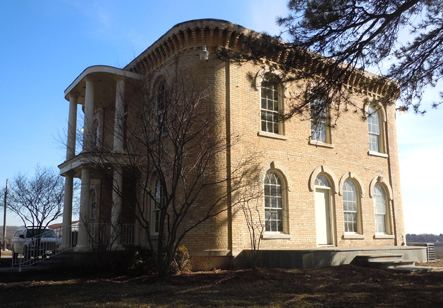
According to Haunted Places.org
Because of George Stickney’s belief in spiritualism, he designed his house with no 90-degree angles inside so that no spirits would be caught in the corners. The Stickneys had 10 children, but only 3 lived to adulthood, and they are said to have regularly conducted seances on the 2nd floor to speak to their children. Currently the building houses the local police department, and many spooky events occur here. Tenants after the Stickneys, and later, police officers, have noted apparitions, moving objects, electrical phenomena, doors opening by themselves, and more. The Holcombville Cemetery where the Stickney children are buried lies nearby, and they are said to haunt the entire neighborhood along with the spirit of a passenger killed in the crash of American Airlines Flight 191.
(The Stickney House is now the Bull Valley Police Headquarters and Richard Vance is a Village Administrator and Police Officer.)
From thegeorgestickneyhousemariahruiz.blogspot.com:
The story on the house is that George and Sylvia Stickney had ten children, but only 3 survived to adulthood. George and Sylvia were Mediums, which means they could talk to the dead. They would hold seances to communicate to their children who passed away. They also allowed others to come into their house so that they also can talk to their loved ones. George and Sylvia wanted to build a house that would be easier to communicate with their children. The Stickney’s believed that 90-degree angles were bad for spirits because the spirits would get stuck in the corner and house the evil spirits. When building their mansion, they wanted everything to be rounded so that the spirits can move freely, even the ceiling is rounded. Rumor has it that a 90-degree angle in the house is were George Stickney died. Richard confirmed that wasn’t true. The house was searched and documented and there was no 90-degree angles found at the time of George’s death. He also confirmed that George’s death was never documented, so no one knows how he died.
I asked Richard Vance what type of experiences he had in the house. He told me some stories about what happened to him and other officers. He said the spirits like to move things around on his desk. They have made his stapler vibrate vigorously, they stood all of his pencils on their erasers and things have flown off of shelves. He even told me that he has seen a lot of different spirits and talked to them as well. The spirits like to move around chairs. There are specifically two chairs that are upstairs that move often. They like to move them close together or stack them on tables. Richard told me he has talked to spirits threw a voice box. He didn’t get into details with what was said but he has communicated with them. Richard described how it feels when a spirit touches you. He said, “There body feels like a spiderweb meshed into human figure, a cold, electric shock when they touch you.” Richard says that the spirits touch him all the time. They touch him on his face, hands, and arms. One time he had his gun on his side and a spirit poked him underneath his gun. Throughout the interview, Richard Vance kept reminding me that the house isn’t bad. The Stickney’s were good people, they just wanted to talk to their dead children.

Sylvia Stickney is the most active spirit in the house. Everyone that works there has seen her and say she is very beautiful. Sylvia Stickney wears a white gown and she loves children. Richard informed me about an experience a little boy had while visiting the Stickney house. The boy was very scared to go inside because of what he had heard about it. When asked if he was still scared later on, he replied, “No, the nice women told me that I shouldn’t be scared, so I’m not scared anymore!” When they asked the little boy to describe what the women looked like, he pointed to the picture of Sylvia Stickney.
Richard Vance told me about the most active places and times of the house. The Stickney family is the most active spirits in the house besides the Indians. Richard believes that the Indians were on the property before the Stickney family built there home. He said that the spirits are more active from 5pm to 8pm and on the weekends. Richard said that the Stickney house still celebrates Mayday, which is the most active day out of the year. Mayday is a celebration on May 1st, which was a very big holiday in the 1800’s where everyone would celebrate with dancing and singing outside. The Stickney’s held tons of parties on Mayday. Whenever it rains, the house is more active as well. Richard confirmed what I read online that the second floor of the house and the staircase is the most active.

(You can read about Maria’s experience when she visited the second floor at the link posted above.)
SOURCES: ATLAS OBSCURA
HAUNTED PLACES.ORG
thegeorgestickneyhousemariahruiz.blogspot.com

Today would have been Hitchcock’s birthday. He was born August 13, 1899 and died peacefully April 29, 1980. This article from Mental Floss highlights fifteen interesting things about the Master of Suspense.
From Mental Floss:
The shower scene in Psycho. The biplane chase in North by Northwest. The gas station attack in The Birds. They’re some of the most memorable and terrifying scenes in cinema history—and they came from the mind of one man: Alfred Hitchcock. The Master of Suspense, who went by the nickname “Hitch,” is also one of the most recognizable Hollywood icons, and his life was as fascinating as his films. Here are 15 things you might not have known about the legendary filmmaker, who was born in London on August 13, 1899.
1 Alfred Hitchcock was afraid of law enforcement … and breakfast.
Hitchcock’s mastery of thrillers may have earned him the nickname the “Master of Suspense,” but the plucky filmmaker had phobias of his own.
His lifelong fear of police stemmed from an incident in his childhood when his strict father, William, punished him by sending him to the local Leytonstone police station on the outskirts of his family’s home in east London. “I was just sent along with a note, I must have been four or five years of age, and the head of the police read it and then put me into the cell and said, ‘That’s what we do to naughty boys,’” Hitchcock later recalled of the experience.
Also, omelettes were decidedly not his favorite breakfast food. “I’m frightened of eggs, worse than frightened, they revolt me,” he once said in an interview. “That white round thing without any holes … Have you ever seen anything more revolting than an egg yolk breaking and spilling its yellow liquid? Blood is jolly, red. But egg yolk is yellow, revolting. I’ve never tasted it.”
2 Alfred Hitchcock began his work in silent films.
Known for the complex title sequences in his own films, Hitchcock began his career in cinema in the early 1920s, designing the art title cards featured in silent films. The gig was at an American company based in London called the Famous Players-Lasky Company (it would later become Paramount Pictures, which produced five Hitchcock-directed films). As Hitchcock later told French filmmaker François Truffaut in their infamous Hitchcock/Truffaut conversations, “It was while I was in this department, you see, that I got acquainted with the writers and was able to study the scripts. And, out of that, I learned the writing of scripts.” The experience also led Hitch to try his hand at actual filmmaking. “If an extra scene was wanted, I used to be sent out to shoot it,” he told Truffaut.
3 Alfred Hitchcock learned from another cinema master.
In 1924, Hitchcock and his wife Alma were sent to Germany by Gainsborough Pictures—the British production company where he was under contract—to work on two Anglo-German films called The Prude’s Fall and The Blackguard. While working in Neubabelsberg, Hitchcock was taken under the wing of expressionist filmmaker F.W. Murnau, who created the chilling Dracula adaptation Nosferatu, and was shooting a silent film called The Last Laugh. “From Murnau,” Hitchcock later said, “I learned how to tell a story without words.”
4 Most of Alfred Hitchcock’s early films are lost, but a 1923 silent melodrama was discovered in New Zealand.

Only nine of Hitchcock’s earliest silent films still exist. The earliest surviving film he worked on, a 1923 melodrama titled The White Shadow—about twin sisters, one good, one evil—was thought lost until three of the film’s six reels were found sitting unmarked in the New Zealand Film Archive in 2011. The film reels were originally donated to the Archive in 1989 by the grandson of a Kiwi projectionist and collector. While the film was technically directed by leading 1920s filmmaker Graham Cutts, the 24-year-old Hitchcock served as the film’s screenwriter, assistant director, and art director.
5 Alfred Hitchcock brought sound to British movies.
The 1929 movie Blackmail, about a murder investigation headed up by the murderer’s fiance, was Hitchcock’s first hit film, and also the first “talkie” film released in Britain. (The first full-length talkie, The Jazz Singer, was released in the U.S. in 1927.) While Blackmail was originally conceived and created as a silent film, the final cut was dubbed with synchronized sound added in post-production using then-state of the art audio equipment imported from the U.S.
6 Alfred Hitchcock popped up on screen all the time.
The most constant image in Hitchcock’s films seem to be Hitchcock himself. The filmmaker perfected the art of the cameo, making blink-and-you’ll-miss-them appearances in 39 of his own films. His trickier appearances include the single-location film Lifeboat, where he appears in a weight-loss advertisement in a newspaper read by one of the film’s characters. The only film he actually speaks in is 1956’s The Wrong Man; his traditional cameo is replaced by a silhouetted narration in the introduction. That replaced a scrapped cameo of the director exiting a cab in the opening of the film.
7 Alfred Hitchcock was as successful in front of the camera on the small screen as he was behind the camera on the big screen.
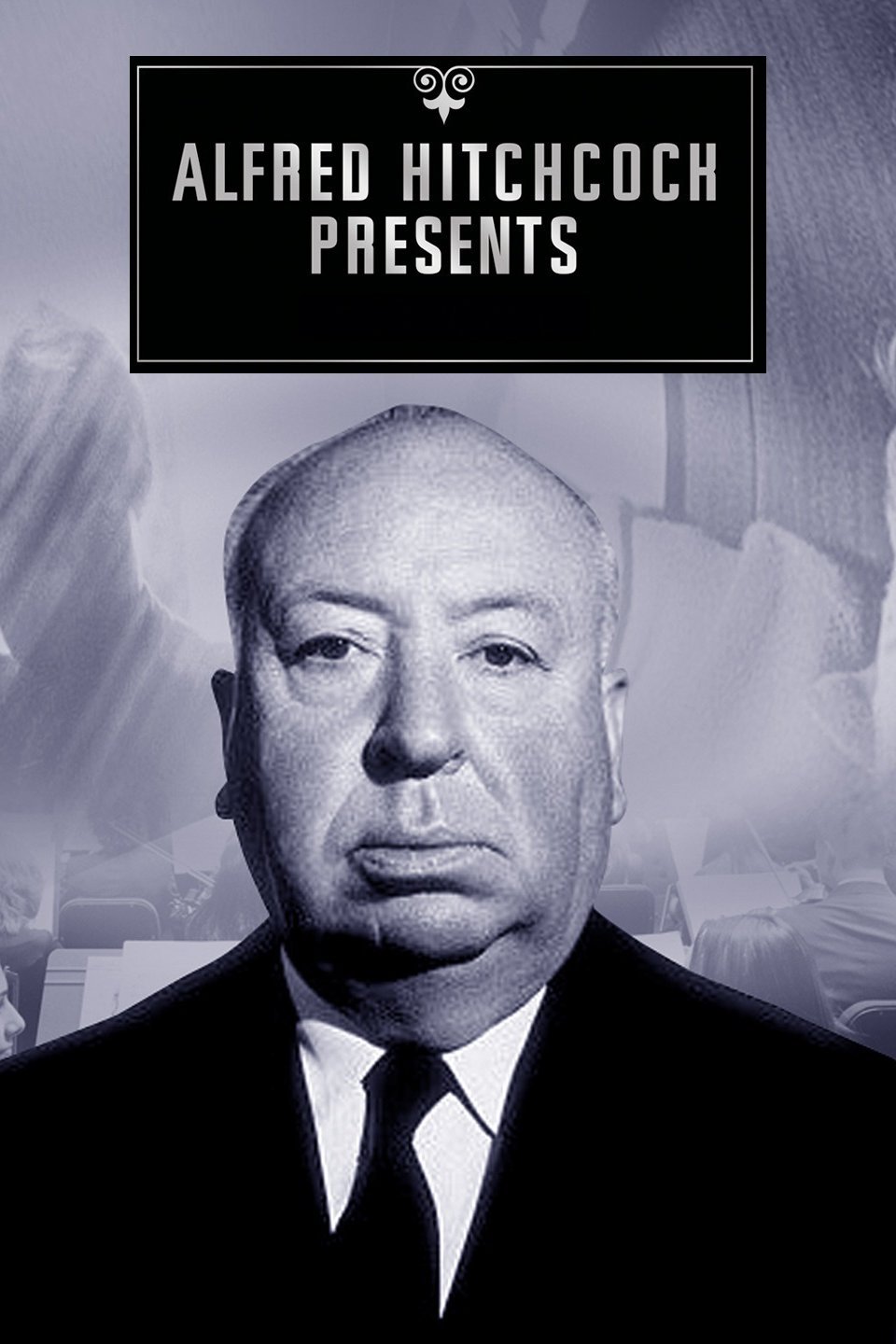
By 1965, Hitchcock was a household name. That was the same year his long-running anthology TV series, Alfred Hitchcock Presents—which began in 1955 and was later renamed The Alfred Hitchcock Hour after episode lengths were stretched from 25- to 50-minute runtimes—came to an end. The series was known for its title sequence featuring a caricature of Hitchcock’s distinctive profile, which was replaced by Hitchcock himself in silhouette. But Hitchcock also appeared after the title sequence to introduce each new story. At least two versions of the opening were shot for every episode: An American opening specifically poked fun at the show’s network advertisers, while Hitchcock usually used the European opening to poke fun at American audiences in general.
7 Alfred Hitchcock literally wrote the encyclopedia entry on how to make movies.
The filmmaker would write (at least part of) the book on the medium that made him famous. Hitchcock personally contributed to writing a portion of the “Motion Pictures, Film Production” entry in the 14th edition of the Encyclopedia Britannica, giving typically cheeky first-hand insight into the fundamentals and technical aspects of filmmaking.
On the practice of moving the camera during a shot, Hitchcock wrote, “it is wrong to suppose, as is all too commonly the case, that the screen of the motion picture lies in the fact that the camera can roam abroad, can go out of the room, for example, to show a taxi arriving. This is not necessarily an advantage and it can so easily be merely dull.”
8. Alfred Hitchcock popularized the MacGuffin.
Even if you don’t know it by name, you know what it is. The MacGuffin is the so-called motivating element that drives a movie’s plot forward. Think: the eponymous statue in The Maltese Falcon, or the briefcase in Pulp Fiction, or the airplane engine plans in Hitch’s own The 39 Steps.
The term was coined by Angus MacPhail (note the prefix in his surname), Hitchcock’s screenwriting collaborator on films like Spellbound and The Man Who Knew Too Much. Even though such plot details were supposed to be important, Hitchcock didn’t seem to think they truly mattered. “The main thing I’ve learned over the years is that the MacGuffin is nothing. I’m convinced of this, but I find it very difficult to prove it to others,” Hitchcock told Truffaut in 1962, highlighting how the audience never finds out why the government secrets (a.k.a. the MacGuffin) in North by Northwest truly matter. “Here, you see,” Hitchcock said, “the MacGuffin has been boiled down to its purest expression: nothing at all!”
9 Alfred Hitchcock scrapped his own documentary about the Holocaust.
Hitch’s films flirted with mentioning the escalating tensions in Europe that would spark World War II, like in the shocking plane crash climax of 1940’s Foreign Correspondent. But the film Hitchcock collaborated on about the explicit horrors of the war would go unseen for decades.
Memory of the Camps, a 1945 documentary filmed by crews who accompanied the Allied armies that liberated those in the Nazi death camps at the end of the war, was stored in a vault in the Imperial War Museum in London until 1985. Originally commissioned by the British Ministry of Information and the American Office of War Information, Hitchcock served as a “treatment advisor” at the behest of his friend Sidney Bernstein, who is the credited director of the film. But the final film was scrapped because it was deemed counterproductive to German postwar reconstruction. The film was put eventually together as an episode of PBS’s FRONTLINE, and aired on May 7, 1985 to mark the 40th anniversary of the liberation of the camps.
10 Alfred Hitchcock didn’t want you to see five of his famous films for decades.
Vertigo may have topped many best-of movie polls, but for over 20 years, between 1961 and 1983, it and four other Hitchcock classics were almost virtually impossible to see. It turns out it was Hitchcock’s fault that Vertigo, Rear Window, Rope, The Trouble with Harry, and The Man Who Knew Too Much were purposefully unavailable to the general public.
The filmmaker personally secured full ownership to the rights of the five films per a contingency clause in the multi-film deal he made with Paramount Pictures in 1953. Eight years after the release of each film, the rights reverted back to Hitchcock, which, in the years before Blu-ray and DVD, seemed like a financially savvy move on Paramount’s part. Three years after Hitch’s death in 1980, Universal Pictures acquired the film rights to all five classics, making them available once again.
11 Alfred Hitchcock didn’t want to work with Jimmy Stewart after Vertigo.
Everyman actor Jimmy Stewart worked with Hitchcock a number of times, including as the nosy, wheelchair-bound photographer in Rear Window, and as the dastardly murderer in the “one-take” film Rope. After Stewart appeared in Vertigo in 1958, the actor prepared to appear in Hitchcock’s follow-up a year later, North by Northwest. But Hitch had other plans.
The director felt that one of the main reasons Vertigo wasn’t more of a smash hit was because of its aging star, and vowed to never use Stewart in any film ever again. Hitch wanted actor Cary Grant instead, and, according to author Marc Eliot’s book, Jimmy Stewart: A Biography, “Hitchcock, as was his nature, did not tell Jimmy there was no way he was going to get North by Northwest.” But when Stewart grew tired of waiting, and took a part in the movie Bell Book and Candle instead, “Hitchcock used that as his excuse, allowing him to diplomatically avoid confronting Jimmy and maintaining their personal friendship, which both valued.”
12 Alfred Hitchcock personally funded Pyscho.

When Hitchcock approached Paramount Pictures—where he was under contract—to put up the money to make Psycho, the studio balked at the salacious story. So Hitchcock financed the movie himself, foregoing his normal salary in exchange for 60 percent ownership of the rights to the film; Paramount agreed to distribute the film. To cut costs even more, the filmmaker enlisted his relatively cheaper Alfred Hitchcock Presents TV crew and shot the film on less pricey black and white film. Hitch’s gamble worked: He reportedly personally earned $6 million from Psycho—about $50 million in today’s dollars.
13 Alfred Hitchcock wouldn’t allow theaters to let anyone—not even the Queen of England—in to see Psycho once it had started.
Psycho (1960) has one of the best twists in movie history—and Hitchcock went to great lengths to not only make sure audiences didn’t spoil that twist, but to make sure they enjoyed the entire movie before the twist. Hitchcock attempted to buy all copies of author Robert Bloch’s source novel to keep the twist under wraps in cities where the movie opened. The promotional rollout of the film was controlled by Hitchcock himself, and he barred stars Janet Leigh and Anthony Perkins from doing interviews about the movie. He also demanded that theaters in New York, Chicago, Boston, and Philadelphia adhere to strict theatrical showtimes and not allow admittance after the movie had started.
Marketing materials for Psycho included lobby cards meant to be prominently displayed with the message, “We won’t allow you to cheat yourself. You must see PSYCHO from the very beginning. Therefore, do not expect to be admitted into the theatre after the start of each performance of the picture. We say no one—and we mean no one—not even the manager’s brother, the President of the United States, or the Queen of England (God bless her)!”
14 Alfred Hitchcock loved movies that were not “Hitchcockian.”
The filmmaker had a habit of screening films in his studio lot office every Wednesday, and his daughter Patricia revealed that one of his favorite films—and, in fact, the last movie he personally screened before his death—was the 1977 Burt Reynolds movie Smokey and the Bandit.
15 Alfred Hitchcock never won a competitive Oscar.
Hitchcock is in the bittersweet class of venerable filmmakers like Stanley Kubrick, Orson Welles, Charlie Chaplin, Ingmar Bergman, and more who never received their industry’s highest honor as Best Director. Hitchcock did get Oscar nominations for directing Rebecca (which took home Best Picture), Lifeboat, Spellbound, Rear Window, and Psycho. But he personally went home empty-handed every time.
When the Academy finally honored him with the Irving G. Thalberg Memorial Award in 1967, his long-time-coming speech was only five words long: “Thank you, very much indeed.”
SOURCE: MENTAL FLOSS
:max_bytes(150000):strip_icc():format(webp)/growing-sunflowers-1402916-hero-bfe74d60029442f9b15ae55e8abd081c.jpg)
Sunflowers (Helianthus annuus) are a treasure of summertime. They typically begin blooming in the mid-summer and can persist into early fall. The flowers, which stretch around 3 to 6 inches across on average, have a broad central disk surrounded by short, yellow petals. Sunflowers grow on a hairy, sturdy, upright stem that can be several feet high. The stems can hold a single flower or be branched with multiple blooms. Rough, hairy, oval to triangular leaves grow along the stem. These flowers are annual, meaning they complete their growth cycle in one year. You should plant them in the spring after the garden soil has warmed to at least 55 degrees Fahrenheit.
Sunflower Care
The only mandatory requirements for sunflowers are a sunny location and well-drained soil. Select an area sheltered from strong winds that might topple these tall plants if possible. It can be helpful to plant sunflowers in groups to support each other against wind and rain. Growers often have to stake their sunflowers, especially the tall varieties, to keep them growing upright. The plants can become very top-heavy when in bloom. Planting sunflowers along a fence is the easiest way to stake them. Bamboo stakes are also strong enough to keep them upright. Use care when inserting the stakes so you don’t damage the plant’s roots.
Sunflowers don’t like to compete with weeds, so keep the garden clean. Mulching around your sunflowers will help maintain soil moisture and weed suppression. Furthermore, wildlife is often attracted to sunflower seedlings. So it’s best to protect seedlings with row covers or screening, removing the cover once the plants are 1 to 2 feet tall.
Light
For the best flowering and sturdiest stems, plant your sunflowers in full sun, meaning at least six hours of direct sunlight per day. Because they are heliotropic (their flower heads follow the sun), ample sun exposure will help sunflowers remain straight rather than bending toward the direction where the light is strongest.
Soil
Sunflowers will grow in almost any soil, including poor, dry soils. However, they thrive in well-drained soil that contains a good amount of organic matter.
Water
Although tolerant of dry conditions, watering sunflowers regularly promotes blooming, as flowering often reduces during periods of drought. Allow the top 1 to 2 inches of soil to dry out between waterings. If your sunflowers are drooping and the soil is dry, that’s often a sign they need more water.
Temperature and Humidity
Optimal temperatures for growing sunflowers are between 70 and 78 F. Still, they tolerate high heat as long as their moisture needs are met. Sunflowers can handle somewhat chilly but sunny environments. They also tolerate high humidity but must have well-draining soil and good air circulation to prevent root rot and other diseases.
Types of Sunflowers
Helianthus annuus ‘Russian Giant’

Helianthus annuus ‘Teddy Bear’

Helianthus annuus ‘Giant Sungold’

Helianthus annuus ‘Autumn Mix’

Helianthus annuus ‘Italian White’

SOURCE: THE SPRUCE

