





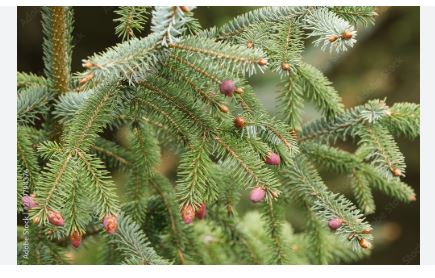
Picea sitchensis, commonly known as the Sitka Spruce, is part of the Picea genus in the Pinaceae family, which includes other conifers like pines, firs, and larches. This species is noted for its tall stature, rapid growth rate, and the quality of its wood. The name “sitchensis” refers to Sitka, Alaska, where this tree was first described to science. It is by far the largest species of spruce and the fifth-largest conifer in the world, and the third-tallest conifer species.
The Sitka Spruce has a native range along the Pacific Coast of North America, stretching from northern California through Oregon, Washington, British Columbia, and into Alaska. It’s particularly dominant in the coastal temperate rainforests where it benefits from the moist, foggy conditions, growing from sea level up to about 3,000 feet in elevation. This range makes it the most widely distributed spruce in western North America.
Historically, Sitka Spruce has been significant for both indigenous peoples and later settlers. Native American tribes used its wood for constructing canoes, homes, and tools due to its strength and lightweight nature. With European settlement, its use expanded significantly, especially for shipbuilding, aircraft construction during World War II (due to its excellent strength-to-weight ratio), and later for musical instruments like guitars and violins because of its resonant qualities. The tree’s ecological importance in the coastal ecosystems, providing habitat for numerous species, has also been recognized, leading to its protection in various natural reserves and parks.
Sitka Spruce is adapted to USDA Hardiness Zones 6 through 8, reflecting its preference for the mild, wet winters and cool summers of its native coastal range. Its lifespan can be quite impressive, often living between 500 to 700 years, with some specimens potentially reaching up to 1,000 years in optimal conditions. This longevity is supported by its ability to grow in harsh, wind-swept environments and its resistance to many diseases that affect other spruces.
Sitka Spruce (Picea sitchensis): Characteristics
Growth Habit: An evergreen conifer that can grow to be one of the tallest trees in the world, reaching heights up to 300 feet with a straight, narrow trunk. Its crown is conical in youth, becoming more irregular with age.

Bark: Young trees have thin, gray bark that becomes thicker, furrowed, and reddish-brown as it matures, providing a protective layer against environmental stresses.
Needles: Features sharp, stiff needles that are approximately 1 to 1.5 inches long, with a glossy, dark green color. They are arranged spirally around the twig, giving the tree a dense, feathery appearance.
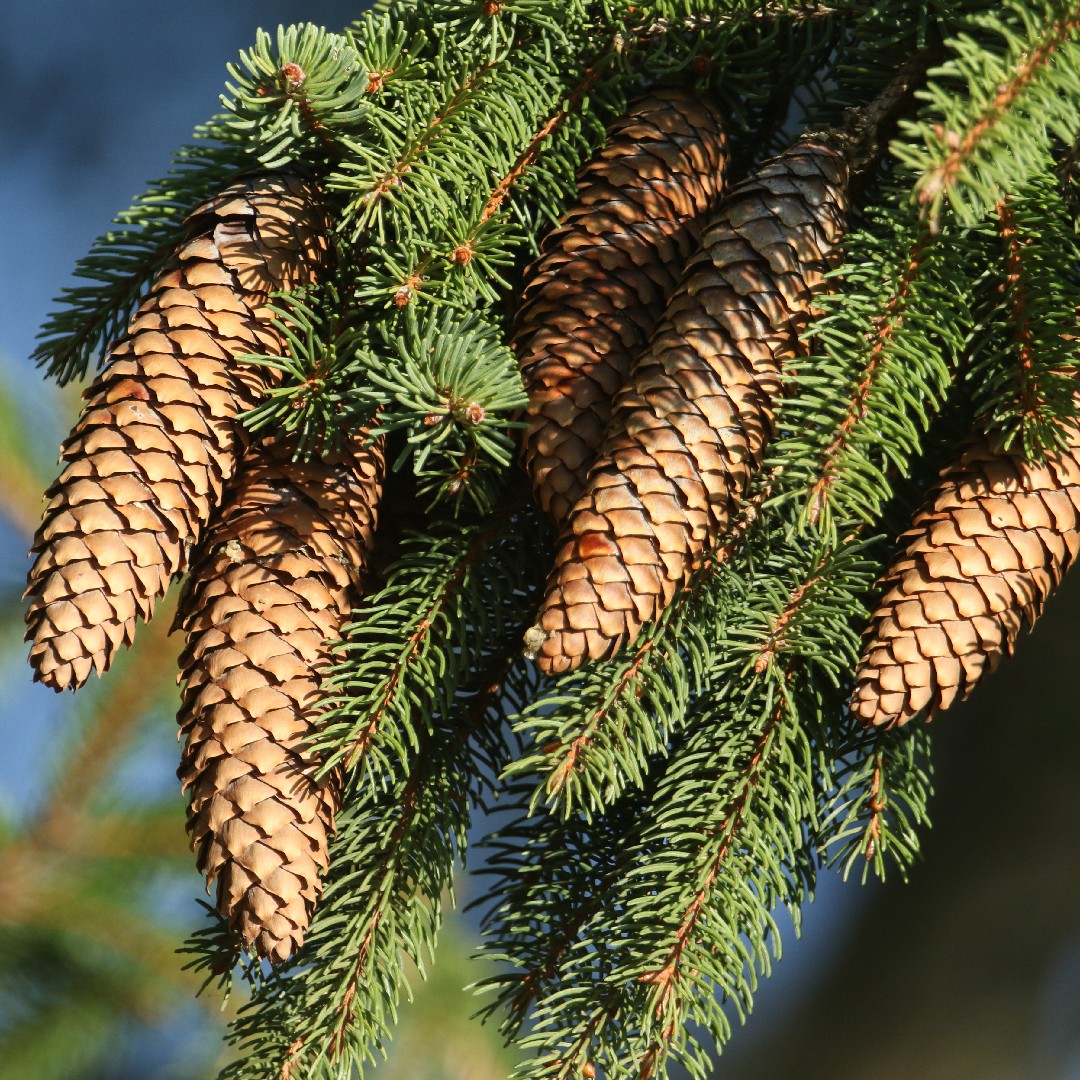
Cones: Produces cylindrical cones that hang down from the branches, typically 2 to 4 inches long. Initially green, they turn brown when ripe, with thin, flexible scales that release winged seeds.
Root System: Develops a strong, deep root system capable of anchoring the tree in the often wet, unstable soils of its coastal habitat, but it can also have superficial roots for nutrient uptake.
Adaptability: Thrives in moist, well-drained soils of coastal regions but can tolerate a variety of soil types, provided there’s adequate moisture. It prefers the cool, humid conditions of its native range.
Growth Rate: Known for its rapid growth, especially in youth, making it one of the faster-growing conifers in its habitat, which is beneficial for reforestation but can pose challenges in managed landscapes.
Wood Quality: The wood is light, strong, and with excellent acoustic properties, making it sought after for musical instruments, aircraft construction, and high-quality lumber.
Ecological Role: Plays a crucial role in coastal ecosystems, providing habitat for wildlife, stabilizing soil, and influencing local microclimates through its canopy’s shade and moisture retention.
Cultural Significance: Historically used by Indigenous peoples for various purposes and later by settlers for shipbuilding and other constructions due to its superior wood quality. Its towering presence has also been a symbol of the Pacific Northwest’s natural grandeur.
SOURCE: AMERICANGARDNER.NET

A rainbow-colored crustacean skitters along the ocean floor, adding a splash of brightness to the murky setting. The animal’s narrow, hard-shelled body sports orange, green, red, and blue hues. Known as the peacock mantis shrimp, this beautiful, seven-inch-long critter looks harmless. But the marine animal packs a punch—literally.
SHRIMP SMACKDOWN
Peacock mantis shrimp mostly live in shallow parts of the Indian and Pacific Oceans. The crustacean spends much of its time looking for crabs and mollusks to eat. When it finds a delicious-looking snack, the animal goes into full-on boxer mode. Springing out one of its club-like front claws, the animal delivers a swift punch to its prey. The punch is 50 times faster than the blink of an eye and strong enough to break glass!
These shrimp also rely on their sparring moves to keep enemies away from burrows in the ocean floor that they use as shelters. Hovering at the opening of its burrow, a peacock mantis shrimp will strike at intruders that come too close.
EYES ON THE PRIZE
:max_bytes(150000):strip_icc()/peacock-mantis-shrimp--odontodactylus-scyllarus--eyes-843437902-5c28bf35c9e77c00010c886a.jpg)
The crustacean has another eye-popping feature in addition to its strong punch. Its eyes—which protrude from its head and move independently—can see in two different directions at once. They can also detect colors that humans are unable to see. It’s easy to be floored by this animal’s cool traits!
SOURCE: NATIONALGEOGRAPHIC.COM

Discovery Cove

Discovery Cove is a one-of-a kind experience where you can interact with bottlenose dolphins, feed tropical birds, play inches from a family of otters and even walk on the Grand Reef floor-all in one day. Between adventures, recharge with unlimited island fare and refreshments. With this all-inclusive experience your family can unwind, explore, learn, and create memories that will last a lifetime.
NASA Kennedy Space Center

Enjoy an out-of-this-world day at Kennedy Space Center Visitor Complex! From the dawn of space exploration to current and ongoing missions, get an up-close, hands-on feel for the story of humans in space, and fuel your quest for inspiration. Learn about space pioneers at Heroes & Legends featuring the U.S. Astronaut Hall of Fame® presented by Boeing® or go behind the gates on the Kennedy Space Center Bus Tour. Stand nose to nose with the Saturn V rocket at the Apollo/Saturn V Center or get an up-close view of Atlantis, the only space shuttle displayed in flight, at Space Shuttle Atlantis
The Wizarding World of Harry Potter at Universal Orlando Resort

Step inside a world where magic is real. Within Universal’s Islands of Adventure™ theme park you can visit the iconic Hogwarts™ castle and explore Hogsmeade™ village. And, at Universal Studios Florida™ theme park, you can enter Diagon Alley™ to enjoy a multi-dimensional thrill ride, magical experiences, and more. Get ready to explore more of Harry Potter’s world than ever before. With a Park-to-Park Ticket, you can board the Hogwarts™ Express* and travel between both Hogsmeade™ in Universal’s Islands of Adventure™ and Diagon Alley™ in Universal Studios Florida™.
McCarthy’s Wildlife Sanctuary

RESERVATIONS REQUIRED! : Eight lush acres of endangered wildlife surrounded by a botanical garden situated in the palmetto and pine forest of West Palm Beach! Over 200 animals from White Tigers to African Lions, Black Leopards, Ligers, Lynx and Amur Leopards seen from just four feet away. You can’t get any closer than this by law! Hands on experiences with alligators, snakes, tarantulas, and who knows what else. You will have to come by and experience it for yourself!
Key West Butterfly and Nature Conservatory

Walk among hundreds of living butterflies and colorful birds! Take a stroll through a tropical paradise… walk through an exotic and inviting environment filled with hundreds of the most beautiful winged creatures in nature –butterflies. During your breathtaking journey, you will experience an impressive collection of flowering plants, cascading waterfalls and trees that set the stage for the “flowers of the sky.” Witness some 50 to 60 different species from around the world, as well as varieties of colorful birds, all under a climate-controlled, glass-enclosed habitat.
SOURCE: TRIPADVISOR.COM

These Carrot Cake Muffins sound yummy!

Ingredients:
1 1/2 cups all-purpose flour
1 tsp baking powder
1/2 tsp baking soda
1 tsp ground cinnamon
1/2 tsp ground nutmeg
1/4 tsp salt
1 large egg
1/2 cup brown sugar, packed
1/4 cup vegetable oil
1 tsp vanilla extract
1 1/2 cups grated carrots (about 2 medium carrots)
1/4 cup chopped walnuts (optional)
1/4 cup raisins (optional)
Instructions:
Preheat your oven to 350°F and line a muffin tin with paper liners.
In a large bowl, whisk together the flour, baking powder, baking soda, cinnamon, nutmeg, and salt.
In another bowl, beat the egg with the brown sugar and oil until smooth. Stir in the vanilla extract.
Gradually add the dry ingredients to the wet mixture and stir until just combined.
Fold in the grated carrots, walnuts, and raisins (if using).
Divide the batter evenly among the muffin cups, filling each about 2/3 full.
Bake for 18-20 minutes, or until a toothpick inserted into the center comes out clean.
Let the muffins cool in the tin for 5 minutes before transferring them to a wire rack to cool completely.
Enjoy!

In honor of the day, I’m bringing my best Peanut Butter Fudge Recipe!

Peanut Butter Fudge
Ingredients
2 cups sugar
⅔ cup milk
2 cups smooth peanut butter
I cup marshmallow creme
1 teaspoon vanilla
Instructions
Line an 8-inch square pan with parchment paper or foil.
Place evaporated milk and sugar in a saucepan. Bring to a boil over medium heat, stirring occasionally and then continue to stir and heat for 5 more minutes. Remove from heat and add peanut butter and marshmallow creme stirring until combined, then add the vanilla.
Quickly pour into the prepared pan and smooth the top with a spatula. Let cool for about 3 hours, then remove from the pan using the edges of the parchment paper and cut into small squares.
ENJOY!

After the chaos of holiday season, the new year means a fresh start. It’s a motivating time to set goals, whether it’s trying a new hobby, eating healthier or getting more organized. If the new year has you re-evaluating your lifestyle, decluttering the house is one way to improve your daily routine — and, professional organizers swear January is the best time to do it.
“January is the perfect time to refresh and reset after the busy holiday season,” says Lindsay Melvin, owner and lead organizer of Orchid Organizing. “I recommend starting with areas that have accumulated post-celebration mess — the kitchen, living room and entryway.” Keep in mind: Starting small, like with a single drawer, will help you avoid getting overwhelmed.
Not sure where to begin? From packing away seasonal decor to purging the pantry, here are the things professional organizers always do around the house in January.
Seasonal decor
As you take down your holiday decorations, assess your collection. Are there items you didn’t use this year that could be given away or donated? Most thrift stores will accept seasonal decor. Once you decide what to purge, “consolidate remaining decor into clearly labeled bins or totes,” says Melvin. If you want holiday decorating to be easier next year, take note from Beata Kozlowski of Tidy Step by Step, who always takes photos of what worked well, so she can easily recreate it.
The kitchen — namely, your fridge and pantry

Over the holidays, you spent a lot of time in the kitchen — cooking and hosting — and chances are, it’s accumulated clutter. “After the influx of holiday treats, pantries and refrigerators can become cluttered with gifts, expired items and half-used ingredients,” says Gretchen Moen, chief clutter cutter of Cut the Clutter. Make room for healthier eating habits in 2026 by streamlining the pantry, fridge and kitchen cabinets. Donate any unopened, unexpired items to your local food pantry. It’s also a great time to check your specialty appliances, utensils and gadgets — give away any unused items.
Expert Tip: “Declutter one drawer or cabinet per day to make the task more manageable.” — Gretchen Moen
The entryway
The entryway is a high-traffic area — especially when you’re hosting, so it can quickly become a catchall for coats, shoes and outdoor gear. “Consider setting up organized drop zones for each member of your family with functional pieces, like benches with storage,” says Victoria Tran, founder of Sorted. Bring in systems for shoe storage, hooks for jackets and sort through piles of mail. “January’s colder weather makes it a great time to organize the entryway, ensuring that coats and shoes are easily accessible,” adds Tonia Tomlin of Sorted Out.
Toys and kids’ items
Your kids probably received a lot of new toys and clothes last month. Get them involved in deciding what to keep and what to purge. “With the ‘one in, one out’ rule in mind, ask your children to consider letting go and donating some of their toys and clothes to make room for the new items they received over the holidays,” says Emily Mass, owner of Spaces by Emily.
Your desk
Returning to work after the holidays can be challenging — but an organized desk can put you more at ease. “A clean workspace can help boost productivity and reduce stress,” says Tomlin. “January is a great time to sort through paperwork, files and office supplies that have piled up throughout the year.”

The new year is an excuse to get your finances in order — especially with tax season coming up. “Winter weather often keeps us indoors, so you have the time,” says Kozlowski. Sort through old doctor bills, tax documents and other financial paperwork, creating organized folders (whether digital or physical).
Digital devices
Once you’ve organized your physical spaces, consider a digital declutter — think emails, photos, apps and cloud storage. “Technology decluttering takes priority this year,” says Kozlowski, who also suggests consolidating streaming services and digital subscriptions.
“Many people start the year by organizing their digital files and emails,” adds Tomlin. “This helps reduce digital clutter, making it easier to find documents and stay organized in a tech-heavy world.”
SOURCE: GOODHOUSEKEEPING.COM
:max_bytes(150000):strip_icc()/longleaf-pine-growing-guide-5213219-hero-61ffb6fa869e4b5eb1a48a1e813a540c.jpg)
With needles 8 to 17 inches long, longleaf pine is the southern pine with the longest needles. The bright green, flexible needles grow in clusters of three at the end of the branches, giving the tree an almost weeping appearance. The spiny, grayish-brown cones are equally large (5 to 12 inches long) and attractive. Both the needles and the cones are used in crafts. The reddish-brown bark has paper-like scales.
Due to their size, longleaf pine is not commonly grown in residential landscapes but it makes an attractive specimen if you have the space. The tree grows slowly and for the first five to seven years, it looks more like a clump of grass than a tree. Various mammals and birds use this native evergreen for food and shelter.
The best time to plant container-grown seedlings is between November and February when there is no frost and the temperature is below 75 degrees F.
Longleaf Pine Care
Here are the main care requirements for growing a longleaf pine:
Plant it in a location with full sun and deep, well-drained, loamy soil.
Water the tree regularly during the first couple of years until it is fully established.
Do not fertilize the tree but keep the areas around it clear so the tree does not have to compete with other plants for water and nutrients.
Pruning off the lower limbs of mature trees is optional.
Light
Longleaf pine is a tree that needs to be planted in full sun to thrive.
Soil
Because of its long taproot, longleaf pine needs deep soil. Sandy loam with good drainage and a pH between 5.0 and 5.5 is ideal.
Water
Young trees need regular watering until they are established. Make sure to keep the area weed-free to avoid competition for water and nutrients. Mature longleaf pine trees are fairly drought-resistant but benefit from occasional watering in periods of dry weather.
Temperature and Humidity
:max_bytes(150000):strip_icc()/longleaf-pine-growing-guide-5213219-05-ea02d0179ab24d878c9e3694c364bc0b.jpg)
Longleaf pine is not winter-hardy below USDA Zone 7. It does well in any climate that is similar to its native habitat with hot, humid summers and mild winters.
Fertilizer
The tree does not require fertilizer and does better without. Instead, scatter a layer of compost around the tree every spring and make sure to keep it free from weeds to avoid competition for nutrients.
Types of Longleaf Pine
No cultivars, varieties, or subspecies of longleaf pine are available. However, longleaf pine tree does sometimes produce natural hybrids with loblolly pine (Pinus taeda) and slash pine (Pinus elliottii).
Pruning
Some homeowners do not like the look of the lower limbs on the trunk of a longleaf pine and prefer to prune them off. If you choose to do this, make your pruning cuts flush with the trunk. You can prune in summer, fall, or winter; avoid pruning in spring, because this is when the sap is flowing. It’s best to remove, at most, a few branches each year, so that you don’t slow down the growth of the plant excessively.
SOURCE: THESPRUCE.COM

Question: What is the main reason frogs croak?
Question: Where are a cricket’s ears located?
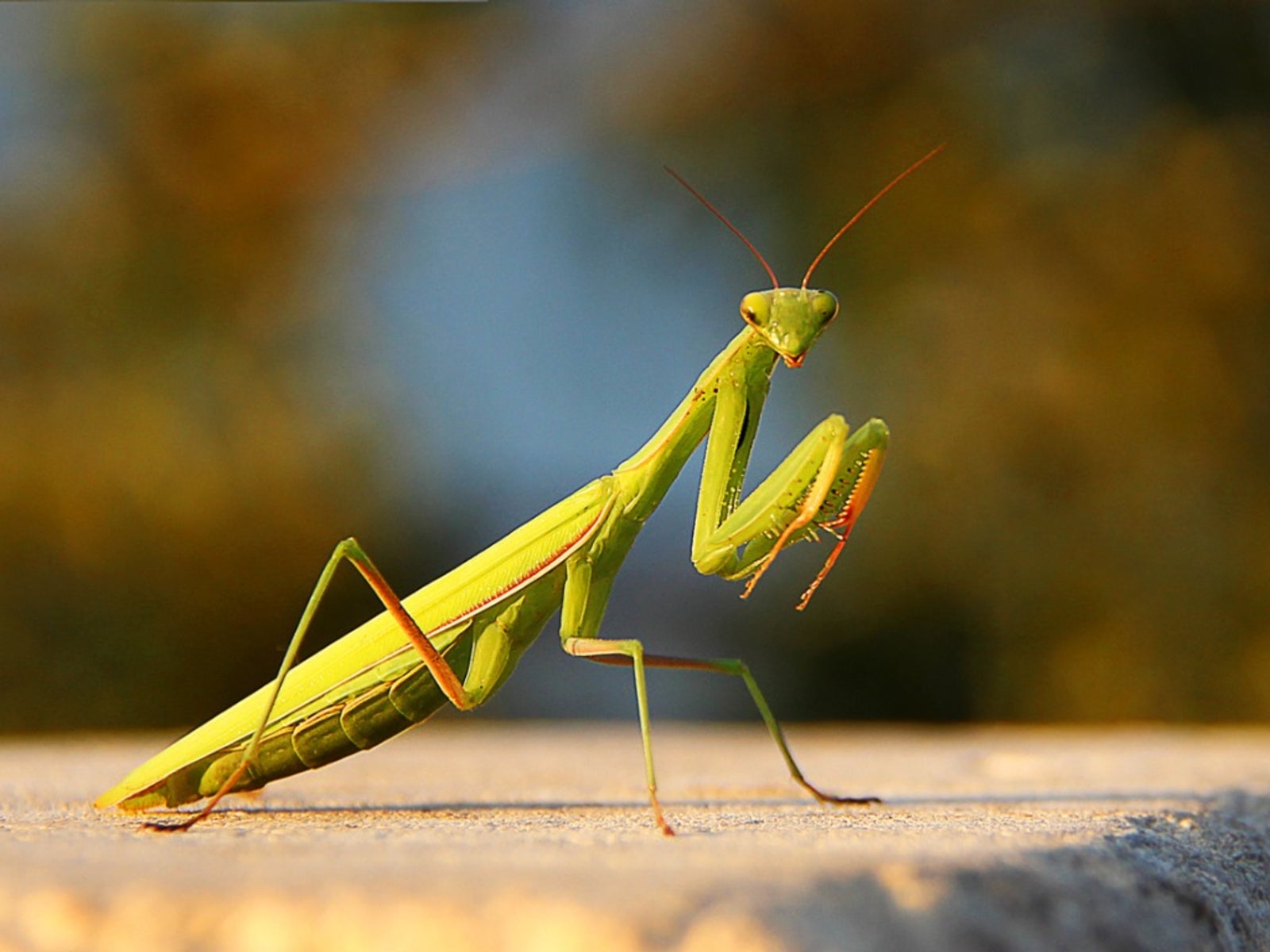
Question: What is the only insect that can turn its head 180 degrees?
Question: What’s the loudest insect in the world?

Question: How many flowers do honey bees have to visit to produce one pound of honey?
Question: What animals have teeth that never stop growing?
Question: What sea creatures have the ability to clone themselves?
Question: What color is a hippo’s sweat?
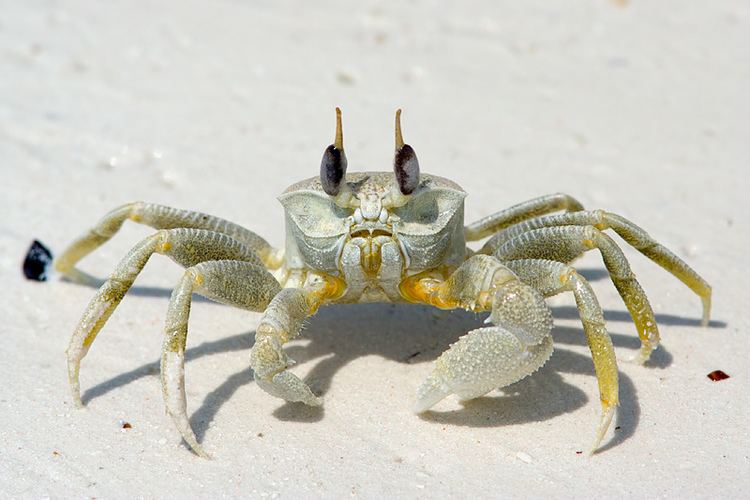
Question: Which crustacean can growl when intimidating its enemies?

Question: Which animal in a pride does the majority of the hunting?
Question: Which animal is known to plant thousands of trees across the world?
Question: Which animal is known for spending 80% of its day sleeping?
Question: What shape do the tails of mating dragonflies make
Question: How many facial expressions can a horse make?

Question: What animal squirts blood from its eyes as a defensive mechanism?
How did you do?

ANSWERS:
To attract a mate
On the tibia of its forelegs
Praying mantis
The African cicada
Two million
Rabbits and rodents (mice, voles, squirrels, chipmunks, hamsters, guinea pigs, gophers, muskrats, beavers and porcupines)
Jellyfish
Red-orange
Ghost crab
The lioness
Squirrel
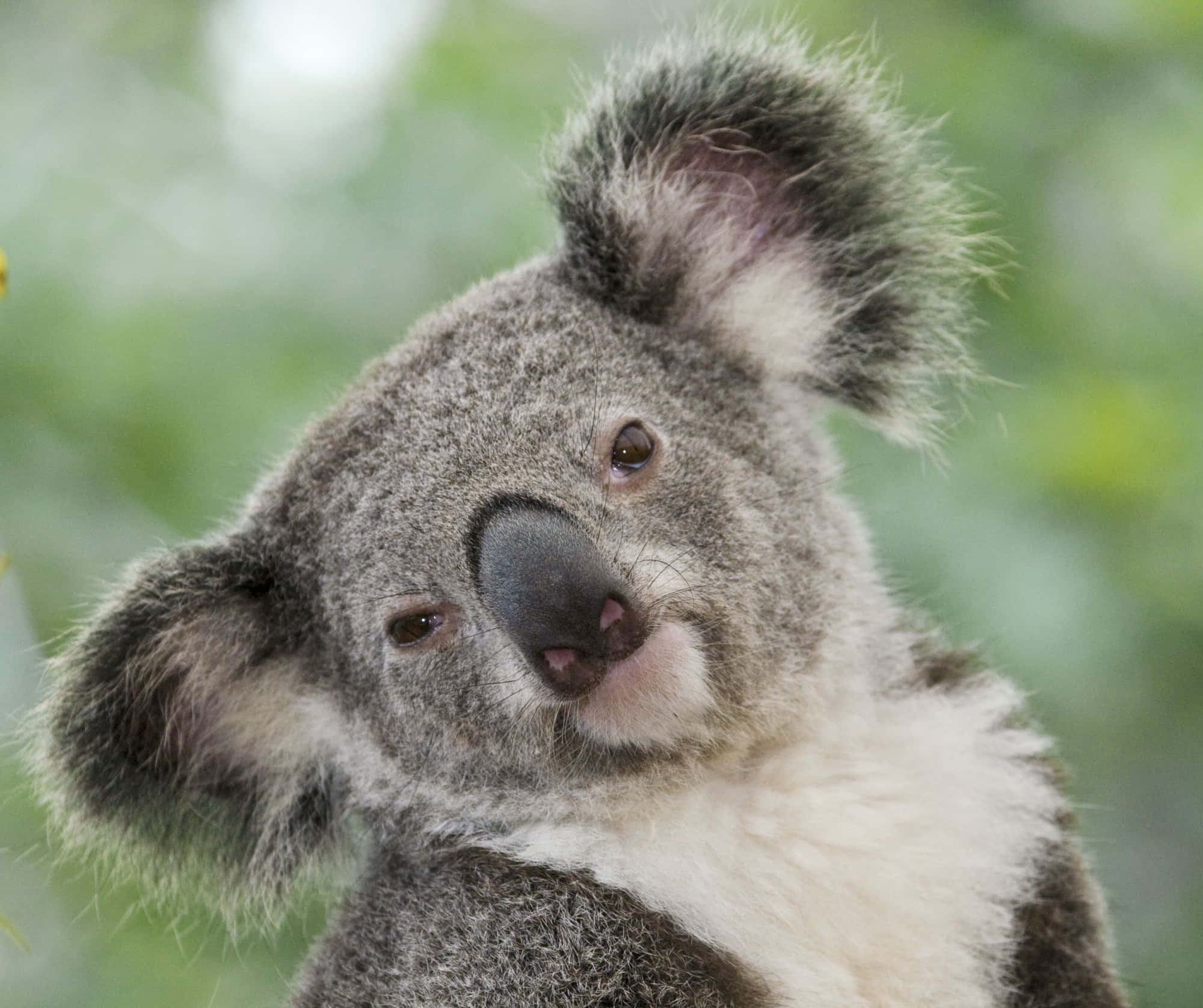
Koala bear
A heart
17
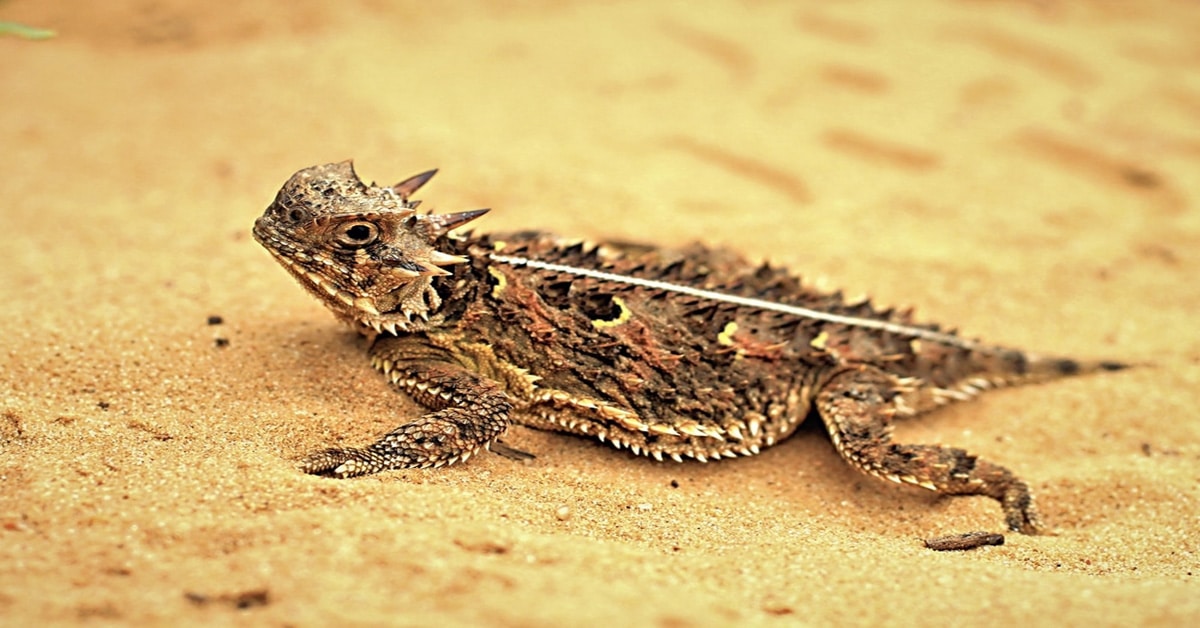
Horned lizard
Till next time…stay sharp!


Did you ever wonder if you’re personality influences your preference for a dog or a cat? I found this article on Happyoodles.com that attempts to explain the correlation.
From Happyoodles:
Have you ever noticed how some people instantly connect over stories of dog rescues, while others bond over sharing memes of hilariously judgmental cats? My sister and I grew up in a home filled with both dogs and cats, but we’ve always had distinct favorites. I’m definitely a dog person—I thrive on their playful energy, unconditional affection, and eagerness for new adventures.
On the other hand, my sister has always gravitated towards cats, appreciating their serene, independent nature. She finds a kindred spirit in their quiet companionship, especially while she’s working. Their calm demeanor and self-sufficient attitude perfectly complement her lifestyle.
Turns out, these pet preferences might reflect more than just our taste in animals—they can reveal deeper insights into our personalities. Scientific studies have backed up this fun theory, suggesting dog lovers and cat lovers really do differ in meaningful ways. Whether you’re team dog, team cat, or find yourself happily in the middle, your choice can say a lot about who you are, how you live, and even how you connect with the world.
Ready to discover what your pet choice says about you? Let’s get started!
Team Dog: The Social Butterflies

If you’ve ever seen someone plan their day around a “pup-date” at the dog park or insist on only visiting places where their canine best friend can tag along, you’ve probably encountered a “dog person.” Dog lovers seem to thrive on social interaction—always up for walks, doggy playdates at the park, or casual chats sparked by the ever-popular question, “Can I pet your dog?”
Science backs up these stereotypes, confirming that dog lovers often display distinct and measurable personality traits. Research by Gosling et al. (2010), involving a survey of over 4,500 participants, found that self-proclaimed dog people consistently scored higher on extroversion, agreeableness, and conscientiousness compared to cat people. This suggests that dog lovers tend to be naturally outgoing, socially engaging, friendly, and responsible—ideal traits for managing the demands of regular walks, playtime, and companionship. Additionally, Lau and Oliva’s (2022) study, which examined Australians living alone during COVID-19 lock downs, revealed that dog owners exhibited greater resilience and experienced lower levels of loneliness, highlighting how these social and emotional strengths benefit dog owners during challenging times.
Even Hollywood highlights this personality type. Just scroll through the Instagram feeds of stars like Jennifer Aniston or Chris Evans, who proudly and regularly showcase their dogs. Whether it’s Jennifer Aniston sharing playful moments with her pups Clyde, Sophie and Chesterfield or Chris Evans posting heartwarming adventures with his beloved rescue dog Dodger, these celebrities exemplify how dog lovers often naturally enjoy connecting and engaging socially.
So, if you’re the person constantly coordinating your plans around your dog’s needs, rest assured: you’re in good company.
Team Cat: The Independent Thinkers

If your ideal evening involves cozy blankets, binge-watching your favorite Netflix series (hello, Rom-Coms), and your cat silently judging your life choices from across the room, you’re likely a true cat person. Cat lovers embrace a different kind of vibe—one that’s a little quieter, slightly mysterious, and unapologetically independent.
Science offers intriguing support for these stereotypes, confirming that cat lovers often have distinctive personality traits. According to the same study as above, Gosling et al. (2010), self-identified cat people typically score higher in openness, reflecting their imaginative, creative, and curious nature. They’re drawn to new ideas, artistic pursuits, and often value independence—qualities that mirror the behavior of their more self-sufficient feline companions.
If you are looking for a pop-culture icon for Team Cat the perfect one is none other than Taylor Swift. The superstar, known almost as much for her beloved cats as for her hit songs, embodies the creative, independent spirit often seen in cat lovers. Her laid-back yet introspective vibe aligns perfectly with the quiet confidence and enigmatic charm of her feline companions—who occasionally steal the spotlight right alongside her.
So if you’re someone who values quiet nights, deep thoughts, and the occasional judgmental stare from your furry roommate, congratulations: you’re in excellent company.
Why Are We Like This? Science Explains
If you are wondering why people have a strong preference for one pet over the other, psychology has some answers. It all starts with something called “The Big Five” personality traits—Extroversion, Agreeableness, Conscientiousness, Neuroticism, and Openness. These five traits help psychologists understand how we relate to the world, ourselves, and even our pets.
The research highlighted above by Gosling and colleagues (2010) found intriguing connections between these traits and pet preferences. Dog lovers tend to be more extroverted (social and outgoing), agreeable (friendly and cooperative), and conscientious (organized and responsible). Cat people, on the other hand, typically score higher in openness (curiosity and creativity).
But your pet preference might not just come down to your personality—it could even be in your DNA. A fascinating study by Fall and colleagues (2019) found evidence suggesting genetic factors may influence whether we’re naturally inclined toward dogs. This means your choice of pet might literally be wired into you, adding another layer of curiosity to the classic dog versus cat debate.
What If You Like Both Cats and Dogs?
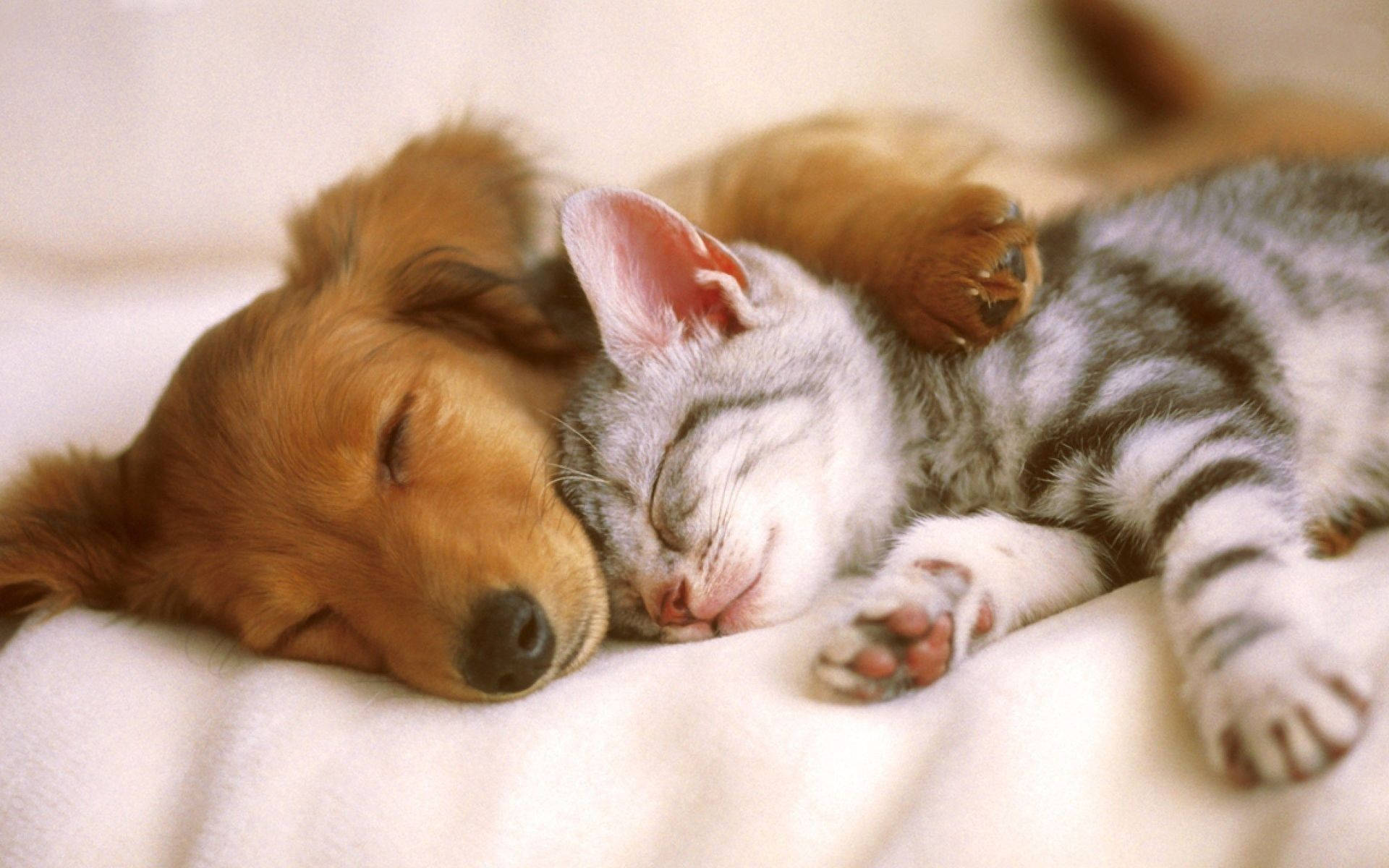
If you’re someone who can’t choose sides in the great dog vs. cat debate you’re likely a member of Team Both. Pet enthusiasts who adore both dogs and cats equally often reflect a unique blend of personality traits from both camps.
Research suggests that people who equally enjoy dogs and cats tend to be more adaptable, open-minded, and balanced in their personalities. They’re comfortable navigating both energetic social settings, typical of dog people, and quiet introspective moments favored by cat lovers. It’s the best of both worlds: you’re just as likely to enjoy an afternoon at the bustling dog park as you are a quiet night curled up at home with a good book and your feline friend.
Ultimately, if you find joy and companionship with both dogs and cats, you probably possess a flexible, balanced personality. After all, why limit yourself to one type of furry companion when you can have the best of both?
SOURCE: HAPPYOODLES.COM
 Sew Colorful